Yun Choi has processed and edited what she
herself calls the residues of the contemporary—images that drift across various
social phenomena. Once removed from their original sources, these fragmentary
images operate with immediacy in her work, traversing social fields such as
popular culture, the city, art, hobby, tradition, and shamanism, and eliciting
multiple registers of perception. While the primary material of Choi’s practice
clearly consists of images drawn from particular phenomena or societies, in her
work they do not remain mere representations.
Instead, they take on force as
images per se—at times even exceeding the phenomena—and move on their own. This
invites us to imagine the complex system of signs by which images function
today and the manifold points at which that system connects with the world. The
“residue,” as the artist puts it, is not a simple byproduct but another reality
that branches out from the world, prompting insight into the conditions and
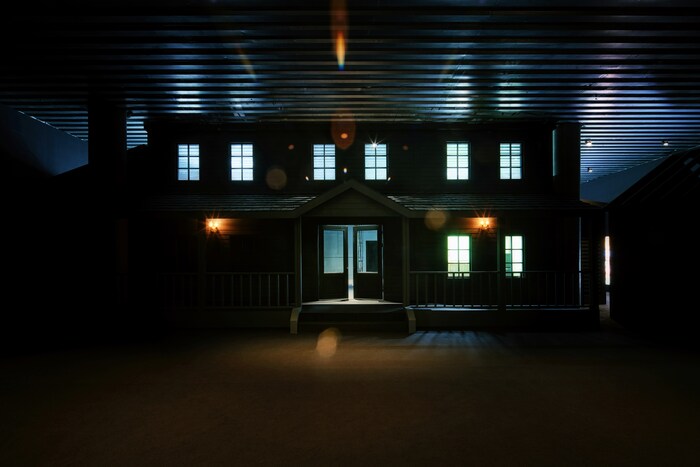
environments that allow it to exist and operate. The exhibition 《Hanaco, Yunyunchoi, Choi
Yun Solo Exhibition》 offered an occasion to trace
precisely this methodology and the ways the residue-image functions within it.
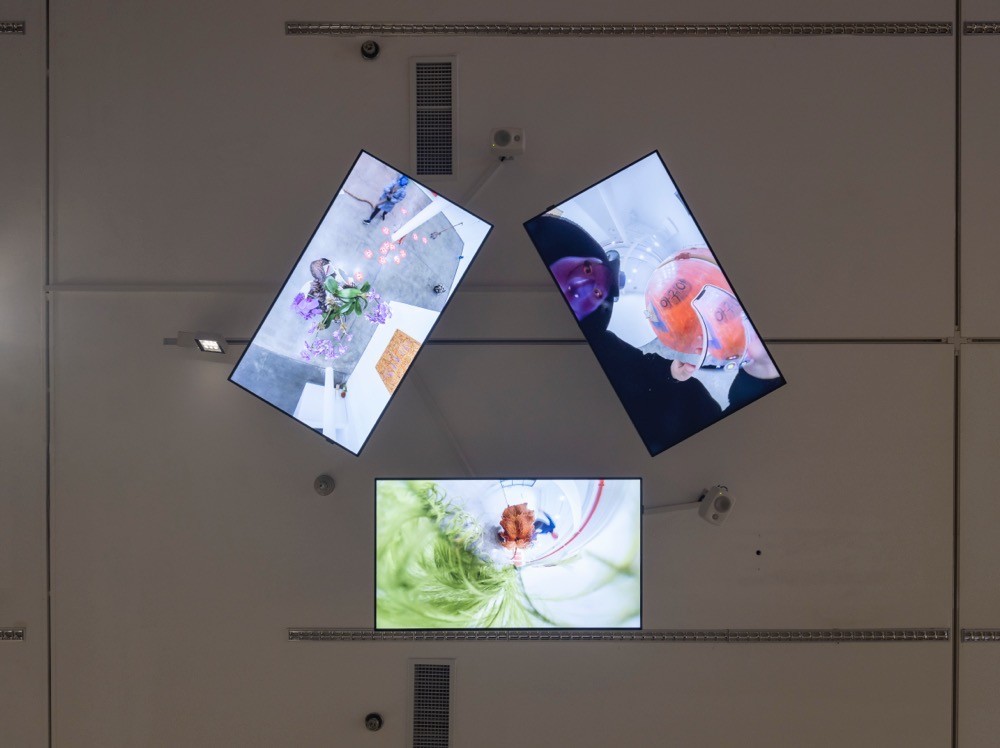
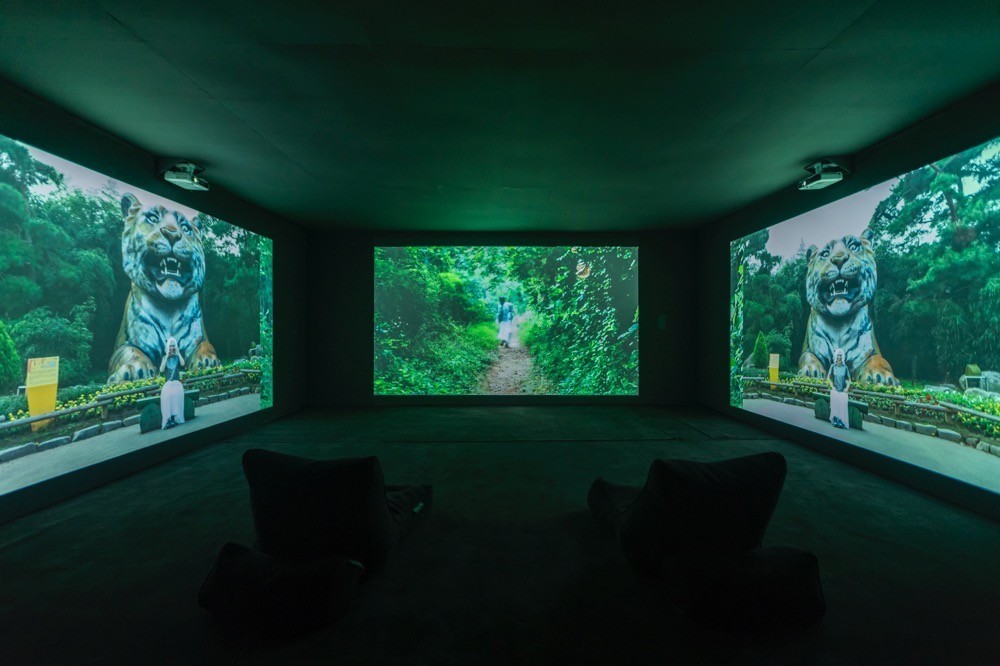
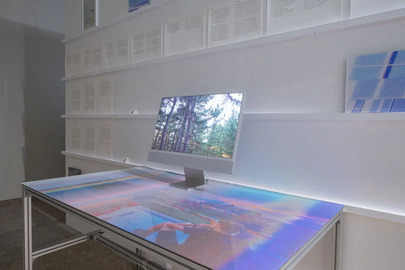
Screened on three channels, Hanaco
and Mr. Kimchi etc. Playback presents a sequence of actions and
movements carried out by the artist as a stance of responding to reality. We
see a string of unidentifiable acts—crawling, running, spinning, throwing,
speaking, shouting—performed on the street, at the Han River, in the museum, in
the city, along the rice paddies. Sustained emptily, playfully, and recklessly,
these raw actions—difficult to categorize as toward anything in particular, or
as mockery or joke—produce a curious misalignment with the sleek surfaces of
the world. As a diction of directness rather than metaphor or representation,
the actions crash into the many issues of Seoul and art alike. Inserted
advertisements punctuate the video, aligning with the grain of the actions
onscreen and adding estrangement and dynamism. Ultimately, the work maintains
the force of the artist’s performative acts as an infiltration into the
workings of reality; within the rifts of collision and misfit, it is sensed as
a route toward the generation of another reality.
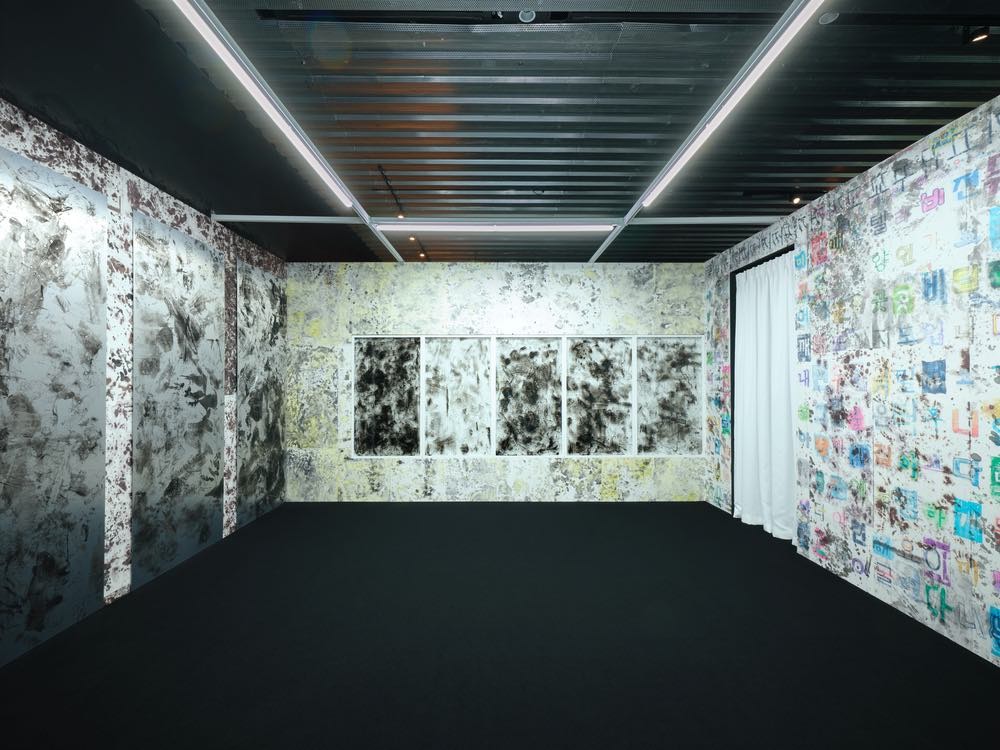
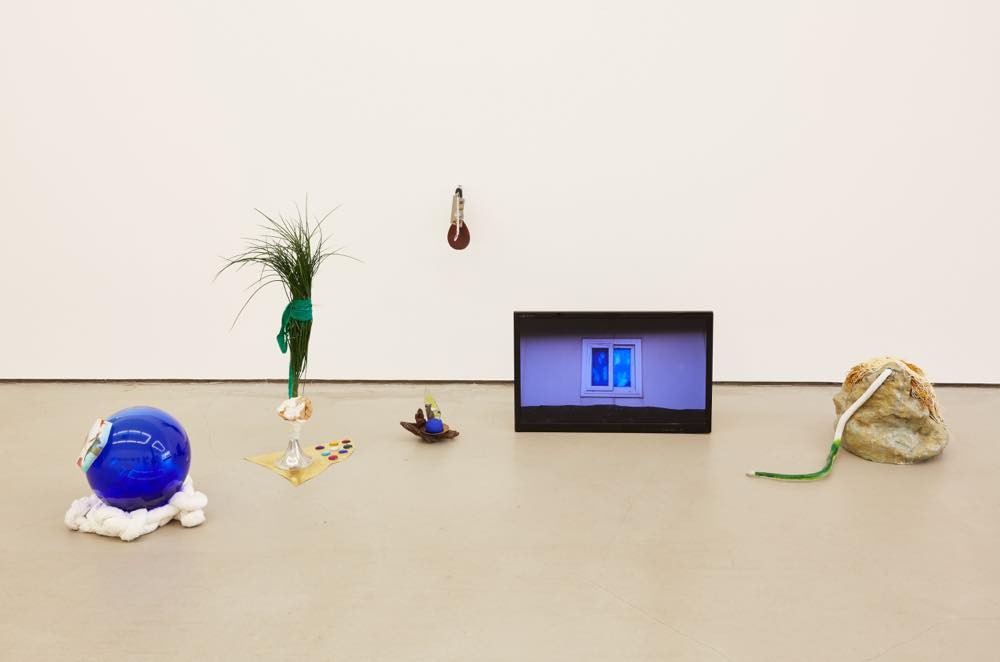
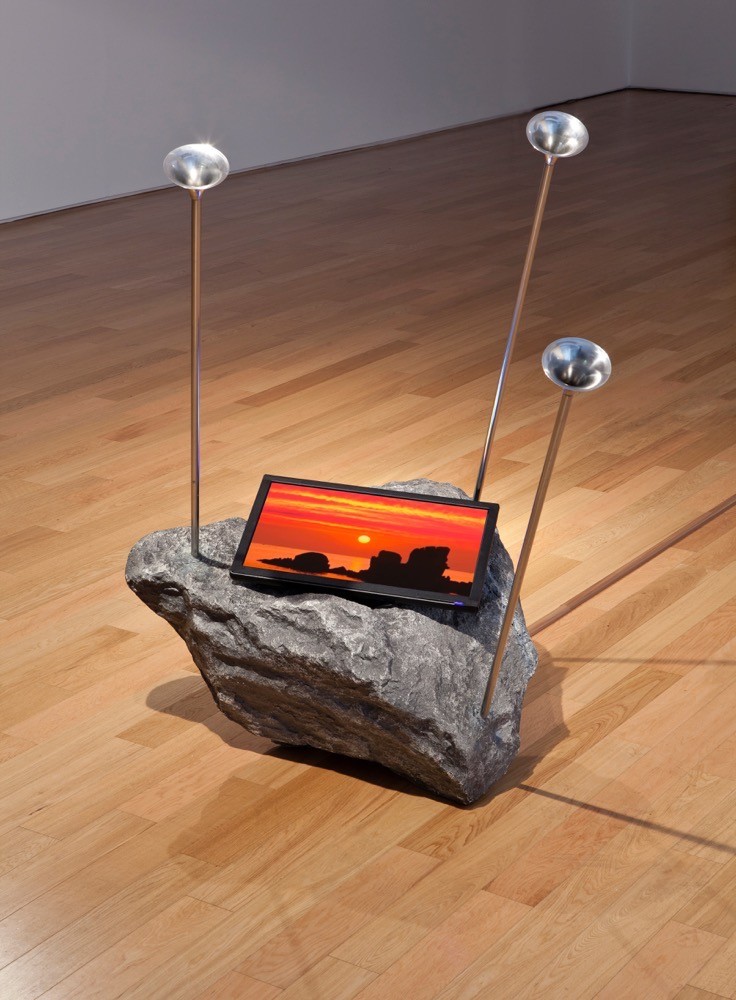
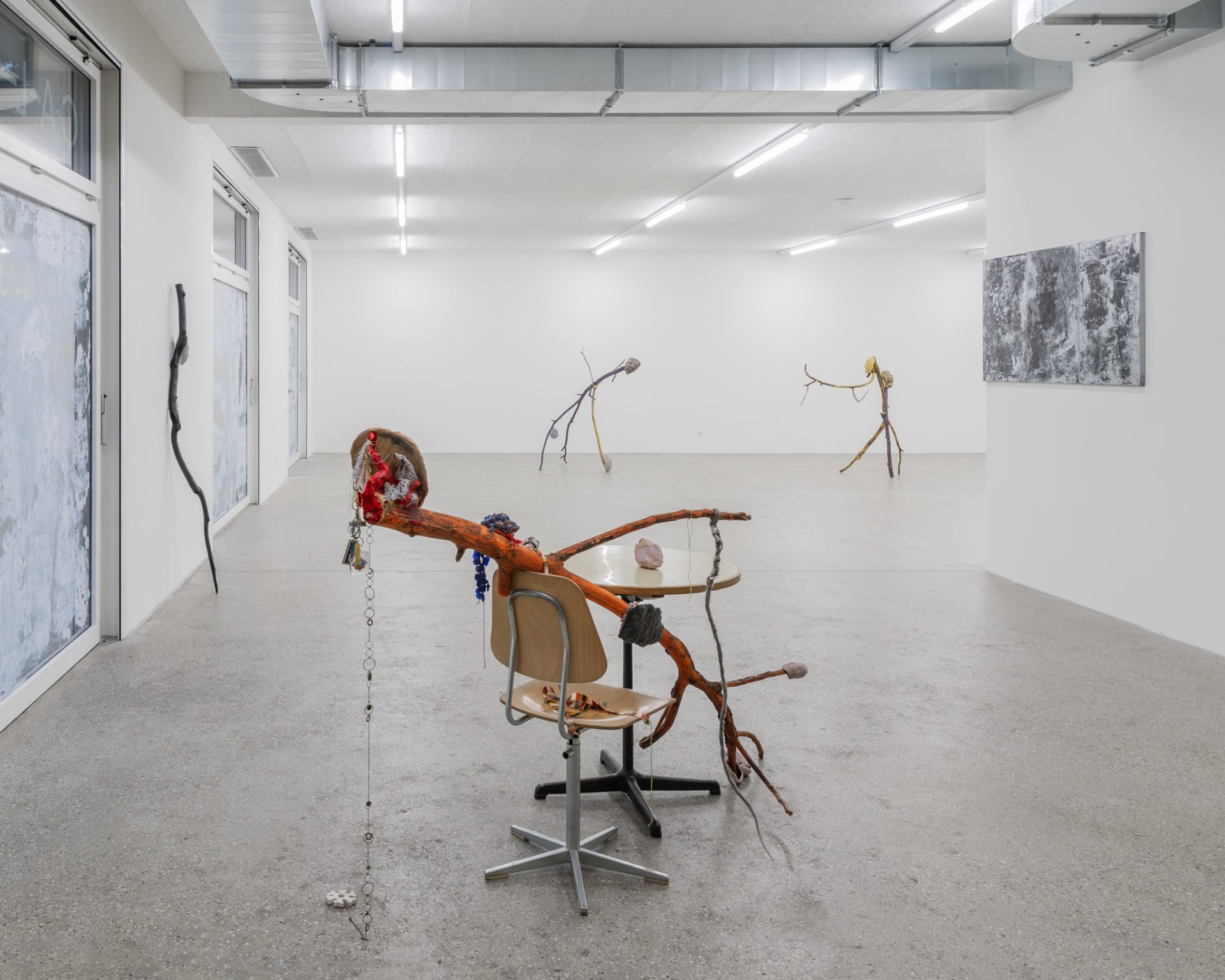
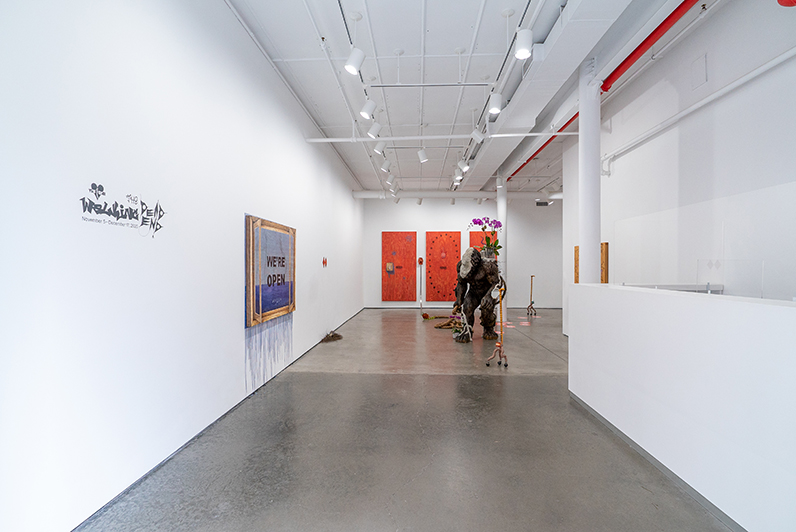
These improvisatory acts expand and become
polyphonic in the exhibition context. Tools and objects that appear in the
video are installed and arrayed in the gallery as Performance
Tools and Residues, while the former “Hanaco” multiplies into one
hundred figures displayed on the wall. In this process—wherein unresolved
actions are transferred and extended into other works—Choi’s long-standing
method of inter-crossing and interfusing works is confirmed. A single object
may perform across multiple pieces; a given work may casually be overlaid onto
another. The works co-present in the exhibition thus share their properties in
a state that resists clean separation. Images and objects do not anchor in
fixed, stable entities; rather, they glide across multiple trajectories,
intersecting and proliferating. The exhibitionary landscape produced by these
aggregations and disaggregations of images resembles that of reality itself.
Freed from a fixed center, the image does not mimic the scene of reality but
reproduces reality in and as itself.
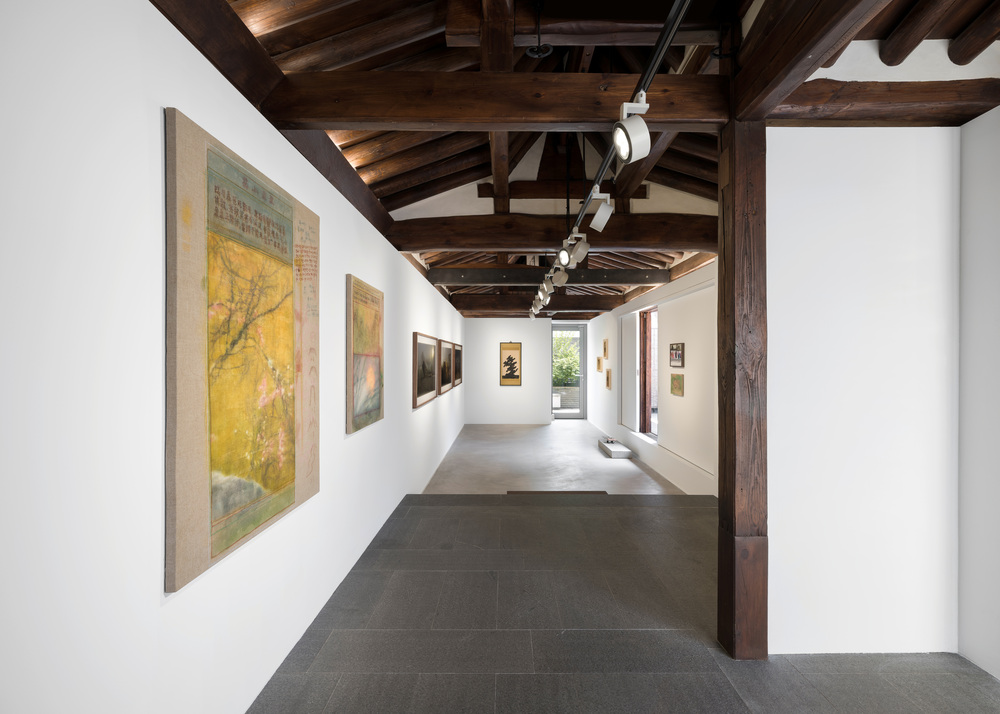
Through the three personae of Hanaco,
Yunyunchoi, and Choi Yun, the artist asks what sort of reality her practice
cultivates and how it layers perception. In the exhibition, “Hanaco” is an
anonymous figure who executes the actions seen in the videos; “Yunyunchoi” is
configured as the agent of image production and operation; and the
artist—namely, Choi Yun—adds new residues throughout the gallery, juxtaposing
them with “residues of residues” such as the “SS Series.”
The act of adding
residue to residue to residue, and producing residue anew, reads as a testimony
by the artist that her practice ultimately constitutes an endlessly repeating,
intersecting, and expanding field of action and image. It is as if she were
saying that the image is not a mere accessory to a given phenomenon or concept
but a clear referent and measure for the phenomenon itself. Like a hanbok-clad
robot greeting visitors among hanbok-wearing passersby, or a Windows OS
erupting across a sunflower desktop, Choi’s exhibition oscillates between the
image as sample and the totality to which it belongs. In doing so, this
oscillation pushes itself outside its own world, confronting the infinity of
the world.
—Excerpted from Public Art, November
2017 issue