Artist Kim Shinwook visited Loch Ness several times to photograph the Loch Ness Monster, or ‘Nessie’. Living in London, it was something he was able to do. Yet even from London, Loch Ness is not an easy place to get to. If you look at a map of the UK, just shy of the 57th parallel north lies a town called Inverness. This is where you’ll find Loch Ness. If you think that Pungseo, North Hamgyong Province (the northernmost part of the Korean Peninsula) reaches only the 43rd parallel, we can see that Loch Ness really is very far north. Loch Ness takes ten hours from London by car. The roads are narrow and winding, usually with no hard shoulder. Let’s not forget that they drive on the other side of the road, too.
This is where Kim Shinwook visited several times to photograph Nessie. And do you think that because he’d visited, Nessie would just pop her head out of the water, as if to say ‘Go on, take a photo of me’, just like she did in that famous black-and-white picture? This is where the answer gets messy. Does the monster really exist? If so, what form does it take? And in order to discover the monster, it needs to actually be right there, in its true form. There are countless rumours of people saying they’ve seen Nessie, and numerous photographs, all smelling strongly of forgeries, which claim to be evidence.
But yet, the meaning of photographing the monster is unclear to begin with. By that I mean, in photographing Nessie are we photographing a monster? Are we photographing the idea that monsters do not exist? Or are we photographing the evidence put forward by those who believe in monsters? The confusion starts here. Regardless, to know whether there is a monster, or there is a fabrication, or whether the fact of a fabrication existing is there, you need to take your camera to the scene itself.
Kim Shinwook confronts the fabrication known as with his real-life tool – his camera. This attempt is as absurd as trying to confirm the existence of evil spirits by looking through a microscope. Yet humans are not always rational beings. After all, our lives are an inseparable mix of dreams, fabrication, and reality. That is exactly the condition of Nessie.
If you ask people across the world whether dragons exist, most will say that they don’t. However, within the Chinese character cultural sphere – China, Korea, Japan, and so on – there are many people, such as Lee Sangyong (also known as ‘Popeye’), football player Lee Chung-yong, actor Lee Soryong (otherwise known as Bruce Lee), who have the Chinese character meaning ‘dragon’ (龍) in their names. In , there are numbers of places, such as Yongsan and Yongmun High School, which contain the ‘yong’ character. In front of the main entrance to a university in Heukseok-dong is a bronze fountain of a dragon, and in Hong Kong they hold a festival where people wear dragon masks.
At this point, can we say that dragons don’t exist? Dragons exist as written characters, as sculptures, and as festival names. Thus, they exist as symbols, as objects, and as societal rituals. The Loch Ness monster, Nessie, is no different. In Korea, though interest in Nessie has now largely disappeared, most people will at least recognise the name. Given that Loch Ness is in a far, out-of-the-way place that takes ten hours by car from London, there won’t be many British people who’ve visited, either. The fact that the monster’s story has spread quite as far as Korea demonstrates the impressiveness of Nessie’s power. Whether fact or fabrication, Nessie is quite clearly alive. Just like the saying, Elvis isn’t dead. So, we can take photos. If only we could find her.
The Loch Ness Monster exists as follows. She first appeared in one blurred black-and-white photograph, existing now as an image in a variety of products, as comic book characters, and as people’s imaginings. Fabrication exists across so many dimensions that it appears almost like reality. Thus, we can take pictures. The reason we can photograph Nessie is her realness. Meaning, there is something that appears before us, and so we can photograph it. The legend of Nessie has its own history and origins. Conmen Christian Spurling and Robert Kenneth Wilson made a model that looked like a monster and photographed it underwater.
They announced that the photo they had taken was of a monster, and thus Nessie was born into the world. At the time, this was the only image of Nessie, but Nessie’s origins existed in many imaginations, as people went to great efforts either to find her, or to create a monster. The origin of these imaginings can be traced back to the 7th Century. At the time, people believed that beings known as ‘kelpies’ lived in Loch Ness. Though in the West this is said to be a hoax, popular media is abounding with books and films of all types that have kelpies as their subject. The abominable snowman and UFOs represent some of the world’s most well-known hoaxes. Nessie is also one of these.
Even so, countless people have put in great effort to prove Nessie’s existence (or her non-existence) – this tells us that Nessie is not simply a fabrication. Even the BBC used sonar technology across the whole 36-kilometre length of Loch Ness in order to confirm her existence (or non-existence). If Nessie really was fiction, mobilising people to perform such an arduous task would have been completely in vain. Just as how, even though the blowing wind is not something we can see, this does not mean it is a fabrication.
Nessie pushes her existence in our direction across two dimensions. The first is money. The sale of goods, such as Nessie souvenirs, brings an economic revenue amounting to around forty million pounds a year– Nessie is a reality we cannot simply conclude as fabrication. Is there anything in our world more real or tangible than money? But Nessie pushes through yet another dimension, even more powerful than money – the power of empire.
Regardless of whether or not Nessie herself is a fabrication, the fact that Nessie is known in Korea, is not. But are Korean legends and old stories known within the UK? Are there British people who know the legend of Kumiho or the Tale of Sim Cheong? Probably not. It is no different from how we are unaware of the folklore of Bangladesh. But how exactly did we come to know the fabricated legend of Nessie from the British countryside?
The UK once held a commanding empire across the globe. The countries under its control came to know everything about the empire, right to its core. These days, the absurdity of Korean people’s intense fondness for Union Jack-printed blankets and pillows, or putting Union Jack stickers on their car bumpers for no reason – this speaks to us the power of empire. From Queen Elizabeth to rock groups Queen and the Rolling Stones, Rolls Royce cars, Buckingham Palace, Big Ben… We as Koreans are all familiar with these things.
To quote modern lingo – TMI (too much information, used in Korean to refer specifically to knowledge that we have no use for) – that we have come to learn these details is embedded in the empire’s domination of the world. The empire makes its prestige known to the furthest corners of its territories, and makes these territories submit. We can confirm this through Roland Barthes eyes, as he reads the power of the empire through the cover of one issue of Paris Match.
‘I am at the barber’s, and a copy of Paris Match is offered to me. On the cover, a [black boy] in a French uniform is saluting, with his eyes uplifted, probably fixed on a fold of the tricolour. All this is the meaning of the picture. But, whether naively or not, I see very well what it signifies to me: that France is a great Empire, that all her sons, without any colour discrimination, faithfully serve under her flag, and that there is no better answer to the detractors of an alleged colonialism than the zeal shown by this [black boy] in serving his so-called oppressors.’ (Roland Barthes, Mythologies, 1997, p. 274)
If Roland Barthes was able to read the power of empire in a mere photograph on a magazine, we can read this same power in Nessie. The United Kingdom, which once commanded territories across the whole world, exported countless legends and fabrications – their territories took these legends word-for-word as legendary. There is a huge quantitative imbalance here in the narrative. Just as Korea has imported a huge volume of books from abroad, while the export of Korean books has remained trivial – even the most minor legends and stories from the West have come into Korea in a huge way, while Korea’s stories have hardly been made known at all.
A representative example of this is the story we were told at school, of the honourable young man from the Netherlands. In the Netherlands, much of the land lies below sea level, and there are numerous embankments to keep the water from overflowing. One day, the young man notices a small hole in one of the embankments, and blocks it with his fist. However, as more and more water flows, the hole grows bigger and bigger – it is a moving story of bravery, of a boy who eventually drowns in order to save his country.
The story is a lie, but what is fascinating is that people in the Netherlands are aware that this fabricated story is known in Korea as a legend of a young Dutch boy’s patriotism. The fabrication travelled all the way around the globe, back to its home country. The Dutch people knew it was a fabrication, yet the Korean people did not.
There are endless fabricated tales of figures from the western imperial powers – Newton watching the apple fall and discovering the law of universal gravitation, Galileo Galilei dropping an iron ball from the Leaning Tower of Pisa to test gravity, Marie-Antoinette saying ‘Let them eat cake!’ These are all lies. Yet their power is not a fabrication. All the while we believe and follow even fabrication as truth, we are serving the Empire.
If it weren’t for the UK’s status as empire, how could that story of a monster in that faraway countryside lake have reached us all the way in Korea? Hidden behind the plain and dreary-looking scenery of Loch Ness and the cute Nessie souvenirs captured by Kim Shinwook’s photographs is the power of empire – showing its unseen strength. The empire has fallen, but the legend lives on. Even if Nessie is a fabrication, the power to bring that fabrication to us is very real.
If we are to face up to the empire’s fabrications, we need to have the same guts that the empire does. The most level-headed assessment of the Nessie photograph was given by yet another imperial power – America. In the mid-1990s, an advertisement for Kodak Film appeared in the magazine American Photo; the photo they used was of Nessie (unfortunately I have no information as to the year or month in which this issue was printed).
If I try to jog my memory from long ago and reconstruct the copy, it was something like, ‘People see a monster in this image; but to Kodak, all we see is a photo taken with incorrect exposure, film poorly developed – nothing more than a failure.’ The fascinating thing was that this advert had no interest in the Loch Ness monster. For Kodak, they didn’t see a monster, or a fabrication, just a complete mess of a photo. That is the most accurate true substance of Nessie. A fake image taken by some nutcase in 1934.
If we take a closer look at the photo, just as Kodak did, we can get some idea of Nessie’s real substance. In the photo, a gentle wave is forming; if we say that the height of the wave is at most, 10cm, we can calculate that, proportionally, the monster is a little over 1m in size. If we think of things of around that size that existing in water, there are large catfish, as well as eels. But given the fact that there is almost no aquatic life in Loch Ness, the likelihood of such creatures living there is incredibly low. 1m is a bit small for a monster, too.
In an article that Kim Shinwook gathered from an unknown source, it was said that in 1930 a catfish fry around 184cm long was discovered, but if we consider the growth rate of a catfish, a fry of this size could grow up to 30m. Yet the size of the monster in the photograph is vastly different from 30m. Not only is this photo a forgery, even if it was a photograph of something real, it is still very far from a monster.
But what is it about monsters that has made them the object of so much delusion and interest? That fact itself is monstrous. ‘Monster’ is a collective name given to an undefined being. Things that are somehow scary, big, and creepy, are given the name ‘monster’. Impossible to determine whether animal or plant, animate or inanimate, good or evil, big or small, from earth or outer space – this is what a monster is. An existence labelled definitively ‘wicked’, such as a serial killer, for example – this is not what a monster is.
A monster cannot be defined, and thus presents confusion. This is a more fundamental emotion than fear. It is an existence outside of language, or beyond the bounds of recognition, and that’s why it brings confusion. But people’s attitude towards Nessie is closer to affection than to confusion. There are all sorts of cute mascots and cartoons. Have people, finding it difficult to deal with the real Loch Ness Monster, simply reduced it into something cute and small?
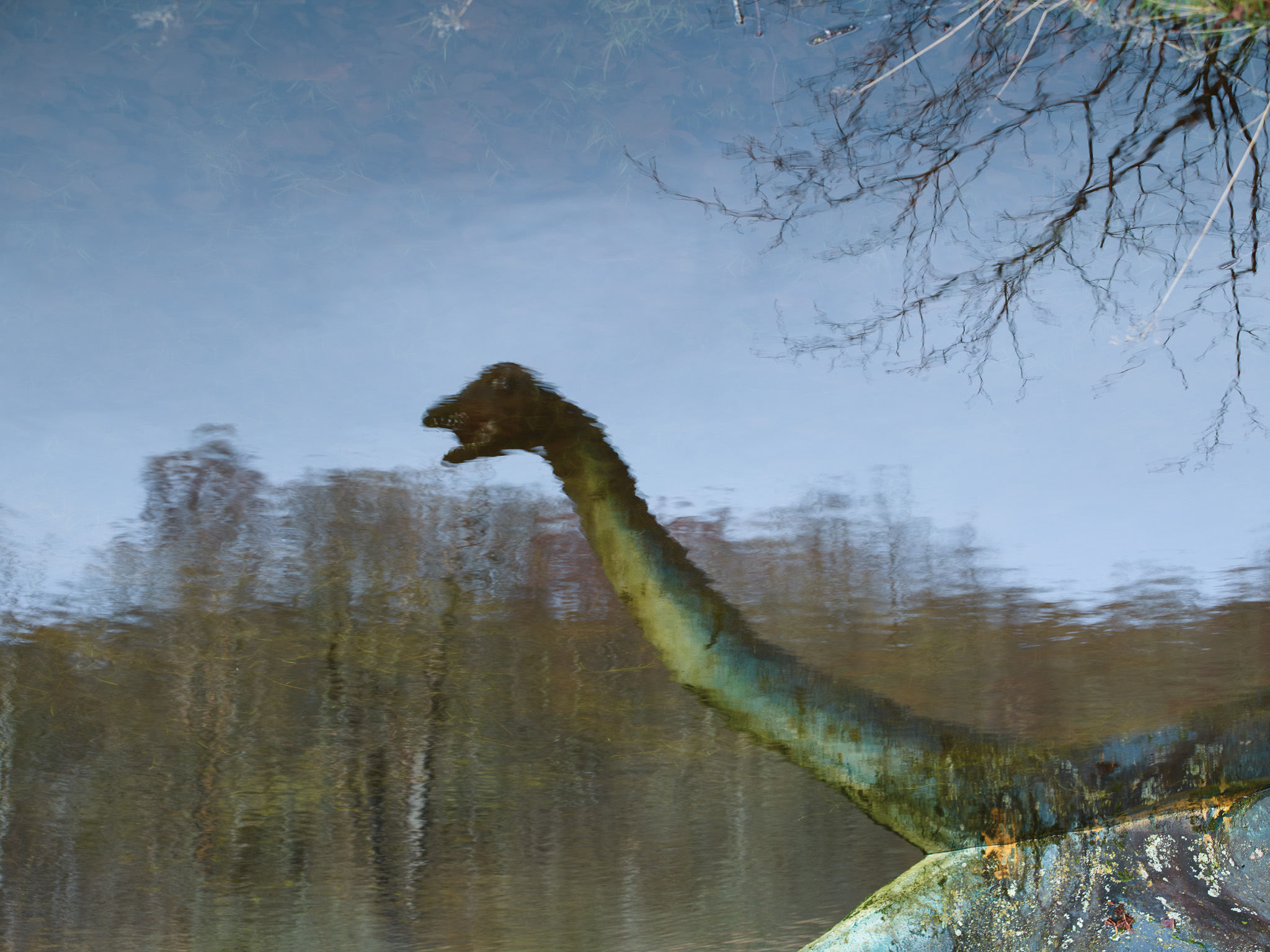
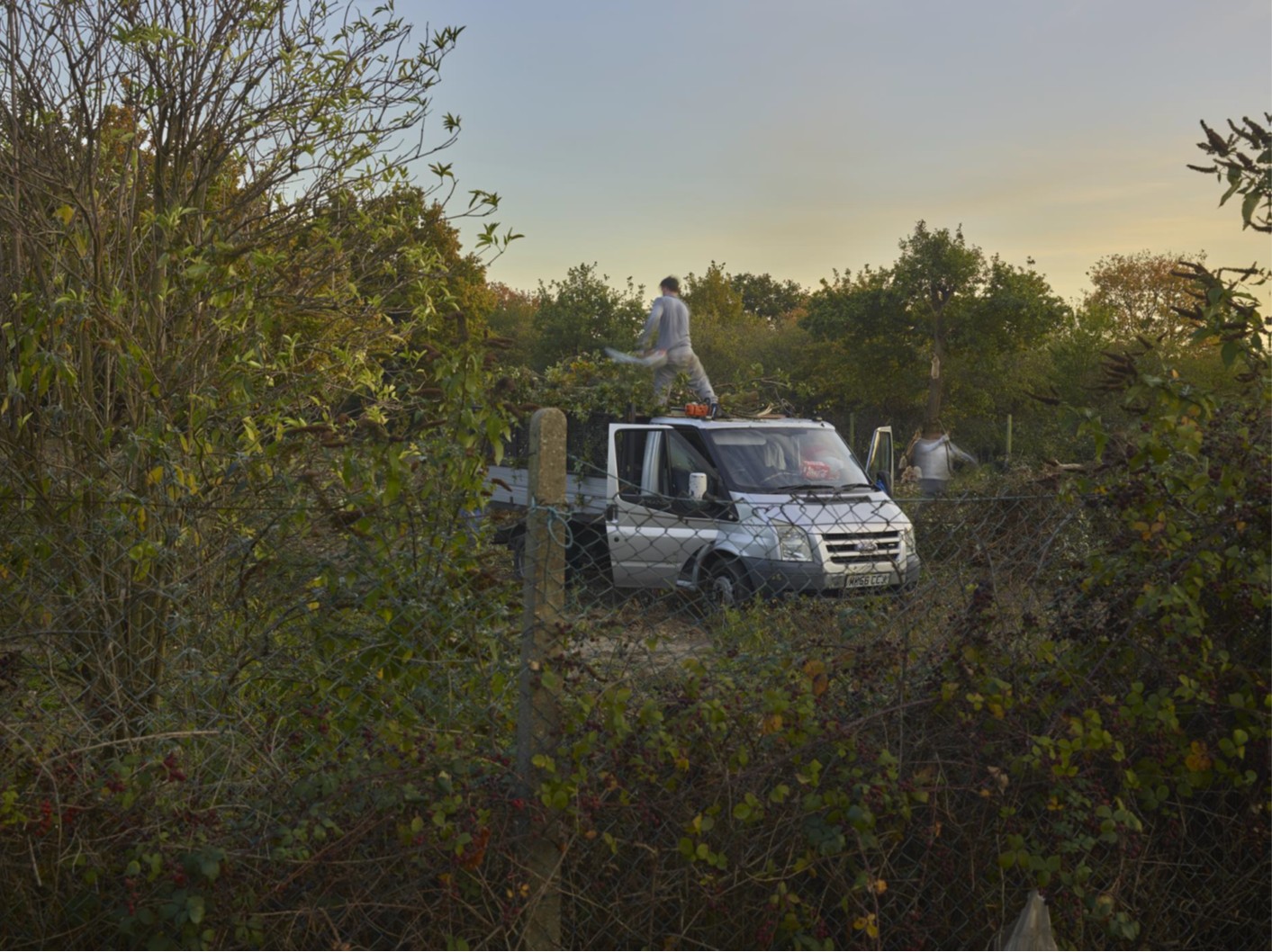
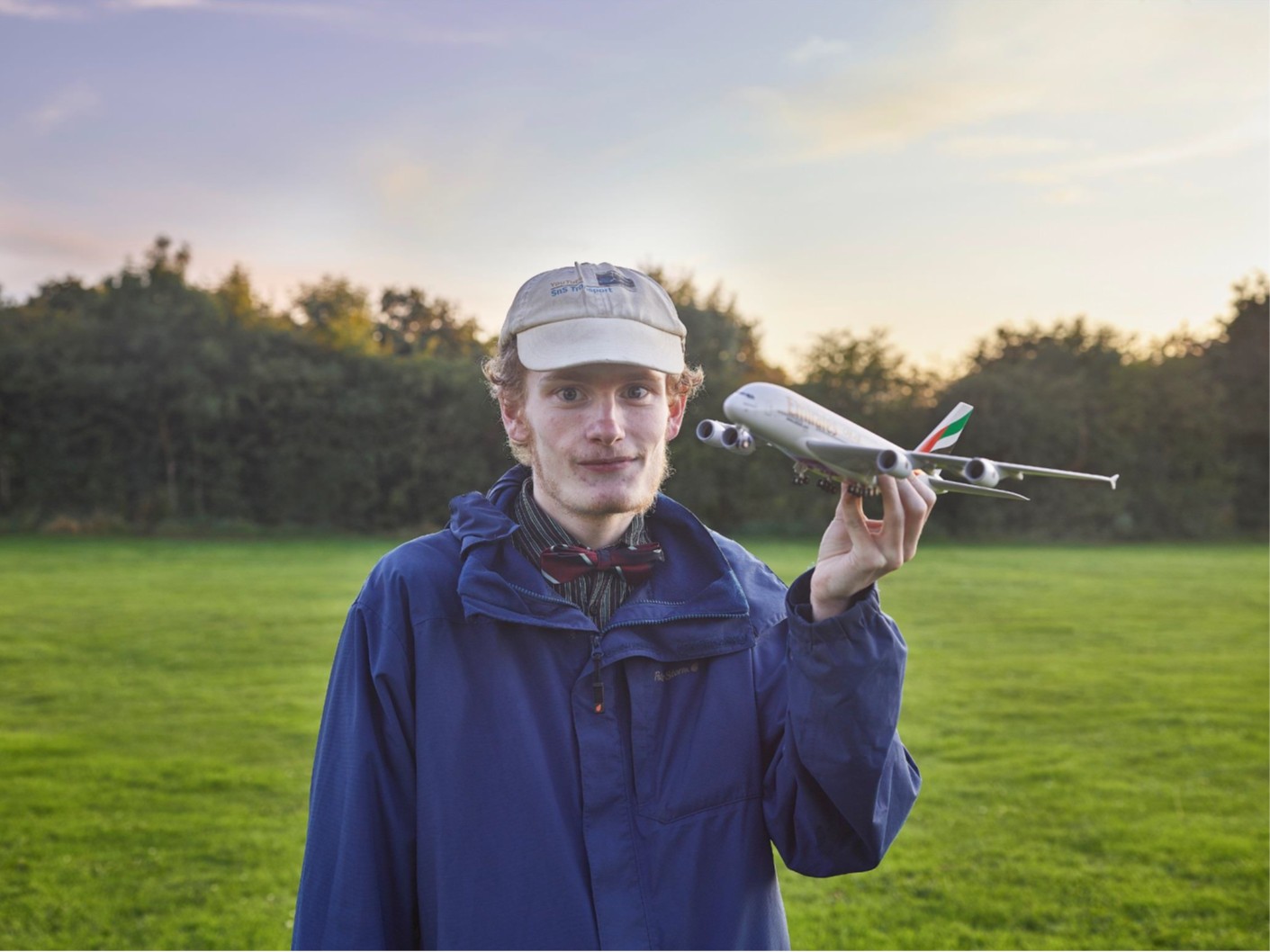
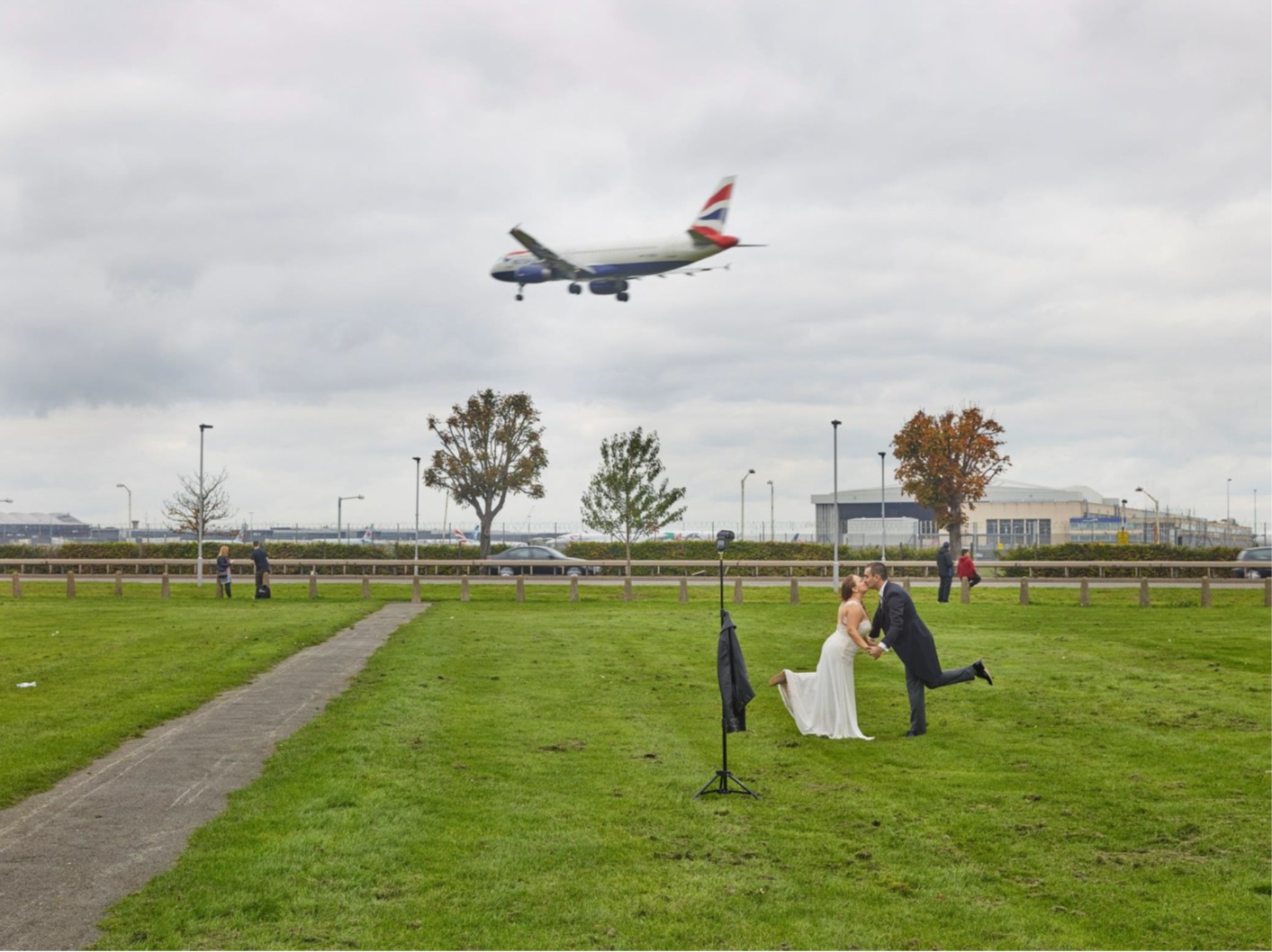
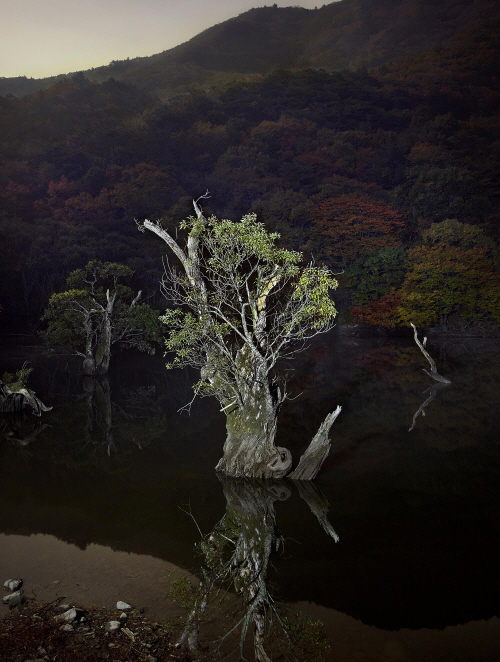
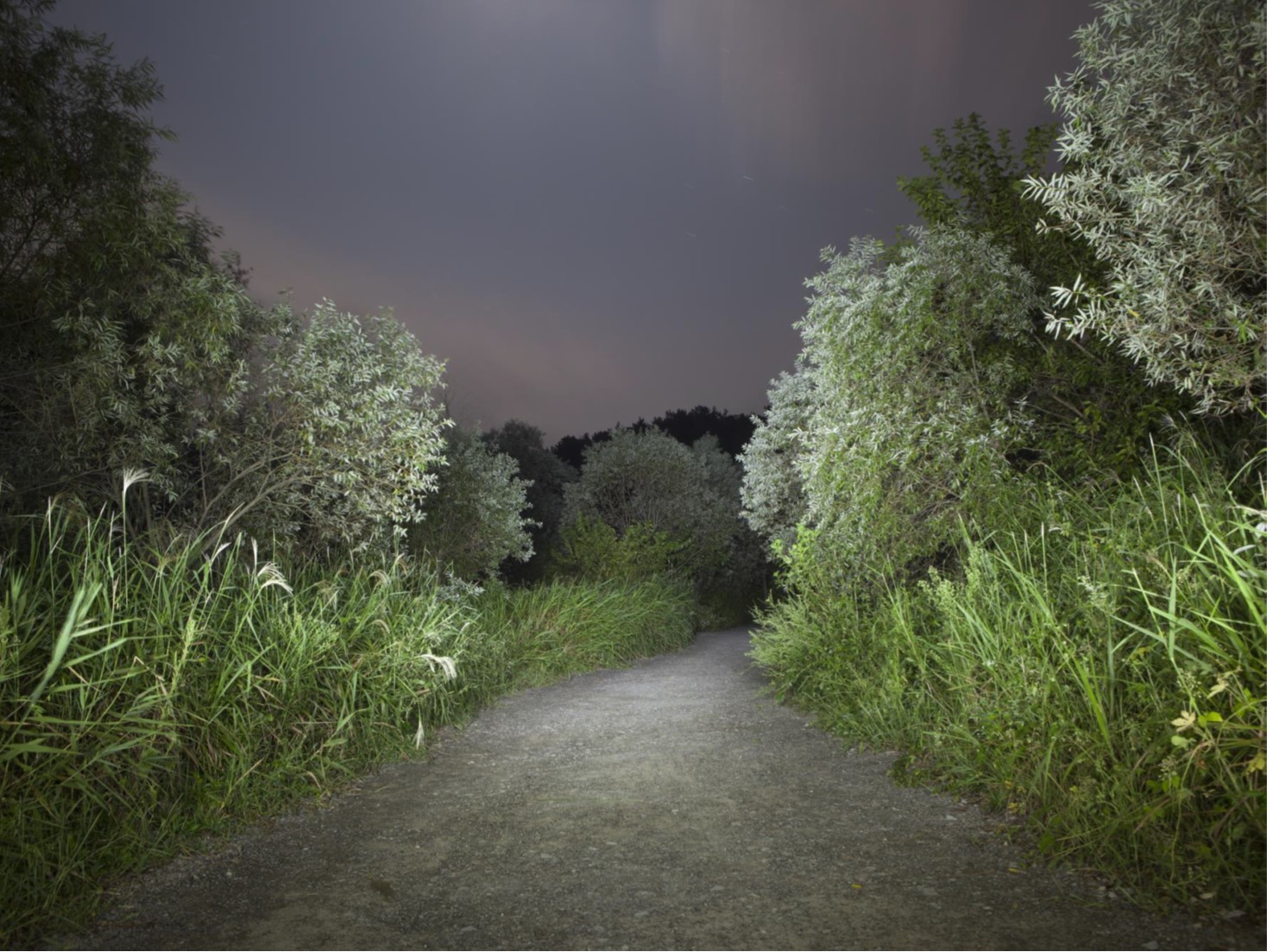
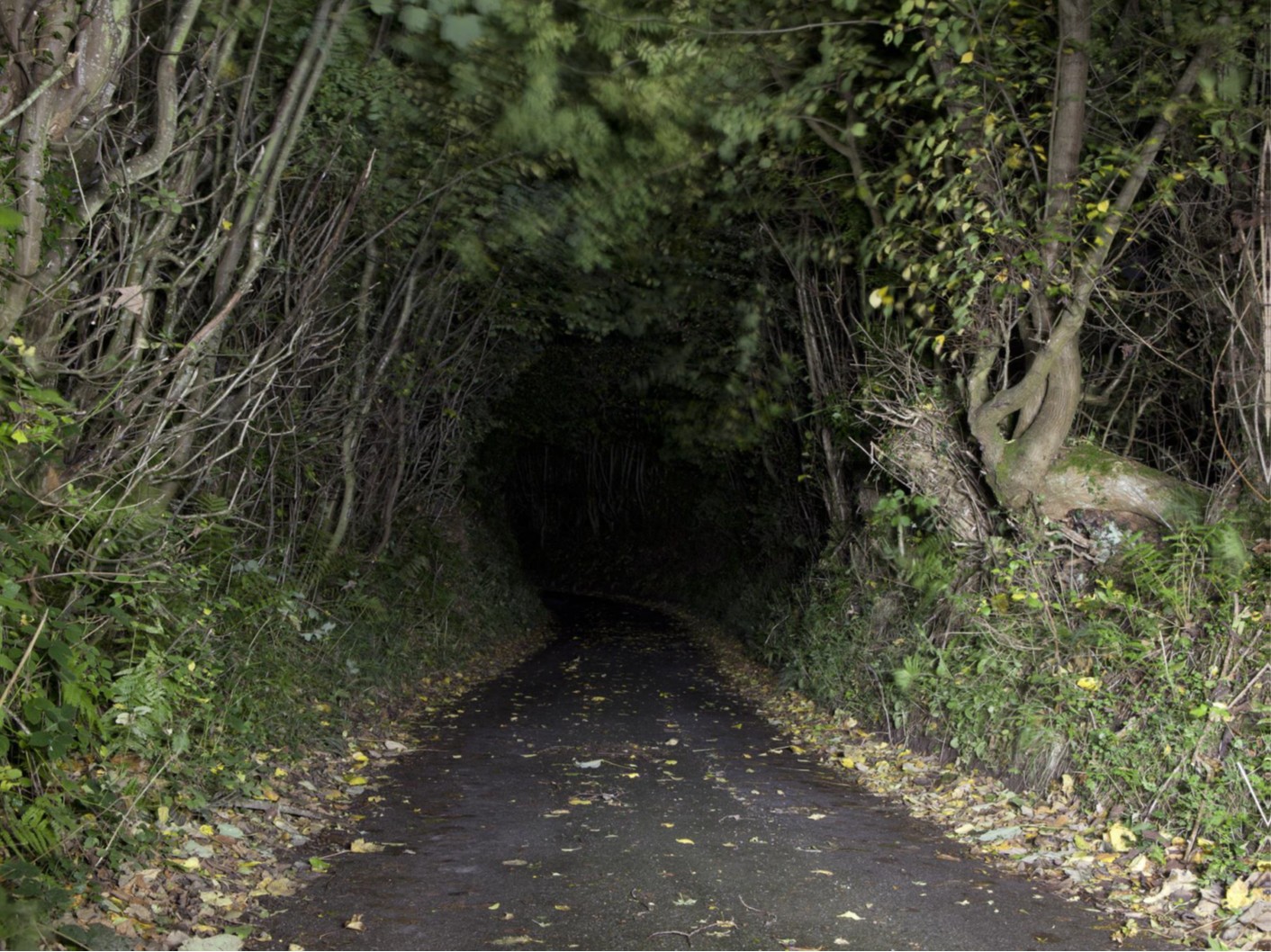
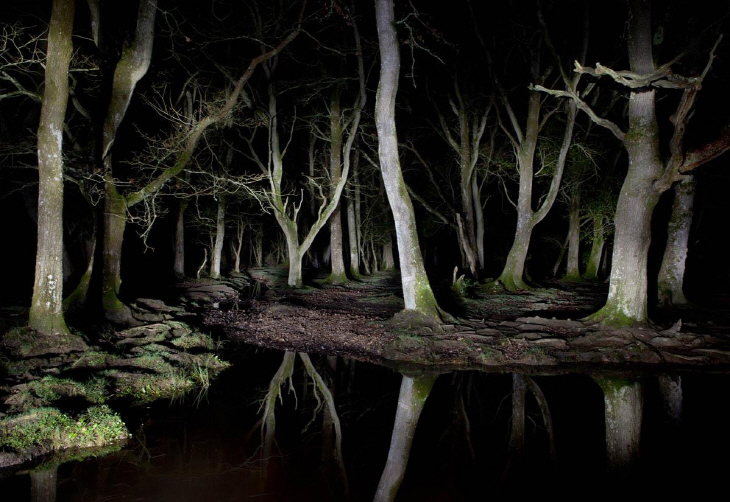
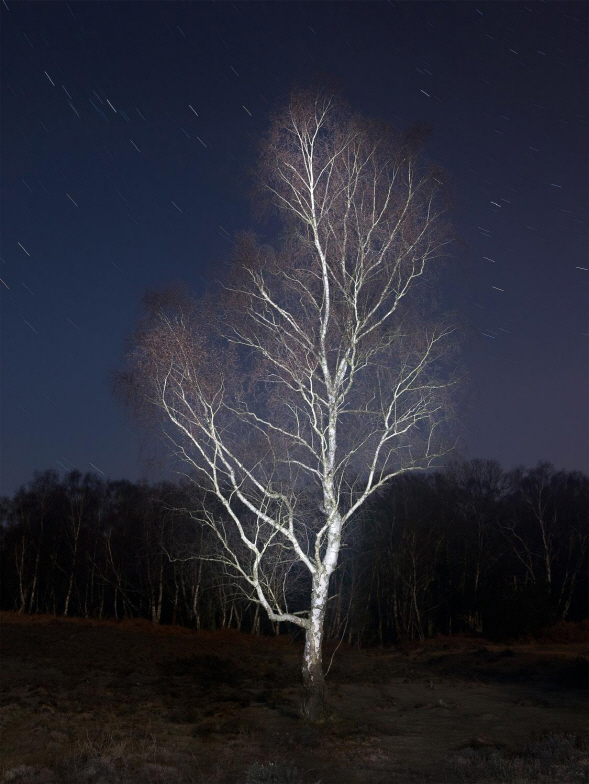
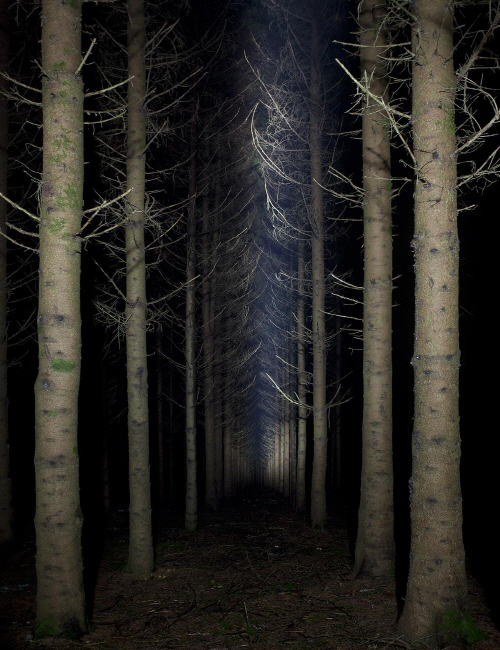
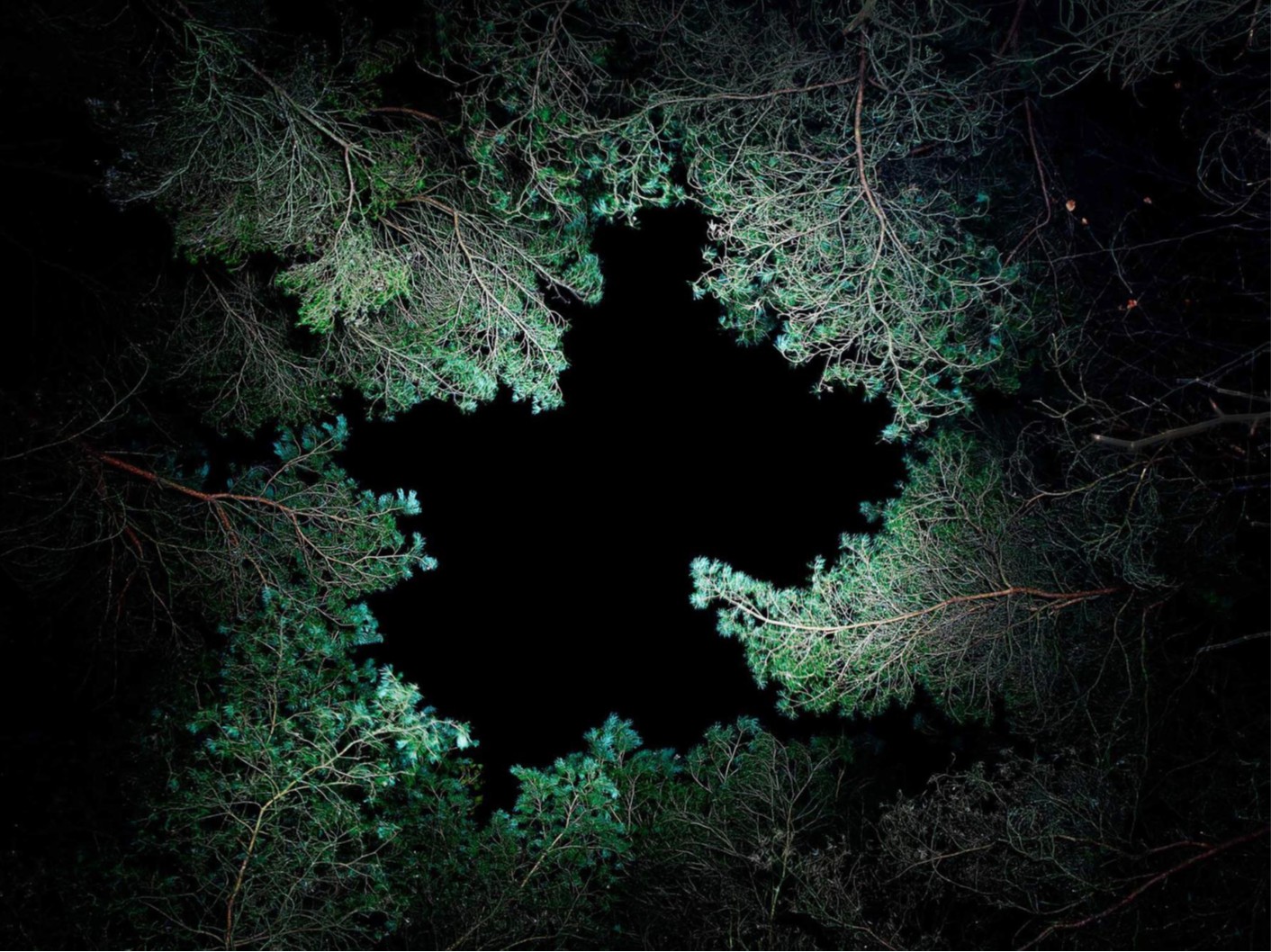
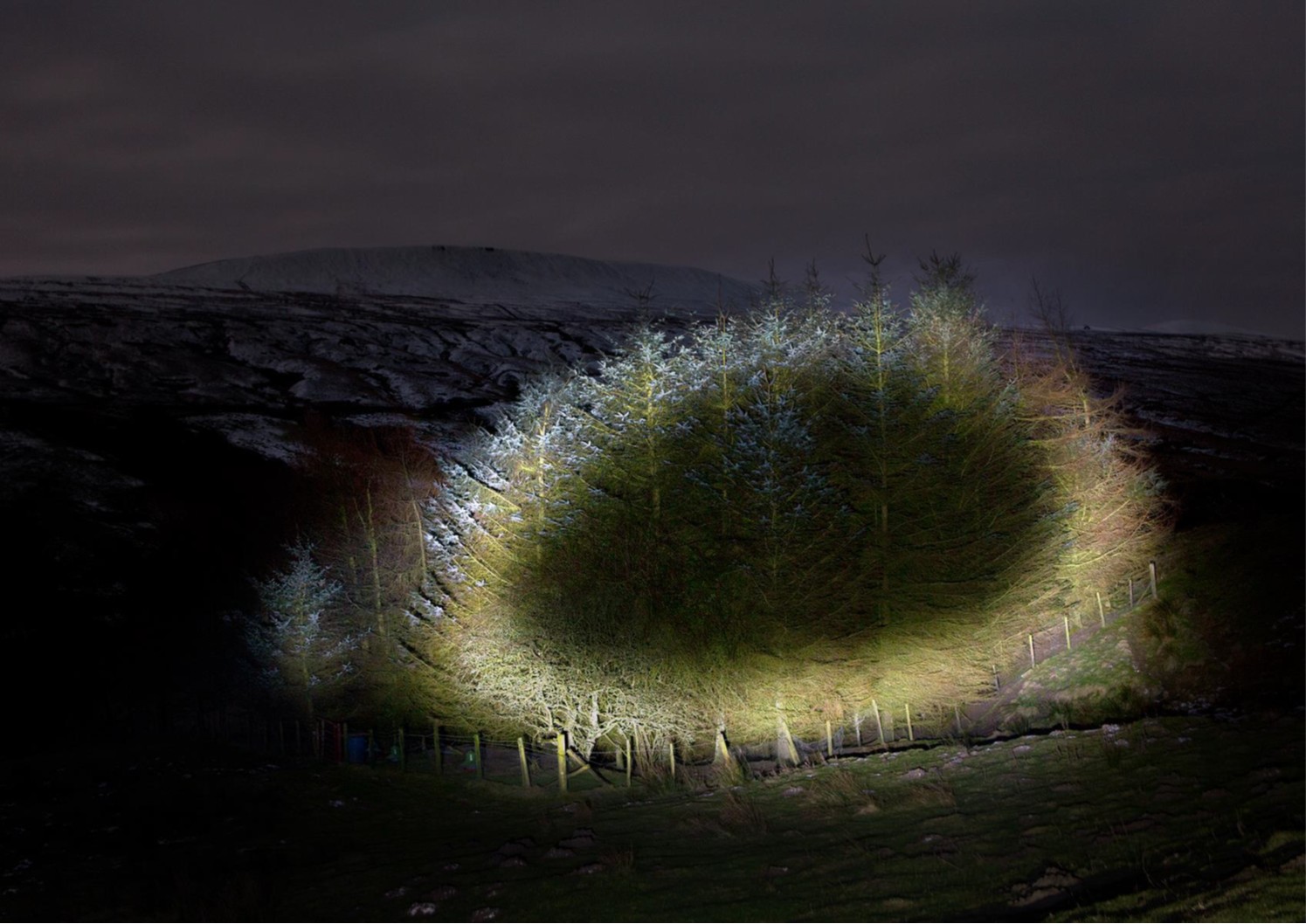
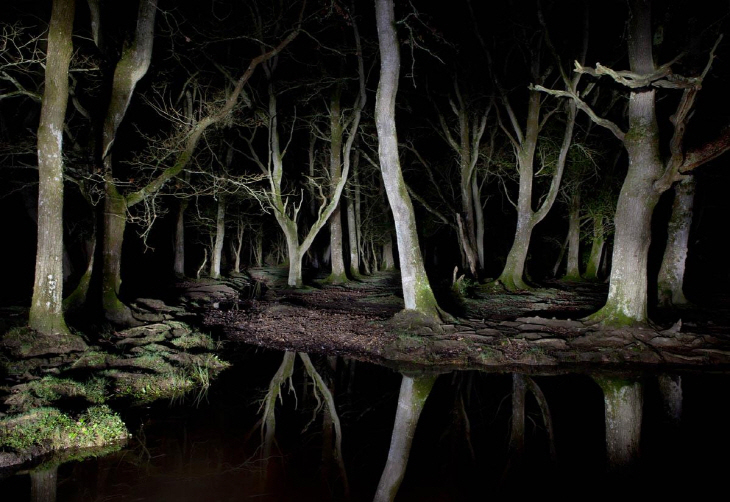
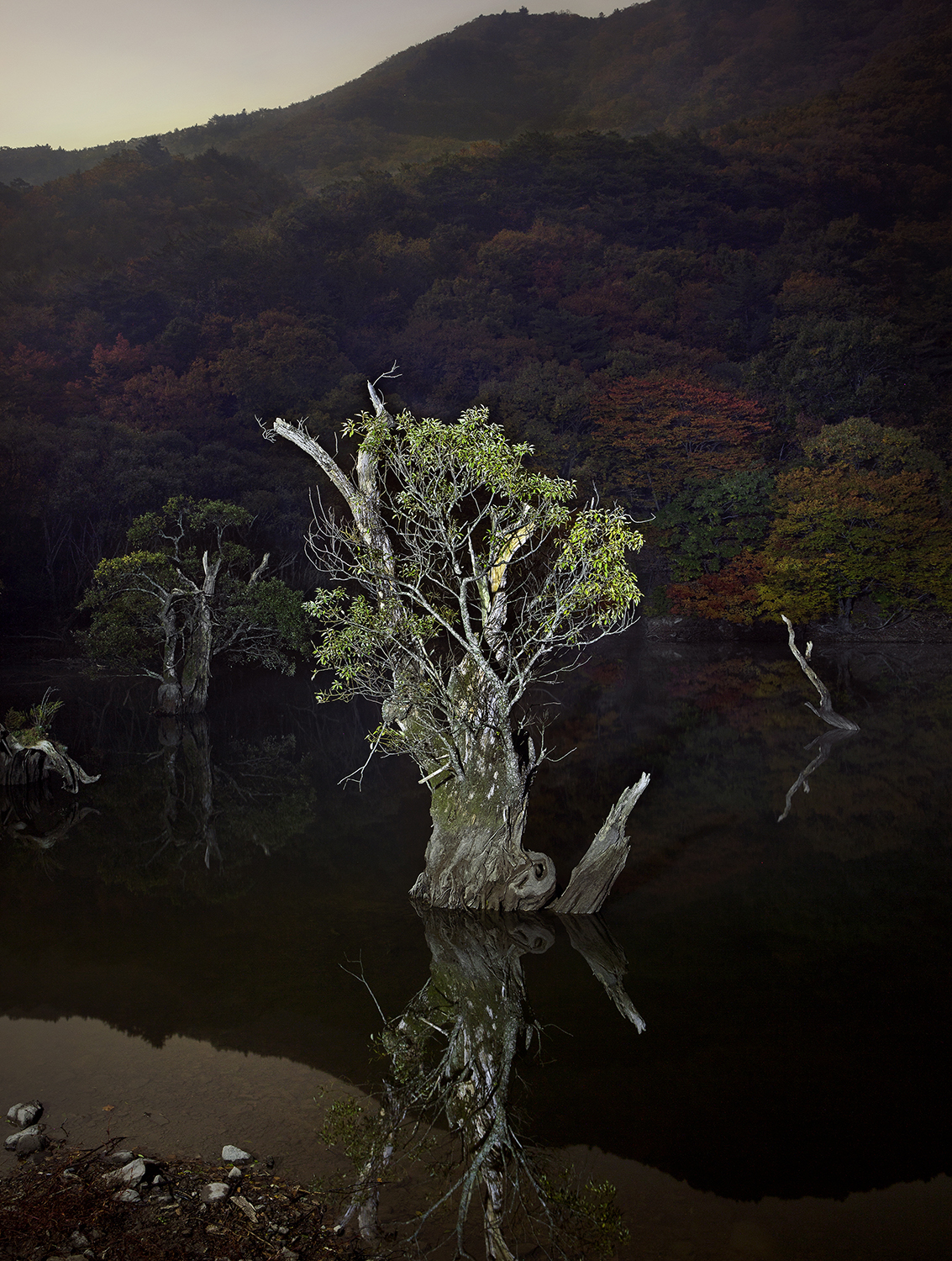
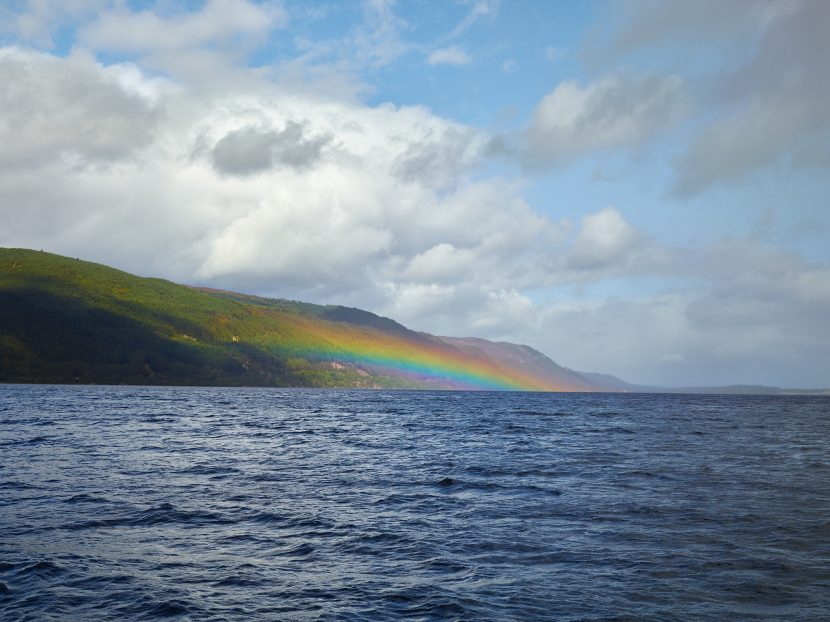
Kim Shinwook’s photographs follow those matters. The photographs do not exaggerate, and simply scan over place to place across the location where Nessie, if she exists, would be – Loch Ness. Some really impressive equipment is used, and great effort has been taken in photographing, but the images look like snapshots just taken in passing. At first glance, the photographs appear so insignificant that if you were to approach them too seriously, you might be captured and eaten up by the Nessie fabrication. Yet the cloud-covered Loch Ness makes the atmosphere heavy. In any given photo, there is no definitive evidence to say that Nessie does or doesn’t exist.
Kim Shinwook’s photographs are nothing more than a single narrative. No photo can draw the conclusion that ‘this is Nessie’, ‘Nessie therefore exists’. All that is photographed is the various evidence and by-products of people’s belief in the existence of Nessie. Bringing together those scenes, we have a narrative of all the huge fuss of nonsense that people have created surrounding the Loch Ness monster. In 2019, geneticist and Professor at the University of Otago, New Zealand, Neil Gemmell, went to Loch Ness and presented the results from analyses performed on water samples gathered from various depths across Loch Ness – Kim Shinwook also photographed this.
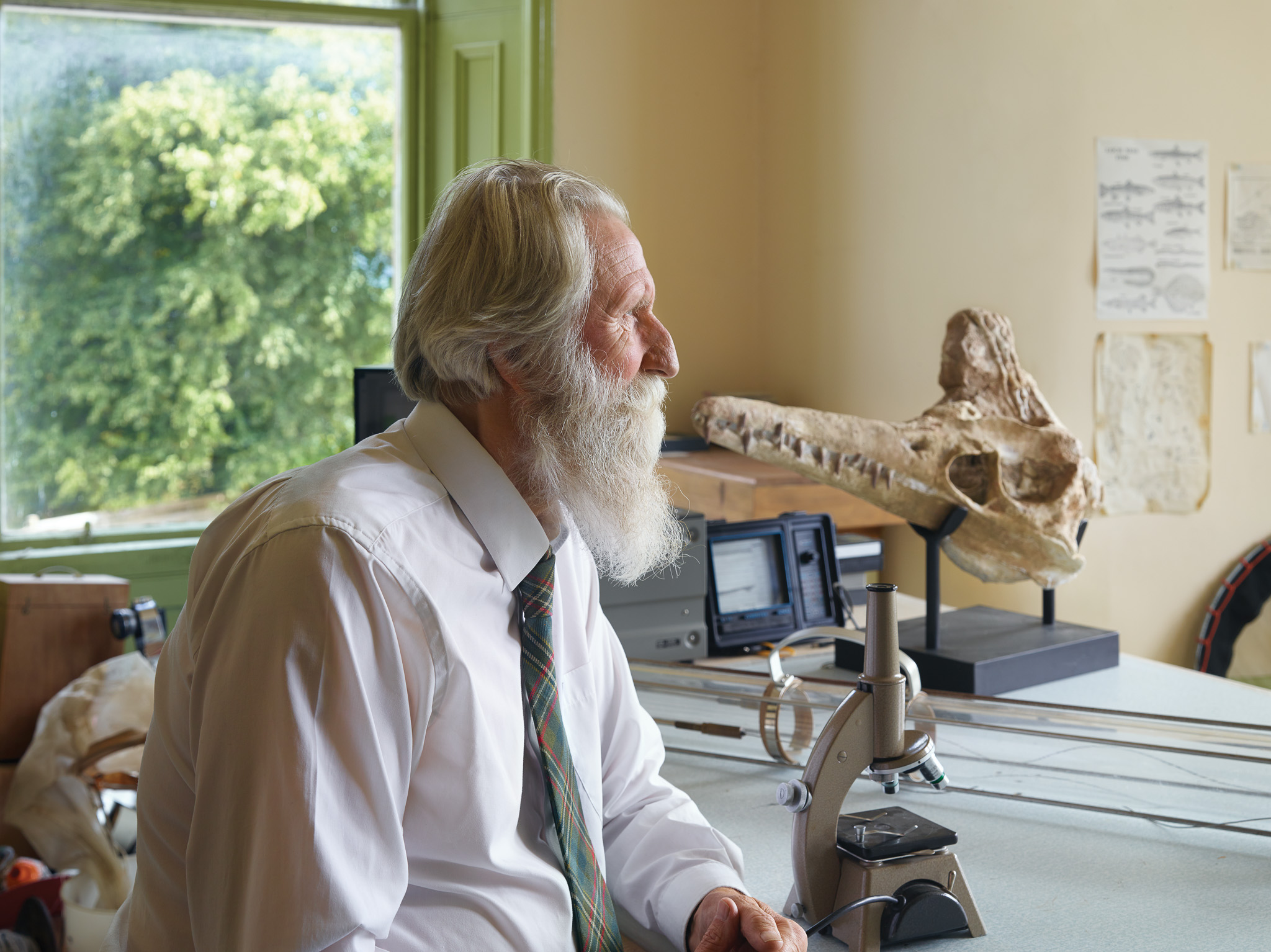
Naturally, the results showed no evidence of Nessie’s DNA existing in Loch Ness. At the location, too, was Nessie expert Adrian Shrine, who has been searching for her since 1973. He also appeared in 1987 in on The Associated Press. As he did many years ago, Shrine appears to still believe the Loch Ness monster exists. But if we look objectively, we can see he is nothing more than a hoax-believing fantasist. Or a delusional. In the end, Kim Shinwook’s Nessie project was in creating photographs by pursuing fabricated existences.
Though it’s clear that Nessie is a delusion and fabrication, as people make noise, and all types of symbols appear, the louder we shout that it is fiction, what grows in strength is in fact Nessie’s power. If someone tells you not to think about a white elephant, all you can think of is a white elephant – in the same way, because people continue to say Nessie is a fabrication, Nessie has become real.
Kim Shinwook’s camera went after a reality that cannot be revealed, confronting the admissibility of evidence; but what he revealed is also something that cannot be revealed through a photograph. What if it weren’t only Nessie – what if all the things we have become so familiar with turned out to be fabricated? The nation, familism, reason, religion, my resident registration number, my academic background, identity… In the 21st Century, where everything disappears into the cloud of ‘big data’, is there or is there not a Nessie?