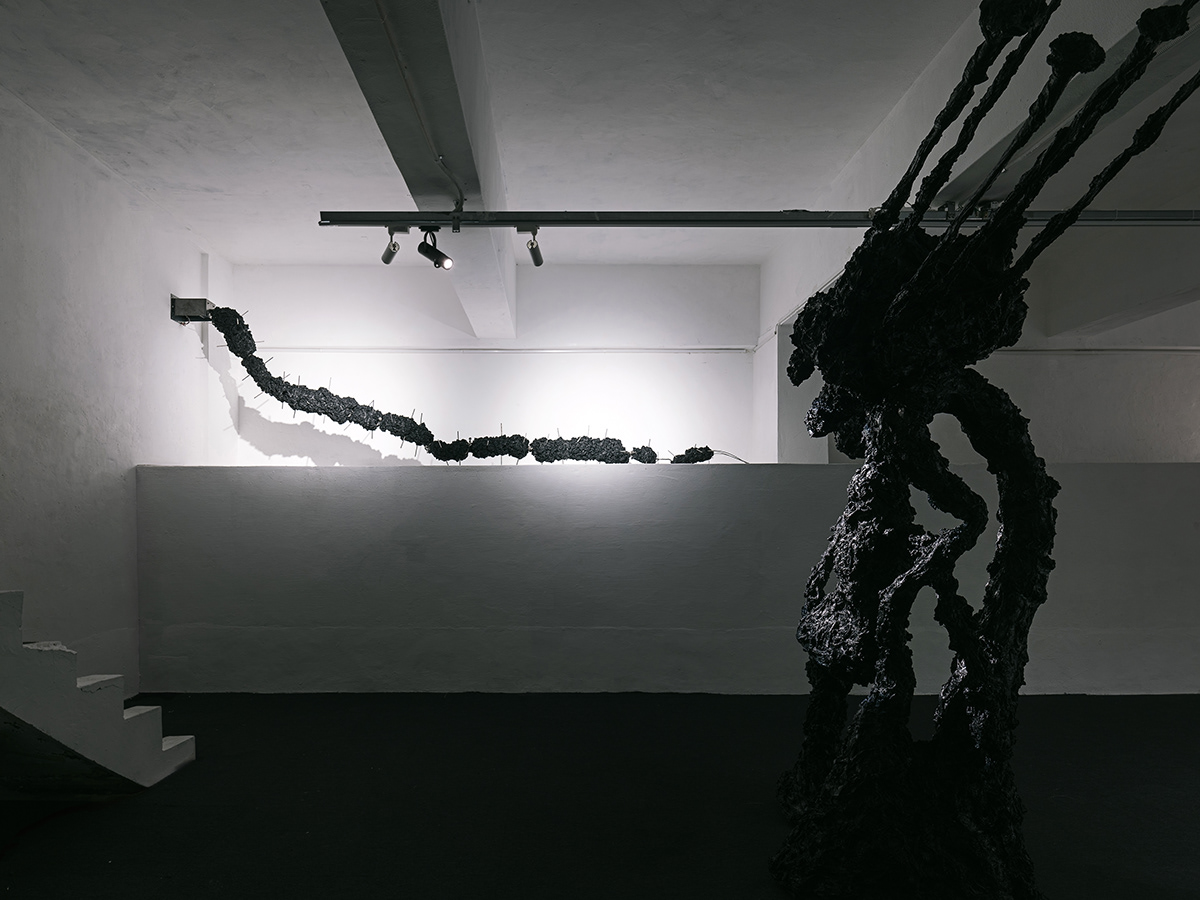
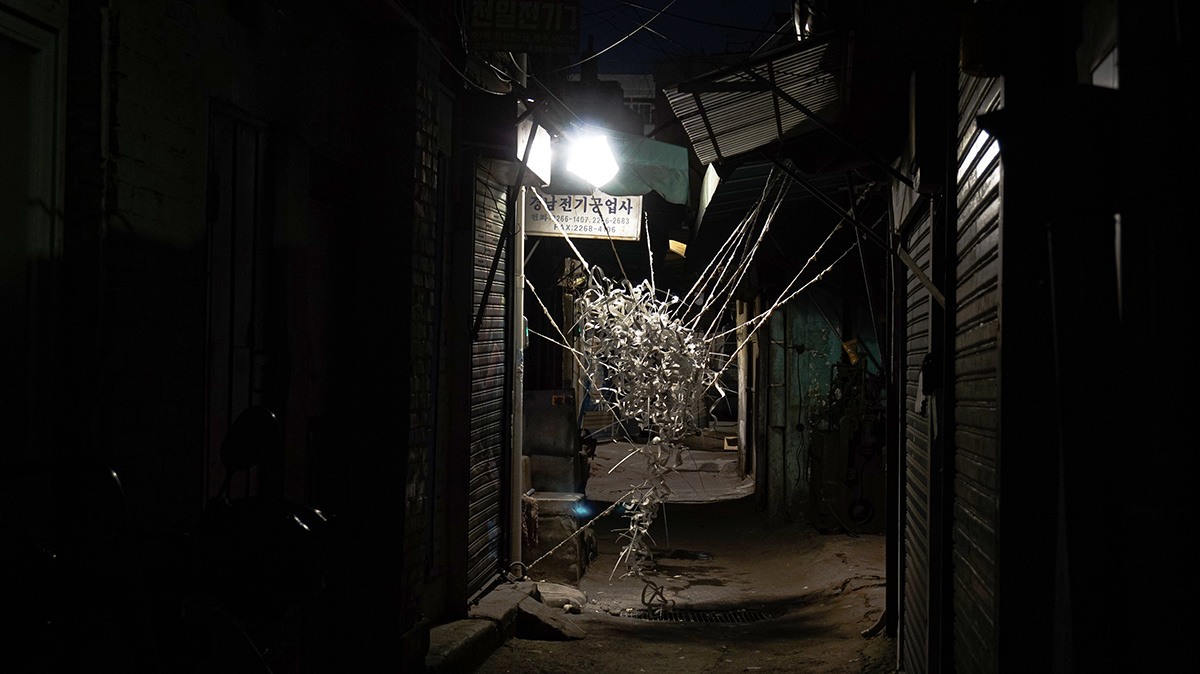
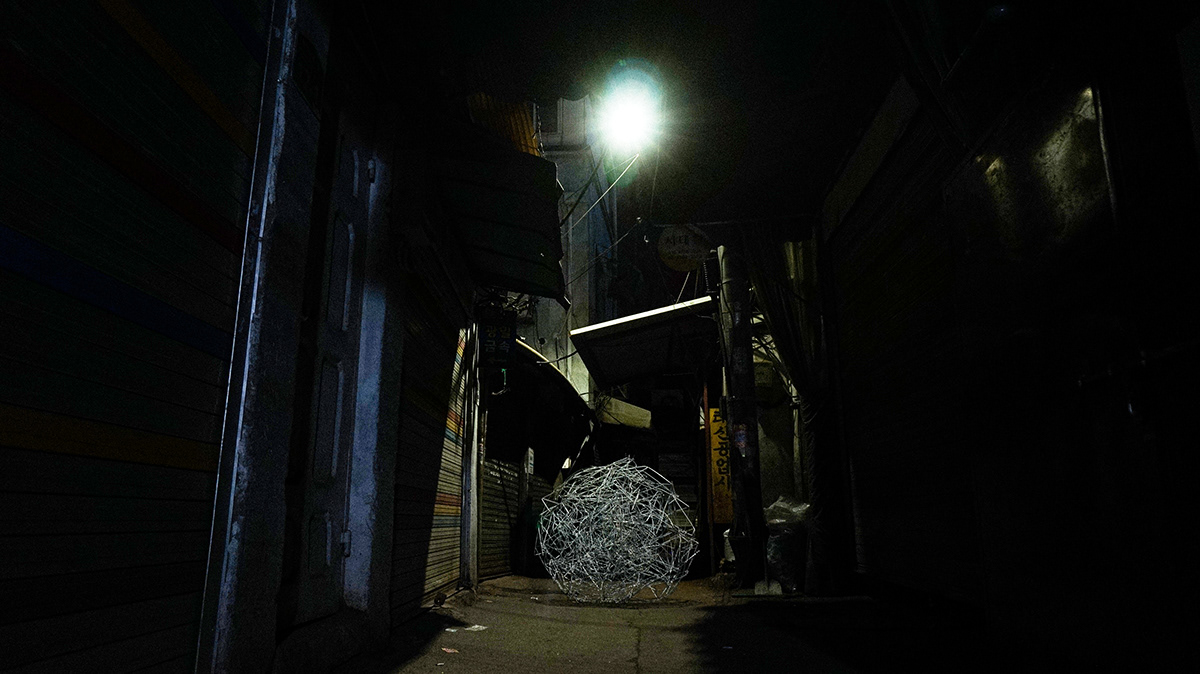
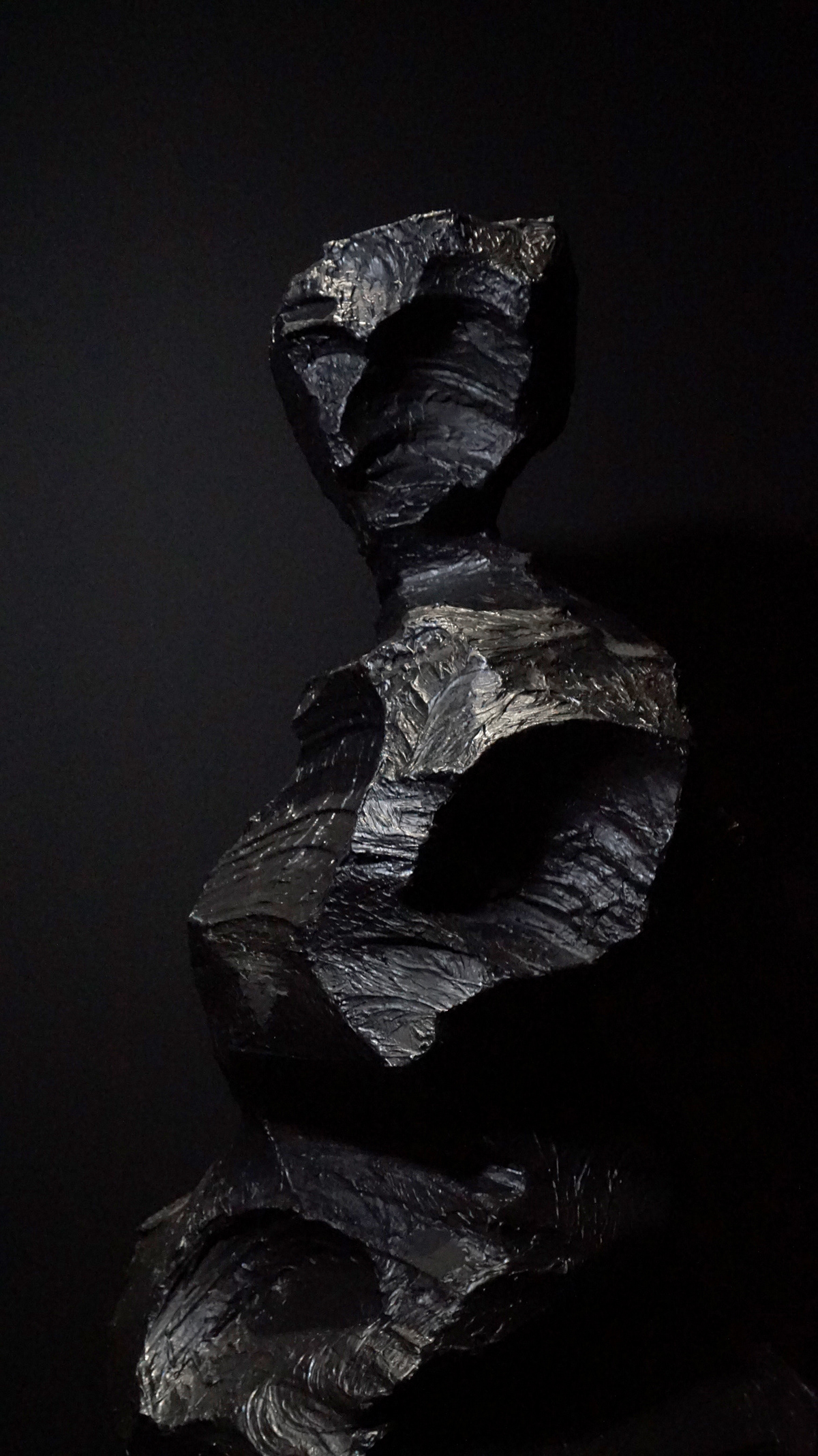
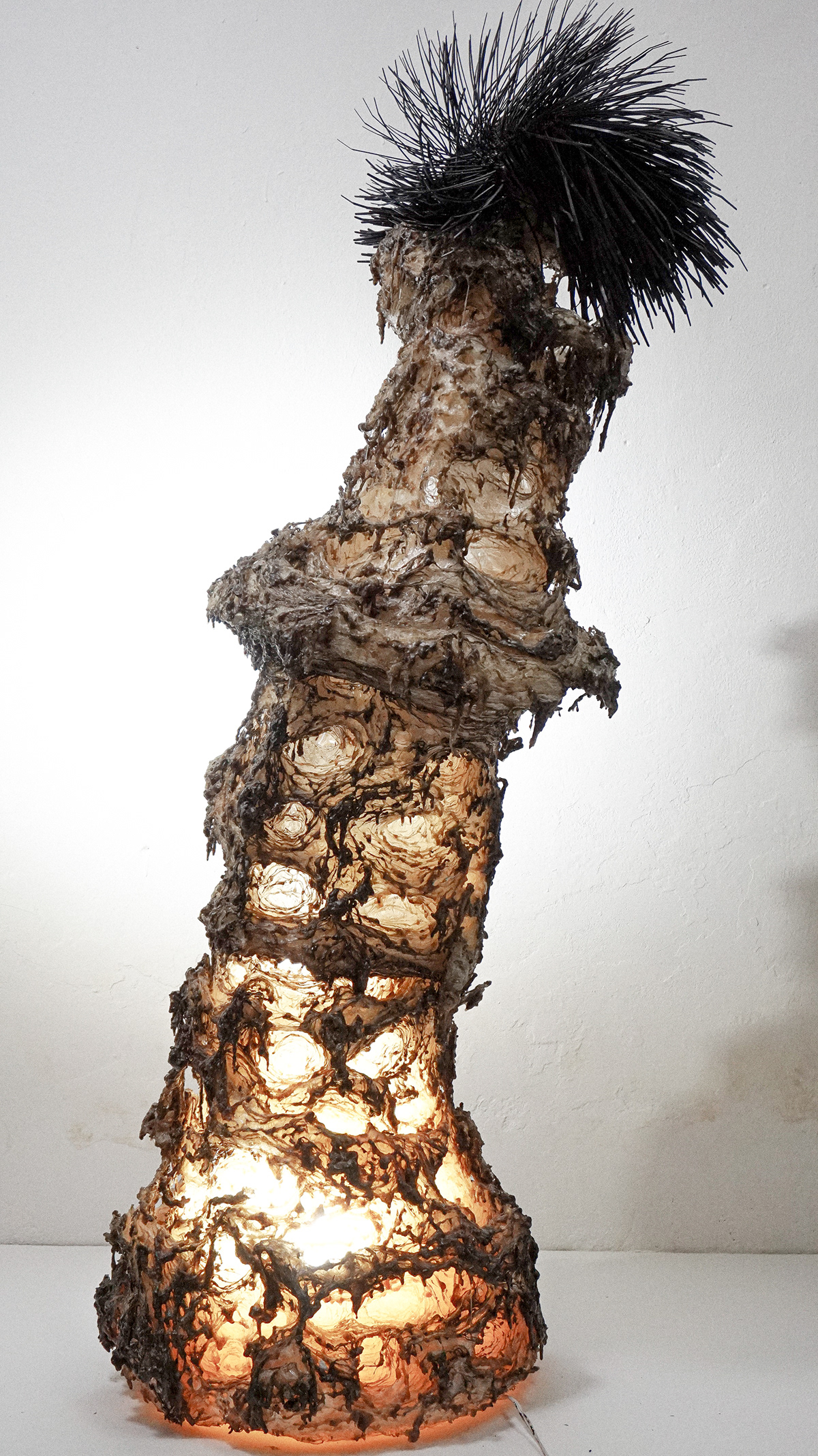
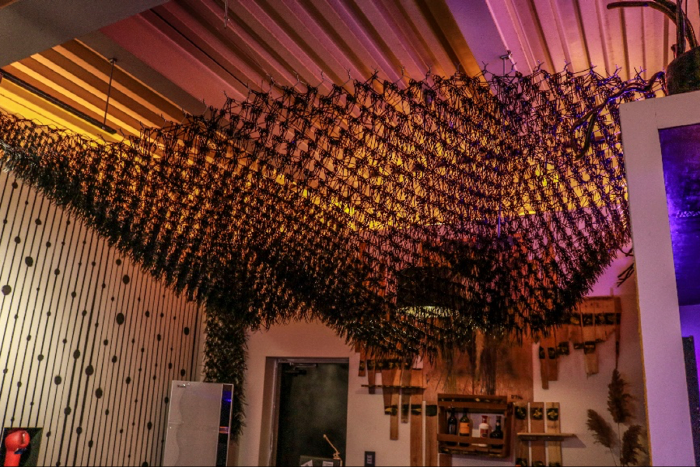
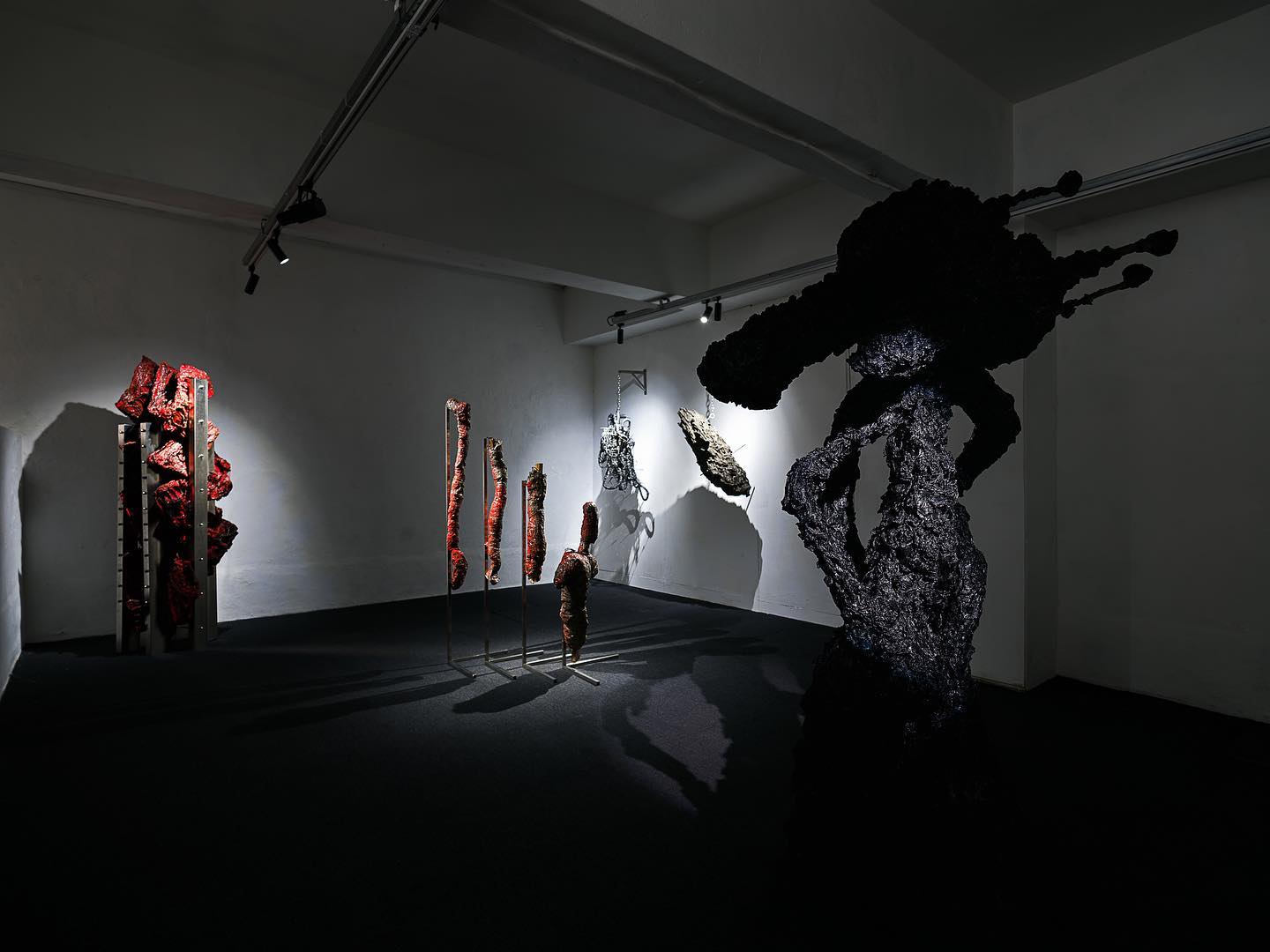
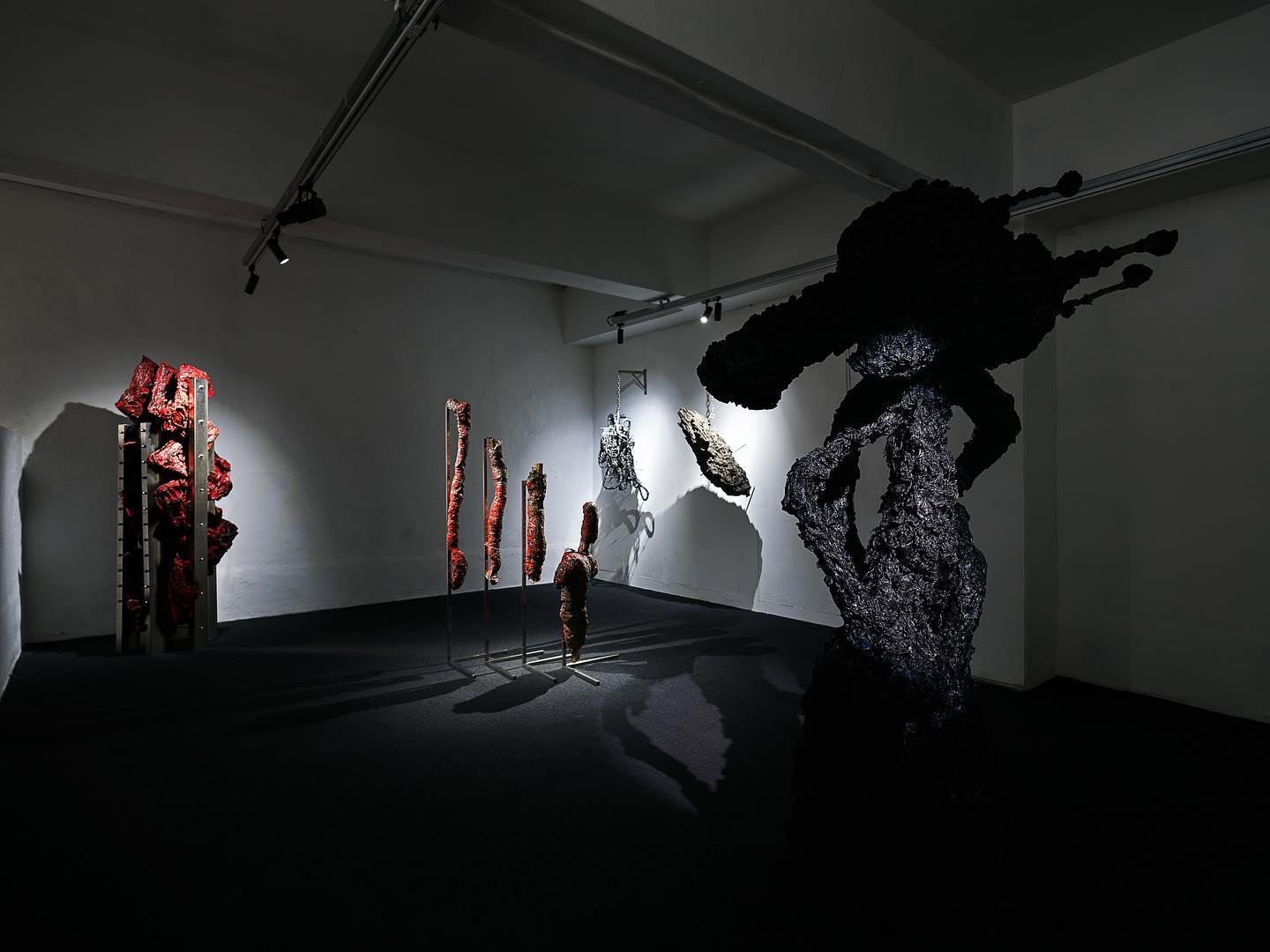
Installation view of 《Xenogenesis》 (Faction, 2024) ©Sijae Jang

Can we distinguish between reality and fiction, reality and the virtual, reality and fantasy? If everything we see, hear, and touch is fictional, can we still believe in it? I dare say that those who dwell in fantasy cannot recognize that they are inside it. If this world is indeed a fictional fantasy, then it is one meticulously crafted by countless real apparatuses of the universe. The linguistic system that makes meaning and its combinations possible, the capitalist system that gives value to our lives and daily routines, the empirical scientific apparatus that renders nature explainable—all these linguistic devices we (un)consciously rely upon instill confidence in the sensory ‘image’ of the world we face each day. The sophistication of these apparatuses implants in the deep circuits of our brain the belief that this is the one and only reality. Have you ever dreamed that capitalism might collapse? Have you ever believed the earth to be cube-shaped? Today’s capitalist, scientific, and empirical apparatuses strive to establish the fiction they have forged as the only reality. The self-perpetuation of illusion-making devices. The place where our material bodies dwell is undeniably real, but the place where our consciousness resides is precarious fiction.

As Jacques Rancière once said, “The relation between art and politics is not a passage from fiction to reality but a relation between two ways of producing fiction.” Art creates illusion within illusion, fiction within fiction. Yet art does not destroy or collapse this solid reality. For consciousness, as a linguistic self, is ultimately oriented toward the real—that is, toward the abyss of death. At the very least, art that carries even a fragment of hope for the world’s future does not seek the destruction or collapse of reality’s system. Rather, it assumes the role of generating a backdoor. Art emerges as a grotesque hybrid born from the unmediated junction of linguistic perceptions of reality. This art summons here another reality—a not-yet-arrived fantastic future that we might call oppositional or alternative. By producing hybrids within today’s illusion, it calls forth the misaligned futures we deem ‘grotesque.’ The encounter with an unseen, unfamiliar hybrid pulls us into another reality.

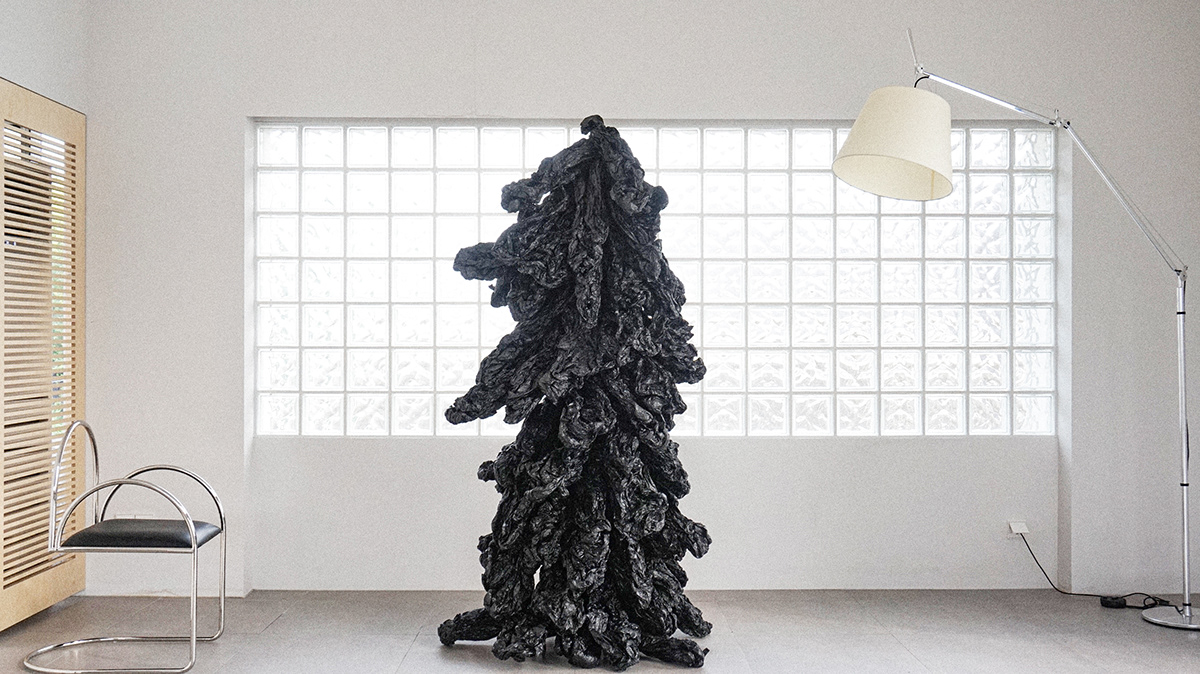
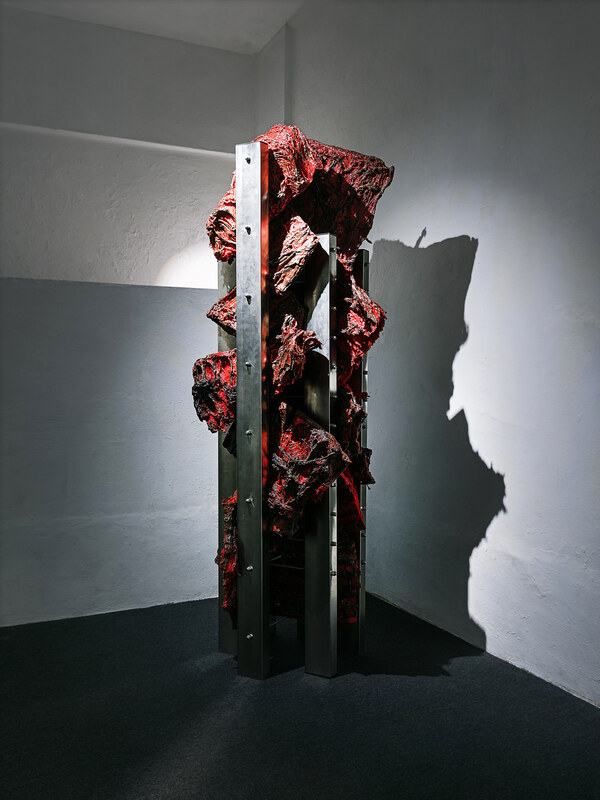
Sijae Jang, Xenogenesis, 2024, OPP tape, steel structure, anchor bolts, 70(w) x 180(h) x 50(d) cm ©Sijae Jang

Sijae Jang’s sculptural bodies are wormholes—backdoors to parallel fictions. Industrial materials, functional in nature, interlock, impregnate, and graft one another into new bodies. These inorganic industrial materials crossbreed to engender organic bodies through xenogenesis. The gaps between Jang’s estranged fantasies allow us to traverse the rifts between different linguistic realities. It is precisely this void—the emptiness between languages—that constitutes death as abyss.

In Jang’s grotesquely joined sculptural bodies, we move toward the real outside the rigidly defined loops of language. From the blankness of language rushes in terror, even trauma: traversing universe to universe—molecule to molecule—force to force: synthetic resin, synthetic cosmos, synthetic body. This defines the structural quality of Jang’s sculptural bodies. A neurosis-like syntax destabilizes meaning, generating an unstable gravity that pushes and pulls across the axes of space. The refined fiction in which we live today does not permit our escape. (It only allows escape at the moment of death…) Yet Jang’s sculptural bodies provide a possibility of seeing beyond the boundary of another fiction. We may never cross the frontier of our universe, but at least we can know that countless parallel universes might exist. The revolutionary potential of art appears precisely in the function of this backdoor.

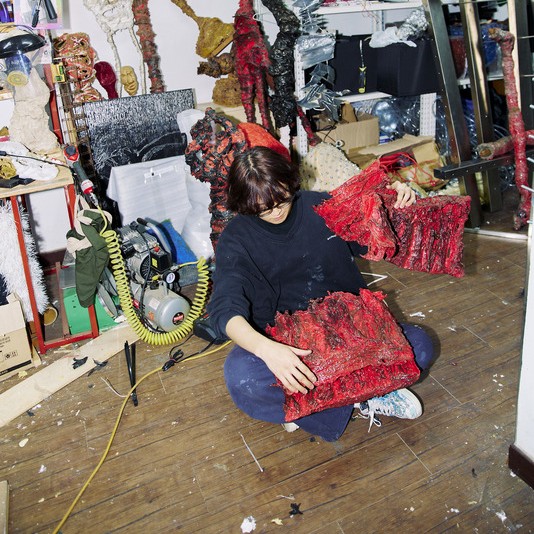
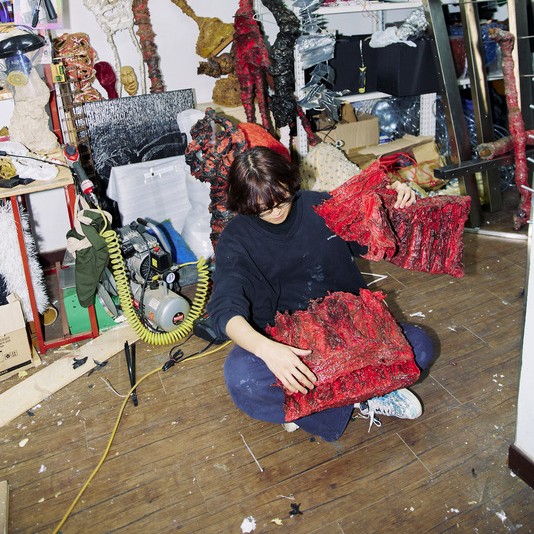
From this perspective, today’s artist (or philosopher) plays the role of a scientist. They formulate hypotheses and establish them so that humanity may expand reality-fiction or enter another reality-fiction altogether. The only difference lies here: science accelerates this frontier through empiricism, while art accelerates it through speculation and imagination. This space is Sijae Jang’s laboratory. A site where thought experiments and empirical experiments occur simultaneously. Plastics-flesh-rubber hoses-blood vessels-steel frameworks-bones entangle, pulling toward multiple gravities. Synthetic biology, gene editing (CRISPR-Cas9), xenotransplantation! In this experiment, sensation precedes language, and death precedes life.

References