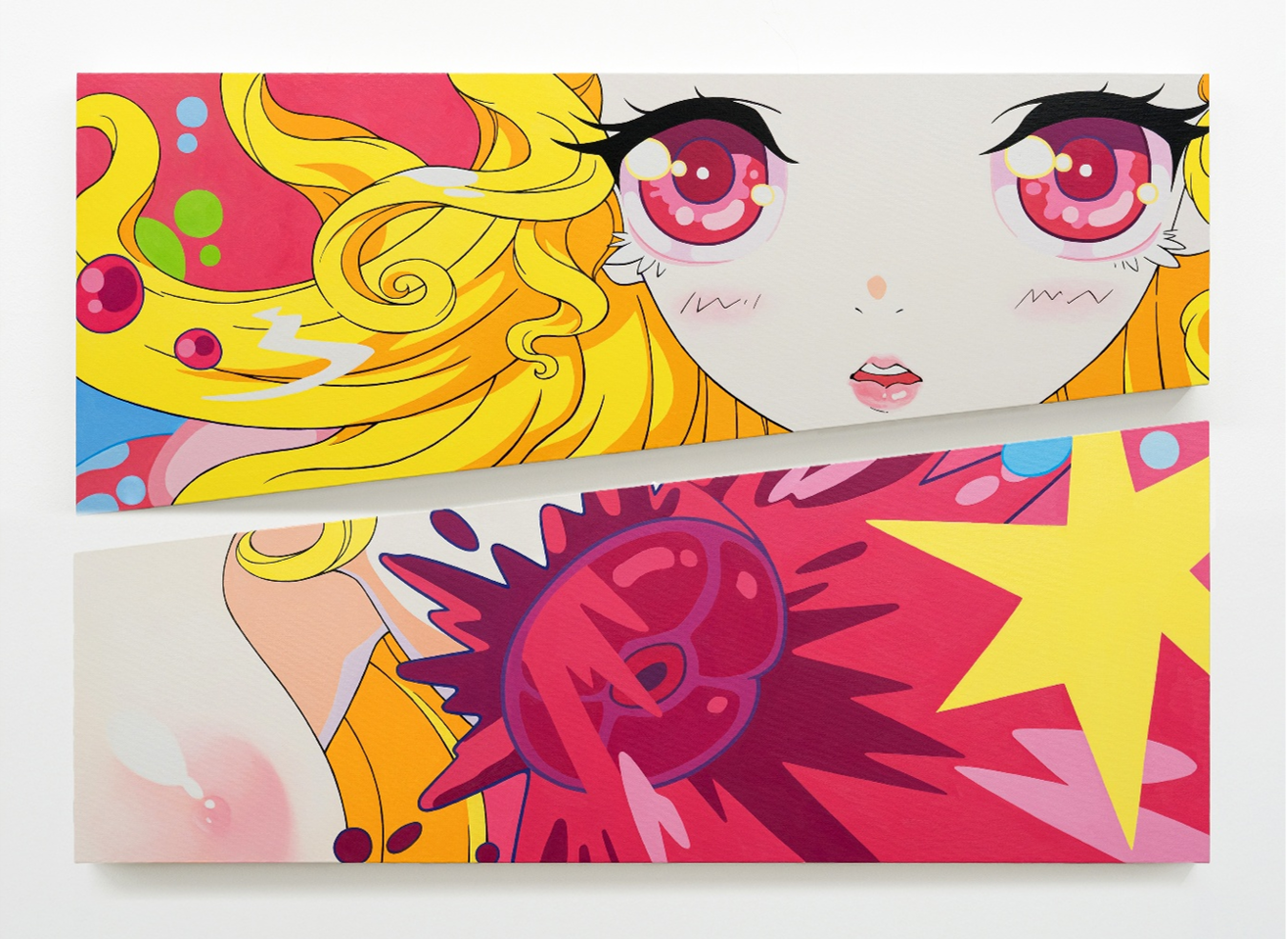
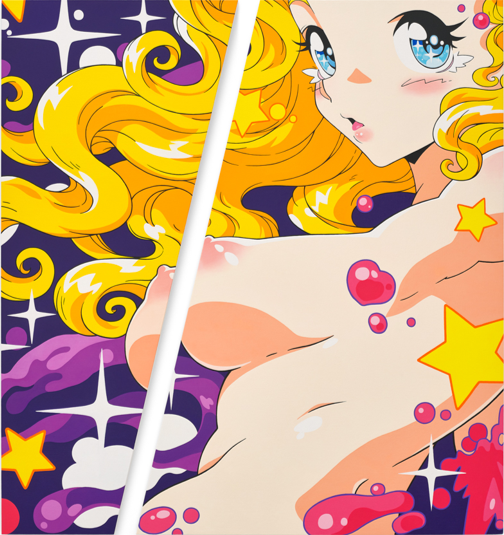
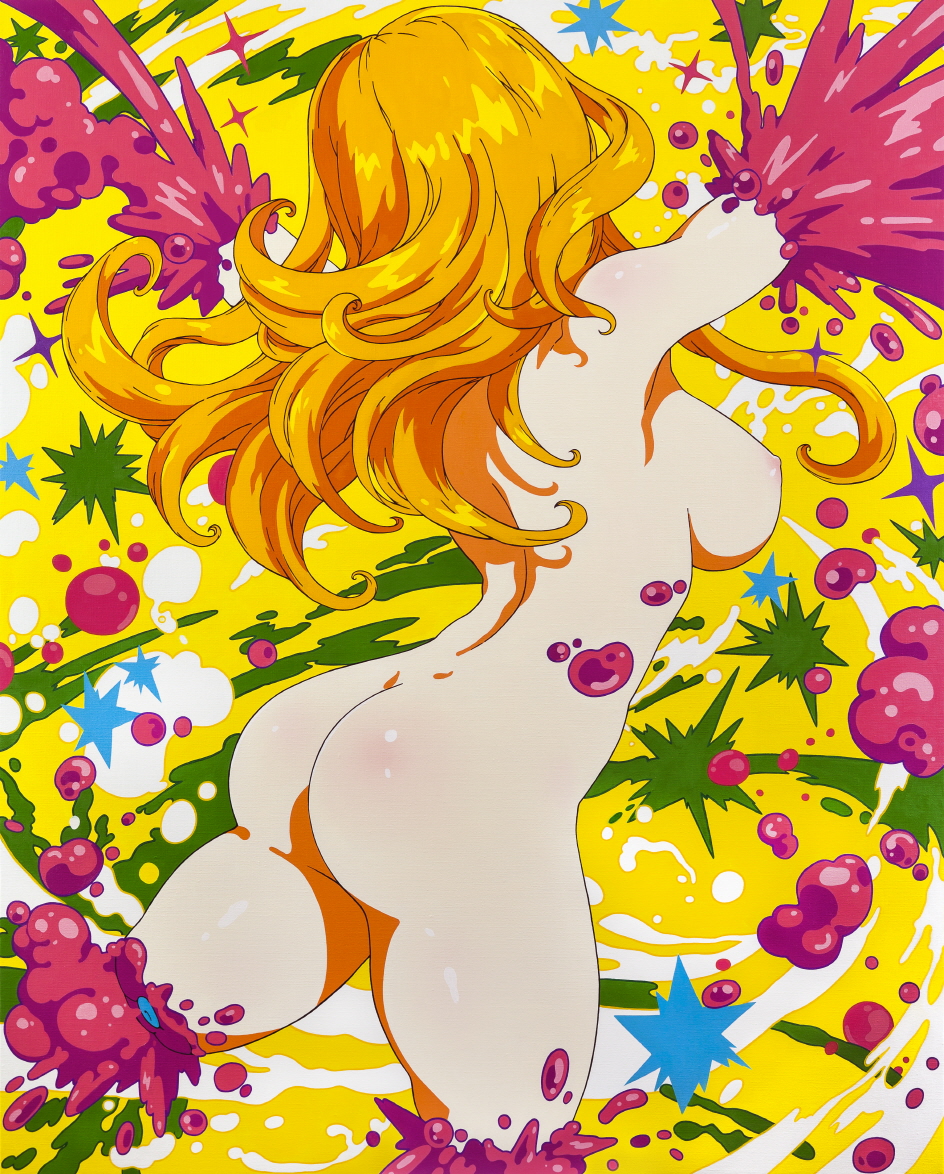
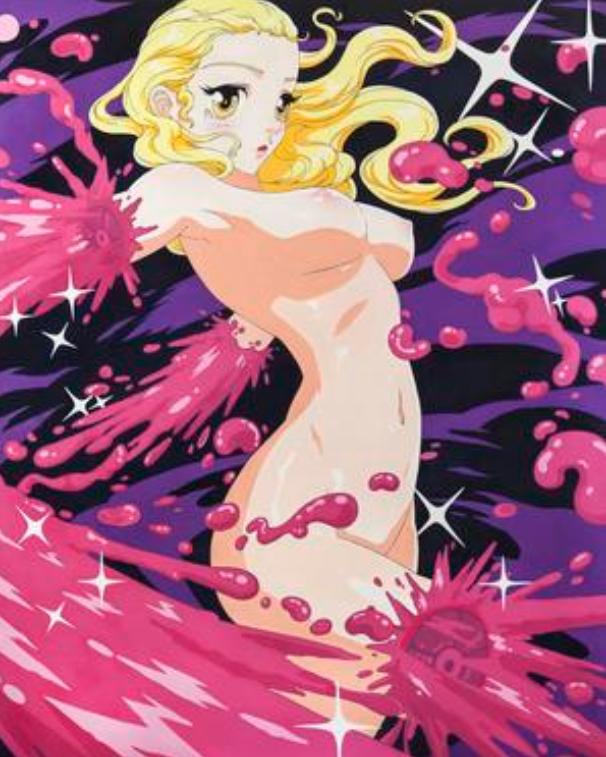
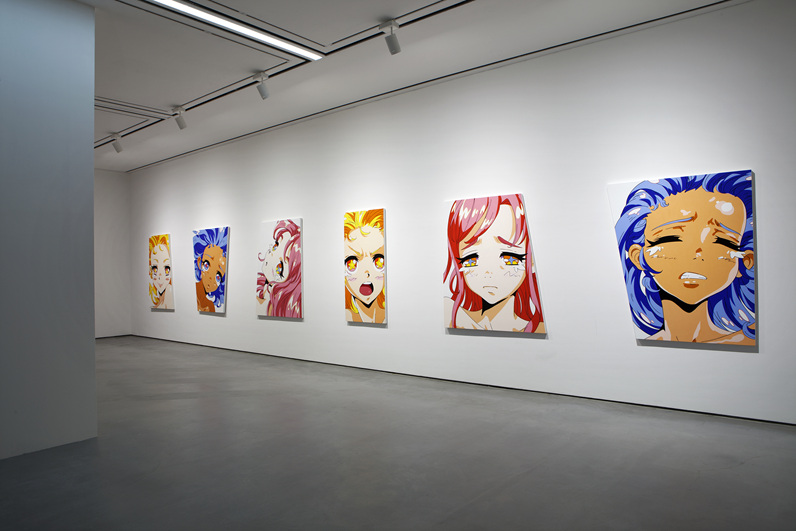
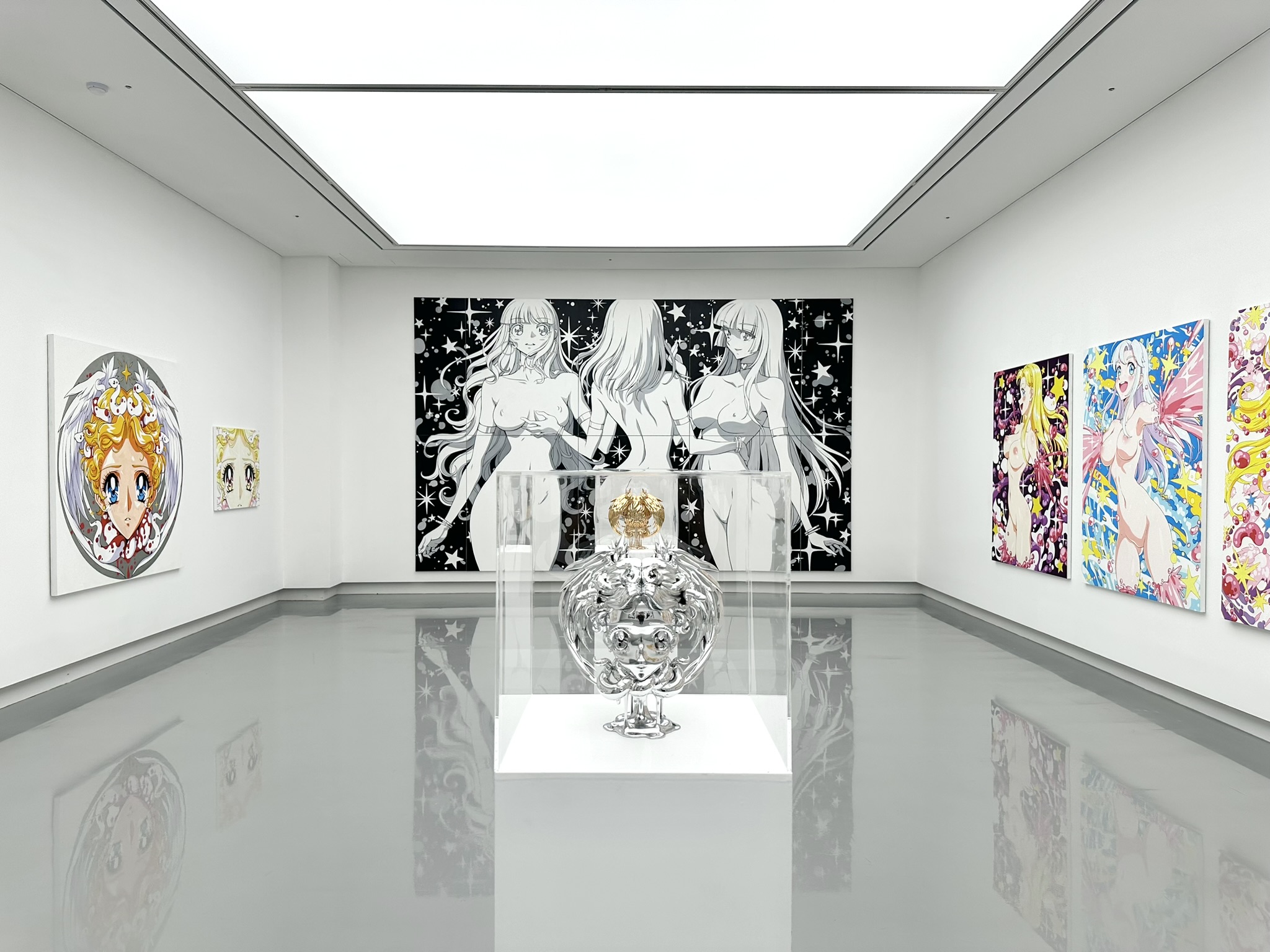
《Nu-Frame》 and 《Nu-Type》: These are concise words that seem to be left in their minimal framework with fancy modifiers removed. They are the titles of artist Yunsung Lee’s solo exhibitions, which are also the first clues into reading and understanding his work.
Without seeing his work, the titles at first might lead the viewer into thinking that Lee’s solo exhibition title 《Nu-Type》 demonstrates the artist’s questions into a new type or form, and that 《Nu-Frame》, the title of this solo exhibition, focuses on the problems of the fundamental form of painting, i.e. the ‘canvas’ or the ‘frame’. Then can we boldly make the assumption that the focus of Lee’s work has shifted from the content to the form through the two solo exhibitions? Before we talk about the correlation between these concise yet significant titles, however, there is something very important in the characteristics of his work that we must go over.
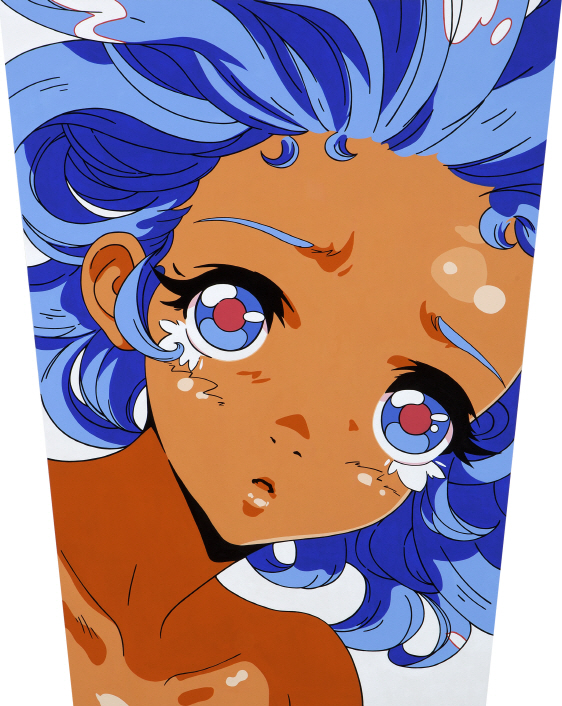
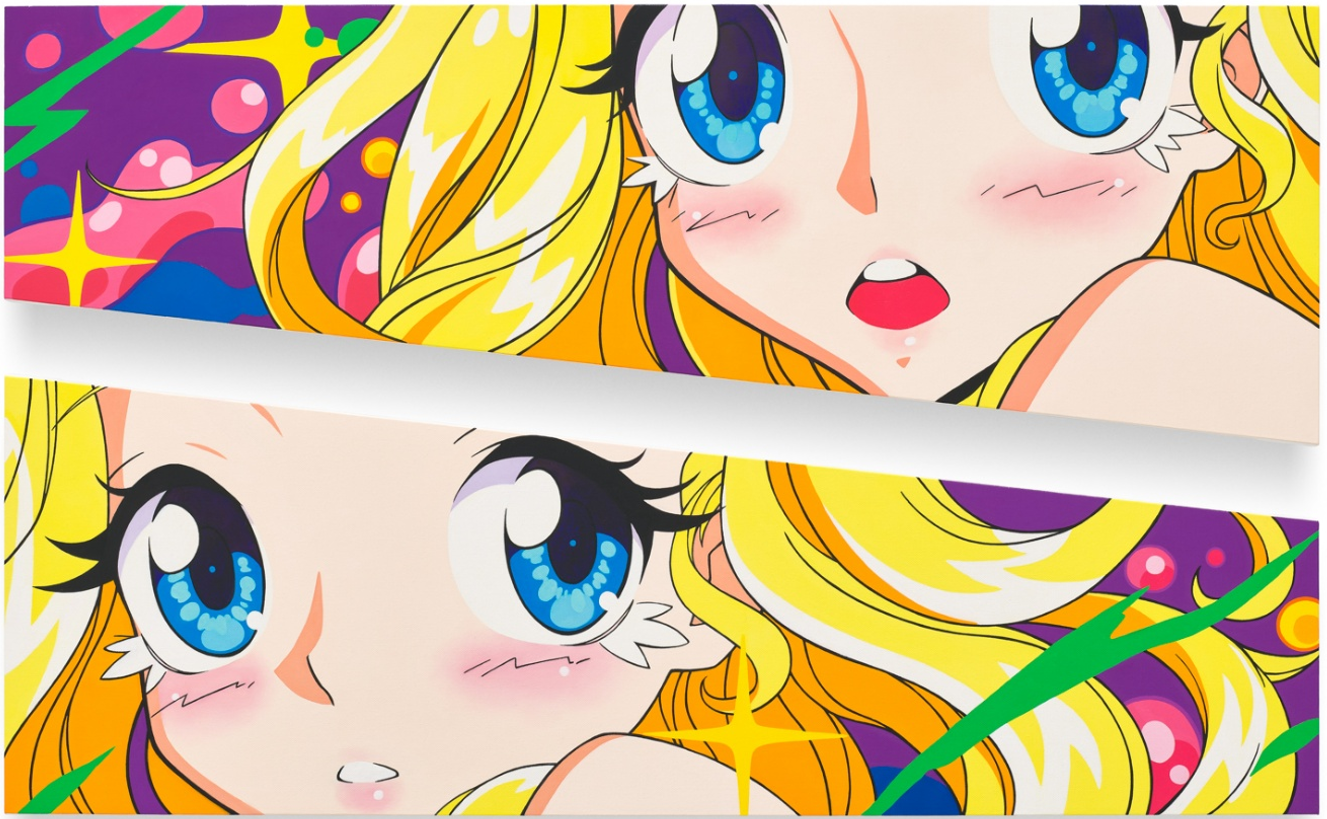
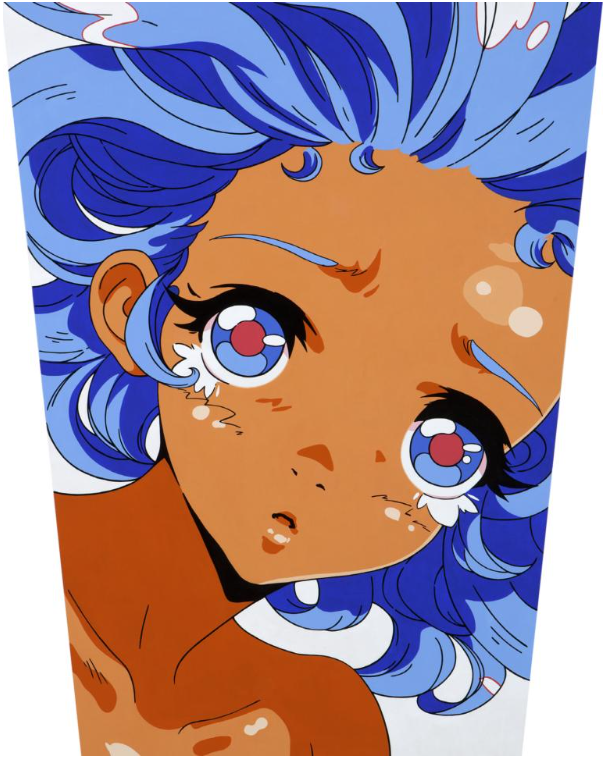
Very ‘Japanese manga’ in style, Lee’s works in this exhibition affect the reading of his work in a very powerful way, because they are so particular that they can be associated with the exhibition titles 《Nu-Frame》 and 《Nu-Type》, or thoroughly conceal them, or endow a completely new meaning to them. The term 《Nu-Type》, a Japanese manga terminology adapted by the artist, can function as a pretext to misunderstanding the artist, or constructing a limited frame of interpretation which most Korean artists of the similar generation who reference ‘Japanese manga’ in their work are inevitably subject to.
However, the manga-like images in Lee’s work are more or less complex, and in order to find the clues to talking about the complexity, we return to the ‘title’ of his ‘work’.
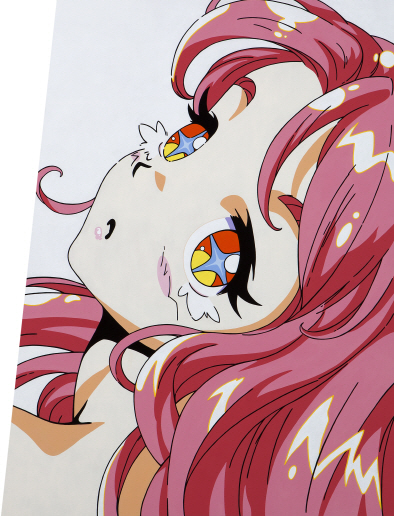
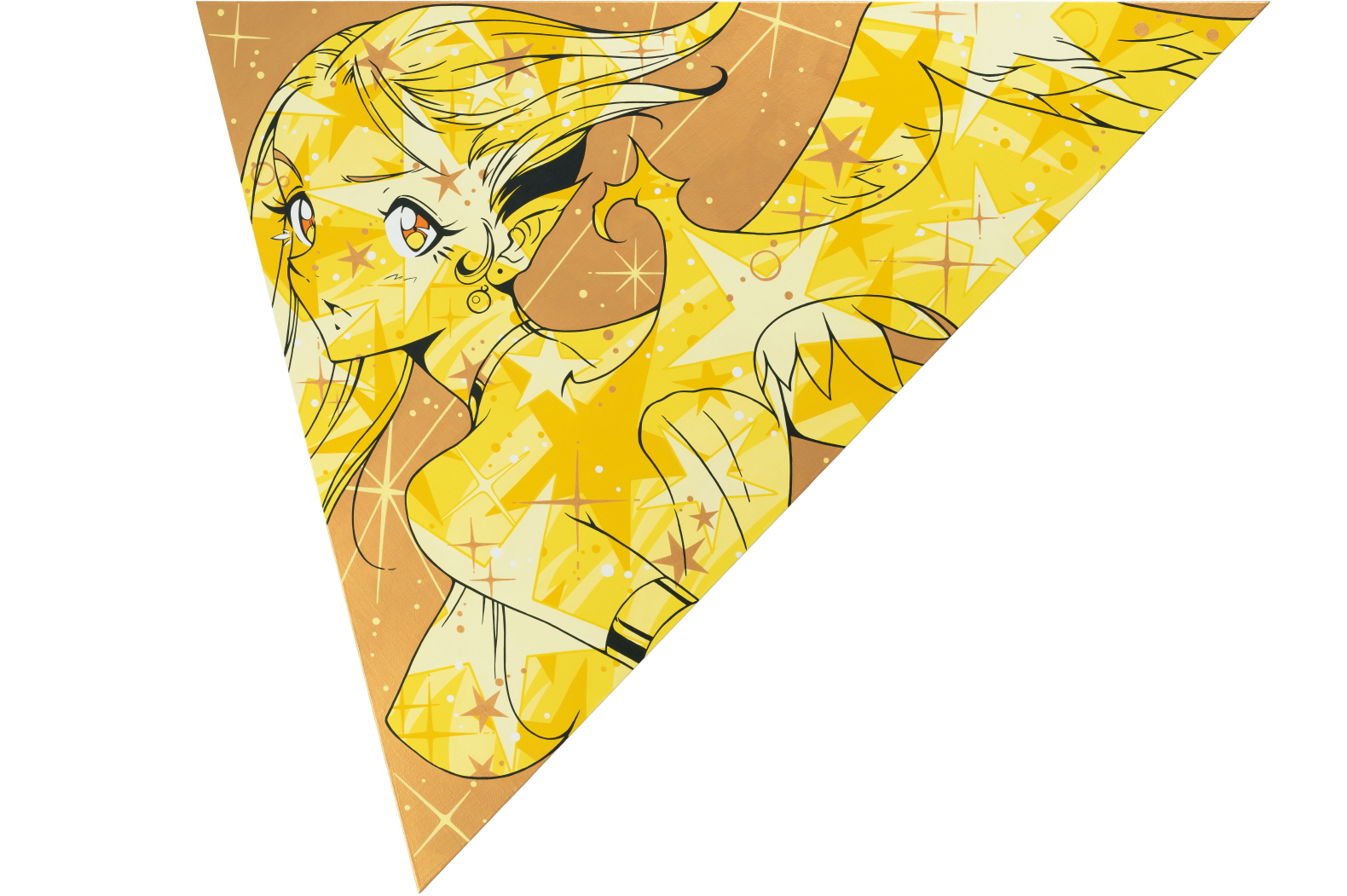
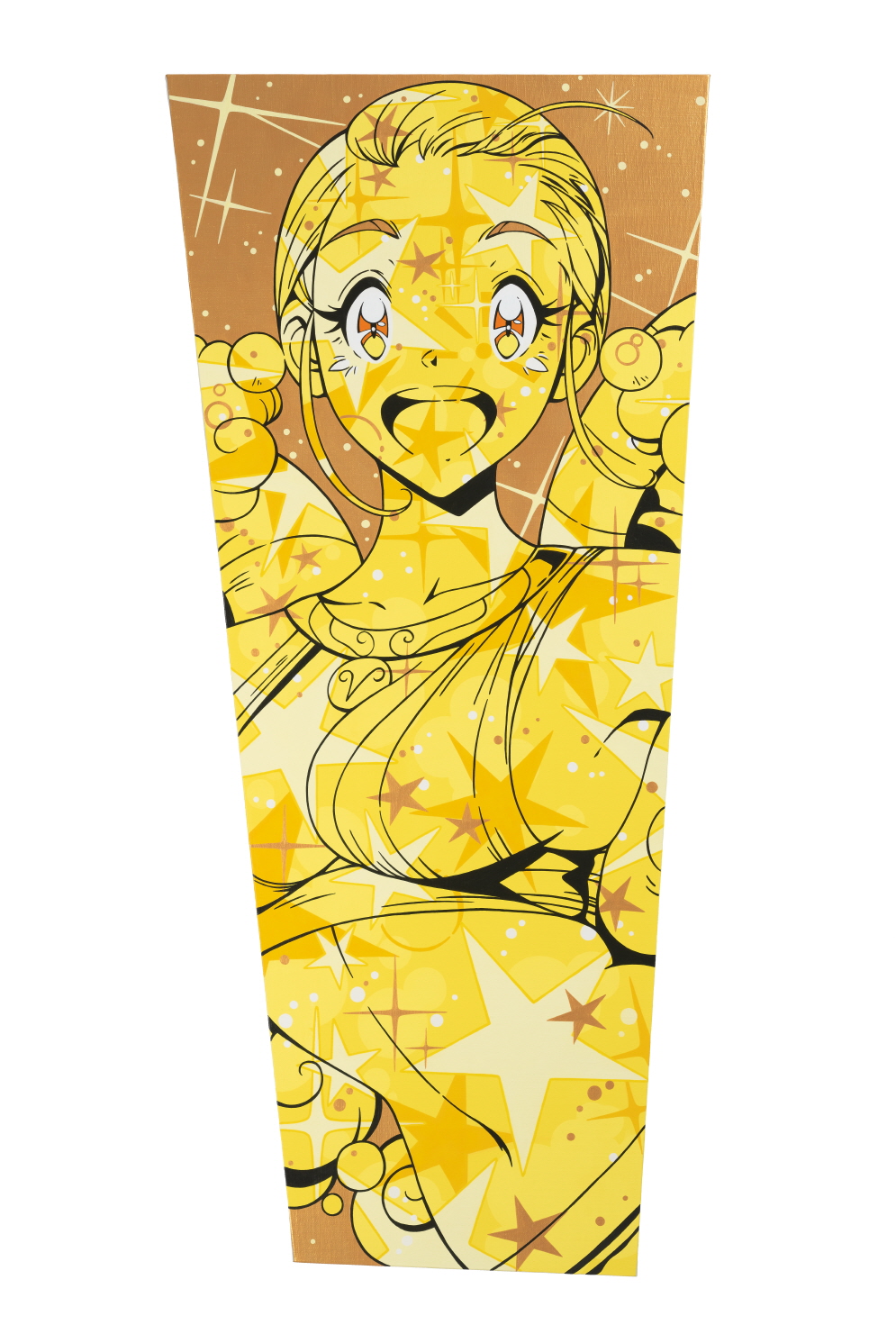
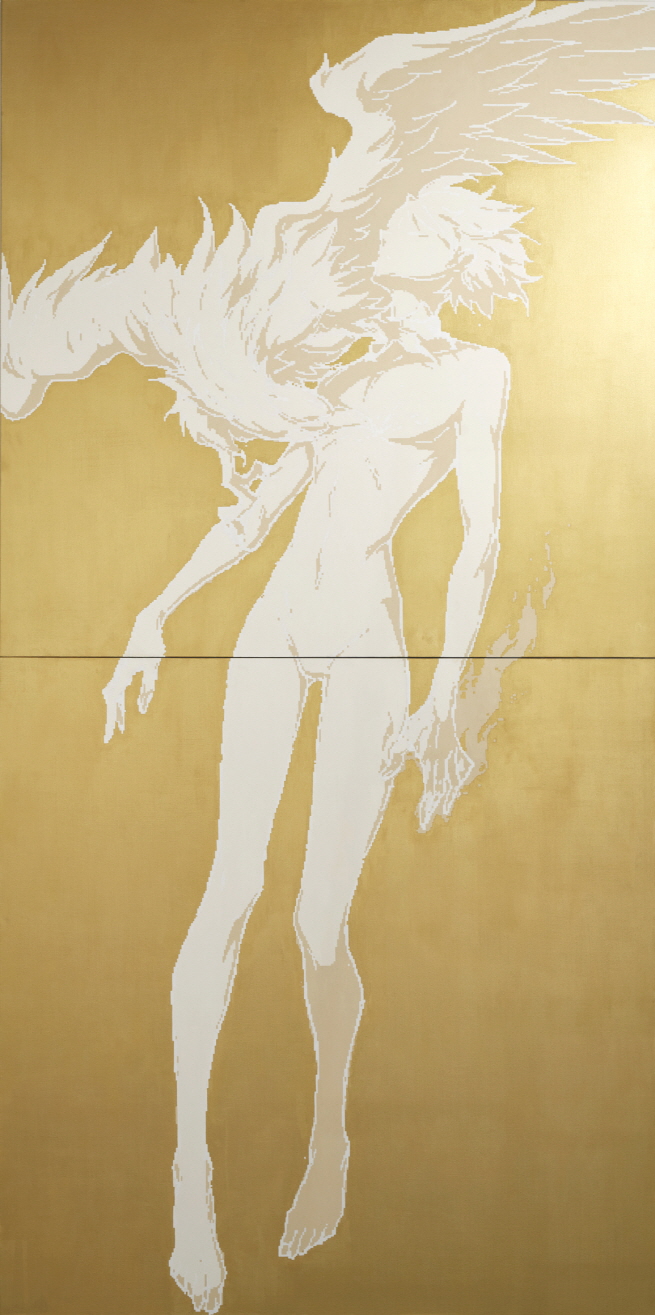
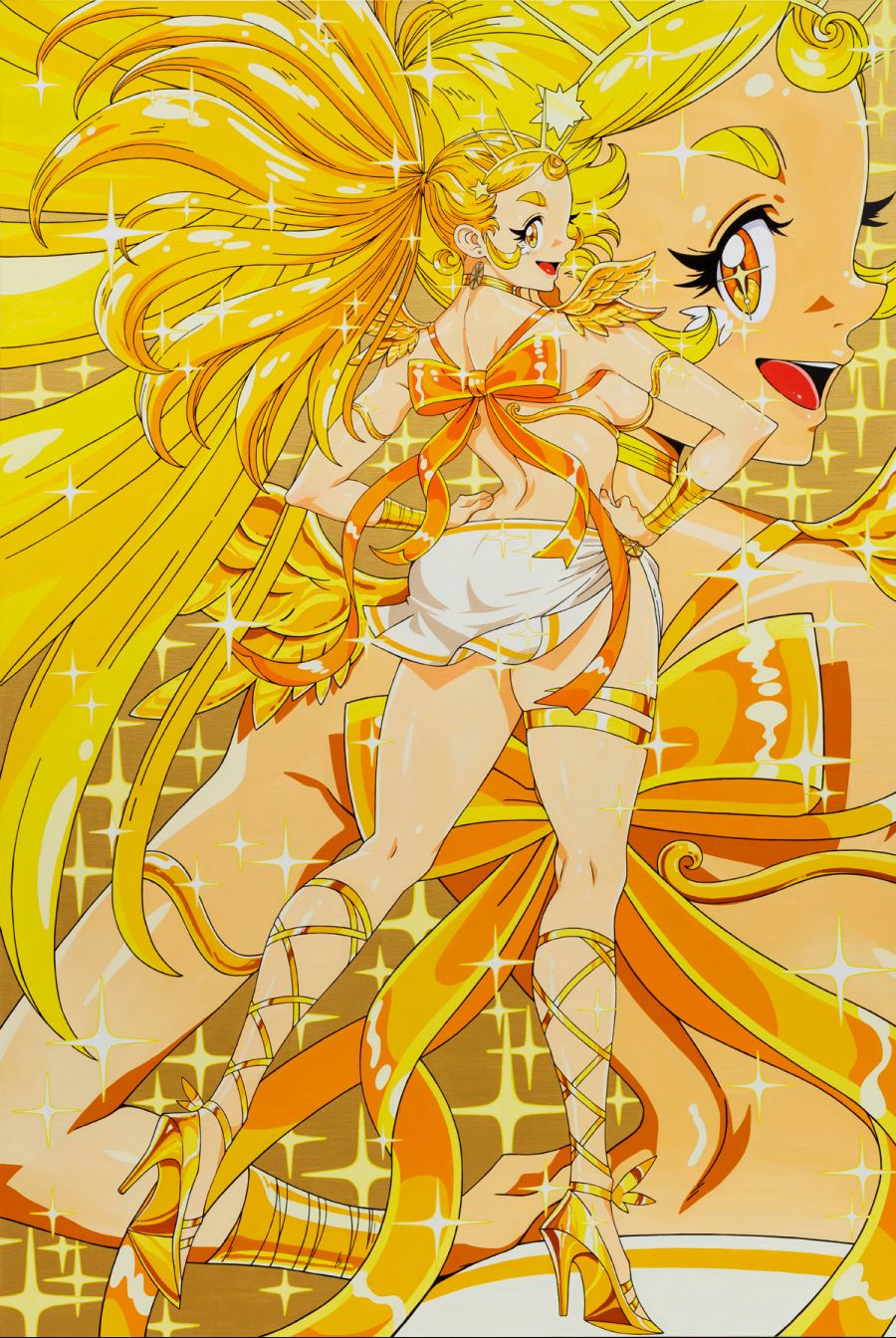
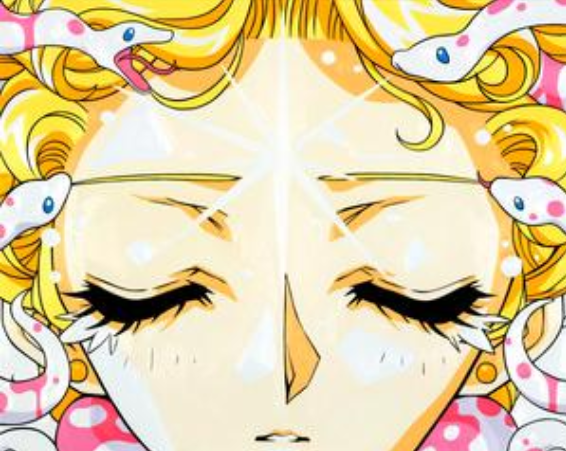
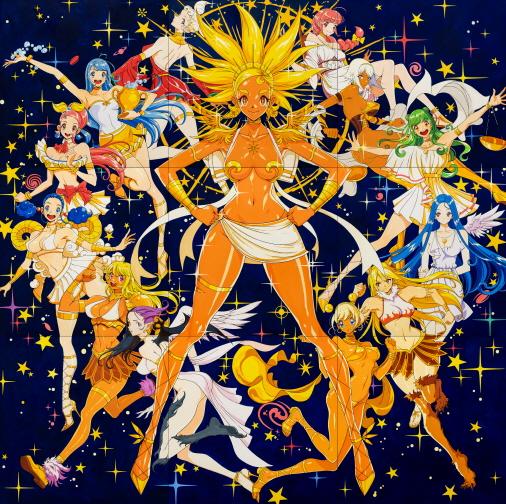
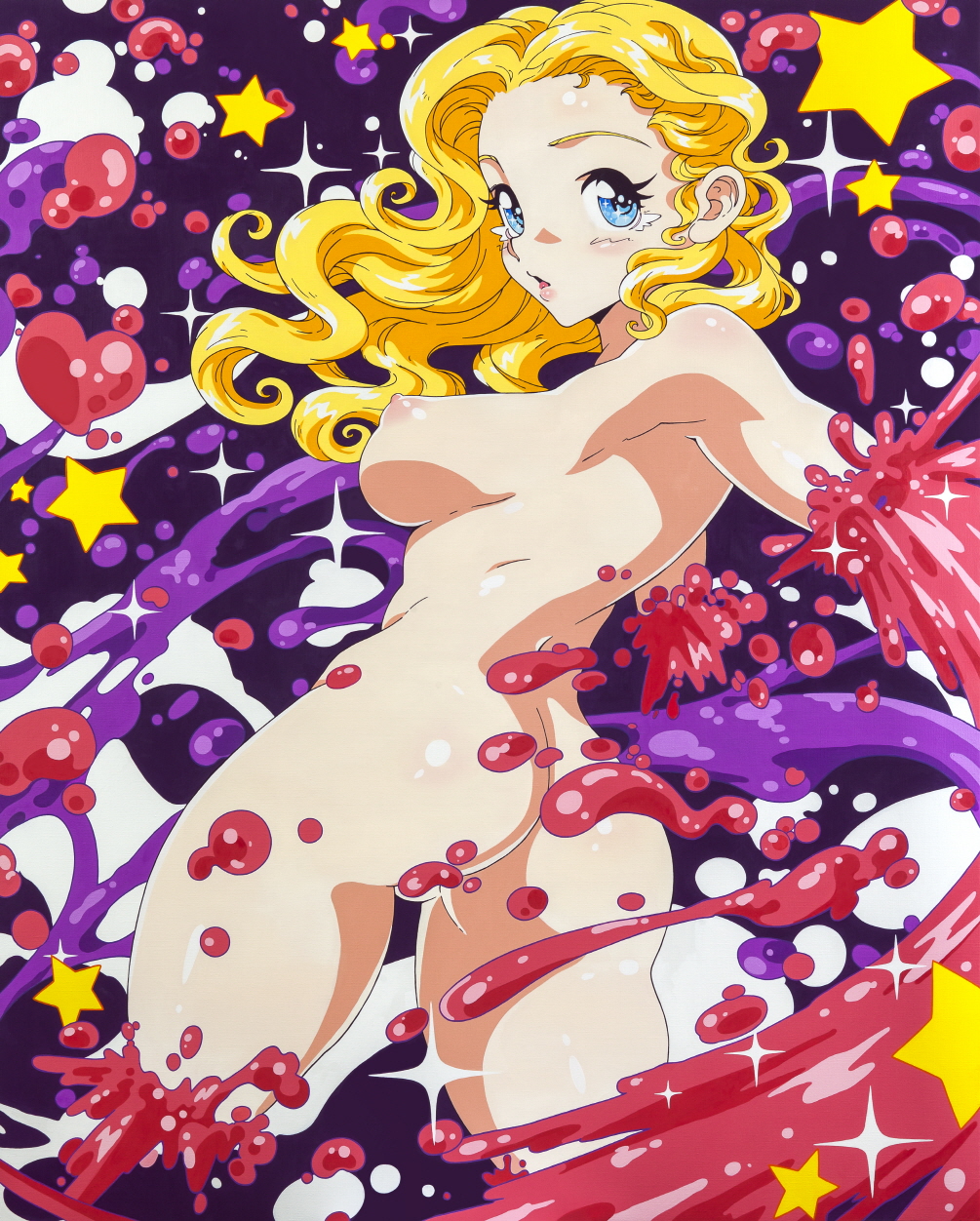
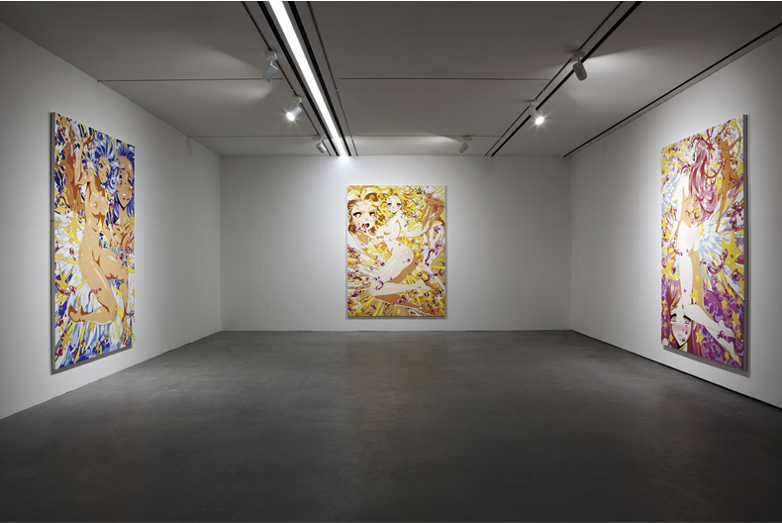
The title of the work in the exhibition is ‘Danae’ series. As well known, Danae is a Greek mythological goddess who is locked up in an underground chamber by her father King Acrisius after he hears that his grandson will someday kill him. However, Zeus who transforms into golden rain impregnates Danae, and she gives birth to a son named Perseus. Danae is also one of conventional iconographic figures often seen in Western Art history. This means that ‘Western art history’ lies as an important reference point in Lee’s manga-like image. Including Lee’s work ‘Torso’, inspired by the goddess Venus, Lee has always referenced iconography from Western Art history such as ‘Genesis’, ‘Laocoon’, and ‘The Annunciation’.
Works from Western Art History which deal with mythology or biblical narratives as the most important subject matter usually have their own inherent archetype, alluding to the fact that the meaning of this archetype is already connoted in the terms ‘classical’ or ‘iconography’. ‘Danae’ has been referenced by countless artists in their works, from Renaissance artists like Correggio and Tiziano, to Dutch Baroque artist Rembrandt, and Klimt after 1900s, usually depicted as a figure lying on white cloth covered bed, passively receiving the golden rain Zeus. Thus, ‘Danae’ is one of the ‘archetype of objectified nude’ often portrayed in Western Art history.
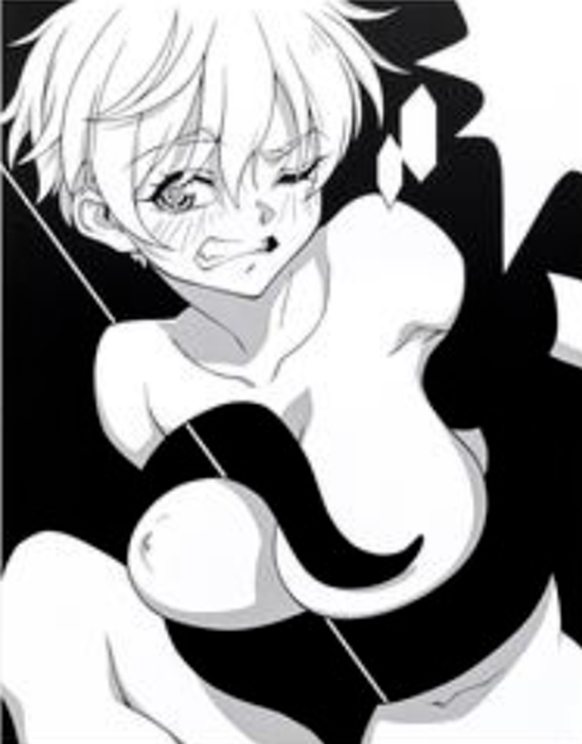
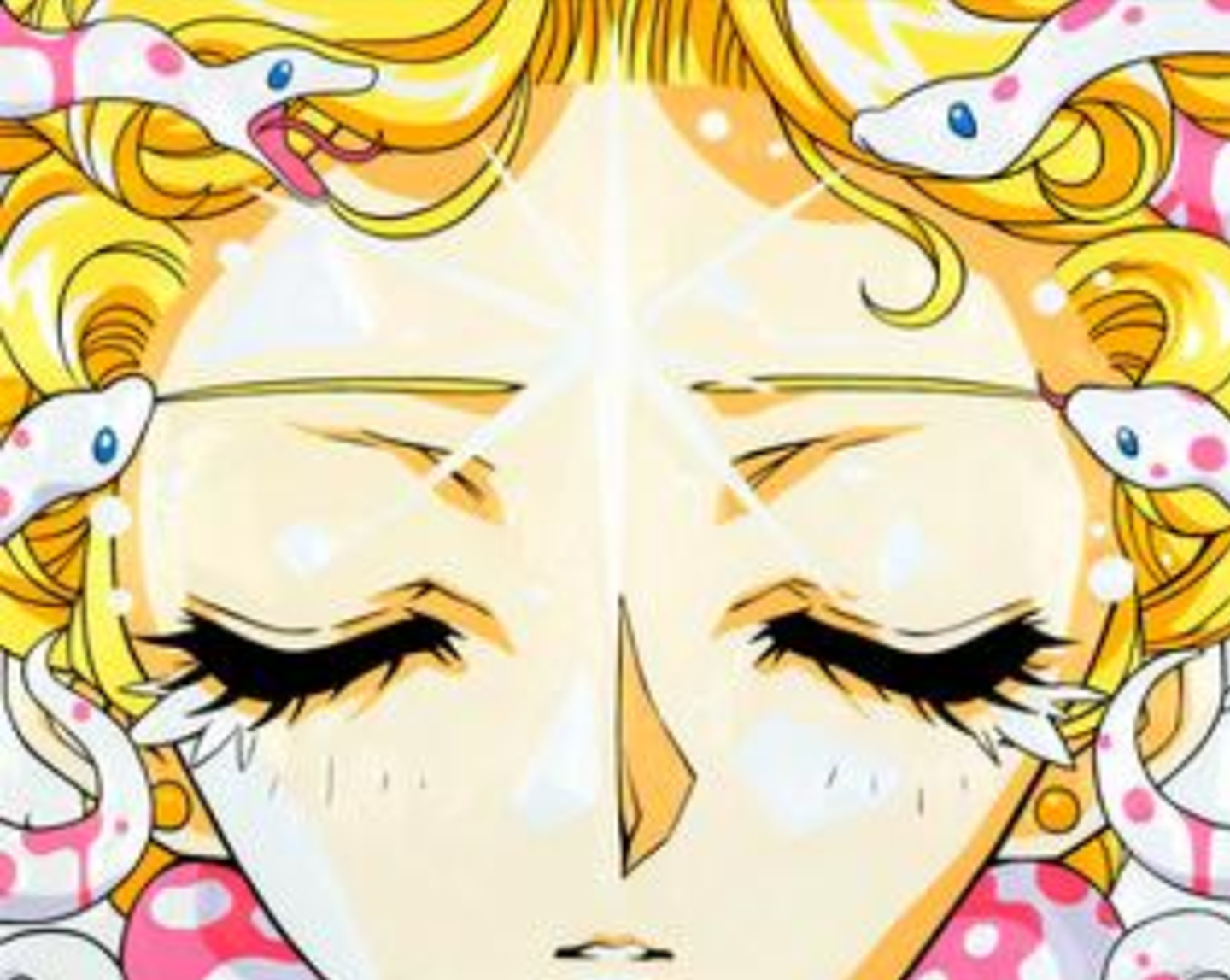
In Lee’s work, the archetype of Danae goes through two processes of the artist’s reinterpretation. While the manga-like expression is the first interpretation, his second interpretation is on Danae’s conventional portrayal of passivity. He focused on the figure’s ‘expression’ in order to portray Danae as a subject of her own feelings and personality the moment she encounters the golden rain. Drawn cheerfully with various expressions such as laughing, anger, and anxiety, Danae is not given a particular character but imparted with the artist’s own portrayal of human emotions and expressions.
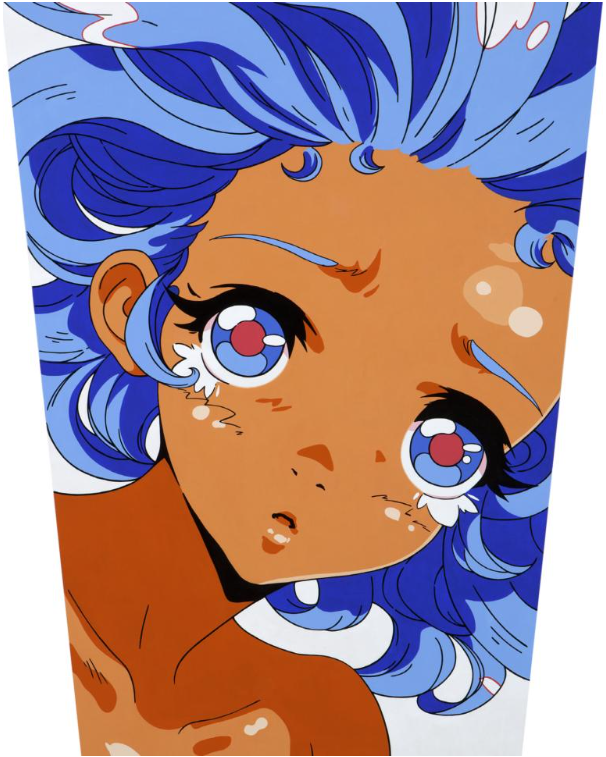
One might generalize Lee’s wok as a witty way of reinterpreting the archetype of iconography in Western Art history into manga form. As mentioned before, however, the hybridity where completely different contexts of ‘Western Art history’ and ‘manga’ exchange in a painting goes beyond the simple aspect of witty image-making, to a completely more complex realm, where his work — as a reference for reinterpretation — transcends the appropriation of manga-‘like’ image to being the ‘archetype’ of Japanese manga itself.
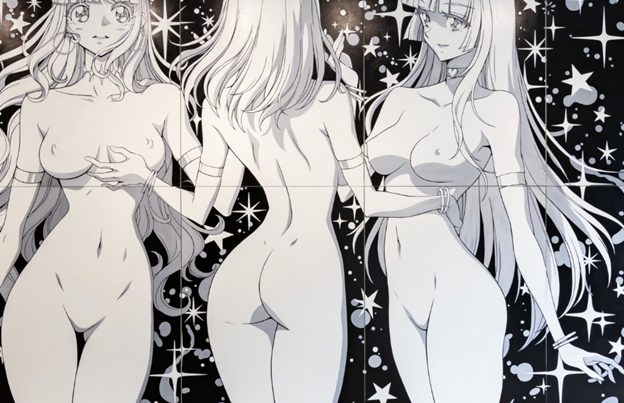
Unlike the passive Danae in art history, Lee’s ‘Danae’ expresses her own various emotions; however, she is transformed as a visual signifier who transforms the male sexual desires with her typical female qualities of manga characters with excessively voluptuous body. As verified by the fact that typing in ‘Japanese manga’ on internet search engine brings up adult content, Japanese manga is an ‘archetype’ of expression which satisfies male sexual desire. This is where Japanese manga stands in Korea. Furthermore, Lee’s ‘manga-like’ expressions are not precisely manga-like.
Due to the artist’s intention to remove the objectified perspective, or as the comment made by a Japanese manga professional (Iza Otaku) who has seen Lee’s work, it’s rather closer to being ‘Korean animation made under the influence of Japanese manga’. It refers to another archetype made in Korea which dilutes the sexual provocativeness.
Archetype of classical iconography from Western Art history and the archetype of Japanese manga collide into each other in the paintings by Lee –– a ‘Korean artist’ who grew up in ‘Korea’ and influenced by the general visual influence of ‘Japanese manga/anime’. In his work, the typically signified Danae is replaced by an archetype of Japanese manga, which is again not fixed on the signifier as an image, and is seen as a Korean expression of Japanese manga.
This is the image of hybrid reference in Lee’s work, and what’s more fascinating is that the artist expands this to the problem of the ‘frame’. More specifically, the problem of ‘archetype’ goes beyond the contextual aspect (type) of reference, to becoming the artist’s important conceptual basis on which he reinterprets the ‘frame’. Now, let’s return to the subject of ‘exhibition title’ mentioned at the beginning of the text.
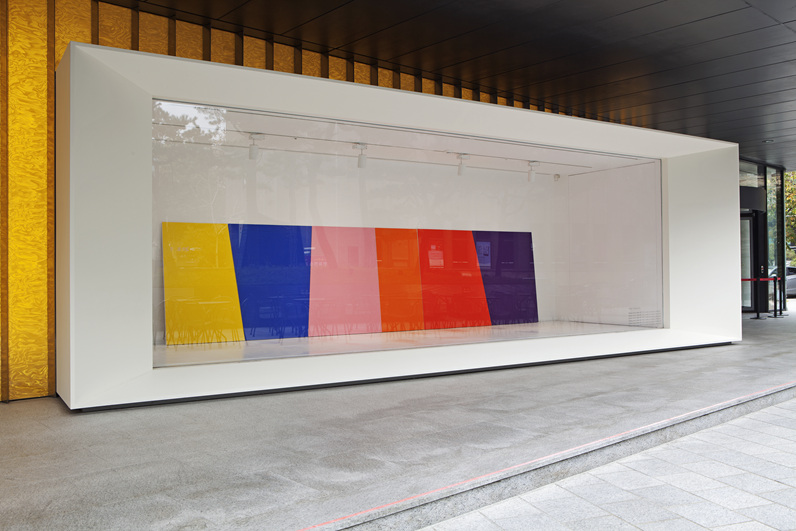
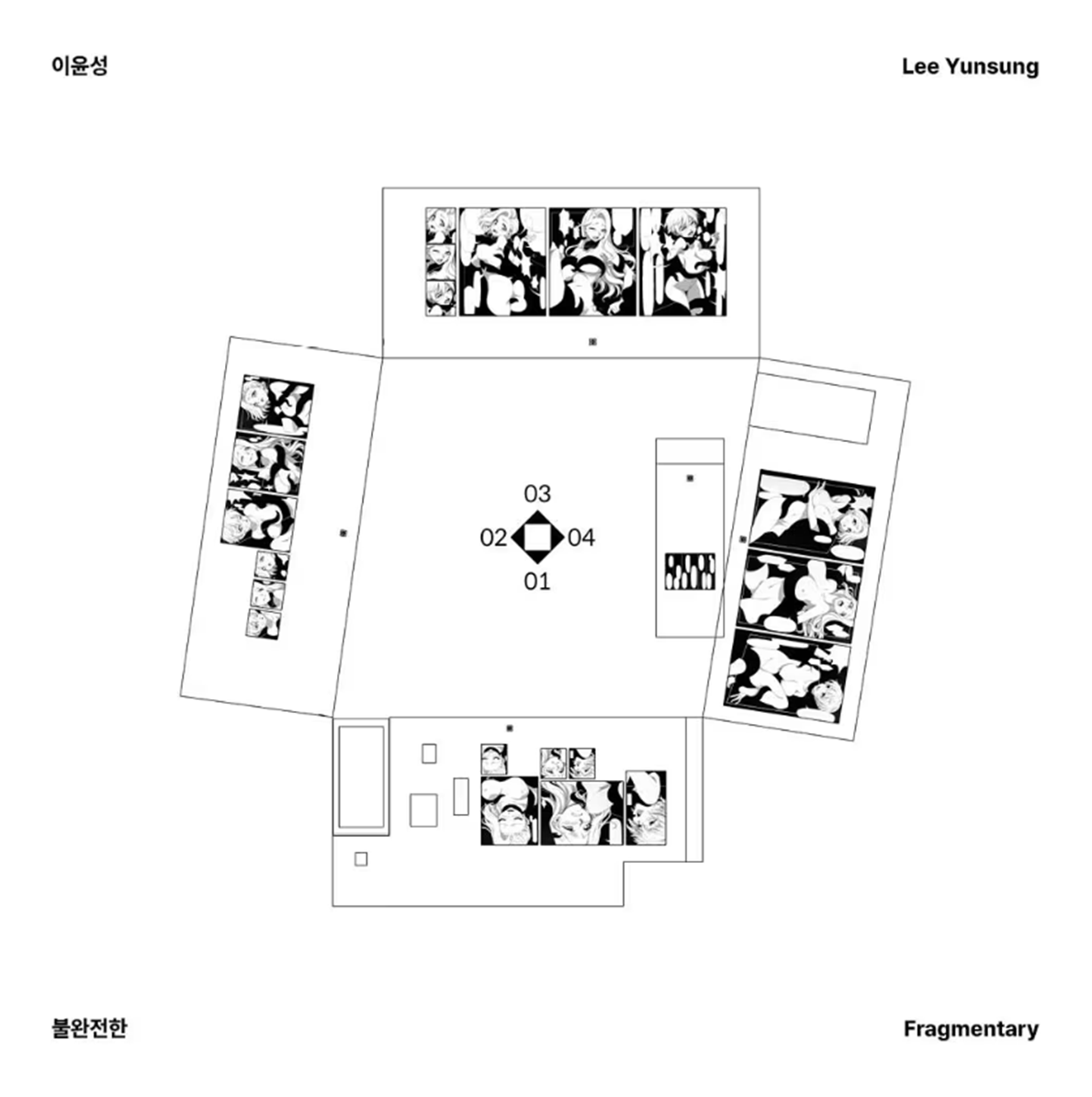
In this exhibition, Lee divided the painting frame, and then reassembled them on the gallery wall as if it were a different surface. The canvas deviates from the straight rectangular form, as it follows the frame Lee produced himself. The ‘transformed canvas’ is a phenomenon of Modernism in 1950s, but I may be going a bit too far in saying that Lee’s transformed canvas employs Western art history as an important material of reference.
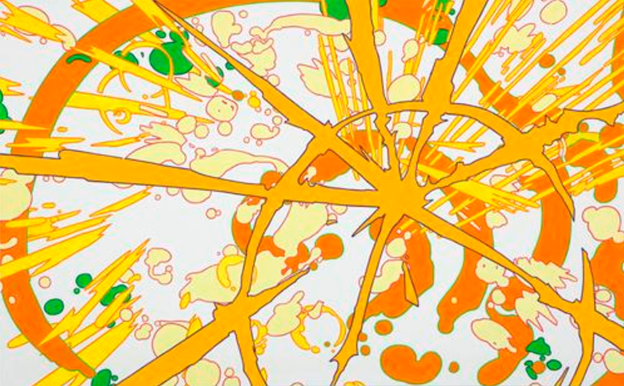
However, the actual reference for this transformation again returns to Japanese manga, and naturally relates to the questions in 《Nu-Type》. As expected, his canvas frames refer to the partitioning of the frames in the Japanese manga, converging in one point or dividing into different directions, with the lines of each frame make up the different vanishing points seen by the artist.
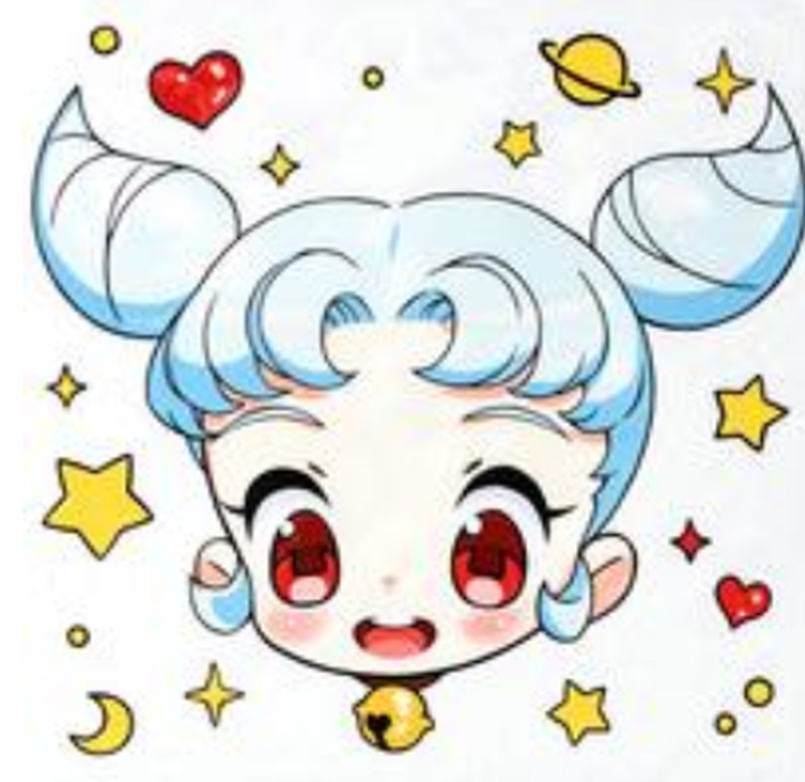
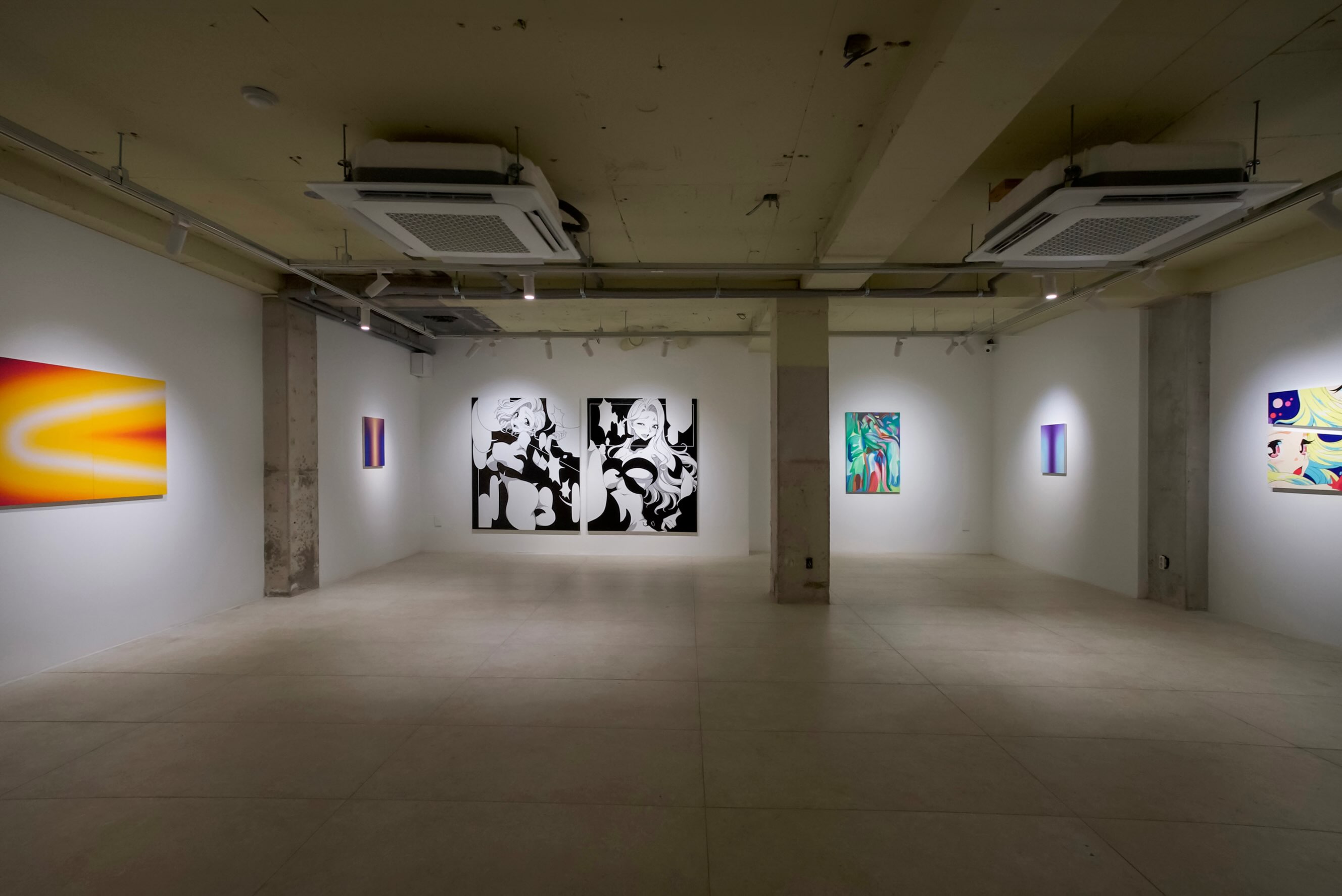
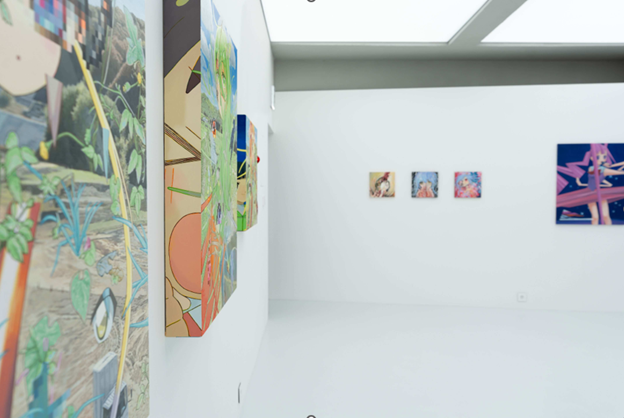
It seems that through 《Nu-Frame》 exhibition, the artist has started to explore the grand question of ‘painting’ through the superficial signifier of Japanese manga. The small works displayed with the ‘Danae’ series in the exhibition space are depictions of archetypes conventionally used to express the landscape or emotional nuance in the manga. The archetype of manga mechanism, or the iconography of manga, is oddly related to the genre of the painterly abstraction.
Therefore, the ageless questions in painting, such as abstract and representational, and canvas and flat surface, are demonstrated through the reference frame of Japanese manga. It’s curious as to how the hybridity of various references will expand to problems of content and form, and what steps the artist will take next. I wonder what the title of Lee’s next exhibition will be.
In the conversation with the artist, Lee mentioned in a passing-by comment that his exhibition titles kind of seem like ‘a play of words’. His utterance left a deep impression on me, because play of words is the variable signifier that is not fixed to one specific meaning, and is the epitome of hybridity that cannot easily be defined.