After PPB,
Koo’s trajectory increasingly widened the gap between software and the body,
intensifying the heterogeneity of their connections. While PPB visualized
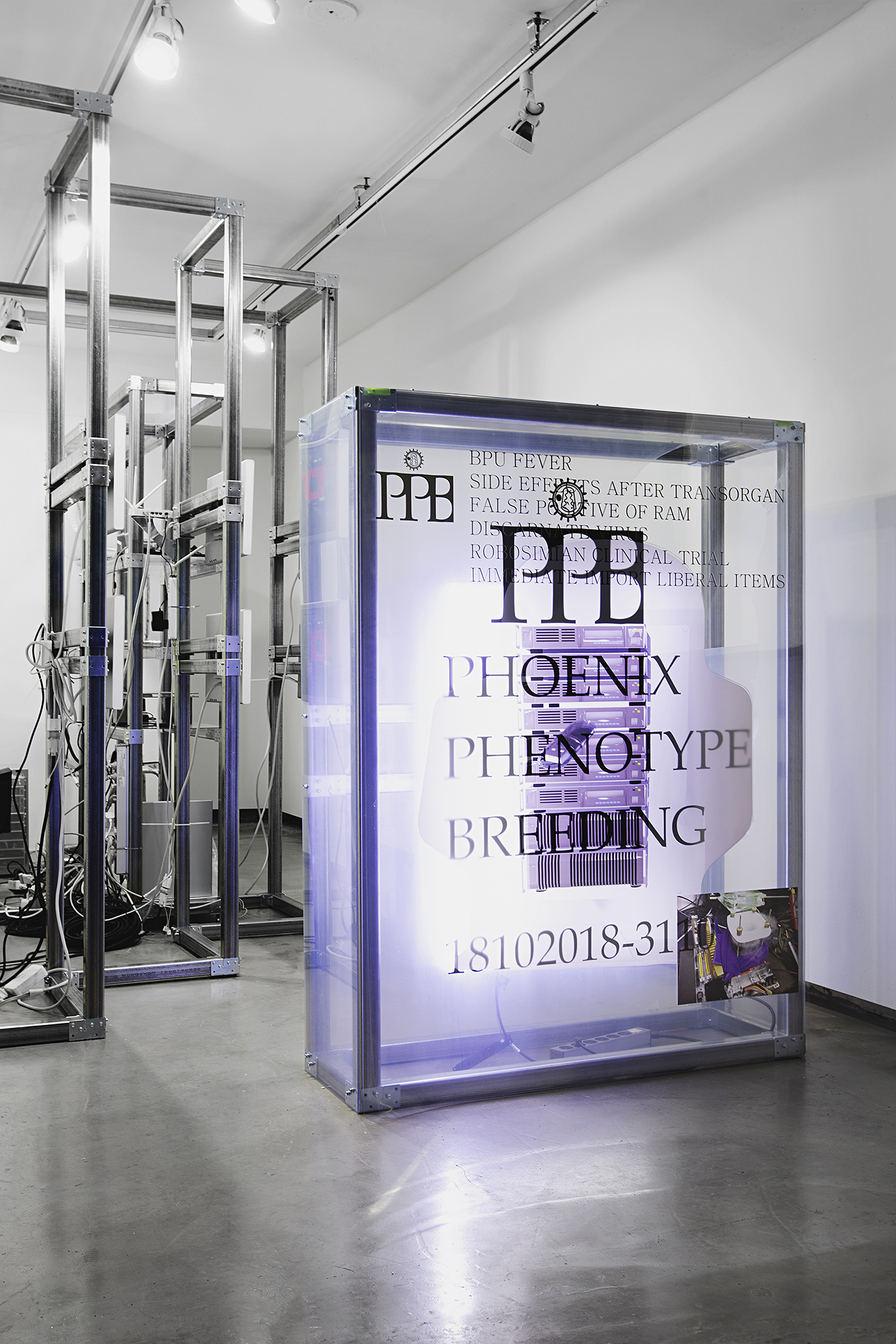
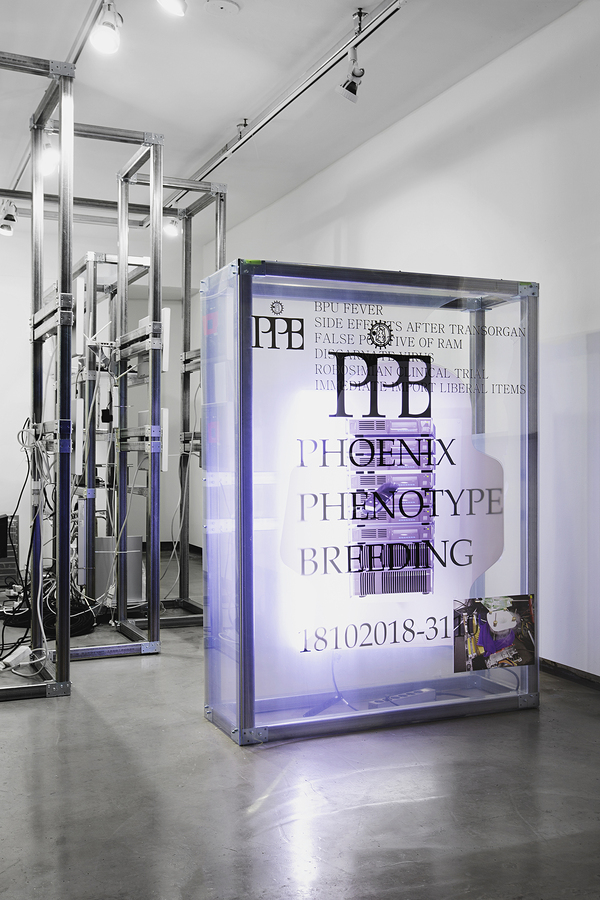
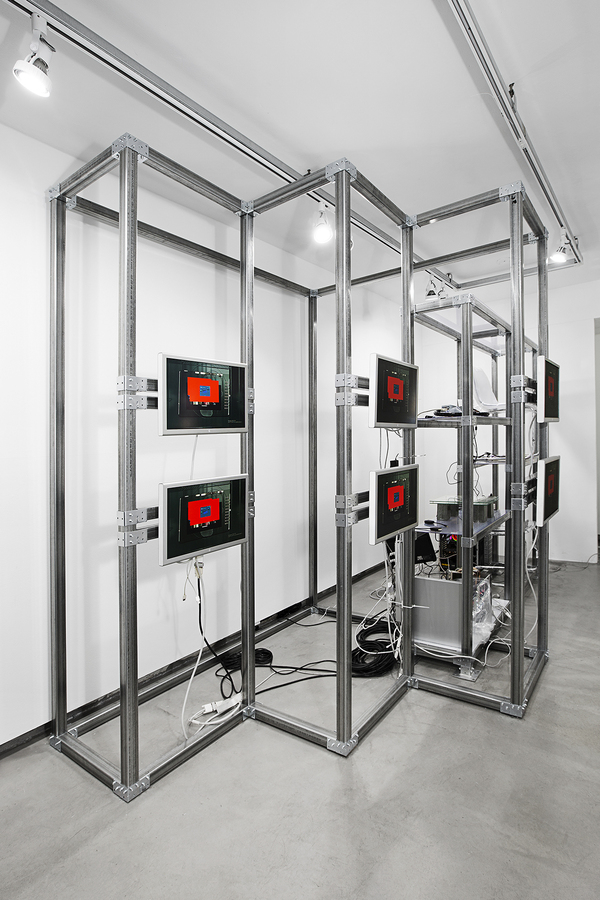
the workings of 3D computer graphic programs such as Rhino or 3Ds Max, Development
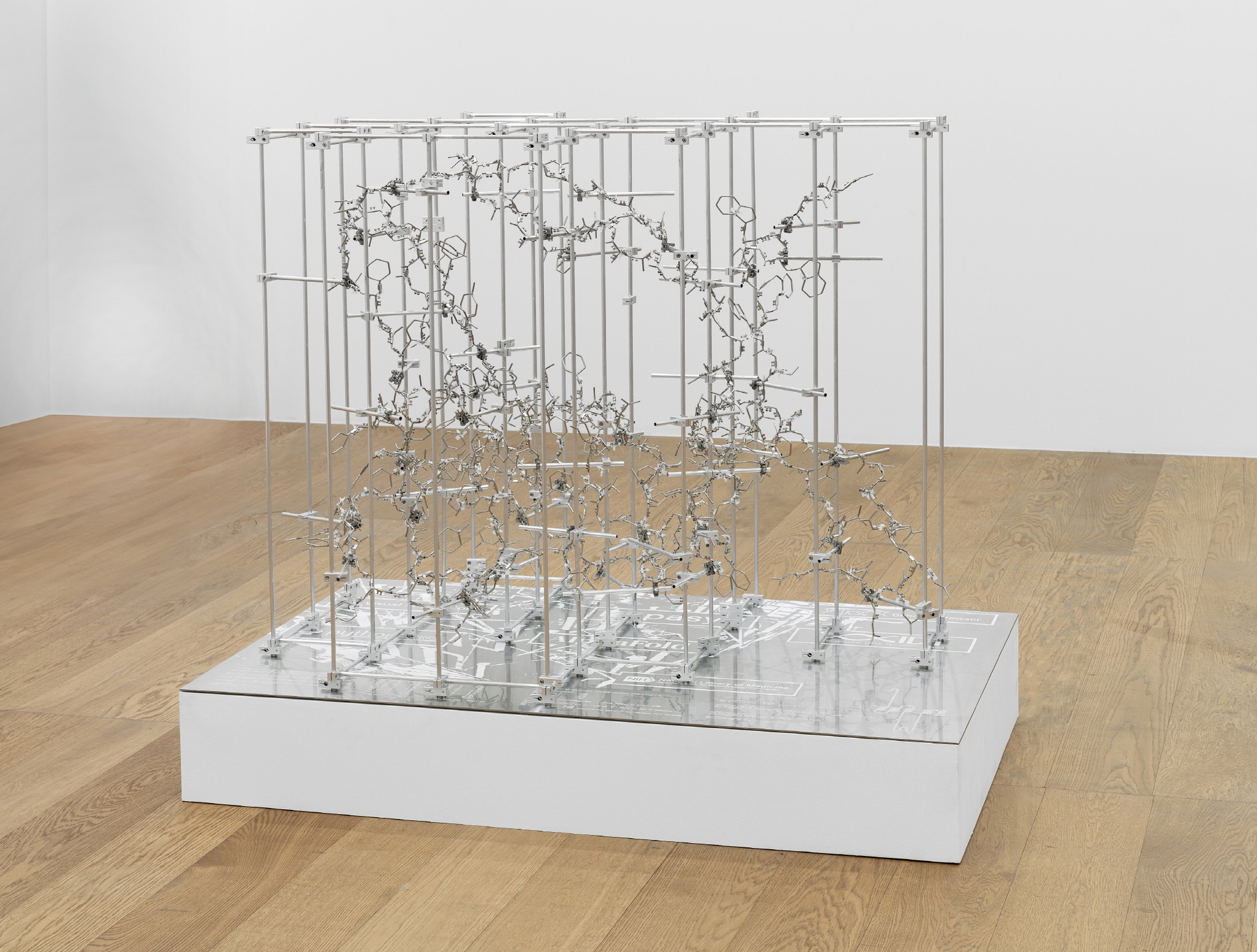
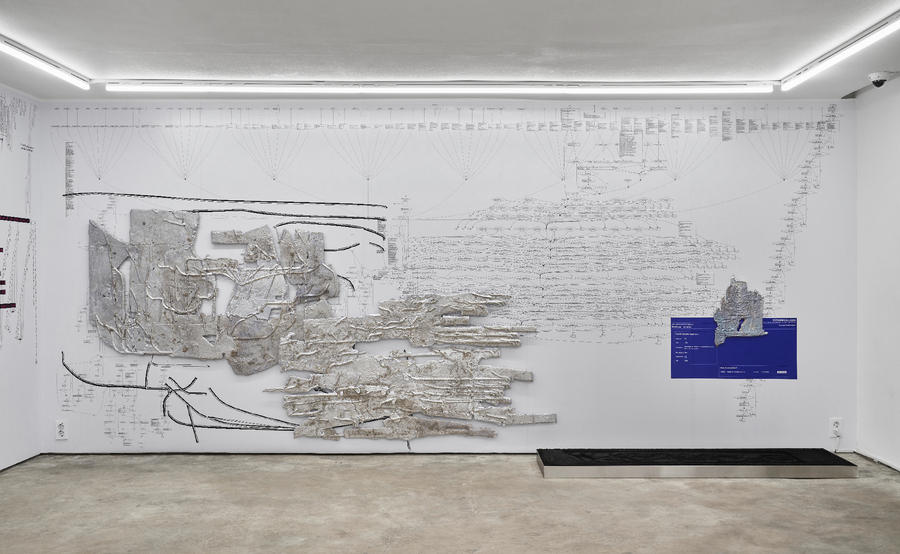
of editing methods for website structure (2020) analyzed the
composition of codes that determine website properties, rendering them into
perceptible structures.
The
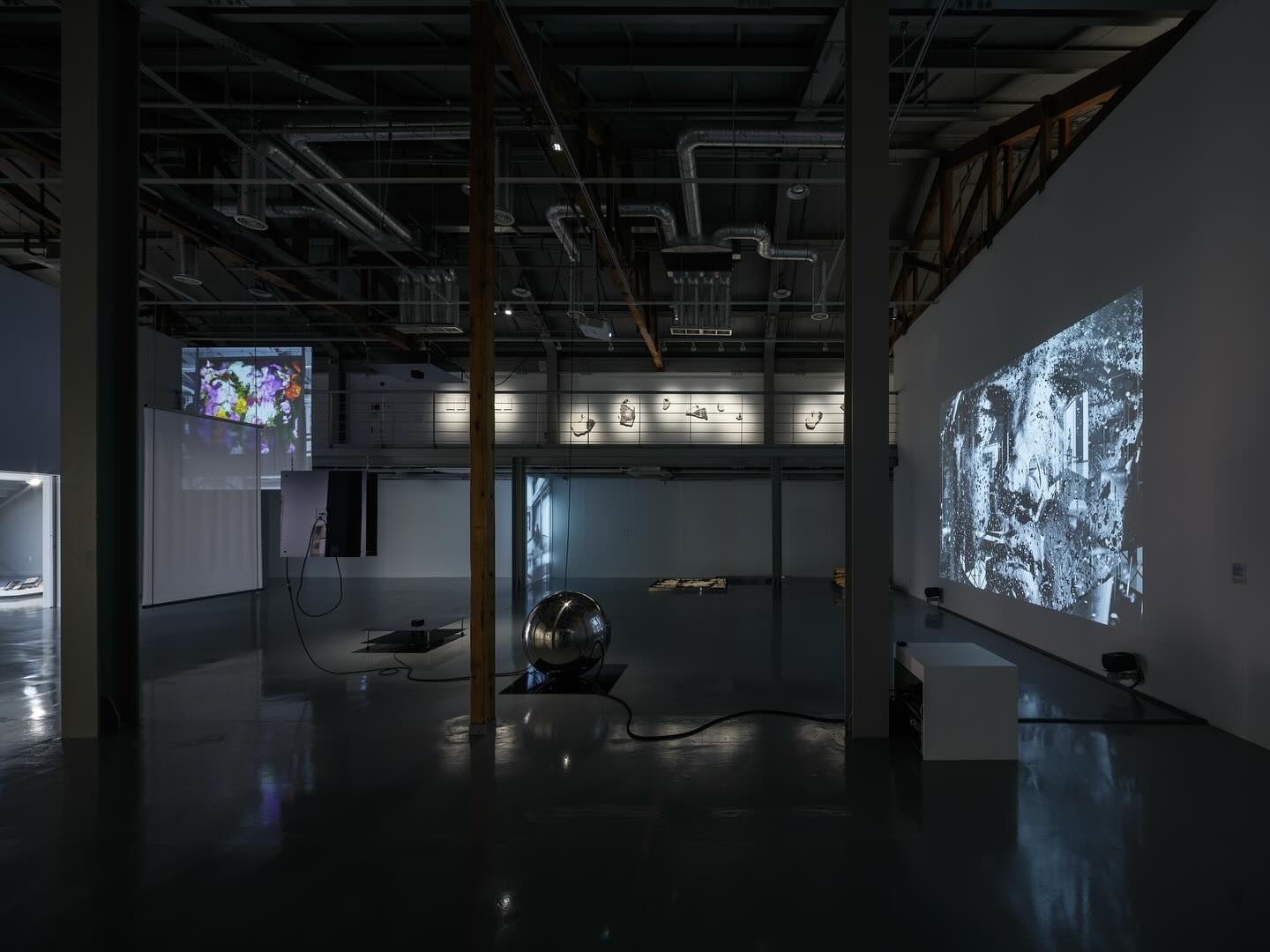
residency project 《On the Growth
and Form of Software》(Incheon Art Platform G3, Incheon,
2021) delved into an even smaller unit: the process of specific source codes
being revised. The direction of his work thus evolved — from the operational
logic of graphic tools, to the design blueprints of virtual spaces, to the
formative processes of unit elements themselves. Like progressing from
compounds to molecules, from molecules to atoms, his explorations of software
have increasingly turned toward fundamental structures of media.
Interestingly,
even as the abstraction of his subjects intensifies, the materiality of his
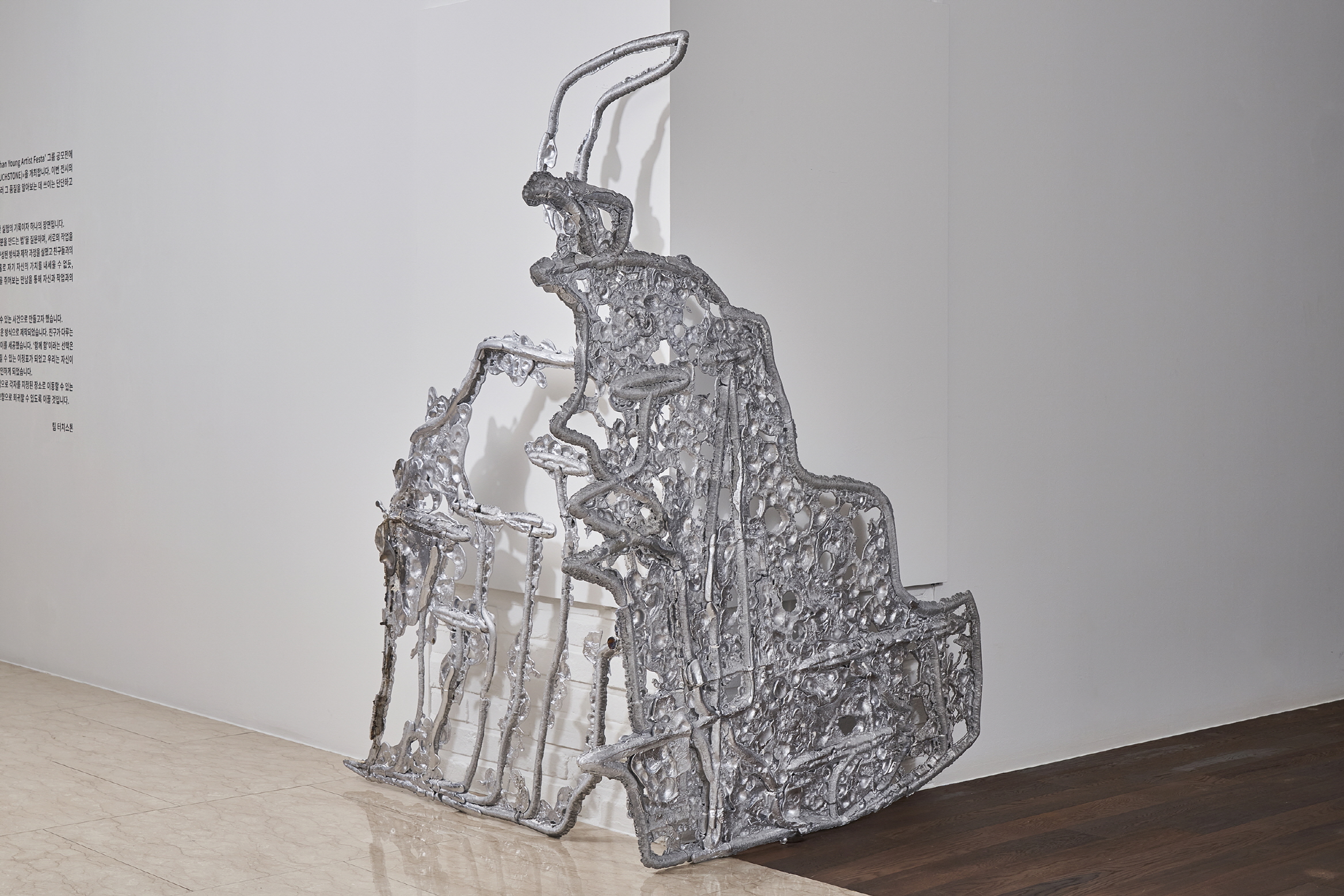
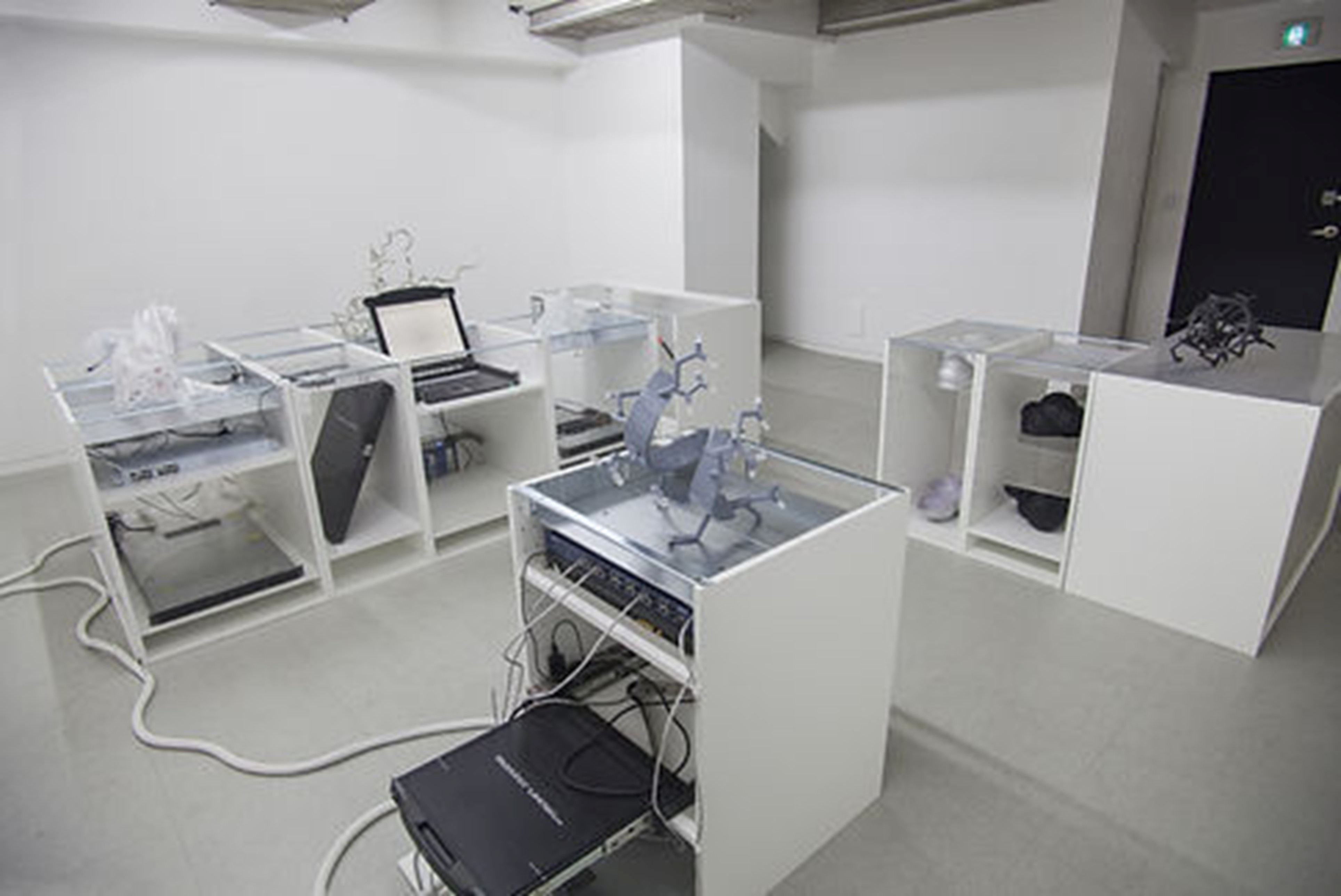
works grows heavier. Development of editing methods for website
structure, which visualized the structures of six major art-world
websites, functioned like an experiment in sculptural evolution, from line to
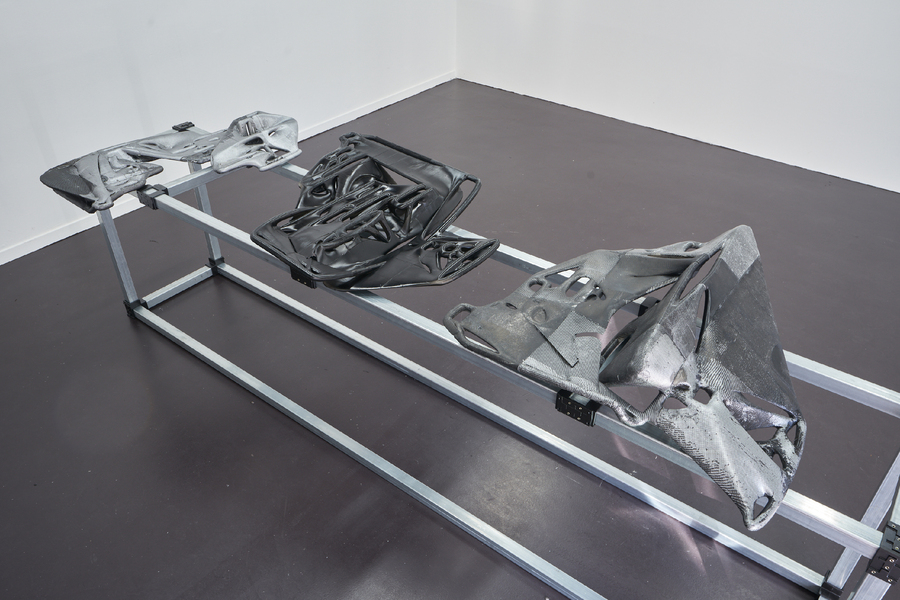
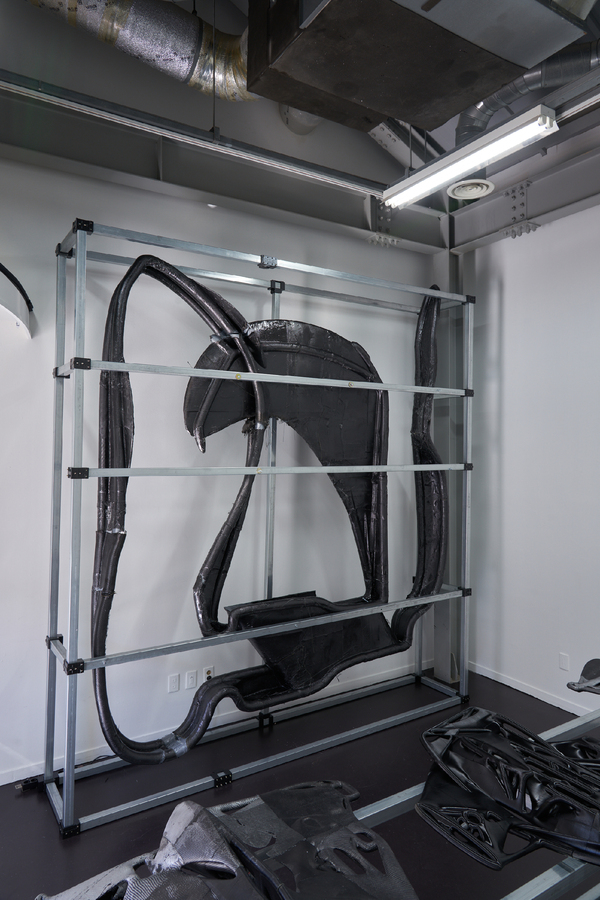
mass, showcasing multiple stages of 3D-printed outputs. More strikingly, 《On the Growth and Form of Software》
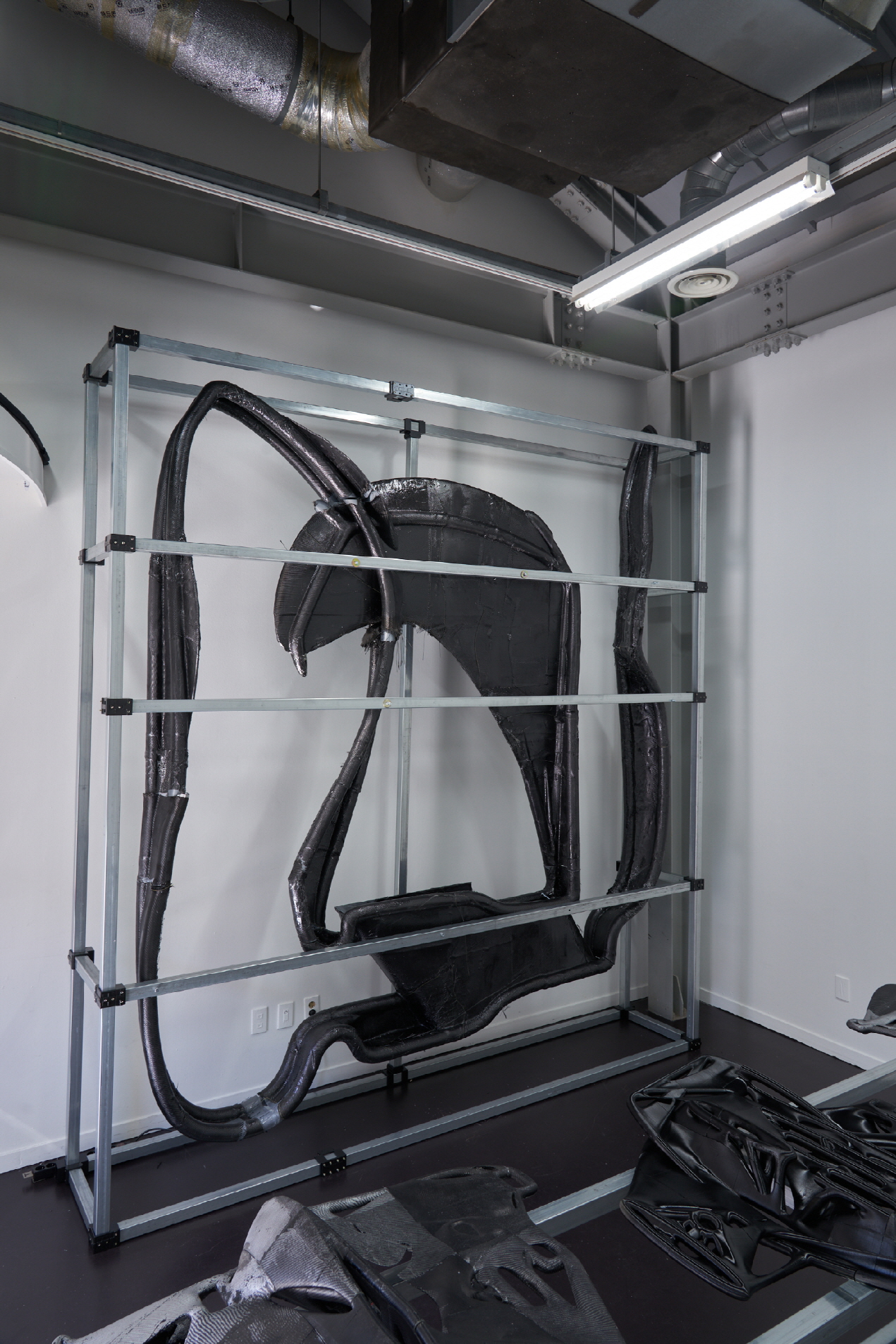
presented the new work Soft Muscle (2021), which
displays overwhelming scale and material force. By likening the process of
developers debugging and completing code in open-source communities to the
growth of muscles, and by visualizing code’s growth through 3D printing with
carbon fiber (CFRP) molding and water-transfer films, Soft Muscle materializes
the toughness and density of muscle fibers.
Carbon
fiber is a material often used in high-powered muscle cars, its woven patterns
and textures evoking muscular men or powerful machines. These grotesque black
masses, immense in scale and with artificial textures, radiate an uncanny
grotesque sensibility. That they visualize the formation of immaterial,
abstract code only heightens the dissonance between the palpable intensity of
materiality and the abstraction of code.
To
give bodies to code — symbols complete in themselves — arises from our human
cognition, which cannot perceive abstractions without concrete forms.
Translating abstraction into form recalls inorganic matter becoming organic,
evoking biological analogies. Koo has indeed drawn on concepts from organic
chemistry and biology: likening the selection of base tags in website source
code to genetic scissors, adopting molecular visualization methods to shape
website codes, borrowing exhibition titles from classics in biology.⁴ Among
such organic analogies, the most crucial is reverse transcription.
Viruses,
unable to metabolize on their own, parasitize host cells. Some viruses, unlike
normal transcription, reverse-transcribe RNA into DNA and insert it into host
genomes. Viral DNA embedded in host DNA then triggers different mutations. Koo
interprets such reverse transcription — which generates difference — as a
search for alternative possibilities.
Since
Plato, images have been regarded as secondary to reality. Yet in today’s world
of Photoshop, Illustrator, and Rhino, where objects can be extracted from
images, the real has become something that arrives after images. In this
reversal of value systems, Koo’s act of giving bodies to code reflects the
epochal shift of contemporary media paradigms, wherein software transforms the
very essence of culture.
Visualizing
software recalls the dominance of media in our age, the hybrid senses of
contemporary humans inseparably synchronized with programs and devices. But
above all, what Koo envisions is the potential to reverse-transcribe
human-centered sculptural language and object-centered exhibition spaces into
the immaterial language of programs, thereby generating new, unimagined
mutations. We can only anticipate the healthy emergence of such mutants.
1.
Jamyoung Koo, “Artist Talk with Critic Jihong Baek,” 《Development of editing methods for website structure》 Exhibition Catalogue (Willing N Dealing, Seoul, 2020), p. 43.
2.
Ibid., p. 44.
3.
This line of thought recalls Marshall McLuhan’s conception of media, but Koo’s
perspective is relatively more object-oriented, compared to McLuhan’s
human-centered view of media as extensions of human senses.
4.
The exhibition title 《On the Growth
and Form of Software》 borrows from D’Arcy Wentworth
Thompson’s On Growth and Form (1917), which systematized the
morphological development of organisms.