










Solo Exhibitions (Brief)
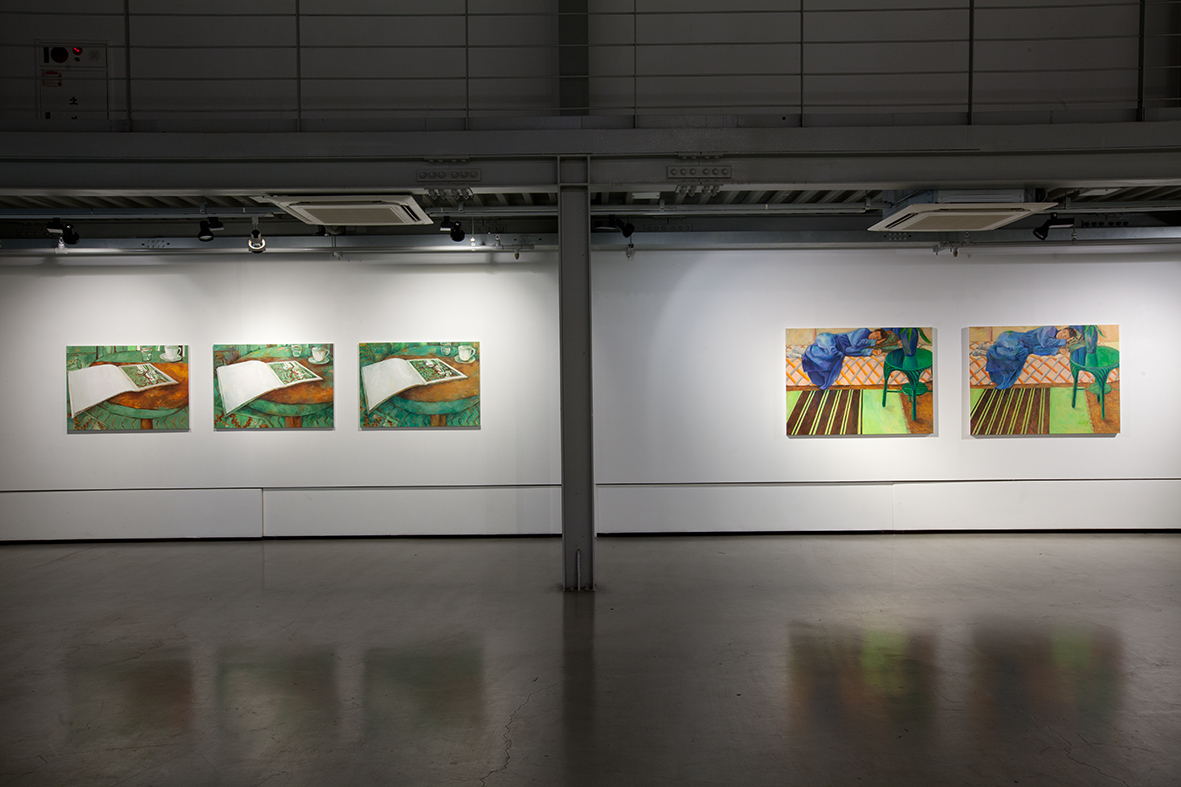
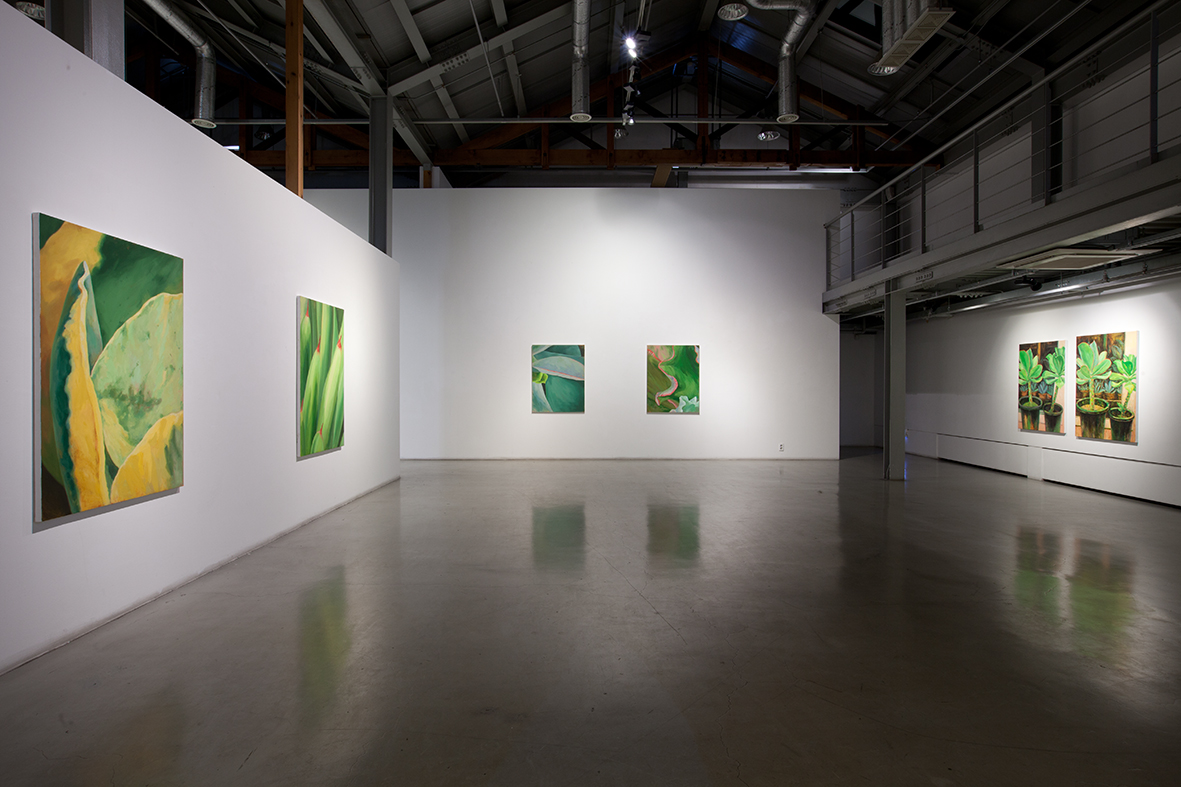
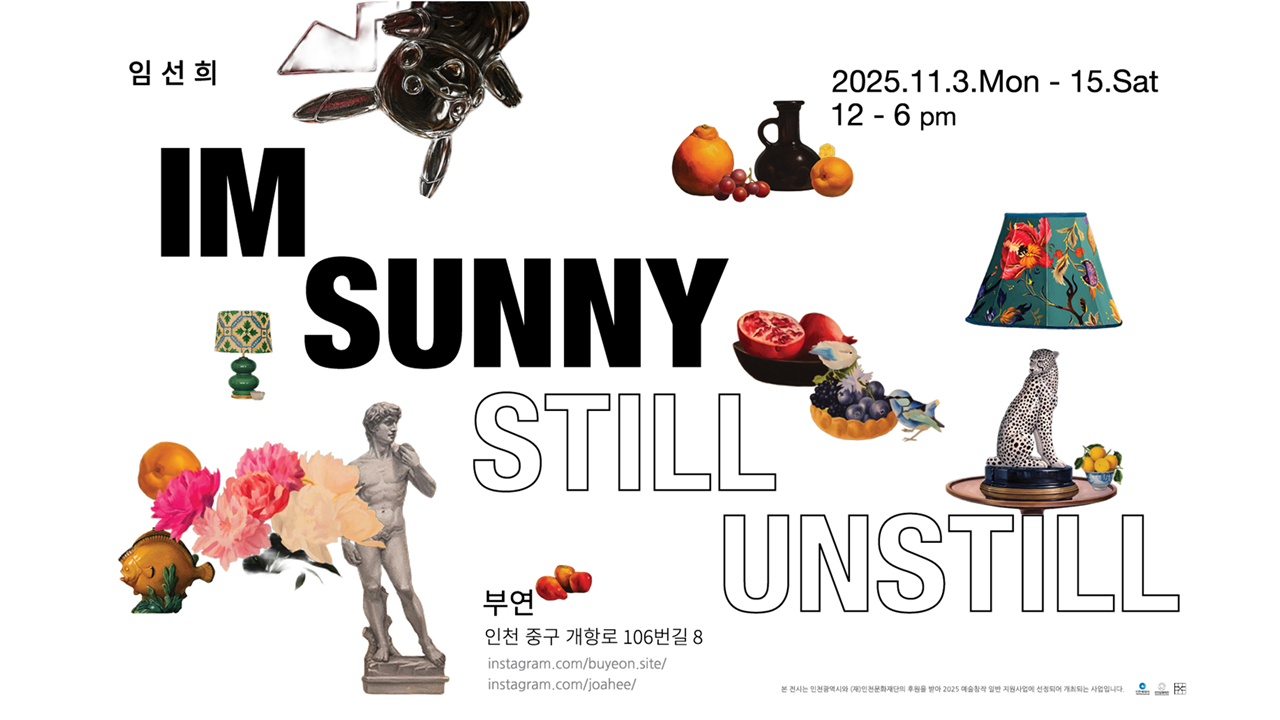
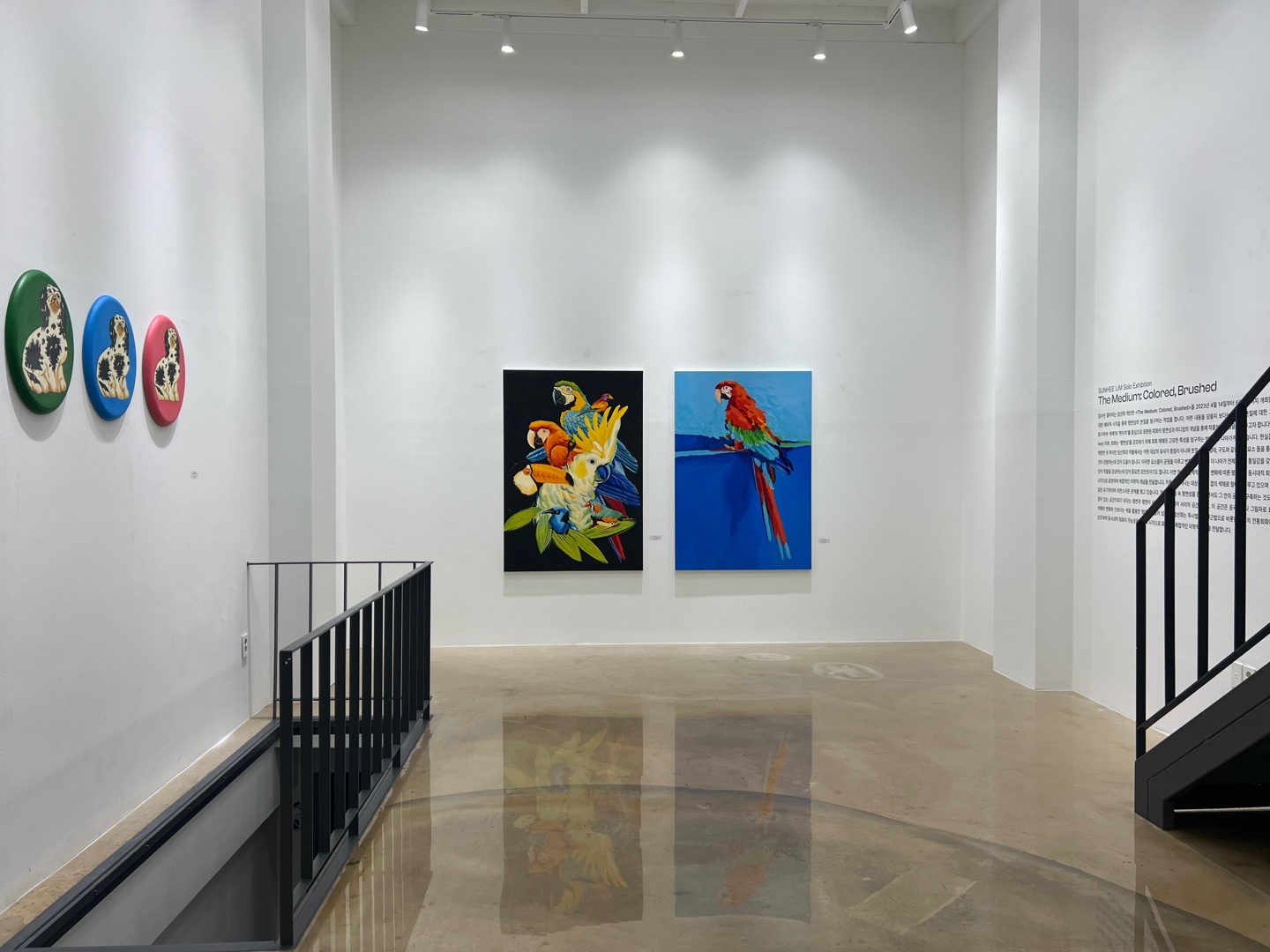
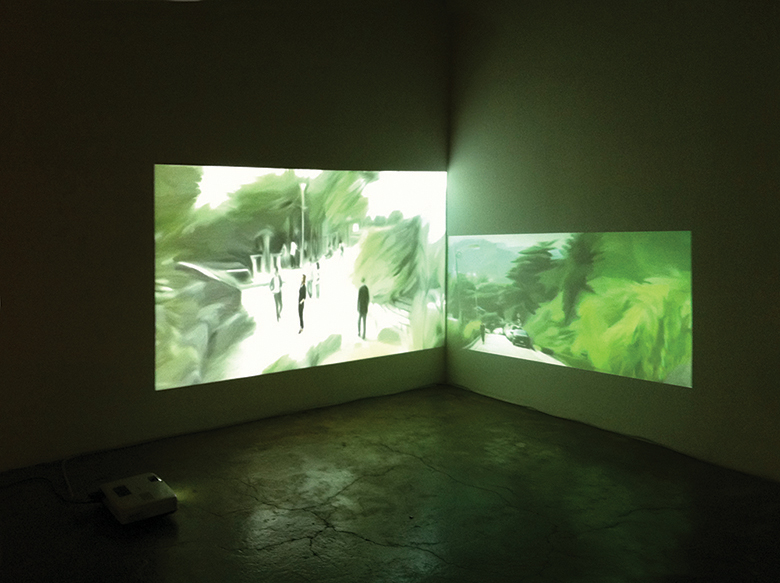
She has held solo exhibitions at Alternative Space Brain Factory(Seoul, Korea), Na Gallery(Seoul, Korea), Changdong Art Studio(Seoul, Korea), Gallery Chosun(Seoul, Korea), Incheon Art Platform(Incheon, Korea), UARTSPACE(Seoul, Korea).
Group Exhibitions (Brief)
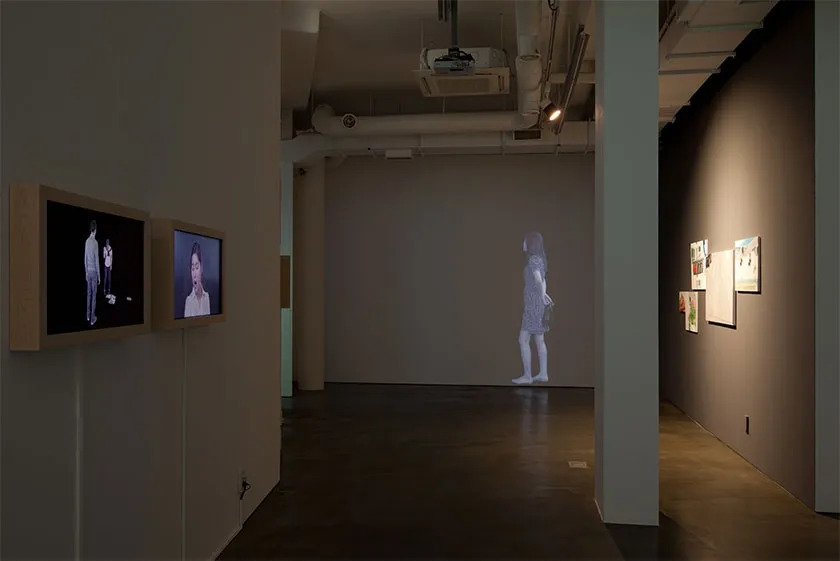
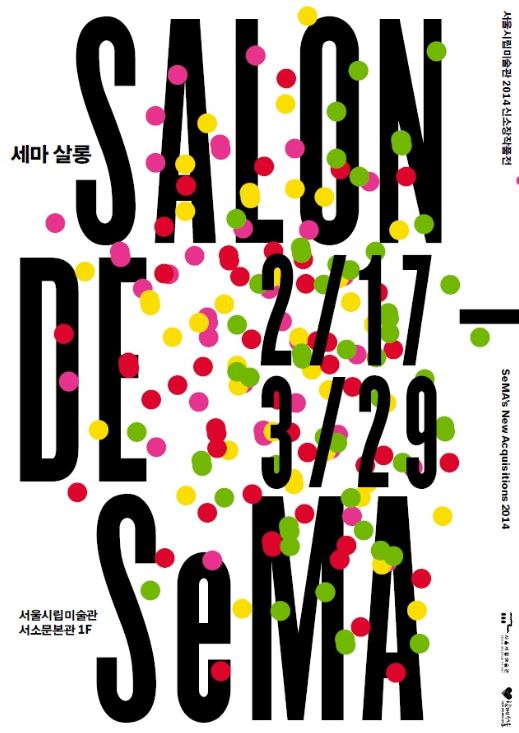
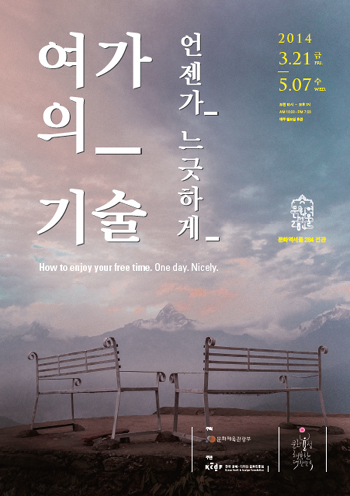
Participated in group exhibitions at Kumho museum of Art(Seoul, Korea), Dongsoong Art Center(Seoul, Korea), INSA Art Center(Seoul, Korea), Incheon Art Platform(Incheon, Korea), Arko Art Center(Seoul, Korea), Total Museum(Seoul, Korea), Seoul Museum of Art(Seoul, Korea), Parksookeun Museum(Gangwon, Korea), Jeonbuk Museum of Art(Jeollabuk-do, Korea), Ilmin Museum of Art(Seoul, Korea), Ilmin Museum of Art(Seoul, Korea), Seoul Arts Center(Seoul, Korea), Soma Olympic Museum of Art(Seoul, Korea), Gallery Planet(Seoul, Korea).
Awards (Selected)
The artist was awarded the New York Special Prize in the Education Program conducted by the New York Center for Media Arts in 2000 and was selected as the artist at the 2008 Songeun Art Awards.
Collections (Selected)
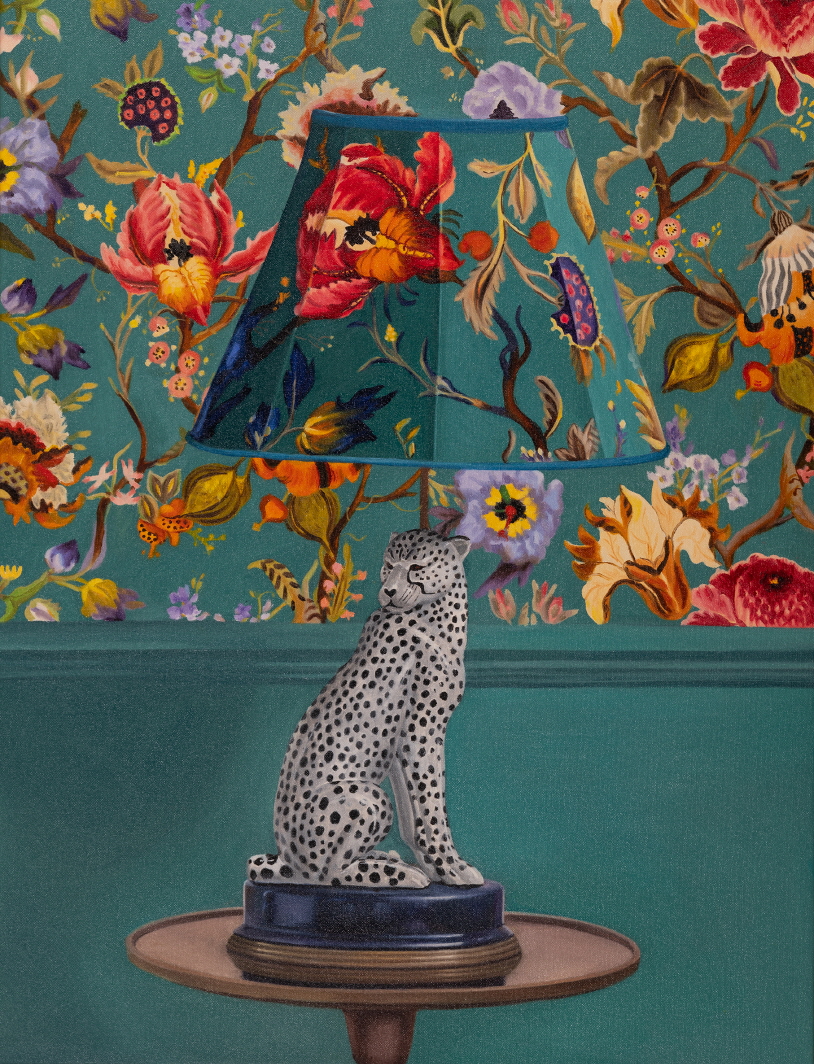
Her works are in the collections of National Museum of Modern and Contemporary Art (Seoul, Korea), Korea Film Archive(Seoul, Korea), Incheon Foundation for Art & Culture(Incheon, Korea).