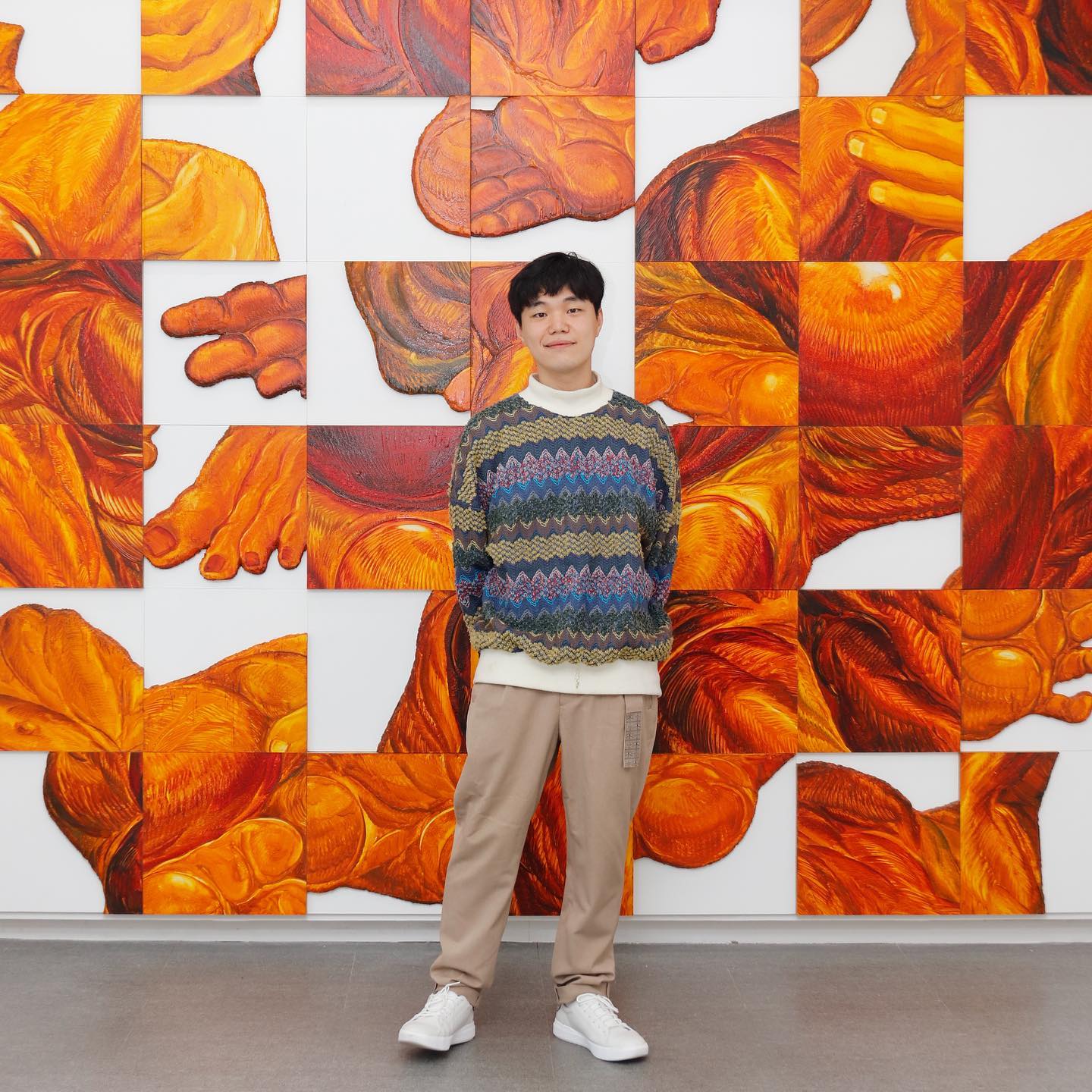
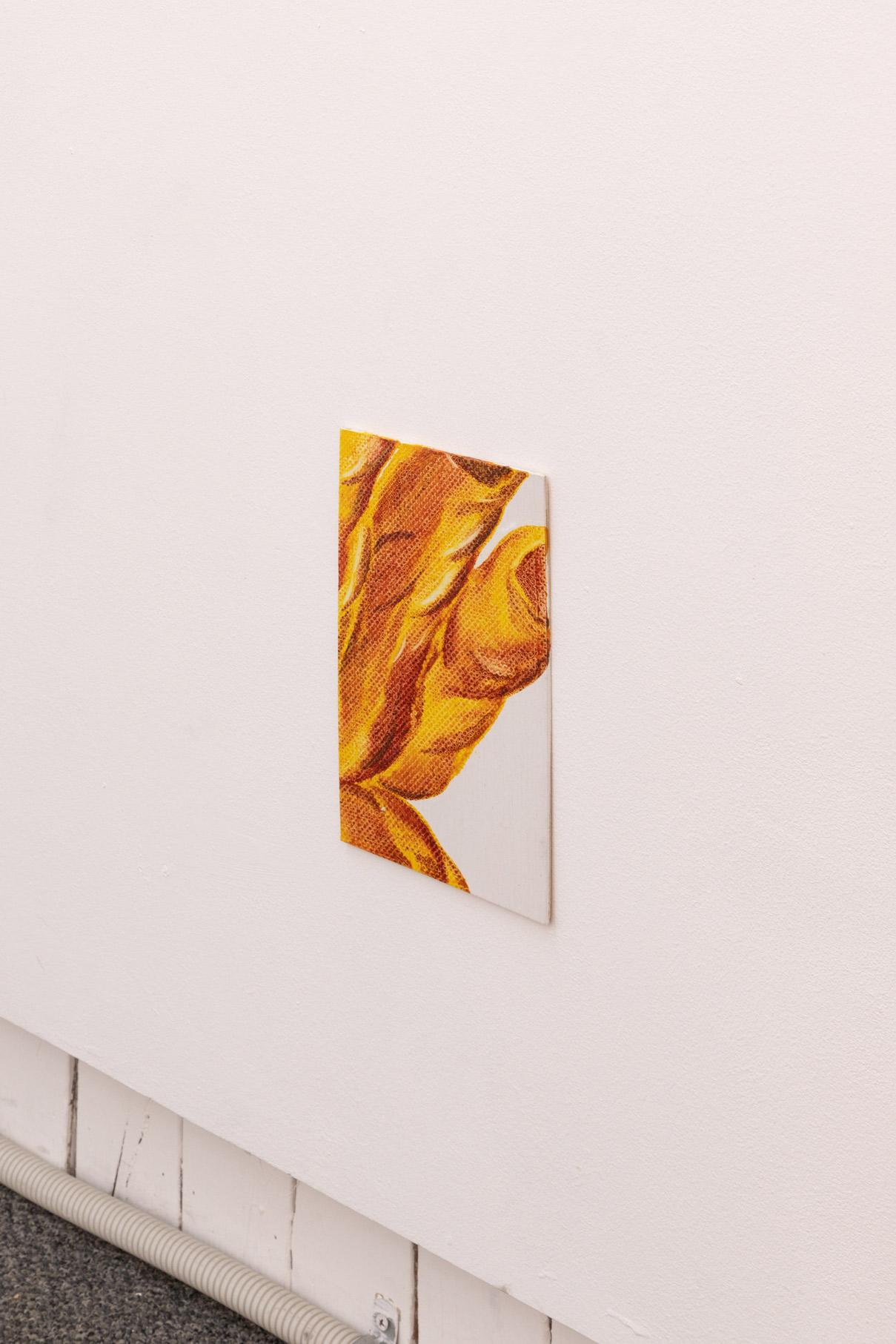
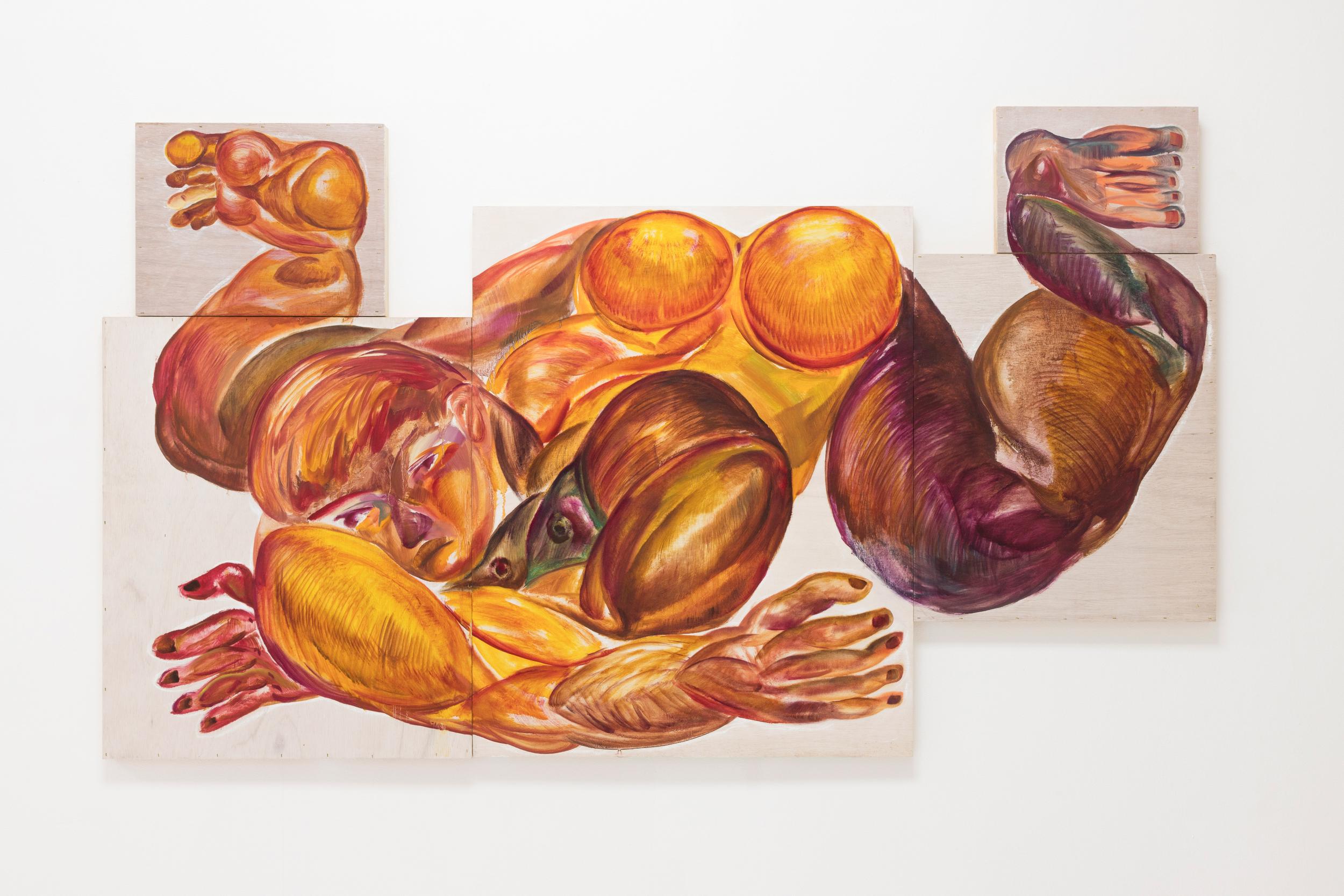
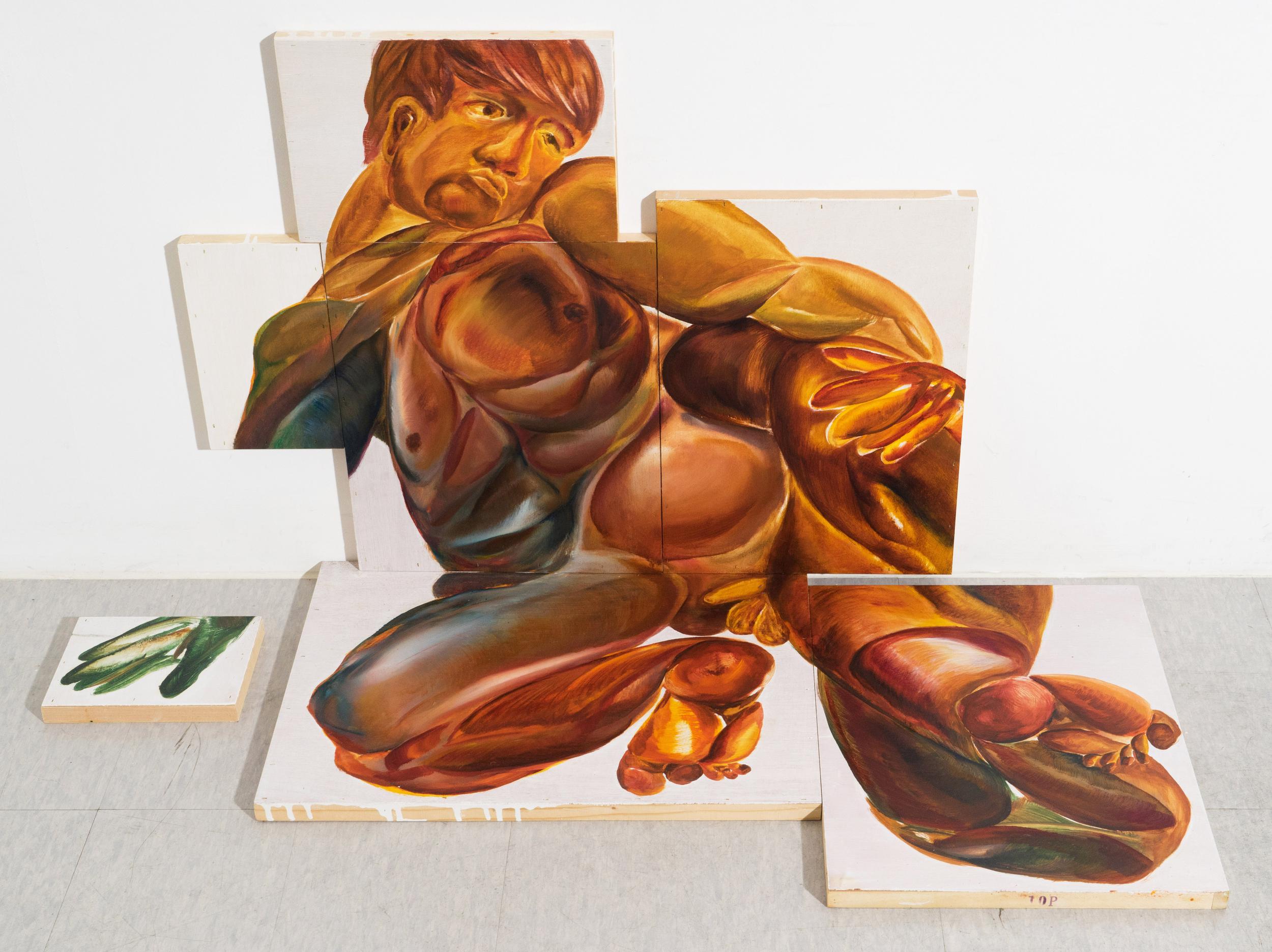
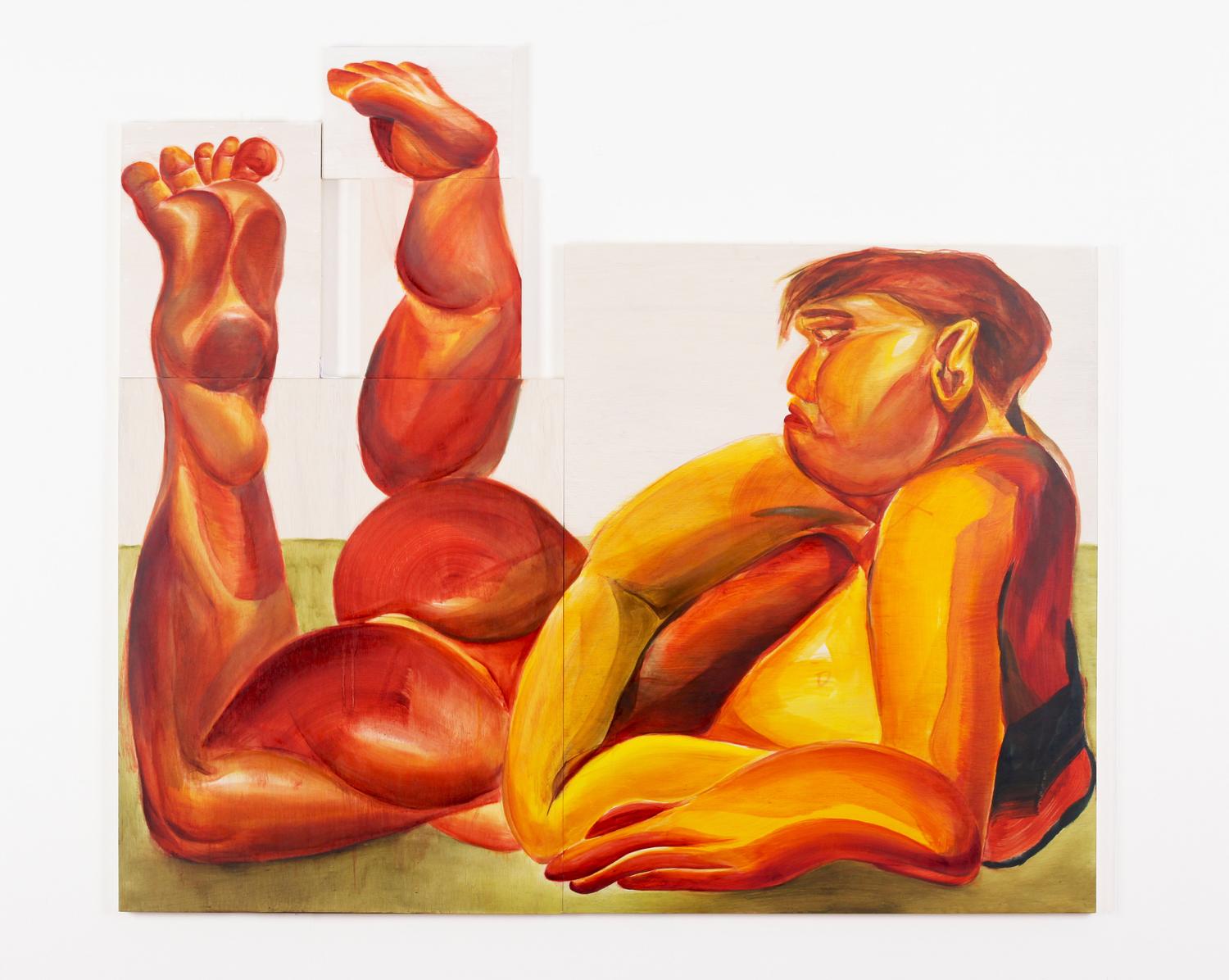
Chang Kon
Lim has continuously explored the body within the framework of social
perception, subjecting it to critical deconstruction. His first solo
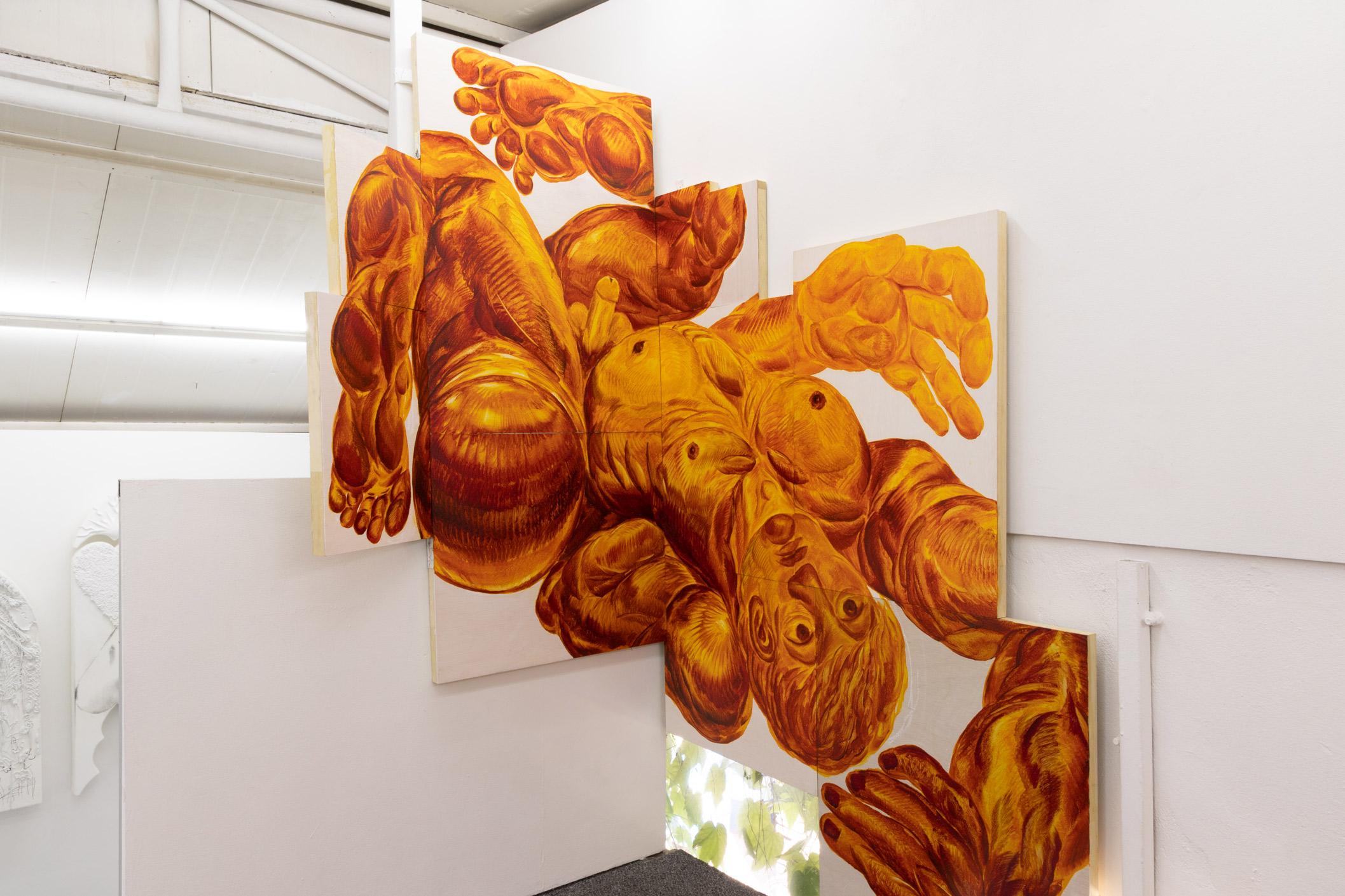
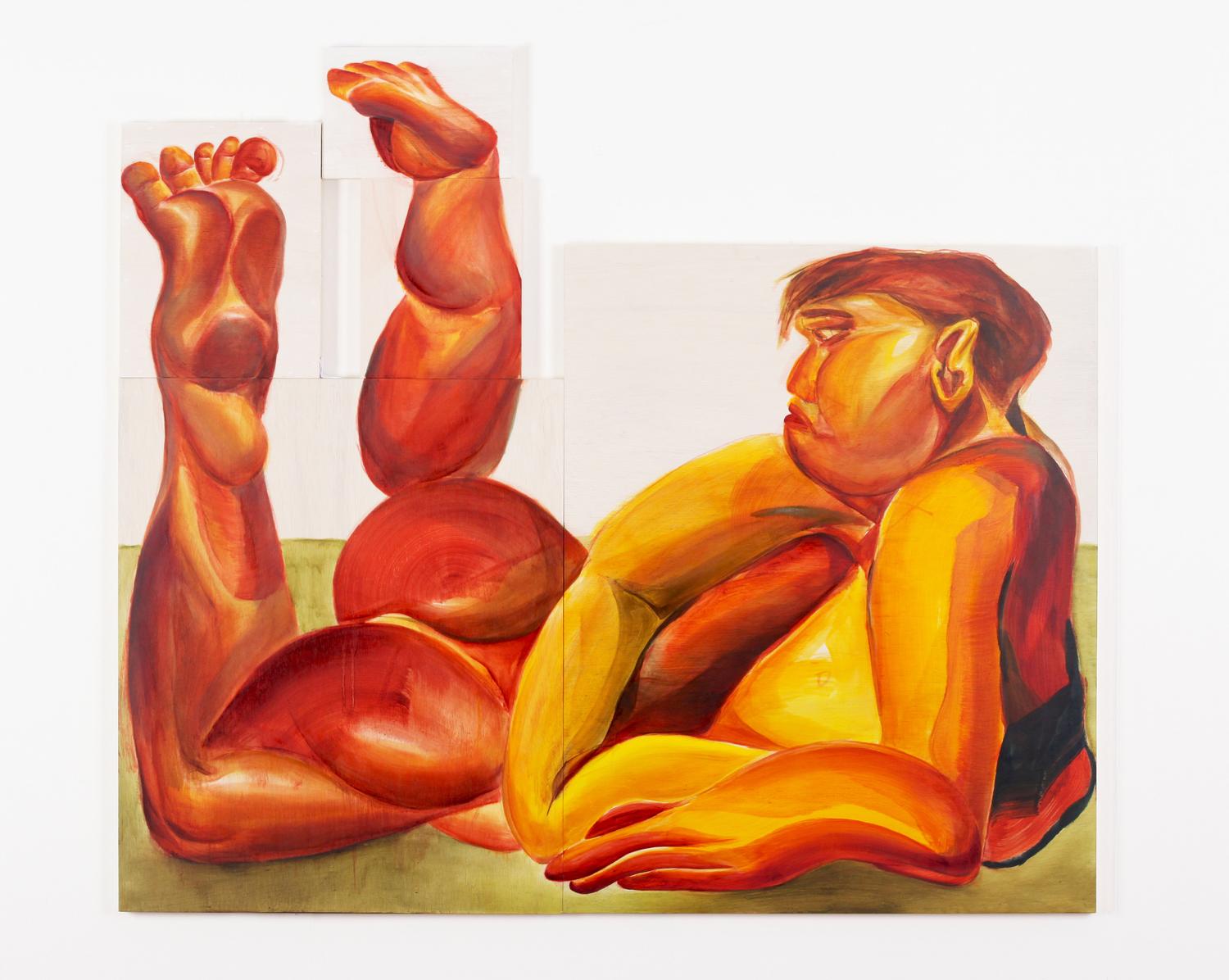
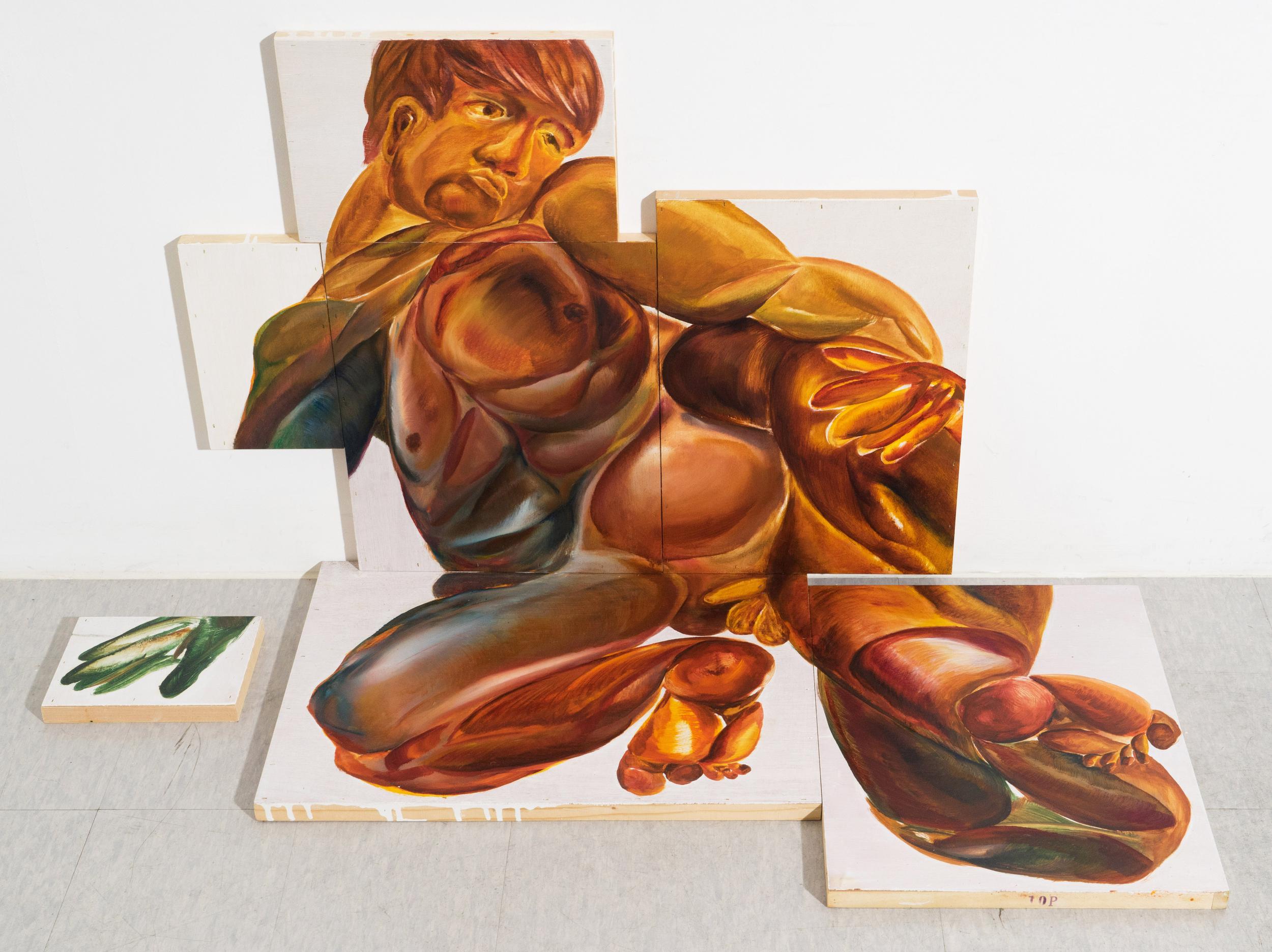
exhibition, 《Bulging Scenery》(Artspace Hyeong, 2019), presented works such as A
Vacant Man(2018), responding to the violence of objectification and
othering experienced by queer male bodies and directly confronting gender power
structures through the body. These works delve persistently into politically
charged experiences of the body, including sexual hierarchies, social stigmas,
and gender performativity.
In his
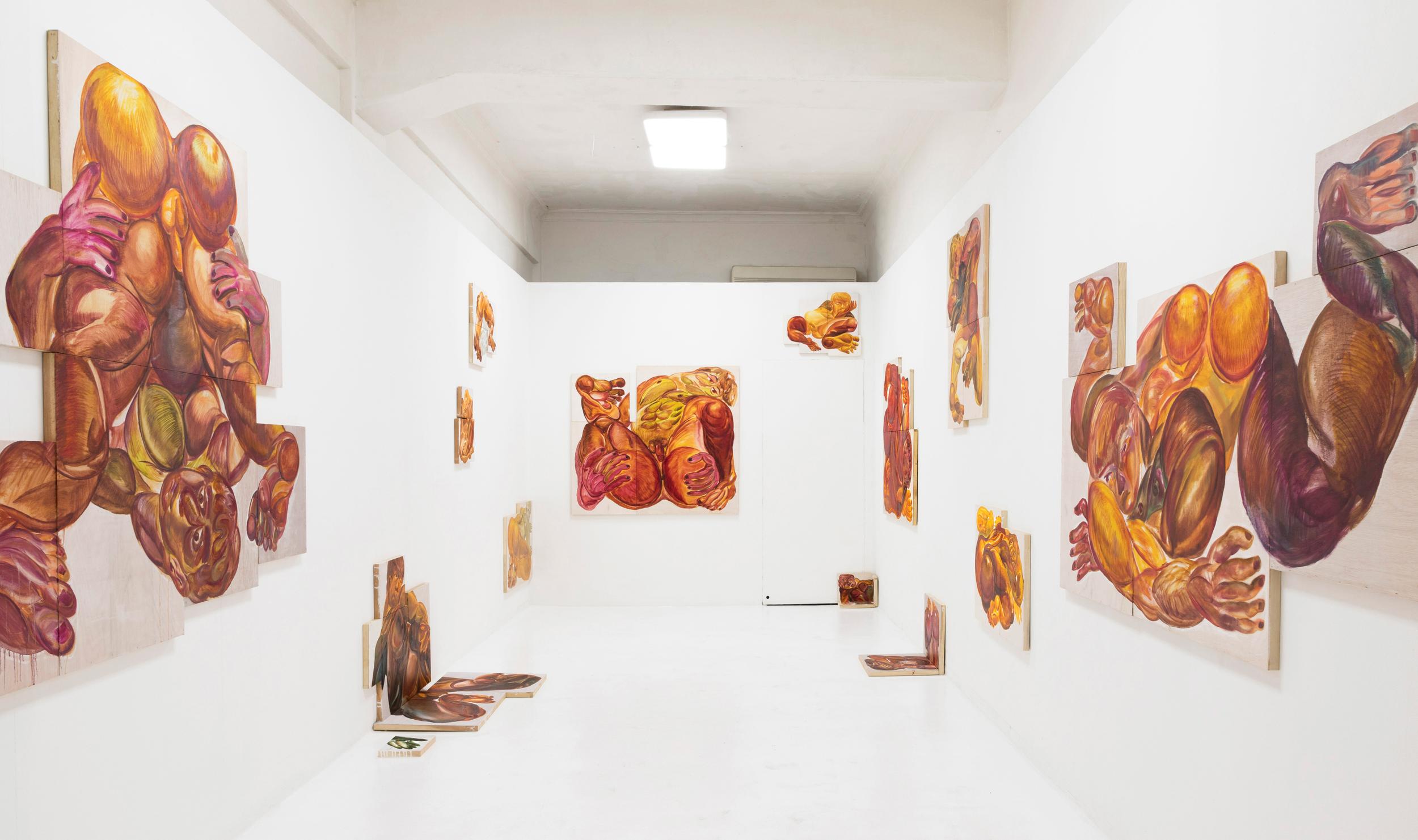
solo exhibition 《48!: Morphing
Gesture》(Space Cadalogs, 2022), Lim focused on the
keywords of “movement” and “transformation,” exploring the ways in which the
body traverses and is reconfigured within space. Here, the body is imagined as
a fluid entity unbound by fixed identity. The work moves toward the imaginative
realm of the body’s internal sensations, expanding into a visual representation
of emotions, intestines, and circulatory flows—things that lie beneath the
visible surface.
In more
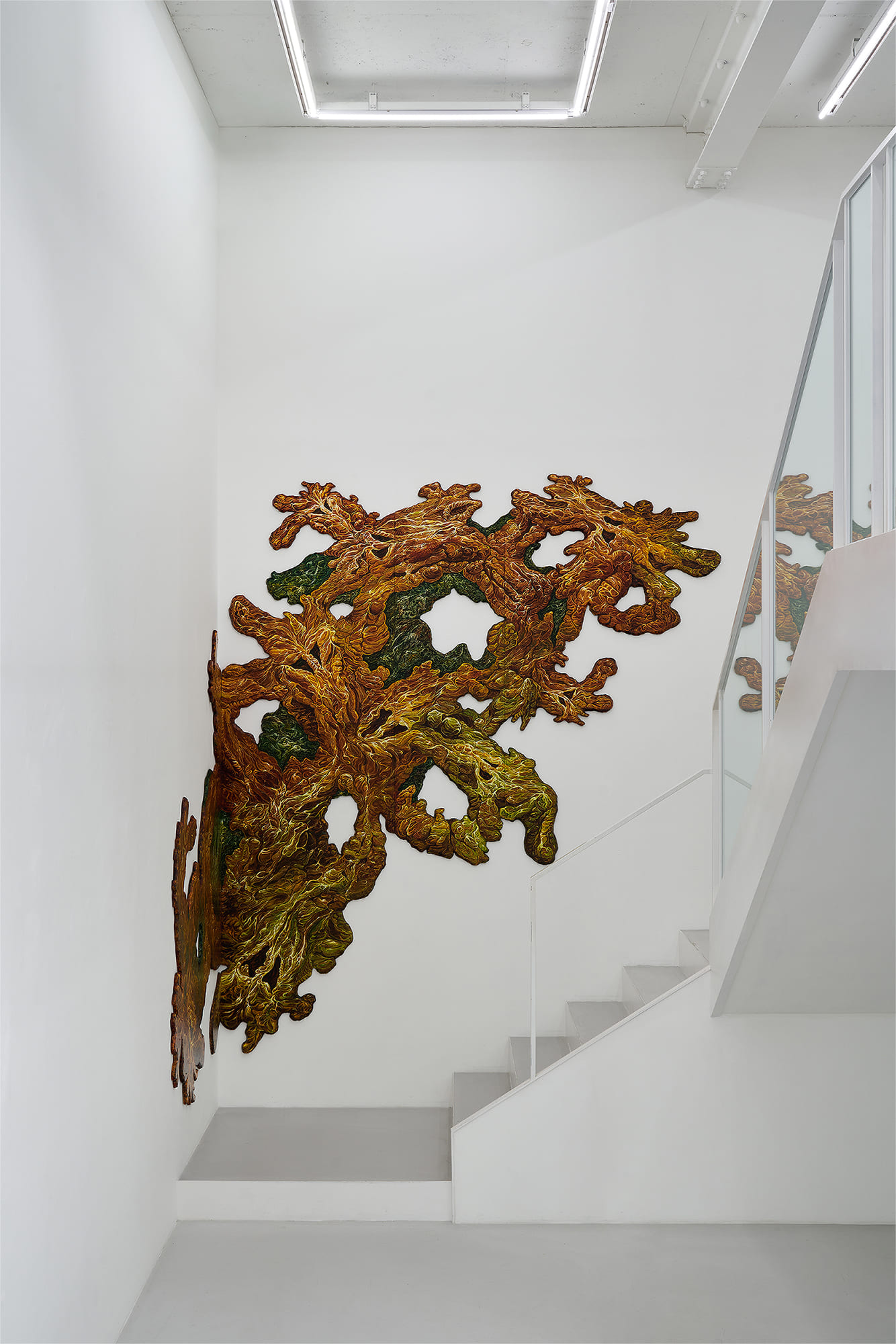
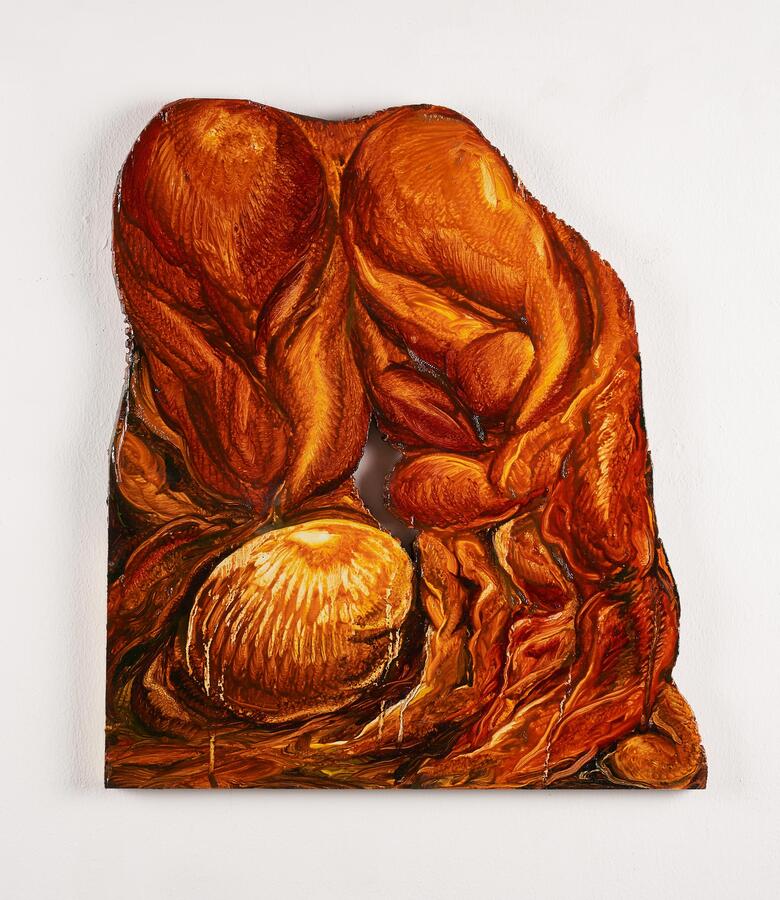
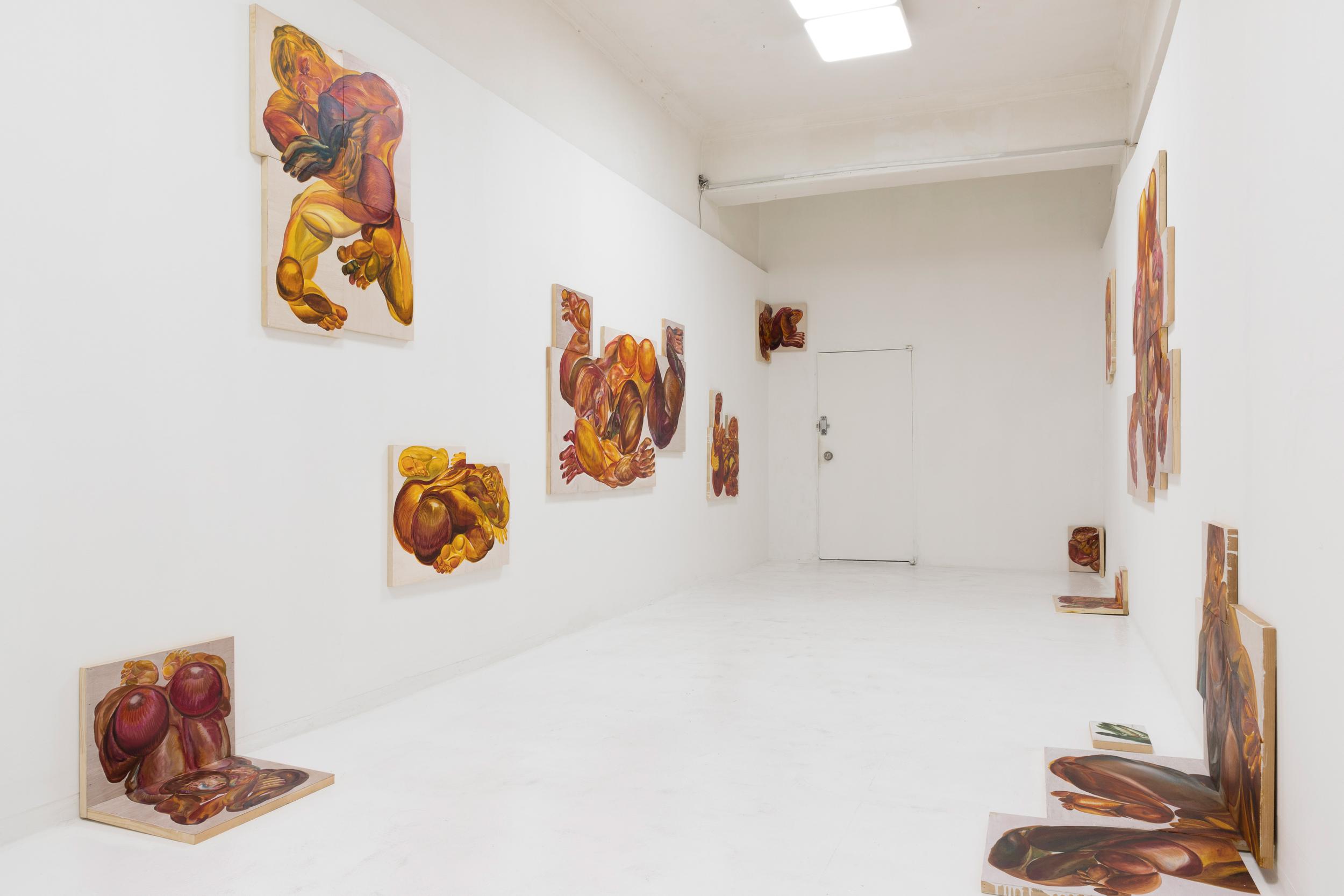
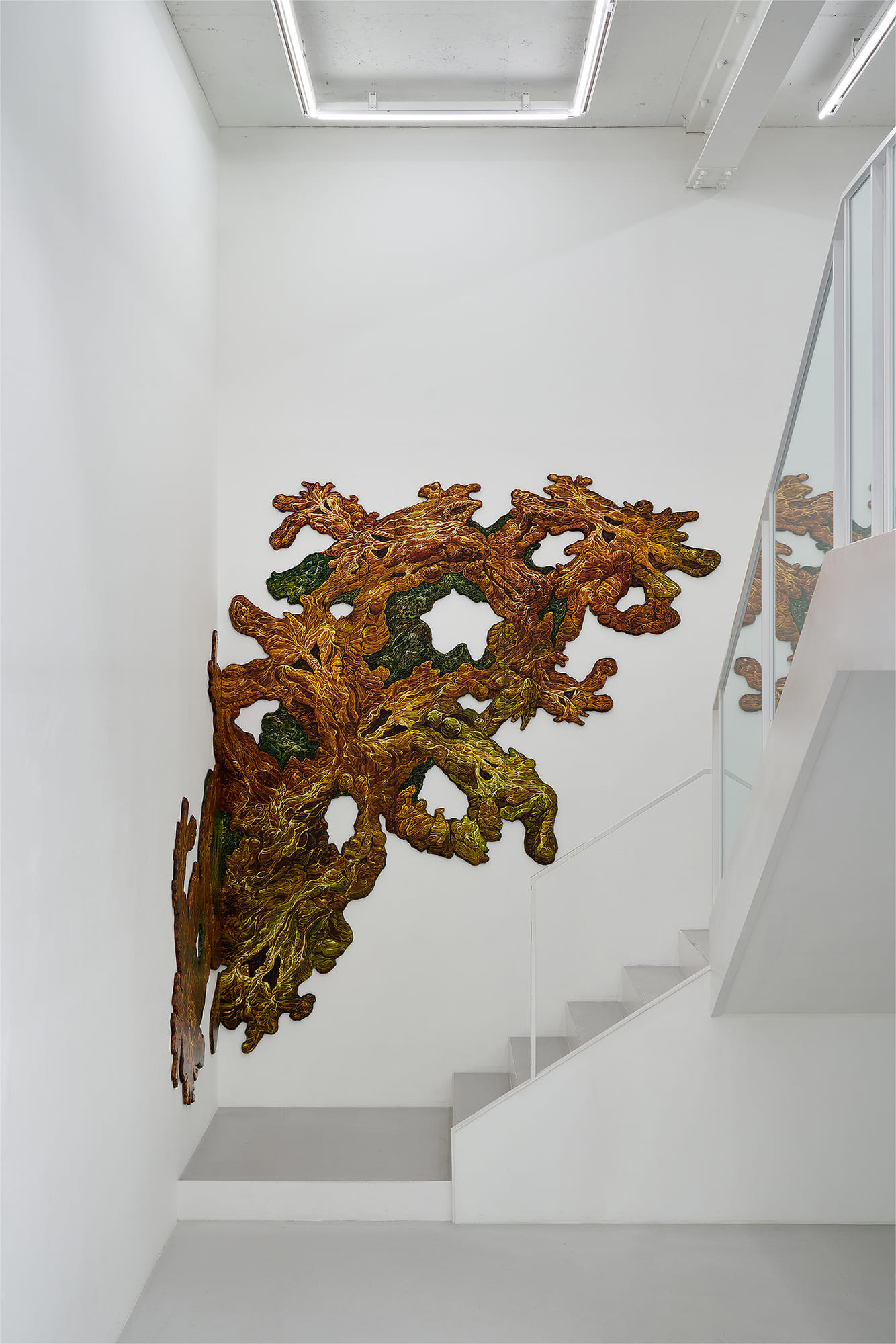
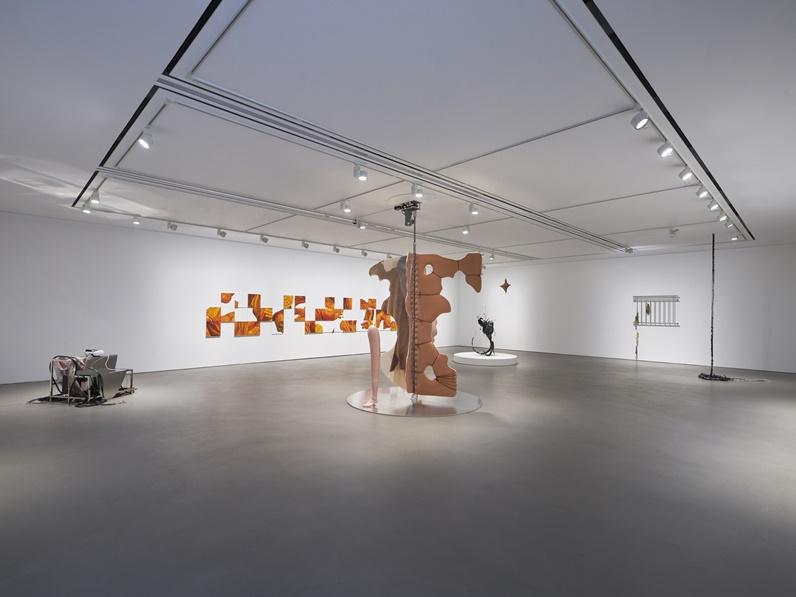
recent group exhibitions, such as 《Exoskeleton》(P21, 2024) and 《Crush Zone》(Gallery SP, 2025), the artist
visualizes the interior of the body through metaphors of caves, tunnels, and
conduits, engaging with the density of biological and material sensation. Works
like Visceral Space(2023), Flowing
Light(2023), and The Multiplying Breath(2024)
investigate the complex vitality and rhythms of transformation that constitute
the human body.
In this
way, Chang Kon Lim’s conceptual framework begins with resistance to the social
oppression of queer identity and evolves into a visual exploration of the
body’s interior sensations. For Lim, the body is not merely a visual object but
a site of living sensation and movement—a physical channel and poetic space
through which the individual’s internalized emotions and repressions are
expressed.