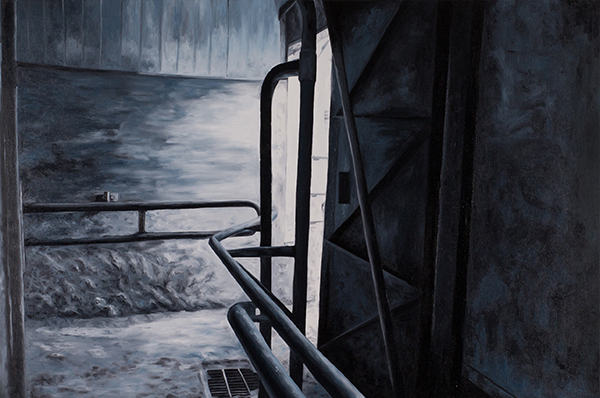
A
steel fence reveals its solid structure through the hazy air, like a foggy
dawn. The surface of the ground, hardened by years of being trampled, forms a
faint path connecting the inside and outside of the fence—perhaps due to the
weight of those who crossed it, or perhaps due to the bitter cold of winter. If
you slowly move your gaze along the direction the path suggests, a dark
world—where unknown things may await—gradually comes into view. Turning toward
the threshold where dazzling light shines from within that darkness, you once
again encounter another fence, guiding you into a sealed space shrouded in
opaque grey air.
Nosik
Lim speaks of the many forms of boundaries that exist in contemporary society,
along with the conflicts, perceptions, and value judgments that emerge around
them, all based on his personal experiences of witnessing artificial constructs
and traces within nature.
For
Lim, who studied traditional Korean painting, nature is more than a subject for
his art—it is the very site of his early life. His childhood was spent by his
father’s side, assisting with cattle farming and experiencing firsthand the
incidents, both large and small, that unfolded on the ranch. The ranch, for
Lim, was the next social space after his family—a miniature society within
nature itself. As he grew old enough to make value judgments, the ranch
naturally instilled in him an observational perspective on the world.
At
the threshold where ordinary life becomes an object of observation and
questioning, the society Lim experienced—like the ranch—is divided by fences
into inside and outside spaces. Yet within these boundaries, clear judgments of
good or bad, safety or danger, freedom or confinement, deviation or control
cannot be made so easily. It is a space shrouded in ambiguity, a reality in
which, like cattle that know the truth yet remain silent, one cannot speak
openly in human language.
Despite
the clear existence of value judgments viewed from the respective positions of
nature and humans, within the two worlds divided by the fence, both sides
continuously face challenges in defining right and wrong as they become
accustomed to and adapt to each other.
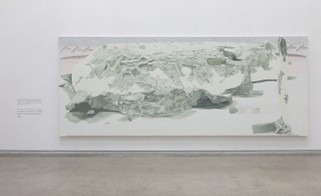
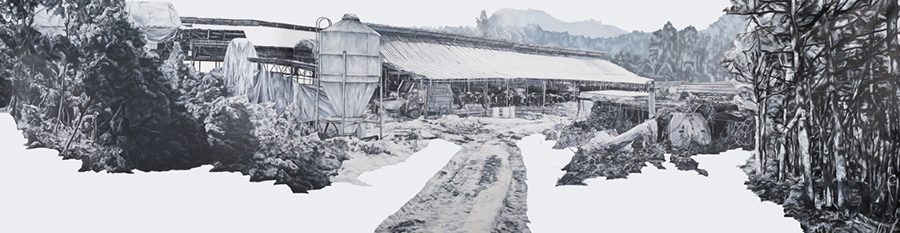
View
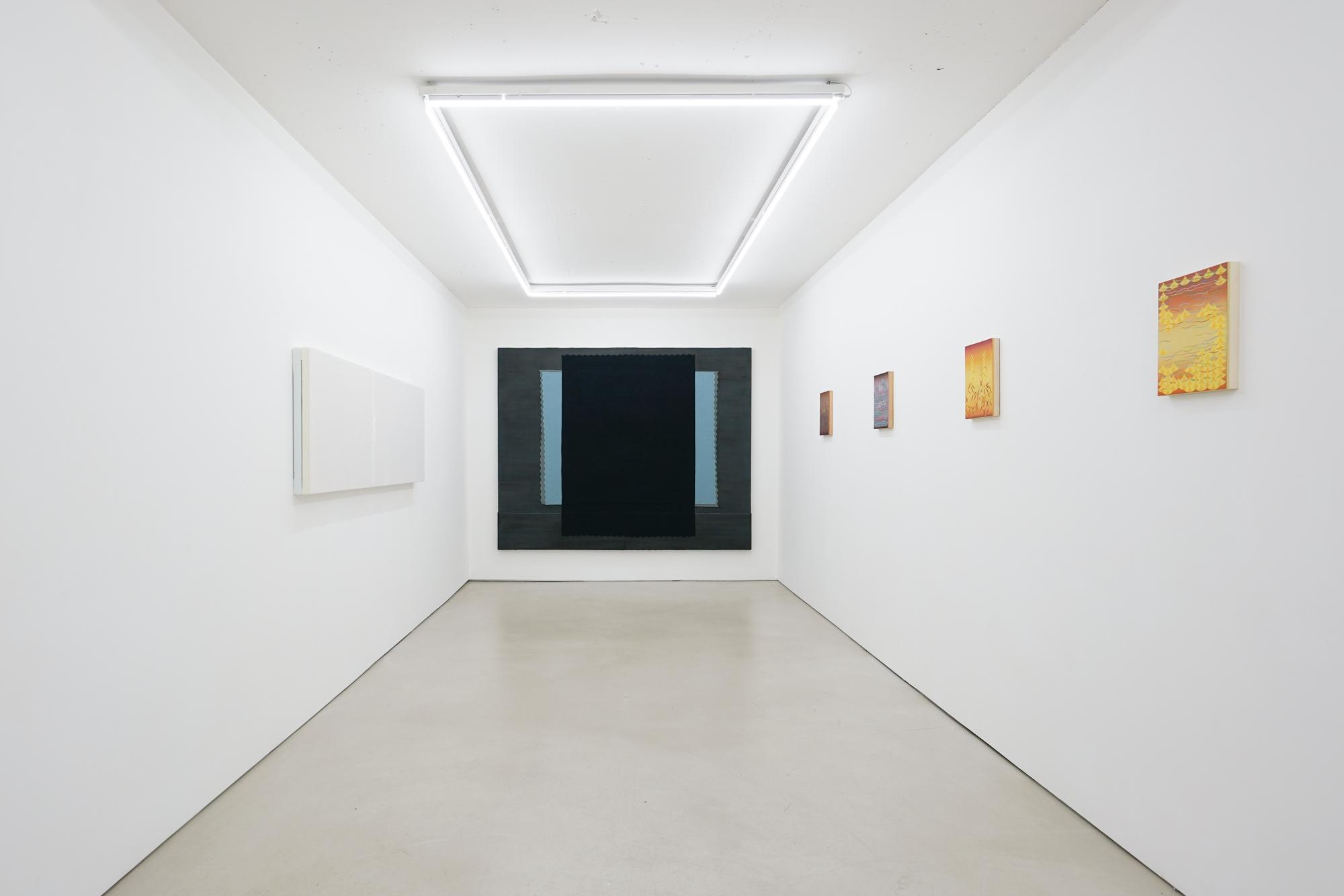
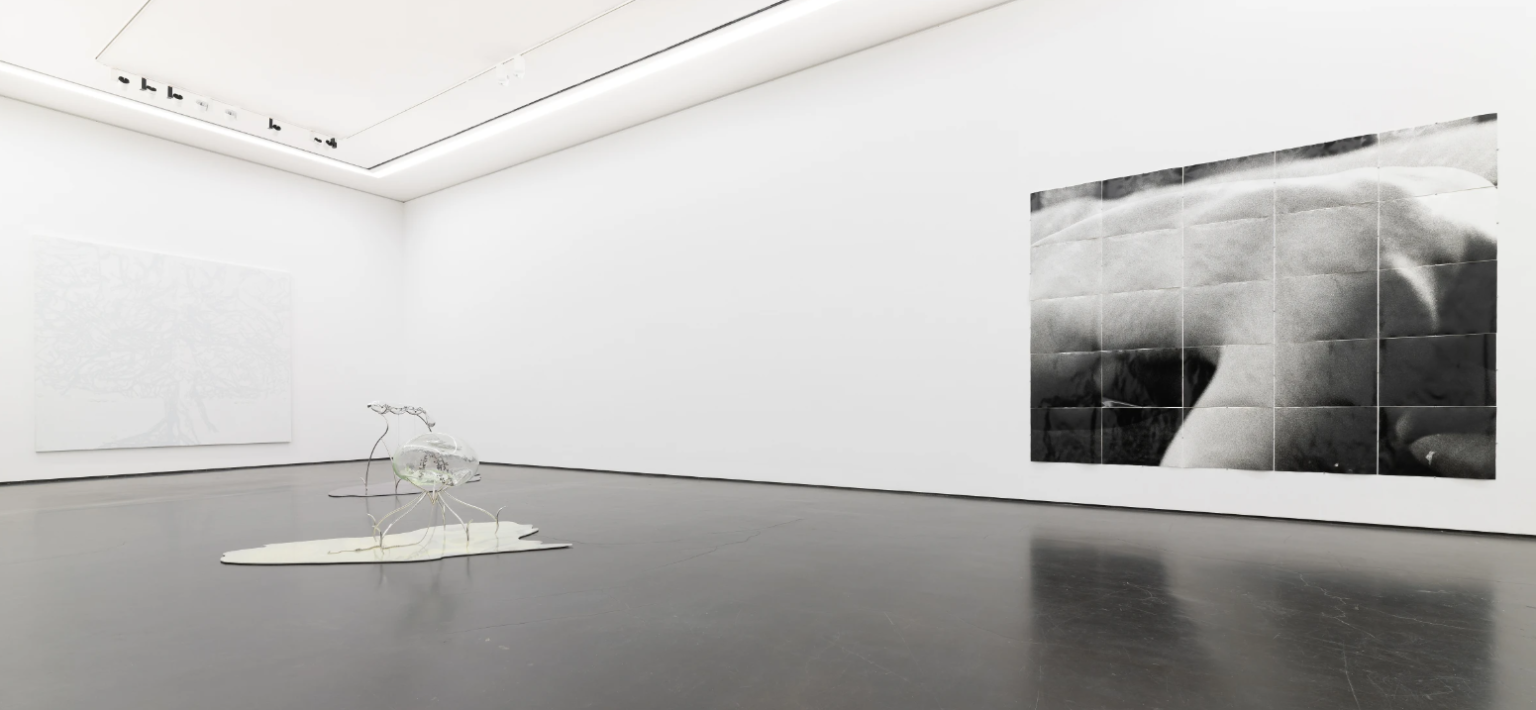
from the Inside 1, nearly nine meters in width, is both the
centerpiece of this exhibition and a monumental work in which the artist
confesses the moment he began to perceive the ranch as a small society that
reflects reality. A few years ago, Lim witnessed a cow—unable to adapt to the
ranch environment—barely managing to escape the structure designed to prevent
livestock from fleeing, where a small electrical current flows. But, after
facing the frozen world in the midst of a bitter winter, the cow ultimately had
no choice but to return to the ranch on its own.
The
ranch is both a violent space where forced breeding and milking occur, and a
space where birth, nurturing, healing, and protection for the survival of life
take place. The lives of cattle, who adapt to the system imposed by the ranch,
dream of escaping this controlled society, but their lives are not so different
from humans, who also cannot live apart from society. In this sense,
Lim's View from the Inside goes beyond merely
depicting the inside and outside created by the physical boundary of the fence.
It conveys the inner psychological conflict that arises as immediate reality
and the opposing ideals collide and overturn each other, as well as the
artist’s view of the world through this process.