Standardization and Frame
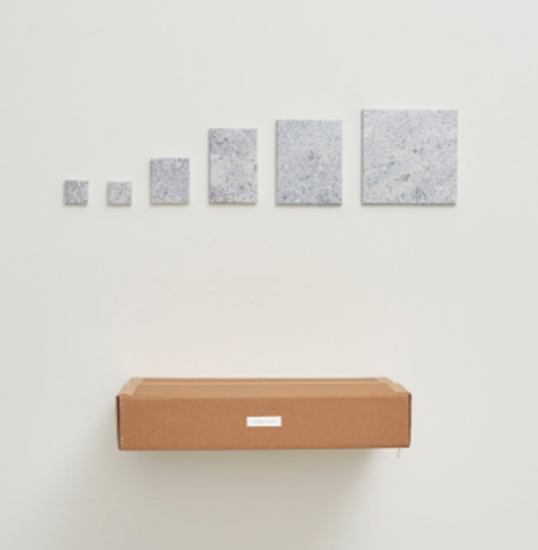
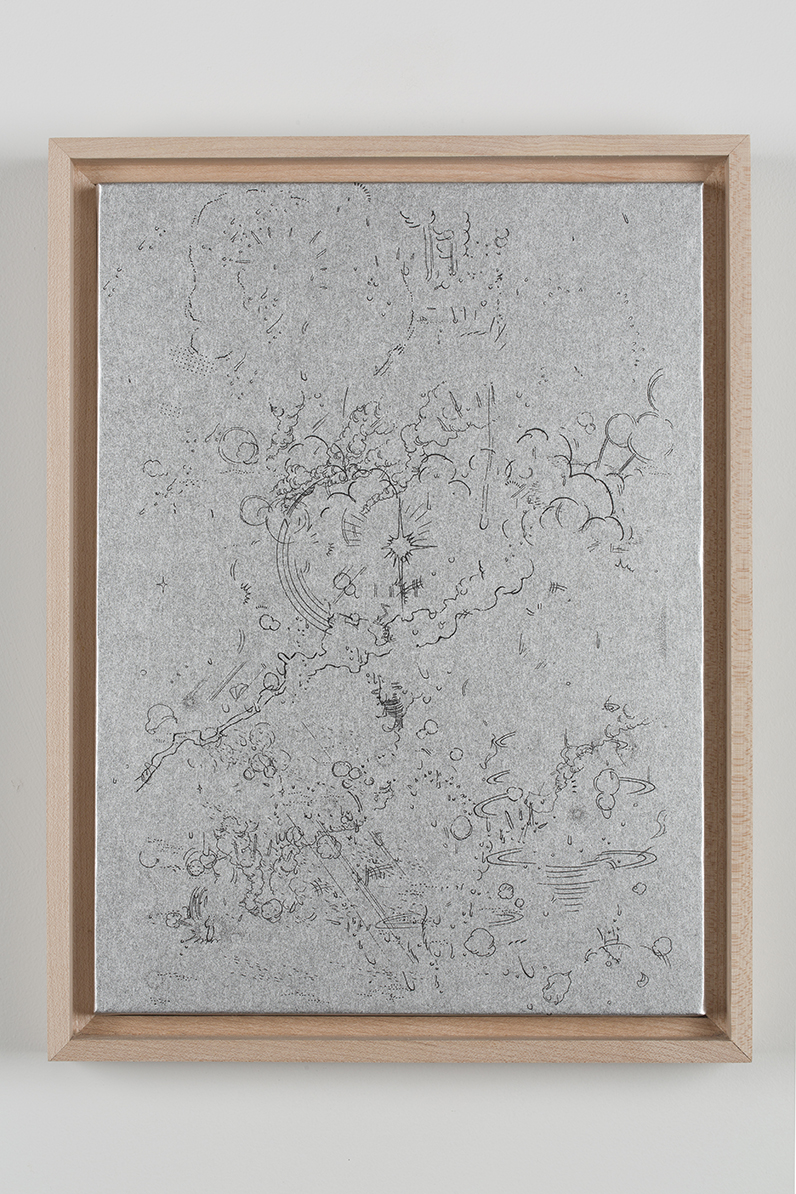
Yoon's interest in standard formats originates from book layouts, paper
proportions, and sizes, which form the basis for repetition, appropriation, and
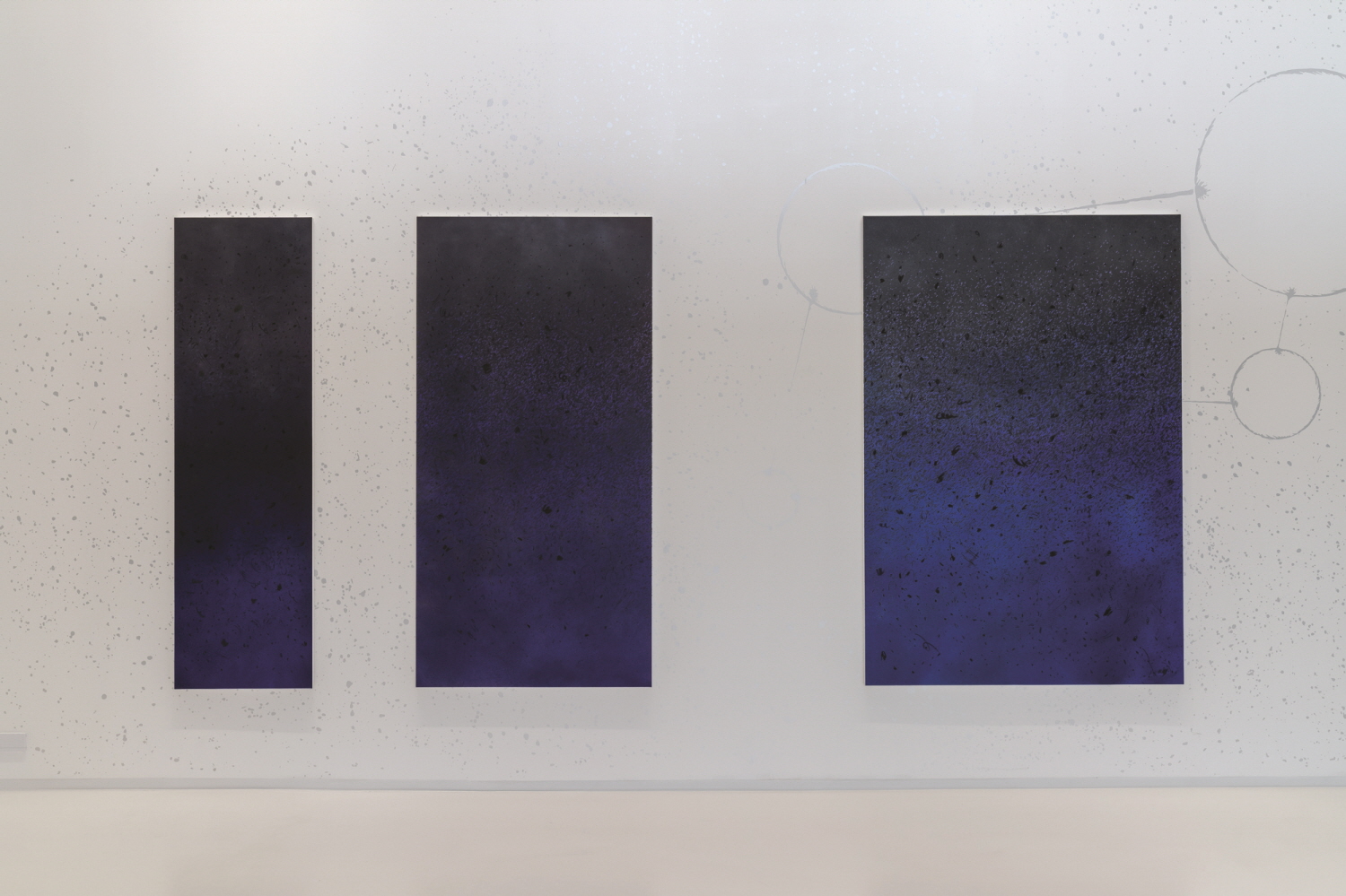
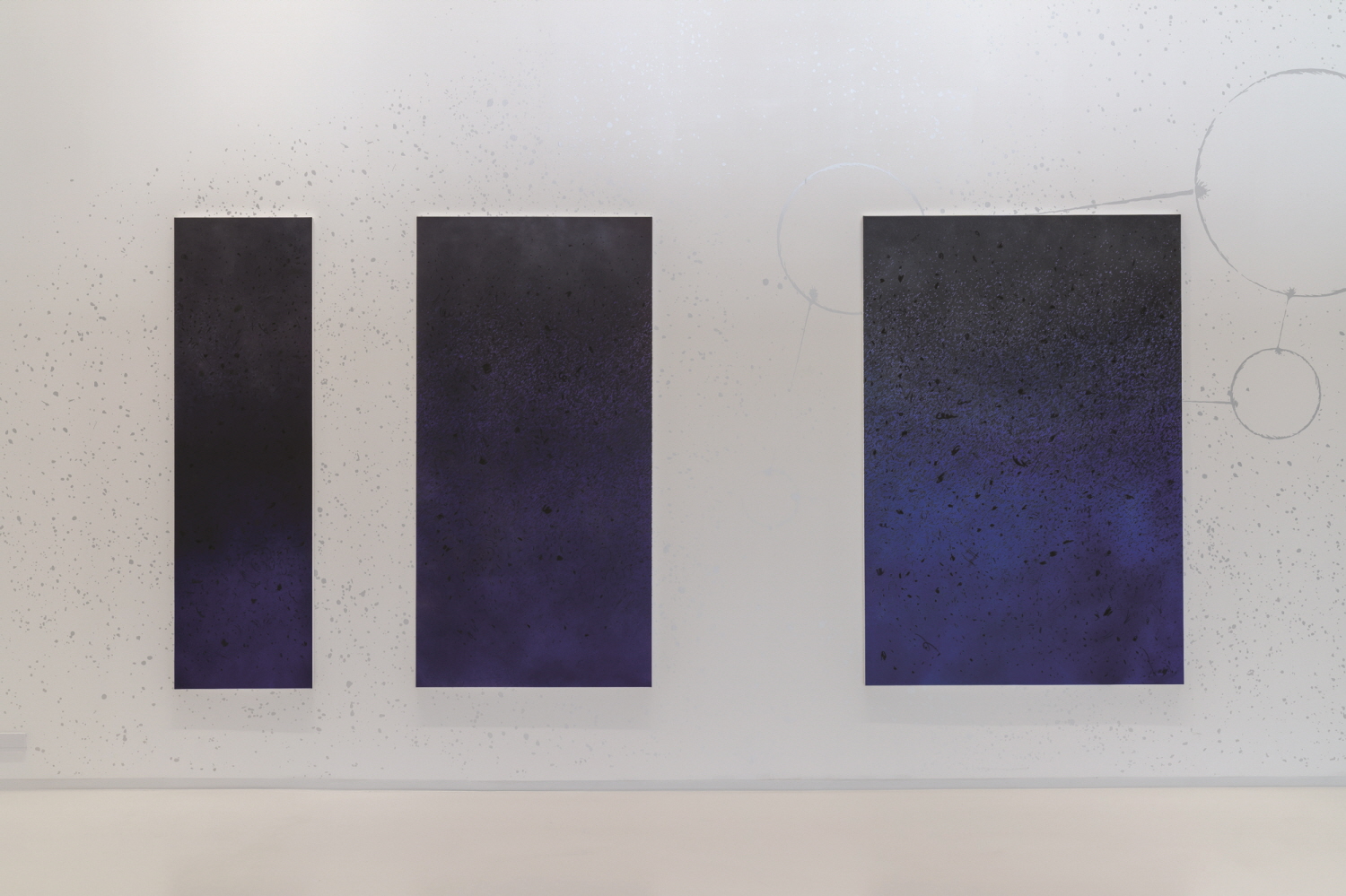
gradual expansion in his structural frameworks. Works such as the seven-piece 〈ASPKG〉(2018) and the three-piece 〈Tagging–C3, C2, C1〉(2022) function as
individual objects under basic units, wherein their three-dimensional
implementations elicit an optical illusion that anchors them as objectified
centers. However, some works that depart from flatness assert a contrasting
strategy—not prioritizing the stable sensibility of objects, but rather
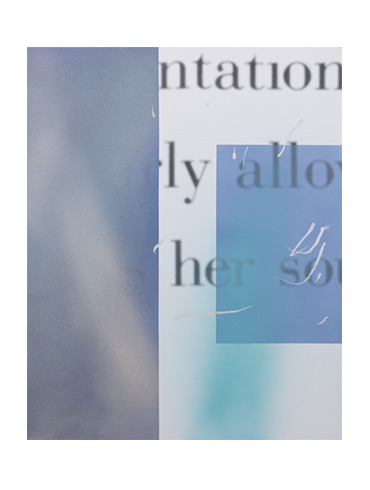
accentuating the emptiness of the data-edited surface and its depth.
The
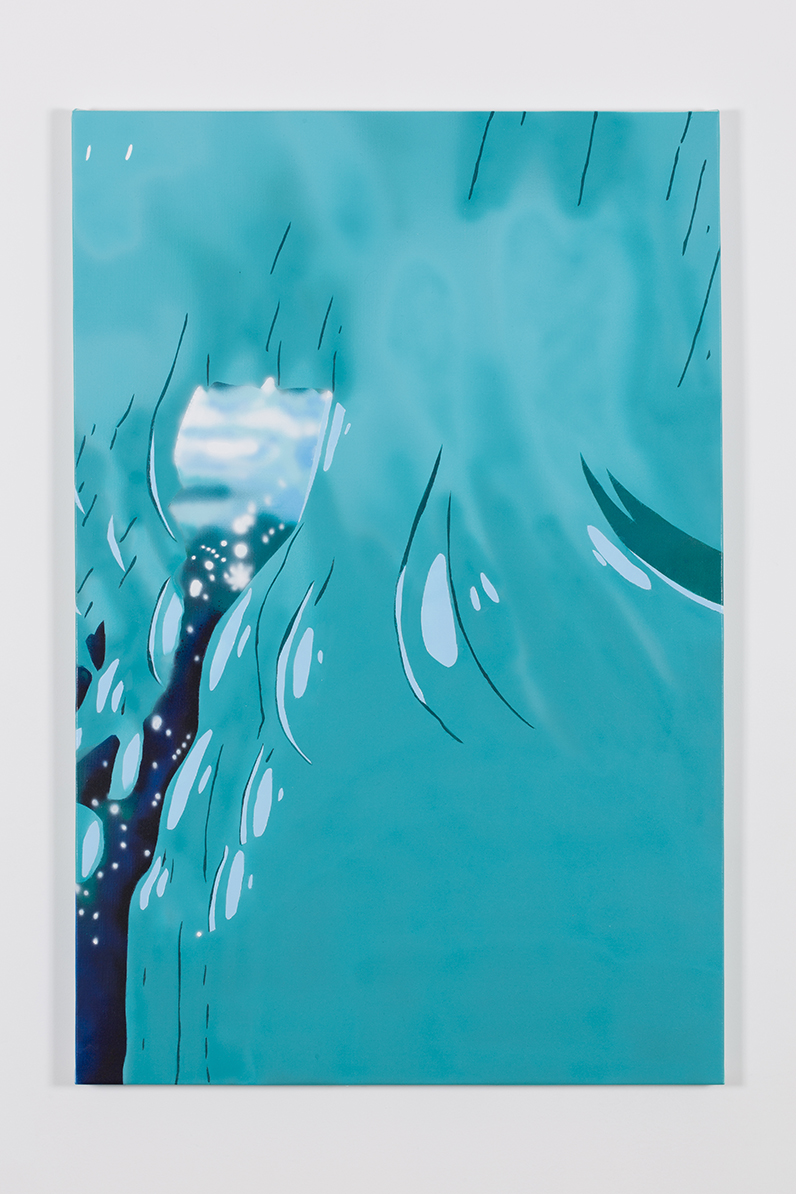
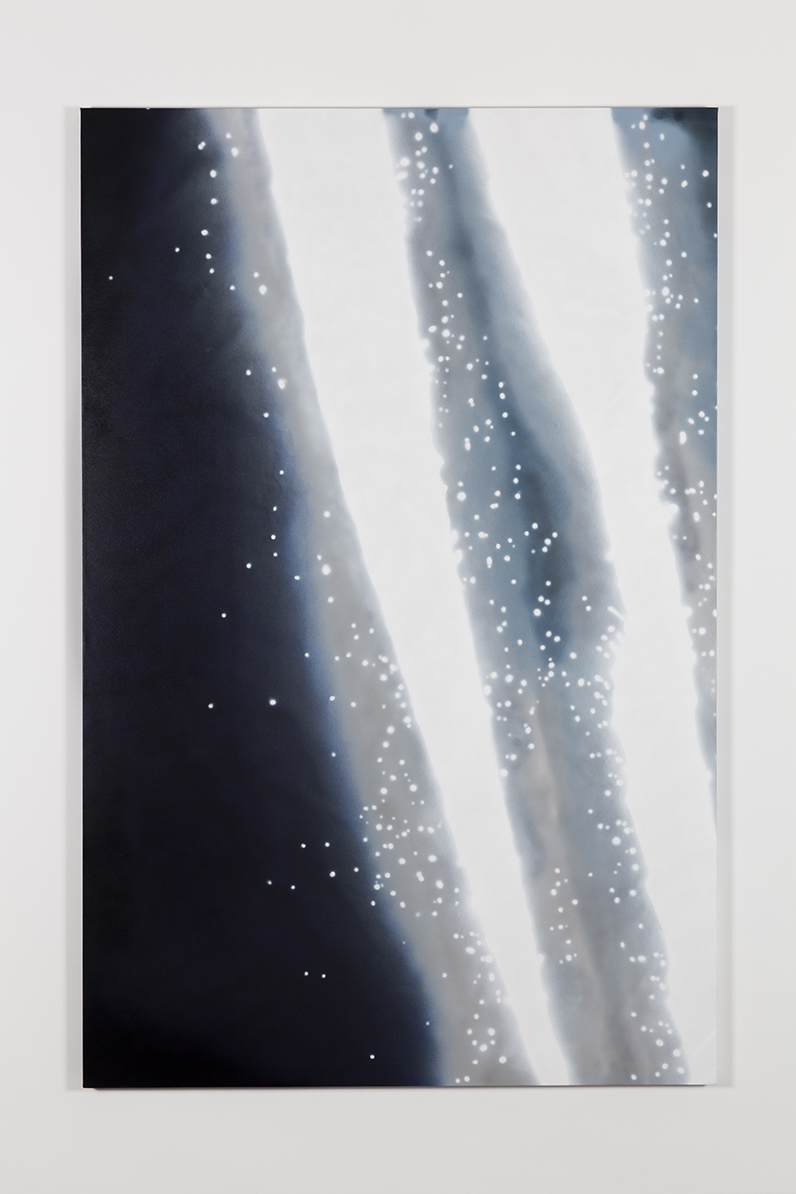
particles endlessly expelled onto the surface by the artist continually
transform through formats such as printing, spraying, overpainting, sprinkling,
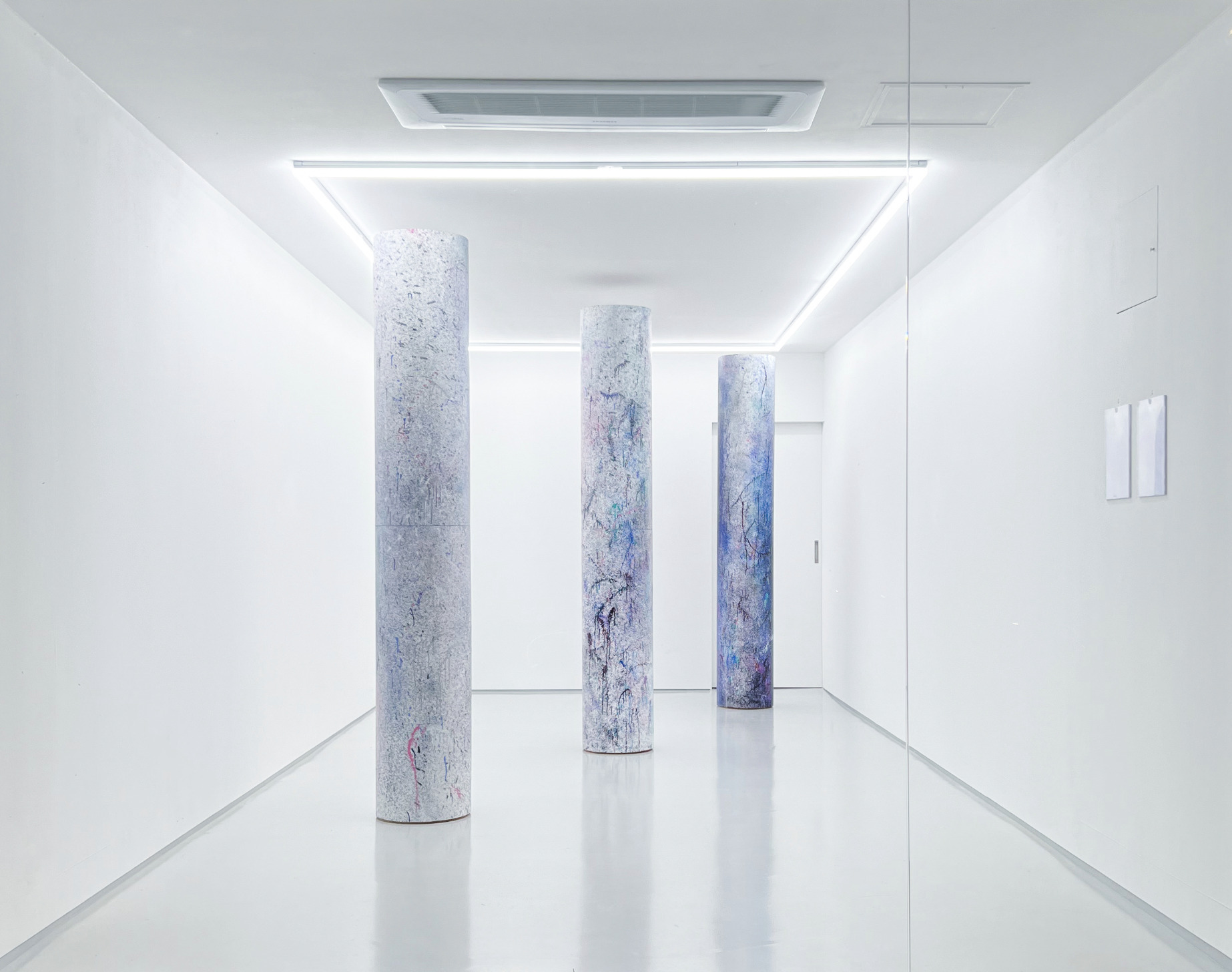
and even real-time data collection and transmission. In particular, his recent
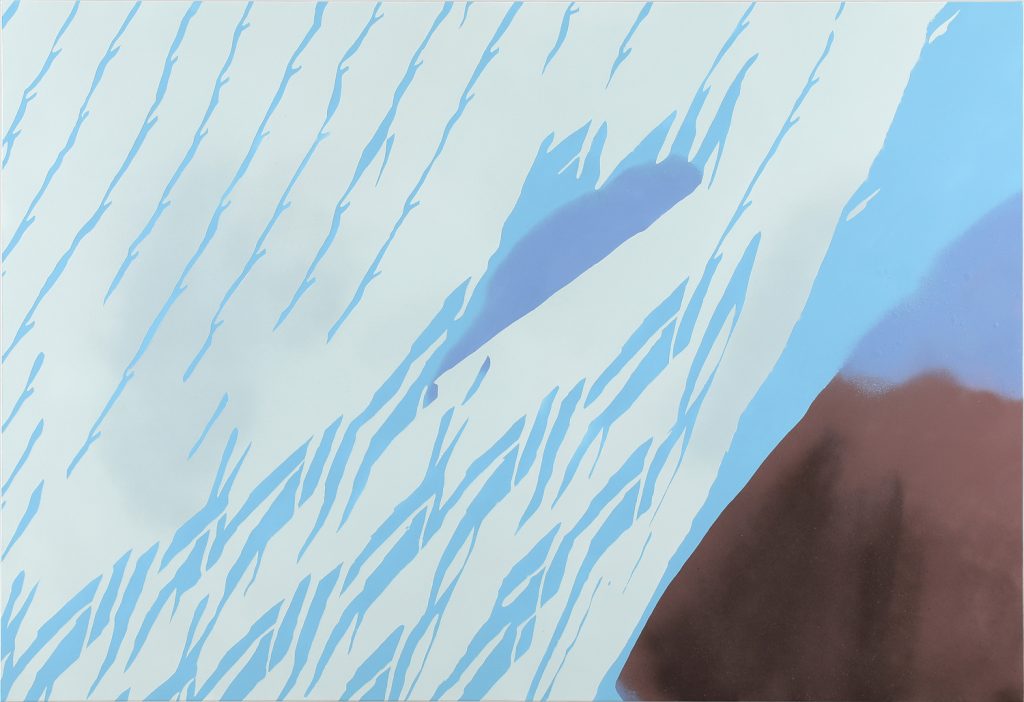
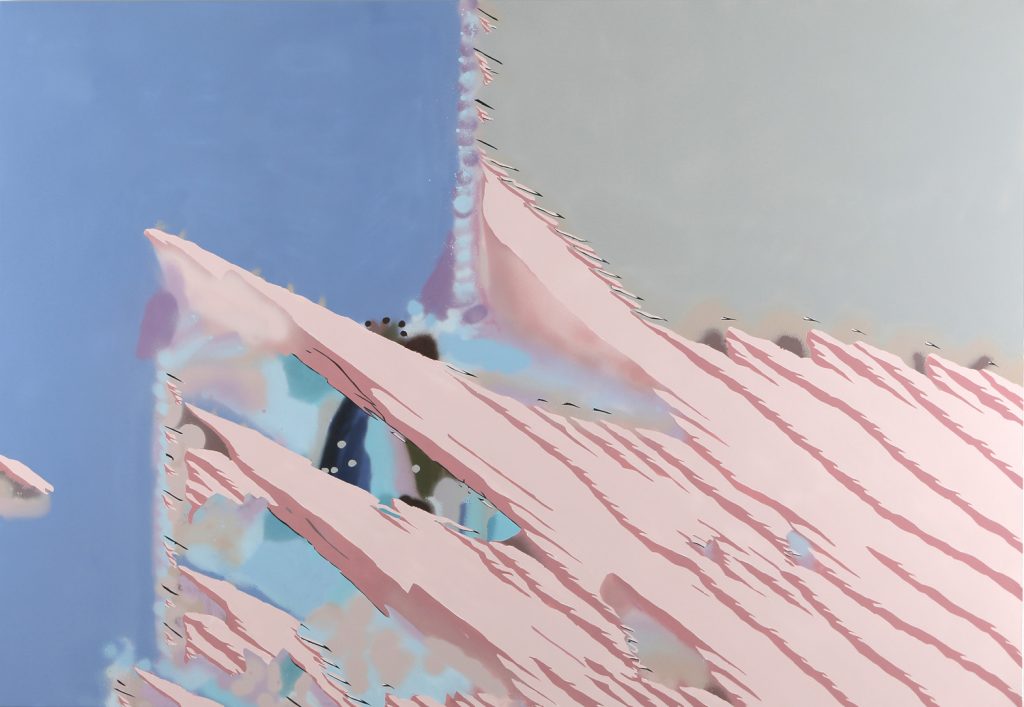
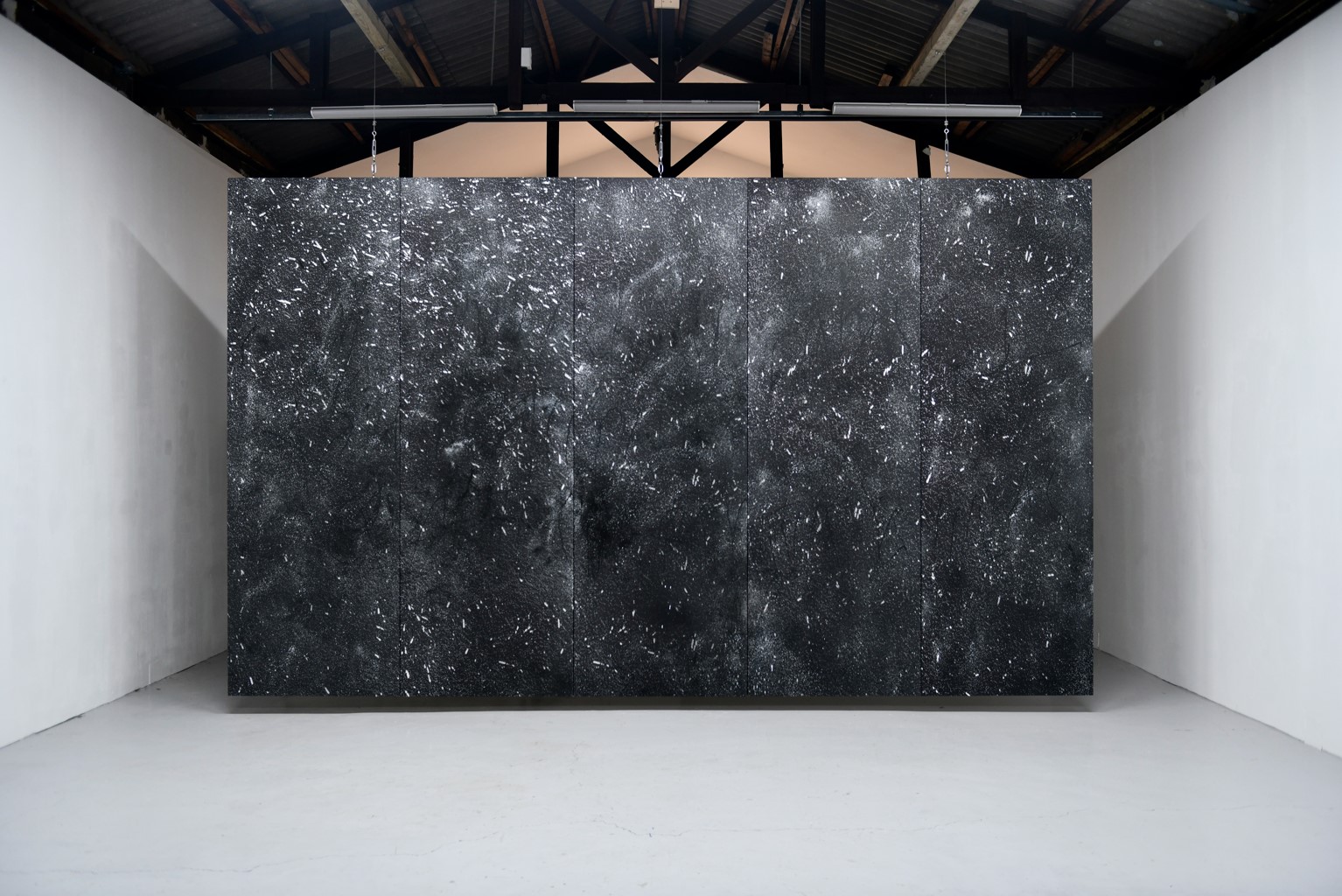
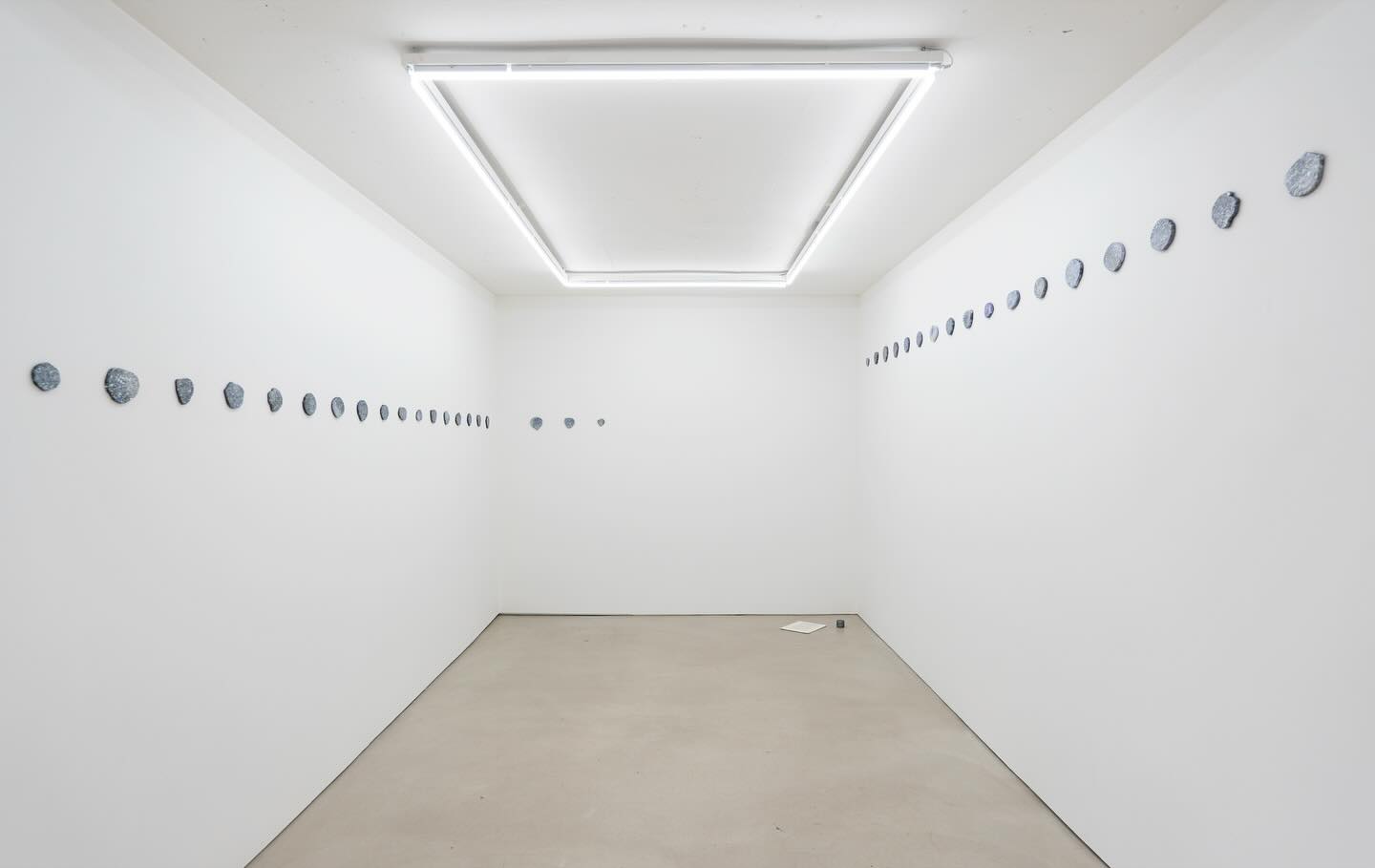
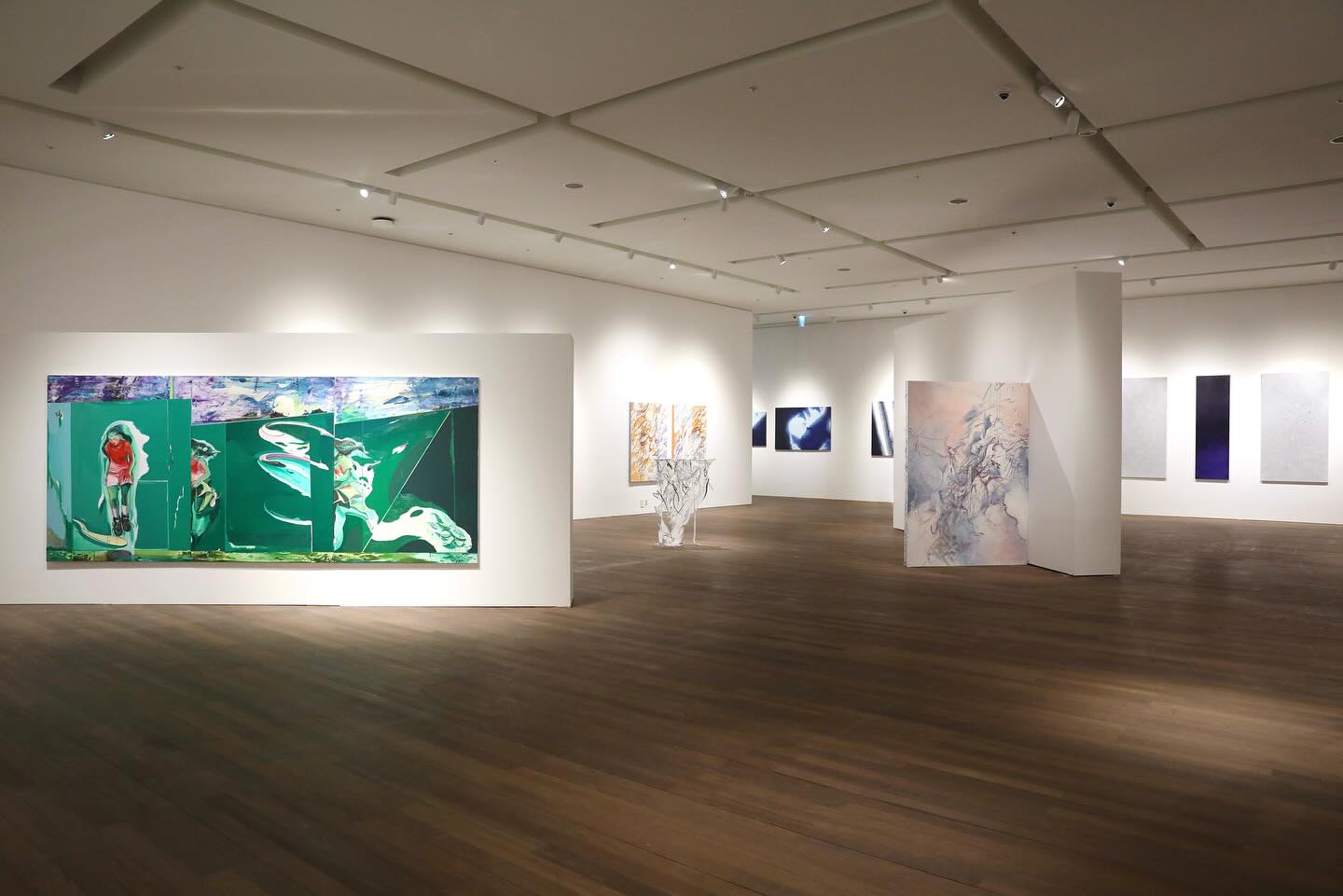
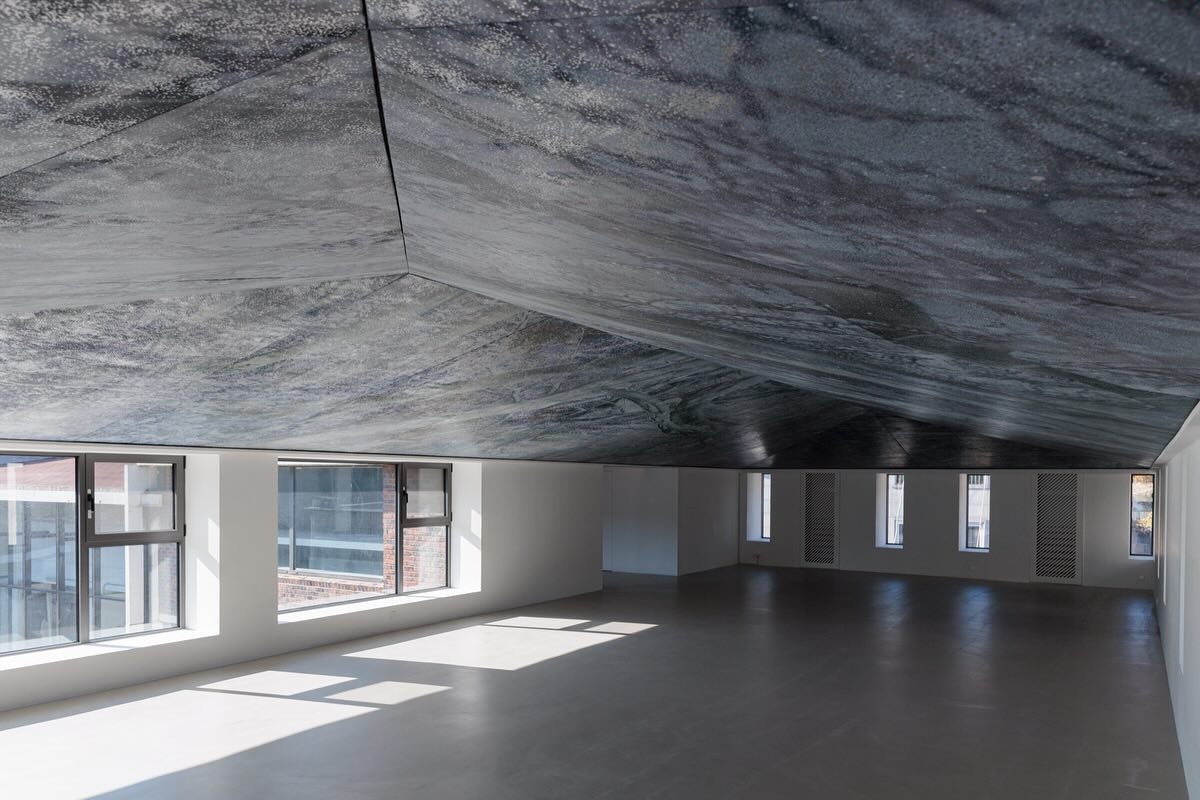
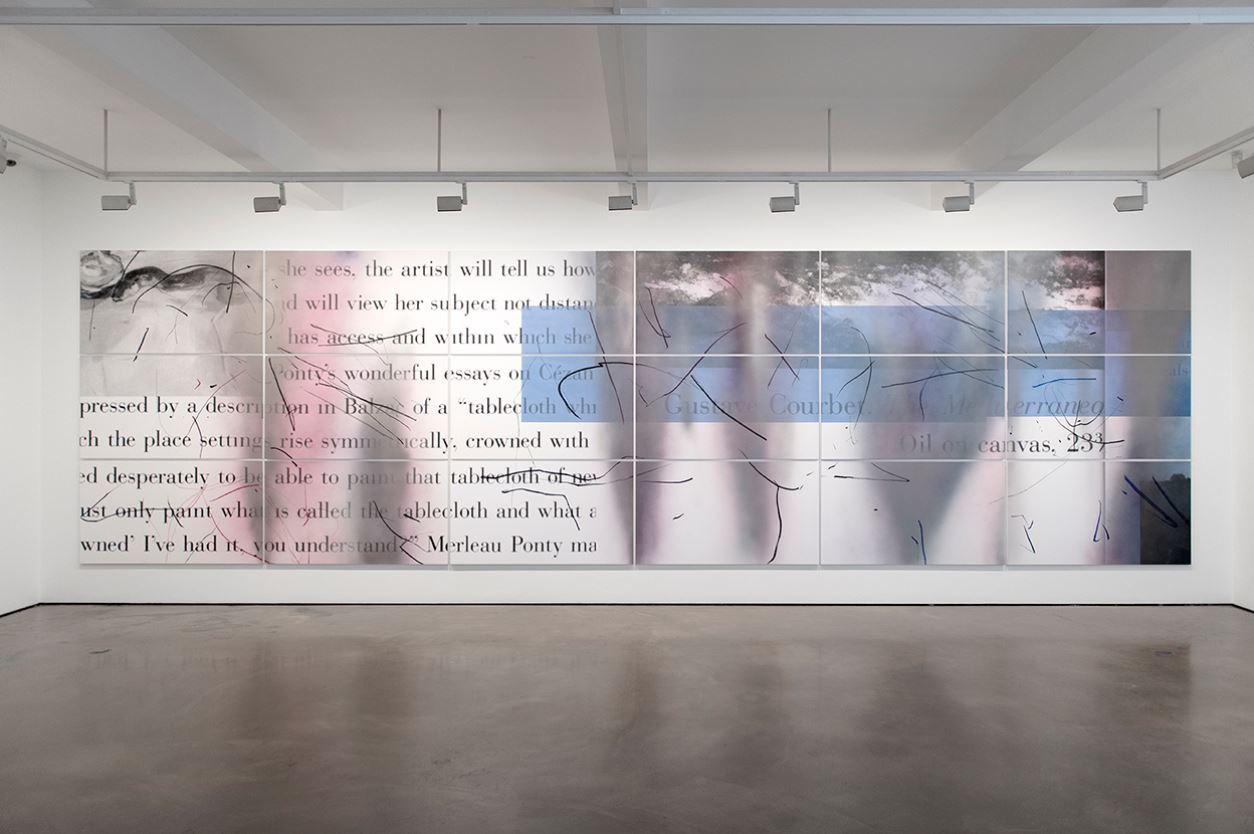
solo exhibition 《Tagging》(Cylinder/Hall 1, 2022) reinterprets the architectural form, size,
and structure of space as another surface, resulting in effects that perceive
meanings generated from the front, back, interior, exterior, and sides as
layered, intertwined surface images. Especially, his recent large-scale works
necessitate direct bodily engagement to concretize the act of seeing and
sensing images. Yoon projects a sequence of "particle" images onto
space conceived as a canvas. When public spaces are imbued with meaning,
previously distanced, dry sensibilities shift toward spontaneous, reciprocal
moments, confirming a transition.
The
method of gradually enlarging standardized formats according to proportional
sequences began with 〈GE91–3〉(2014), the origin of the 《Blasted (Land)
Scape》(Arko Art Center, 2014), and reappeared in
floor-installed painting fragments at the 2018 Gwangju Biennale. His skepticism
toward Korea’s characteristic "ho" canvas units and paper format
standards leads us to considerations of relative perception concerning depth
and image generated by producing volume on flat planes. Considering the
autonomy of cropping and screenshotting data images in any manner, one
encounters the paradoxical moment when adding thickness to structurally flat
surfaces during their transformation into sculptural elements paradoxically
accentuates abstraction.
Essentially,
Yoon’s methods of perceiving images and the technologies disseminating and
displaying images in this era culminate in contemplations on standardization
inevitably following contemporary images. It is a natural course for the same
context to be reflected in today's painting methodologies. Simultaneously, it
suggests that the era, in which most people experience and produce images
through similar frameworks and devices, inevitably connects mass-produced
standard sizes to images and contemporary painting.
In
this way, Yoon has explored contemporary painting by centering on the roles of
surfaces, particles, and standards—the basic units. Although not immediately
visible, the labor-intensive process of collecting and editing data images
unfolds across multiple layers, wherein the artist's unique classification
system is determined. These sources remain faithful to basic materials such as
canvas and paint, yet the artist selects drawing methods suited to implementing
partitioned and calculated surfaces using editing tools. If the term
"drawing" seems inadequate here, one could describe these gestures of
painting as printing, spraying, brushing, or squeezing. Over the ten years
since 2012, the most significant material change in Yoon’s practice would be
the fine particles atop the canvas.
Considering
that these particles—the minute grains constituting matter—exist devoid of size
but possessing dynamic properties such as mass, position, and speed, akin to
locating a single point in space, his skepticism toward standardization unfolds
into serial works of scale. In recent works, where particles blend
comprehensively from distinct forms, the artist evidences an increased openness
toward the accidents and errors inherent to painting—elements he had previously
avoided.
Thus,
Yoon’s approach of mapping scattered and gathered data images onto paintings
constitutes a conscious process of realizing format shifts in images.
Furthermore, he attempts a radical transition toward data-driven painting that,
departing from object-based aesthetics, presupposes the emergence of new
surfaces and forms within image clusters.