Exhibitions
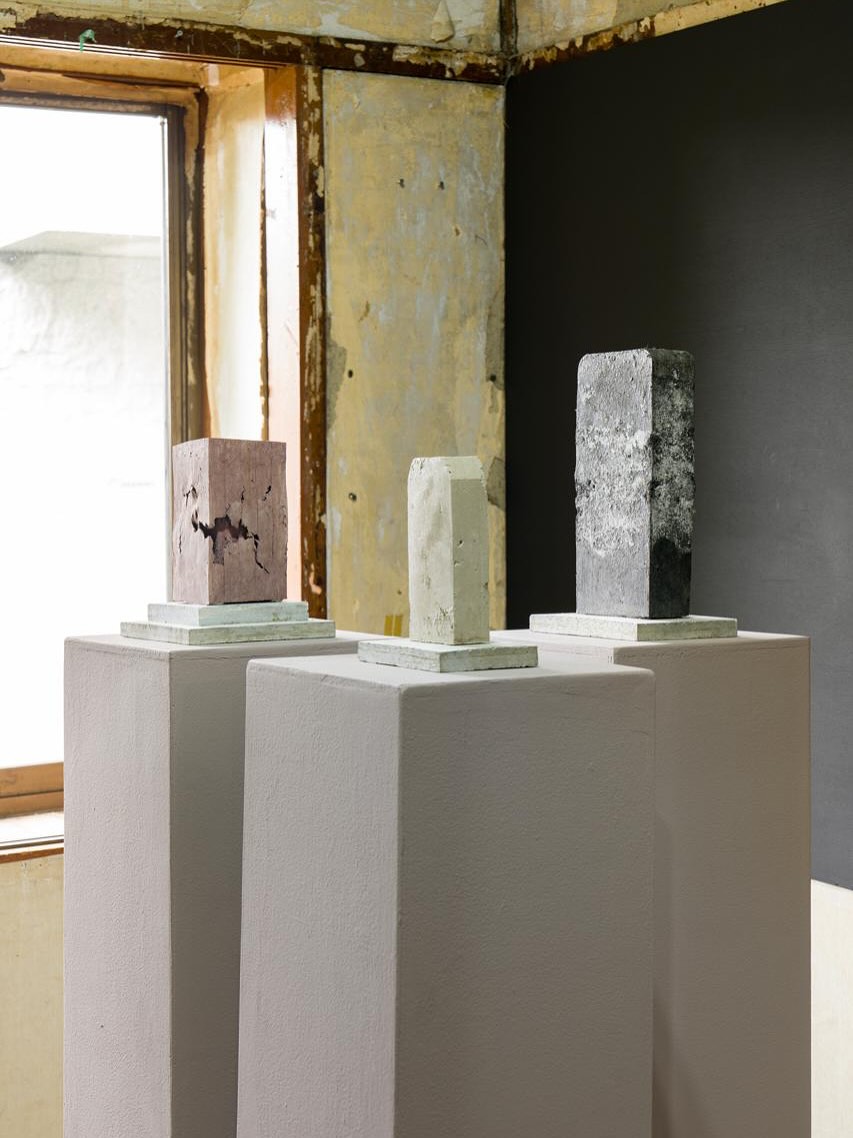
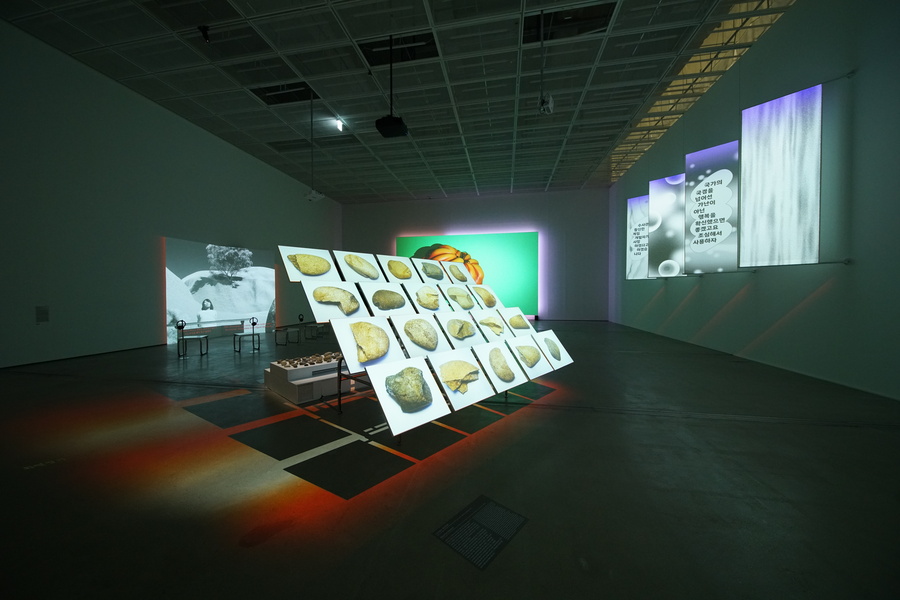
《Operation Room》, 2019.06.25 – 2025.07.14, Space Imsi
June 23, 2019
Space Imsi
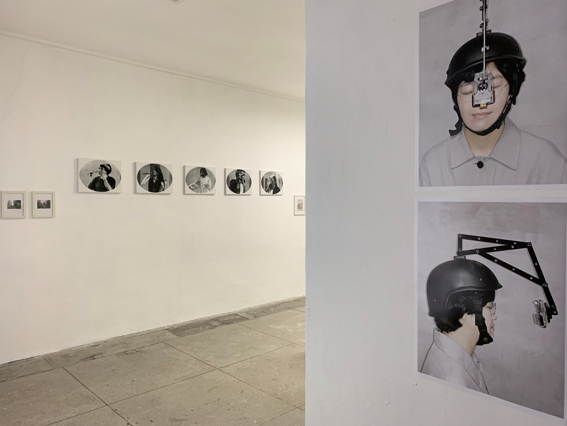
Installation
view ©Space Imsi
Unmake
Lab slowly and carefully studies the relationships and structures between
humans and technology, nature and society, within the emerging ecosystem of the
Technosphere—marked by hyperconnectivity and the rise of digital natives—while
aiming for collaborative inquiry throughout their working process. In the age
of the Fourth Industrial Revolution and the commercial rollout of 5G, economic
propaganda surrounds us, and the intuitive use of smartphones and the internet
deeply intertwines with our bodies and emotions. Everyday life, increasingly
composed of data and algorithms, has become a spectacle. Within this context,
the artist considers how to reconstruct and rearrange our environment toward
subjective reappropriation. Rather than focusing on explanations or forms of
unfamiliar cutting-edge technologies and mechanical devices, Unmake Lab
prioritizes their repurposing. They maintain distance from DIY functionalism,
emphasizing instead meta-level subjects and methods that intervene in technical
circuits and mechanisms through alliances of small-scale knowledge and
practices in alternative economies.
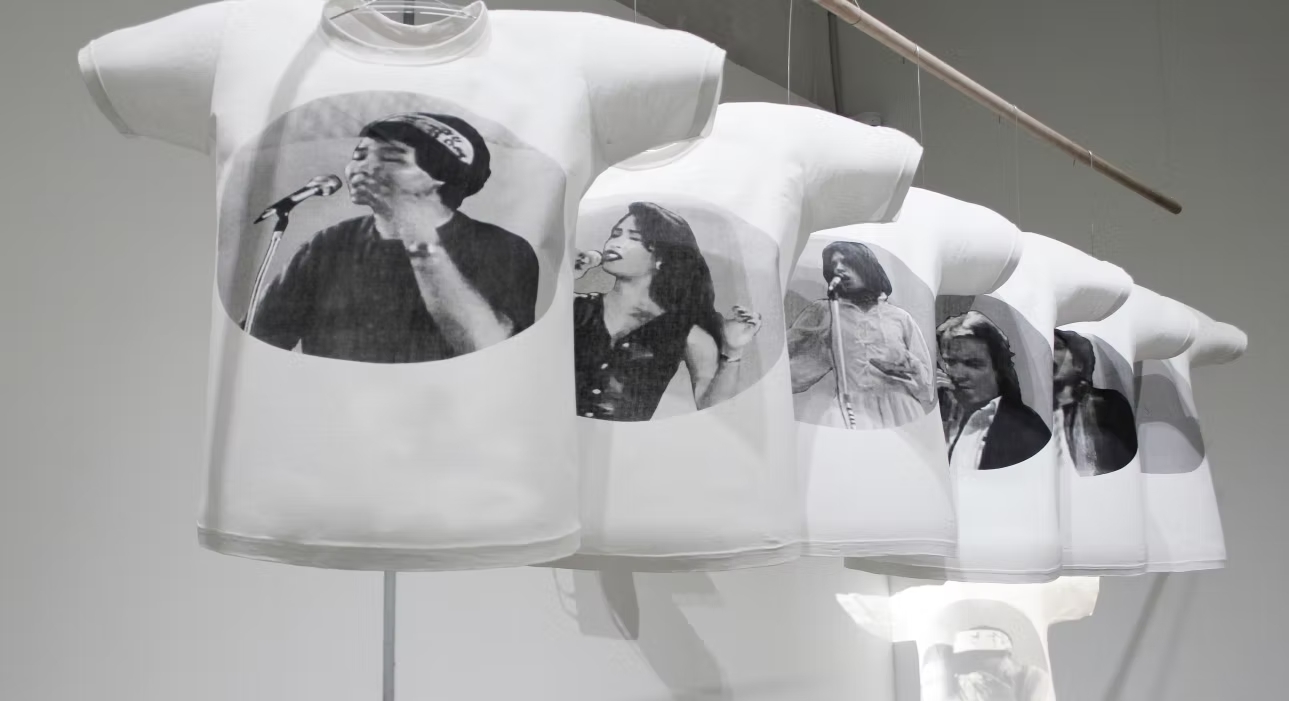 Unmake
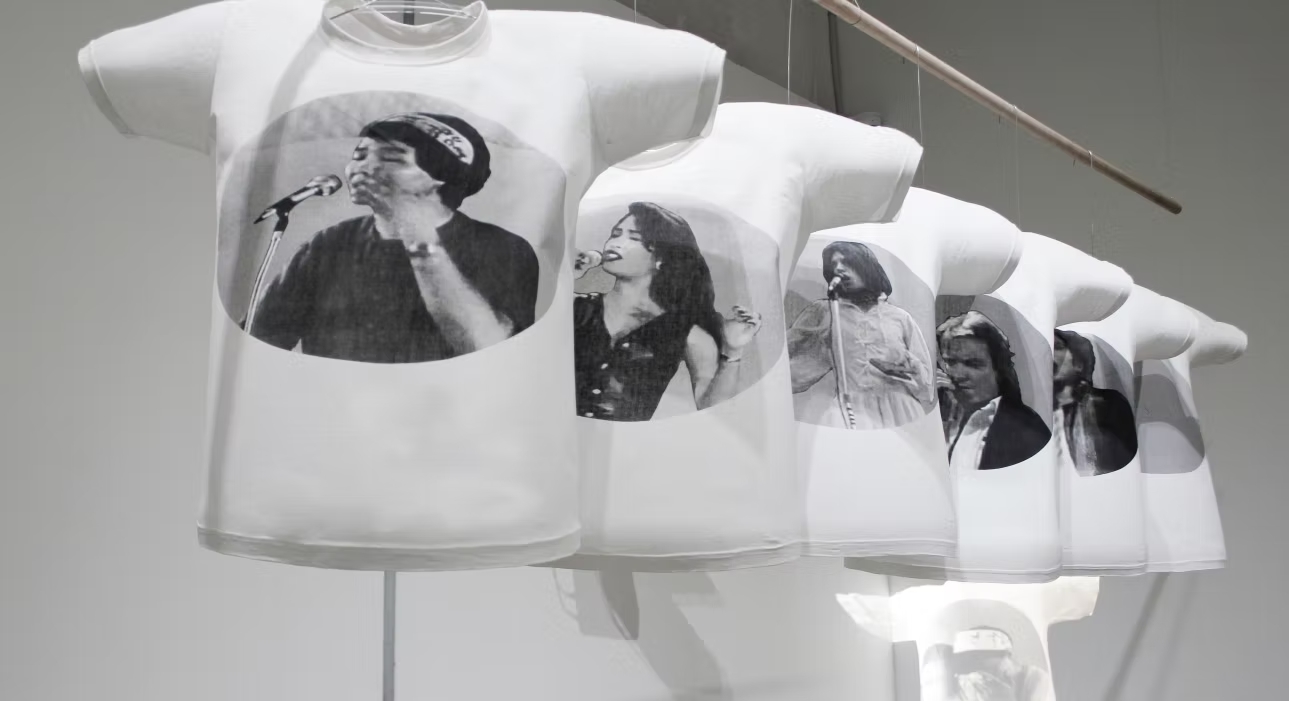
Lab, ComputationOperation 3, 2018, Image Matching Algorithm,
silkscreen, T-shirt inflated with a fan ©Unmake L
Unmake
Lab, ComputationOperation 3, 2018, Image Matching Algorithm,
silkscreen, T-shirt inflated with a fan ©Unmake L
In
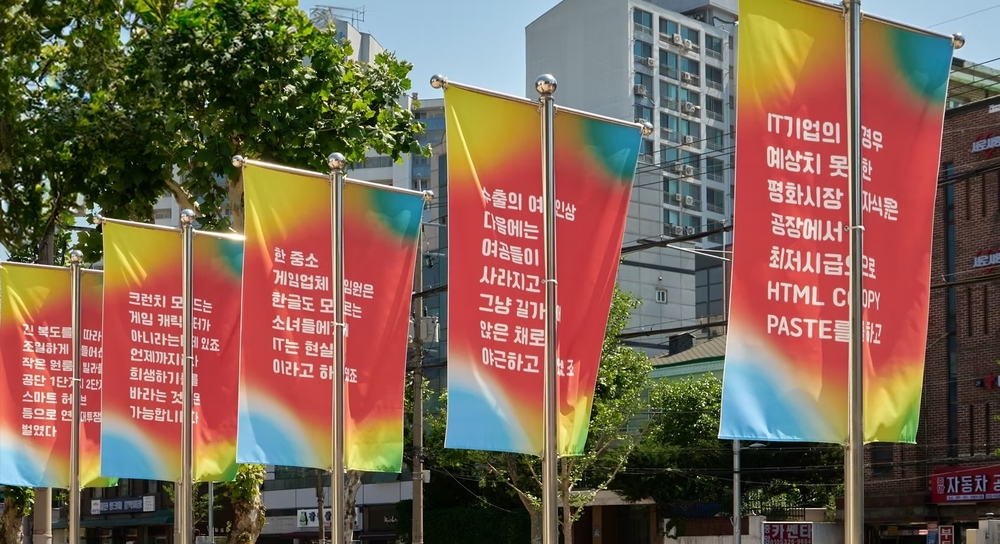
〈Algorithmic Laborer: Operation 1, 2018〉, based on materials related to Guro—a region that has transformed
from a manufacturing zone to an IT cluster—texts reveal the still-persistent
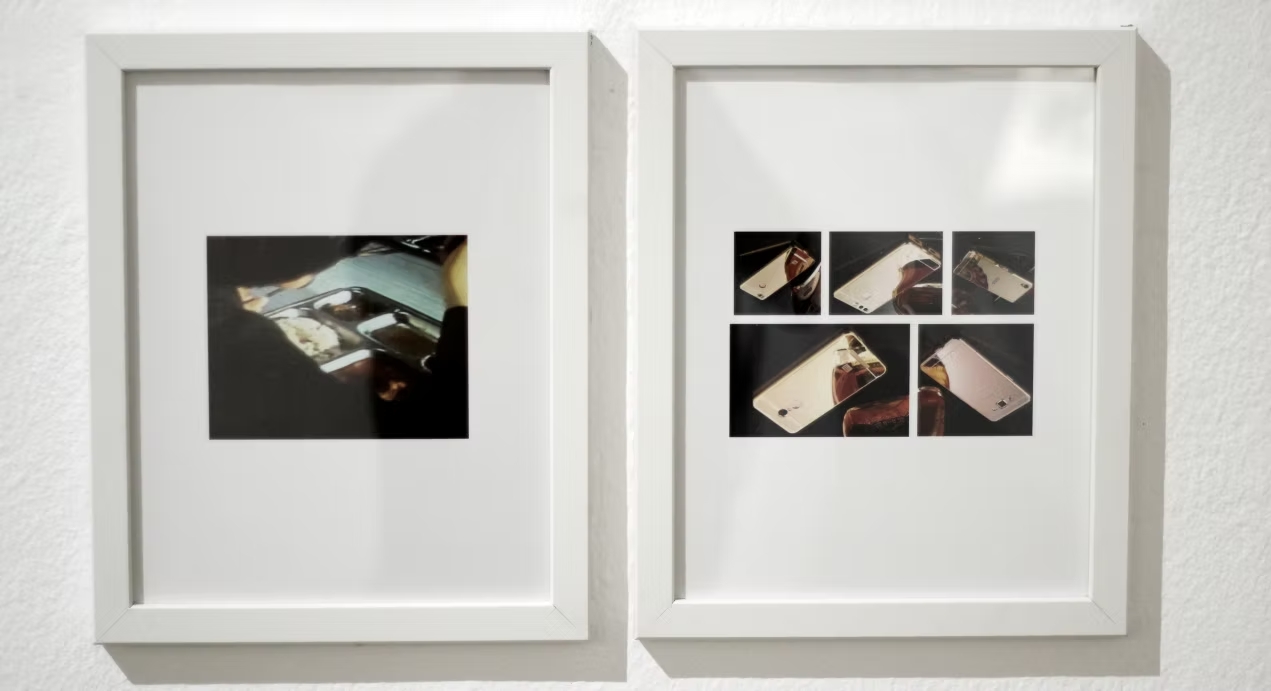
alienation of labor. Rumors of a Double City(2017) presents
an ironic coincidence where a striking female worker and a performing singer, a
worker's stainless-steel lunch tray, and a state-of-the-art smartphone are
matched through image searches due to formal similarities, illustrating how the
weight of modernity slips from our spatiotemporal senses. In Algorithmic
Laborer: Operation 2 (2018), these images are printed on T-shirts
that are physically inflated with the command "expand,"
metaphorically suggesting the urban principles operating under neoliberal
capitalism's reproduction and accumulation.
The
"Quantified Self Movement" series addresses the appropriation of the
self through the process of self-recording and quantification. In Facial
Expression Study for Data Extraction (2017), facial expressions are
treated as interfaces conveying human emotions. An actor performs like a
monodrama protagonist, deliberately excluding gaze, voice, gestures, and
ambiance to express emotions. Facial Coding (2017) takes
eight emotion categories (anger, contempt, hatred, fear, happiness, neutrality,
sadness, surprise), divides the face into four zones, and creates randomly
collaged expressions, which are then analyzed by emotion recognition algorithms
to generate new emotional values. Although both videos feature the same person,
the contextual human emotion and the machine's quantified interpretation create
a dislocation between actual and mutant selves. The artist reflects on this
phenomenon as a product of the data creation era, confronting an
informationalized body reconstructed by computational processes—posing
questions from a relational perspective on the human-machine dynamic.
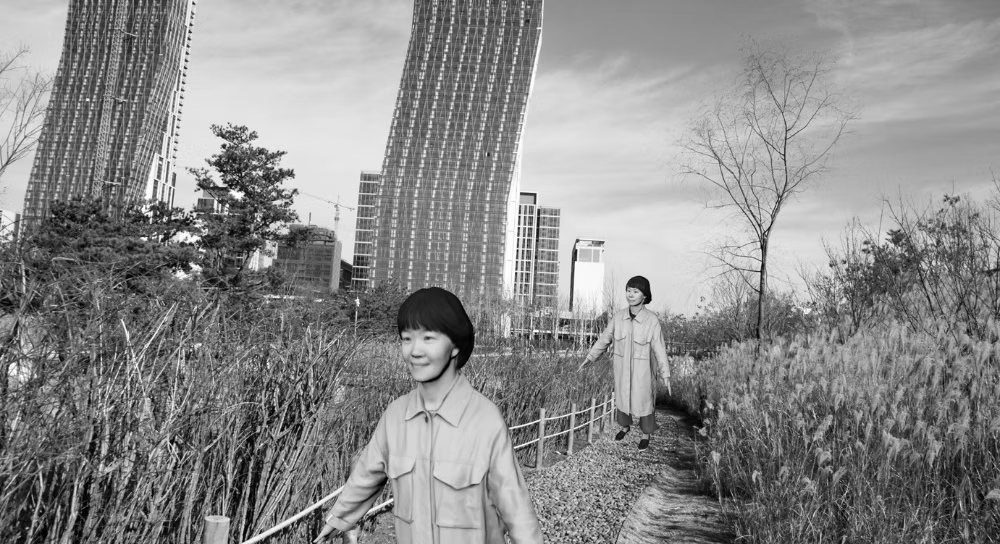 Unmake
Lab, Whole Data Catalog 4 Tourists: No Results, 2018 ©Unmake
Lab
Unmake
Lab, Whole Data Catalog 4 Tourists: No Results, 2018 ©Unmake
Lab
In
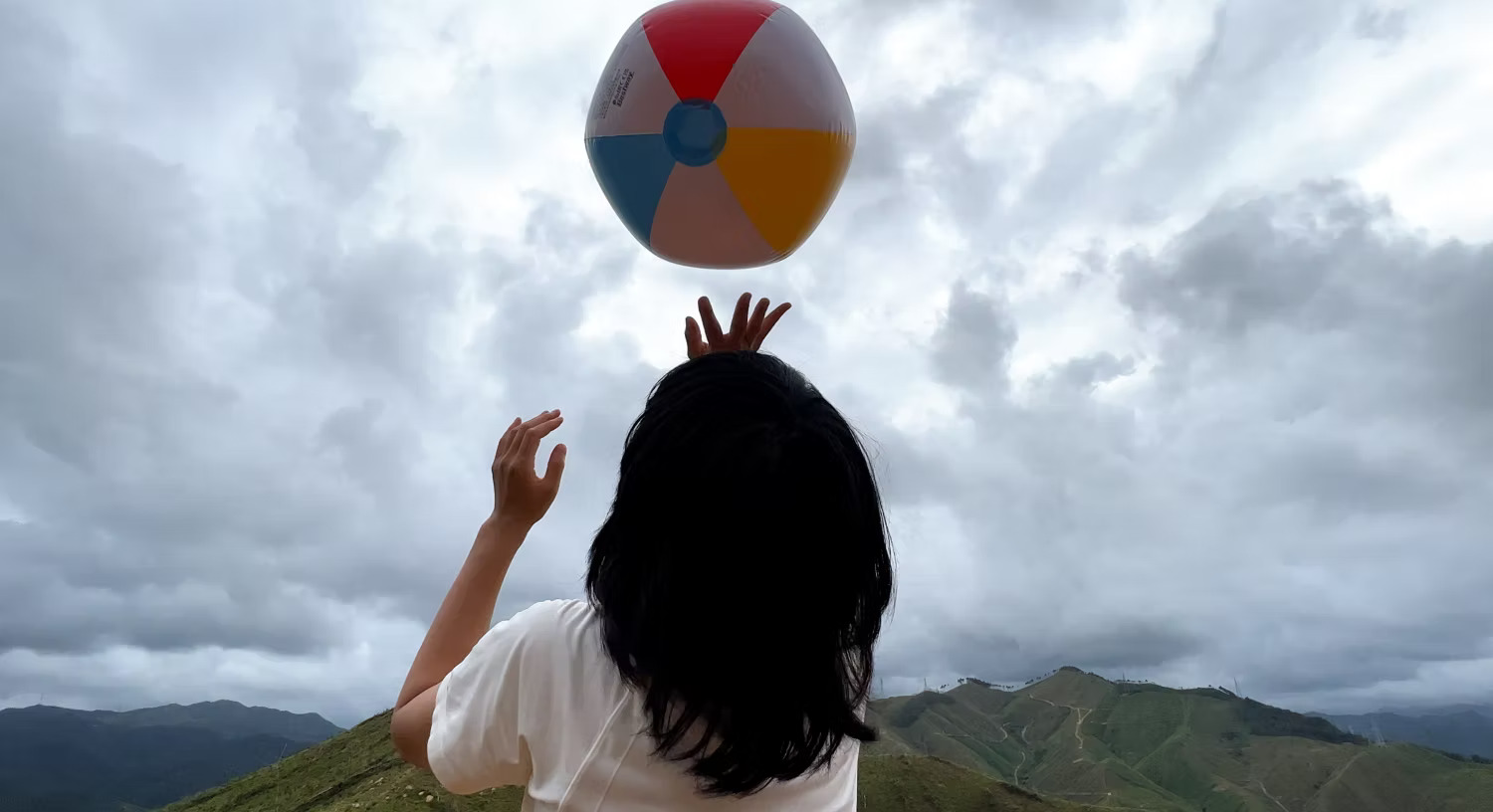
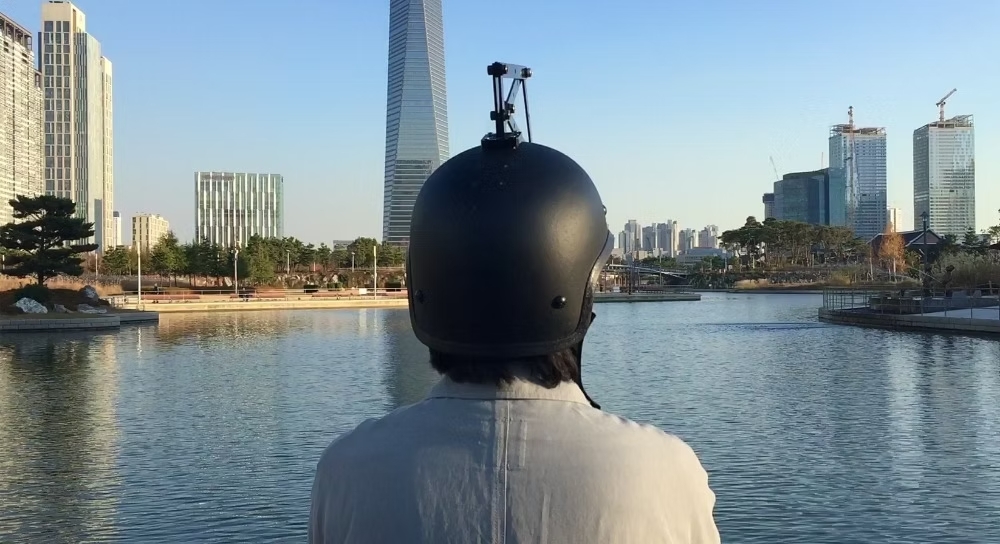
the "Whole Data Catalog: In Search of Happiness" series, quantified
emotions are related to place and social nature shaped by technology. In Self
Emotion Harvester (2018), the artist wears a helmet that collects
facial expressions while wandering through shopping malls, artificial
landscapes, planned cities, tourist attractions, riverside parks, and
international cities, becoming a “Flâneur” in Walker (2018).
Faces collected across different time intervals move like stop-motion
animation, and the uniform, flat backdrops of the walker reflect spaces staged
by the logic of capital. In this spectacle where human façades (facial
expressions) and urban façades (non-places) subtly intertwine, the
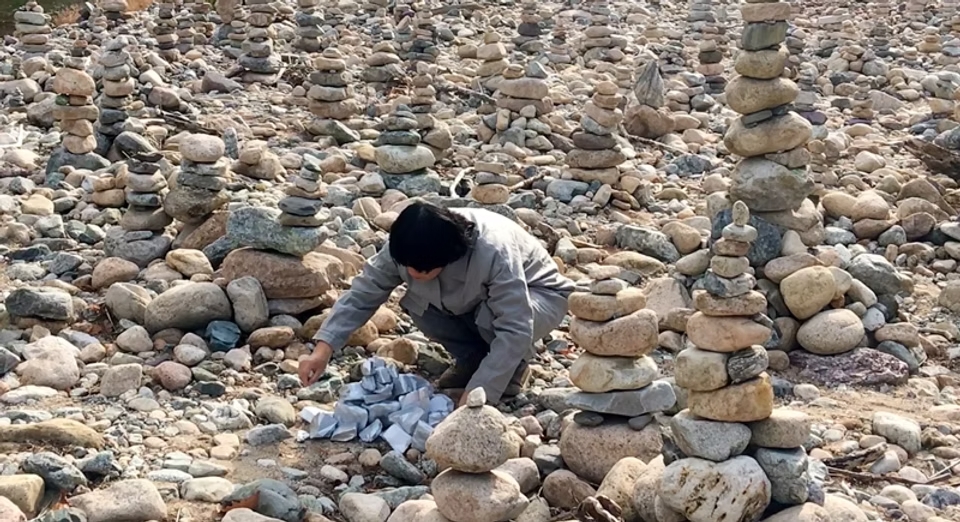
psychogeographic data collected become signifiers of longing for happiness in Origin
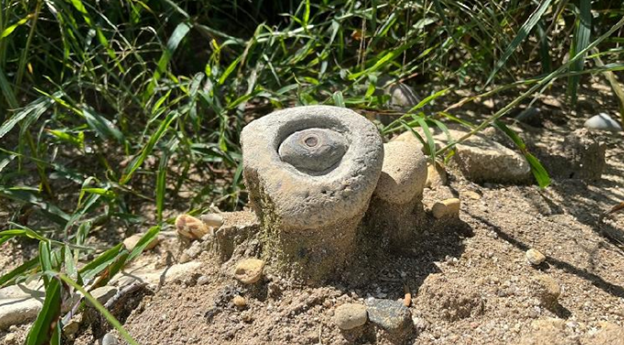
of Happiness(2018). Smooth, light virtual coins are stacked like
stone towers, only to collapse and be rebuilt repeatedly. When the 3D-scanned
model is composited into a photo of the walking location and analyzed by a
computer vision program, it is tagged as a tourist and receives the result
value: No Results (2018). This resembles a vanitas—an image
of the futility of happiness pursued as life’s fulfillment.
Through
the works introduced in this exhibition, the role of the artist evolves from
producer in the industrial era and ethnographer in the postmodern era into that
of a multispecies ethnographer—one who reflectively reconstructs metaphors and
repurposings of otherness and placeness. Multispecies anthropology seeks to
overcome dualistic approaches between nature and culture, human and non-human,
subject and object. It adopts a relational perspective to interpret human life,
landscapes, and technologies integratively. Actor-network theory, which treats
non-human elements such as science and machines as actors capable of agency,
examines the symmetrical relationships and networks between humans and
non-humans and studies the characteristics of technoscience.
By
translating the relationships between data reduced through algorithms—between
the real and the virtual, space and place, body and emotion—the artist becomes
a mediator, allegorically and hybridly narrating society as a human–nonhuman
composite. These works serve as political directives for alternative perception
and action in a world of data and algorithms. What comes next is up to us.