Exhibitions
《Re-wind》, 2018.05.11 – 2018.06.07, out-sight
May 11, 2018
Sangjin Kim(out_sight)
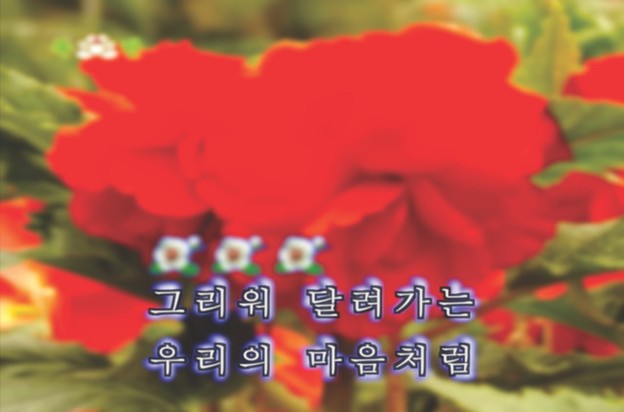
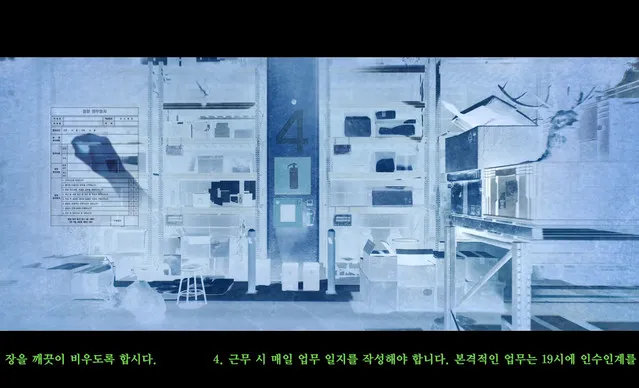
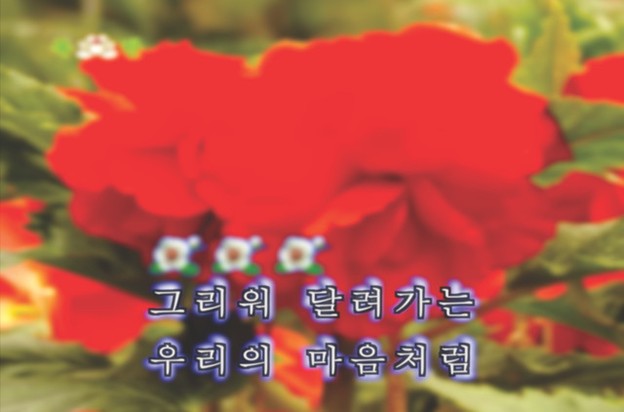
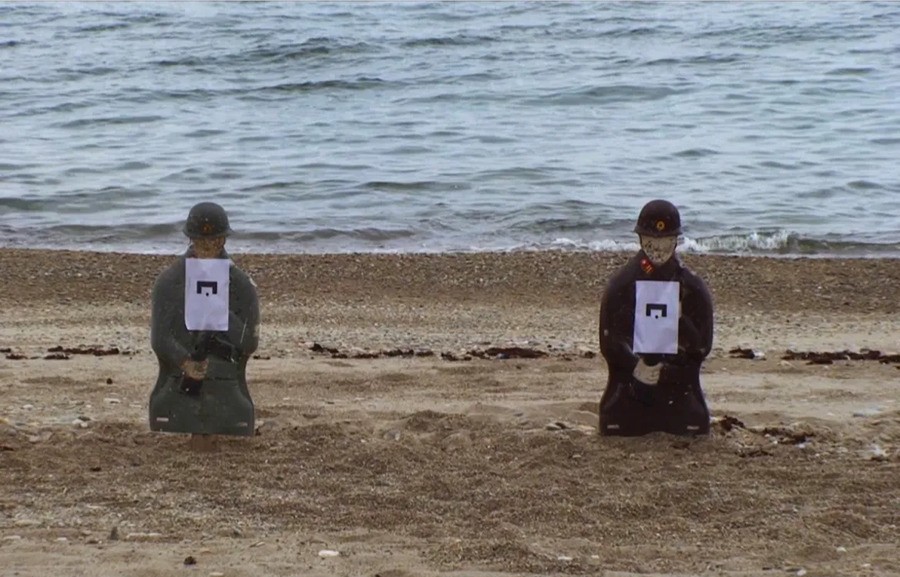
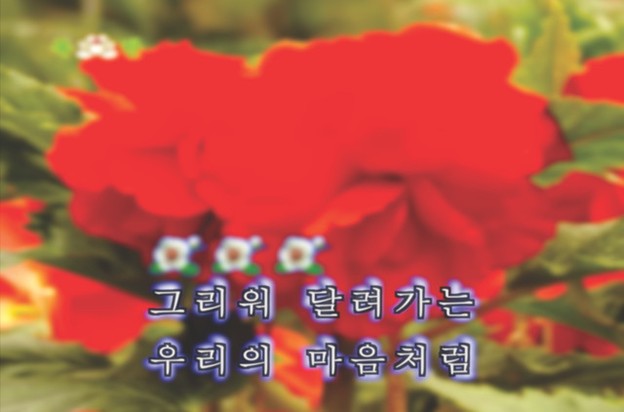
Shin Jungkyun, Sing the Begonia, 2017, Single
channel video, 4min 30sec © Shin Jungkyun
One very long lie
Shin Jungkyun has been working
around issues of the military, national security, ideologies and conspiracy
theories to expose anxieties that are latent in the divided Korea. By
appropriating stylistic features of different genres in media, Shin’s simulations
oscillate between the truth and fiction, a message and its form, the past and
the present, and the serious and the playful. His videos truthfully follow
Marshall McLuhan’s statement, “The medium is the message.” Mundane and trivial
stories are retold in the styles of propaganda TV shows, documentaries, and
reportages with exaggerated CGs and stiff formats; and by doing so, the artist
amplifies the dormant anxieties. And the sum of these approaches tends to
conclude in forms of Mockumentary In mockumentaries, nothing is trustworthy.
Because it is impossible to distinguish the truth from the fabricated.
In order to disclose the lies
that are weaved in, it is inevitable to cast doubts on the undisputed daily
conditions such as time, space and systems Therefore the narrative of a
mockumentary flows naturally like a drama or a reportage, but in fact, it
testifies nothing as well as accusing nothing. Demonstrating neither truth nor
fiction, his narratives of conflicts cannot enter the clear logic, and
therefore the residues of the controversy remain within the viewers as
ambiguous deja-vus of the anxieties.
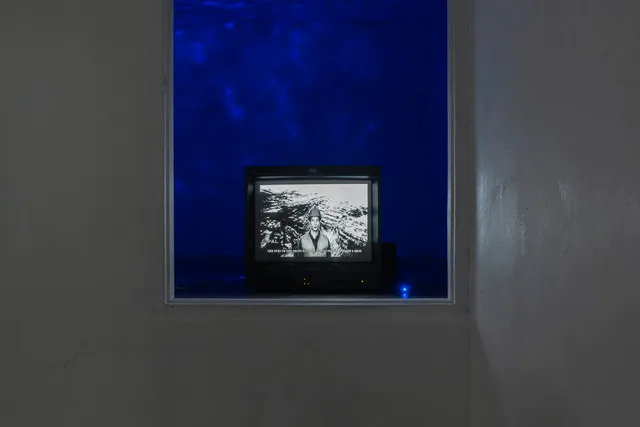
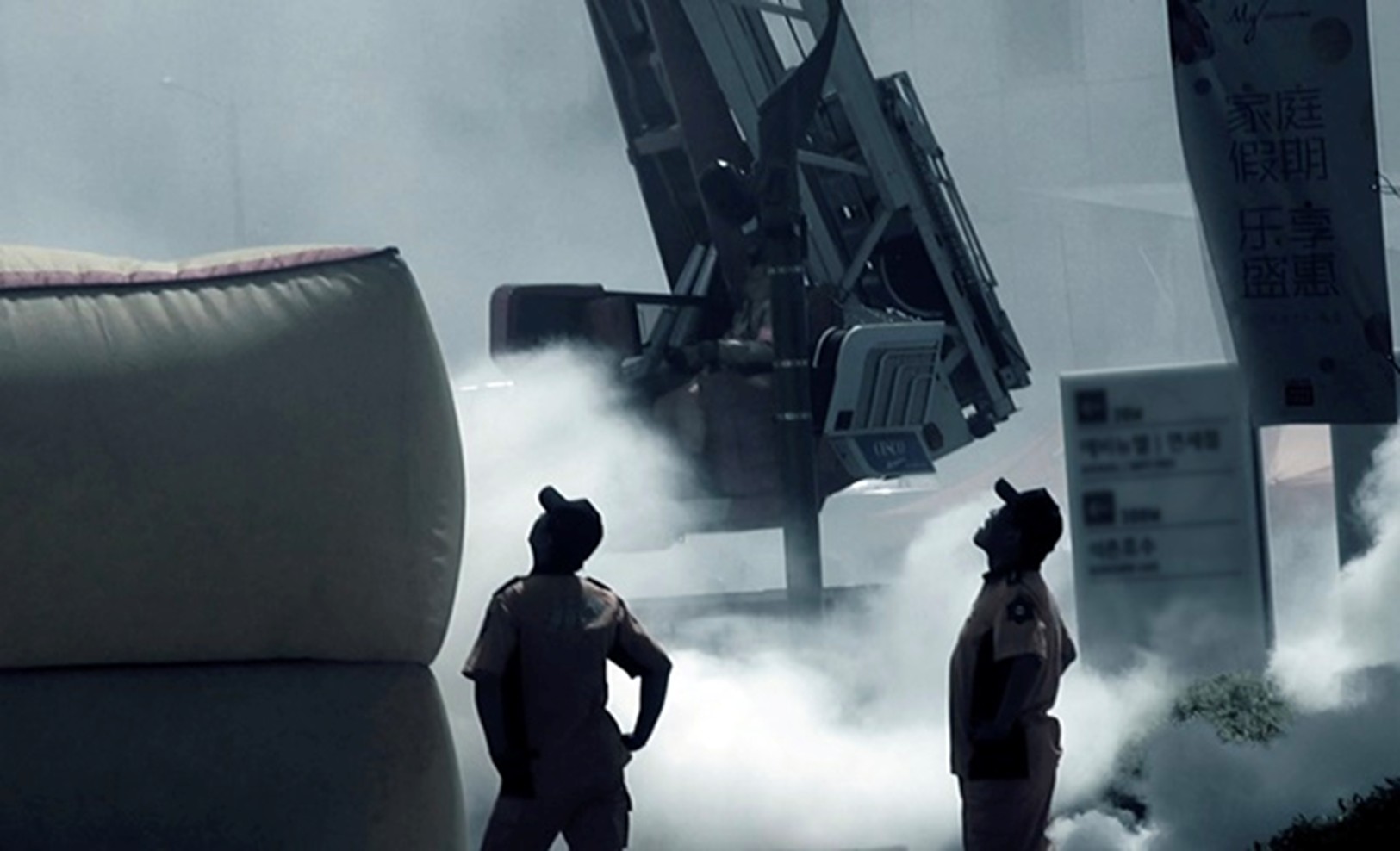
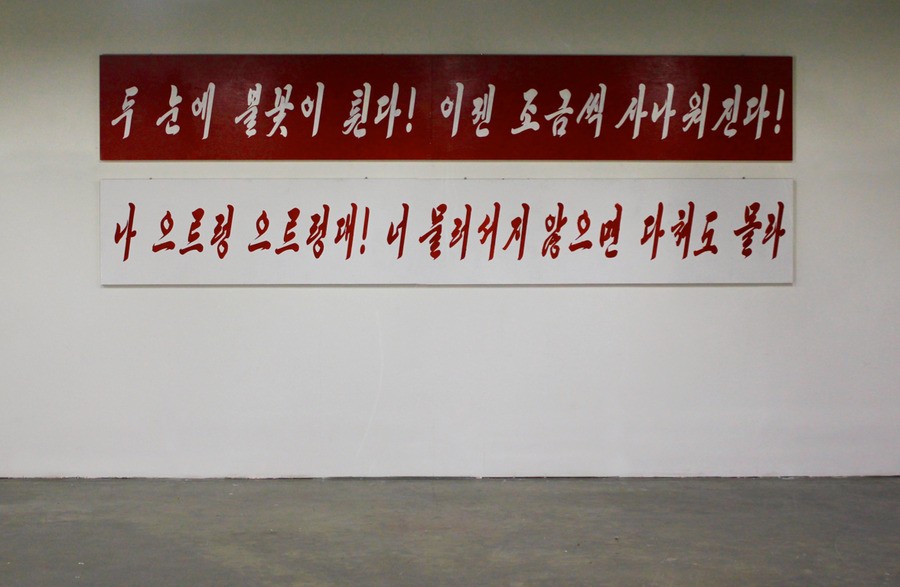 Shin Jungkyun, A Song
Written in Okryuche, 2013 ©Shin Jungkyun
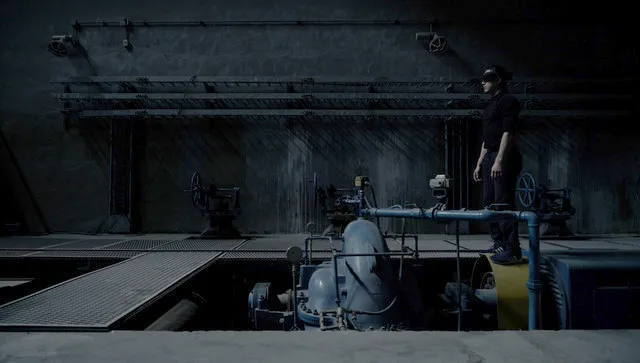
Shin Jungkyun, A Song
Written in Okryuche, 2013 ©Shin Jungkyun
Shin’s previous works such as Sing
the Begonia (2016) and A Song Written in Okryuche,
(2013) have already proved his proficient manner in showing how a form can
invert its content And he also embedded these twists within the layers of his
videos. Shin appropnates the stylistic features of documentaries and reportages
to make us be over-conscious of our day-to-day realities, and then he puts
these authoritative styles in the frame of a mockumentary to dilute their
sincerity. He tells not-so-serious stories using very serious voices, to make
not-really-serious accusations; and then again he presents his work in the form
of a not-at-all-serious genre, to the world where everyone talks so seriously
(the art world). However what he aims to become within his complex maze of
twists is not a lone whistle-blower (the hero) of which status the previous
generations had fought for. Rather, he proposes that we suspend judging instead
of resolving and closing the cases
While the authoritative
aesthetics that he appropriated structure the narratives, the clumsy CGs and
the B-grade references periodically appear and damage the credibility of the
messages. In this term, his works are somewhat like the low-budget mockumentaries
filling up the unpopular cable TVs in the idle hours, or the fake documentaries
overflowing Youtube; rather than Blair Witch which requires the viewers’
ceaseless immersion. So, this might be his final twist. The repeated reversals
between the form and the message eventually confuse the conventional structure
of narratives and soon transform the reality itself into a potential conspiracy
theory stuck in between the truth and the fiction. There is no more certainty.
And we get to doubt if everything (perhaps even the Art itself) is just one
very long lie.
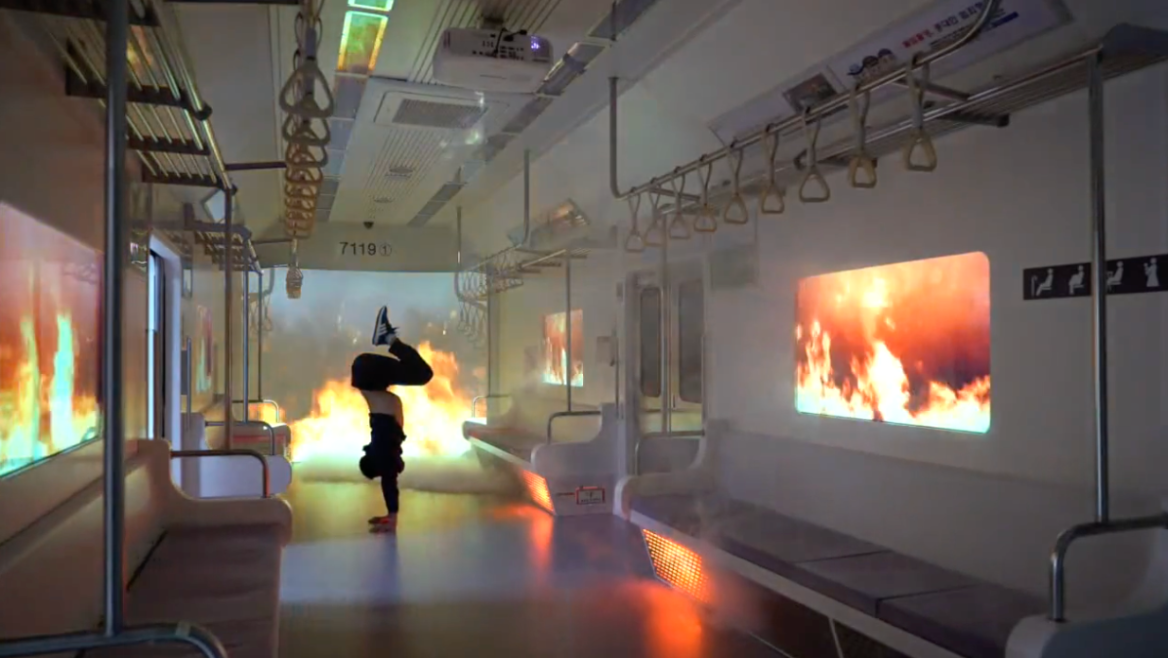
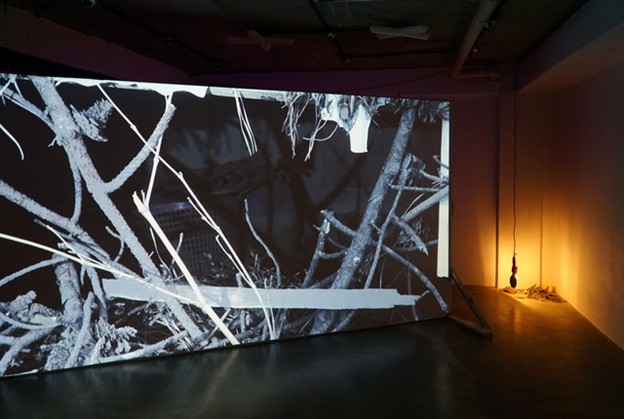
In his exhibition , he talks
about a time (our time) and its reverse side (the time of the national
security) that have been actually coexisting. Apparently, some of the spies’
time cannot be co-registered with the time of our peaceful reality. Like the side
B of an analog tape remaining silent while we play the side A; the two times
are there together, but the two cannot be simultaneously represented because
they exist as the contradicting conditions to each other. And this is the
primary condition for sustaining the illusion called ‘the everyday reality.’
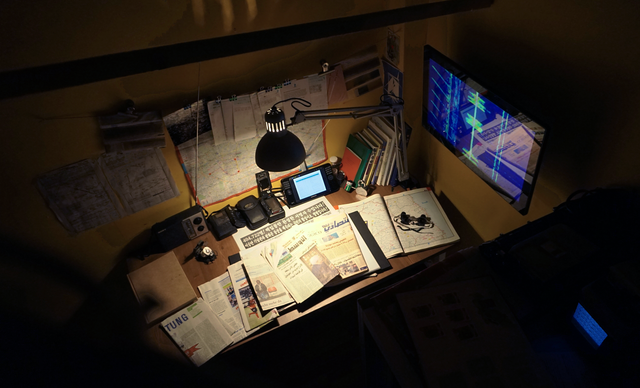
The stories told in Shin’s works in Re-wind, of the spies who had been sent to
the North and the young military men who had got into the states of coma while
serving the military, are actually quite familiar to us but we (our time) have
never adequately talked about them: these remain as obscure tales. It is not
because they have been skillfully hiding, but instead because we have been
pretending to be blind to them. Or, maybe we have not recognized them from the
beginning as they, like the Invisible Man, lived a different time while
existing in the same time with us.
Shin reconstructs this obscure
time, which could not have been represented within our inner time by collecting
the alibis and clues from the marginalized testimonies of the witnesses. And
like the sketchy stories told by the B-grade media, his simulations adeptly
combine different genres and settle within a style. By the end of the stories
in his videos, the artist places the other time on ours, as if trying to leave
a mark that they lived a different time while simultaneously sharing our time.
Like one very long lie.