“But if
I remembered everything and told you everything, there would be nothing more
for us than a single memory.” - “A common memory? no,” he said solemnly, “we
shall never belong in common to memory.” - “To forgetting, then.” - “Perhaps to
forgetting.” - “Yes, when I forget, I already feel closer to you.” - “In a
proximity, however, without approach.” - “That is correct,” she echoed
fervently, “without approach.” - “Also without truth, without secrecy.” -
“Without truth, without secrecy.” - “As if disappearance were the last place of
any meeting. Forgetting will separate us slowly, patiently, through an
identically unknown movement, from whatever sell remains in common between us.”
From
Maurice Blanchot's Awaiting Oblivion
“About
forgetting that is closer than the truth”
Like a
broken bookcase, words have shatter to the point where they cannot be read.
Words that are stranded in “emptiness” are now only in existence in an obscure
chatter. As Maurice Blanchot writes, “she was forgetting.” So-called ‘memories’
with nameless figures stranded in an unknown space surrounded by uncertainties
that reappear from the surface without any prior notice which, in the words of
Blanchot would be defined as “forgetting, the acquiescence to forgetting in the
remembrance that forgets nothing.”
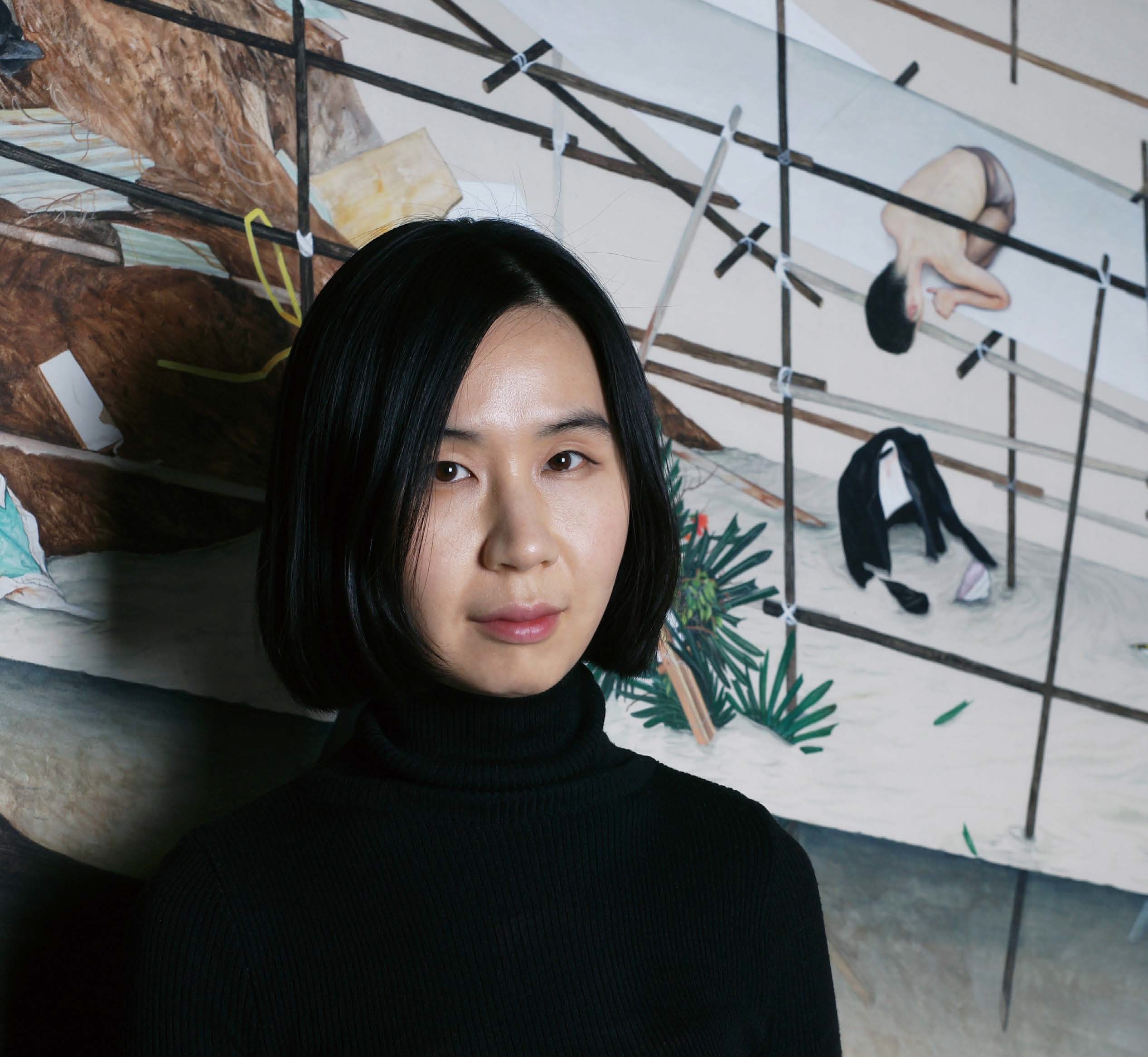
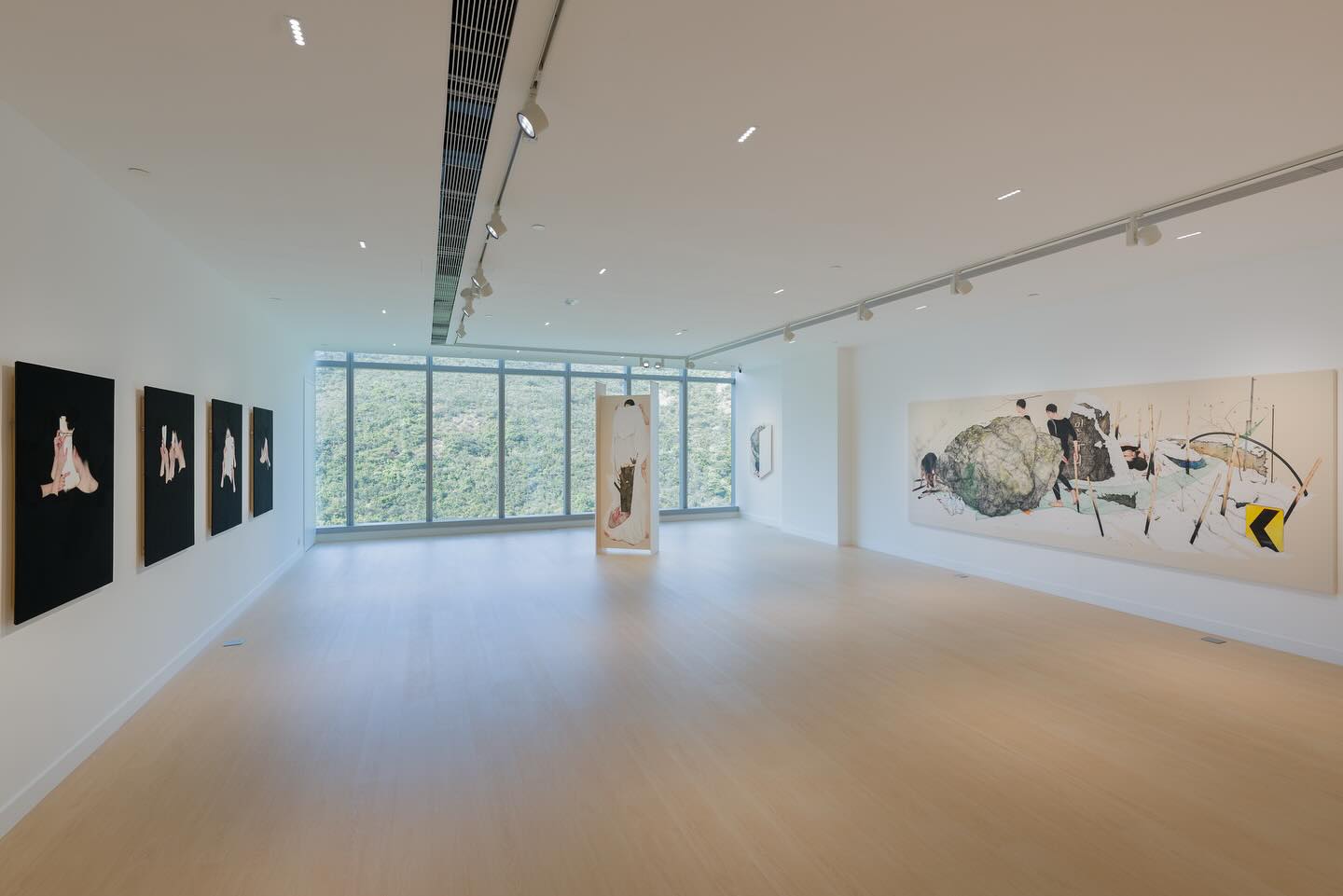
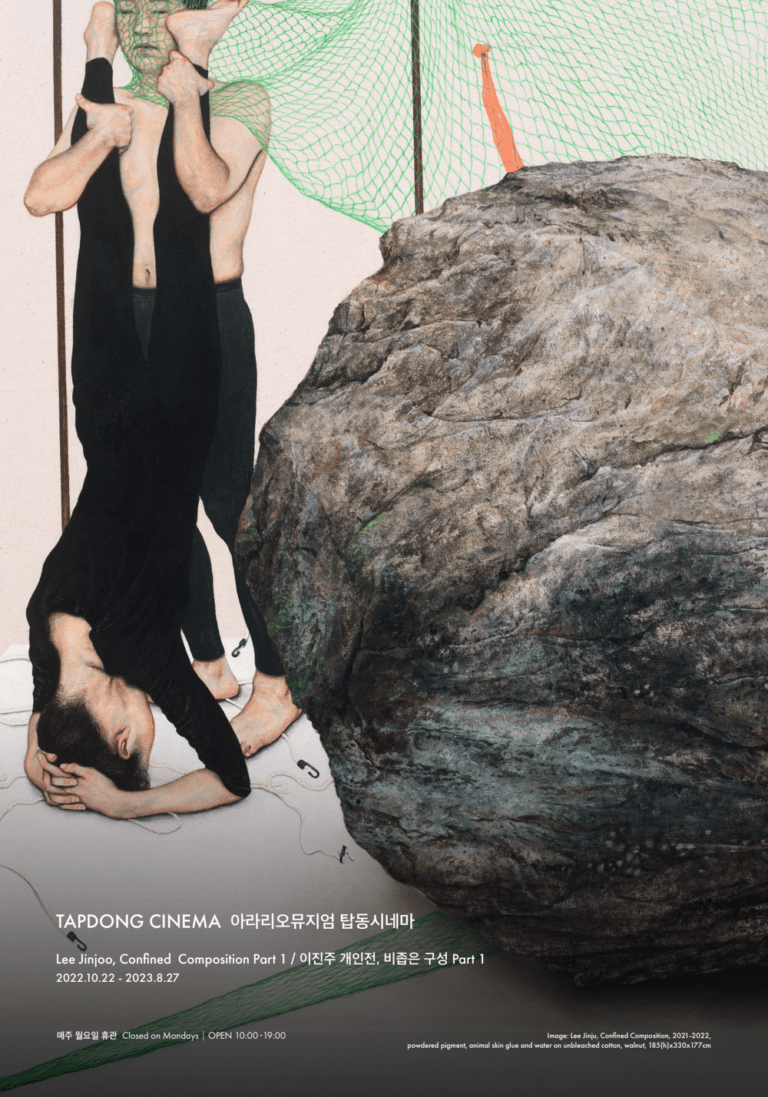
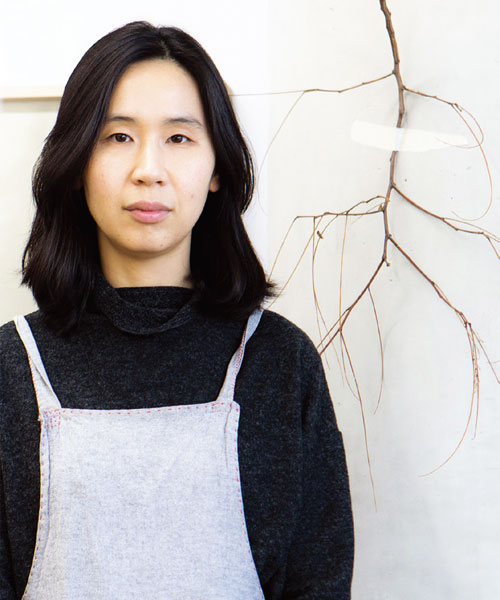
Lee Jinju attempts to communicate ‘things I
have seen,’ or things she has seen through her forgetting, in which she
confronts herself in a solemn quietness waiting for the “things that have
disappeared.” As I view Lee’s works that captures the artist looking back to a
certain incident from her past to reach a point where she has no choice but to
continuously doubt oneself, I can only wait in silence to listen to her voice
that reminds one of a ellipses or like a person’s fragile continuation of breath.
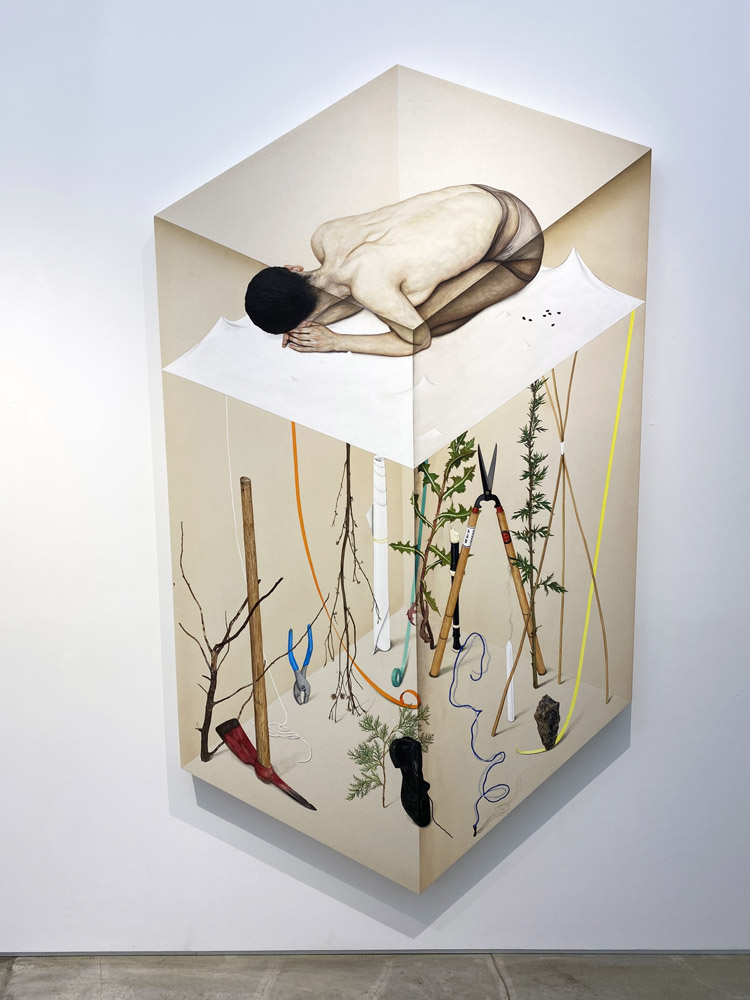
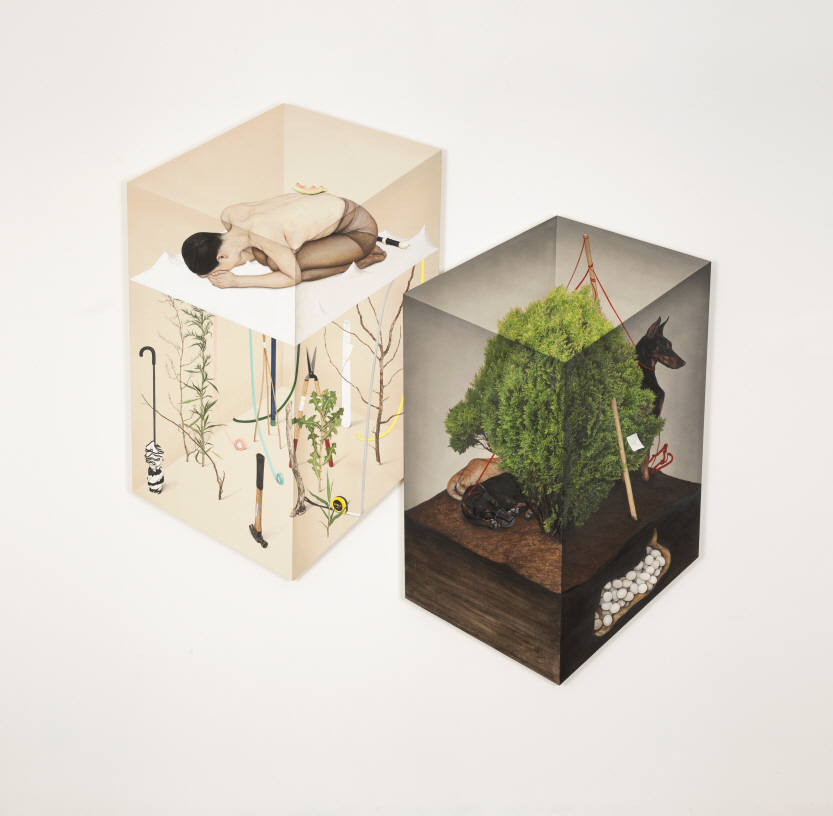
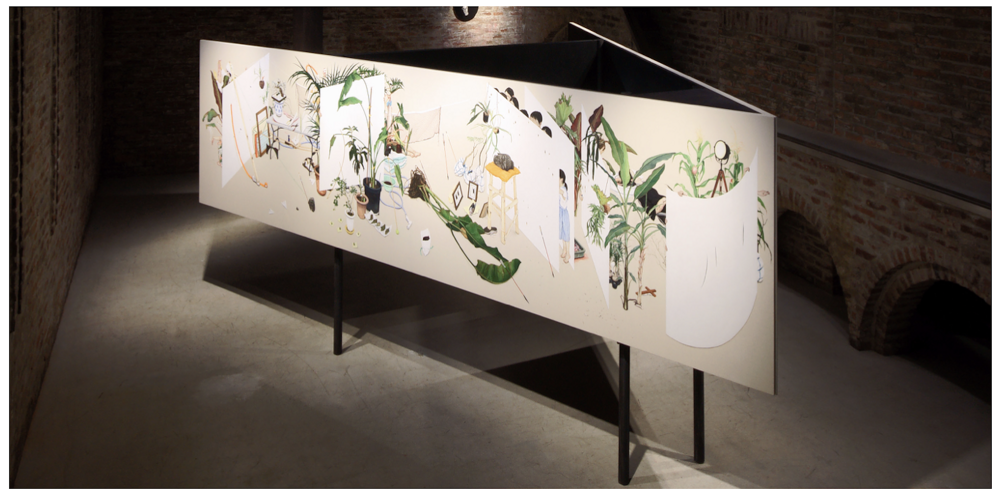
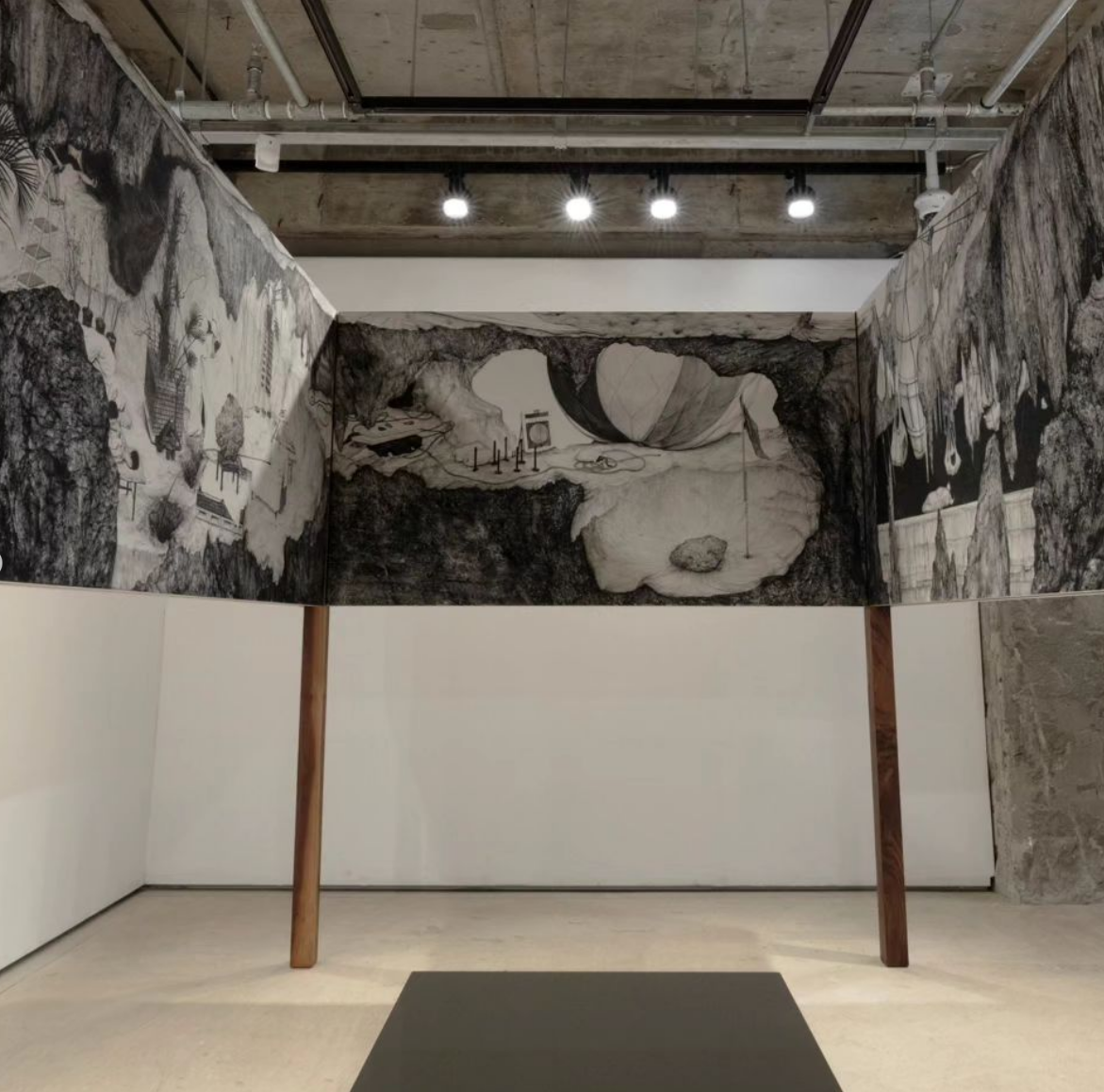
There’s
a work with two different spaces in horizontal layers. They may have no
similarities, and they also might not even exist, but these two spaces are like
a trace left from the forgotten memory that cannot be explained in words what
had happened but have simply disappeared. In such context, this tilted space
resembles a hidden space forbidden to be entered.
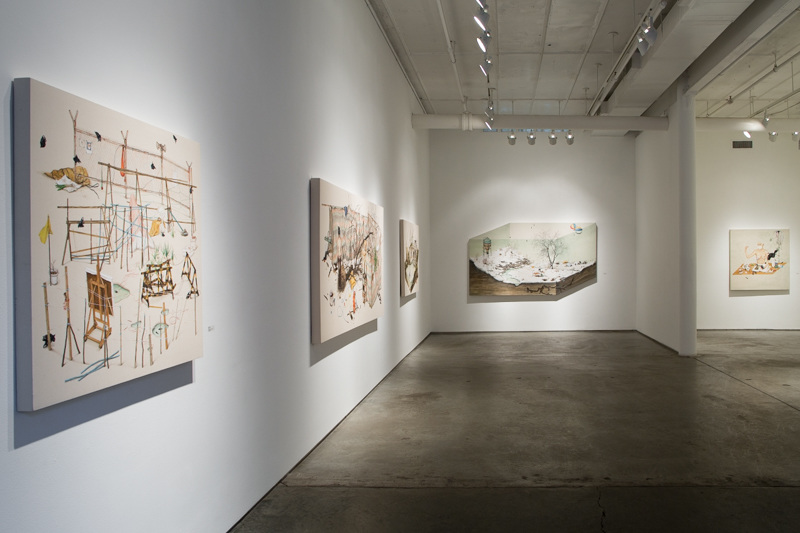
In another word, Lee Jinju’s
Things I have seen (2017), although full of details in every
corner, sardonically appear to be “exaggerated reenactment surrounded by
paradoxical narrative” that comes to a conclusion that the ‘things that she
saw’ are from her forgetting of a memory. Nameless bodies and objects tangle
together on an empty stage to create a story that is neither real nor fiction.
This uncertain narrative is intermittently interrupted that is only continued
by incessant incomprehensible blabbers.
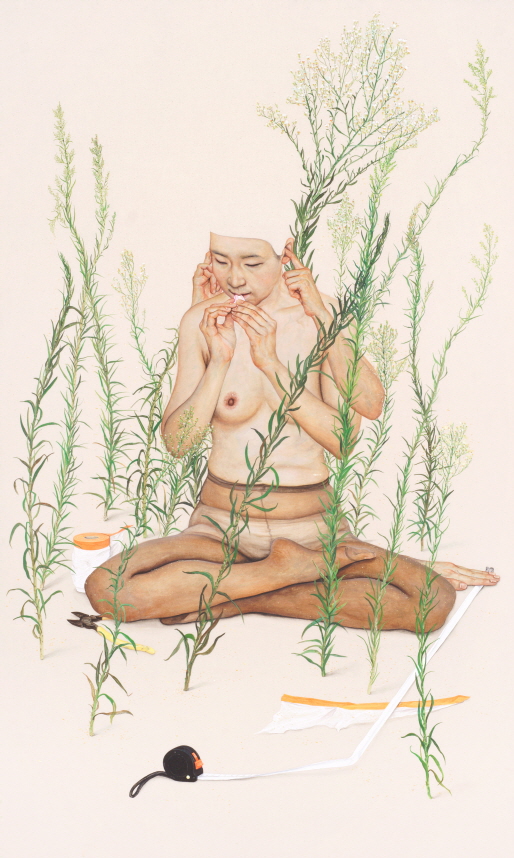
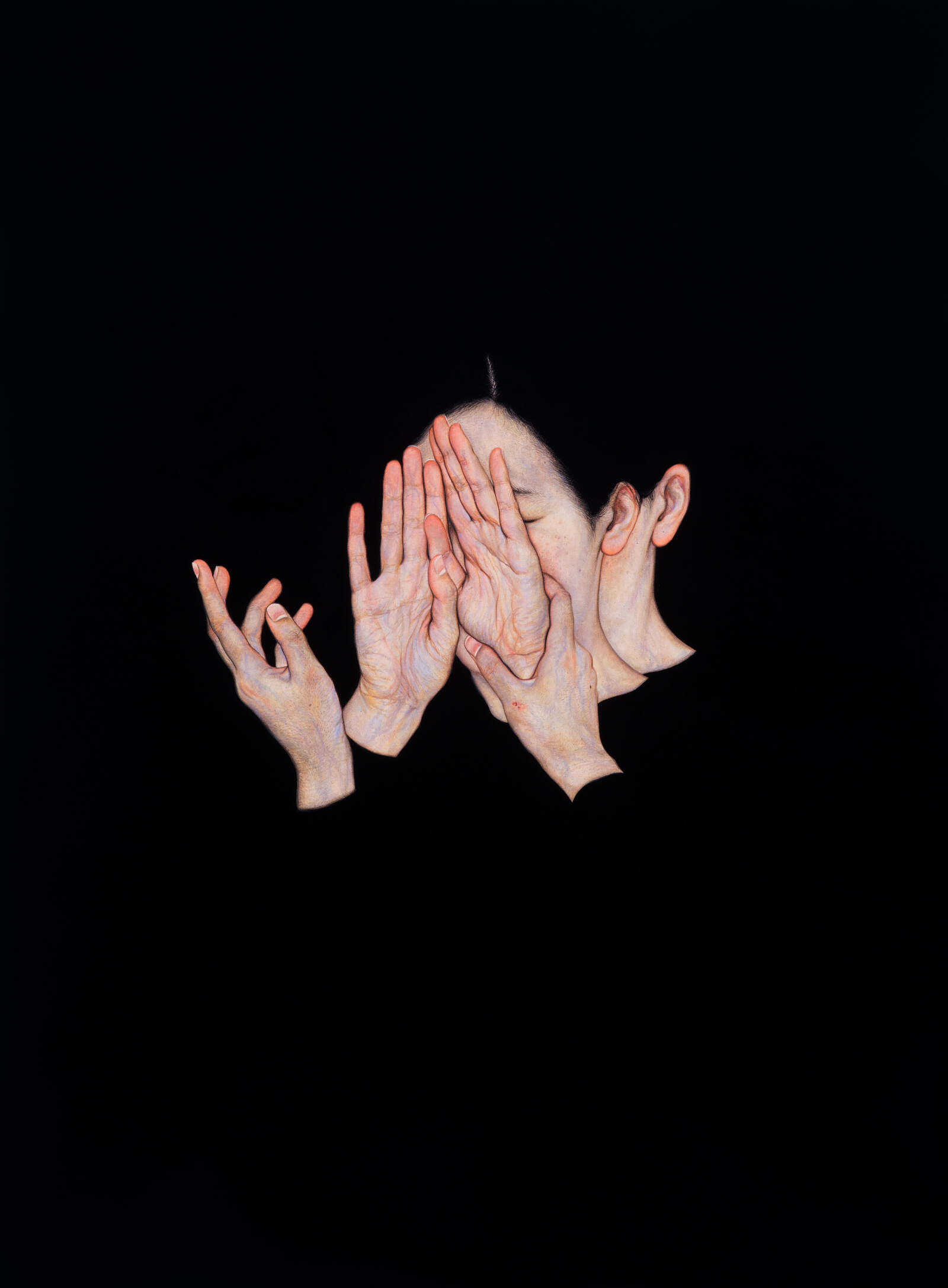
Lee
Jinju has been working on narrative scenes recreated based on people’s
‘memories’ in her paintings. She explored on her memories that would suddenly
reappear, which later one would rediscovered as a significant element in
creating and unraveling her story. Therefore, most of her works have a spatial
background nuancing a narrative, which developes itself with rather pale and
sickly subjects that seemed to have abruptly emerged from a cryptic memory.
Moreover, the narrative that she illustrates on the canvas is very vague yet
immediately captures attention through climatic composition based on the
artist’s memory. It is not flexible as a ‘common memory’ but rather portrays
the distance in between and a narrative that cannot be shared of an imperfect
memory. Lee’s highly detailed-oriented paintings, therefore, can be better
explained in Blanchot’s narrative of “forgetting in the remembrance.”
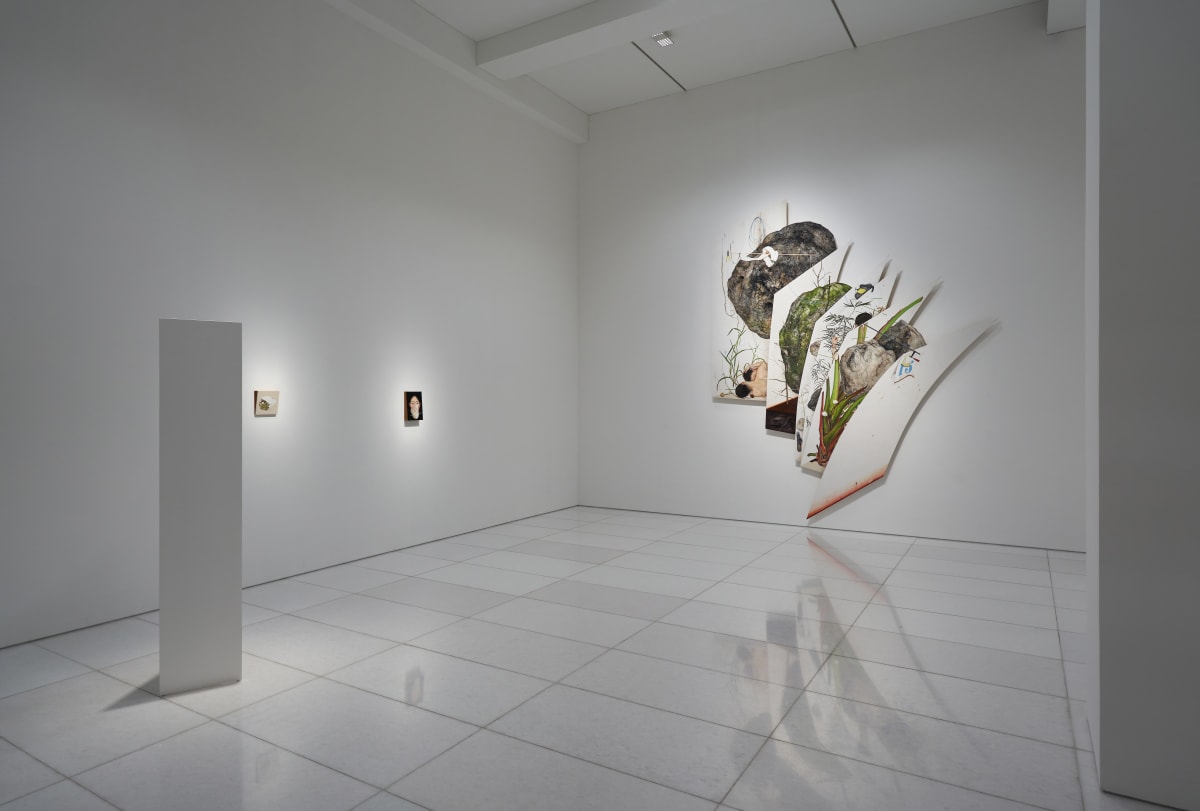
A
Concave Song (2017) is another work shown in this exhibition that
portrays a vague scene of an unknown place. To be very exact, this work has
been made from 2014 to 2017. Lee has worked on this then-nameless work for
three years adding layers on to layers. It may be more appropriate to say she
has added more body to the work than stories. A Concave Song
could be described as vestiges of unexpected incidents that poked through and
resurfaced in to her mundane life since 2014.
Confronting these “objects in
in-existence,” Lee tries to make some kind of relation with the “things seen”
despite her emotional distress of recounting the past incident. As Blanchot
writes “knowing that she could be here only by being forgotten,” Lee, within
her presence in the experience and in her “forgetting” of the very private
incident, and understanding that they cannot remain exactly as it once was,
pushes it to exist in a safe and painless realm.
Things
Unseen (2016) reiterates the attitude of Things I have seen in which
existence should be comprehended as no-longer seen or disappearing in a realm
of forgetting. To add more comment in line of Blanchot’s ‘forgetting,’ Lee’s
works are not to be fixated to what is visually seen, but as an attempt to
almost giving up on viewing as such. In other words, things seen leave a mark
to the one seeing, emphasizing the cognition of the one that which shifts to
the unseen.
“Each
individual within everything”
The
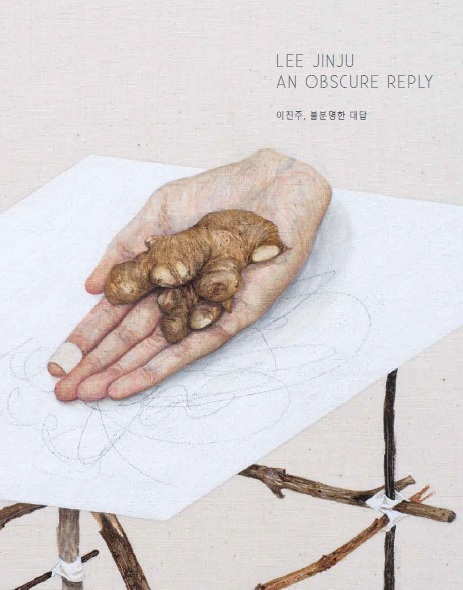
title of this exhibition is 《An obscure reply.》 When discussing about the
title, Lee commented that her continuing interest in ‘dialogues’ or the
(imperfect) dialogues created when ‘confronting’ memories and hidden
sub-consciousness. Such description parallels with Blanchot’s deliberation on
forgetting.
Her dialogue method that crisscrosses the remnants of her
experience almost always creates a gap with its’ relation to the cognitive.
Furthermore, Lee’s detail-oriented works overwhelm the viewer that when one
faces the work, there is a compulsive visual desire to see more than beyond
what is given on the surface level.
For
example in Fragile Hymn (2017), 10 maids (I just assumed
them to be in a group of 10 without any substantial reason) surround a sleeping
pig in the center. Trees without any roots, yet not looking insignificant or
small, life-less trees, and suddenly emerging two couple cuddling underneath a
tree, stones, ropes, and nets intermingle together in the work.
Yet, the
suggested narrative these objects create, or the monologue of the narrative
that is expected to be heard, cannot be read. Such well-organized composition,
rhetorically reminds a phenomena that waits for the empty nameless space where
‘each and everything’ becomes invisible and disperses inside suggesting the
uncertainty of everything.
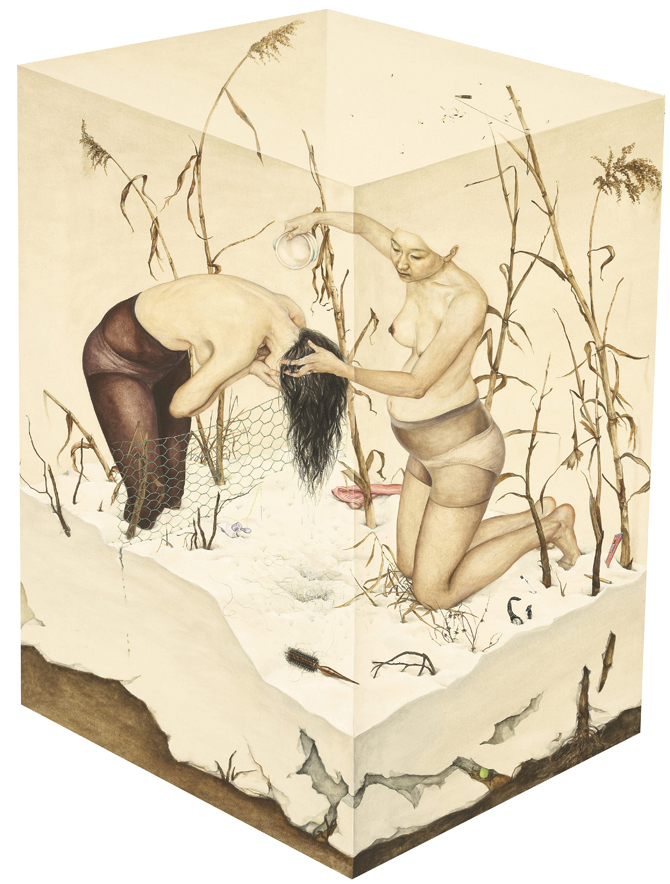
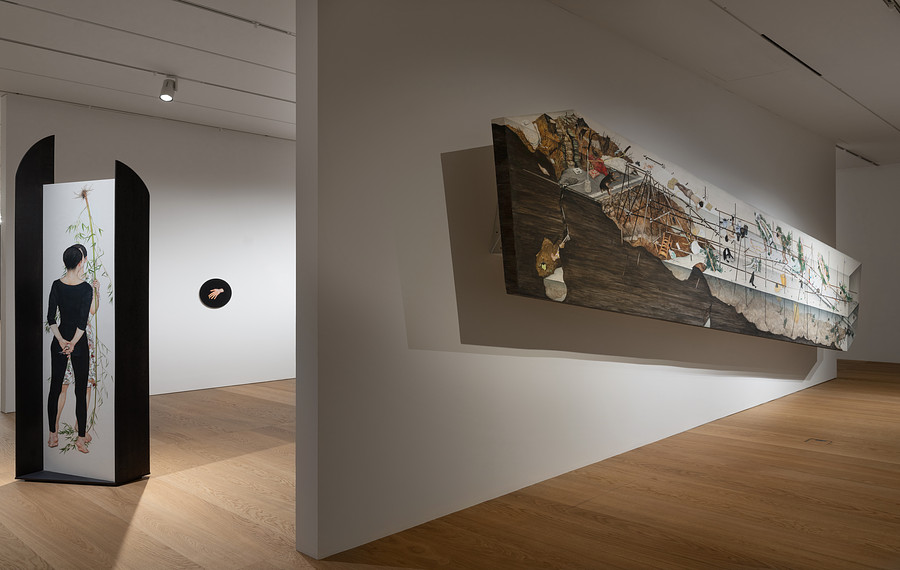
In
Lee’s The Lowland (2017), one can easily notice the
emphasized tilted cube-like composition that she often utilizes in her works.
Such attempt to reveal the flatness of the space and expose the hidden
composition relate back to the reoccurring imperfection of the memory within
space and time. This cube of delusion is like fragments of sudden return to the
reality reflecting a side of an undecided interrupted story that haphazardly
reappear in life. Finally, the bits of her recollections absorb to its’ own
inner-uncertainty that continues to suspend its’ narrative.
Therefore, the
actions repeatedly taken by the nameless figure in The
Lowland, reiterate the one’s past and present when confronting the
disappearing existence that surrenders to be seen like in the To be
invisible. As Blanchot defined “(…) forgetting is still your presence
in each word” we can experience the presence through each imperfect word that
suspends a perfect narrative.
The
composition of an imperfect and suspended narrative consists of an active
contemplation of invisible elements that peek out from the space between the
fragments of the entirety. As seen in Lee’s Suspension
(2016), Yeon (2016), To be visible
(2016), To be impenetrable (2016) and other works, she
piercingly looks at the intangible as if to severe the reality and memory of
the things that are familiar to her. In Deceptive Well, as
if to bluntly disturb the scenes forming a narrative, Lee intensified the
uncertainty of presence in an unrealistic composition, just like visualizing
imperfect dialogues of anonymous subjects in a nameless time and space.
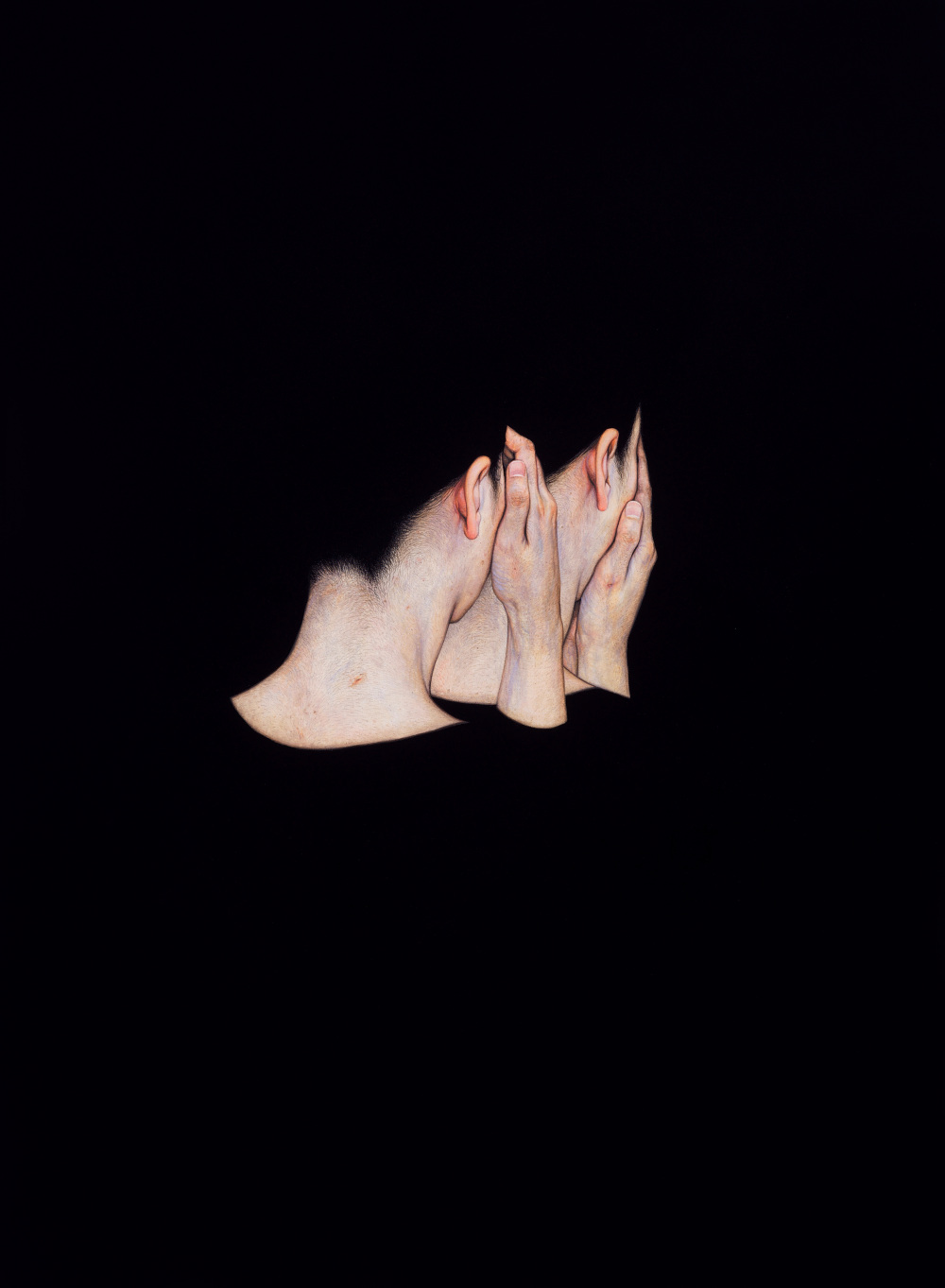
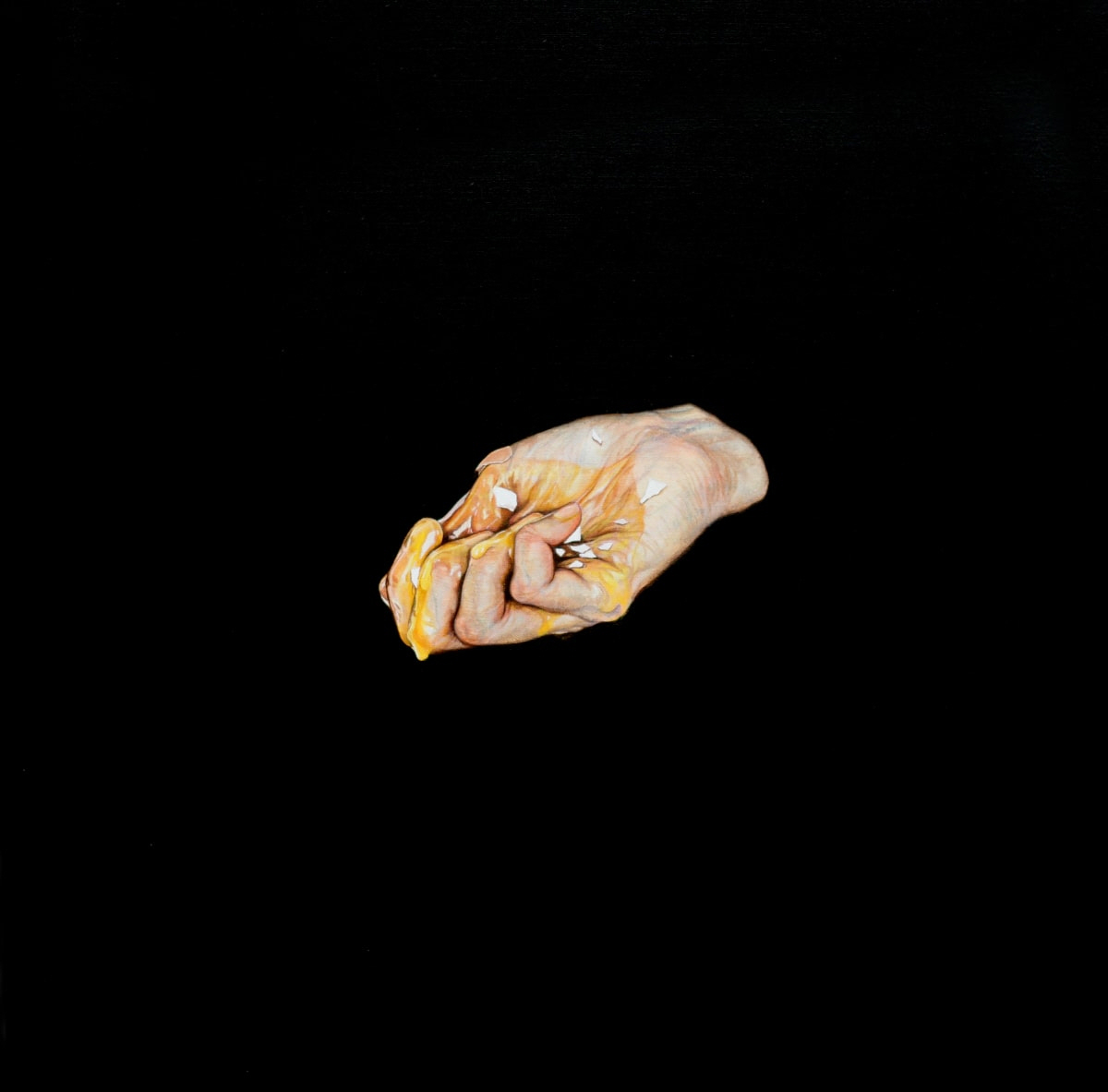
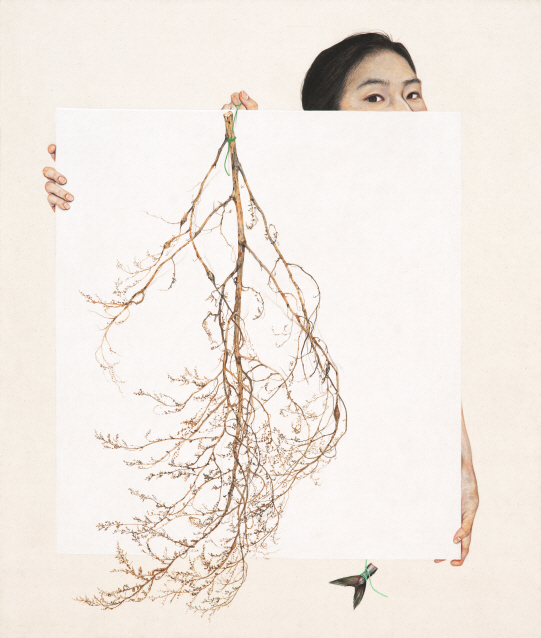
Lee has
been contemplating for a significant amount of time about how to visualize
memory. This exhibition also continues and widens her interest in memory, in
which, her intricate paintings ironically effectively depict the waiting and
deliberating of “forgetting” that Blanchot writes. Such characteristic makes it
easy to read Lee’s paintings as an epitome of automated strains of thoughts
from oppressed memories. However, one can disclose that rather, in Lee’s
paintings are detailing the cognitive of one’s contemplation about the
uncertainty in the existence of the ‘things seen.’