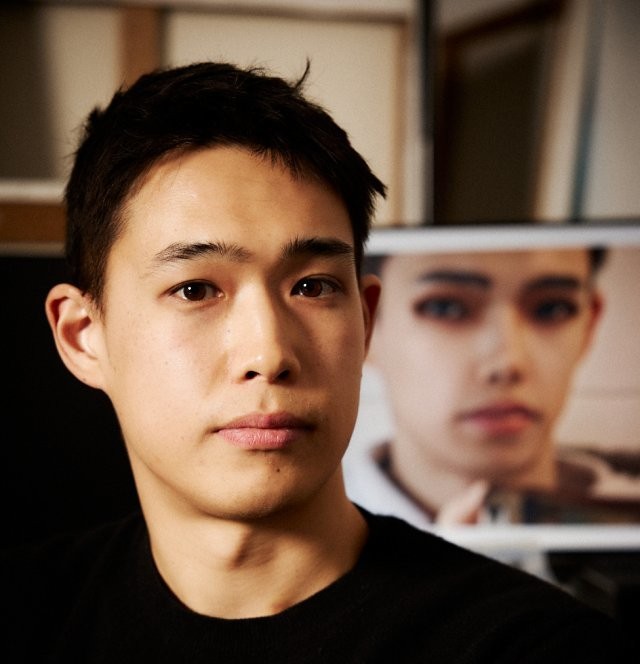
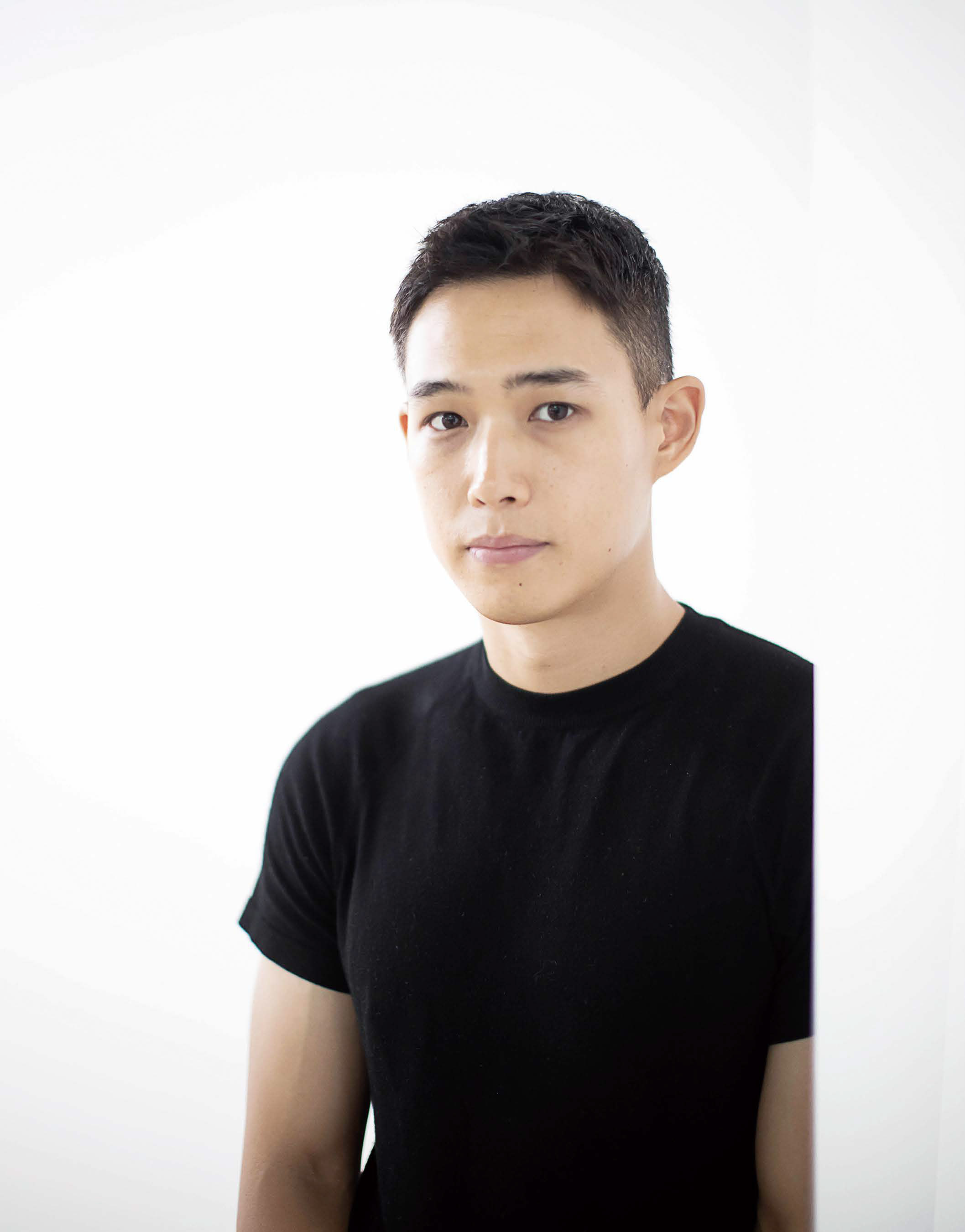
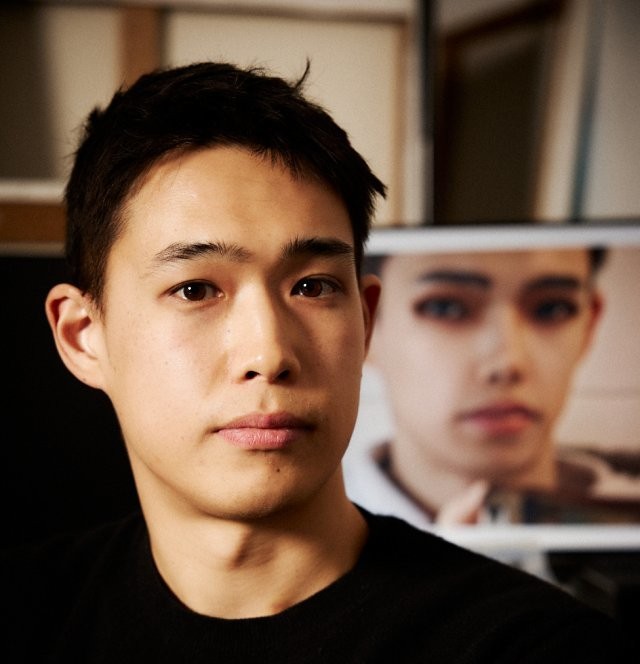
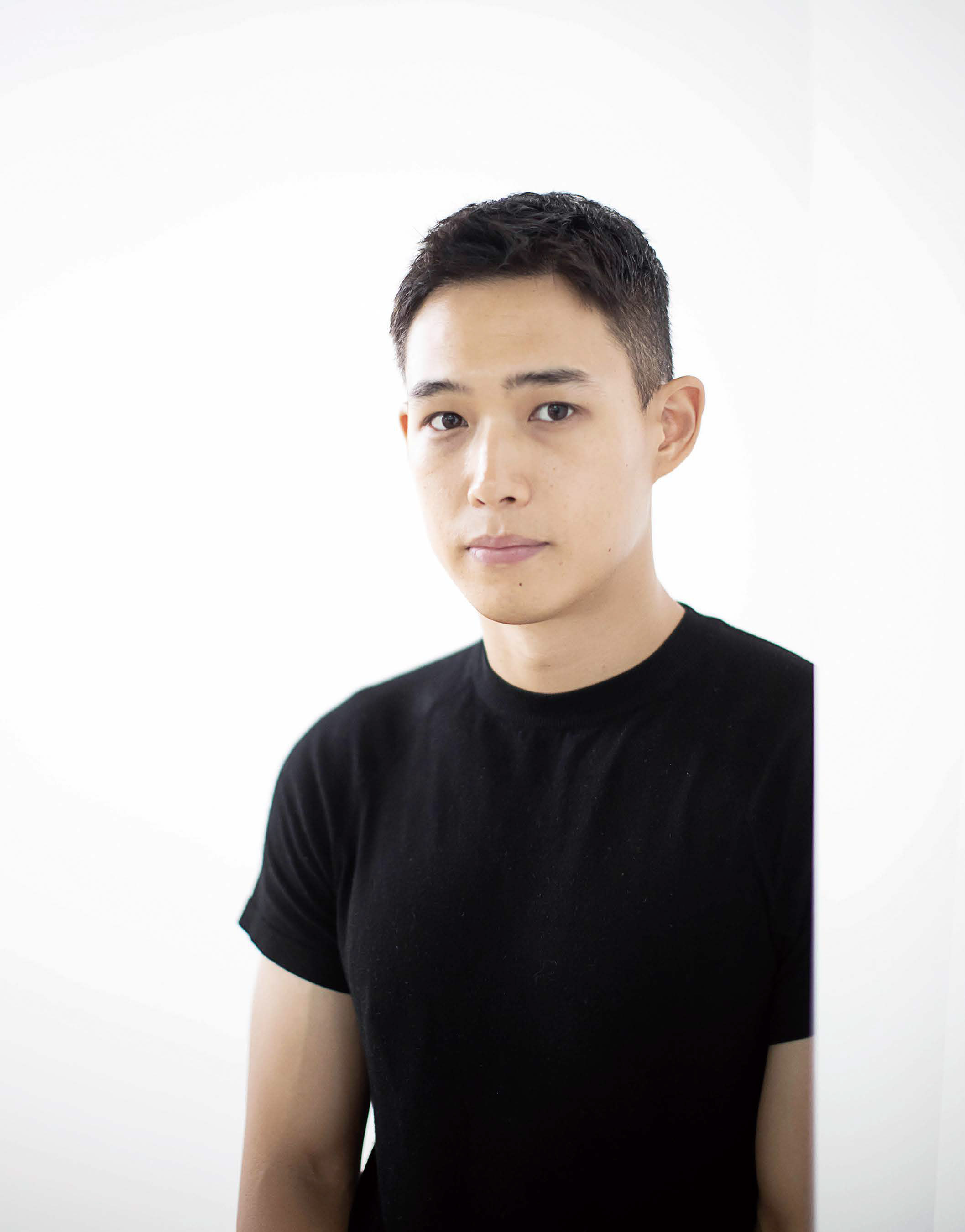
Kim Heecheon ©Kim Heecheon

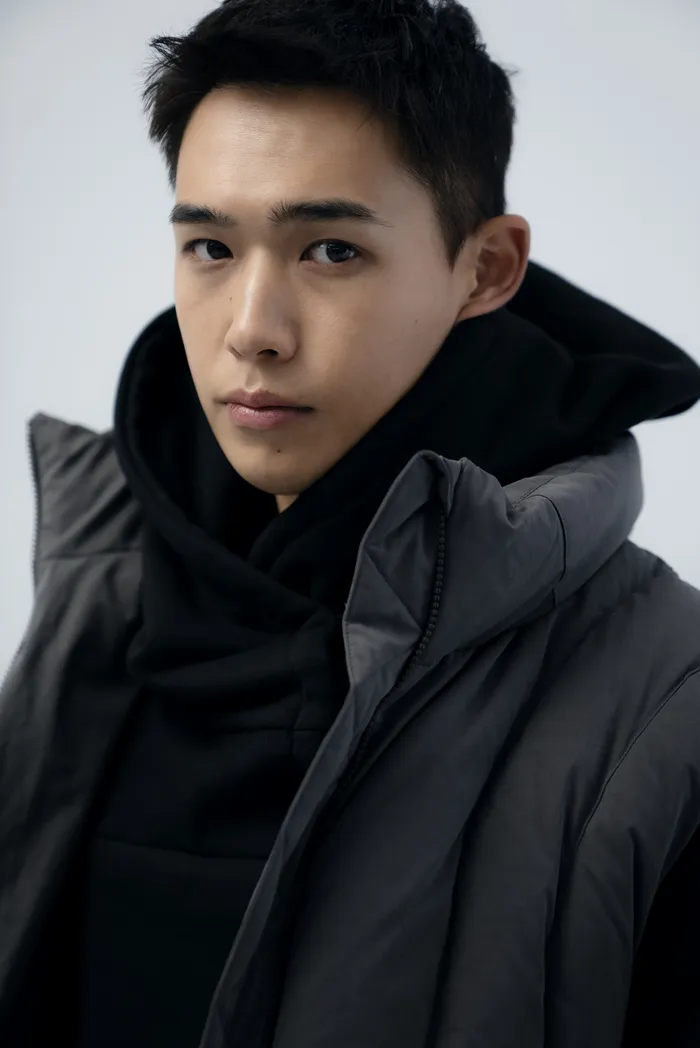
Kim Heecheon (b. 1989) graduated from the Department of Architecture at the Korea National University of Arts. He has held solo exhibitions at notable institutions, including Hayward Gallery (2023), Art Sonje Center (2019), Asian Art Museum of San Francisco, DOOSAN Gallery New York (2018), and Common Center (2015). His work has also been featured in group exhibitions at institutions such as the National Museum of Contemporary Art, Romania; Centre Pompidou-Metz; National Museum of Modern and Contemporary Art, Korea (2023); Nam June Paik Art Center; Gyeonggi Museum of Modern Art; Busan Museum of Art (2022); Leeum Museum of Art (2021); Atelier Hermes (2020); and ZKM (2019). Additionally, he has been invited to participate in major biennials including the Busan Biennale (2020), Gwangju Biennale (2018), and Seoul Mediacity Biennale (2016). Kim was honored with the Hermes Foundation Art Prize (2023), the Cairo Biennale Award (2019), and the DOOSAN Yonkang Art Award (2016). ©Monthly Art
 
Kim Heecheon investigates the impact of digital technology and virtual spaces on the real world. Employing digital interface devices such as 3D modeling, face swap apps, and VR, he captures the liminal space that floats between online and offline realities. His works, characterized by fleeting images and sounds that quickly vanish from the frame, reflect a form of "technological adaptation." As a creator who swiftly embraces and transforms contemporary media, Kim’s screen-based works highlight the shadows of a digital era that perpetually eludes grasp, engaging with themes of post-internet art, moving images, and digital media.

 
Technology, Society, Perception
When Kim Hecheon’s works are played, the agreed conditions and modes for interpreting society tend to dissolve like fog. In his videos, where real footage and found footage are manipulated simultaneously, the digital realm merges with and collides against the physical world. This phenomenon is also evident in Kim Hecheon’s first solo exhibition in the UK, currently taking place at the HENI Project Space at Hayward Gallery, London.

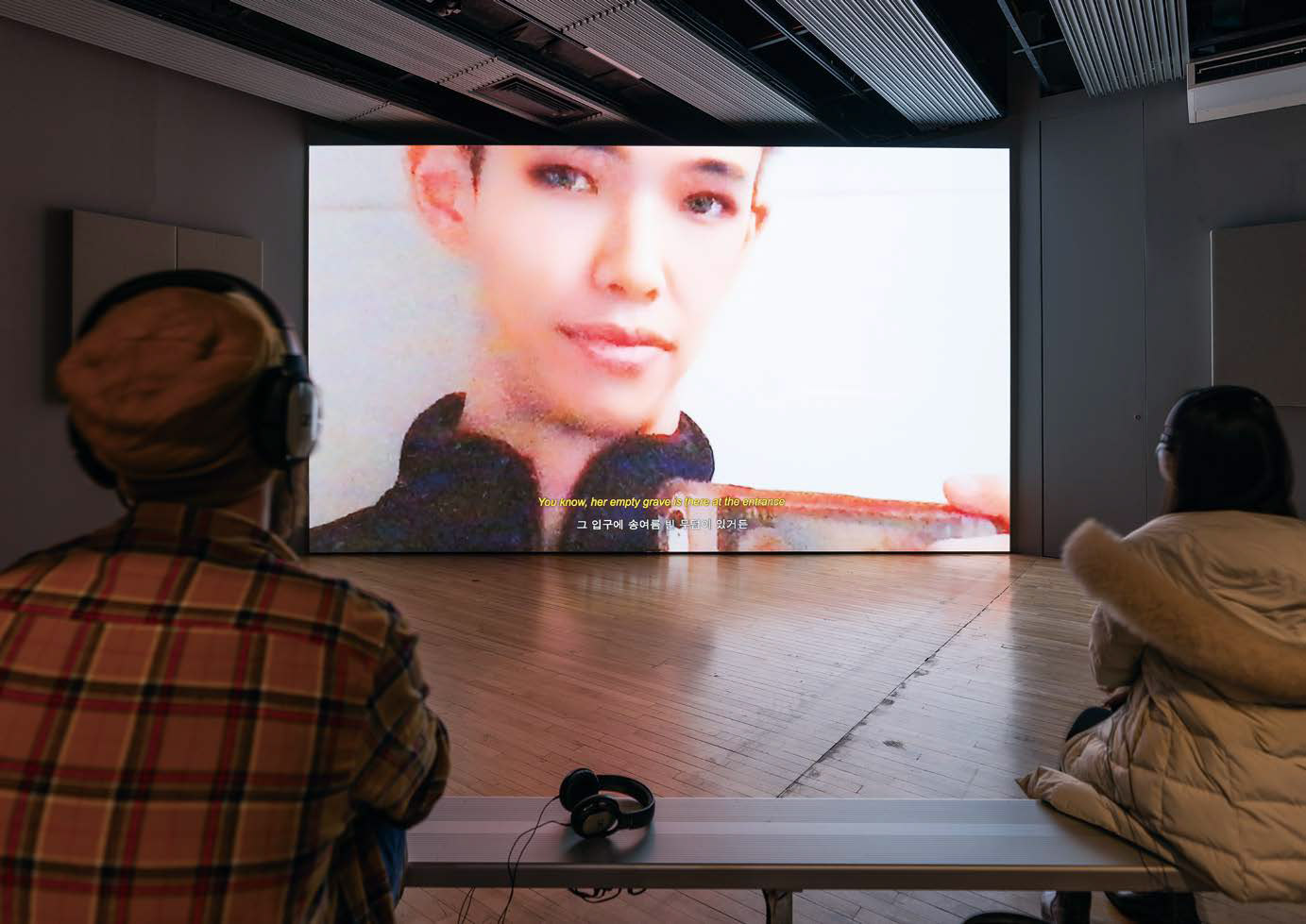
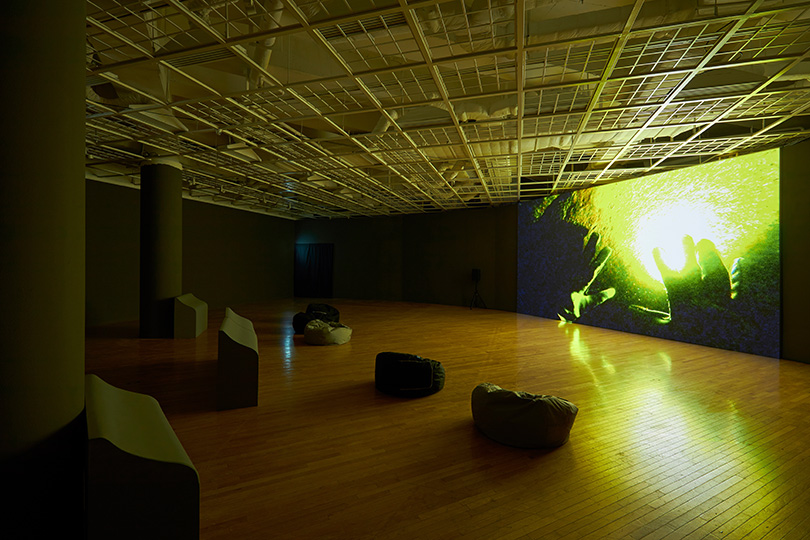
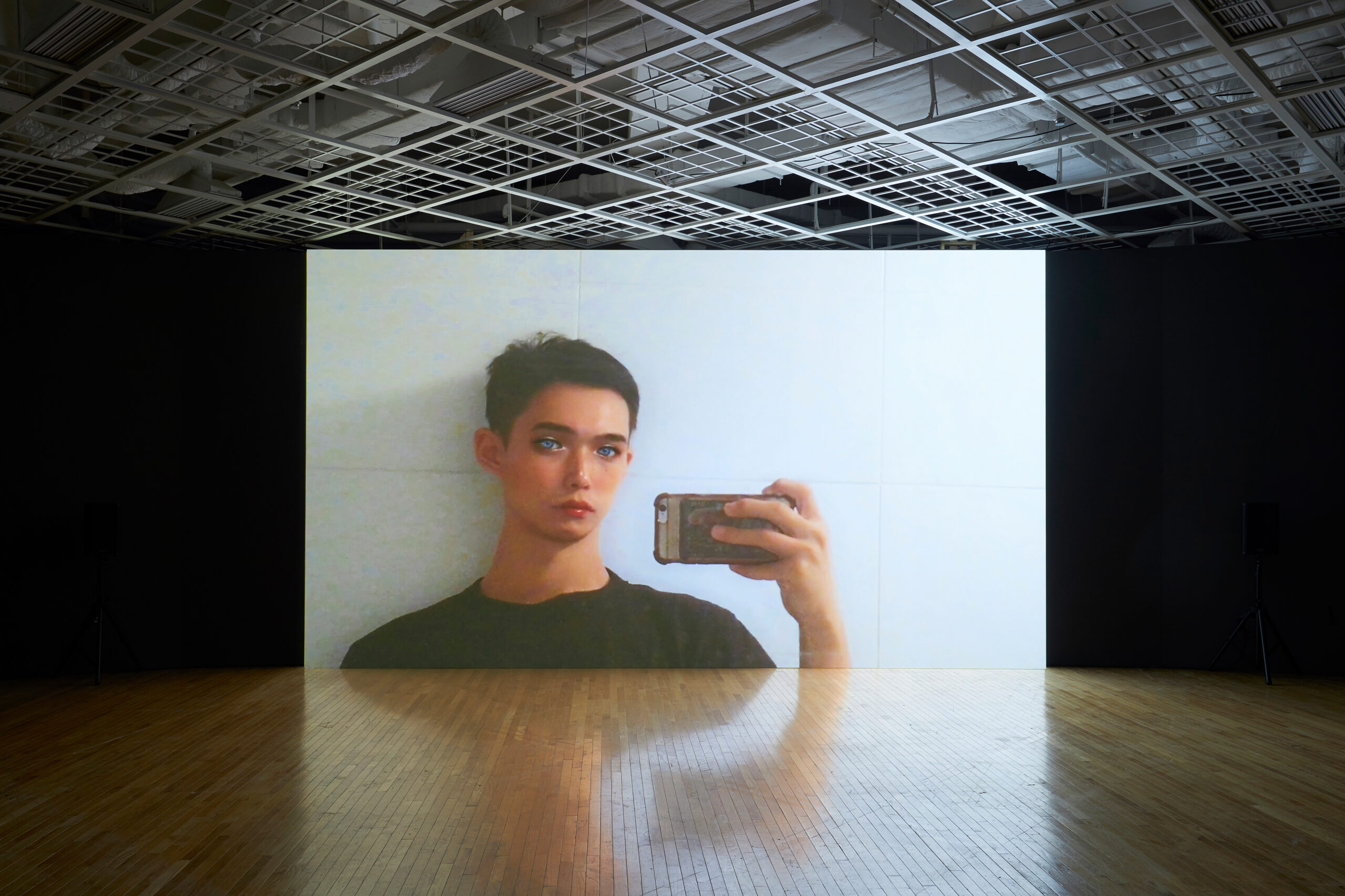
Kim, an artist who has deeply explored the impact of virtual elements on the perception of the real world through technological experiments such as GPS, augmented reality (AR), and virtual reality (VR), presents two works in this exhibition: Deep in the Forking Tanks(2019) and Double Poser(2023). The former was first unveiled at Art Sonje Center in 2019, while the latter is a commissioned piece and an updated version of Cutter 3(2023), which was originally presented at the National Museum of Modern and Contemporary Art’s exhibition 《The Game Society》.

The new work's title, Double Poser, derives from an English slang term that refers to someone who pretends to know about a particular subculture but is actually ignorant of it. This concept serves as a visual clue in the video, which overlaps video game aesthetics with skateboarding culture. Thus, despite the four-year gap, the juxtaposition of Deep in the Forking Tanks and Double Poser in the same space blurs the boundary between reality and virtuality while simultaneously bringing their coexistence to the surface.

 
Somewhere, a Phone Rings Looking for Me
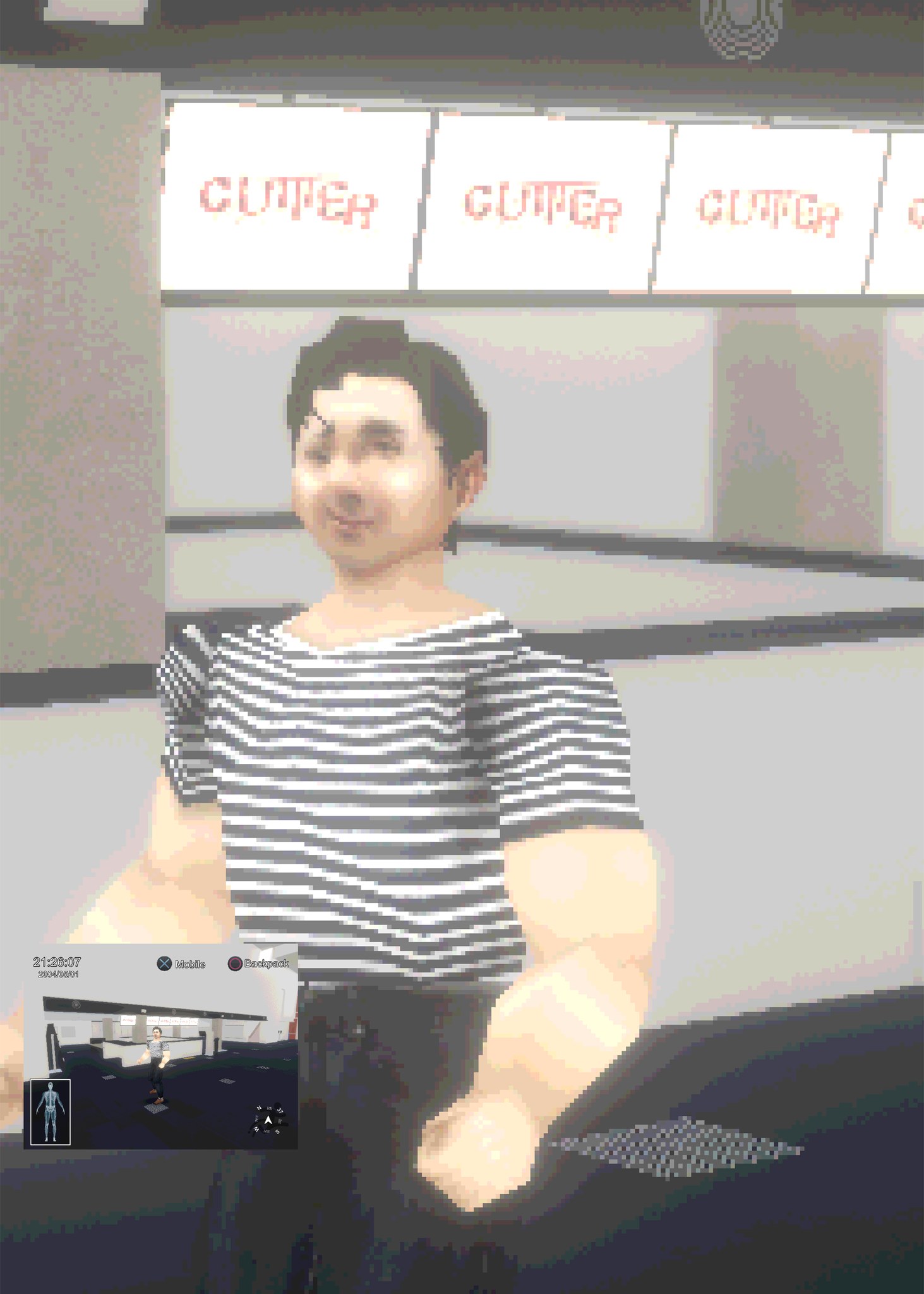
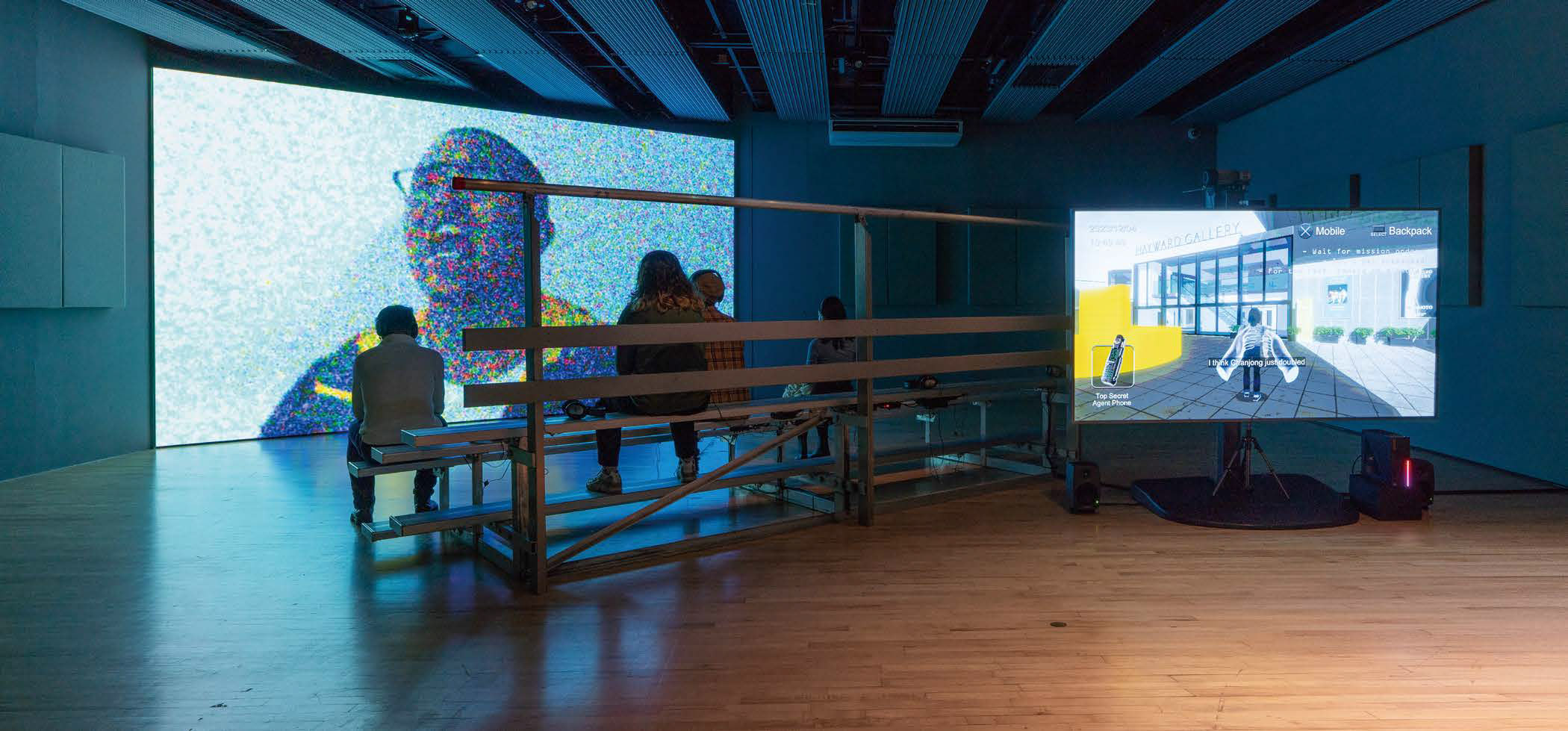
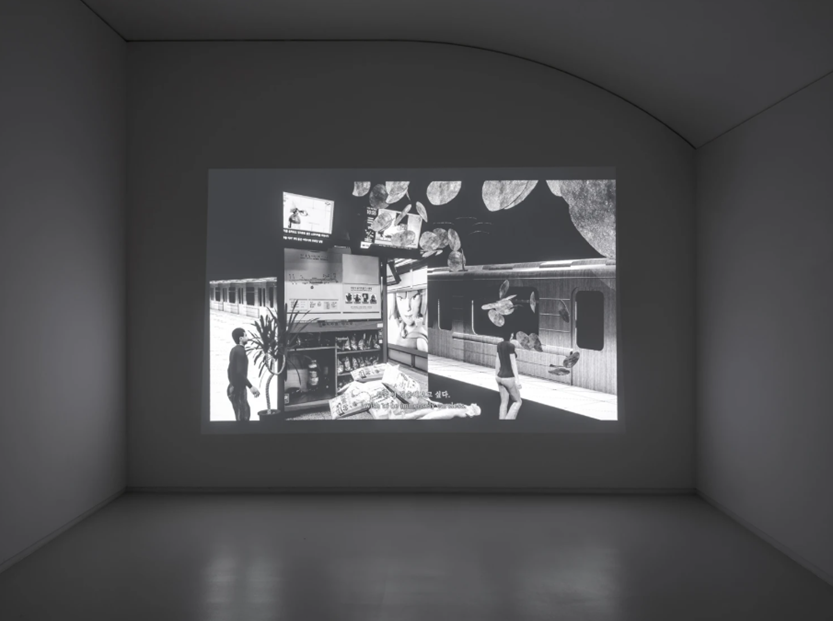
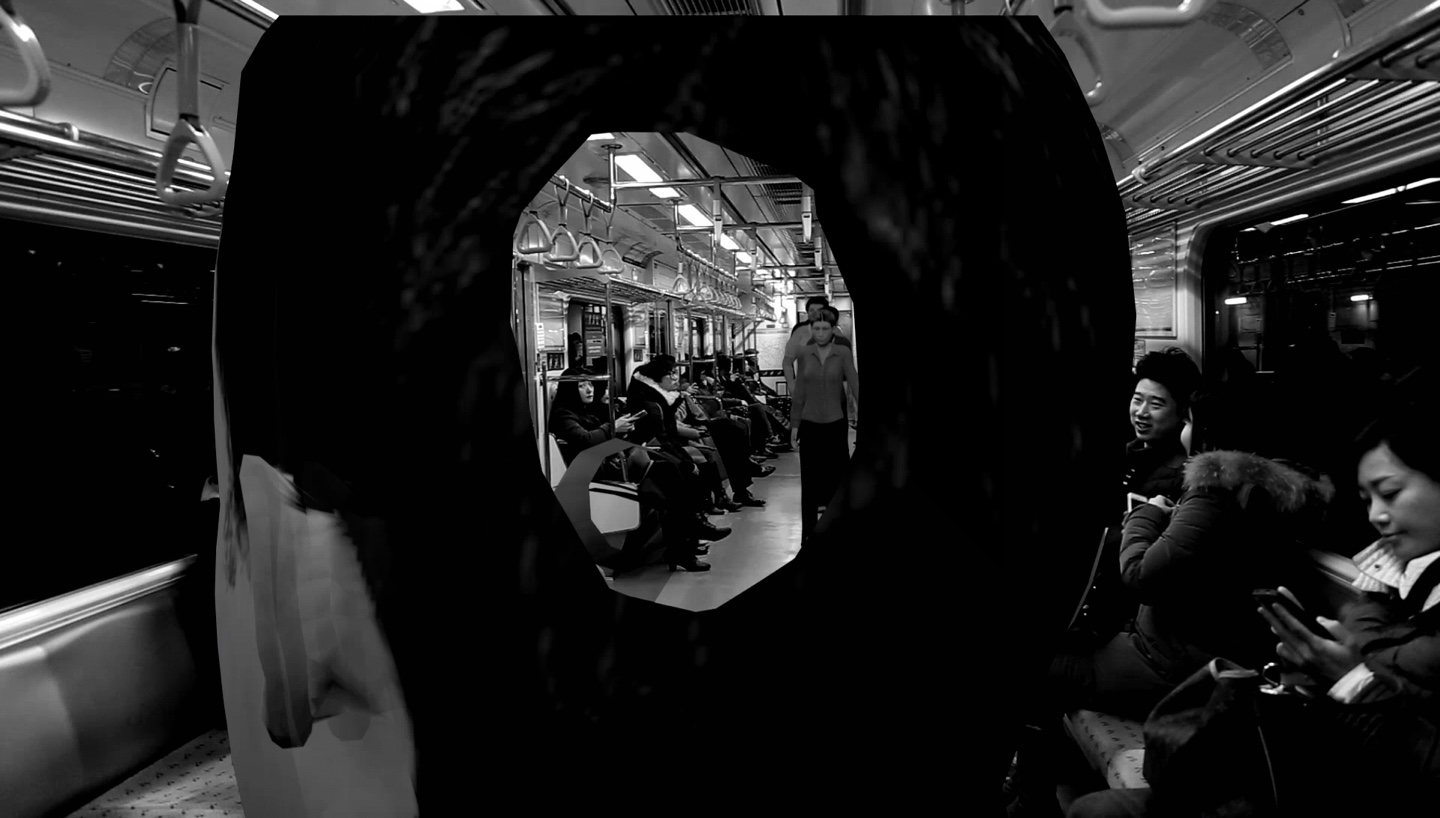
There is a character who, while drifting through reality with complete loss of control, embodies a strange sense of immersion within the virtual world. The work begins with the sound of a phone ringing, as the protagonist awakens from sleep. Immediately, he receives specific instructions from an unknown source: “Stand by for your mission,” “Don’t arouse suspicion,” and “Act like a mole”—essentially directing him to function as a spy. The piece soon takes on the format of a video game. After the protagonist leaves his room, the video’s setting transitions to the actual exhibition site, the Southbank Centre in London. Completed in 1967 in a Brutalist architectural style, the Southbank Centre houses the Hayward Gallery. Within the building lies the undercroft, a space that became a hub for skateboarding culture from the 1970s to the 1980s. In Kim Hecheon’s new work, this space is meticulously reconstructed in 3D rendering.

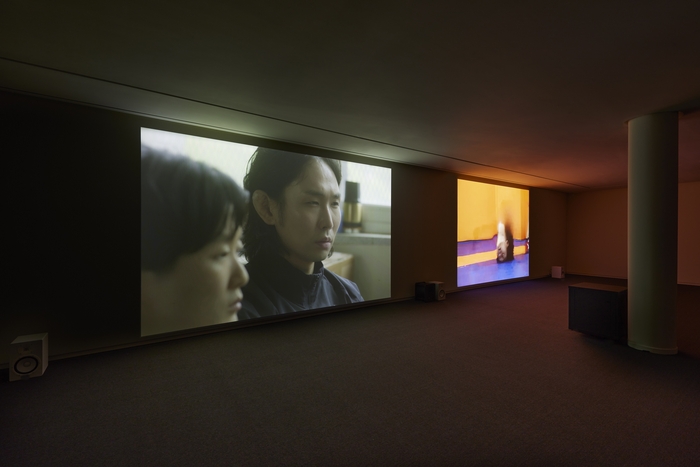
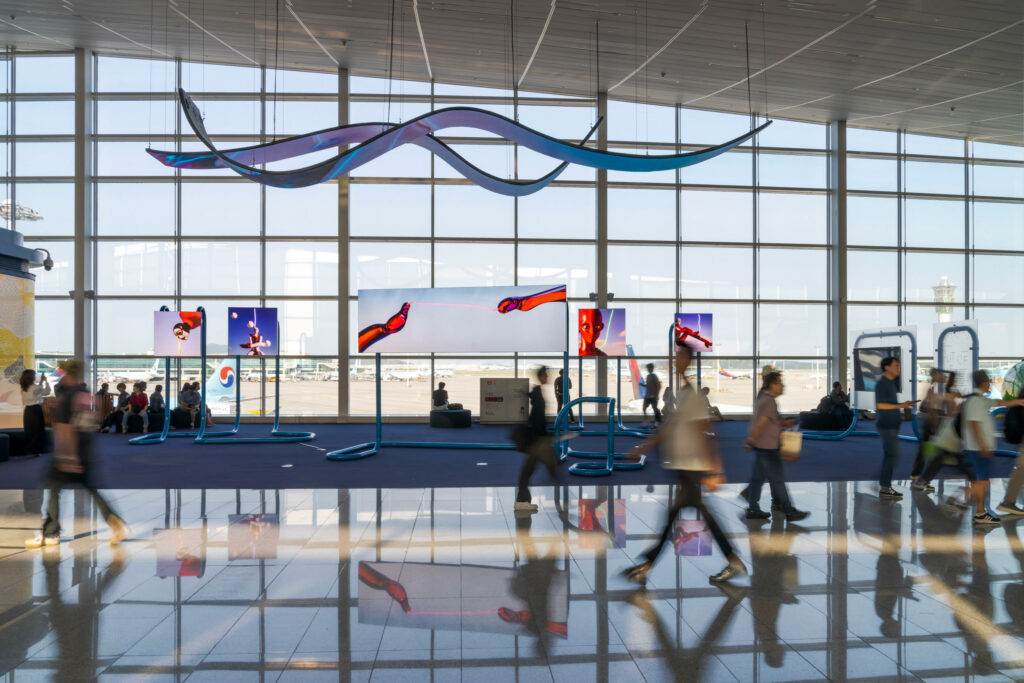
On a fragmented level, the scene acts as a mirror image, yet it is simultaneously a technoscape—mediated, enabled, and visible solely through technology. The video, created using the Unity game engine, features a third-person skateboarding video game interface, a real-time functioning clock, the protagonist’s avatar, and a pair of translucent floating blue hands. As the protagonist skates around the Southbank Centre, his hands synchronize with his movements, while the audience’s movements are partially projected onto the screen through motion sensors embedded within the work.
The viewer’s perspective oscillates between that of a controller, a third party, and even the protagonist himself. At one moment, we find ourselves playing the game; at another, we become passive spectators, as if watching a professional gamer’s live stream. Occasionally, when the skater succumbs to boredom and pulls out a smartphone to enter a virtual world, we see ourselves reflected in his actions. At one point, a visual of birds that crashed into a glass window at high speed, appearing as if dead, comes into view. These birds, unable to distinguish between reality and virtuality, mirror the confused state of humans lost within the screen.

This multiplicity of perspectives inherent within the work naturally dismantles the possibility of a linear structure. As such, the audience, faced with fragmented subjectivities, encounters a state of tension between different identities. In this immersive scenario, the viewer receives an endless stream of mission commands, devoid of both resolution and limitation, from the audiovisual information orchestrated by the artist.

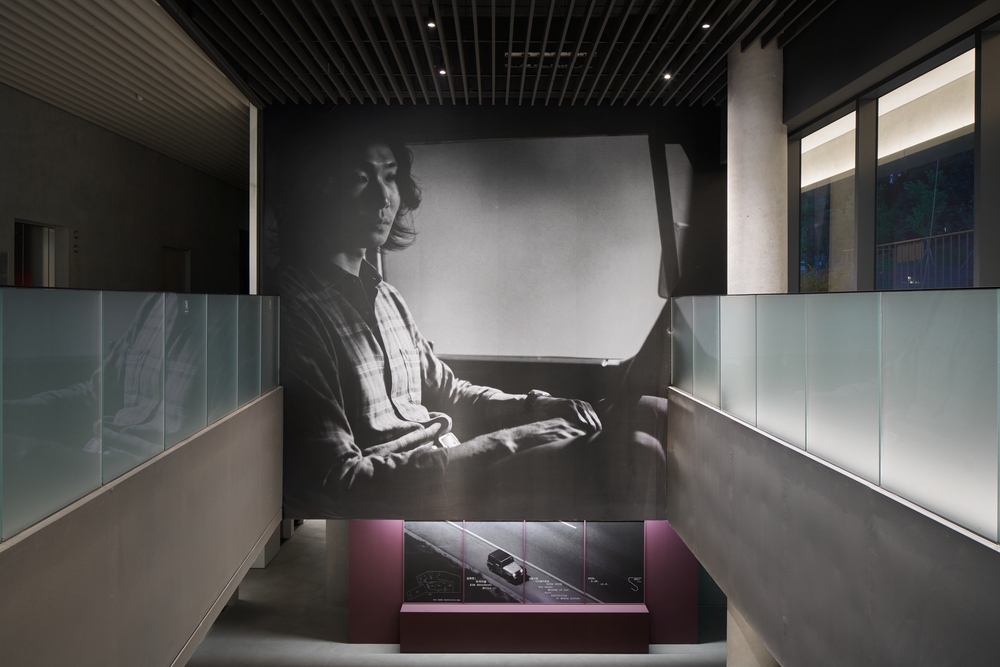
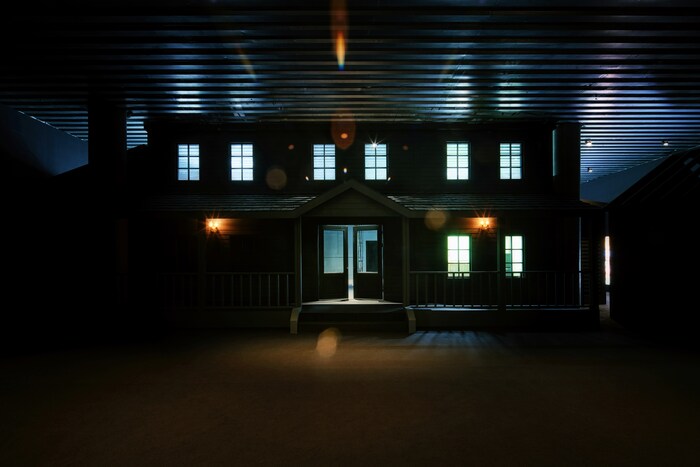
Exhibition view at Hayward Gallery, 2023 © Korea Foundation for International Cultural Exchange (KOFICE)

Soldering Fragmented Images/Stories
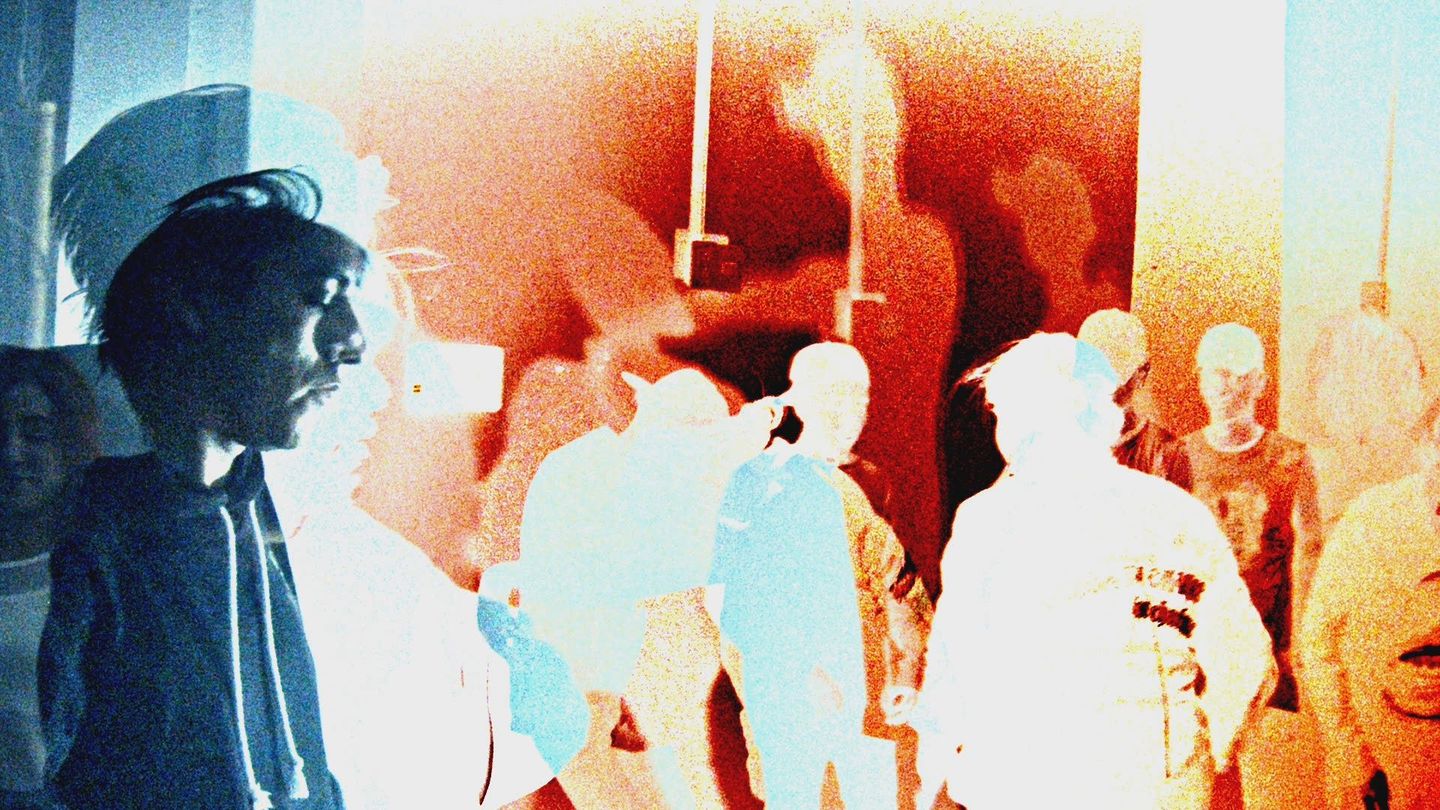
Kim Heecheon continuously adapts his work to the technological environment, reflecting the fast-paced and ephemeral nature of contemporary media. His artistic practice involves incorporating fleeting images and sounds that appear momentarily before vanishing. This approach creates a "technological adaptation" where fragmented images, disembodied phone calls, and superimposed texts form unfamiliar collages, often overwhelming the viewer. In his works, as in his previous pieces, diegetic sound and non-diegetic sound are not distinctly separated, resulting in the ambiguous spatial positioning of the sound.

However, for Kim, the fragmentation of narrative does not signify absence or crisis. Instead of presenting a complete story, his works consist of interconnected metaphors subtly embedded throughout the piece. By deliberately avoiding explicit explanations, Kim generates a recursive narrative within an uncertain loop that lacks clear beginnings and endings.

Toward the end of the video, the protagonist awakens to the sound of a ringing phone, only to realize that his hands are no longer attached to his body. As he discovers that his hands have been "double agents" all along, the phone continues to vibrate incessantly. Accompanied by a repetitive synthesizer melody, he walks through the Southbank Centre. The once-active skateboarder, striving to maintain balance, is now absent, replaced by a slow-walking figure. This scene leaves the audience questioning whether it signifies a new stage in a gamified reality or simply a blind adherence to a coded path. Returning to his room, the protagonist prepares to sleep, seemingly in search of the lost blue hands, thus initiating an infinite loop.

Kim Heecheon’s screen-based works, which intertwine keywords like post-internet art, moving images, and digital media, cast light on the shadows of a digital era that resists capture. Instead of merely discussing the virtual hell of loss and alienation, the artist extends his ongoing inquiries throughout his entire body of work. As philosopher C. Thi Nguyen suggests, playing a game in this context may not merely expose our gullibility but rather reveal our potential to transcend rationality. In this regard, as the number of game plays accumulates within the exhibition space, where will the spectral presence of the virtual self eventually reside? Can you truly refuse to answer the call that is about to come in?

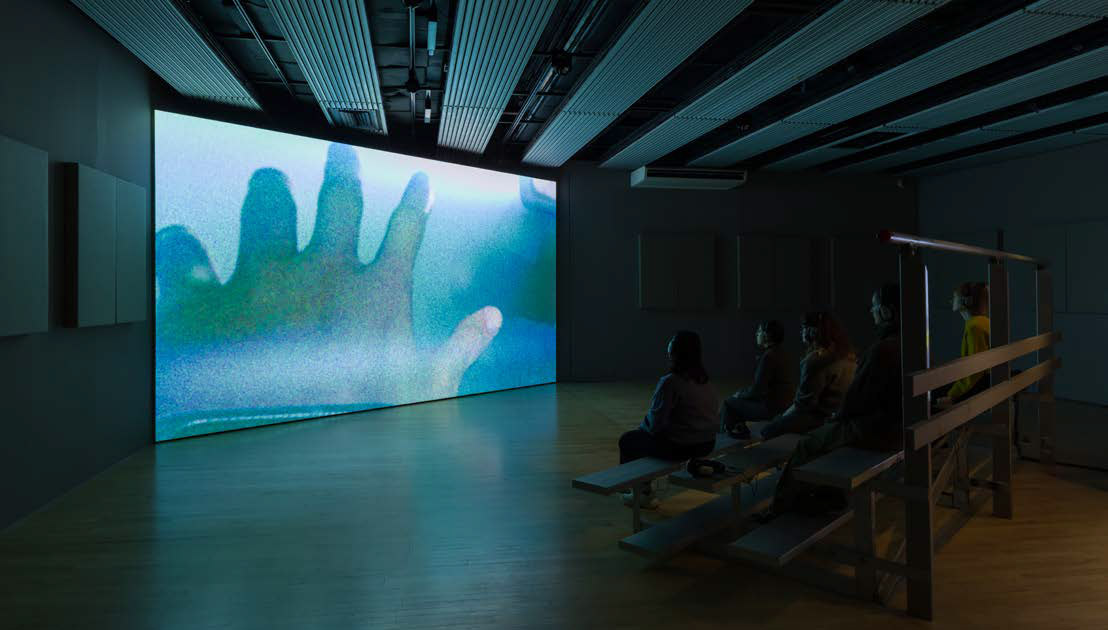
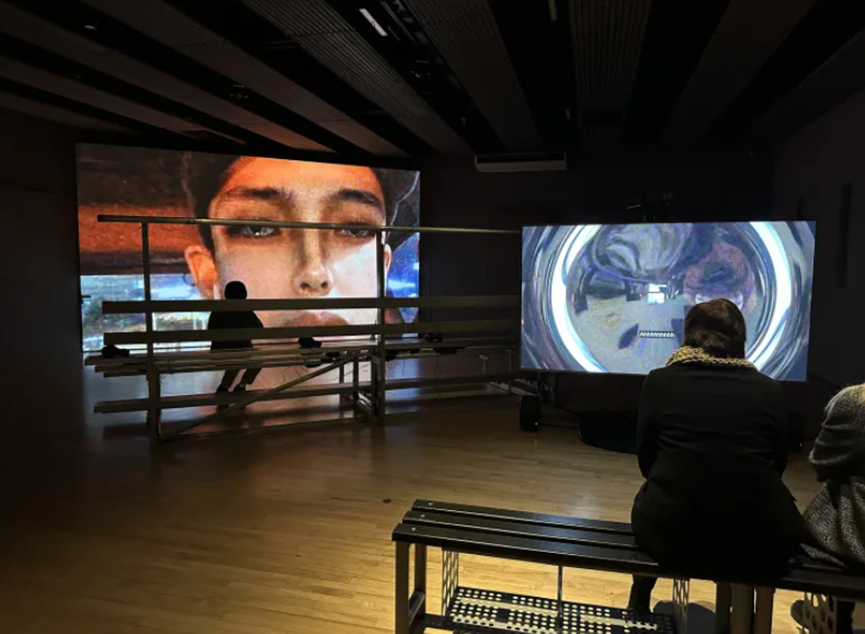
Kim Heecheon, Deep in the Forking Tanks, 2019, Commissioned by Art Sonje Center, Exhibition View at Hayward Gallery (2023) © Hayward Gallery

Interview


Q: According to your website, the new work is described as the "spiritual predecessor" of Cutter 3. Could you elaborate on this expression?
It’s a term commonly used in the gaming industry. When a new game emerges based on the same worldview or system as a previous one, fans often refer to it as a "spiritual successor." This term is used when the new game is not a direct sequel but still shares a similar narrative universe. In my case, while preparing for the exhibition, I thought of updating Cutter 3. Although the new work is not titled Cutter 2, elements such as the character’s clothing style and the game names within the piece reveal a shared universe when viewed together. However, I wanted to blur the continuity typically associated with the terms "prequel" or "sequel." Instead of presenting them as a unified series, I preferred to use the concept of "spiritual" to distance the connection between the contents. I did not intend to present them as a set, but rather as independent works with interconnected elements.

 
Q: While Cutter 3 is set against the backdrop of the National Museum of Modern and Contemporary Art, the new work is centered on the Hayward Gallery. Did you consider the specificity of the location while updating the piece for this exhibition?
Since the exhibition takes place at the Hayward Gallery, changing the background location was a fundamental adjustment. In previous works, the exhibition space itself has often become an integral part of the video. For example, in Sled(2016), the nearby Gwanghwamun Square and Seoul Plaza frequently appear. While it may not be entirely new to viewers, setting the exhibition space as the backdrop remains a meaningful shortcut to interpreting the work.
 
Q: Did you make any modifications to accommodate local audiences in the UK, considering that the exhibition was co-organized by Hayward Gallery and Art Sonje Center as part of the "2023 Korea Season"?
I did not particularly focus on emphasizing "Korean-ness" in the planning process. However, since most of my practice has been based in Seoul, I felt that the work might come across as somewhat crude to those unfamiliar with the context. Though not an essential consideration as an artist, I recognized the need for a relatable entry point, given that the work was being presented in the UK. This led me to use skateboarding as a starting point. Coincidentally, I discovered that the Southbank Centre had been a global hub for skateboarding culture from the 1970s to the 1980s, making it a concept familiar to middle-aged viewers who were once part of that youth culture.

Another issue was language. Some parts of the work feature English narration, and I aimed to ensure that viewers could understand the content without needing subtitles. Usually, subtitles are essential in my works, but applying them throughout could make the viewing experience exhausting. Therefore, I conducted extensive research to make the English narration sound literary and even experimented with AI, training it to translate the protagonist's Korean voice into English.

 
Q: Why did you choose to exhibit Deep in the Forking Tanks alongside the new work, and what aesthetic effect did you envision?
I don’t typically plan my works from the start, so I couldn’t predict the final form until the exhibition was about to open. Initially, I vaguely envisioned presenting the relatively structured narrative of Deep in the Forking Tanks alongside the looser narrative of the new piece. Upon completion, I noticed that both works emphasized the motif of the hand, which has long been an important element in my practice. The recurring hand imagery in both works made me think that their juxtaposition would add a layer of intrigue to the exhibition.

The question of the first-person perspective is also relevant. To what extent do we perceive something as part of ourselves? How much do we identify with the "made-up" or "surgically altered" versions of ourselves as visualized through smartphone apps? Are familiarized hands in a simulation truly our own? I wanted to question how far the first-person perspective can extend and how much we can accept it. I believe that presenting the temporal gap between the 2019 and 2023 works offers an opportunity to explore this inquiry. Unlike previous solo exhibitions where only one piece was shown, the simultaneous display of multiple works allowed for comparative contemplation, which felt both new and meaningful to me.

References