Exhibitions
《Will you Marry Me?》, 2025.02.15 – 2025.03.23, Subtitled NYC (New York)
February 10, 2025
Subtitled NYC (New York)
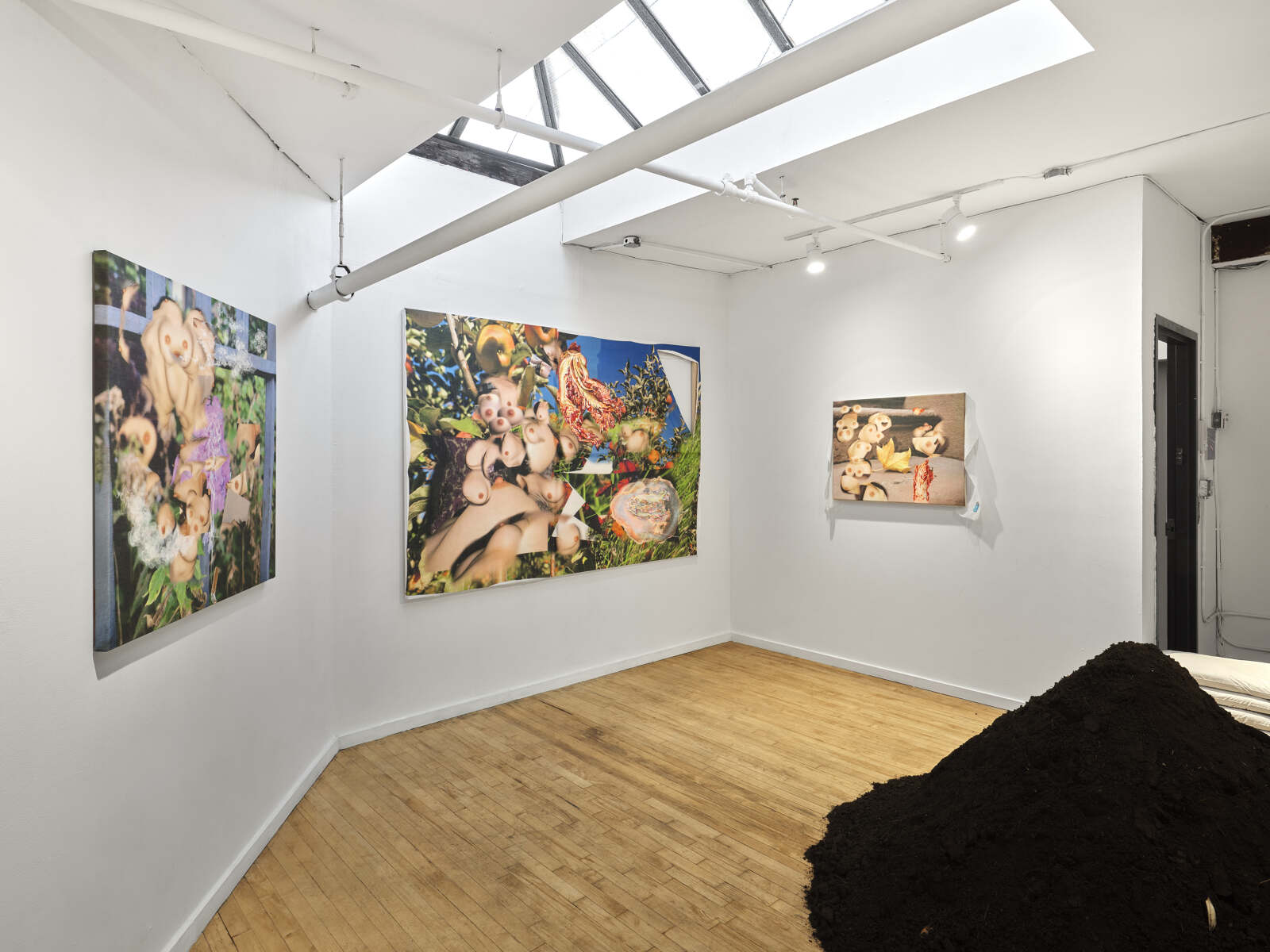 Installation
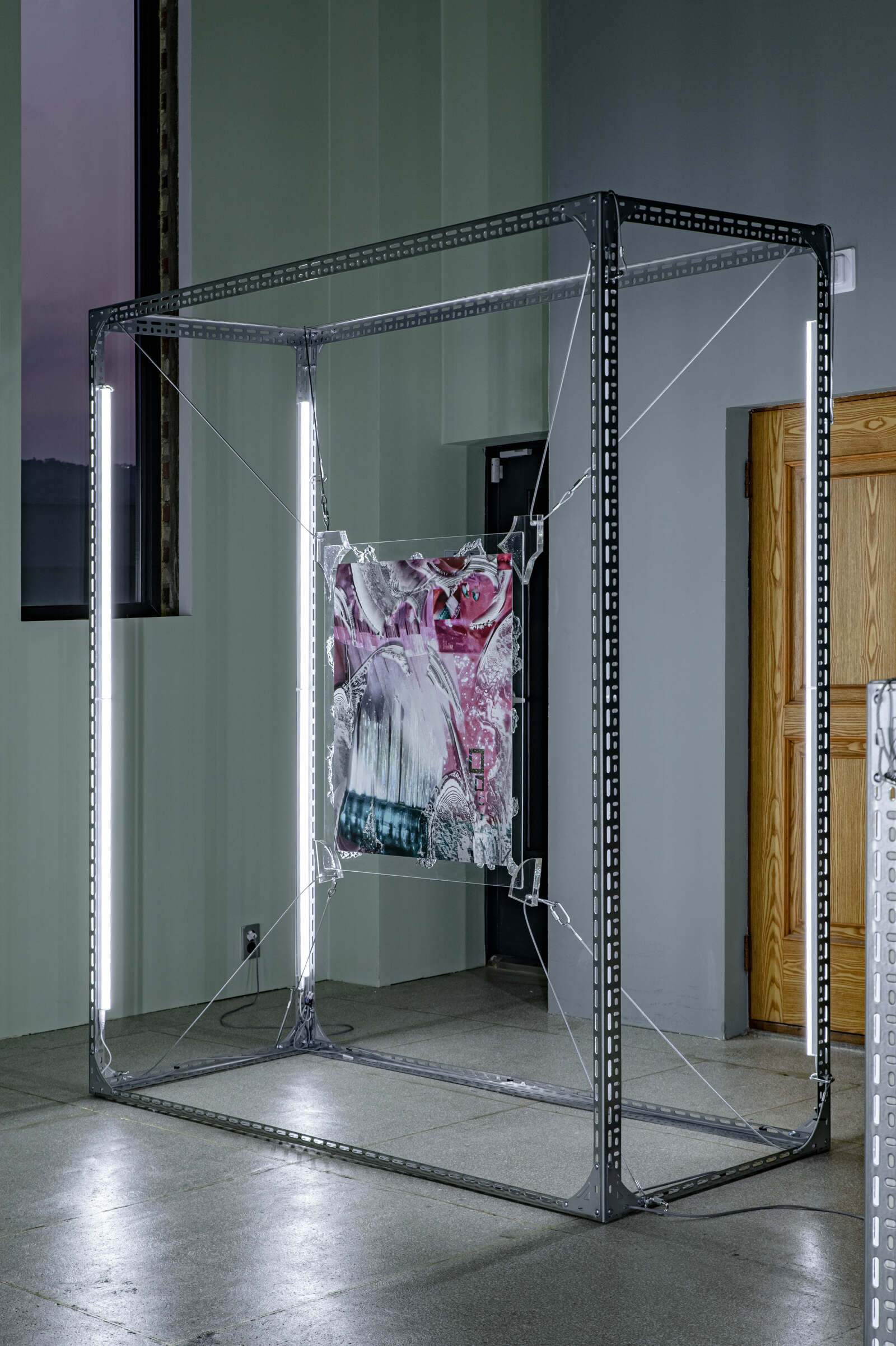
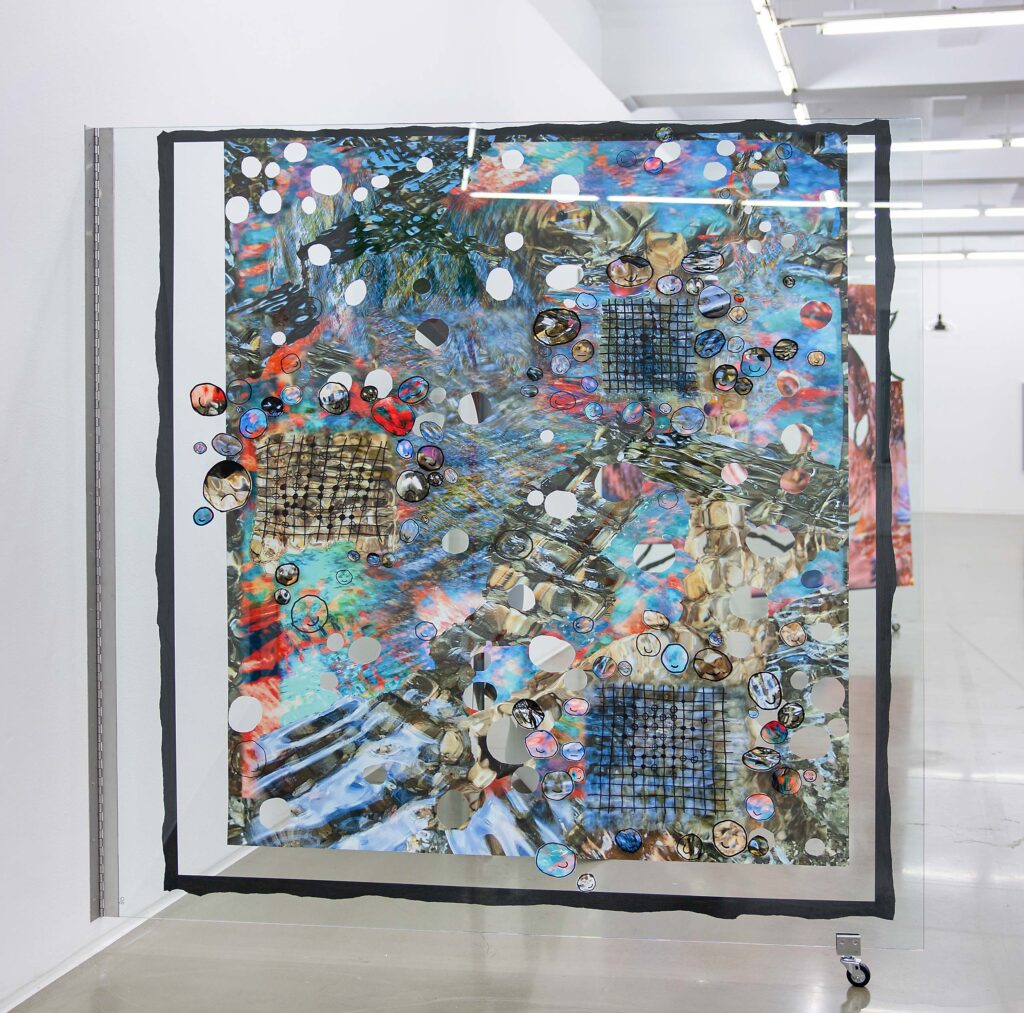
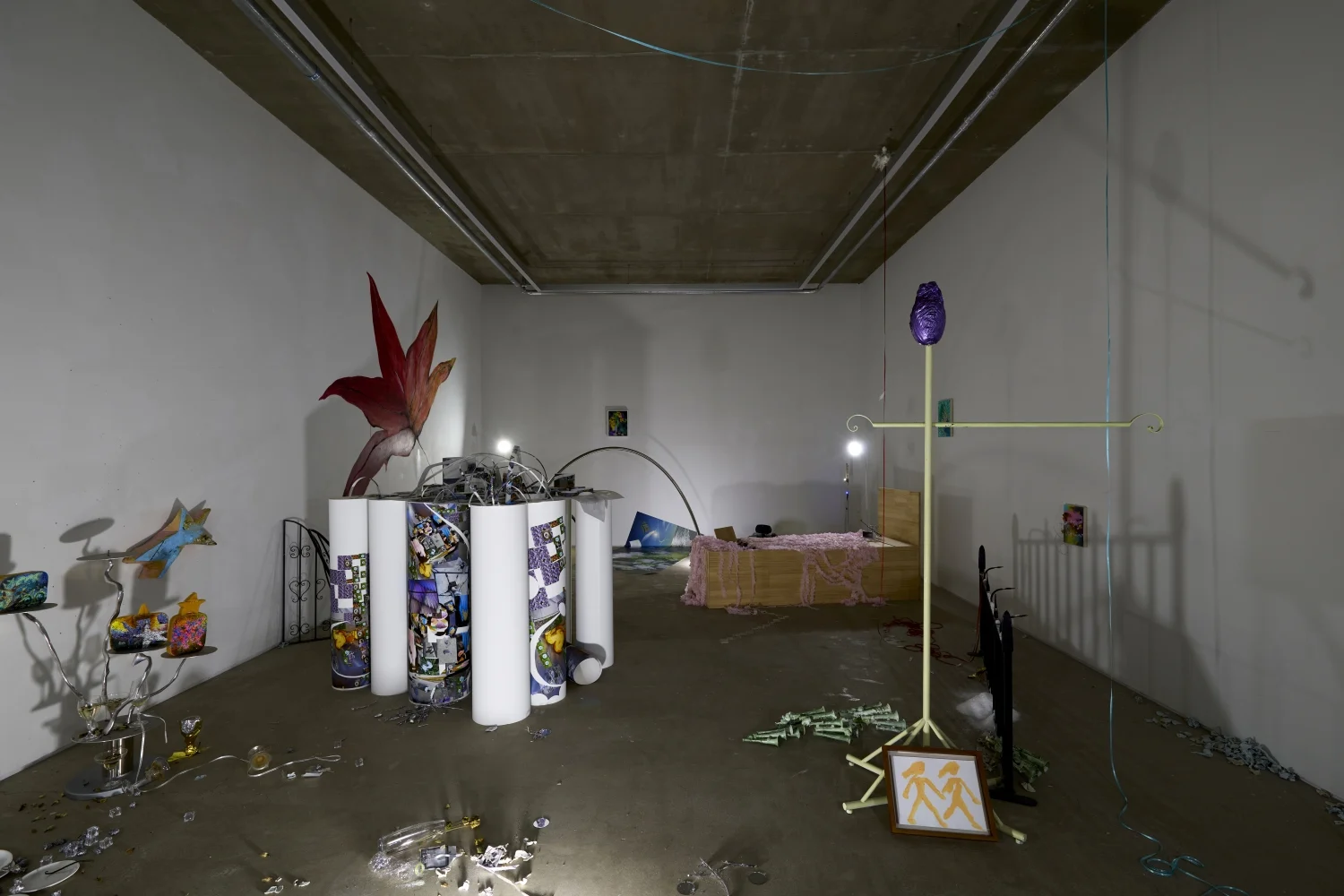
view of 《Will you Marry Me》
(Subtitled NYC, 2025) ©Kai Oh
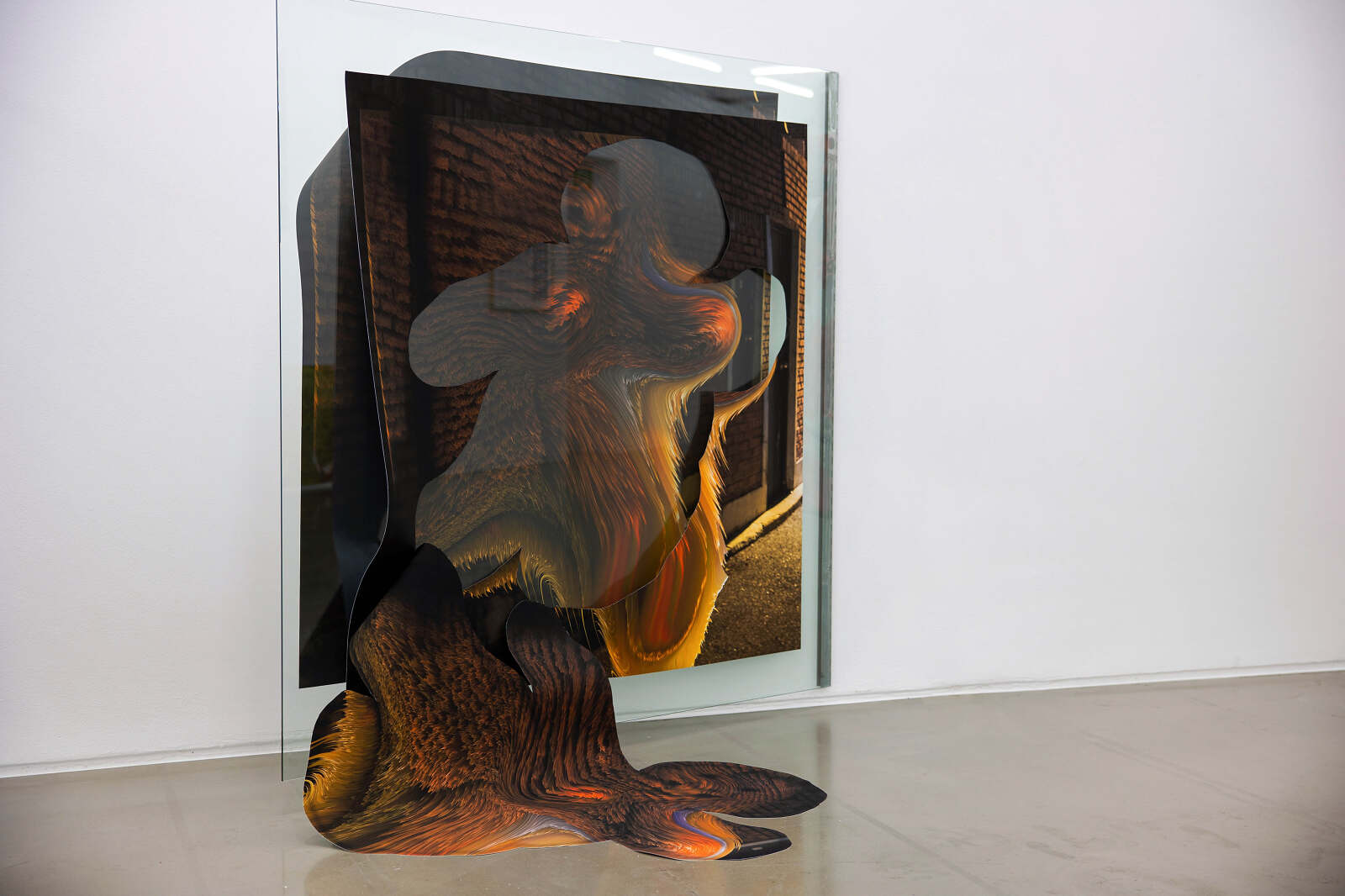
Installation
view of 《Will you Marry Me》
(Subtitled NYC, 2025) ©Kai Oh
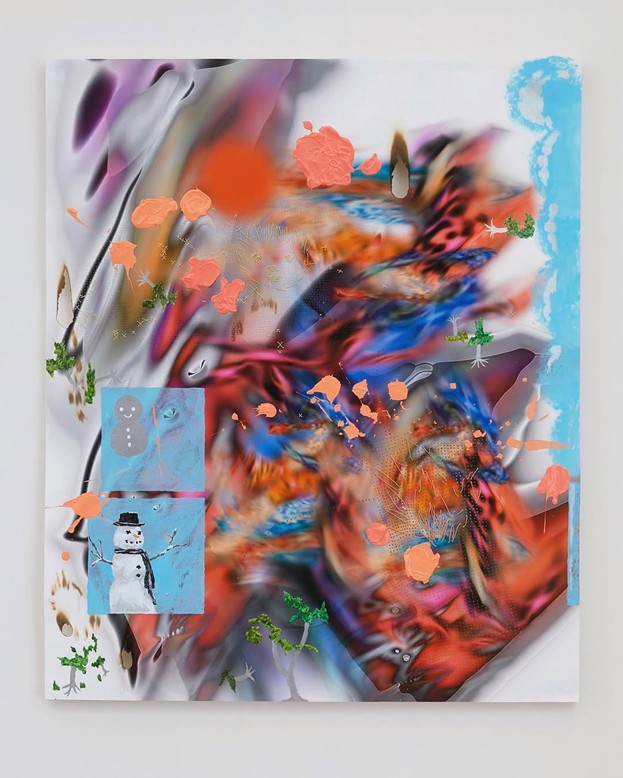
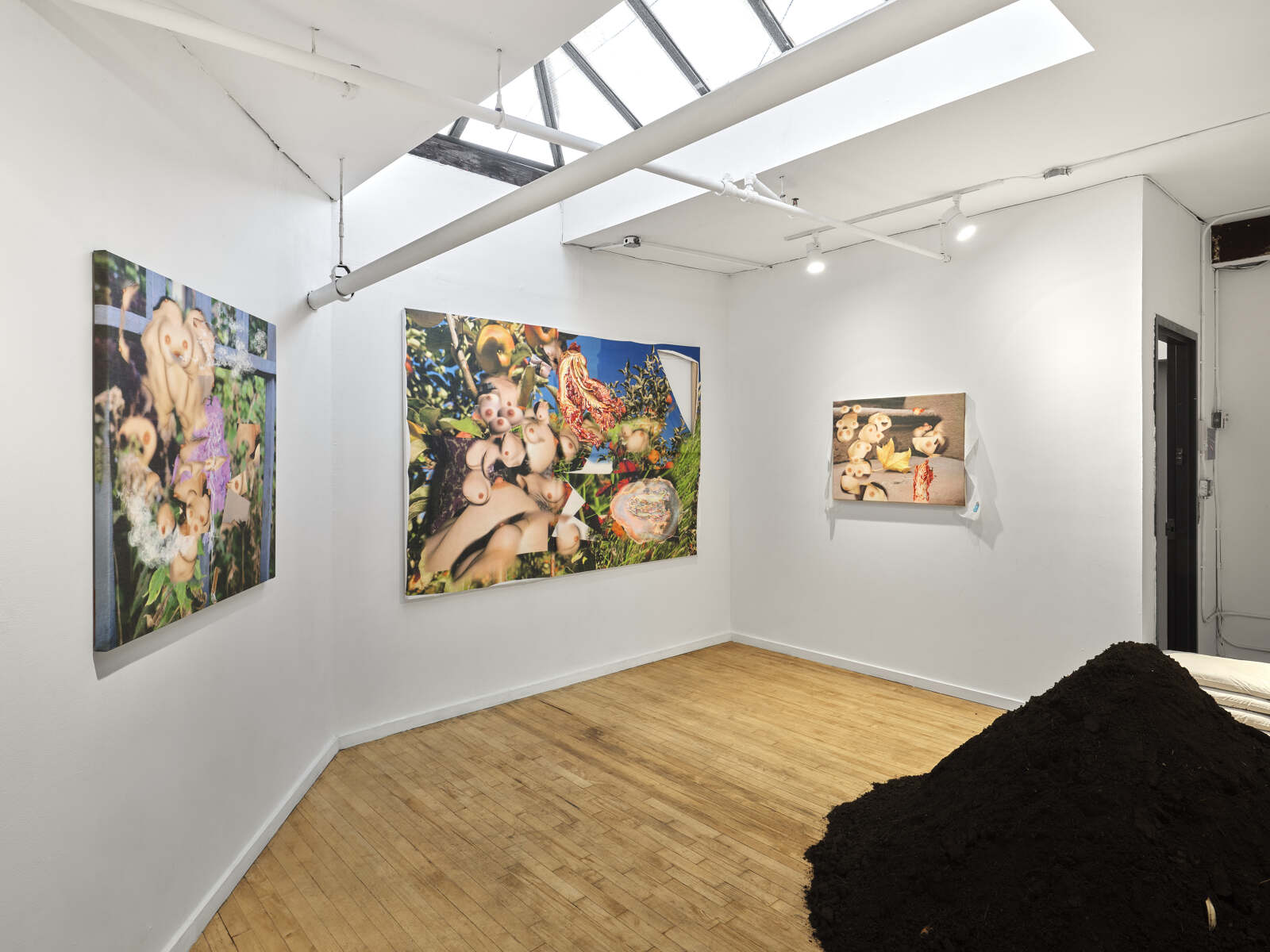
Shapes that once suggested familiar forms are cut, flattened, and
stitched, only to reemerge as something unexpected—uncanny, even: a dog’s
muzzle, a gummy bear, or a face caught in either a smile or a gasp. In her
latest series, Unpleasant Episodes, Kai Oh weaves together humor, defiance,
and—crucially—her own breasts and nipples. For Oh, the body is a site of both
intimacy and projection, shaped as much by personal experience as by external
scrutiny. Women’s breasts and nipples, in particular, are often subject to
double standards: celebrated as symbols of beauty or desire under certain
conditions, yet deemed indecent and in need of covering or flattening under
others. Oh confronts these contradictions through the fragmentation and
reassembly of these bulbous curves and protrusions, underscoring how they are
simultaneously hyper-visible and overlooked.
By foregrounding her body, Oh intentionally objectifies herself, a gesture that
draws inevitable comparisons to self-exposure in pornographic imagery. However,
rather than offering her image for easy consumption, Oh’s work questions the
cultural mechanisms that both fetishize and regulate women’s bodies. Her
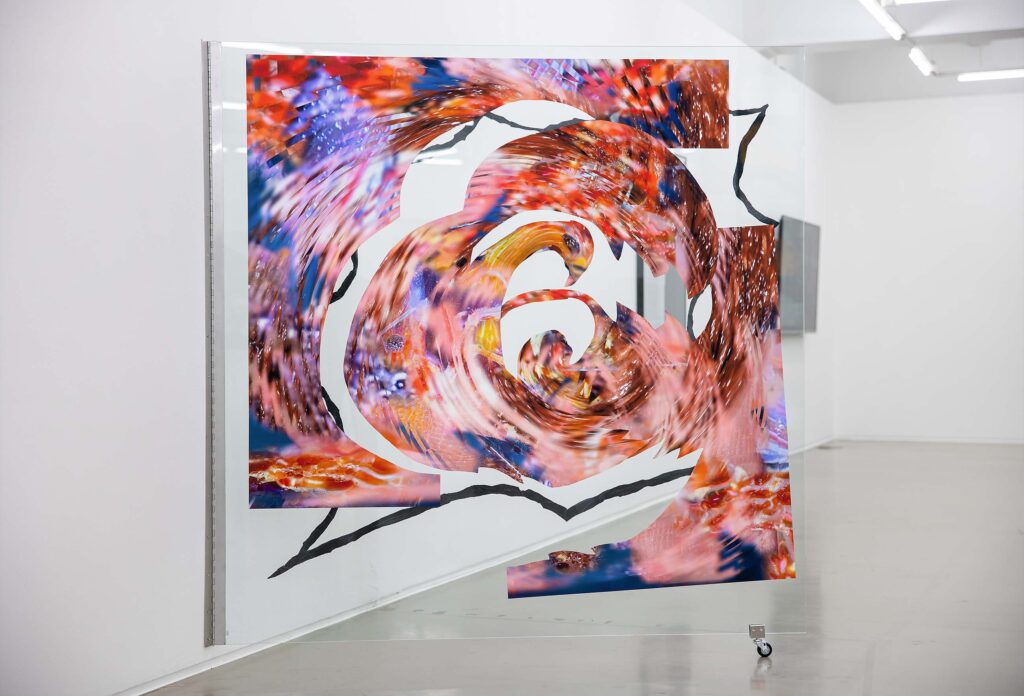
primary method is digital collage; by layering and blending, she deconstructs
and reconfigures breasts and nipples, exposing how bodies are flattened and
codified into objects or symbols. What might appear sensual or maternal in one
context instead becomes something altogether different here—a grotesque yet
whimsical presence, severed from its usual associations.
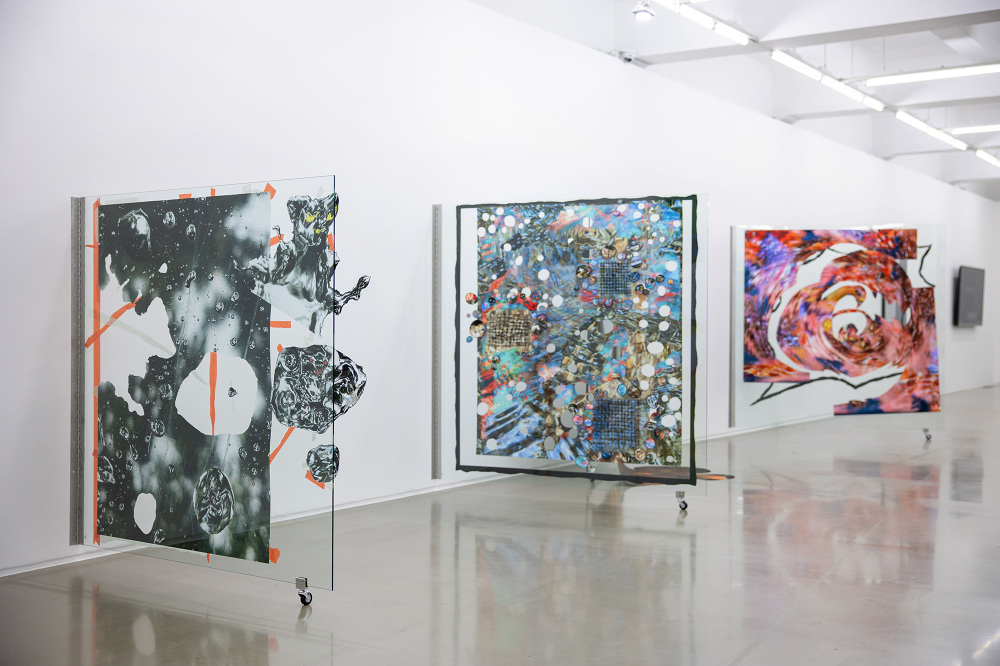
 Installation
view of 《Will you Marry Me》
(Subtitled NYC, 2025) ©Kai Oh
Installation
view of 《Will you Marry Me》
(Subtitled NYC, 2025) ©Kai Oh
This tension becomes more pronounced through her use of culturally
charged references, such as hand-painted depictions of “kimchi” or “rag”—terms
in Korea’s gendered discourse that are employed pejoratively to belittle women
as materialistic or promiscuous. By reappropriating these slurs with absurd or
laughable forms, Oh critiques the double standards imposed on women’s bodies
and destabilizes their hold. Fragments of breasts and nipples, alongside
decontextualized symbols originally designed to confine women within easily
consumable images, resist the projected gaze; instead, they manifest as unruly
and irreverent. This act of both fragmentation and reconstruction—literal and
conceptual—highlights the absurdity of societal constructs.
Oh deepens this critique by engaging directly with the materiality of her work.
She has long explored not just photographic images but also the technical
supports that bear them—surfaces, frames, and their physical manifestations.
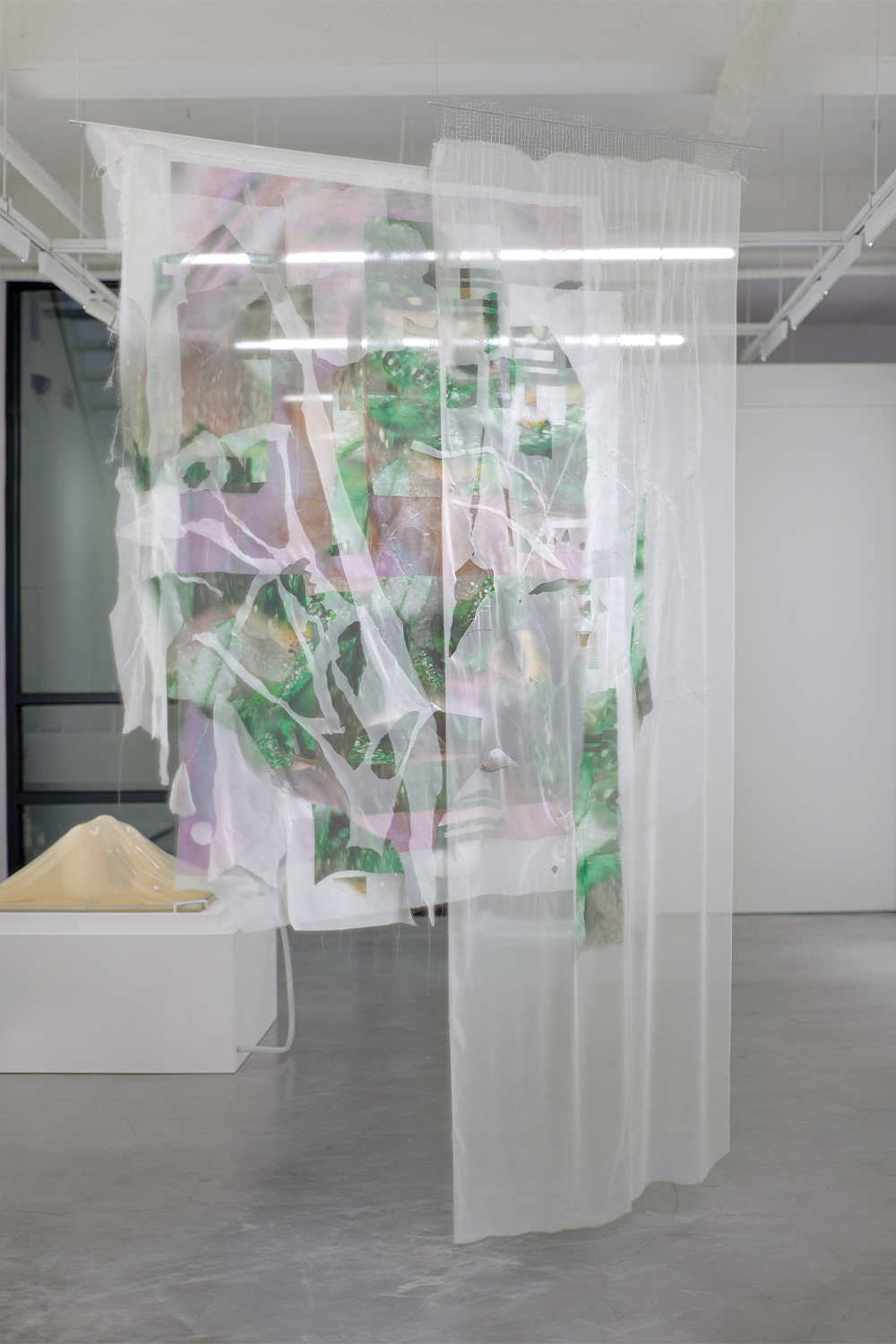
This practice expands in her current series with the inclusion of silk and soil
as integral materials. The silk, with its translucency, evokes an interplay
between concealment and revelation, reflecting the tension between how bodies
are perceived and how they are projected. Soil, meanwhile, acts as a grounding
element—tactile and symbolic. Its capacity to form mounds and curves, along
with its inherent instability, parallels the nature of digital collage: fluid
and mutable, yet tethered to reality. Together, these materials enrich the
themes of dismantling and rebuilding the imagery of the body.
 Kai
Oh, Hug me, 2025, Installation view of 《Will you Marry Me》 (Subtitled NYC, 2025)
©Kai Oh
Kai
Oh, Hug me, 2025, Installation view of 《Will you Marry Me》 (Subtitled NYC, 2025)
©Kai Oh
《Will you Marry Me?》 does not merely invite
the viewer to reconsider women’s bodies or their visual representations; it
actively destabilizes the frameworks through which they are perceived. What if
breasts and nipples could refuse their cultural scripts—slipping out of the
grasp of beauty, desire, or shame—and become instead absurd, playful, even
cartoonish: easy to laugh at yet discomfiting to truly see? In this space of
disassembly and resistance, Oh’s compositions offer no straightforward
resolutions; they refuse to resolve, to cohere, or to be consumed. Instead,
they compel us to grapple with their refusal, asking: what if bodies could be
liberated not just from objectification, but from the very need to make sense
at all?