"Understanding photographic media, whether old or new, is
completely impossible unless one captures its relationship with all other
media."[1] This statement by Marshall McLuhan, made in passing while
organizing the complex structure of the media world, provides an important clue
for understanding contemporary art mediums, despite being originally addressed
in a different context.[2]
Photography, as the first technical image, distinguished itself
from painting through its ability to objectively reproduce reality, thereby
establishing its unique position. It also facilitated the expansion toward
moving images, such as film and video art. However, aside from the relatively
short-lived modernist pursuit of investigating the nature of the medium itself,
photography has predominantly been discussed in relation to other art forms,
focusing on its value as a record, document, or its ubiquitous usage in popular
culture.
Meanwhile, the "intermediate" position of photography
faced a new phase as the image world transitioned from analog to digital. The
intrinsic capacity for transformation through computer programs disrupted the
"visual truth" guaranteed by traditional photography. Furthermore, as
smartphones and the internet made it effortless to capture and share
photographs, the proliferation of images complicated the task of securing
photography's place as an art medium. It has become increasingly necessary to
discuss "post-photography" more proactively.
Interestingly, the inherent intermediate characteristics of
photography, combined with its transformation into digital images, place it
uniquely within contemporary art's so-called "post" discourse. In the
context of postmodernism—which rejects the definitive, the transparent, and the
singular—photography became a significant art medium alongside the concept of
the "picture."[4]
Following the emergence of new media art driven by digital
technology, contemporary art discourse divided into "post-medium" and
"post-media" perspectives. However, due to its intermediate nature,
photography belonged to both or neither, depending on the viewpoint.[5] As an
art medium enabling moving images after video, it falls under post-medium; as
the starting point of technical imagery transcending the textual era, it
belongs to post-media. To facilitate more effective discussions on photography,
it is necessary to narrow the scope.
In the early 1990s, William J. Mitchell coined the term
"post-photography" by arguing that the physical differences between
analog photography and digital images are fundamental, resulting in culturally
distinct outcomes.[6] Mitchell emphasized that the characteristics of digital
images—appropriation, transformation, reprocessing, and recombination—made
possible through computer technology signify a medium that privileges
"fragmentation, uncertainty, and heterogeneity" while emphasizing
process or performance over the finished artistic object.[7] This concept
naturally connects to postmodernism.
Media aesthetician Norbert Bolz, addressing the transformation of
art through digital media, similarly noted that the methods actively used in
digital images are linked to the postmodern characteristics of playing with
heterogeneity and fragmenting uniformity. He argued that art emerges from
unexpected, non-linear chaos, acknowledging the digital world as a realm of
chance and multiple possibilities.[8]
Meanwhile, the concept of "post-internet" that emerged
in the late 2000s offers critical points from the perspective of image
production and consumption.[9] Rather than perceiving the internet merely as a
technological tool, this concept draws attention to its cultural impact,
proposing that images no longer remain confined to specific media but evolve as
flexible practices throughout contemporary digital visual culture.
Post-internet art particularly emphasizes the
"circulation" of images produced and exchanged through the internet.
It positively views the increasing speed and range of circulation, where
uploaded images can be accessed, stored, transformed, and shared by anyone at
any time. Perhaps this realization aligns with Walter Benjamin's long-held
desire for the "democratic value" of images. However, the essence of
post-internet art lies in expanding the concept of sharing beyond the online world,
contemplating how images are presented in the real world. This consideration
inevitably leads to questioning how digital visual culture interacts with
traditional media and operates within existing artistic realms.
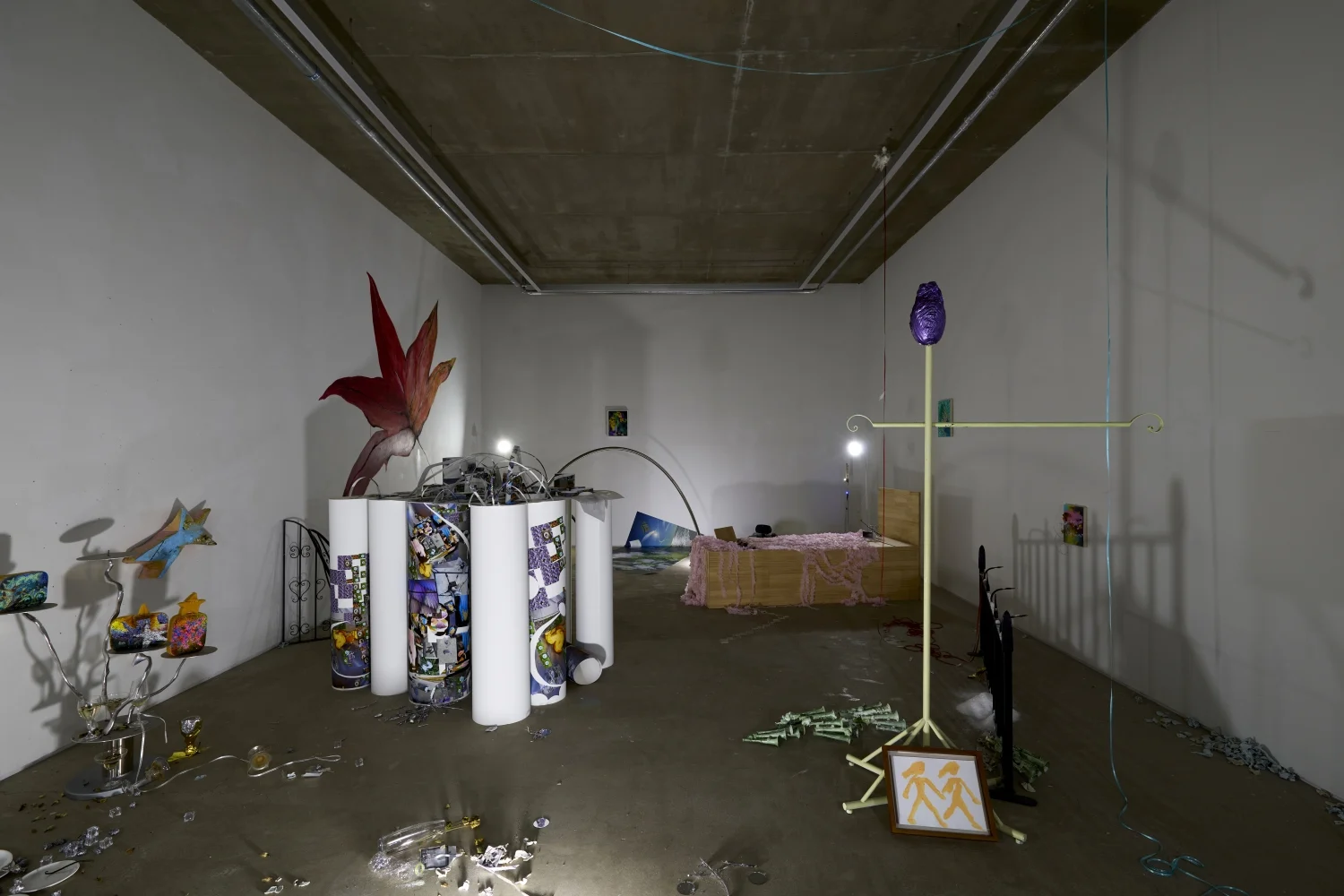
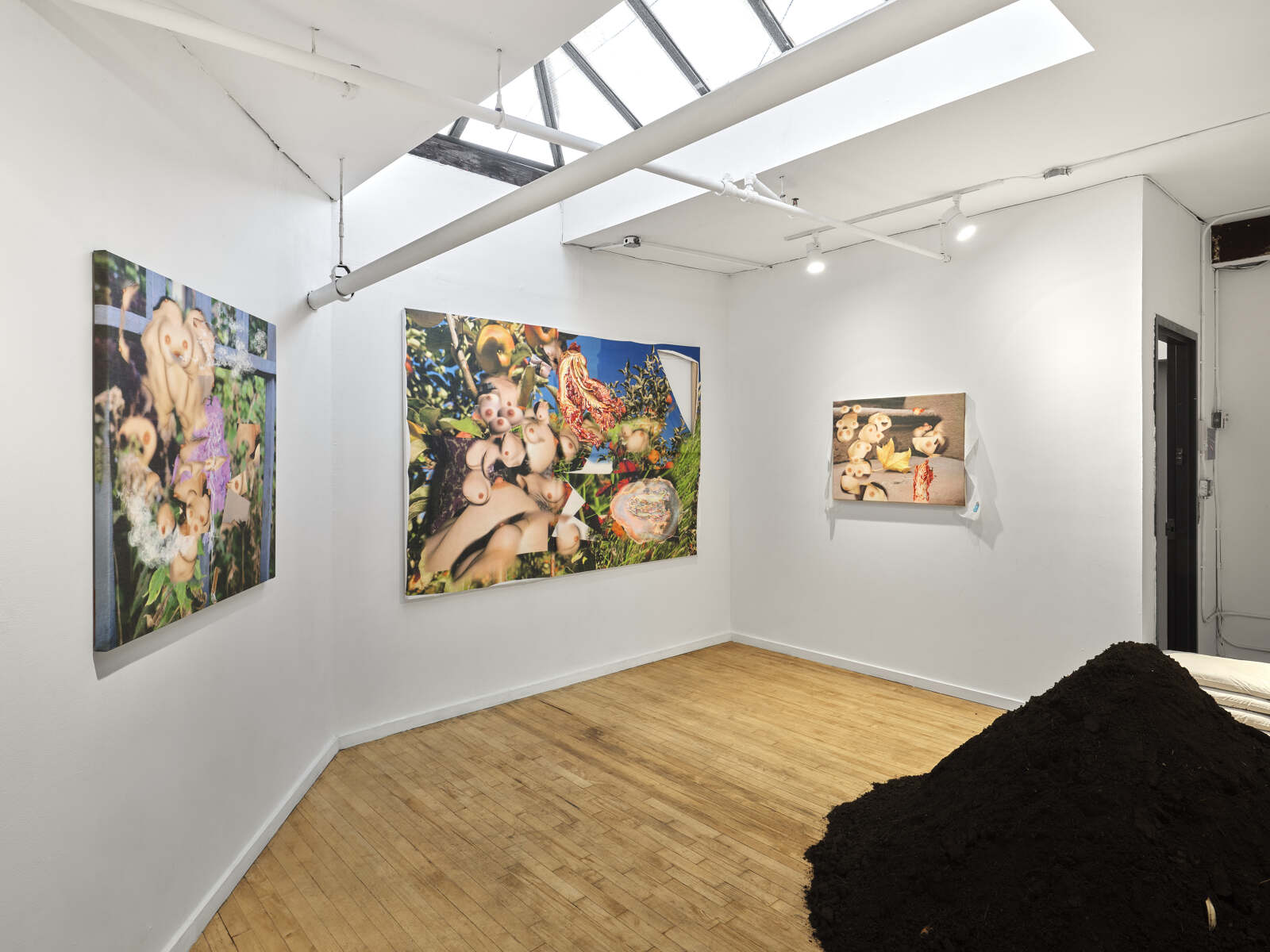
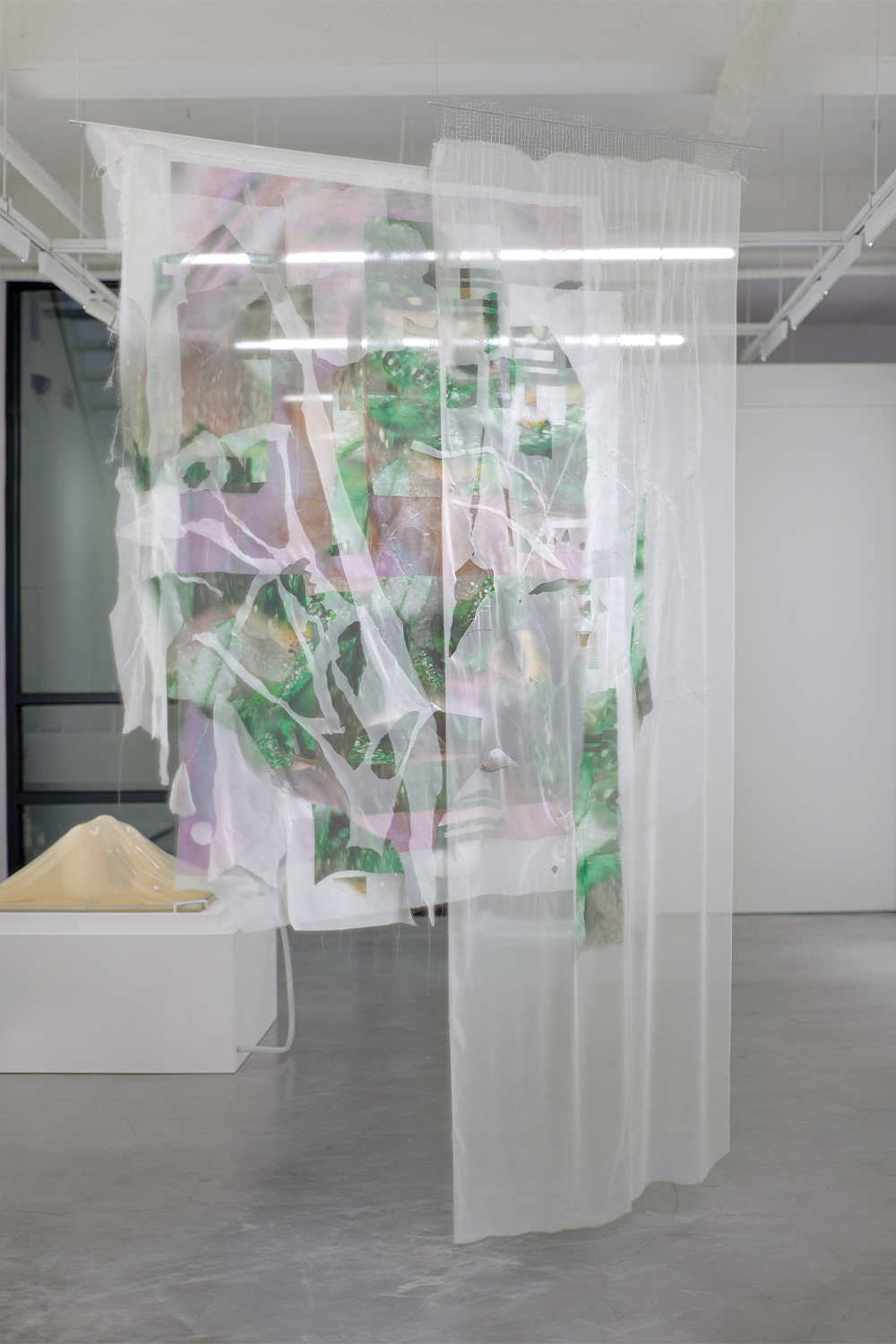
The exhibition 《Super-fine》 at Ilmin Museum of Art addresses the need to discuss the expanded
scope of contemporary photography within the context of such
"post-discourse." Featuring works by nine artists (or teams)
seemingly unrelated, the exhibition presents various artistic attempts to
explore photography's potential in contemporary art, prompting further
discourse on "photography after photography."
True to the subtitle "Light Photography," contemporary
photography has indeed become lighter. Unlike the imposing, large-scale,
meticulously crafted photographs of the past, photography in today's art
exhibitions has become more adaptable, allowing for various presentation
methods according to each piece’s context. Digital technology, which made
large-scale typological photography possible in the 1990s, simultaneously
encouraged the constant creation, transformation, and circulation of images in
daily life, making them lighter than ever.
Especially for the post-internet generation accustomed to the
digital visual culture, such lightness is more pronounced. In particular,
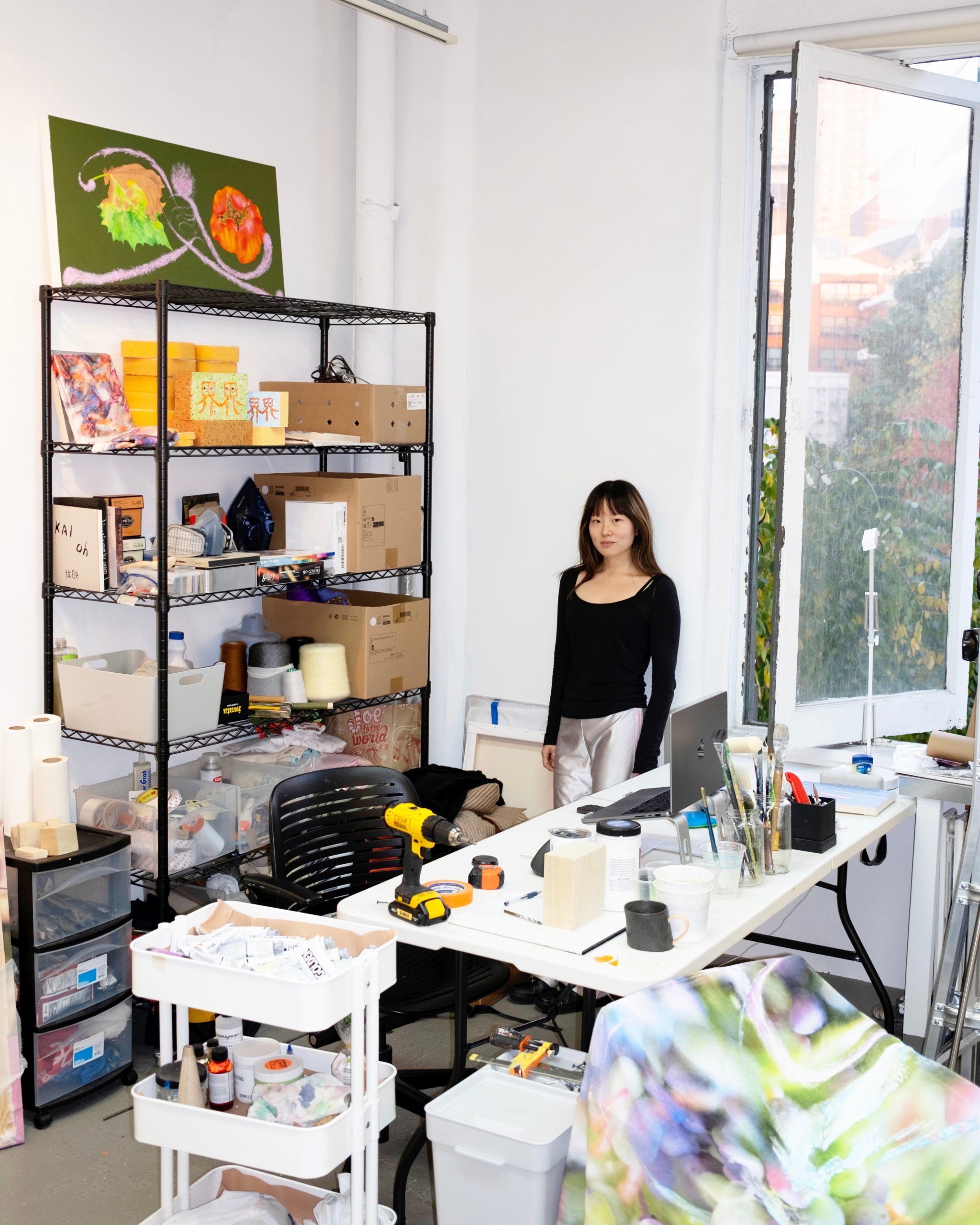
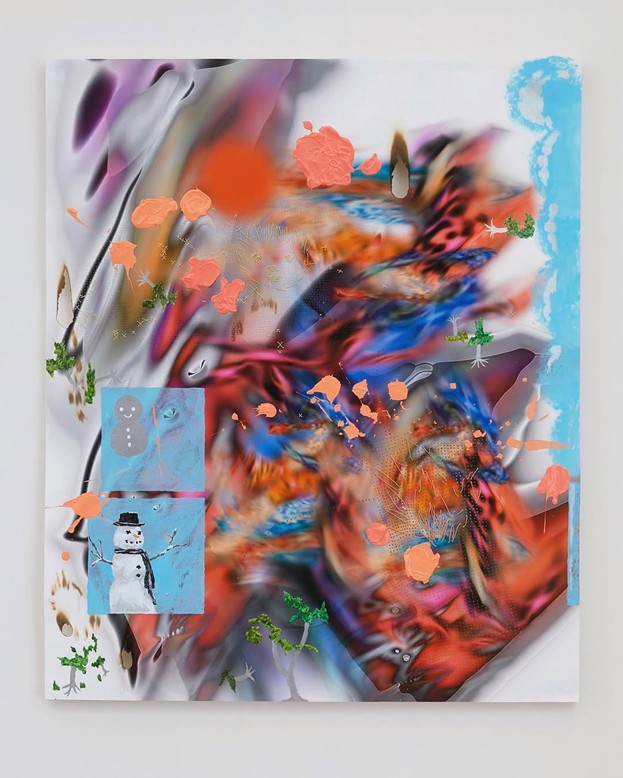
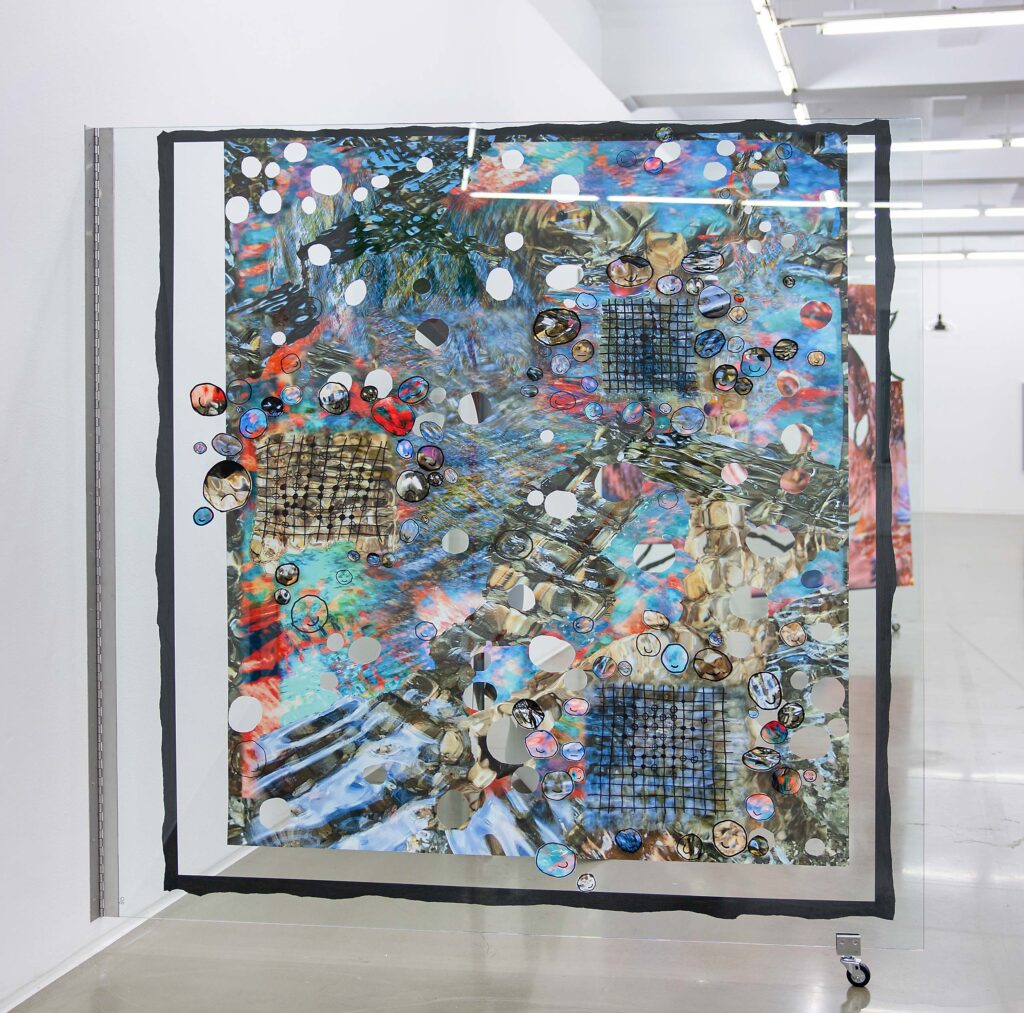
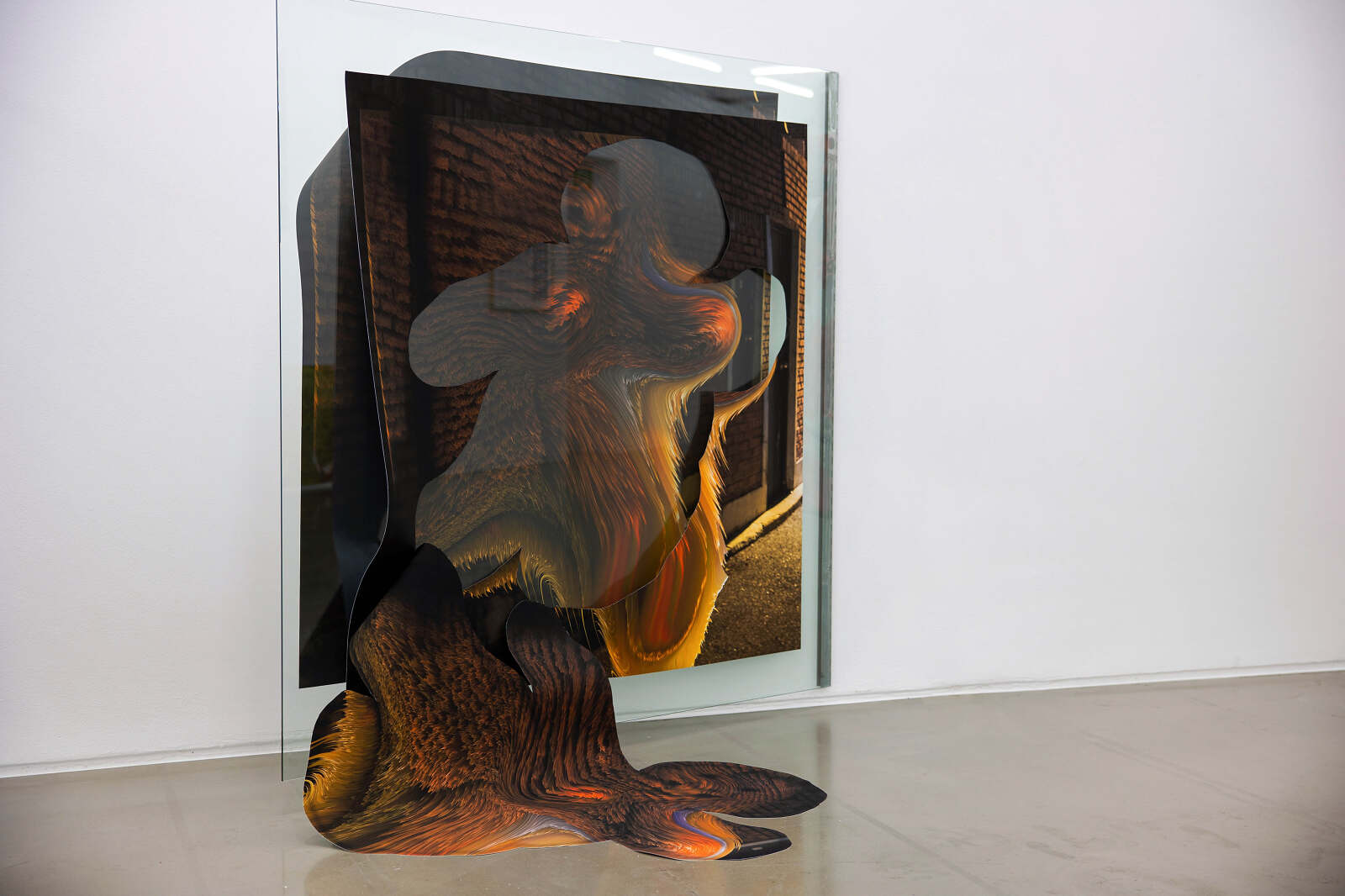
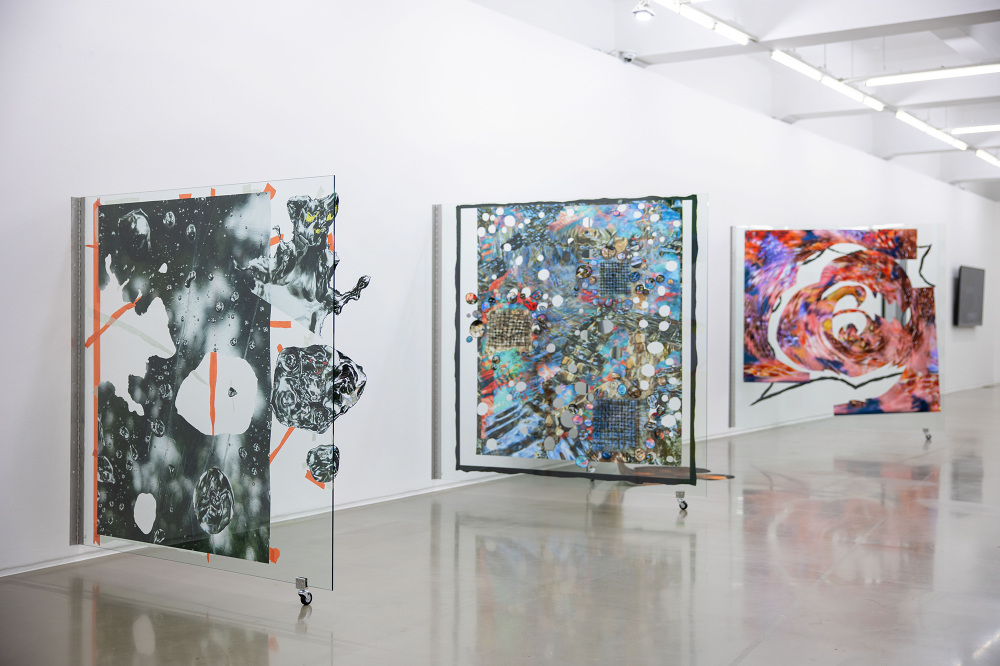
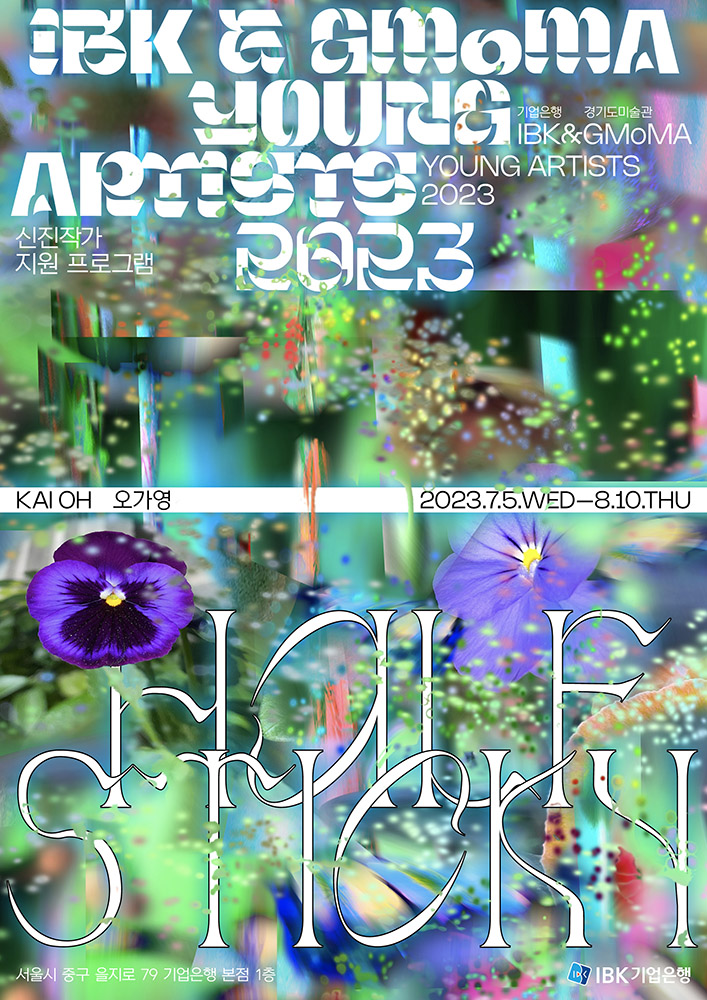
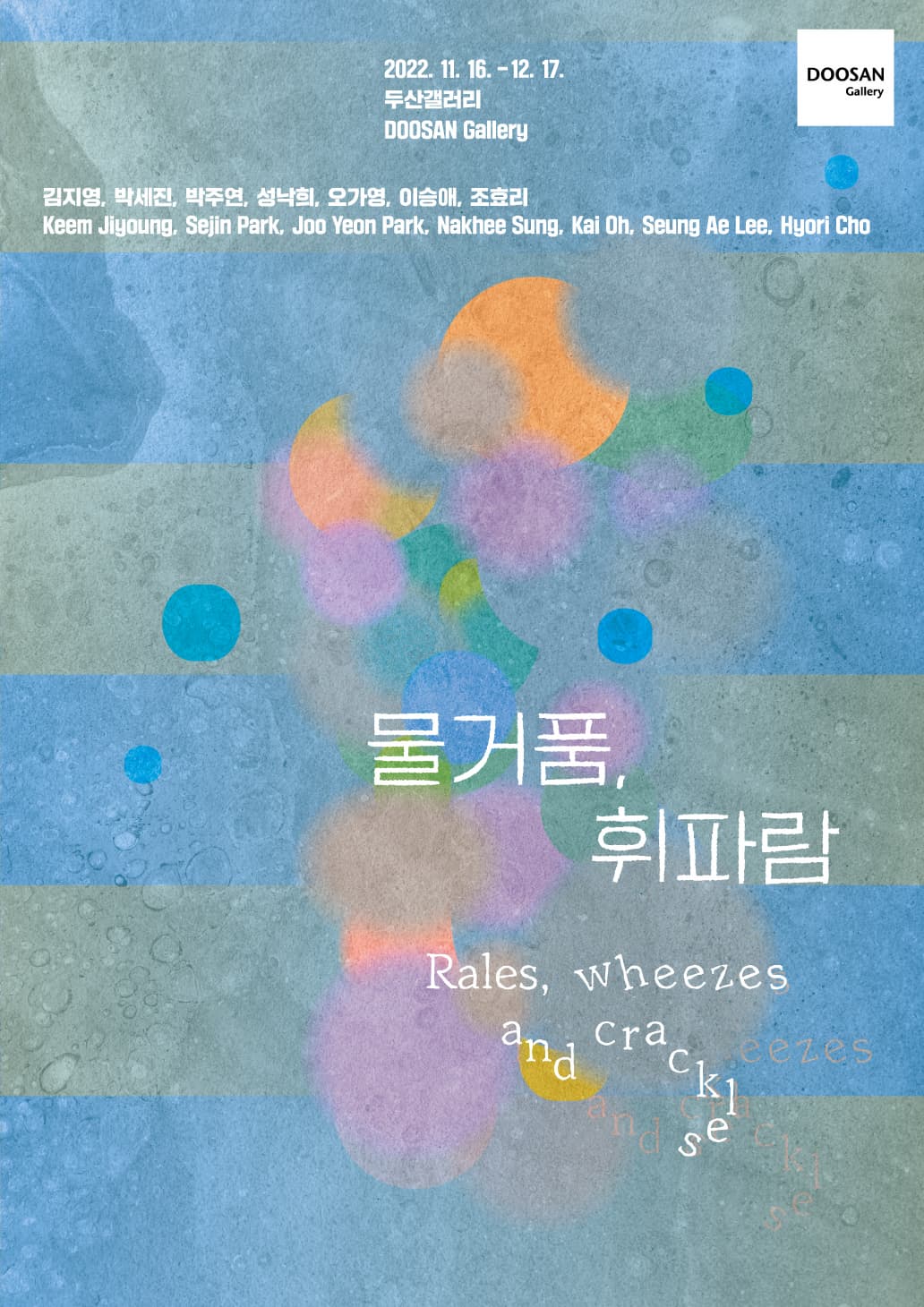
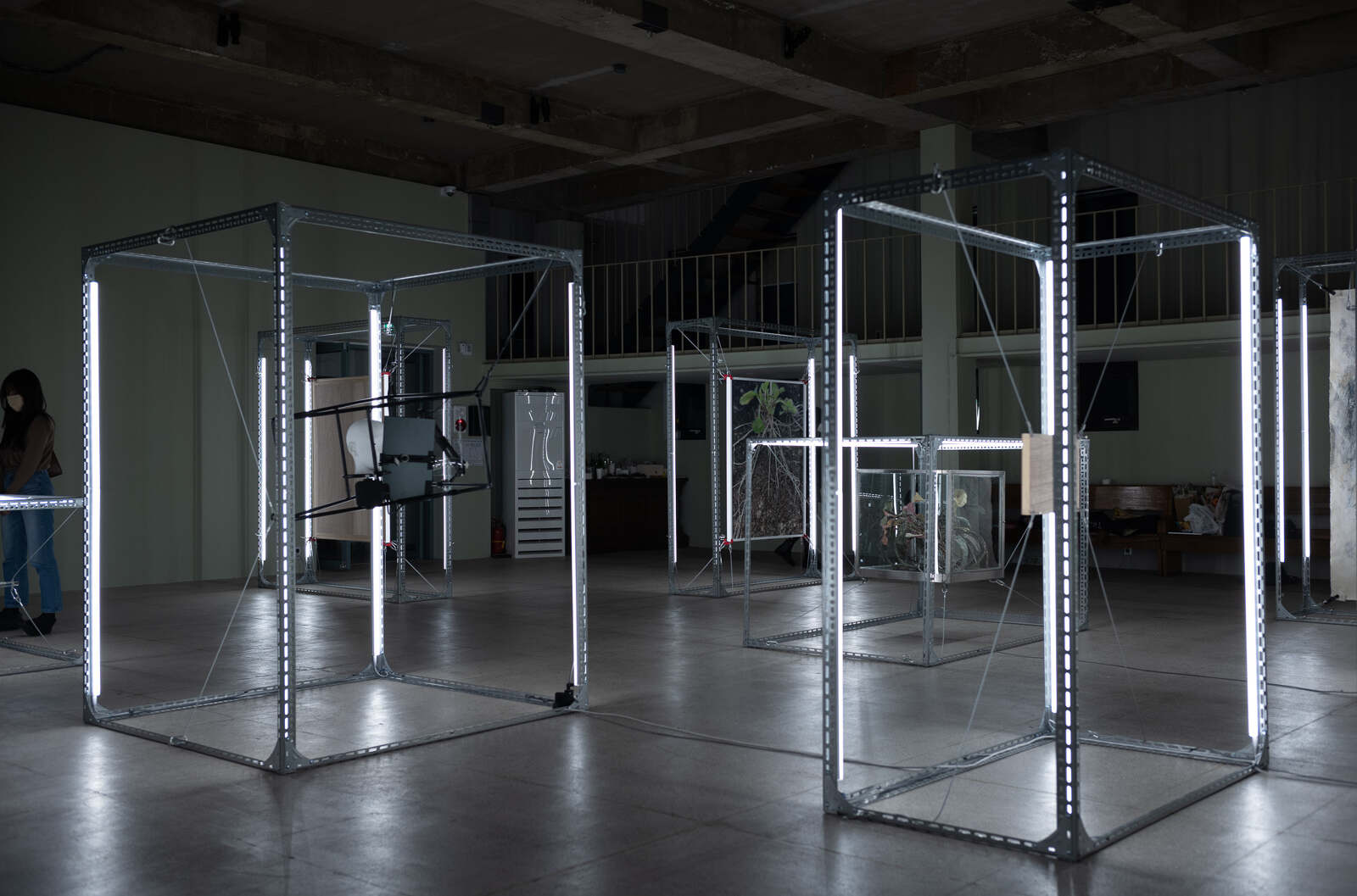
Ogayoung collects countless digital image fragments as naturally as breathing
and reconfigures them through Photoshop in various ways. She prints the
resulting images on paper, incorporating additional materials to present them
as spatial installations. If photography traditionally transforms
three-dimensional space into a two-dimensional plane, the artist contemplates how
to reverse this process.
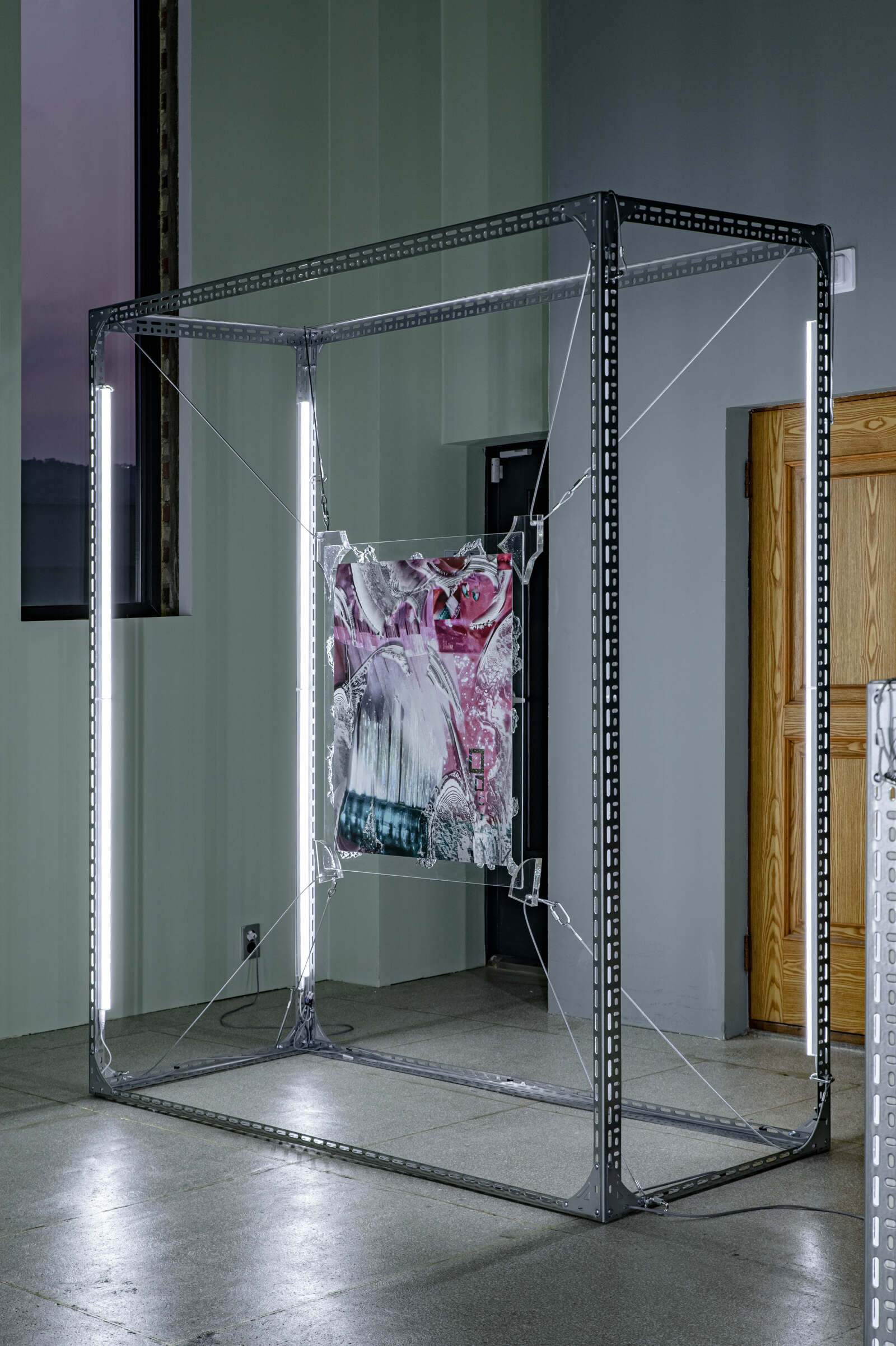
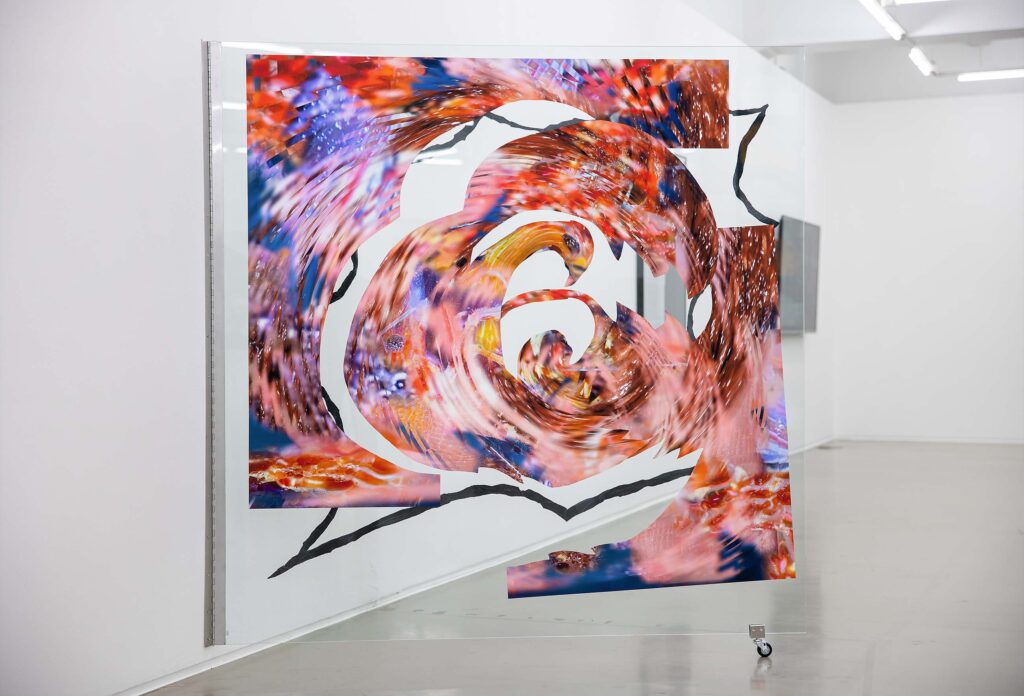
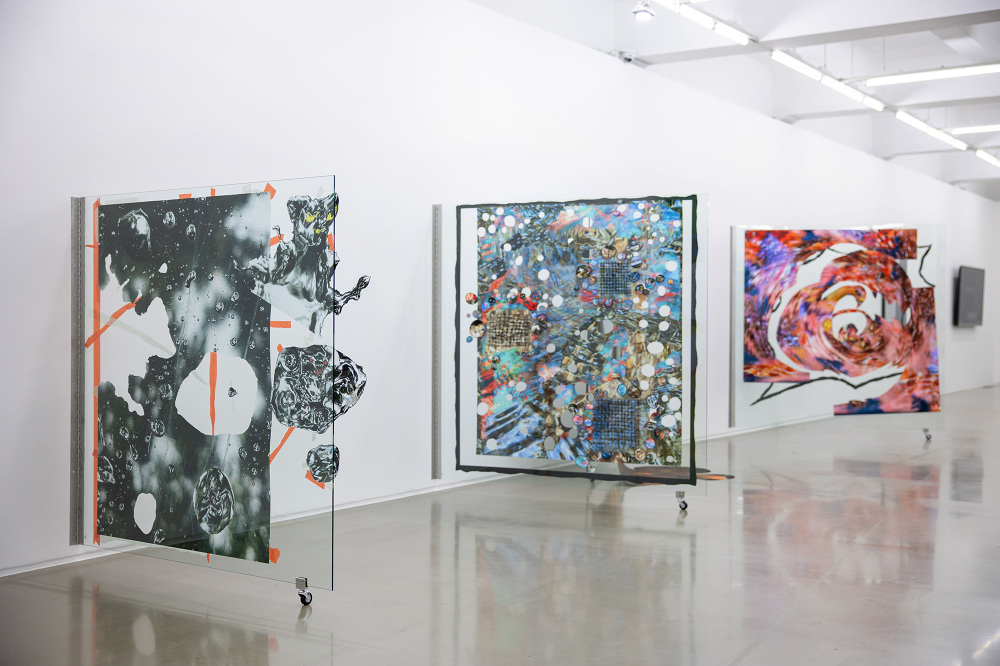
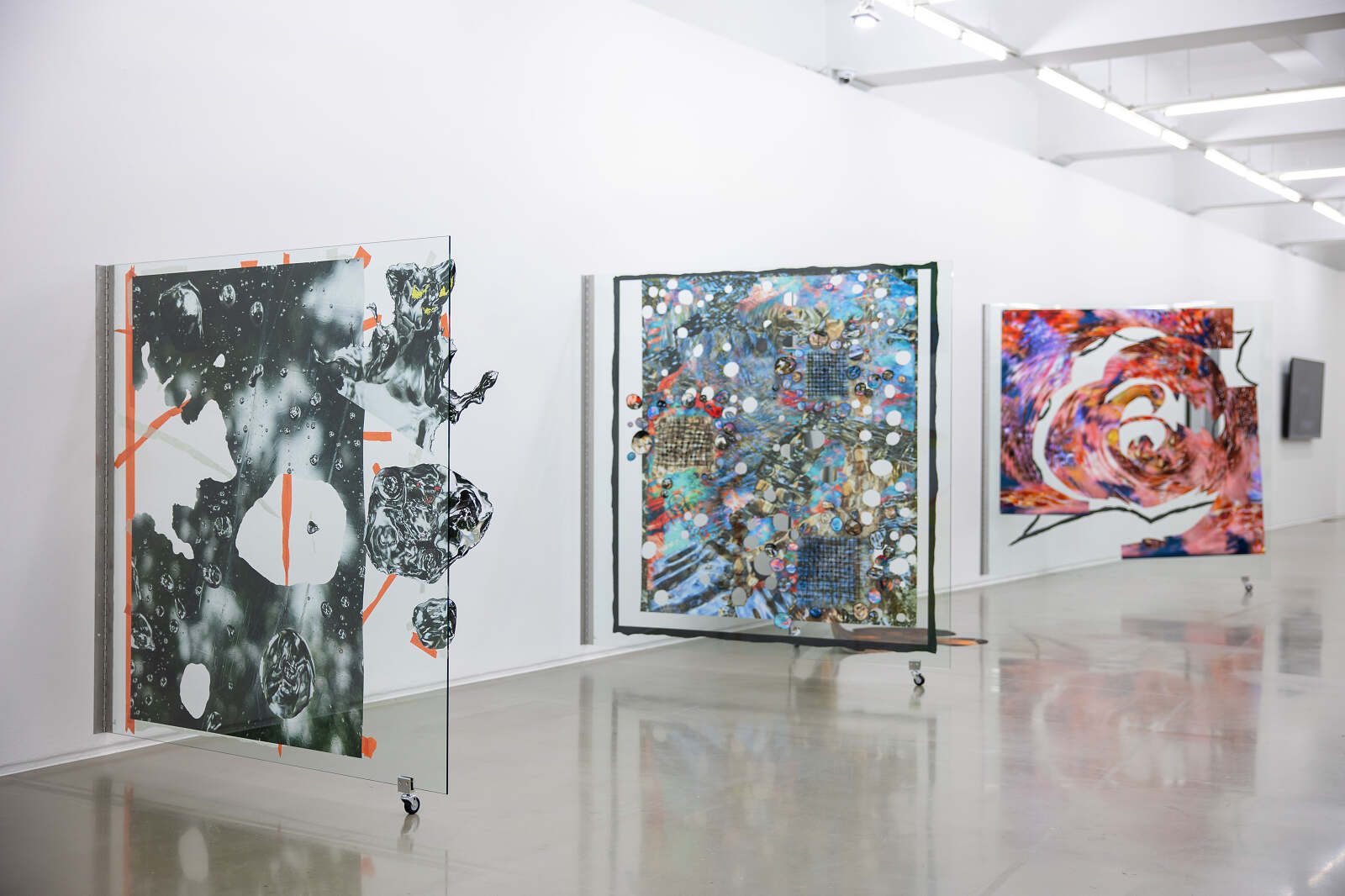
In the exhibition, she combines printed images with
glass—traditionally a secondary material protecting photographic
surfaces—installing them with hinges and wheels to traverse space. By cutting
out already heavily altered printed images and affixing them to glass or
letting them spill onto the floor, she disrupts the conventional role of glass
as a mere frame component. Instead, the glass becomes an integral part of the
medium, supporting and transforming the printed image into something new.
Digital images bring us into another world. They are no longer
just convenient, novel technologies but have permeated culture as a whole,
becoming integral to our lives. In the realm of contemporary art, manipulation
is no longer viewed as extraordinary or subject to criticism. Instead,
manipulation—reframed as composition—serves as a formal method to effectively
convey ideas and concepts.
In the post-photography era, the notion of "visual
truth" must evolve. Generally, the prefix "post" invites a
reexamination of the original concept, opening possibilities for coexistence.
Discussions on post-photography will not only deepen our understanding of
photography but also expand its scope and potential. Due to photography's
inherent intermediate nature, reflections on the "photographic
medium" ultimately intersect with broader discussions about
"media" within visual culture. It is time to deepen and broaden the
discourse on photography after photography.
[1] Marshall McLuhan,
Understanding Media: The Extensions of Man (1964), translated by Park
Jeong-gyu, Communication Books, 1997, p. 231.
[2] Originally, the term "media" is the plural form of the English
word "medium," meaning tools or means, commonly referring to
communication tools such as mass media. After the emergence of new media, the
art field began using the plural form "mediums" specifically to
distinguish materials and genres of art. In Korean, the term "매체" (maeche) is commonly used, and this text uses
"medium" interchangeably with "art medium."
[3] The notion of "intermediate" here is derived from Pierre
Bourdieu’s concept of "middlebrow art" (Un art moyen), where
photography is positioned between high art and popular culture, thus not fully
recognized as an art form.
[4] After the exhibition Pictures (1977), curated by the American postmodernism
theorist Douglas Crimp, photography became actively discussed as a contemporary
art medium, along with video, painting, printmaking, and drawing, under the
unified concept of "pictures."
[5] The discourse on "post-medium" began with Rosalind Krauss’s A
Voyage on the North Sea: Art in the Age of the Post-Medium Condition (Thames
& Hudson, 2000). It primarily emerged among American art theorists,
focusing on the issue of modern art trends dominated by installation art,
advocating for the recovery of medium specificity. On the other hand, the
"post-media" discourse, led by new media theorists such as Peter
Weibel and Lev Manovich, centers on the universal mediality of digital media,
opposing the conventional medium-based perspective.
[6] William J. Mitchell, The Reconfigured Eye: Visual Truth in the
Post-Photographic Era, Cambridge: MIT Press, 1992.
[7] Ibid., pp. 7-8.
[8] Norbert Bolz, Controlled Chaos: From Humanism to the World of New Media
(1995), translated by Yoon Jong-seok, Moonji Publishing, 2000, pp. 358-365.