Aziz Hazara (Afghanistan) is the winner of
the Future Generation Art Prize 2021, the sixth edition of the global art prize
for artists under 35, established by the Victor Pinchuk Foundation in 2009. The
winner was announced by the international jury at the online award ceremony on
8 December. Aziz Hazara received a total of 100,000 USD: 60,000 USD as a cash
prize, and 40,000 USD to fund their artistic practice.
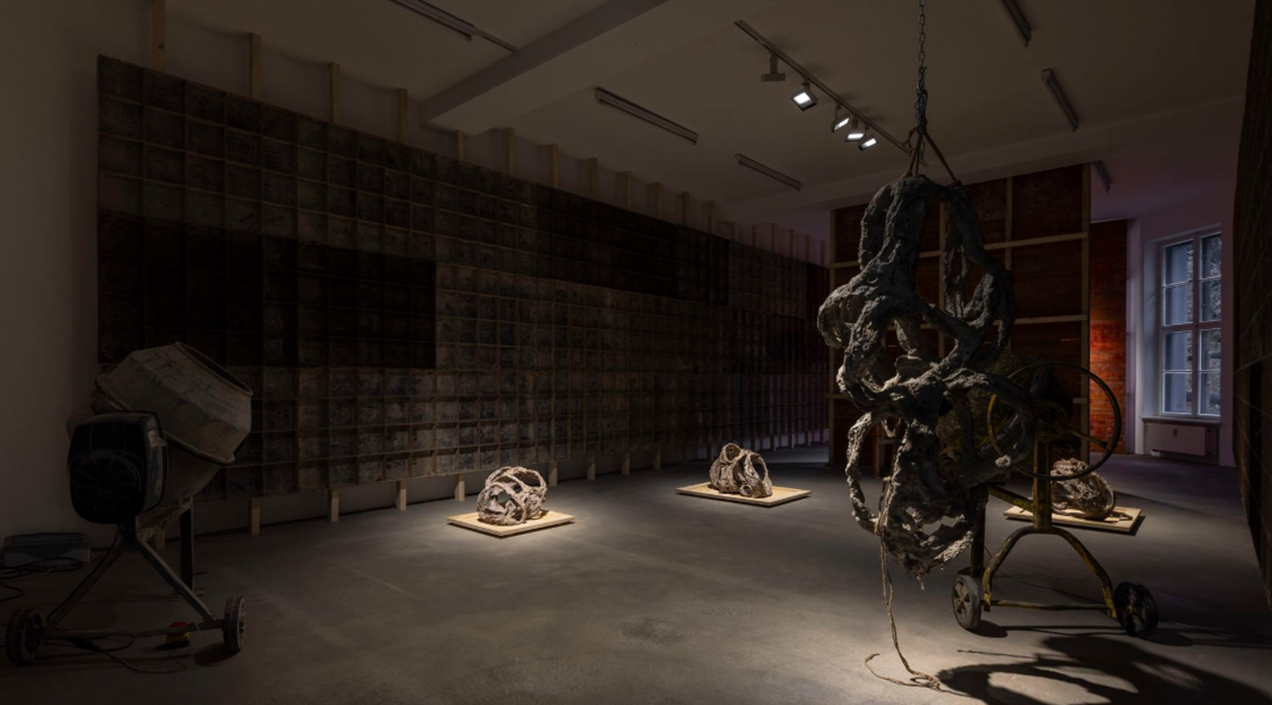
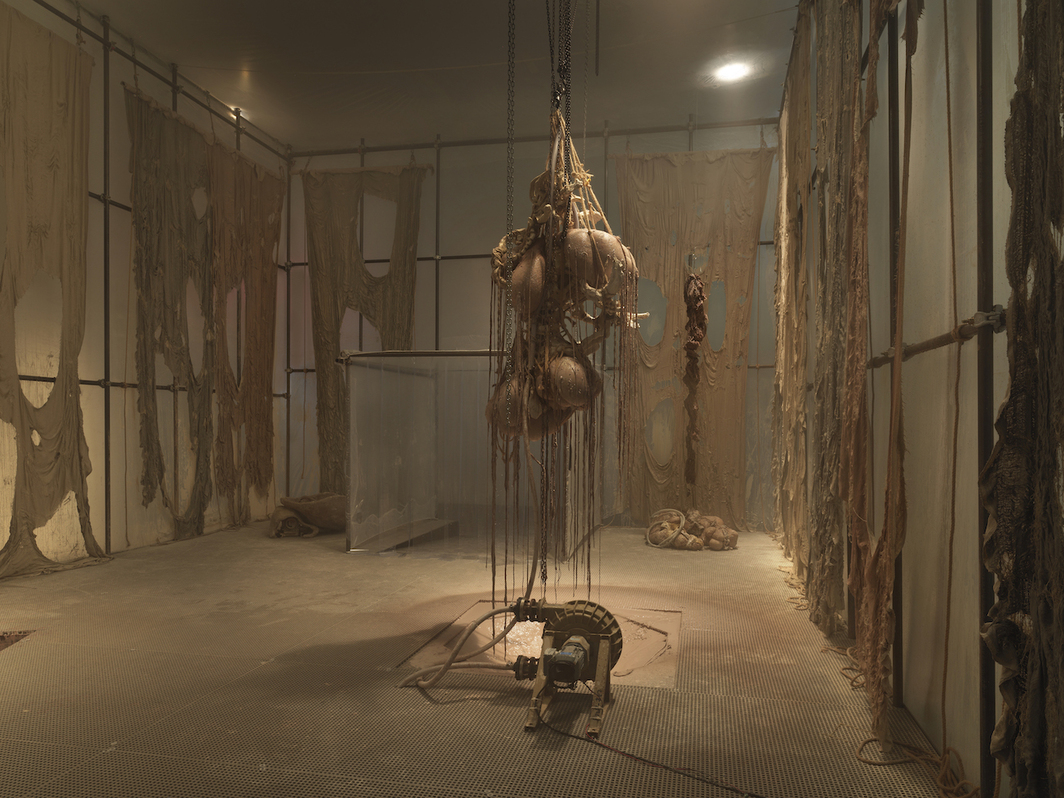
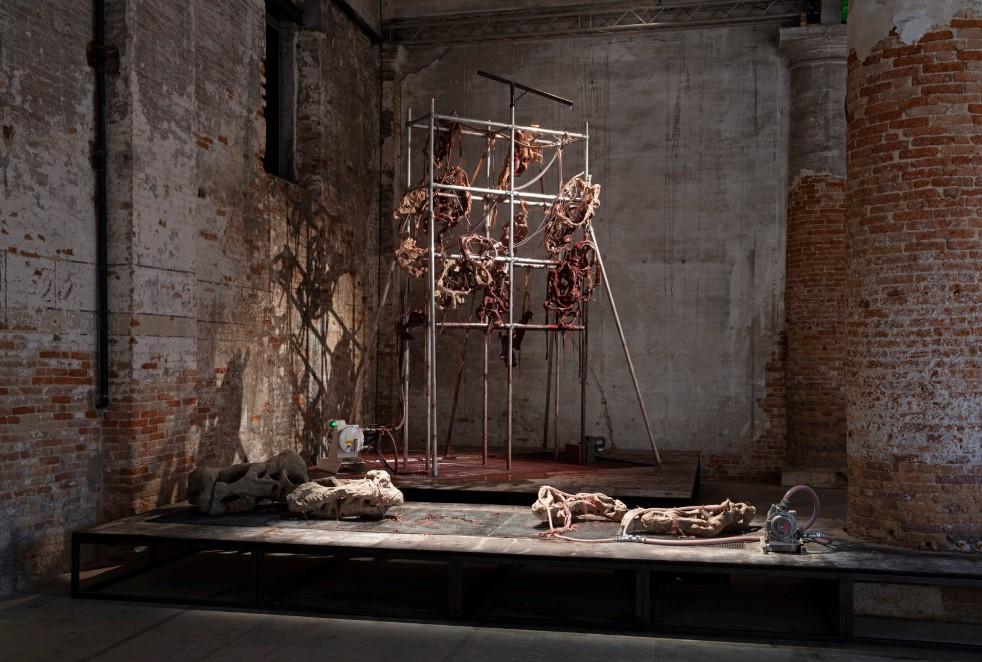
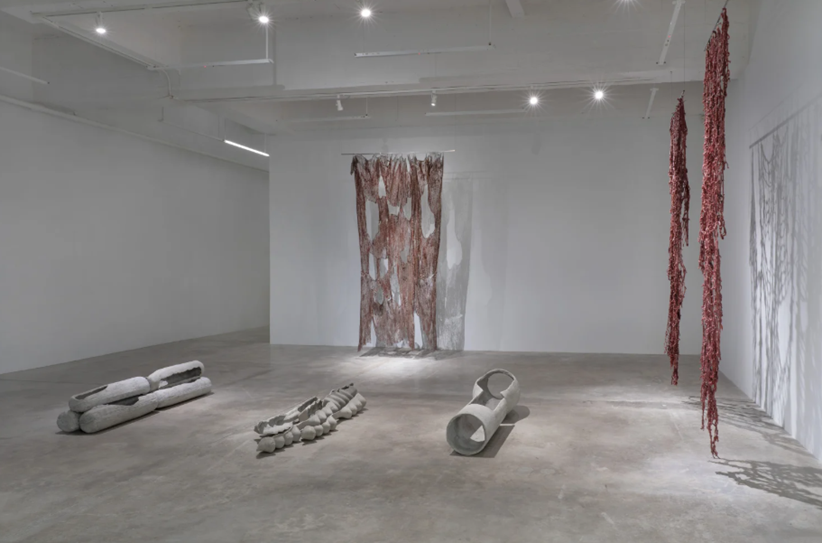
An additional $20,000 was awarded between Special
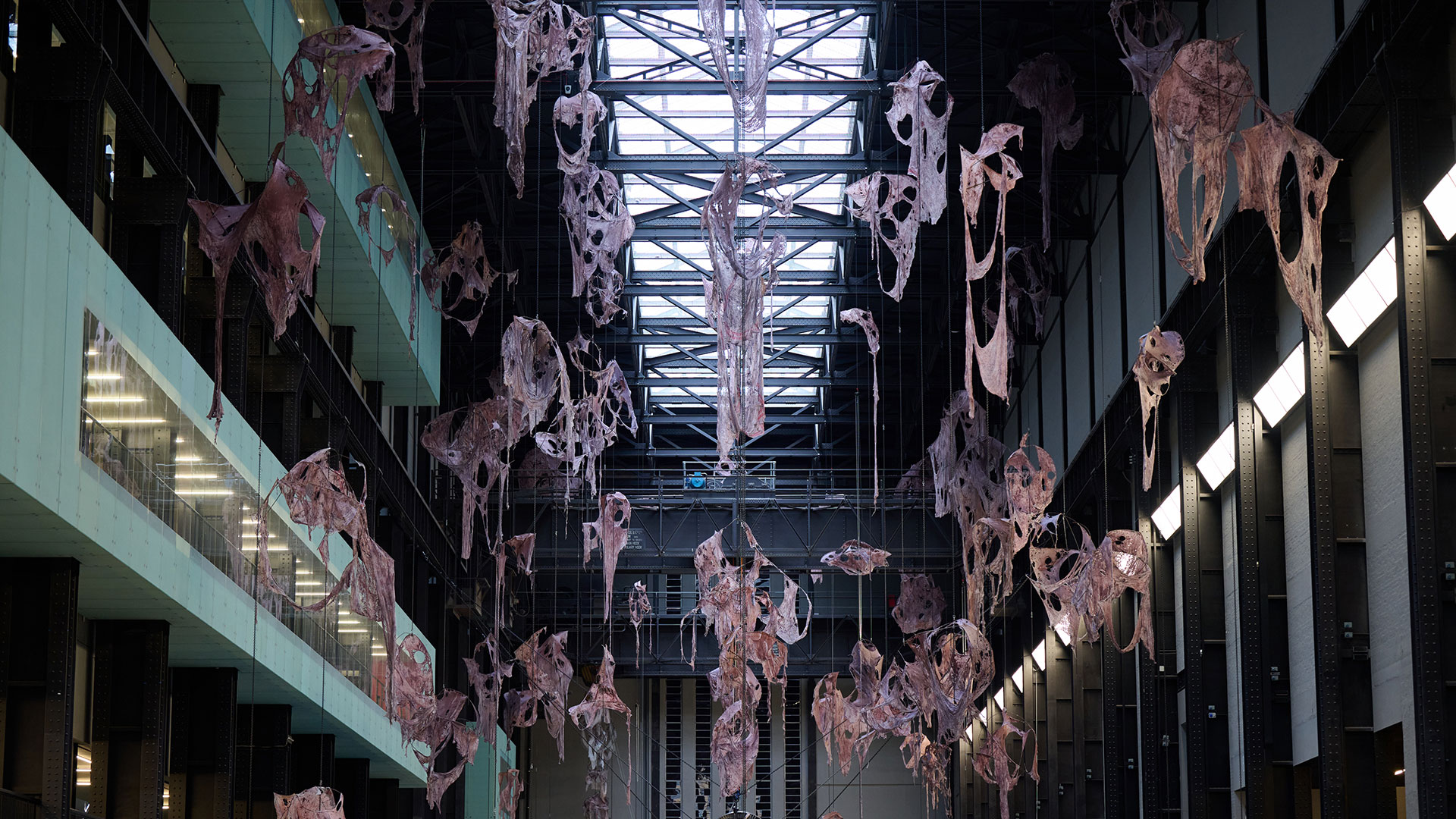
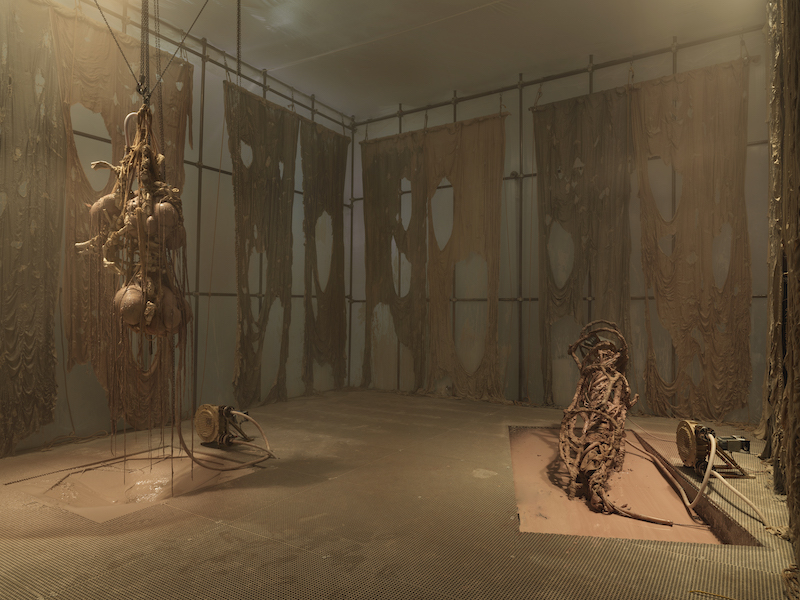
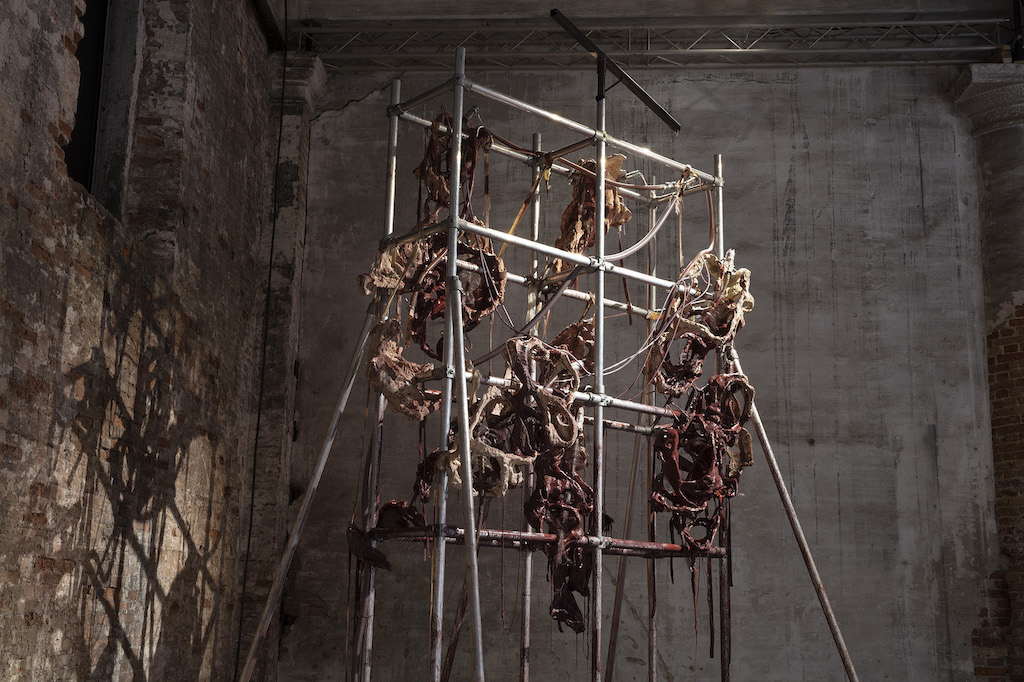
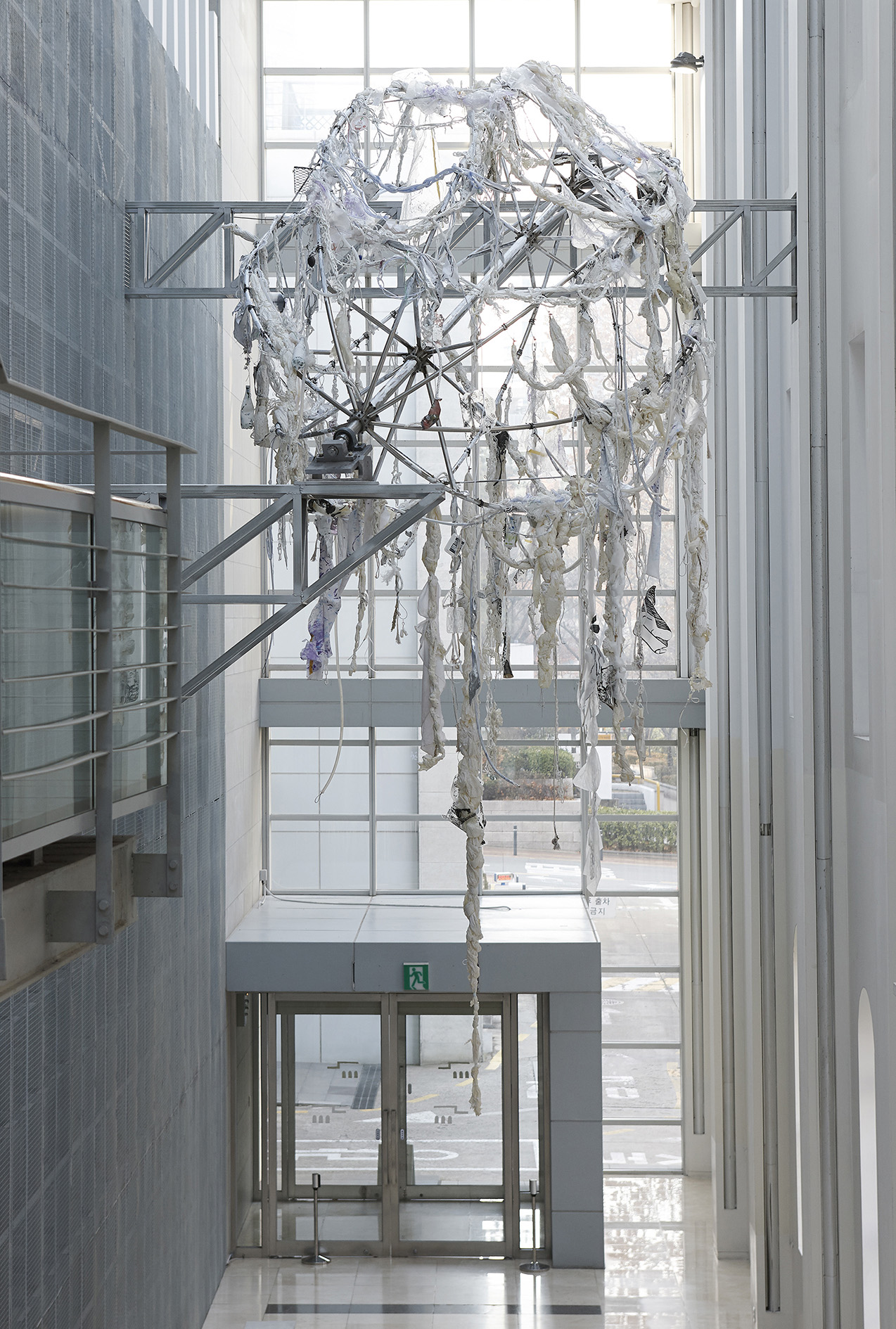
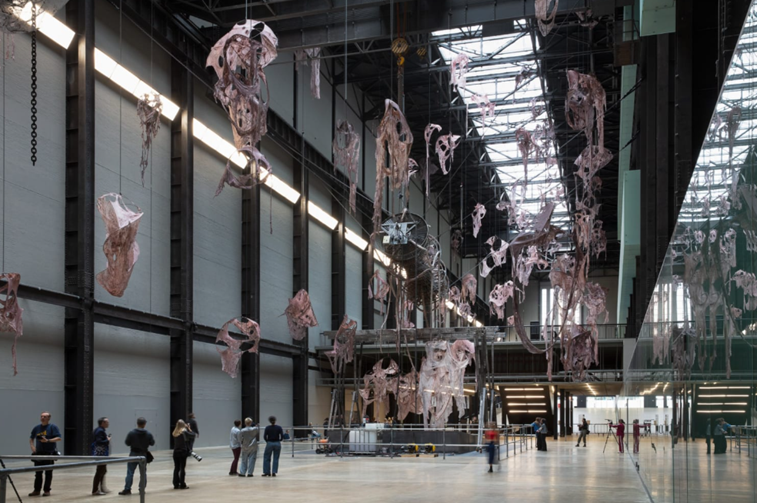
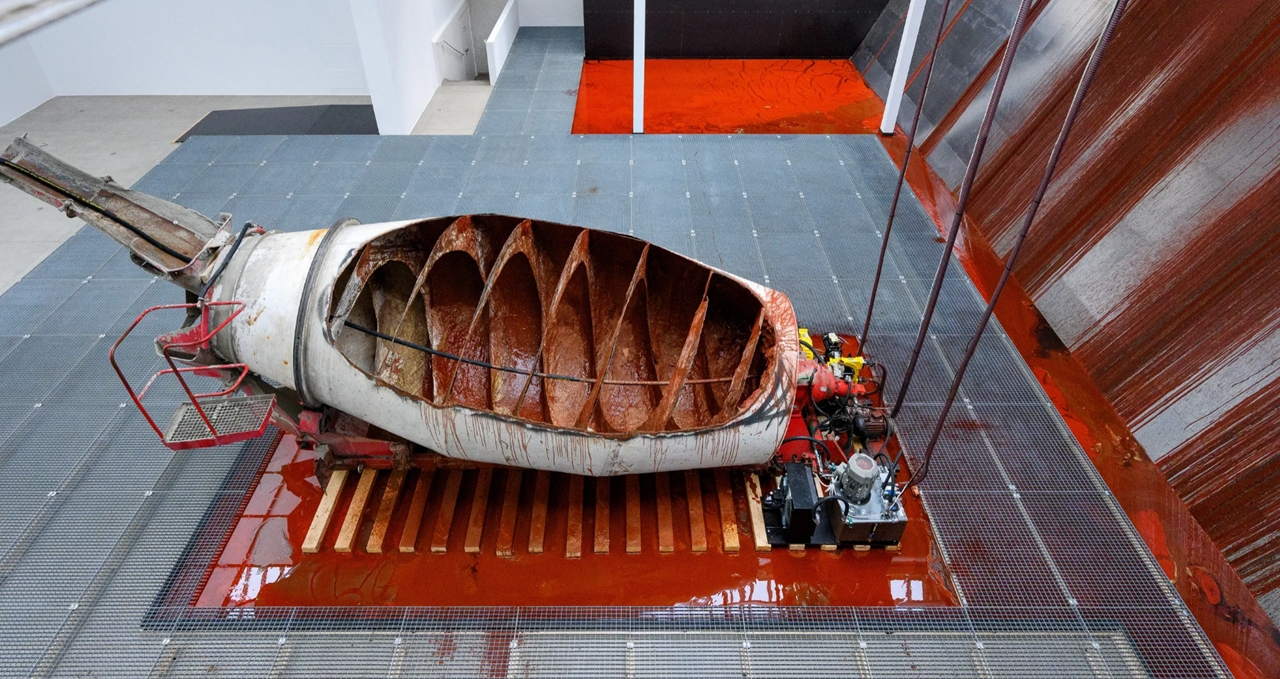
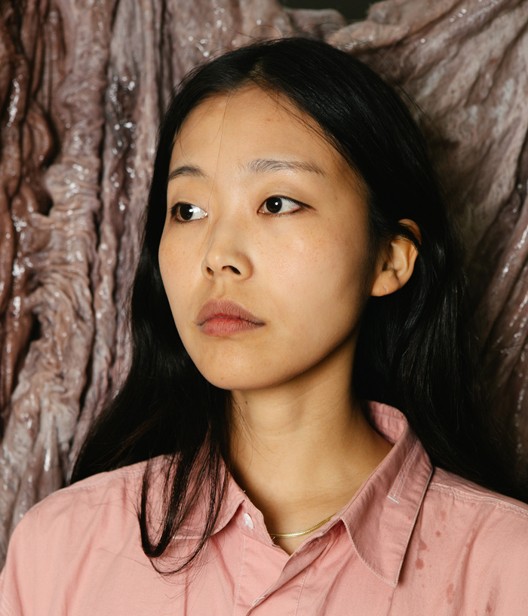
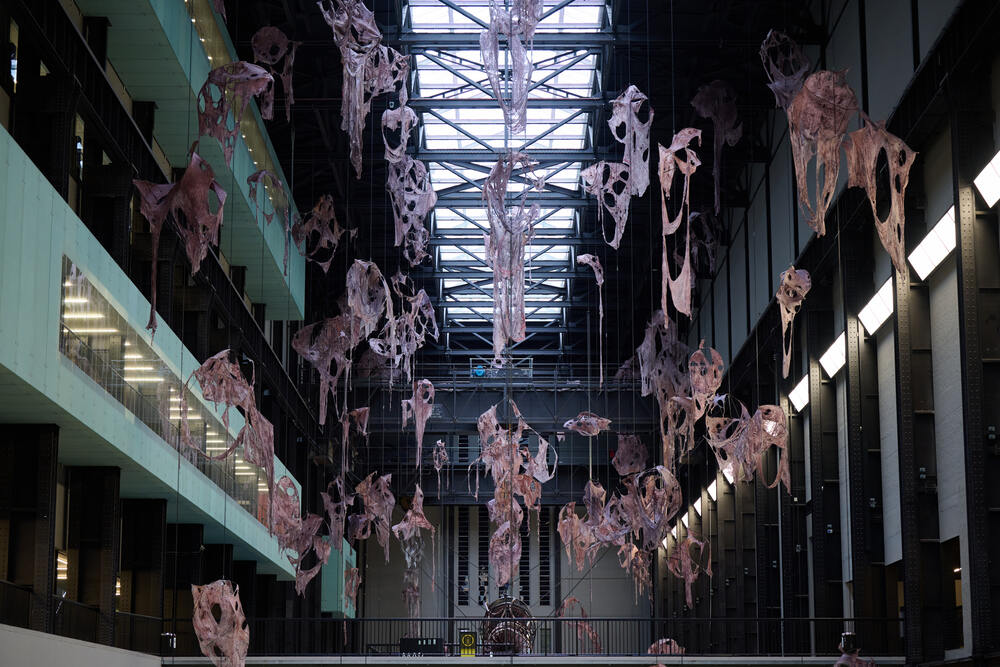
Prize winners Agata Ingarden (Poland), Mire Lee (South
Korea) and Pedro Neves Marques (Portugal).
The winners were chosen by the prize’s
distinguished international jury, consisting of: Lauren Cornell, Director
of the Graduate Program and Chief Curator at the Center for Curatorial Studies,
Bard College; Jacopo Crivelli Visconti, Curator of the 34th edition of the
Bienal de São Paulo; Elvira Dyangani Ose, Director of the Museu d’Art
Contemporani de Barcelona; Bjorn Geldhof, Artistic Director,
PinchukArtCentre; Shilpa Gupta, Artist; Ralph Rugoff, Director of the
Hayward Gallery and Artistic Director of the 58th Venice Biennale of
Art; Eugene Tan, Director of the National Gallery Singapore and the
Singapore Art Museum.
Addressing the young artists Victor
Pinchuk, founder of the PinchukArtCentre and Future Generation Art Prize,
said: “Nobody can tell us better about this world than great, especially
young, emerging artists. You are able to express the future of this world much
better than politicians can. My belief is that contemporary art is one of the
most revolutionary forces in the world. That is why I think your role is so
important. You can influence and help us to change this world. We can survive
only if we change this crazy world with its very dangerous and unpredictable
future.”
The jury unanimously granted the Future Generation
Art Prize 2021 to Aziz Hazara. Commenting on his win, they said: “An
exceptional and sophisticated multi-channel installation, Bow
Echo stands as an ephemeral and compelling monument in our
present moment. The five-channel video work features five boys, one per screen,
each pictured against the mountainous landscape of Kabul as they attempt to
resist the wind while blowing a bright plastic toy bugle—a gesture of
remembrance and mourning that doubles as an urgent call for attention to a
perilous situation. In an original composition, their sounds compete with the
wind and the din of nearby drones, alternately muffled and then breaking
through, sliding in and out of a unified chord into dissonance. The piece holds
many paradoxes in a simple scene: the playfulness of childhood, the
limitlessness of grief, the conquest of land and territory, and the precarity
of the future. In a sense, the piece identifies not only a future-facing
tendency in art but a concern for future generations that was shared by many
artists in this year’s Future Generation Prize. Touching on cinema,
performance, and sound, Bow Echo offers a striking time-based monument to
resilience and hope for a geography that has, for many generations, remained
under the pressure of various forms of failed governance. At the same
time, the piece shows how artists continue to imagine complex independent ways
of existence even amidst conflicts that seem never-ending.”
All the shortlisted artists will take part in
the Future Generation Art Prize 2021 @ Venice group
exhibition organised by the PinchukArtCentre as an official Collateral Event of
the 59th International Art Exhibition at Scuola Grande della
Misericordia.
The shortlisted artists of the Future Generation
Art Prize 2021: Alex Baczynski-Jenkins (UK), Wendimagegn
Belete (Ethiopia), Minia Biabiany (Guadeloupe), Aziz
Hazara (Afghanistan), Ho Rui An (Singapore), Agata
Ingarden (Poland), Rindon Johnson (US), Bronwyn
Katz (South Africa), Lap-See
Lam (Sweden), Mire Lee (South Korea), Paul
Maheke (France), Lindsey Mendick (UK), Henrike Naumann (Germany), Pedro
Neves Marques (Portugal), Frida Orupabo (Norway), Andres
Pereira Paz (Bolivia), Teresa Solar (Spain), Trevor Yeung (China),
and artist collectives Calla Henkel & Max
Pitegoff (US), Yarema Malashchuk and Roman
Khimei (Ukraine), and Hannah Quinlan & Rosie
Hastings (UK).