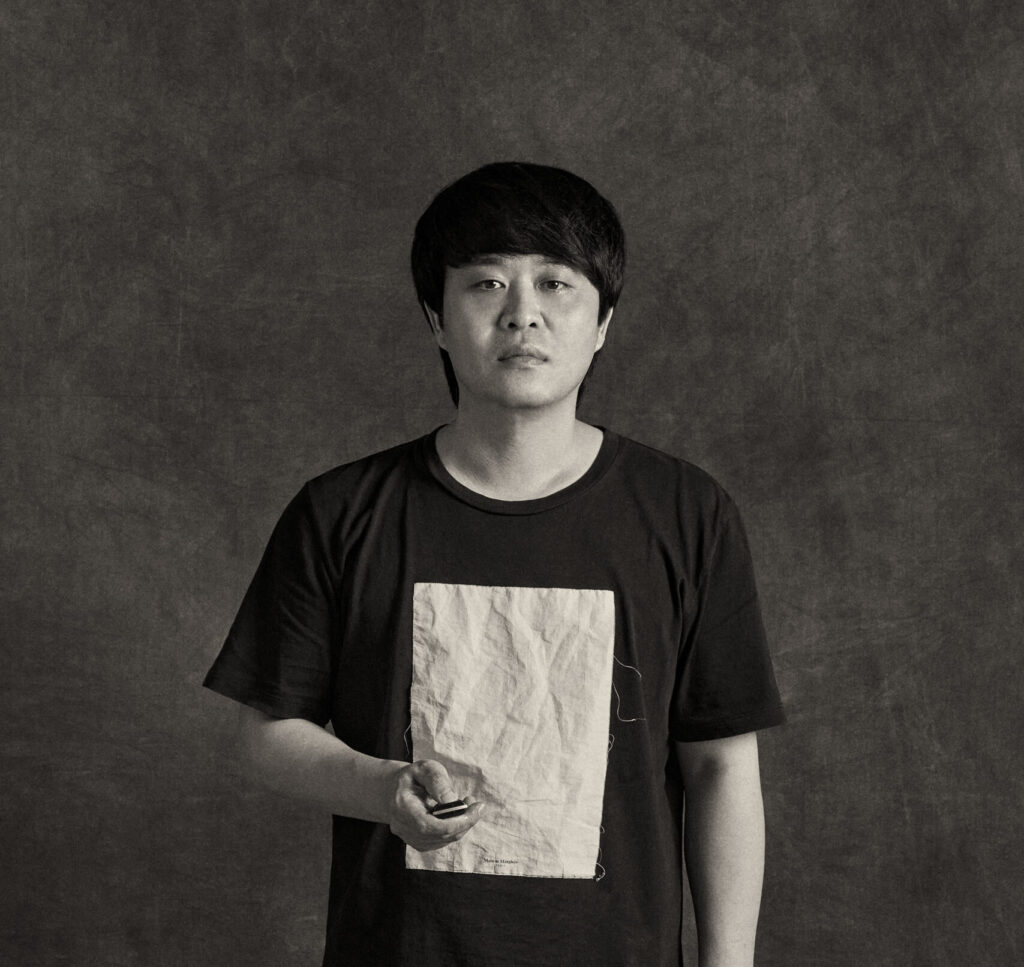
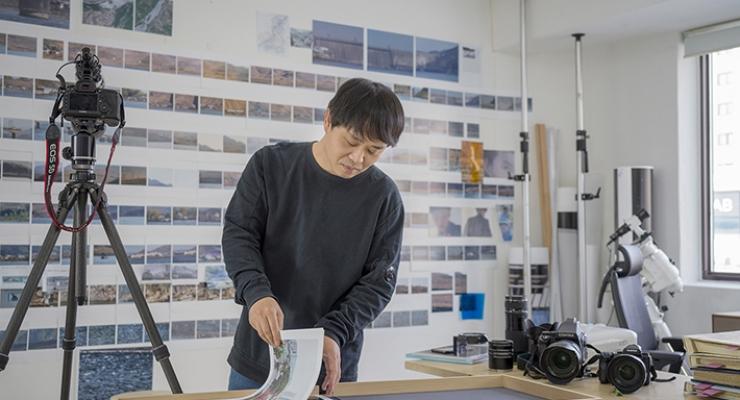
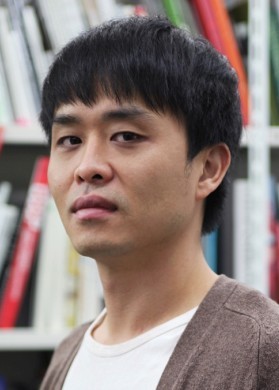
I first met Kim Taedong a few years ago,
when he applied for a photography grant for young artists awarded by a certain
cultural foundation. Kim was giving a presentation of his work to the panel of
judges. They were questioning him closely about the fact that his portfolio
included a vast amount of notes and sketches as well as photographs, and Kim
was struggling to keep up with the answers.
The sketches in question laid out a
somewhat haphazard narrative of the artist’s relationship with the urban spaces
he portrayed in his photography. This odd pairing of sketches and photography
intrigued the judges and they were peppering the artist with questions, no one
less satisfied than the artist as he struggled to put his thoughts into words.
The quality of his work aside, this shortcoming alone should have diminished
his standing compared to the other applicants who were giving flawless
presentations of their work. With Kim, however, it was a pleasure to hear him
speak with unpolished words. In that setting, with judges grilling him left and
right, the way he plodded on in that painfully shy and halting manner but still
got his point across gave him a strangely charming quality, as if he led a life
that did not quite belong in this world. It was also a glimpse into the way
that a young artist was living.
Today, contemporary art embraces so many
different kinds of thought and practice and in such a kaleidoscope of daring
ways that it feels as if there is nothing new under the sun. Rather than
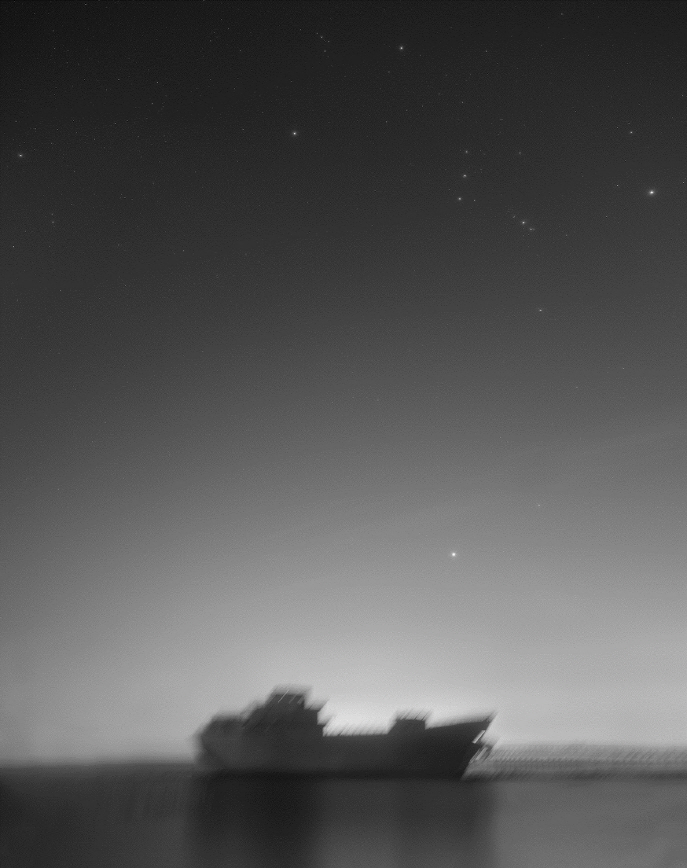
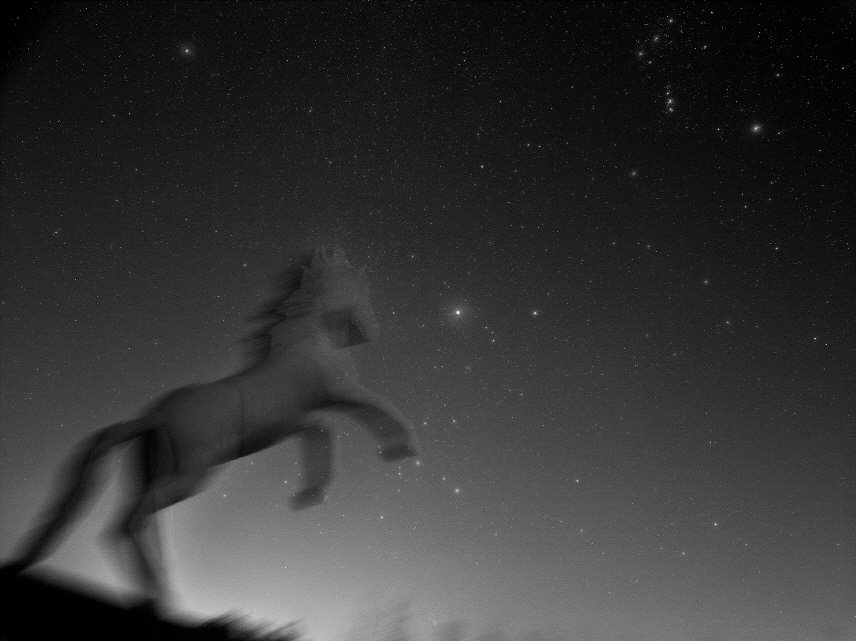
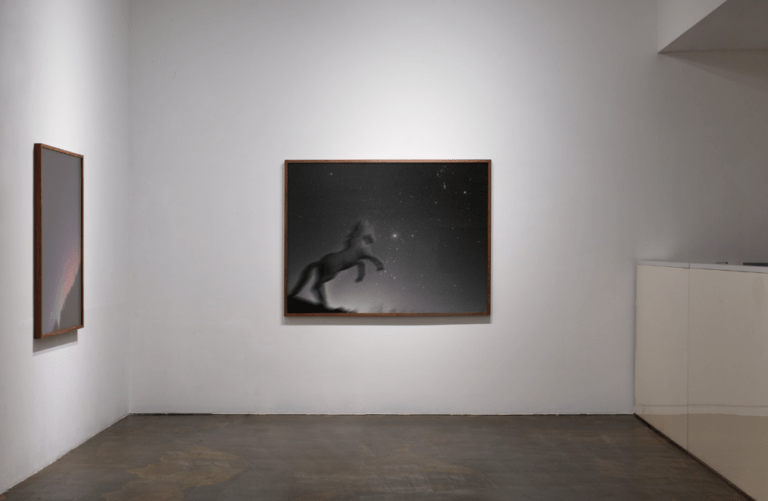
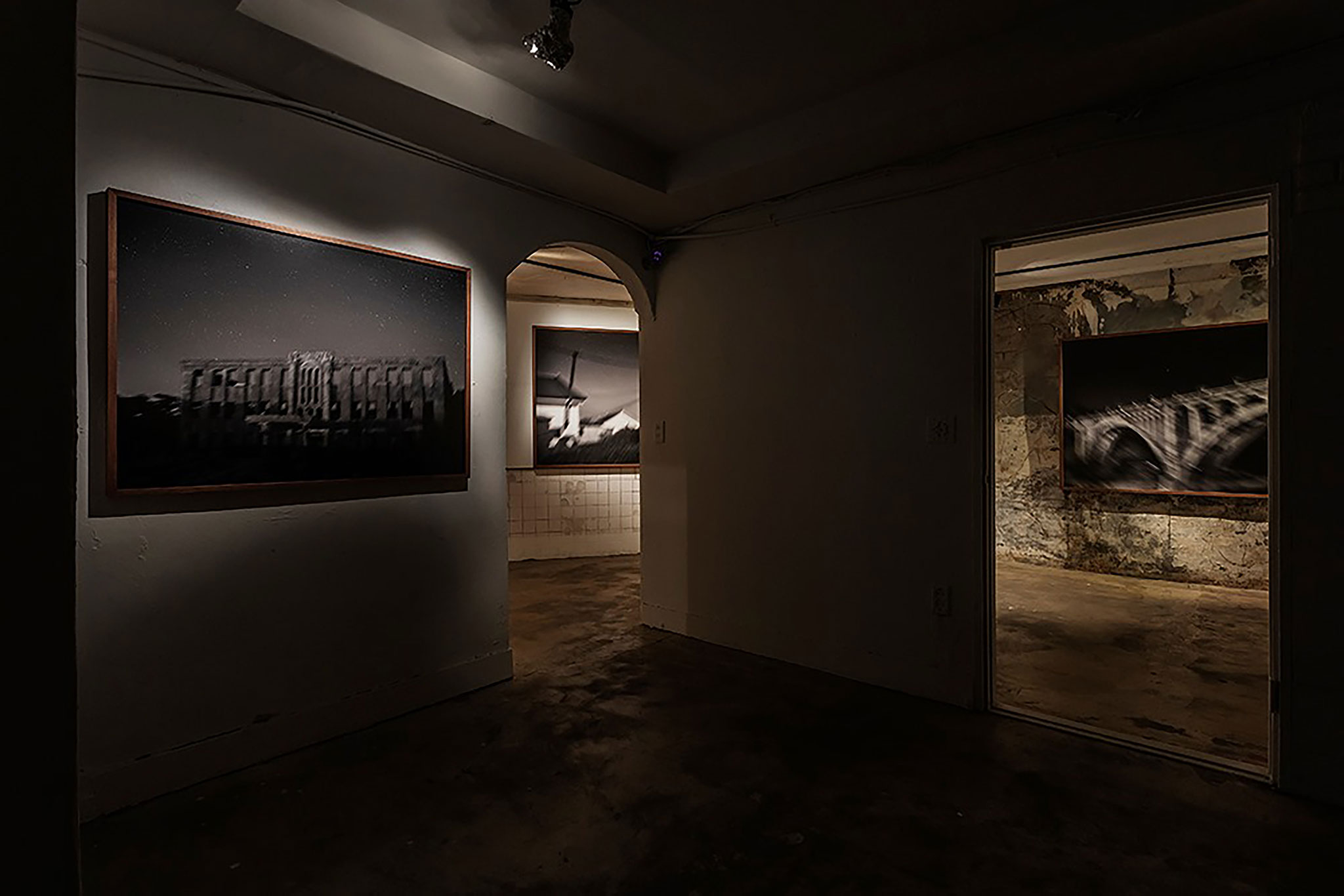
experiment with the new, Kim Taedong’s photography records his interest in how
things that exist in the present appear or are interpreted differently.
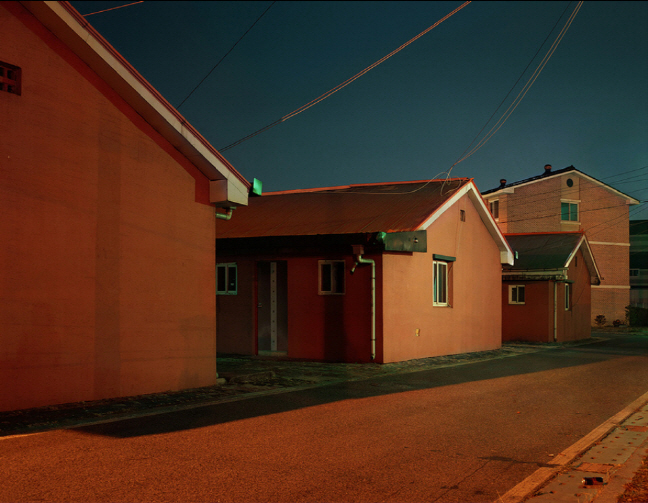
This
work takes place in the setting of Seoul, the city where he and his neighbors
live. The artist’s focus is not on the narrative of Seoul the metropolis,
however, but rather discovering a different or hidden side to the familiar
places that we frequent every day yet never look at very closely. While we
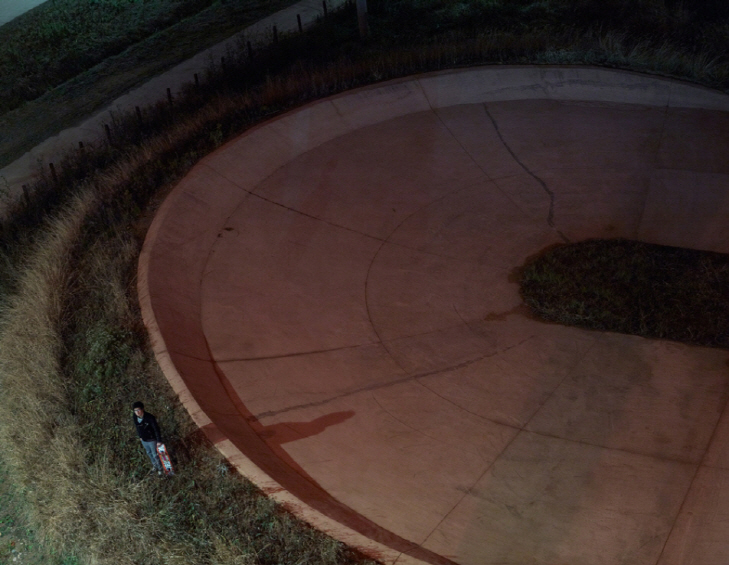
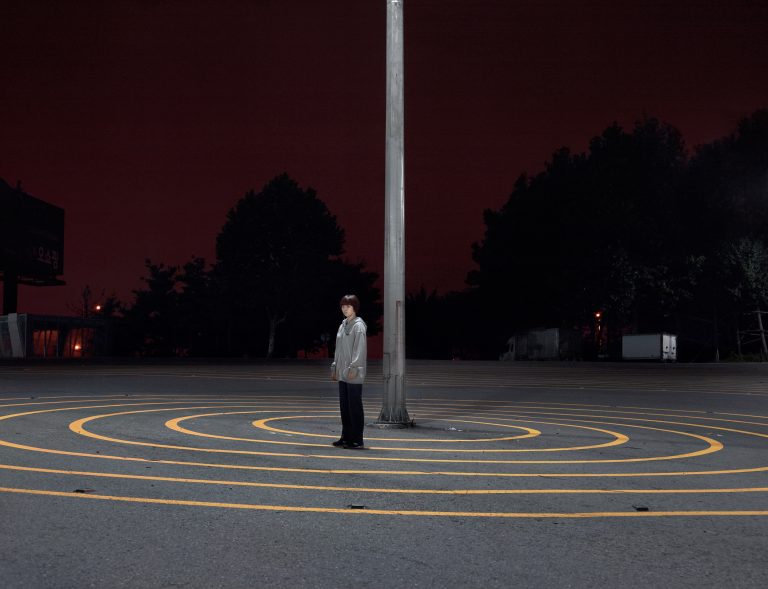
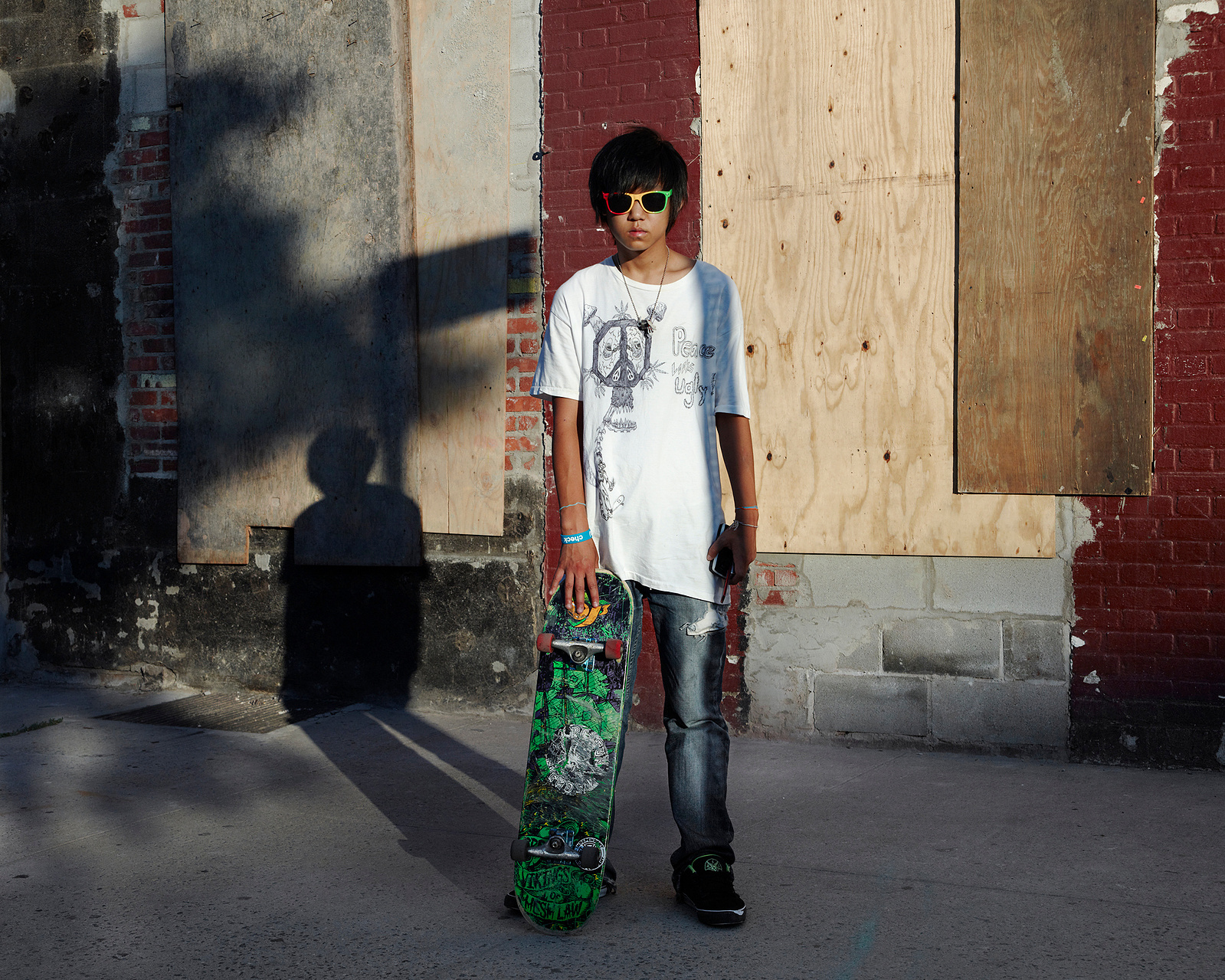
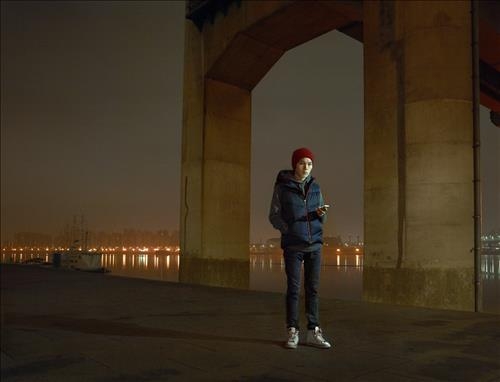
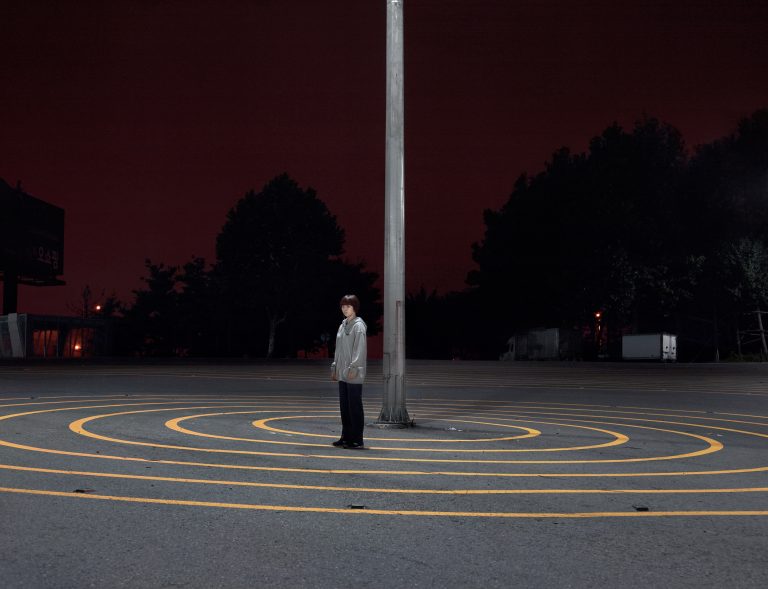
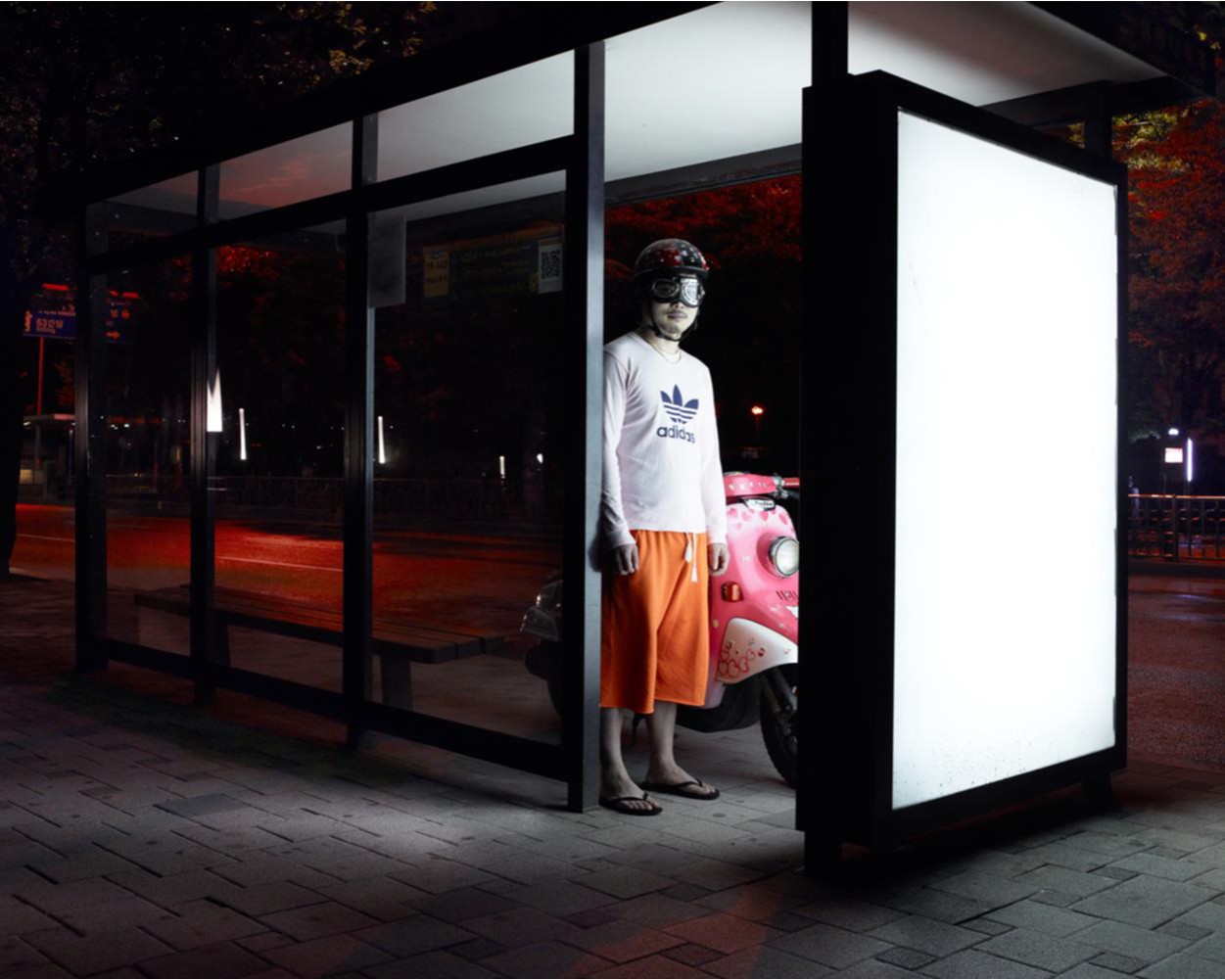
sleep, the artist prowls the streets of Seoul at night, photographing the
strangers he meets in a city that looks significantly different than it does
during the day. These are the photographs collected in his ‘Daybreak’(2011-)
series.
This collection of chance encounters, of strangers that the artist met
in the street from late at night to dawn, is actually a record of a particular
instant of life within urban spaces. However, it is not as if the artist only
begins working at night. He drifts around the city during daylight hours as
well and once he has decided upon a location that will look significantly
different at night than it does during the day, he returns at night, armed with
his trusty Contax 67mm, and simply waits for strangers to pass by.
When a
stranger appears in that space, he bravely approaches them for a picture. Some
people shy away from his sudden appearance, while others readily let him take
their picture. Those who agree to the photo shoot patiently go through as many
poses as the artist requests, and through the weak artificial lighting, digital
camera, and data transmitted to the artist’s laptop, reappear in front of us as
characters in the artist’s work.
The artist explains this process, “urban
spaces at daybreak have lost their function as part of the city, but sometimes
I take comfort in that silence and spookiness.” Reinterpreted, the people that
exist in this kind of space and time appear as strangers wandering about in a
city transformed by an unfamiliar, unreal space.
Remember, these models were
strangers to the artist five minutes before they found themselves in this
unusual situation, set in the vast manufactured environment that is the city at
night. What happened is that they briefly became intimate allies in that
instant of rapport established by the click of the camera, the long, ominous
shadows cast by the street lamps, and the empty silence of that particular
moment. This rapport is subtle but clearly present in the artist’s work, a
tinge of resonance, like the spooky lightness of fog rolling in night.
The
portrait of a woman posing in front of a flickering street lamp, looking back
at the camera, or the middle-aged man with a paunch, standing at a crossroads
that must be busy during the day, or the girl calmly standing inside a sea of
empty buildings appear to be almost mythical characters in that there is no way
of knowing what they were doing there at that hour. In this way the artist
creates distinct portraits of strangers and unfamiliar places.
Relying on the
visual rather than the verbal, completed through chance encounters rather than
continuous relationships, his work is as sensuous as his reply that he is
“inspired by what he sees with his eyes.” The depth of his work, however, goes
beyond that of the merely sensuous. Before shooting his subjects, the artist
visits all of the places that arrested his eyes, takes pictures of them, and pores
over them again and again as he decides what direction his work will take.
However, this direction is not a premeditated concept. There are some artists
that decide on a particular contemporary aesthetic and work around that
concept, but it is often the case that their work is more readily explained
with words than by viewing the work itself. These words often blind us to what
we see with our own eyes and obstruct the senses, glibly inflating the value of
the work far beyond its worth.
Yet with Kim Taedong’s work there are no words,
just photographs. The artist expresses himself in terms of the instinctual
rather than the intellectual, with this sense resulting in photographs that are
directly visual. Fittingly enough, it is quite difficult to put a clear-cut
description of his photographs into words.
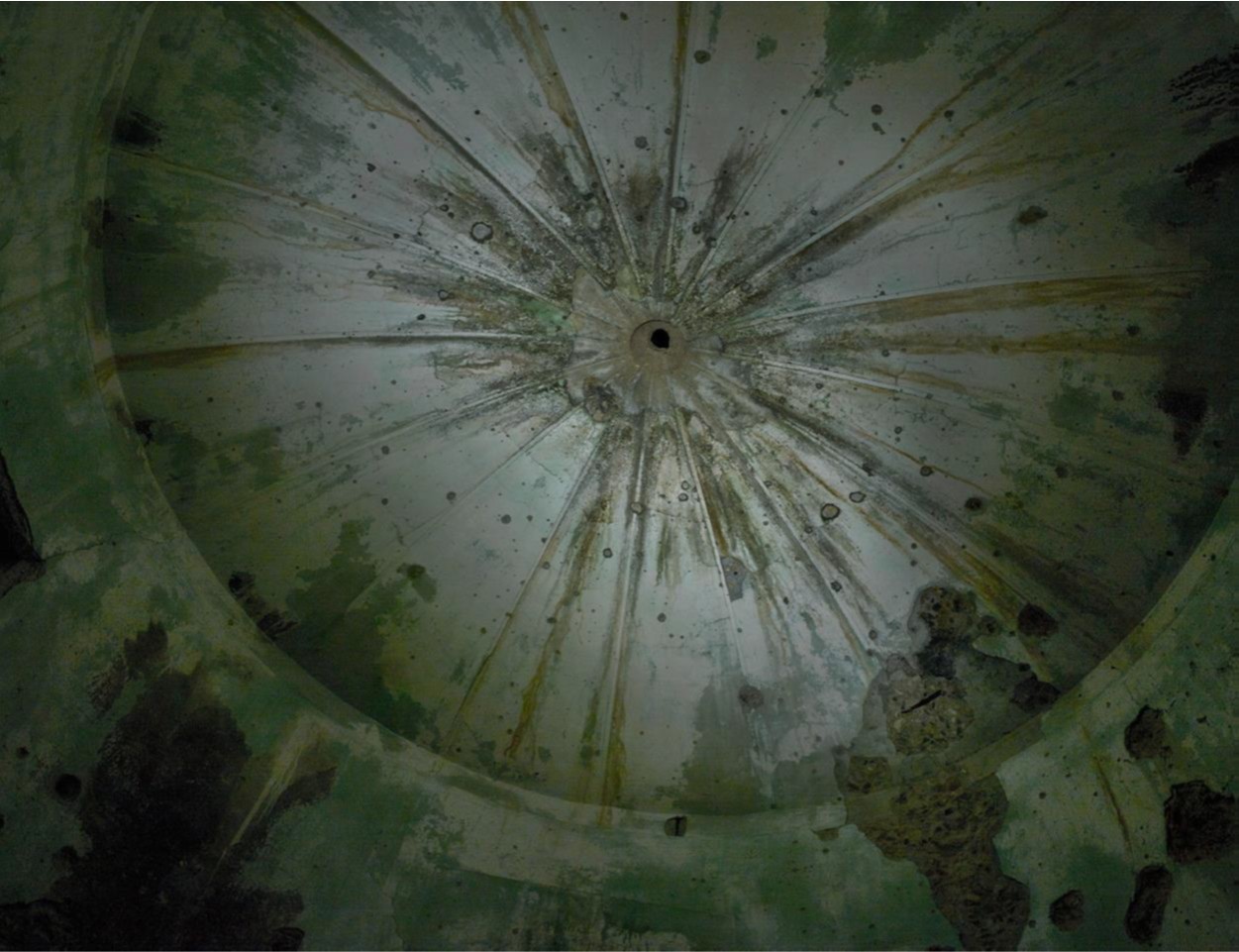
The colors that appear in his
photography, the awkward poses of his subjects, the ambiguous atmosphere
created by that time between night and day, teetering between what is real and
what is unreal, are all qualities of the artist who struggles to express
himself in words. I predict that this will become his strategy to distinguish
his work from other artists in the cutthroat world of contemporary art.
However, that strategy is not something that can be planned or faked, but
merely exists in the artistic senses and sensibility. And so, until he reaches
another turning point, he will continue his work of wandering about the city
and showing what he finds. His strategy of capturing images and endlessly
roaming the city with no particular design or concept will always allow us to
see, with our own eyes, the unfamiliar that is buried in our own familiar lives
and places.