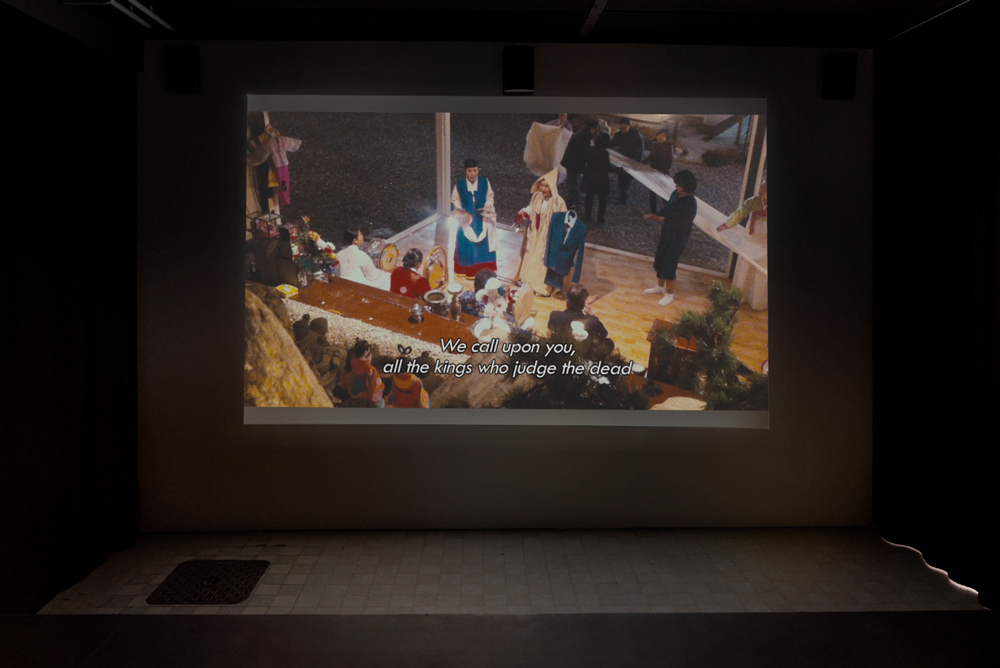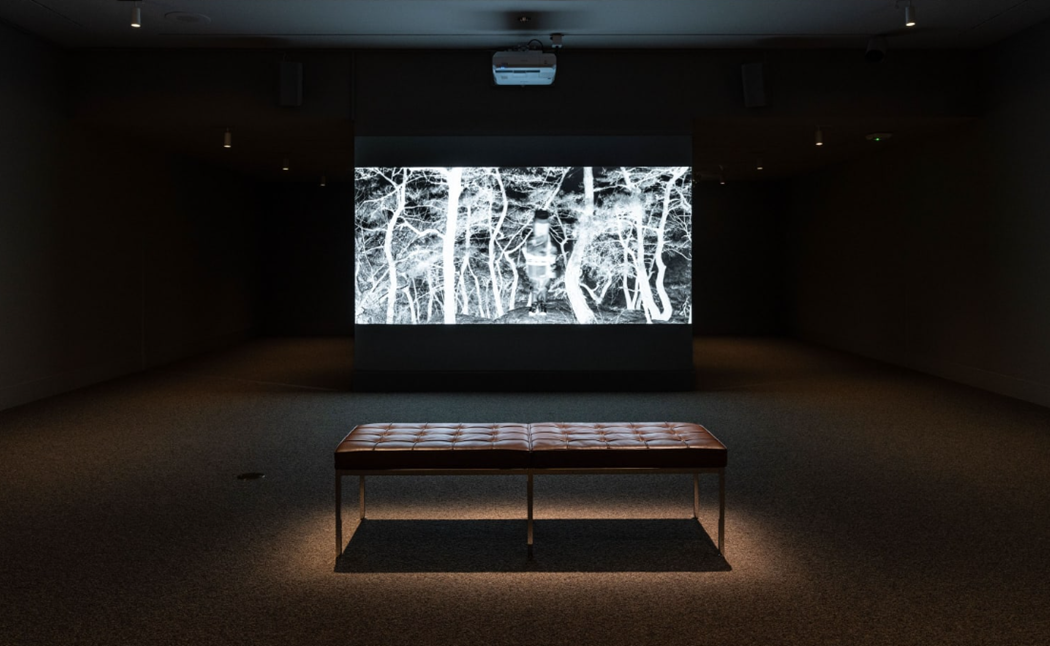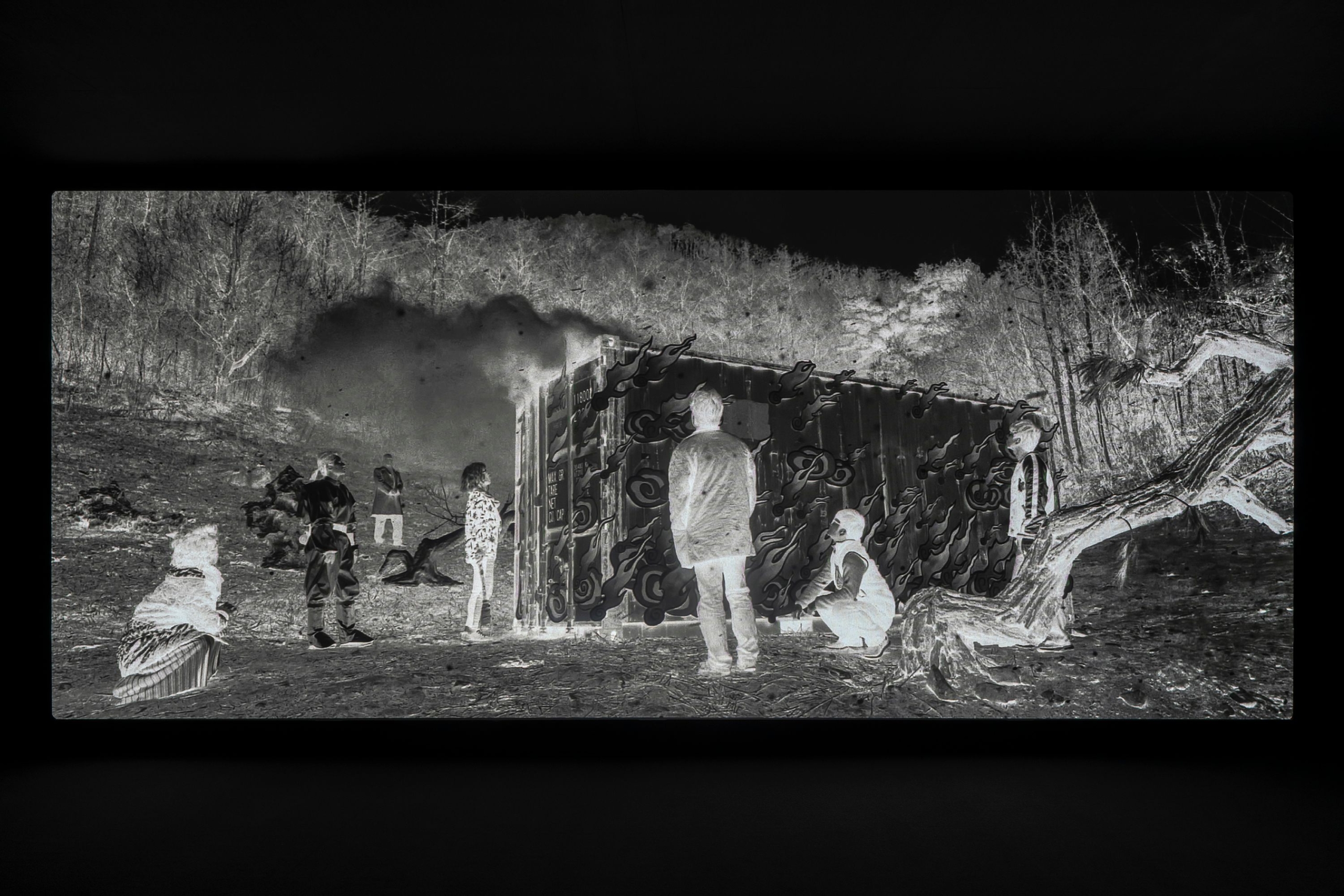

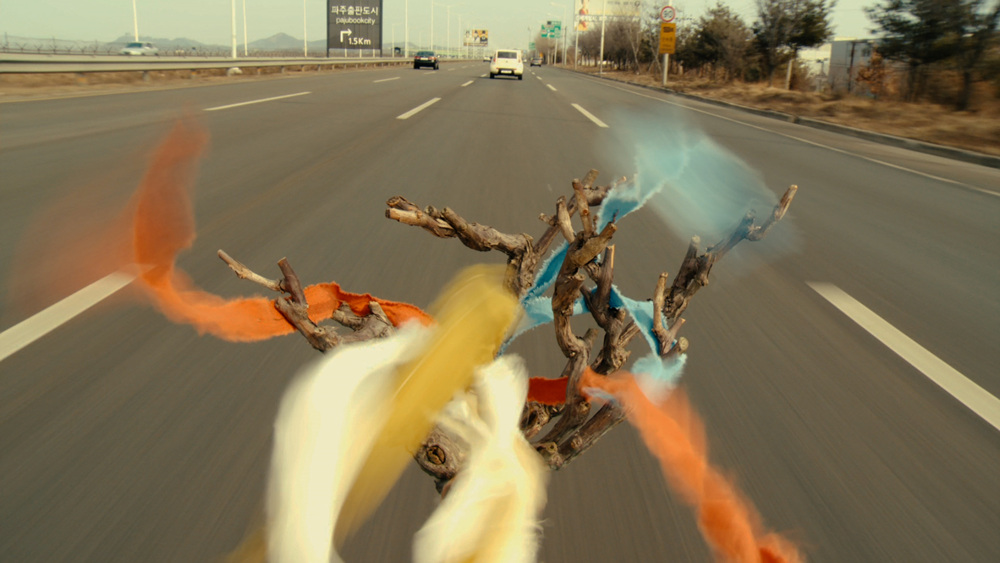
The short film Night Fishing by director brothers Park Chan-wook and Park Chan-kyong has won the Golden Bear for Best Short Film at the 61st Berlin International Film Festival.

According to the Berlinale organizing committee on February 19 (local time), Night Fishing received the top honor among 25 entries in the festival’s short film competition. This film marks the first collaborative work between Park Chan-wook and his younger brother Park Chan-kyong, a renowned media artist.

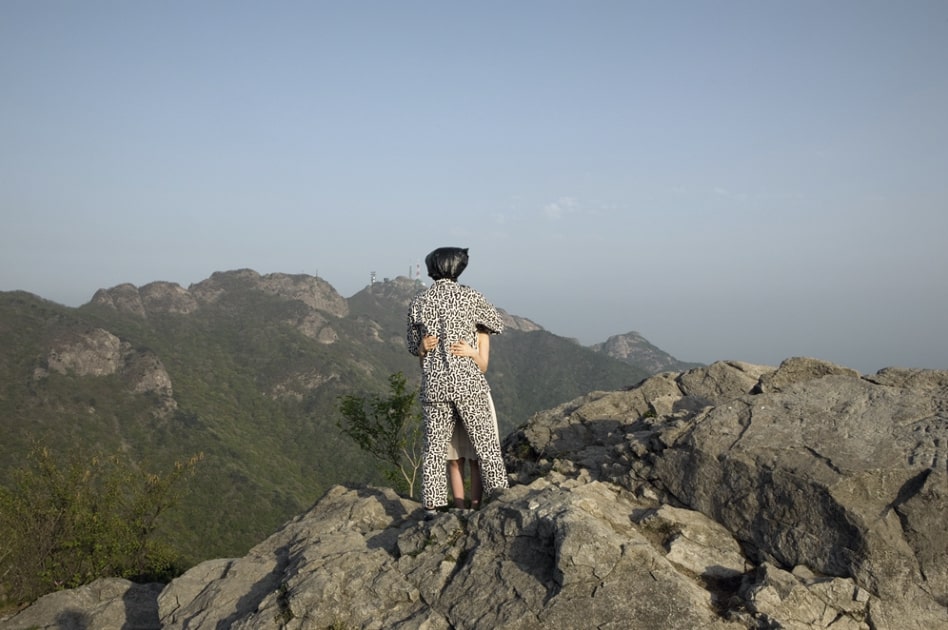
The film depicts a man (played by Oh Kwang-rok) fishing at night who pulls up not a fish, but a woman in funeral attire (played by Lee Jung-hyun), and the horror and visions that follow. Uniquely, the entire film was shot using an iPhone camera and became the first iPhone-shot film in the world to be released theatrically.

Park Chan-wook, who is currently staying in the United States for his next project, said, “I hope this award at the Berlinale will inspire more daring films that go beyond limitations.” Park Chan-kyong, who attended the awards ceremony with actors Oh Kwang-rok and Lee Jung-hyun, said, “I am overwhelmed by the support and attention that far exceeded our expectations, and I would like to share the honor of this award with everyone involved in the creation of this film.”

Night Fishing, filmed entirely with an iPhone, was awarded the Golden Bear for Best Short Film at the 61st Berlin International Film Festival on February 19 (local time). The photo shows director Park Chan-kyong holding the Golden Bear trophy. © AP/Yonhap News

The Silver Bear Jury Prize for short films, the second-highest honor in the category, also went to a Korean film, Broken Night  directed by Yang Hyo-joo. The film, which follows a man who survives through car insurance fraud, was first shown at the Busan International Film Festival last year, where it received the Sonje Award.

In the main competition for feature films, the Iranian film Nader and Simin: A Separation directed by Asghar Farhadi swept the awards, winning the Golden Bear as well as both the Best Actor and Best Actress awards. The film, which begins with a court rejecting a couple’s request for divorce, explores issues of class conflict, religious conservatism, and the judicial system in Iranian society. All male and female cast members received the acting honors jointly—a rare occurrence for the festival.

In his acceptance speech, Farhadi said, “I hope to take this as an opportunity to reflect on the people of my country, where I grew up and learned history,” and added, “I also want to think of Jafar Panahi, who is a great, patient, and good man.”

Iranian director Jafar Panahi was sentenced in December last year to six years in prison for alleged anti-government activities, and was banned from making films, writing scripts, giving interviews, or traveling abroad for the next 20 years. With actress Isabella Rossellini serving as jury president, this year’s Berlinale was interpreted as a protest against the Iranian authorities’ repression of Panahi through its award decisions. However, foreign press noted that Nader and Simin: A Separation was not only politically significant but also a work of high aesthetic quality.

The Jury Grand Prize went to The Turin Horse by Hungarian master Béla Tarr. The Korean film Come Rain, Come Shine directed by Lee Yoon-ki and starring Hyun Bin and Lim Soo-jung was selected among the 16 films in the feature film competition, but did not receive any awards.

References