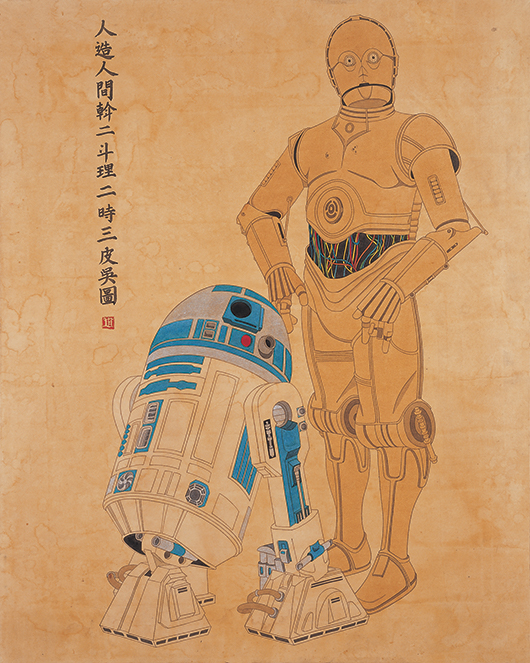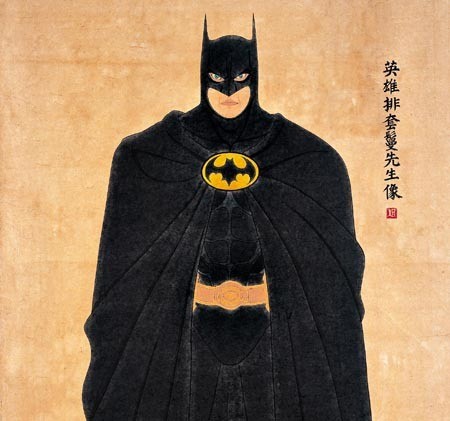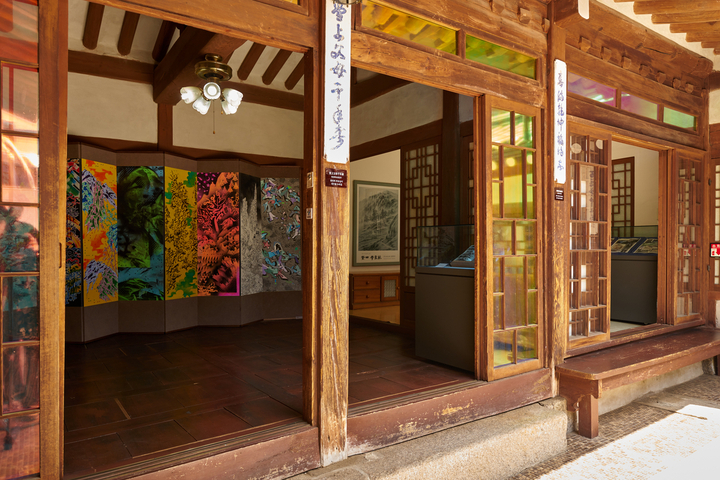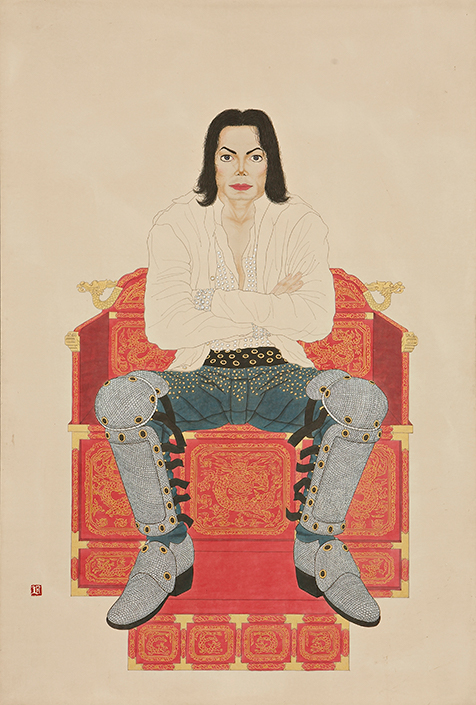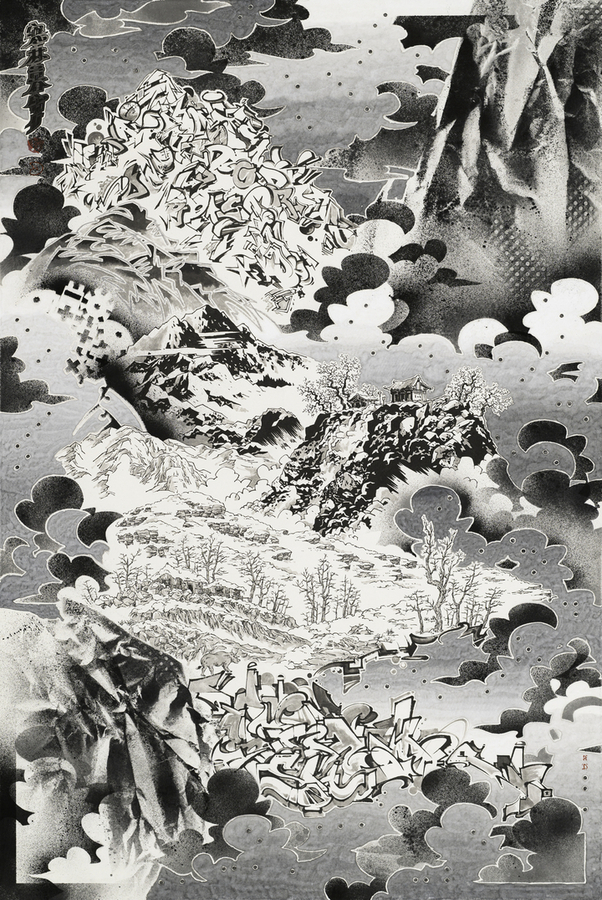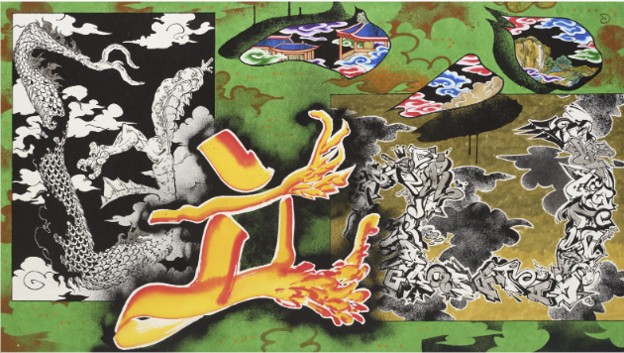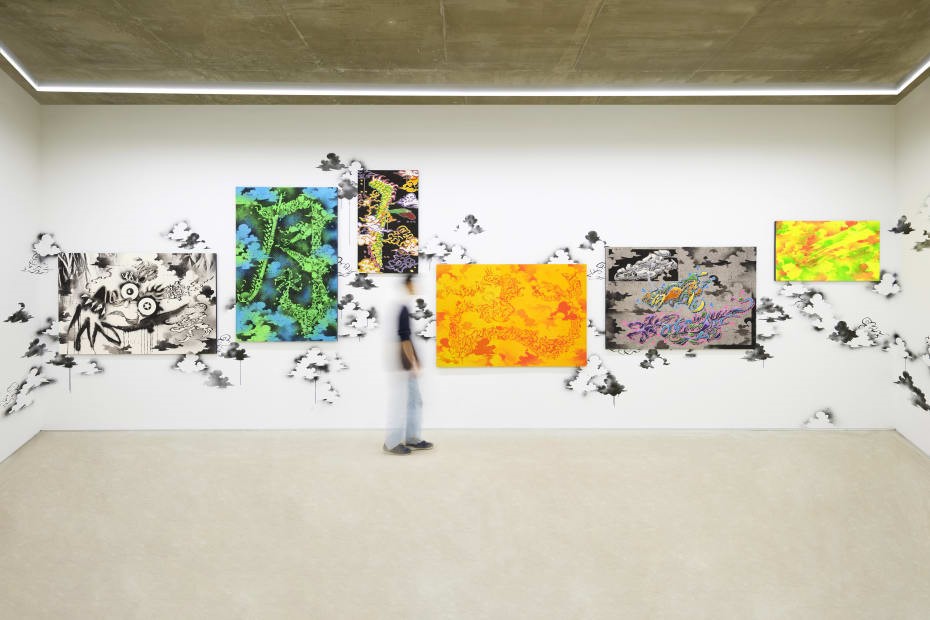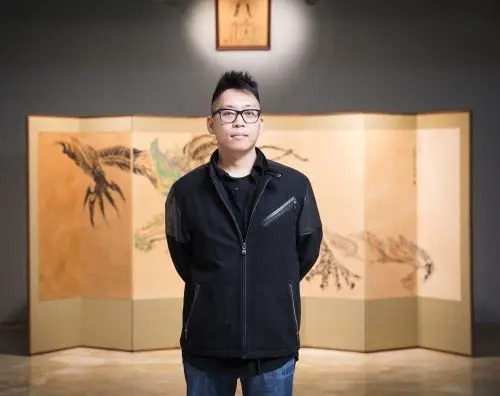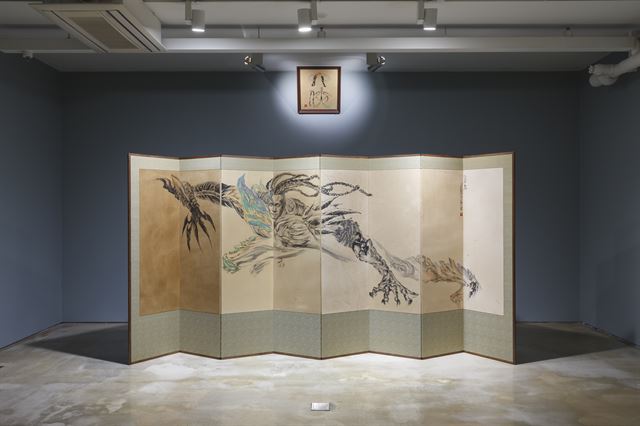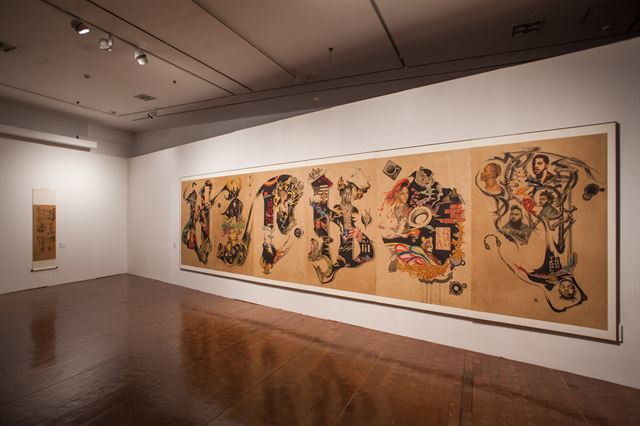

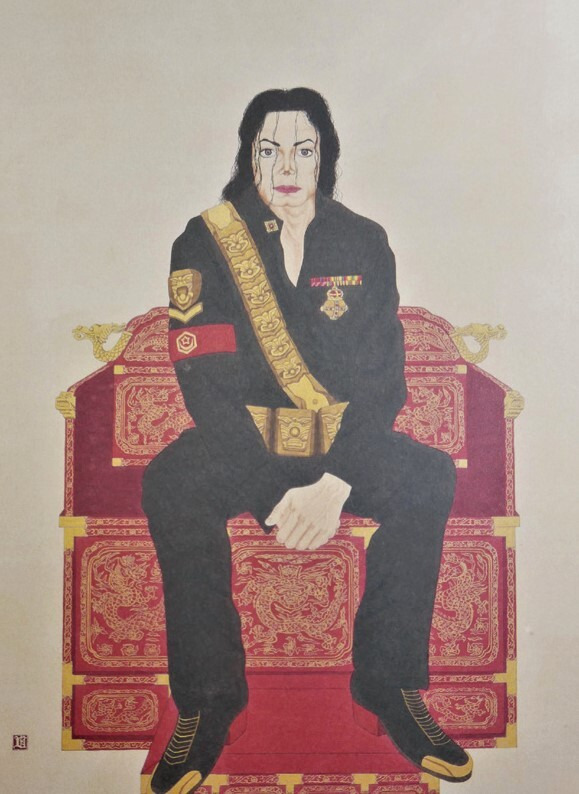
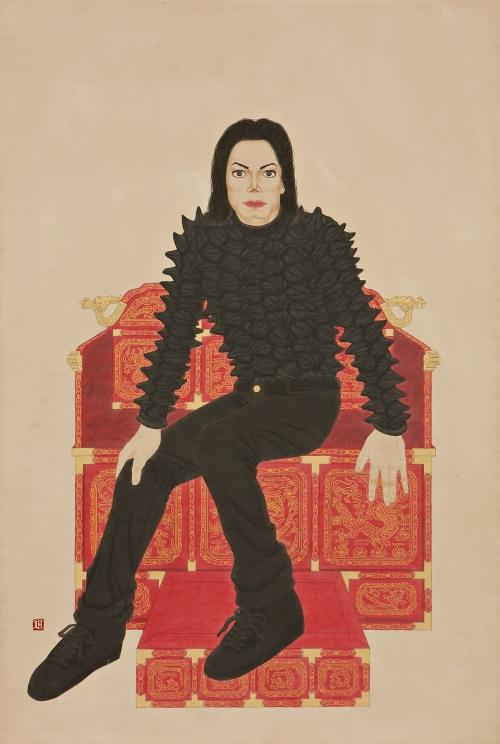

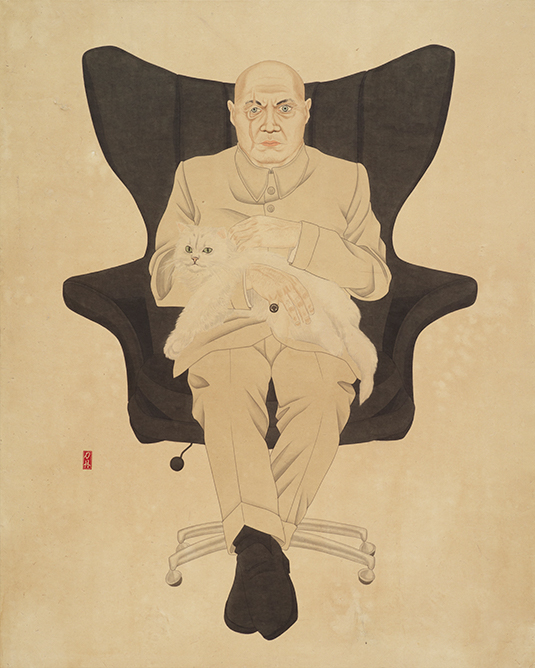
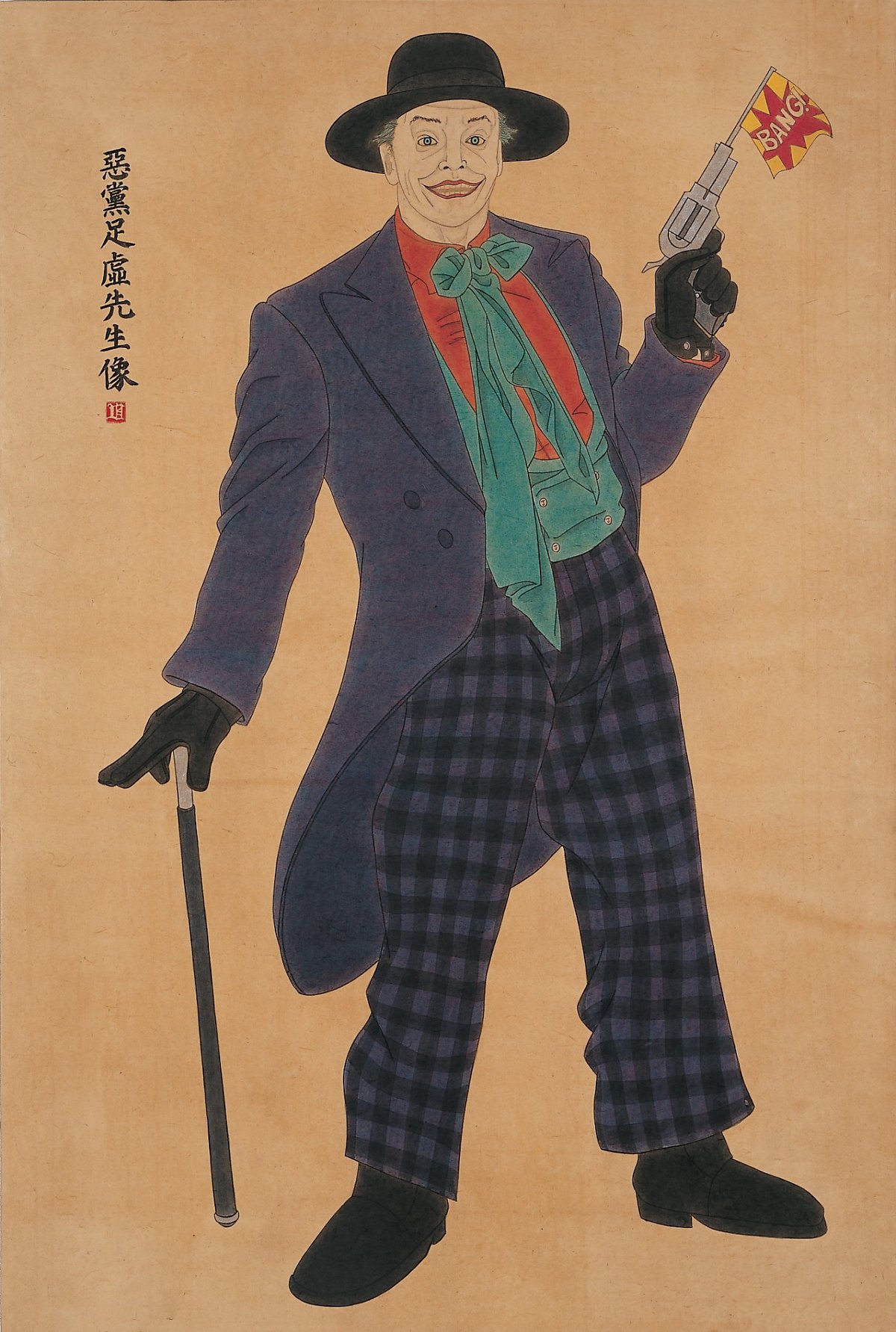
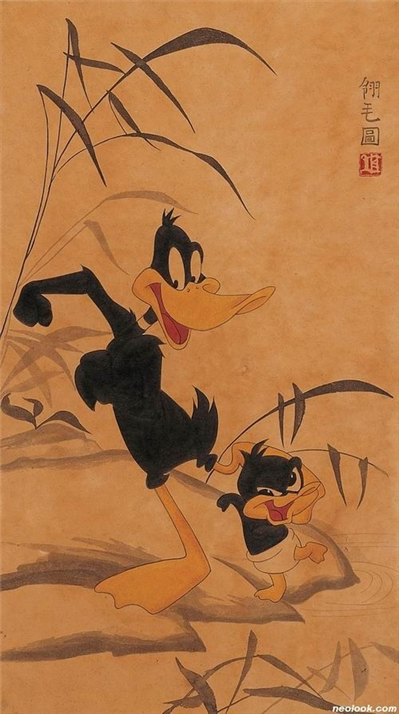
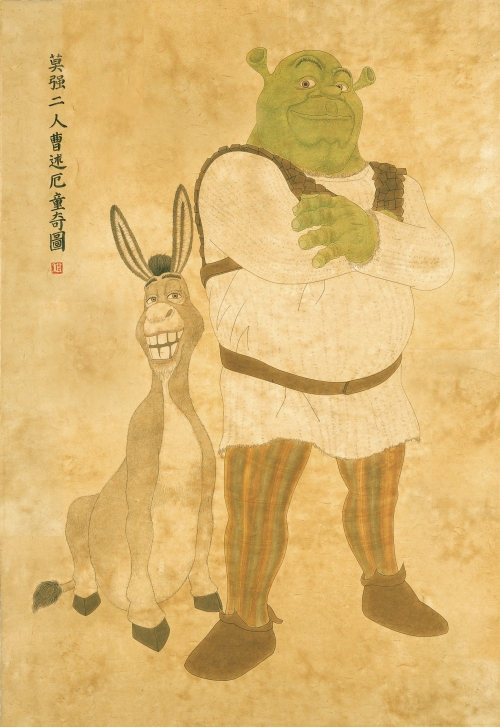
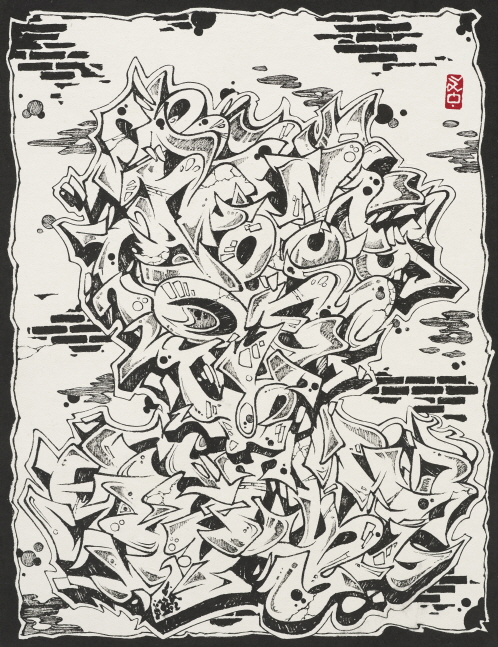
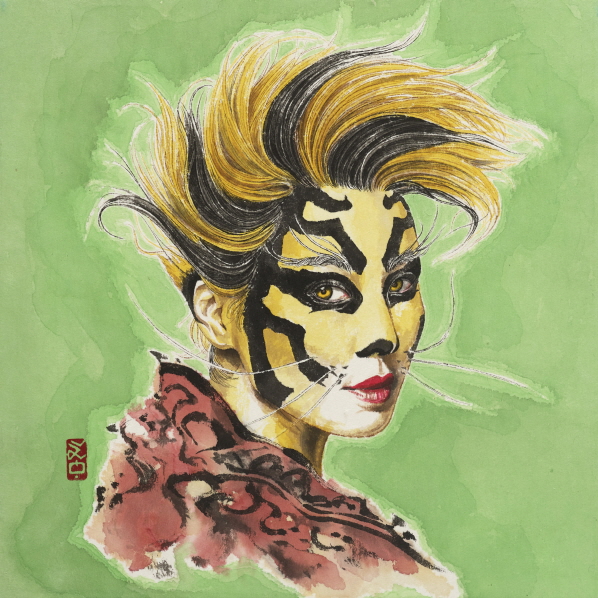
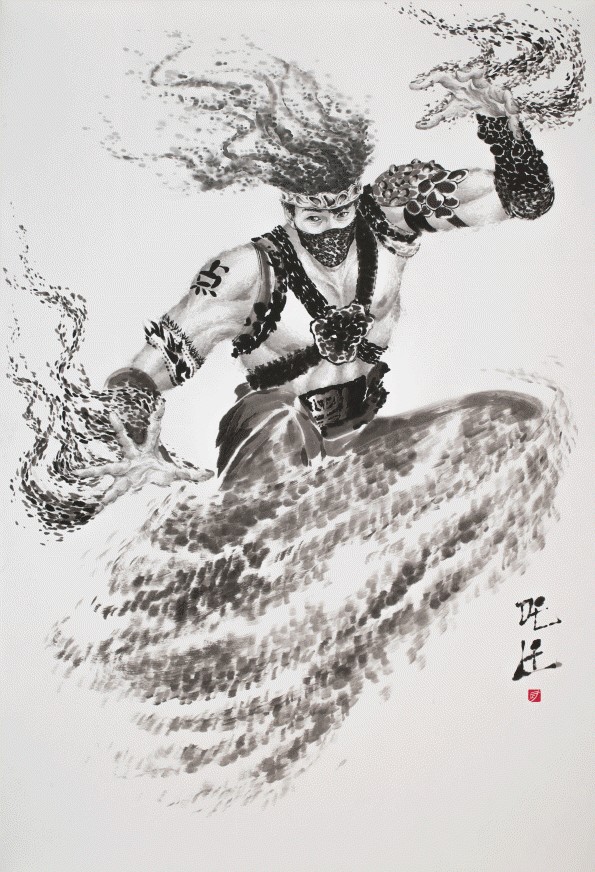
Son Donghyun’s solo exhibition 《Hep》 is on view at Gallery 2 in Pyeongchang-dong from the 12th of this month through April 18. The exhibition begins even along the path leading to the gallery. In this exhibition, the artist—who has continuously explored the expansion of Korean painting—presents the intersection of tradition and contemporary art. He not only reinterprets the formal aspects of traditional materials but also sheds new light on their meanings.
 
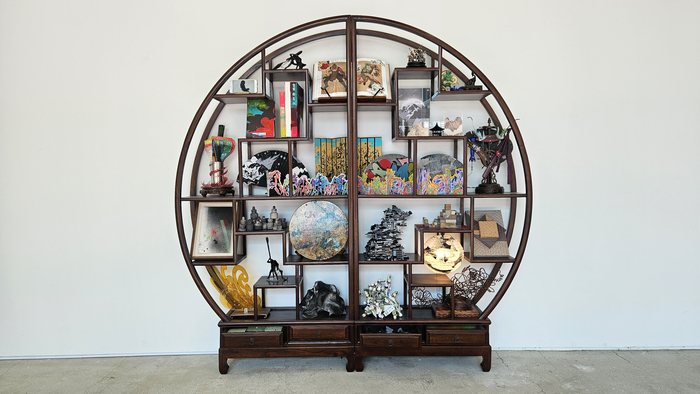
The work that immediately caught the eye upon entering the gallery on the left was Full Moon (滿月). At first glance, it seemed as though the artist had transformed a chaekgado (scholars’ objects painting) into a sculptural form within a contemporary framework. The objects arranged in compartments each materialized fragments of traditional landscape painting in diverse, three-dimensional ways.

Lego pieces, resin, paint, brushes—objects that had outlived their use, along with items lacking practical function—were gathered together. According to the exhibition text, the dabogyeok (多寶格), a display cabinet symbolizing authority and ostentation, becomes a point where tradition and popular culture intersect. Moreover, the objects placed upon it combine their original material properties with newly assigned characteristics by the artist, maintaining their past forms while simultaneously presenting a contemporary order.


Son Donghyun, Full Moon, 2025-2026, Mixed-media installation consisting of objects, paintings, drawings, video, and lighting within a wooden display cabinet, 199.5 x 200.5 x 40.5 cm © Son Donghyun

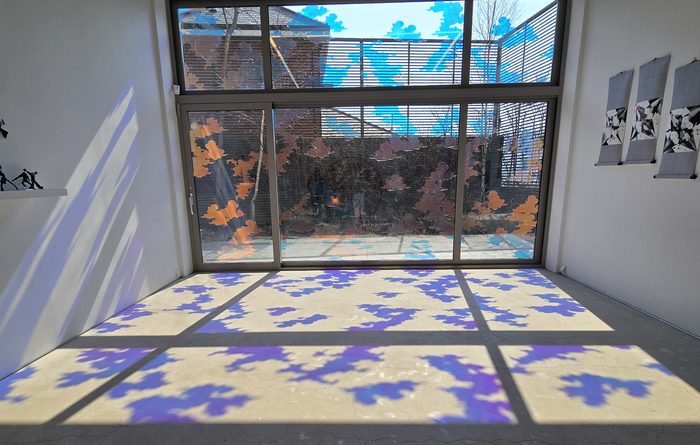
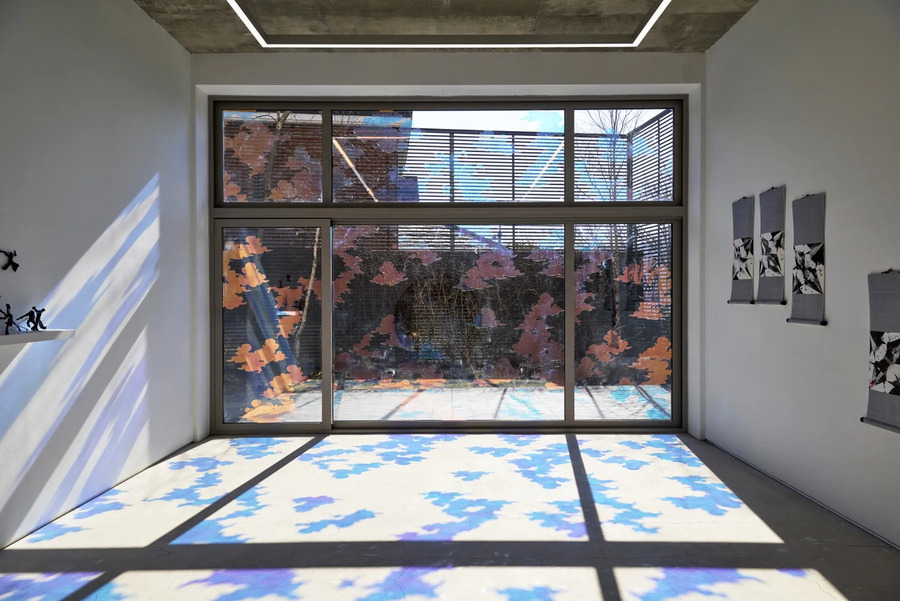
Son Donghyun, who has long reinterpreted traditional Korean painting in a contemporary context, moves beyond the flat surface and utilizes the exhibition space itself as a kind of ground or support. A cloud-shaped film attached to the window allows sunlight to pass through, casting what appears to be a colored painting onto the floor of the exhibition space. However, no additional forms emerge beyond this.


Son Donghyun, Cloud, 2026, Film installation, Dimensions variable © Son Donghyun

Only the cloud and the shadow of the window frame remain. Clouds are always above us, yet they belong to the periphery, while window frames are ubiquitous but often overlooked architectural elements. However, Son Donghyun brings these two elements to the center. Cloud, which utilizes materials rarely chosen as artistic subjects along with the specific qualities of the space, begins on the floor and gradually moves toward the wall as time passes. Similarly, another work in the adjacent gallery also draws attention to the periphery, using space itself as its material.
 
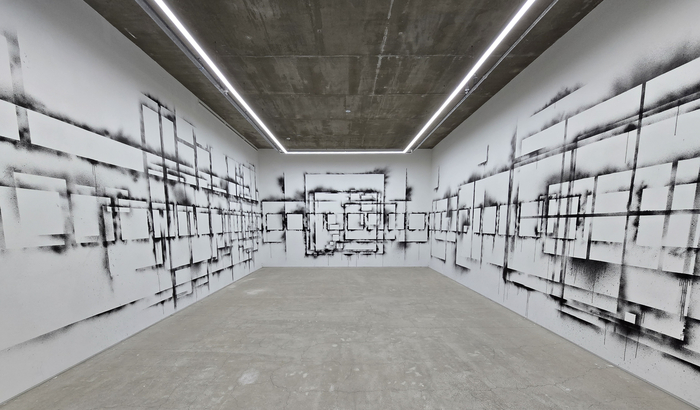
Story recalls past exhibitions held at Gallery 2. Typically, once an exhibition ends, the traces left behind are erased in preparation for the next. However, in this exhibition, the artist selectively reveals those erased traces. By spraying black paint onto what would otherwise be pristine walls, he marks the size, shape, and placement of previously exhibited works. Story, which presents the accumulated time embedded in each wall within a single space, demonstrates a combination of discontinuous elements and the visual continuity that emerges from them.


Son Donghyun, Cloud, 2026, Ink on wall, Dimensions variable © Son Donghyun

Son Donghyun, who has consistently pursued innovation across media and genres, presents a sense of cognitive dissonance in this exhibition titled 《Hep》. Even the title itself invites questions, and the works are arranged in a way that appears to lack clear continuity. The numerous objects placed atop the dabogyeok do not present an obvious connection.

However, they reveal the potential for multiple meanings to emerge in the space between the implications suggested by each object and the viewer’s own interpretation. Dancer and Crane share the commonality of distorted forms, and through such distortions, they overturn the conventional meanings they originally carried.
 
Although the works may initially seem disconnected, a closer look reveals underlying relationships among them. The exhibition prompts one to consider how a kind of dissonance—reminiscent of jazz—might appear when realized through the materials of Korean painting and situated within an exhibition space. For those interested in the unique reinterpretation of traditional Korean art, as well as in the boundaries and identity of Korean painting, this exhibition is well worth a visit.

References