




Solo Exhibitions (Brief)
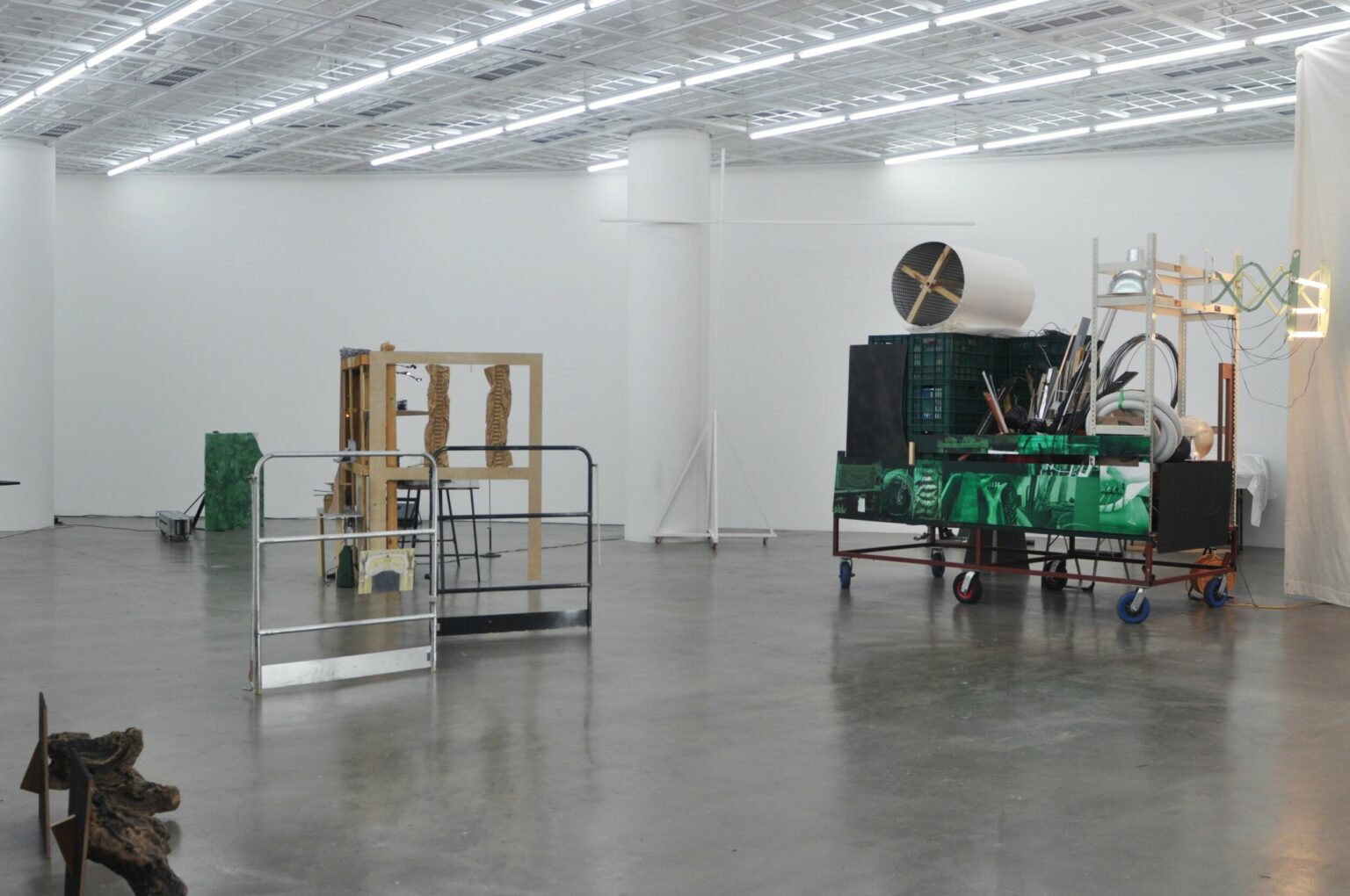
Major solo exhibitions by Jewyo Rhii include 《Of Hundred
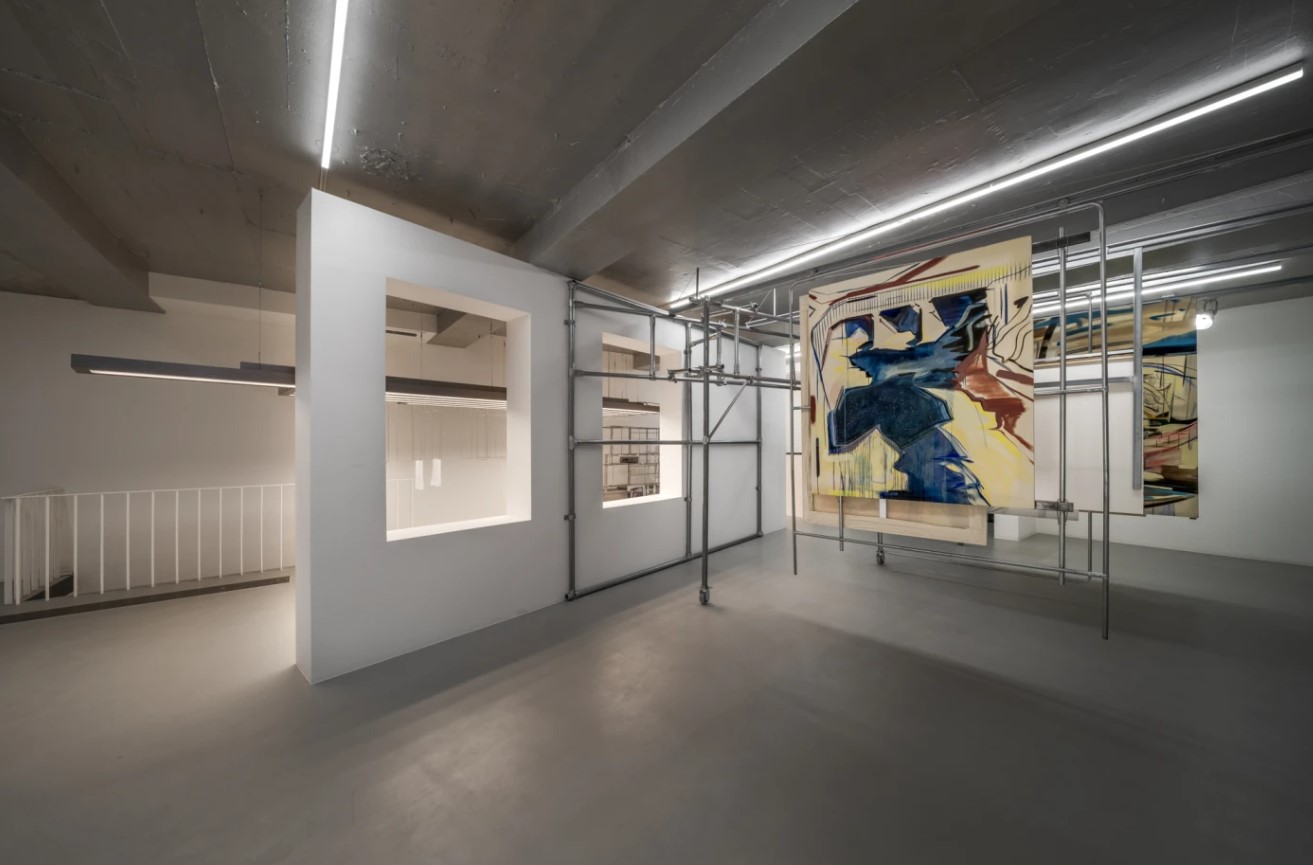
Carts and On》(Barakat Contemporary, Seoul, Korea,
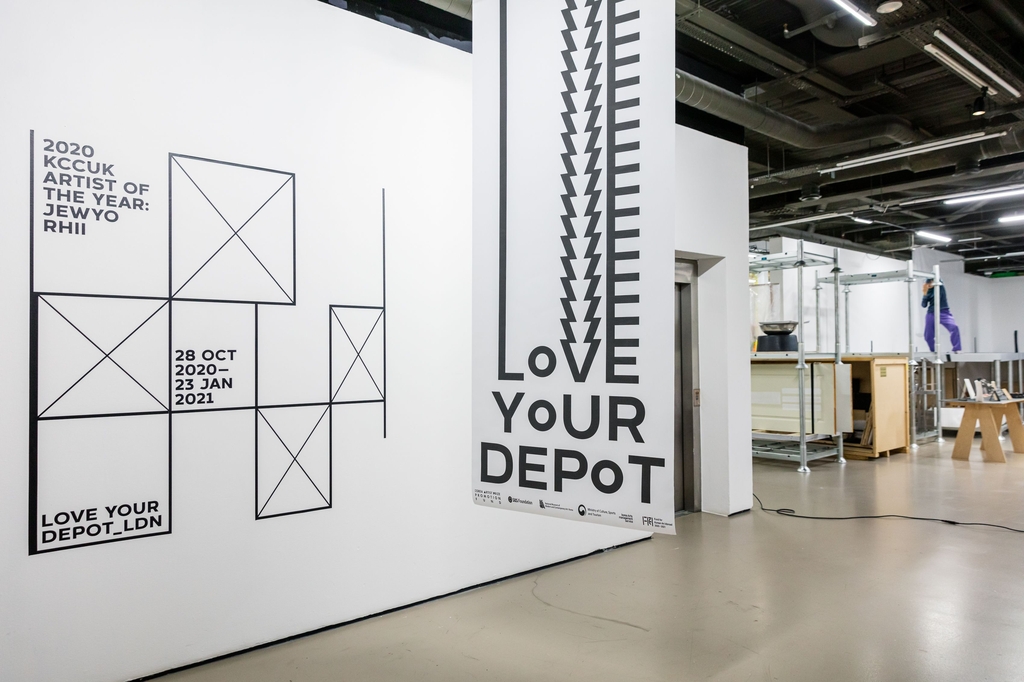
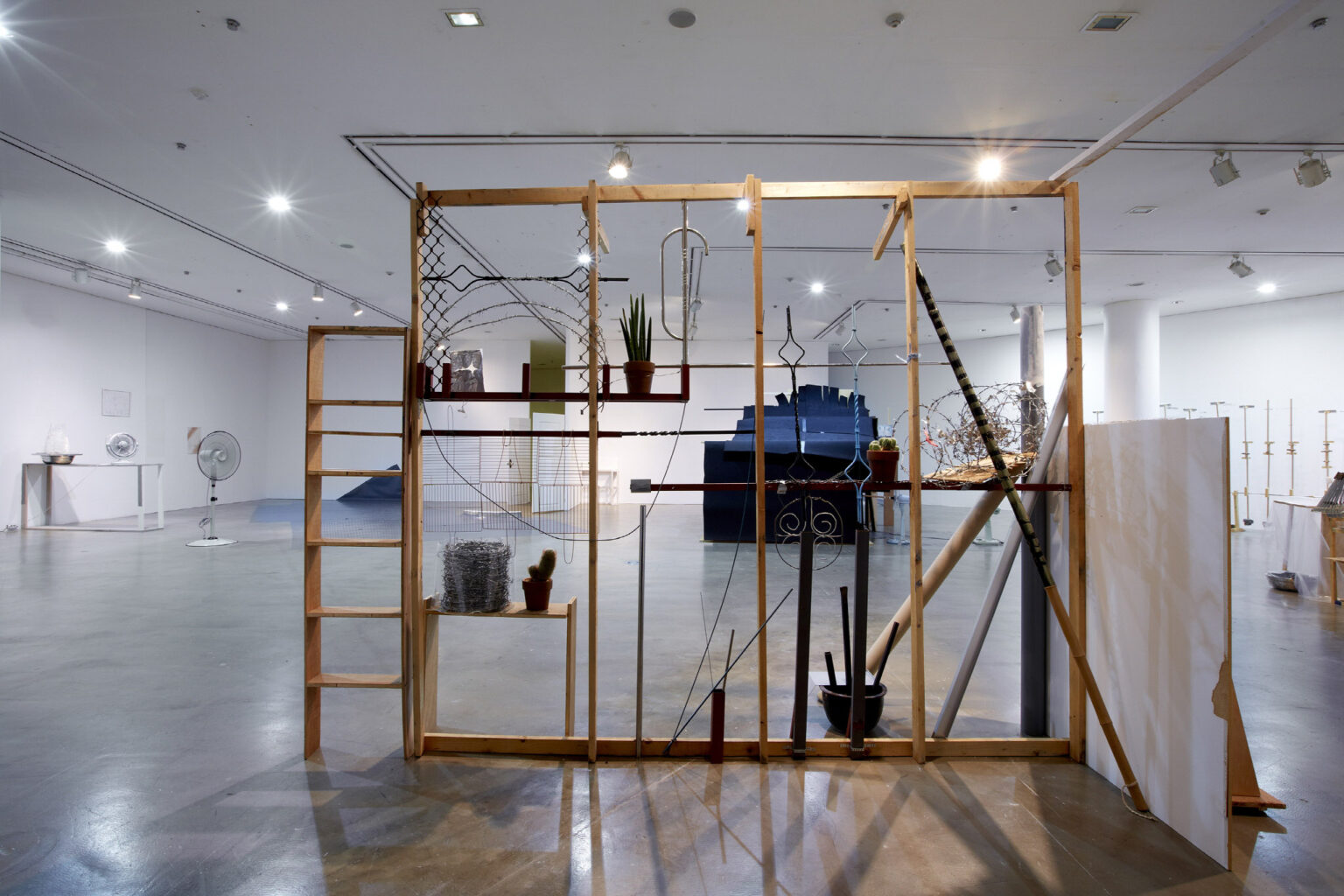
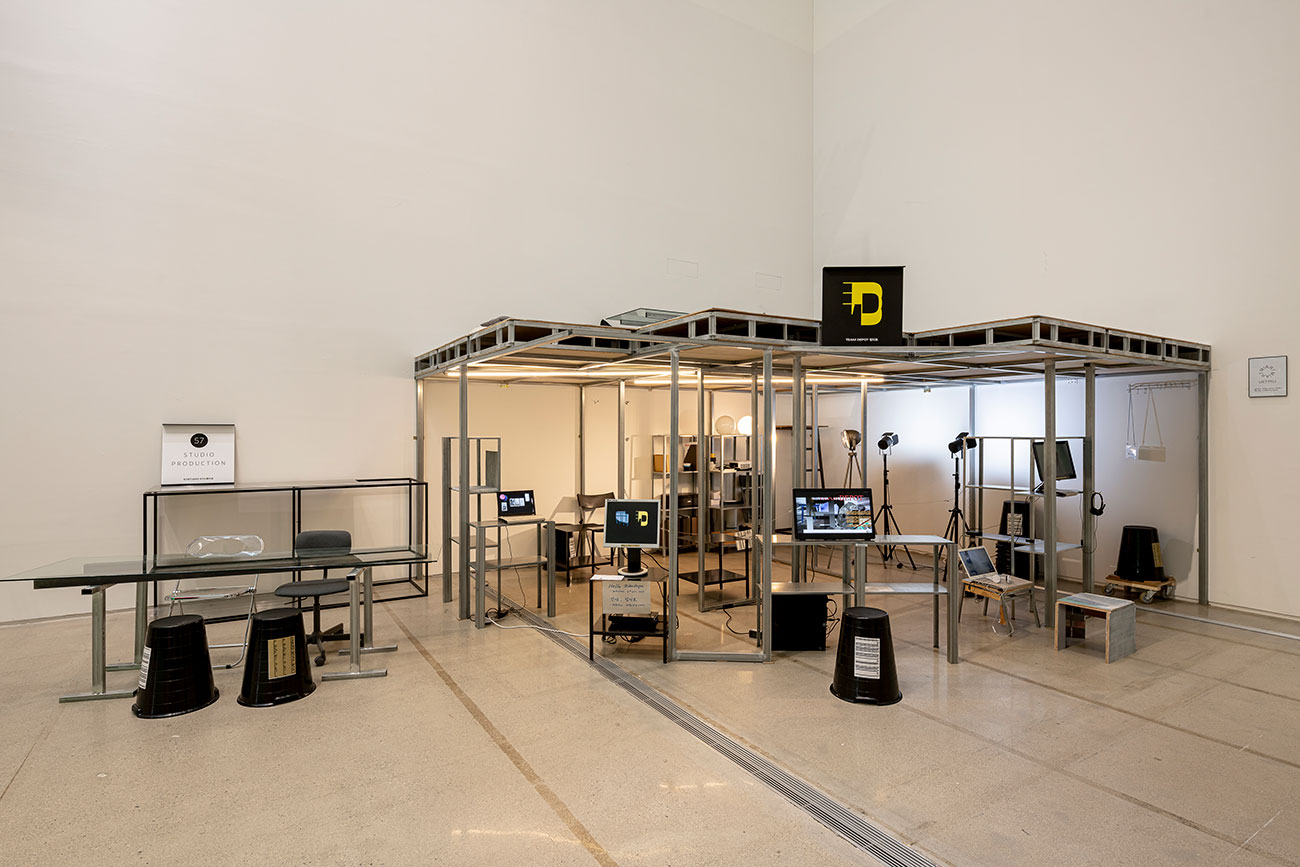
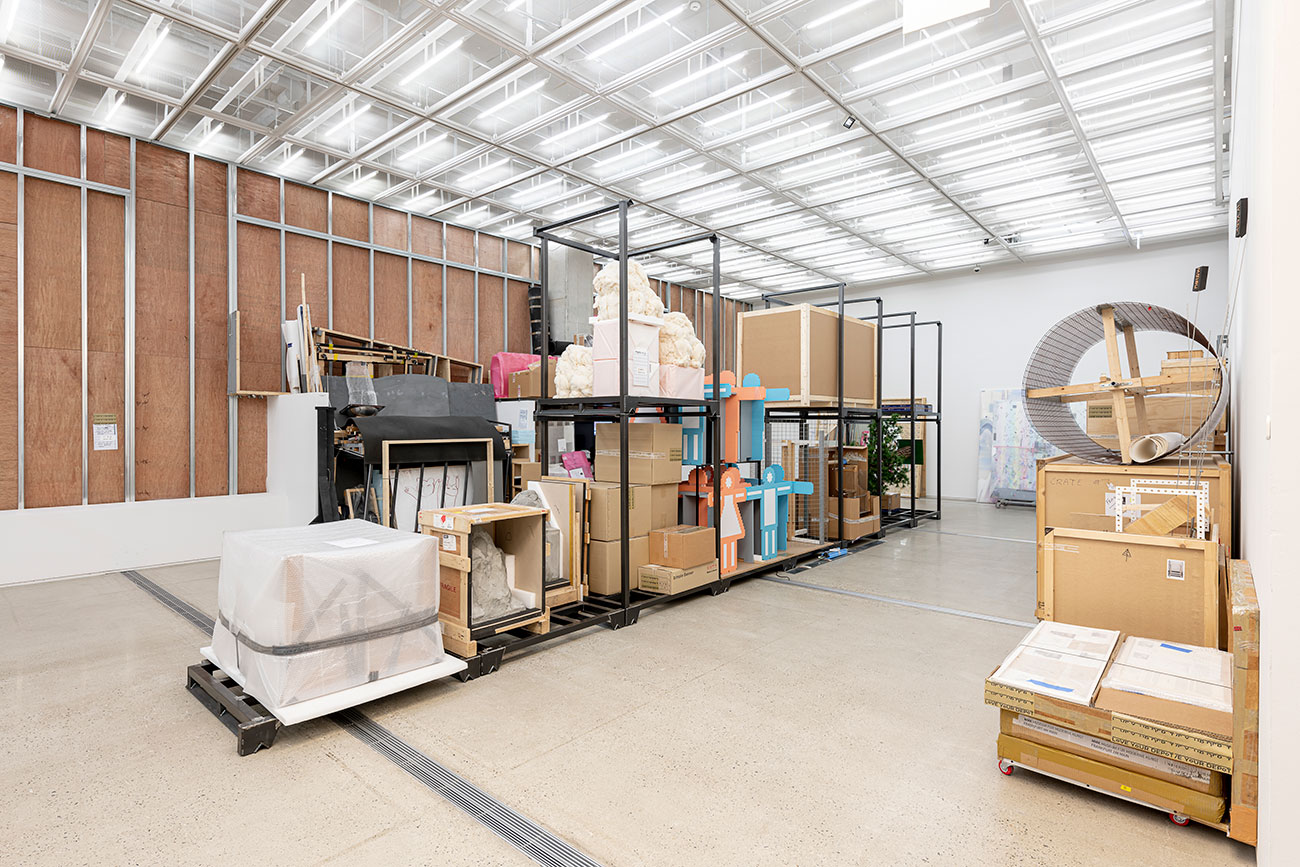
2023); 《Love Your Depot_LDN, Artist of the Year 2020》(The Korean Cultural Centre UK (KCCUK), London, UK, 2020); 《The Day 3, Walls and Barbed》(Amanda
Wilkinson Gallery, London, UK, 2017); 《Walls to Talk to》(Museum für Moderne Kunst (MMK), Frankfurt, Germany, 2013); 《Walls to Talk to》(Van Abbemuseum, Eindhoven,
Netherlands, 2013); 《Night Studio》(Art Sonje Center, Seoul, Korea, 2013–2014).
Group Exhibitions (Brief)
Rhii also has participated in various
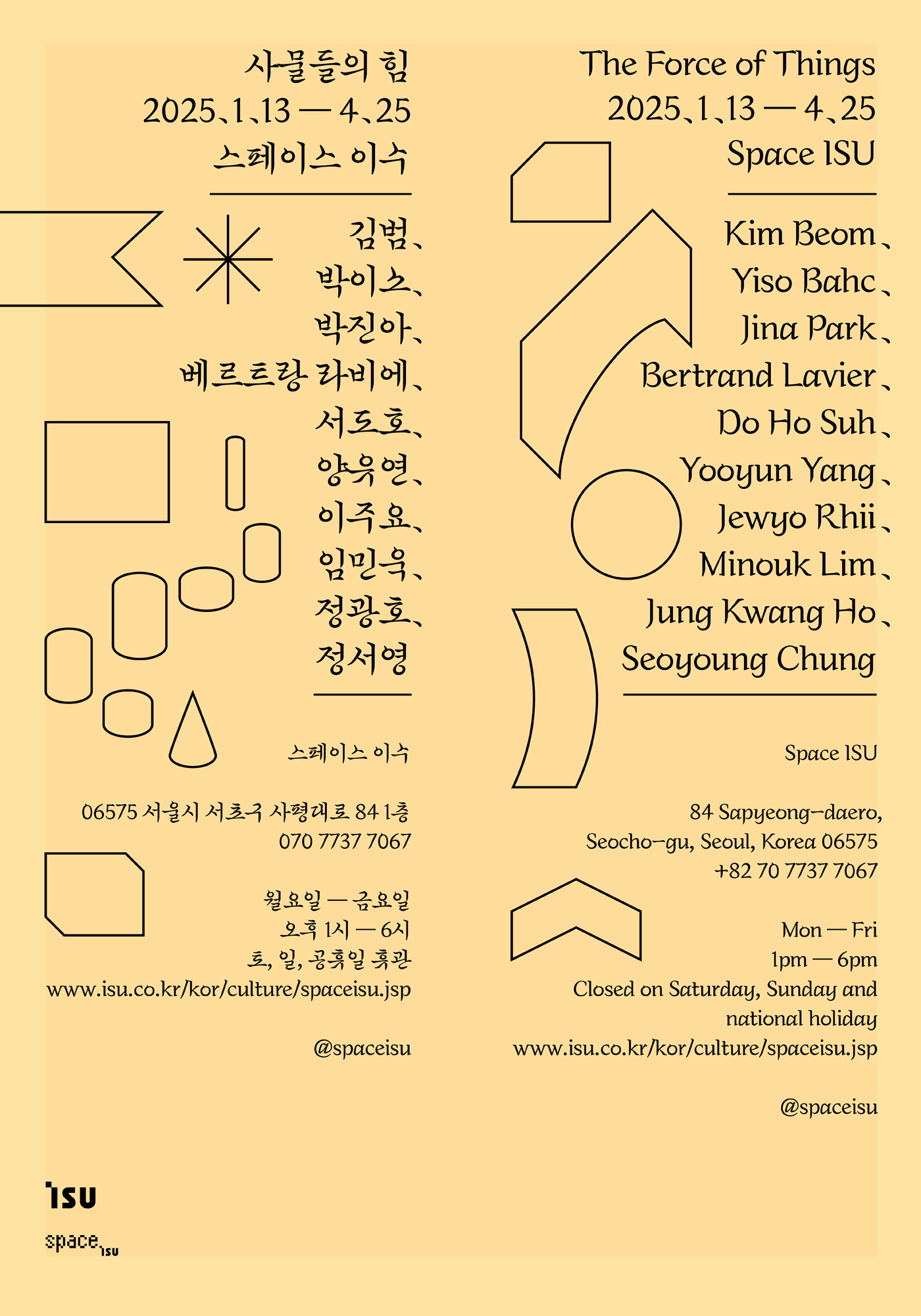
group exhibitions including 《The Force of Things》(Space ISU, Seoul,
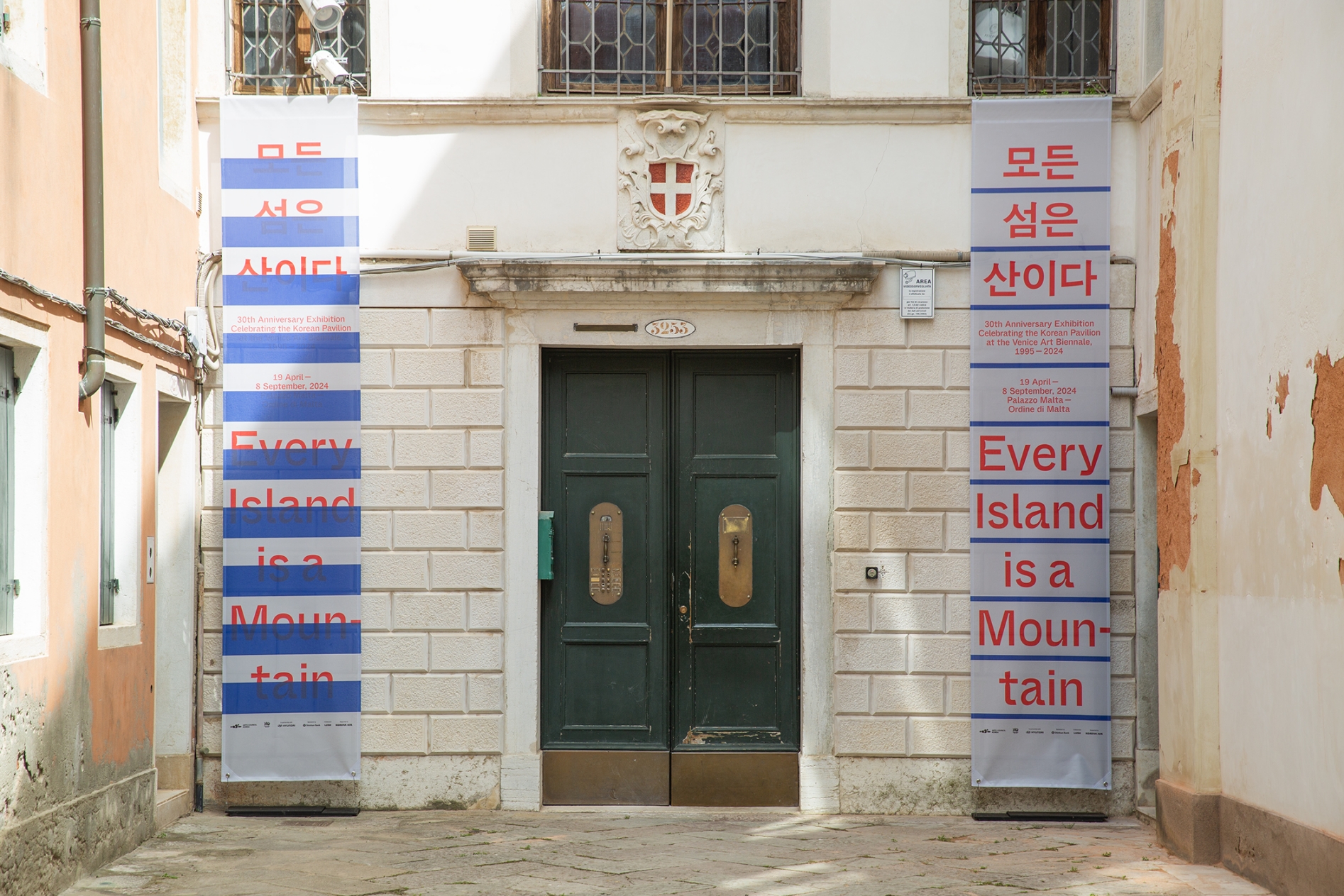
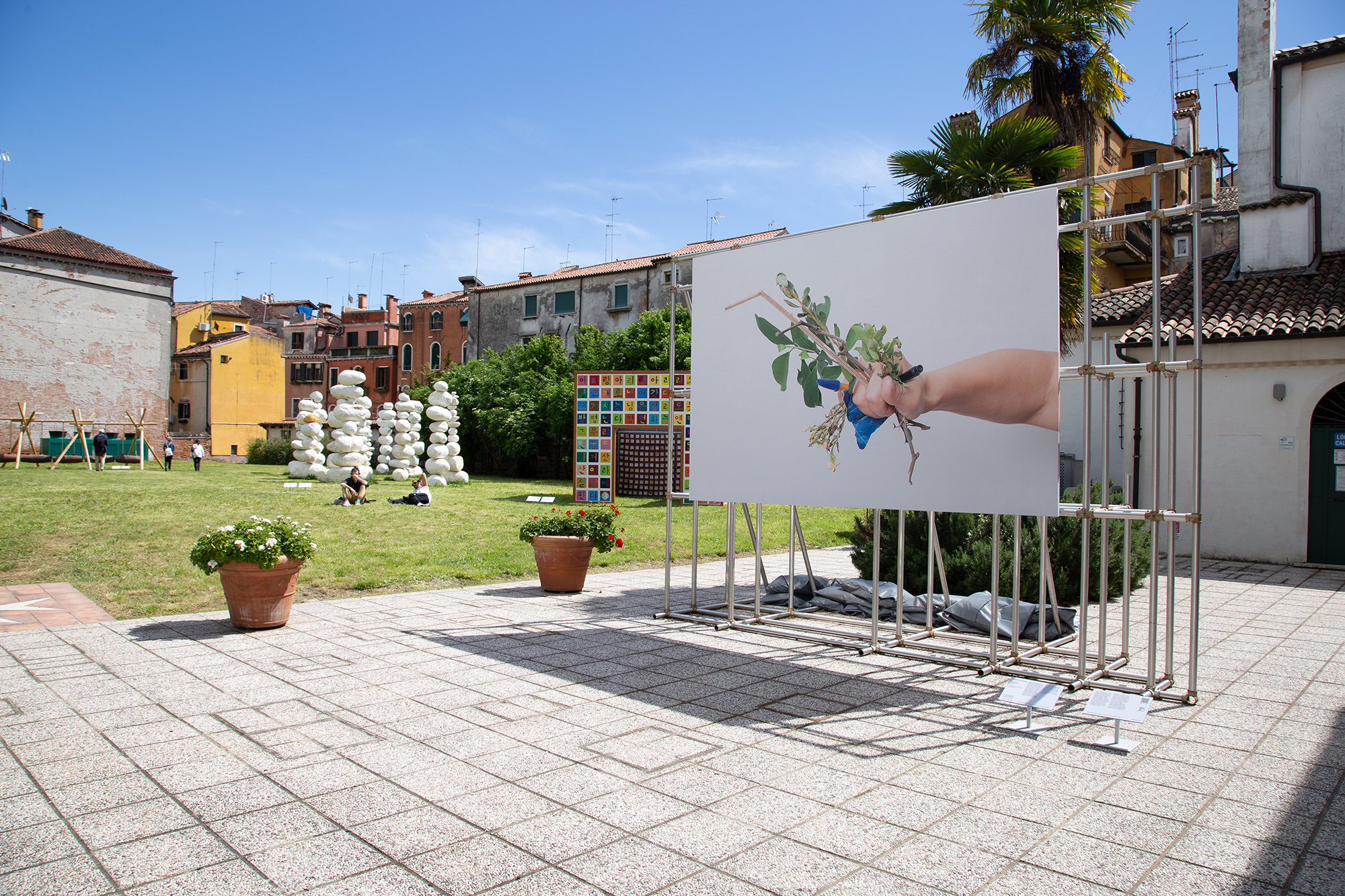
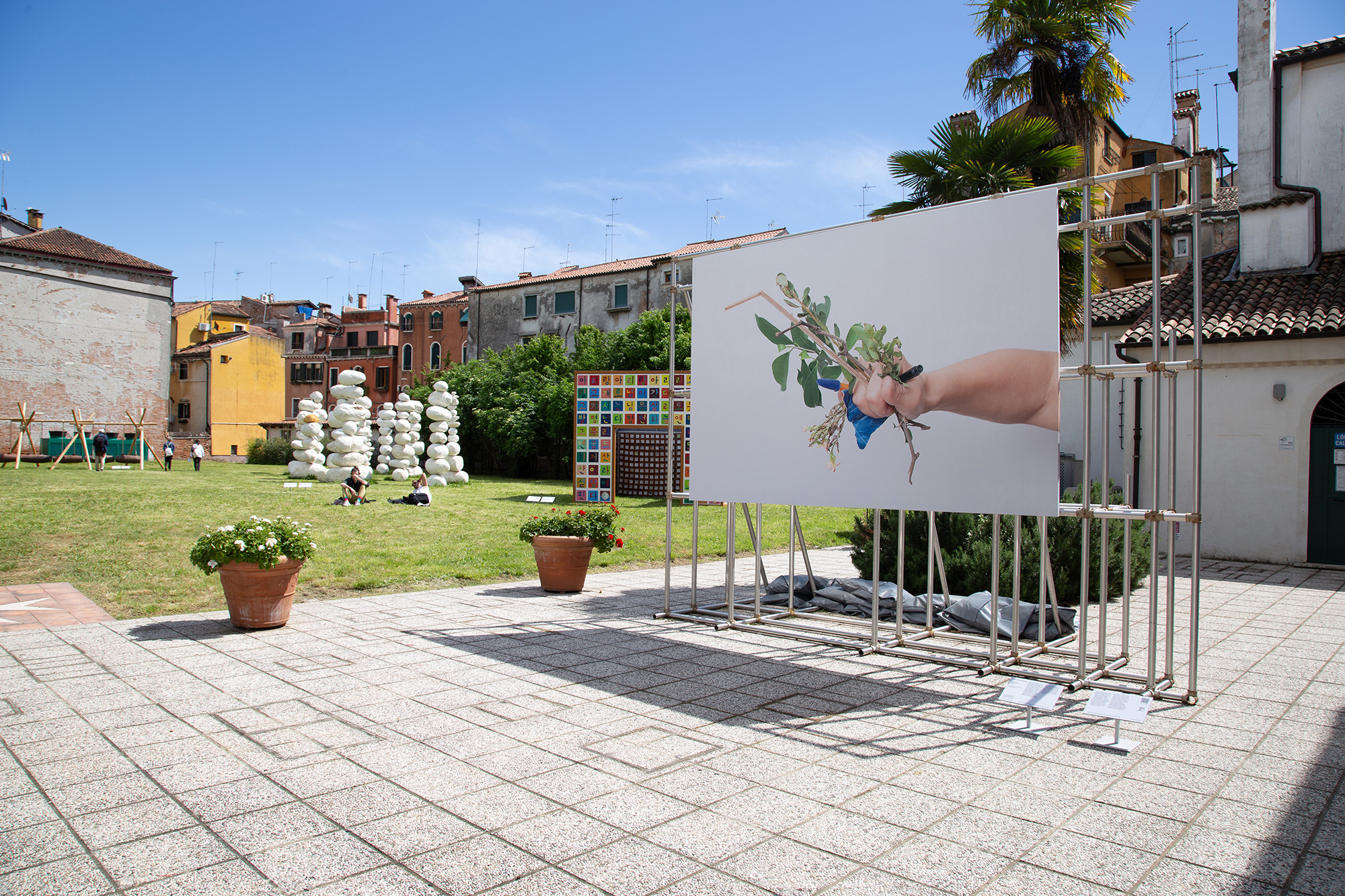
Korea, 2025); 《Every Island is a Mountain》(30th Anniversary Exhibition Celebrating the Korean Pavilion at the
Venice Art Biennale, Venice, Italy, 2024); 《Collection
Variable》(Museum of Modern and Contemporary Art (MMCA),
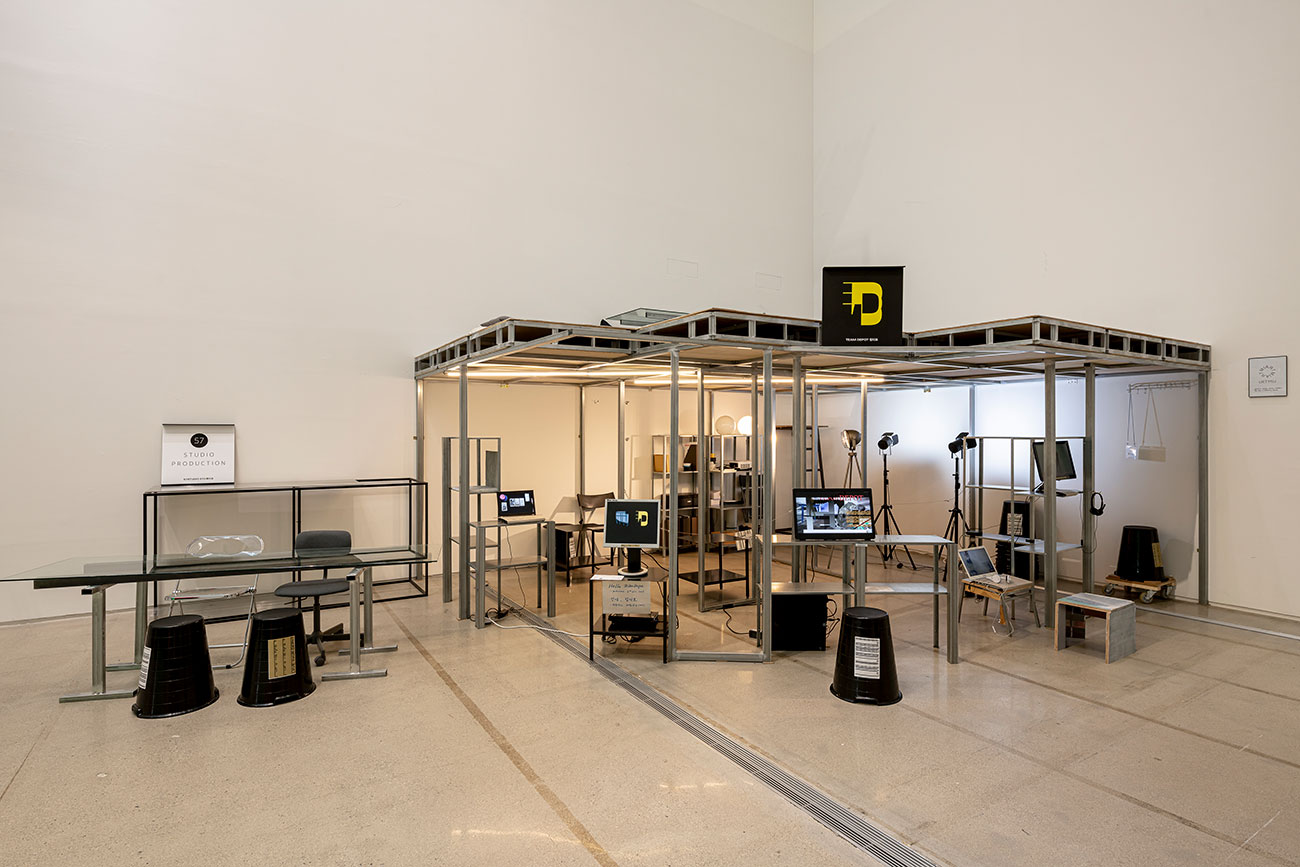
Seoul, Korea, 2021); 《Love Your Depot, Korea Artist
Prize 2019》(Museum of Modern and Contemporary Art
(MMCA), Seoul, Korea, 2019); 《The Eighth Climate (What
Does Art Do?)》(The 11th Gwangju Biennale, Gwangju,
Korea, 2016); 《Unknown Packages (Dawn Breaks)》(Queens Museum, New York, US, 2015); 《Boom
She Boom: Works from the MMK Collection》(MMK Museum für
Moderne Kunst, Frankfurt, Germany, 2014); 《Intense
Proximity》(La Triennale / Palais de Tokyo, Paris,
France, 2012); 《The River Project》(Campbelltown Arts Centre, Campbelltown, Australia, 2010); and 《In the Language of the Other》(The 10th
Istanbul Biennial, Istanbul, Turkey, 2007).
Awards
(Selected)
Jewyo Rhii was awarded the Korea Artist Prize
2019 (National Museum of Modern and Contemporary Art, MMCA, Seoul) and the 3rd
Yanghyun Art Prize (Yanghyun Foundation, Seoul, 2010).
Residencies
(Selected)
Jewyo Rhii has
been an artist-in-residence at Queens Museum (New York, US, 2015) and Doosan
Gallery (New York, US, 2011), among others.
Collections
(Selected)
Rhii’s works are held in the collections of
the National Museum of Modern and Contemporary Art (MMCA), Seoul Museum of Art
(SeMA), Leeum Museum of Art, Art Sonje Center, Doosan Art Center, Museum für
Moderne Kunst (MMK), Frankfurt, and Van Abbemuseum, Eindhoven, among other
leading institutions worldwide.