Artworks
are not people. They are not alive in any conventional sense of the word. Yet,
they are not inert either. Through the work of the artist, the original base
materials are transformed into something with meaning and coherence. The
transformation is almost alchemical. It confers a meaning and value onto
objects and materials that might otherwise go unnoticed. Once an artwork is
shown in public and recognised as such by others, it becomes part of a
collective cultural archive and it acquires a new status, one that needs the
care and tenderness that, in the best cases society would also wish to provide
for its constituents.
In
this way, a particular artwork acquires its special identity as “art,”
something that is bestowed on it not only by the individual artist but also by
everyone with whom it has come into contact. In this process, the work,
modestly but inevitably, takes its place in the history of human expression.
With that change, comes a new responsibility for its fate, one that rests no
longer only on the artist’s shoulders but is gradually transferred to and
shared with society at large. Artworks become heritage in this way, and
heritage becomes a way to build shared loyalties and a common sense of who is
what and where they belong. Ultimately almost all human cultural communities
learn to identify themselves in part through the artworks that its culture has
produced at one point or another in its history. Particular works of art
becomes defining of a community and a shared origin and destination. Every
artwork has the potential of going on this long trek towards becoming part of a
culture’s heritage, but it is usually most precarious at its beginning, and it
is at the beginning that the artist Jewyo Rhii’s work starts.
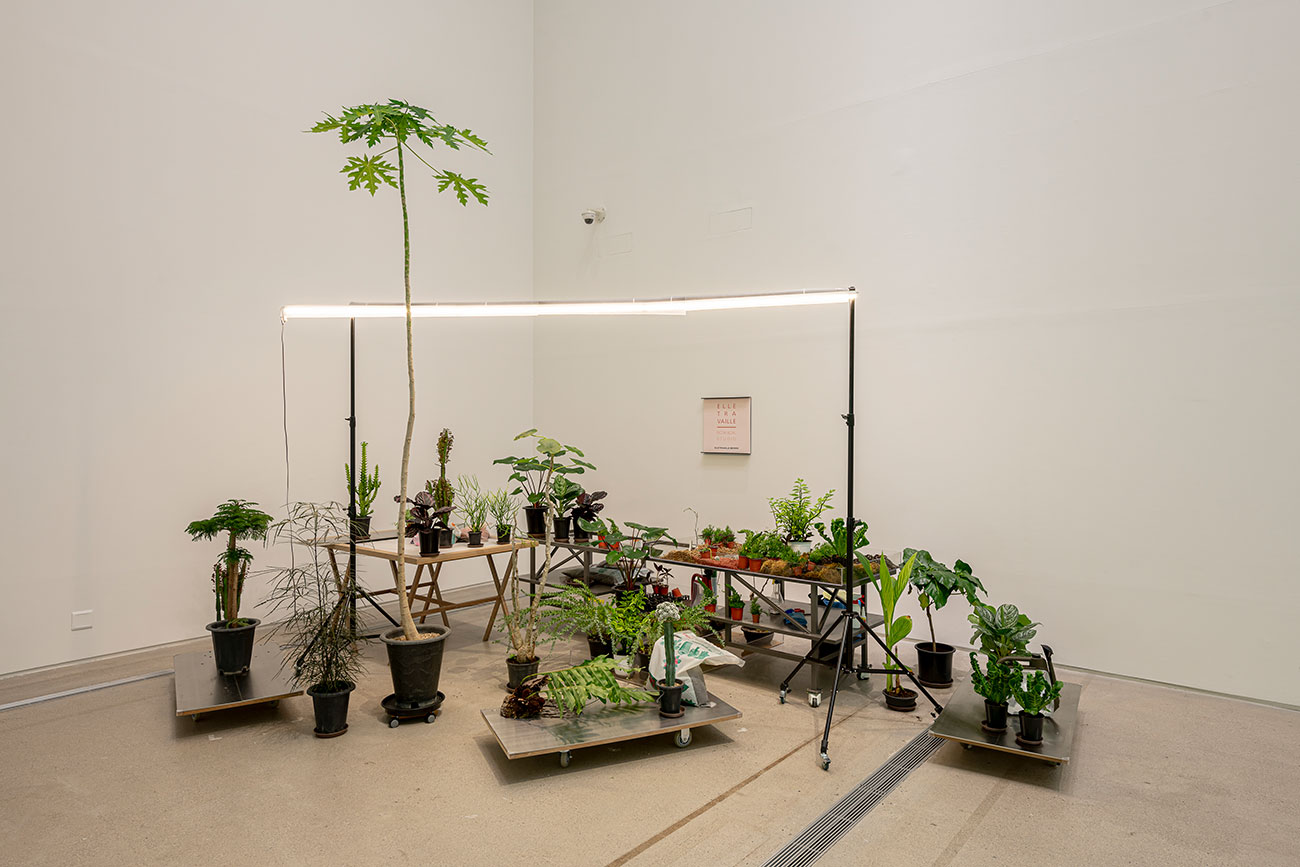
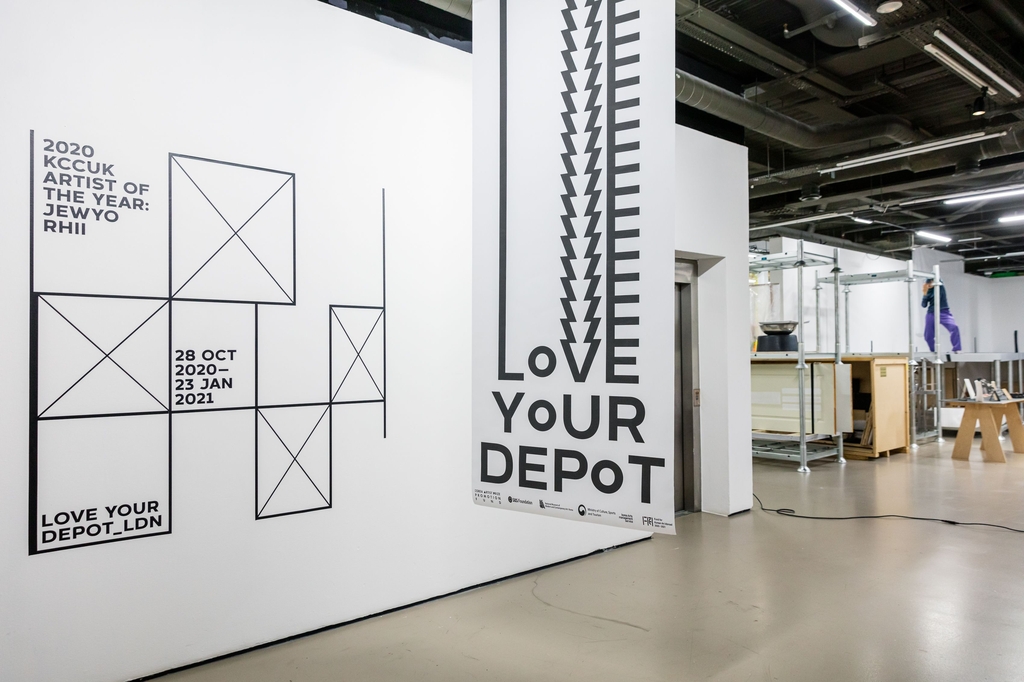
Rhii’s
project Love Your Depot is a proposal or prototype for an
artistic and social service, and a way to care for artworks that might
otherwise be abandoned. As an artist, Jewyo Rhii is thoroughly aware of the
physical and emotional labour that it takes to make an artwork. As a teacher,
she has learnt to put her trust in art’s power to express and transform human
emotions. Yet, she has seen the struggle of her fellow artists against the
demands of the market economy and urban development that squeeze out
differences and irregularities in their search for the financially efficient
use of human and other resources. Not only is this obsession with efficiency
existentially hard on the artist as a human being, it is also unlikely to align
with the interests of community and identity building that are the actual
hallmarks of a good artwork. Instead, the inadequacy of the artist in the
market, and the inadequacy of the market for the good of art together create a
perfect storm of erasure, contradiction and struggle between values. The irony
here is that these values do not necessarily need to compete or even relate to
each other but could learn to co-exist. Love Your Depot is a
singular and, as far as I am aware, unique response to this problem of
co-existence that is both very practical and unavoidably political in its
demand for a parallel system of value and care.
The
one institution where many people might expect the conflict to be resolved is
the art museum, to which the collective responsibility for keeping recent
heritage is often delegated. In these terms, museums should be exceptions to
the rule of the free market, though increasingly and sadly they are not. Many
museums are private initiatives whose income derives and is dependent on the
success or failure of a private company. Even those that are funded by less
precarious city or state taxes have often been overwhelmed structurally by the
primacy of the market in the past 30 years and adopt its language and sense of
worth, following the tastes of the art market or purchasing the artworks that
are designed to attract a large, affluent public. To flourish fully, art needs
something more than its monocultural institutional landscape. It needs places
that offer alternative or parallel value systems, the kinds of systems that
museums do sometimes still try to offer and that Love Your Depot
is demanding.
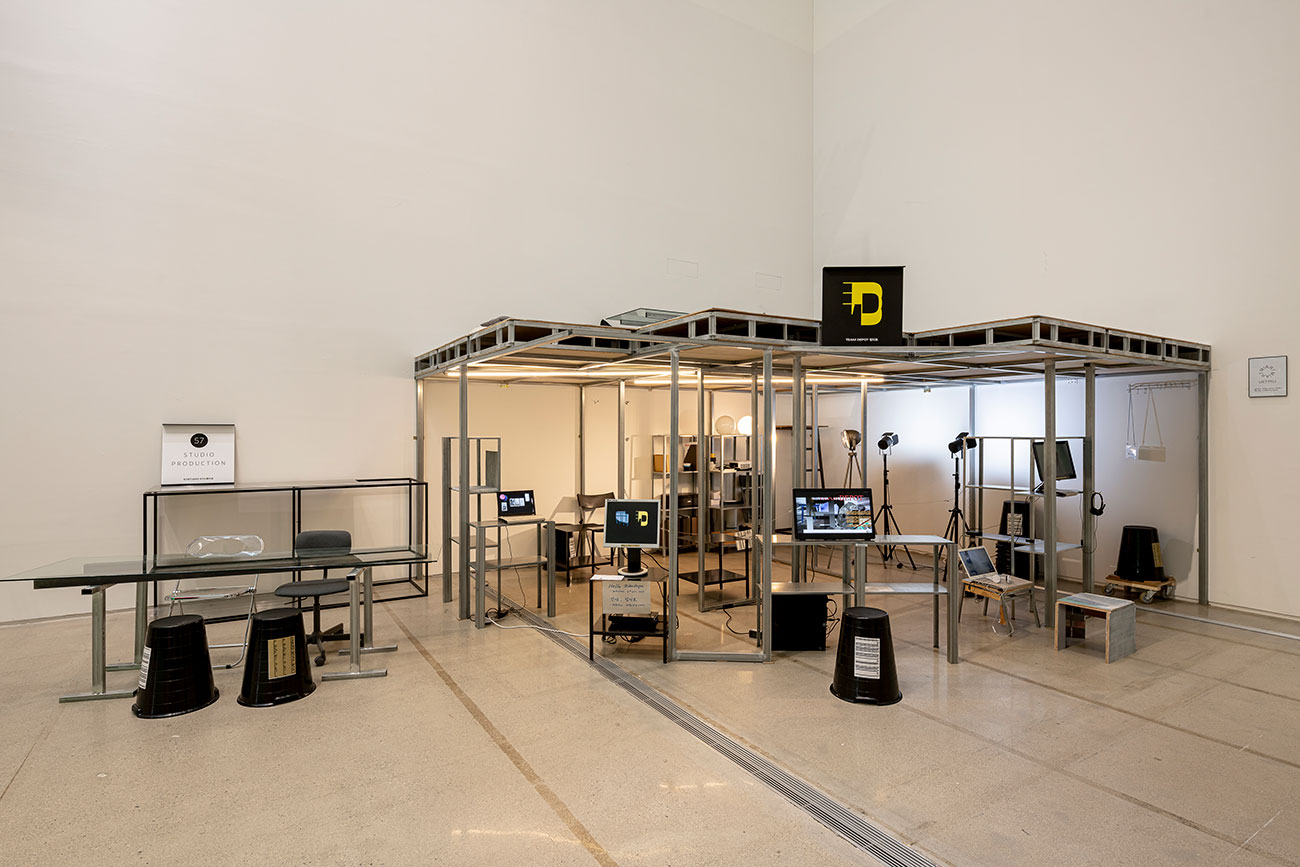
This
is one reason why it seems very important that the first prototype installation
of the project can be found inside a museum. Here, in a space that must still
have the potential to be different from the commercial imperative outside, Love
Your Depot tries to make a home, though the fact it is not entirely
comfortable with the rules and regulations of the museum indicate the gap
between what most museums are in practice and what it might be in another
situation. For museums, can still claim the power and the ability to inspire
artists to make work, to care and to support for them and their productions and
ultimately to contribute to a new communal identity for their public, one that
grows out of a tangible and non-ideological experience of the 21st century. To
do that, museums need time, resources, care and understanding — precisely the
things Love Your Depot is seeking to provide. The ideal of
an art museum is that it becomes a place where the creative expressions of
people in and around its environment are retained and embraced in order to
inspire present and future generations. For anyone who wants to think beyond
the economics of survival in the here and now, that has to be a valid and
worthwhile activity, yet Rhii’s project shows what might need to change in the
basis of the museum system in order to make that possible.
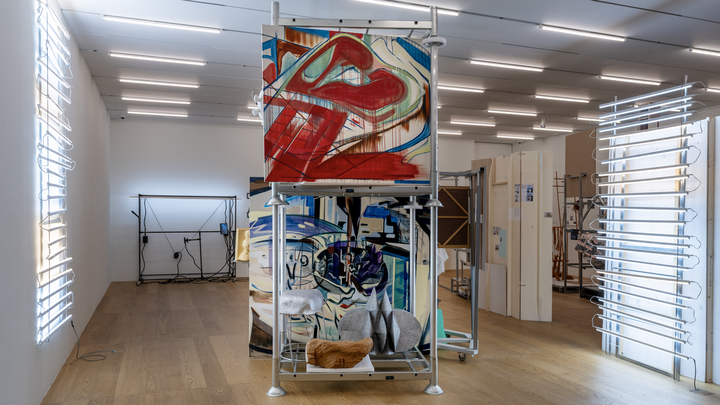
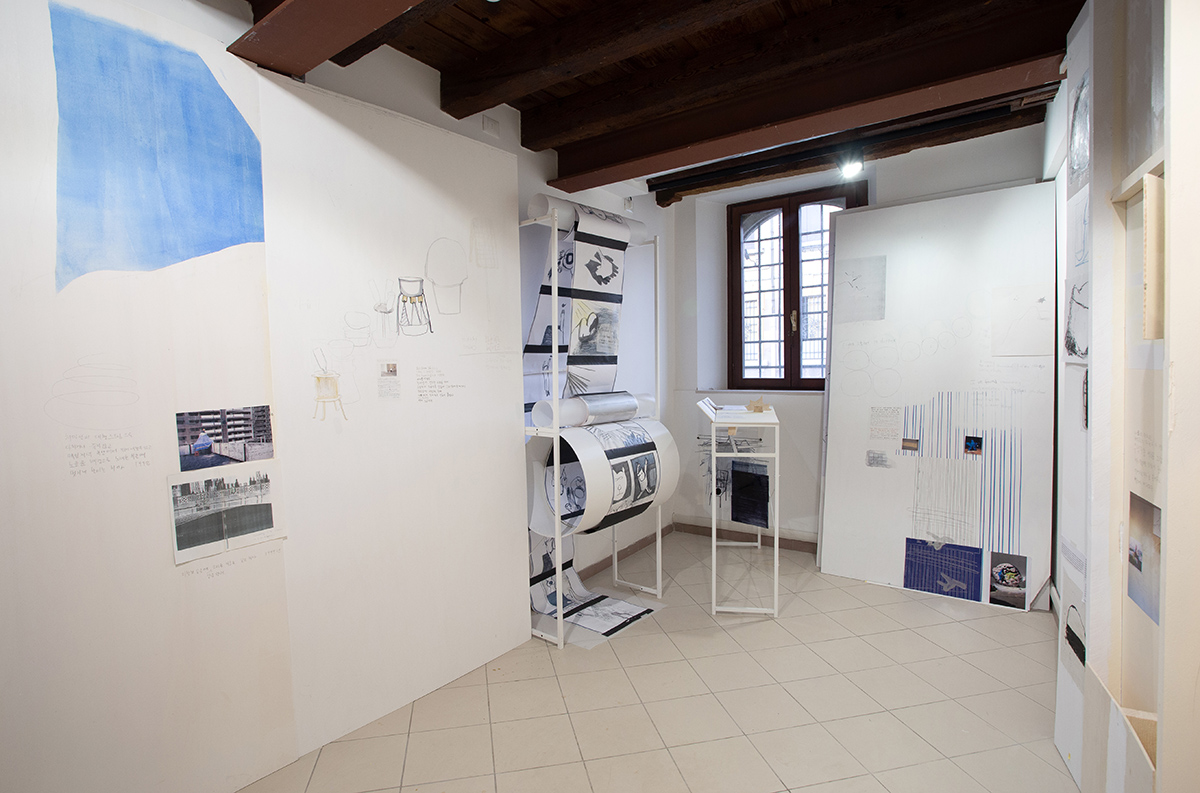
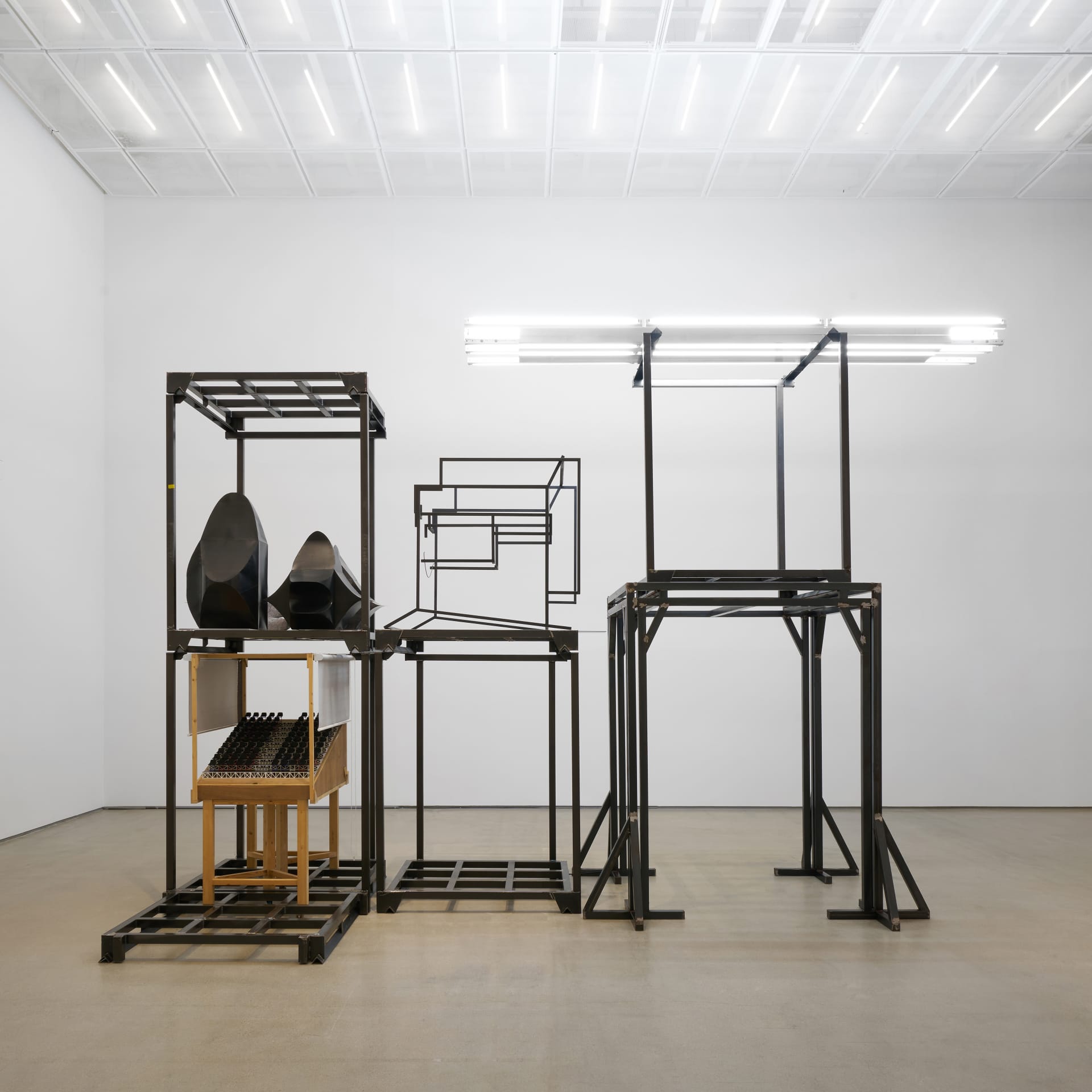
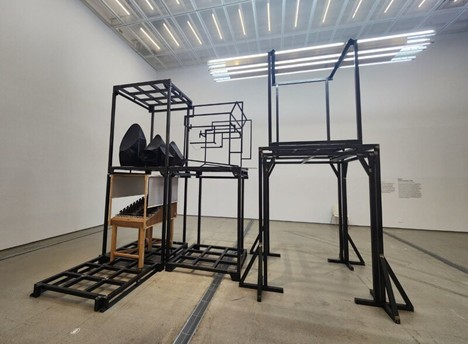
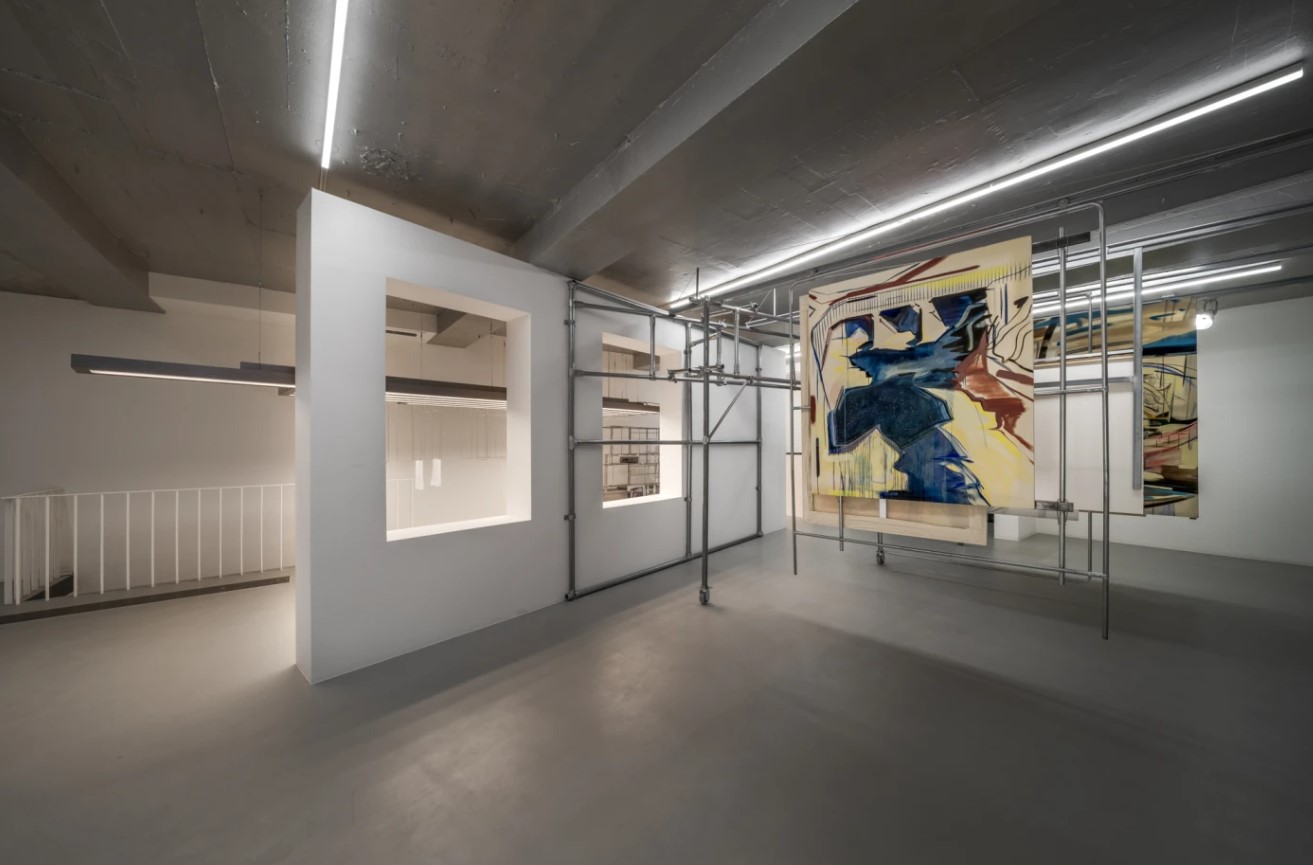
The
different forms of how to care physically about artworks that are usually
hidden from public view and sometimes simply abandoned in museums are made
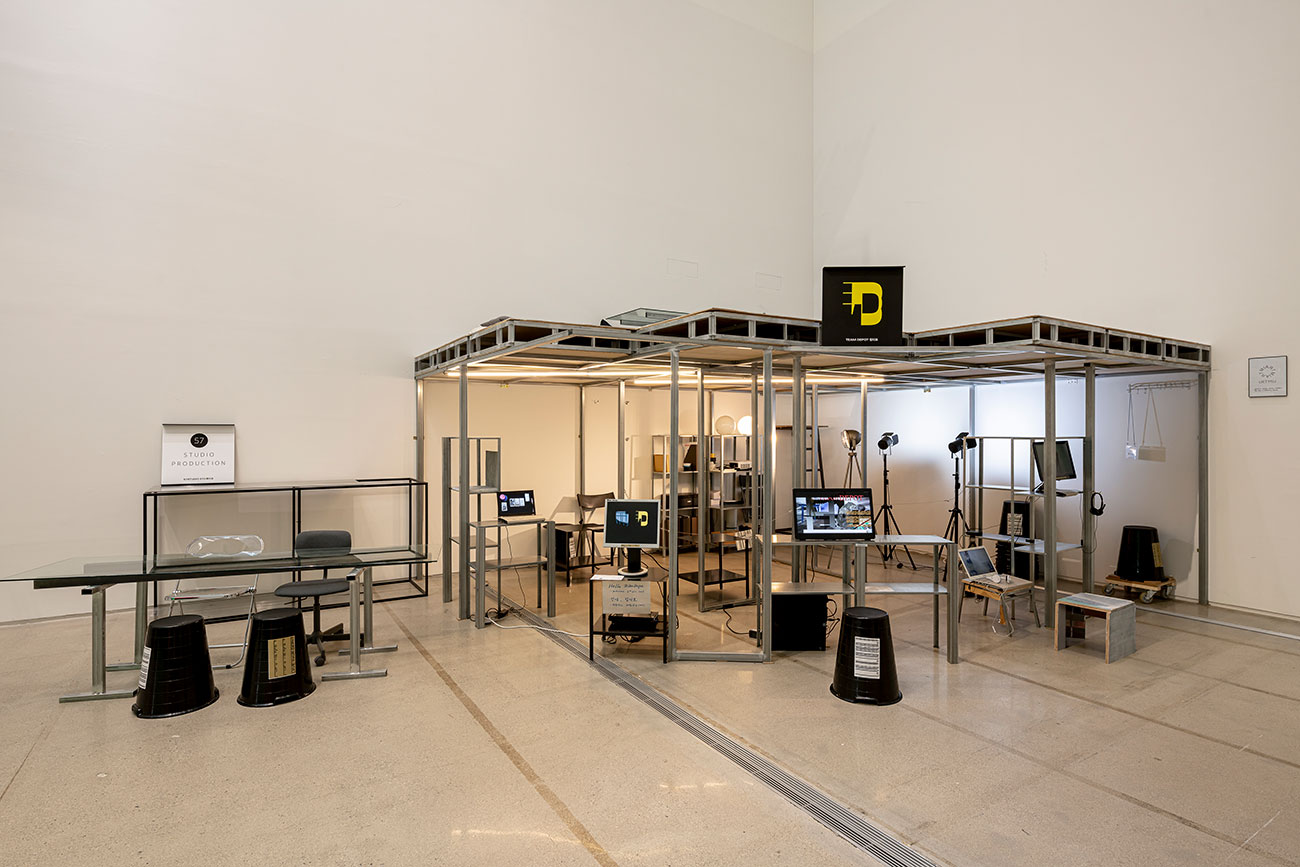
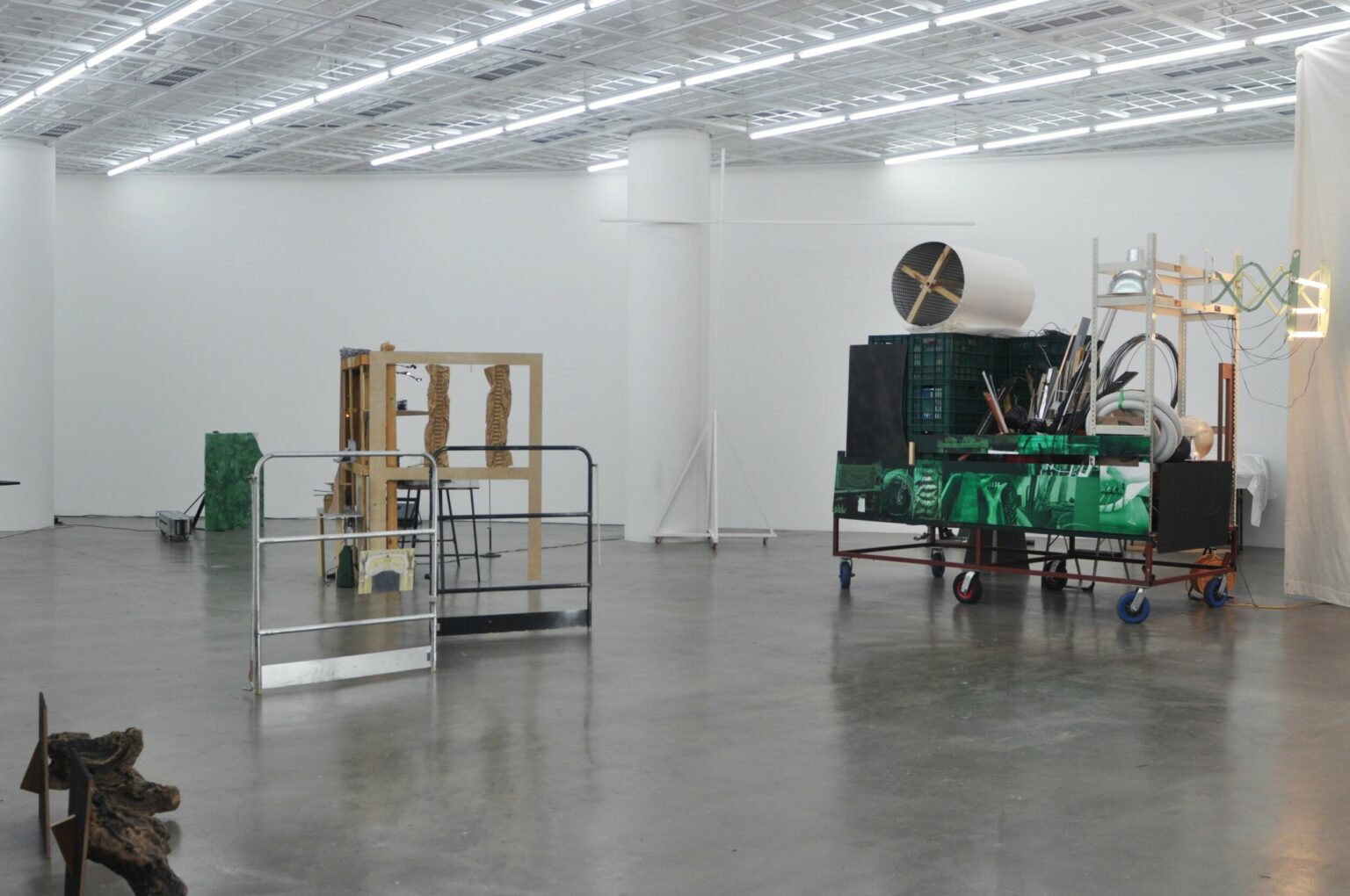
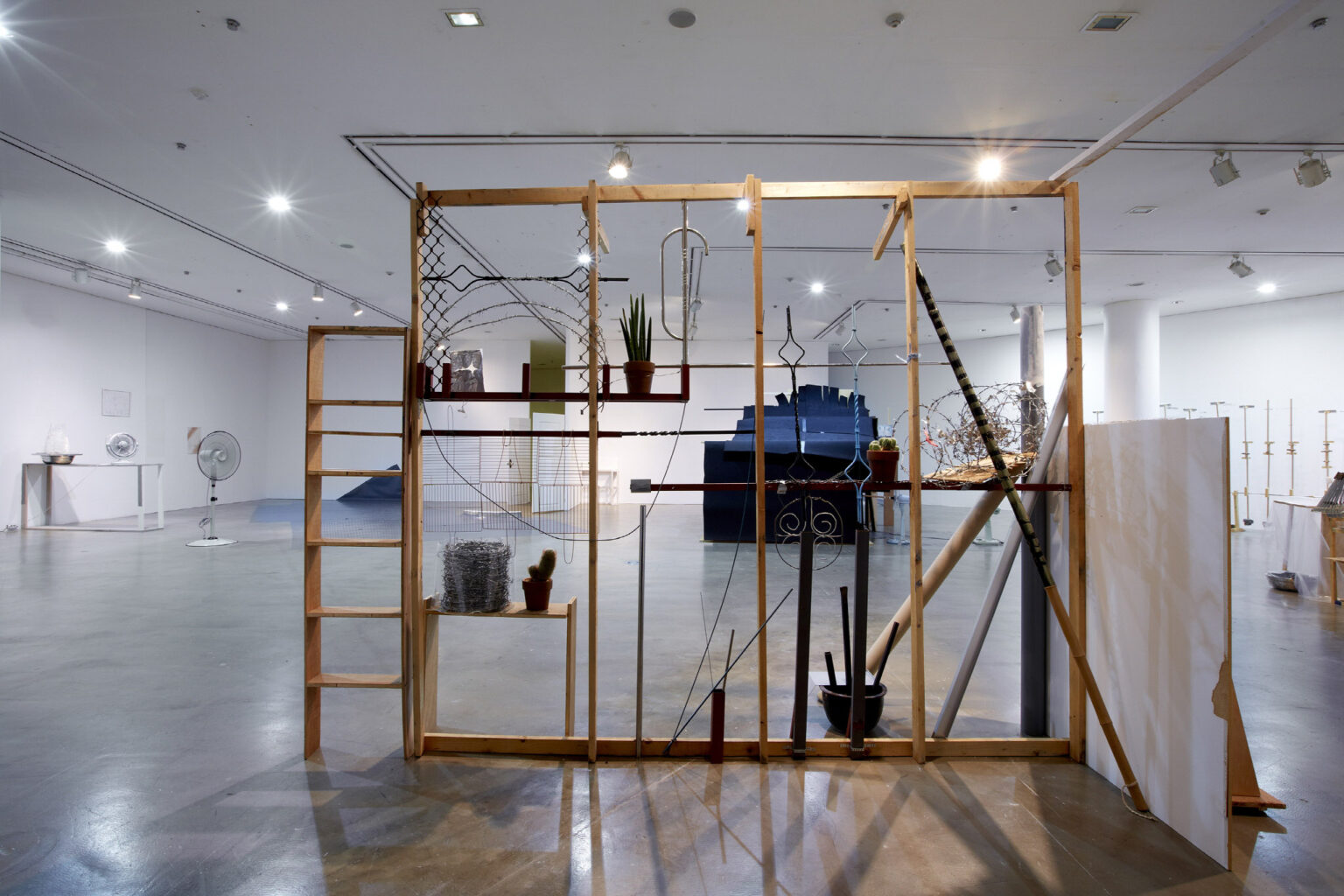
tangible here. Through putting different storage and shelving systems on show
and sometimes pushing them to the maximum in terms of how high they can go or
how much they can carry, Rhii’s installation makes clear the burden that she is
displaying. In their ambition, the storage systems take on the appearance of
sculptures themselves, breaking the divisions that would usually reign in the
museum and calling into question the definition of art, as many artists have
done before her. Yet, it is not just this formal aspect of their preservation
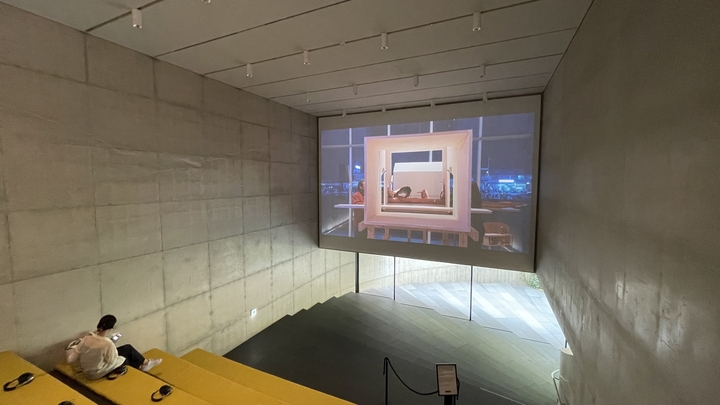
that Love Your Depot considers. The team around Love
Your Depot busy themselves with the question of meaning and
interpretation, allowing the works to gain a voice through youtube videos and
other forms of intimate and opinionated mediation. Such personalised forms of
interpreting an artwork also push against the limits of the museum’s
self-understanding as a place for more ‘neutral’ or institutional discourse.
Finally, the making public of the apparently random juxtaposition of works next
to one another in the open storage also begs for connections to be made and
common narratives to emerge in the way that museum curators are also required
to do, only this time the stories are generated on the spot and in the minds of
whoever comes to see the work. As with the storage systems and the forms of
interpretation, in this accidental process of exhibition, Rhii asks what are
the limits of museum practice and what might need to change in order for art to
fulfill its social potential.
While
the museum and the archive are crucial to understanding Love Your
Depot, it is the artist as a figure and as an emotional human body
that is really at the centre of its attention. Artists, in this project, are
seen as both fragile and endangered while also being significant and
potentially powerful actors in society. Their fragility (or precarity) comes
from their individual condition, one in which they are often left to fend for
themselves or to try to look after their own works without the institutional
structures that protect other producers of culture or workers in general. At
the same time, its individual condition allows them to gain insights into life
and humanity if they are provided with enough time and space. In this state,
they are asked to destroy their transitional art works, things that they might
have just recently spent all their psychic and emotional energy to make.
Love
Your Depot is partly then simply a plea for respect, time and
consideration to be given to artists because it is in that way that they can
make the most of their contribution to society. By constructing a structure
that temporarily allows their works to continue to exist until they no longer
need to survive, Rhii hopes to offer comfort where there is often none at all.
Importantly, it is not a plea for eternal preservation. Love Your
Depot sees itself as a time limited holding ground in which the
artist who made the work can always choose to have it respectfully discarded,
indeed such careful destruction is part of the service. Thus, Love Your Depot
is simply a device to delay, to reflect and to consider when and if an artwork
can become art in the communal sense of the word. It protects the time between
something being made and something becoming what it hopes to be, in a way that
could be understand much like a human childhood. To return to our starting
point then and while it remains true that artworks are not people, Jewyo Rhii
shows us that treating them in similar ways might be a start to rethinking the
role of art in society and how each of us can give value to the things and the
people around us in a more caring, respectful way.