Annotating
history
This
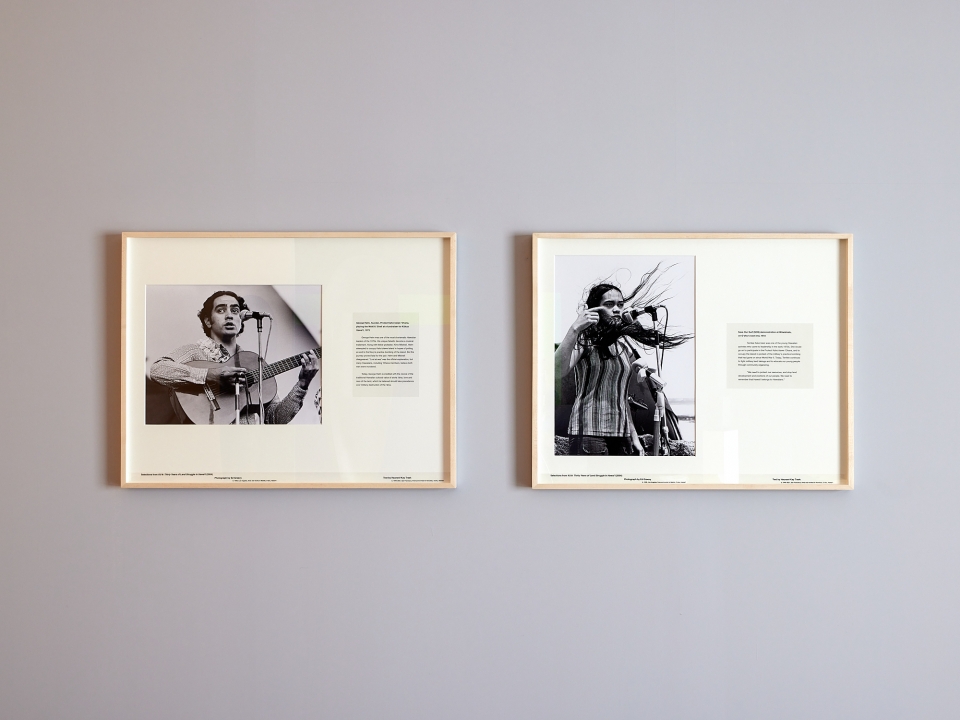
exhibition unusually seems to invert the hierarchy of main text and annotation.
The fragments of information that constitute the work—the supposed object of
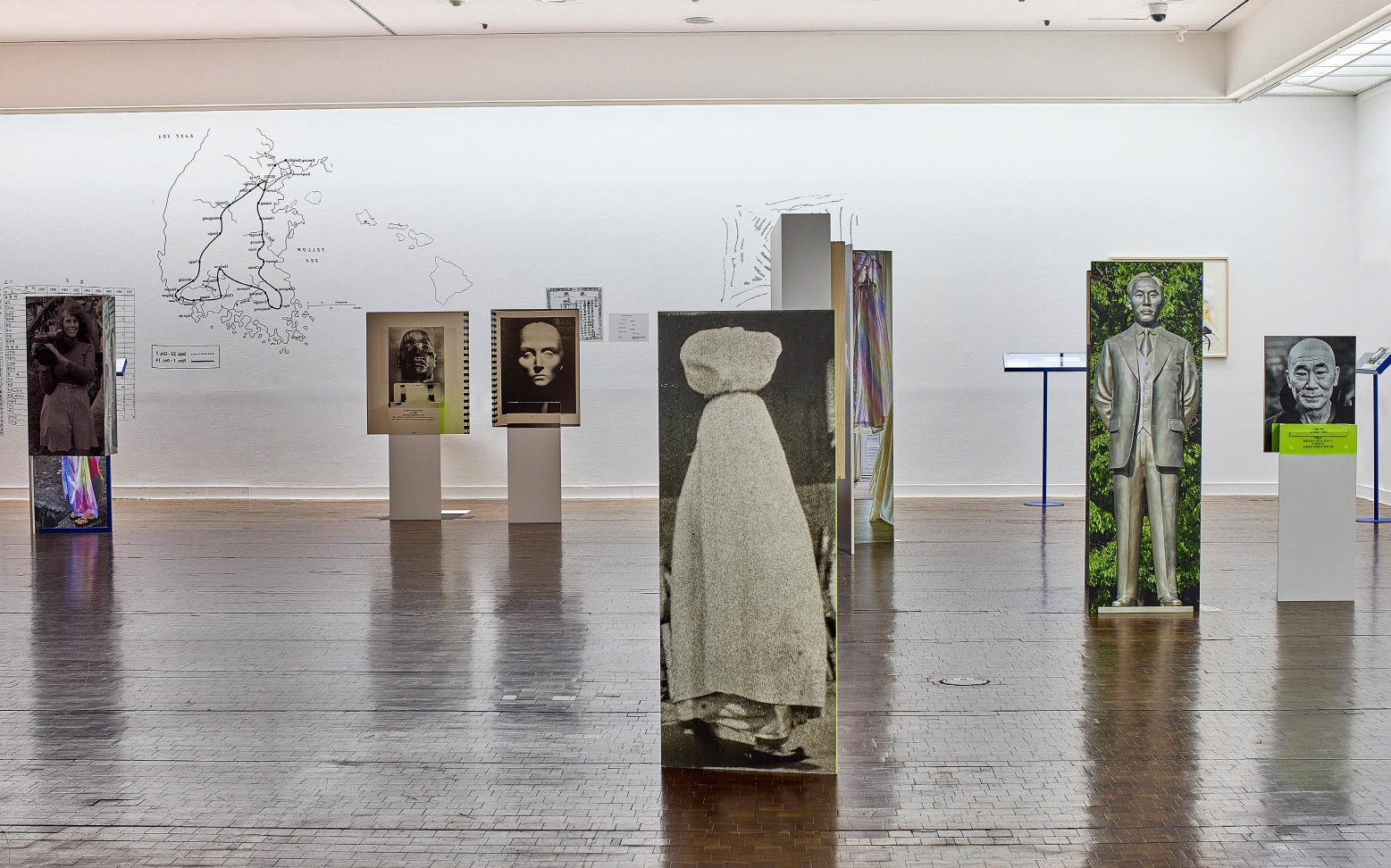
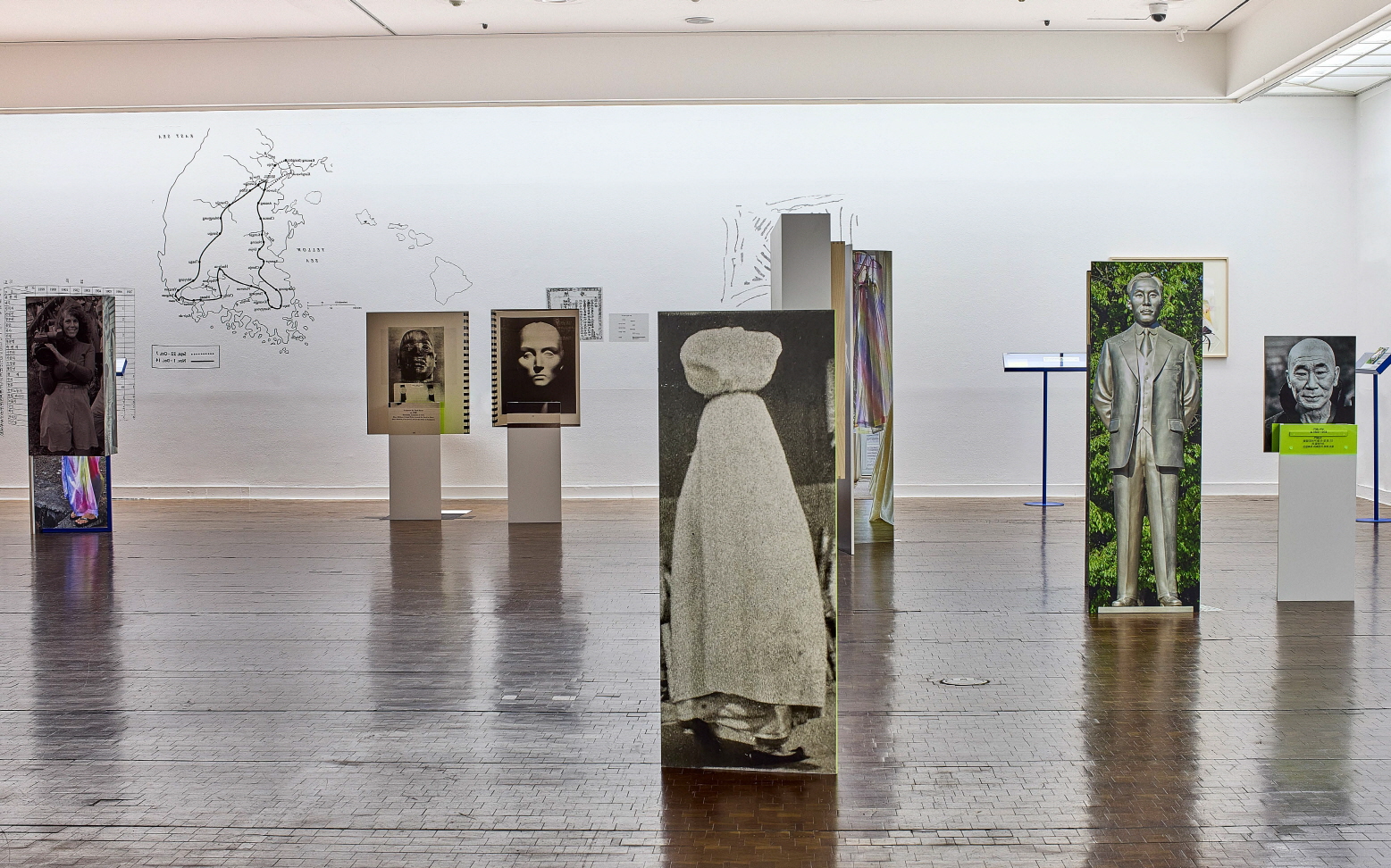
presentation—appear in higher proportion than the work itself. Room 3 of 《Ua a‘o ‘ia ‘o ia e ia》 is no exception. Here
Kim revisits his Summer Days of Keijō—A
Record of 1937 (2007) and newly configures it as an expanded
installation spanning the entire exhibition hall.
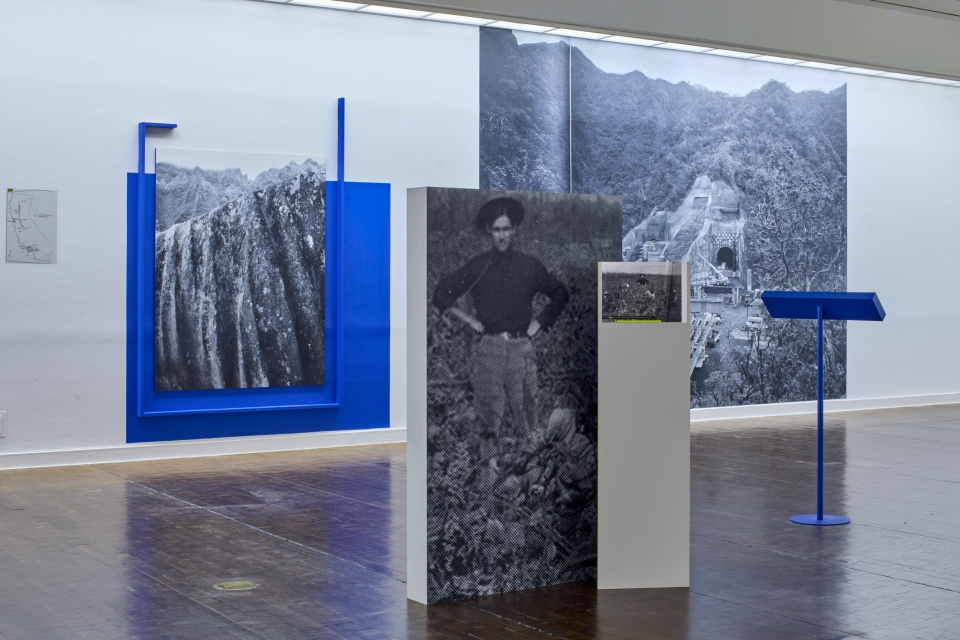
The diverse records, images,
film scenes, and timelines added in this process function as annotations that
supplement and explain; they closely read together with (Korean) history and
the history of the artist’s works. Kim especially excerpts
and questions, along the axes of generation, extinction, and change, how things
are recorded and lost, by bringing in the records of Gwanghwamun that have
unavoidably undergone repeated alterations in history; images of Sungnyemun
that burned in 2008; his own video works related to fire; and the burning
scenes in Andrei Tarkovsky’s Sacrifice (1986) and
Akira Kurosawa’s Ran (1985).
Distinctively,
Room 3 expands thought on the ownership and circulation of surviving records
through cinematic language. For example, both Sacrifice and Ran involved
sets burned by their directors; yet, having been created as films, they reveal
the duality of the medium by being recorded permanently. Meanwhile, at the
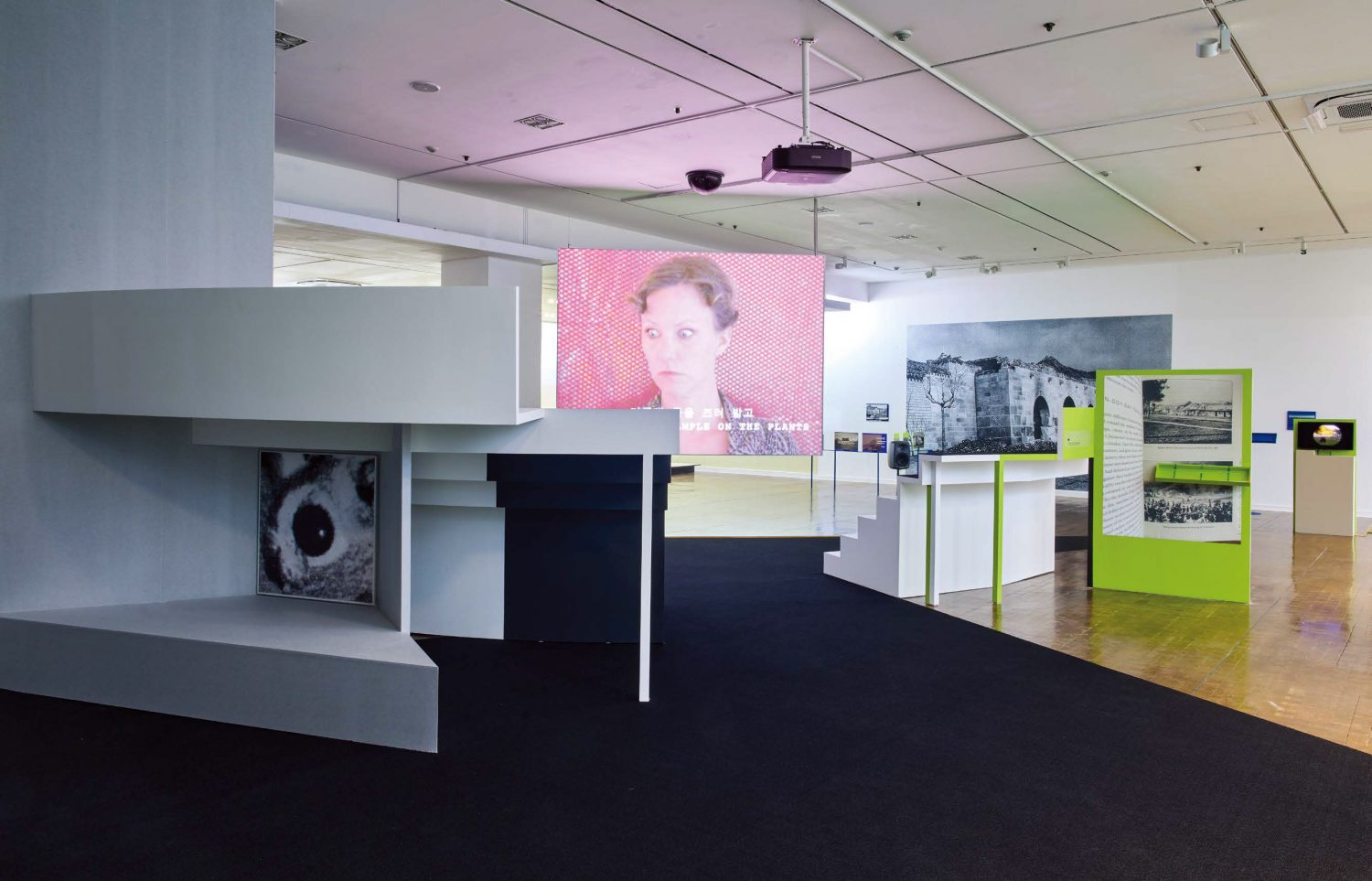
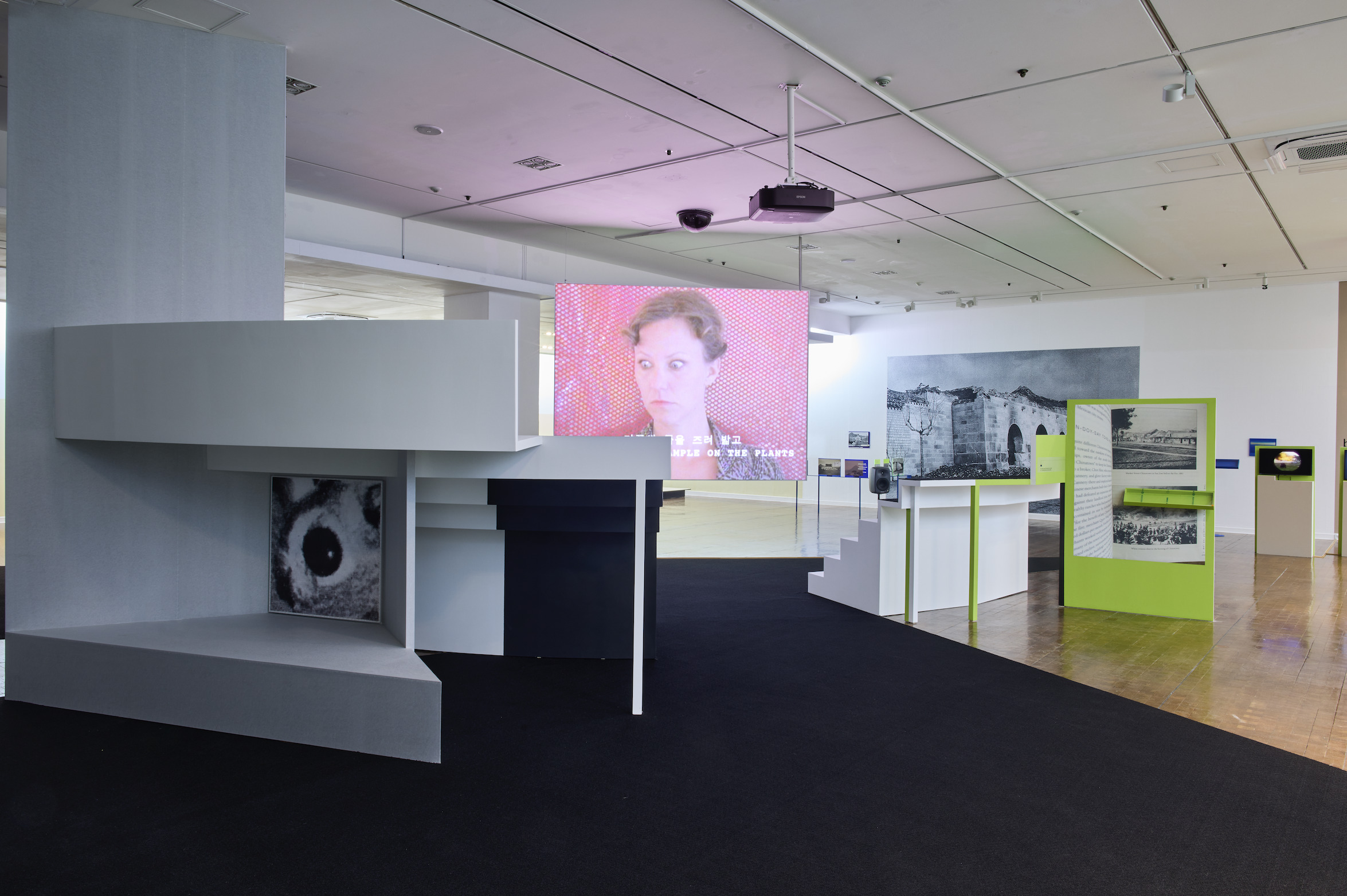
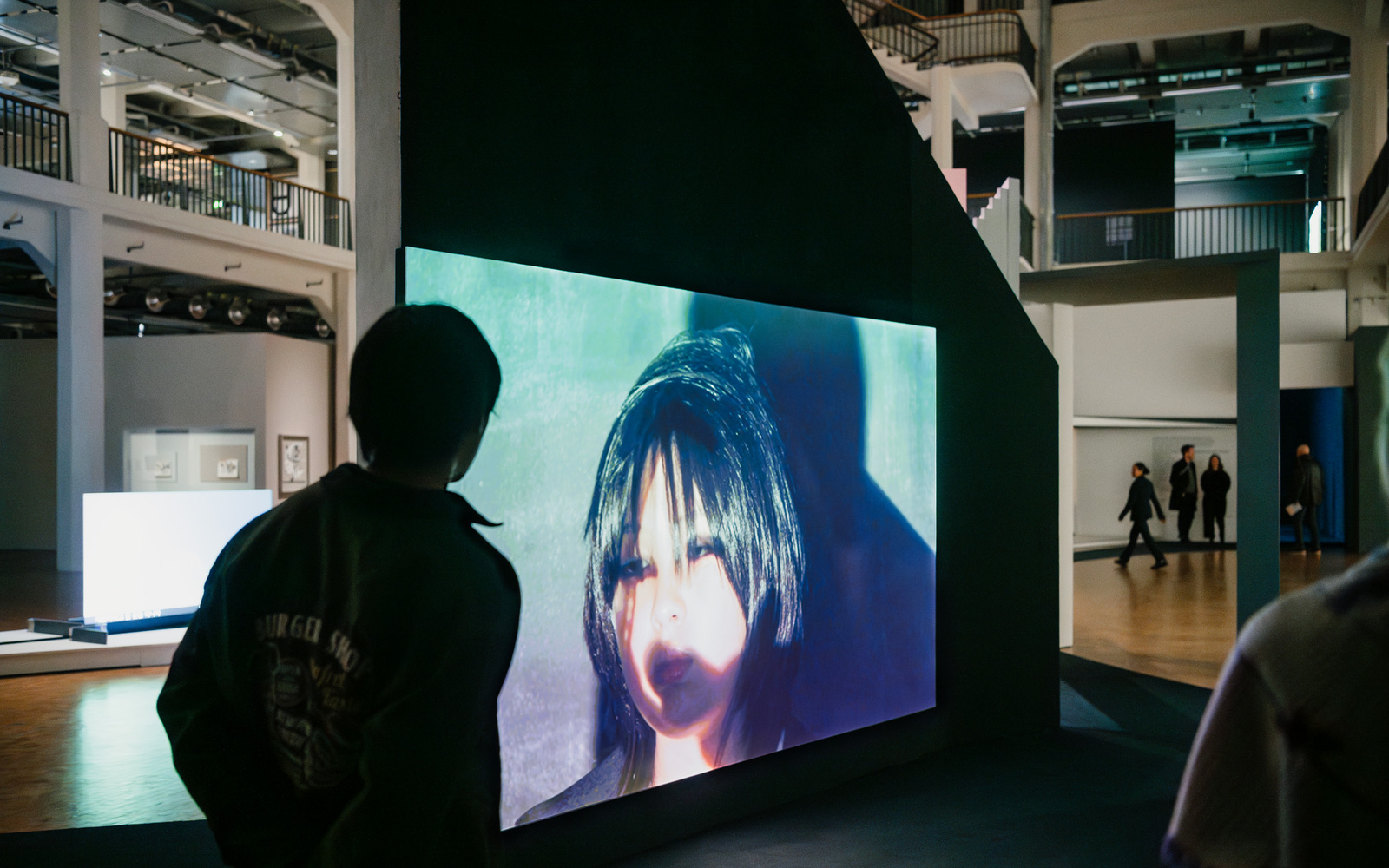
center of the hall, two films made as part of A Record of
Drifting Across the Sea—also viewable on the artist’s website—are
screened at set times, indirectly addressing accessibility and circulation of
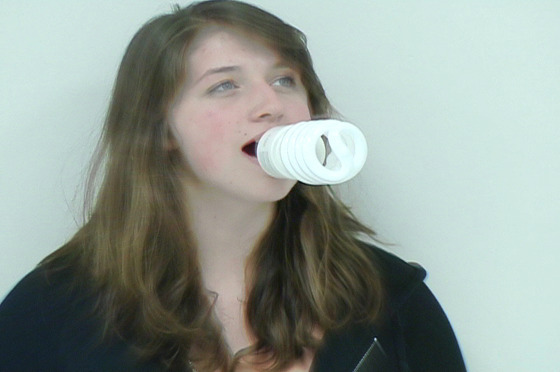
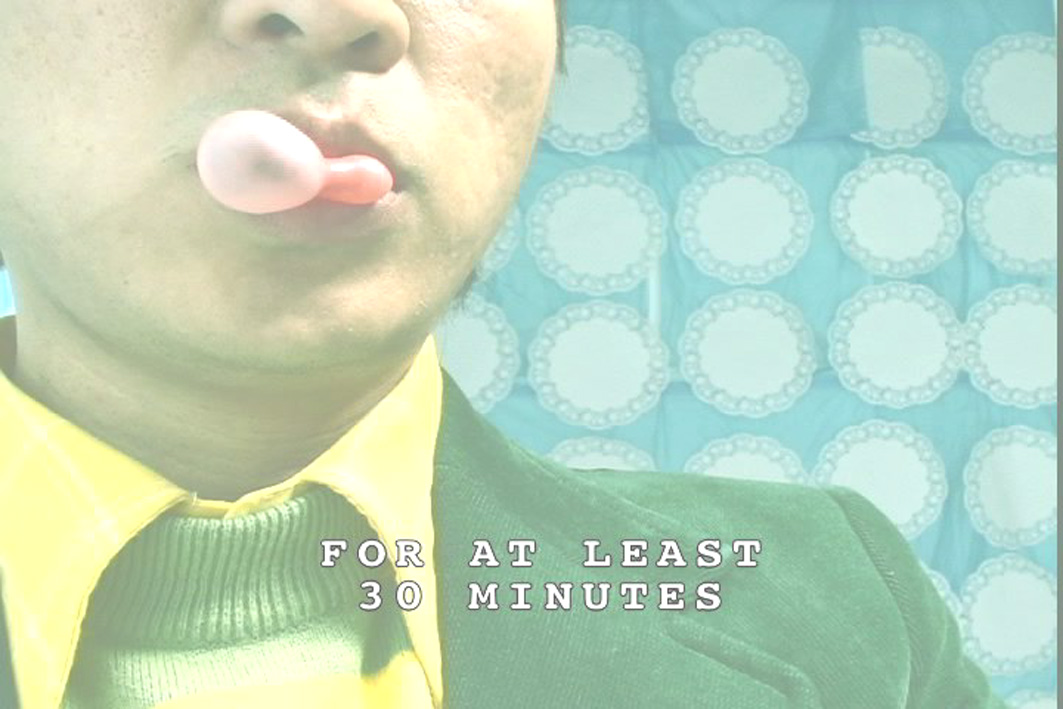
the works. The video Actualina’s Makgeolli Making (2020),
in which the fictional YouTuber Actualina (who also appears in the screening
work Head Is the Part of the Head [2021]) teaches
how to brew traditional liquor, summons the YouTube format while interrogating
the belief system that there exists an original essence of tradition.
As if to
prompt “a re-evaluation of the concept of ‘boundary,’ which, despite being
necessarily fluid, repeats petrification, and of knowledge that settles in that
misunderstood concept,”³ the artist experiments with the limits of cinema and
intersects his gaze with the present of history. What of the architectural
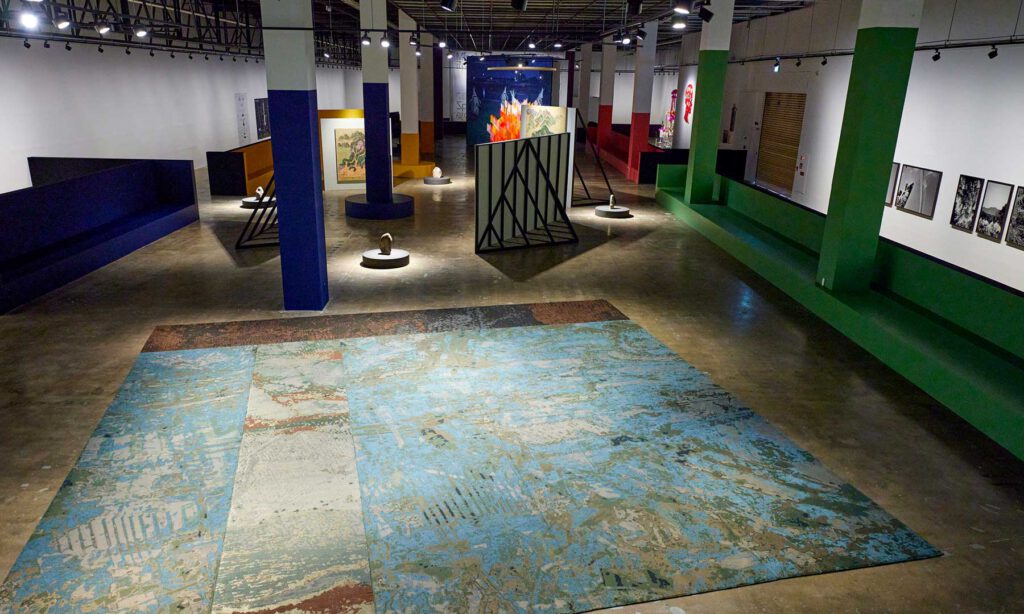
staging elements that constitute the exhibition space? They are unfolded as if
folding the frame of history and drawing a new terrain with that transformed
frame. As we roam or sit across the museum’s wood floor, irregular-patterned
textile carpet, and plywood plinths, our bodies naturally become subjects
traversing the boundaries produced by the collision of differing materials and
surfaces.
Bracketing
a place
Bracketed
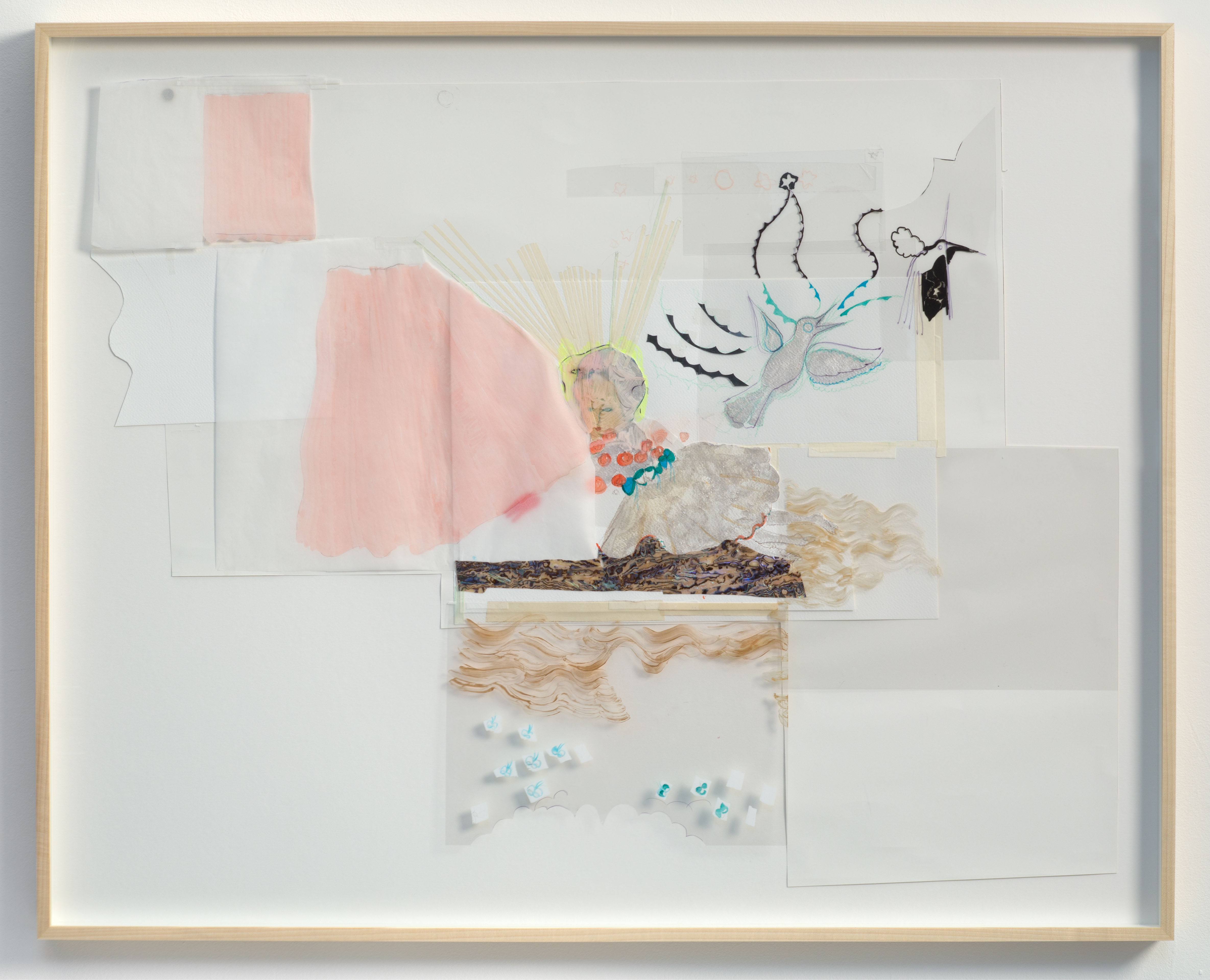
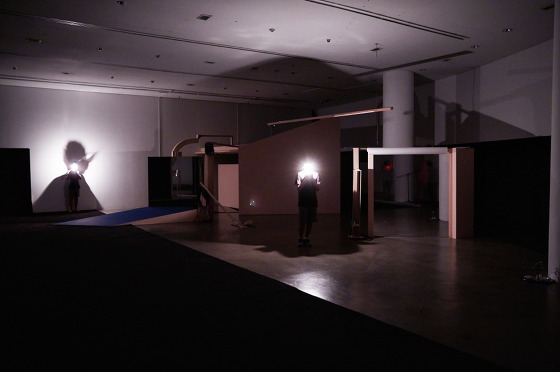
between the two rooms that “begin” and “end” the exhibition, Room 2 most
clearly manifests the artist’s thought and gaze toward fluid objects. As a
space that adds new rhythm and layers to text, the bracketed space is sometimes
ambiguous, provisional, and communal; reflecting this, the exhibition presents
the third video installation of A Record of Drifting Across the
Sea, Untitled, in an unfinished state. The
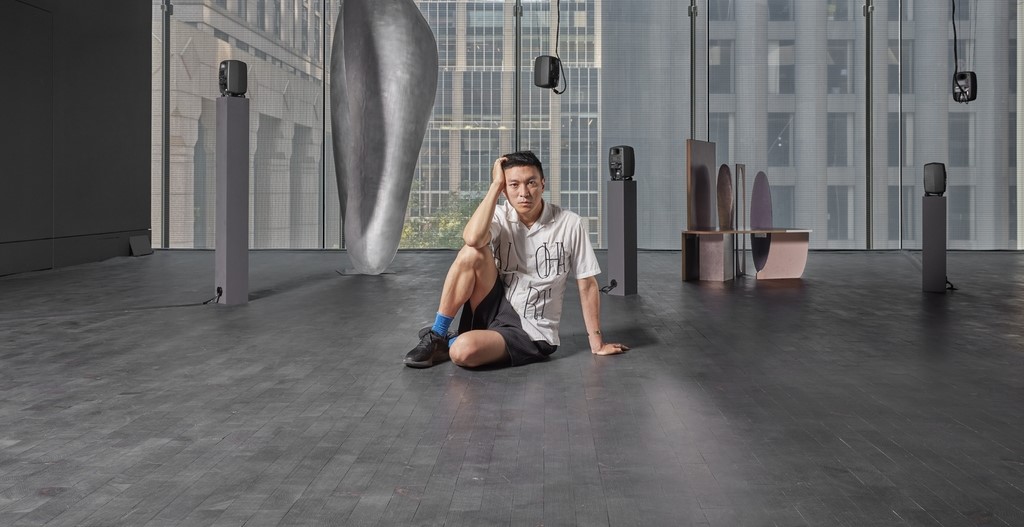
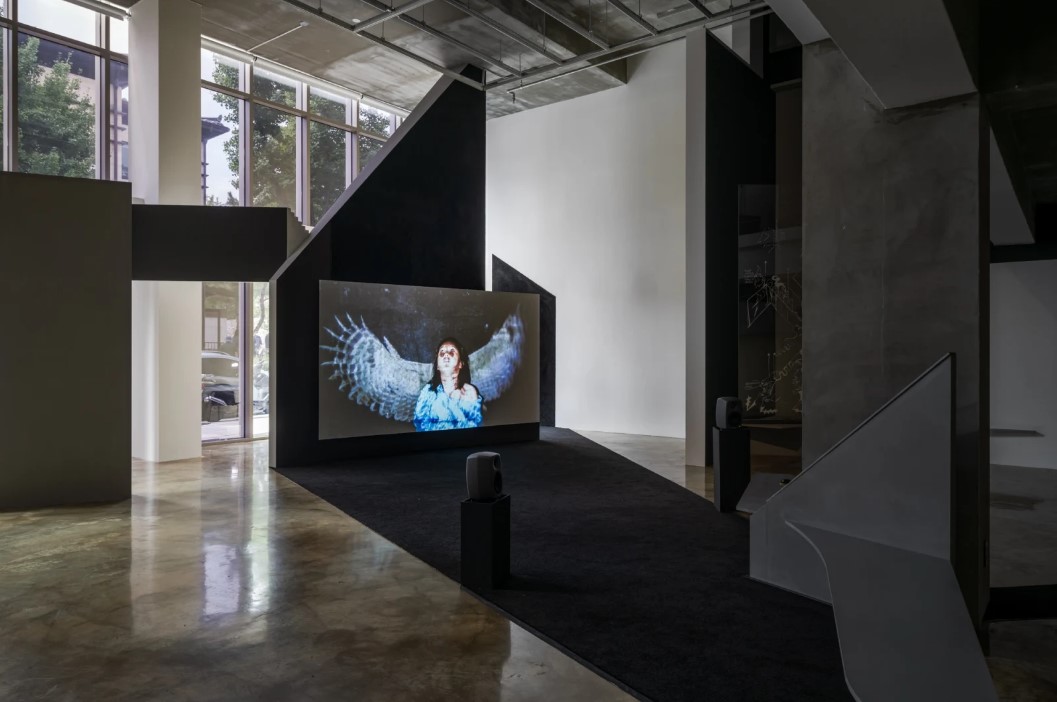
most prominent elements here are, without doubt, the architectural language and
experimental exhibition grammar. Platforms of different heights and slopes;
columns, corridors, and stairs whose functional roles seem delayed; reconfigure
the rectangular room.
The spectator’s body reacts and adapts to these
structures, drawing their own viewing path. Amid a space filled with various
images and sounds, writing and speech, movements and light, documentary
photographs and images created by the artist maintain only loose connections.
Stage lighting installed at the center of the ceiling, casting toward a
pyramidal skylight, and a curtain dropped in the 2nd-floor exhibition hall
through an opening in the floor’s center, make it appear as though the two
spaces are connected vertically like the up-down or front-back of a stage.
In fact,
proposing Room 2 as an editing room and studio, the artist plans to conduct,
throughout March, various performances and workshops with creators from
Australia and Korea based on scripts he wrote, and to record and film them.
Given that footage created in a specific time and place may appear in a “new”
work the artist will conceive in the near future, it stands in a mutually
referential relationship. As Head Is the Part of the Head redefined
the moment of “now” by using a live-photo technique on a mobile phone, perhaps
the artist aims through Untitled to redefine the
“now” of an exhibition bound to a specific period.
Among
the A Record of Drifting Across the Sea materials
posted on the artist’s website are many excerpts from Roland Barthes’s Neutral.⁴
Of these, Barthes’s description of the gesture of “unthreading” from an
entangled object served as a key conceptual metaphor for this exhibition. But
if we look at the passages before and after the sentence in which that phrase
appears, we find that the act of unthreading is not to explain or define the
object of thought but to “describe” it, which is to say, a state of capturing
“nuances” that are similar but subtly different.
Likewise, the framework
(structure) of thought activated by the artist around A Record of
Drifting Across the Sea can be seen as an attempt to carefully
unthread an intricately tangled skein of thought and to capture, from the
present standpoint, the nuances of resemblance within difference that exist
among objects that seem dissimilar. Writing and reading the records of
learning—the moments of “knowing”—《Ua a‘o ‘ia ‘o
ia e ia》 is therefore experimental and, at the same
time, practical.
1 Artist’s
website https://sunghwankim.org/study/lessonsinthefall.html
2 Gahui Park, exhibition leaflet for 《Ua a‘o ‘ia ‘o
ia e ia》, Seoul Museum of Art, 2024, p.45
3 Sung Hwan Kim, “Project Statement Written in 2019 Before the Work Head
Is the Part of the Head,” in 21GB, Gwangju
Biennale 2021
4 Roland Barthes, Neutral, trans. Rosalind Krauss and
Denis Hollier, Columbia University Press, 2007, p.11