The winners of the
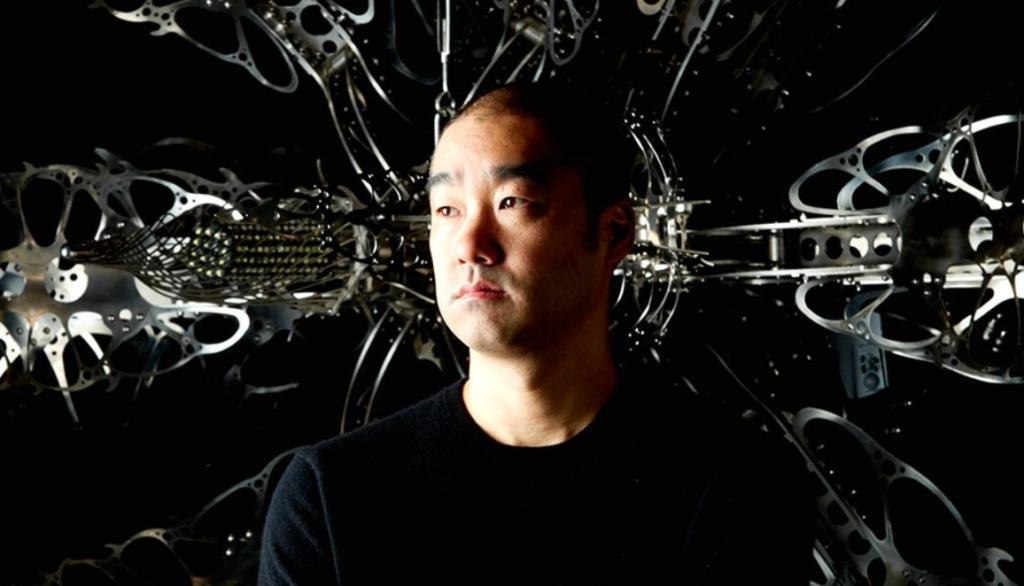
20th Monthly Art Awards have been announced: in the Artist category,
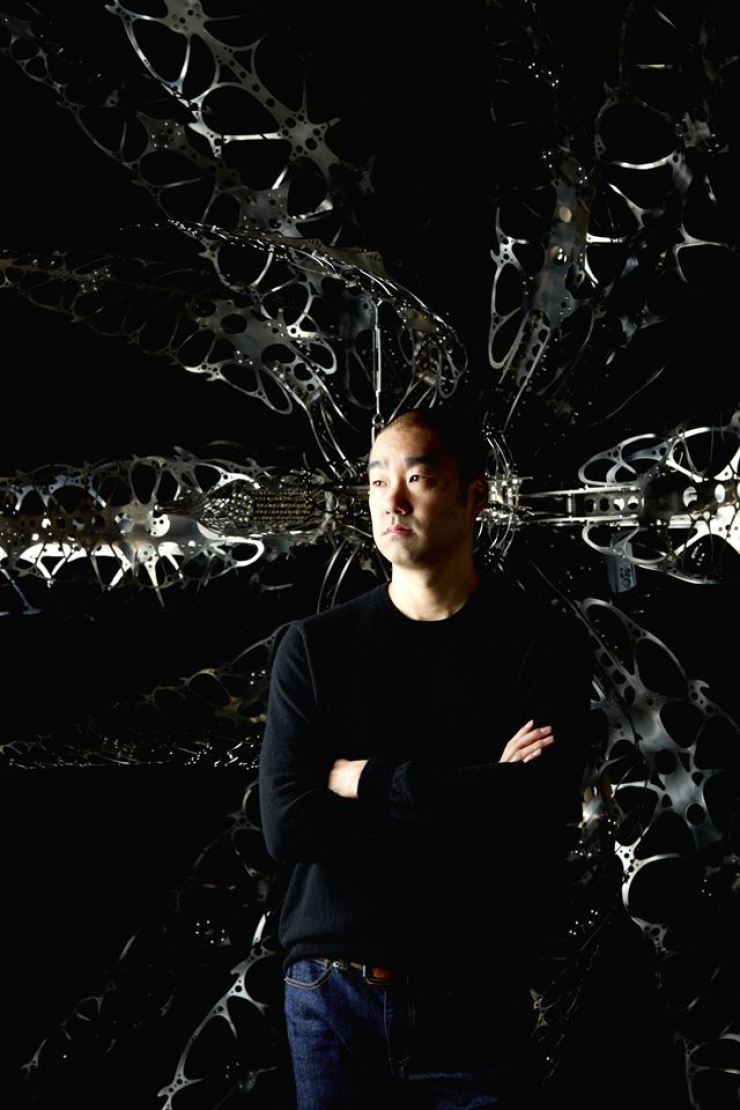
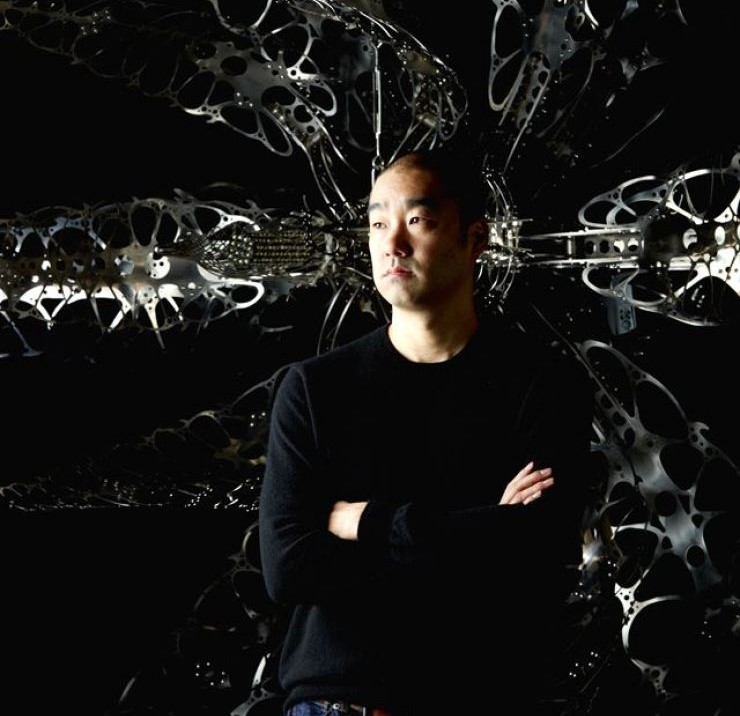
Choe U-Ram; in the Criticism category, Jinshil Lee; and in the Exhibition
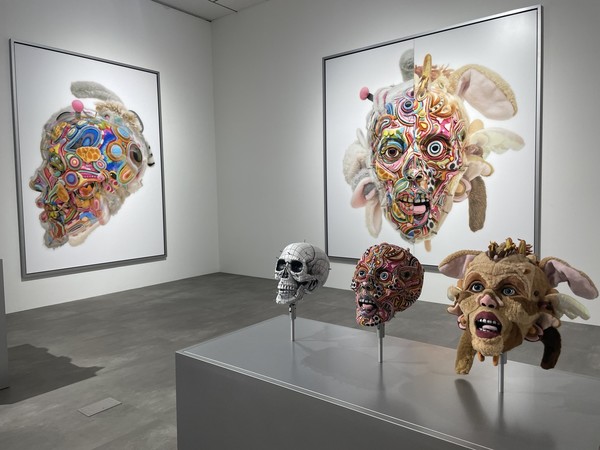
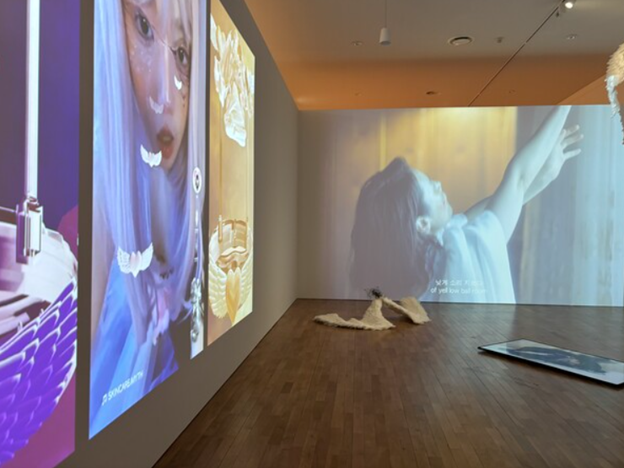
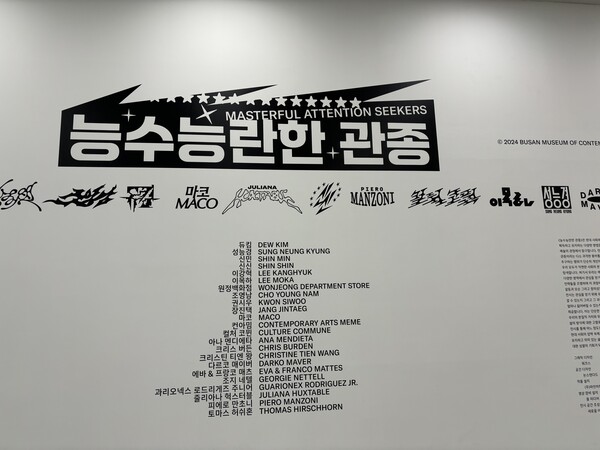
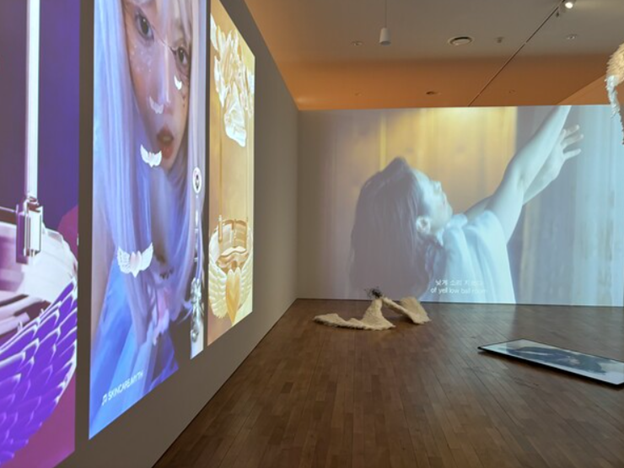
category, 《Masterful Attention Seekers》 (curated by
Sangho Choi) at the Museum of Contemporary Art Busan was selected as Best
Exhibition. For the Exhibition category, rather than choosing a single show,
ten outstanding exhibitions were selected in consideration of conditions and
environments across public and private museums as well as small-scale spaces
nationwide. Among the ten were 《Hymn of Seoul》 (curated by Joowon Choi) at BOAN1942; 《Assemblage》 (curated by Joowon Park) at Mullae Art Factory; 《Seoul: Seoul, Everywhere and Nowhere — Kang Hong-Goo’s Seoul》 (curated by Eunjung Ju) at the Seoul Museum of Art Archive; and 《How to Become a Rock》 (curated by Sungwon
Kim) at Leeum Museum of Art. The awards ceremony will be held on August 9 at
RYSE Hotel in Hongdae.
Since launching
the Monthly Art Awards in 1996, the prize has honored critics who
present new perspectives and institutions/curators whose exhibitions contribute
to discourse in contemporary Korean art. Beginning with Nam June Paik, Hong-hee
Kim, and Cynthia Goodman in its first edition, the awards have gone on to
recognize figures such as Rina Kim, Sunpyo Hong, Sunmi Cho, Yi-soon Kim,
Sangyong Shim, Jin-seop Yoon, Jisook Baik, and artist Seongneung Kyung,
establishing itself as one of Korea’s representative art prizes. In 2022, the
categories and grand prizes were reorganized to focus on “mid-career and
above,” selecting a total of twelve awardees across three divisions—Artist,
Criticism, and Exhibition Planning. The 20th Monthly Art Awards is sponsored
by Ediya Coffee, Korea’s leading coffee brand.
To ensure fairness
and on-the-ground relevance befitting the stature of a national art prize, the
selection process for the 20th edition was conducted in two
stages—recommendation and deliberation—by professionals active in the field.
The recommending committee included critic Hyejin Moon, last year’s Criticism
award winner; Wonseok Ko, former Head of Exhibitions at the Seoul Museum of
Art; Nayoun Koo, Director of Space AFTER; Moonjung Lee, Head of the
Contemporary Art Research Institute “Lepoetic”; and Sooyoung Lee, Curator at
the Nam June Paik Art Center. Final deliberations were conducted with rigorous
review by a jury composed of Jiyeon Ryu (Head of Collections and Archives
Management, MMCA), Youngtaek Park (Professor, Kyonggi University), Ji-eon Shim (Editor-in-Chief, Monthly
Art), Taeman Choi (Professor, Kookmin University), and Kyunghan Hong (Art
Critic). The Exhibition category covered shows held between June 2023 and May
2024, while the Artist and Criticism categories focused on art professionals
who have shown vigorous activity and achievements over roughly the past three
years.
Regarding the
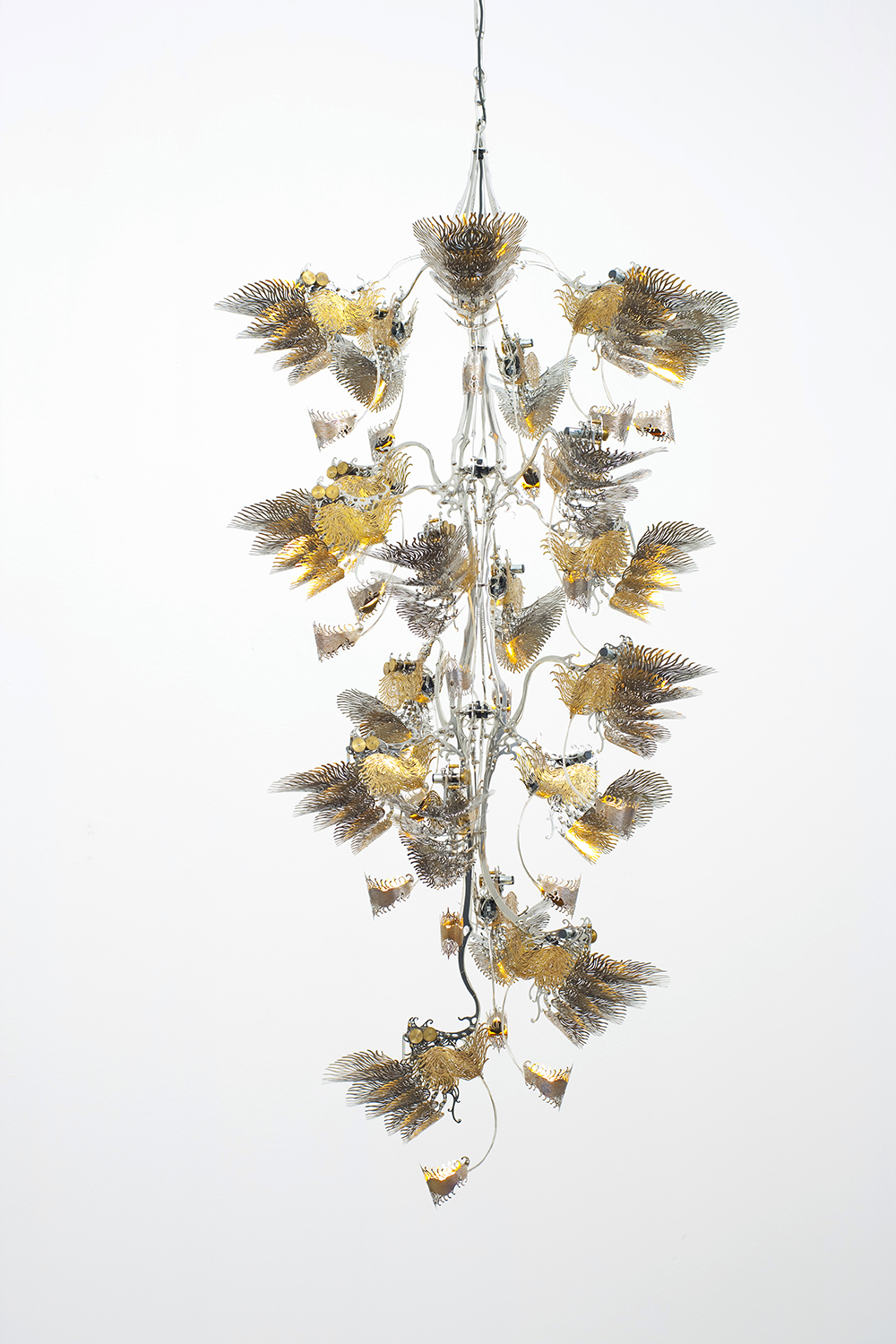
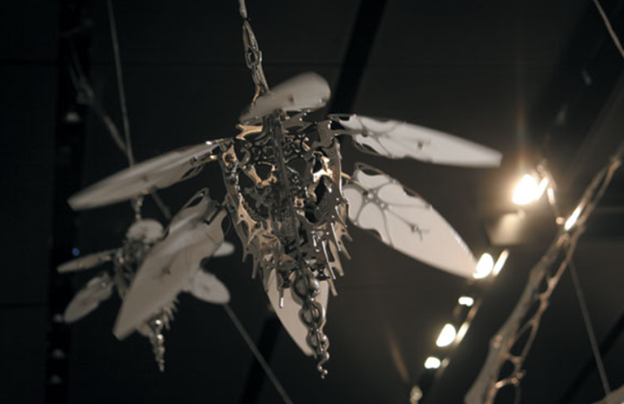
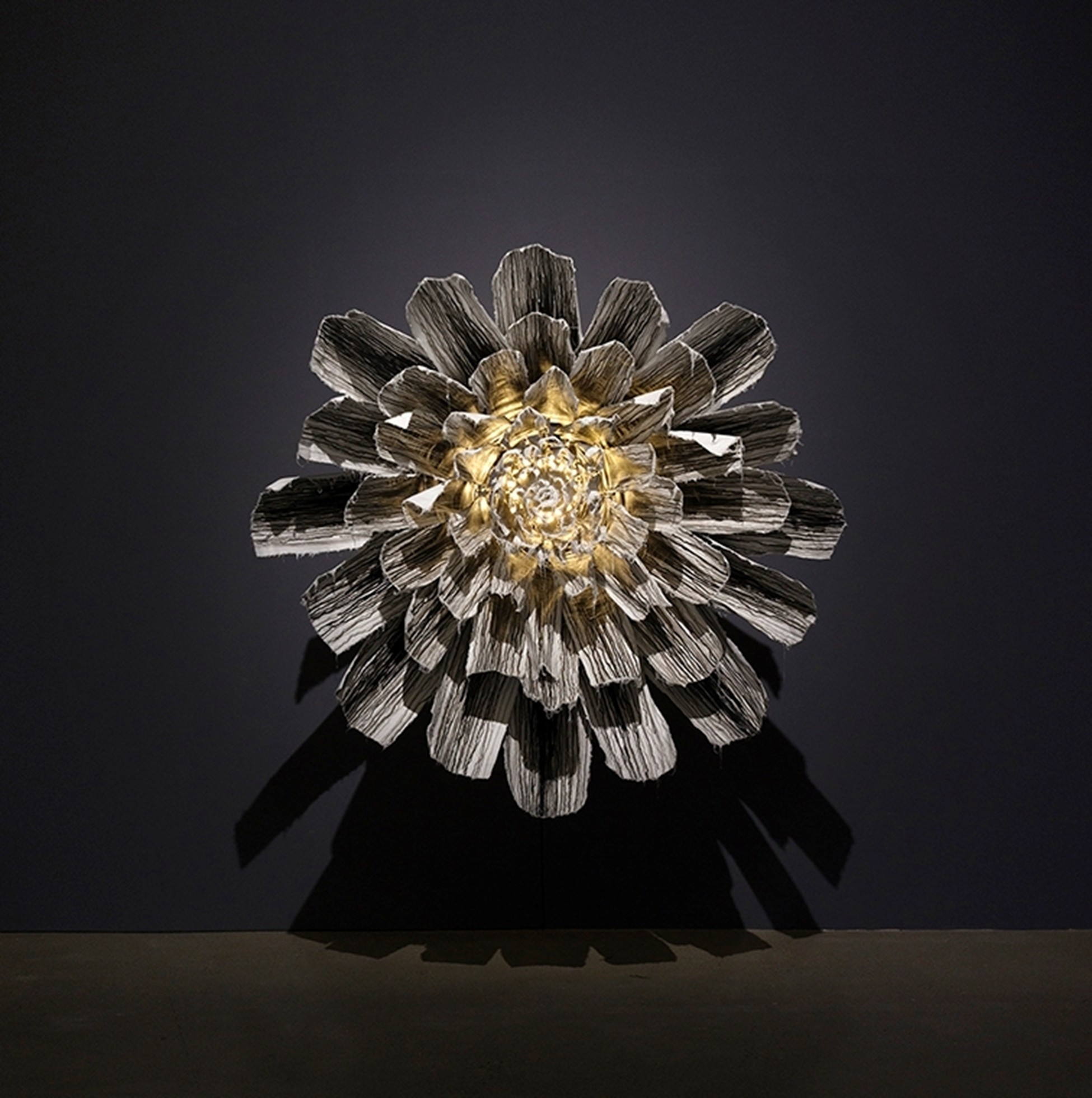
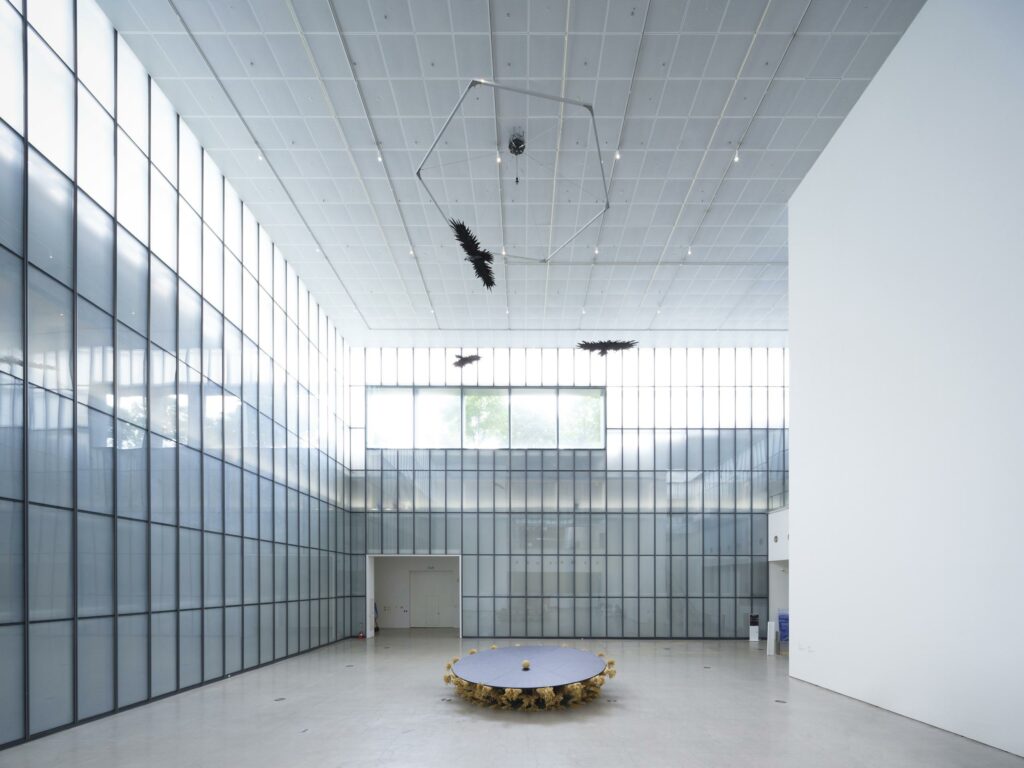
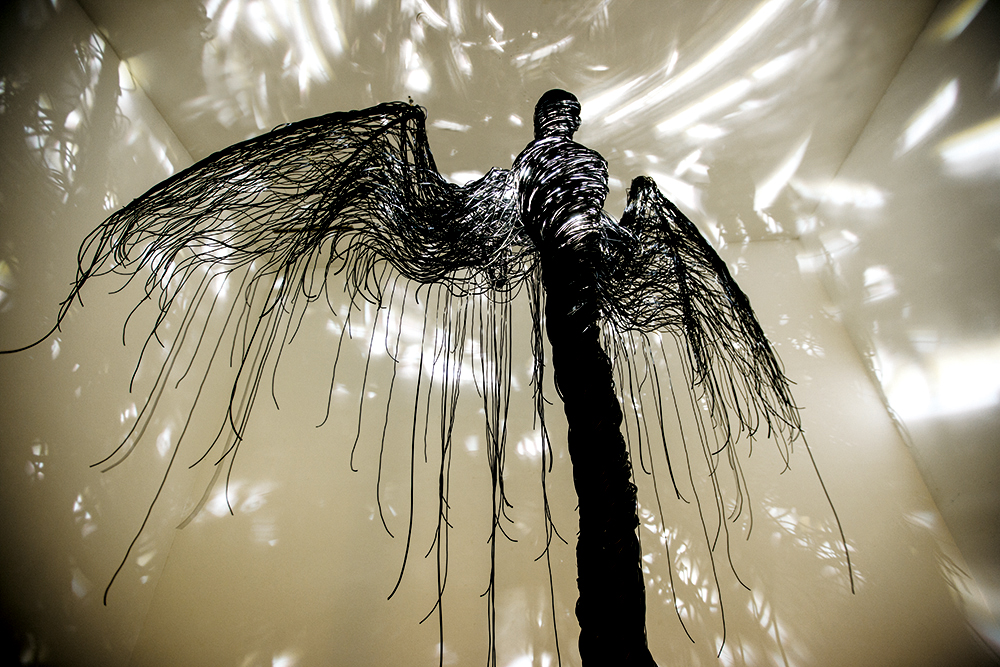
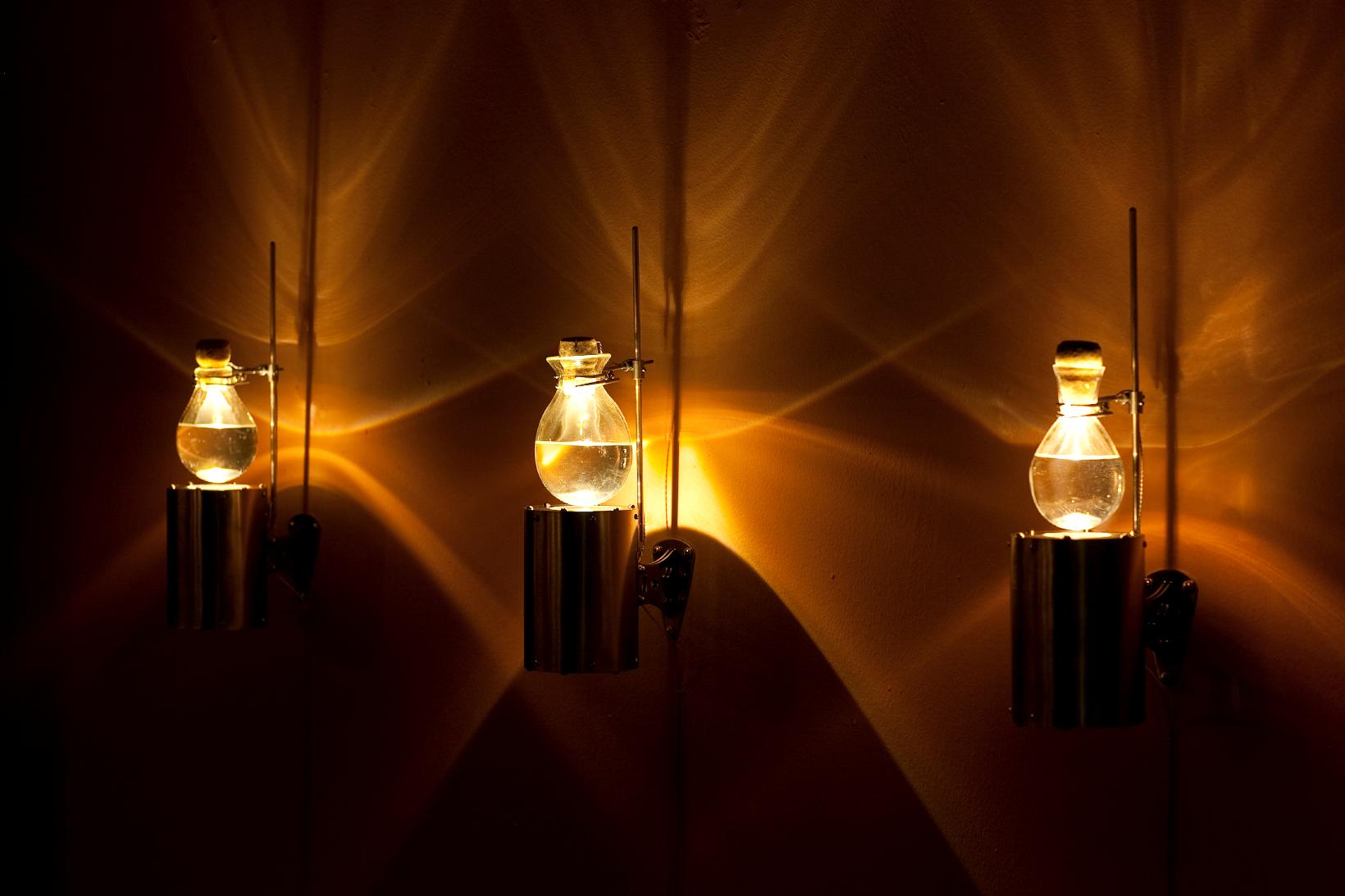
Artist awardee, Choe U-Ram, the jury stated that he “stands as a singular
figure in Korean kinetic art, presenting highly notable work that couples
meticulous, elaborate craftsmanship with the conception of fusions between
machines and living organisms.” They added that “in recent exhibitions he has
infused his existing practice with humanistic significance, presenting lyricism
while also advancing his work to the next level—an outcome we evaluated as
meaningful.” The jury further noted, “Since receiving the Kim Sejoong Young
Sculptor Award in 2009, Choe has firmly established his artistic universe and
demonstrated progressive artistic accomplishment. We believe it is only natural
that he should be singled out now, at a most fitting moment for renewed
attention as a mid-career artist.”
On the Criticism
awardee, critic Jinshil Lee, the jury commented that “her sustained,
field-based feminist critical posture stands out, and we expect her to expand
the spectrum of feminist criticism going forward.” They continued, “As someone
who serves as a compass for the development and direction of Korean criticism,
and who contributes to the healthy expansion of discourse through accumulated
scholarly research, Lee is a critic from whom we can expect even richer
critical work.” They added that the decision was reached “by considering the
rigor of critical perspective, attitude, and argumentative development, as well
as contributions to the advancement of Korean art criticism.”