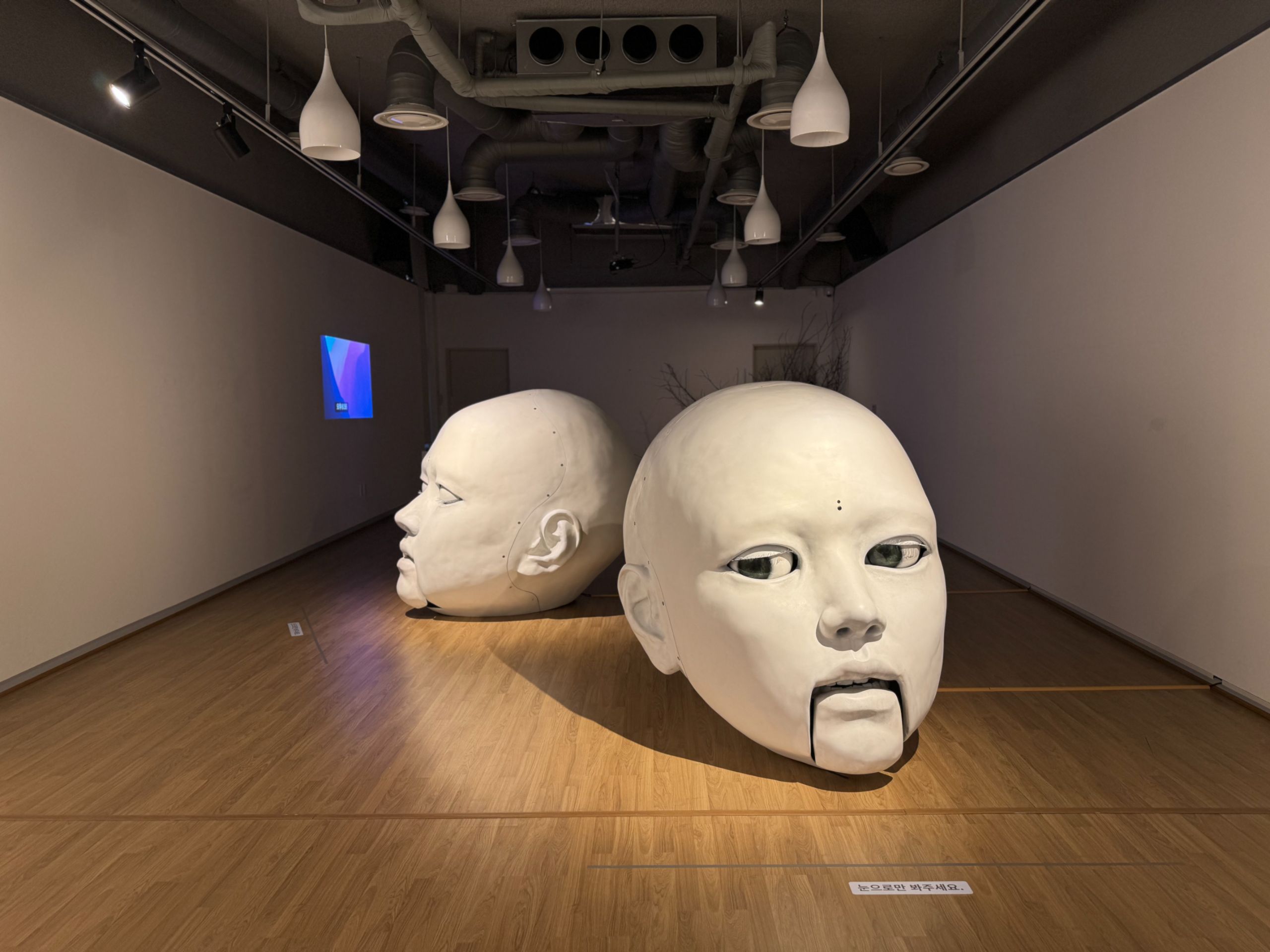
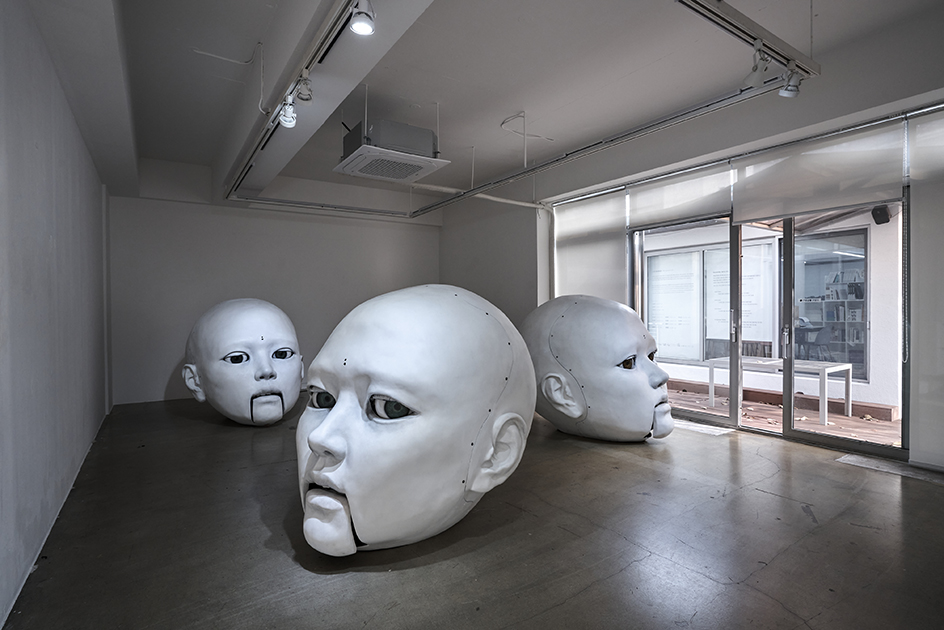
It is indeed the era of the
post-human.
Although robots that perfectly
replicate the human body, like the Terminator T-800, have not yet emerged,
artificial intelligence technology has already deeply permeated our lives.
Geoffrey Hinton, the developer of deep learning and the recipient of the 2024
Nobel Prize in Physics, stated: "Just as the Industrial Revolution
eliminated the human limitation of 'physical strength,' AI will break through
the current human limitation of 'intellectual ability.'"
Artificial Intelligence (AI)
refers to software, programs, and artificial devices that mimic human
intelligence. The core AI technologies can be broadly divided into "deep
learning" and "machine learning."
Deep learning is an artificial
neural network modeled after the brain's learning process, where numerous
neurons exchange information. It learns to distinguish information by
repeatedly studying diverse data. Machine learning, on the other hand, refers to
active learning technology that enables a system to analyze vast amounts of
data and find rules on its own. These technologies fundamentally rely on the
vast datasets known as "big data."
Recently, AI has unexpectedly
expanded into the field of art, creating friction between creators and
consumers.
On March 29th, Elon Musk, CEO of
Tesla, announced that he had unexpectedly sold the social media platform
"X" (formerly Twitter), which he had acquired in 2022, to his AI
company "xAI." This announcement followed a revision to the platform’s
terms of service in October 2024, where Musk stated his intention to use images
and photos uploaded to X for AI training. The decision, hinting that even
trivial user posts could be utilized for deep learning, sparked backlash. Many
creators who relied on X as a primary medium expressed their intention to leave
the platform, criticizing it for using their works without permission.
Additionally, controversy arose
when a company advertised its AI-generated fairy tales with the slogan: "A
legitimate shortcut (from idea conception to illustration design)." This
slogan was criticized for undermining the value of the fairy tale genre, which
traditionally conveys dreams, hopes, and moral lessons to children through the
profound contemplation and unique worldviews of writers.
In this post-human era, where AI
has deeply embedded itself in the arts, I find myself contemplating as a
creator. Should we acknowledge the artistic value of works reborn through deep
learning, which absorbs human emotions and techniques? Or should we reject it?
Should we adopt a pragmatic approach and take advantage of AI to progress,
despite its potential drawbacks?
What worries me most is that AI
might not only permeate art but also encroach on the very space occupied by
artists.
Even before AI had gained its
current level of influence, there was an artist who cleverly expanded the scope
of creativity by integrating AI with sculpture. That artist is Jinah Roh.
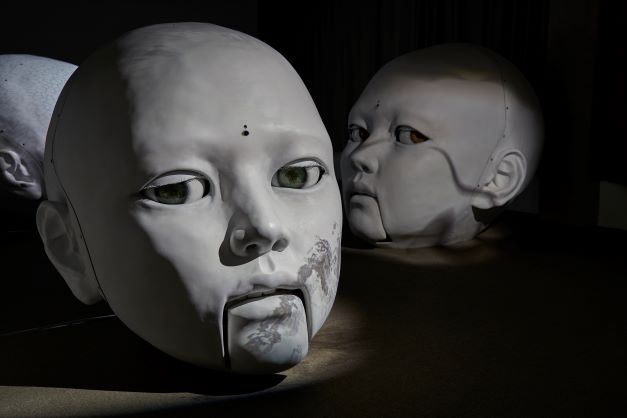
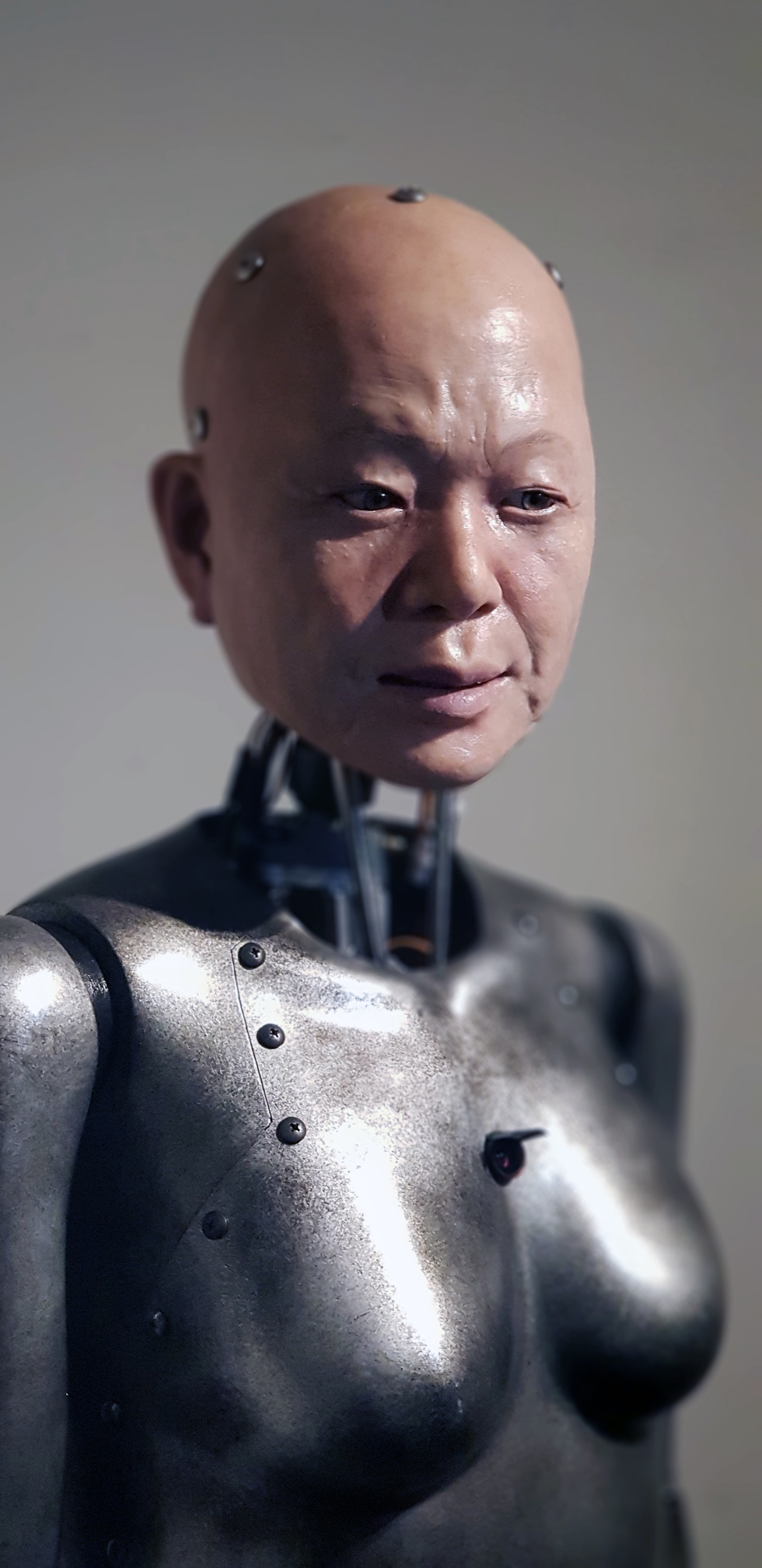
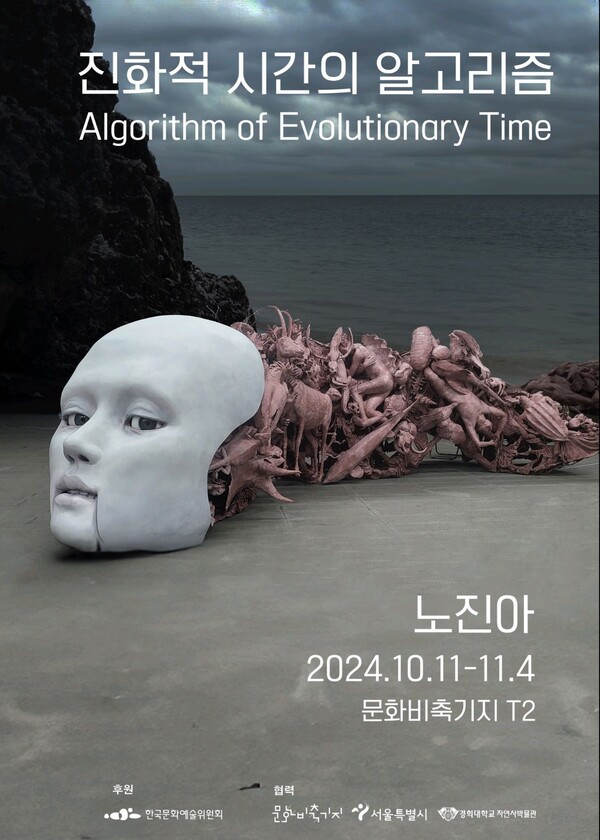
Artist Jinah Roh
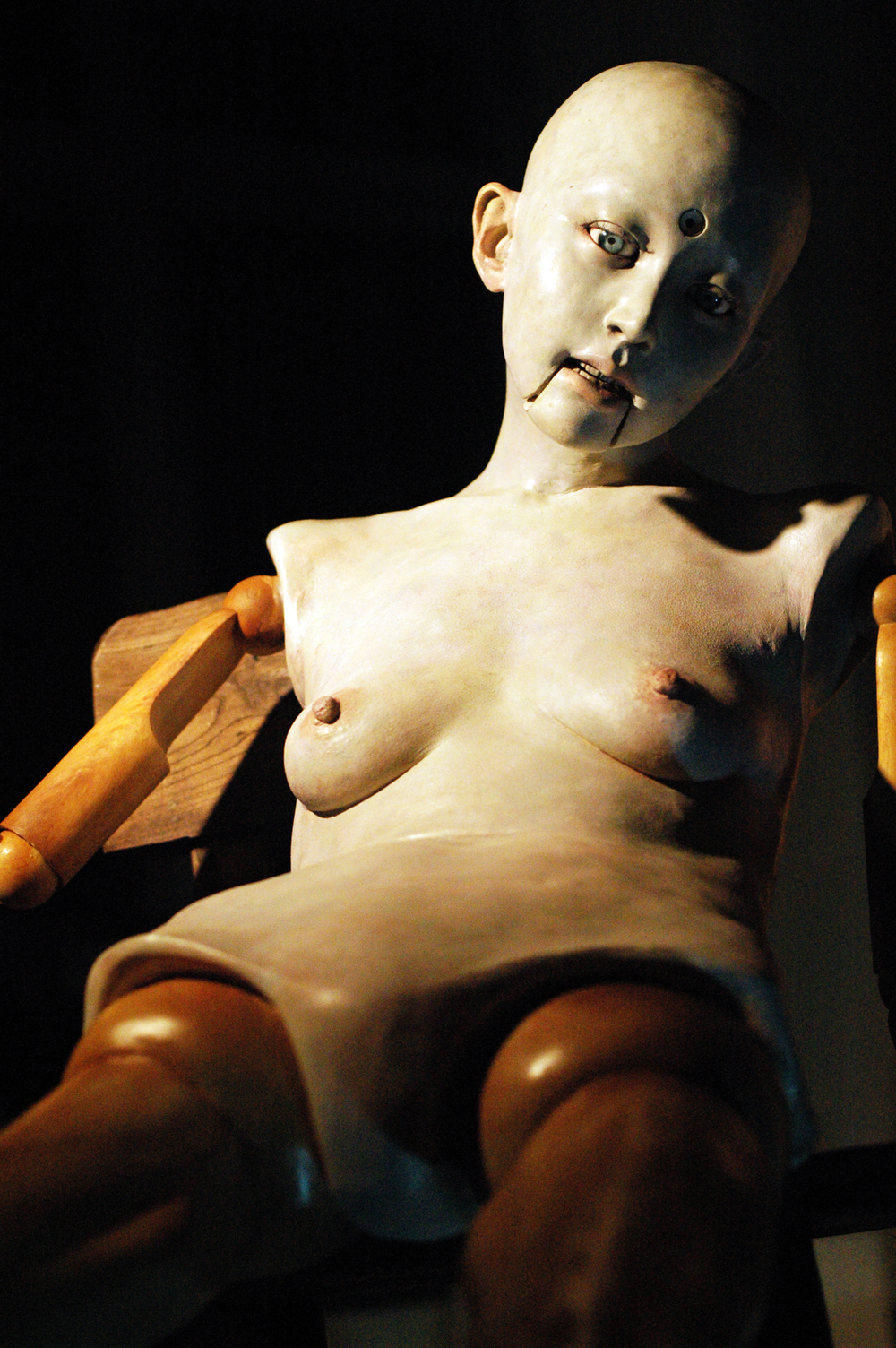
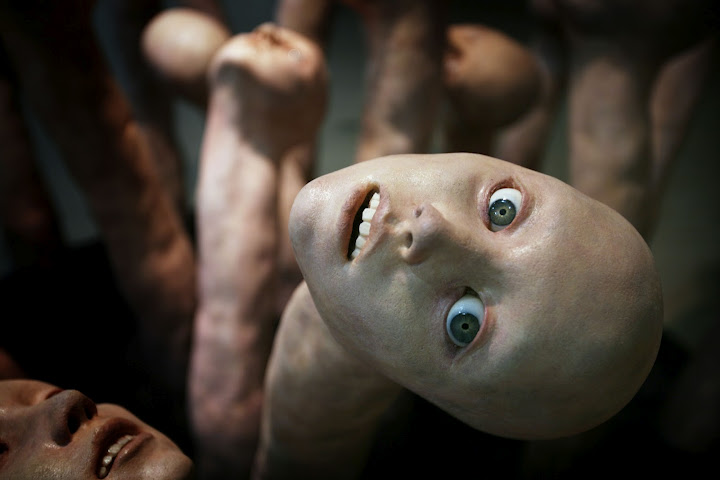
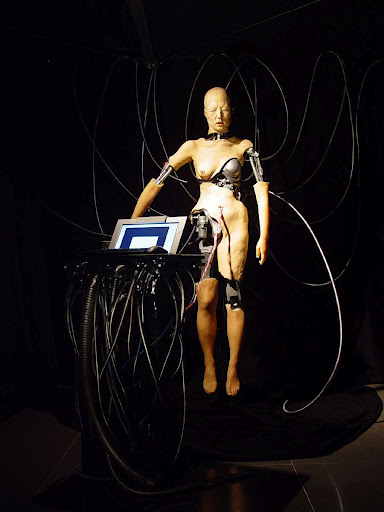
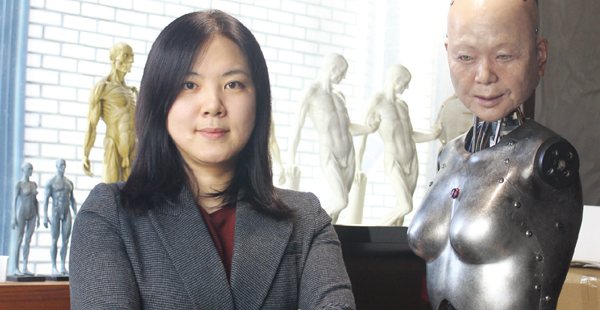
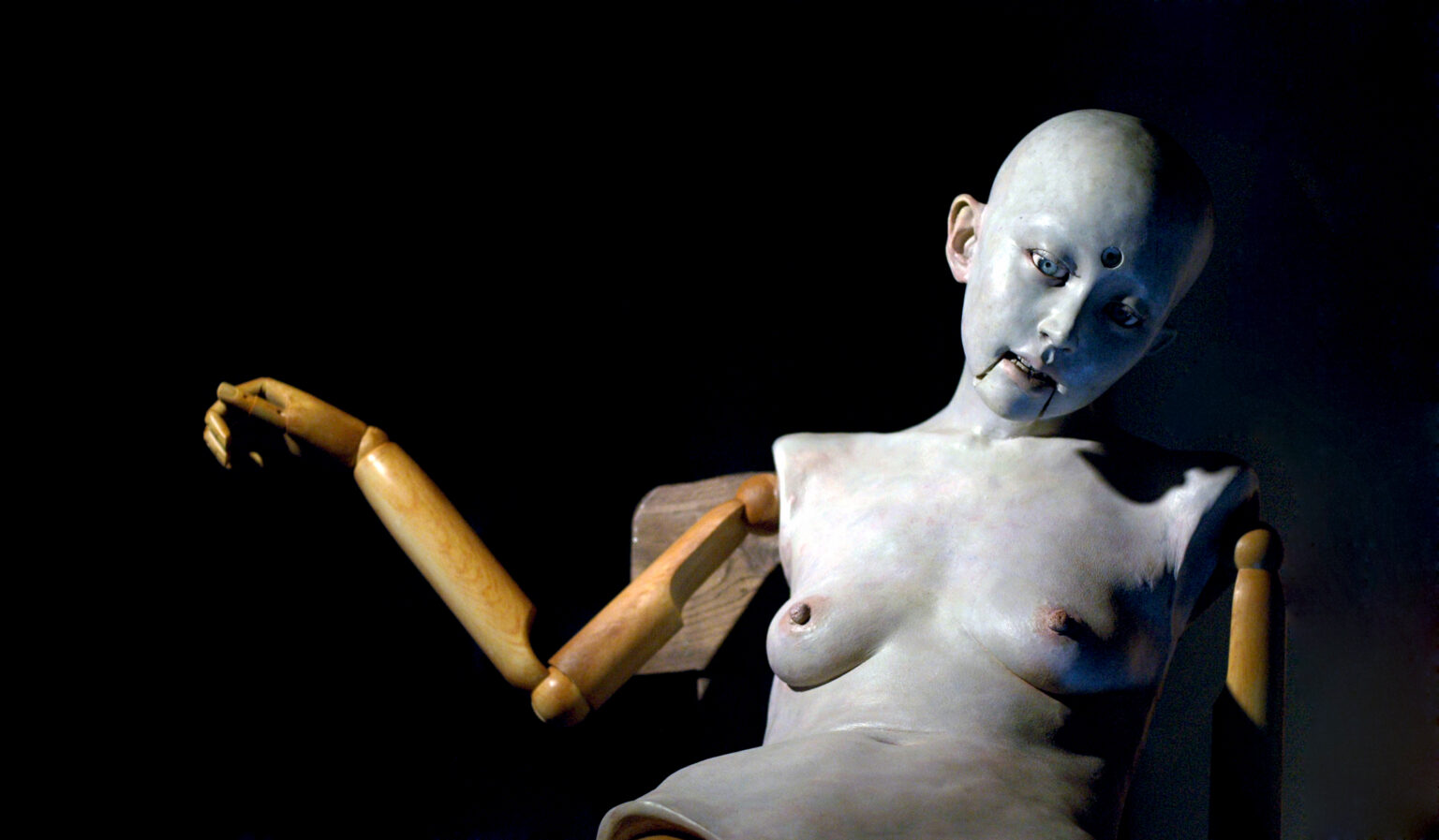
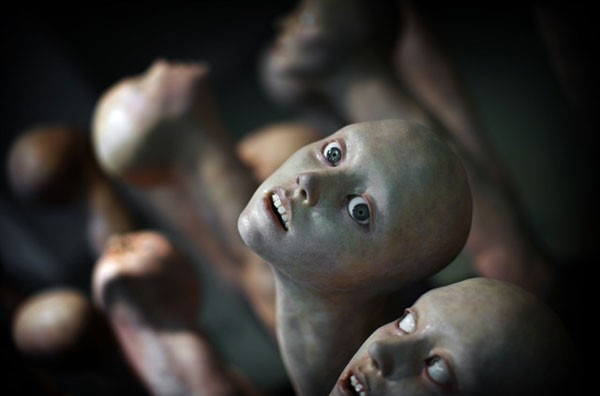
Jinah Roh is an artist who has
been creating AI conversational robotic sculptures and real-time interactive
video works by combining sculpture with new media. Her works focus on the
relationship between humans and non-humans, questioning the definitions of
machines and life by exploring these connections within the exhibition space.
Her works are part of the
collections at institutions such as the Nam June Paik Art Center and the
Gwangju Media Art Platform. She has also participated in curated exhibitions at
the Seoul Museum of Art and the National Museum of Modern and Contemporary Art.
Currently, Jinah Roh serves as an assistant professor at the College of Fine
Arts at Kyung Hee University.
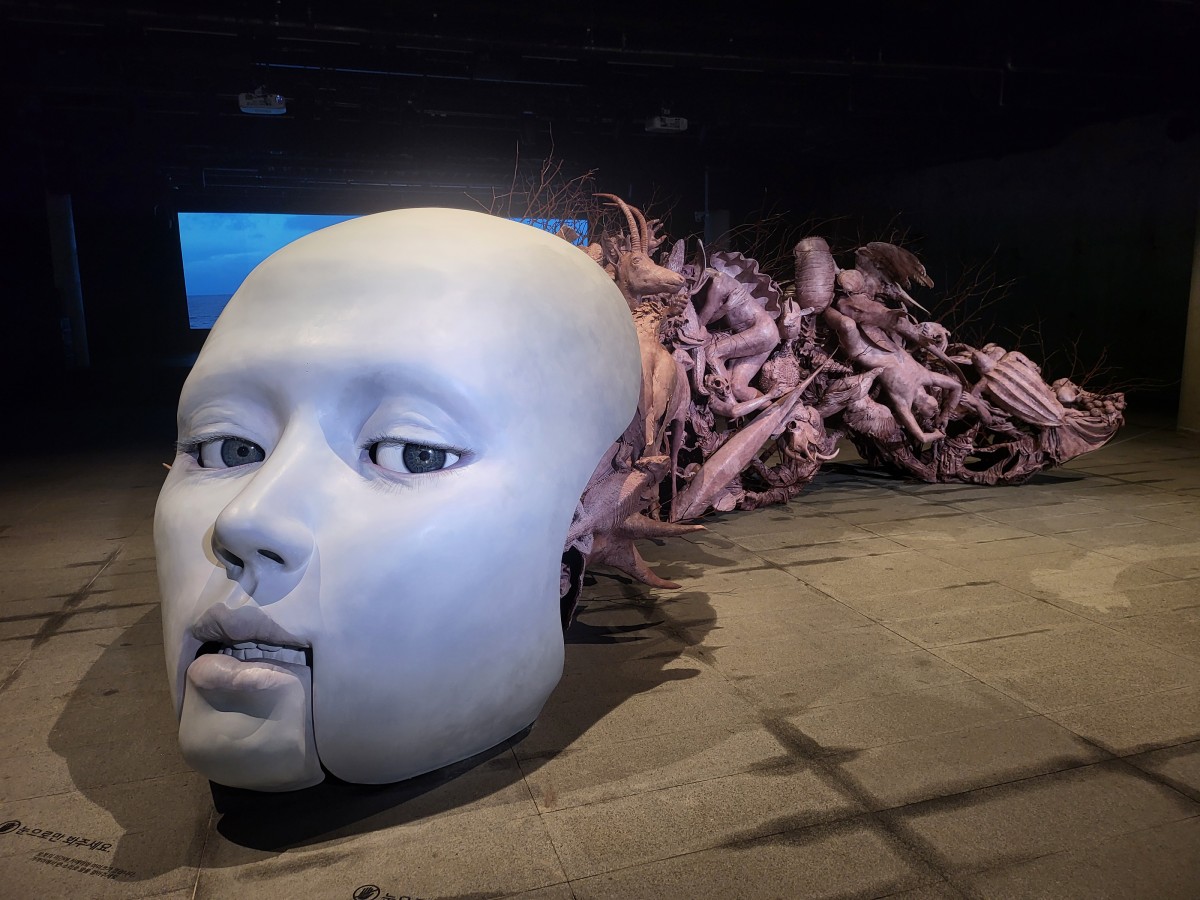
'An Evolving GAIA'
One of Roh's notable works,
"An Evolving GAIA," is part of the Nam June Paik Art Center’s
collection.
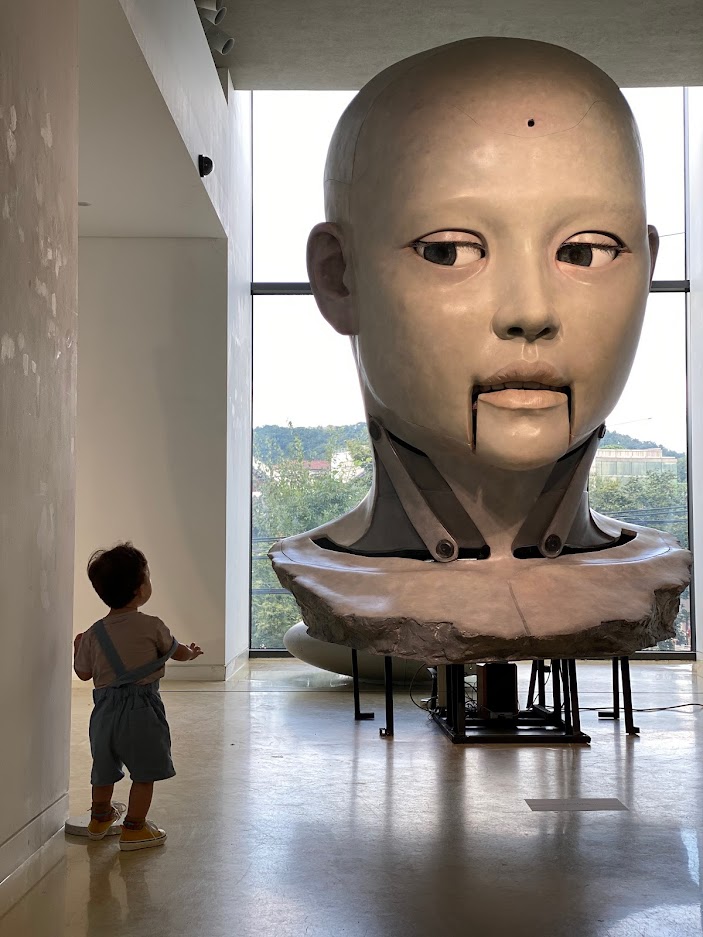
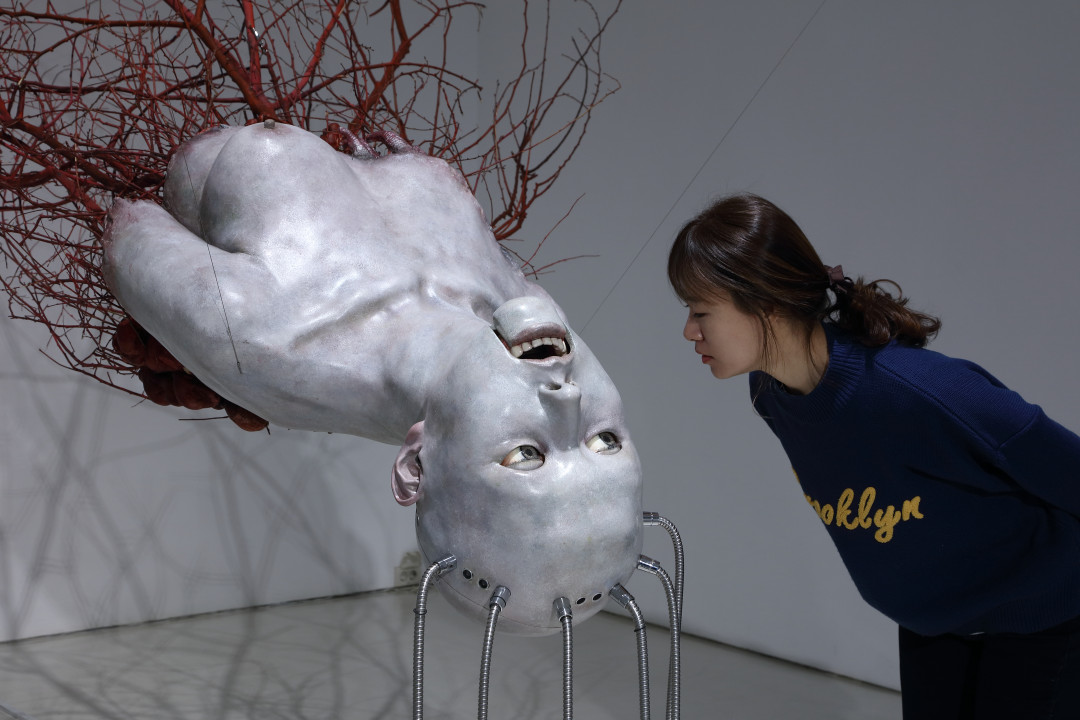
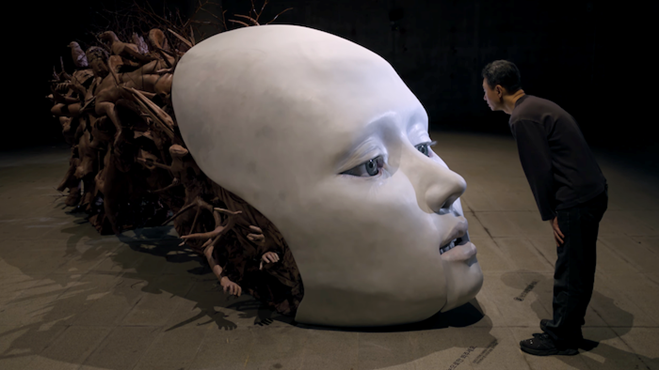
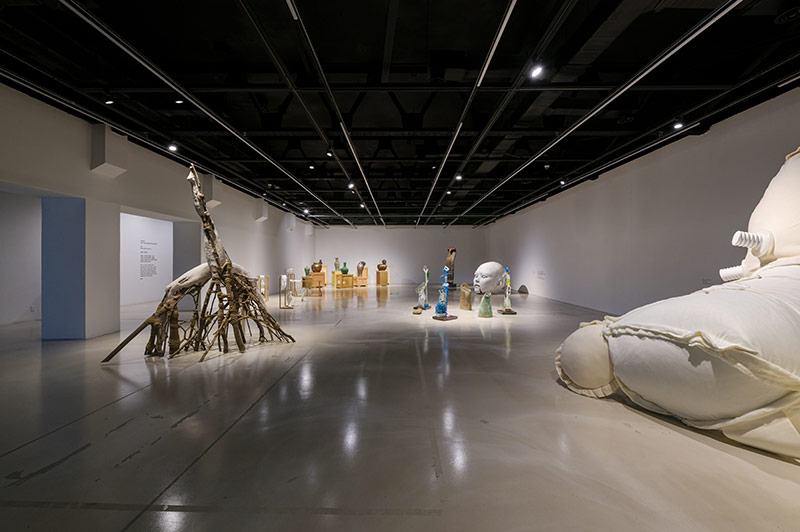
In this new media sculpture,
GAIA, a machine that desires to become human, interacts with the audience. When
visitors ask questions to GAIA, the sculpture perceives the intent through
sensors and responds accordingly. GAIA is designed to learn and evolve,
gradually forming a human-like thought process as it receives more questions.
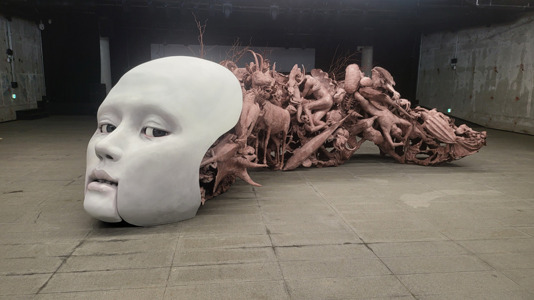
The sculpture features a large,
imposing figure with a chest exposed, adorned with red root-like forms, which
initially makes viewers feel uneasy.
However, as they continue conversing with
GAIA, they experience a strange shift in perception, gradually recognizing it
as an individual entity rather than a mere machine.
Roh was inspired to create this
work by observing the rapid advancement of artificial intelligence through big
data and deep learning. She posed the fundamental question: "If an
artifact can almost perfectly imitate a living being, can it be considered a
living organism?"
'Evolutionary Chimera-GAIA'