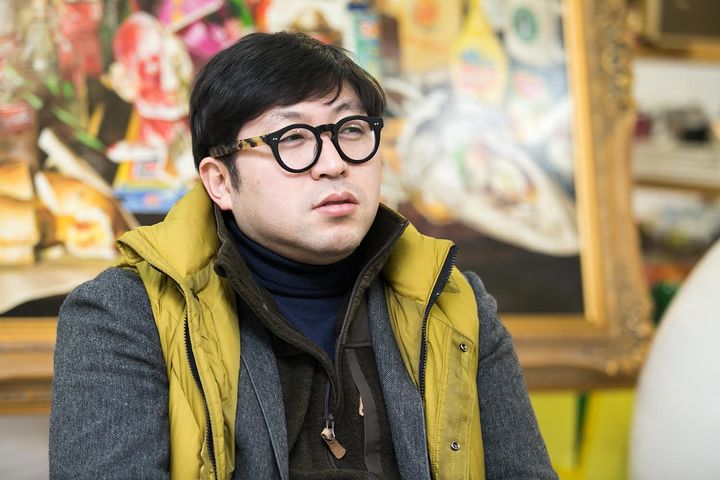
From Standard to
Division, Kira Kim has actively opposed elements of power and
authority by critically revealing internal issues of contemporary Korean
society. At the same time, however, he works with a prestigious gallery with a
stellar collection of famous artists, known for its excellent marketing and
sales. These two facts seem to contradict one another, but the situation
actually suits Kim perfectly, invoking contemporary art’s tendency to subvert
the visual system and raise the alarm to the cognitive worldview. Kim’s works
have never left the realm of “contemporary” art as a modifier of the
“uncomfortable.” Furthermore, he has never veered from his determined course to
pursue new aesthetic languages while touching upon various taboos. Of course,
in some ways, his anti-authoritarian works may actually serve to confirm and
reinforce the establishment; given that all forms of resistance are inevitably
generated by the system of power, they cannot completely erode that system.
Nonetheless, once an artist has captured and collected all of the items and
issues that we consume, from hamburgers to Slavoj Zizek (b. 1949), they become
specimens for examination, like insects soaked in formaldehyde and stuck with
pins. In this context, his works have great significance within contemporary
Korean society.
Kim maintains that prosperity
without harmony and co-existence is violence. Furthermore, he emphasizes that
the ideas and concepts that permeate Korean society actually control our lives,
like the steam that drives the pistons of an engine. After the early
experimental works of his early career, which derived exuberance from his
youthful magnanimity, he opened fire on the public, focusing on the minority
that we conceal inside ourselves. His remarkable first solo exhibition was
entitled Standard, a word that has deep implications for defining contemporary
Korean society. For example, every product of a privately owned factory must
meet certain “standards” that are defined and managed by the state. These
industrial standards serve as a certificate of authenticity that is necessary
for the distribution of goods as commodities. Of course, the system of
“standardization” and “modernization” that now operates as the state power can
also be applied to culture and people. The same system of “standards” provides the
impetus for consolidation that allows every Korean to condense the complex
lives of historical icons like Shin Saimdang (1504-1551) or King Sejong (r.
1418-1450) into a single unambiguous figure. Naturally, and inevitably, the
industrial standards that provide a model for adequacy and restriction are now
being applied to members of the society. The application of such standards to
individuals and to culture casts various entities within the society as the
“Other,” effectively castrating the differences that distinguish individuals.
After all, the oppression and violence of of standardization is a
self-replicating system that transforms subjects into beings that desire
standardization. Kira Kim seeks to expose these beings by laying bare the
desire for differentiation and the identity of those that promote such
differentiation.
Kim’s works reveal how the
grounds for standards are based on and determined by power, so that their
principles do not result in integration, but in the production of others.
Standards may be used to justify a policy of separation and segregation, no different
from the case of patients afflicted with leprosy who were outcast on Sorok
Island. Indeed, just as colonialists once justified their oppression with
“rational” arguments related to sanitation and development, people with
disabilities such as Down’s syndrome and autism are now differentiated by their
“non-rational” behaviors. In one of Kim’s works, a video of a disabled person
dancing is played at high speed, for a humorous affect.
But then, who wouldn’t
look funny doing a fast-forwarded dance? Recalling the bow-legged gait of
Charlie Chaplin, jaunting back and forth with his cane, viewers are forced to
interpret the relationship between the disabled and humor. In Kim’s
series ‘Wedding,’ he takes wedding photos of disabled couples in expensive
designer clothes, revealing the inherent relationship between social
discrimination and capitalist desires. The people in the photos get a taste of
the life of luxury, wearing designer suits and wedding dresses and being
photographed like models. For many people, wedding photographs are a normal
part of life, but for the subjects of Kim’s photos, they are the realization of
an impossible dream. What is the true nature of this unfamiliarity? Too often,
we distinguish between disabled people and non-disabled people in terms of
abnormal and normal, causing abnormality to be ghettoized. These strategies
make people feel helpless, with consequences that are much more horrible than
we think.
Ideas and concepts that are
utterly devoid of substance can still be the source of true pain for members of
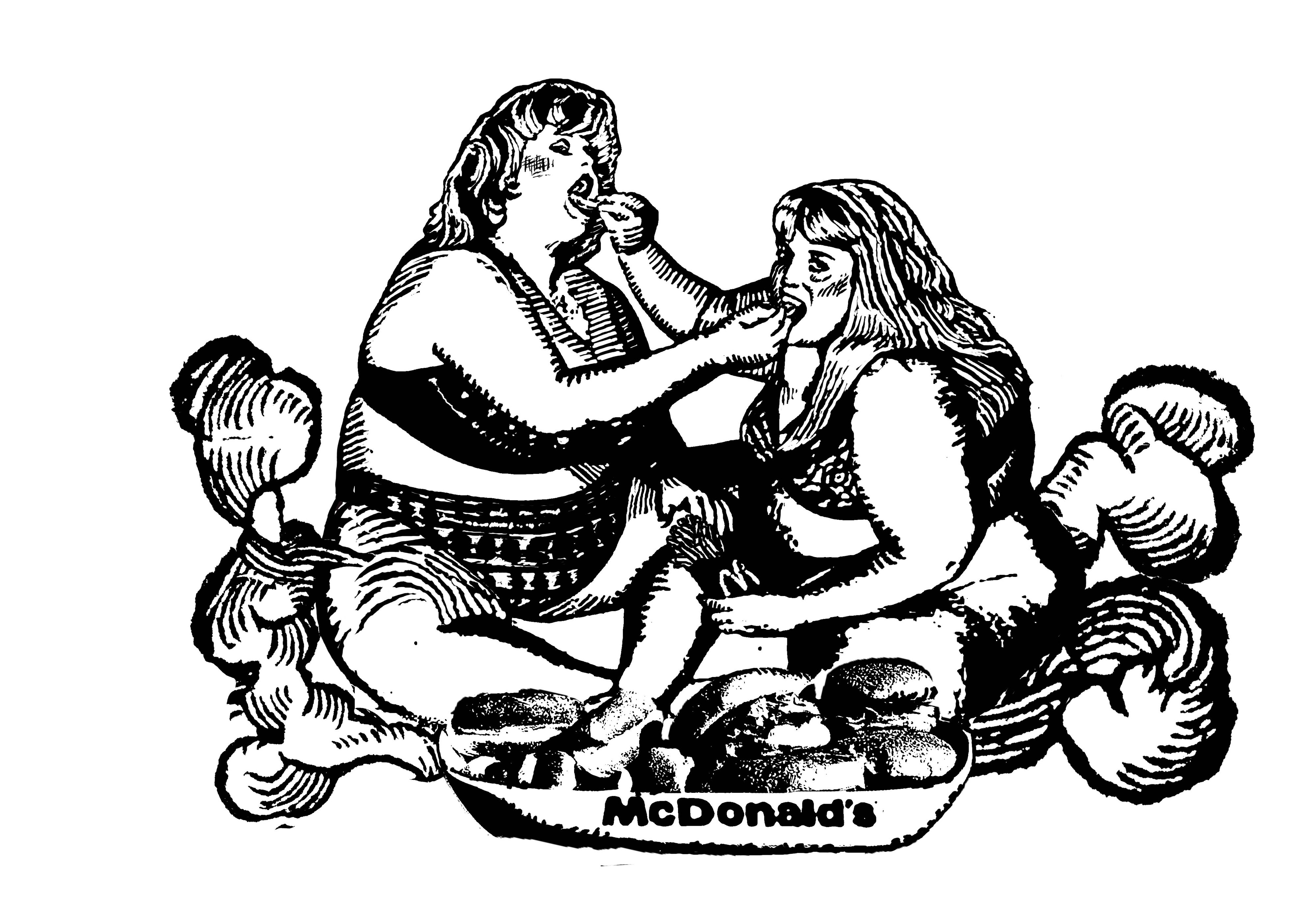
society. After years of giving birth and raising children,
an ajumma (i.e., middle-aged Korean woman) has inevitably gained
weight and lost the desirable physique of her youth; she is now pressured to
lose weight in order to be accepted again as a “legitimate” member of society.
At one time, a woman’s fat was viewed as the pride of the Mother Goddess, but
today, it only represents the laziness and gluttony of capitalism. Only through
these unrealistic efforts to overcome involuntary physical responses
are ajummas are able to secure a place within reality.
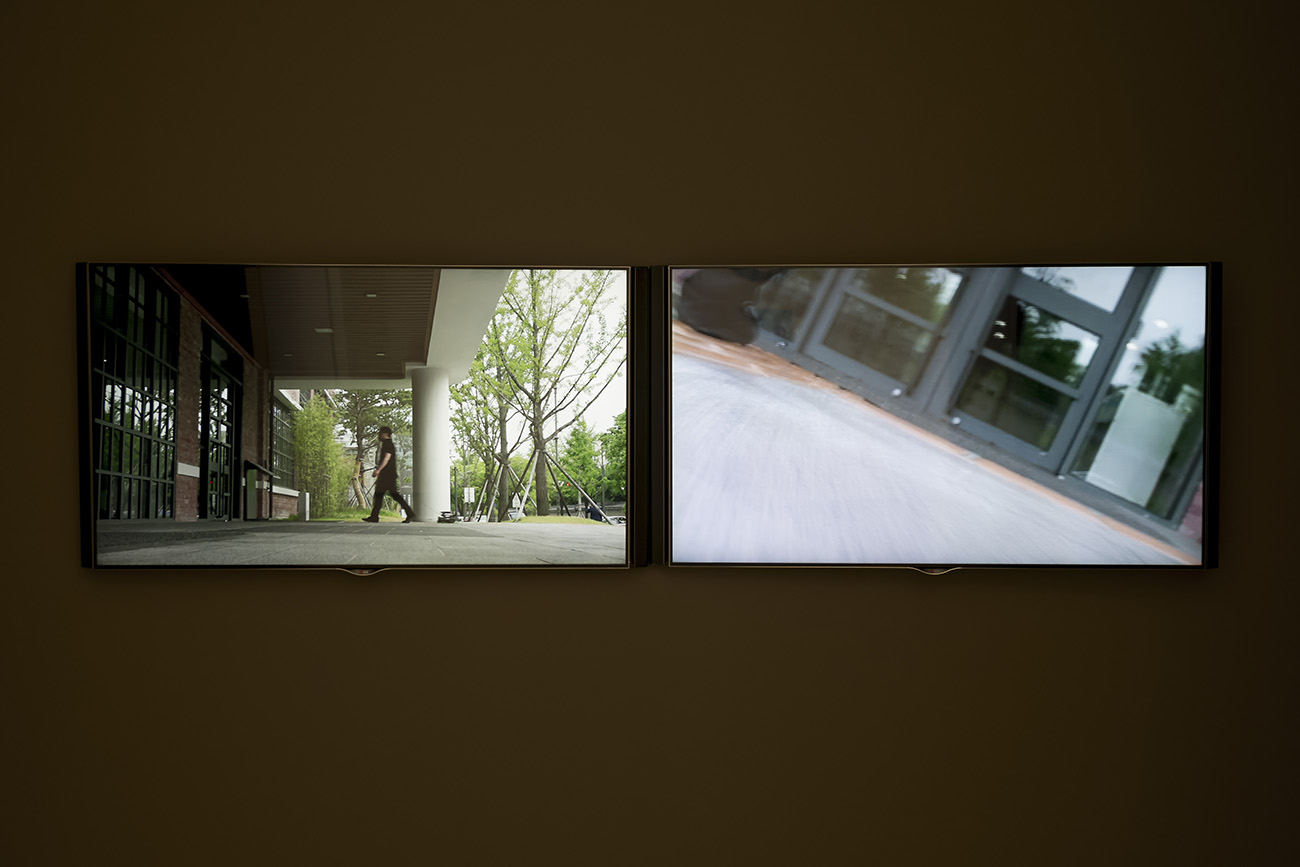
In other works, Kim directs the
viewers to see the world through the lens of a camera. One video consists of a
point-of-view shot of a person climbing to the roof of a high-rise building,
gasping for breath; then, the camera is thrown from the building, forcing the
viewers into the perspective of someone committing suicide. Watching this
video, many Koreans find their eyes welling up with tears at the crucial
moment, as they perhaps connect the video to the aftermath of the I.M.F. crisis
of 1997. Tellingly, there is now a popular pun that “I.M.F.” stands for “I am
F,” referring to a failing grade at school. The subject in the video is never
shown, but the heavy breathing sounds like a man, making people think of a
father, who is usually the breadwinner of a family. By sharing the final
moments of a person who chose suicide, the audience is forced to feel that they
too are so-called “losers” of the society. Putting viewers in such a position
is a very clear statement by the artist.
Unlike many prominent Korean
artists, Kira Kim did not study art at a university in central Seoul, but he
went on to attend Goldsmiths at the University of London, which was also the
school of many of the YBAs (Young British Artists) attended. Thus, while in
Korea, where there is a clear hierarchy of universities, Kim was somewhat in
the margins, but he then moved squarely to the center. Although more and more
Korean students are studying in Western countries, it is still relatively rare.
In the past, the system for nurturing young minds was overseen by the state,
with the goal of cultivating talented people, but today it is part of the
desire system of the parents seeking to maintain or advance their own and their
children’s social class within the capitalist system. But without question, in
Korea, class differences are produced by education. Hence, studying in a
Western society that emphasizes the public interest of education may have made
Kim more aware of the vulgarity of the capitalistic desires he encountered upon
returning to Korea. Thus, it is only natural that his works, which harshly
resisted discrimination and prejudice, focused on delving into the system of
desire.
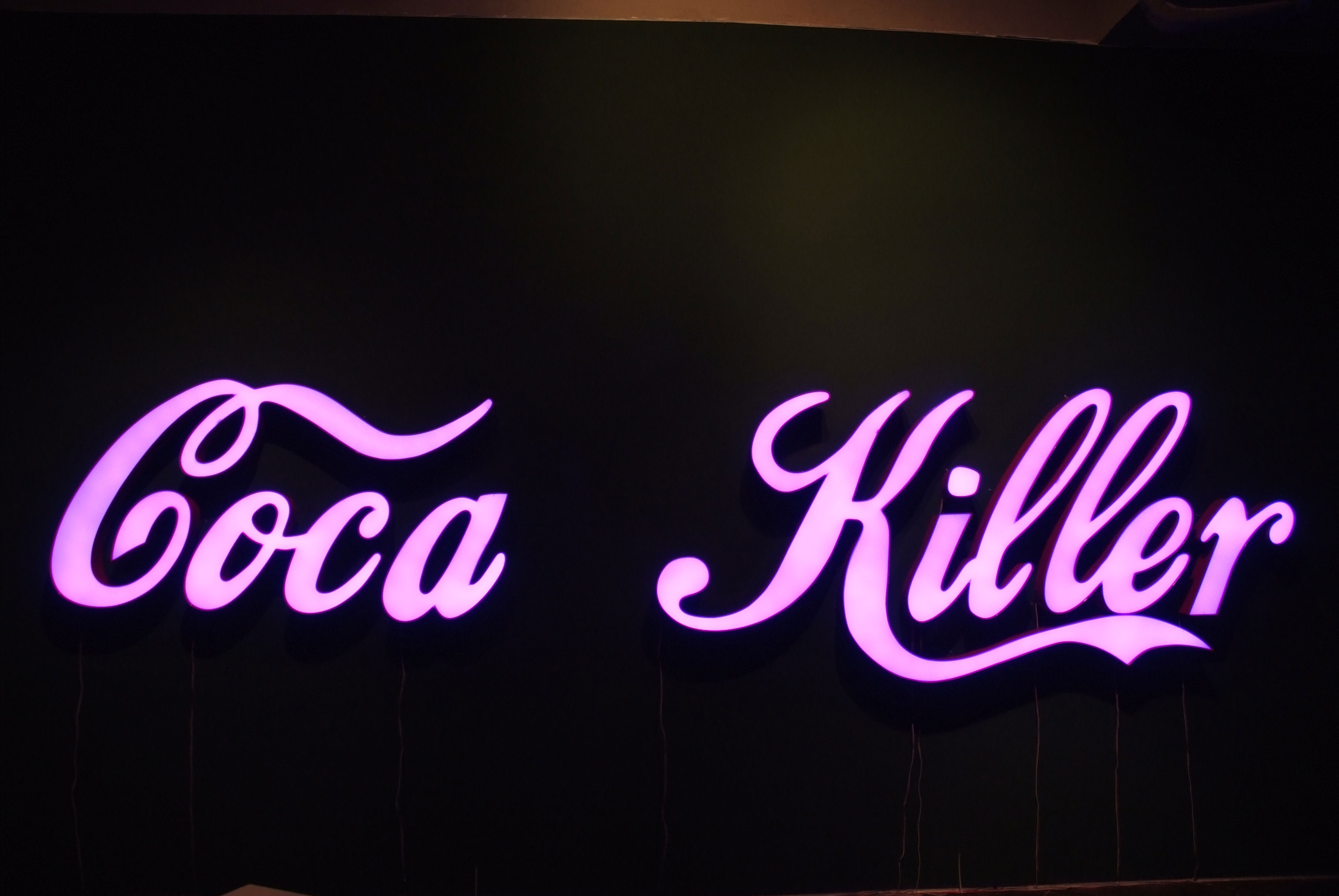
Addressing capitalism, he created
a series of linguistic works that compare advertisements and the propaganda of
political instigation, two aspects of modernization. For example, Coca
Killer, which invokes Pop Art and junk food, not only criticizes
Korean capitalism, but also serves as a metaphor of Korea’s political situation
as generated by Japanese colonialism, the U.S. occupation, and the insurgence
of Western capitalism. Another work entitled We are the
One reminds every Korean person of the 1988 Seoul Olympics,
while also symbolizing the fabrication of “cosmopolitanism” that Koreans have
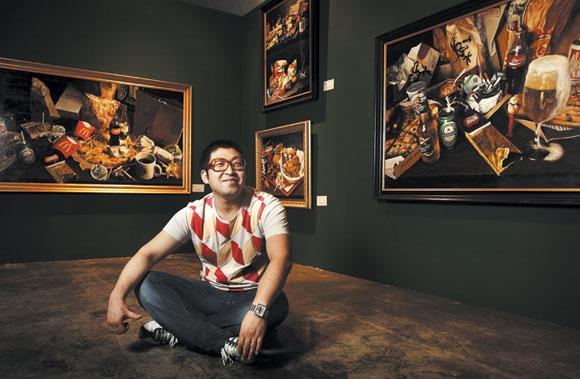
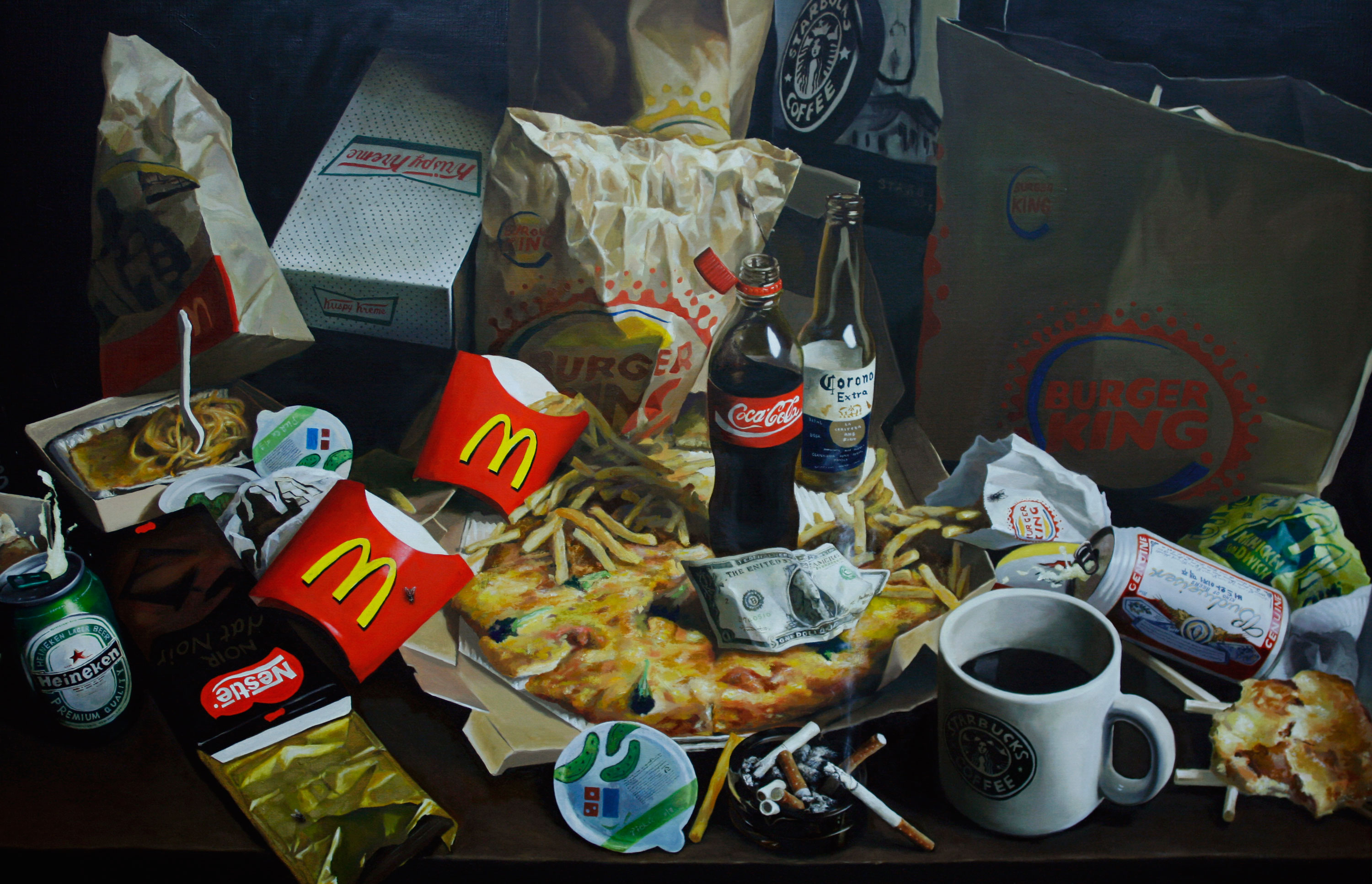
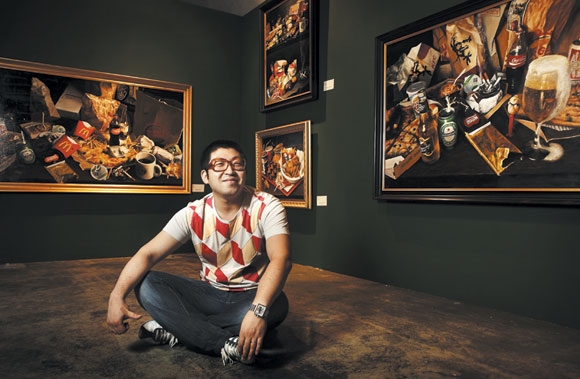
eagerly adopted. Many viewers know Kim best for his contemporary still-life
paintings, recalling the tradition of Dutch still-life paintings. Kim’s works
have a distinctive “kitsch” sensibility, with their bright and brilliant
surfaces inviting more detailed examination. The canvasses are overflowing with
different objects, many of which—such as a dirty cup of leftover cola,
surrounded by flies and grasshoppers—are modern examples of memento mori,
the artistic equivalent of the ancient practice of slaves shouting “Remember
death!” while following a general home from a victorious campaign.
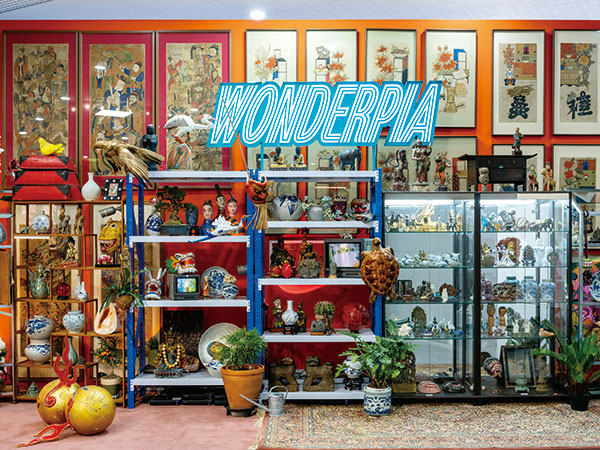
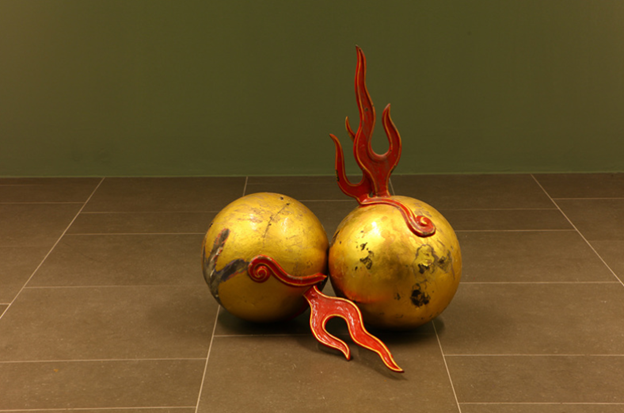
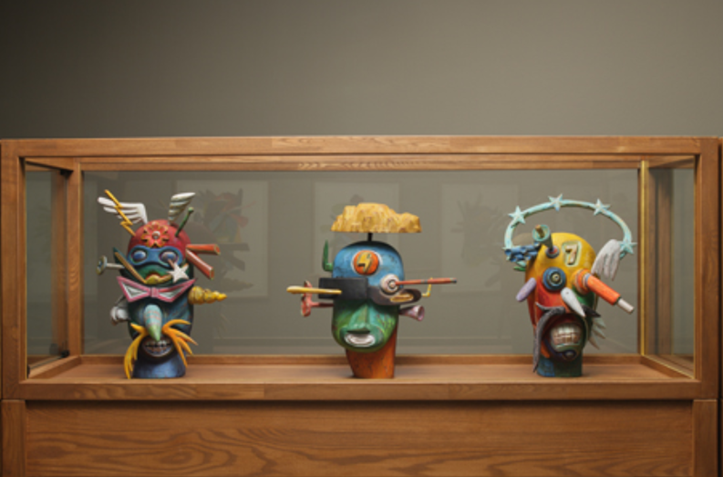
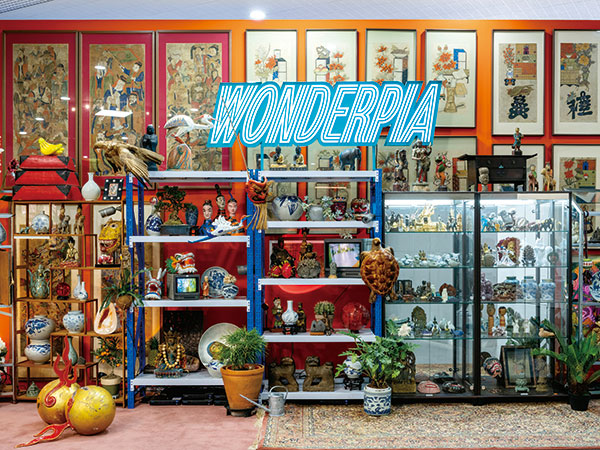
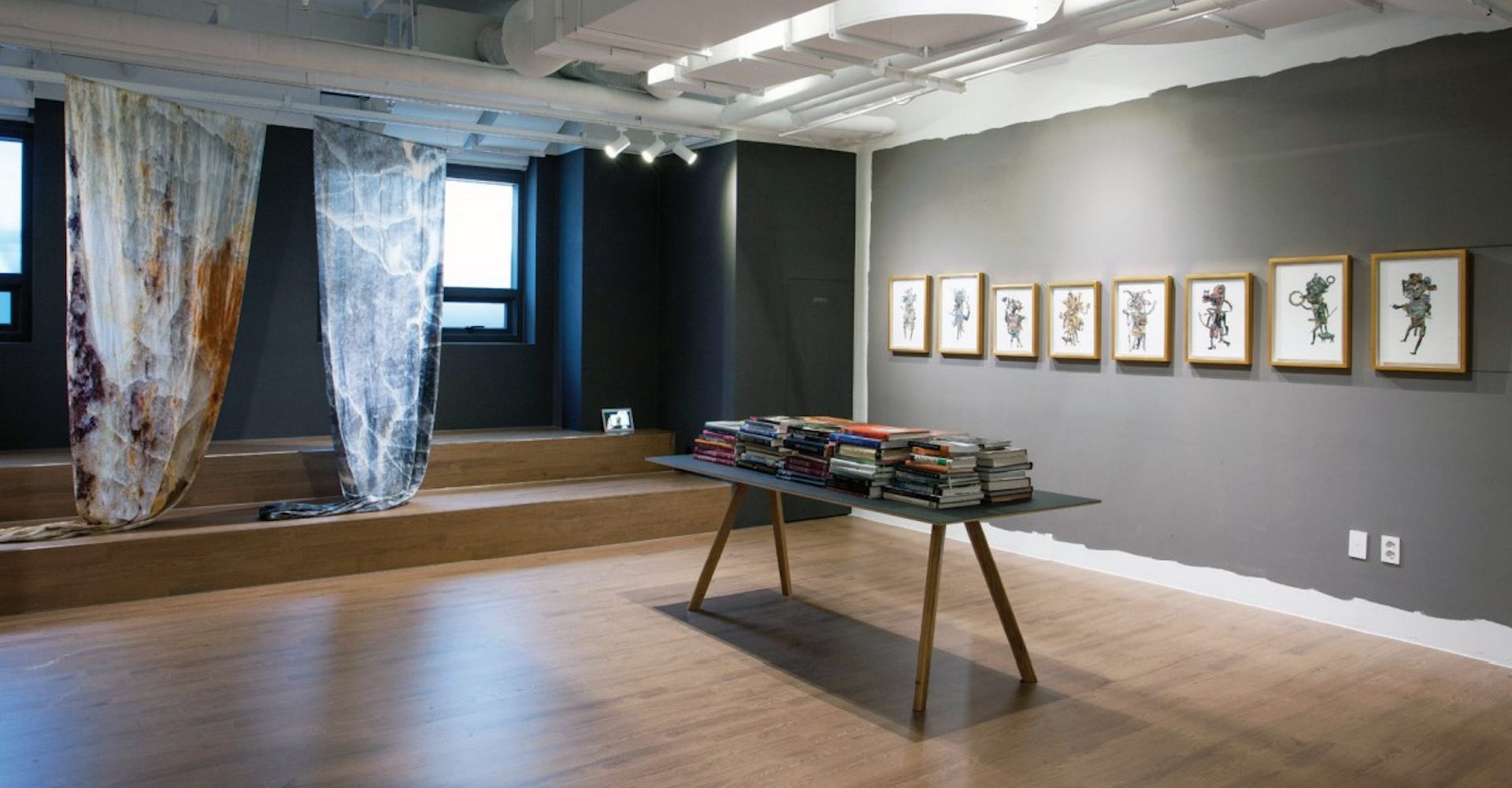
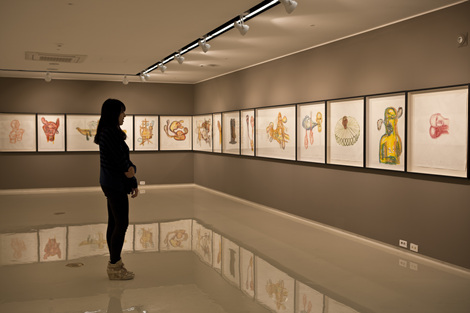
The imagery of excess is
maximized in Kim’s two series ‘Security Garden as
Paranoia’ and ‘Super Monster’. Viewers encounter chosen or collected
imagery, as they are forced to consider the inconsistency of objects placed on
the shelves of a gallery, as well as the absurdity of objects themed as a
“super monster.” Eastern objects collected by Westerners are like words removed
from context, which can only be combined as signs. Even so, they come to embody
the East, as best exemplified in Dada. As such, the concept of the East or the
Orient is eventually symbolized by matters and objects. Even when the objects
are placed in a private space, they inherently assume the perspective of
Imperialist museums.
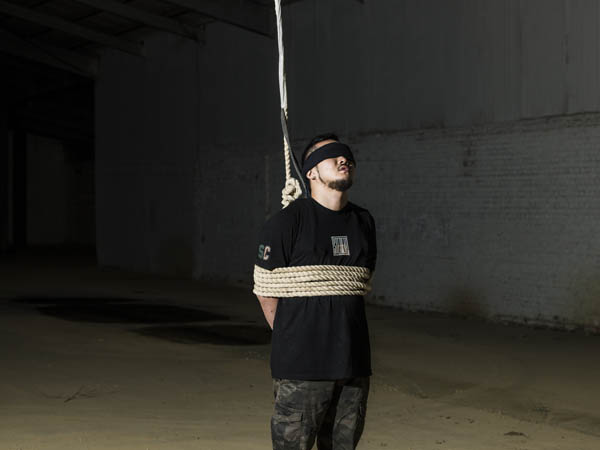
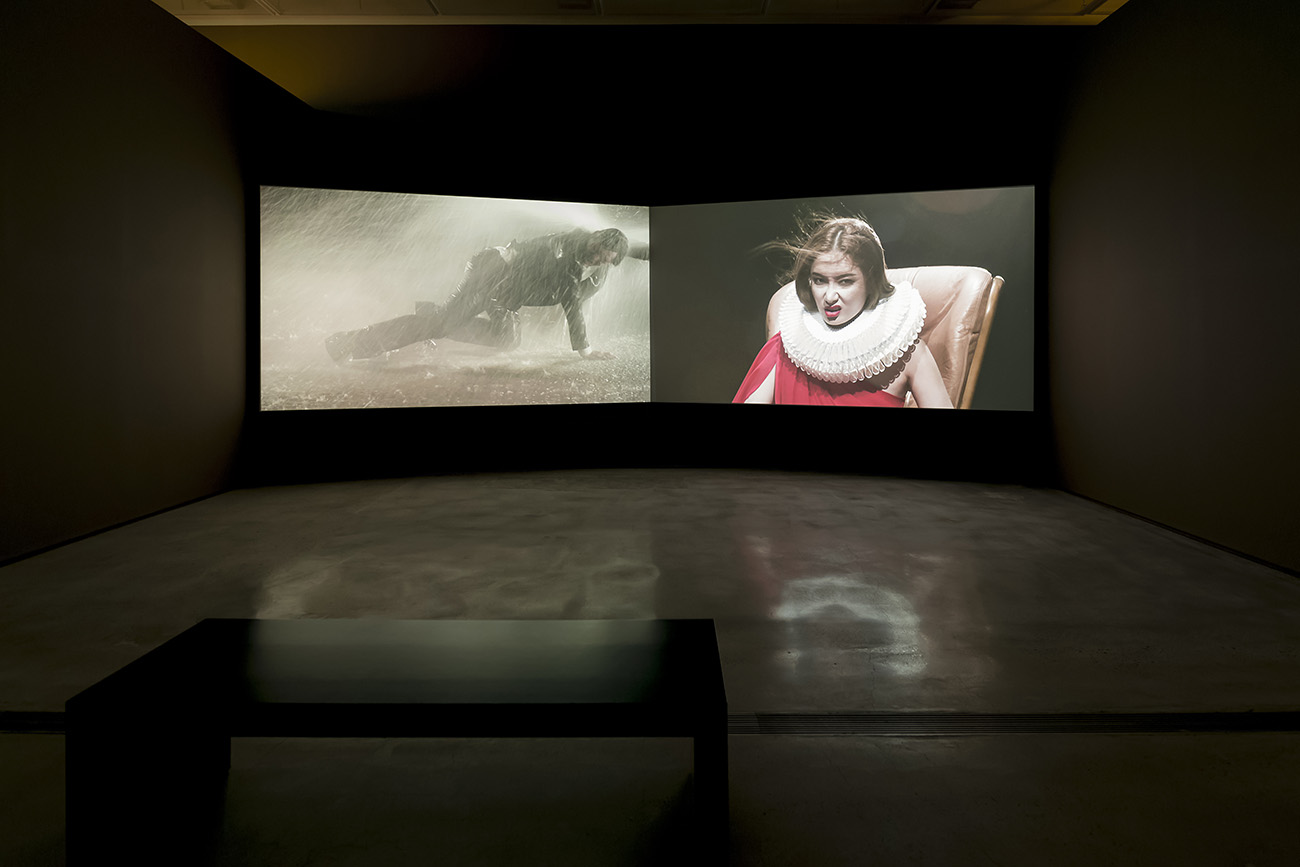
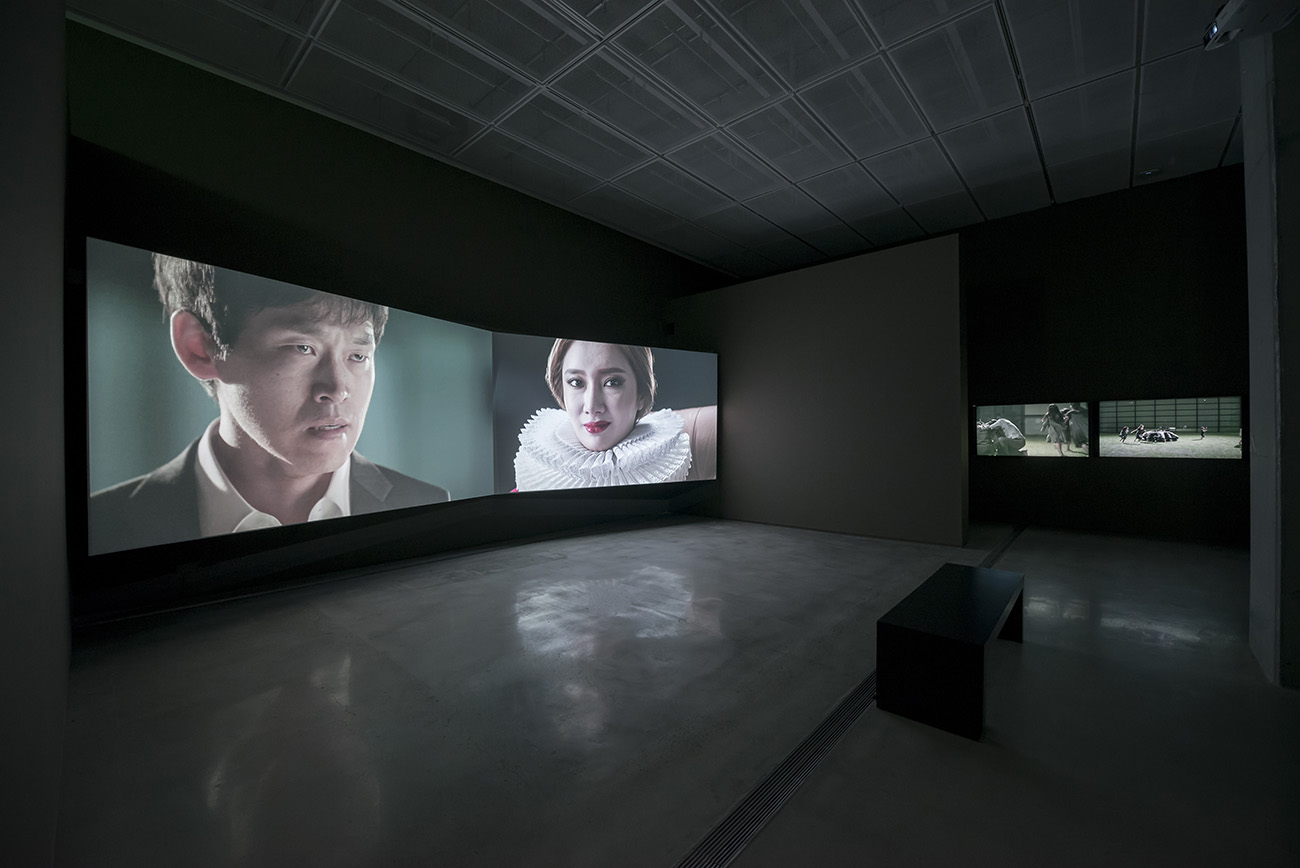
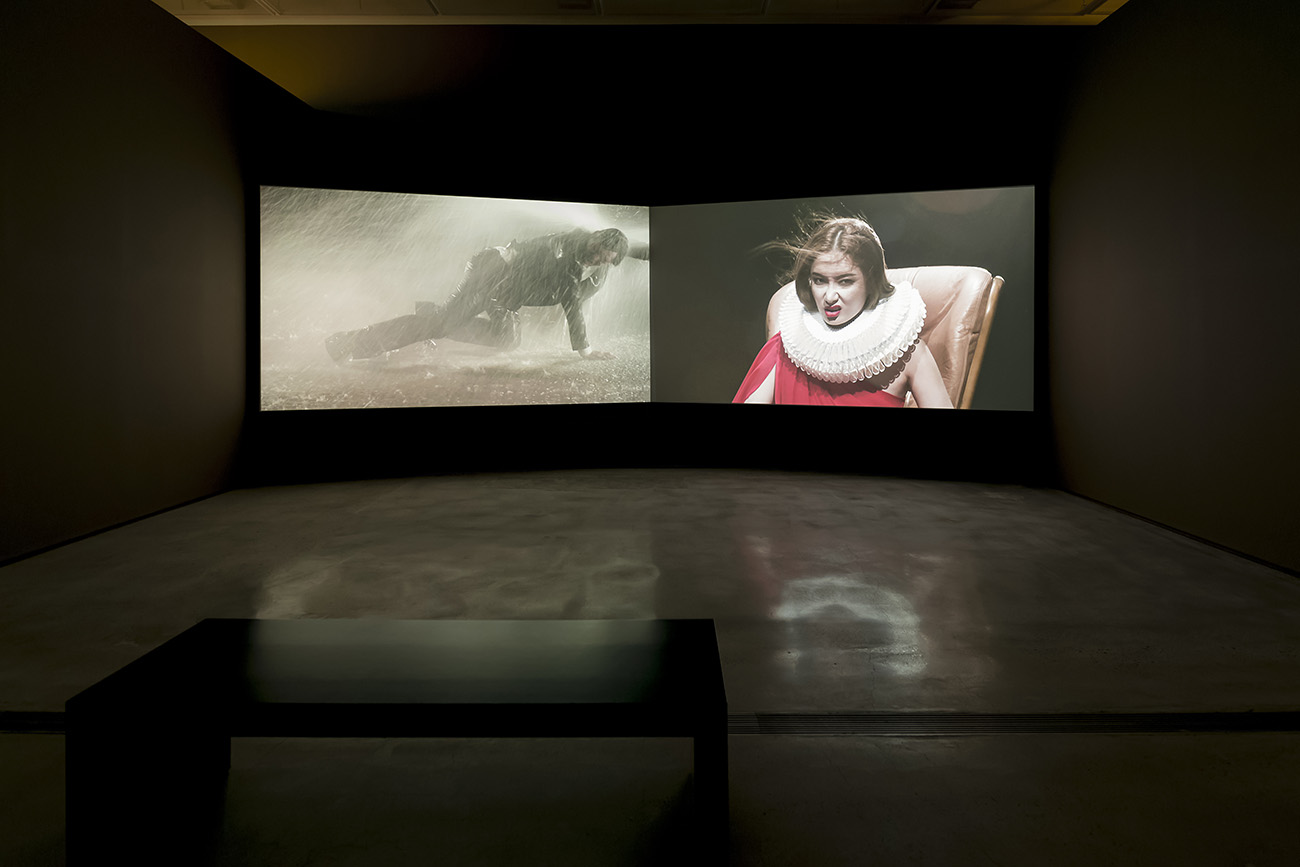
In his recent The Last Leaf, Kim transcended the mere consumption of
images of the division of the two Koreas, based on “glocalism.” Here, the
periphery inside us is symbolized by hovering desires and the internalized
images of the others, those with only a voice, but without true substance.
Investigating the mechanisms and operations of capitalist society has led Kim
to an understanding of the unique phenomena of Korean society as an unlimited
orbit of consumption, exploitation, passion, and cynicism. The works of Kira
Kim, as the master craftsman of capitalism, reveal the dichotomy of daily life
in contemporary Korean society: spectacular yet vacant, modest yet powerful.