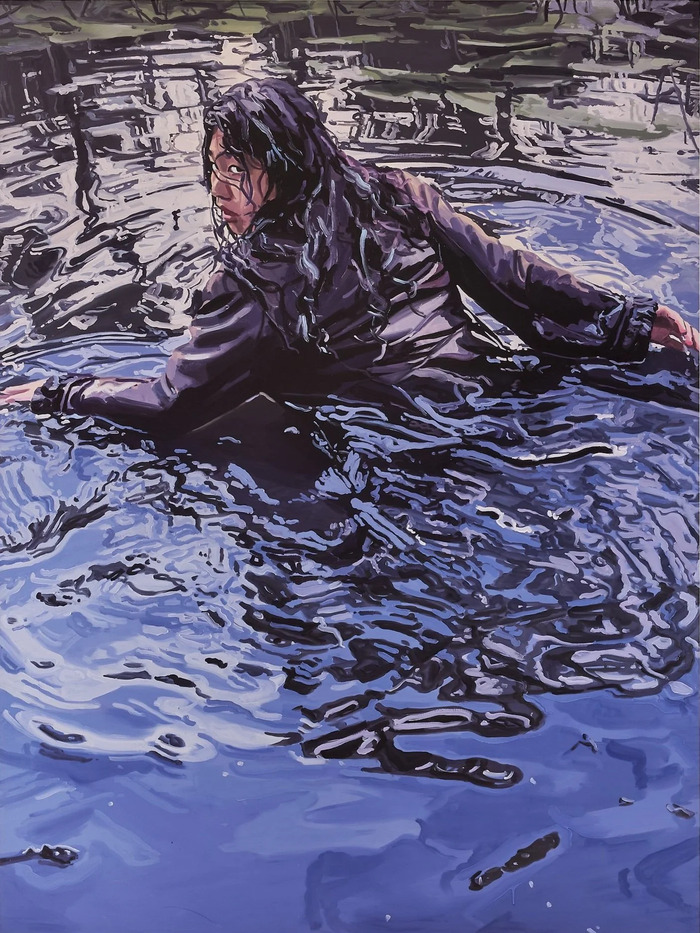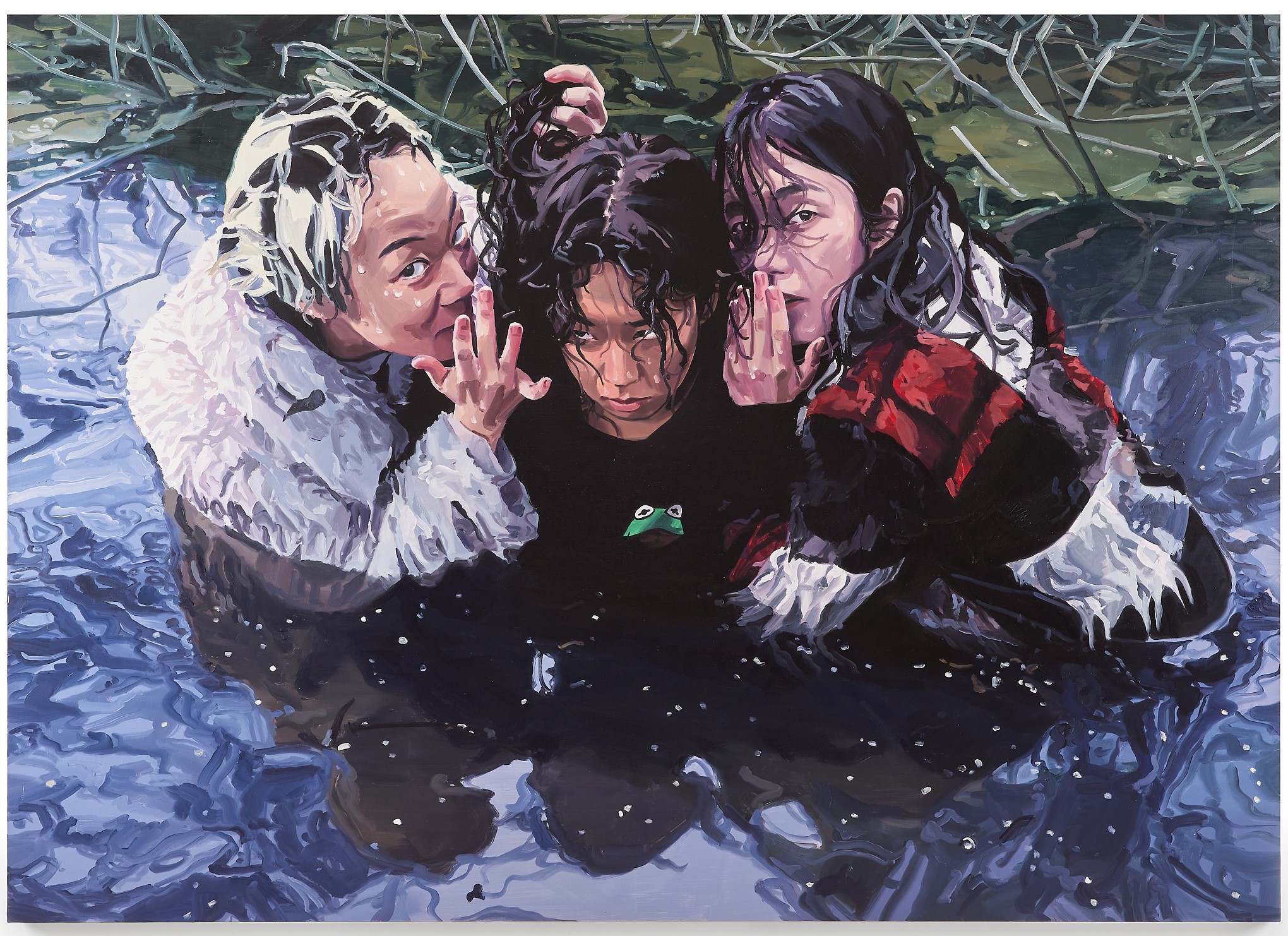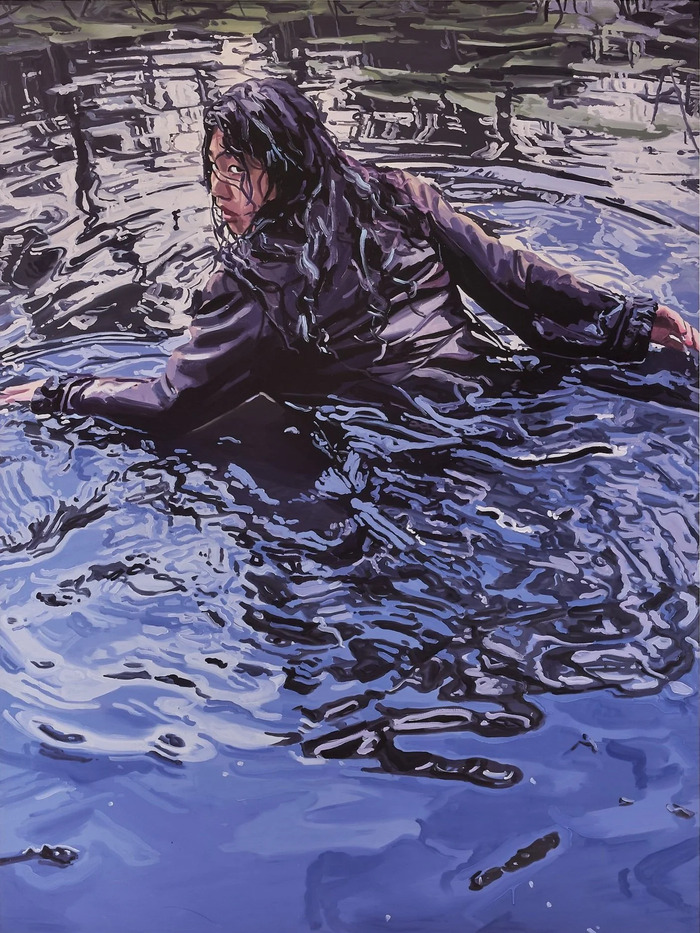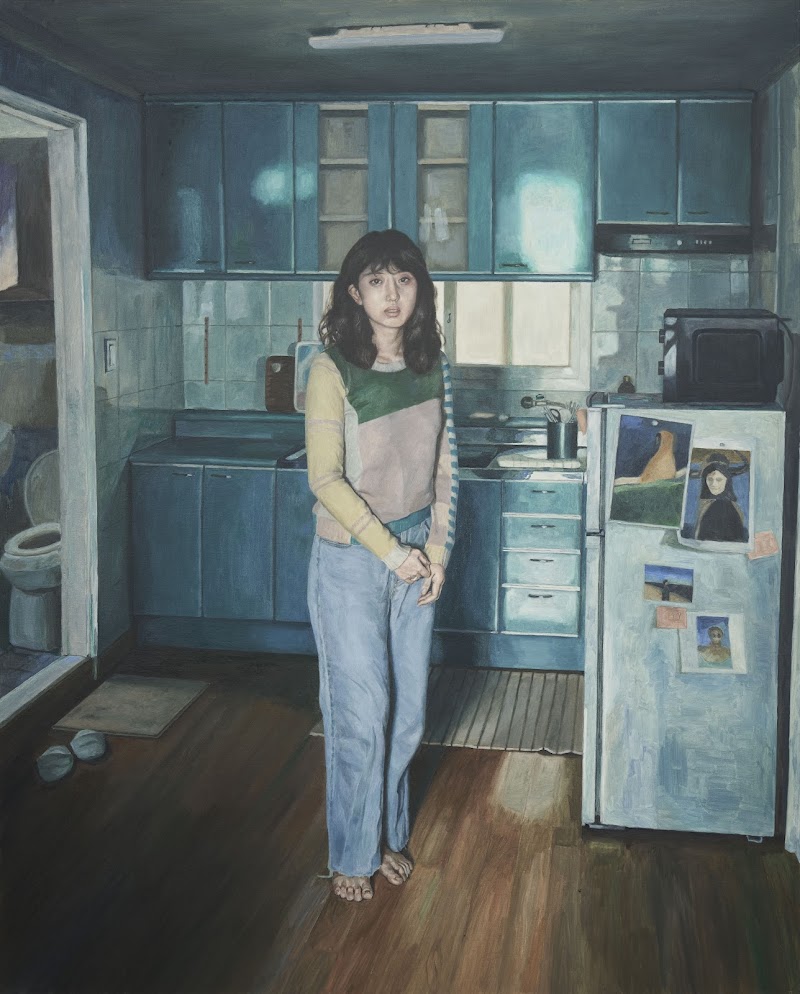


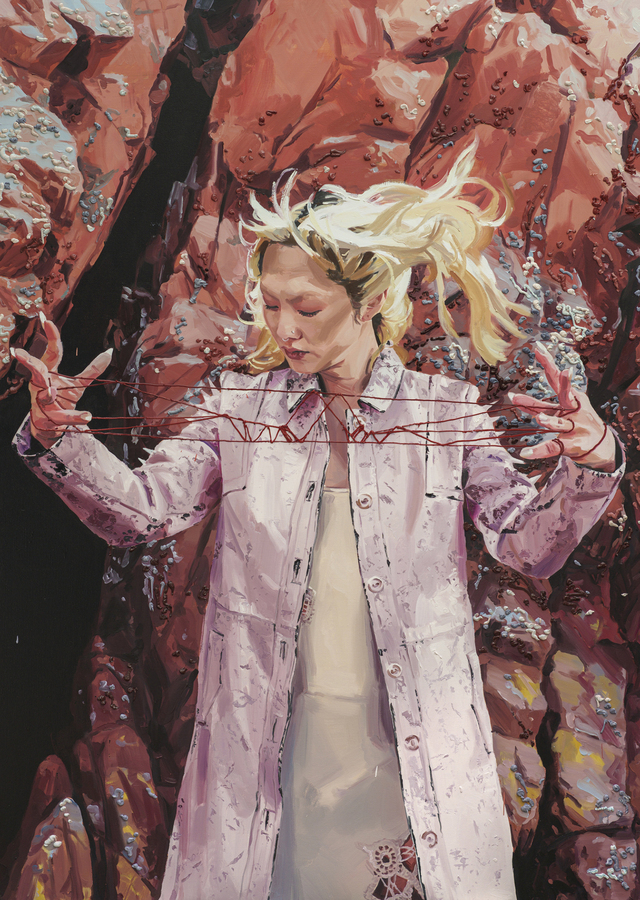
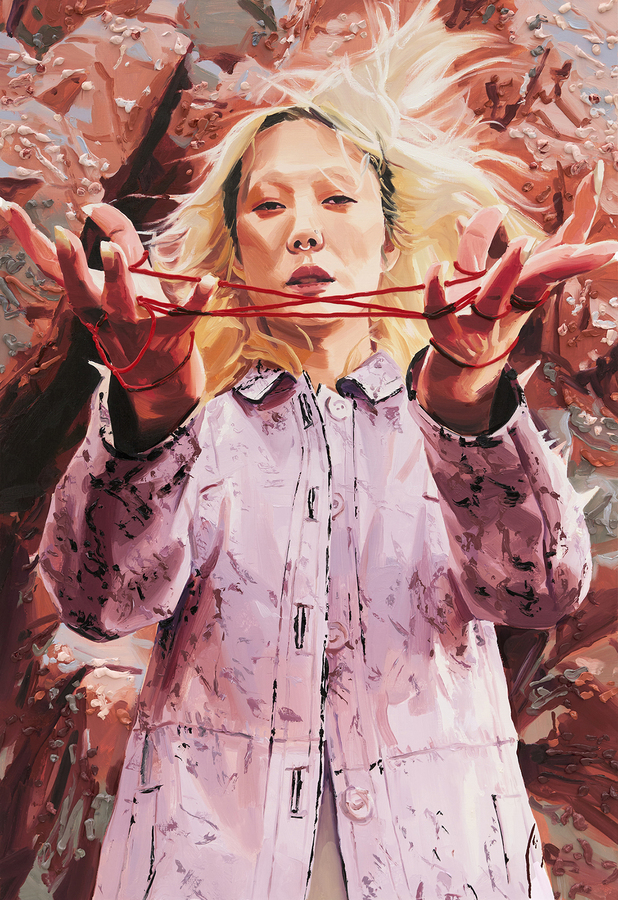
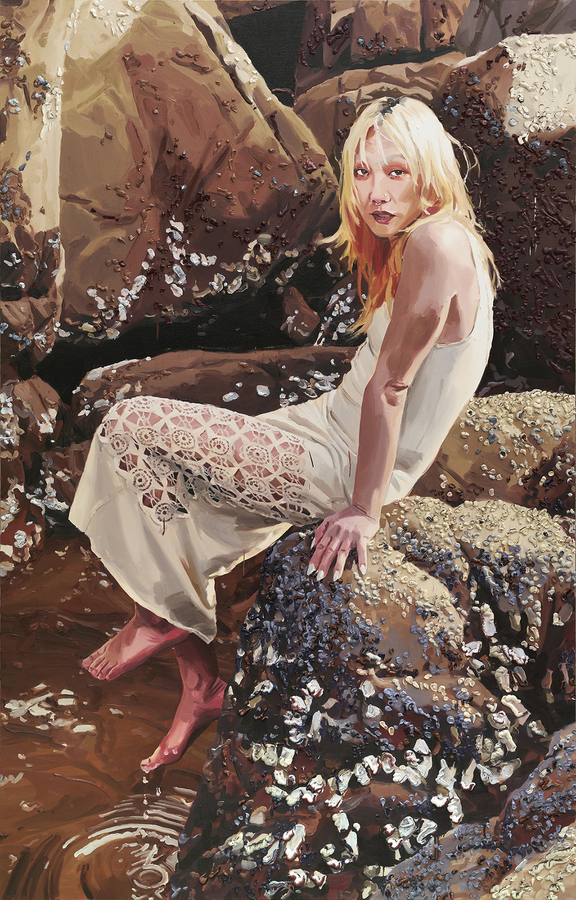
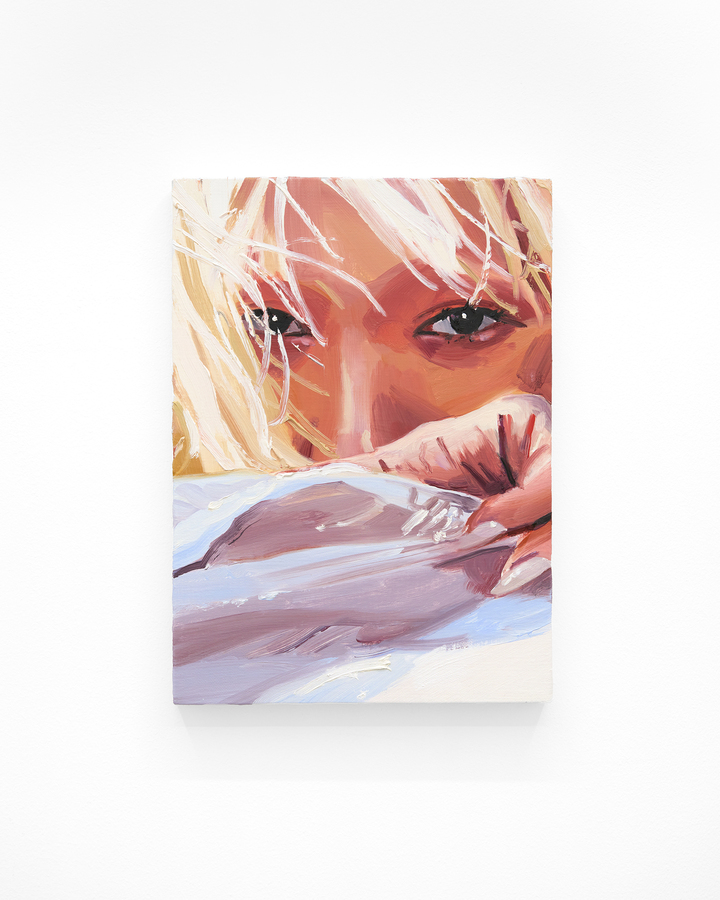
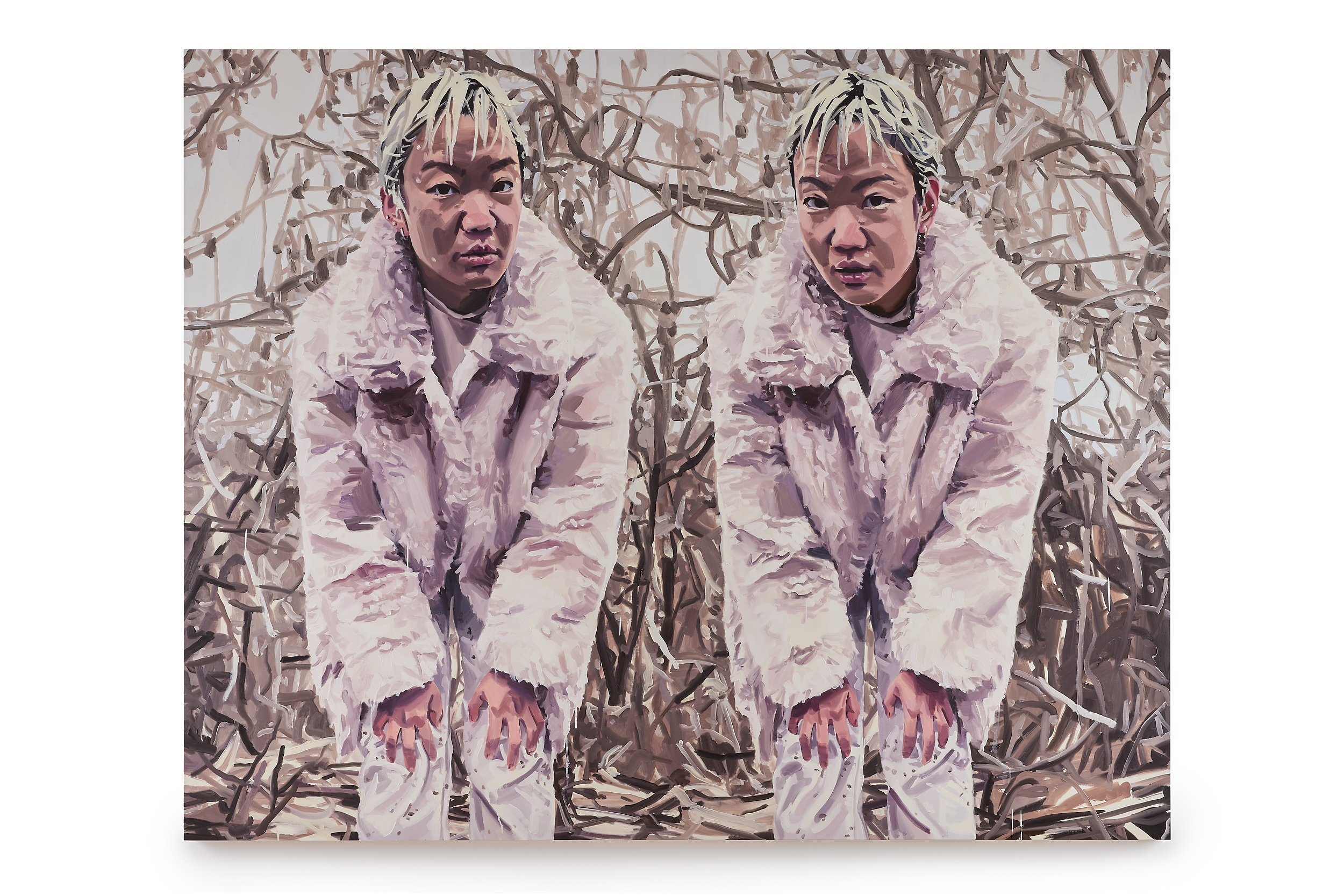
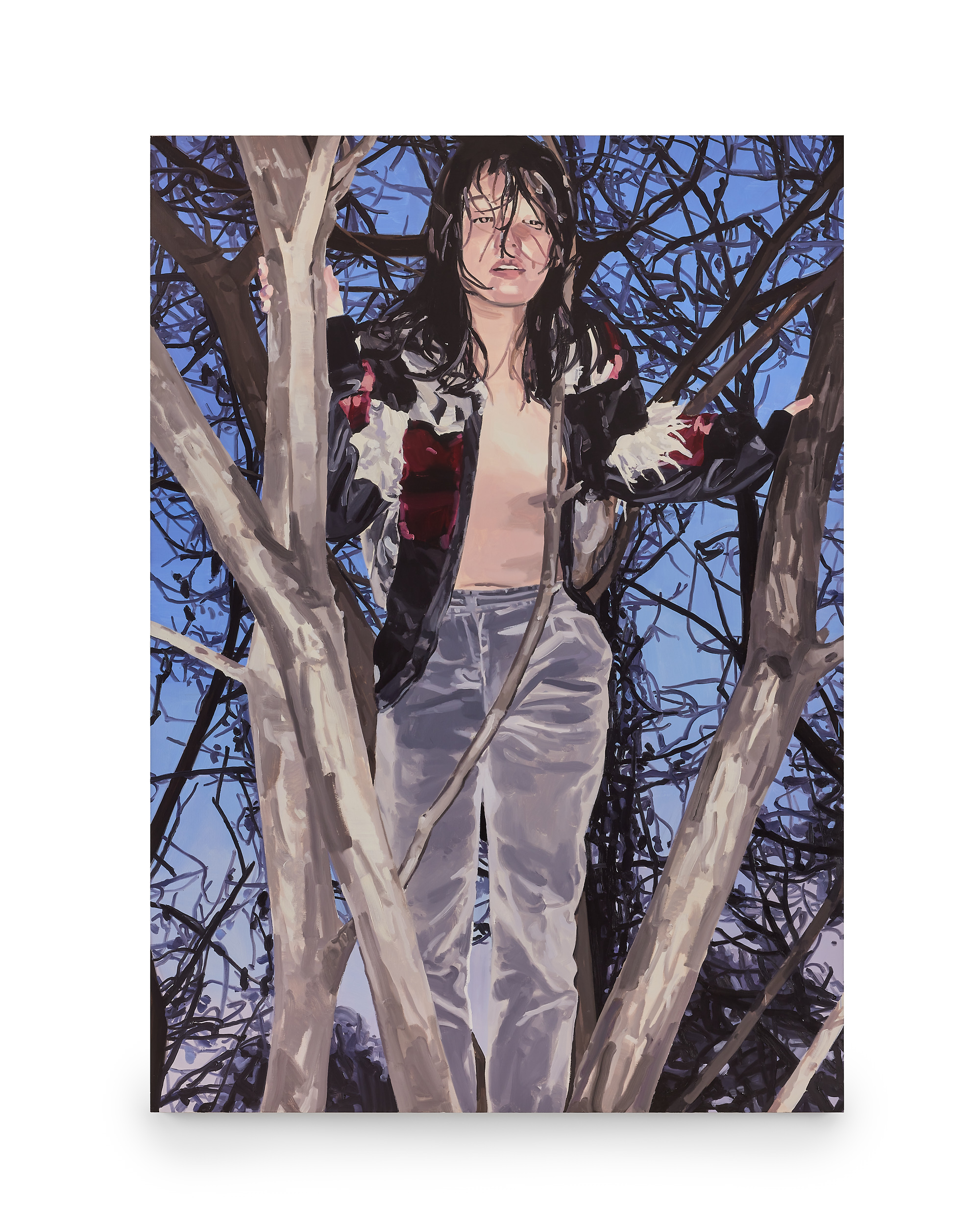
Miryu Yoon, Ghost Steps, 2024, Oil on canvas, 259.1 x 193.9 cm © Miryu Yoon

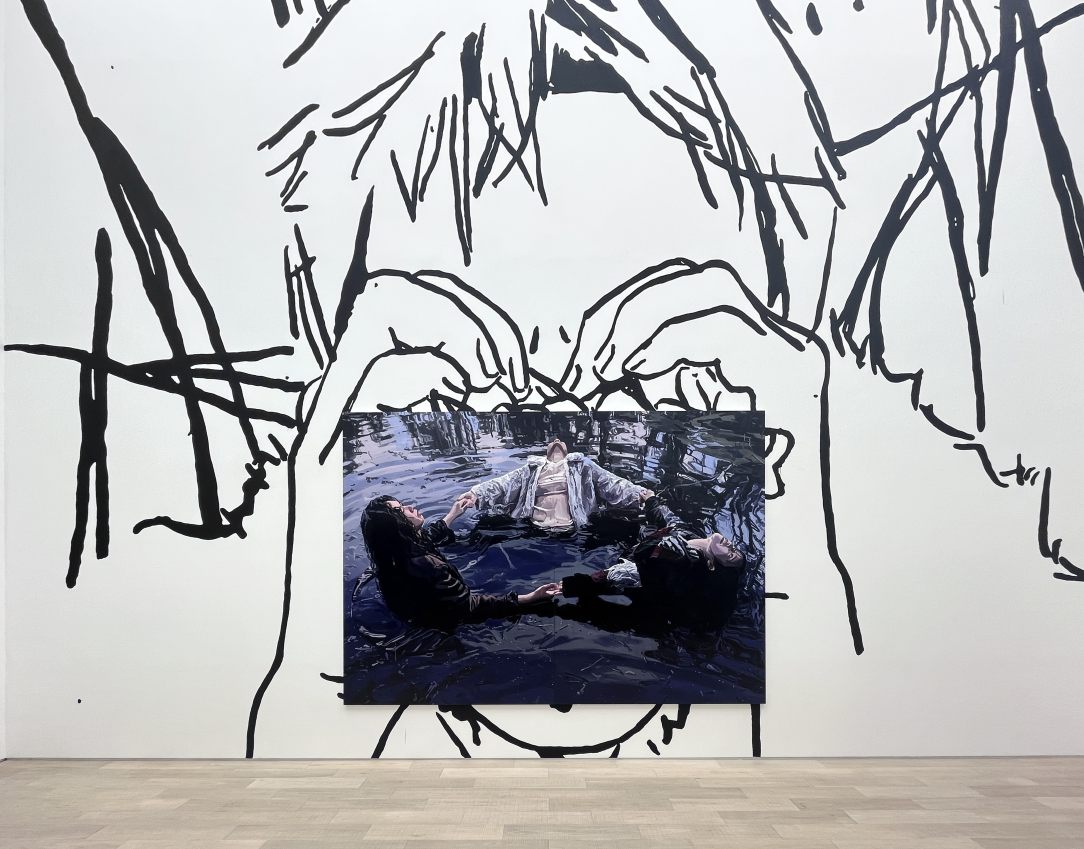
Miryu Yoon’s solo exhibition 《Do Wetlands Scare You?》, held at Foundry Seoul, invites us into a distinctive pictorial experience. The moment one enters the exhibition space, the air—imbued with the chill of autumn—suggests the dampness of a swamp and a subtle sense of tension. The cool air from the conditioning system spreads throughout the space, creating a desolate atmosphere, while Ghost Steps (2024), installed on the staircase at the entrance, appears to lead the viewer into the swamp itself.

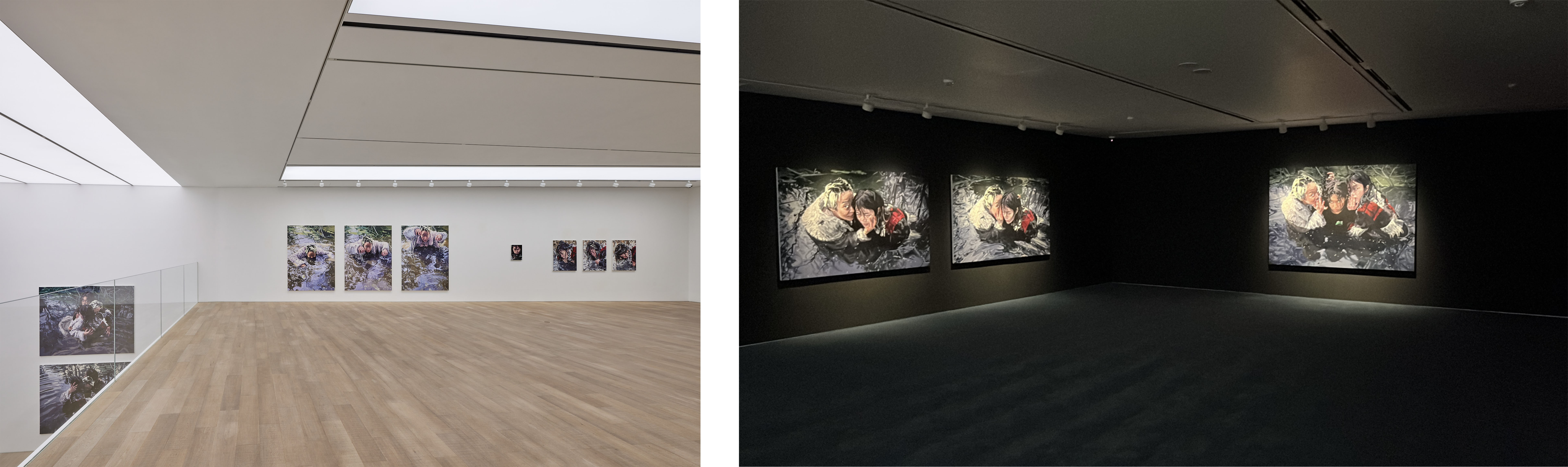
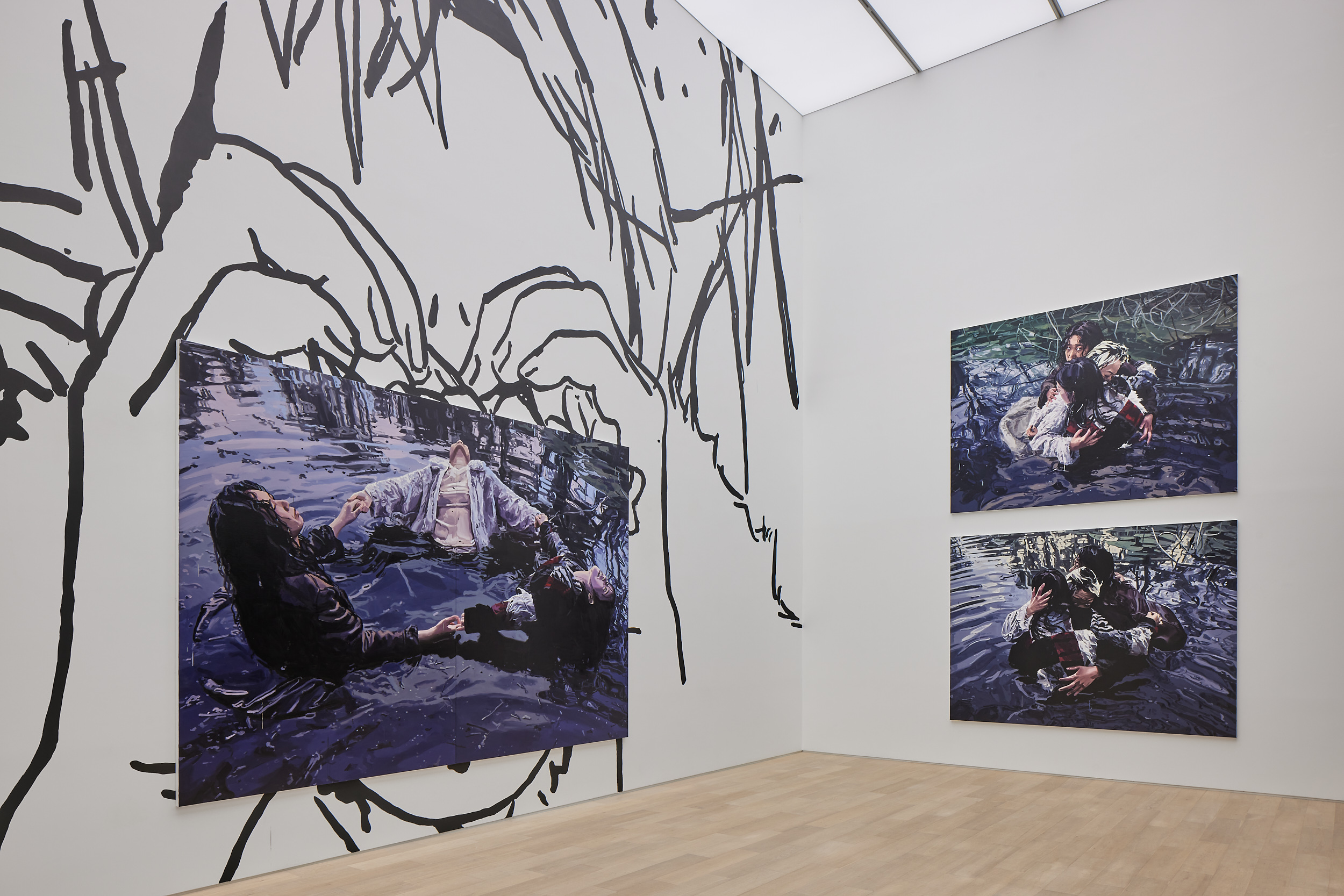
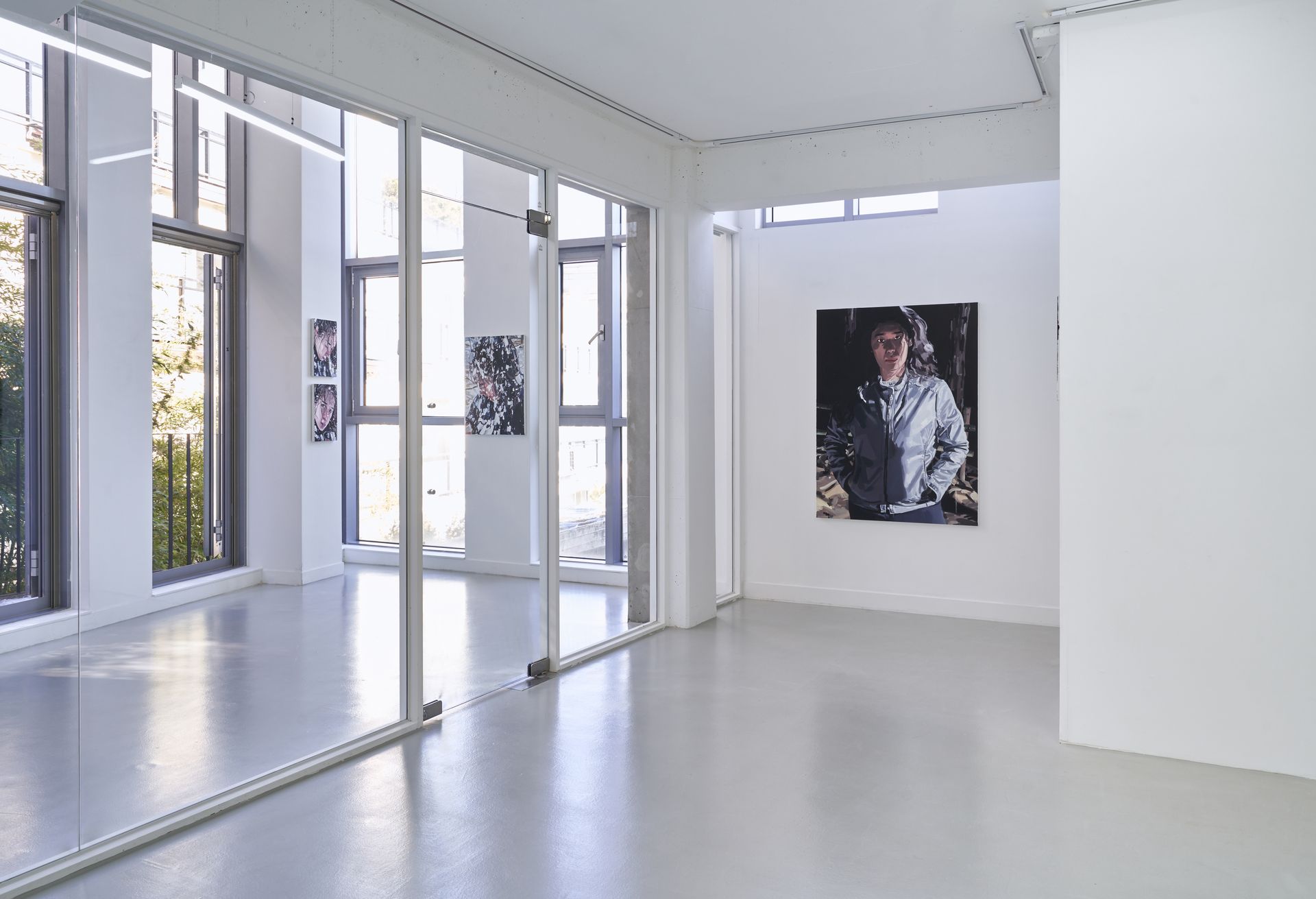
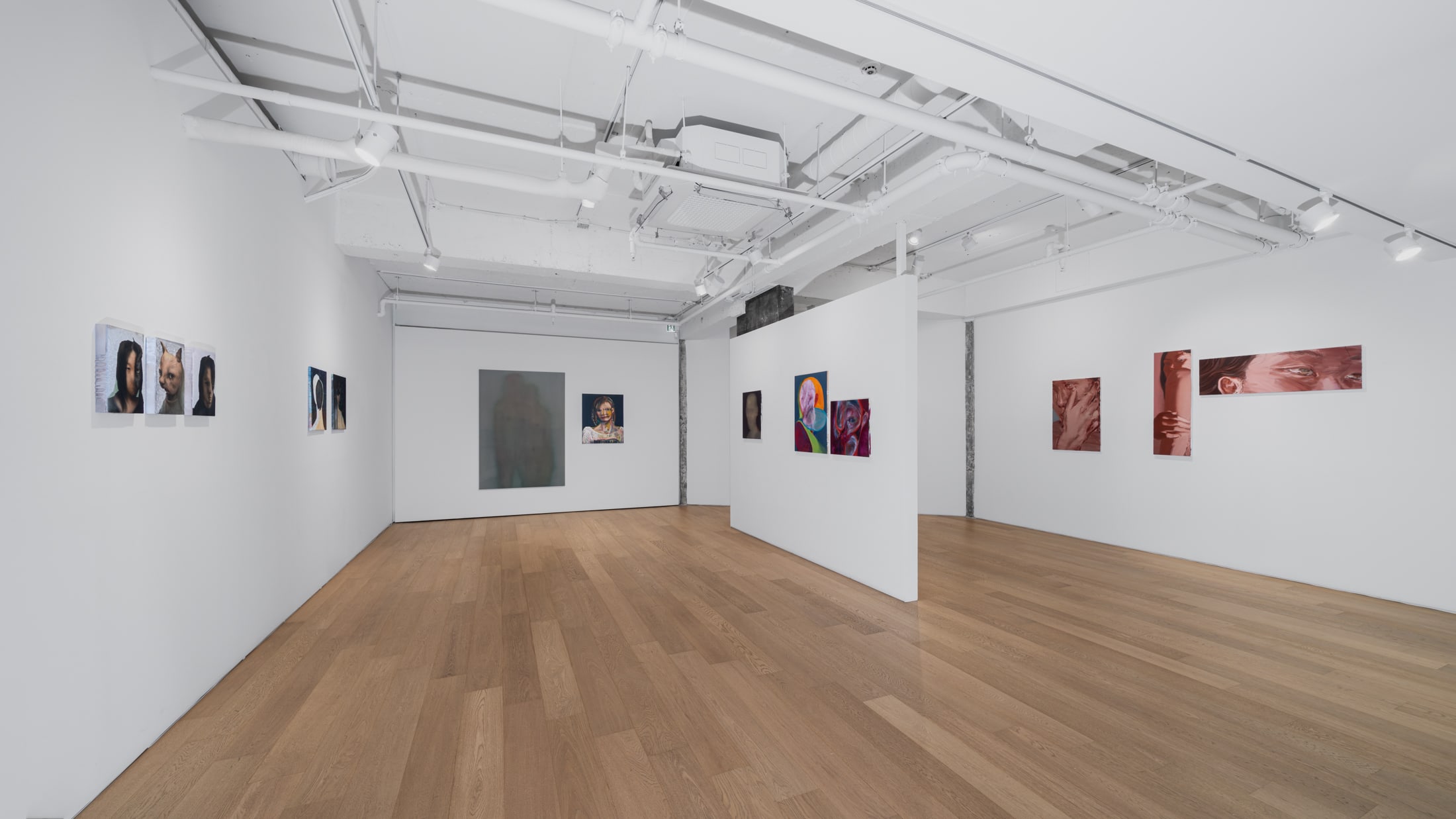
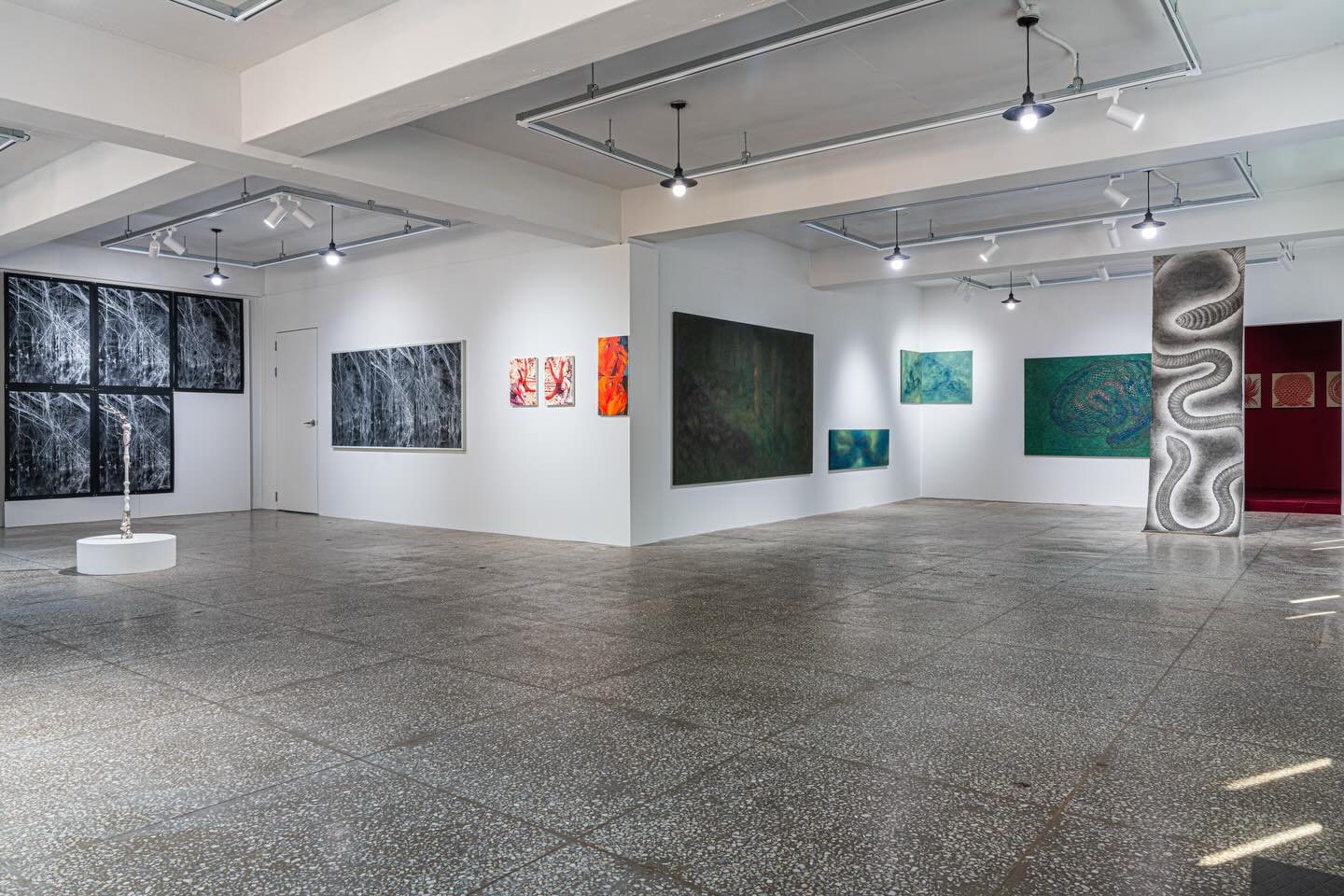
The exhibition is broadly divided into two zones—an upper and a lower level—structured around different times of day: the upper level represents daytime, while the lower level evokes night. In the daytime space, the actions and expressions of each figure are relatively clear and legible. In contrast, within the nocturnal space, the figures gather together, generating a more secretive and tense atmosphere in the darkness.


Installation view of 《Do Wetlands Scare You?》 © Foundry Seoul

In this text, I aim to critically examine the concerns surrounding painting in Miryu Yoon’s work, as well as her use of Live Photo, in order to explore how her practice proposes a new painterly attitude. In particular, the focus will be on the staged aspects evident in her works and the ways in which the witch-like image of Rusalka is reinterpreted through a contemporary lens.


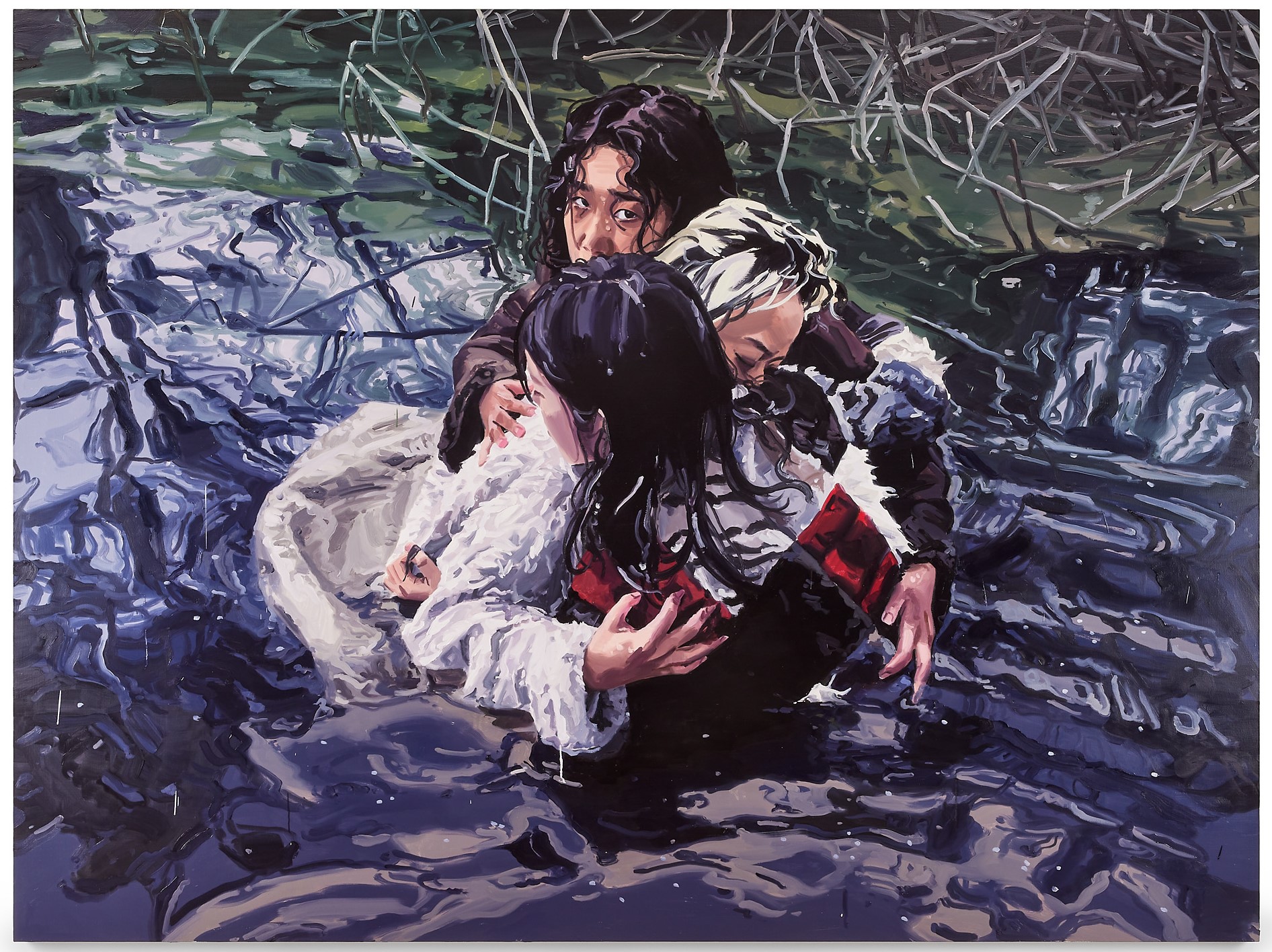
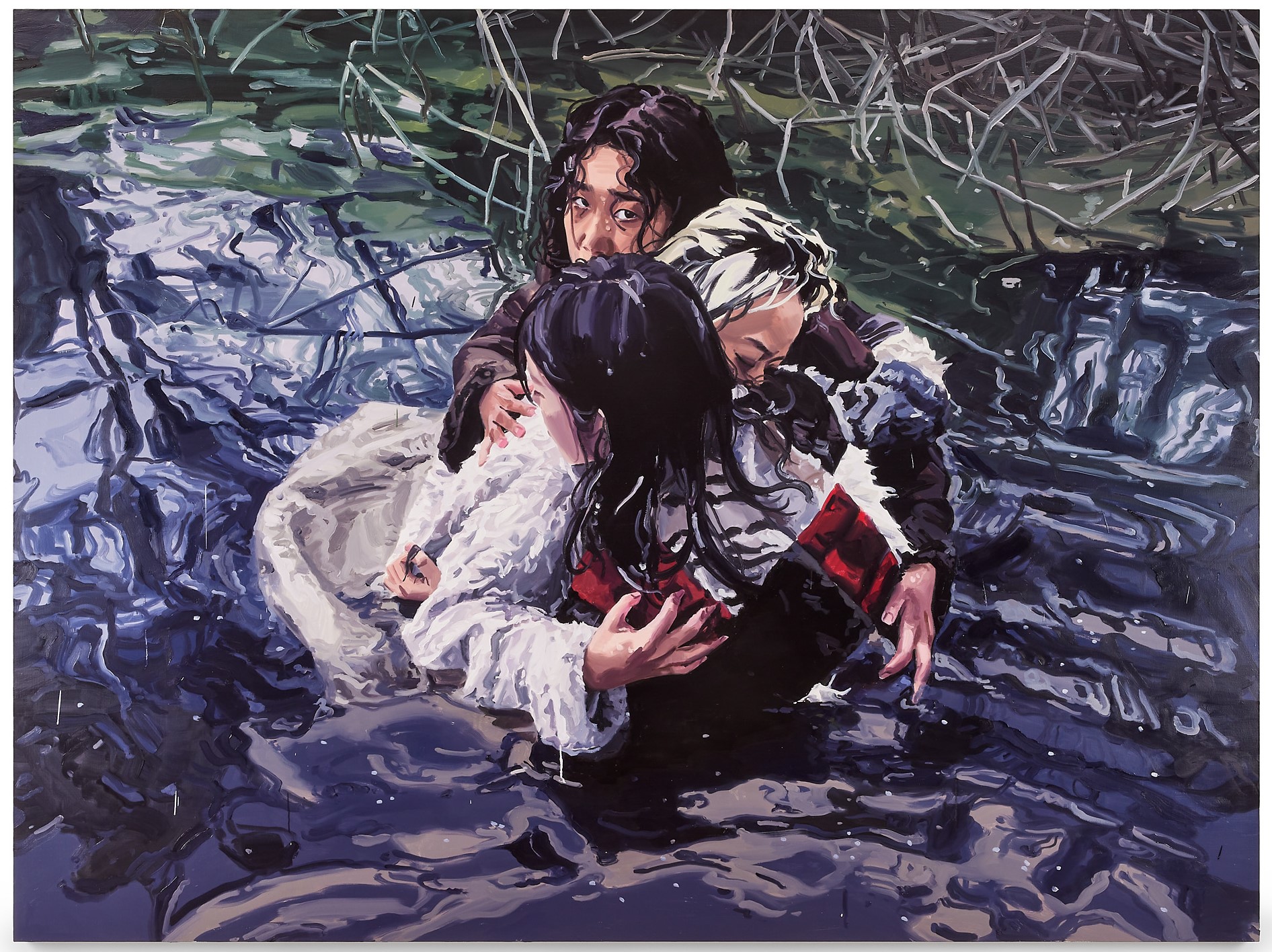
Miryu Yoon, Three for One 1, 2024, Oil on canvas, 193.9 x 259.1 cm © Miryu Yoon

Staging and Capture: A Transition into Painting

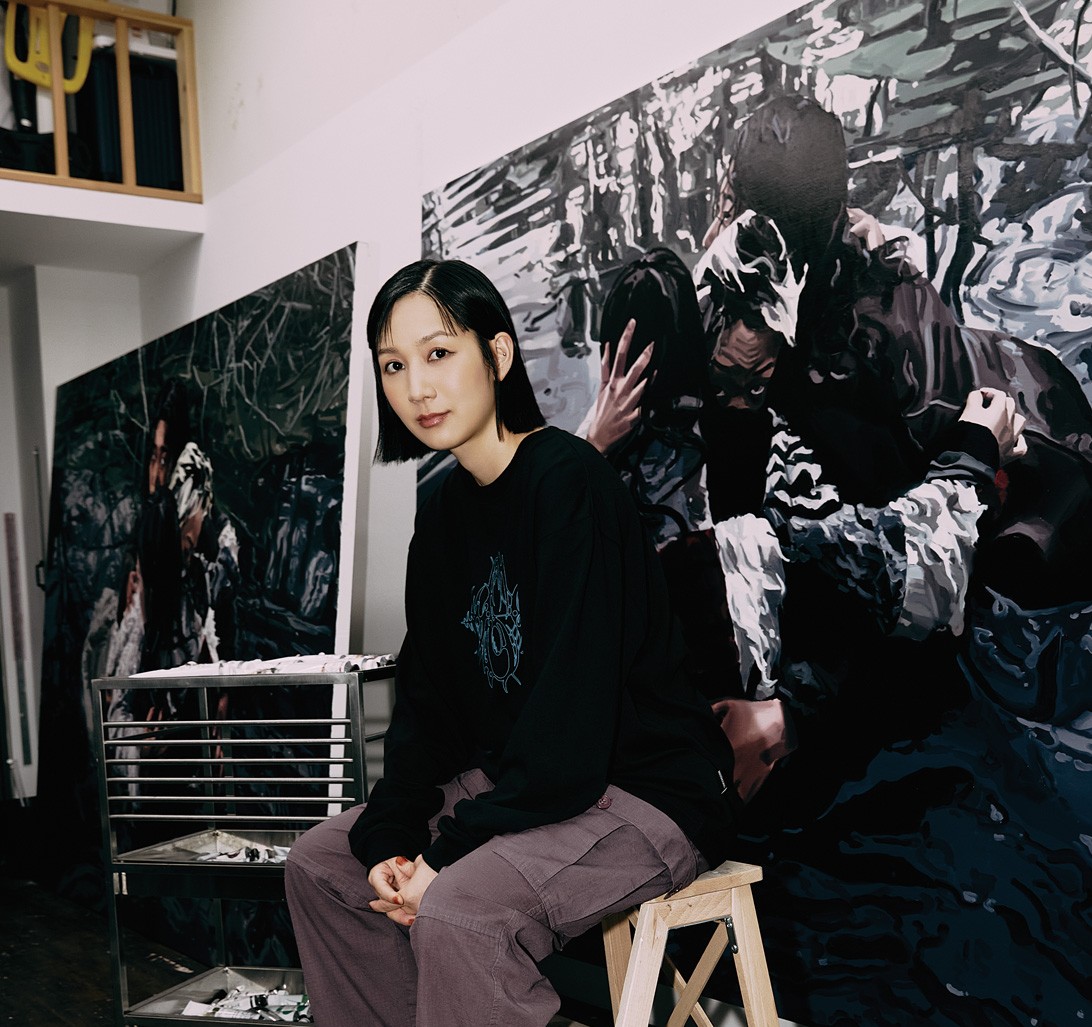
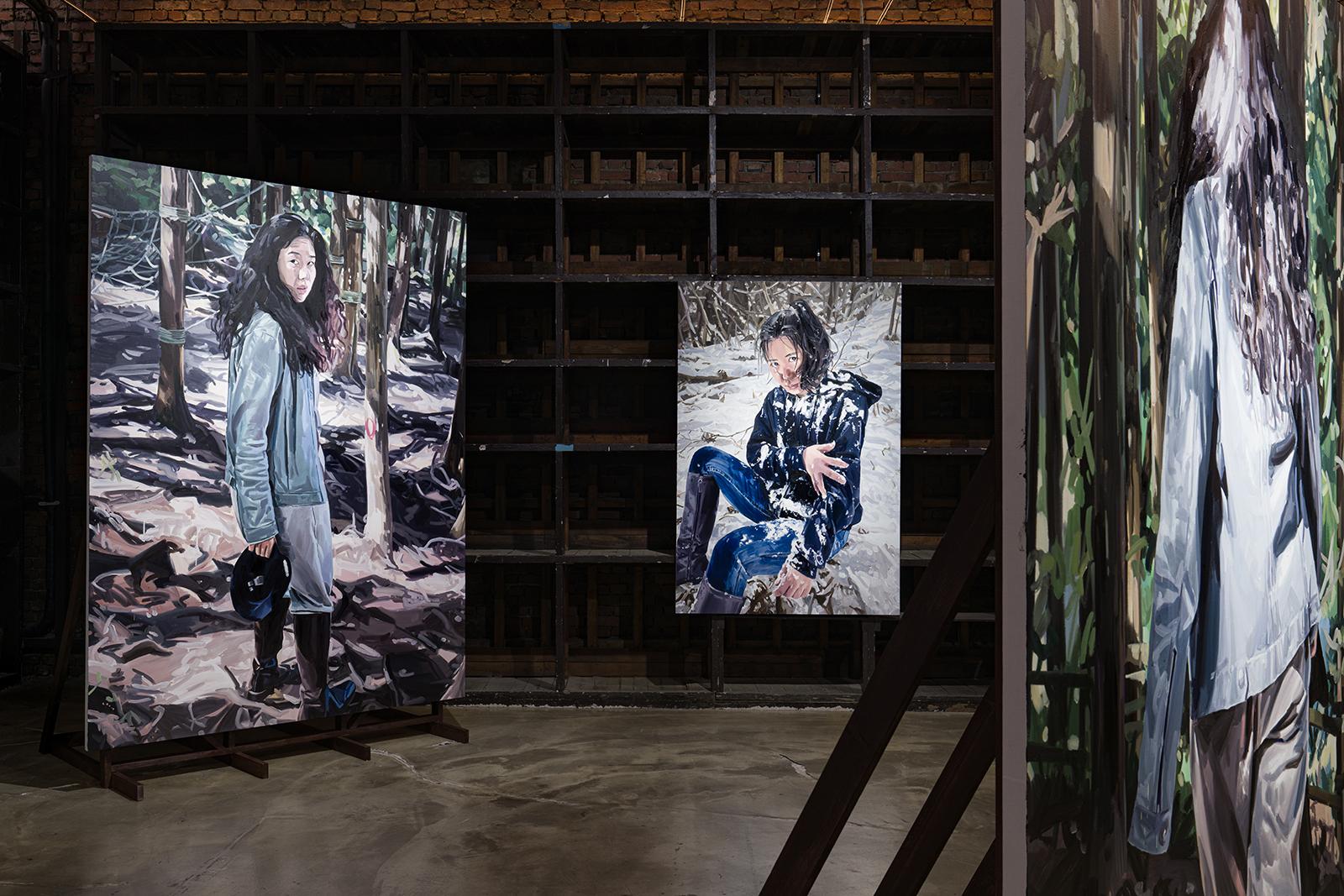
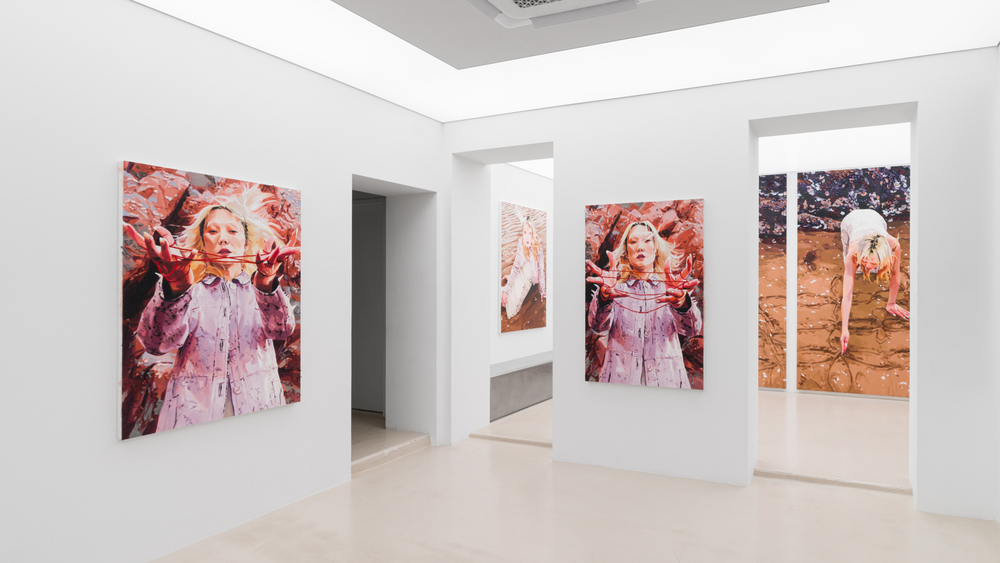
In her working process, Miryu Yoon invites figures into a specific location and observes how they respond upon entering the swamp, capturing these moments as they unfold. In this exhibition, she photographs individuals dressed in contemporary clothing within the unfamiliar environment of the swamp. While the artist carefully constructs the background, props, and gestures as both photographer and director, she remains attentive to the unexpected moments and emotions that emerge as the figures interact with the natural elements of the swamp.

She captures how they step into the water, feel the textures of mud and liquid, and respond to their surroundings. This approach resembles that of a film director who provides actors with a basic framework, yet allows their spontaneous emotions and movements—arising through interaction with the environment—to surface organically.

These scenes are captured using the iPhone’s Live Photo function. Live Photo, which records a brief sequence of motion before and after the shutter is pressed, blurs the boundary between still image and moving image. This reflects the artist’s attitude toward the medium of painting, raising the question of whether time and movement—imperceptible at the level of a single photograph—can be conveyed. In the process of translating images extracted from Live Photo into painting, the artist dissolves the boundaries between photography and painting, as well as between the digital and the analog.

In particular, through adjustments in proportion and the selection of frames, she experiments with new modes of composition and representation—for instance, by fragmenting the figure or placing the same subject from two different frames onto a single canvas, as seen in The Sly and the Fool (2024). This suggests that painting, beyond mere representation, can reinterpret and expand the very conditions of its medium.


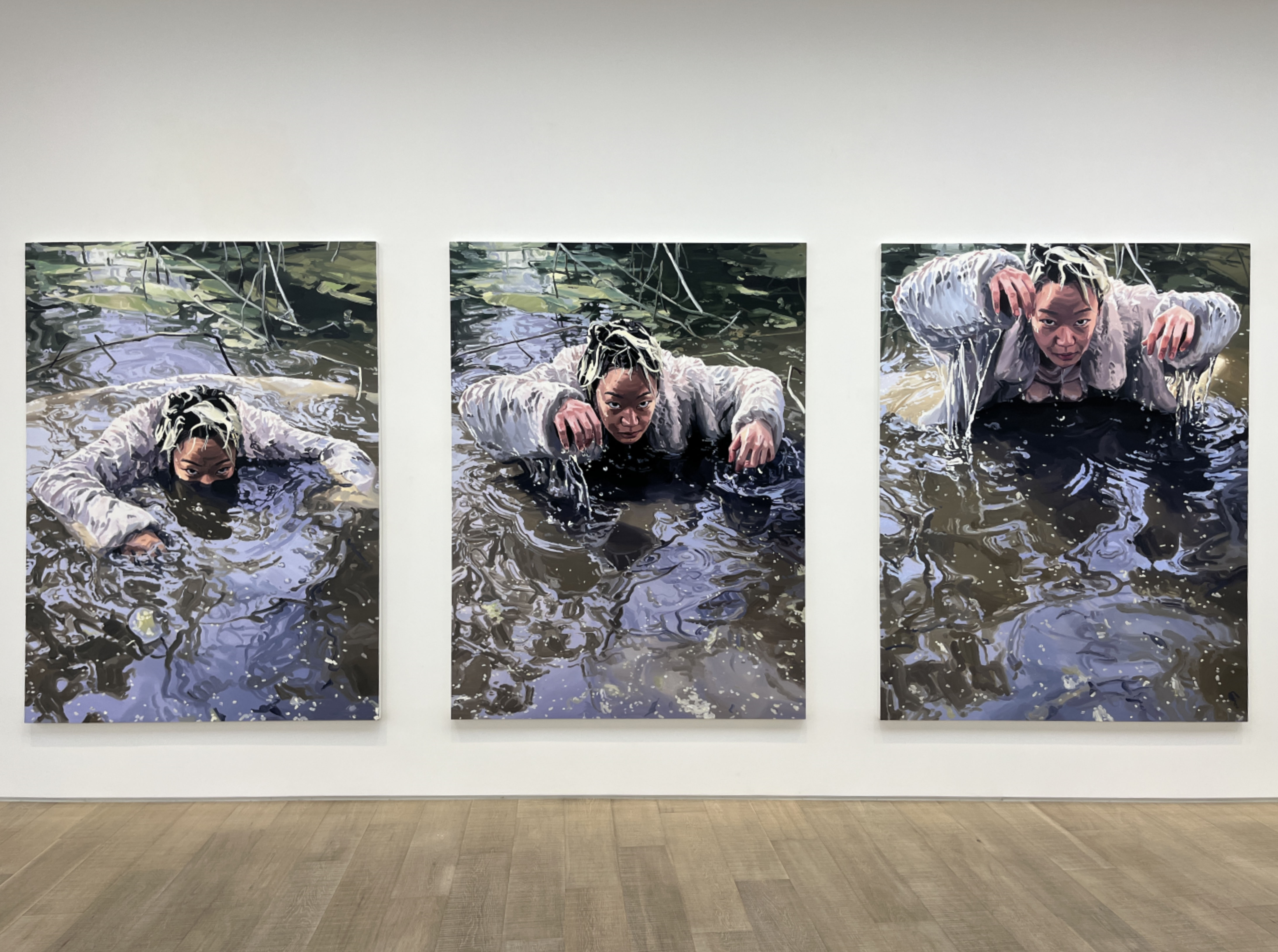
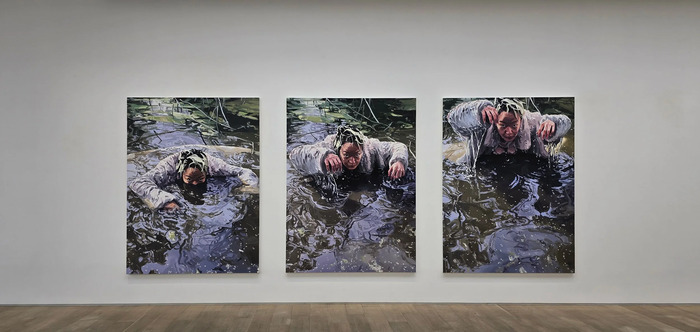
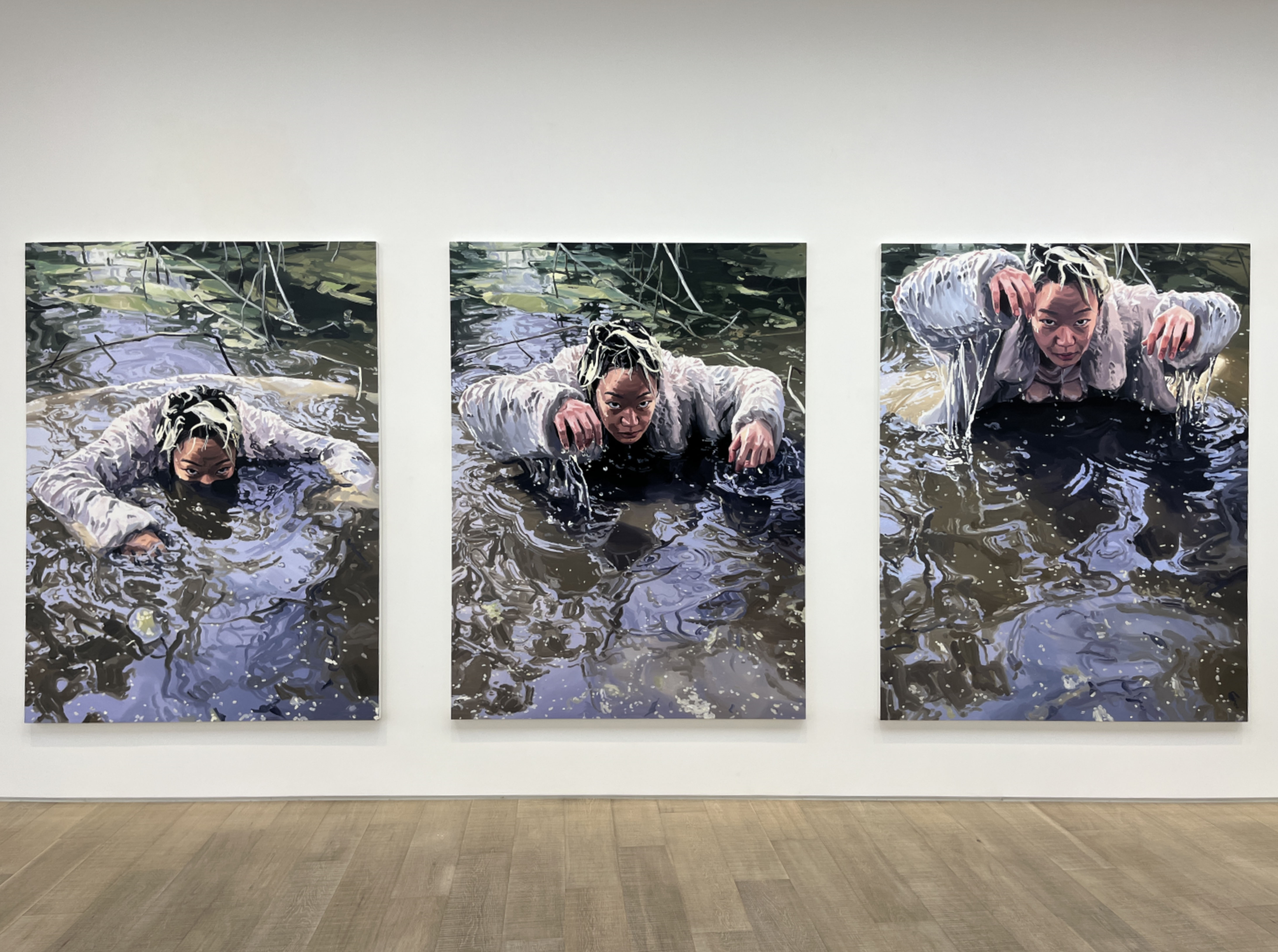
Miryu Yoon, Staredown 1, 2, 3, 2024, Oil on canvas, 193.9 x 145 cm each © Miryu Yoon

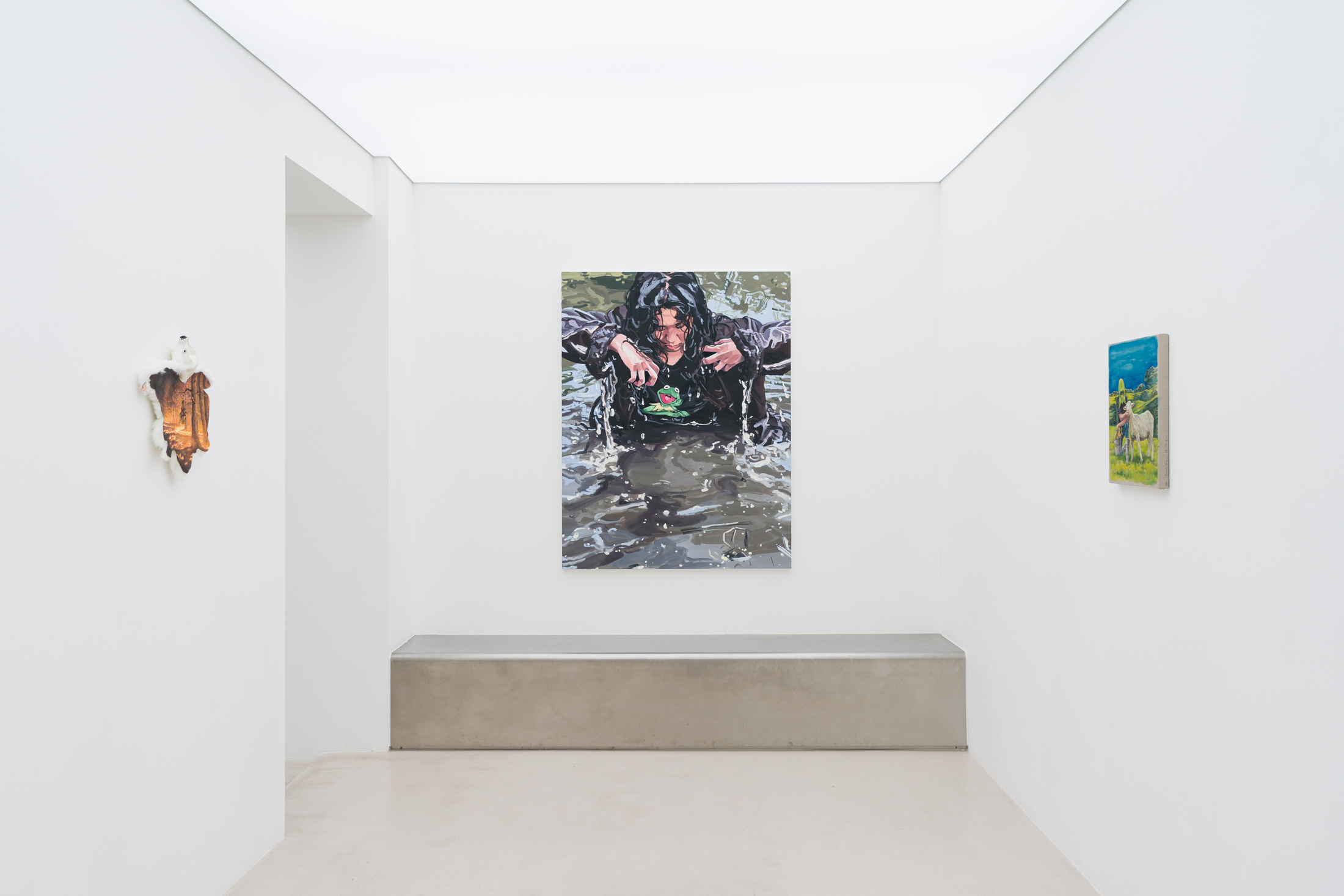
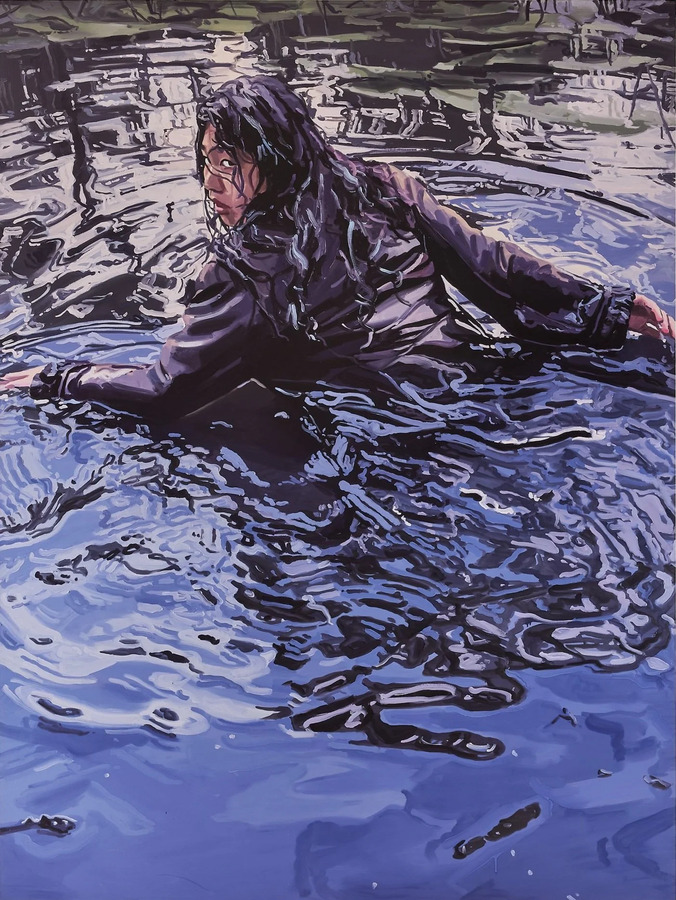
In the series 'Staredown' (2024), moments such as a figure slowly emerging above the water’s surface or droplets falling from drenched clothing are captured on canvas. These images register the flow of time that remains unseen in the process of translating sequential photographic frames into painting. The blurring of water and the reflection of light evoke the sensation of a still from a video, offering the viewer a renewed perception of temporality and movement.


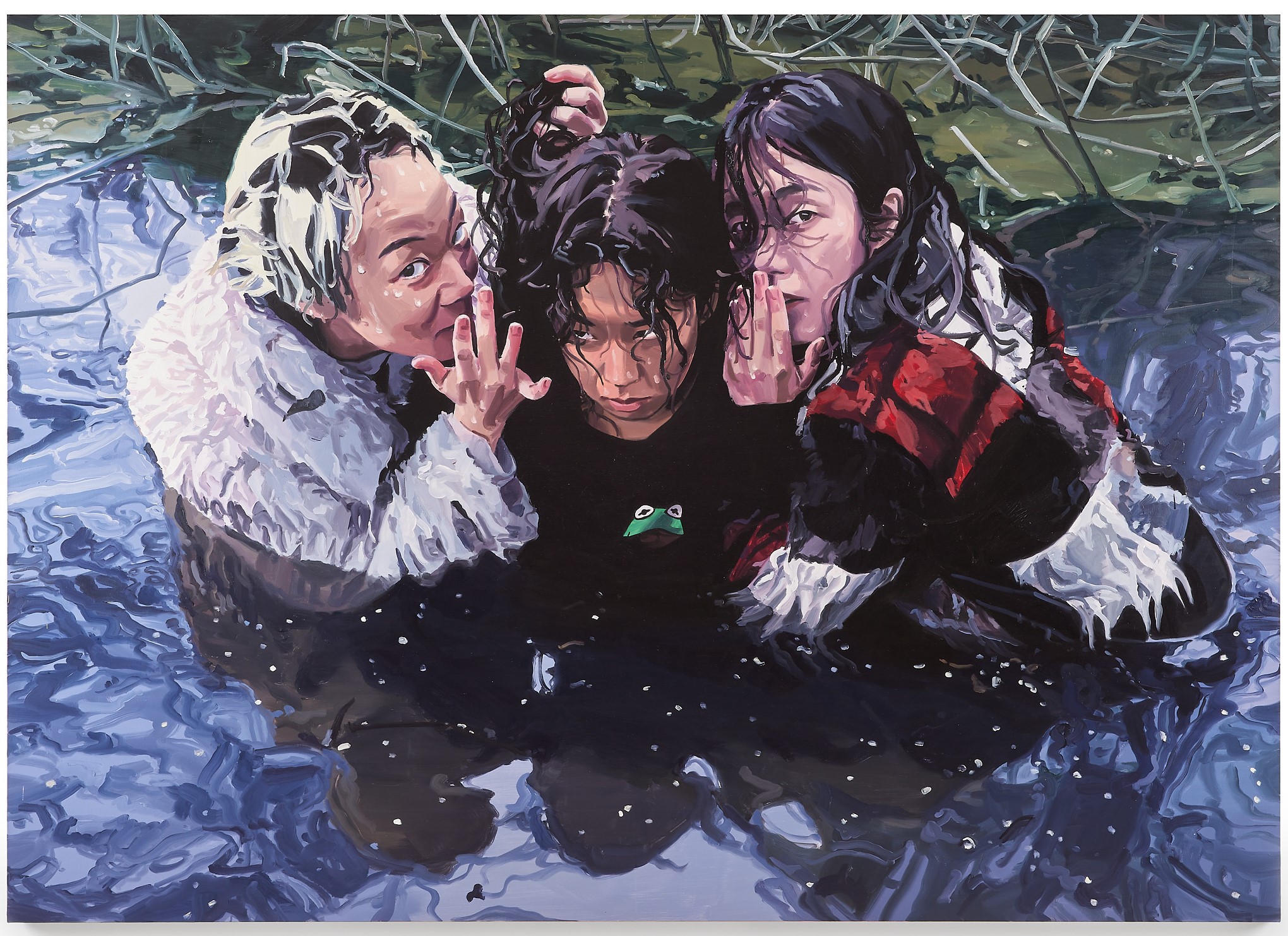
Miryu Yoon, The Difference Was Clear to Us but You, 2024, Oil on canvas, 162.1 x 227.3 cm © Miryu Yoon

Secret Communion: A Contemporary Reconfiguration of Mythic Imagery

The figures in the paintings are dressed in contemporary clothing, yet they are situated within the swamp—an environment detached from everyday life. Here, the artist reinterprets the image of Rusalka, the water spirit and witch from Slavic mythology, through a contemporary lens. Traditionally known as a beautiful yet dangerous being who seduces and harms humans, Rusalka is not rendered here as a simple embodiment of evil. Instead, Miryu Yoon connects this figure to the complex inner worlds of contemporary individuals.

Bodies submerged in the swamp, suspicious glances, predatory gazes reminiscent of crocodiles, threatening postures, and secretive whispers evoke the presence of a witch-like Rusalka. Yet rather than conveying mere threat or fear, these elements generate an experience of intrusion into a strange and intimate realm of secrecy through the close, covert exchanges between the figures. The viewer, caught within the gaze that emerges from the dark swamp, is led to confront the hidden aspects of their own interiority. This, in turn, resonates with the artist’s inquiry into the roles one might assume within the exhibition—as director, photographer, and at times, observer.

Why, then, does the artist choose the swamp? As a site located at the boundary between water and land, the swamp is a space where stillness and unease, life and death coexist. Thick with fog, the water remains shallow yet motionless, occasionally rippling as frogs leap into it. These qualities align with the enigmatic image of the Rusalka, while also symbolizing the threshold between reality and unreality, consciousness and the unconscious.

By exploring the boundary between photography and painting within the swamp, the artist positions it as a site where concealed secrets and repressed emotions surface. The entangled figures, exchanging unspoken intimacies, heighten this sense of secrecy. The damp, shadowed atmosphere of the swamp simultaneously evokes discomfort and curiosity in the viewer, compelling an encounter with emotions hidden deep within.


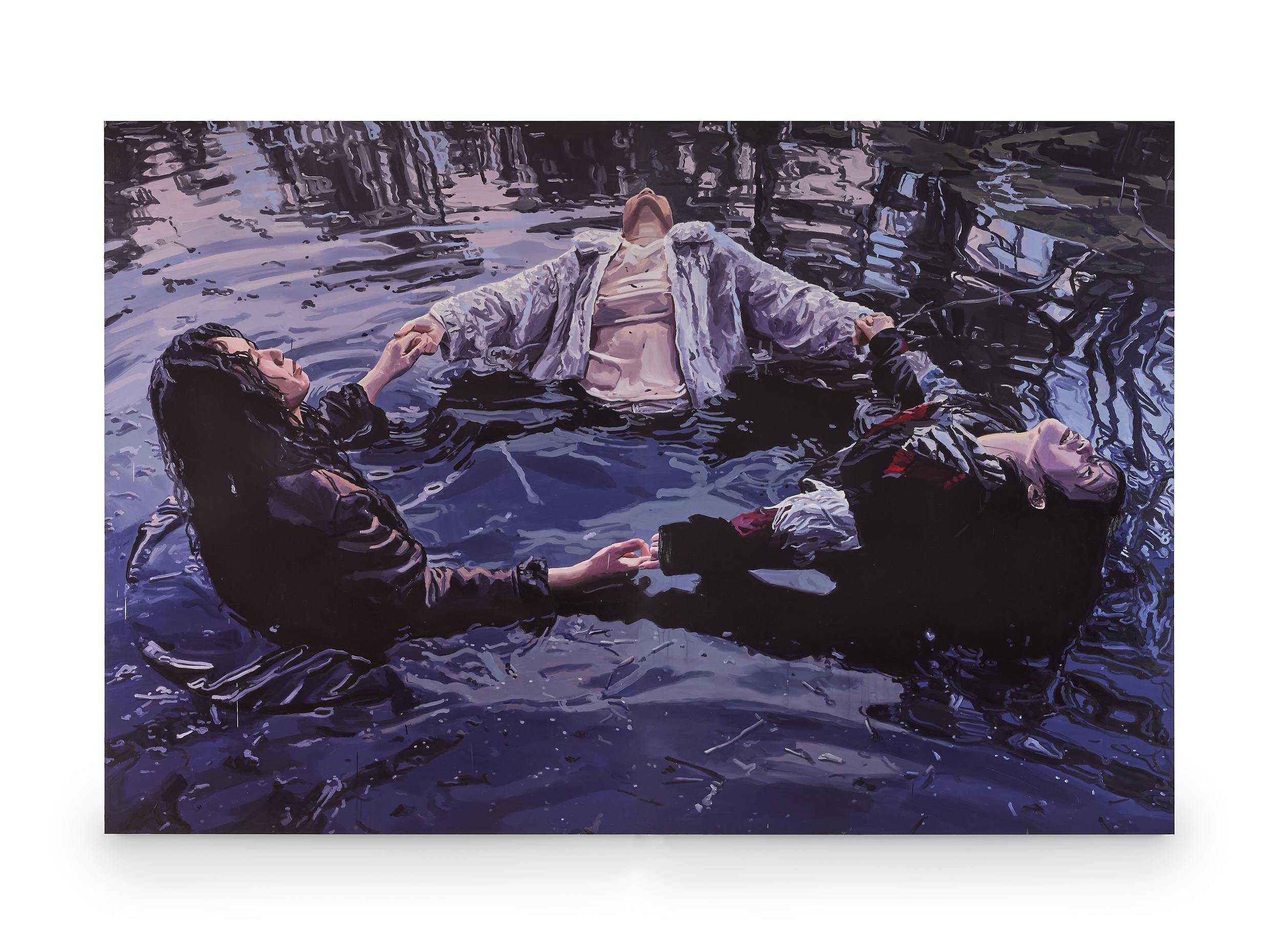
Miryu Yoon, Circle for the New Moon, 2024, Oil on canvas, 259.1 x 387.8 cm © Miryu Yoon

Beyond the black mist, one encounters 〈Circle for the New Moon〉 (2024), where figures appear to be performing a ritual within a swamp shimmering with ripples of moonlight. Are they summoning yet another presence into the swamp? The answer to this question may remain forever unknowable. For now, all we can do is simply watch them, immersed in the glow of the moonlight.

References