Activities
A Single Painting Fetches 300 Million KRW… The Meteoric Rise of 28-Year-Old Moka Lee
November 25, 2024
Seong Soo-young | Korea Economic Daily Reporter
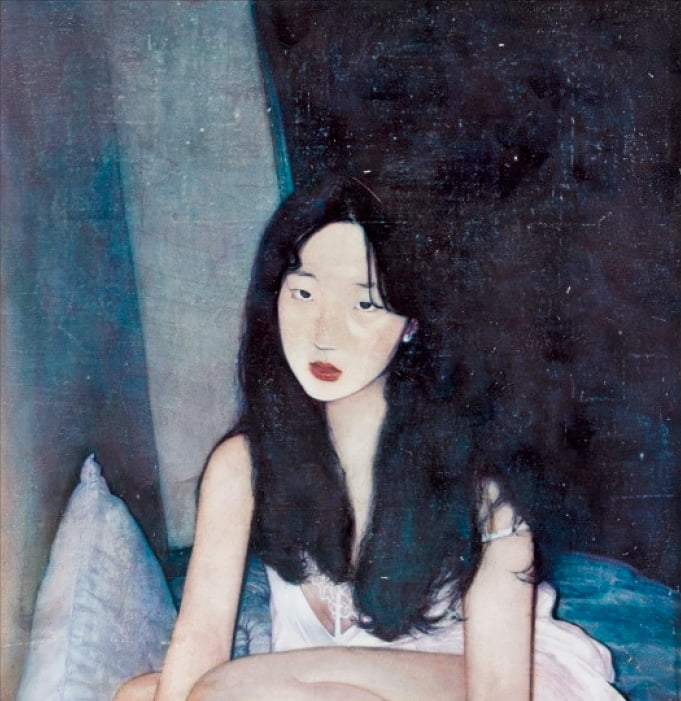
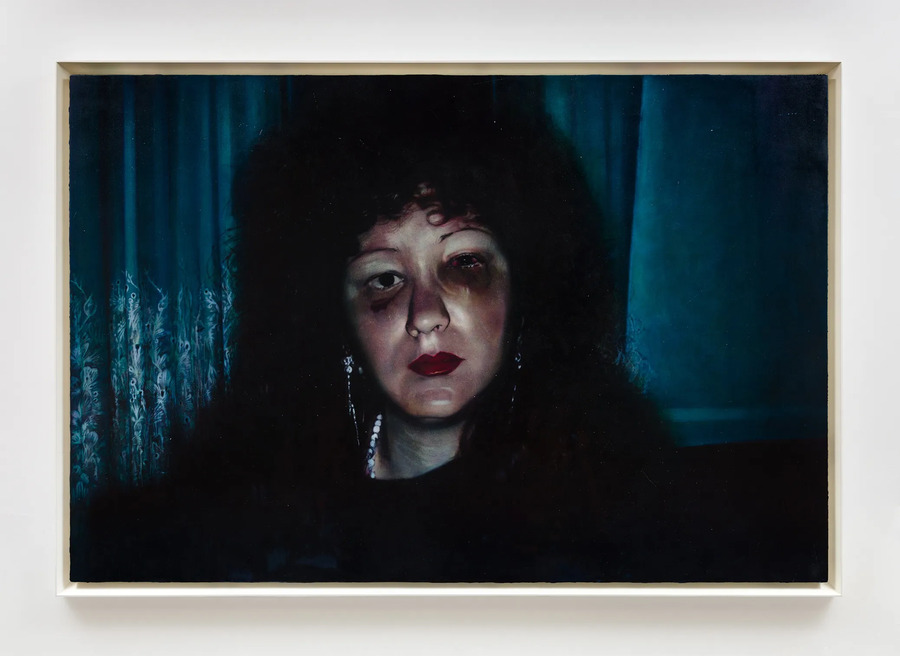
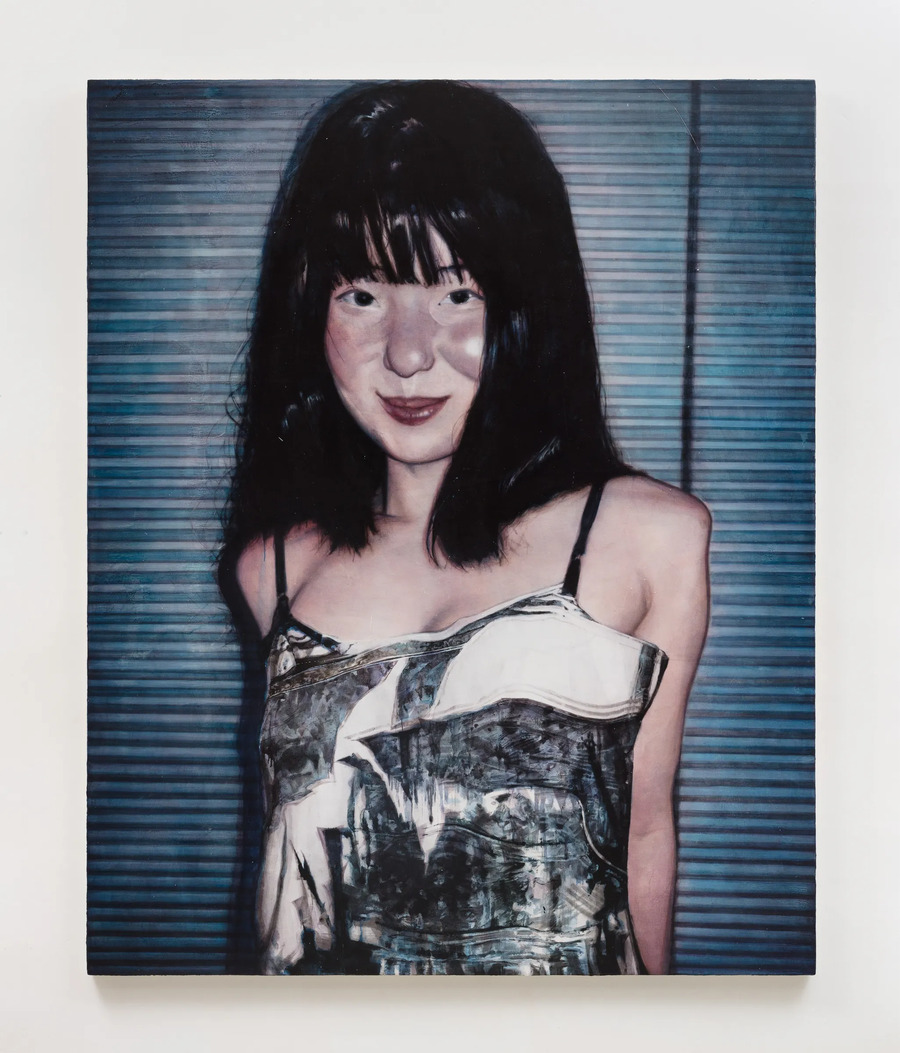
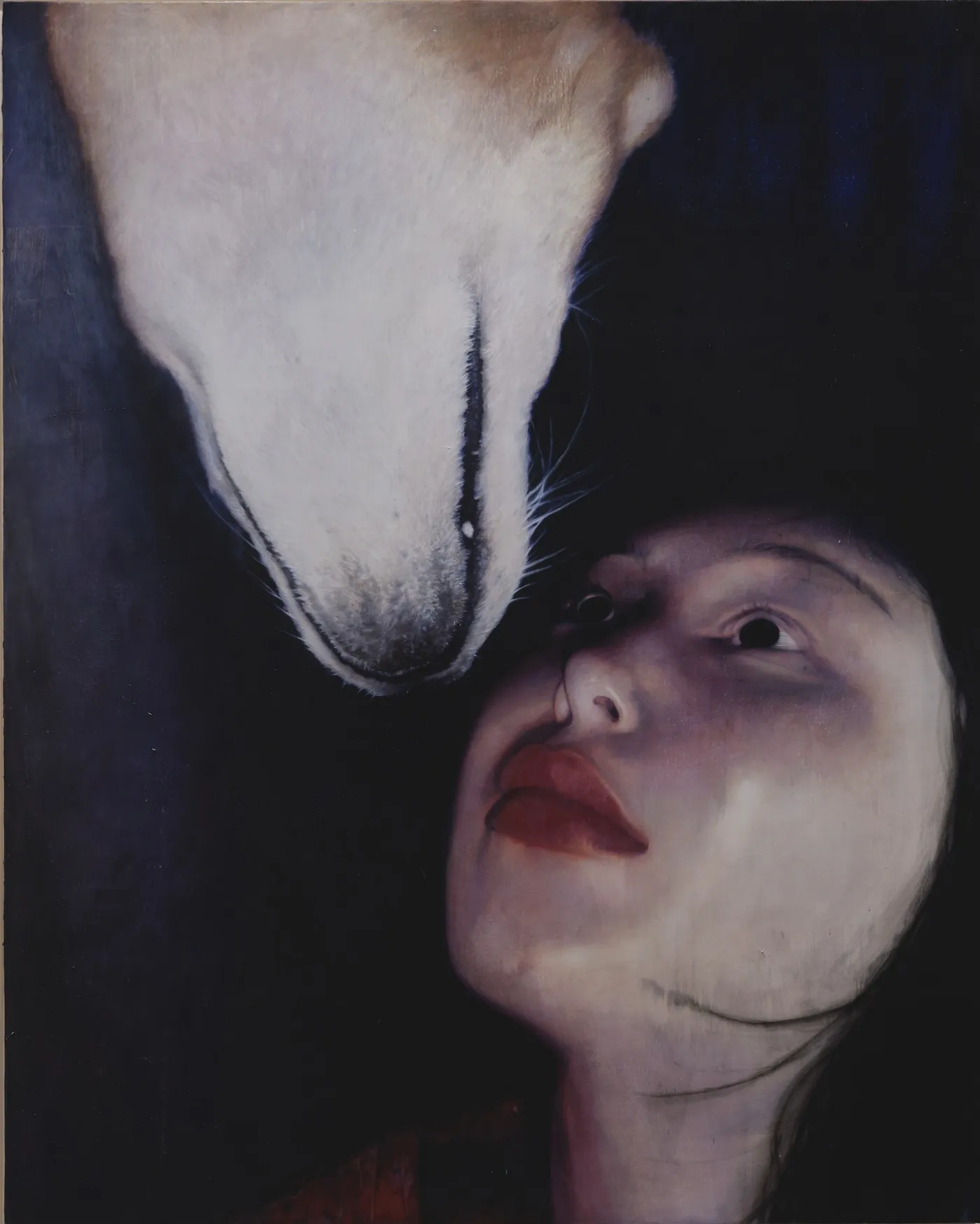
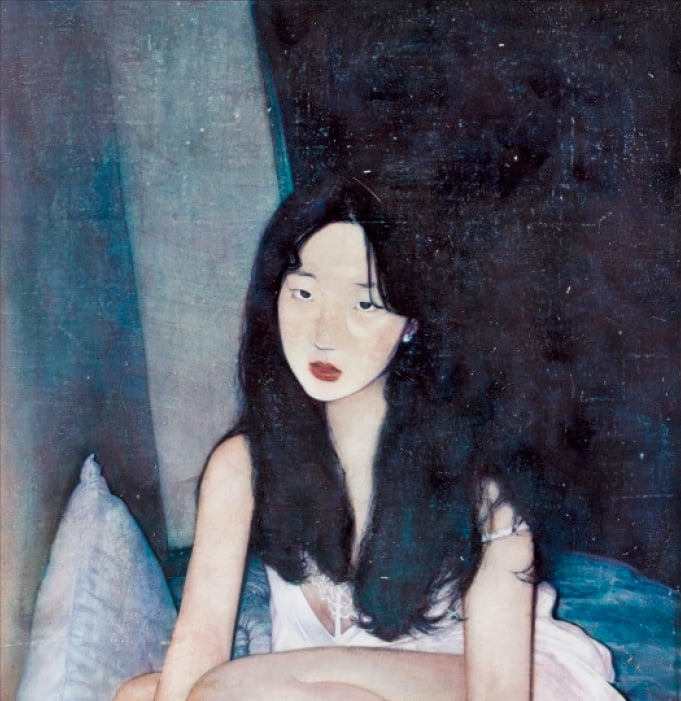
Moka Lee, I’m Not Like Me, 2020 © Moka Lee
“HKD 1,651,000 (approximately KRW 298 million)! Congratulations.”
On the 25th, at Phillips Auction House in Hong Kong, applause erupted as the auctioneer’s hammer signaled the final bid. The moment followed the sale of I’m Not Like Me (2020) by Korean artist Moka Lee (28), which far exceeded its estimated price of KRW 72–126 million.
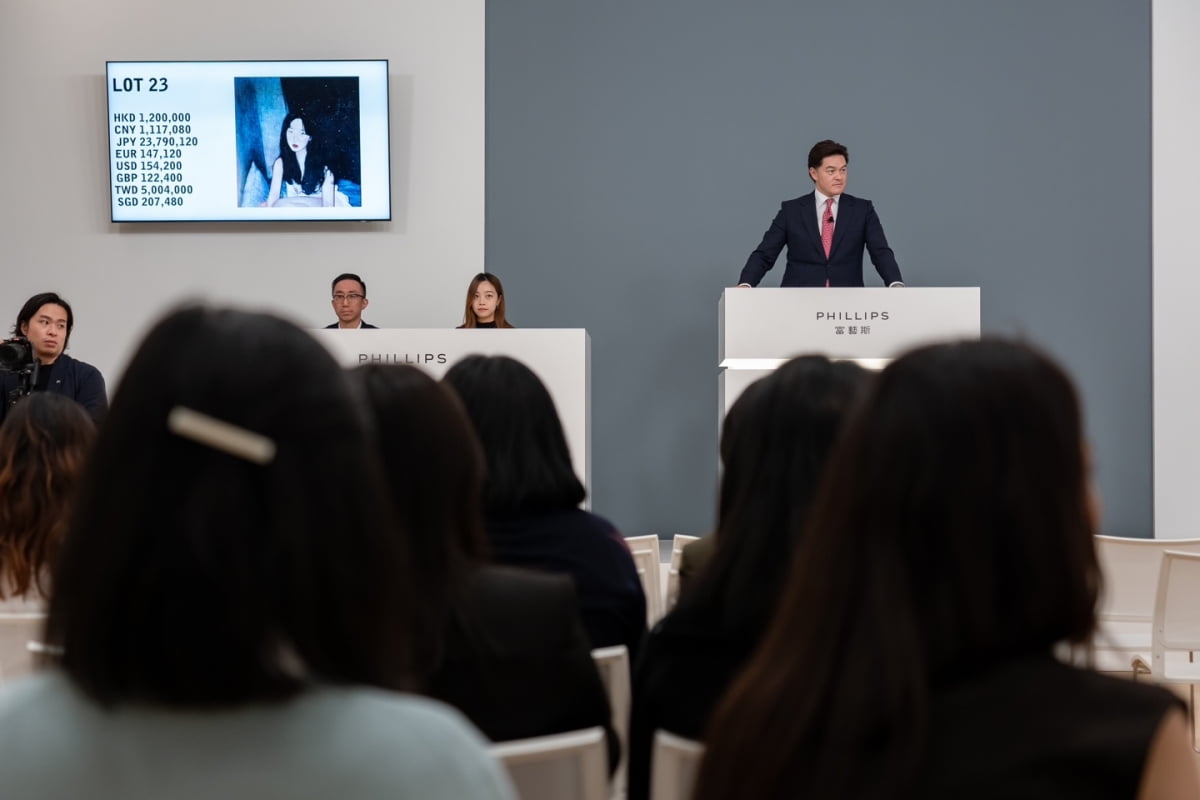
Auction view of lot 23, I’m Not Like Me by Moka Lee at Phillips © Phillips
The work was among the most fiercely contested lots at the “Hong Kong Modern and Contemporary Art Evening Sale” held by Phillips that day. As soon as bidding began, offers surged rapidly, surpassing HKD 1 million (approximately KRW 180 million) within moments. After nearly five minutes of intense competition, the final hammer price reached KRW 298 million—an exceptionally high figure for a work by an artist in their twenties. Considering that only a handful of living Korean artists achieve auction prices in the hundreds of millions of won, the result is all the more remarkable.
Rapid Growth Over the Past Two Years
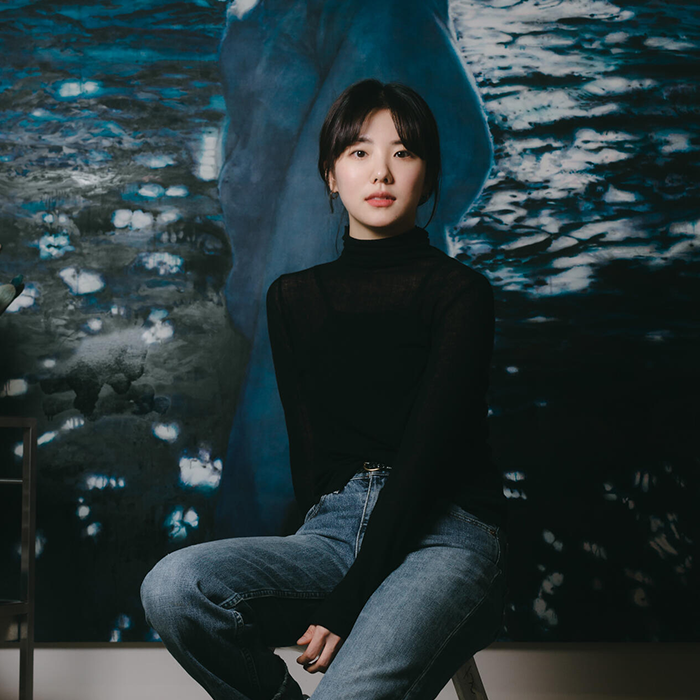
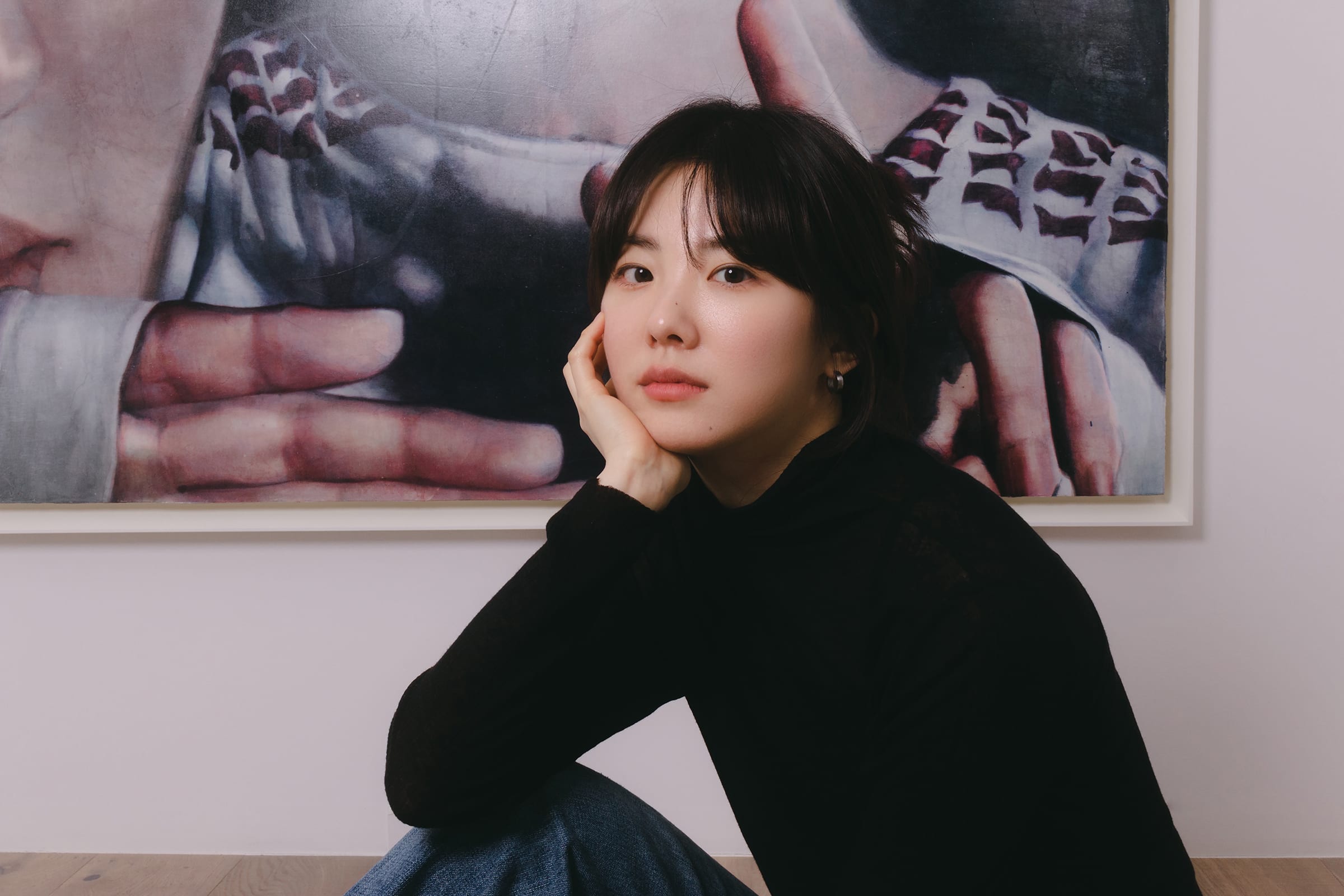
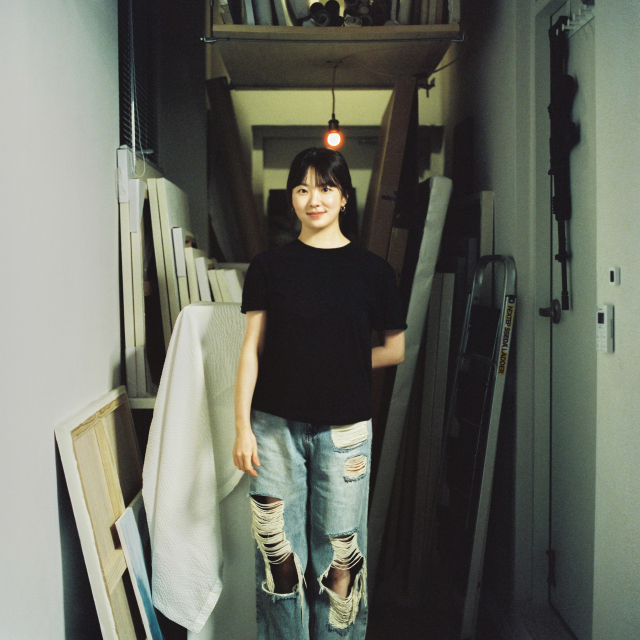
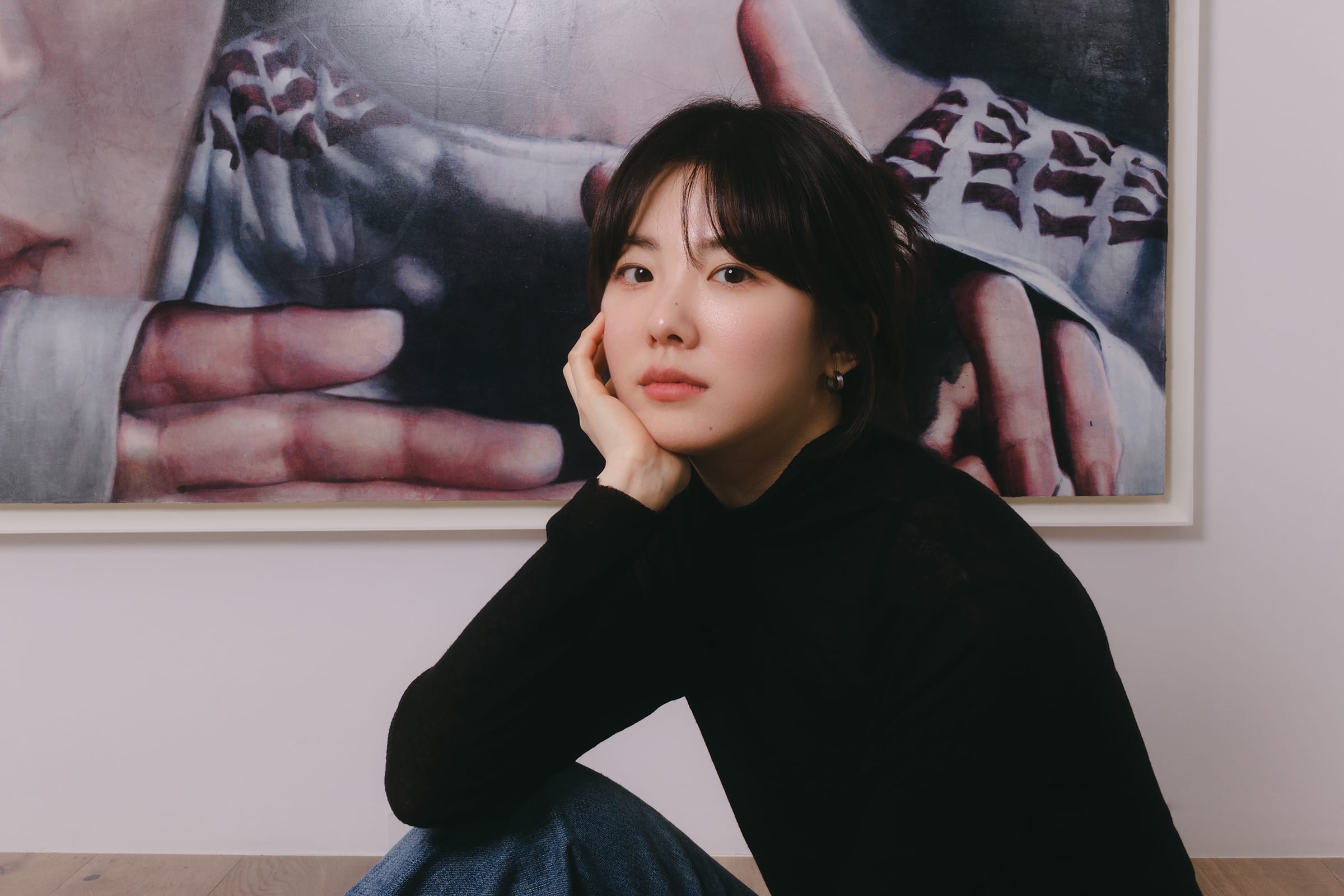
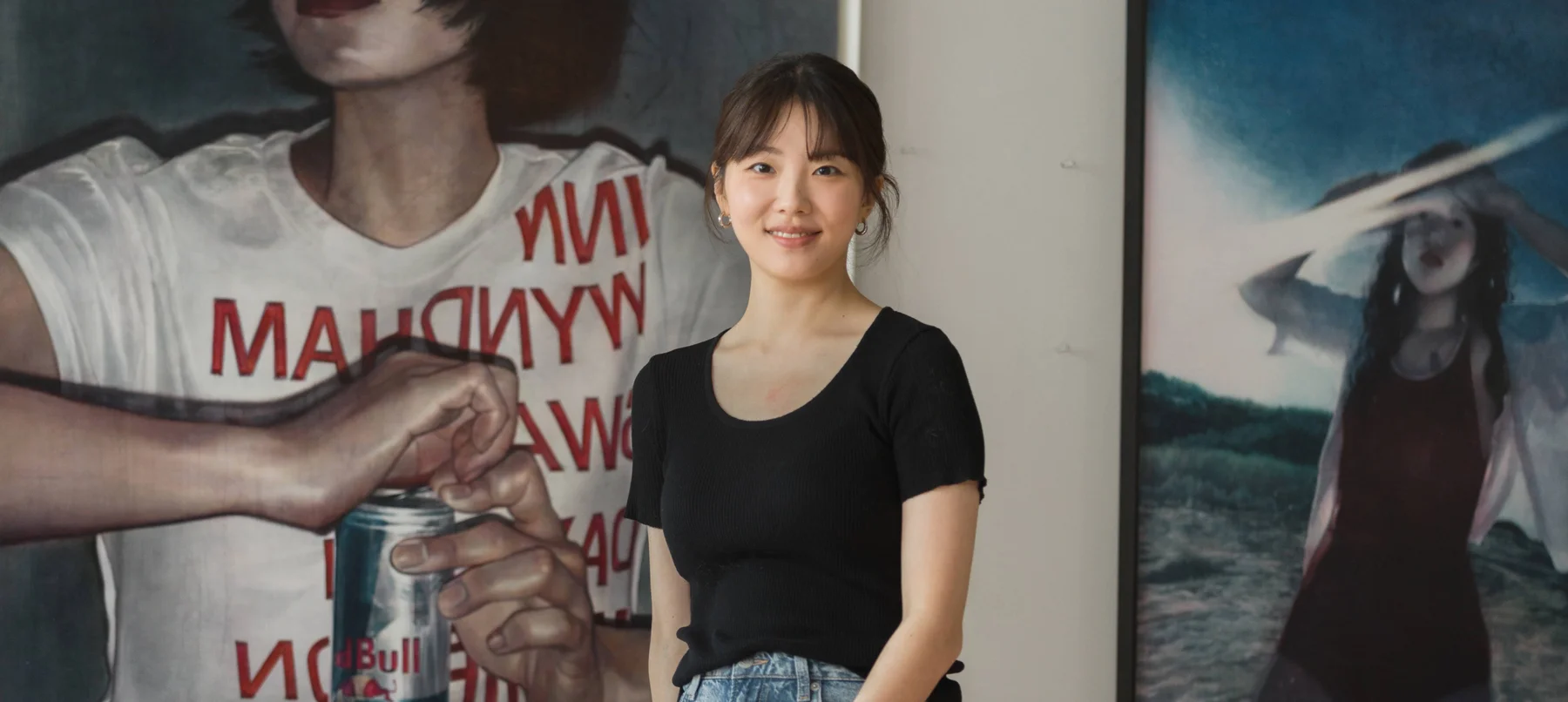
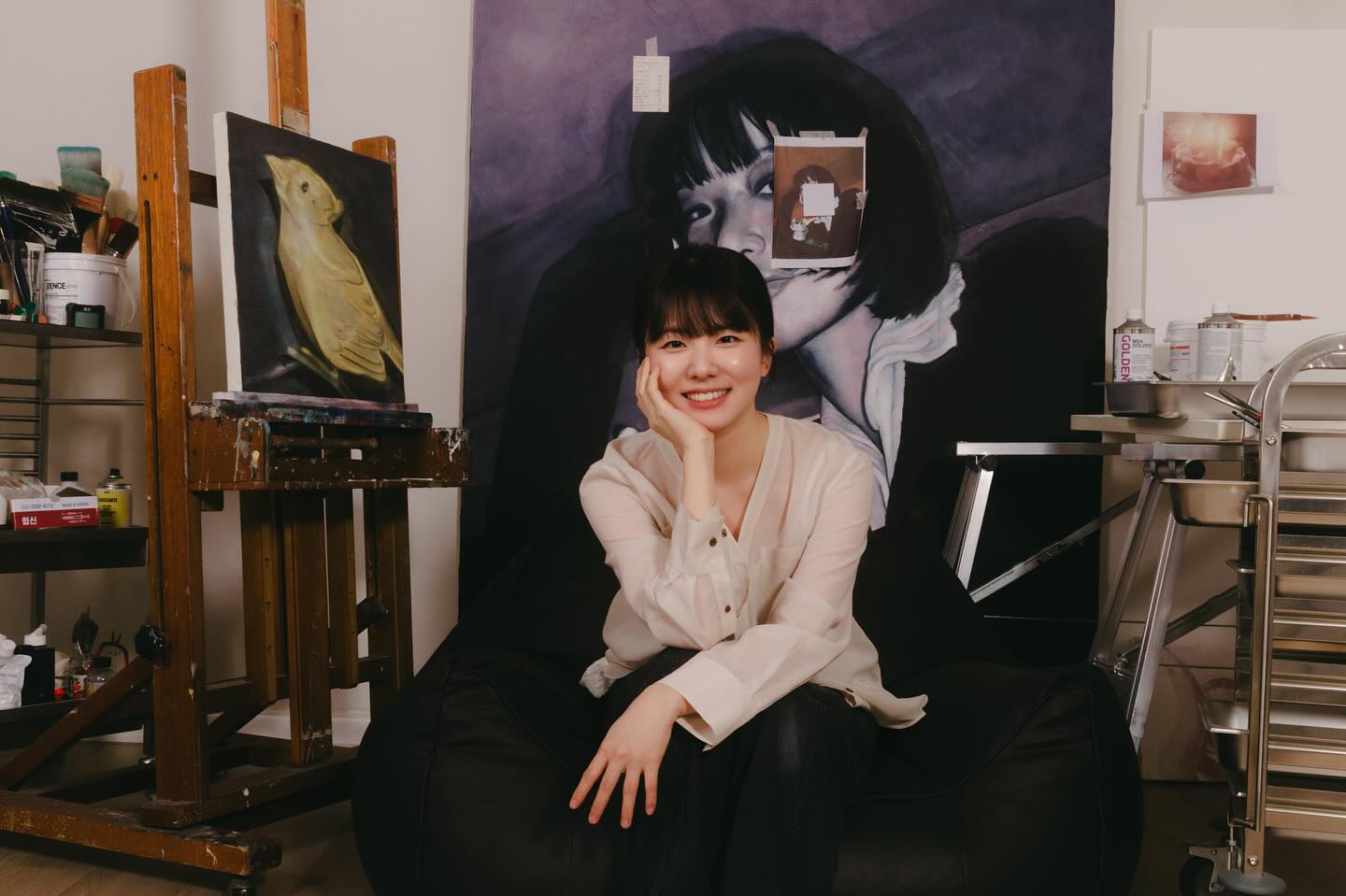
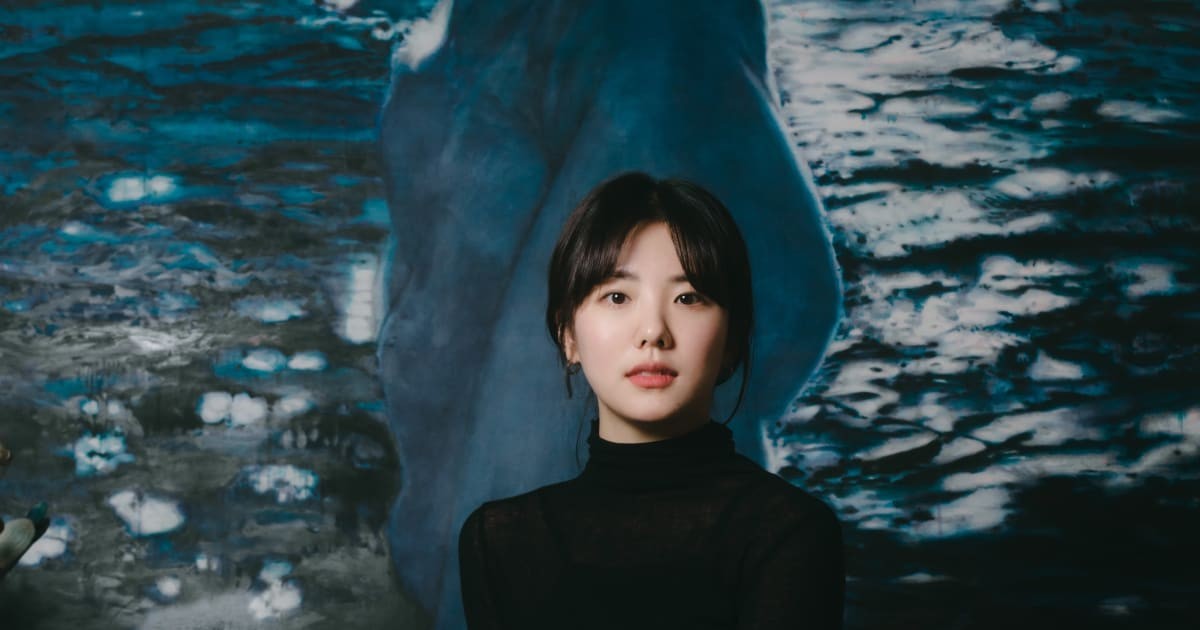
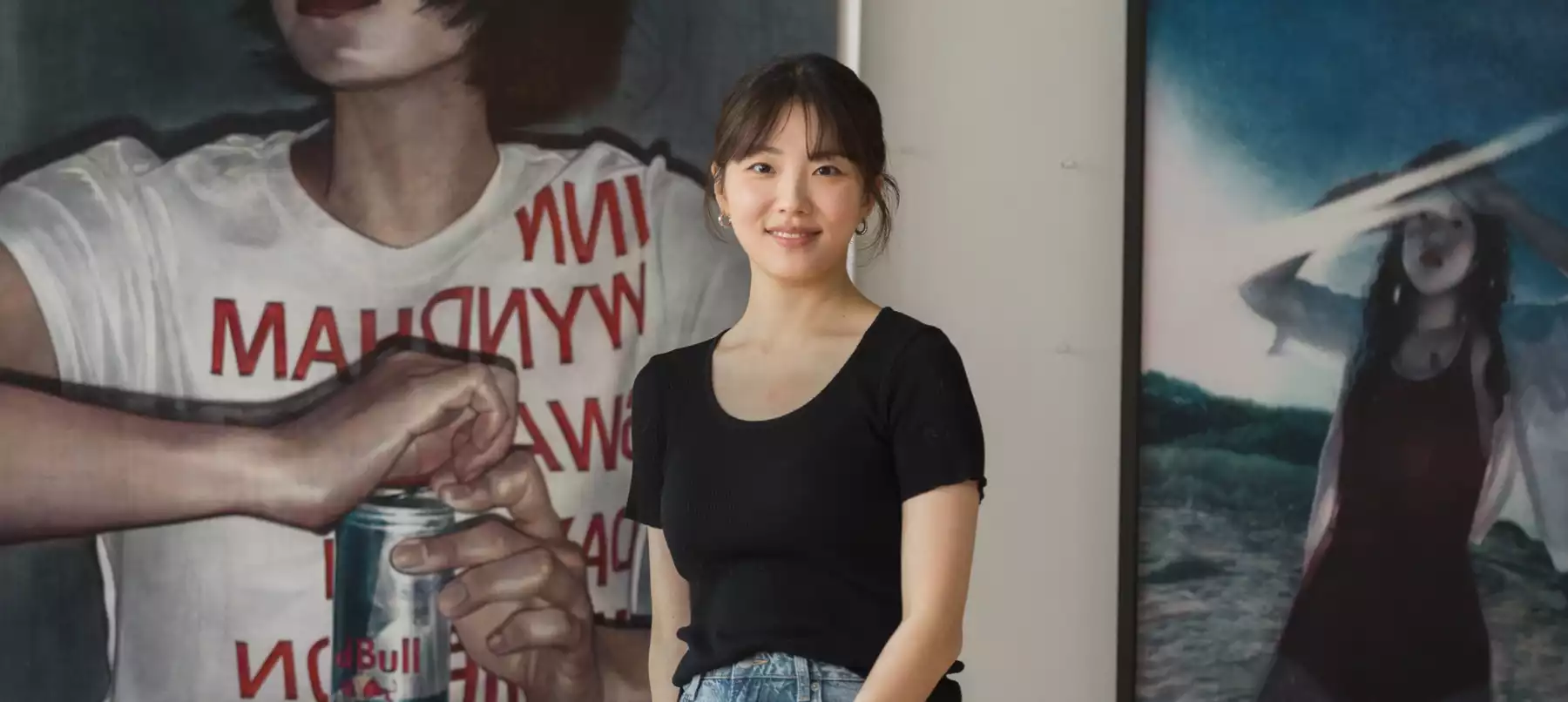
The Artist © Moka Lee
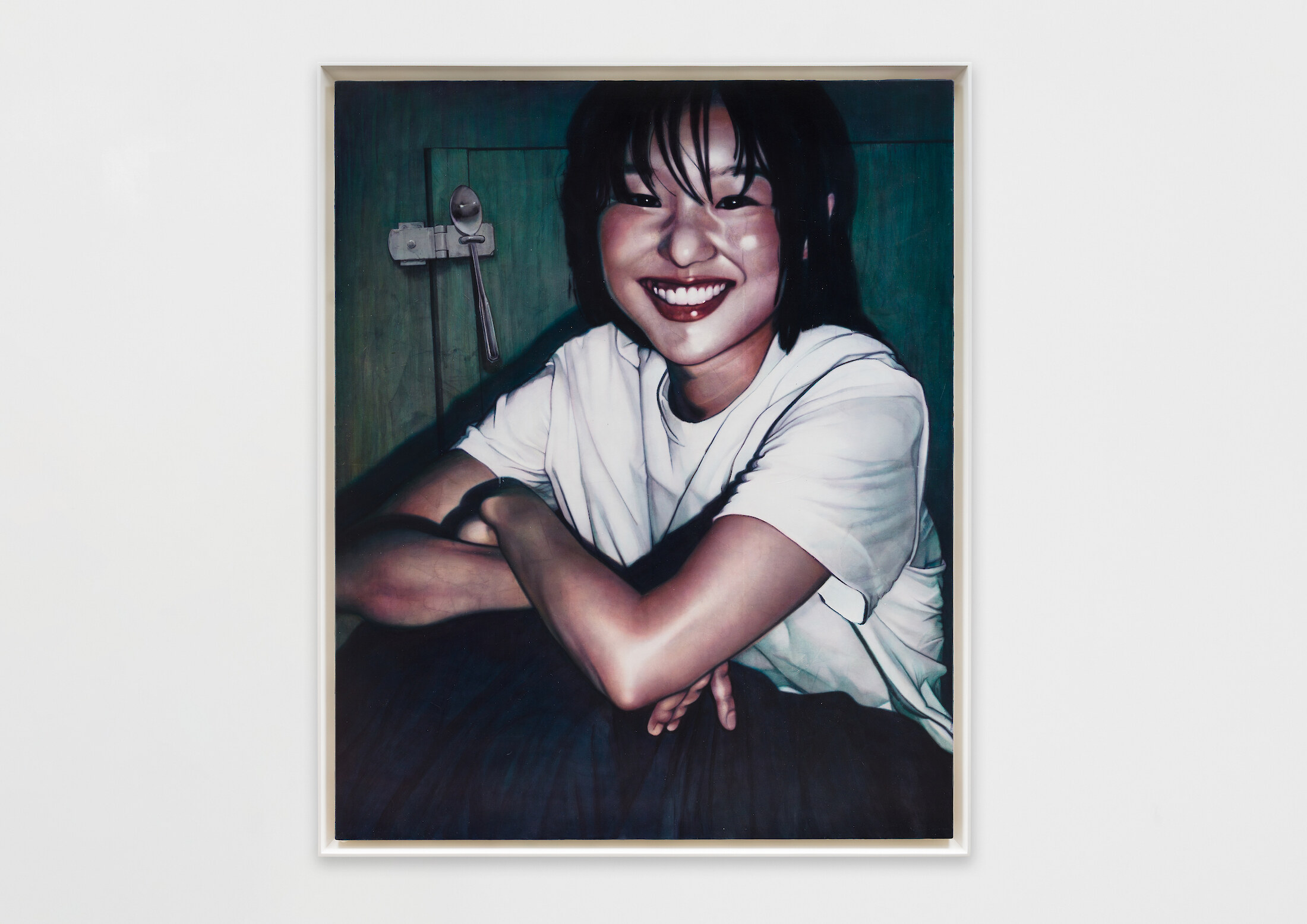
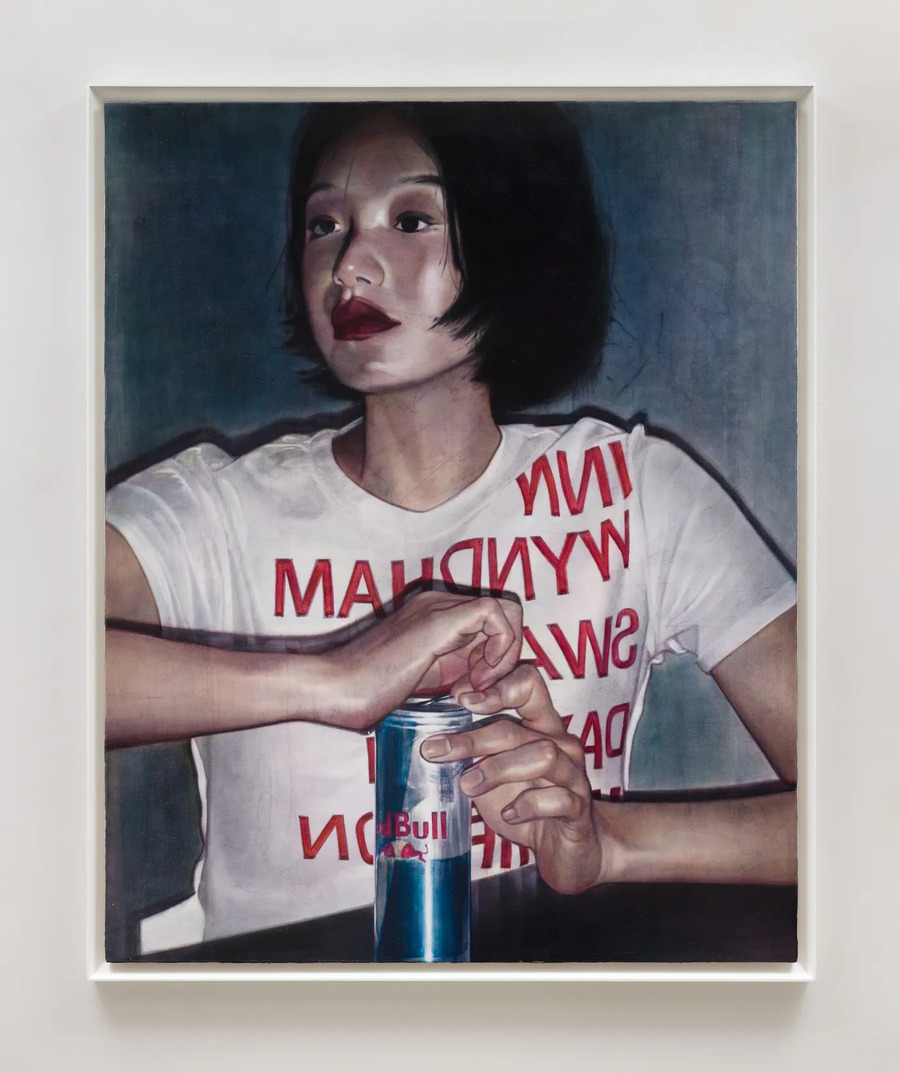
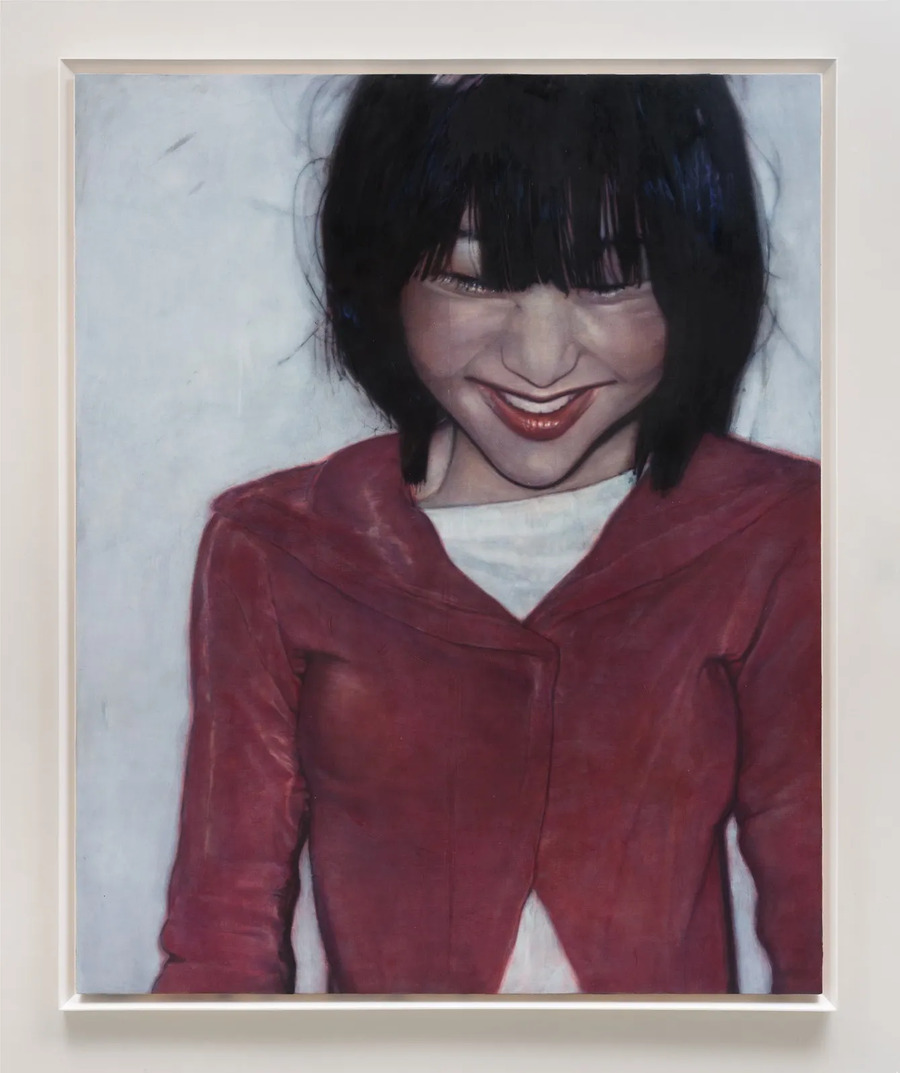
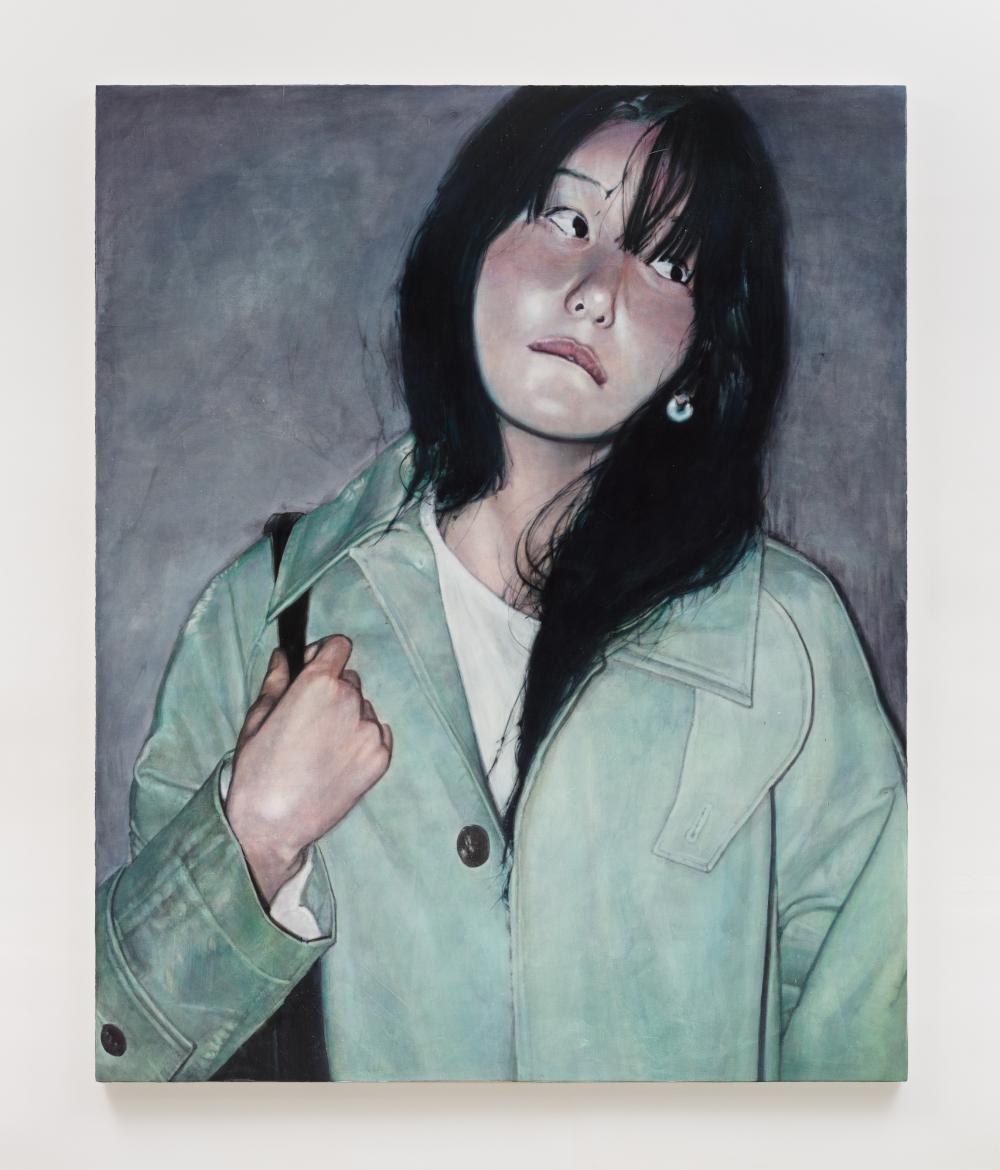
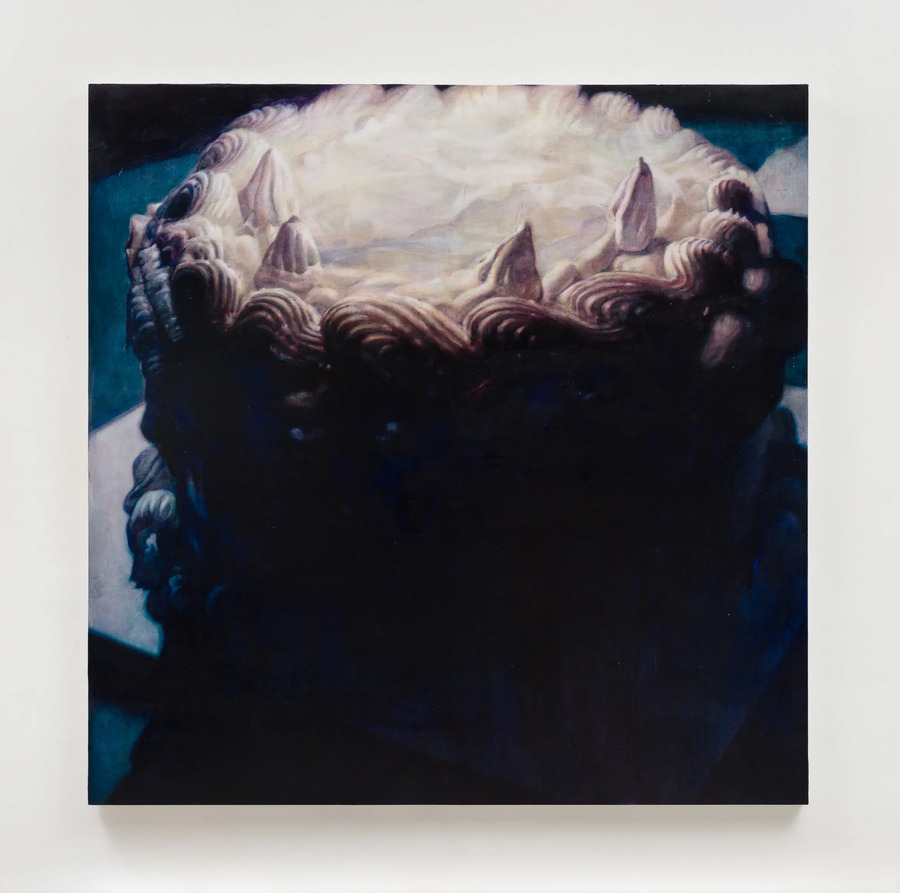
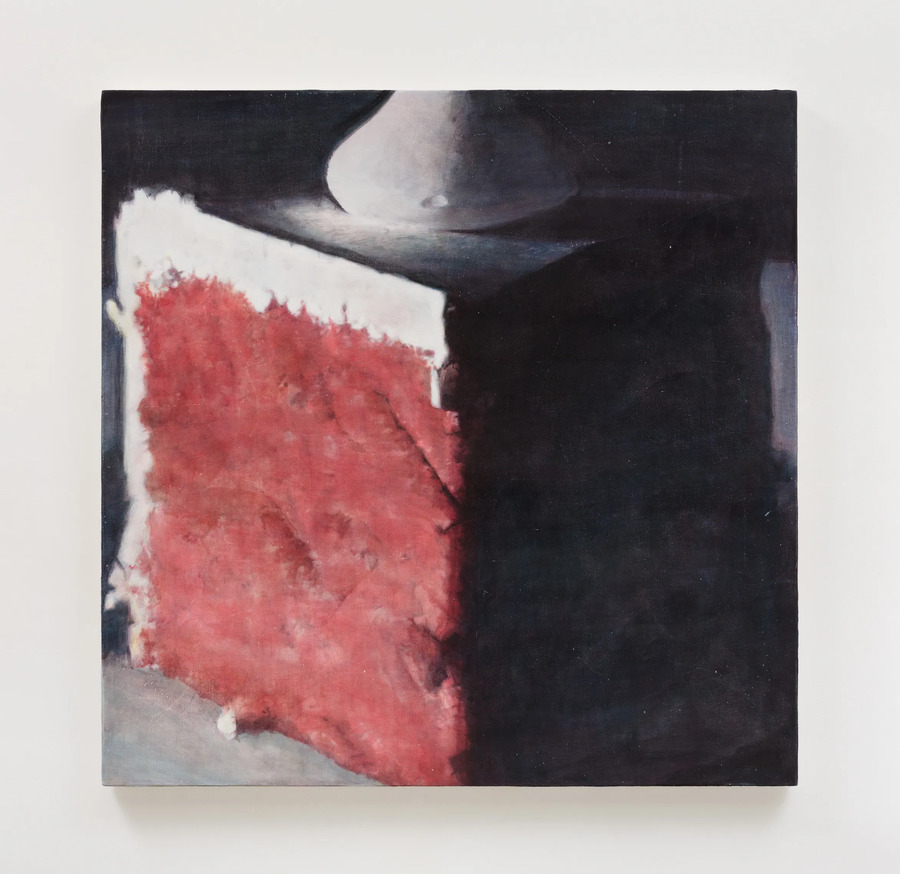
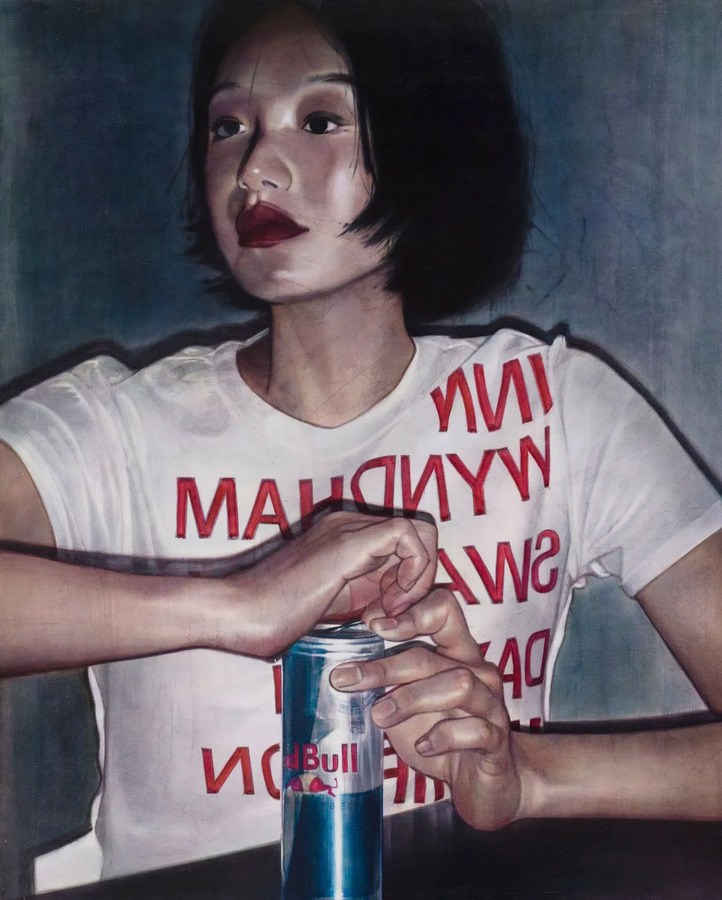
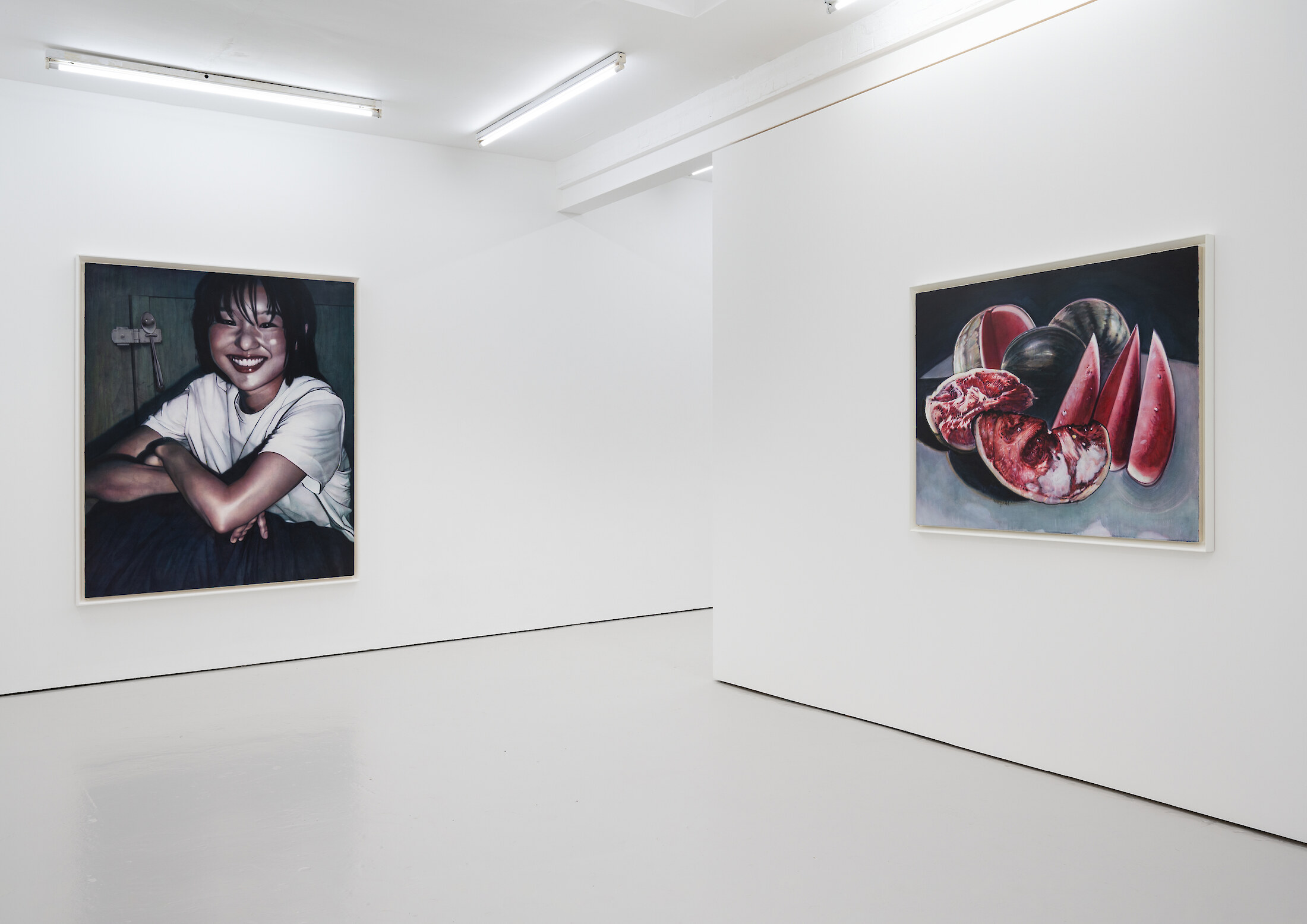
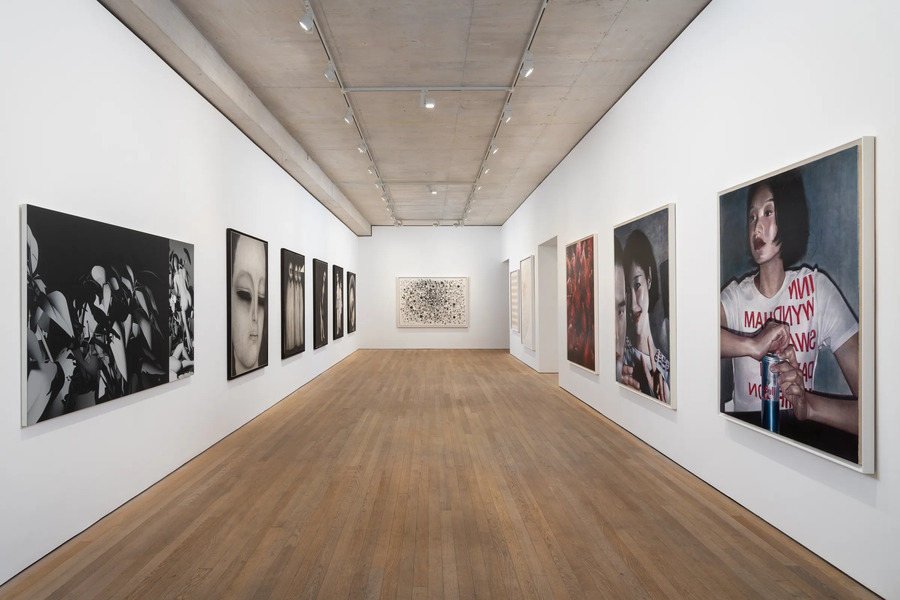
The artist is primarily known for portraiture. Rather than working with live models, she paints images of strangers sourced from social media. She selects photographs from platforms such as Instagram, contacts the account holders, and acquires the rights to paint the images by offering a small fee. The atmosphere of her paintings is equally distinctive, characterized by nuanced contrasts of light and shadow that create a subtle tension. Critics note that her works encapsulate the ambivalent emotions of youth—simultaneously expressing joy and anxiety.
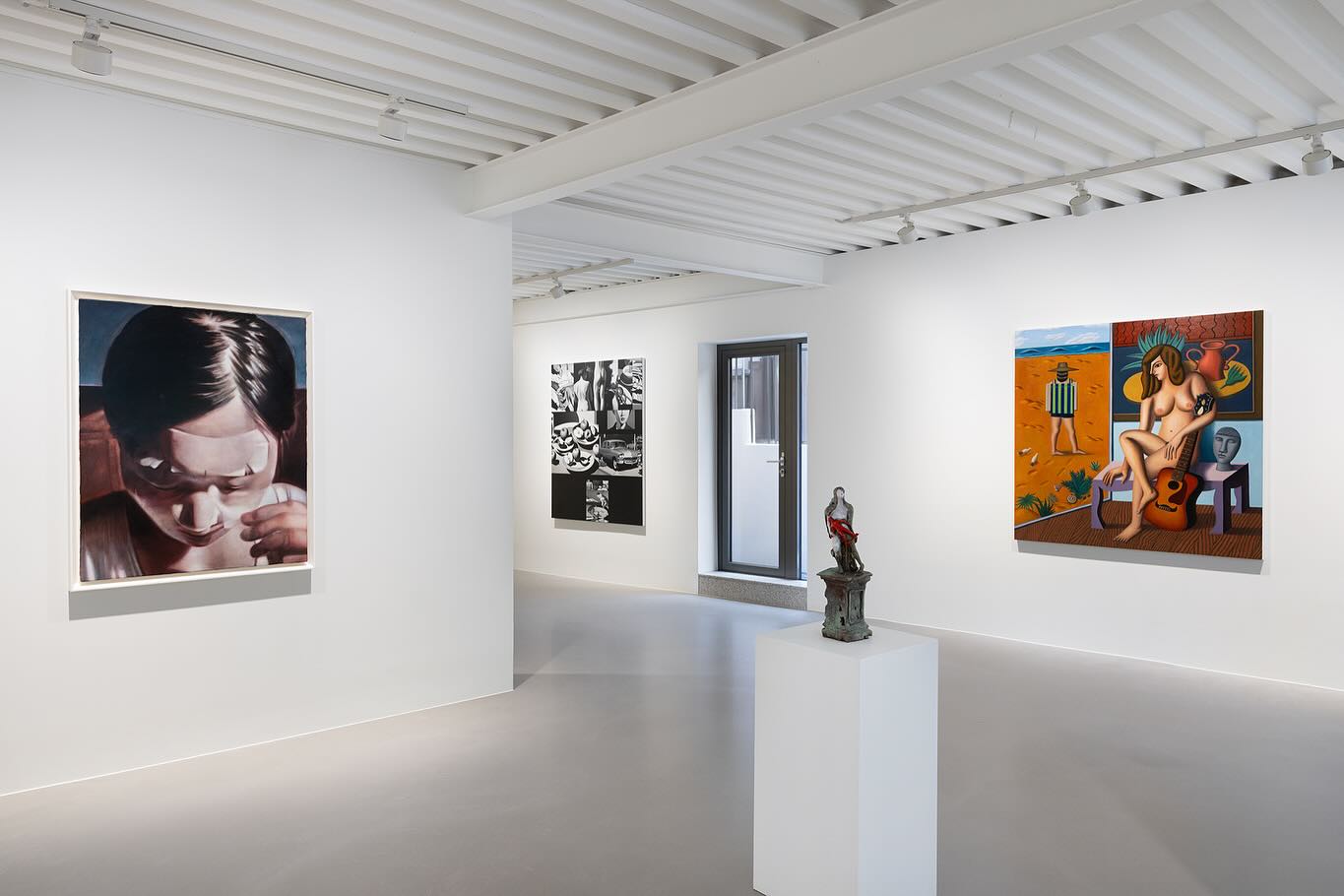
Portraiture is one of the most traditional and immediately accessible genres in art. Yet relatively few artists pursue it, as rendering the human face naturally and convincingly is notoriously difficult. Moka Lee’s rarity as a portraitist, combined with her distinctive methodology and style, has drawn significant attention at a young age. This recognition led to her participation in group exhibitions at the Seoul Museum of Art and the Busan Museum of Contemporary Art this year.
Phillips described her as “a young artist whose influence in the international art world continues to grow.” Indeed, her popularity on the global stage has risen sharply over the past two years. In 2023, she was selected for “Discoveries,” Art Basel’s annual list of 25 most noteworthy emerging artists, marking her growing recognition both domestically and internationally.
Last October, she was also named one of the “Vanguards 2025,” a selection of ten artists to watch by the global art platform Artsy, with her work displayed on a digital billboard in Times Square, New York. In early next year, she is scheduled to hold both a solo exhibition and participate in a group exhibition in London.
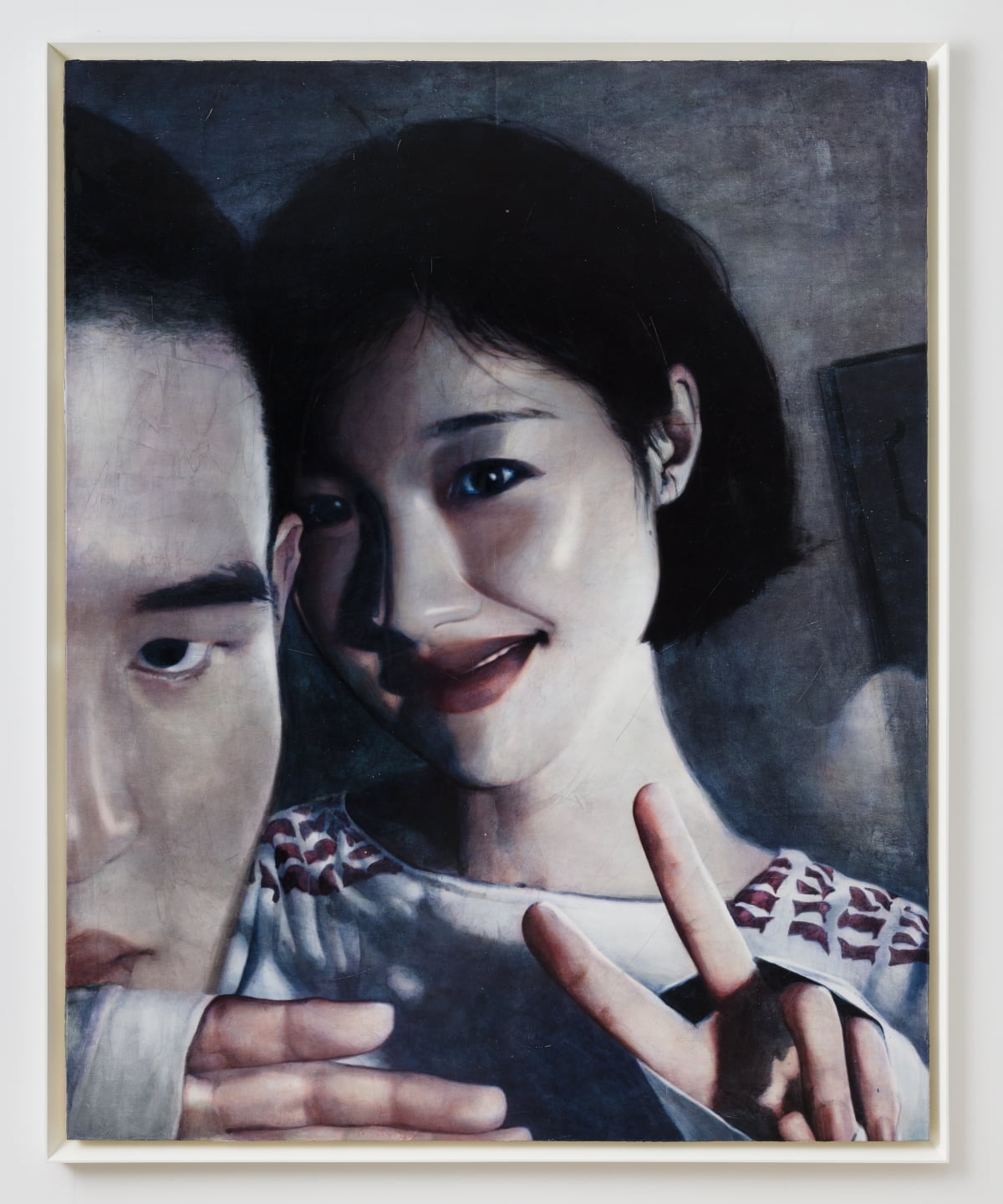
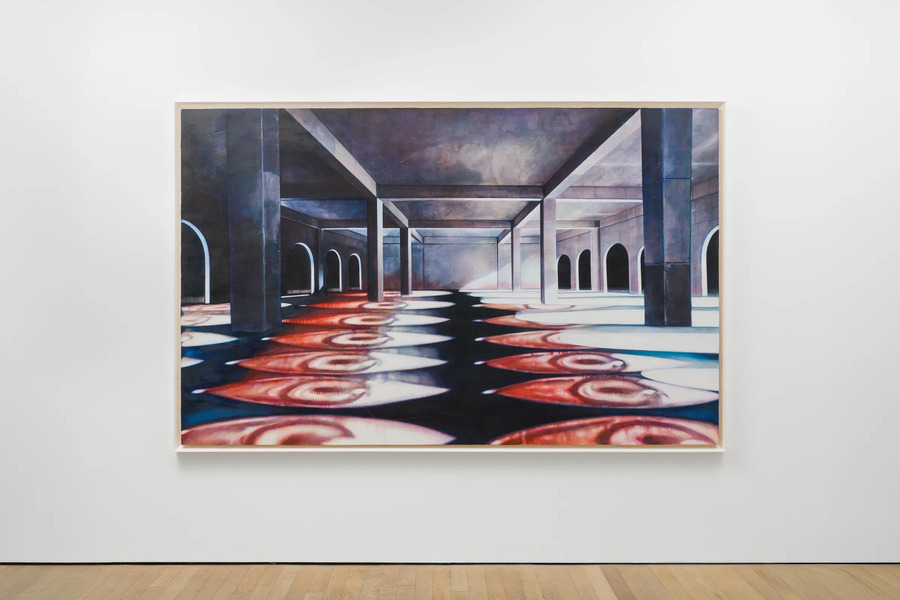
Moka Lee, Ego Function Error, 2022 © Moka Lee
The Growing Momentum of Korean Artists
In recent years, Korean artists have made notable strides in the international art scene. This is evident in major exhibitions currently held at leading institutions worldwide. The Metropolitan Museum of Art in New York is displaying a sculpture by Lee Bul on its façade. Tate Modern in London has installed a large-scale work by Mire Lee in its iconic Turbine Hall, while the Hayward Gallery has dedicated its entire space to an exhibition by Haegue Yang. The ZKM Center for Art and Media in Germany, often referred to as a hub for media art, opened an exhibition by Korean media artist Sung Hwan Kim on the 23rd.
The art market reflects a similar trend, with Korean artists gaining increasing attention. White Cube’s New York branch is presenting a posthumous exhibition of Park Seo-Bo, 《The Newspaper Ecritures, 2022–23》, while Almine Rech’s London space is hosting a solo exhibition by YoungJu Joung.
Jeongmu Yang, a professor at Korea National University of Arts, commented, “The Korean art scene has long engaged in active exchanges with the West, nurturing a number of highly accomplished artists. As the global art world increasingly turns its attention to non-Western and previously marginalized art, the depth and rigor that Korean art has accumulated is finally being recognized and receiving its due evaluation.”