Articles
[Column] Moka Lee, a Portraitist of the Social Media Age: “I Capture the Hidden Stories Within Photographs on Canvas”
2025
Kim Kyung-mi | Seoul Economic Daily Reporter
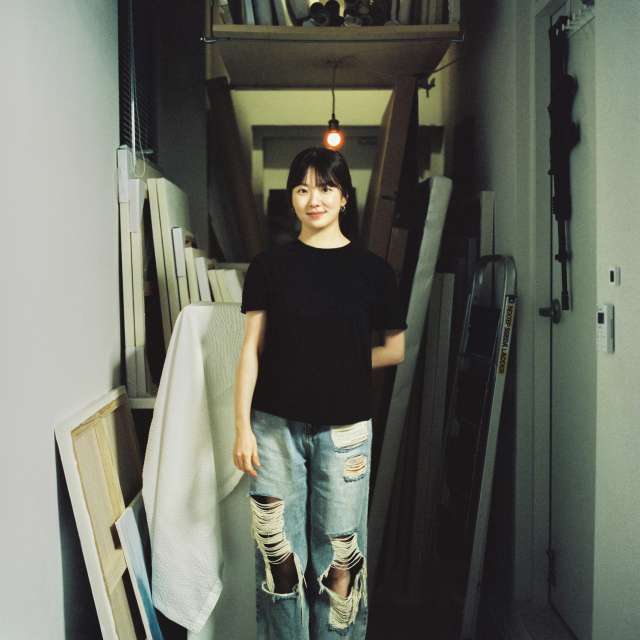
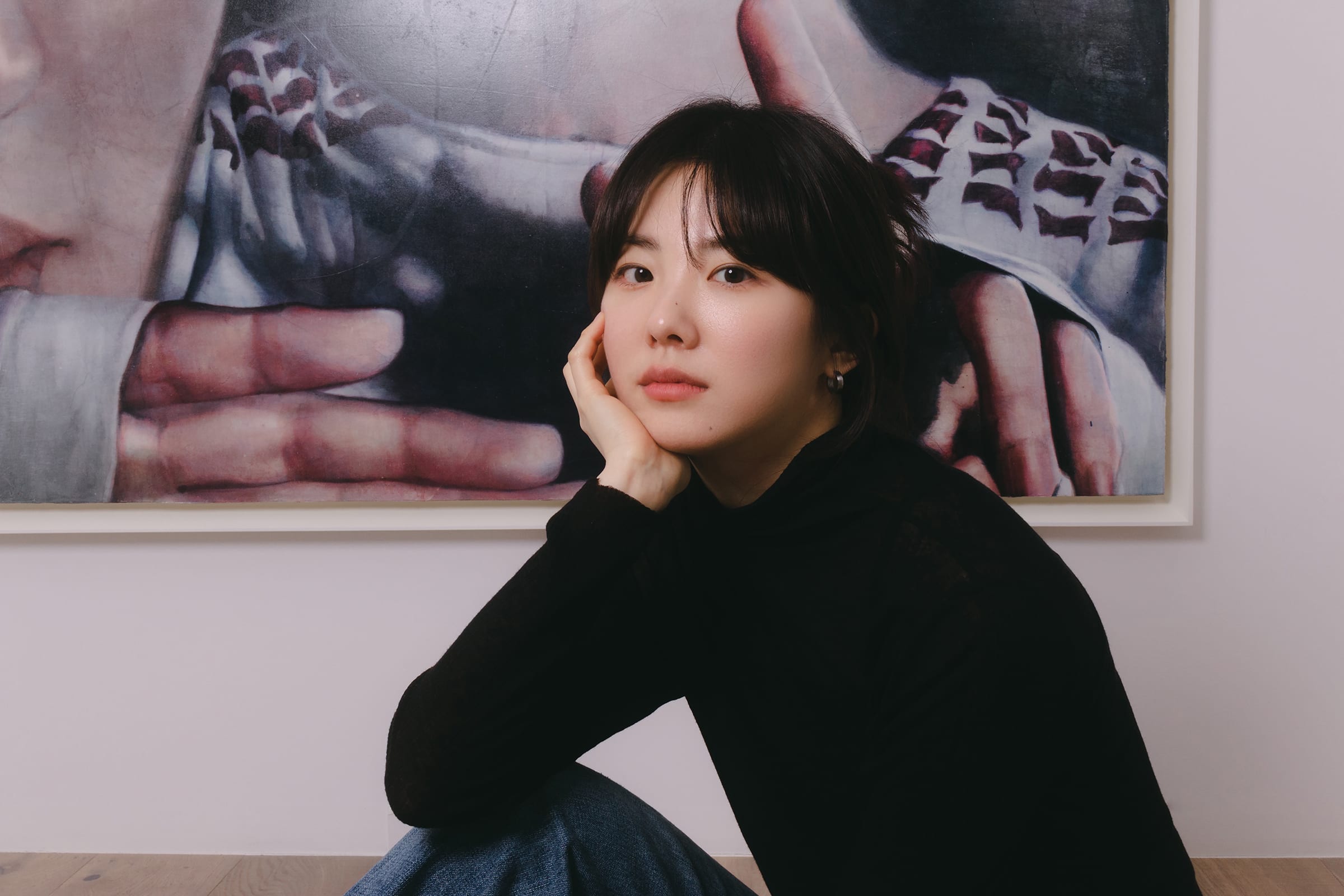
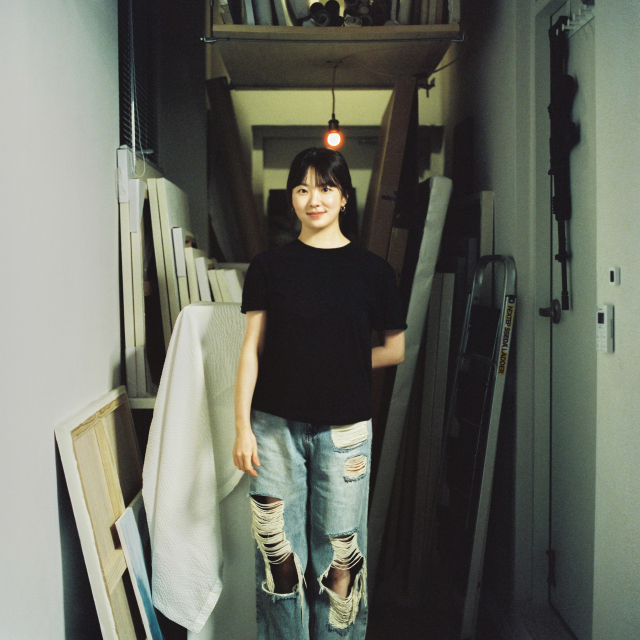
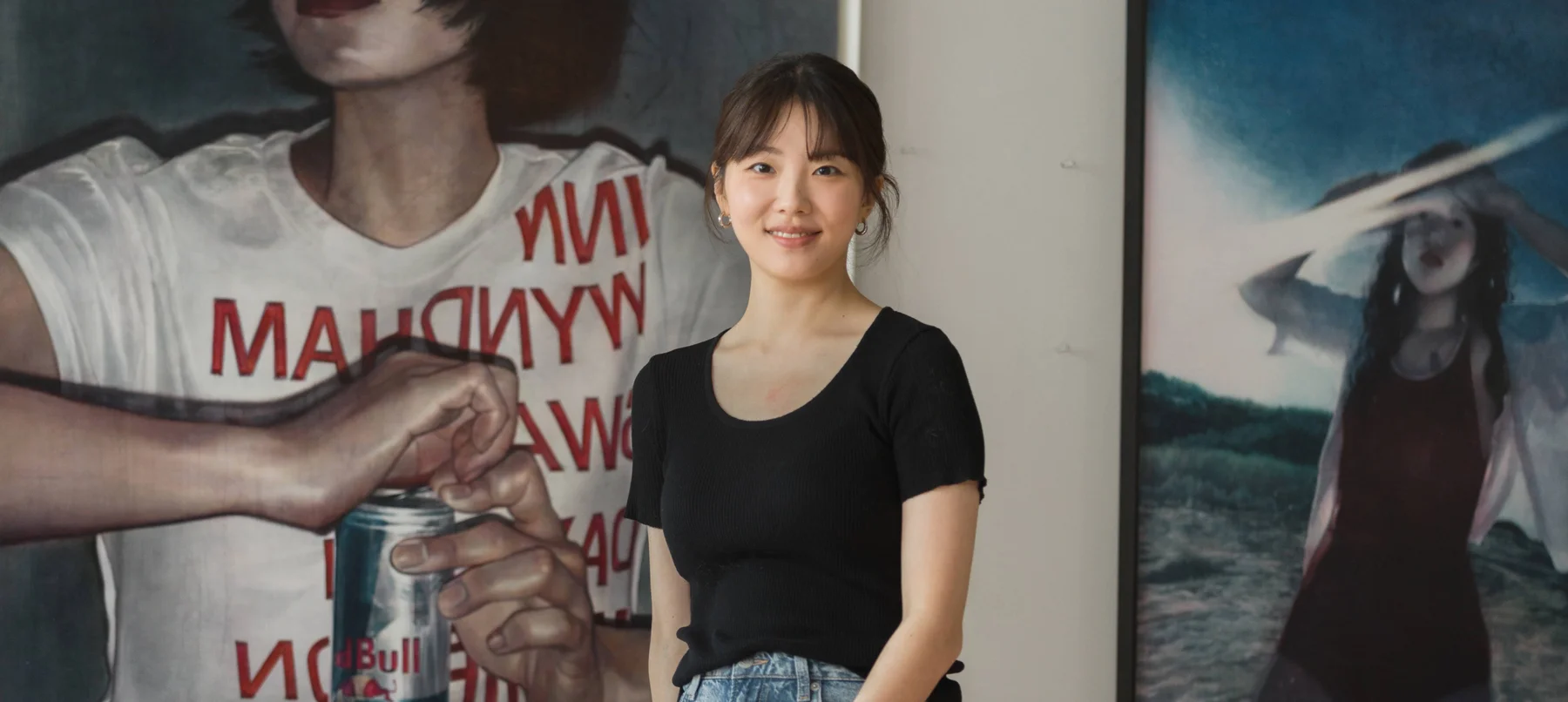
The Artist © Moka Lee
“Rising star.”
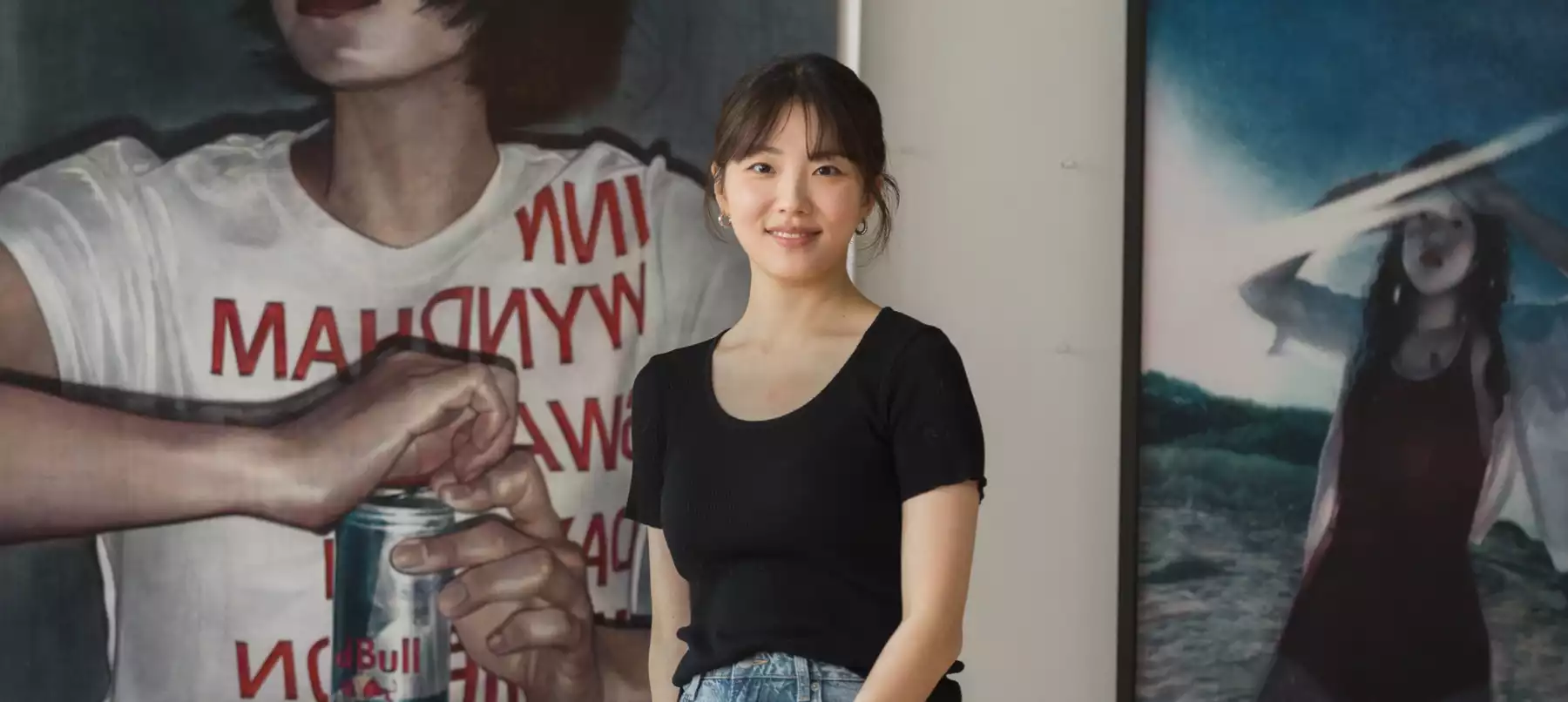
Though a familiar expression, it is difficult to find a more fitting term to describe Moka Lee, a 1996-born artist who has yet to reach thirty. She first garnered attention in 2023 when she was named to “Discoveries,” Art Basel’s annual selection of 25 most noteworthy emerging artists. In October of the following year, she was further spotlighted as one of ten promising emerging artists worldwide by the global art platform Artsy.
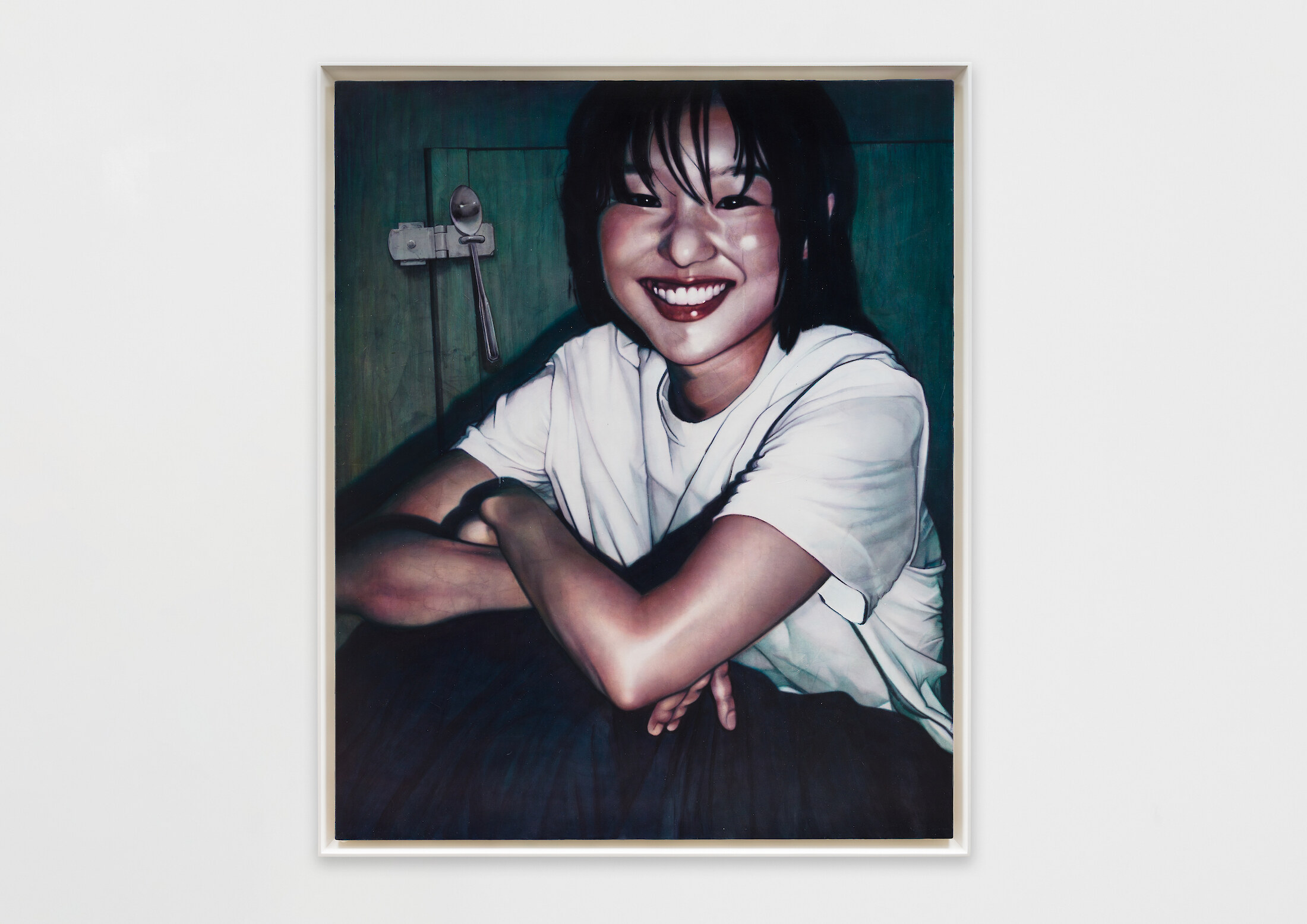
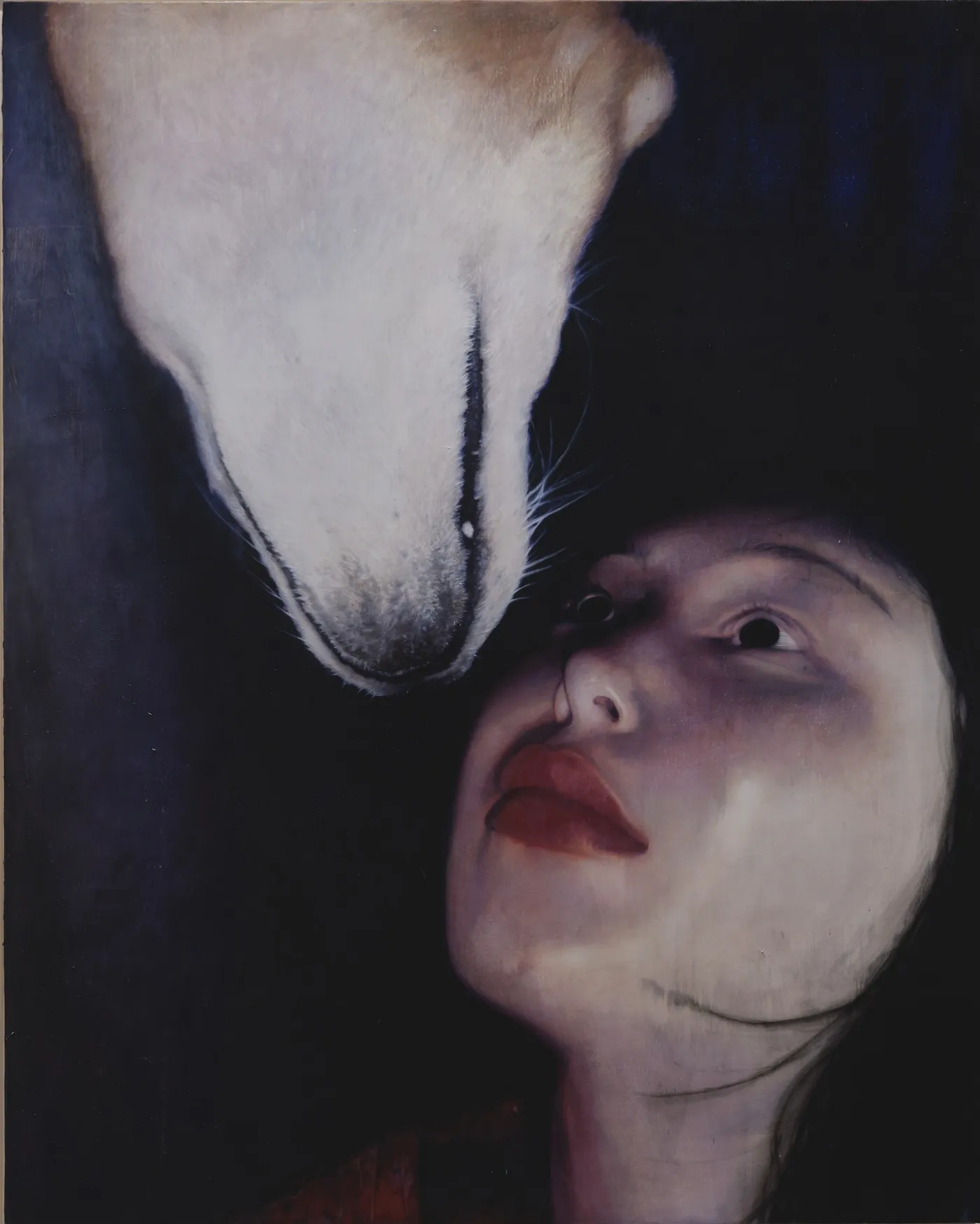
The highlight came in November of that same year at Phillips’ auction in Hong Kong, where her painting I’m Not Like Me (2020) sold for HKD 1,651,000 (approximately KRW 300 million)—around three times its estimated price of HKD 400,000–600,000. At a time when even established Korean artists rarely achieve auction prices in the hundreds of millions of won, this remarkable result by a young female artist in her twenties created a significant stir in the Korean art world.
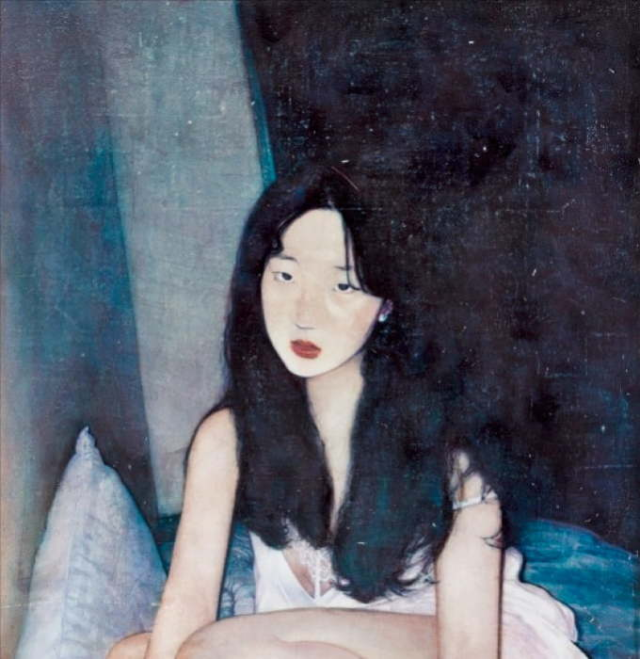
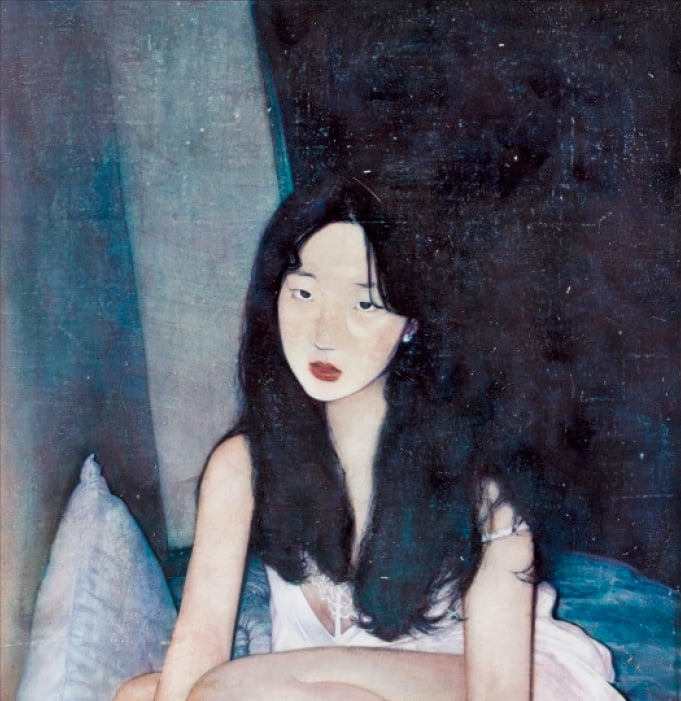
Moka Lee, I’m Not Like Me, 2020, Oil on cotton, 122 x 117.5 cm © Moka Lee
However, amid the widespread excitement, the artist herself recalls feeling “rather solemn” at the time. “A work that sold for 4 million won at my first solo exhibition about four years ago was, over time, reassessed at a much higher value,” she reflected. “Because of that, I felt a sense of pressure that my next work would have to be more solid than before—more solid than both then and now.” We met the artist, who continues to strive to expand her capabilities and grow beyond yesterday, in her studio located in Cheongnyangni, an old neighborhood in Seoul.
A Studio Marked by Dozens of Nails—Removing Finished Works and Facing Empty Walls Brings the Thrill of Wondering How to Fill Them Again
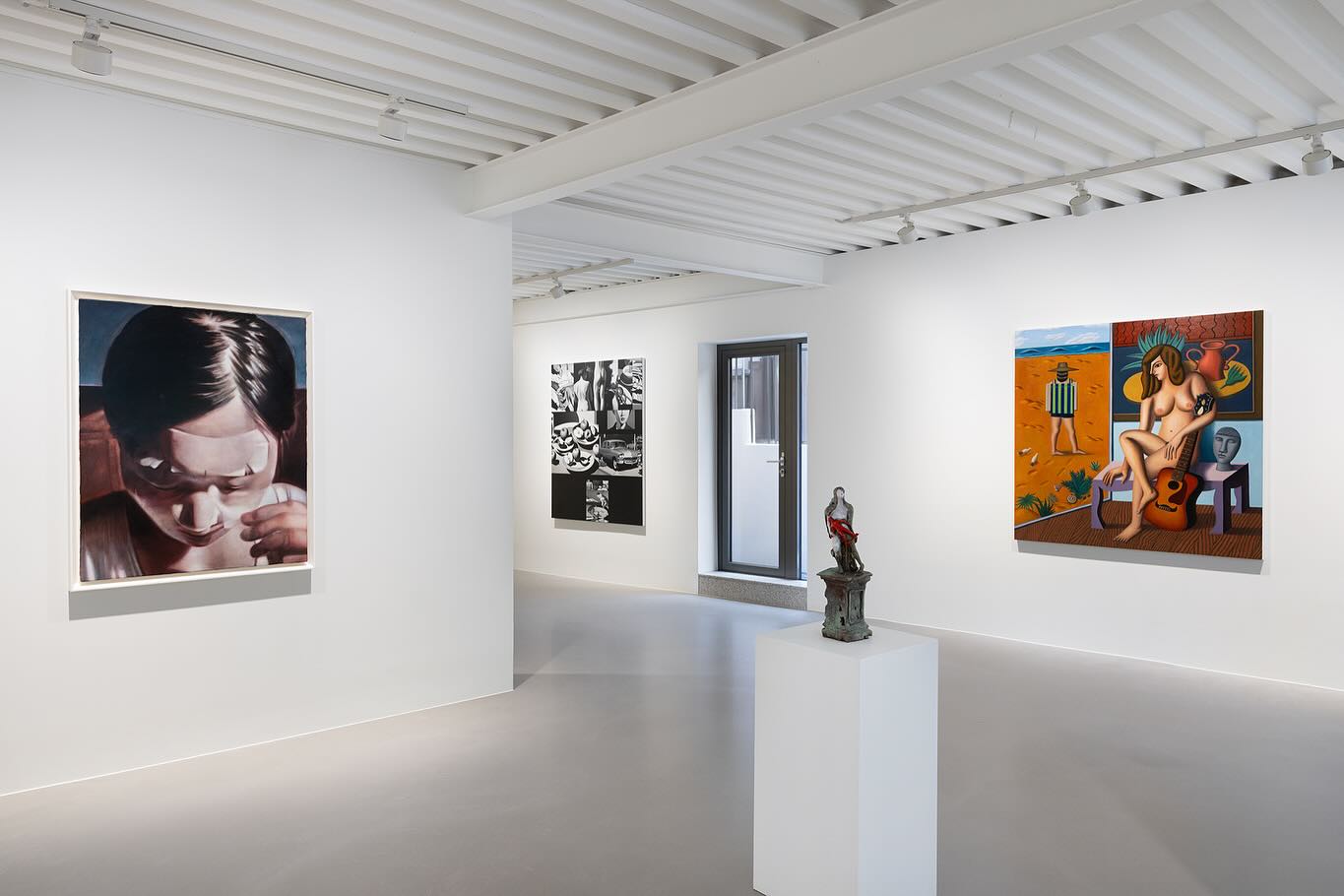
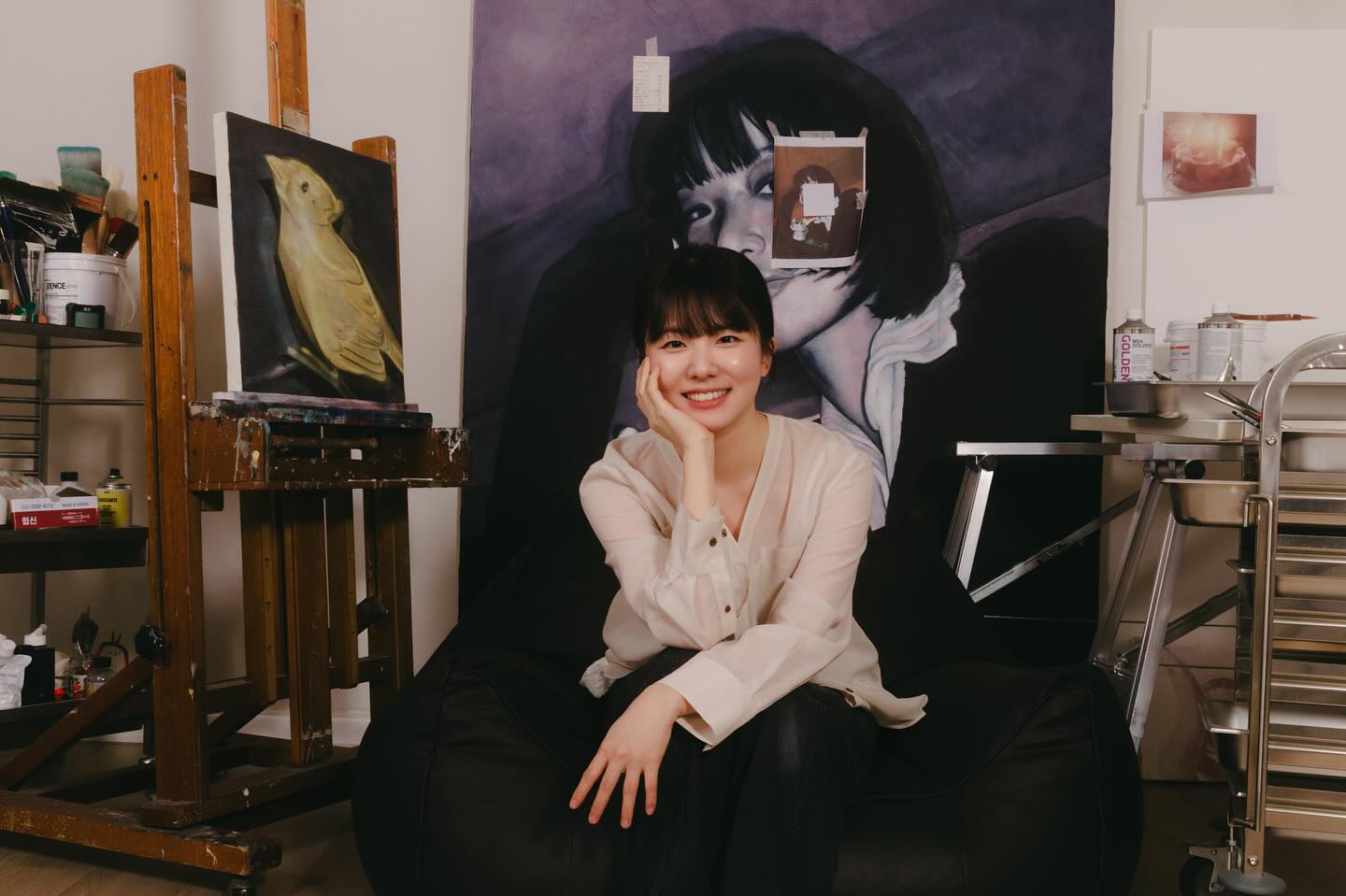
In Cheongnyangni, an area in the midst of redevelopment, it is not easy to associate the surroundings with “art.” Yet stepping deep inside the worn and aging building where her studio is located, the atmosphere shifts entirely. The space, approximately 100 square meters (around 30 pyeong), is generously sized with a high ceiling, and illuminated by gallery-grade lighting, giving it an immediate sense of brightness. Divided into two sections, one area functions as a display space where works are hung and shown to others, while the other is dedicated to the actual process of making.
About two and a half years ago, having resolved to fully commit to her artistic practice, the artist discovered this space while searching for a place where she could focus solely on painting. “There was a point when anyone could see that the colors in my work became stronger, the density increased, and the scale grew larger,” she explained. “I think it was influenced by having a larger and brighter studio—there was simply more that I could see.”
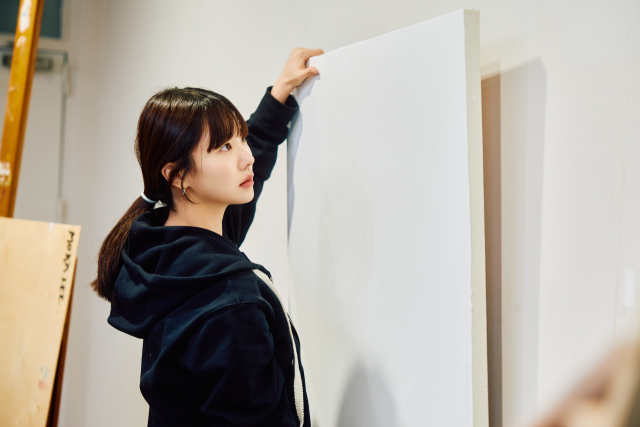
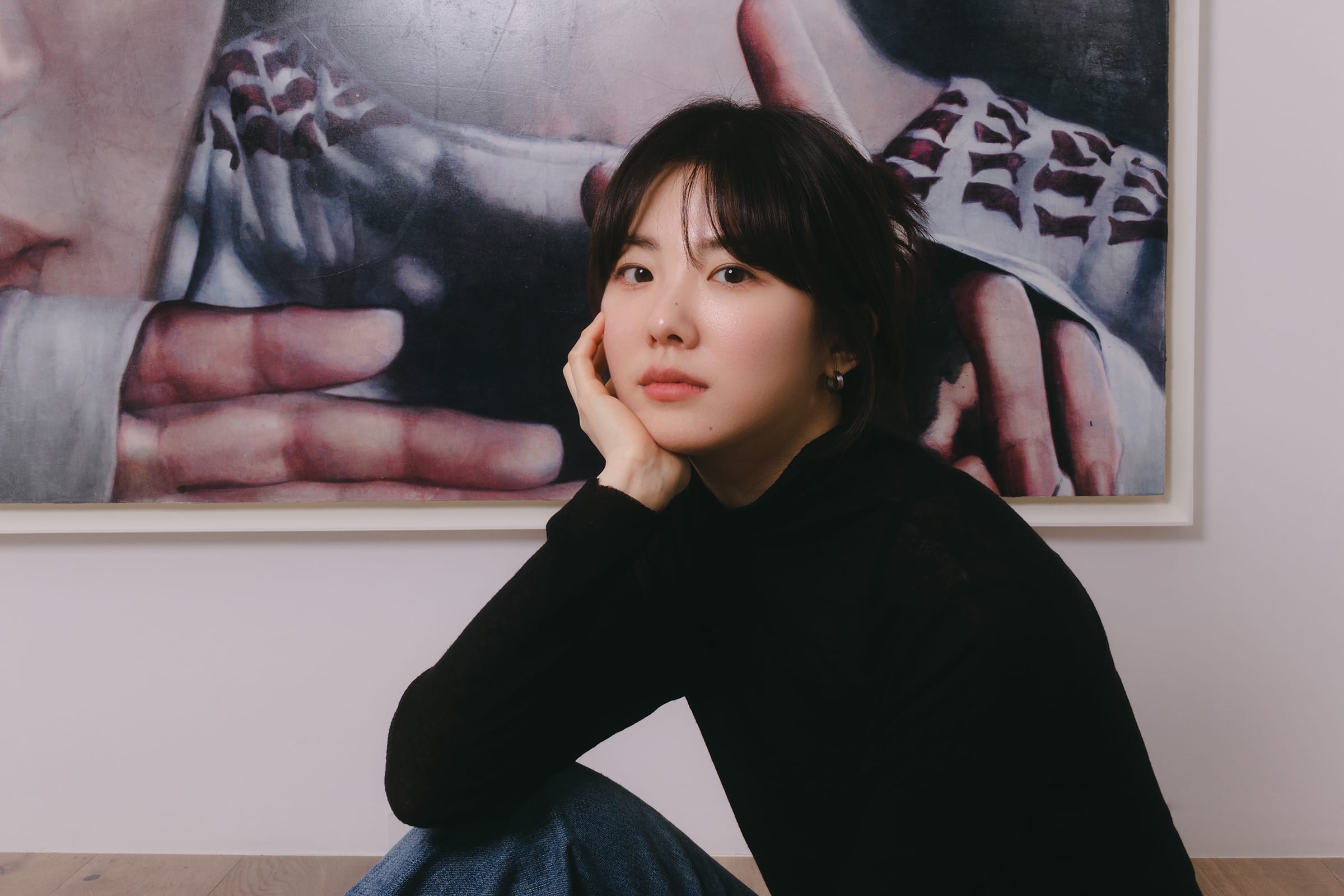
The Artist © Moka Lee
What particularly draws attention are two walls lined with dozens of screws placed at regular intervals. The artist describes her past works as serving “like a map” that guides new work in the right direction, adding that she prefers to paint while looking at completed pieces. These walls are where she hangs her canvases, making them, in her words, “a working tool to which I feel a special attachment.”
“I’m not a particularly fast painter, so each piece takes about a month. That means I spend a long time with the same painting hanging there, looking at it. And then there comes the moment when I finally take it down. At that point, the wall feels like a ‘blank canvas,’ and I experience a kind of new excitement. Thinking about how to fill that empty wall with another painting becomes the next step forward.”
“The Work That Made Me Certain—‘This Is My Painting’… A Singular Devotion to Painting, and the Question of Presence”
Although she has devoted her life solely to painting since becoming absorbed in it as a child, there were moments when she deeply questioned whether she should continue. As she approached graduation from university, she recalls thinking, “Before worrying about whether I could make a living from painting, I first needed to find what could truly be called ‘my own painting.’” Surrounded by countless artists and works, she lacked confidence that her own paintings could possess a distinct presence and exist vividly on their own terms.
Then, one early morning, while continuing to paint amid this unresolved uncertainty, she completed a work titled Night, Flash, and Girls. It was through this piece, she says, that she finally arrived at a conviction: “This is my painting.”
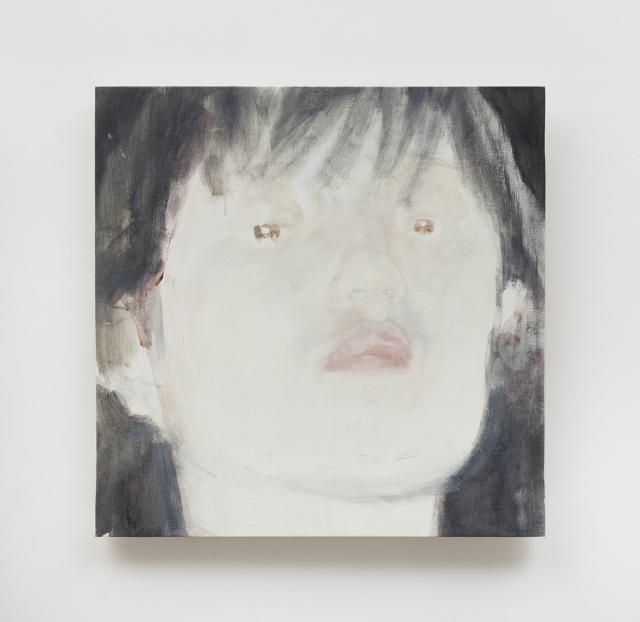
Moka Lee, Night, Flash, and Girls 1, 2018, Oil on cotton, 50.7 x 50.7 cm © Moka Lee
“Although it may look quite different from the works I present now, in fact, all the characteristics found in my current practice are already present in this painting—such as the close-up of a girl’s face or the flash-like lighting as if captured at night. It was a simple painting I completed in just a couple of hours, but that early morning when I finished it, I felt so excited and uplifted. I remember thinking, ‘Maybe I can really become an artist now.’”
From Social Media Images of Young Women to Painting—Establishing an Identity Through ‘Watercolor-like Oil Painting’
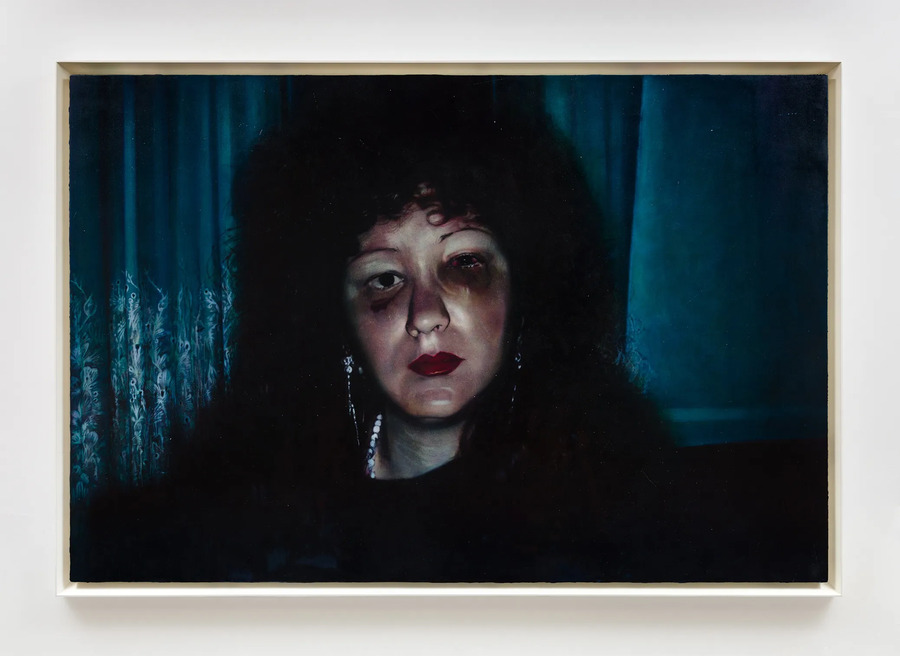
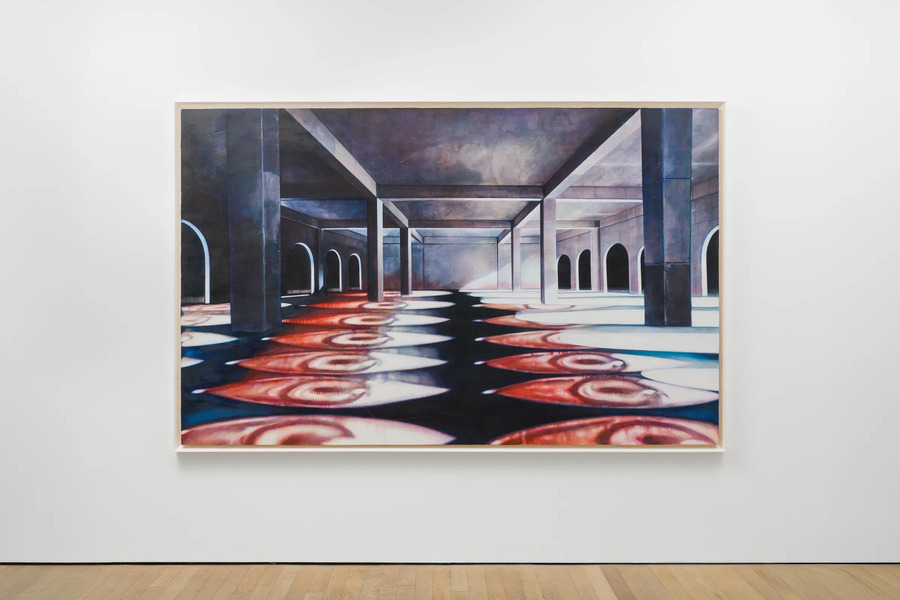
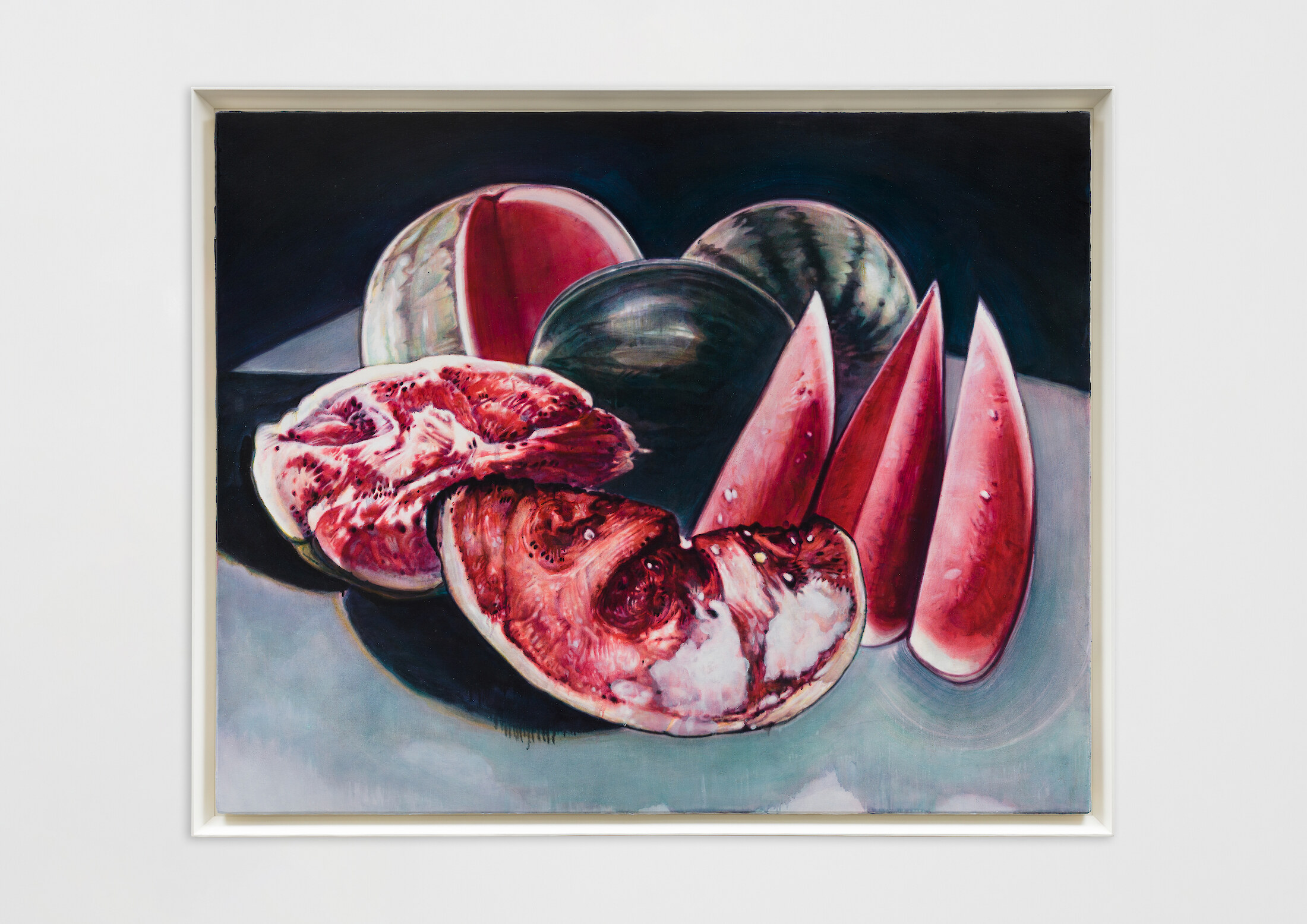
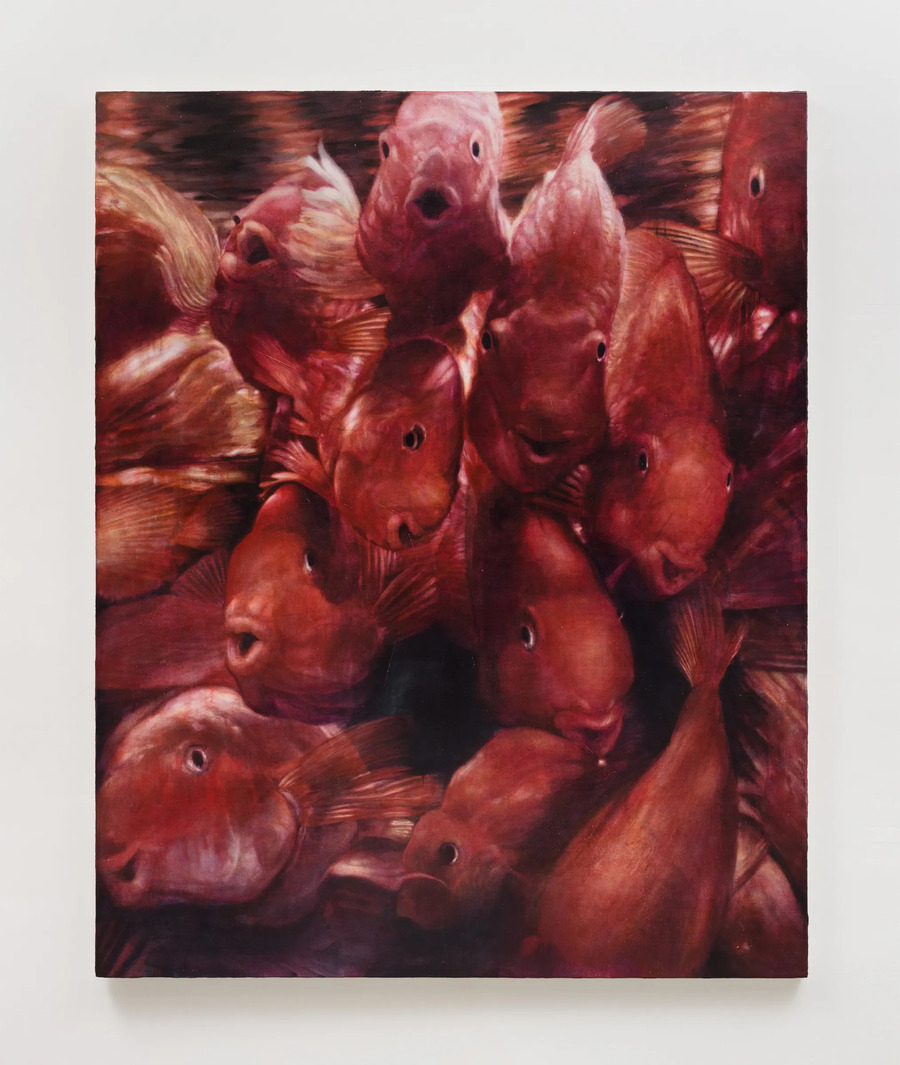
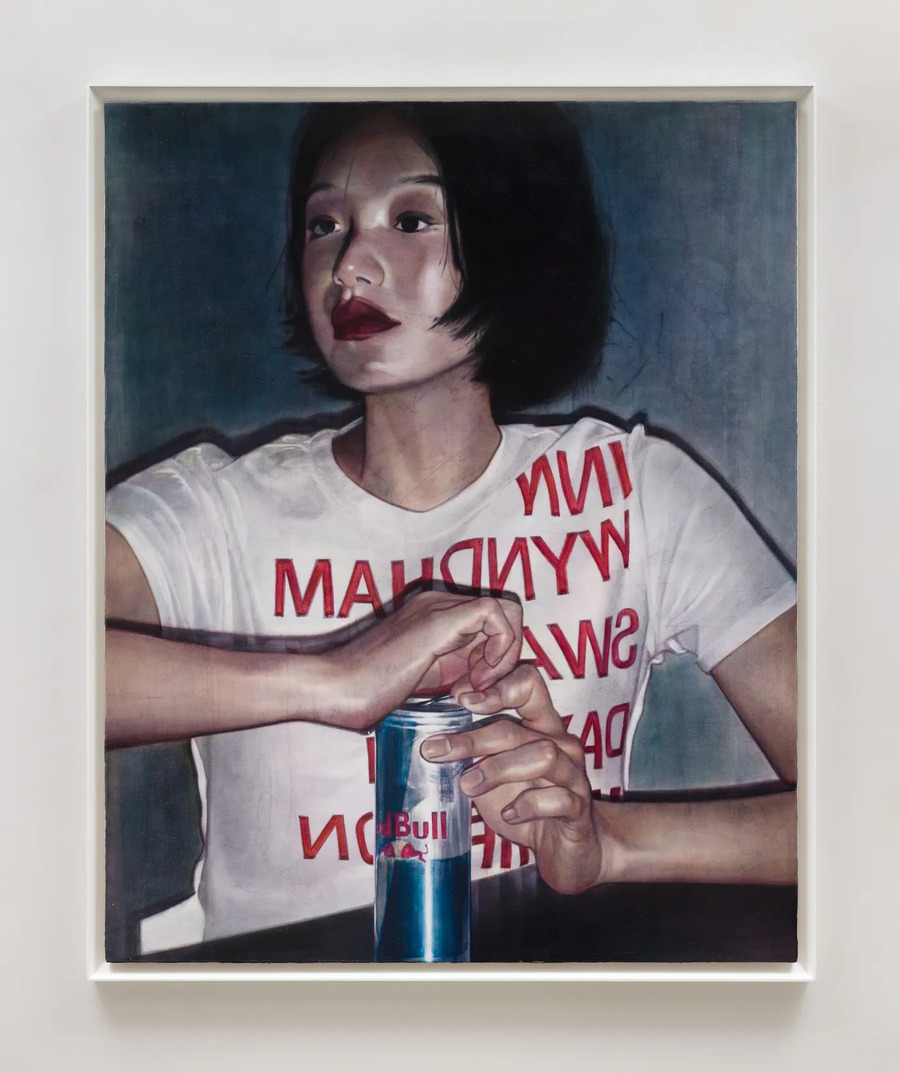
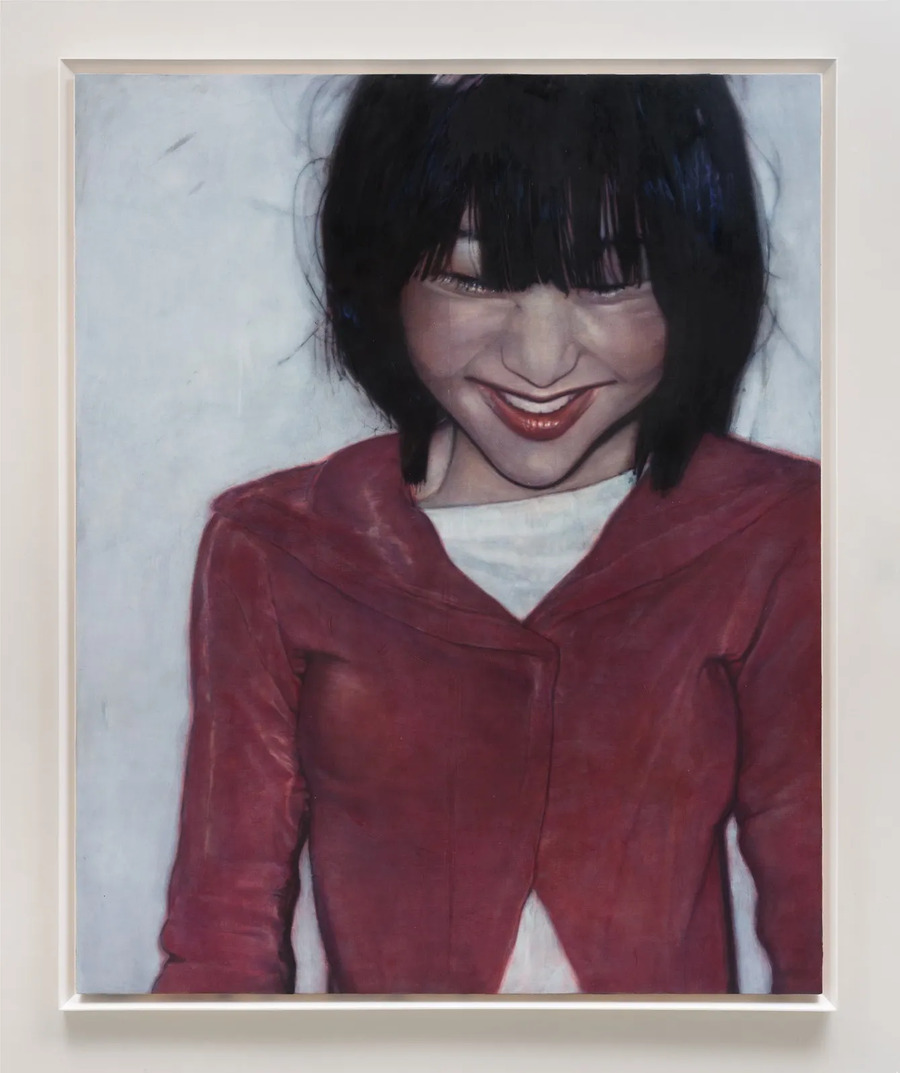
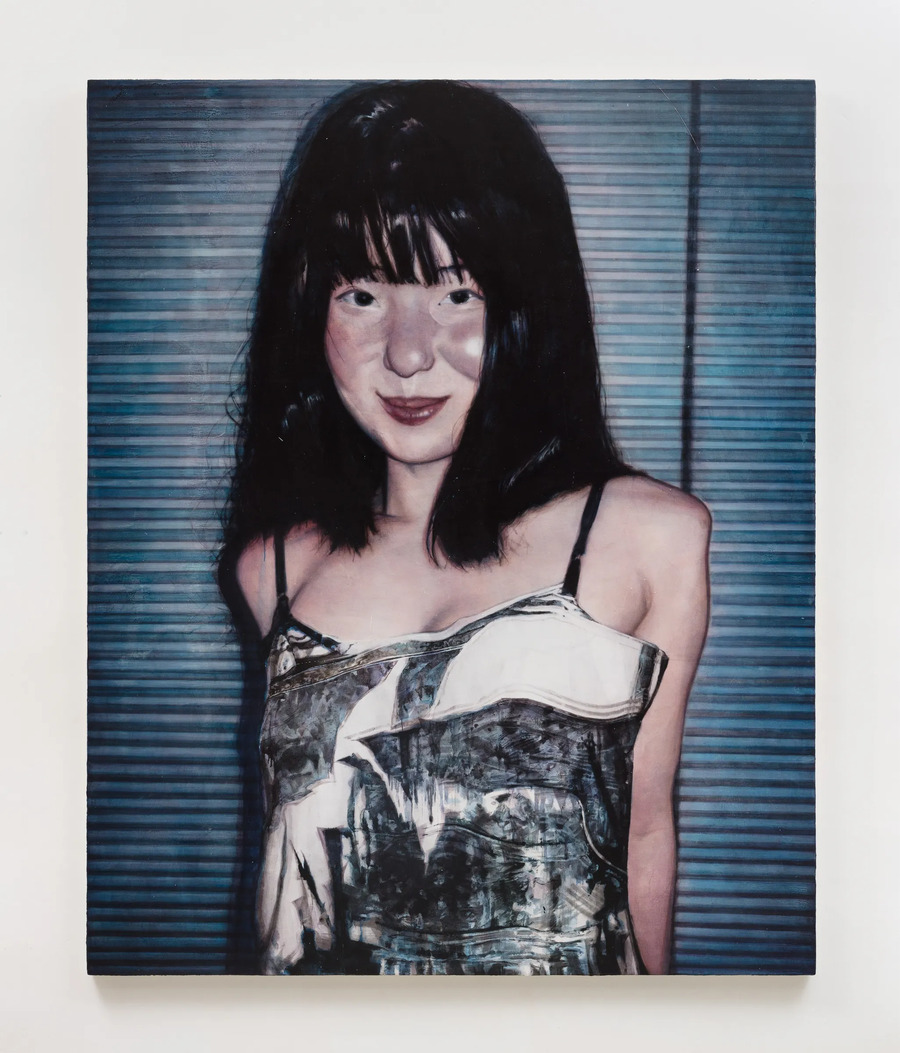
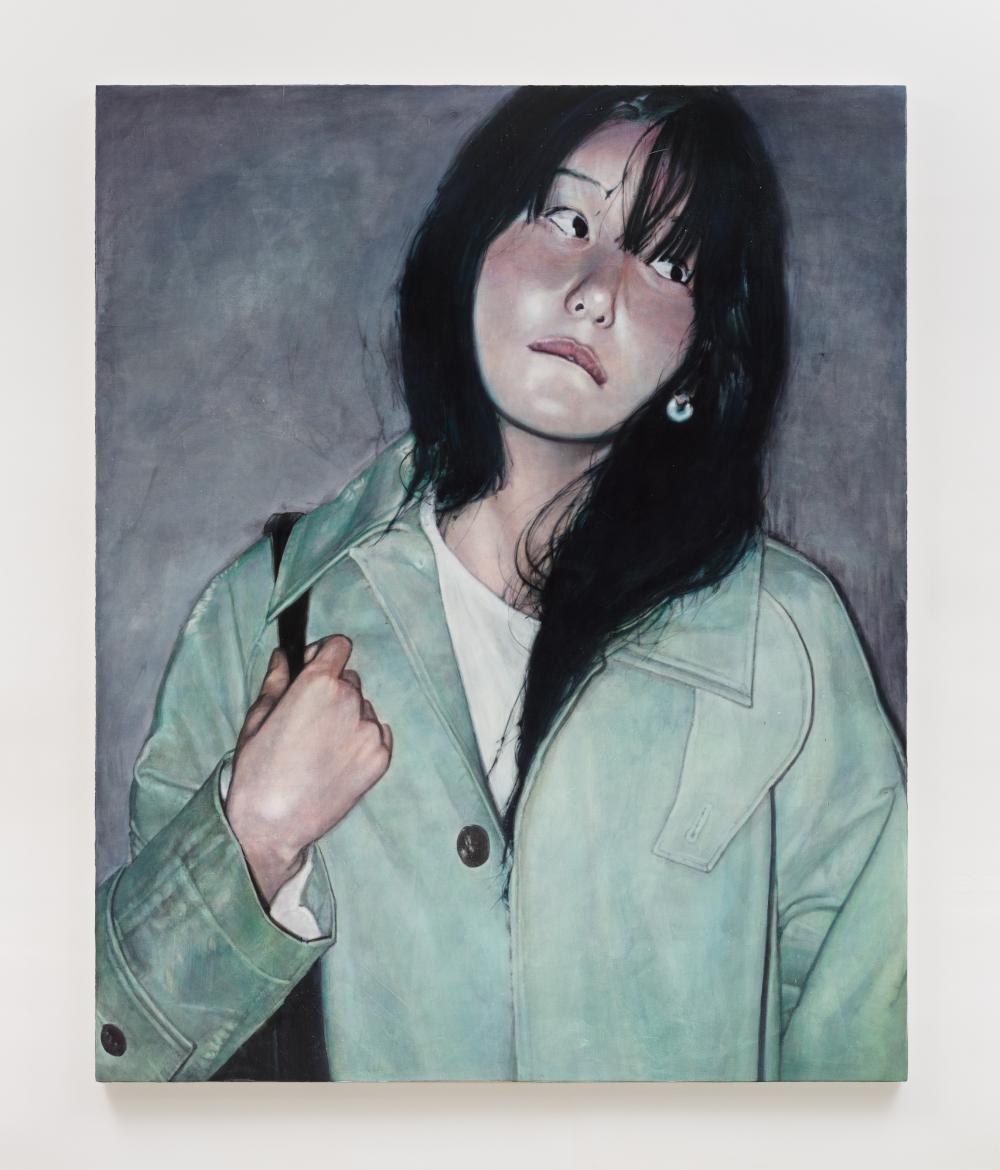
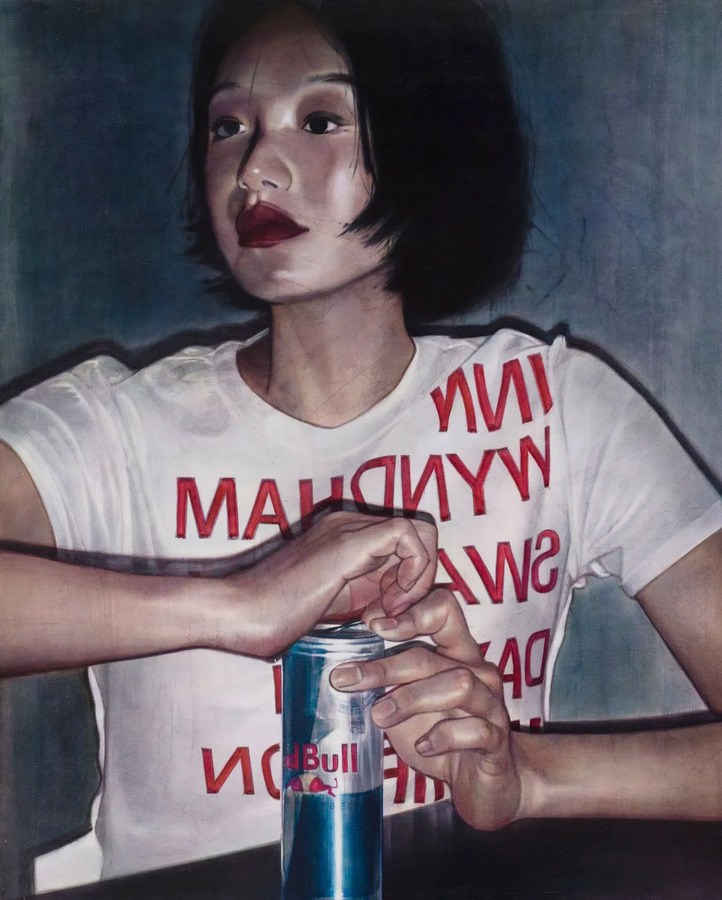
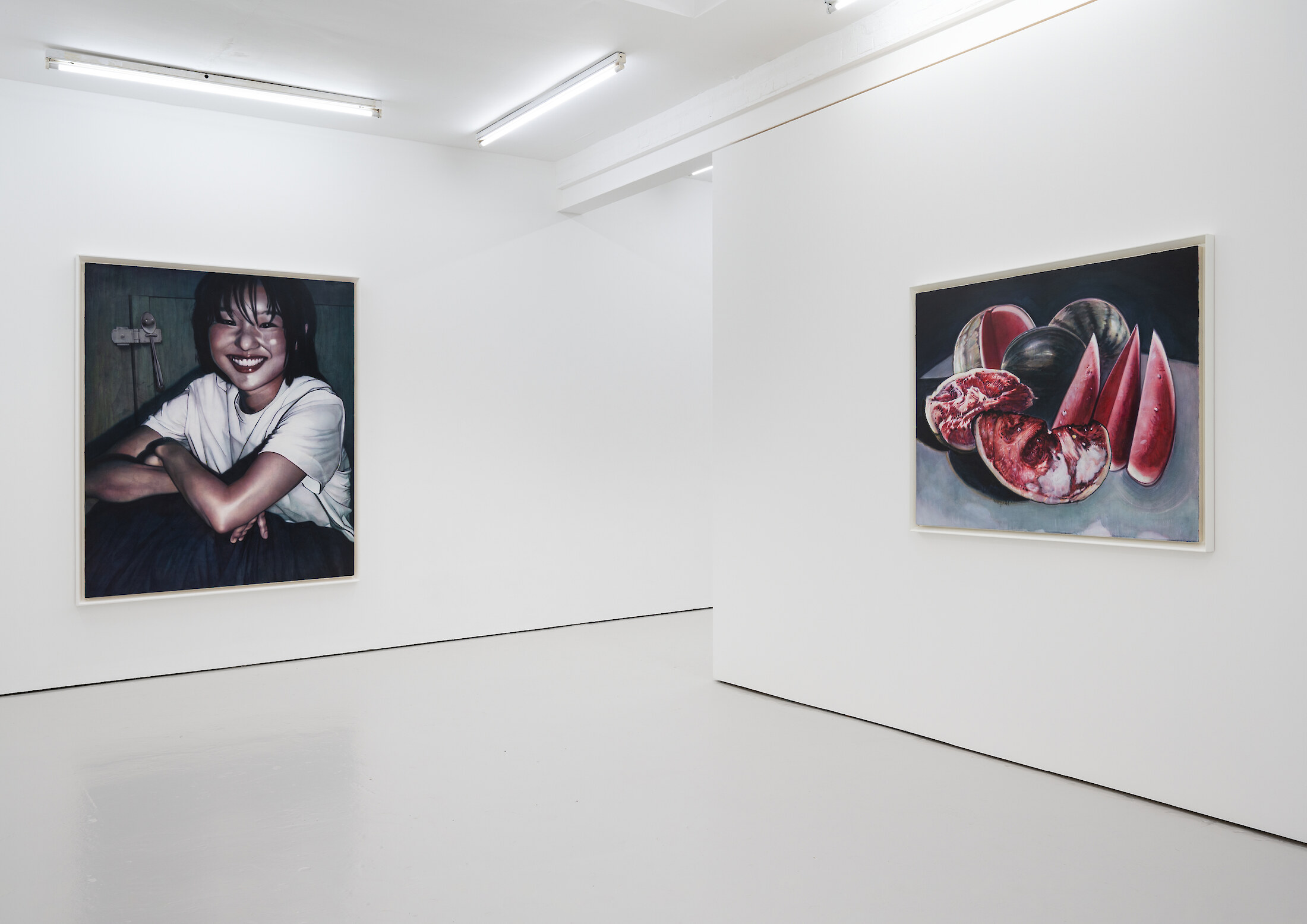
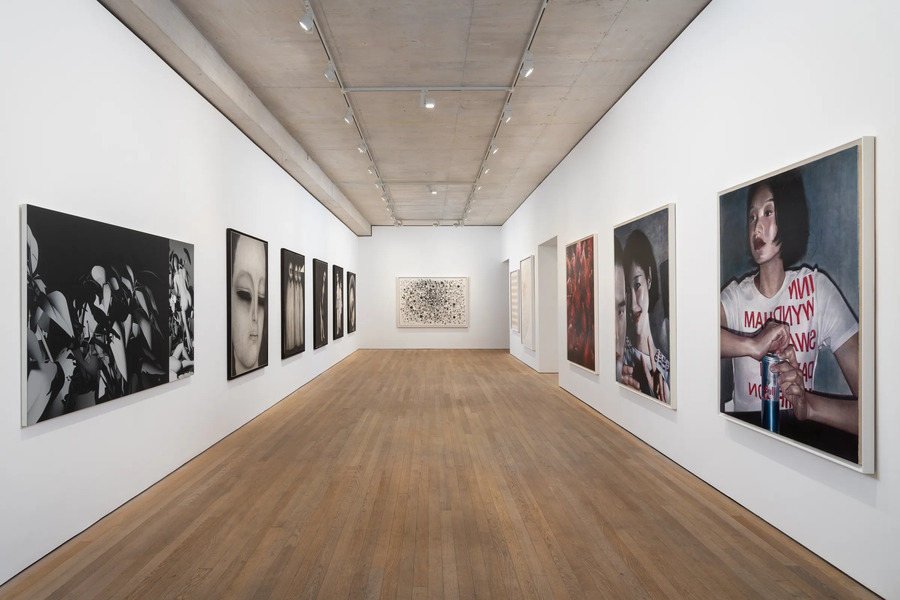
After finding her direction, she gradually worked through the process of building detail and refining the completeness of her work. What emerged as her artistic “signature” was a form of portraiture that reinterprets images of women from her own generation through the medium of painting. Although executed in oil on canvas, she adopts a watercolor-like approach by leaving the brightest areas unpainted rather than filling them with white pigment. This results in a distinct visual tension—what might be described as “oil paintings that resemble watercolor”—ultimately forming a language that can be seen as her own artistic identity.
Her method of selecting subjects has also become one of her defining characteristics. Rather than working with live models, she chooses anonymous faces found on social media platforms such as Instagram. From the countless images uploaded daily, she looks for “faces that can carry a consistent narrative throughout my work.” As she explains, “Images on Instagram often contain various devices through which the uploader conveys a story. I try to layer my own narrative onto those hidden and intriguing elements.”
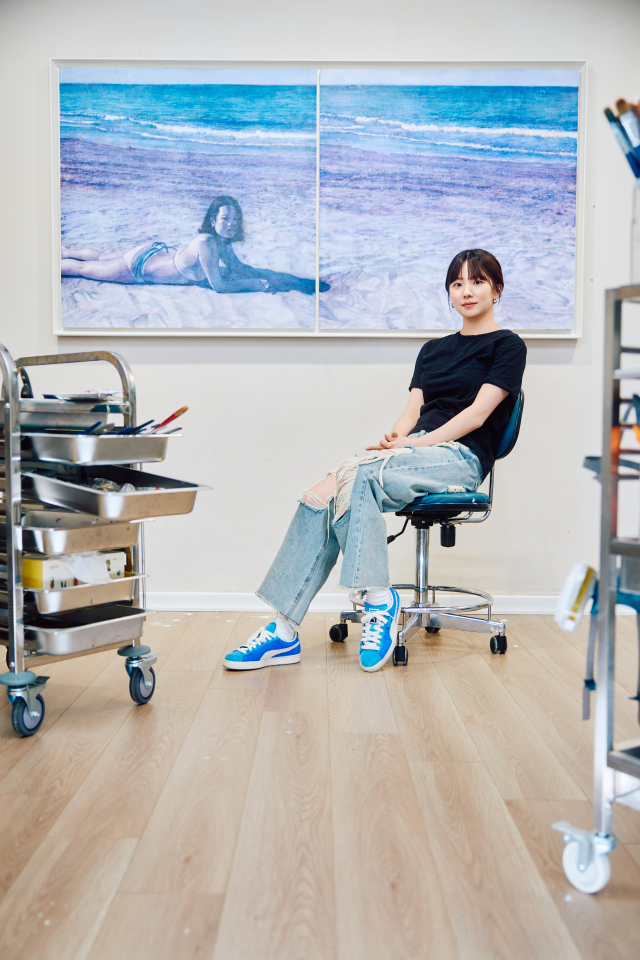
The Artist © Moka Lee
The process of selecting models is entirely non-face-to-face. When she finds a face she likes, she pays a small fee to purchase the right to paint the photograph. While some interpret this method as reflecting alienation in contemporary society, the artist herself does not attach particular significance to it. “Artists in any era tend to find subjects or genres worth painting from what is most familiar in their own lives,” she explains. “For me, the web and social media were the most accessible and familiar places to find images I wanted to paint, and it felt completely natural to browse people there and choose my subjects.”
The Faces of Our Time Painted by an Artist—First Solo Exhibition in London This Month: “I Want to Grow Further and Surprise the World”
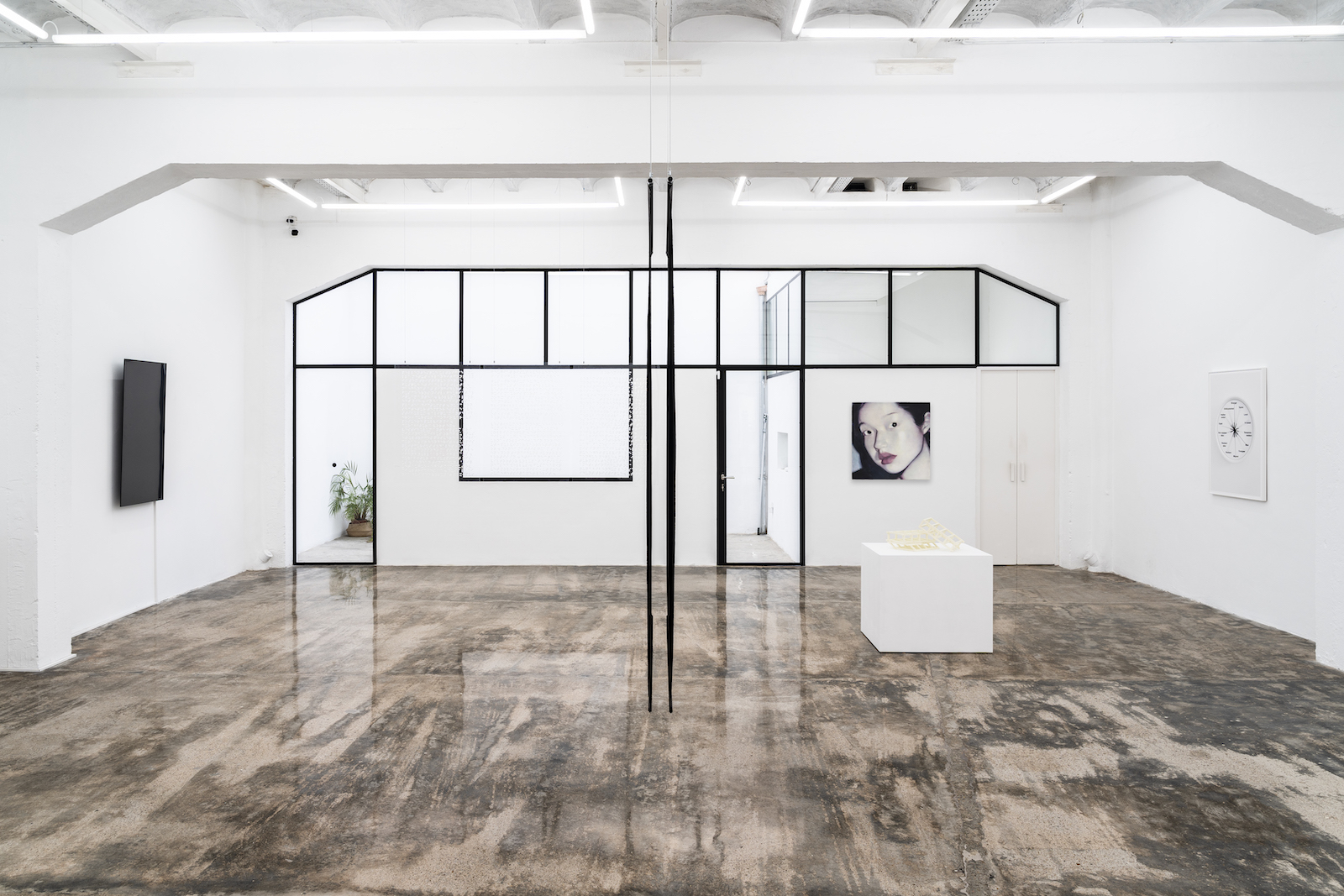
Moka Lee describes herself as a painter who has only just begun to encounter the world and evolve. While she has long focused on developing her own practice, she notes that recently she has begun engaging more with other artists—participating in projects and group exhibitions, and experiencing what it means to have her work shown alongside others. This month, she is presenting her first solo exhibition in London in collaboration with an international gallery, where she has been highlighted by local media as a “rising talent.”
Her relationship with viewers is also an ongoing process. Each time she sees her work leave her hands, pass through one person, and then into another’s, she describes a strange feeling—“as if the painting gains a sense of self at the moment it is completed and begins to move on its own.” In particular, the experience of communicating precisely with audiences through the canvas remains something she finds continually remarkable.
“While painting, I’ve always wondered whether the thoughts I intended—or the feelings I held—would be fully conveyed. Sometimes I come across blog posts where people try to interpret what I must have been thinking, and when their reading aligns exactly with my own thoughts, it feels incredibly rewarding. It’s like my mind has been perfectly transmitted.”
At the same time, she prefers that the technical details of her process remain unnoticed. “To achieve a watercolor-like effect with oil paint, I put a lot of effort into making the canvas resemble the texture of paper,” she explains. “People may understand the meaning of the painting, but no one has yet been able to pinpoint exactly how I physically constructed it. I’d like to keep surprising people like that,” she adds with a laugh.