Exhibitions
《Innuendo》, 2023.09.02 – 2023.10.14, Jason Haam
August 31, 2023
Jason Haam
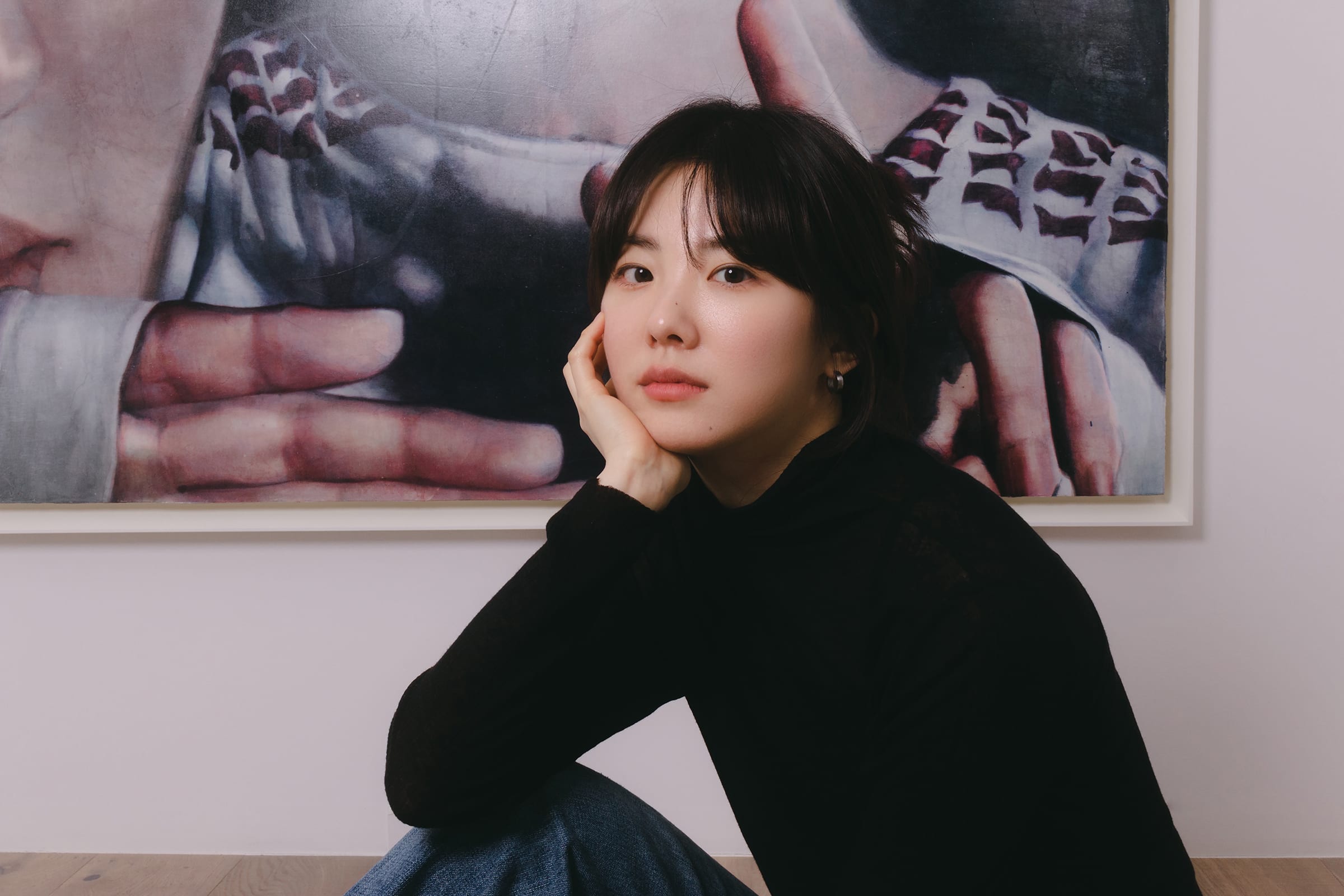
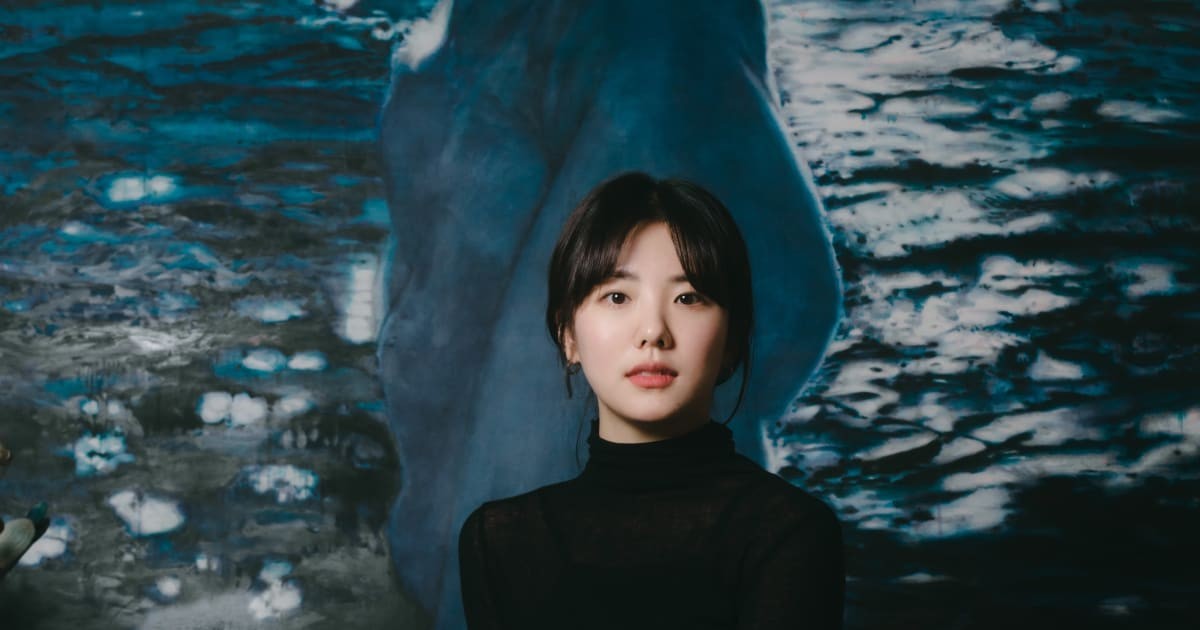
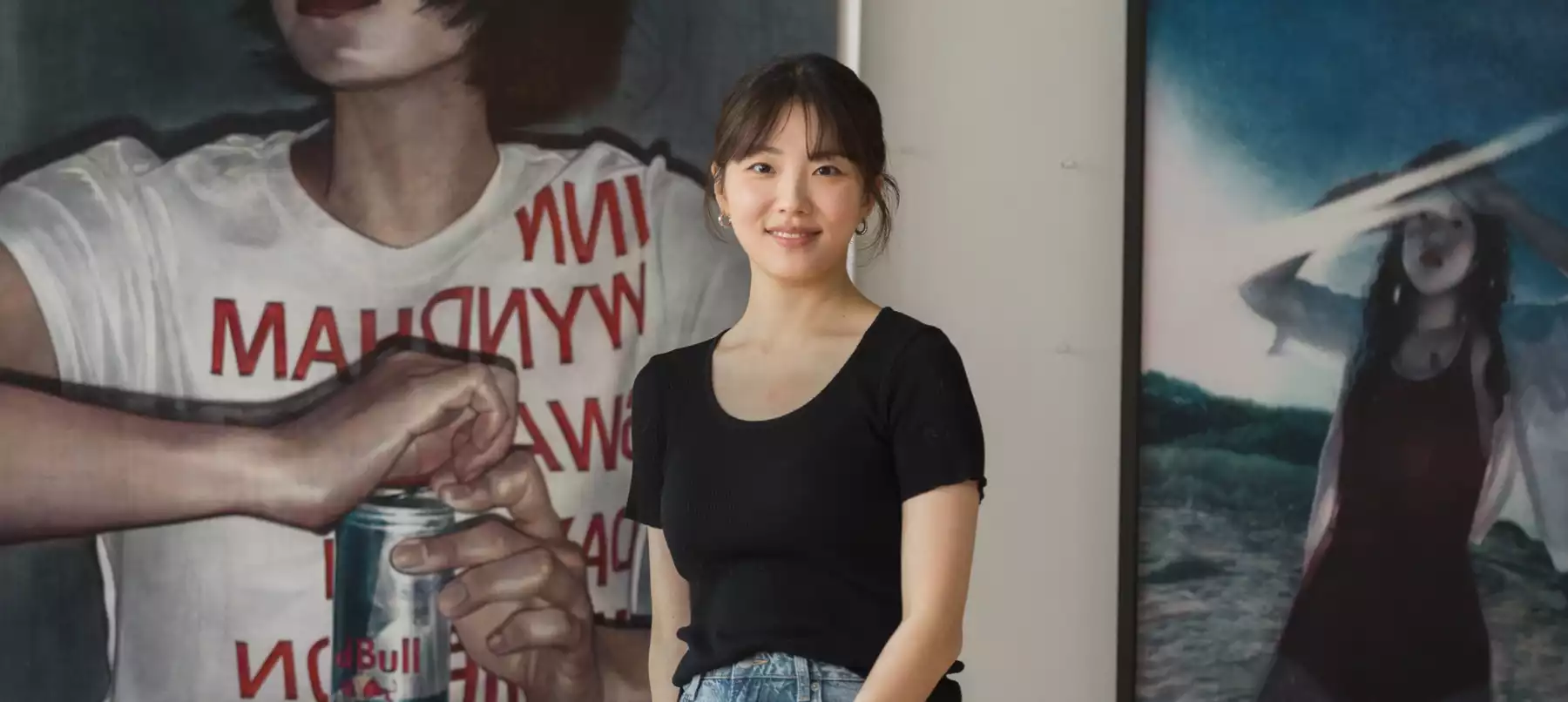
‘I want to confuse people with my paintings. I want them to think
maybe it is a photography from afar and recognize it is a painting after seeing
it closely- and when they look closely, I want to make sure that it is unsure
whether the work is on canvas or paper. I would like it if people thought my
paintings could be painted by both male and female artists. I meant my
paintings to be filled with these little dualities. This way, the way you
understand a painting can always be renewed and kept fresh.’ – Moka Lee
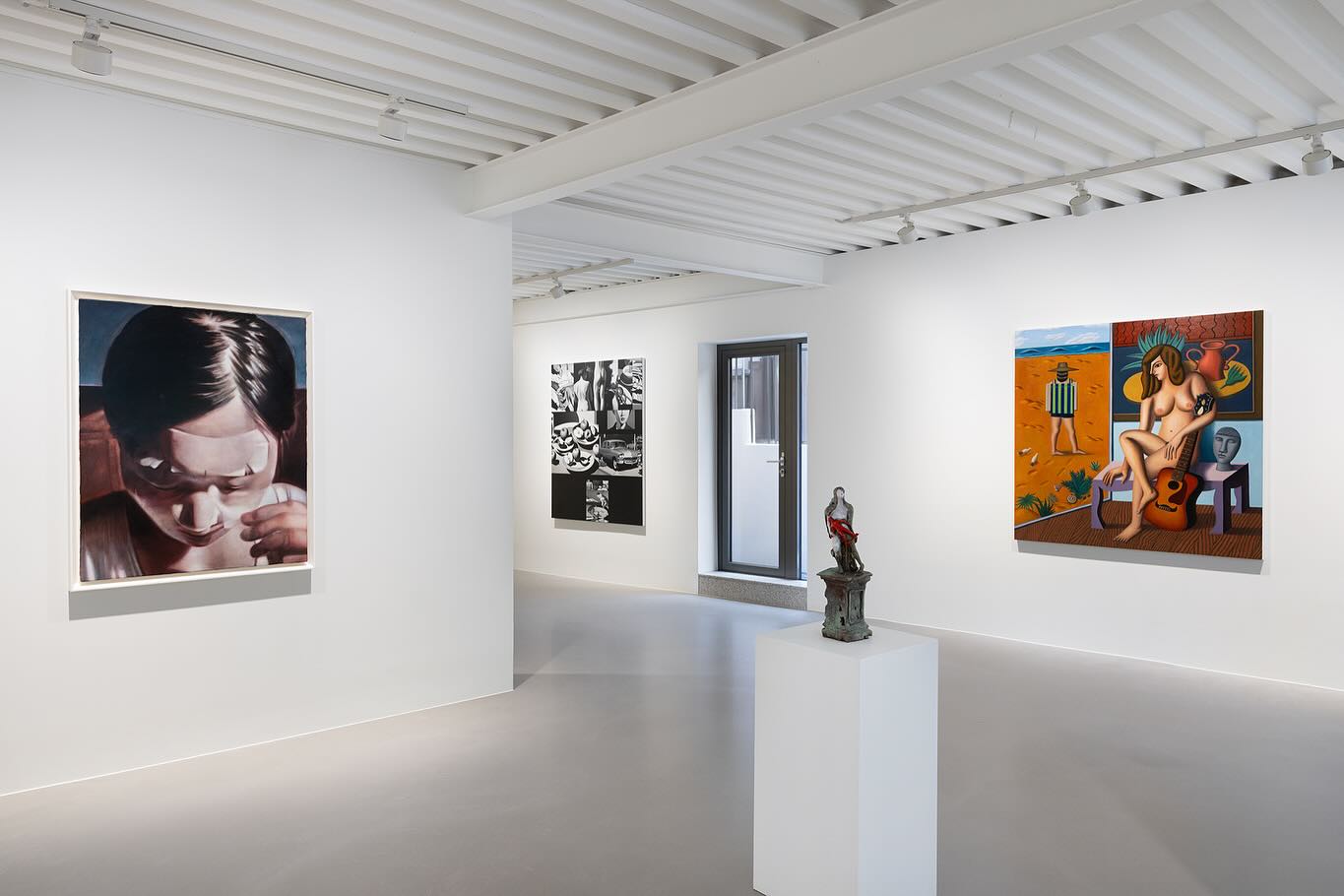
 Installation
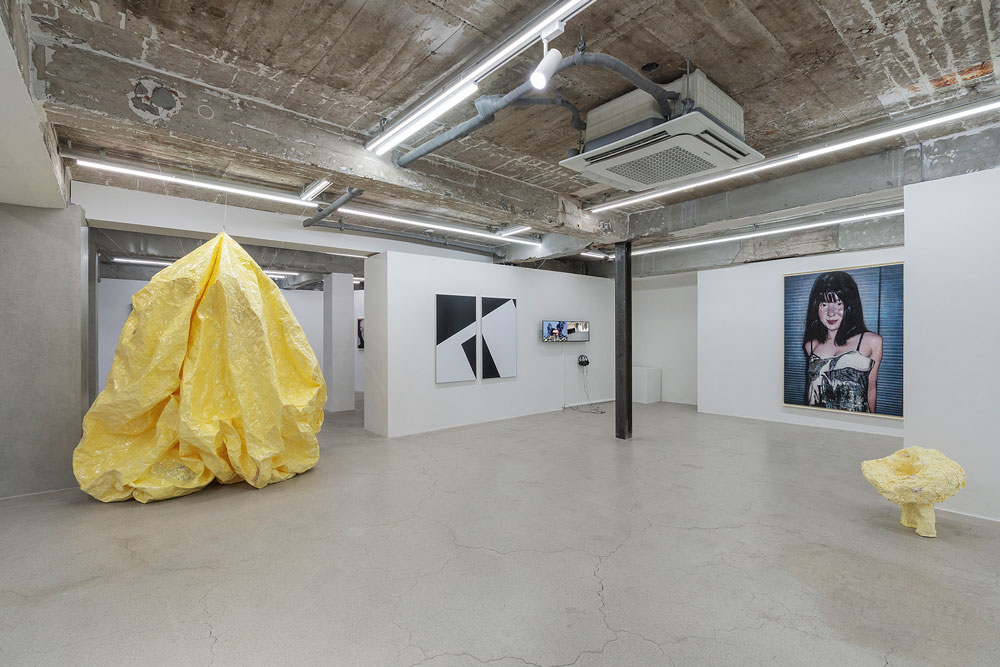
view of 《Innuendo》 ©Jason Haam
Installation
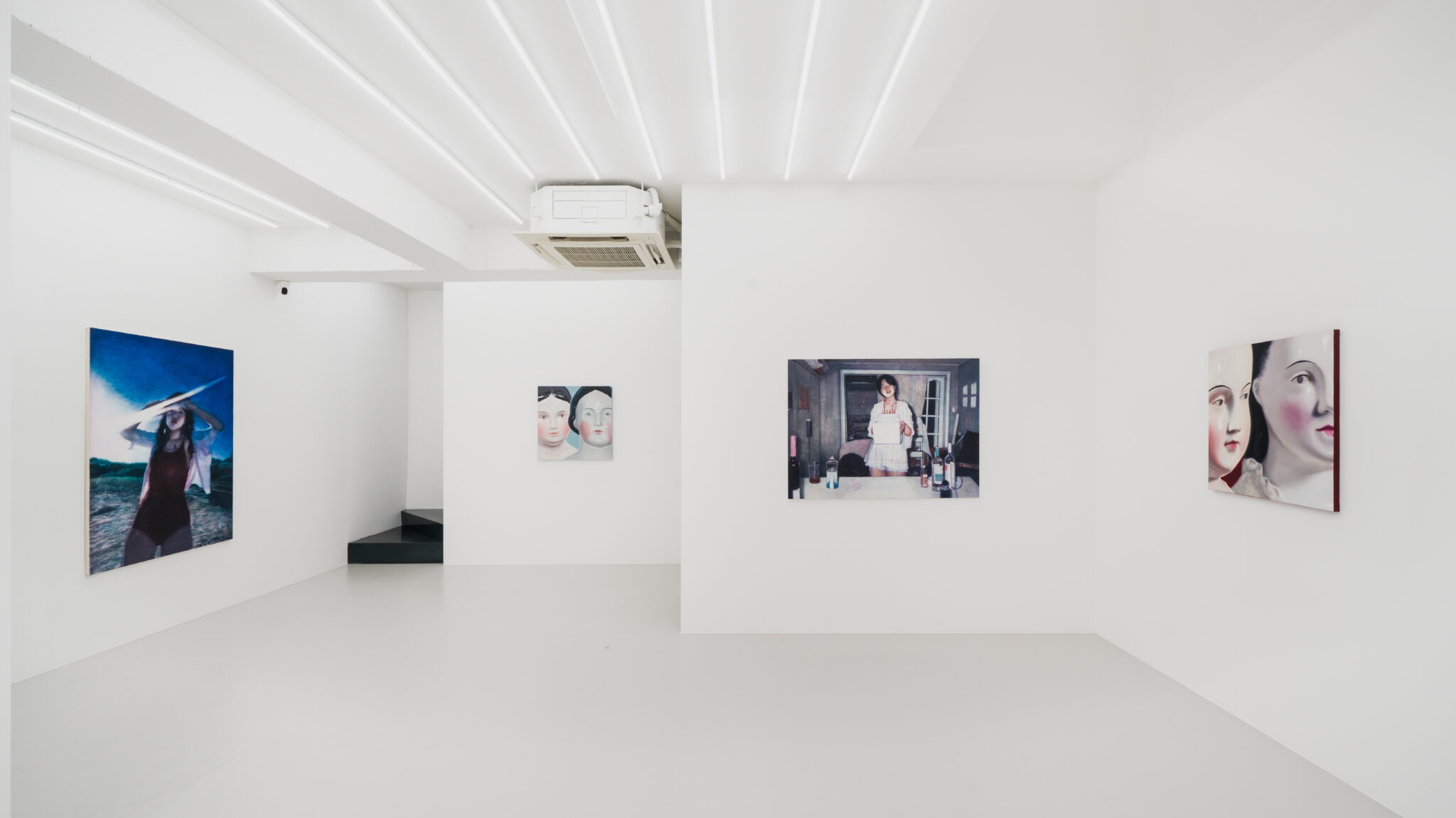
view of 《Innuendo》 ©Jason Haam
Jason
Haam is pleased to announce 《Innuendo》 a solo exhibition of new paintings by a Korean artist, Moka Lee.
The show, which will be the artist’s inaugural solo exhibition with the
gallery, will open on the September 2nd and remain on view through the October
10th.
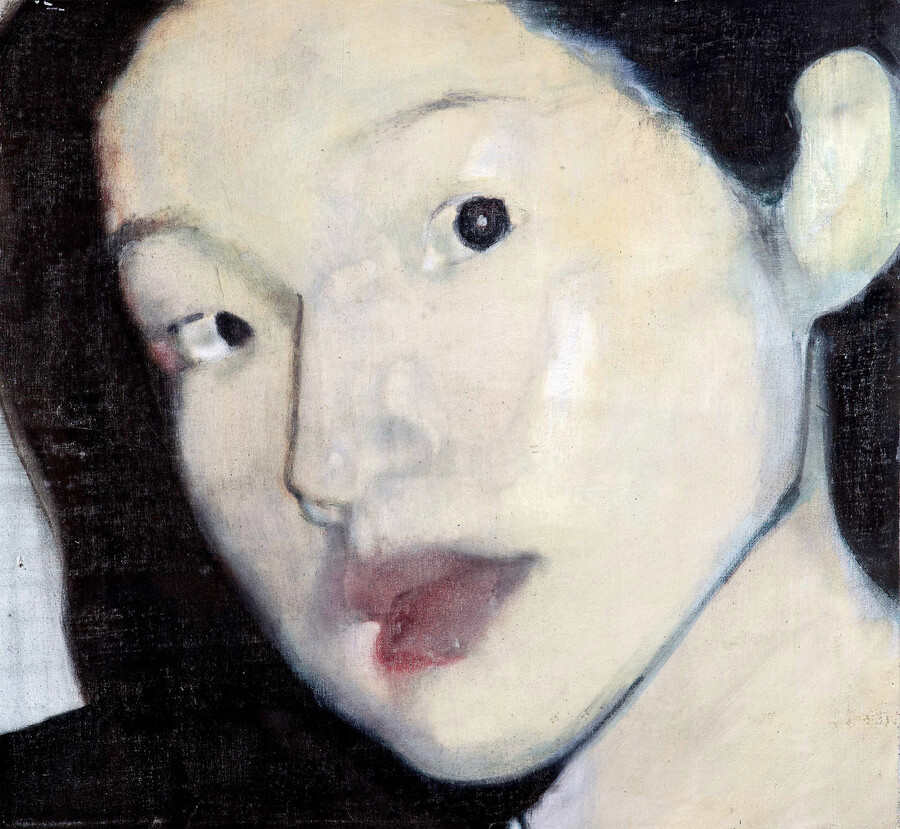
Sophisticated
in technique and trivial in subject matter, Lee’s paintings blend seriousness
and superficiality in a unique manner. Her figures-mostly female and often much
larger than the figures in life-are images of figures found on social media. In
staged narratives, they combine excitement and solemnity, beauty and intensity,
and innocence and impurity. The contradicting disparity –as stated by the title
of the exhibition-is ever-present in Lee’s oeuvre.
 Installation
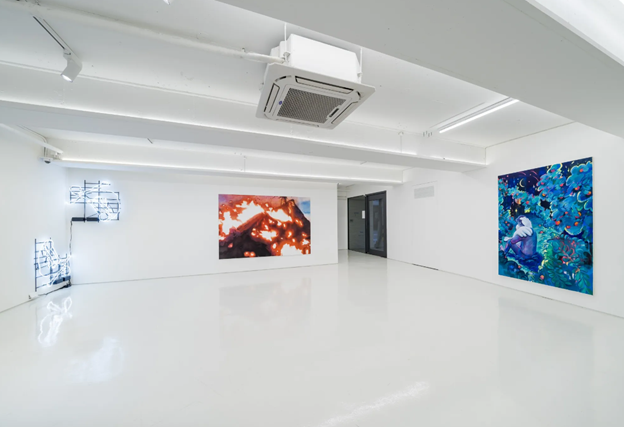
view of 《Innuendo》 ©Jason Haam
Installation
view of 《Innuendo》 ©Jason Haam
All
ten paintings in the show are reflective of artist’s reveries on identity and
persona. She attempts to extract a dialogue between the factual and presented
reality. While still borrowing images on social media, Lee creates a narrative
and stages them with her painterly aura. The subject matters may vary but the
works share conceptual intention in describing what is communal to all, yet
only evident to everyone through interpretation of the artist.
Lee
is a spectator of her works. The narrative, which presents an omniscient point
of view to the viewers, is spoken by one or multiple directional gazes within
the work and it ultimately ends with the gaze of a viewer- ‘thinking about me’.
The figures which are inexplicably connected to the artist’s identity speak to
viewers constantly and encourage them to ponder about their beings and only
then, the artist’s objectives are immaculately enfranchised.