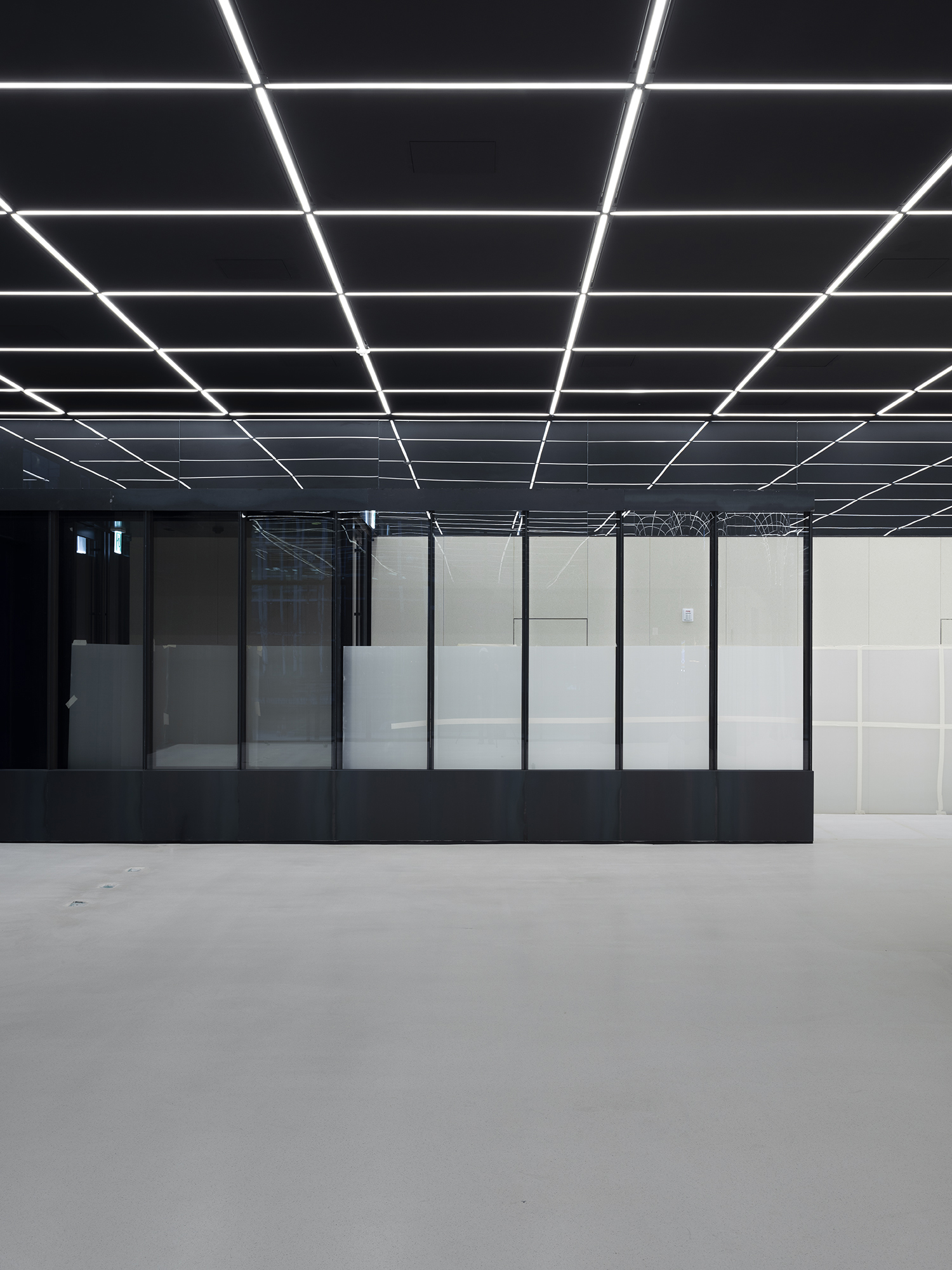
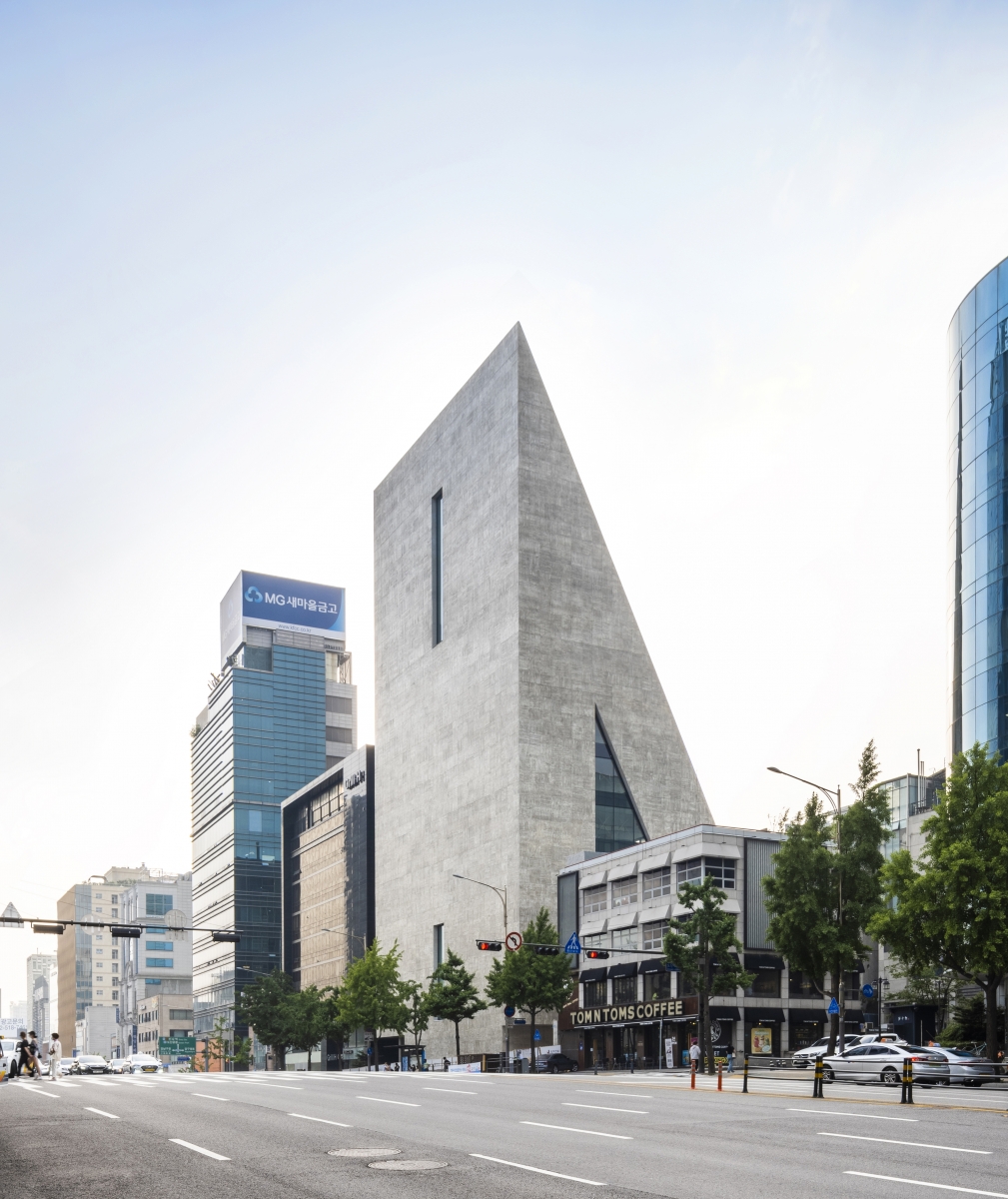
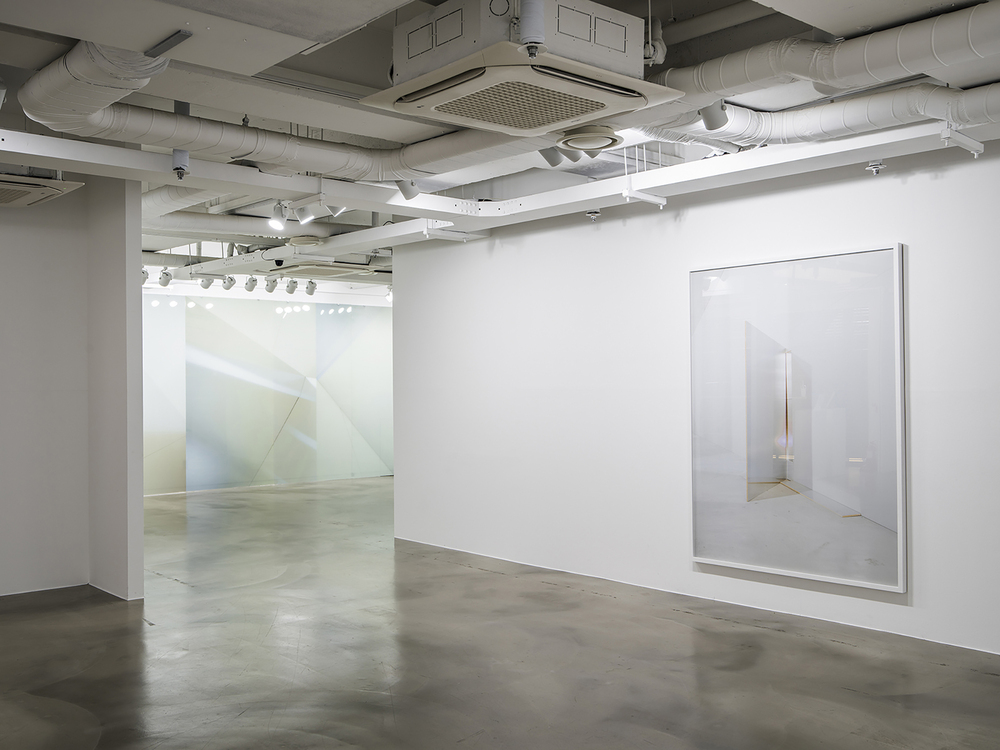
BMW Photo Space is the photo specialty space located at Haeundae-gu, Busan that is supported by GoEun Museum of Photography and is operated by BMW Dongsung Motors. BMW Photo Space was opened in January 2015, aiming for broader spectrum of Korean photography through various special exhibitions, arranged domestically and internationally. BMW Photo Space pursues several goals: 'Chung(靑) Photo Project' which seeks and supports rising artists in Korea, this project includes the significance of rising artists in the field of photography and the meaning of representing future figures for Korean photography.
Thus, based on these notions, this project seeks for newbies who are talented and passionate enough, and provides the pedestal that they could further step on in the field of photography. This project will continue with the close relationship and international exchange exhibitions of GoEun Museum of Photography.
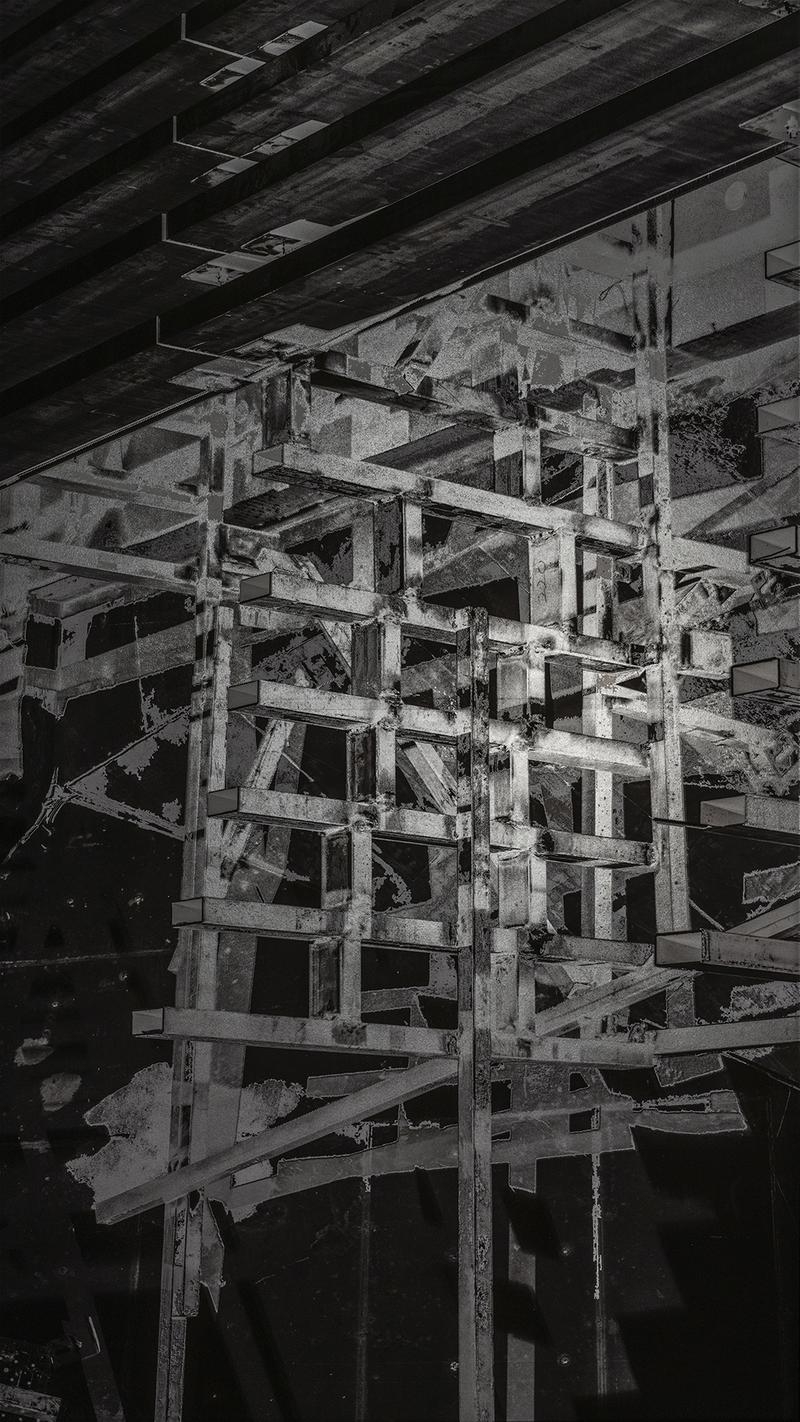
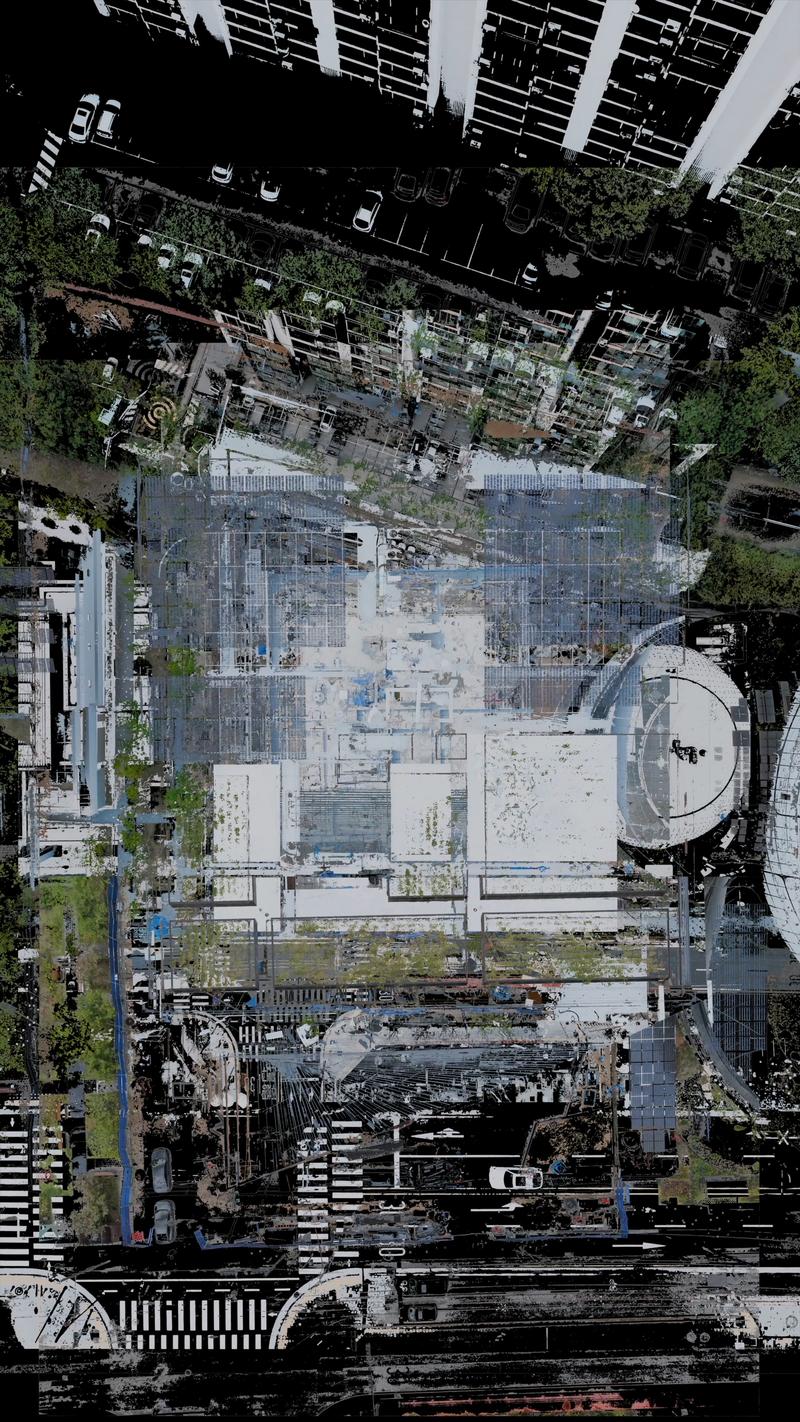
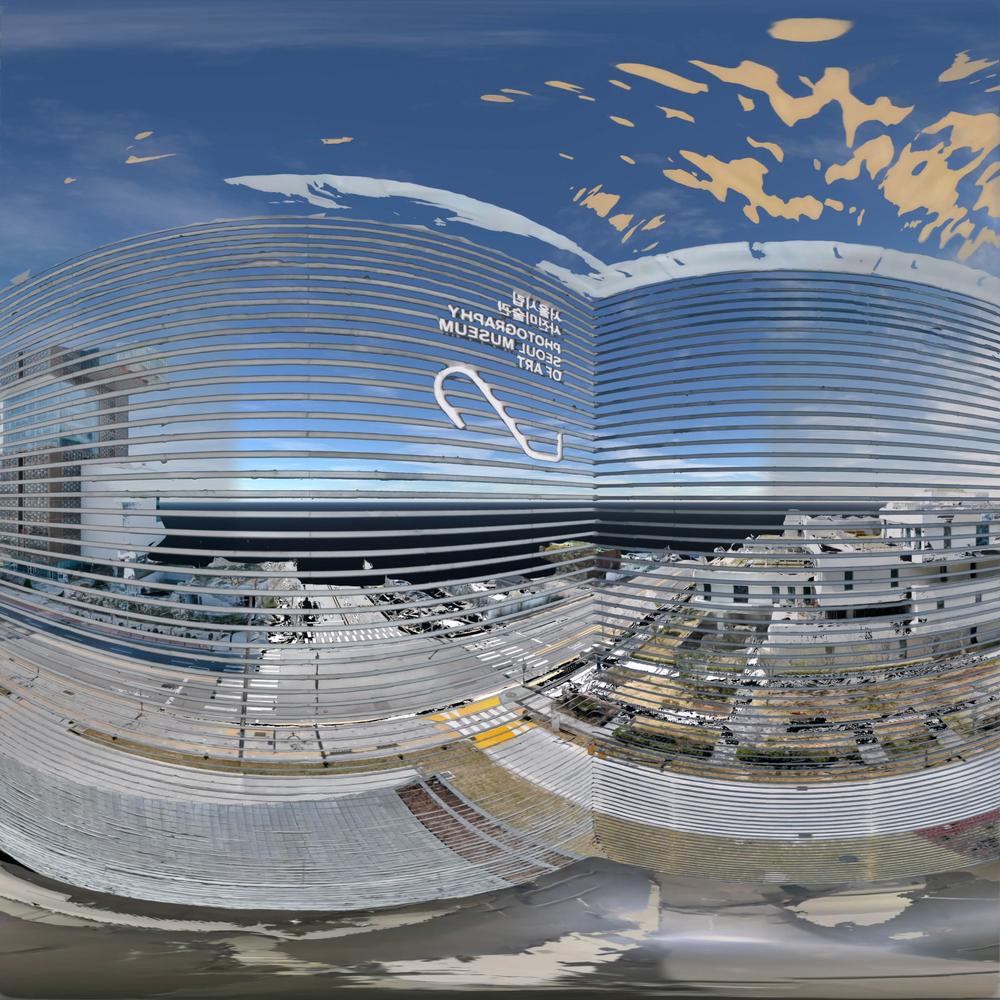
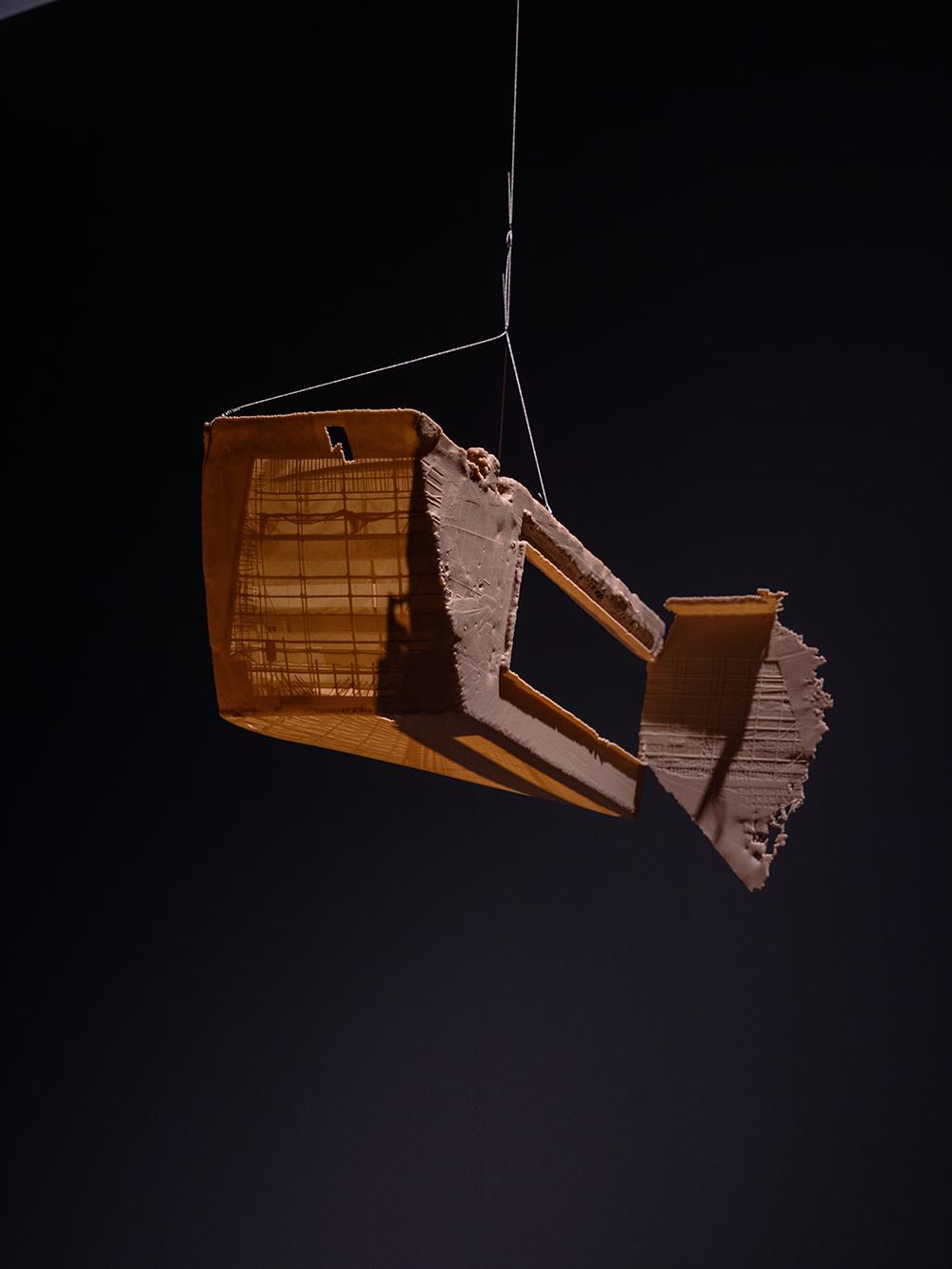
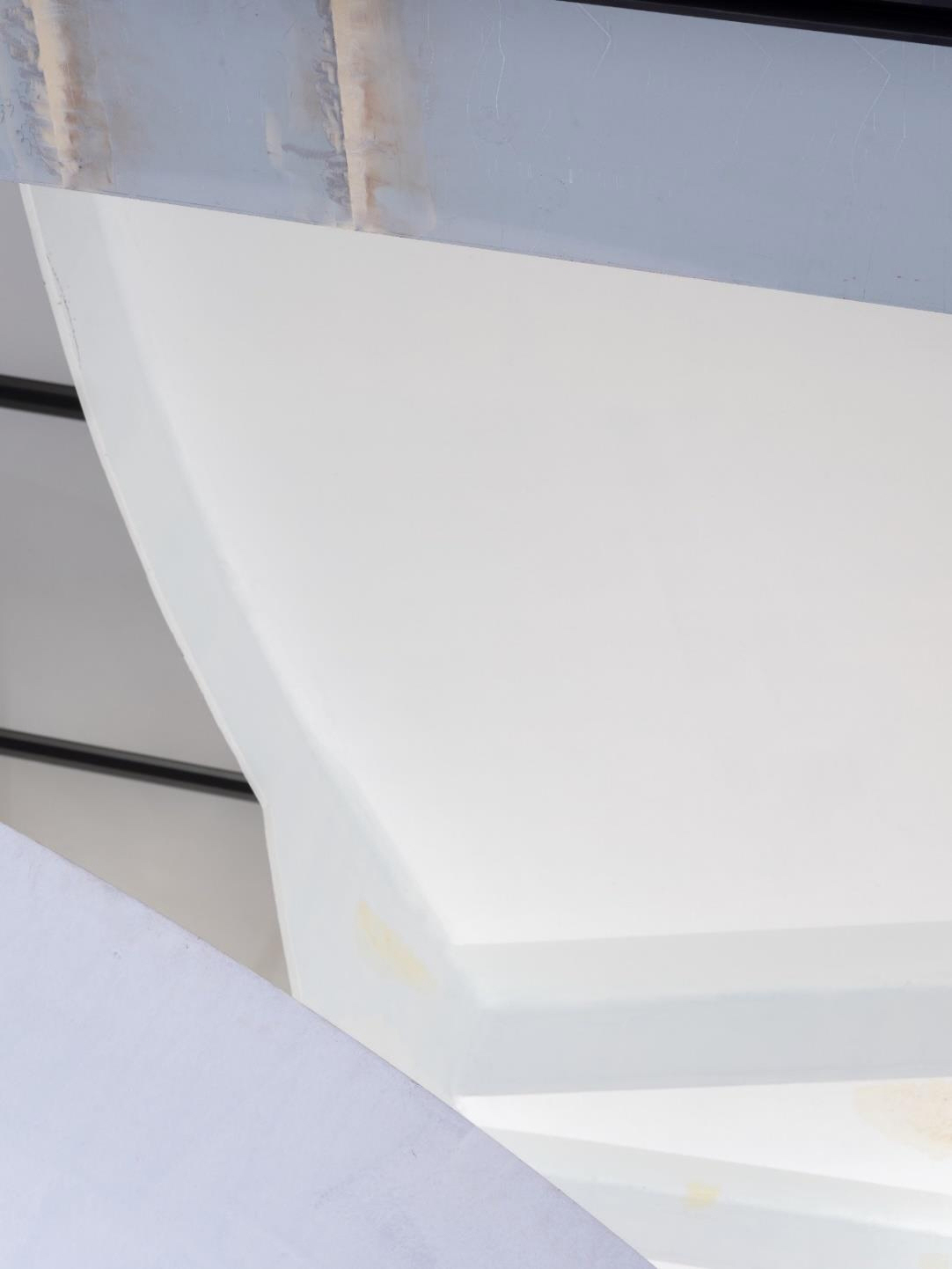
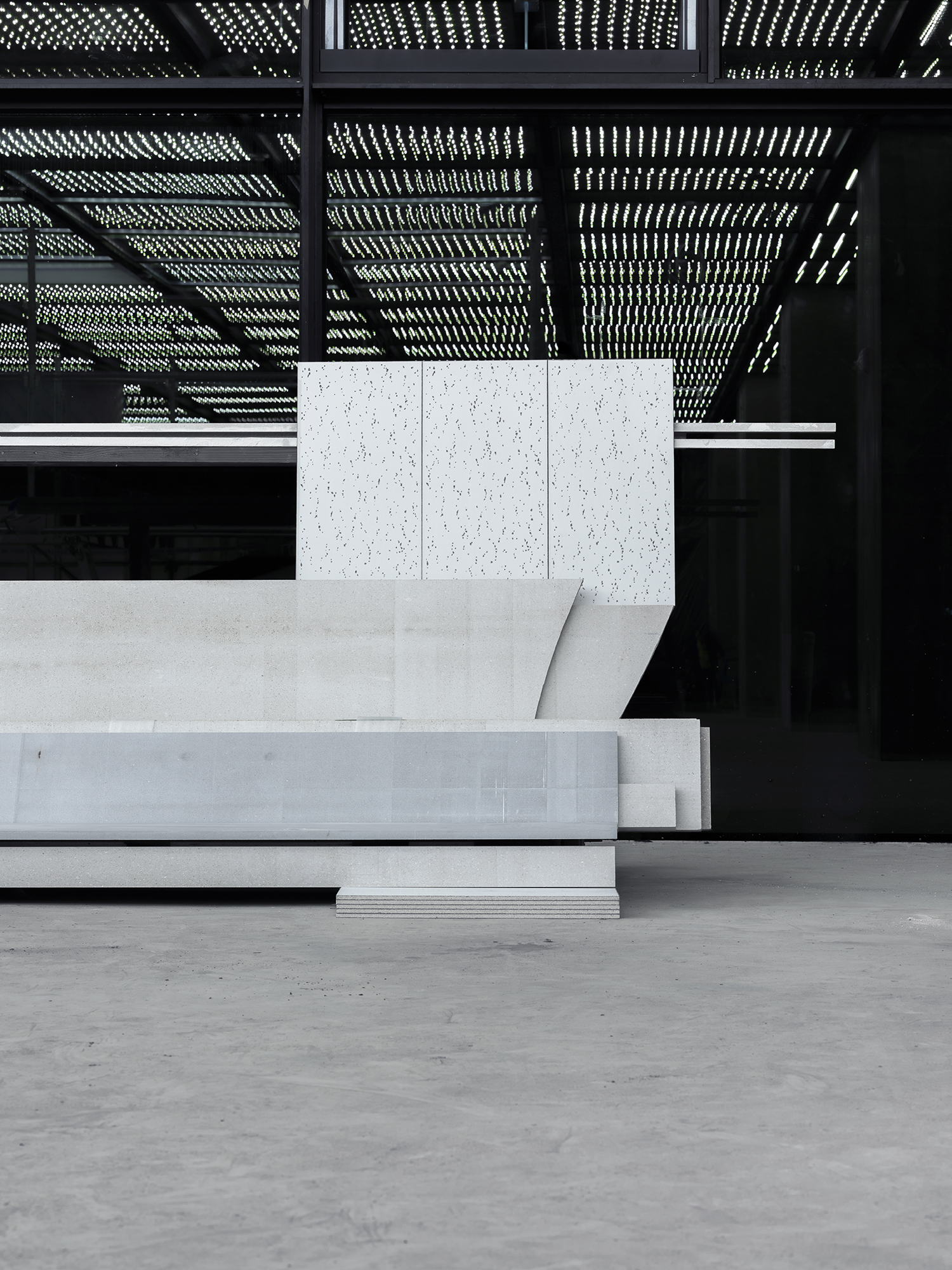
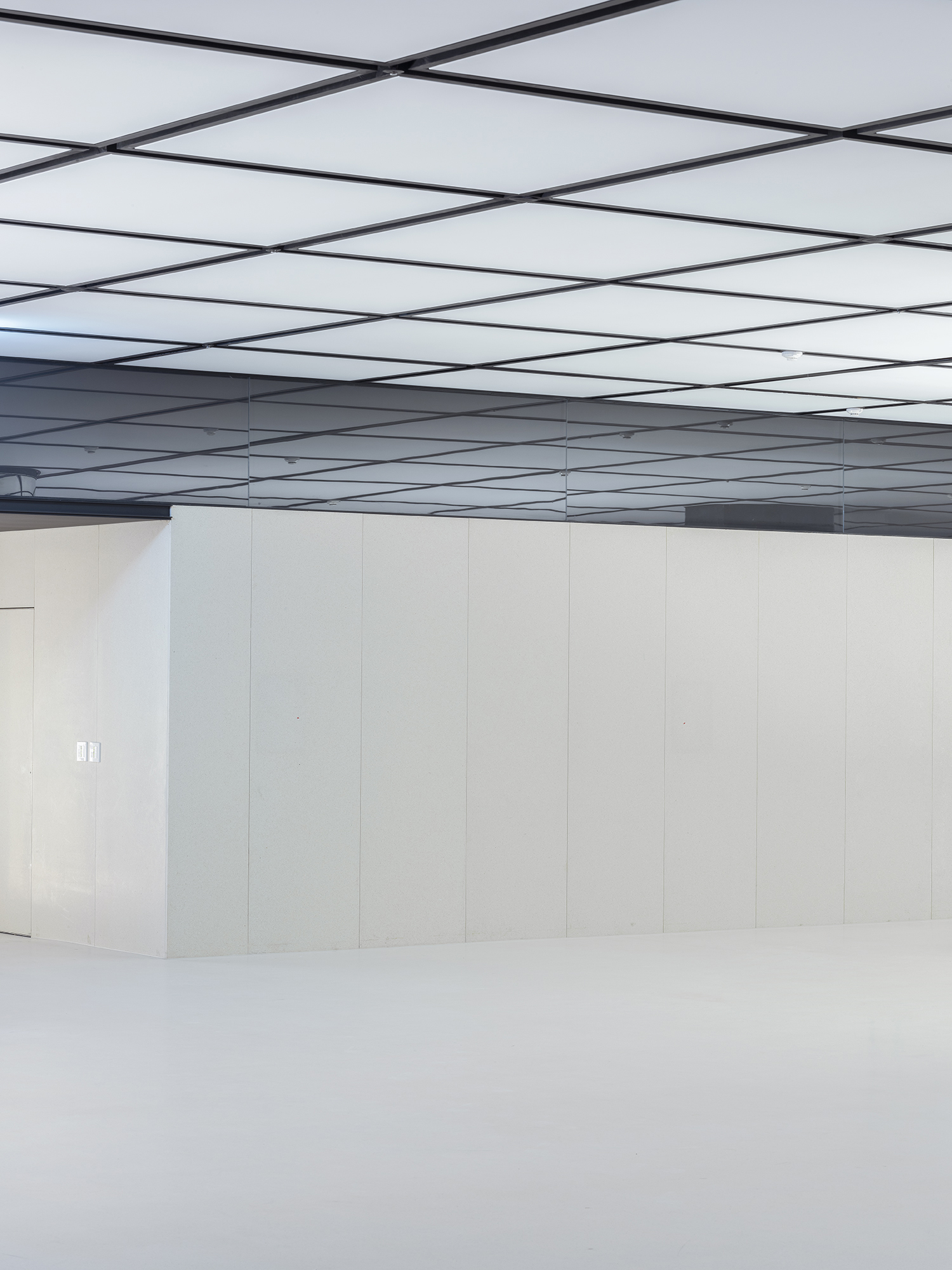
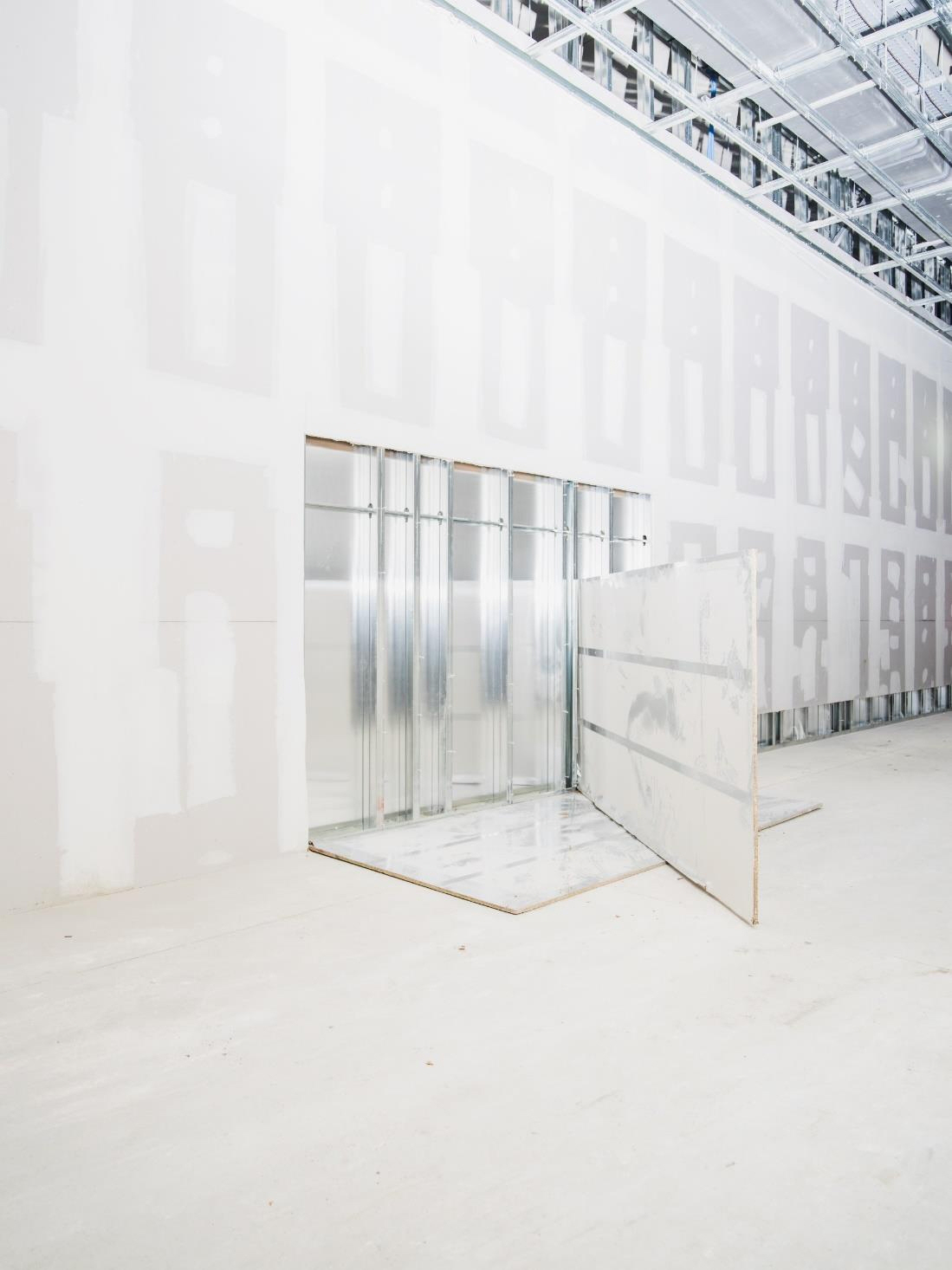
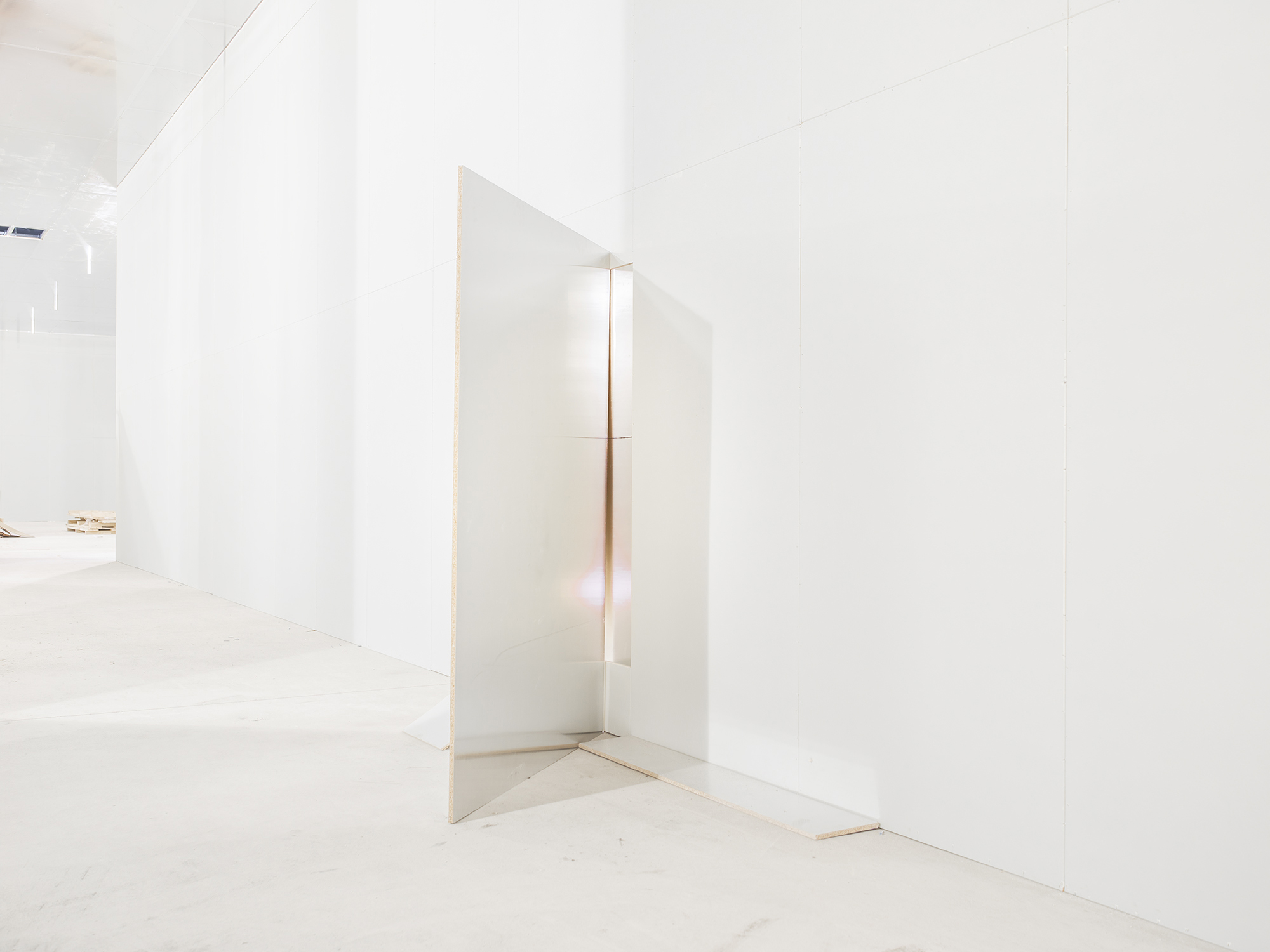
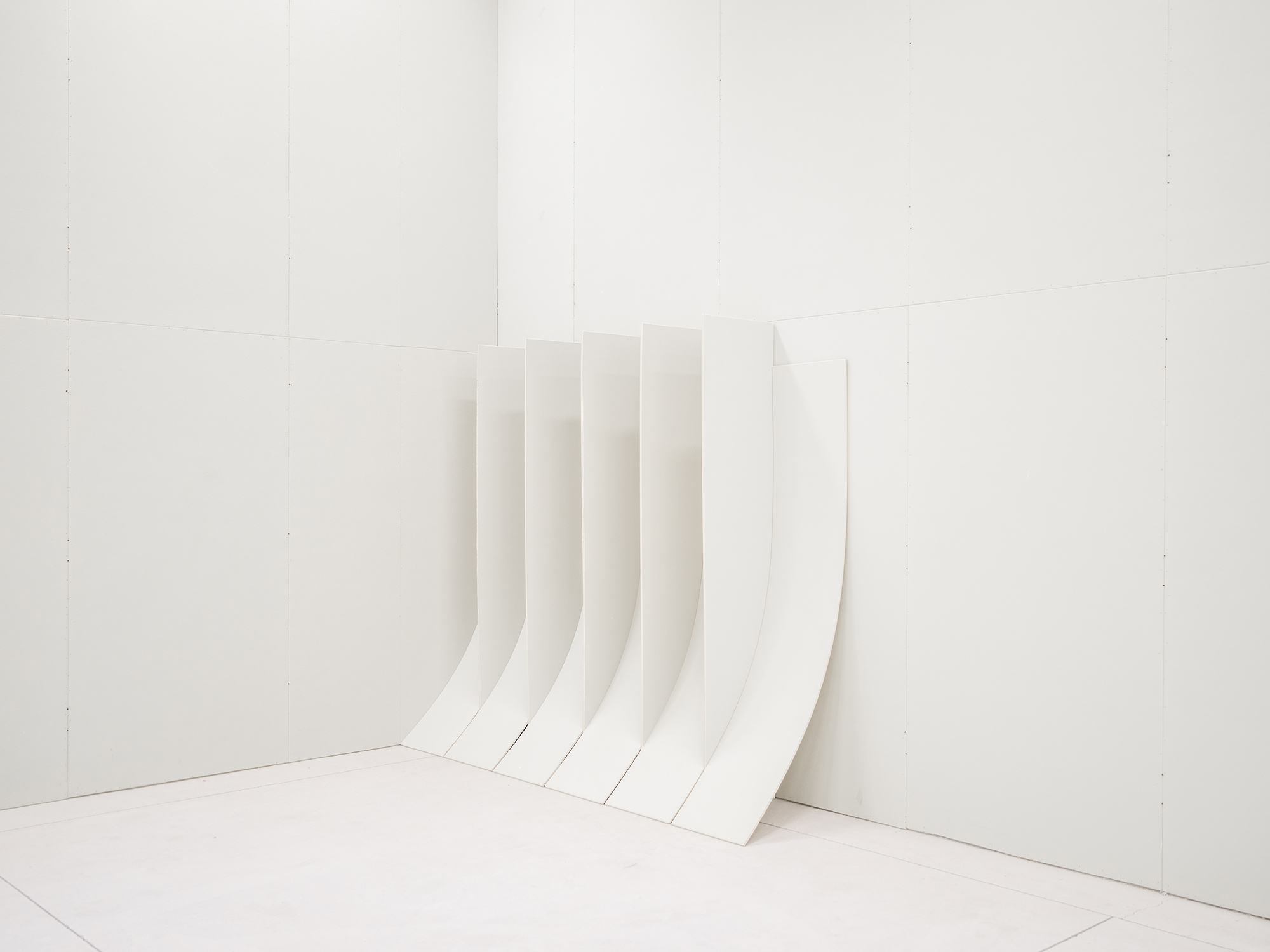
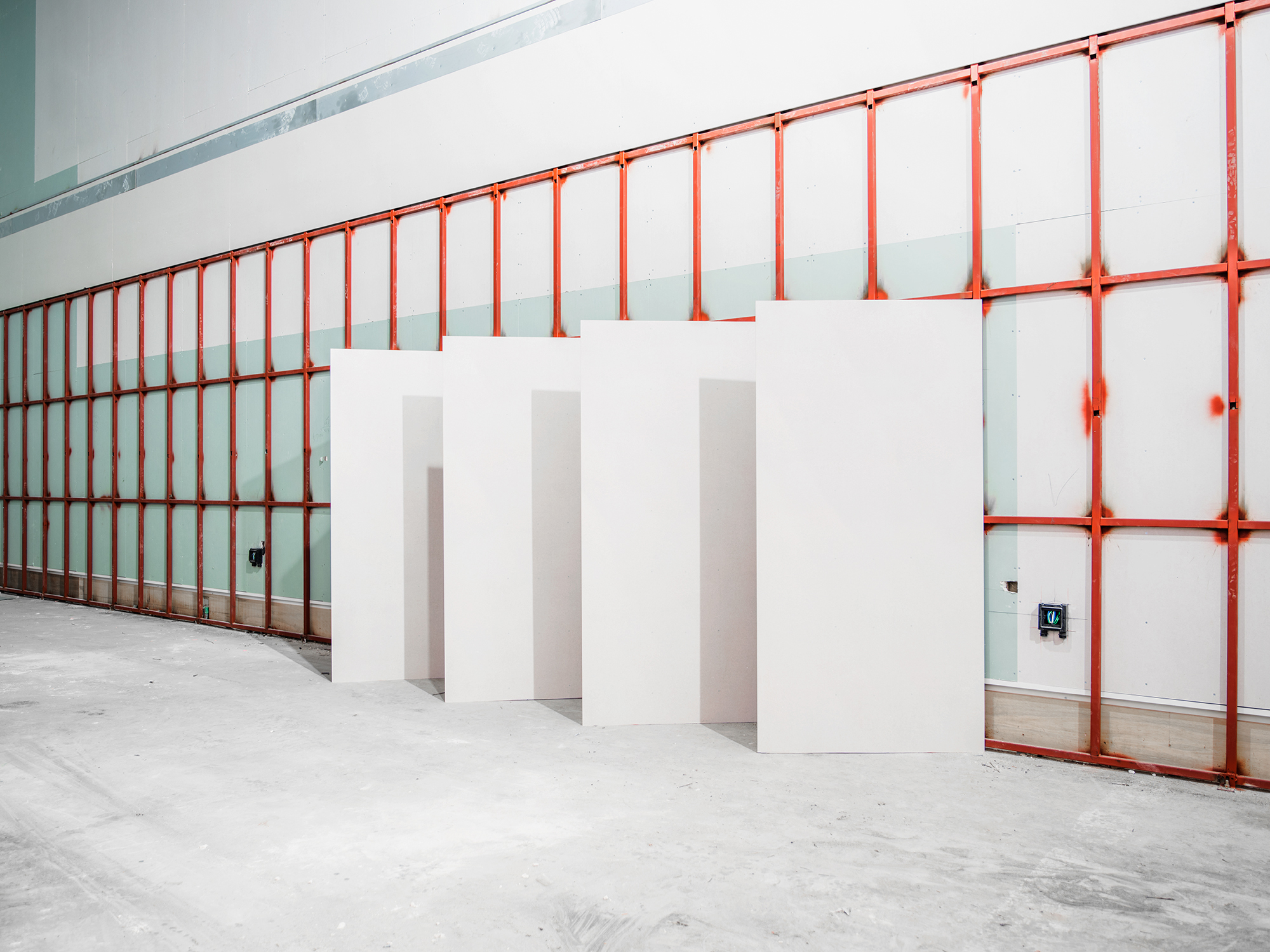
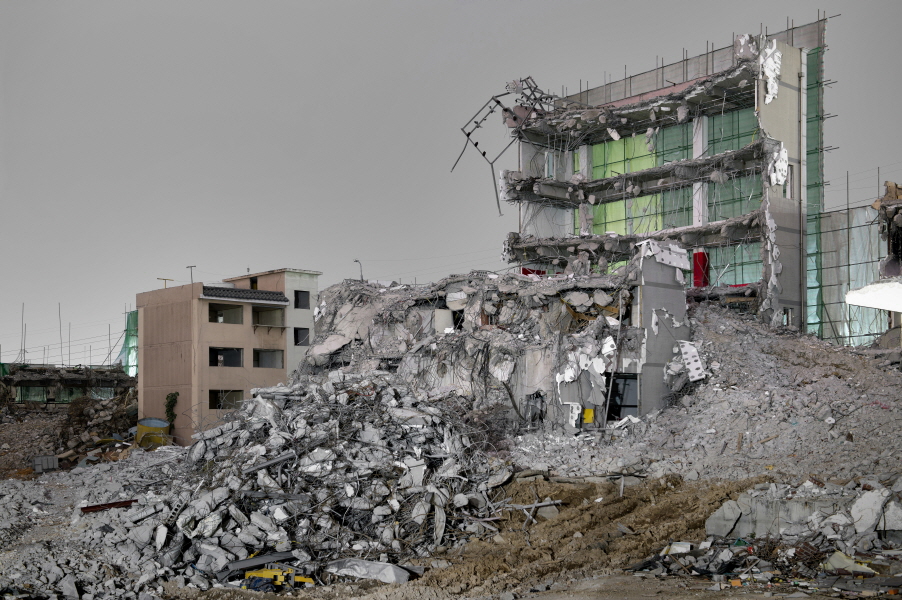
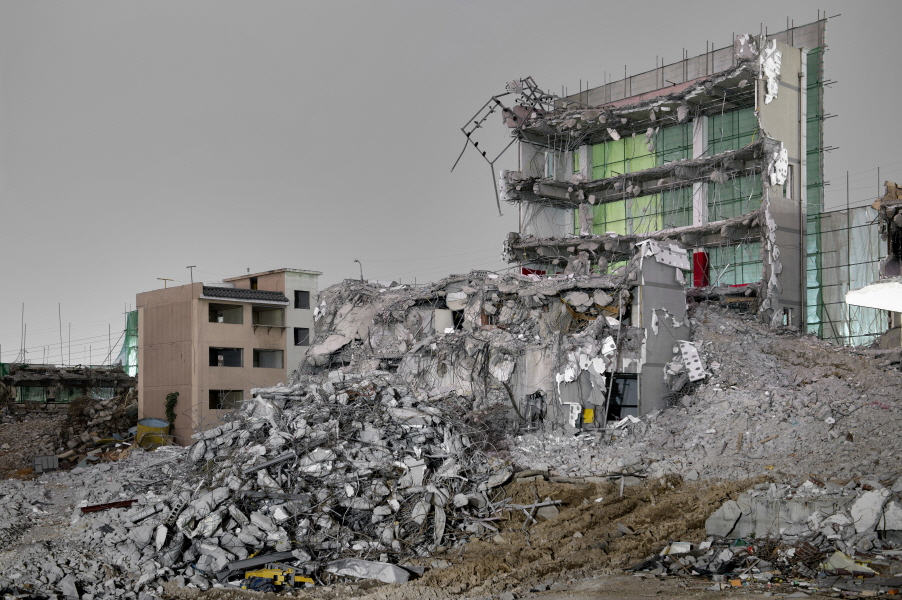
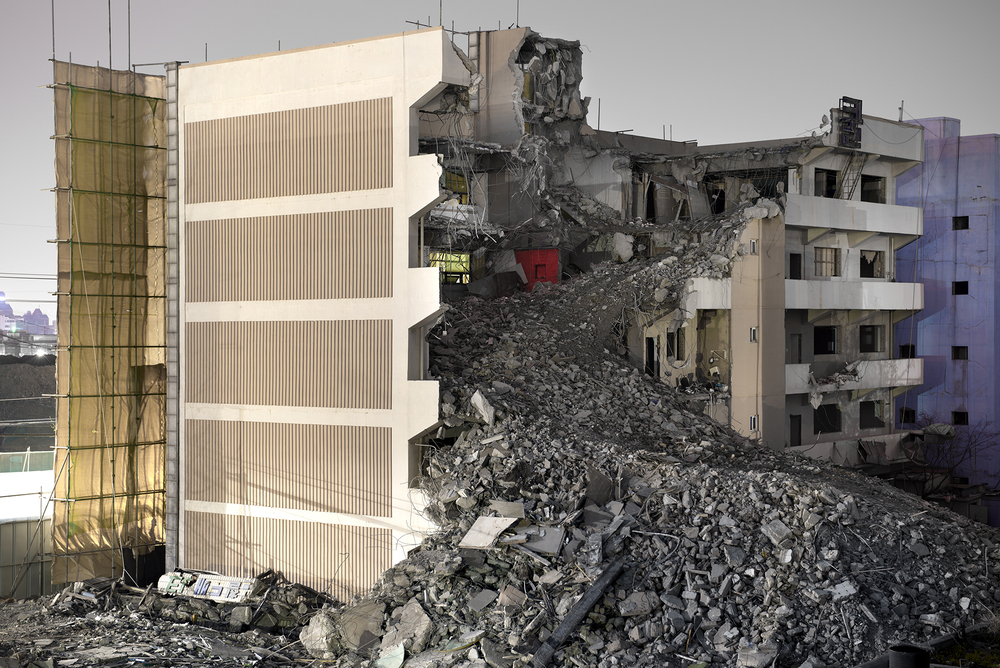
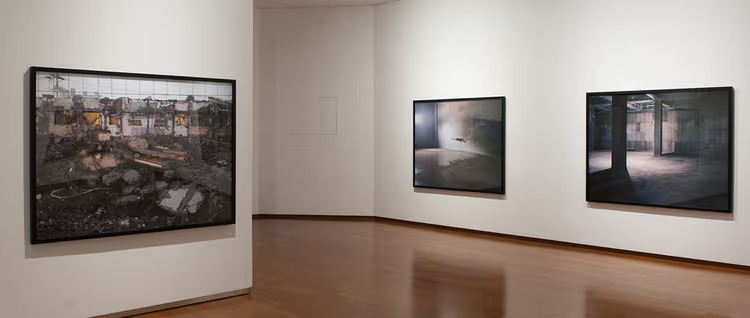
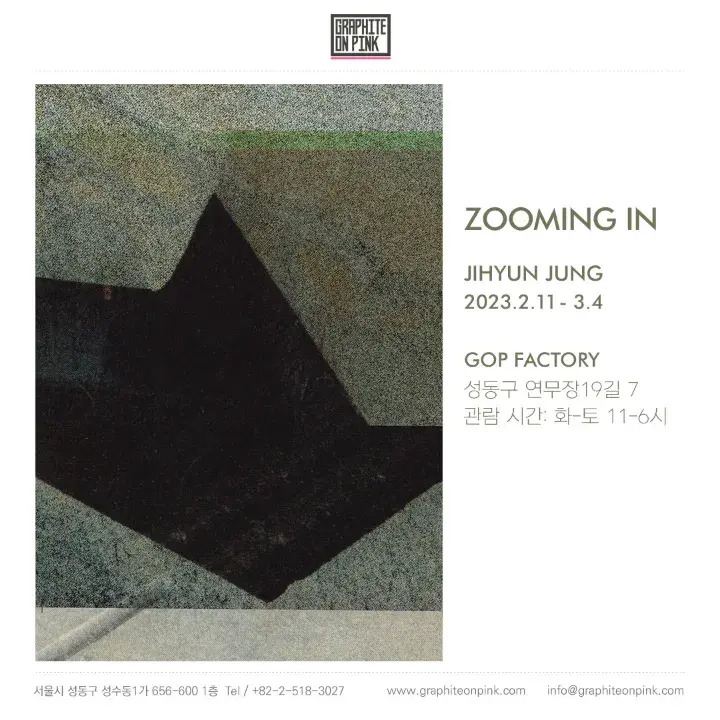
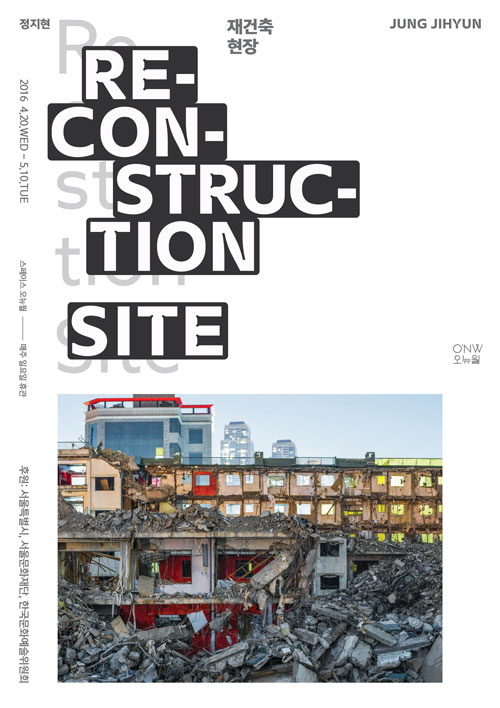
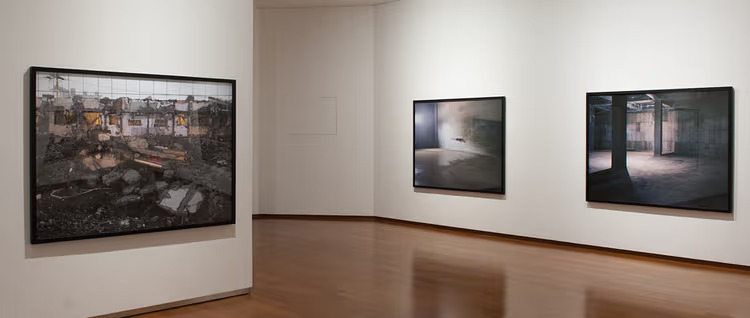
BMW Photo Space features Jung Jihyun’s 《SITE》 as the fifth Chung Photo Project from December 18, 2015 to February 3, 2016. Jung constantly has interested in the process of demolishing and creating the dwelling, which is the closest place to a human, through the contemporary symbol of living, an apartment. Jung’s work focuses on the reconstruction site of apartment, and categorizes into the different series according the attitude towards the object of his work.
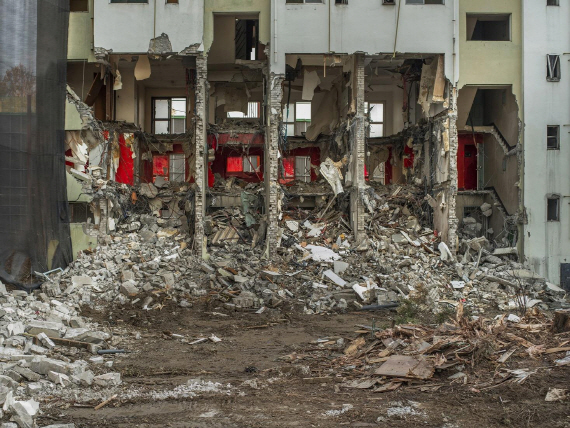
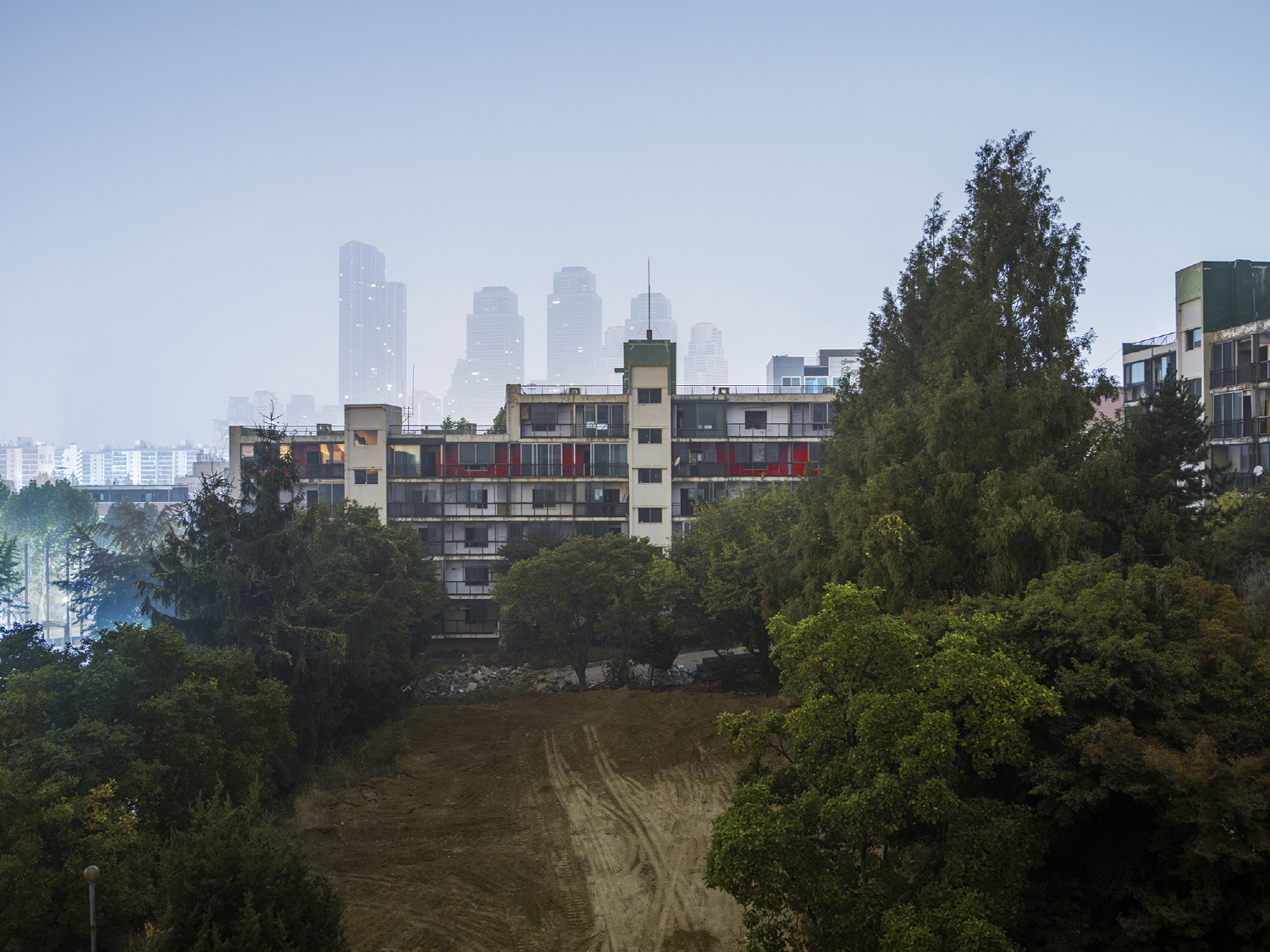
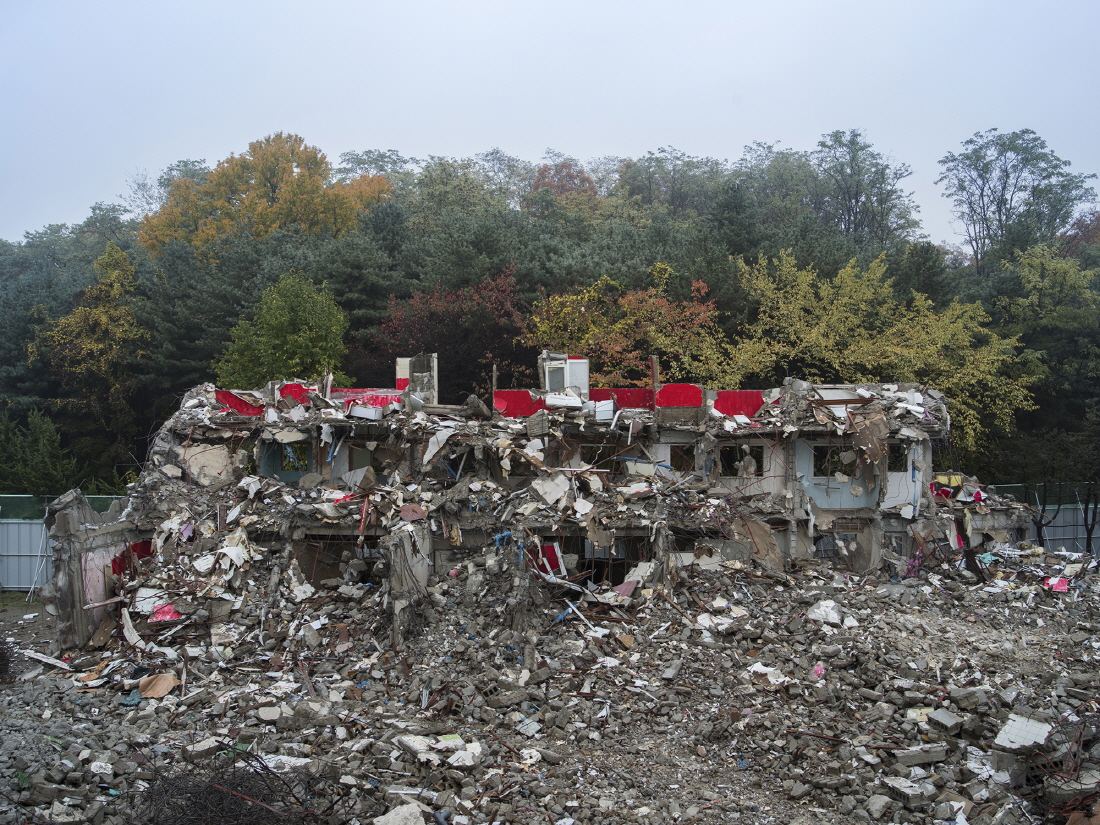
At this point, the attitude as the attempt to merge to the object becomes the essence of his work. With these kinds of characteristics, this exhibition consists of Apartment(2005-6), Construction Site(2012), Demolition Site(2014), and the new series Reconstruction Site(2015).
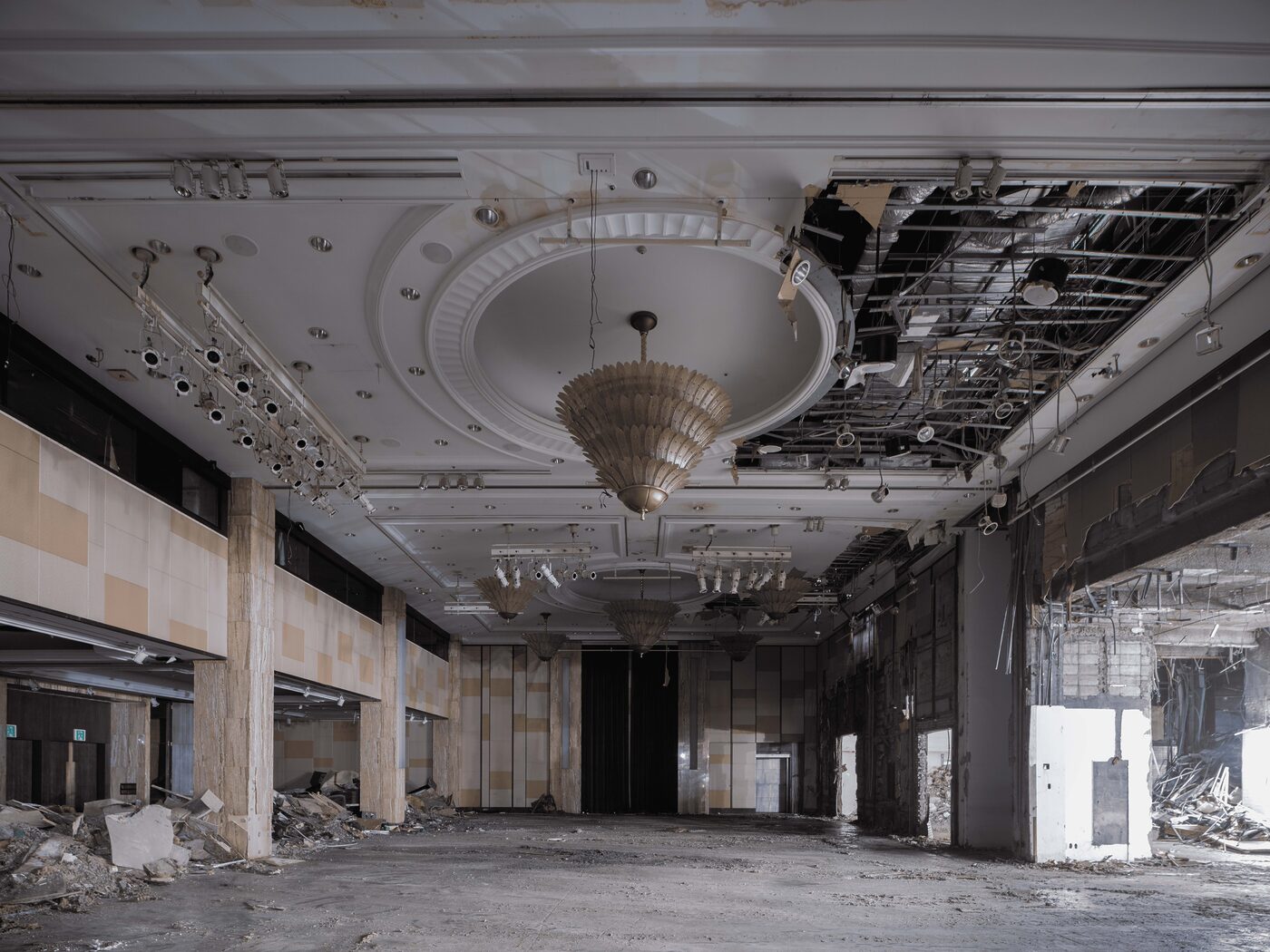
Jung Jihyun defines the reconstruction site of apartment as the blank period of time that gets created in between the process of completing the new city. The time that the people cannot see is the spatiotemporal space of the compressed city’s cycle structure that is being constructed and destroyed by the purpose. At the same time, it is the loss of living area where the personal experience or the history of existence and memory are reflected. Within this space, Jung intervenes into the object applying his own method and records the trace of it.
Intervention and documentation is the action of filling the ruptured time and of giving the life and the purpose into the empty space. Each series shows the difference in phases according to the initiative of intervening method, and focuses on the alteration of intervening stance towards the object through the four series.
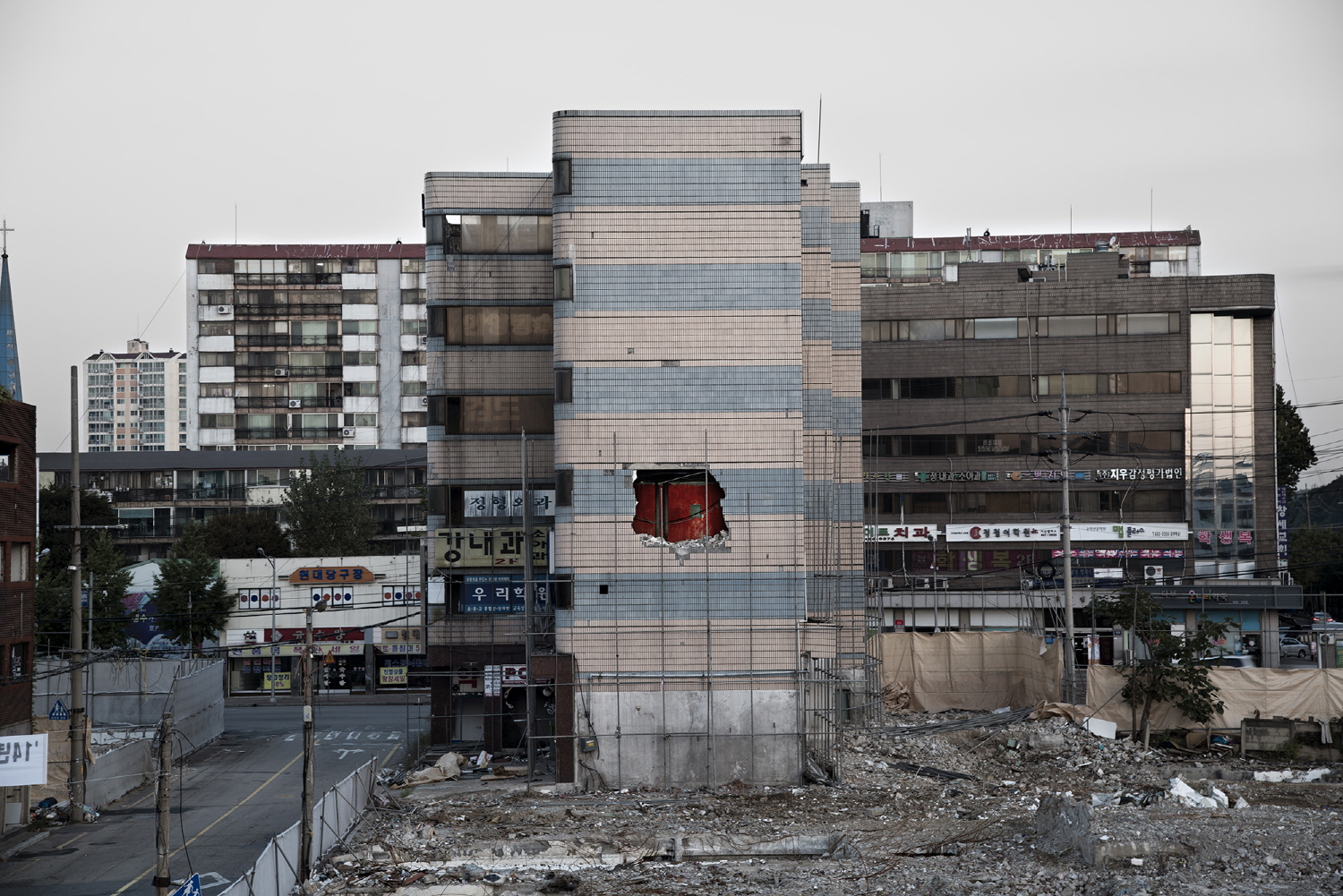
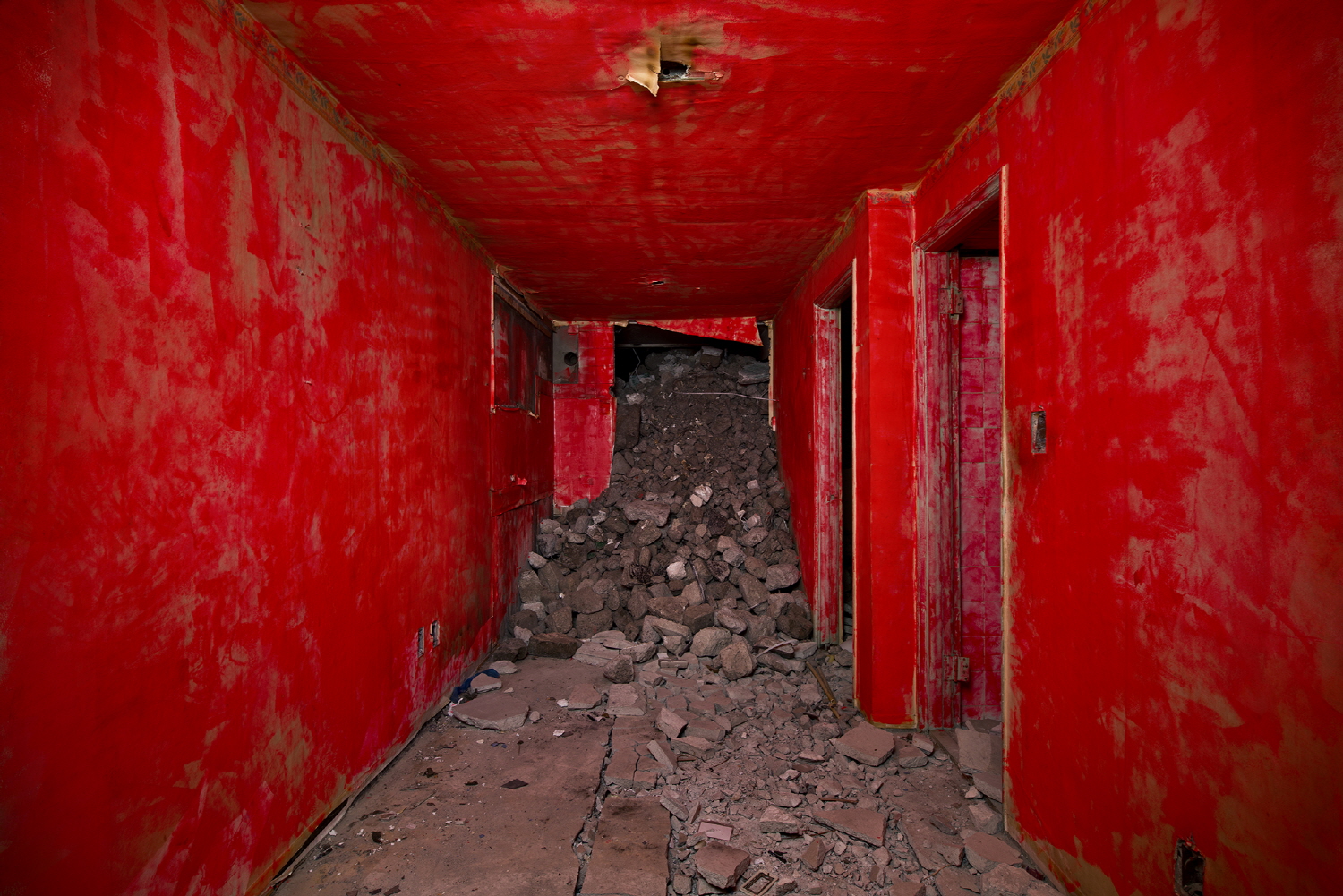
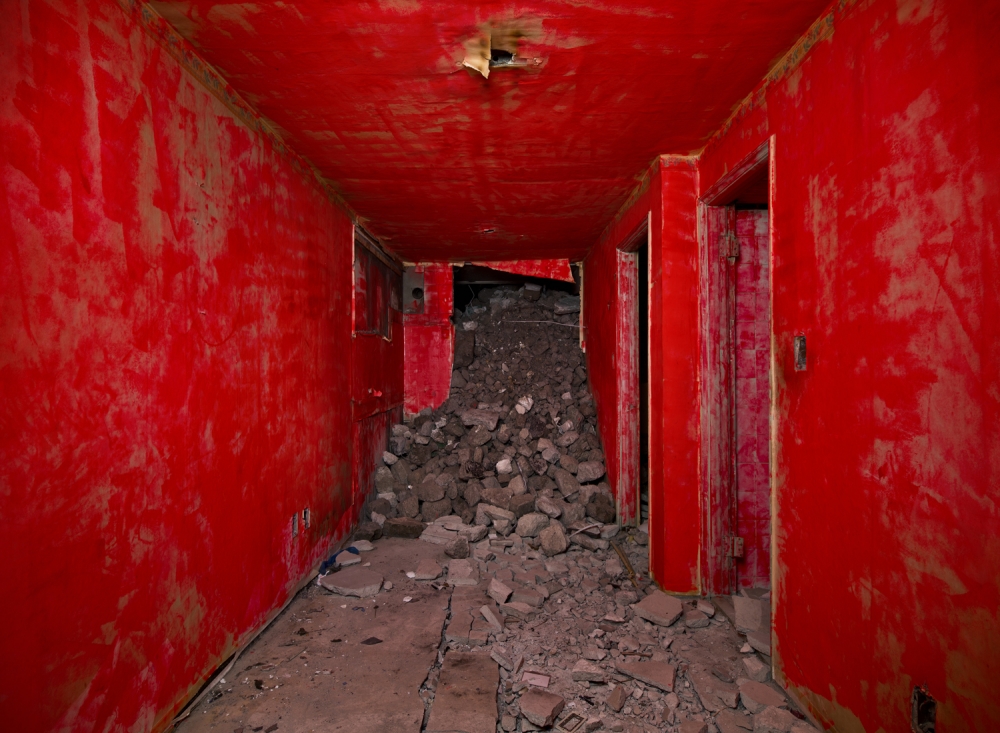
Apartment(2005-6) that recorded the 1st generation apartment that has demolition ahead demonstrates the shooting object as it is, but through the photographic action, it is the first work that attempted to intervene into the object. This attempt links to the physical intervention of shooting the objects in the construction site at Construction Site(2012), which recorded the construction site of an apartment. After, Demolition Site(2014) develops to the active intervention that keeps tracking the trace of demolition that painted a particular area with a red paint.
At this point, Jung Jihyun’s photography alters to the media that has added theatricality to the characteristic as the representative tool. The space setting through the painting becomes extended in Reconstruction Site(2015) as the repetitive space; therefore, it creates the new type of building. And then, that transformed building gets composed with its surroundings which complete another type of landscape.
The work of Jung Jihyun has another common component that is the intervention about the hidden side of the same object. This component creates the phased narrative of the work; yet, it has the equivocal function that could change the medium’s stance towards the photography. This is the part where Jung’s work reveals to be different compared to other artists’ works that dealt with the redevelopment site of the city.
Jung does not end up on concerning about the world, but he intervenes into the social phenomenon; hence, he creates a new aspect. This type of his work encompasses the area of representation and non-representation, and his approaching method creates another type and the new possibility of Korea photography.