Under
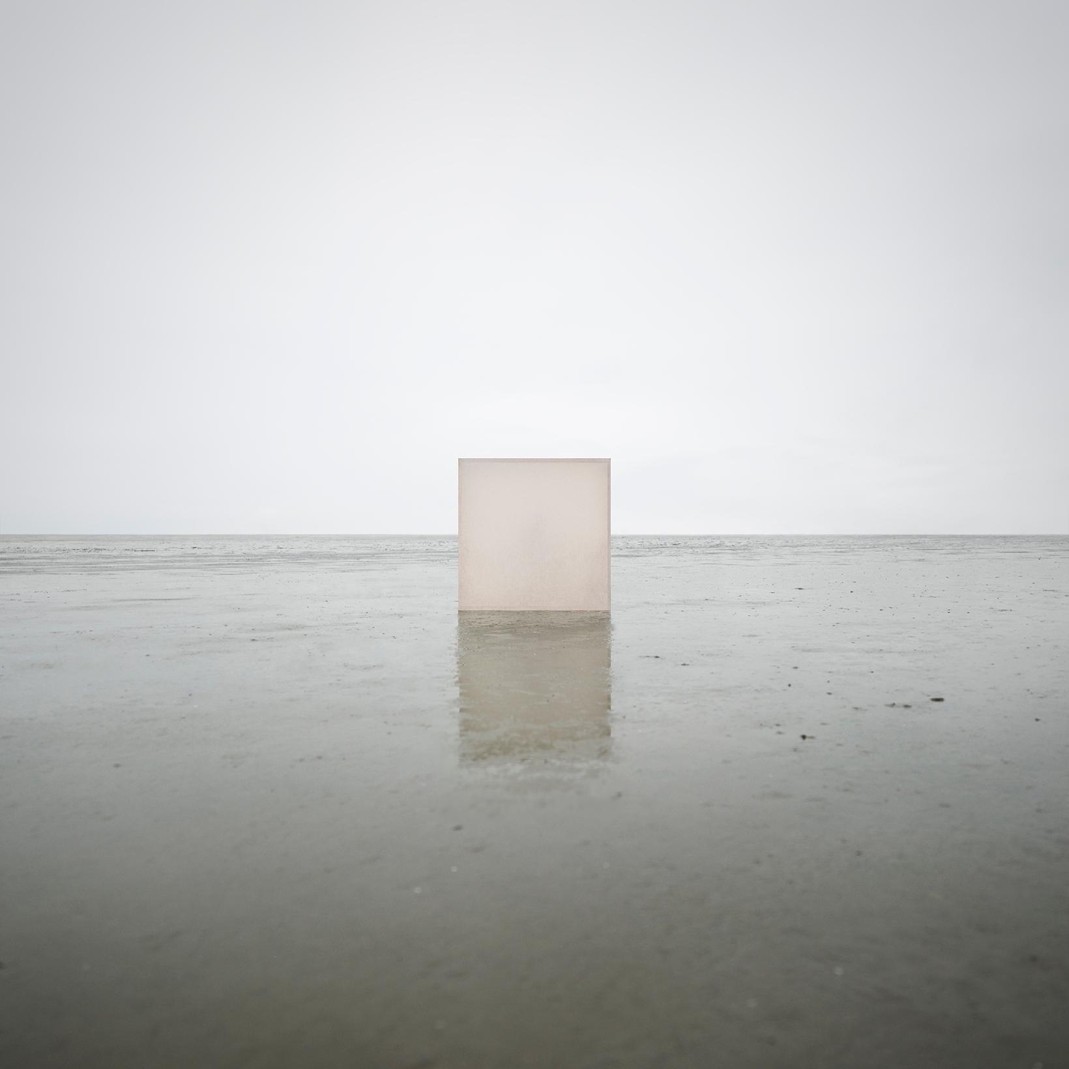
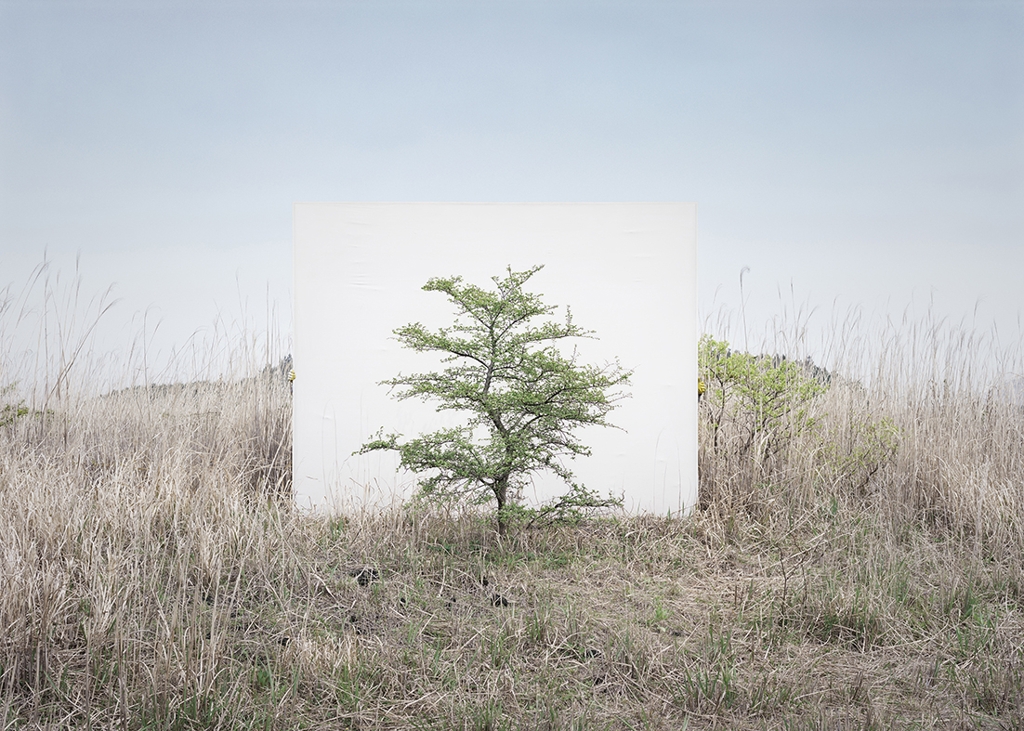
a gray sky stretches a mudflat, backed by a field of reeds. Amid the dull
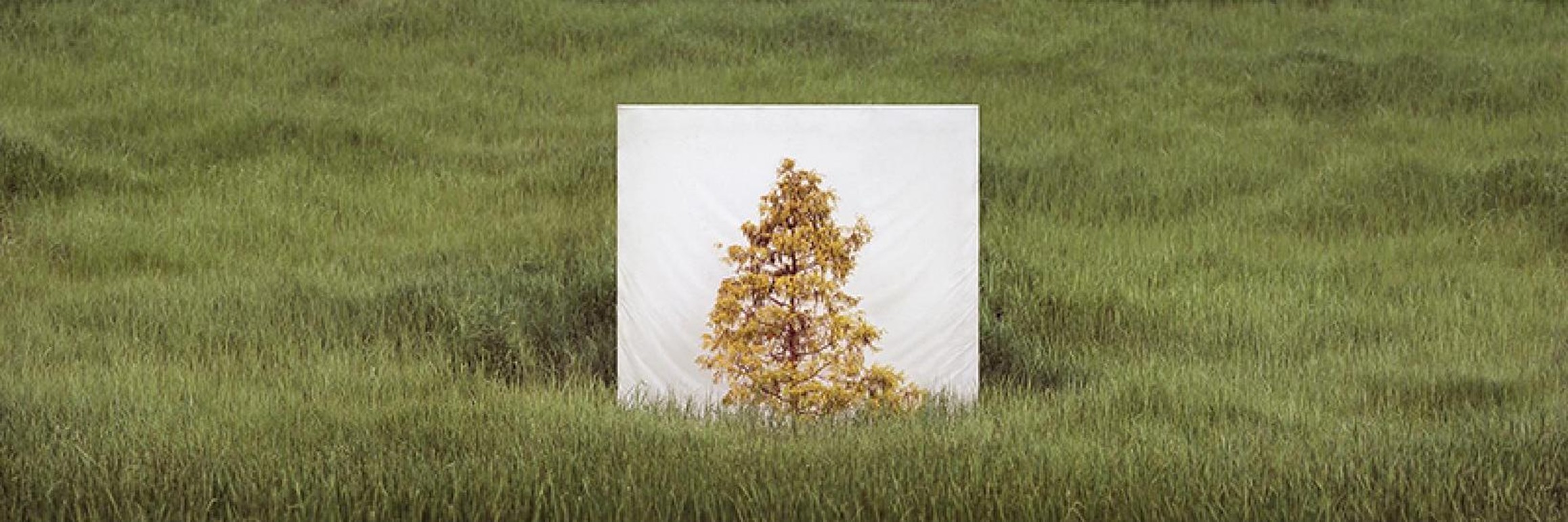
mixture of brown and green reeds, a white canvas suddenly stands upright,
dreamlike. What lies behind this canvas? Behind it is a single tree — but that
cannot be the only answer. There might be a person, or nothing at all, or
perhaps just another fragment of the reed field.
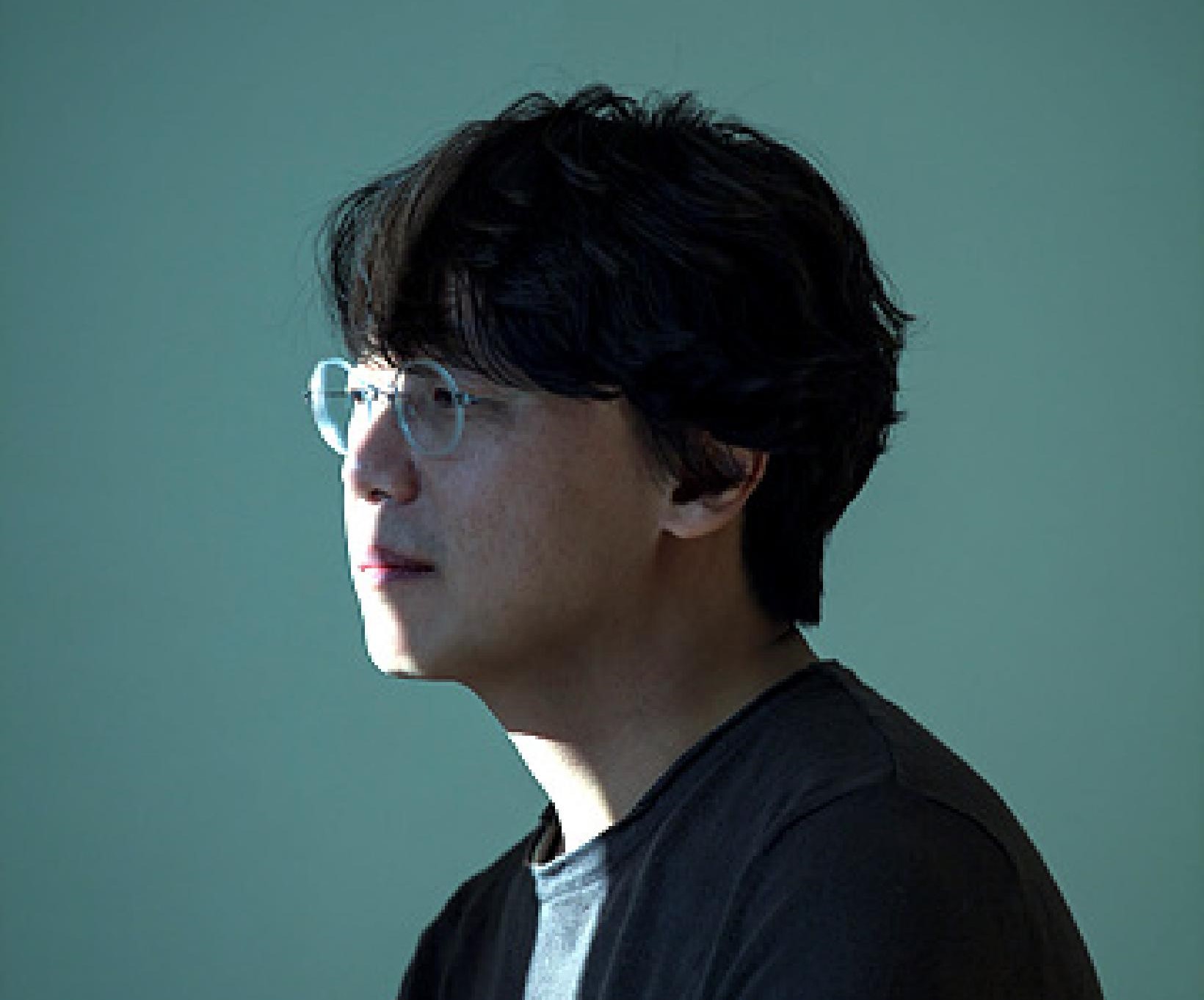
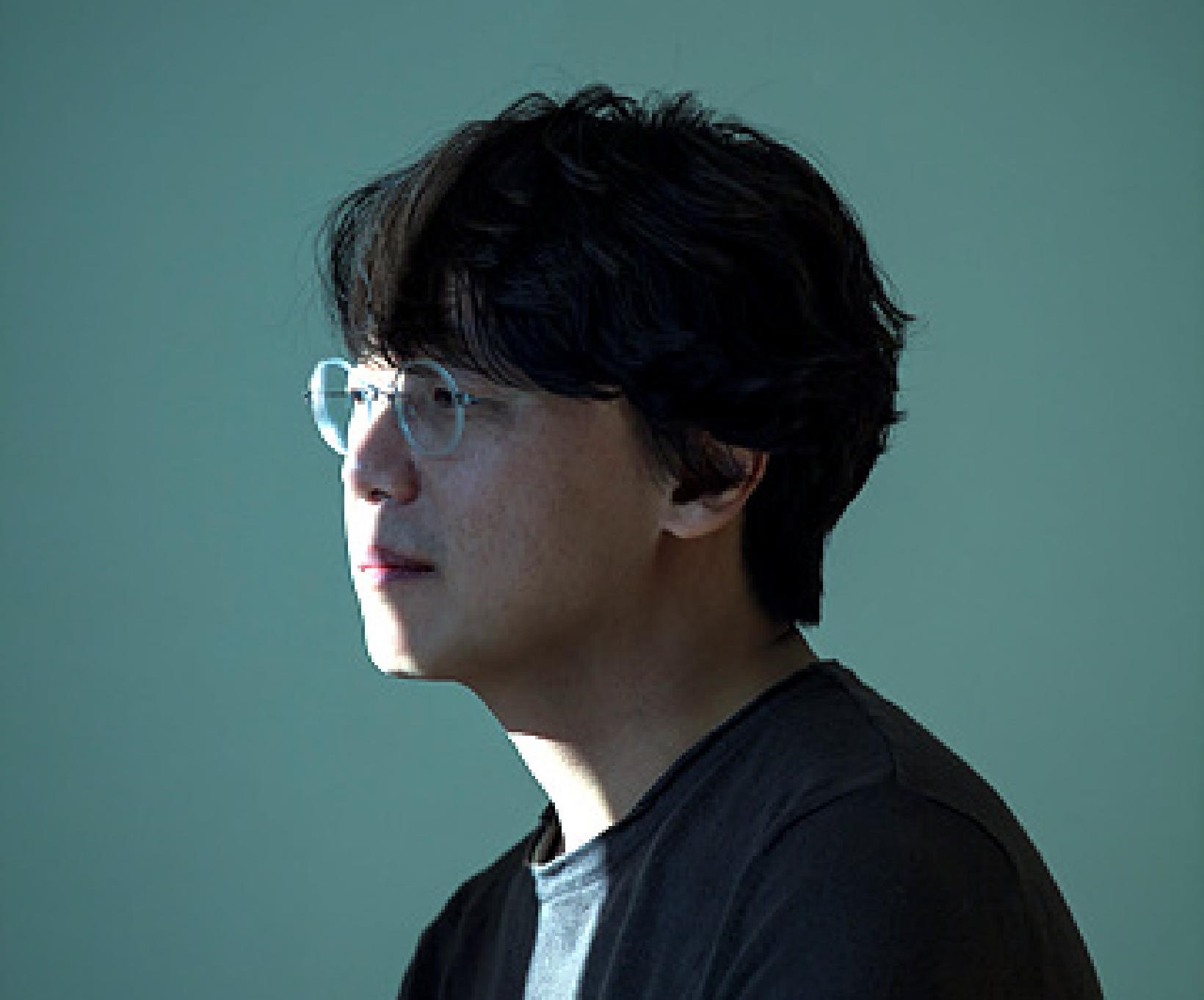
Photographer Myoung
Ho Lee has attracted wide attention since his debut with the
‘Tree…’(2006/print in 2007) Series. In keeping with his principle of titling
each work according to its subject, trees appear as recurring motifs in his
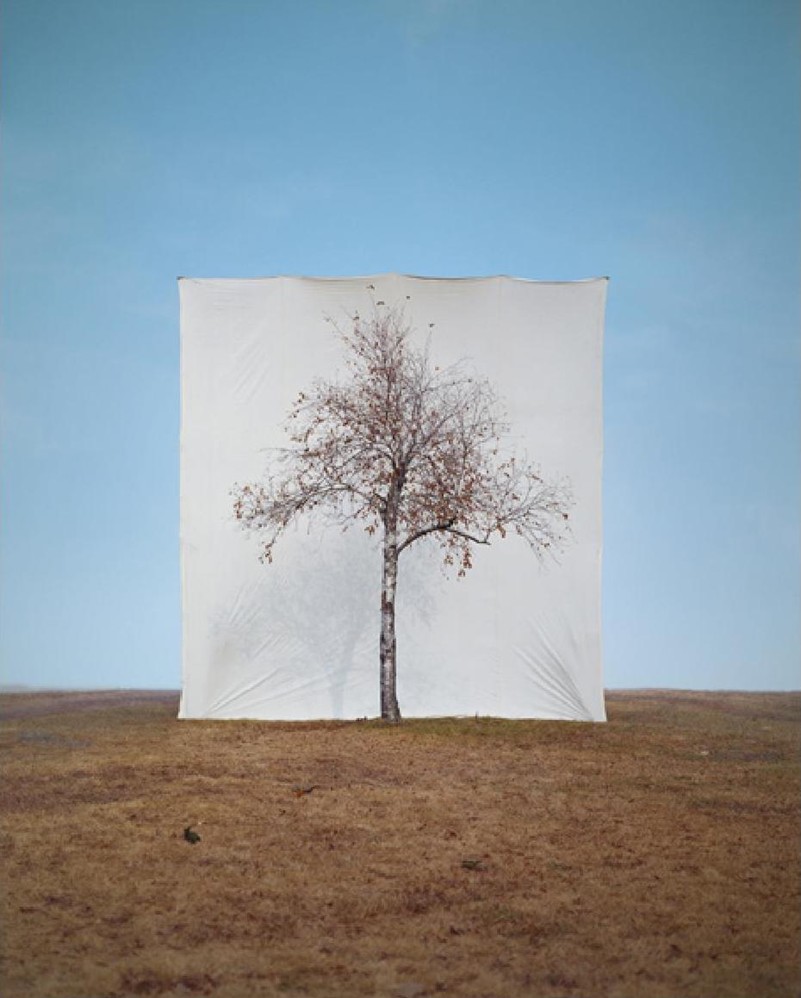
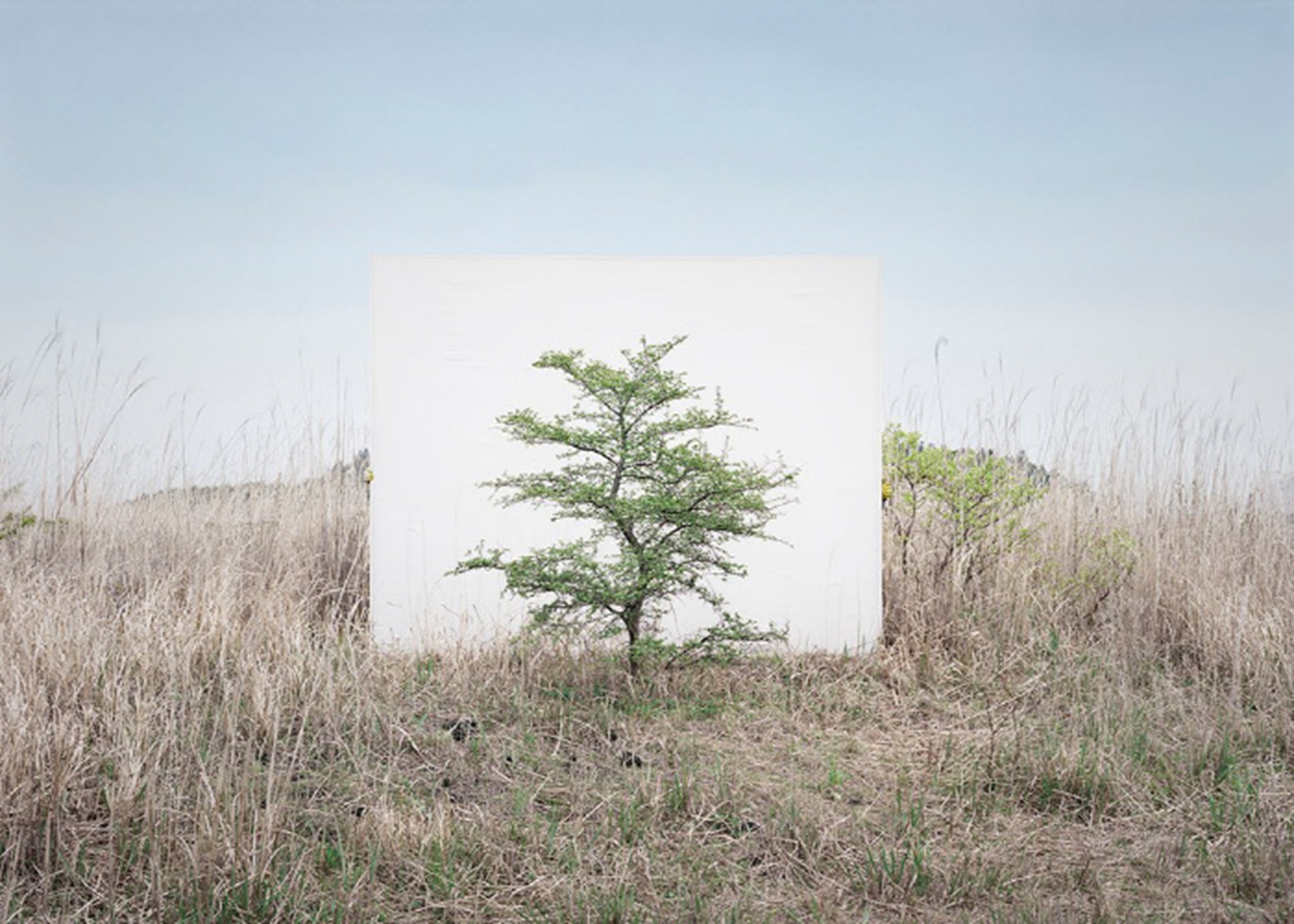
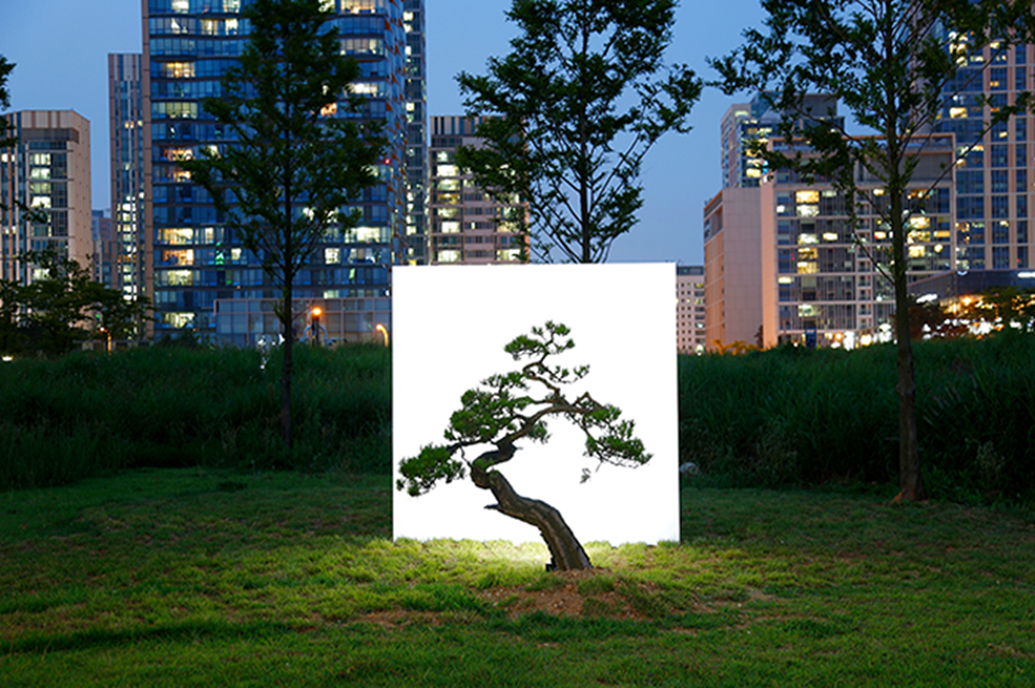
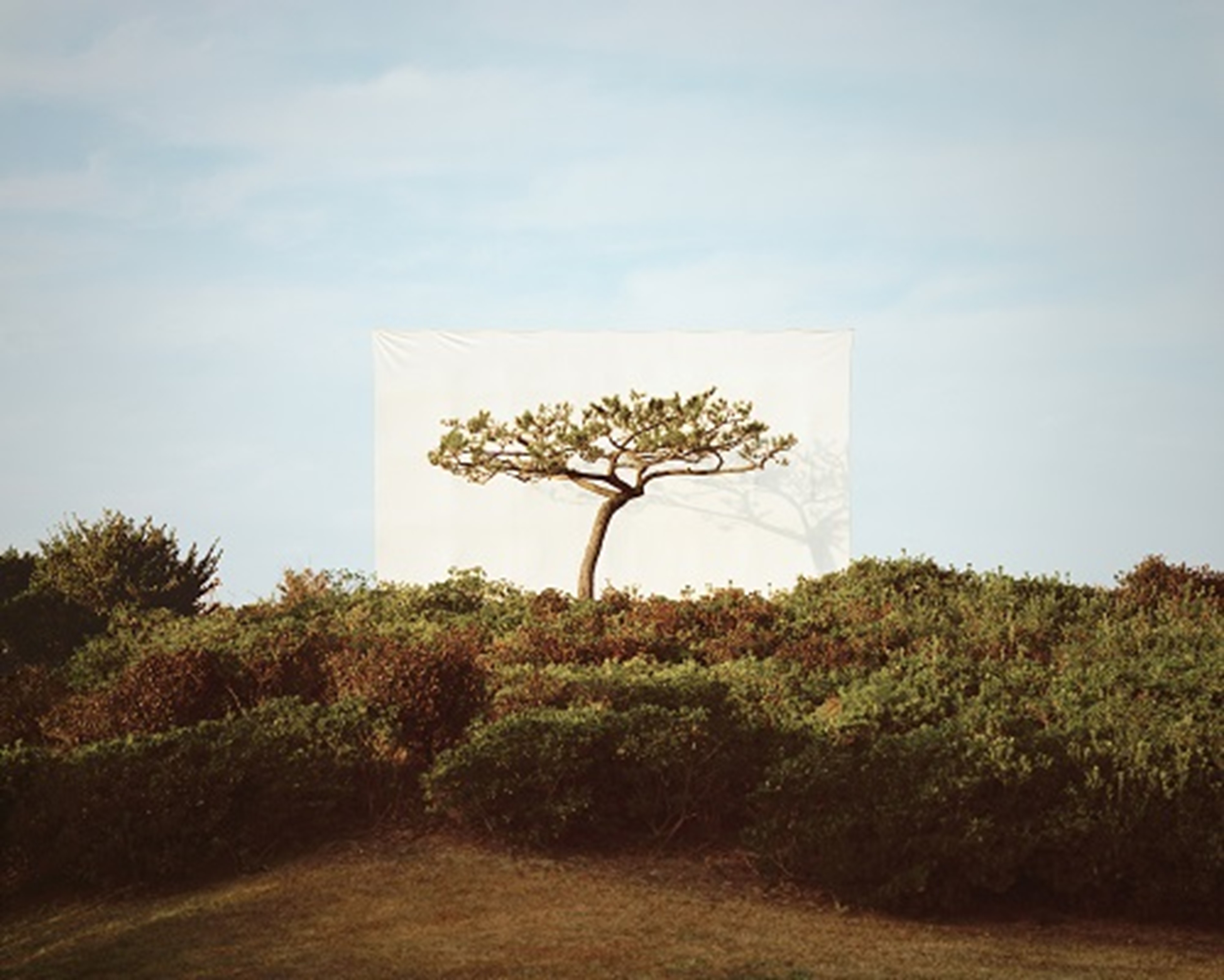
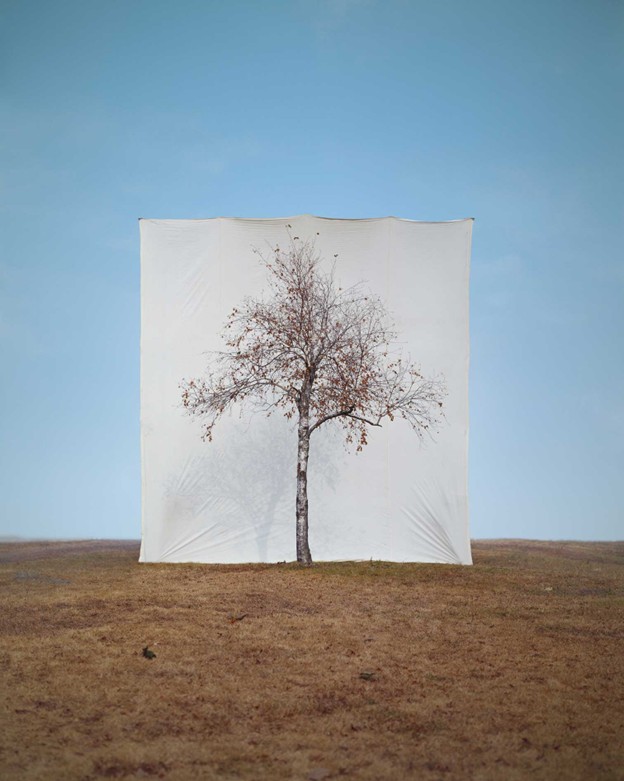
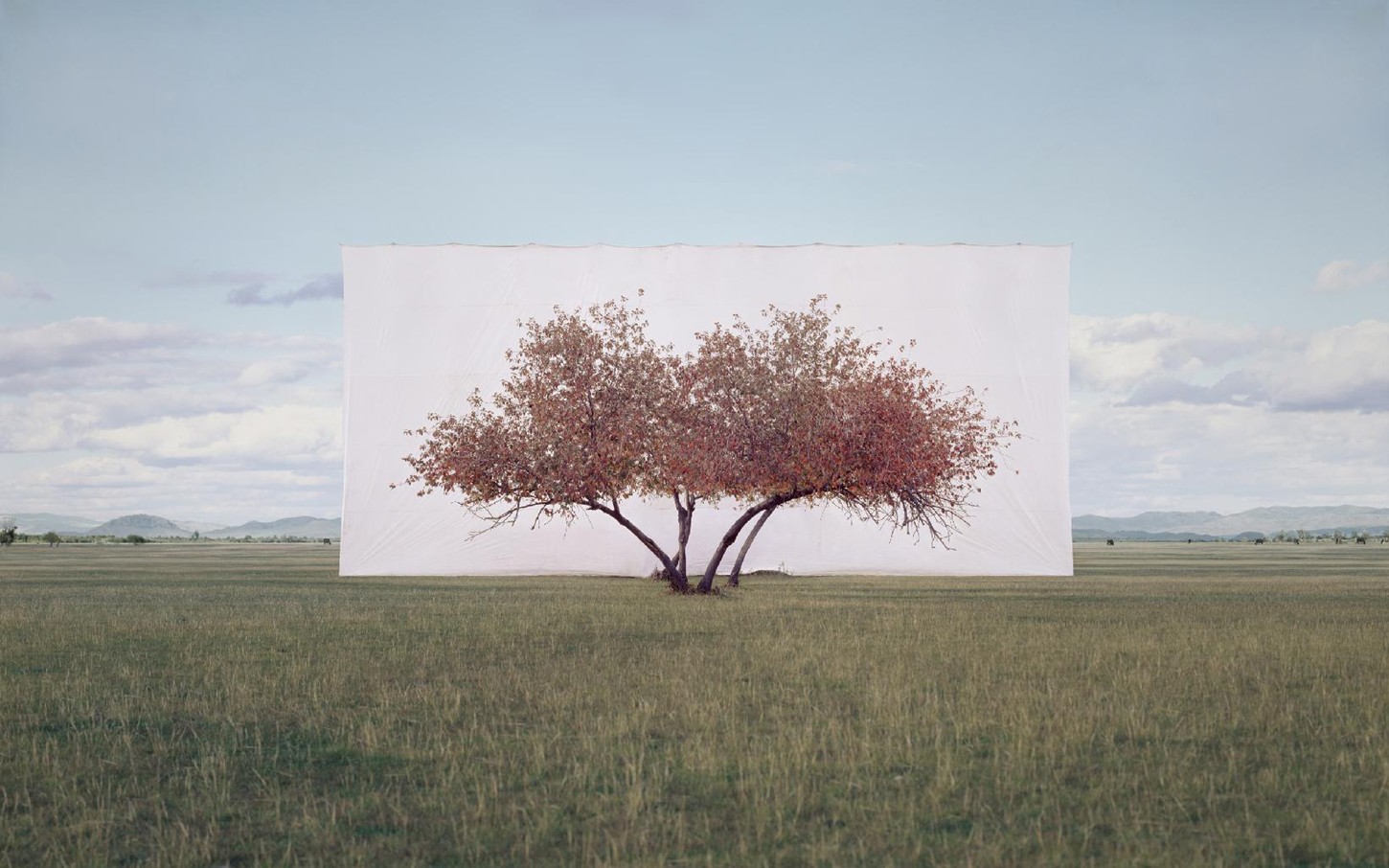
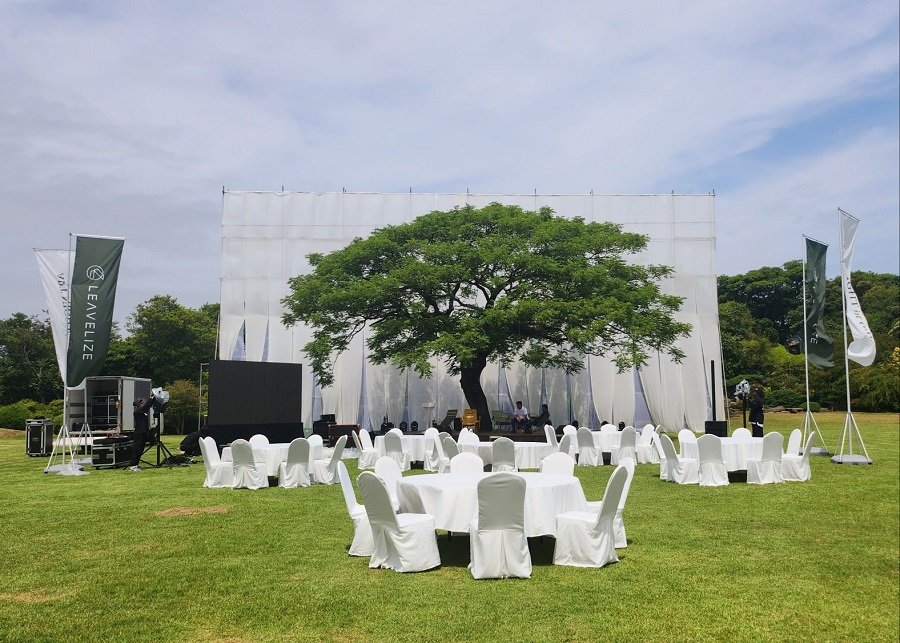
images. A large white canvas stands in the middle of an open field, and within
it, a tree exists. At this moment, the ‘tree’ becomes not a natural object but
an evocation of an artwork — a painting or photograph. Yet upon closer
inspection, the tree is not an image or an object, but a real tree rooted in
the ground.
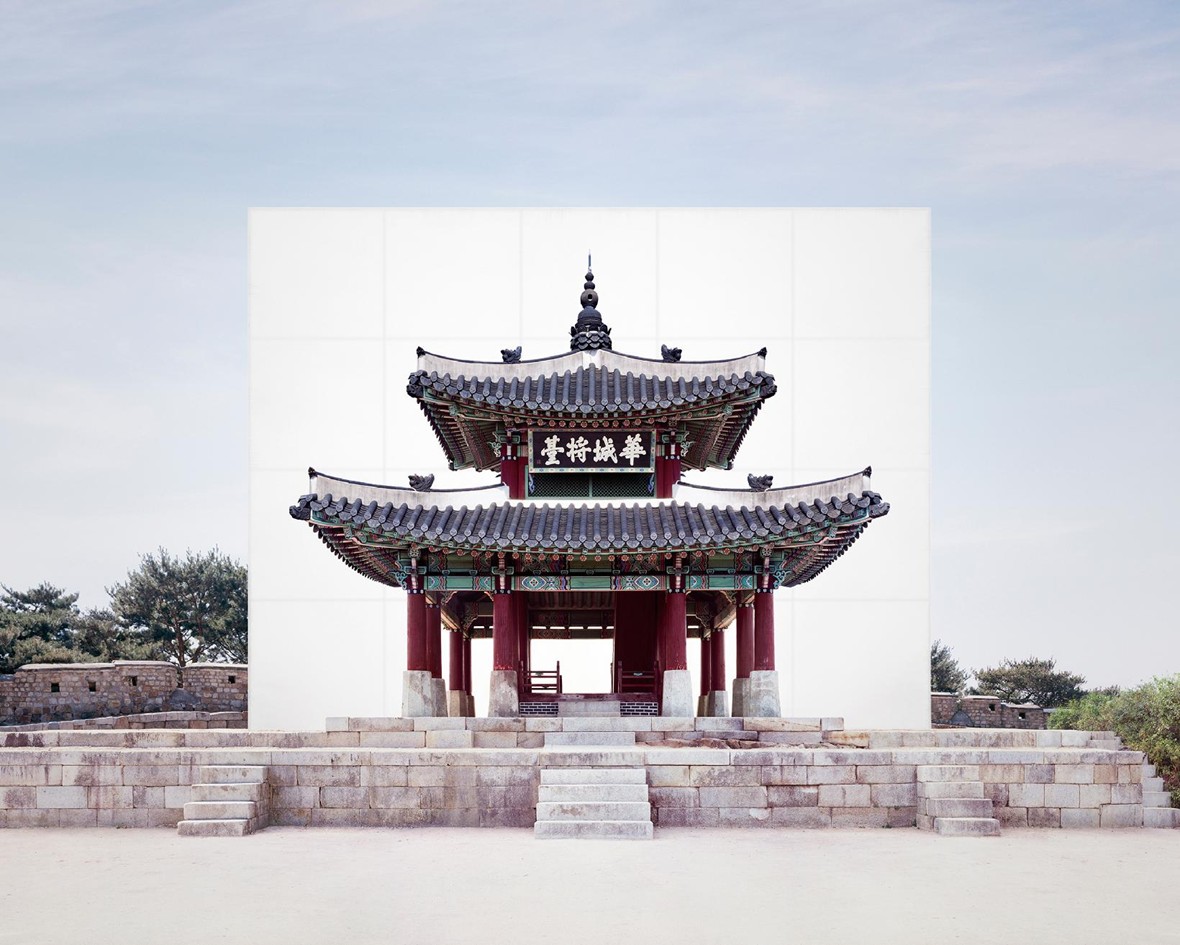
By
installing a large sheet of fabric behind a tree, Lee creates a subtle
confusion between photography and reality, thereby generating a fundamental
discourse on “photography and representation.” Viewers observing his
photographs experience a moment of hesitation — a quiet “Wait… what is
this?” Yet what has made him widely recognized, more than this conceptual
framework, is the poetic and metaphorical sensibility that underlies his
images. His photographs are like dreams made real — or realities that can only
exist in dreams.
His
solo exhibition ‘Nothing, But’ can be divided into three conceptual
categories. Based on subject and theme, the works can be grouped as tree /
mirage (desert) / nothing, but. These divisions correspond to what the artist
defines as the three functions of art — revealing reality, creating unreality,
and exploring what lies beyond both.
The
‘Tree’ Series reveals reality. By emphasizing the presence of real trees, it
fulfills one of the most essential functions of photographic art — to make
visible what exists. In contrast, the ‘Mirage’ Series constructs unreality. In
these works, a long stretch of cotton fabric is installed in the vast desert
and photographed from a distance, transforming the white cloth into a
mirage-like sea or oasis. Here, Lee’s second artistic function — to create
“another reality” — is realized.
Finally,
the ‘Nothing, But’ Series deals with what lies beyond reality and unreality,
reflecting the artist’s evolving attitude toward art after completing the two
earlier series.
Before
the viewer stands an unsettlingly white canvas — bare yet commanding. It shows
nothing, yet in truth, it is the result of the artist repeatedly photographing
the same location. Through intentional overexposure, the image disappears
entirely. The emptiness conveys the futility and stillness that follow the
accumulation of artistic desire — the yearning to capture and possess an image
until nothing remains.
Paradoxically,
by erasing the visible, more becomes perceivable. The absence leaves space for
the viewer’s interpretation and emotion. What appears as “nothing” to the
viewer may, from the artist’s perspective, become “anything.” These works exist
in the in-between — where reality and unreality merge.
Yet
beyond such discourse and theory, the most compelling reason Lee’s works move
us lies in his constant awareness of the unknown world. When gazing
at his photographs, one cannot help but imagine the possibility of another
world. What might exist behind the canvas placed like a portal in the tranquil
beach or mudflat? What if opening that invisible door could unfold another
universe? I find myself waiting — always — for the unseen world behind Lee’s
canvas to step forward and speak to us.