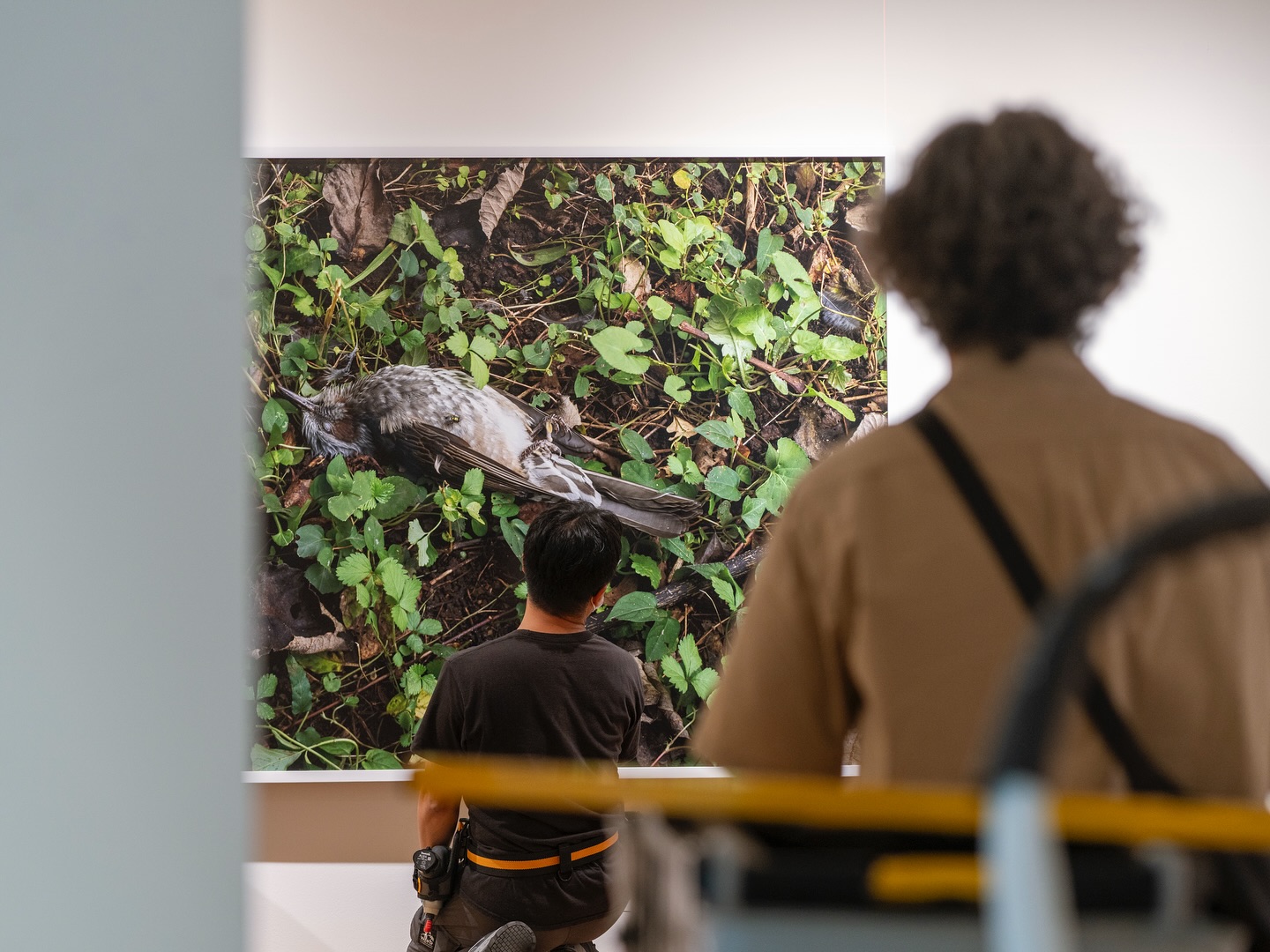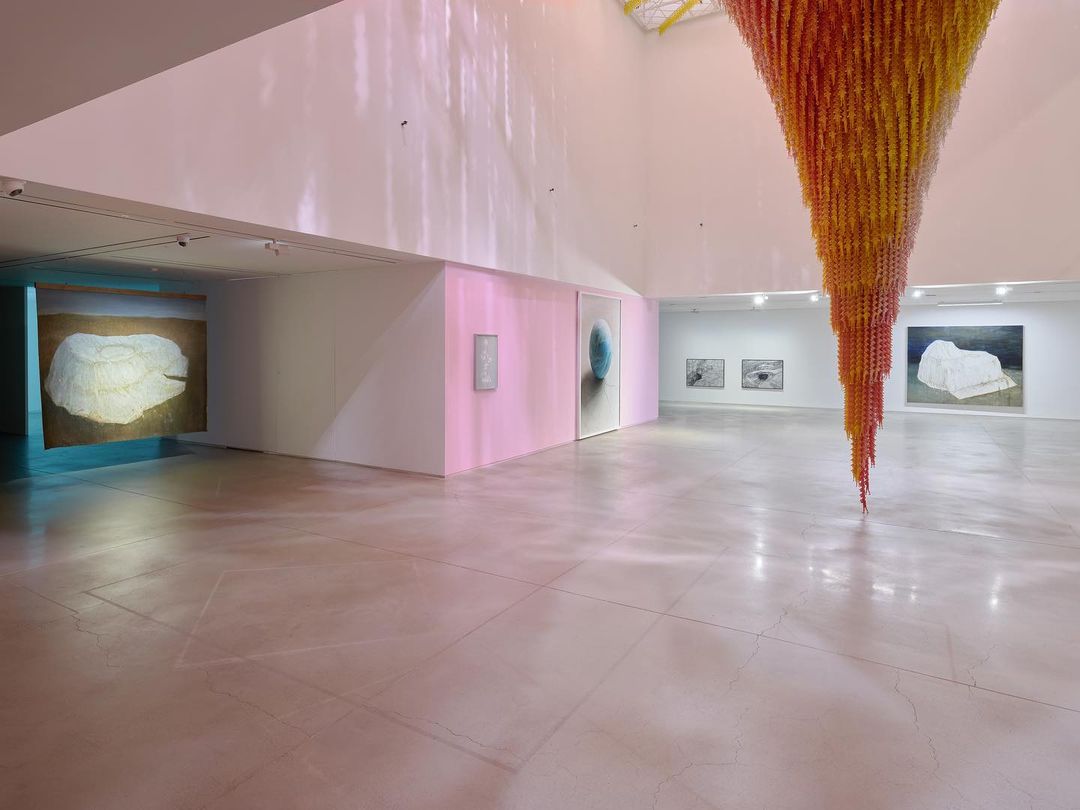


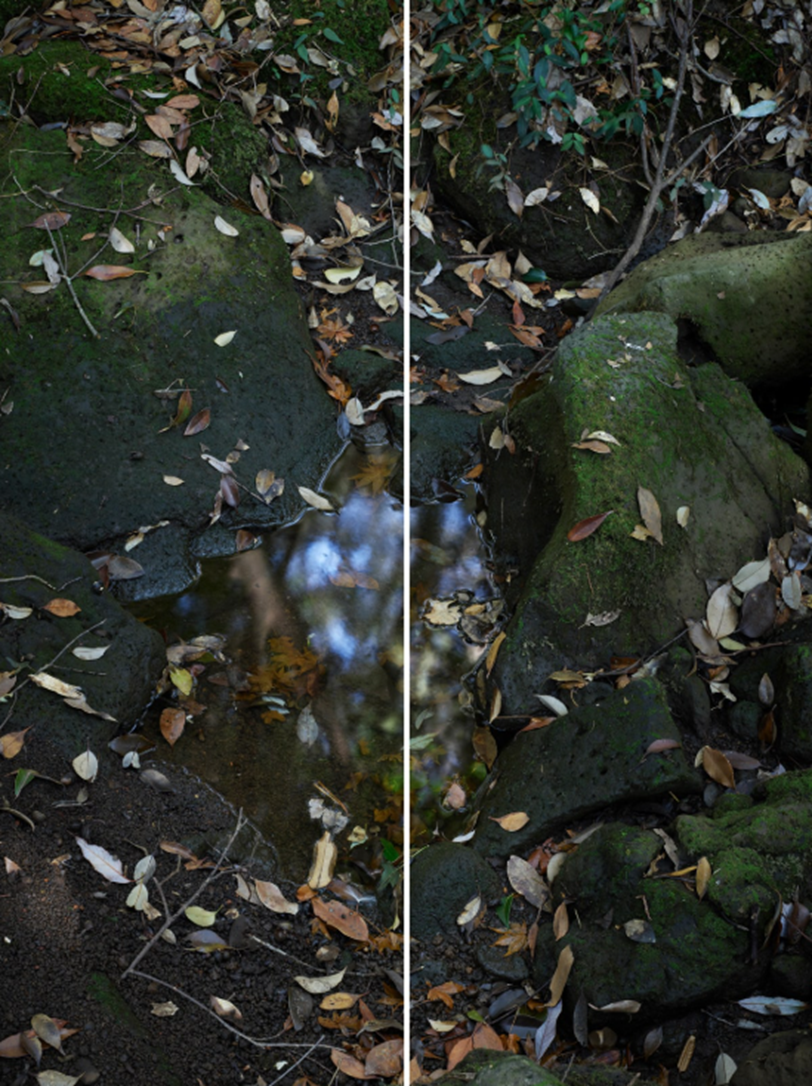
Chung Heeseung, Untitled, 2013, 131x170cm, Archival pigment print © Chung Heeseung

Appreciating a photograph and appreciating a painting may appear similar, yet they are fundamentally different acts. The only thing they share is the attempt to reproduce a three-dimensional world on a two-dimensional surface; beyond that, their mechanisms of representation are entirely distinct.

While painting reproduces the world through the human hand, photography reproduces it through the device of the camera—an essential difference that ultimately shapes how images are seen. Chung Heeseung has consistently focused on revealing this very specificity of photography through her work. Unlike many works that use a specific subject to convey a particular concept, Chung’s works remain distinctly metacritical.


Exploring the Inner Emotions of Actors: The ‘Persona’ Series

Chung’s inquiry into photography began with portraiture. Persona, which captures moments when emotions of grief expressed through acting surface onto the faces of actors—or when they become absorbed into their characters while reading scripts—questions whether a technological image like photography can truly capture a human’s inner self.

The word “photograph” itself contains, beyond the notion of objectively reproducing a subject, the implication of replicating the subject’s inner essence—its “true appearance.” Through photographing actors, Chung was attempting to probe whether such a thing is possible. Yet without prior information, viewers cannot know that the individuals in the photographs are actors, or that they are performing specific roles.

Regardless of the artist’s intention, the viewer’s only option is to examine the expressions as closely as possible and infer what they believe the artist intended. Here, the intention set by the artist infinitely diverges from the viewer’s interpretation.

Chung Heeseung, ‘Amy’_from the series Persona, 2007, Archival Pigment Print, 120x84cm © Chung Heeseung

《Improper Metaphors》: Presenting the Possibility of “Meaningless Meaning”

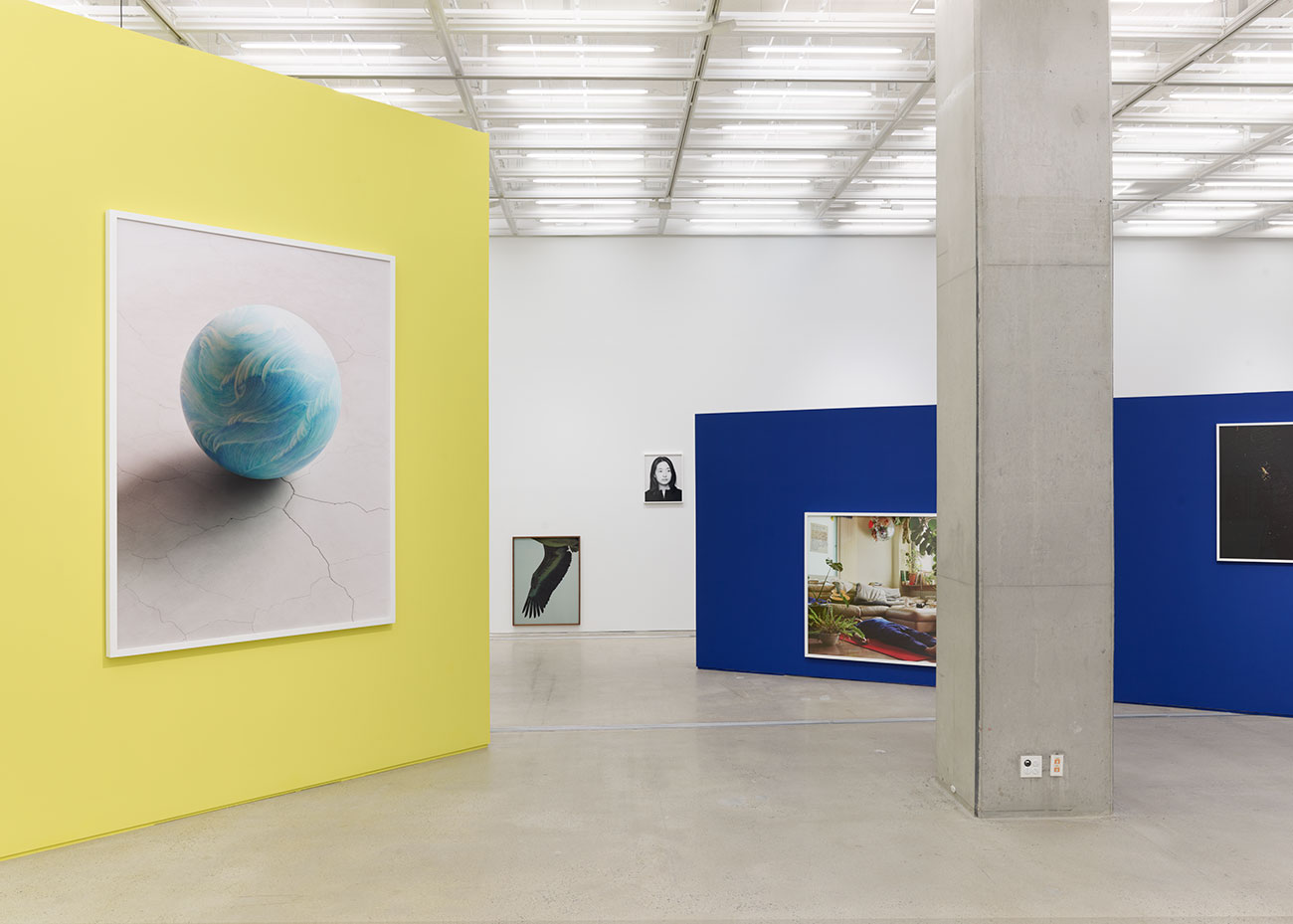
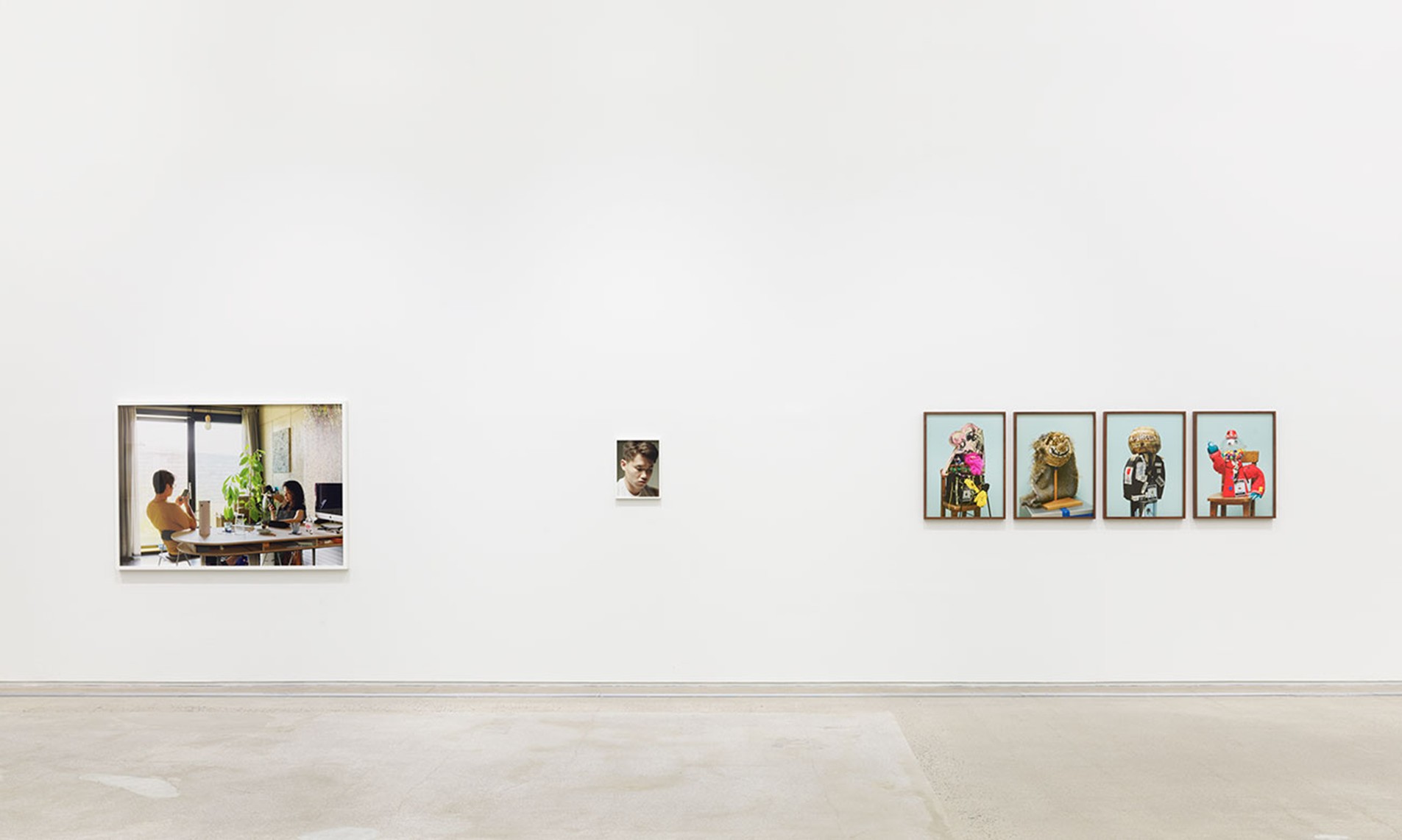
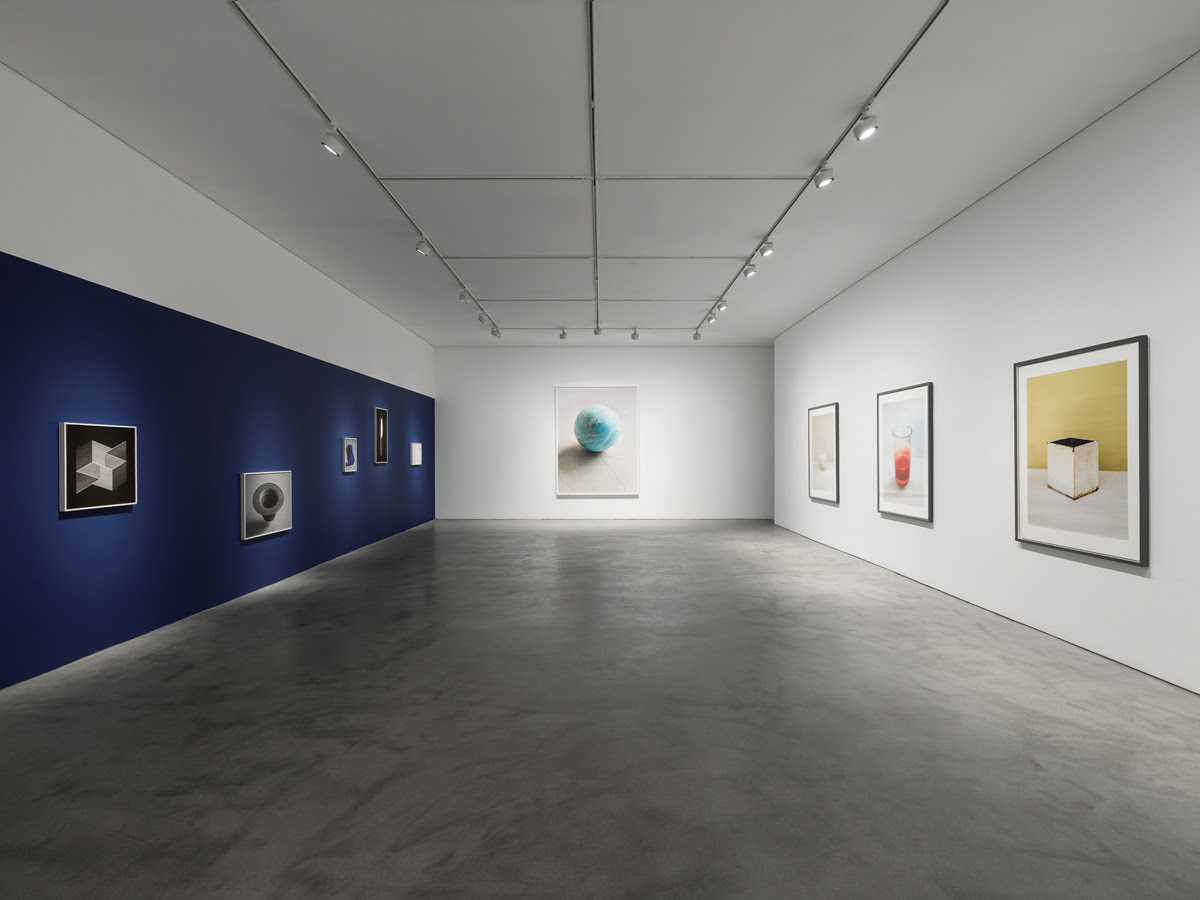
Chung later broadened her focus to still-life photography. Initially motivated by the belief that, unlike portraits, still lifes would yield more predictable results, she gradually became drawn to images created spontaneously or impulsively. What is it that catches the photographer’s eye, prompts certain arrangements, and ultimately compels the shutter to fix them permanently within a frame? Do these reproduced images of objects truly and fully record the artist’s intentions? And can those intentions be clearly communicated to the viewer? From early still lifes to 《Improper Metaphors》, Chung’s photographs are dense with such questions.

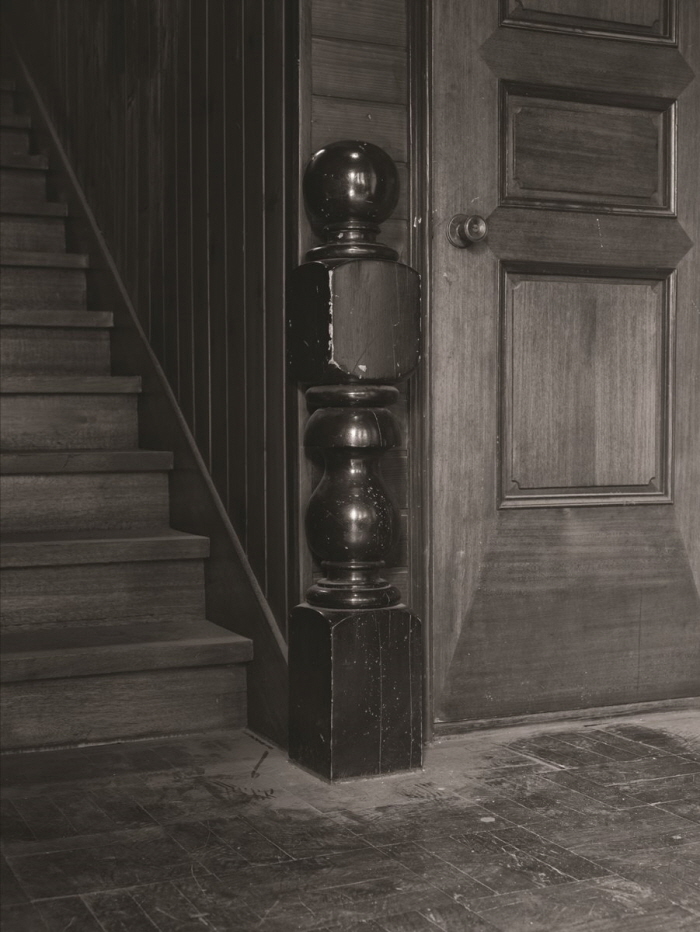
Indeed, she opposes the notion of equating the artist’s intention with the meaning of a photograph. Because viewers differ in how intensely and in what manner they observe subjects within an image, meaning cannot be fixed. Everyday objects such as old light fixtures, stair railings, or sinks appear in her works. Some photographs are hung upside down, instantly stripping the objects of their original purpose and prompting entirely new readings. Without providing predetermined answers, she instead presented an empty brass tube sculpture in the exhibition 《Improper Metaphors》 to suggest the “possibility of meaninglessness.” For Chung, the refusal to lock meaning into place is itself an essential characteristic of photography.


To See a Photograph Is to Read One’s Own Meaning

The fundamental characteristic of photography that Chung identifies becomes clearer when compared to painting, as mentioned earlier. To explore this, let us borrow several concepts from Vilém Flusser. As Flusser states, photography is an image wholly distinct from painting.

Painting is the reproduction of thought derived from direct confrontation between human and world—a state prior to the intervention of text. Having trained in painting, Chung also once described painting as an inherently physical and material practice, capturing this characteristic precisely.

Photography, on the other hand, is entirely different. It is created through the apparatus of the camera, which, unlike the brush, is not an extension of the human body. While the brush transmits the artist’s thought directly to the canvas, the photographer can produce images only within the programmed limitations of the camera.

More specifically, the photographer’s intention becomes confined by the programmatic language of aperture and shutter speed. Regardless of how truthful the photographer’s thought about the world may be, what viewers ultimately see is nothing more than a technical image produced by the camera’s program. A photograph lacks the physical trace of the artist’s hand; this absence fundamentally blocks any direct route to the artist’s intention. Although symbolic meanings can be inferred from the forms and compositions depicted, such interpretations inevitably vary from viewer to viewer.

Chung’s recent exhibition was titled 《ROSE IS A ROSE IS A ROSE》. The reason she gave this title to an installation of seven different rose photographs now becomes clear. She is stating that “photography is photography as photography is”—that is, a photograph is nothing more than a technical image produced according to its program. No matter how much the artist attempts to convey meaning through a photograph, what viewers perceive is not the artist’s intention but merely the trace of the subject reproduced by the photograph.

Therefore, to see a photograph is to read the meaning one creates for oneself—nothing more, nothing less.

References