1
After
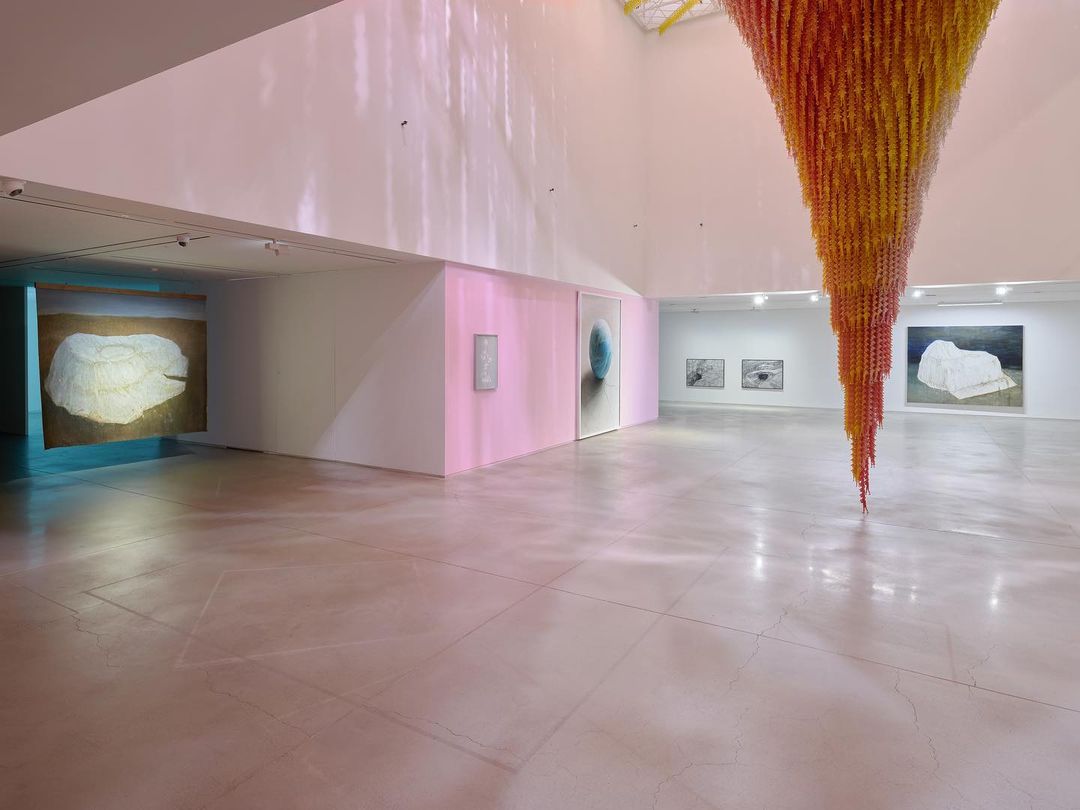
entering the museum, crossing several staircases and hallways, you step into
the gallery, where you are greeted by the sound of someone softly humming.
After rustling across the ceiling, the song sinks gently to the floor with a
muffled, murmuring sound, as if the speaker is turned against the wall.
Unlike
movie theaters, where people are generally forced to sit in a chair and stare
at the screen for a set amount of time, most art galleries and museums have
little nooks or byways where visitors can hide and avoid others. Although
artists will often try to gently grab people, pulling them into the dark
crevices of the works, many visitors simply brush away the artist’s grasp and
stroll indifferently through the space. Standing before an artist’s proudest
creation, people are still free to check their phone, step back to look for
tiny flaws that the artist hoped to hide, or continue in the flow of the
exhibition. All of these dizzy and discordant movements among the distracted
viewers interfere with the artist’s intentions.
Merrily,
merrily, merrily, merrily
Life is but a dream.
But
no one can avoid the sound, which rolls like waves to flood the space. The
repeating voice of sunwoojunga instantly arouses a peculiar sensation of
simultaneously rising and falling, like riding a roller coaster in slow motion.
No matter where you turn or look, you are entwined with the voice. Looking at
the photos and listening to the music, our two senses alternate between joyful
symbiosis and anxious disagreement with every step.
Chung
Heeseung once said that the biggest attraction of photography is that the scope
of one’s creation is limited to sight. Of course, vision goes beyond merely
receiving light with the eyes, since seeing something requires a system of
perception to understand it.
So,
what can we really see? Compared to the infinite complexity and liquidity of
the world around us, the amount of information that our vision processes is
infinitesimal, even pitiful.
This
deficiency is due not only to the limits of the flesh, but also to the limits
of interpretation. Humans may be the only species that must create virtual
constellations (and their originating legends) in order to process the
inscrutable stars in the night sky. To understand the world, we must transform
it into signs that we can recognize. Our process of perception inevitably
involves refraction, meaning that the vast abundance of information that we
cannot understand is left scattered.
Perhaps
this is why the expectations for photography were so high in the early
twentieth century, when people like Walter Benjamin thought that the new media
might have the power to prevent catastrophe. For Benjamin, the increasingly
complex processes of capital, goods, production, and consumption made the
structure of reality almost impossible to decipher.
But somewhat paradoxically,
he viewed the innovation of photography as a ray of hope, believing that
mechanically produced images indiscriminately captured on a photosensitive
plate could reveal details that the human eye could not perceive. Benjamin
compared Eugène Atget’s images of the empty streets of Paris to “photos of a
crime scene,” feeling that the minute details recorded in the photos would one
day revive like embers, serving as clues to disclose the structure and fallacy
of society. Benjamin himself read and re-read the data of the previous century
in search of a lifeline to rescue tradition from capitalism.
At
that time, of course, photography was still quite strange and new. The camera
unwittingly transformed everything from the present into the past, showing
fragments of bizarre and absurd mechanical imagery, rather than the neat and
precise imagery that humans believed that “they were seeing.” Photography
demanded a fundamental change in the way people saw, which is why Benjamin felt
that it had the potential to break through layers of time and reach those with
keen vision.
Again,
that was a long time ago. Since then, we have developed powerful tools to help
us understand these raw, unrefined images. Today, inserting a photo into one
side of a machine assembled with tools such as semiotics, structuralism,
psychoanalysis, Marxism, and history will cause a plausible explanation to be
printed out on the other side. Photography has now become so familiar that we
have no difficulty in dissecting the implied meanings in its details.
But
this is where the problem starts. Are these tools adequate? Can the language of
discourse provide enough resolution to explain a single photograph? Are there
still artists who believe in the wonders and possibilities created by light and
lenses? If so, how do they behave? Maybe all they can do is run away. They can
set up a few traps to prevent their images from being easily interpreted and
then take refuge in a place where they can claim to not know the answer. They
can pretend that these images are not just the result of a thought experiment.
They can argue that no matter how incisive the discourse, some part of every
photo remains beyond comprehension, like a skeleton.
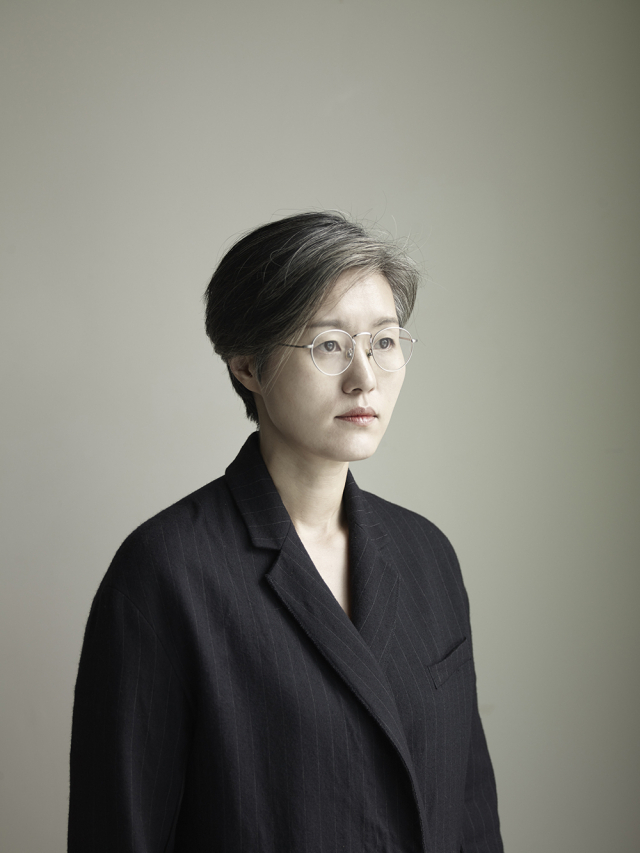
Chung
Heeseung’s reasoning for being attracted to photography provides a crucial clue
for understanding her works. Significantly, she is not particularly interested
in the ways that her photographs connect with our external knowledge system.
Instead, she seeks to liberate the possibilities of vision, using photography
to see more, and to see more clearly. Concentrating our full perceptive
capacity into our eyes and rushing towards an object like a being with no body,
we generate intense pressure that causes all of the other senses, as well as
the artist’s intentions, to dry up, turn white, and flake away.
This
mode of creation recalls “slow reading,” which was promoted at the end of the
twentieth century by writers confronting postmodern theory and criticism.
Citing the inherently unfathomable elements of writings and sentences, this
approach shuns the use of discourse in favor of deliberate focus on the object
until something essential rises to the surface. This attitude also restores
faith in the visual possibilities of photography, resisting the notion that
photography is already outdated and thus subject only to archaeological
investigations, like “What was photography?”
So
what did this artist hope to gain by having a song float over the photos in the
gallery?
2
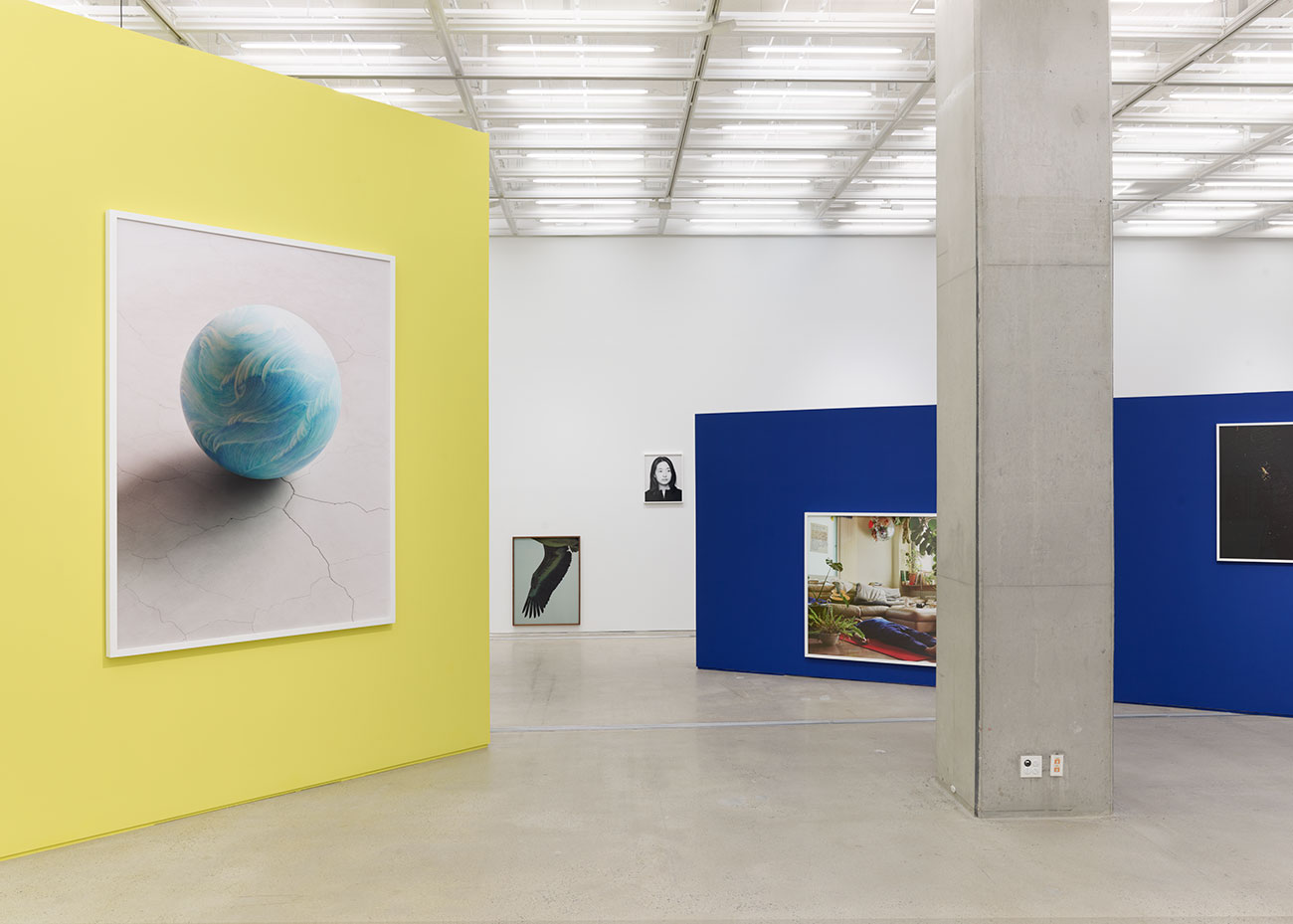
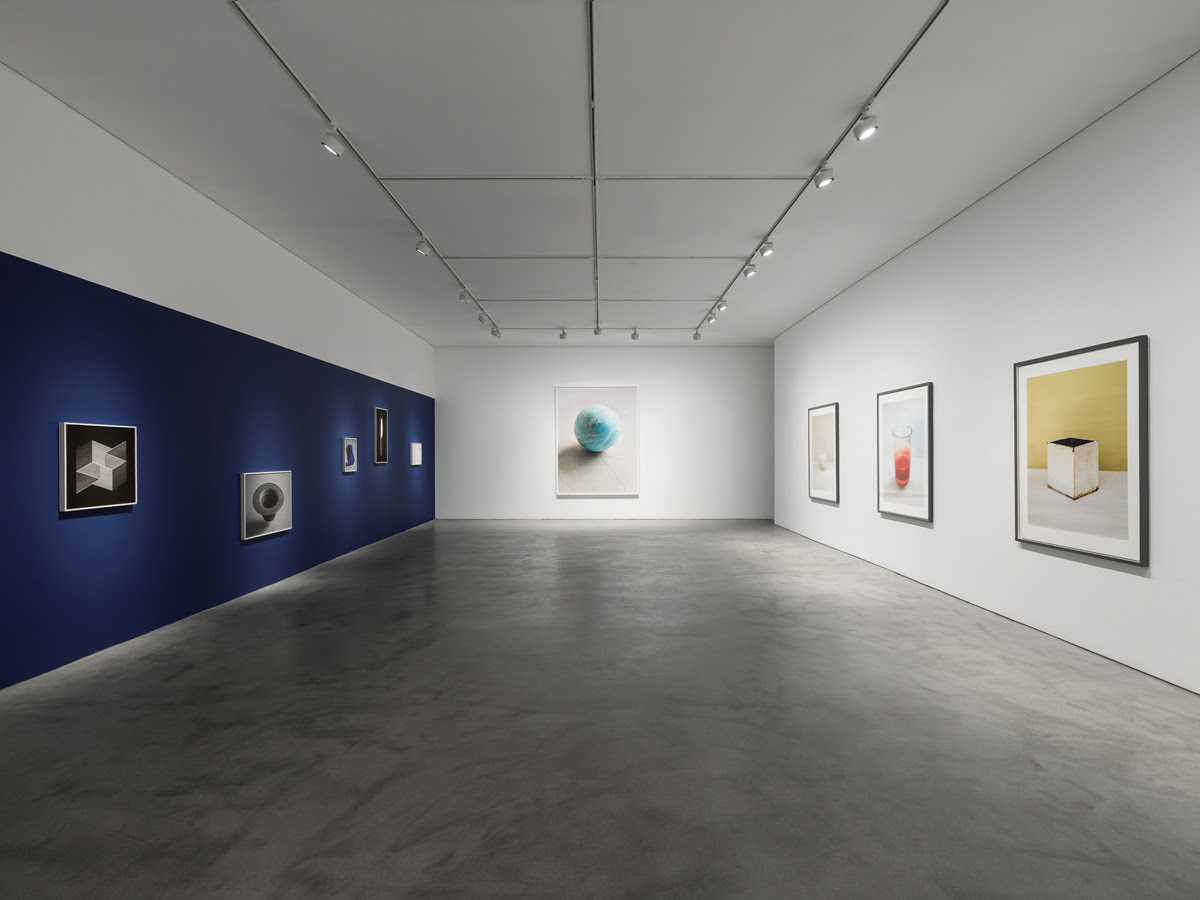
Inside
the long rectangular gallery, two pillars and four freestanding walls stand at
oblique angles. If we could peer down from above through the ceiling, the room
might resemble a giant pinball machine. Many photo exhibitions incorporate
freestanding walls, which typically serve to temporarily divide a large space
into smaller viewing areas. While such structures are quite mundane, they at
least serve a logical purpose. For example, an exhibition can be divided into
four areas, yielding a sequence much like the introduction, development, turn,
and conclusion of a novel, or arranged into sections dedicated to specific
works or topics.
But
rather than delineating the space, the freestanding walls of Chung Heeseung,
which jut out from one another at odd angles, only induce visitors to get lost.
People who treat this like a conventional photo exhibition and follow along the
outside walls will eventually find themselves at an ambiguous crossroads.
Moreover, the freestanding walls are painted in bold colors that react with the
large, intense photographs, ineluctably drawing people from across the room
like some type of signal.
Being
conditioned by previous exhibitions, some people still try to walk in one
direction around the outer walls, but they soon reach a fork in the road that
demands a decision. From this same spot, people are thrust along different
paths depending on their speed and rotation, just like pinballs.
Bouncing
dizzily around the gallery, they might pass by the same corner over and over,
while missing other areas entirely. Within this irregular space created by the
freestanding walls, the photographs gaze down silently, watching the audience’s
movements.
As
a written work, the space is more like a collection of loose cards in a box,
rather
than a bound hardcover book. In most photo exhibitions, the individual photos
are carefully woven into an aggregation of thought and effort to convey the
artist’s intentions. The size and spacing of the photos are elaborately
adjusted in accordance with the walls to help the distracted audience
concentrate. Also, a certain rhythm is devised, like crouching low before
quickly leaping, to provide the audience with the sense of a visual climax.
In
contrast, this exhibition generates a new narrative each time the cards are
shuffled and re-dealt. Of course, the narratives that arise through the course
of getting lost are likely to be confusing and tautological, but isn’t
photography itself like that anyway? In fact, isn’t it too contrived to try to
suture the traces of accidental intersections in myriad times and spaces into a
single story?
The
information that Chung provides to help the audience formulate the narrative is
very limited. The photos of her fellow artists were taken by Chung herself, in
an effort to document their struggles to survive and make a living within the
art field. We are all very familiar with such stories of hardship, and might
even imagine ourselves in the roles of these characters. After all, don’t most
people working a humdrum job in industrial society secretly believe that they
have the soul of an artist?
This
belief is a type of worldview shared by the artists who have been photographed
and hung on the wall for the audience to look at. The world keeps spinning
according to its own logic, but we still do not understand its mechanisms. Like
characters in a Kafka novel, we are thrown into the center of a labyrinth with
a structure that is too huge for us to comprehend. Rather than searching for
the exit, many people in this situation punish themselves by continually
questioning how they wandered so deep into a realm of vague anxiety.
This
exhibition unwittingly reveals that galleries and museums are constructs
comprising a seamless mixture of dream and reality—just like society as a
whole. Chung’s fellow artists are bound on the wall in the form of photographs,
for the audience to casually wander among and observe. Their situation embodies
the anxiety and hope that subjugates humans to the system.
In Kafka’s The
Metamorphosis (Die Verwandlung, 1915), even after waking to
discover that he has been transformed into a bug, Gregor Samsa’s primary
concern is not how to change back into a person, but how to go to work with his
new insect body. His anxiety over being evicted from the system that suppresses
him and his hope that he can remain in the system by enduring some pain are
different names for the same emotion. As artists, Chung’s subjects are
suspicious and sick of the system, yet they do not want to be thrown out of it.
The landscape of this twisted mindset provides the basic structure for this
exhibition, getting lost in a narrow maze.
3
The
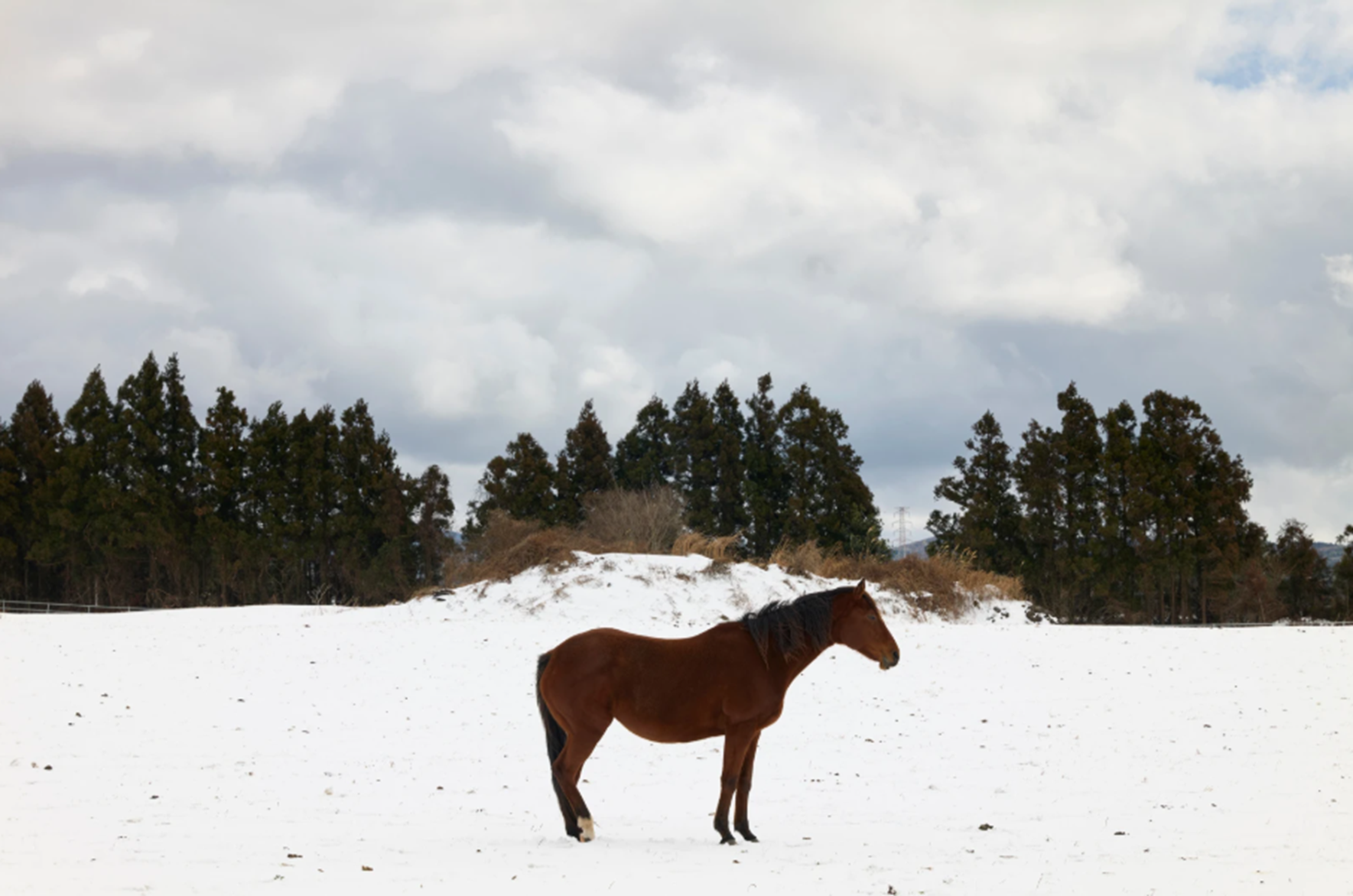
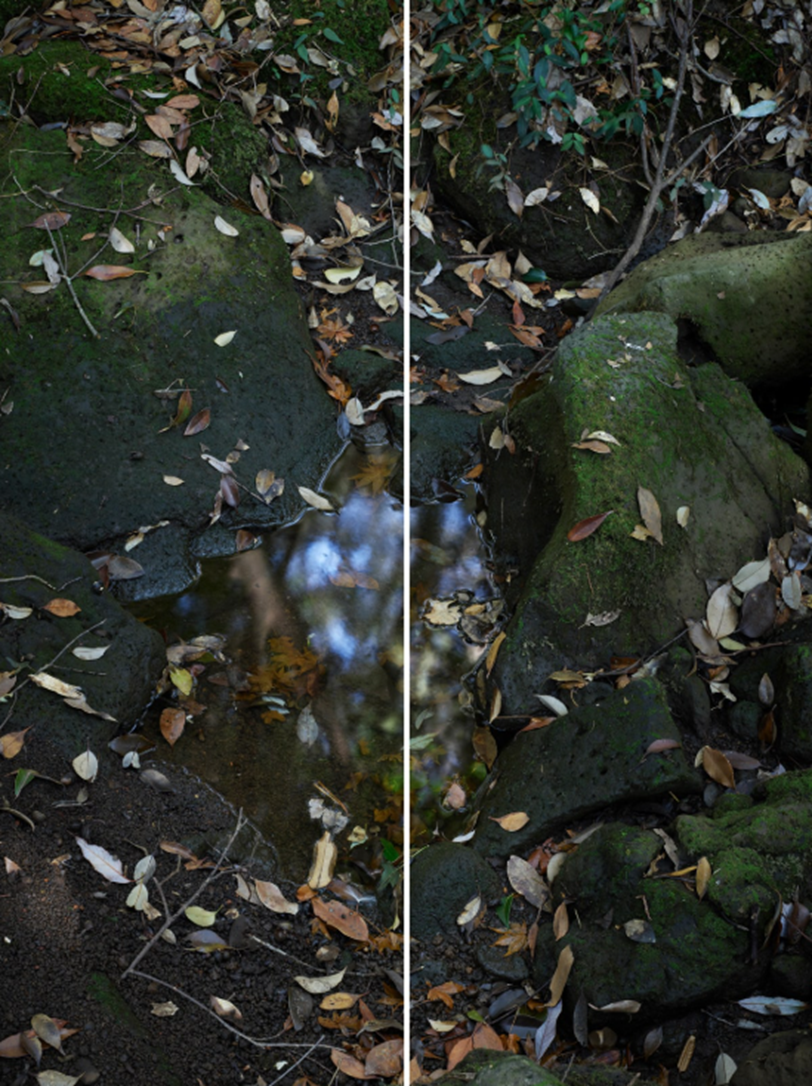
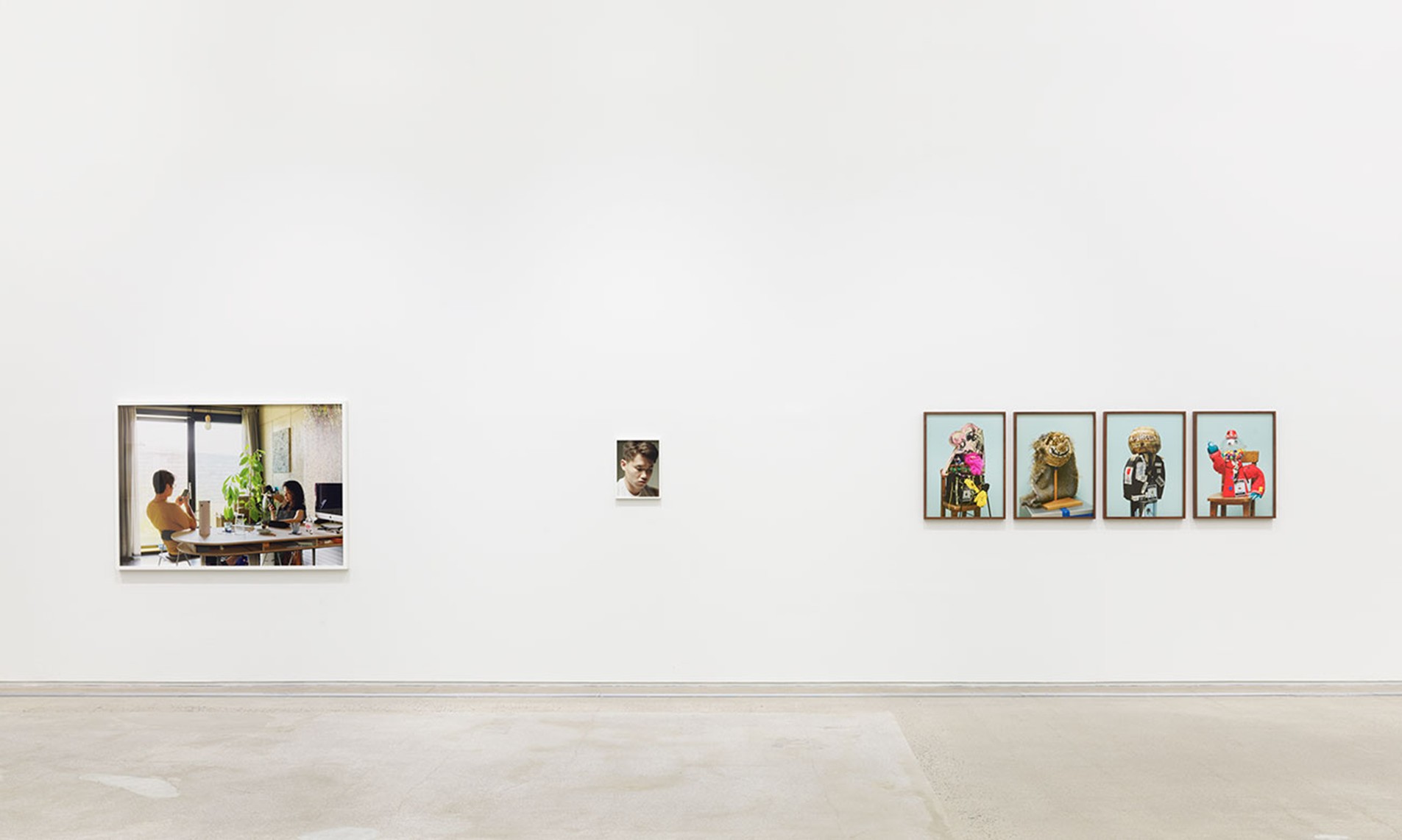
displayed photos are diverse in every aspect: some are black and white, some
are color, some are taken in sunlight, and some with artificial lighting. The
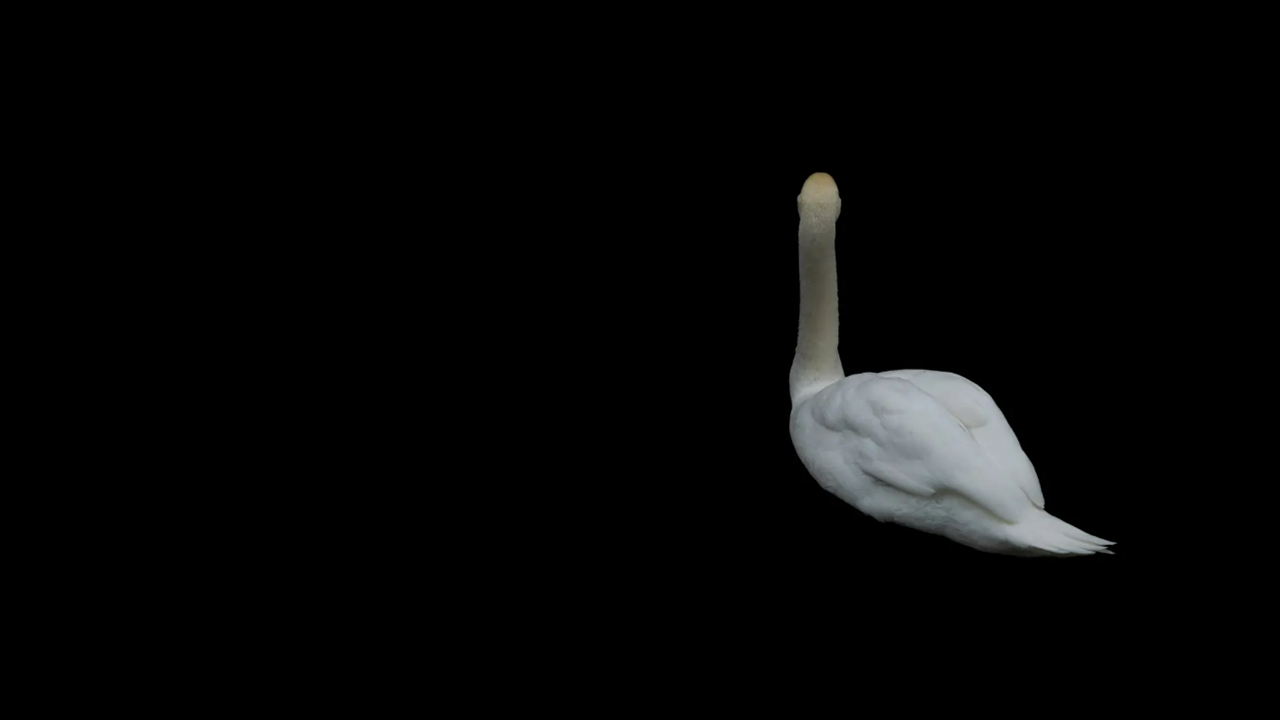
photos show people, animals, fish, insects, flowers, dolls (resembling
scarecrows), pills, beads, stairs, paintings, hands, wings, and more. Some of
the people look directly at the camera, while others look away; some are
looking at their phones, some are wearing or holding masks, and some look like
shady businesspeople.
It
is difficult to surmise the specific context of the individual photos, since
all we know is that the project as a whole focuses on Chung Heeseung’s artist
colleagues. Conscientiously adjusted and arranged in terms of size, color,
height, spacing, etc., the photos could be materials eliciting vivid stories,
or peepholes offering a glimpse into the private spaces of these artists.
What’s
clear is that the photos are very different from the traditional “artist
portraits.” In addition to taking the photos, Chung also interviewed and spent
time with her subjects, but this process by itself does not set them apart from
conventional portrait photographs. However, the characters in her photos do not
seem to act or look like traditional artists. Browsing the images, we never get
a sense of who they are, how grand their artistic ambitions may be, or how deep
their internal wounds.
With
the invention of photography, people quickly became adept at posing for the
camera. From the beginning, photography has been posited as a medium that
nullifies time and space, with the capacity to bring images of distant places
into our home or to summon moments from the past into the present. Thus, being
photographed has always meant becoming an image of yourself that can then be
exposed to an unspecified number of people.
Within
this overall phenomenon, artists have been tasked with “looking like an
artist.” Before photography, no one felt he need to know what William
Shakespeare looked like (beyond the few who actually knew him), and Rembrandt
could freely shape and modify his appearance through his own choices as an
artist. Since the invention of photography, however, most artists have been
forced in front of photographers to have their likeness generated in the blink
of an eye. While some writers, such as William Faulkner and Vladimir Nabokov
(Bладимир Набоков), asserted that they did not want to leave anything behind
but their books, few have succeeded in avoiding the camera.
How
does an artist attempt to look like herself in front of the camera? After all,
what is the self, and can it really be represented in a photograph? Addressing
this confusion in Camera Lucida (1980), Roland Barthes wrote, “In
front of the lens, I am at the same time: the one I think I am, the one I want
others to think I am, the one the photographer thinks I am, and the one he
makes use of to exhibit his art… Because of this, each time I am (or let myself
be) photographed, I invariably suffer from a sensation of inauthenticity,
sometimes of imposture.”1 As soon as the camera is pointed at
us, we must confront our divided self, which ultimately seeks to deceive.
Barthes
also believed that the self is light, fragmented, and dispersed, while the
image is heavy, immobile, and persistent. Notably, Barthes himself (who
addressed the “death of the author” in 1967, long before he wrote Camera
Lucida) suffered from some compulsion in front of the camera. In order to get a
plausible artist’s portrait, one must round up all of the unruly selves that
are running around in anxiety and then cram them in a container called
“artist.” How exhausting it is to be ourselves.
One
of the few places where such images of an artist still work is the institution
of the museum, which by now might seem like a ridiculously old and monstrous
body. The gallery where we stand could be the eye of the museum, staring back
at us. Or perhaps the mouth, where we step on soft, damp areas while various
smells emanate up from the stomach.
To
avoid dropping out of the system, one must become a part of it. If you follow
the long neck of the museum that is connected to this gallery, moving towards
the intestines, about halfway down you will find the old artists who have now
become the system. These are the artists who once believed that they could
escape the banality of the world through their artistic practices, and those
who felt that the world was not a narrow maze, but a wide stage of
possibilities where they could display their “self.”
If you were to gather all
of the portrait photos of artists from the museum’s storage and make them into
an exhibition, it would look completely different from Chung Heeseung’s
exhibition. To a certain degree, all of the people in those portraits will
truly “look like” artists in the way that we envision. For example, Picasso
compared himself to the Minotaur when he was photographed, but anyone who saw
his photo without knowing who he was would only see an old man with thinning
hair and a rather nasty look in his eyes.
4
Along
the walls of the gallery are long, thin white shelves holding postcard-sized
pieces of paper, each printed with one of thirty-three “typography poems”
created by designer Park Yeounju. These “poems,” which resemble haikus, are
actually short snippets of dialogue from the artists in the photos. Although
their content tends to be rather petulant or self- deprecating, they still
arouse the visitors’ curiosity because of their elaborate design.
But
even the most acquisitive visitors will find it very difficult to read and
collect all thirty- three pieces of paper, and even if they do, they will not
be able to connect the anonymous words with the artist who said them. By
closely studying the photos, one might be able to make a guess about who said,
“Lying around all day /That ass / Living life to the fullest” but there is no
way to know who said something like, “Pushing and pulling/To see it become
minimal /To the extent / It is now disappearing”
Because
of their short length, haiku poems elide the boundary between speaker and
listener, and thus between self and others. For example, in the famous haiku by
Matsuo Basho —“The old pond/a frog jumps in/the sound of water”—where are the
speakers and listeners respectively located? The voices are undifferentiated,
gently hovering like a mass in the air.
If
you were able to find and read every “typography poem” in the exhibition, you
would realize that all of the subjects have purposely removed, which is a step
beyond even traditional haiku. It is not only impossible to connect the poems
to the artists, but also irrelevant. Like clothes for paper dolls, the words
can be arranged to fit anyone, even if they usually end up looking awkward.
But
this is not to say that the meaning or role of the poems in the exhibition is
insignificant. The anonymity of the words simply implies that Chung Heeseung
does not trust the inner mind of an artist, which was once a sacred realm of
infinite possibilities, whether we like it or not. None of the thirty-three
pieces express anger or lament the struggle against fate. When internal
motivation loses its force, what is left for an artist in a world that is like
a narrow maze? Can they only endure the individual existence of the self,
endlessly repeating the rise and fall?
I
don’t know the answer. I would also like to note that the words written on the
paper look a little like jokes. There are two possible reasons for this. First,
comedy is much more hopeless than tragedy. While tragedy shows people
overcoming adversity and moving forward, comedy stops at revealing the
emptiness of laughter derived from contradiction. Second, these words represent
points that are very old, but continue to persist. The moment we accept that
the work of an artist today is not to disclose the inner mind, but to endure a
world without possibility of escape by persevering through the self, we will
finally be able to begin exploration.
As
mentioned, Chung Heeseung is an artist who has sought to remove anything
obstructing vision from her works, delicately excising them to reach the state
where “meaning has not yet arrived.” So again, what did she hope to gain by
putting this exhibition to music? Maybe she has changed her mind, and is now
hoping that the visual and aural perceptions might mutually stimulate one
another, leading to a certain climax, like a Hollywood movie.
Probably
not. Filled with compassion, the rustling voice of sunwoojunga constantly
whispers in our ears, imploring us to keep rowing. There is another major
difference between a movie theater and an art exhibition. At the theater, when
the movie is over, the credits roll and the lights come on, letting everyone
know that it is time to leave and return to their daily lives. At an art
exhibition, on the other hand, we can wander around the gallery for as long as
we like, just like the artists who unavoidably walk around the world, merrily,
merrily, merrily, merrily.
1
Roland Barthes, Camera Lucida: Reflections On Photography, trans. Richard
Howard (New York: Hill and Wang, 1981), 13.