All
things that exist have images. As artists, we are forever reaching out to grasp
their true nature and their meanings. We define each of the things that our
fingertips touch, frustrated at our inadequate vocabulary and style. The
relationships and gaps between the essence of these objects and their images,
and our ceaseless efforts to capture them: these are the subjects of Chung
Heeseung’s photographic inquiry. Going a step further, it can be said her
photographs are recognized as complete images in their own right, independent
of their subjects. She shows us that photography is not about proving the
physical existence of subjects but about granting independence to the
properties of images that exist as part them.
Over
the past 10 years or so, Chung’s photographs have captured the special feel of
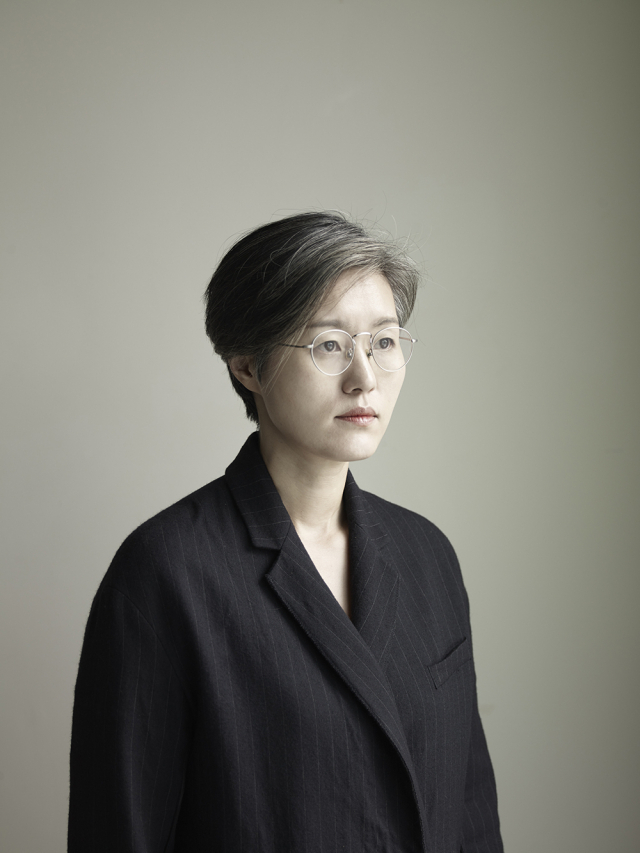
various subjects including people, objects and spaces. Beginning with portrait
series such as Persona, Reading and Ghost,
she has captured historical space in photographs through still life works
including Still-Life, Tender Buttons, Rose is Rose is Rose,
Disappearance, and Remembrance has rear and front.
It
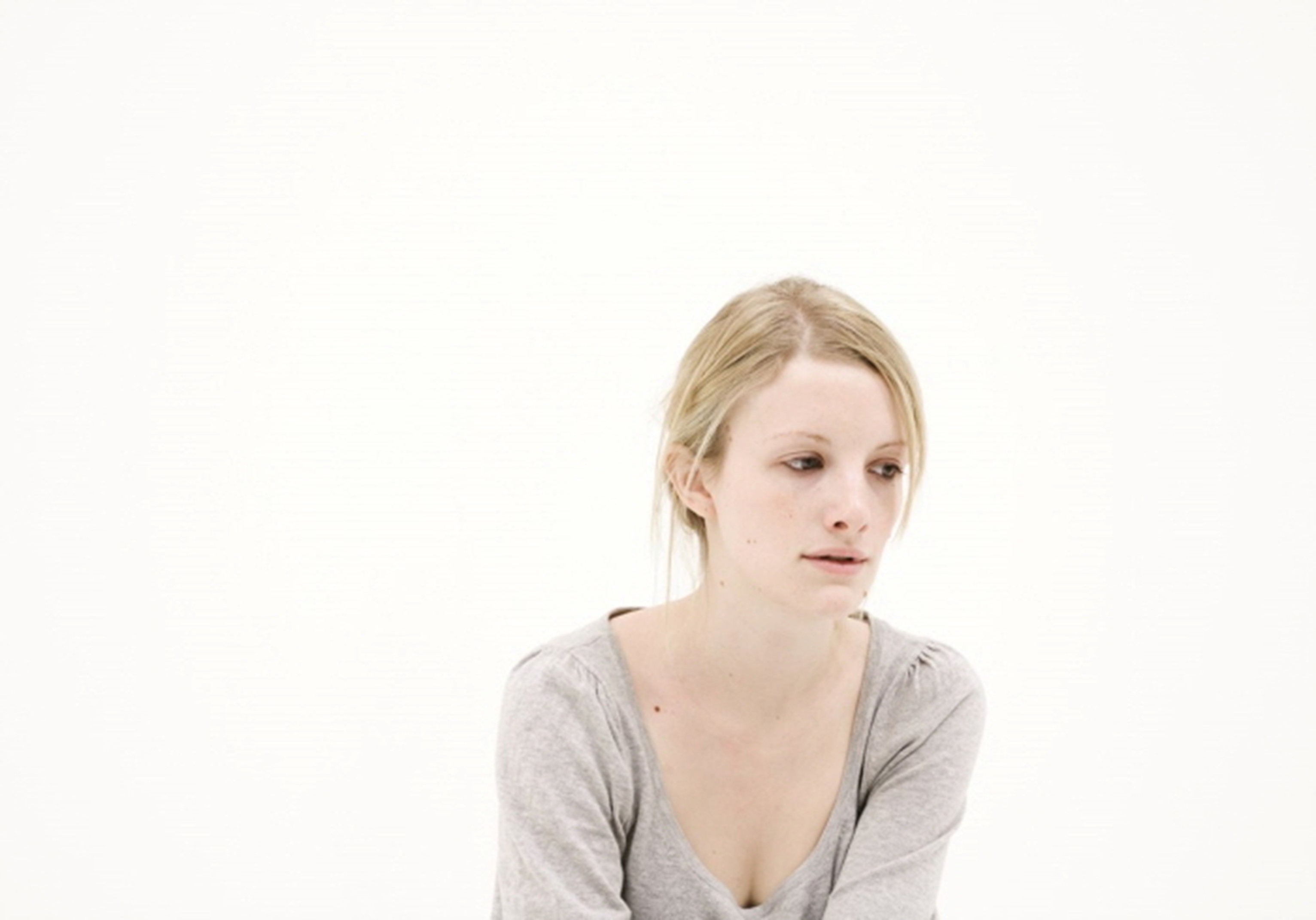
seems appropriate to label Chung’s first series, comprising portrait works,
under the common title Persona. As the artist herself has
stated, these works explored the relationship between masks and faces, taking
people as their subjects. Chung further divides the processes involved in these
series, explaining that Persona uses the performance of
actors in a tragedy to address the ambiguous boundaries between reality, the
stage, absorption and self-revelation, while Reading focuses
on and attempts to capture this process whereby actors reading a script
repeatedly read out the language of others until it becomes an act of losing
themselves Ghost is a reference to mid-19th-century portrait
photographs; it investigates the emotion and untraceable nostalgia (which may,
according to Walter Benjamin, become an aura) found in works produced in the
period of approximately 15 years between the invention of photography and its
commercialization.
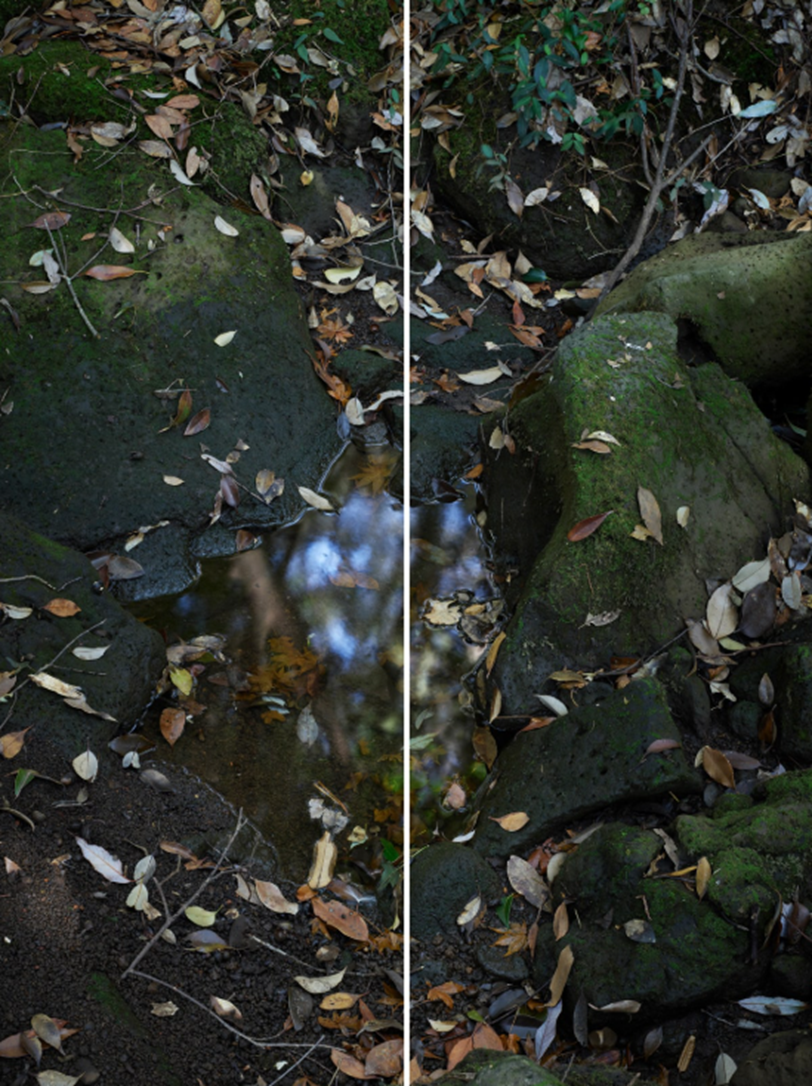
To create these works, a kind of homage to the emotion of
early photographs that has been lost in their counterparts today, Chung used a
large camera and sliding plates to produce two stereo images taken at slightly
different times and for different durations; this work was done with the
production process of 19th-century daguerrotype portraits in mind. The
relatively long filming times made the models’ gazes turn further from the
camera and towards their inner selves, thereby attempting to get involved with
the subject, in contrast to practical and superficial depictions. Referring to
these works, Chung has stated that she also depicted surfaces, but that what
interested her was those that manifested themselves as symptoms of internally
occurring psychological changes.1
Chung
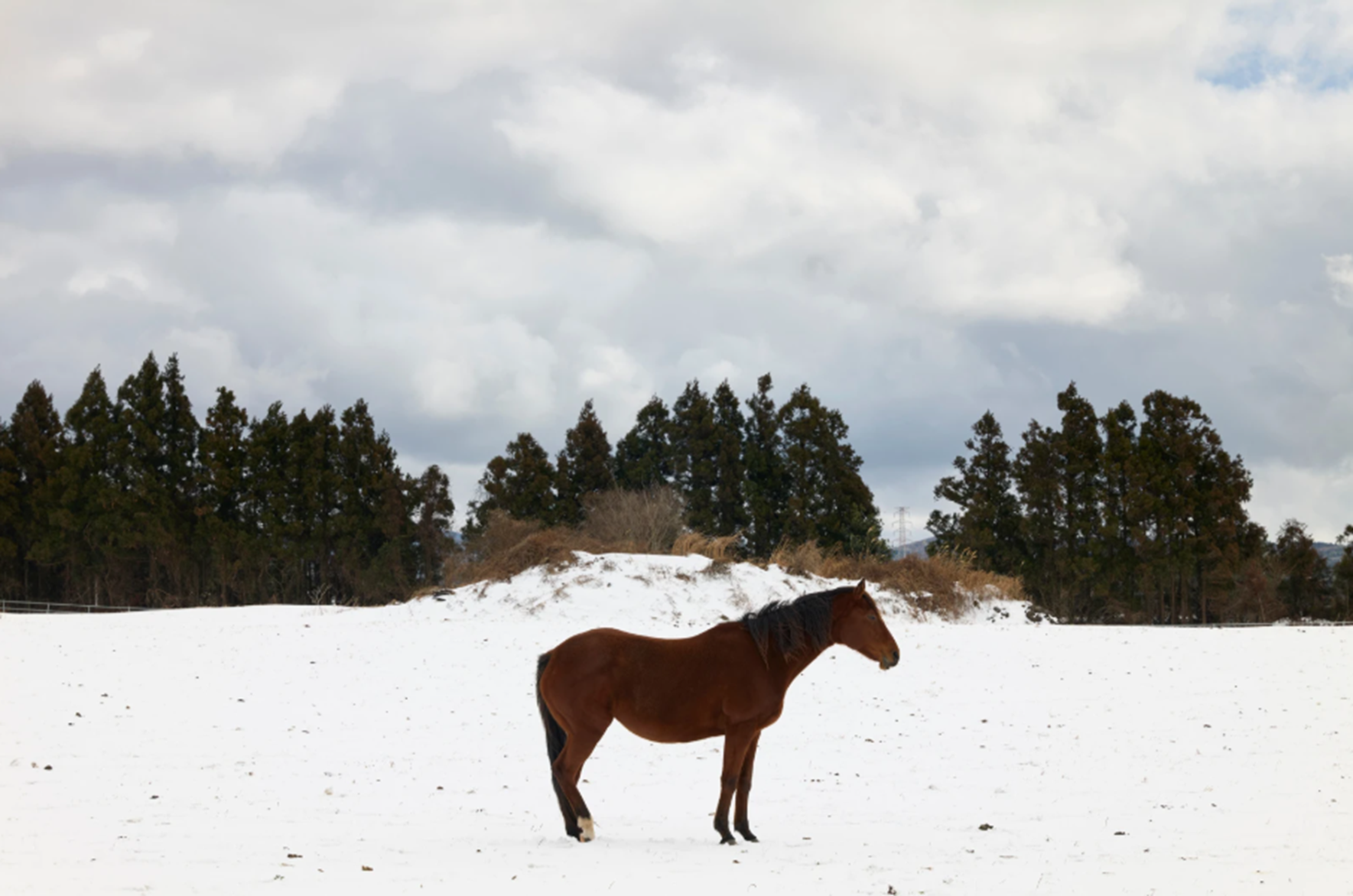
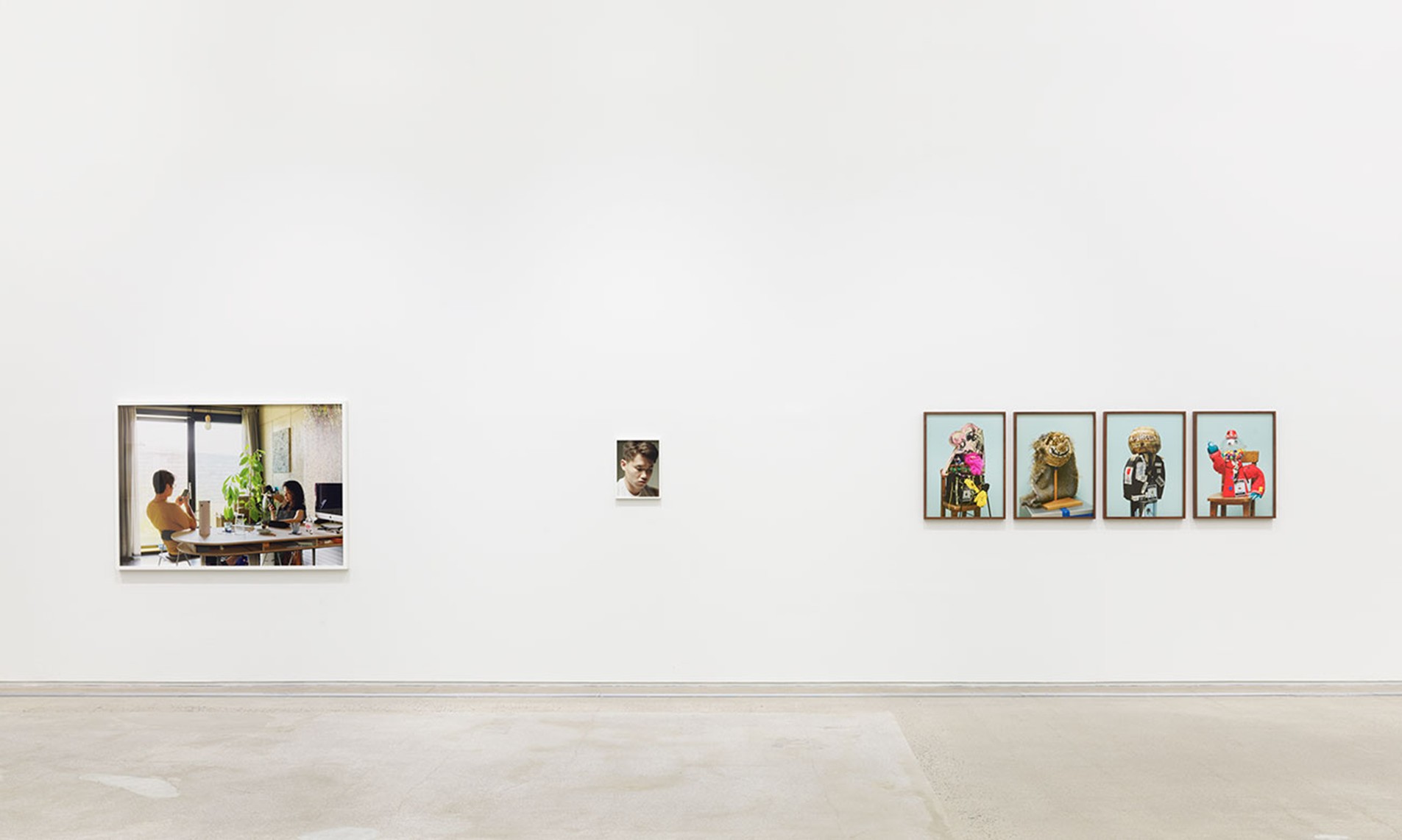
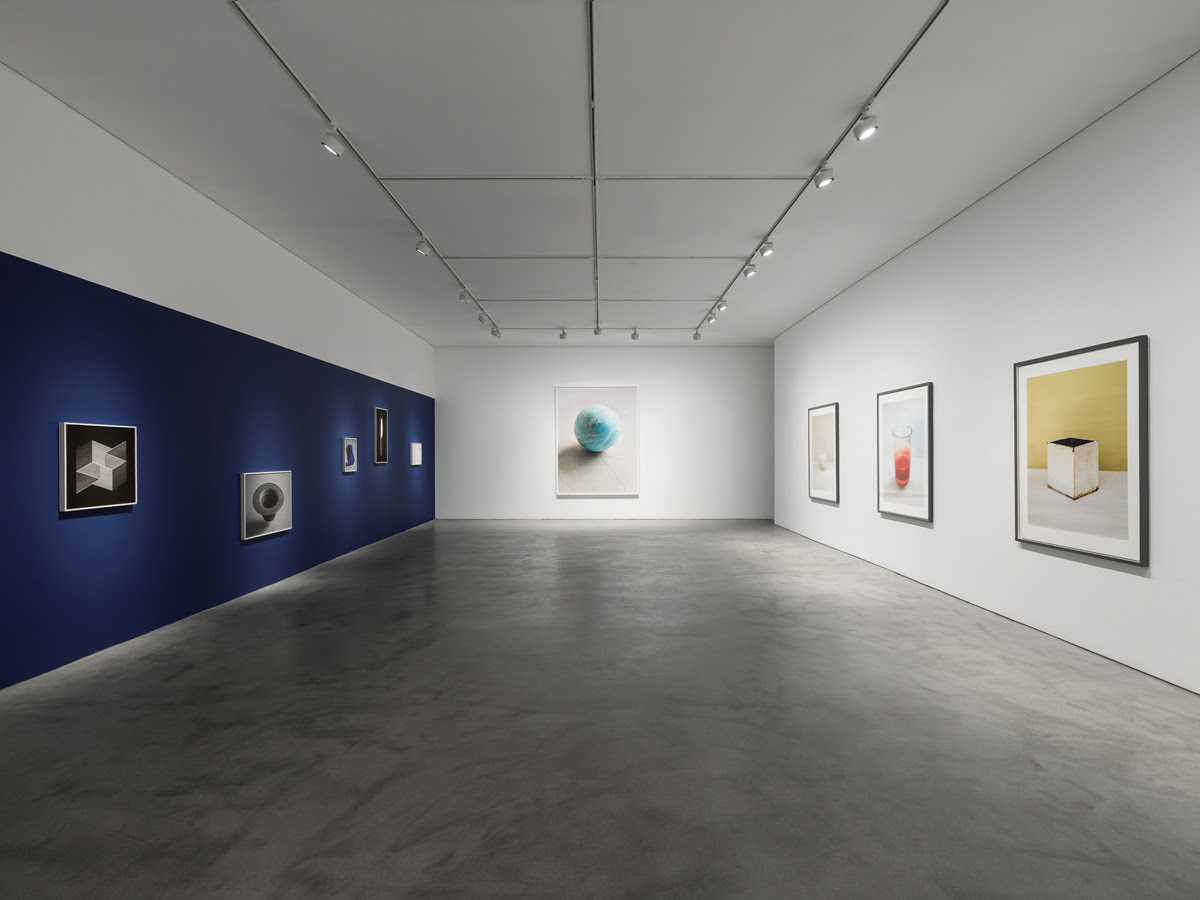
Heeseung’s Still-Life works are photographs taken of various
objects around her. Here, she presents and arranges them in ways that differ
from their original meanings, showing them as unfamiliar images or a single
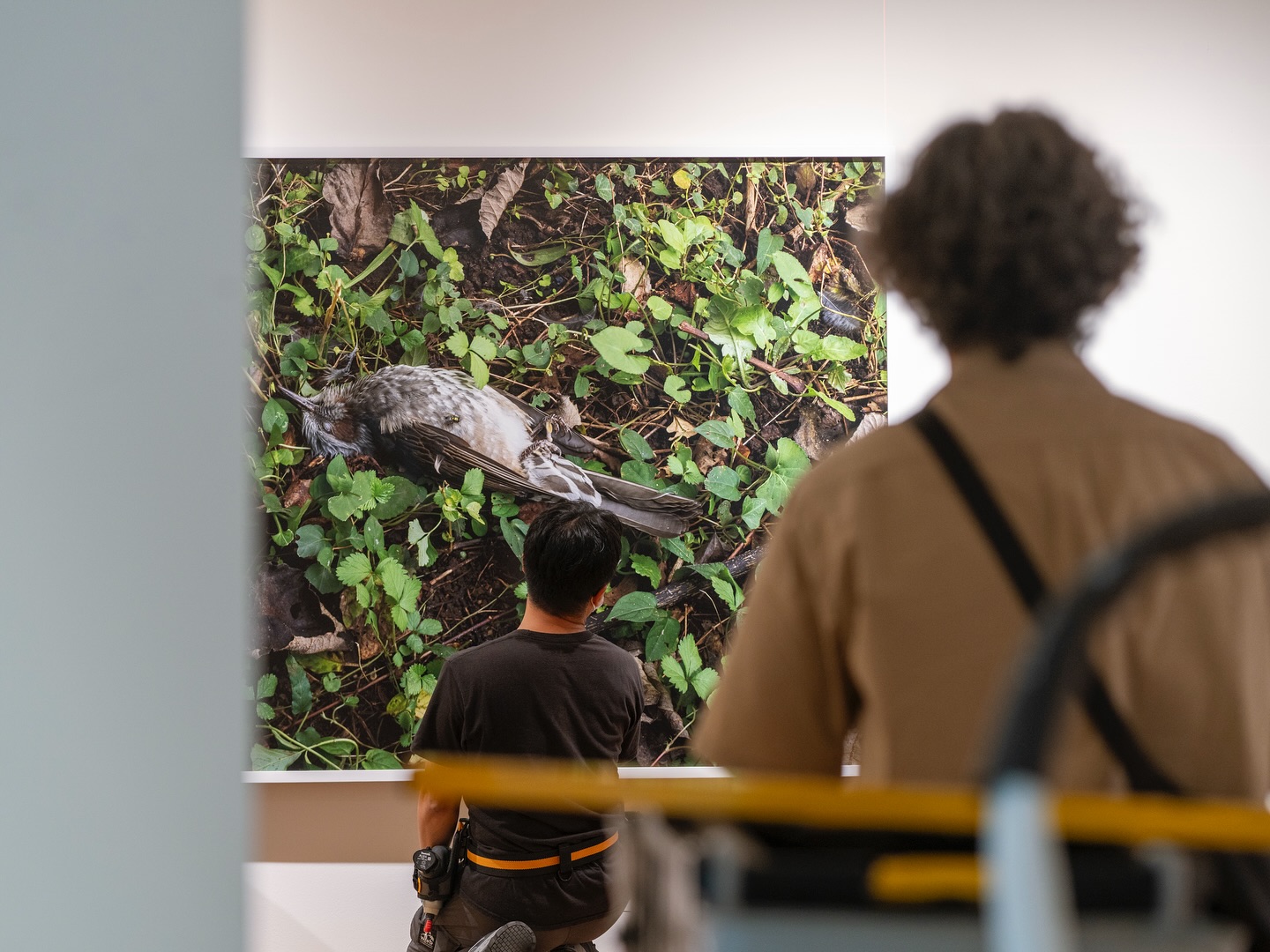
objet; in the Rose is Rose is Rose series, she uses a
repetitive series of rose portraits to show the process of photographs
approaching the essence of an object. Tender Buttons,
produced at a similar time, borrows the title of a poem by Gertrude Stein and
attempts to reveal subjects or bodies in fluid, mutually dependent
relationships. The subjects of this work are things in a state of tenderness
but with loose relationships to the names attached to them; things that are in
states of instability but not aggressive.
Tender Buttons is
tied together with Rose is Rose is Rose and Disappearance
as “three props regarding the impossibility of meaning”; this expression itself
is an exploratory work by Chung pertaining to the unreachable meaning of
images. These works contain contemplation on the relationships between images
and texts found in Chung’s other works, exhibitions and anthologies, and on
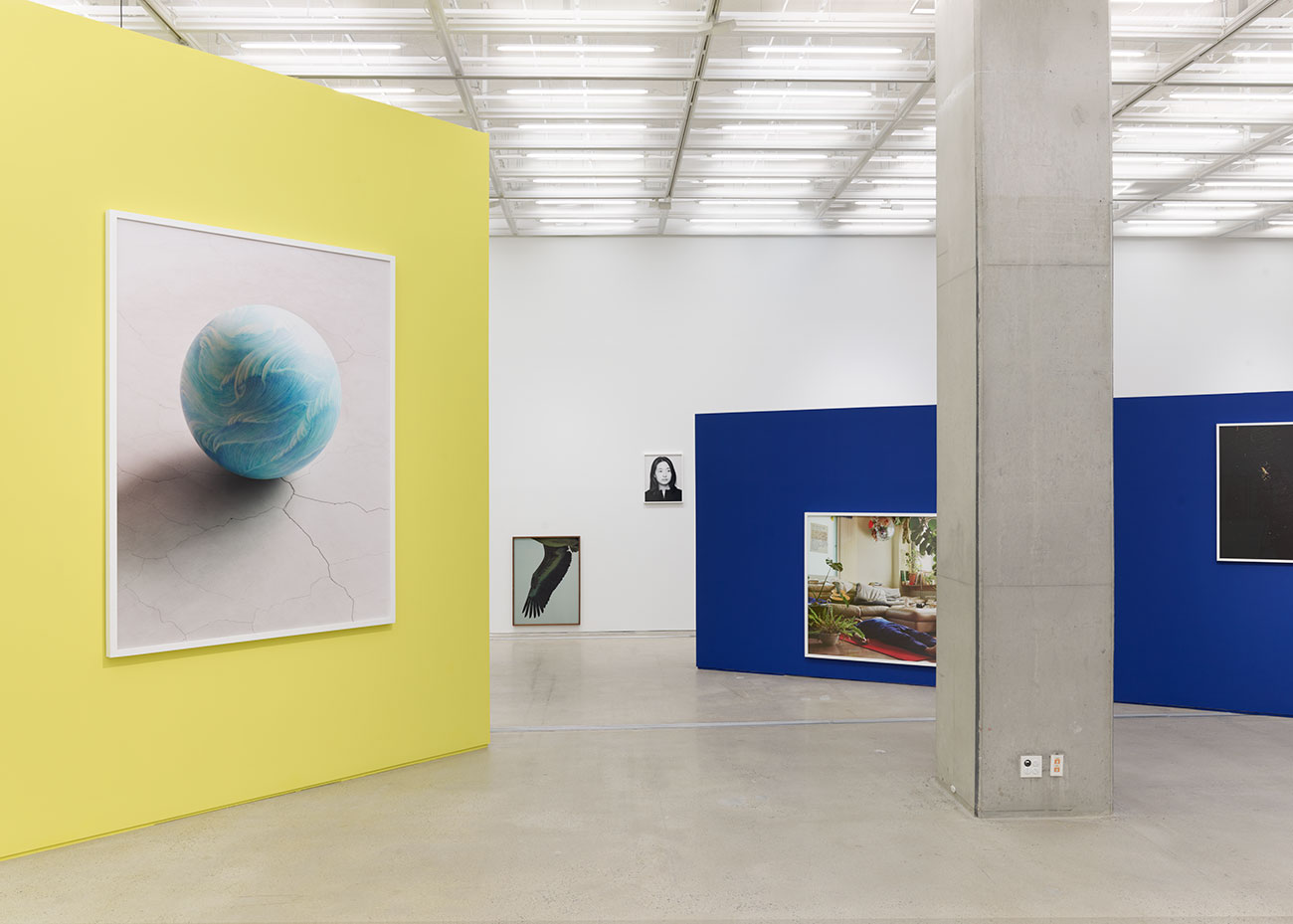
what lies between the lines therein. Chung has used the act of editing, also an
important characteristic of her works, to experiment with the relationship
between images and texts. Her arraying and arranging of series of works
sometimes displaces single photographs into completely different contexts, and
is also an act of creating language-like breaths, akin to a poem. As they walk
along the walls of the exhibition space or turn the pages of an anthology,
viewers or readers must read the spaces-between-the-lines and breaths that the
artist has created.
In
an earlier interview, when asked to define the characteristics of photography
as a medium, Chung answered, “Photography is hard to define. It has no fixed
identity.” The relationship between photographic images and reality was as
unstable as a leaky ceiling, she added, and the job of photographs of
photographs, ultimately, was to explore these cracks and holes. Her view of the
relationship between images and reality seems highly meaningful for us in an
age inundated with images, where we have lost all sense of their function, and
of that of photographs.
Though photography entered the world less than 200
years ago, it has been analyzed by art historians as a medium in confrontation
with painting as a means of reproduction, or from various angles and perspectives
including image aesthetics and media theory, since the moment it appeared. In
the 20 or 30 years since the emergence of digital photography, its qualities as
data have become more important than its material foundations. Photography
today is now being reduced to images and data, along with painting, graphics
and video, proliferating infinitely and at light speed by way of social media.
It is on the verge of having to choose one of two fates: ignoring these
platforms amid the maelstrom and becoming isolated, or colluding with them and
being swept away by their speed. In these circumstances, Chung Heeseung keeps
on digging down obstinately into the personae and identities of photographic
images, prompting us to question the permanence of photography as art. And
surely it is our constant questioning of photography that will let it endure as
art.
1
Chung, Heeseung. Unphotographable (Seoul Doosan Art Center, 2011). See artist’s
interview (no page marked).