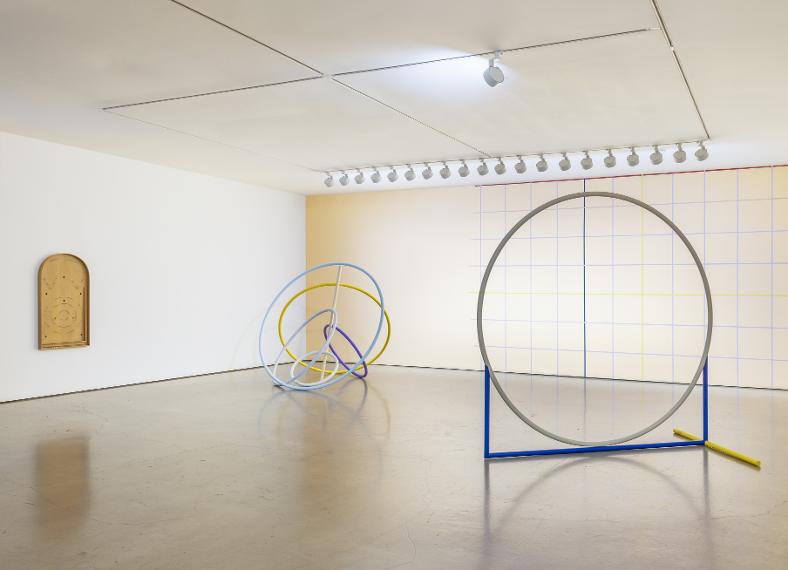
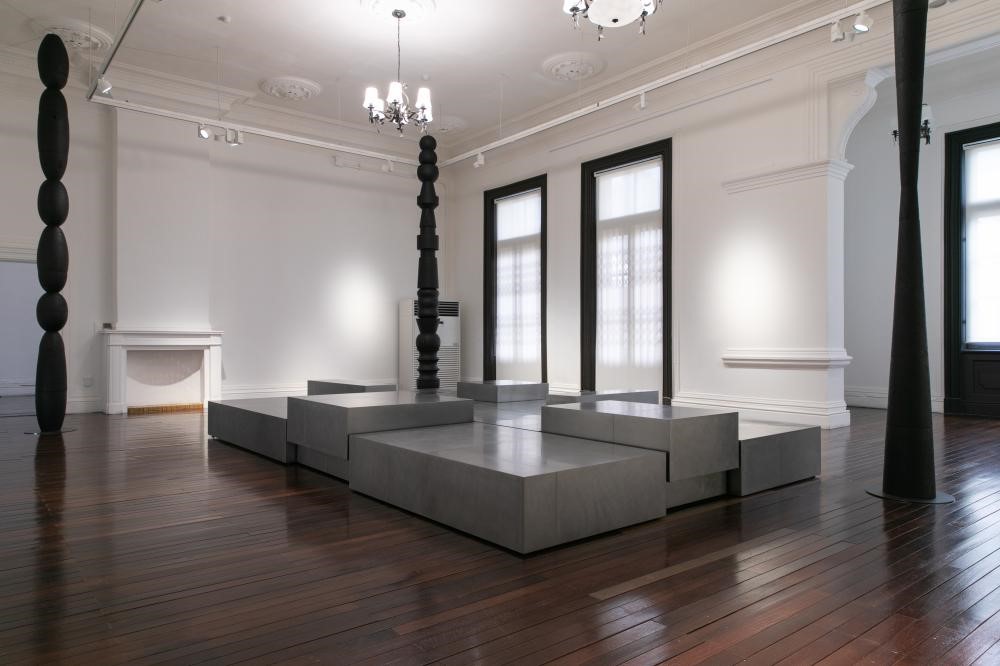
One of Seulgi Lee’s featured installations in this exhibition is entitled DONG DONG DARI GORI, a portmanteau term that combines a famous Goryeo folk song named “동동” (i.e., “Dong Dong,” sometimes called “Dong Dong Dari”) and “달걸이” (i.e., “dalgeori ”), which is a type of folk song with thirteen verses, consisting of a preface and twelve verses describing the singer’s wishes for each month. The “Dong Dong” song, which is thought to have originated from the sound of a drum beat, takes the dalgeori format and was often sung by Goryeo woman longing for their beloved in each month. Also, the Korean word “달걸이” contains “달” (moon) and “걸이” (to hang), which inspired Seulgi Lee to think about a motion or device for hanging the moon.
Furthermore, “걸이” is a homonym with “거리” (streets), thus evoking the streets where people walk and interact. While these linguistic associations might seem trivial to some, Seulgi Lee’s relationship with language goes much deeper than mere wordplay. As a Korean who has lived in France for more than thirty years, both of her primary languages— Korean and French—can at times be familiar and unfamiliar to her. This intermediary status helps Lee to formulate a new grammar that reveals unfamiliarity in the familiar, and familiarity in the unfamiliar.
Like its title, DONG DONG DARI GORI transcends familiarity by infusing everyday things—such as doors, water, songs, and games—with new vibrancy. However, it is not easy to explain or understand the works expressed by Lee’s linguistic associations. In The Craftsman, Richard Sennett outlined the difficulty of delineating the relationship between thinking and working with one’s hands. Using the model of cooks explaining their recipes, Sennett emphasized the power of empathetic examples, scene narratives, and metaphors for triggering the imagination.
He further suggested that this method applied not only to the culinary world, but also to almost any conceivable field, from computer and music instruction to philosophy. While it might be overly simplistic to correlate a chef’s explanation of a dish with an artist creating works, metaphor—which flows forward and spreads sideways, forming new meanings—certainly plays an essential role in understanding Seulgi Lee’s art. Through metaphor, Lee’s creative language and ideas avoid the trap of familiarity to be reborn as living forms that stimulate the imagination and deepen the meaning of her exhibitions. Hence, metaphor is the driving force of Seulgi Lee’s works.
Exhibition Expressed Through Metaphor
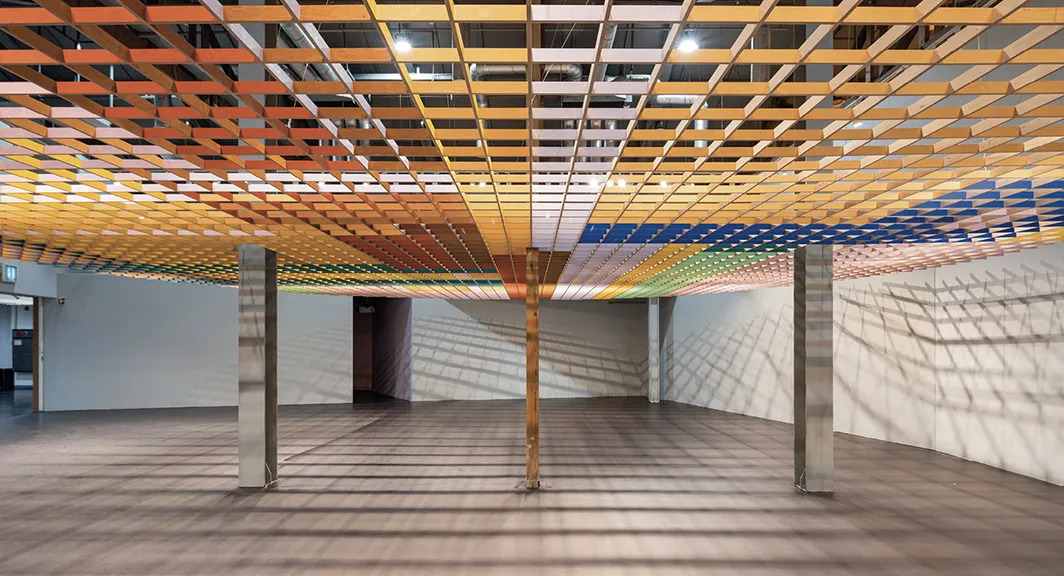
Rather than conveying some semantic meaning about the exhibition, the title DONG DONG DARI GORI simply provides a certain sound, rhythm, and movement, like an incantation or the fanfare opening an event. The core elements of DONG DONG DARI GORI—door, water, play, song—are similarly neutral, impartial, and even abstract. Some of the motifs invoke Korean traditional culture, such as the patterns of wooden frames, designs representing dancheong (decorative coloring on wooden buildings and artifacts), and songs of the darisaegi (leg counting) game. But here, those elements are combined with toys from seventeenth-century France and water from various rivers, sent to Seulgi Lee by her friends around the world.
Together, all of these components encourage us to explore the relationship between oral tradition, handicrafts, folk entertainment, and contemporary art. Moving and operating within the same space and time, these diverse and antiquated components prompt new ideas about the relationship between traditional culture and contemporary art, as well as about dualities such as materials and culture, artifacts and organisms. Lee’s use of the folk song “Dong Dong Dari ” derives from her research on oral tradition, which she has conducted over the last several years. During this time, she has studied the French tradition of chanson légère (literally “light song,” referring to sexually suggestive folk songs), and also collaborated with contemporary trainees of intangible cultural heritage.
The artist originally looked for such light, suggestive traditional folk songs from Korea, but was unable to find what she was looking for. Thus, her preliminary design for this exhibition focused on the traditional “Beggar’s Song,” which combines such content with references to the moon. To evince the public square of the past, where the sound of drums would resonate, she connected a large drum resembling the “rabbit in the moon,” which she had previously made, with a sinmungo, a type of drum that was once sounded by Joseon civilians to report injustice to the king. Hence, the “거리” (streets) in DONG DONG DARI GORI symbolizes the square, where various narratives are created and exchanged among people, while songs of labor or revolution resound.
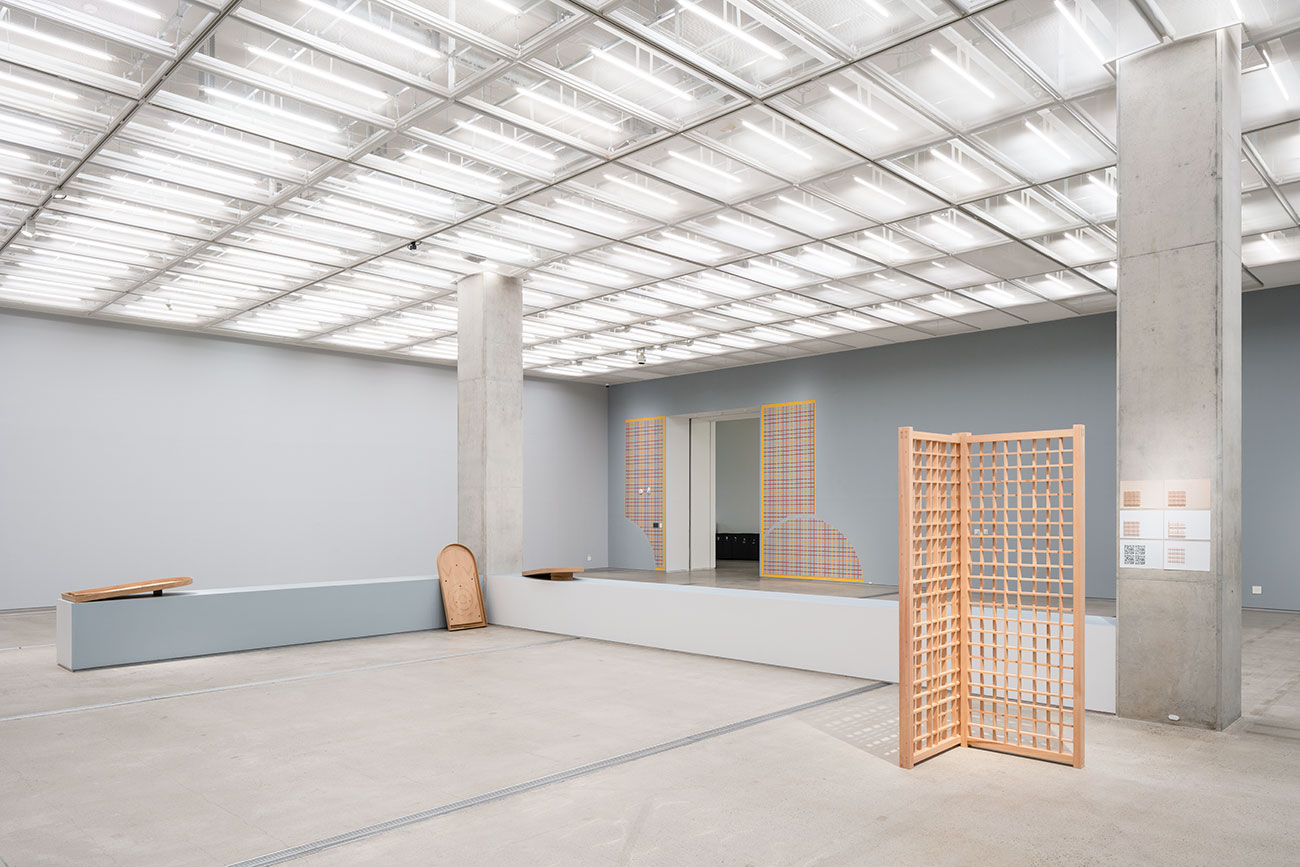
But upon entering this square, we notice that it is almost empty, with only a few odds and ends randomly placed here and there. Seulgi Lee claimed that she wanted to “undress the space,” or strip it. Was she perhaps motivated by her research into lewd folk songs? In any case, despite being “undressed,” the square never feels squalid or desolate. Indeed, the intentional sparseness and restraint allows exotic new narratives to emerge. In our current era of information overload and material abundance, Lee’s square reminds us that deprivation and loss can be effective catalysts for the imagination.
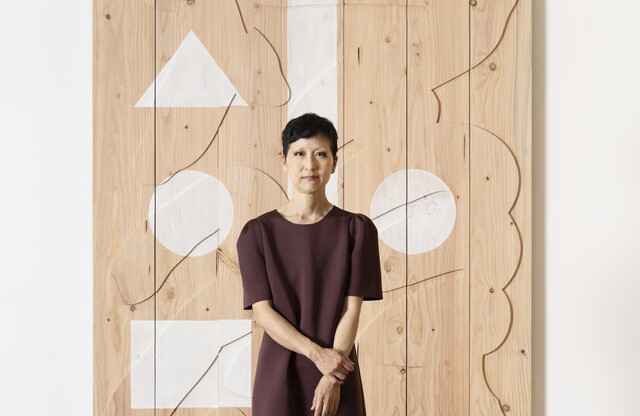
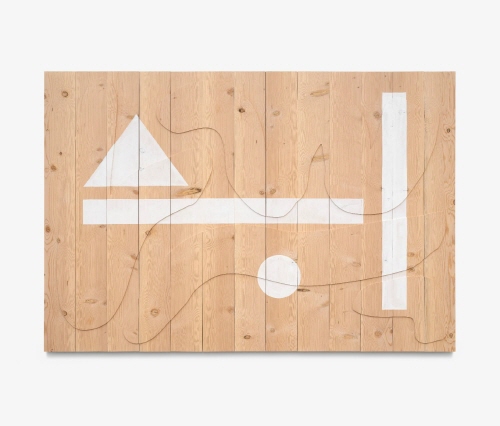
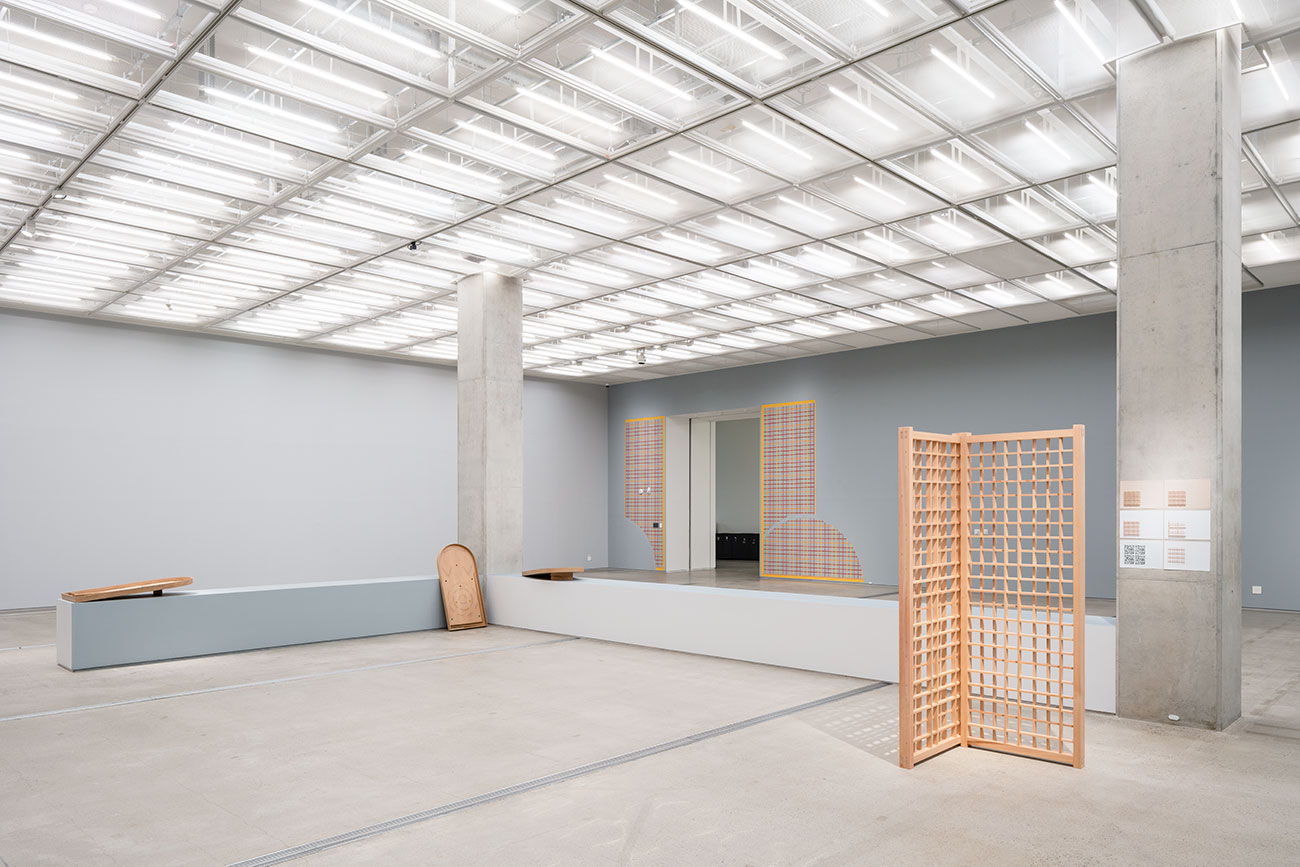
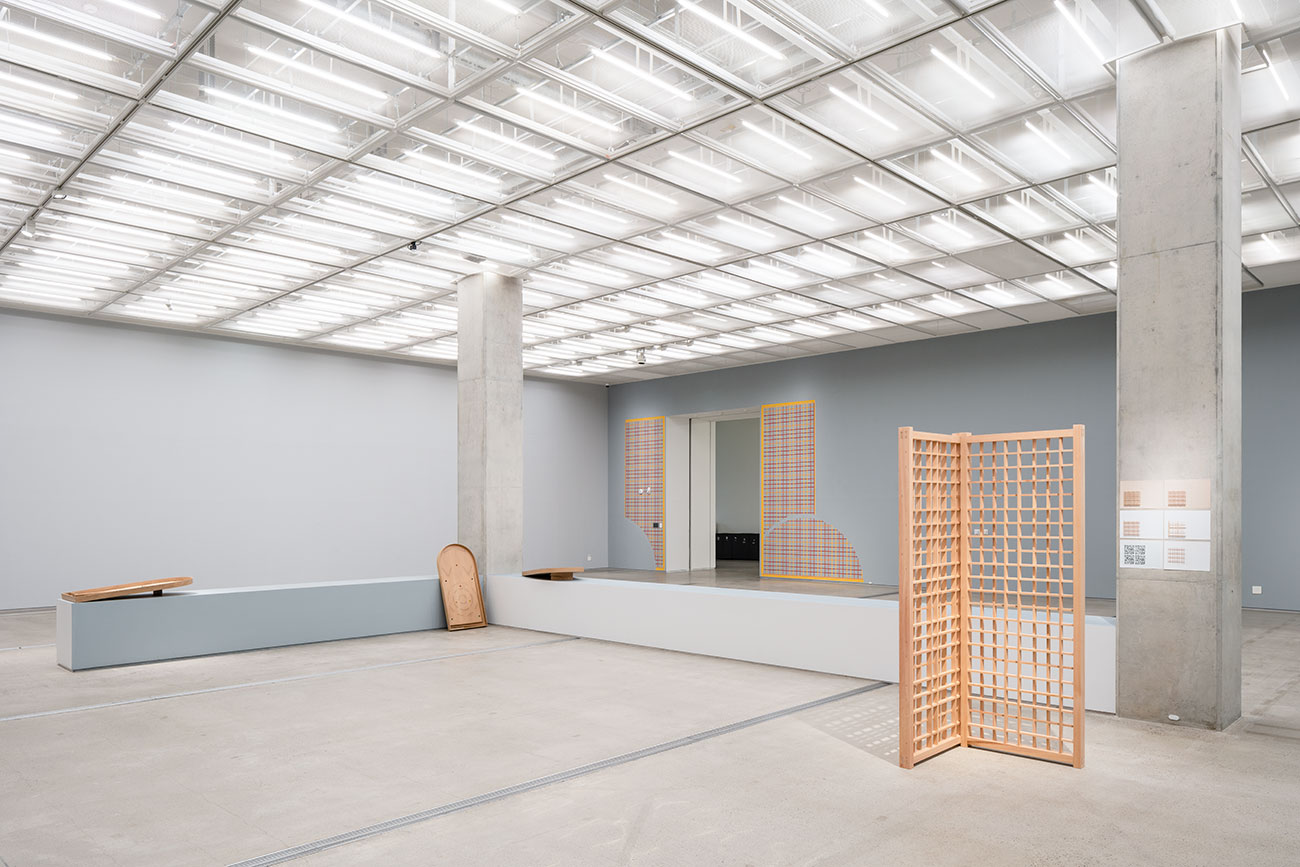
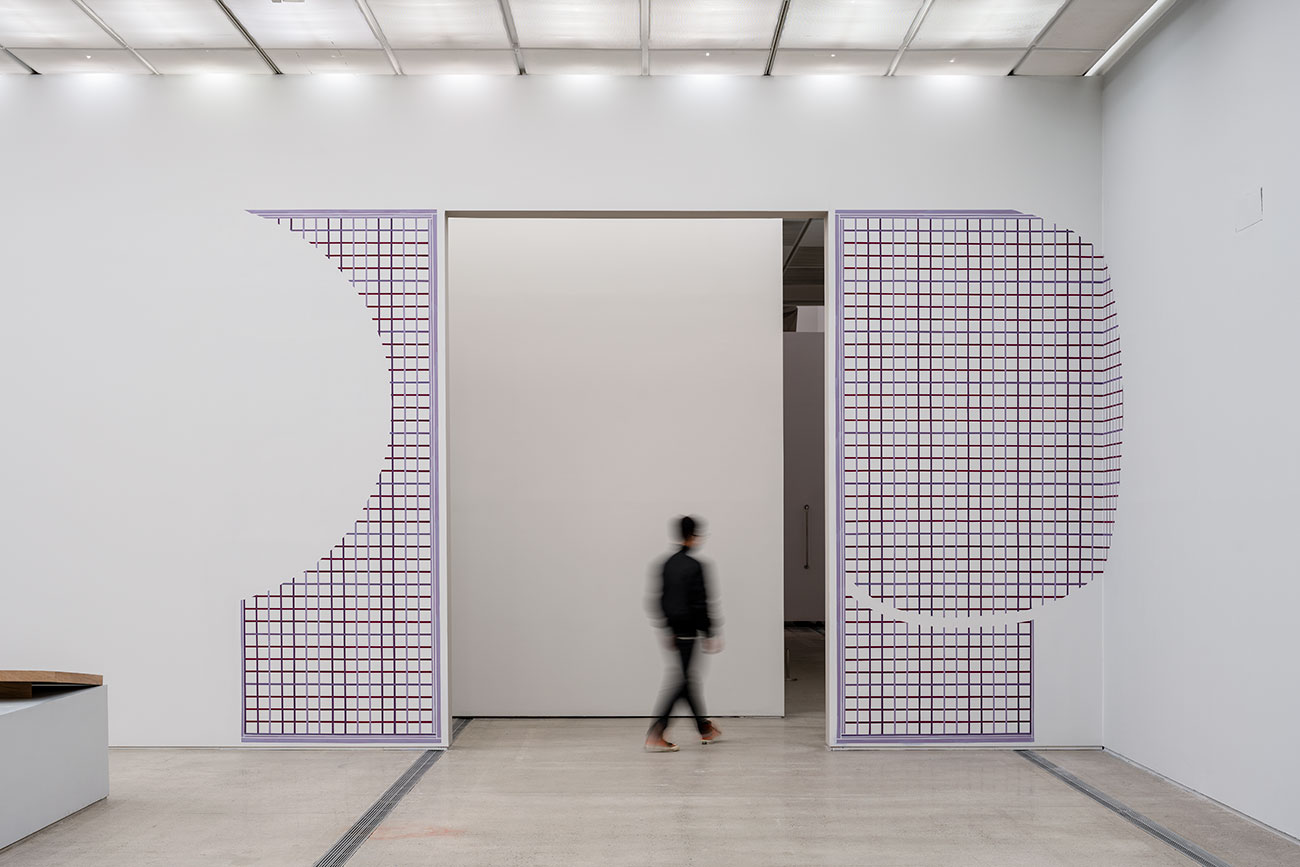
The square does not contain any of the brilliant colors or striking shapes that we have come to expect from Seulgi Lee. The various works—including glass bottles, geometric wall drawings, and structures made from achromatic cement and wood—cannot be easily perceived, while the songs are barely audible. Wall drawings representing the Northeast Gate, Northwest Gate, Southwest Gate, and Southeast Gate open wide in four directions. But the exit and entrance to the space are somewhat vague, since these “gates” do not resemble ordinary doors. Instead, they are “moon doors,” featuring geometric wooden frames with designs representing the rotation of the moon. Visitors are encouraged to imagine how the semicircles (i.e., partial moons) can overlap and rotate into a full moon.
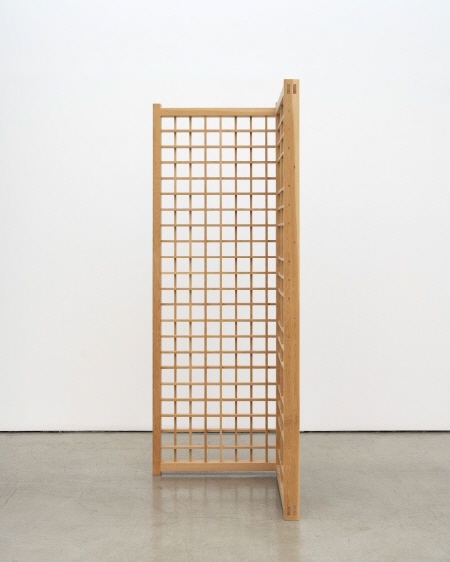
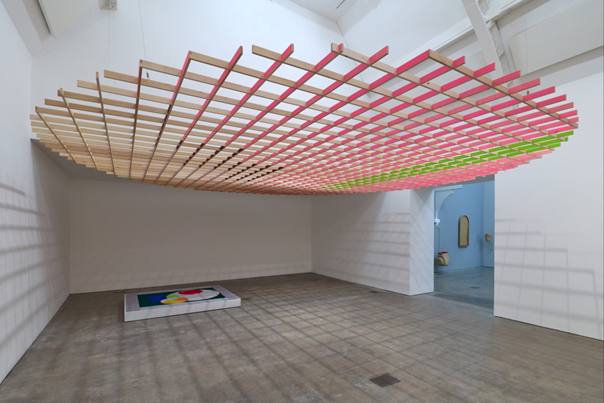
Thus, a set of minimalist geometric wall drawings come together to create the “moon door,” illuminating the square while also recalling the shape of a woman in late pregnancy. The “moon doors” are the only works in the square that are colored, having been painted by dancheong artisans with special pigments containing shellfish powder. Notably, however, one of the colors is purple, which is never used in traditional dancheong. This heterogeneous intervention implies the coexistence of the artificial and the natural. Standing in the center of the square is a wooden frame structure entitled 13332244 (2020) which is slightly concealed by a pillar. The arrangement of grids on this structure mirrors that of the “moon door” drawing on the wall. Although the structure still recalls the “井” shape of classic wooden frames, the geometric form has been reinterpreted outside the context of tradition.
According to the artist, the structure of this door and frame are meant to reflect the moon and the surrounding melody. The combination of the rigid wooden frames and the soft love songs sung by women (such as “Dong Dong”) form a compelling metaphor for the relationship between men and women, or yin and yang. Using another level of wordplay between the homophones “문” (“mun,” the Korean word for “door”) and “moon,” Lee links the circular revolution of the moon and the geometric structure of the Korean wooden doors.
In a recent interview, she said that “removing the outer part of the frame of the door would leave just the inner tines, which are like bones, as the primary content.” Eliciting movement and flexibility, the “moon door” to this exotic square opens and closes. In the process, the inside becomes the outside and the outside becomes the inside; the familiar becomes unfamiliar and the unfamiliar becomes familiar.
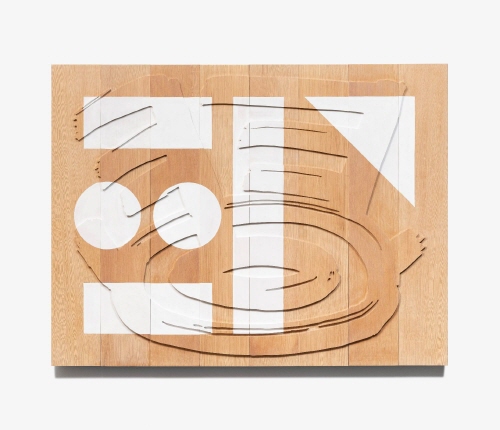
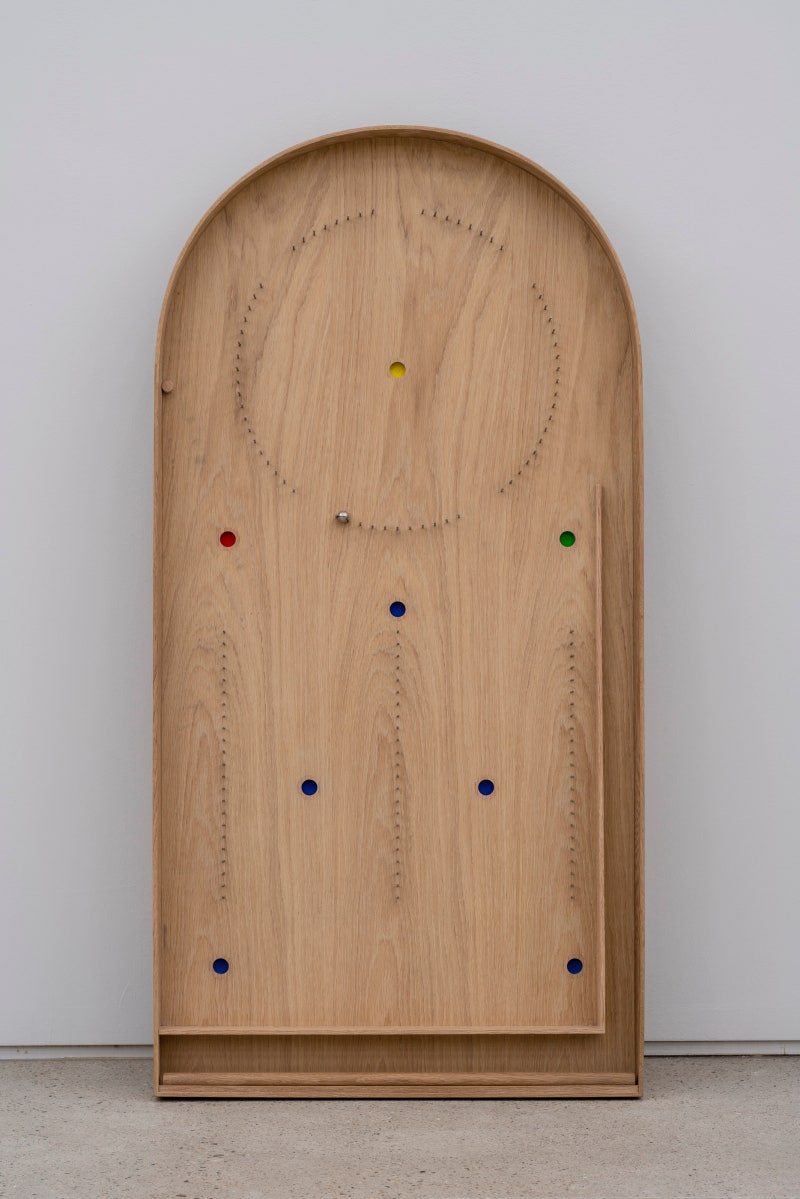
The space also contains a long, low gray structure in the shape of an “L,” where three unusual wooden devices can be found. Respectively entitled BAGATELLE 1, BAGATELLE 2, and BAGATELLE 3, these devices are derivations of the French game Bagatelle, a pre- cursor to billiards, pinball, and pachinko that was popular in the seventeenth century, during the reign of Louis XIV. Using a stick, the player tries to maneuver a ball into a small hole, avoiding nails or pegs that are pounded into the board.
Significantly, the French word “bagatelle” means something that is useless or trivial, but it can also be a slang term for sex. The bagatelle games are reborn as unique and sensual “sculpture-game devices,” wearing the body of a prehistoric goddess discovered by archaeologist Marija Gimbutas. Walking past BAGATELLE, visitors hear a song coming from somewhere, but the sound is mumbled like someone talking under their breath, much too weak for a song in the public square. This sound work is taken from the aforementioned “leg counting” game. However, whereas the original tune is used by people to count, Lee’s version replaces the numbers with random words.
But even with its meaningless lyrics connecting mundane and crude words, the song is oddly addictive, with a pleasant harmony. A set of five songs are played in the space at 5, 10, 15, 30, and 45 minutes after the hour. In the square of DONG DONG DARI GORI, the revised versions of BAGATELLE and the “leg counting” game exist as simple monuments to oral tradition and folk entertainment, illuminating the neglected history of leisure, unproductive labor, and secular folk values.
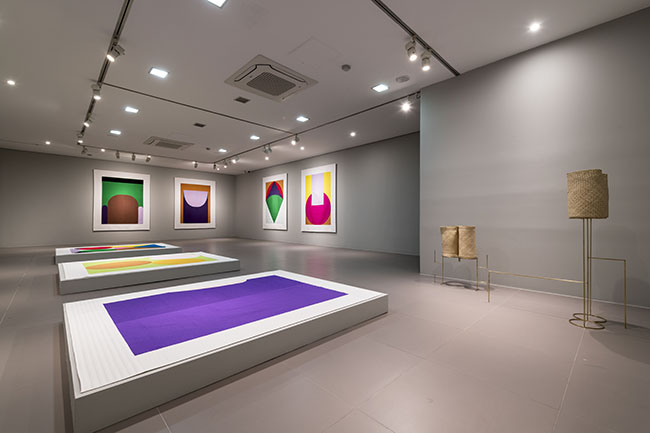
Hanging on one wall of the exhibition are several small but elaborate glass bottles with various shapes. From a distance, only traces of light reflected from these bottles can be seen, neatly evincing the presence of inconspicuous beings. A closer look reveals that the containers actually hold small amounts of water from rivers in Europe, the US, and other distant places. The artist asked her friends around the world to collect this water from any nearby rivers that flow to the the sea, which thus represent a natural network connecting the planet. In a world that has been brought to a halt by COVID-19, this act represents people’s dim hopes to regain mobility, freedom, and exchange.
Amazingly, this hope was realized when Lee’s friends were able to come to Seoul to see the exhibition despite the pandemic, if only in the form of river water in glass bottles. Collectively, the glass bottles are entitled Différence entre Fleuve et Rivière, but each bottle is also labeled with the name of the river that the water came from and the name of the friend who collected it. In addition, each glass bottle is roughly shaped like its respective river.
Weaving baskets
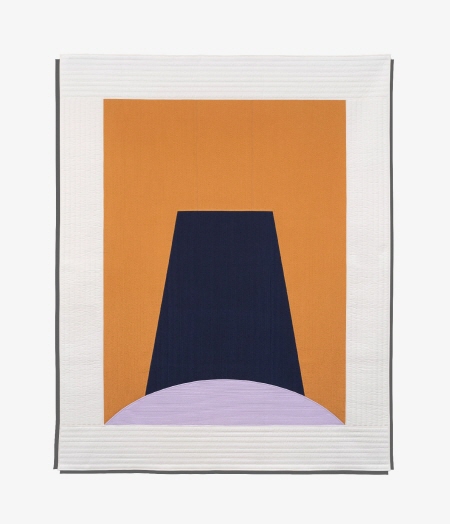
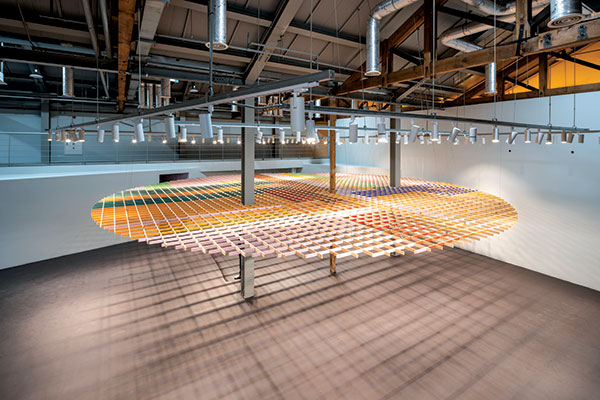
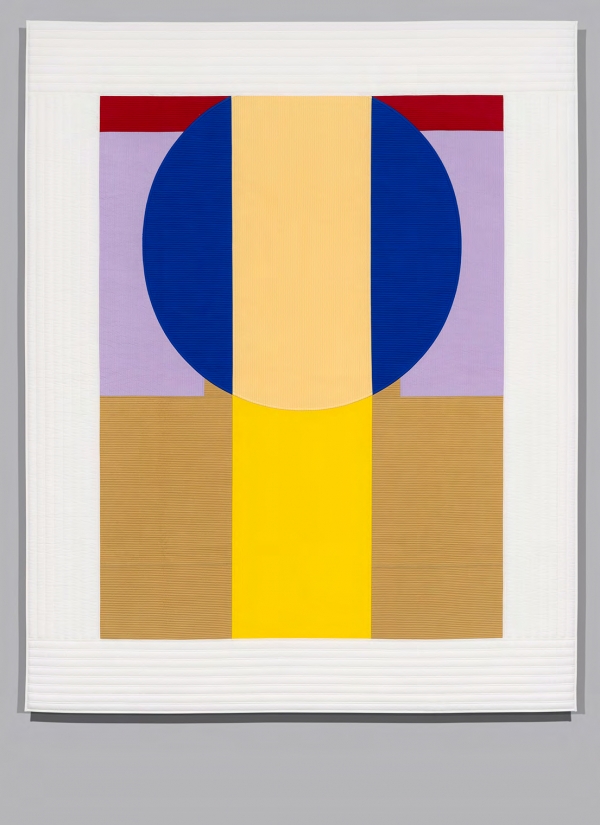
In previous projects (e.g., ‘Blanket Project U’, ‘Tamis Project O’, and ‘Basket Project W’ ), Seulgi Lee has explored local identity, folk culture, and tradition by observing artisans and handicrafts and converting her observations into aesthetic language. Collaborating with local artisans, Lee created abstract geometric structures based on colorful quilts, round tamis sculptures from an old beech tree, and basket sculptures woven from palm leaves. In ‘Basket Project W’, for example, Lee worked with the people of Oaxaca, Mexico, who rely on basket weaving to support their entire village. For these villagers, who begin learning to make baskets from the age of three, basket weaving is an essential form of work and play. In fact, the transmission of basket weaving through actual practice is the driving force that sustains the village.
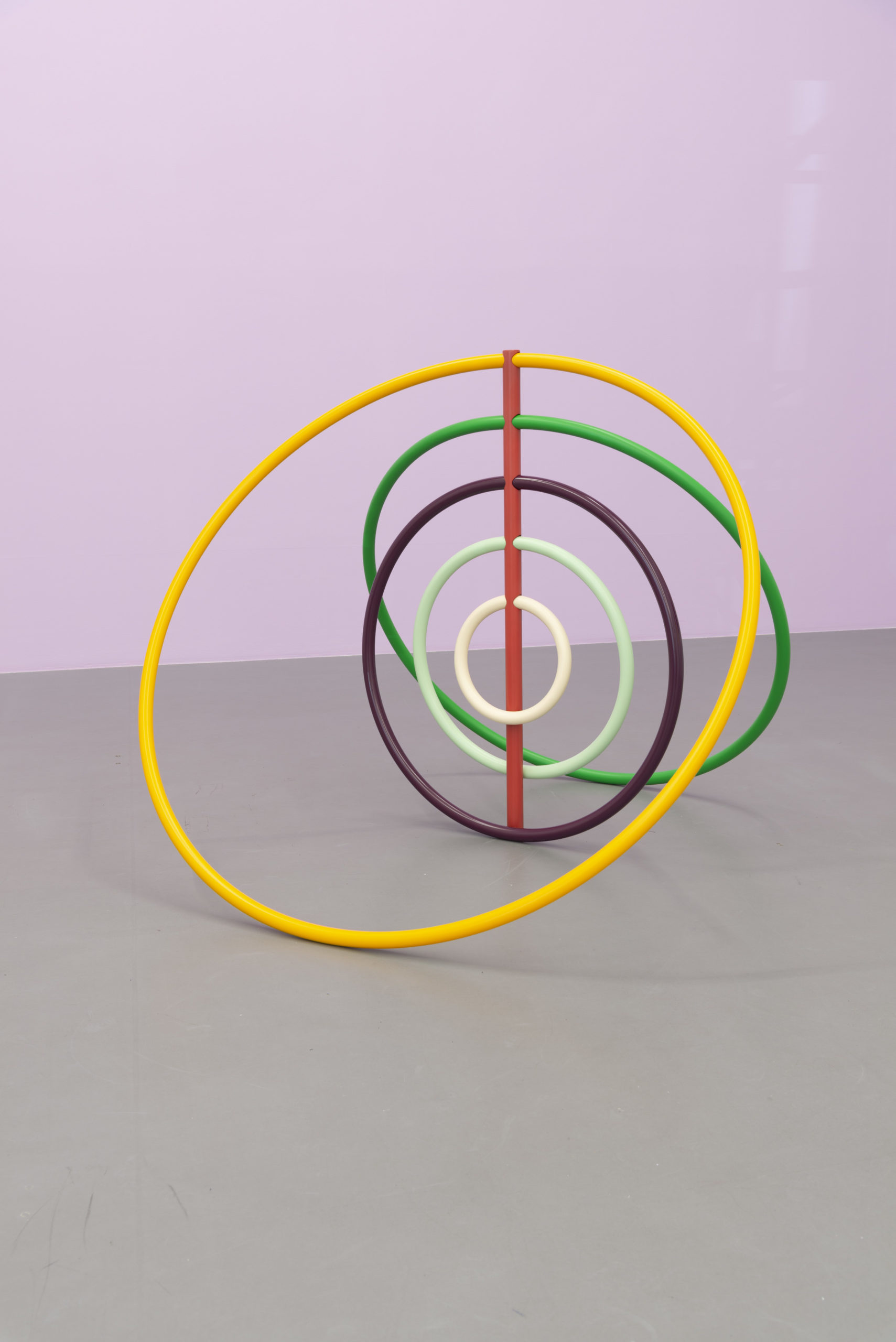
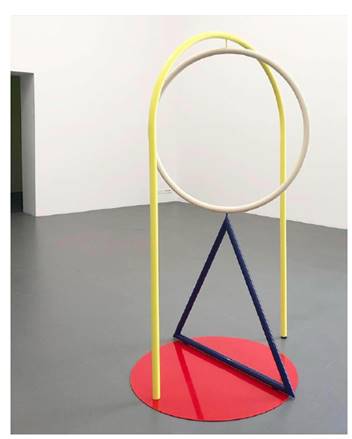
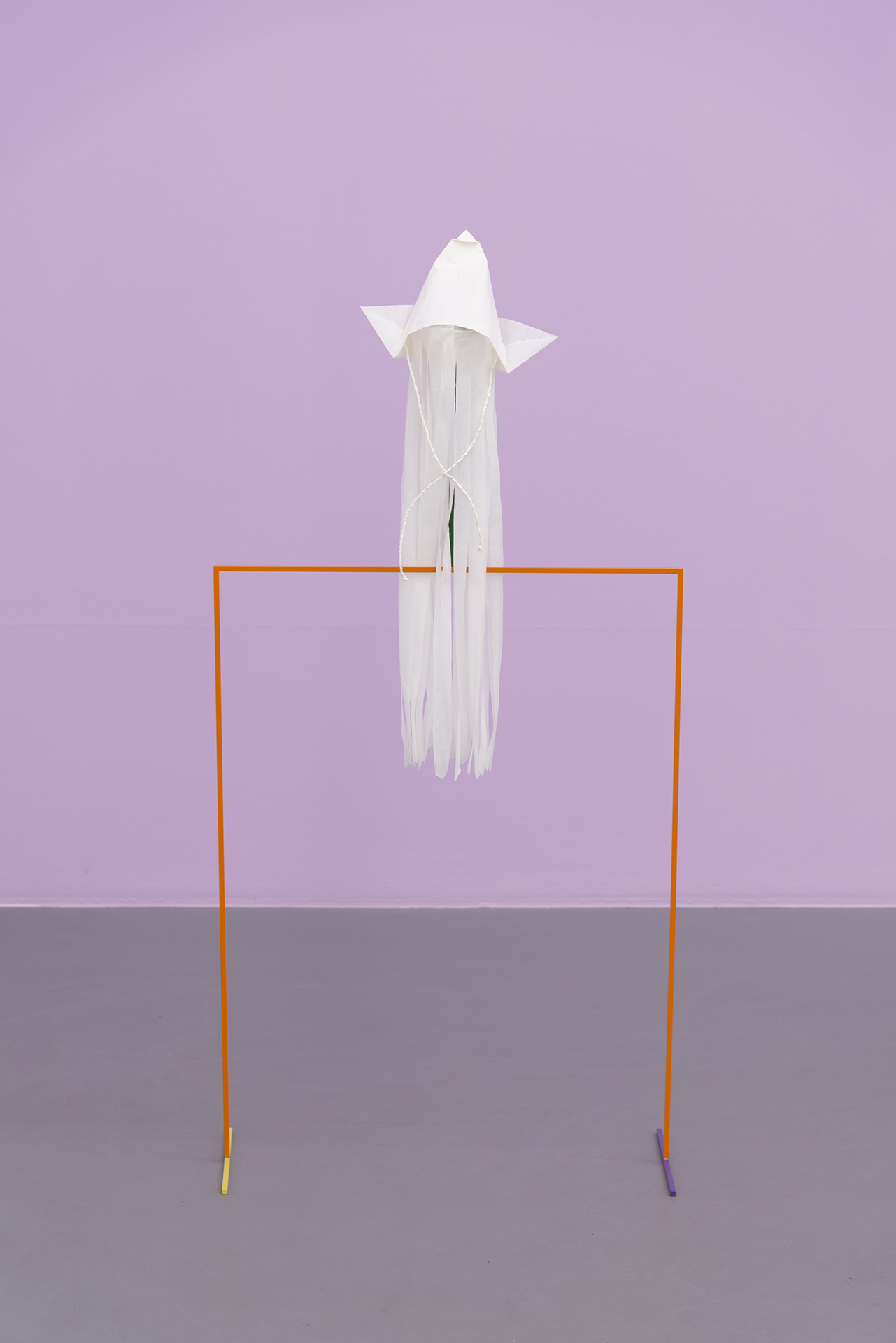
However, the practice of basket weaving is inextricably tied to the villagers’ native language of Ixcatec, which is now going extinct due to the spread of Spanish as the predominant language of Mexico. For this work, Seulgi Lee placed various baskets made by the villagers on tall geometric pedestals resembling flamingo legs, produced by French metalsmiths, resulting in forms that looked like people or animals. Each work was accompanied by a title in the Ixcatec language. Hence, “W” from ‘Basket Project W’ is like an imaginary place where Georges Perec’s W ou le souvenir d’enfance (1975) meets the basket weaving and Ixcatec language of the Oaxaca natives. Reconstructing (language) extinction, disconnection, wounds, and the memory of a community, ‘Basket Project W’ raised questions about how contemporary art can engage with oral tradition and folk handicrafts to forge new paths and possibilities. Indeed, such questions continuously appear from the works of Seulgi Lee, to the point that they form the foundation of her art.
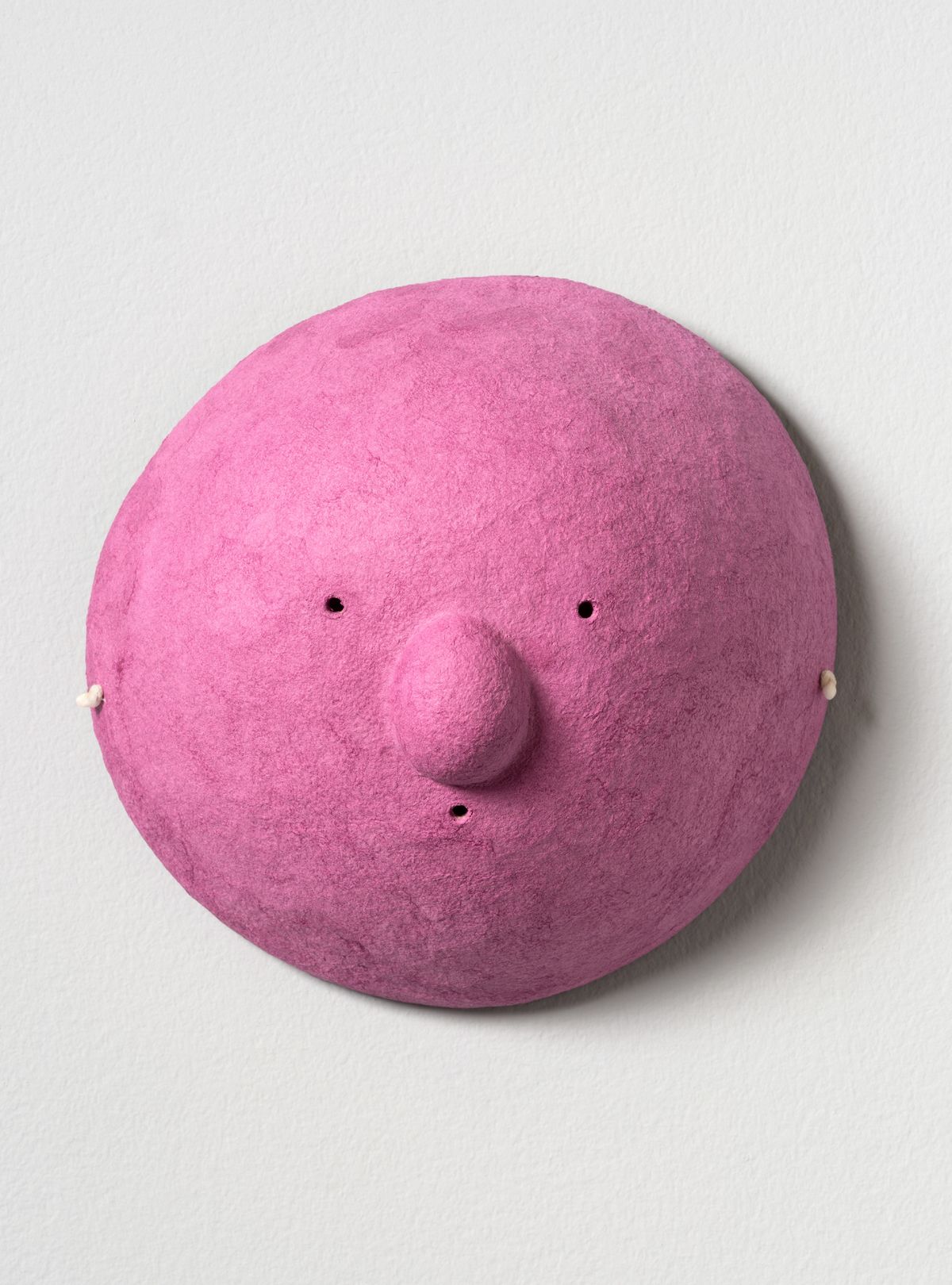
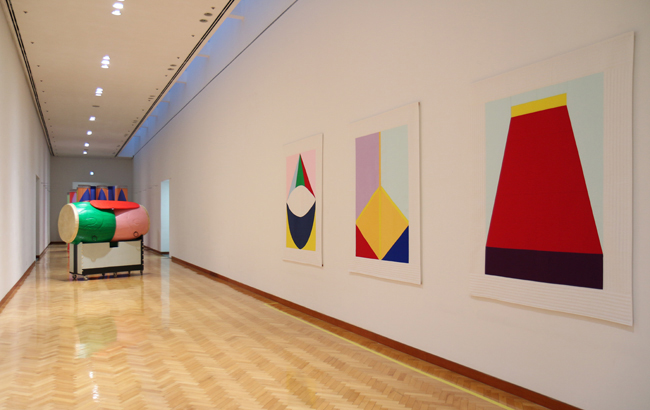
Wearing the attire of metaphor, ‘Basket Project W’, ‘Blanket Project U’, and ‘Tamis Project O’ sport brilliant colors and unique shapes, but they do not remain objects for mere contemplation. Furthermore, the baskets, blankets, and tamises that were elaborately produced with expert craftsmanship are not intended to shed new light on traditional crafts. Rather than simply trying to convert traditional handicrafts into contemporary art forms, Seulgi Lee seeks to achieve a deeper, more meaningful connection between the past and present, which promises greater rewards.
Her mode of production exemplifies the ideas of British anthropologist Tim Ingold, who wrote about the narrative characteristics of weaving, wherein all movements have a linear history, developing rhythmically from previous movements while predicting the next movement. While offering new prospects for the relationship between language and handicrafts, Ingold’s conception also integrates history, artifacts, organisms, nature, and culture, and the entire world formed by the interactions of these elements. Using the example of basket weaving, Ingold challenges the notion that artifacts are produced while living organisms grow.
Although baskets are obviously not living organisms, they are made with a process that completely differs from the production of other artifacts, and this process shares many similarities with the growth of living organisms. In basket weaving, as Ingold explains, the artisan interacts with the materials without changing their properties, constructing a unique surface with no distinction between the inside and outside. By erasing the divide between humans and non-humans, Ingold revises our conception of nature and culture. For Ingold, the process of production is based on an action’s capacity to produce a given object, whereas weaving focuses on the essence of the process by which the object is produced. Thus, in production, the object is regarded as an expression of thought, but in weaving, the object embodies rhythmic movement. With this in mind, Ingold recommends replacing production with weaving, and replacing thought with movement.
Ingold’s concepts nicely illuminate Seulgi Lee’s artistic practices. Using handicrafts and oral tradition as her materials, she proposes new prospects for tradition, community, regional identity, folklore, and locality. In Ingold’s sense, her efforts to use art to reestablish relations with the world is closer to weaving than producing. While all of her projects spark contemplation, they also manifest function, while the various elements evolve and create new forms, like living organisms. Like the works from her previous handicraft collaborations, her Bagatelle games are also sculptural objects that presuppose functionality.
Beyond their obvious or immediate use, her sculptural crafts function by connecting us to the world, enabling movement, and weaving history with the present. Originating from her observations of sustainable technologies, her works involving baskets, tamises, and blankets address vanishing languages, memories, and communities, and are thus never finished or completed. With such functionality, Lee’s sculptures remain open and alive as part of an ongoing process for something that is yet to come.
From ‘Basket Project W’ to ‘Blanket Project U’, ‘Tamis Project O’, and Island of Women and DONG DONG DARI GORI, Seulgi Lee’s artistic practices cannot be reduced to simple expressions of fixed concepts. Each sculpture of a basket, tamis, or quilt represents a type of movement, weaving the traditional and contemporary, sculpture and handicraft, oral tradition and text, individuals and community, private and public sphere, the local and global. In ‘Basket Project W’, she used Georges Perec’s W ou le souvenir d’enfance to revive the disappearing Ixcatec language, while in Island of Women, she used oral tradition to revive dead symbols and places.
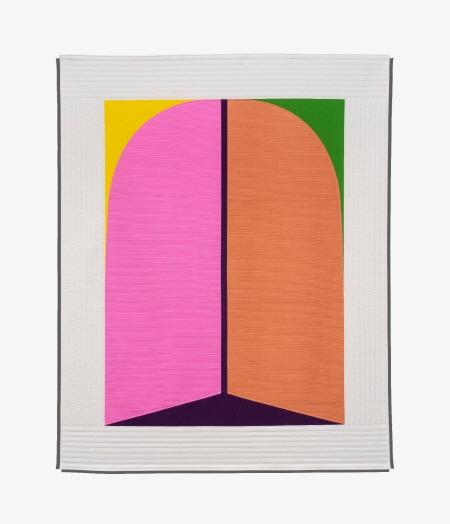
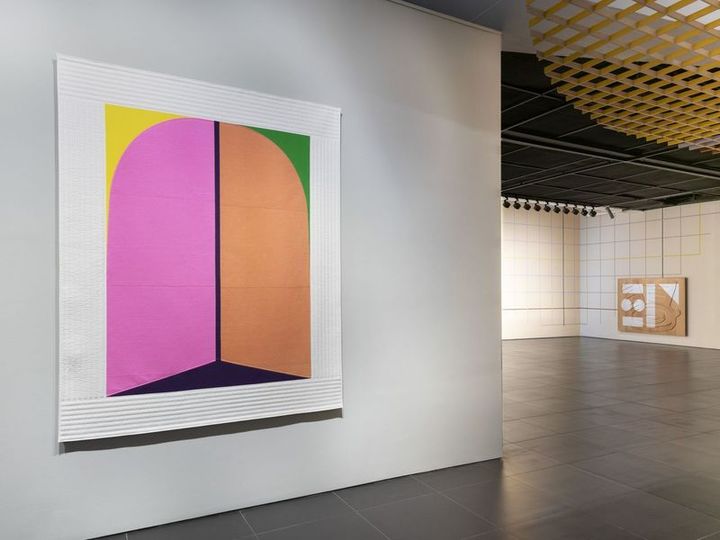
In ‘Blanket Project U’, she connected geometric figures, quilts, and folk proverbs in blanket sculptures that dream, speak, and imagine. In ‘Tamis Project O’, she used round tamis with unusual shapes as triggers for wordplay. Finally, in DONG DONG DARI GORI, she invites us into the square where doors, water, songs, and games mix, move, and become metaphors. Rather than objects for quiet contemplation, the assorted works of this exhibition arouse the complexities of our lives, experiences, and environment, encouraging us to weave the world ourselves.