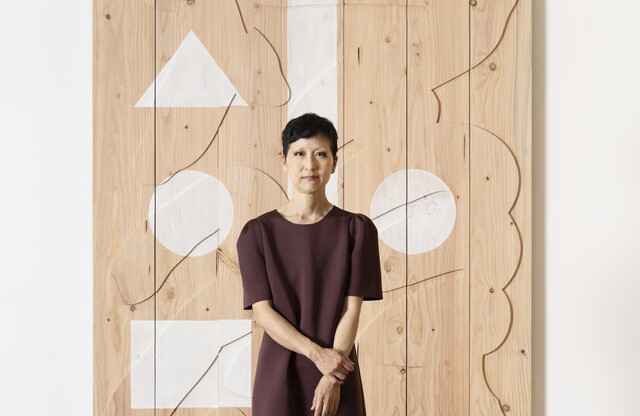
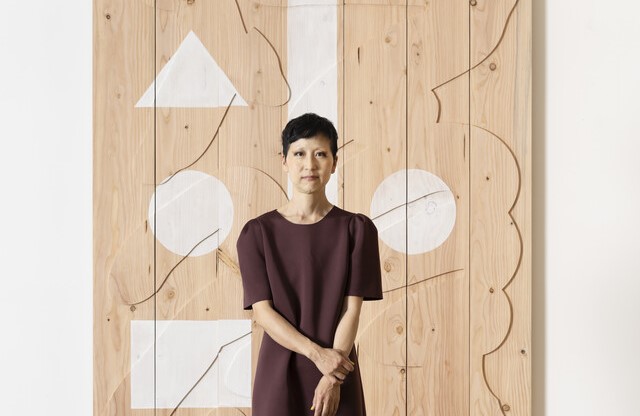
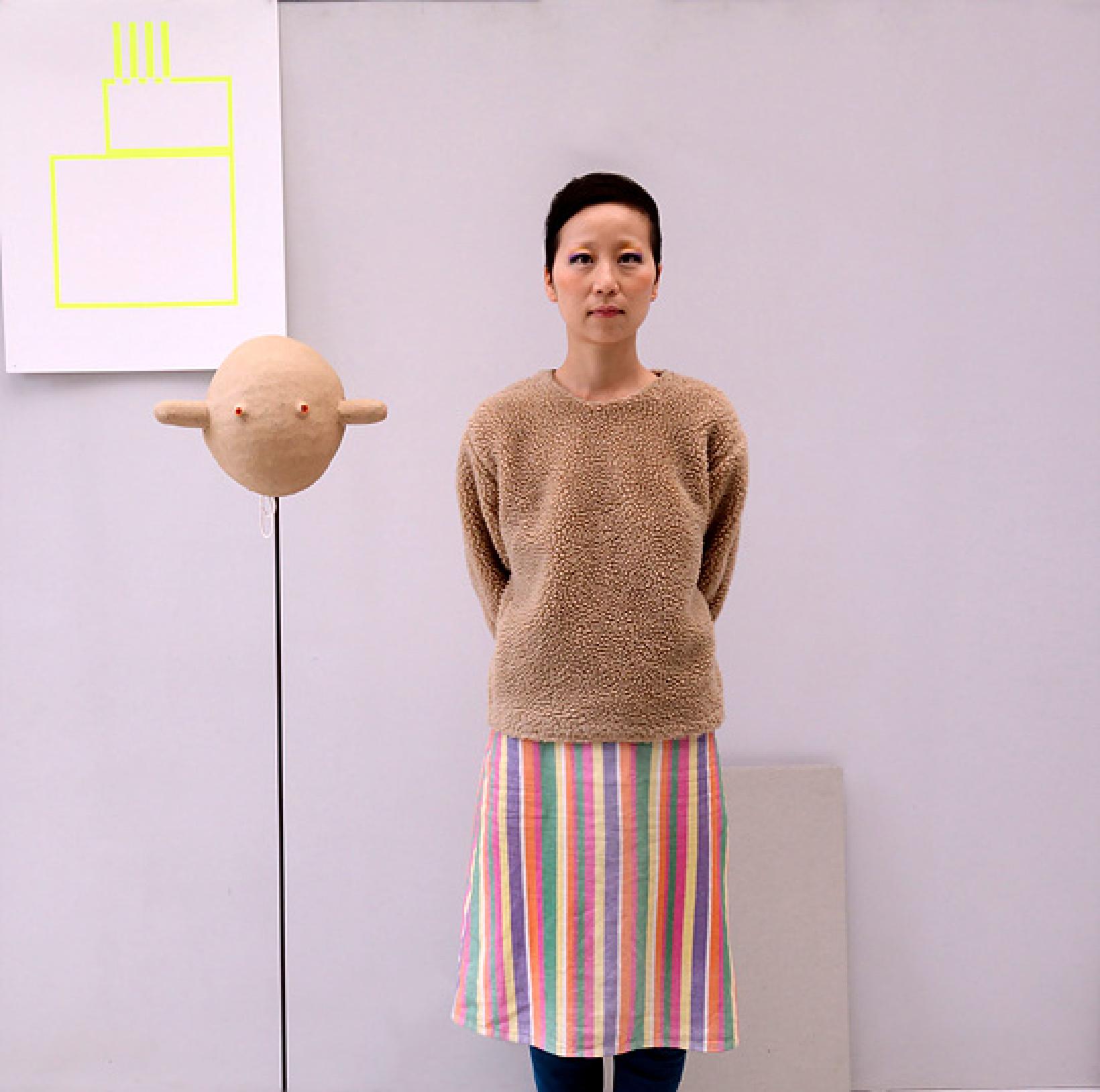
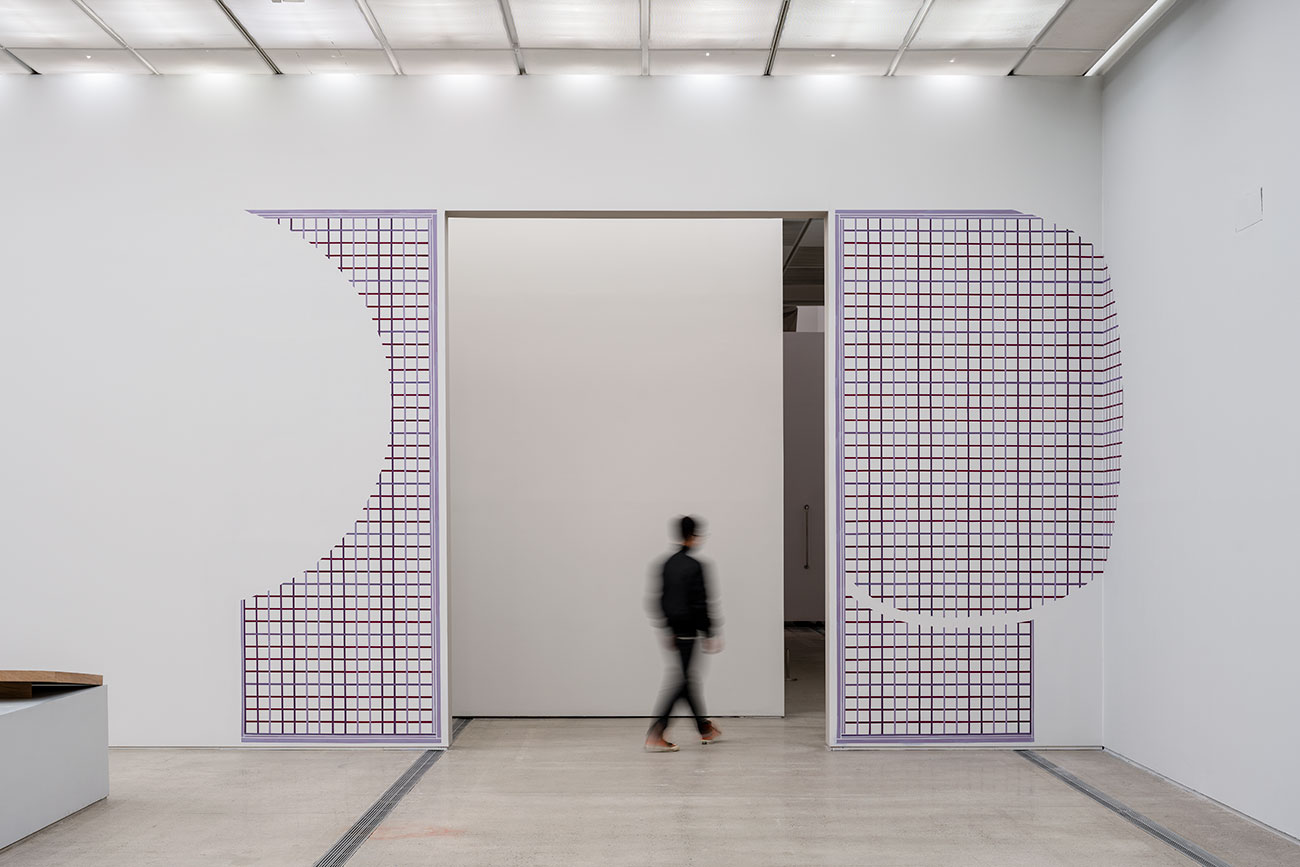
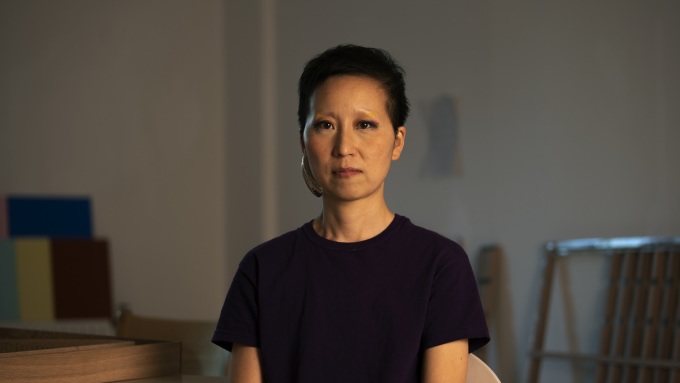
Artist Seulgi Lee was born in Seoul. Since moving to Paris in the early 1990s, she has gone back and forth between Europe and Korea, producing mixed works that combine craft, sculpture, popular design and folk elements. An active artist whose work encompasses exhibitions, collaborations and public projects, she also established and ran alternative space Paris Project Room from 2001 to 2003.
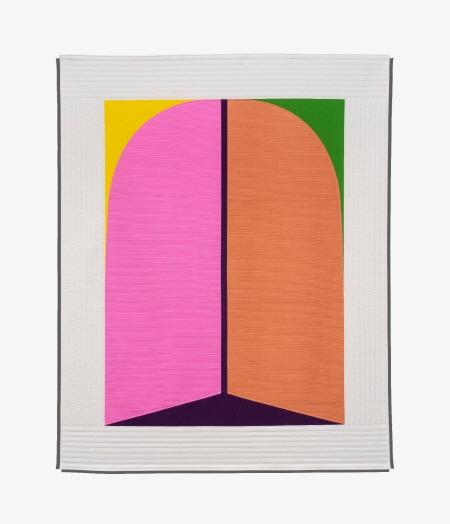
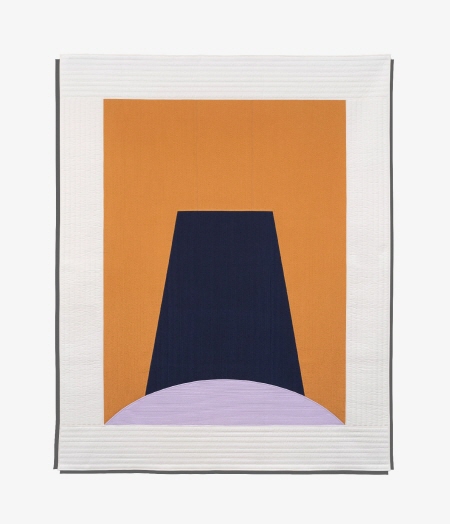
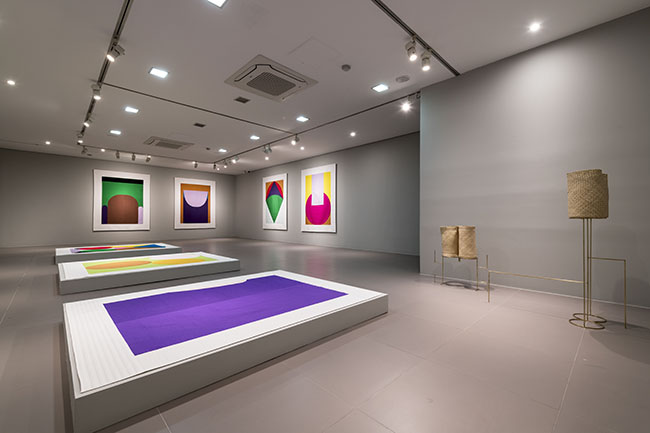
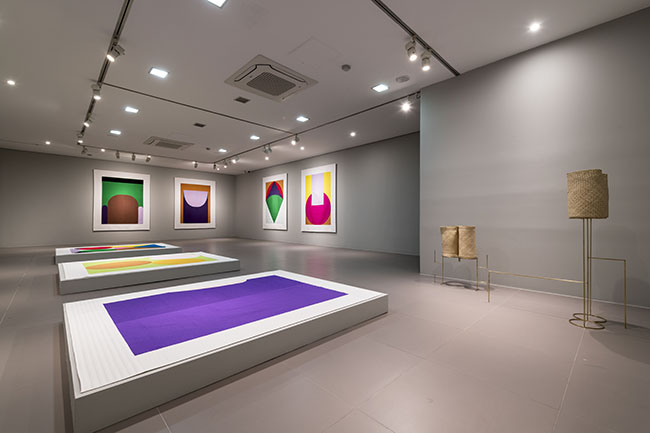
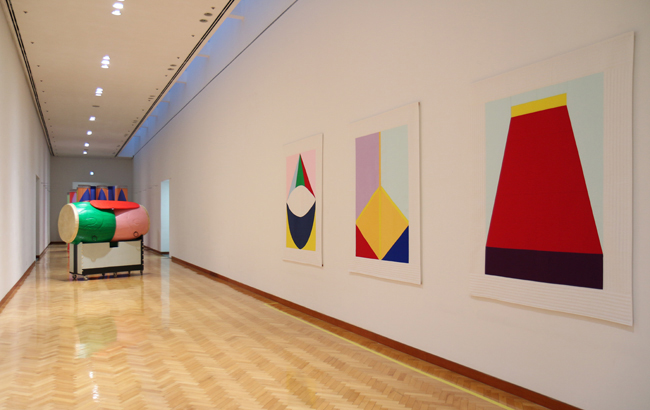
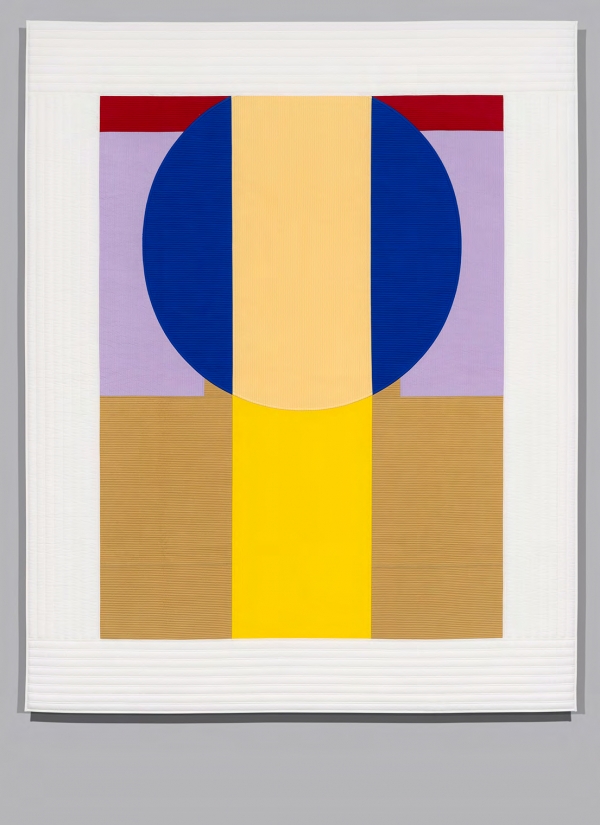
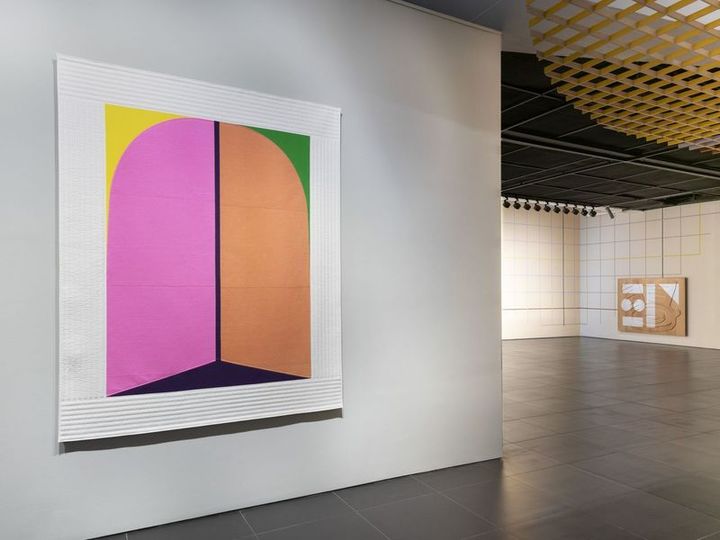
‘Blanket Project: U’, the main work in Lee’s 2018 exhibition 《DAMASESE》, at first appear to continue the lineage of geometric abstraction in view of their canvas compositions and visual symbols. But their titles—The Shoots Are Yellow, Spilt Water, Home Alone, My Own Fish to Fry—penetrate these powerful visual elements, providing a key for us to approach the works with greater lucidity. Built solidly on quilted blankets, the geometric-abstract faces and patterns combine with the proverbs in the titles of the works, neatly and lucidly revealing the narratives and implications of proverbs imbued with the group consciousness of a community.
In one text, Lee and Arlène Berceliot Courtin write, “a proverb is a single metaphor built through a situation or picture. People believe proverbs, yet don’t believe them. Proverbs move our subconscious. Doesn’t a community become possible when we start recognizing certain forms and symbols together? Regardless of where we are born.” These implications contained in tales and proverbs that pass through accumulated layers of time, remaining alive and refusing to evaporate, are visualized by handcraft techniques through Lee’s collaboration with master quilters in Tongyeong.
Lee calls quilts, “places on the boundary between dreams and reality, and shamanistic sculptures that influence dreams.” As items used in the act of sleep, which links the subconscious and conscious, Lee’s quilts combine the visual language of contemporary aesthetics with the tactility of crafts, condensing the narratives of proverbs that form a concise and humorous system.
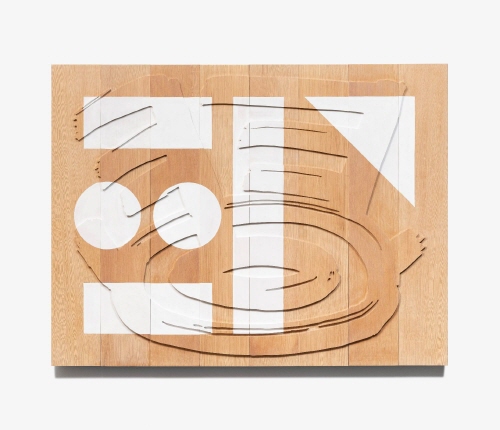
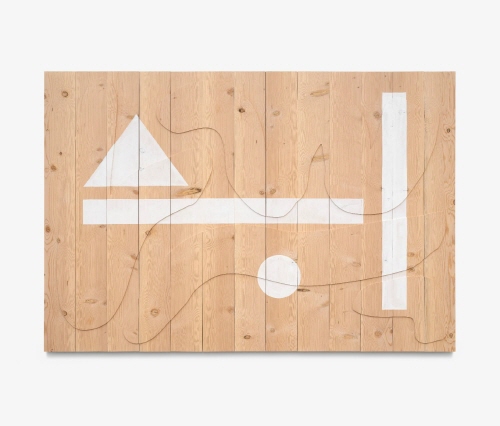
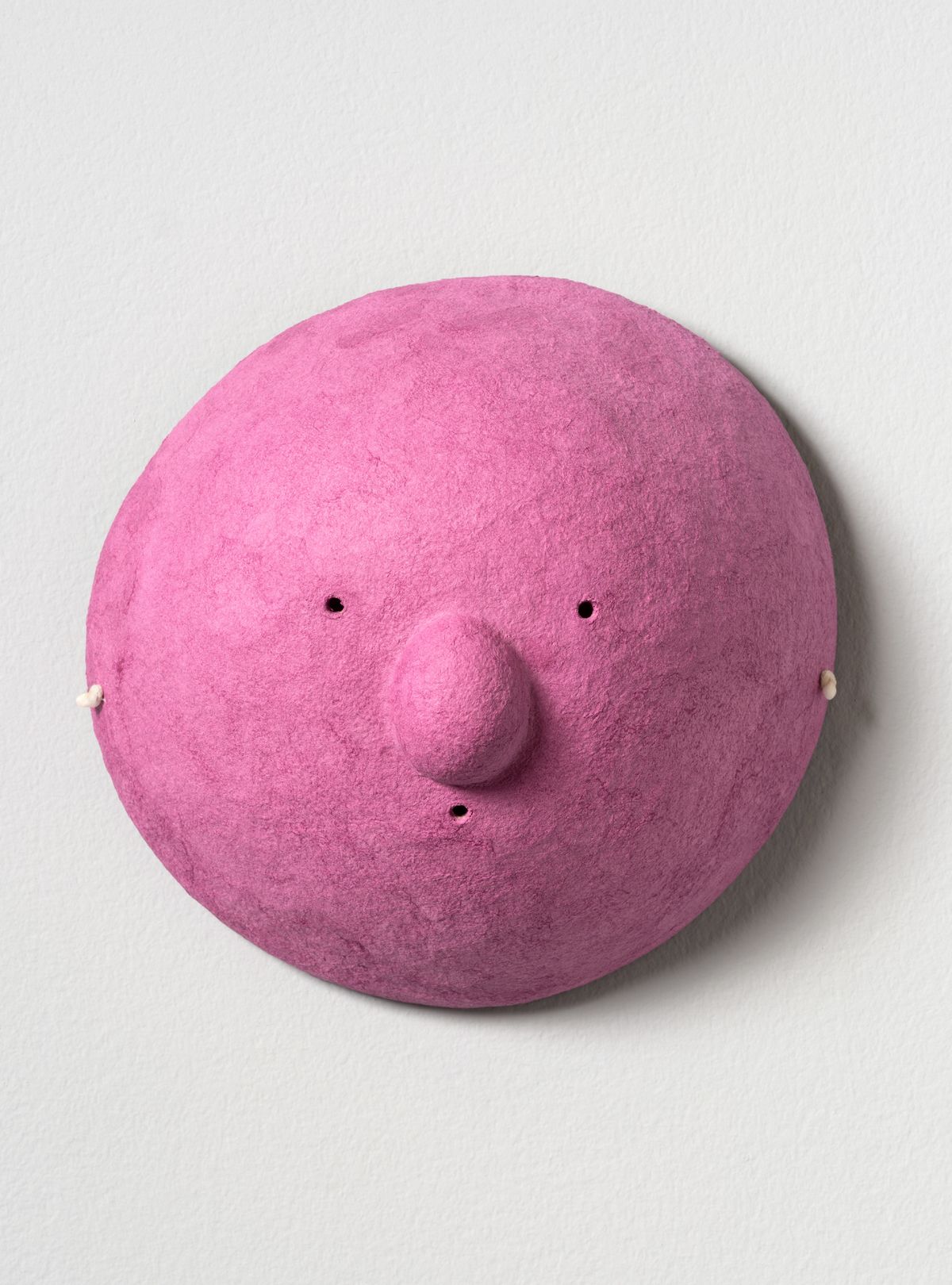
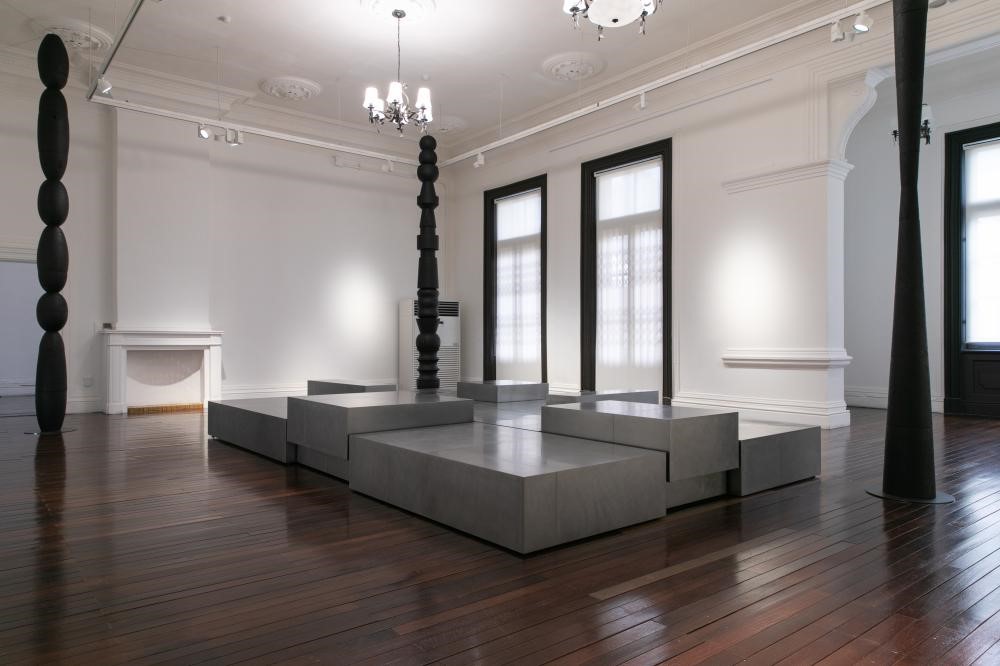
In addition to her work with master quilters, Seulgi Lee has engaged in various collaborations of a different nature. Here, her attempts to sustain disappearing languages and cultures by borrowing matter and materials from the past have been expanded into her work. In ‘Basket Project: W’, she worked with craftspeople in Santa María Ixcatlán, a small village in the north of Mexico’s Oaxaca state. The disappearing magic culture and language of a Mexican minority community are made into sculptures and videos featuring the community’s symbolic baskets, and the people and processes that make them.
These works are meant to call into the present the language and culture that once existed but are now dying out, and to build a bridge to their primitive forms. This serves to recall the memories and existence of things forgotten in our era as it races on toward somewhere in the future, attempting to postpone their disappearance and, thereby, evoking our current lives.
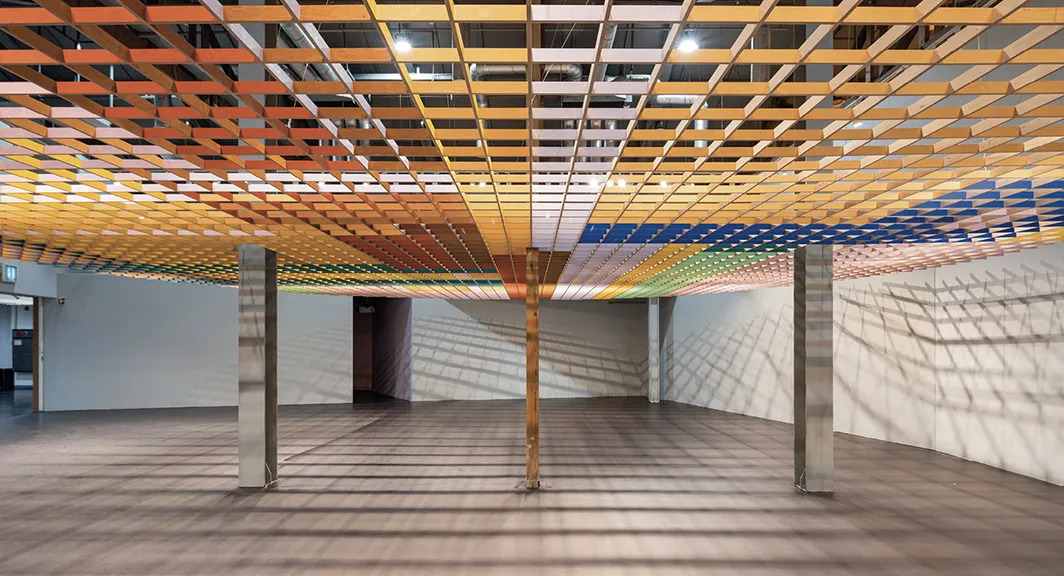
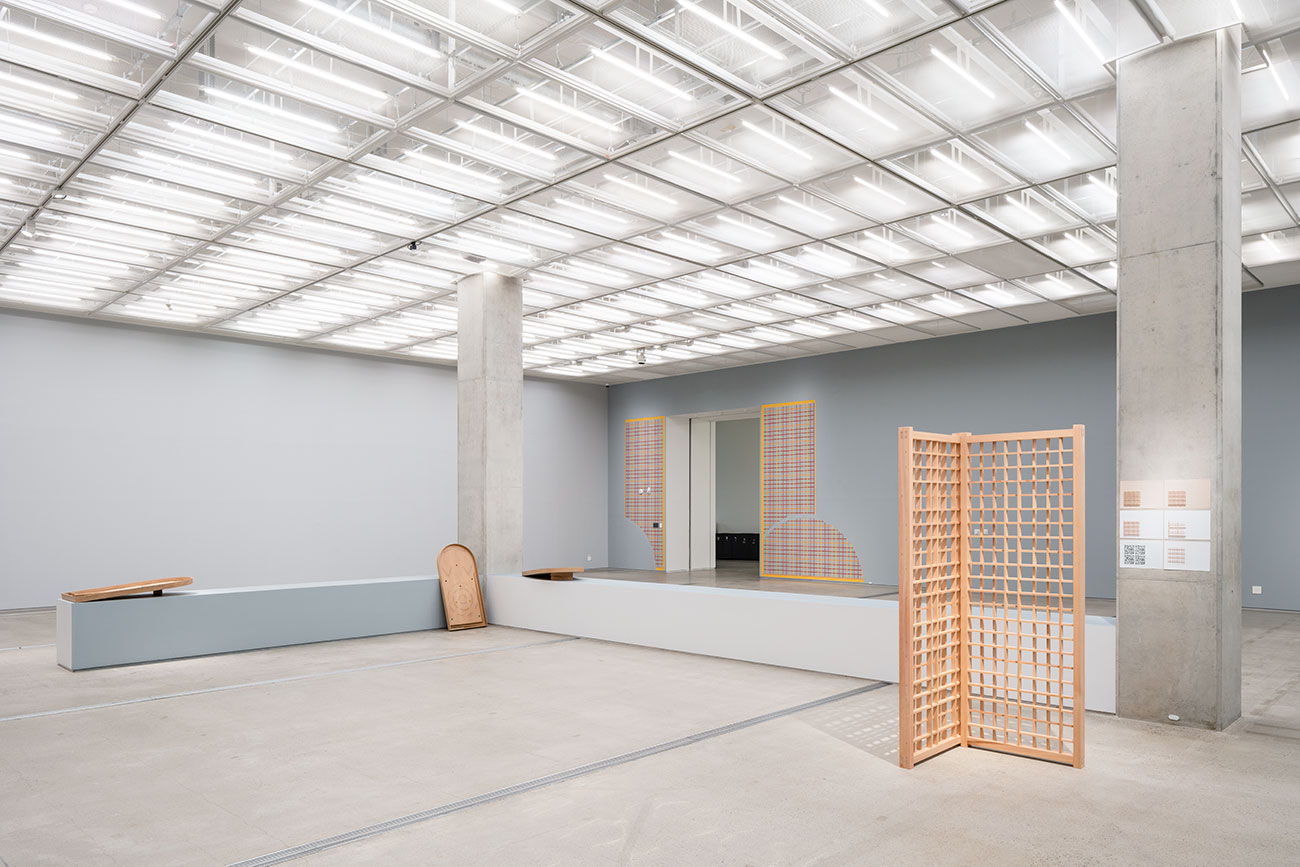
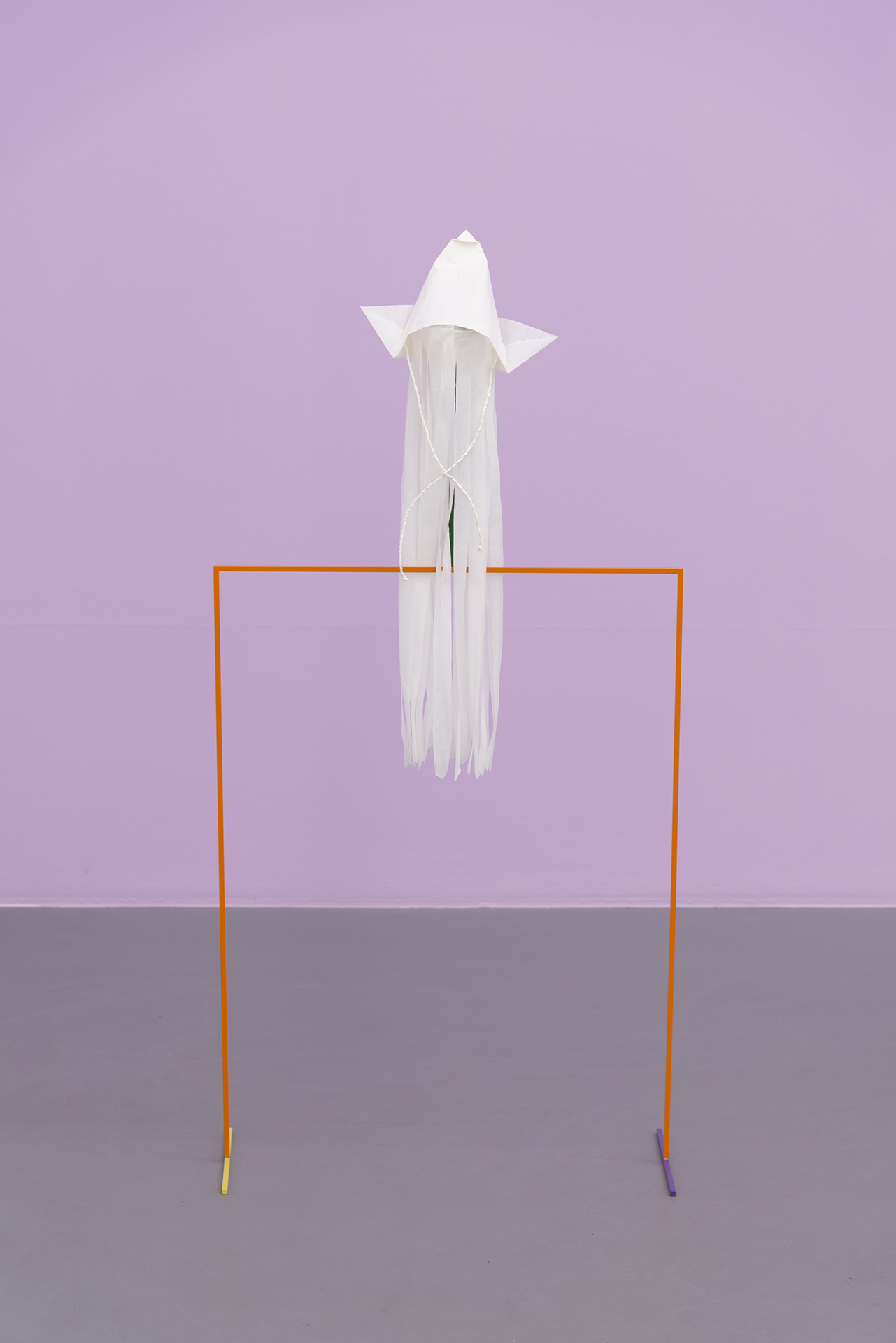
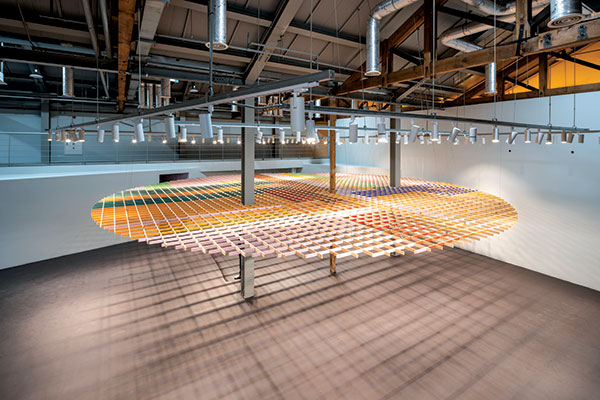
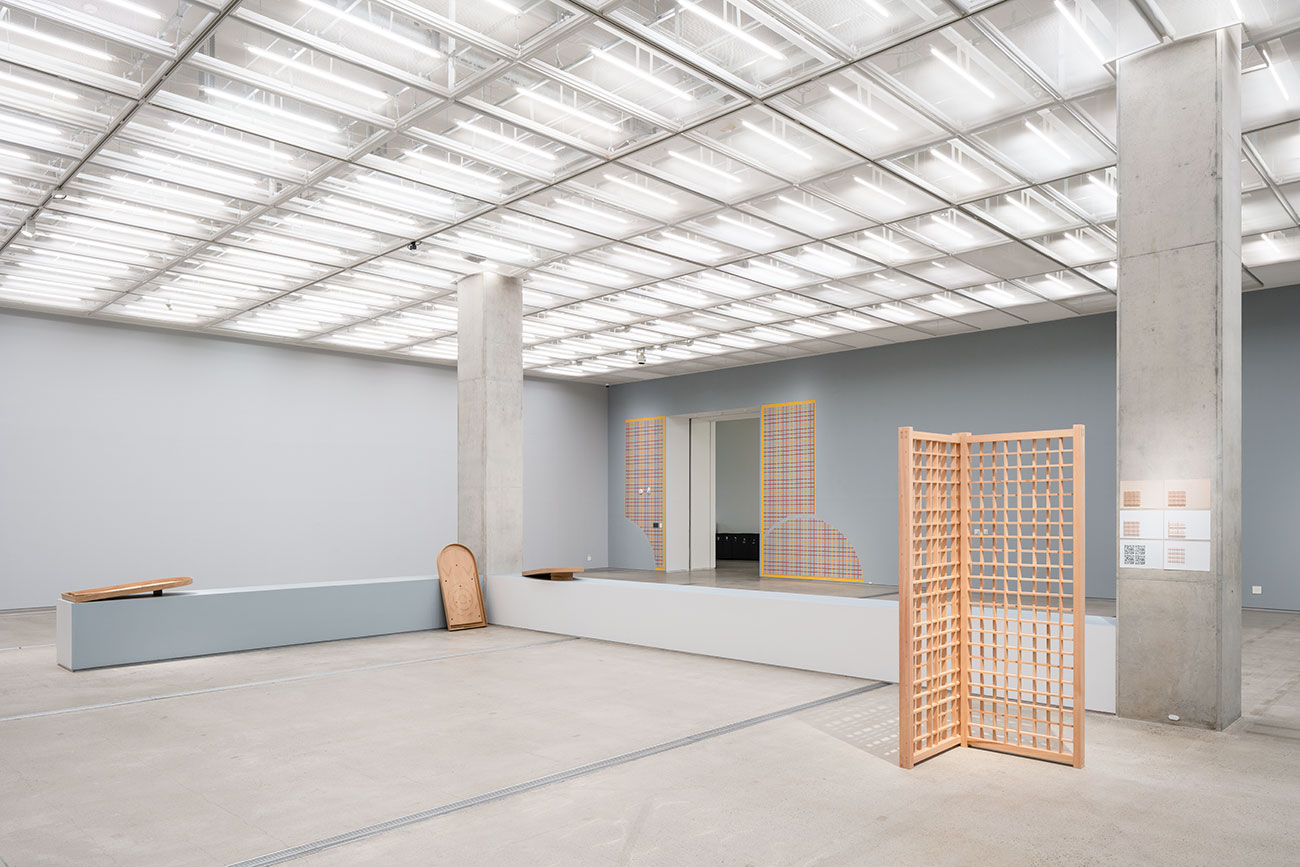
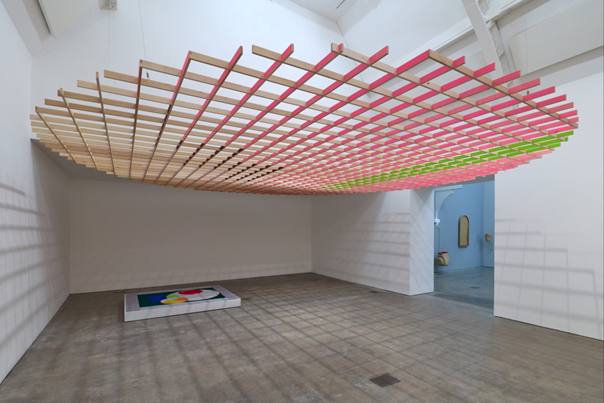
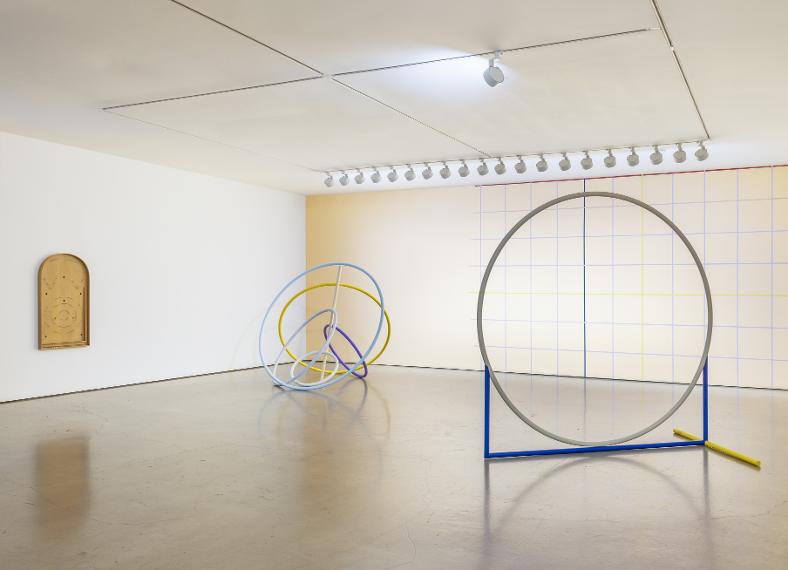
Seulgi Lee’s works, beginning with explorations of daily life and objects, demolish fixed ideas about them and enable new views. They use single objects to link past and present, showing tactile weavings that built narratives mixing fine art and craft, the abstract and the figurative, tradition and contemporaneity, literature and art, the linguistic and the visual. Here, weaving is an important technique and device in Lee’s work that includes the “tying together” that she speaks of, the relocating moves and images that characterize weaving, and the narrative features that unfold in the rhythm of predicting the next move.
The products of Lee’s working methods and attitudes, flexibly influenced by the mixing and changing of different genres, leads me to believe that ‘Korea Artist Prize’ would allow her to further increase the range of her work in the future; I think now is a more appropriate time than ever for this to happen.