Formally,
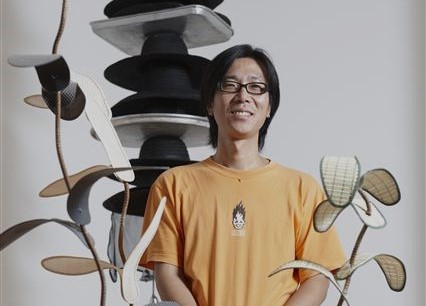
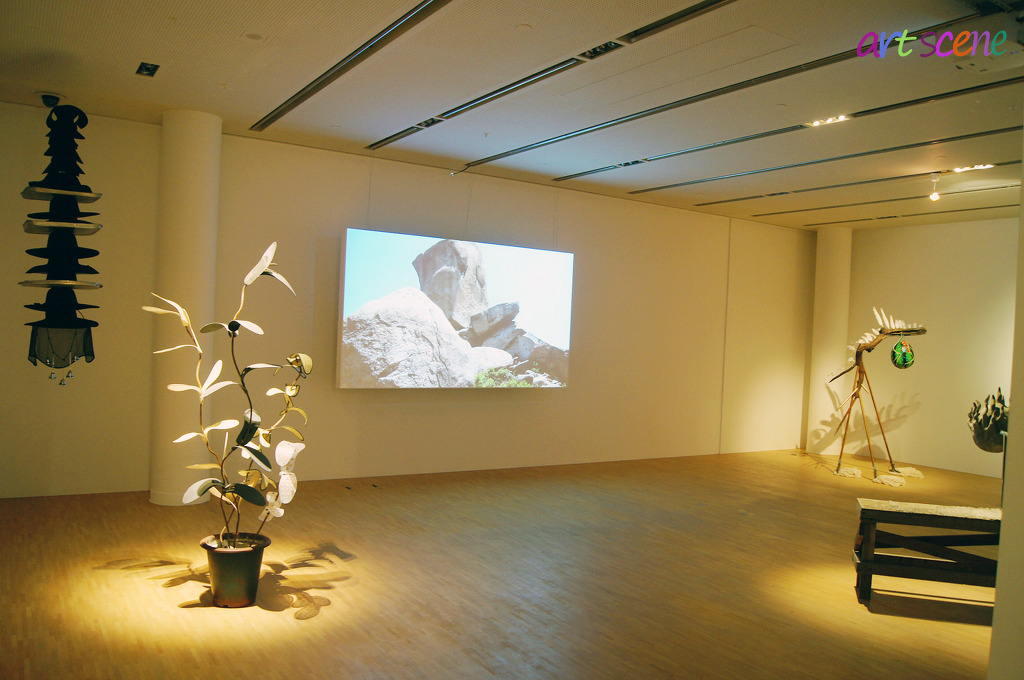
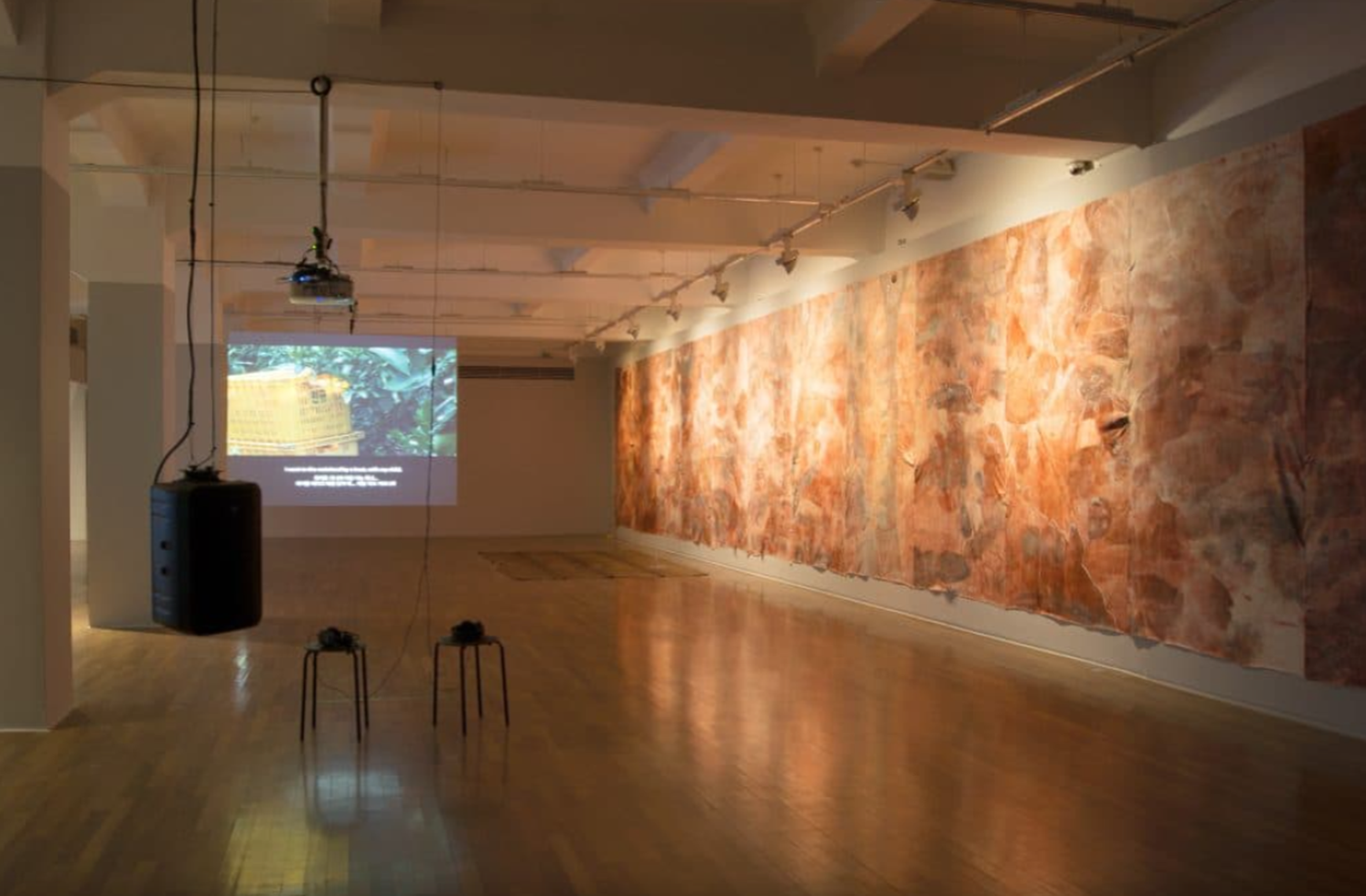
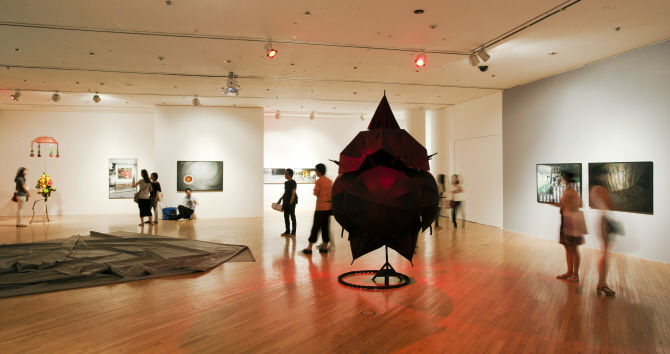
Kim’s work spans photography, installation, sculpture, video, and performance.
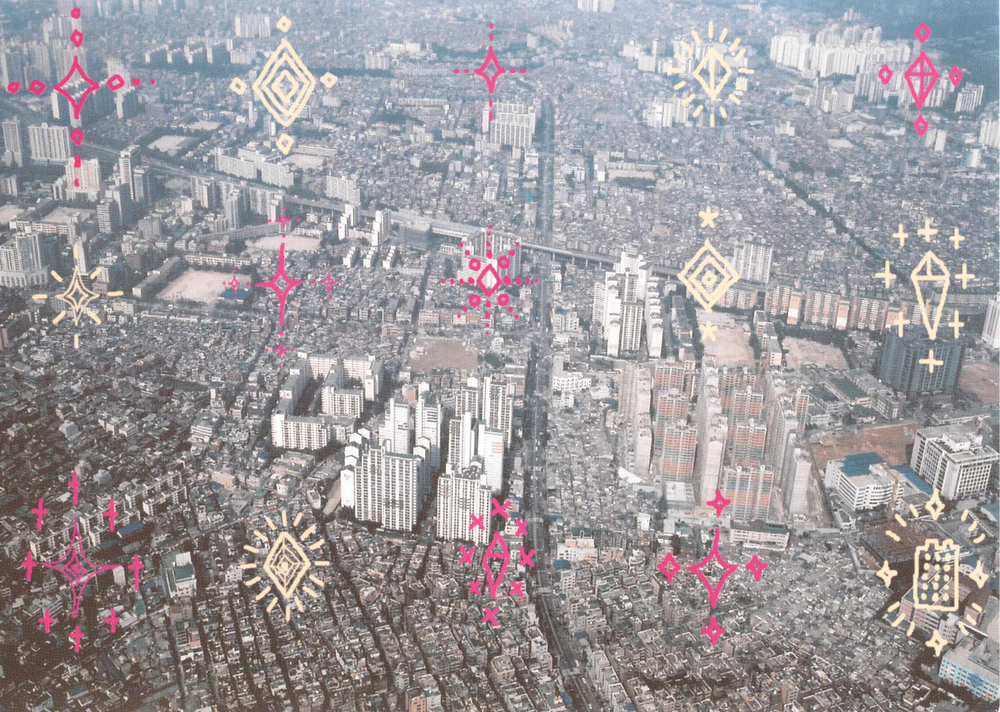
Early works such as Congratulations on Moving In and Hello
are grounded in a documentary photographic format, yet they move beyond simple
documentation toward metaphorical image construction that condenses structural
realities. Rather than explaining social, economic, or political conditions
directly, he visually juxtaposes upper and lower layers of reality through
aerial-view compositions, metaphorical objects, and the reordering of symbols.
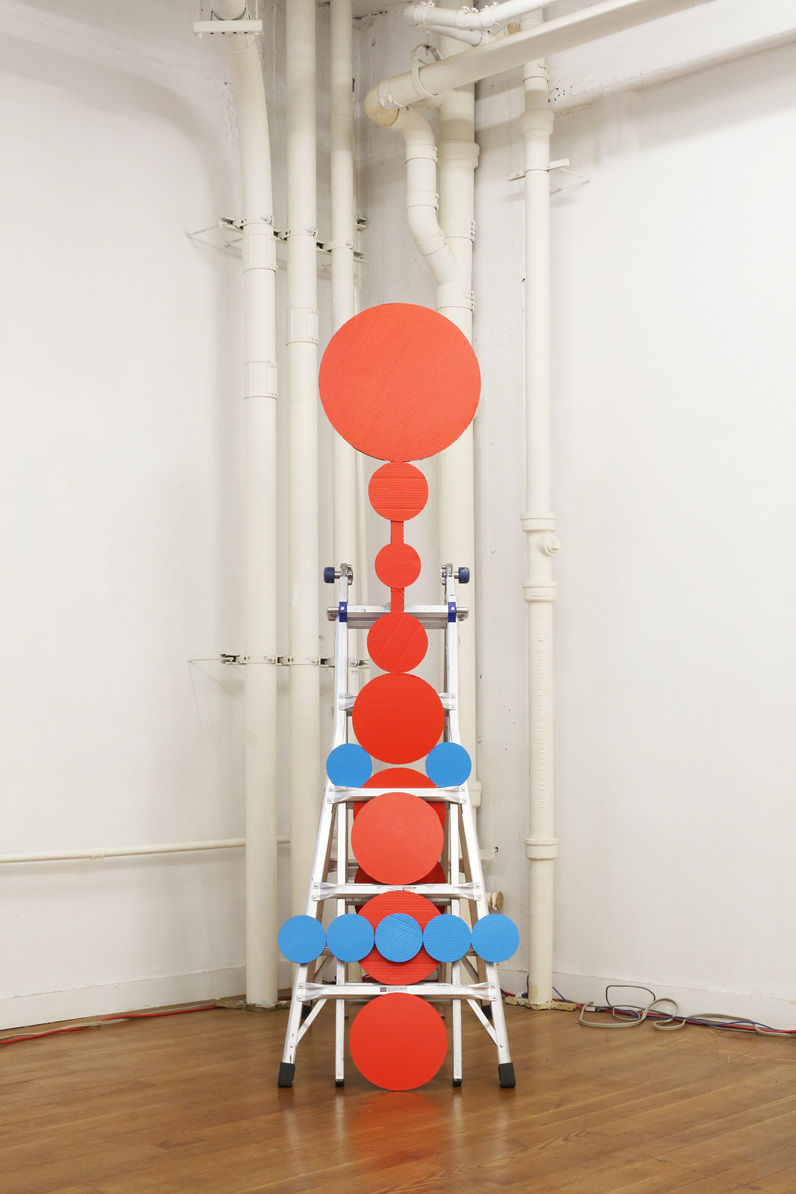
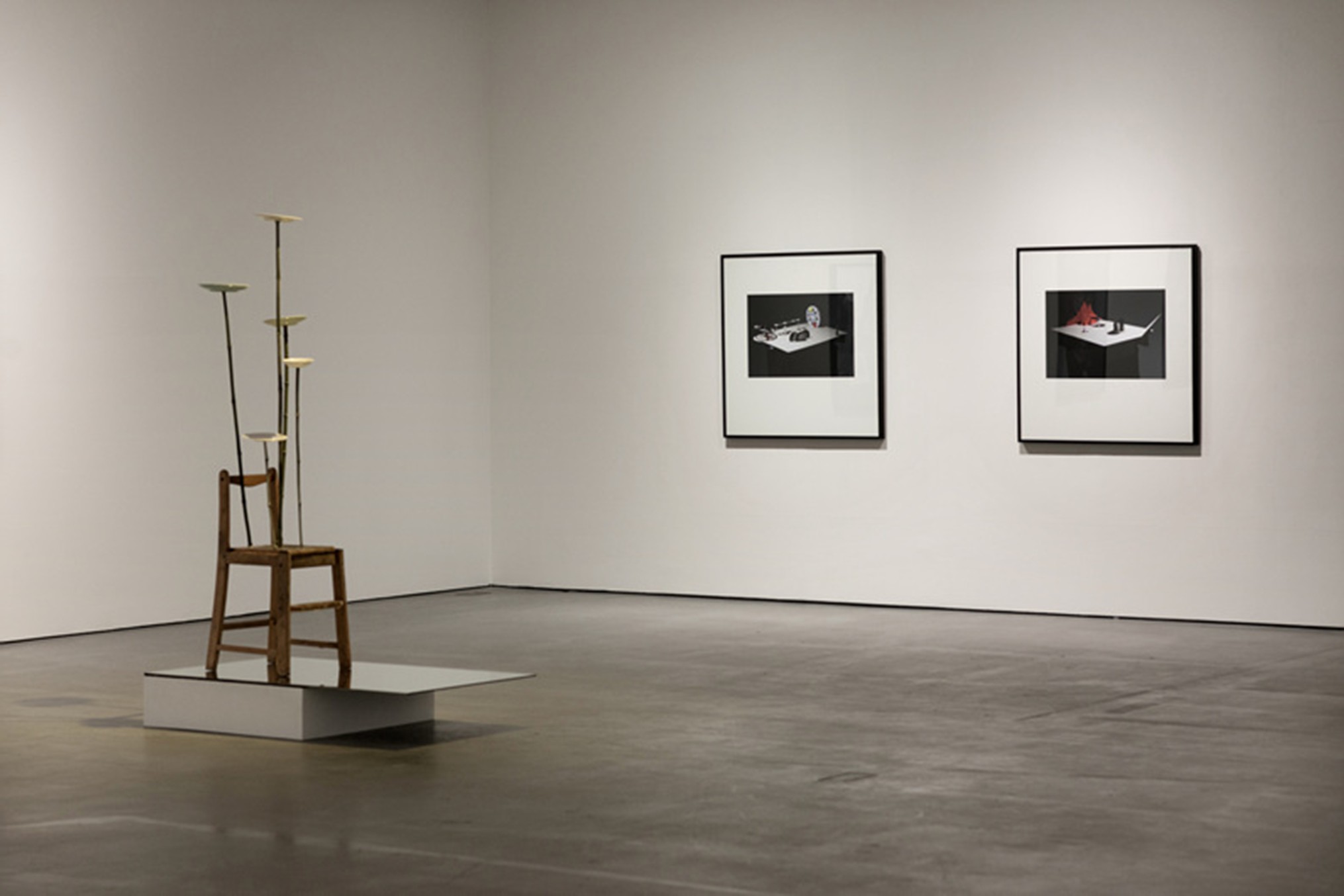
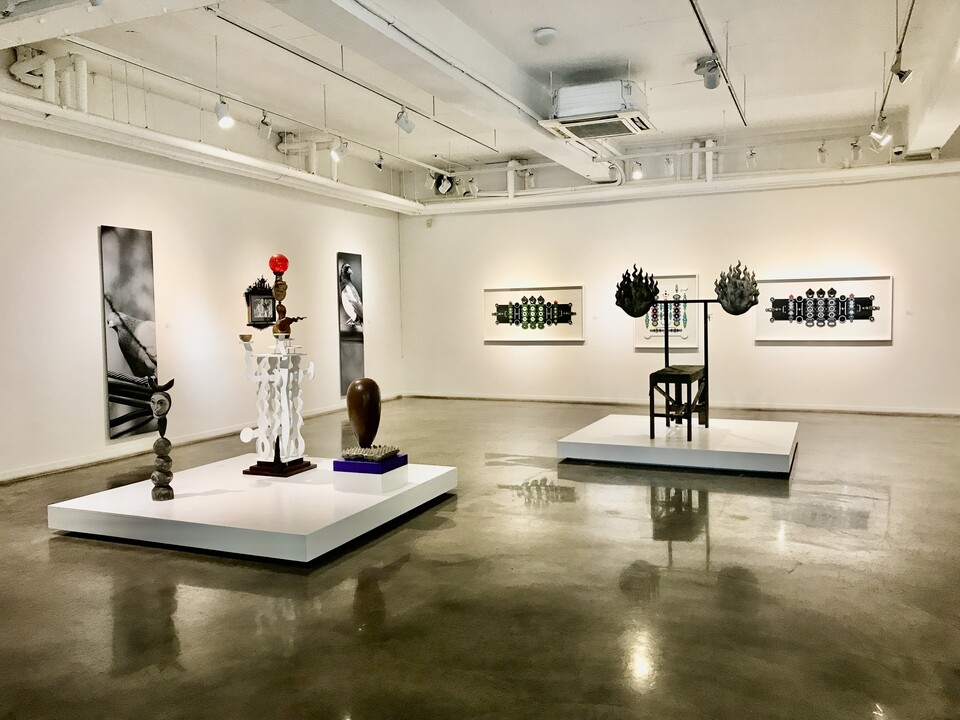
In Bulgwang-dong
Totem and Step by Step Plant (2011), everyday
objects such as shoe soles, plastic chairs, garlic, ginseng, and shells become
central mediators. The artist assembled these objects—associated with
regeneration, protection, and invocation—into totemic structures and
rephotographed them. This process creates a point where the materiality of
objects overlaps with the symbolic resonance of images, allowing commonplace
materials to function as carriers of social and historical narratives.
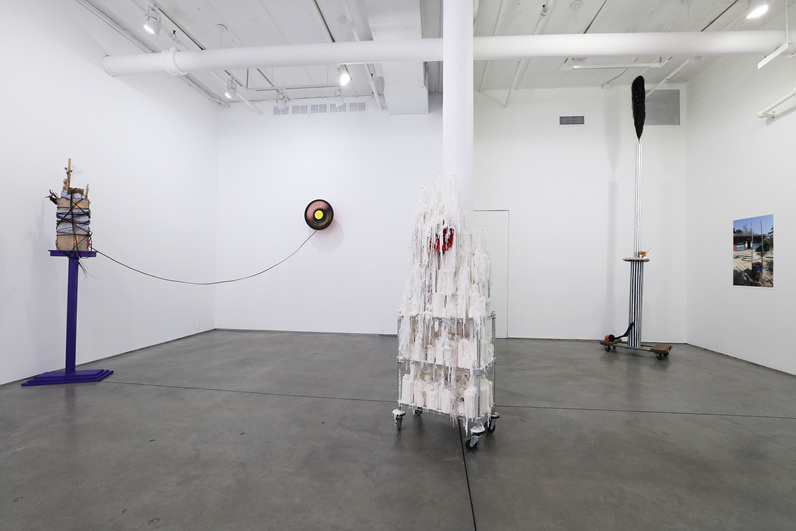
In his
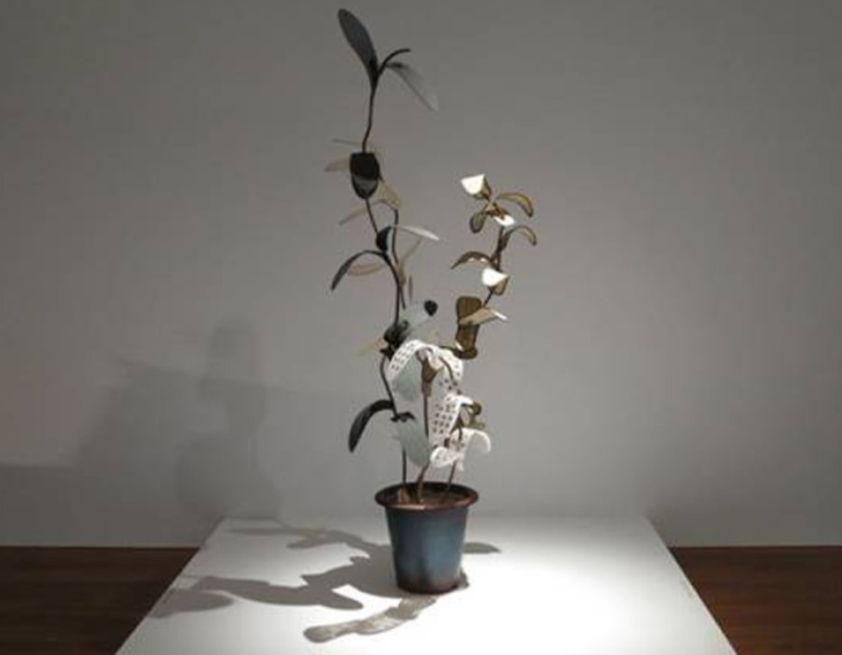
2014 New York solo exhibition 《Antenna》(DOOSAN Gallery New York, 2014), discarded materials such as trash,
bean pods, candles, and Styrofoam stood upright as “antennas.” Though they
cannot receive any signal, these objects metaphorically reference the mythic
fragments abandoned or neglected by Asia itself. A representative
work, Torma Antenna(2014), incorporates the structure
of Tibetan torma towers, visually articulating processes of cultural crossing
and symbolic transmission.
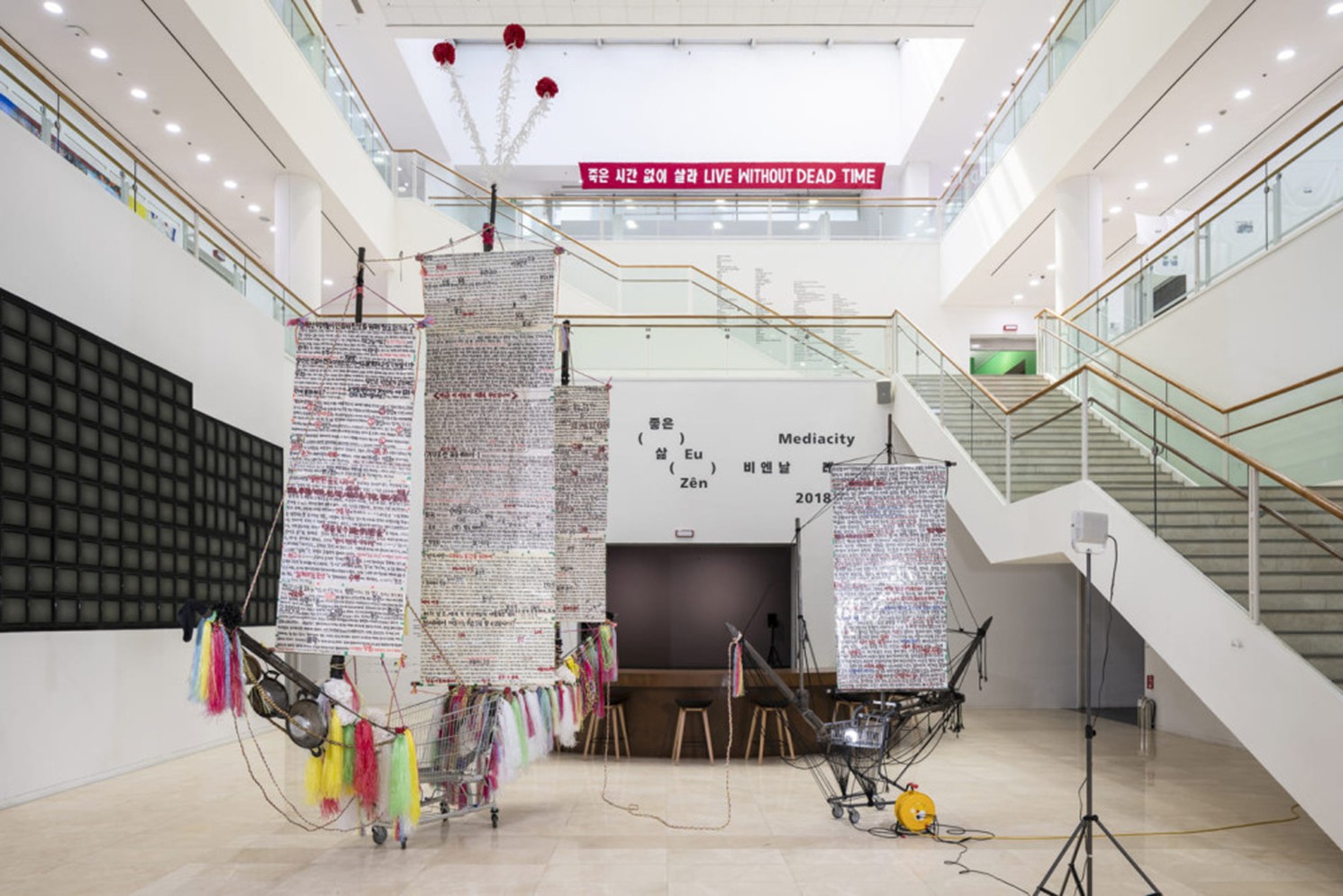
In works
from the 2020s such as Monument Zero and March,
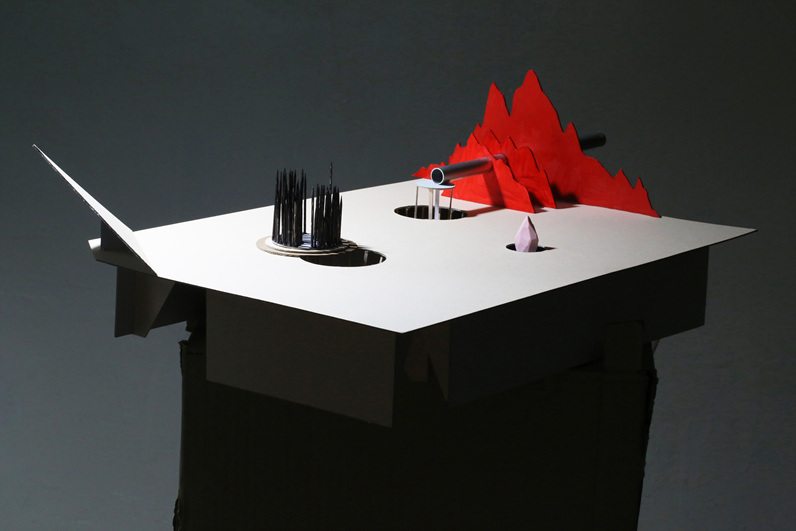
Kim further expands his formal language. He combines paper and clay to
construct structures oscillating between presence and absence, re-mediating
them through photography; or merges objects with differing temporal and
symbolic systems—shopping carts, masks, bier structures—to reinterpret
collective funerals and mourning practices. This method juxtaposes material
fragility, spiritual worldviews, and social realities, configuring material,
image, and memory into a continuous layered field.