An exhibition featuring
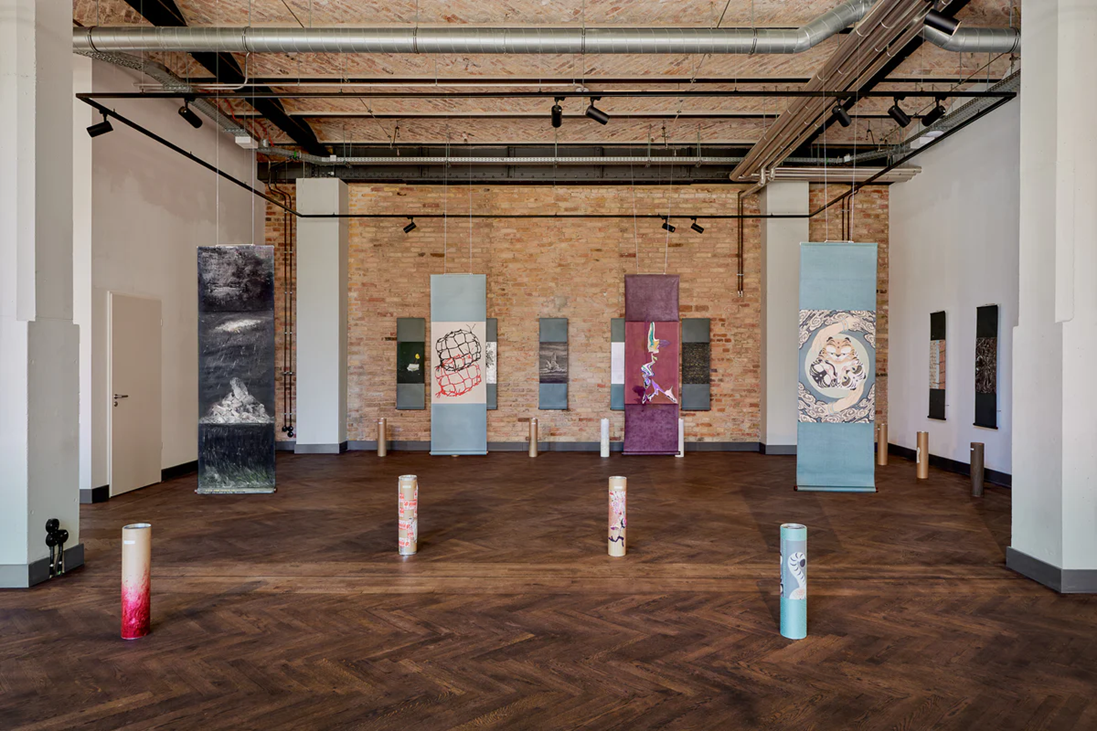
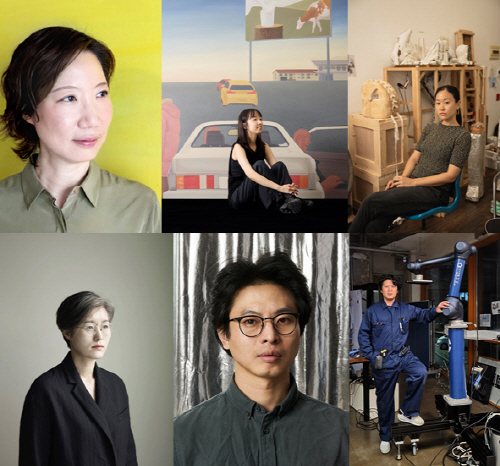
the three finalists of the 2010 Hermes Foundation Art Prize—Jina Park, Jongheon
Bae, and Yangachi—is being held at Atelier Hermes in Sinsa-dong, Seoul, through
September 19.
Now in its 11th edition,
the Hermes Foundation Art Prize is established by Hermes Korea with support
from the Hermes Foundation. Each year, it selects three Korean artists to
support the production and exhibition of new works, awarding a final winner with
a prize and monetary award. Uniquely, regardless of the final outcome, the
award showcases new works by all three finalists.
Renowned artists such as
Iso Park, Do Ho Suh, Chankyoung Park, and Minouk Lim have been past recipients
of the prize, which is widely respected in Korea and abroad. This year’s
exhibition features three artists with distinctly different sensibilities.
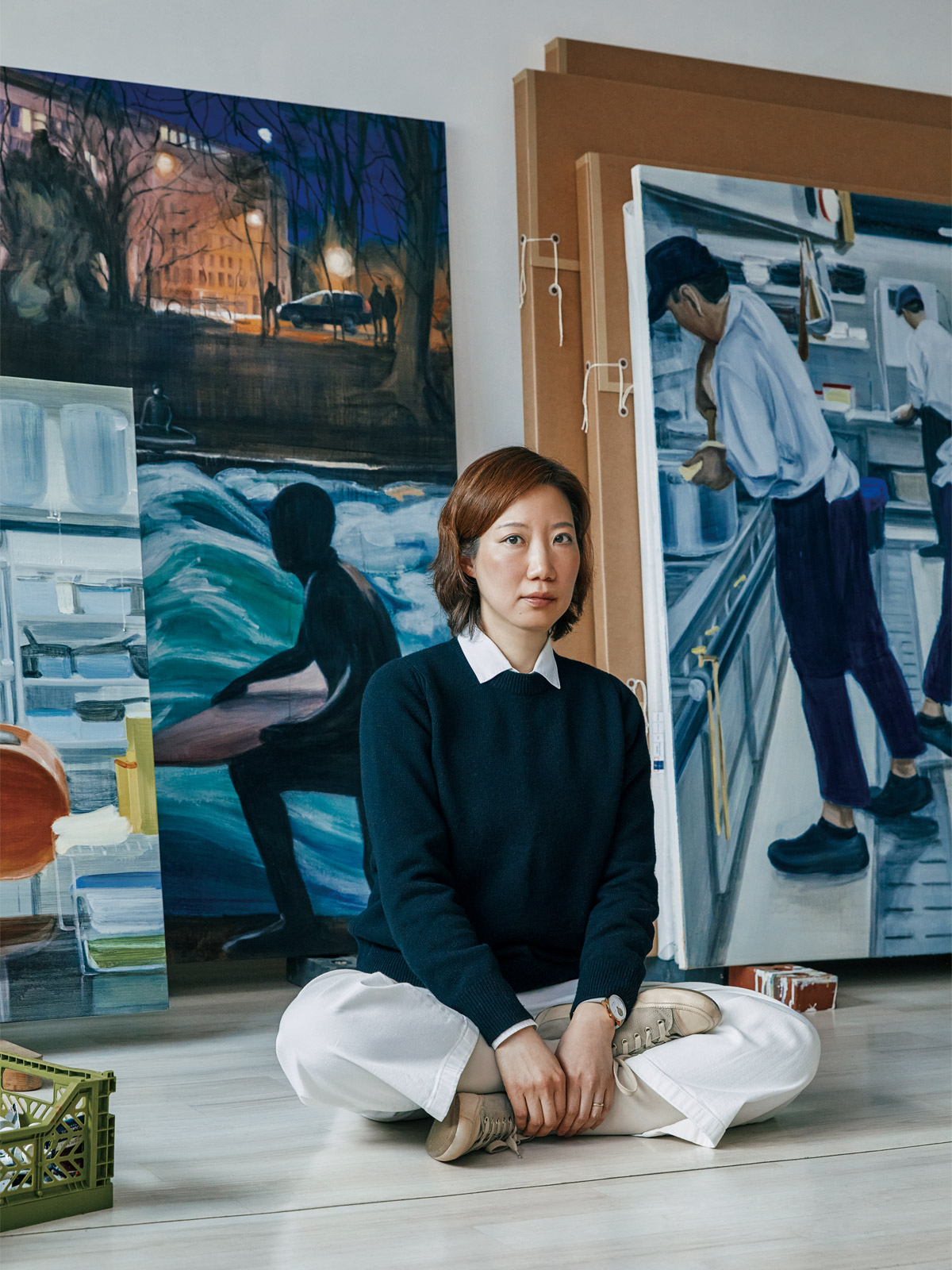
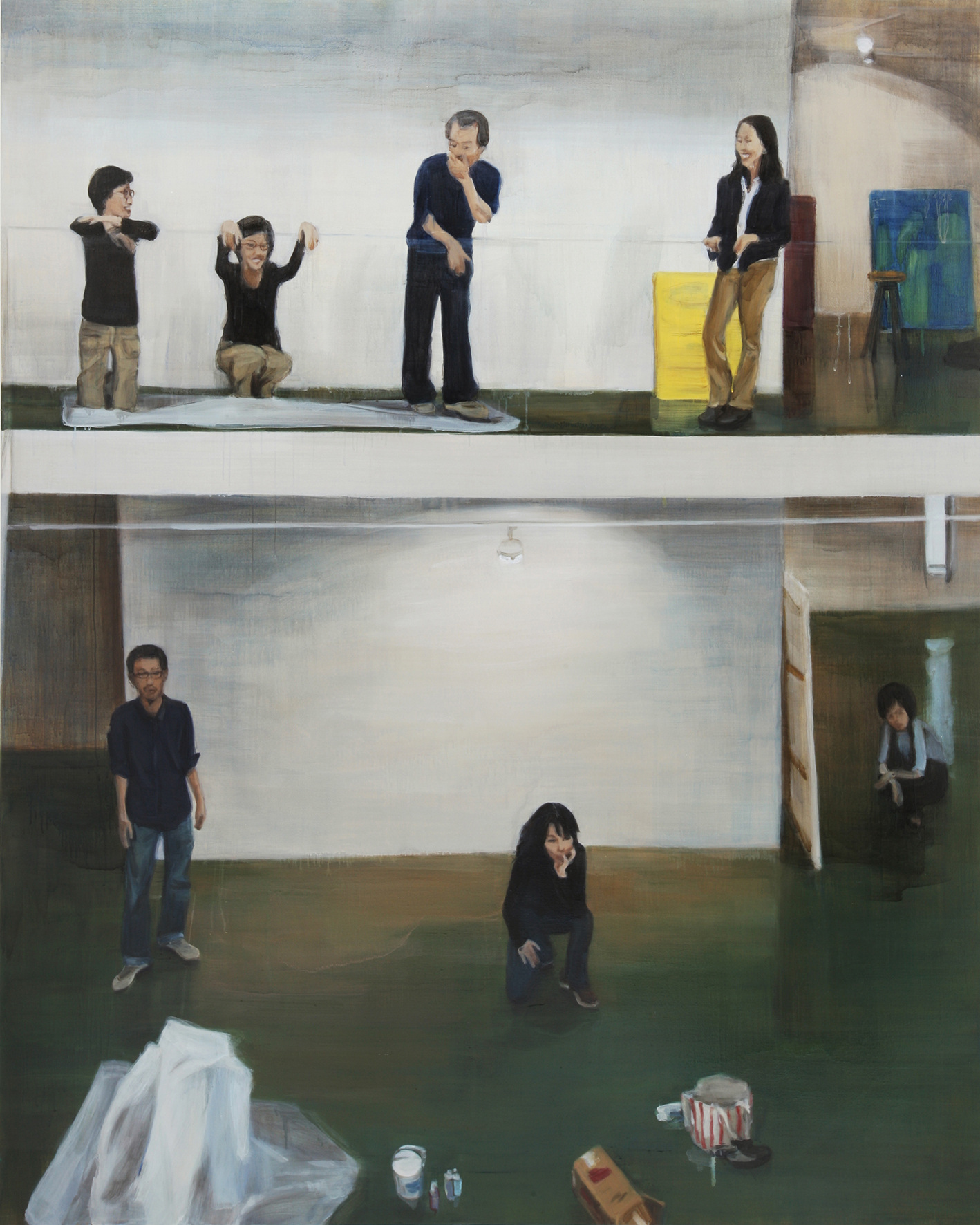
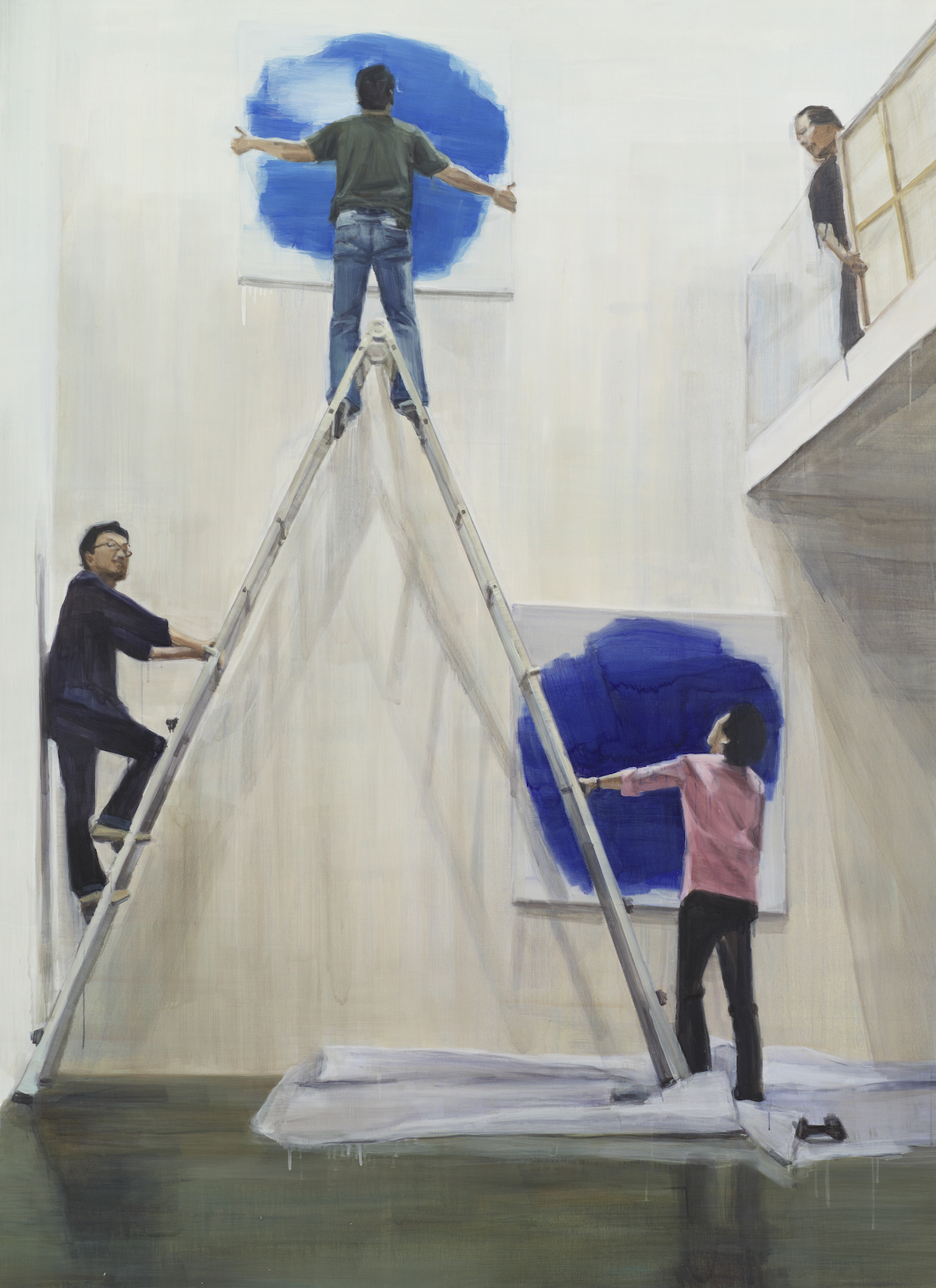
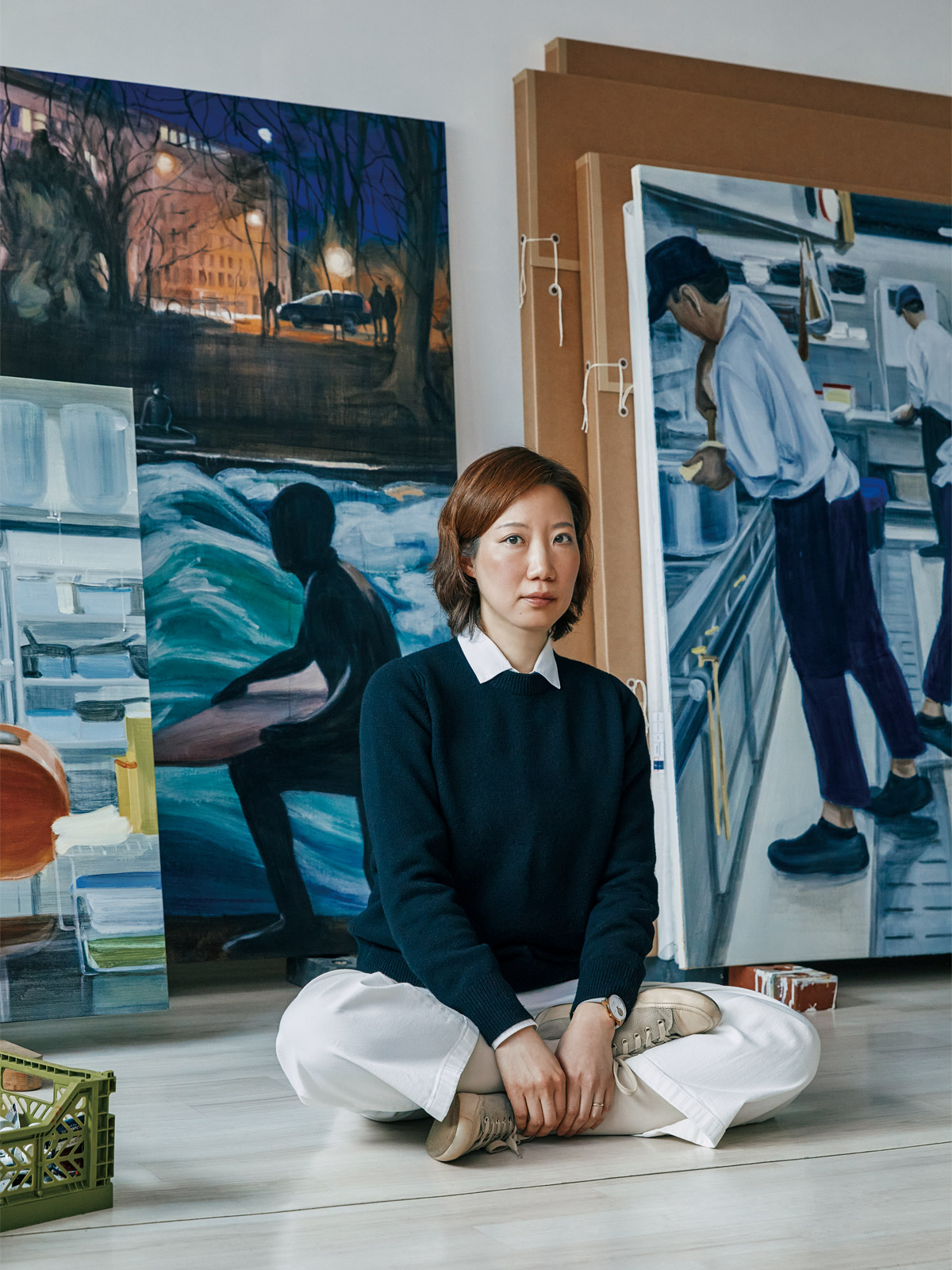
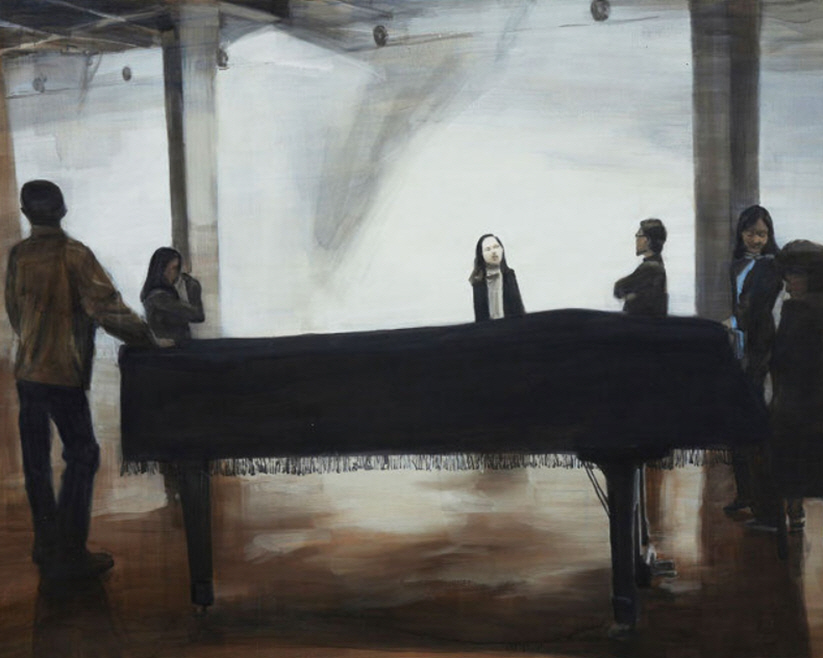
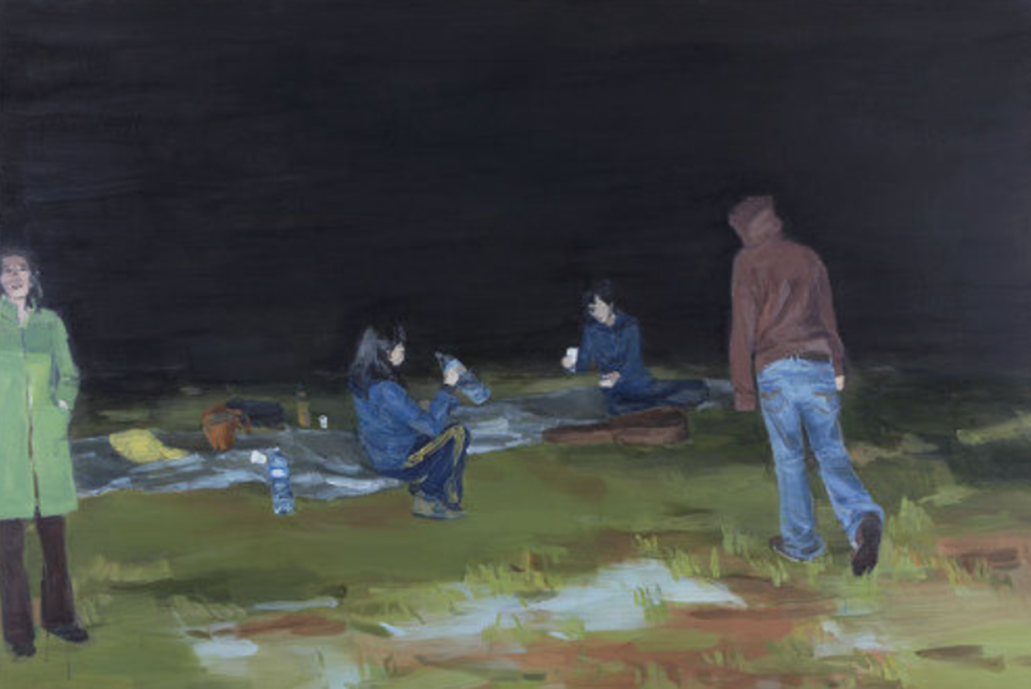
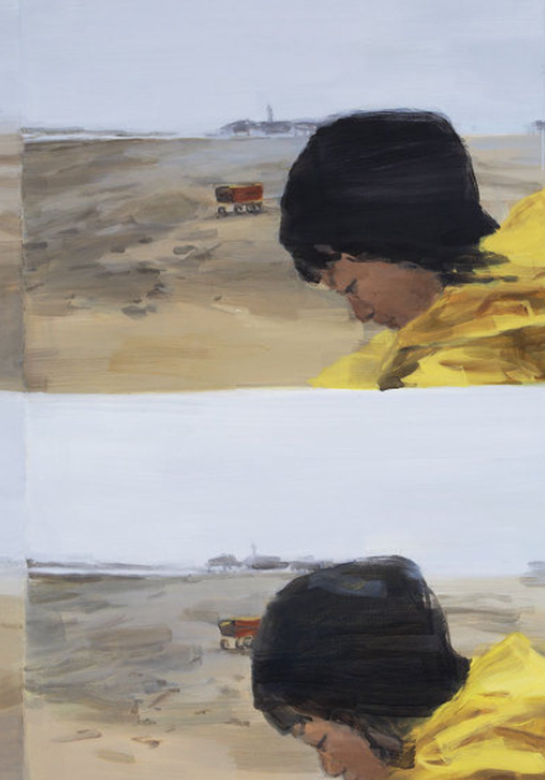
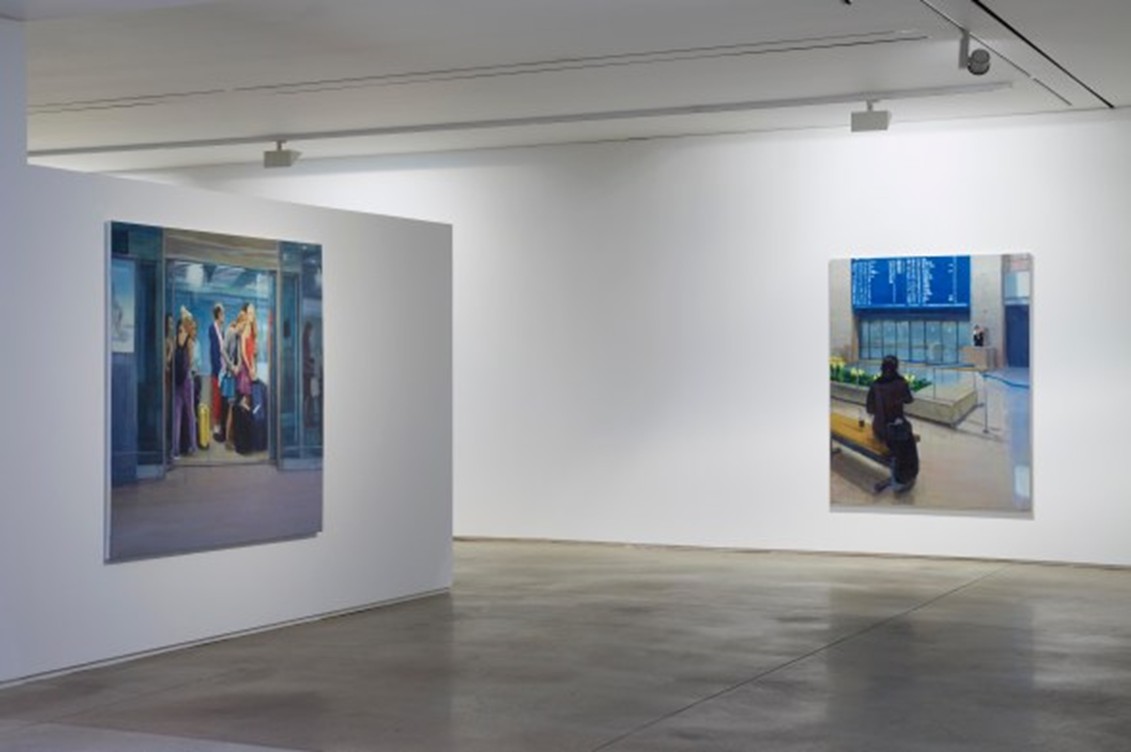
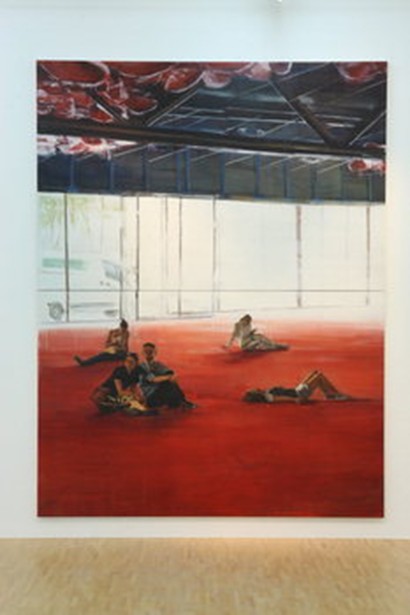
Jina Park (age 36), the
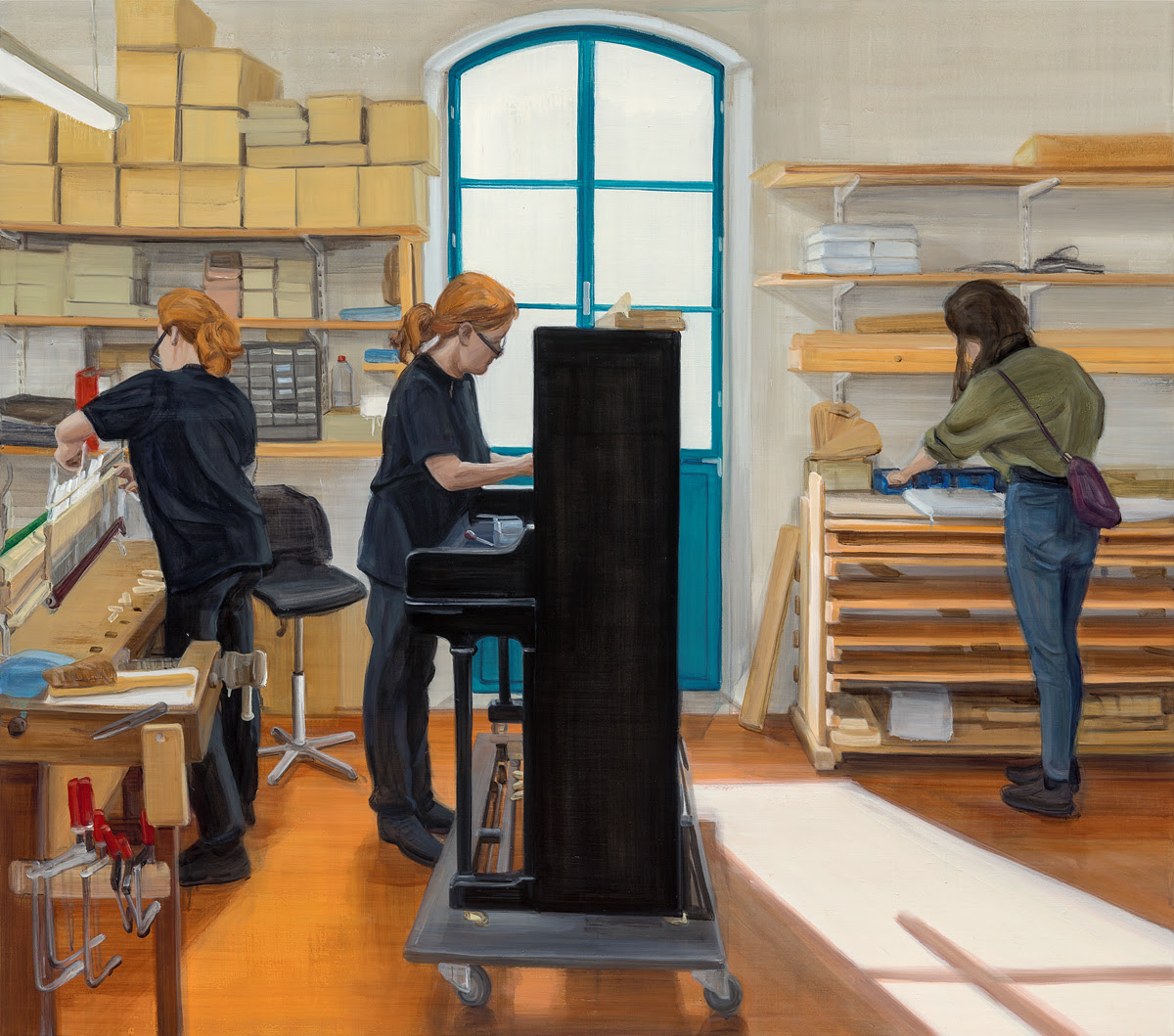
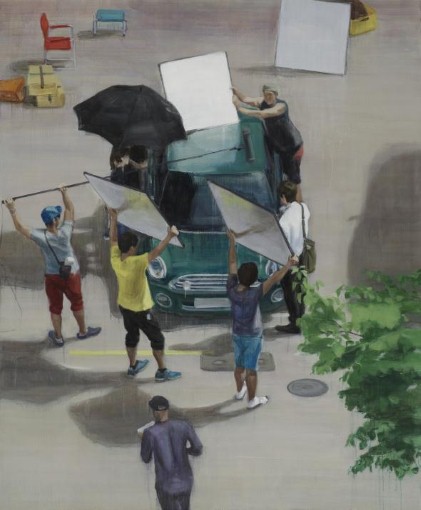
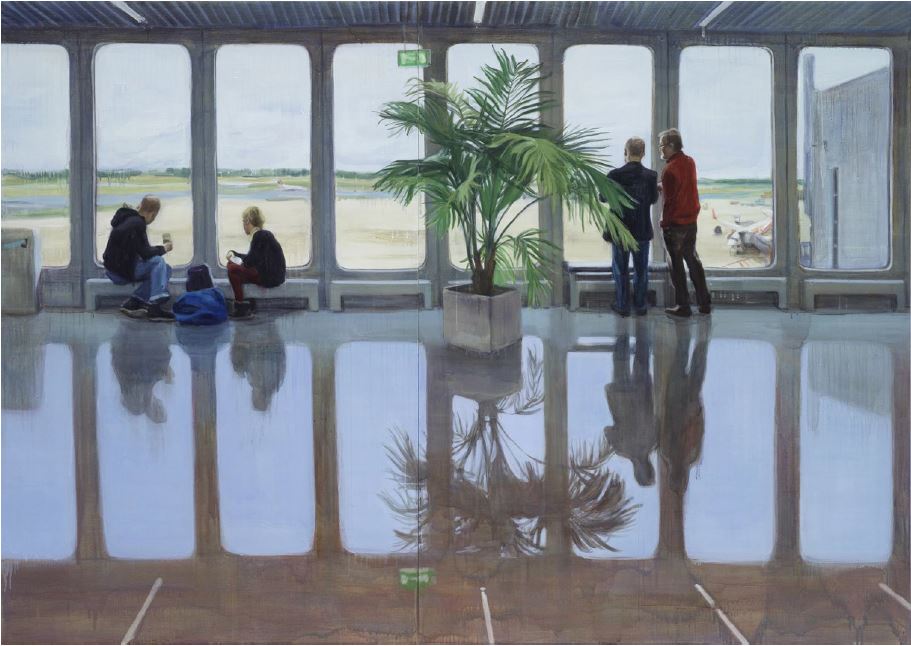
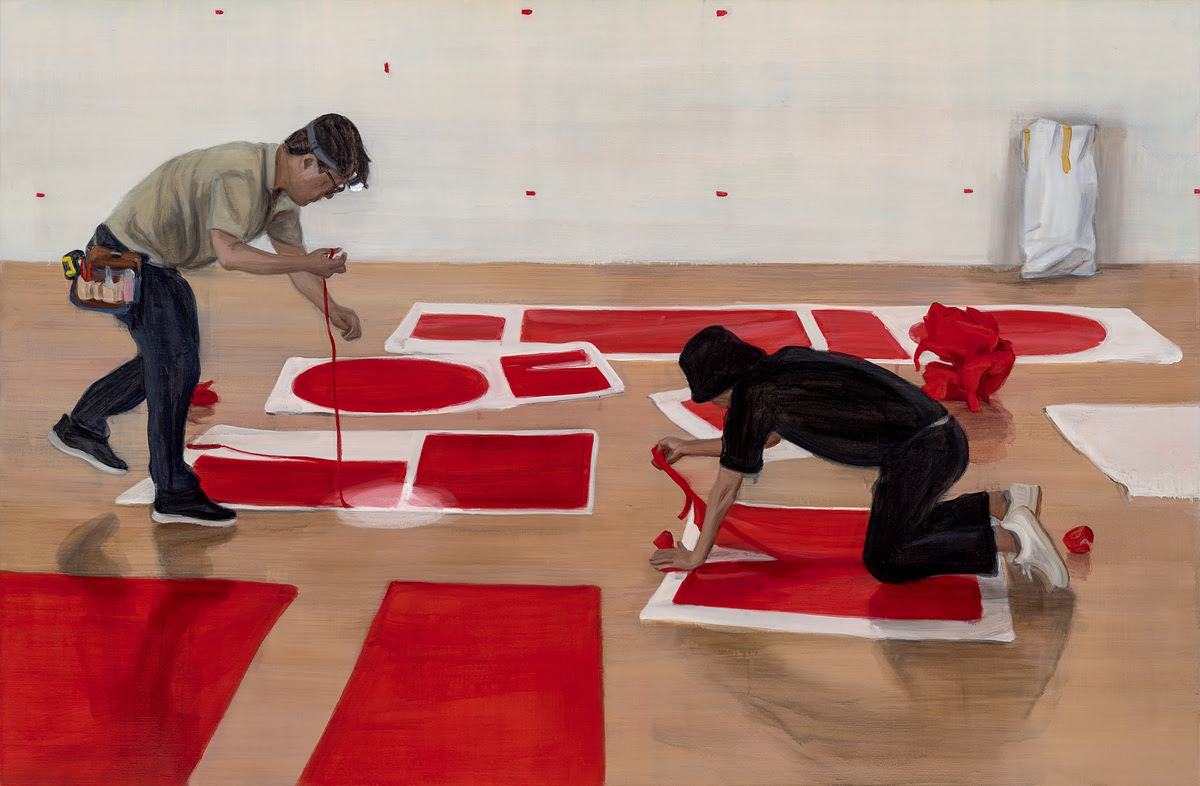
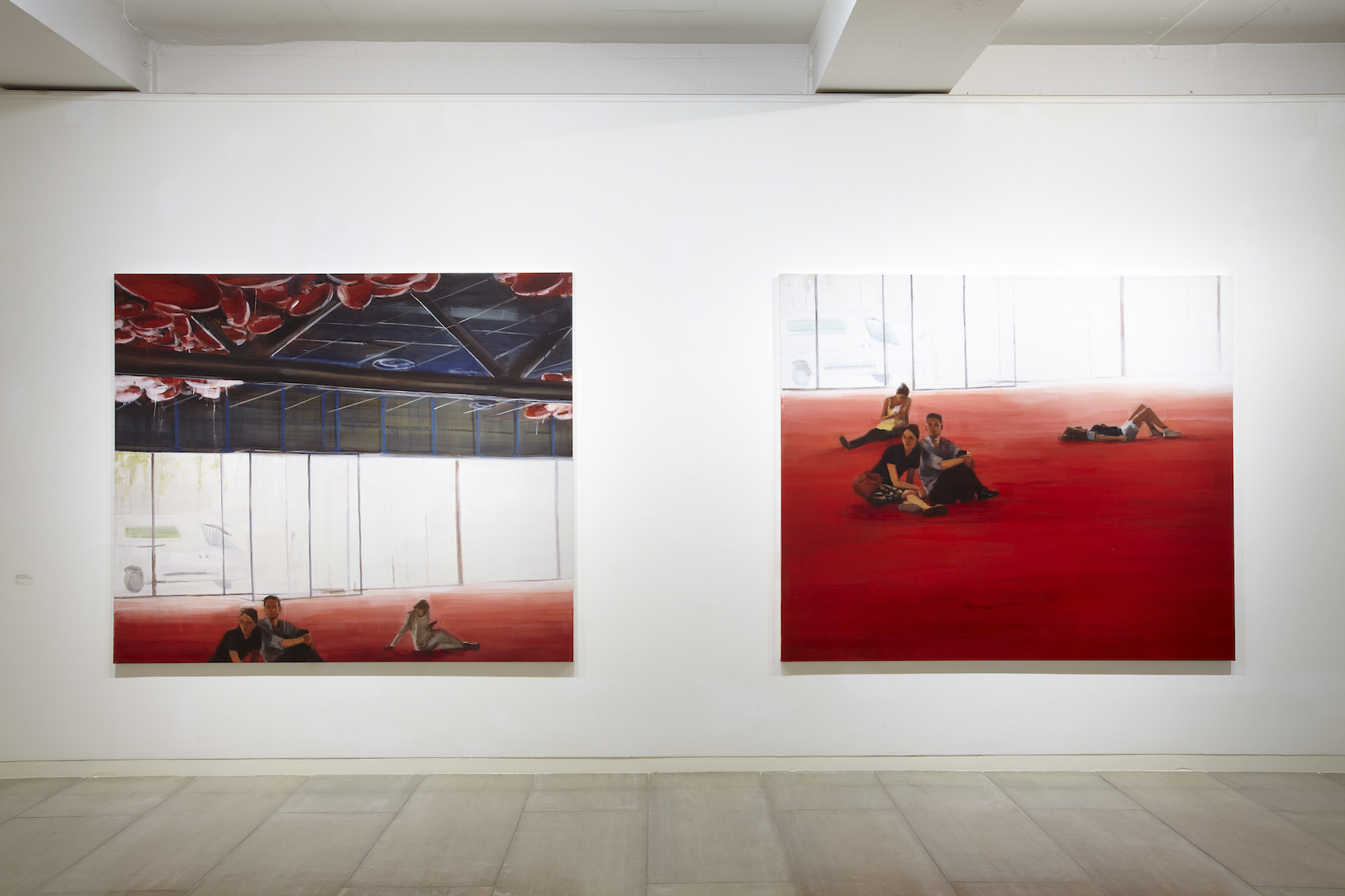
first painter to be nominated for the award, presents eight works that
reconstruct scenes she originally captured as snapshots. Most of the paintings
depict people working behind the scenes in museums—installing artworks,
adjusting lighting, or cleaning. Though seemingly capturing mundane daily
moments, the paintings evoke a cool, haunting, and quiet beauty. The paintings
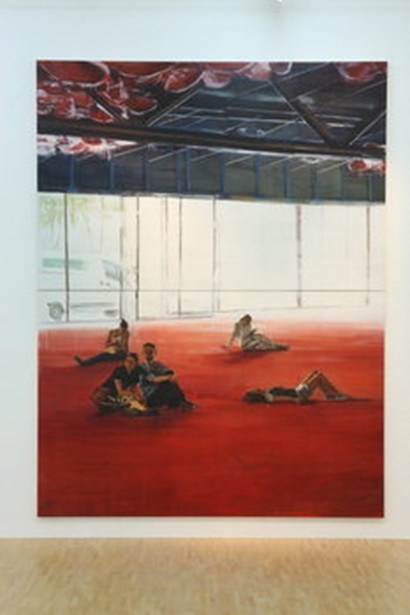
within the paintings appear abstract, as if composed of gathered light, while
empty spaces are filled with bold hues of crimson or yellow, creating simple
yet powerful visual impact.
The artist notes, “I
didn’t recreate the photographs as-is; I restructured them through my own
impressions and imagination, especially the cool ambiance of museums under
artificial lighting. I wanted to leave room for varied interpretations by
emphasizing color, incorporating abstract elements, and depicting large empty
areas.” She adds, “Rather than focusing on the objects or situations being
viewed, I’m drawn to those who are watching—those who seem momentarily lost in
thought, gazing with a blank yet concentrated expression.”
Jongheon Bae (age 41)
presents works that blend his personal experiences and daily life with pressing
environmental and climate issues, which have become more cultural and social
phenomena than natural events. His video work Our Home Weather Report
shows the artist forecasting weather based on yellow dust drifting in through
the window or rain leaking from the roof—shifting the perspective from village
weather to a microclimate of his own home.
His installation The
Origin of Climate – Colosseum, composed of 500 wooden boxes, contains
everyday consumer goods with nature-related keywords—sunscreen, visors, organic
snacks. Alongside these is a video showing humans dressed in UV-protective gear
such as masks, hats, and arm covers, appearing almost alien. Inspired by the
Roman Colosseum, once a site where slaves fought, the work critiques today’s
throwaway culture, where mass-produced goods seem to clash and compete in a
kind of spectacle. Bae states, “Personally, nature is a source of joy and
happiness,” but through these works, he reveals “the image of humans destroying
nature by treating it as a target of conquest.”
Media artist Yangachi
(age 40), also a nominee for this year’s Asia Art Award, presents Bright
Dove Miss Hyunsook, a multimedia installation consisting of six
works, including video, photography, and sound. The centerpiece of the series
is two videos: one from the point of view of Hyunsook, who has become a dove,
and another from the perspective of a CCTV observing her.
As Miss Hyunsook, the
dove travels from her home in Buam-dong to the Hermes venue near Dosan Park,
becoming possessed by different characters—an artist, a student, a dancer,
among others—depending on the place she visits. The artist explains that “by
showing both the perspective of the dove and the CCTV, the work encourages
viewers to adopt a broader perspective.”
Though the dove ends the
journey believing that “the world is beautiful,” the video abruptly ends with
the onscreen word Red Sun—a phrase associated with
hypnosis-induced awakening—implying that even the belief in a beautiful world
may be nothing more than an illusion.