Koo
Jeong A transforms mundane materials into profound sensory experiences. Her
work challenges conventional perception, exploring boundaries between presence
and absence while rethinking how art engages with space and community.
“Nothing
is merely ordinary.” This is the philosophy that anchors Koo Jeong A's art,
which approaches the everyday from within, demonstrating how patient attention
to overlooked elements can reveal profound interconnections. Hovering at the
edge of awareness, Koo’s work is tied to traditional Korean aesthetics in which
absence carries as much significance as presence — a principle found in
ink-wash landscapes and temple architecture. Through quiet manipulations of
light, space, and scent, she dissolves artificial divisions.
ORCHESTRATING THE ORDINARY
Born
in Seoul in 1967, Koo was introduced to the concepts of value and exchange by
her economist father, and to the poetry of everyday spaces by her stay-at-home
mother. Educated at École des Beaux-Arts in Paris, she emerged on the art scene
during a pivotal period when Korean artists were gaining recognition beyond
Western-centric art narratives.
Koo’s
1996 breakout work Pullover’s Wardrobe simply consisted of
mothballs strategically placed in a Parisian apartment. Visitors first
encountered the installation through its distinctive aroma — reminiscent of
grandmothers’ cupboards — before identifying its visual source. That same year,
Koo presented Oslo, transforming pulverized aspirin into
miniature mountains and valleys under blue light, a meditative take on ordinary
materials that would become her hallmark.
Through
these early experiments, Koo established her signature method: activating
spaces through ephemeral elements that engage multiple senses, challenging the
dominance of vision in Western artistic traditions and demonstrating how beauty
emerges not from clarity but from relationships formed in unpredictable
configurations. By creating experiences that demand sensory recalibration, Koo
invites viewers to discover the extraordinary potential in ordinary materials
and moments.
While
many contemporary artists overwhelm viewers with scale and technical
virtuosity, Koo’s deliberately understated aesthetic invites a form of
contemplative engagement rarely experienced in today’s fast-paced visual
culture.
Major
institutions recognized Koo’s distinctive artistic language, culminating in her
2002 selection as a finalist for the Hugo Boss Prize at the Guggenheim Museum.
That year, for her exhibition 《3355》 Koo spent 24 hours living in
Vienna’s Secession gallery, methodically arranging hundreds of cigarettes. The
remnants of her presence — cigarette butts, plastic wrappers, personal objects
— created a charged atmosphere in which sterile white space confronted the
rhythms of human activity.
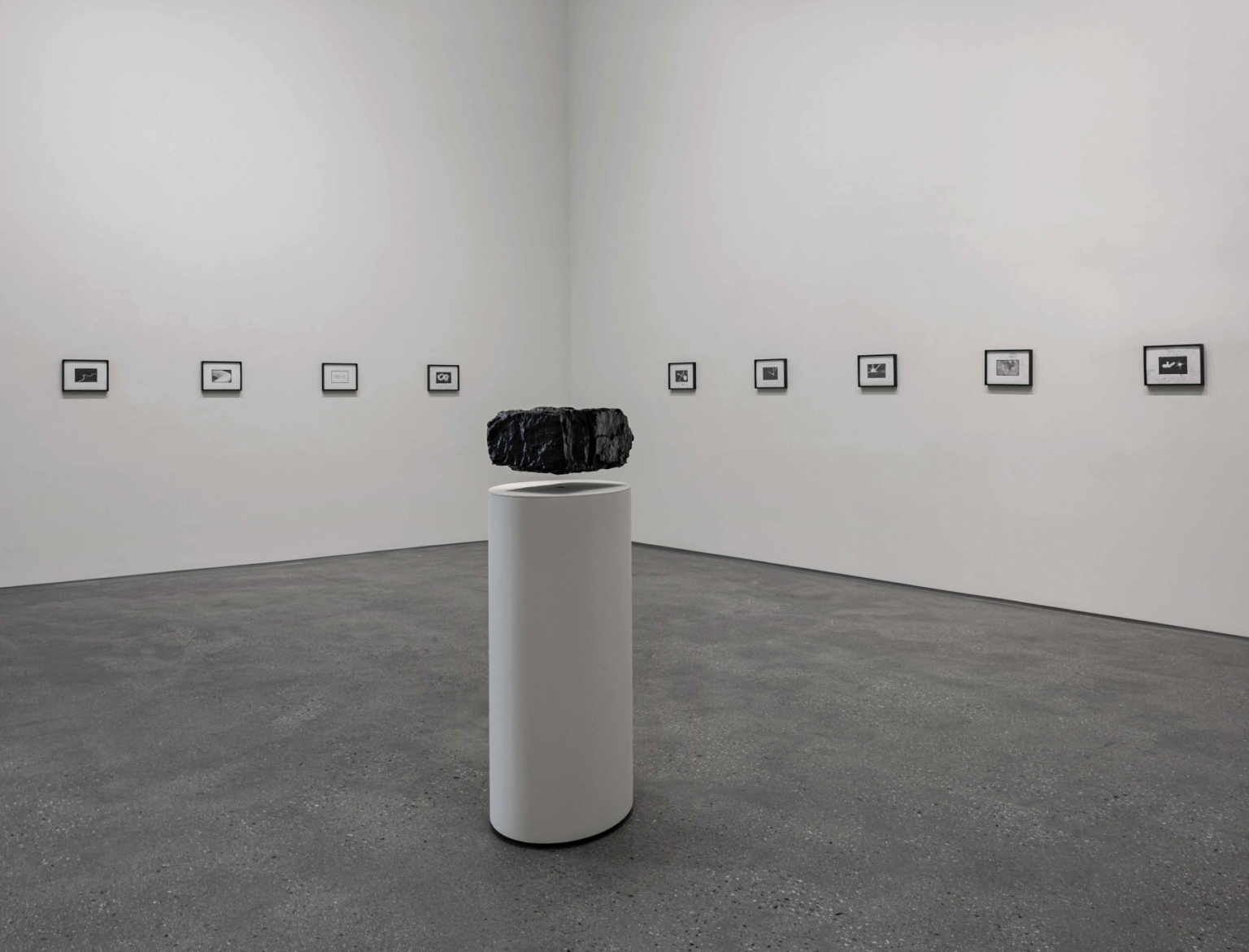
Similarly,
at Yvon Lambert Gallery in New York, seemingly empty spaces revealed stacks of
coins arranged like miniature monuments, a nearly imperceptible rotating white
cylinder, and scattered glass crystals catching light in unexpected ways. These
subtle interventions anticipated her later, more ambitious works that would
transform public spaces through equally delicate manipulations of light and
material.
“OUSSS” AND LIGHTING
Since
1998, Koo has been working on a concept she calls “Ousss,” which she describes
as a “place that is not a place, a world that is not a world, a person that is
not a person.” This neologism evolved into “Oussser,” “Ousssology,” and other
variants throughout her installations, drawings, and texts. In 2007, she collaborated
with the Caribbean philosopher Édouard Glissant to publish “Flammariousss,” a
text interpreting the nature of Ousss through a range of expressionless
figures.
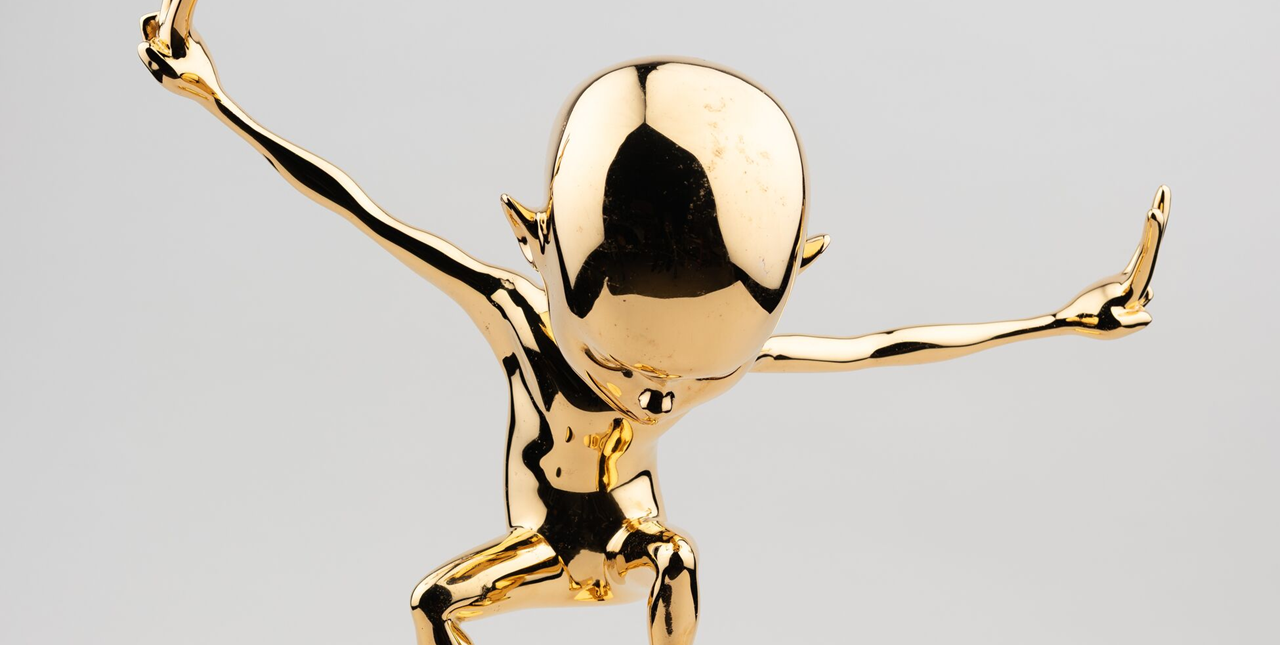
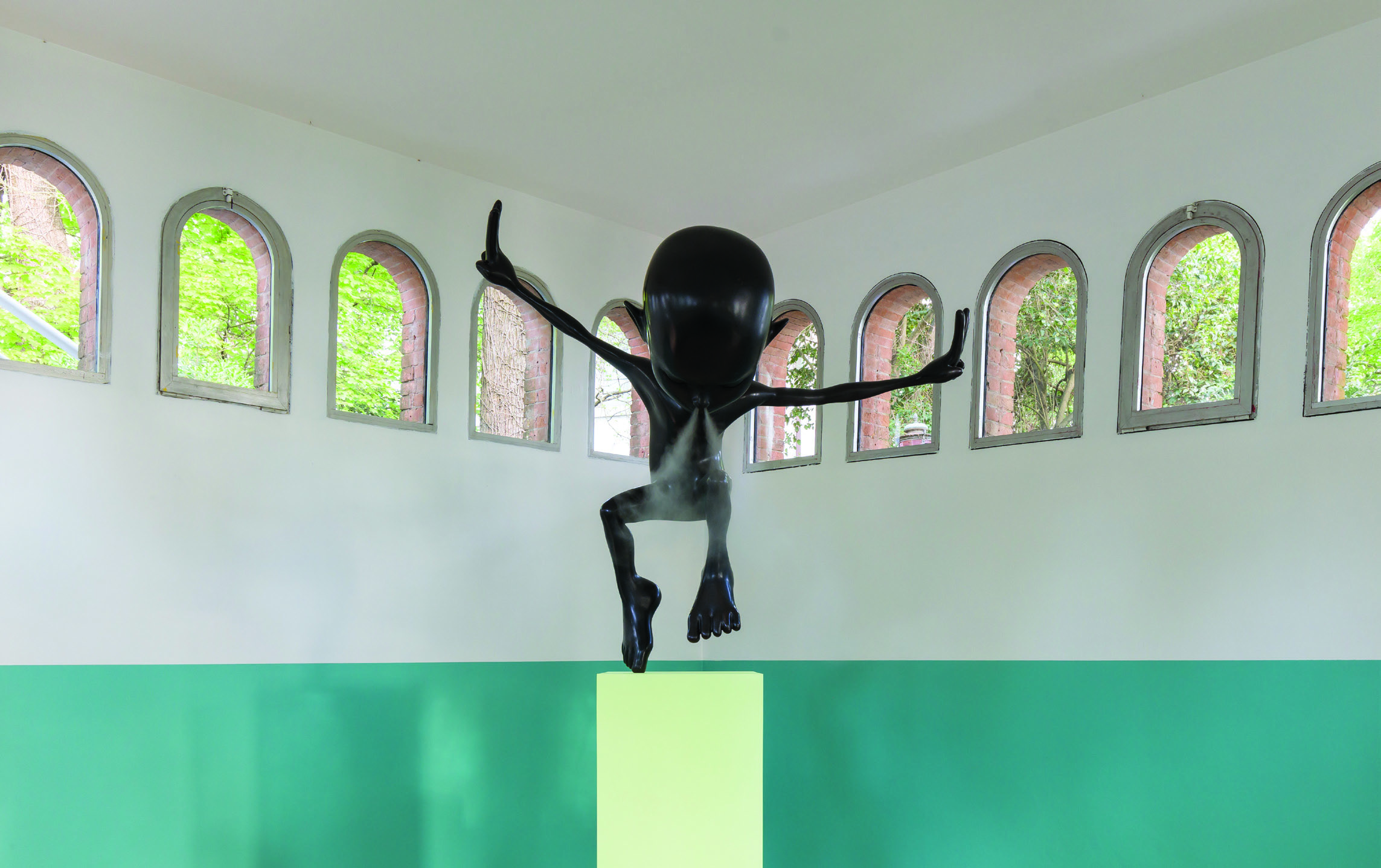
Ousss
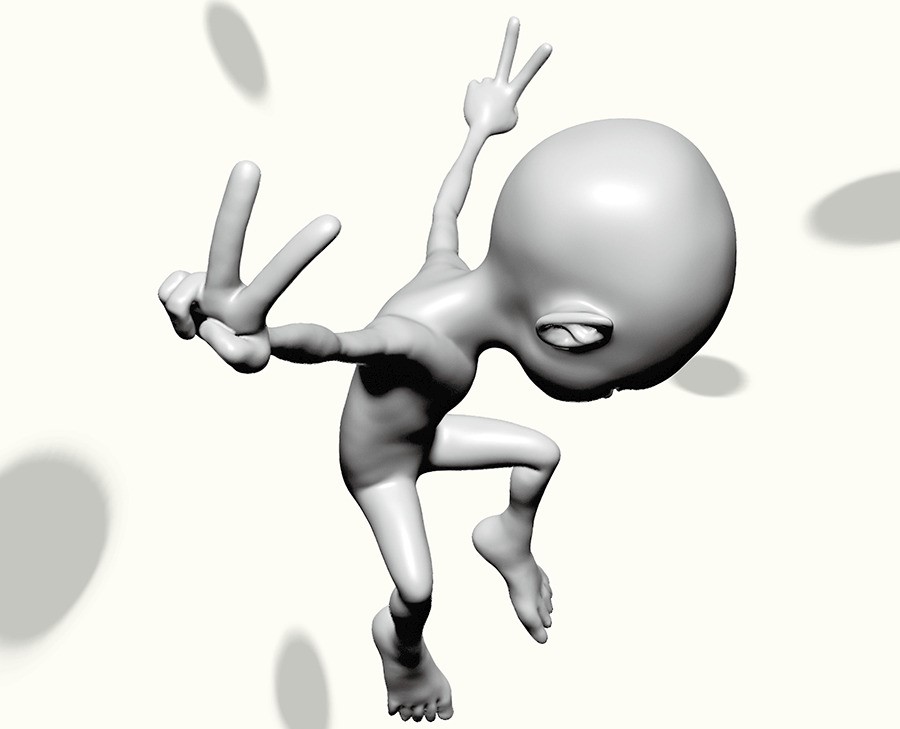
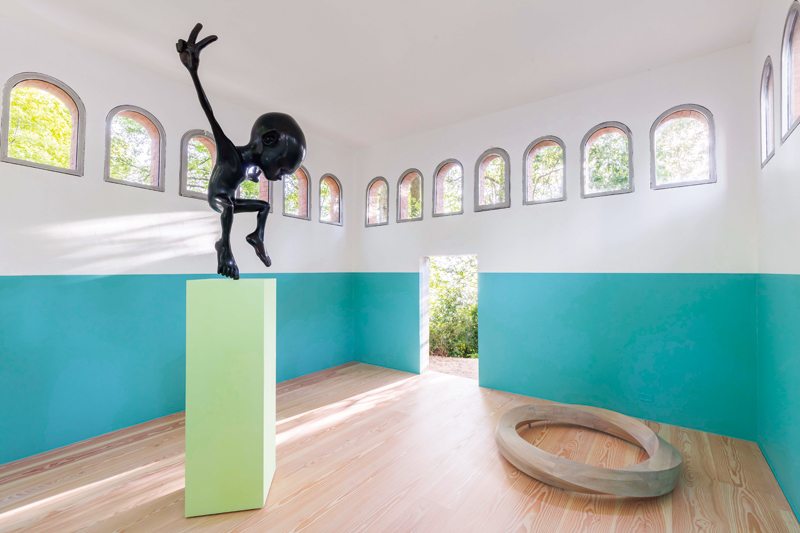
further evolved with MYSTERIOUSSS and CURIOUSSSA,
shown in her 2017 Korean exhibition 《ajeongkoo》 at Art Sonje Center. These
black-and-white 3D animations depict fetus-like characters swimming through
space. Koo’s ‘Dr. Vogt’ series, created in 2010 and later exhibited alongside
these animations, consists of blue pen drawings presented on a floor lit in
fluorescent pink. Together, these works invited viewers into an unfamiliar
visual and perceptual experience where simplified character movements and
landscapes of remote islands created a dream-like narrative.
Shifting
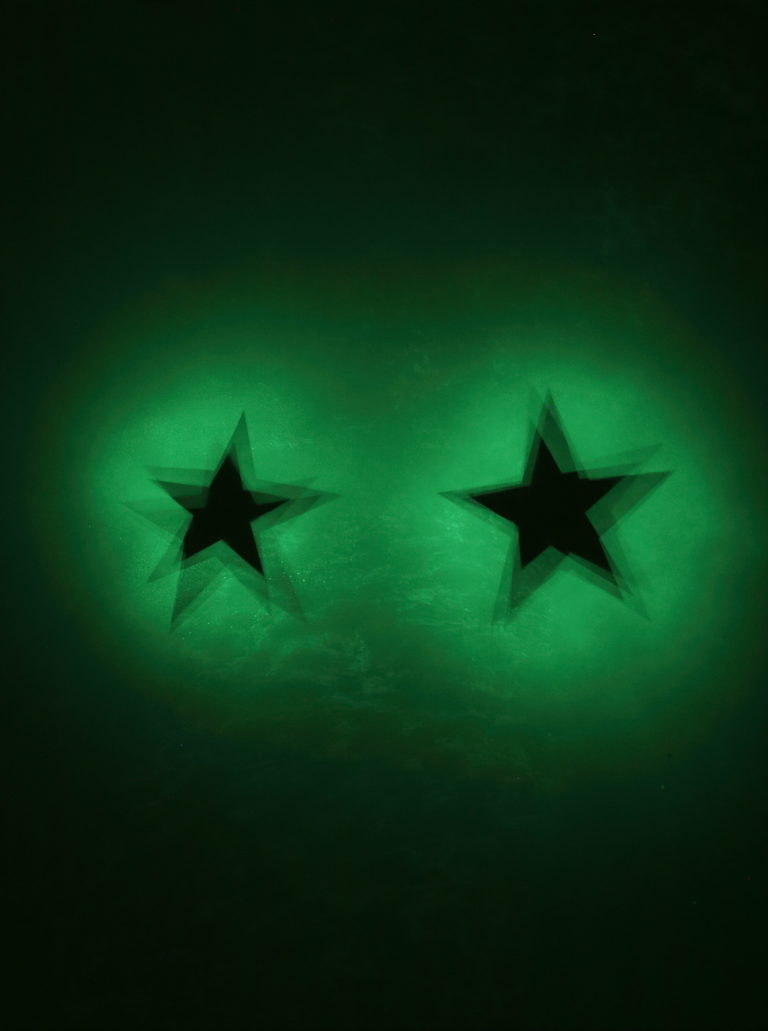
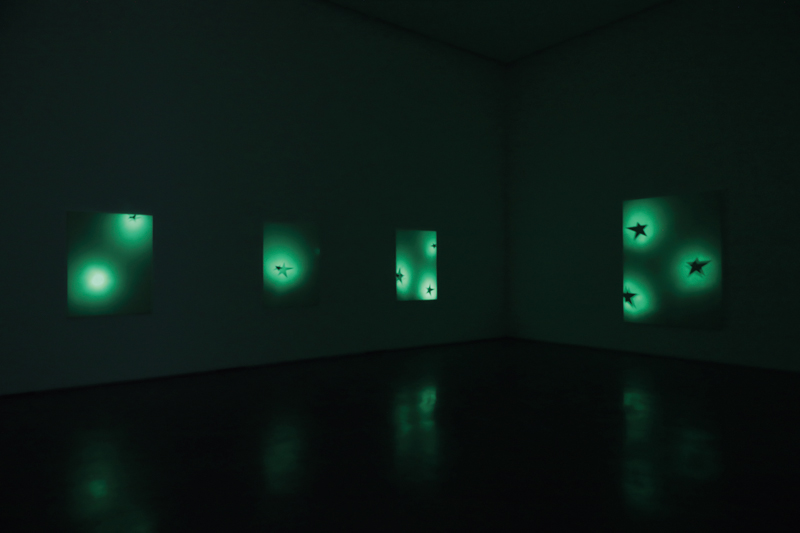
focus, the ‘Seven Stars’ series (2020), shown at PKM Gallery in Seoul,
exemplifies Koo’s investigation into the nature of reality itself. Appearing as
white canvases under gallery lighting, these works reveal glowing green
celestial patterns when the lights are turned off. Viewers must experience
these pieces not in one single moment but across different temporal conditions,
raising fundamental questions about presence and absence: Are stars present
when we cannot see them in daylight?
Korean
philosophy has long emphasized the complementary relationship between presence
and absence, expressed in the aesthetic principle of yeobaek —
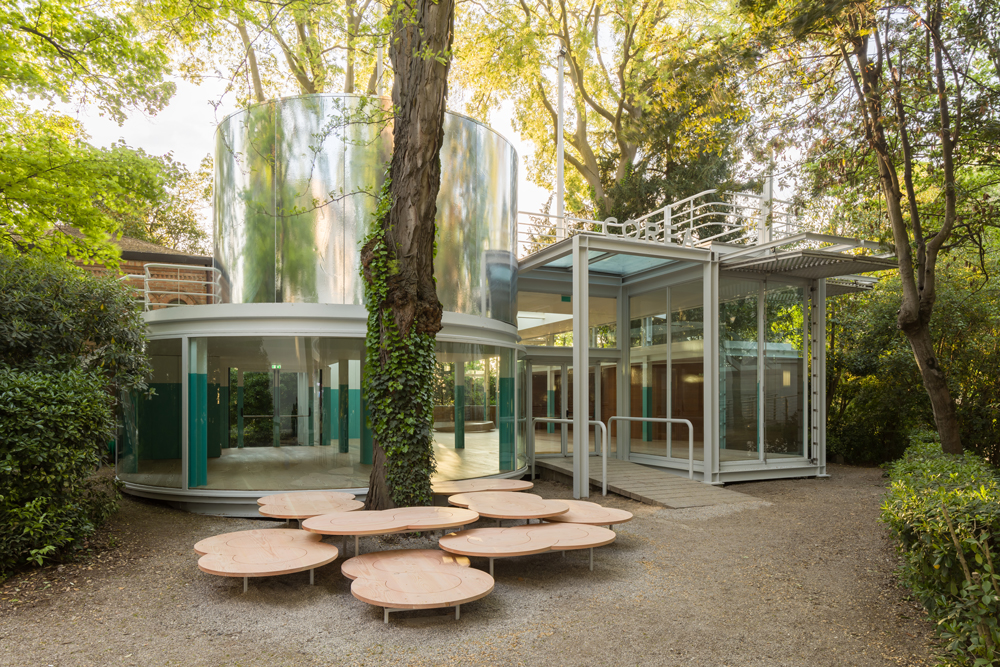
meaningful emptiness that activates what surrounds it. Following her
participation in the 2020 Busan Biennale, Koo developed the ‘Seven Stars’
series with acclaimed Korean poet Kim Hyesoon, whose abstract metaphors
provided what Koo has called “a strange experience” that informed her artistic
process. This interdisciplinary exchange demonstrates how Koo continually
expands her practice beyond the visual arts.