Outstanding
visual expressiveness, mercurial sensitivity, a desire for success coupled with
a self-destructive temperament. In novels and films, when the protagonist is an
artist, these traits are often emphasized. It is understandable—an eternally
scandal-ridden “enfant terrible,” obsessively devoted to producing work while
constantly entangled in controversy, is the public stereotype of the famous
artist.
Yet
there is a professional reality of artists rarely depicted in fiction:
diligence. It may sound unexciting, but it is true. Artists work within
invisible dynamics where immeasurable time, complex production processes, deep
reservoirs of energy and expression, conviction and wandering move back and
forth. The great artists we know became who they are through precisely such
creative dynamics. And it is through that unseen artistic devotion that they
continue to realize their own works.
This
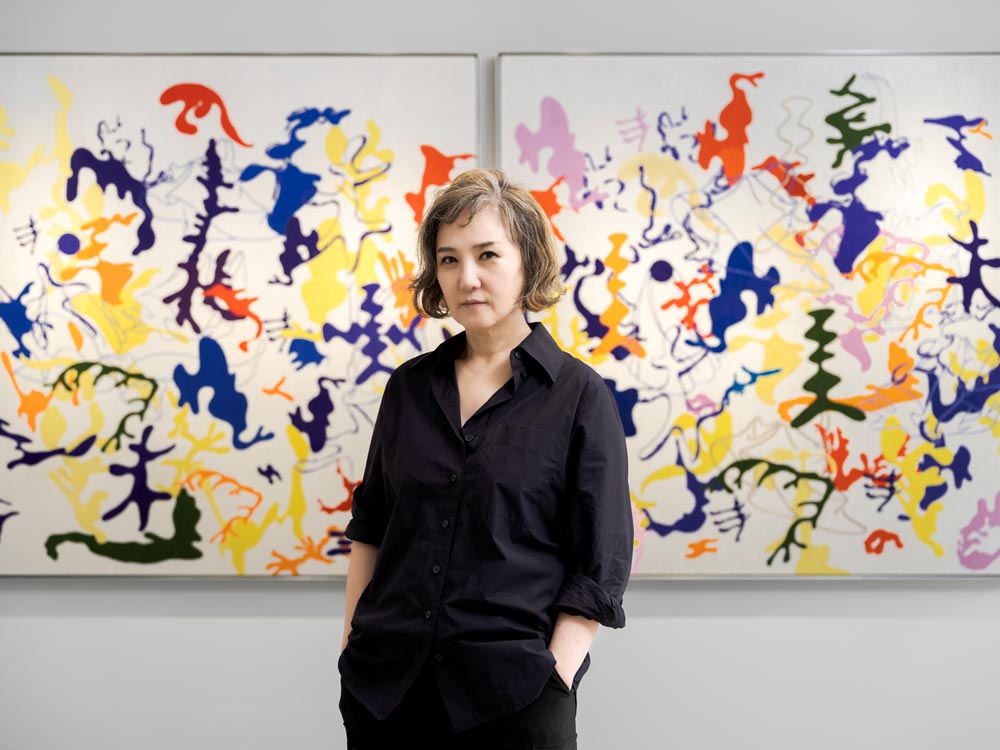
is precisely why Kyungah Ham, a leading mid-career figure in Korean
contemporary art, must be named an icon of the art world in 2024. Her devotion
to art—her invisible, incalculable effort and diligence—has borne powerful new
fruit in her solo exhibition 《Phantom and A
Map》(Kukje Gallery, 2024.8.30–11.3). From a broader
perspective, these results will serve not only as a significant marker within
today’s art world, but also as a reference point for understanding contemporary
perceptual structures and Korea’s political, social, and cultural history in
the future.
This
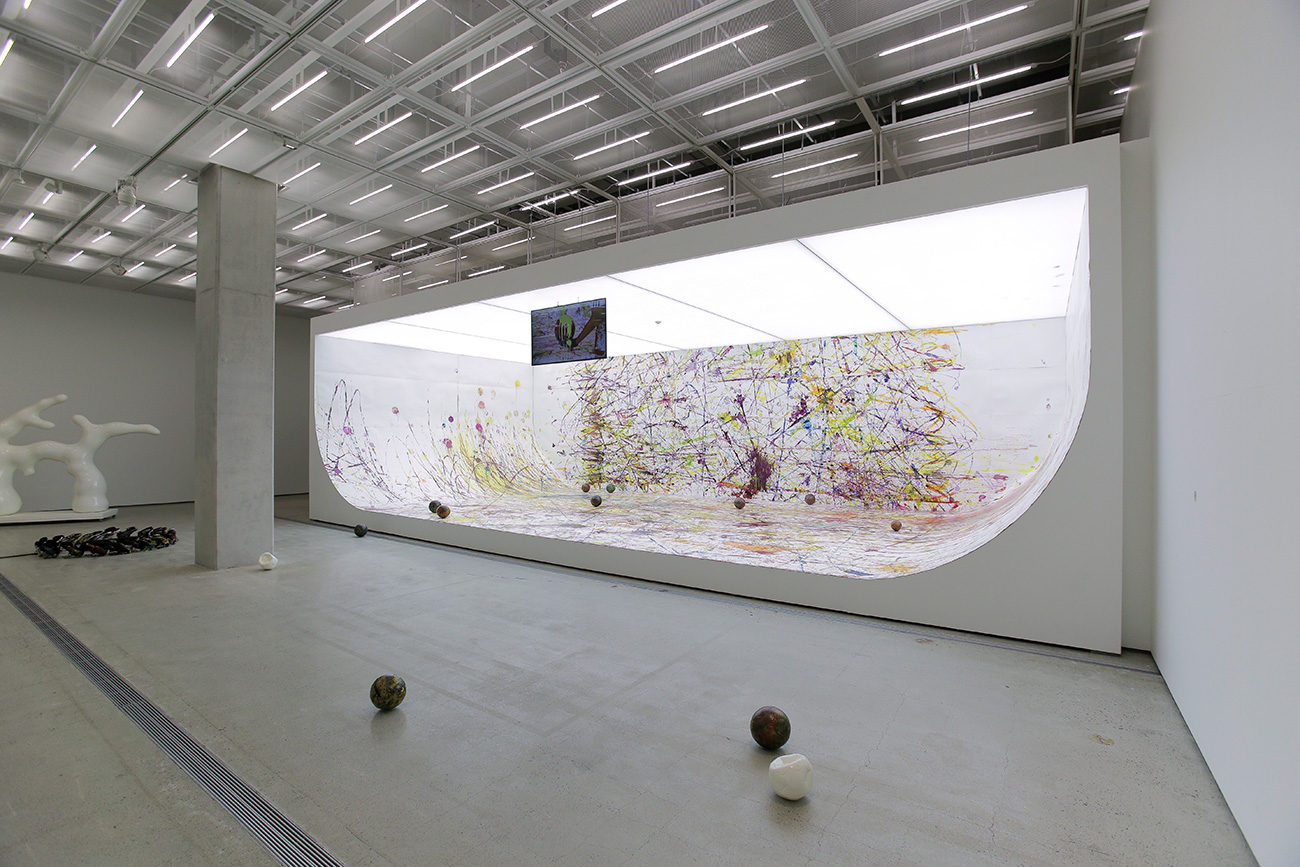
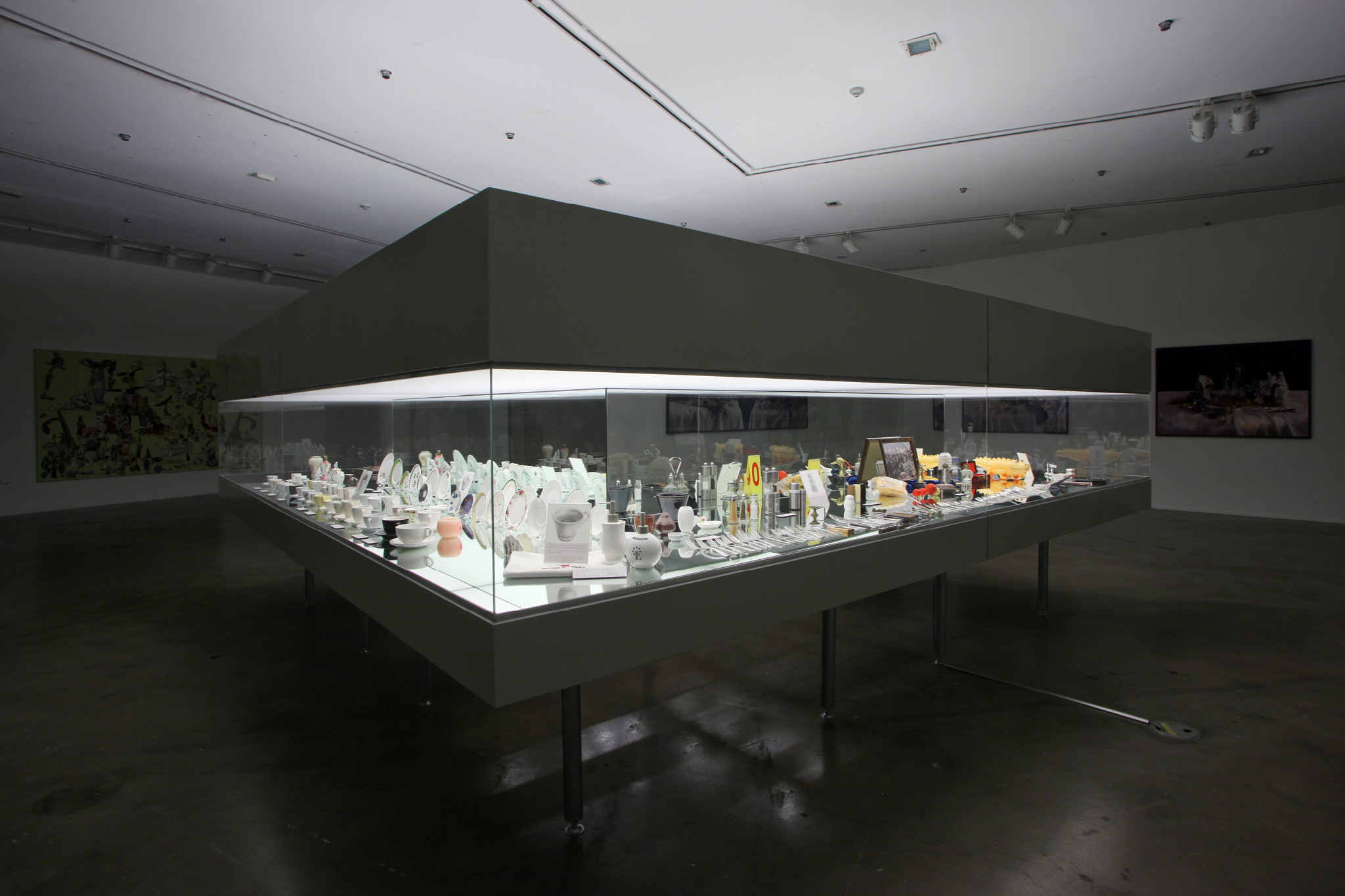
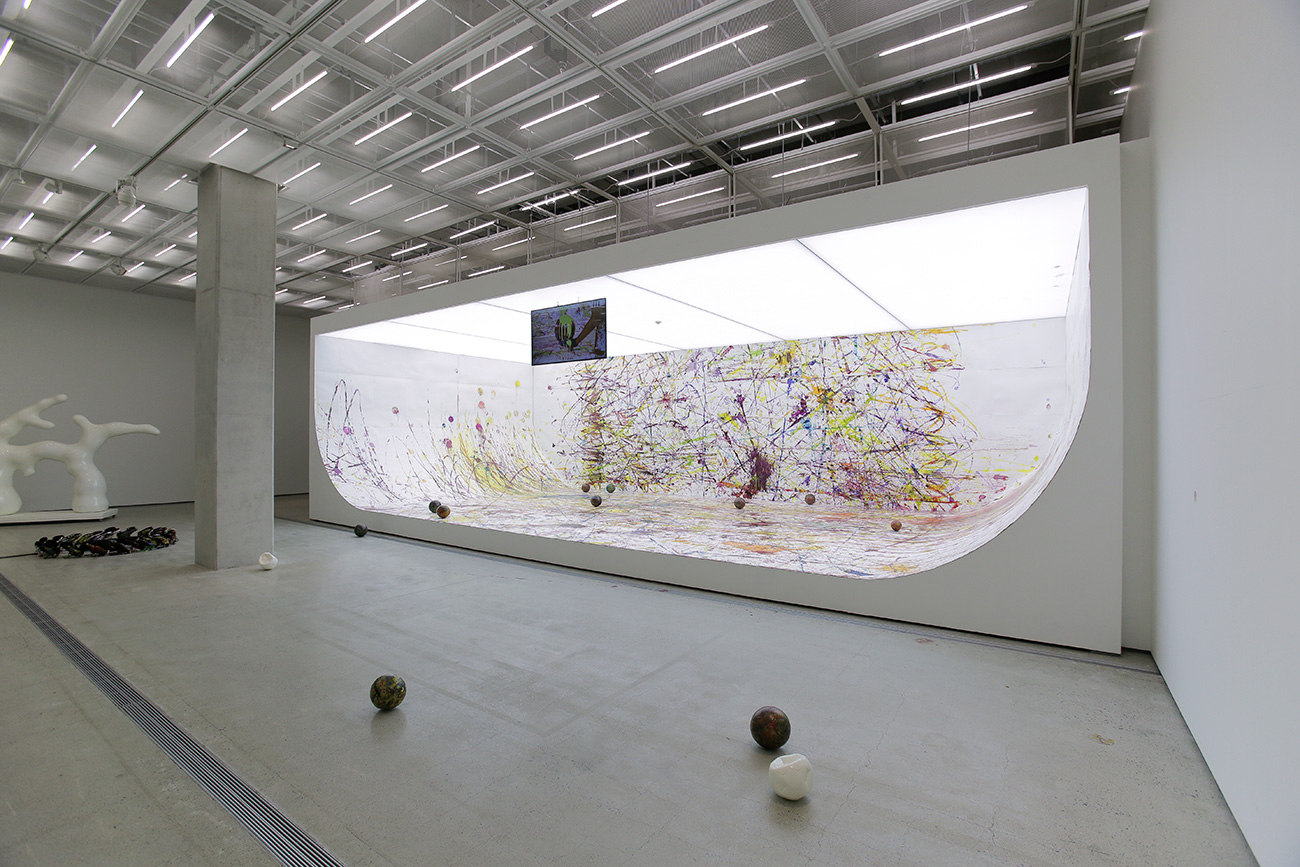
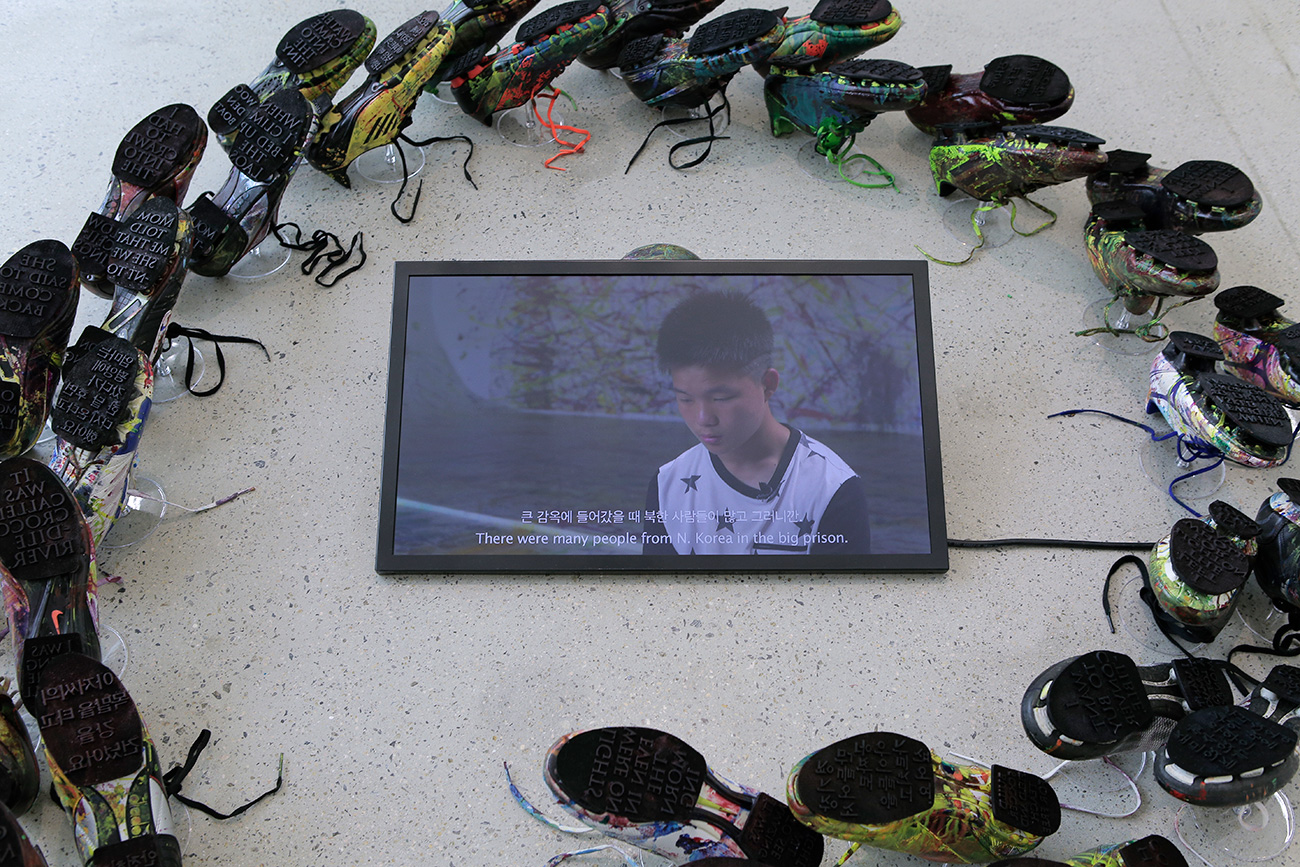
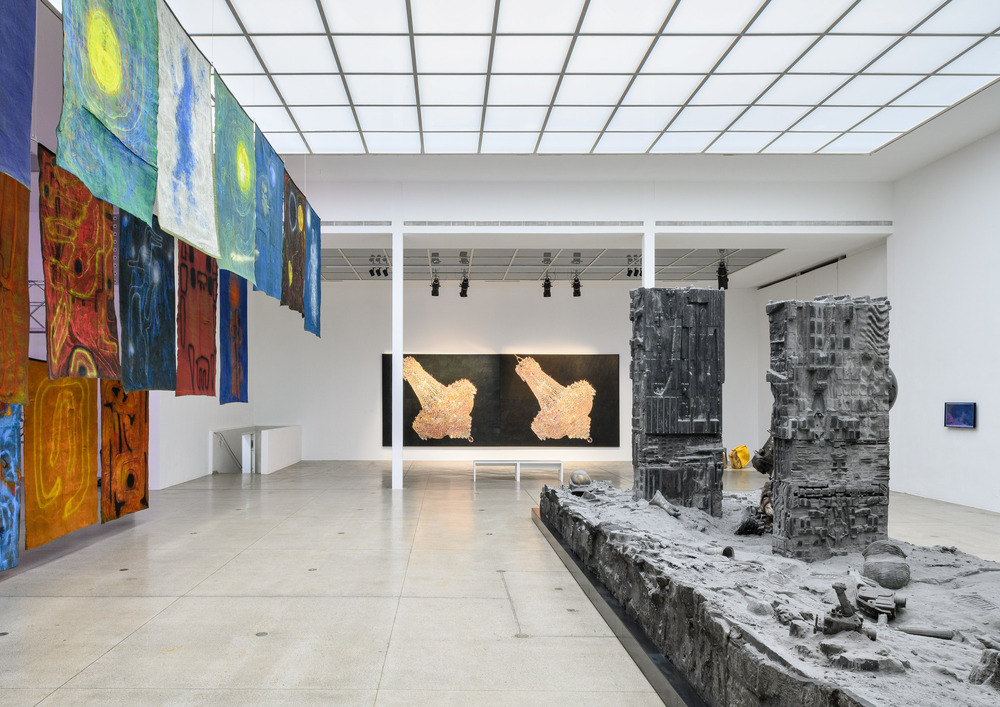
exhibition marks Ham’s first solo show in nine years since 《Phantom Footsteps》(Kukje Gallery, 2015). It
was held across Kukje Gallery’s K1, Hanok, and K3 spaces. The scale of the
space and the works was substantial, and the exhibition demonstrated remarkable
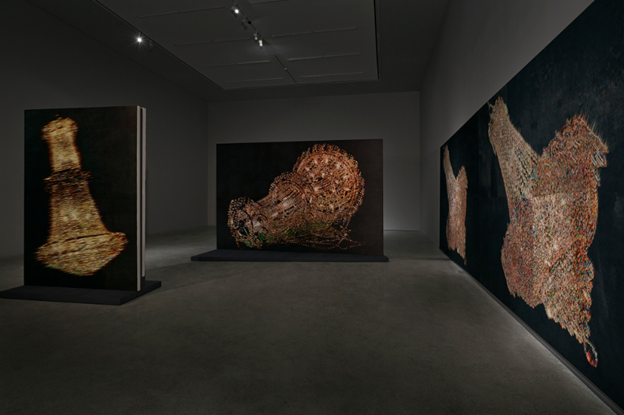
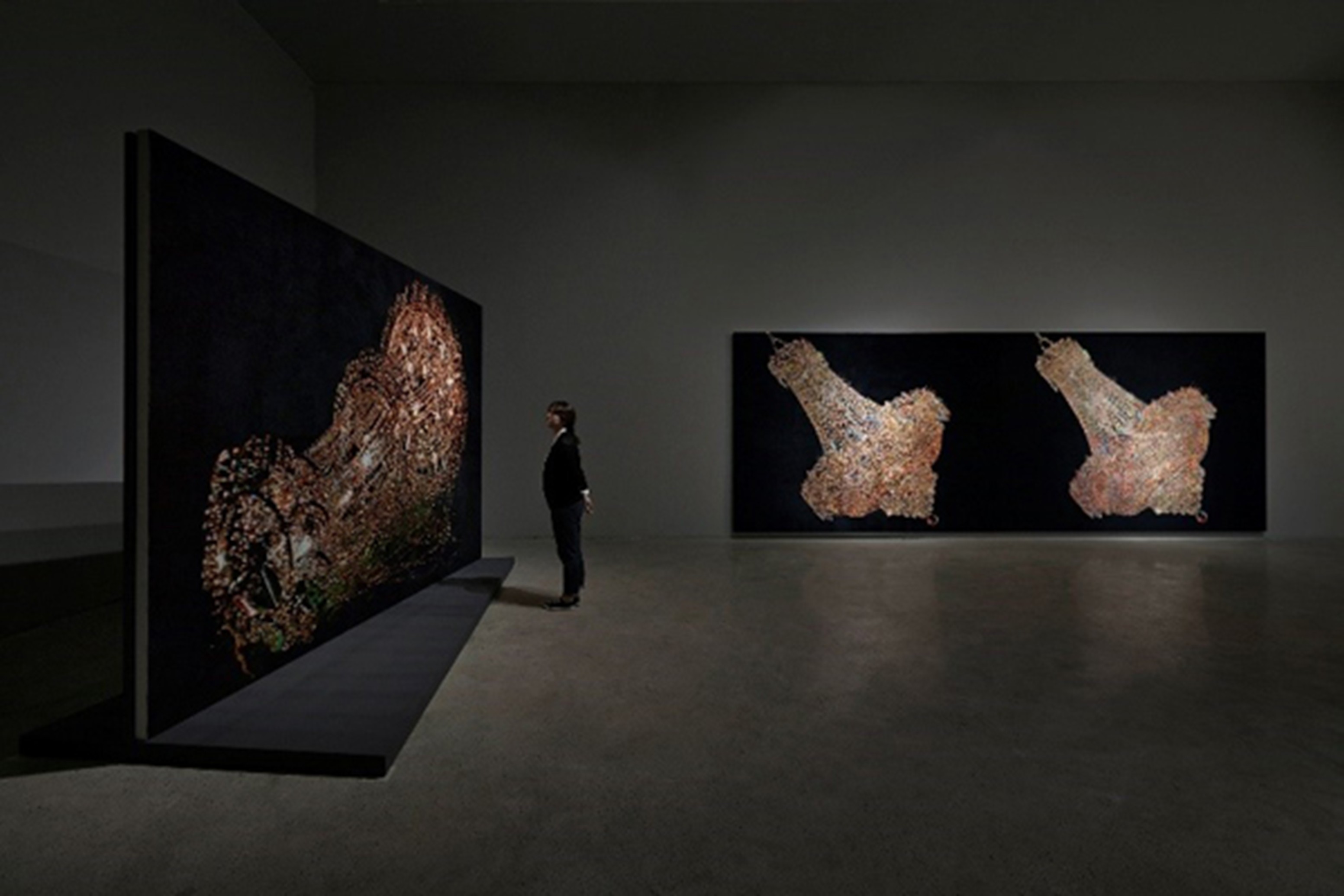
depth of thematic inquiry and diversity of formal language. At K1, works from
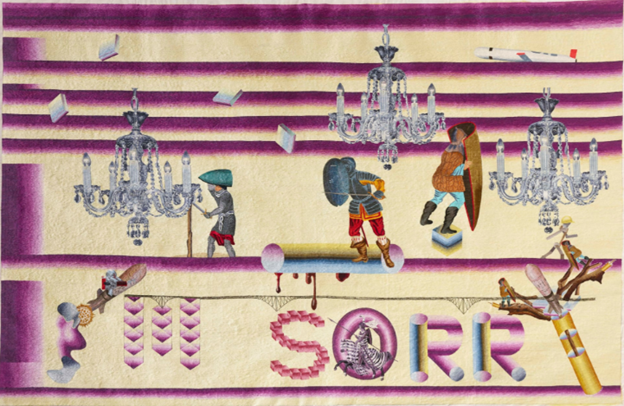
the ‘Embroidery Project’ series(2008–) were presented—works that have been
recognized domestically and internationally as representative of her practice.
“An
Artist Unites North and South Korea, Stitch by Stitch.” This was the headline
of a full-page article in The New York Times Arts & Design section on July
26, 2018. As the title suggests, the Embroidery Project(2008)
is a painting series in which Ham critically engages with the past and present
of a divided Korea and pursues genuine communication between North and South by
linking her artistic process with North Korean embroidery artisans.
In
essence, the artist creates draft paintings informed by Korea’s modern
political history and sends them to North Korean embroidery workers through
intermediaries in third countries. The artisans secretly translate the drafts
into embroidery on fabric and send the completed works back to the artist.
The
production costs are impossible to calculate or settle. The artist can become
embroiled in controversy at any time without legitimate cause or wrongdoing,
and she has even faced real danger. Whether during moments of diplomatic
optimism—when the leaders of North and South Korea met at Panmunjom, and former
U.S. President Trump declared of Kim Jong-un, “We fell in love”—or during
periods of extreme tension among South Korea, North Korea, and the United
States, Embroidery Project has remained ghost-like,
perpetually precarious art. Ham has endured all of these difficulties for more
than a decade without relinquishing the project.
For
this reason, the performance held at the opening of the recent exhibition may
be read as a lighter side narrative to the weighty devotion and persistence she
has maintained. A contemporary composer created music based on Embroidery
Project (the score-drawing was displayed at the entrance of the
exhibition), and performers whistled the composition before the embroidered
paintings in K1. The melody and gestures evoked the sound of birds heard at the
Panmunjom footbridge, recalling the fragile peace that once briefly passed over
the Korean peninsula. In this sense, I consider Embroidery
Project to be an utterly unique body of work, difficult to find
comparable examples to in modern or contemporary art history.
Meanwhile,
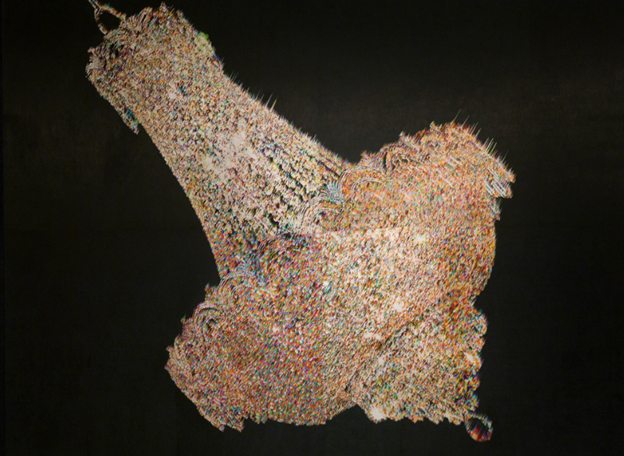
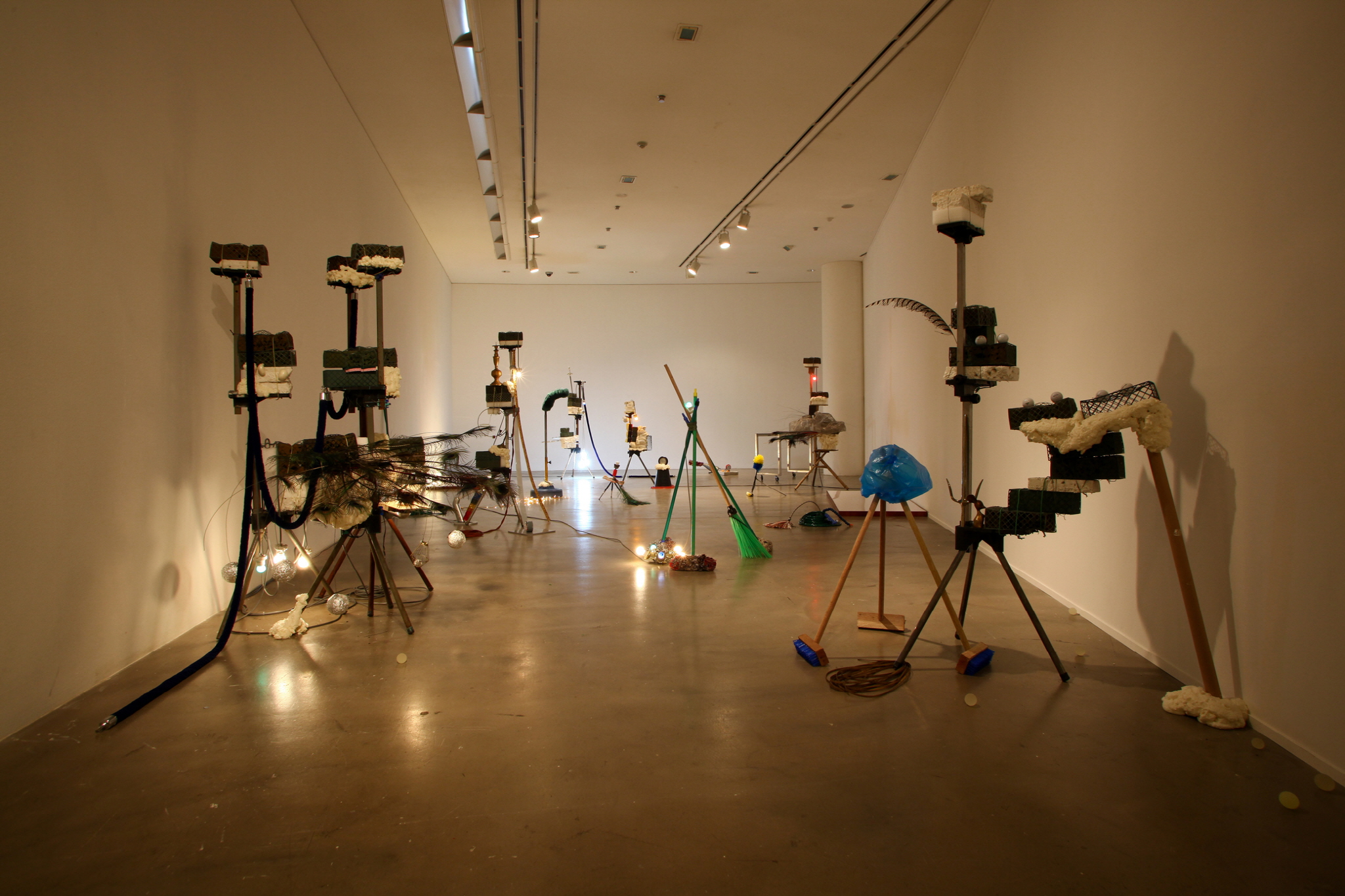
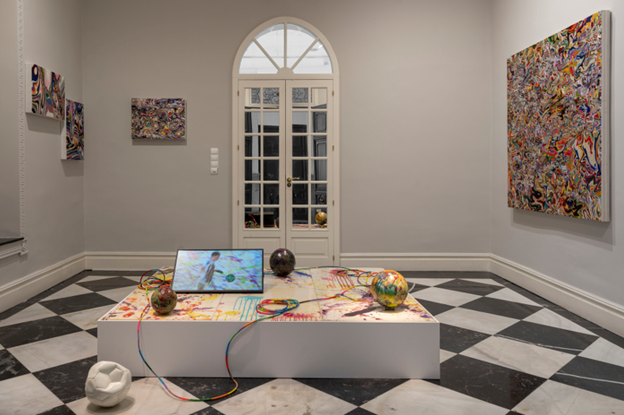
《Phantom and A Map》 also
presented new abstract works reflecting Ham’s contemplation over the past
several years of the pandemic—meditations on our fragile and precarious
presence, as well as on the contemporary digital environment and its analog
residues. These works offered viewers another way of experiencing the artist’s
hidden effort and devotion in a different artistic form.
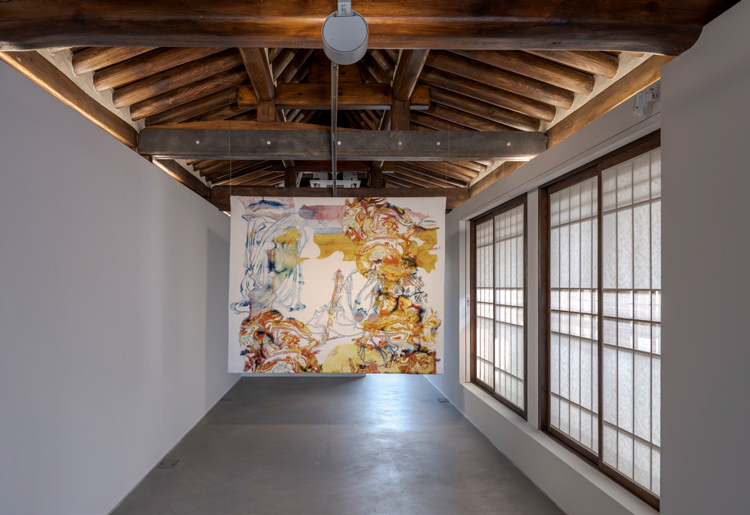
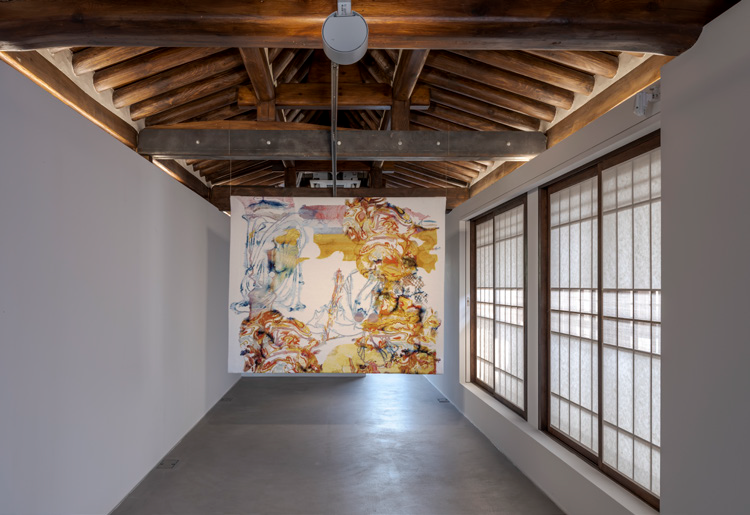
The
tapestry works shown in the Hanok space were produced in collaboration with
Magnolia Editions in Belgium. The original drawings depicted the sorrow of
humanity under the pandemic—an emotional state akin to lamentation—rendered
through the bleeding and diffusion of printed images.
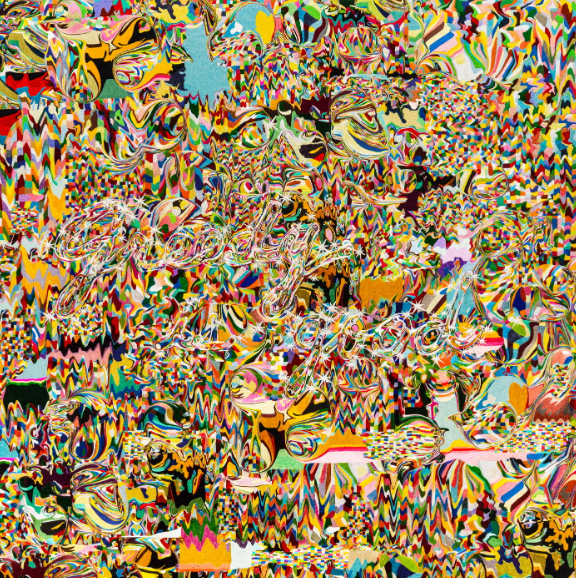
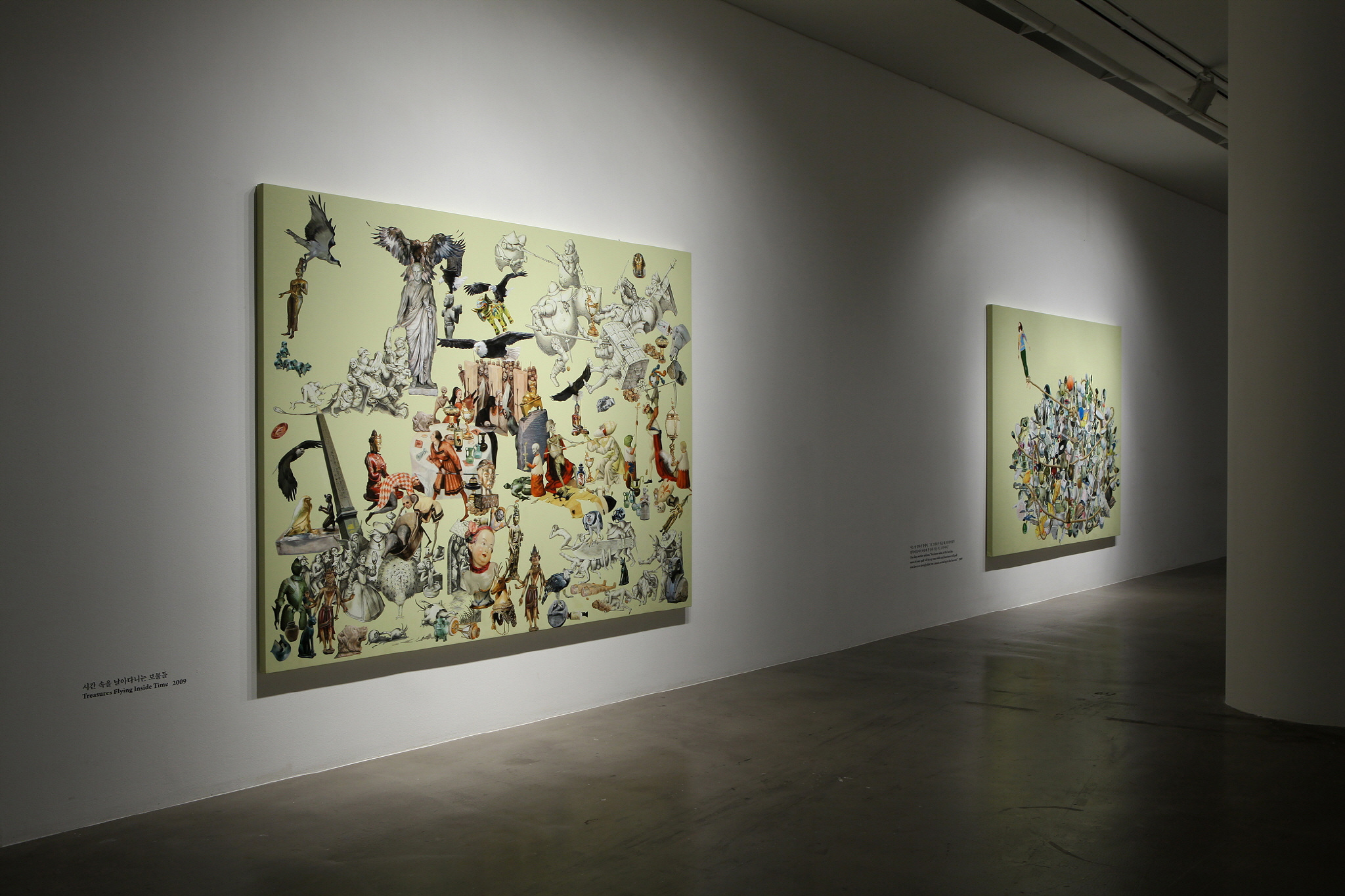
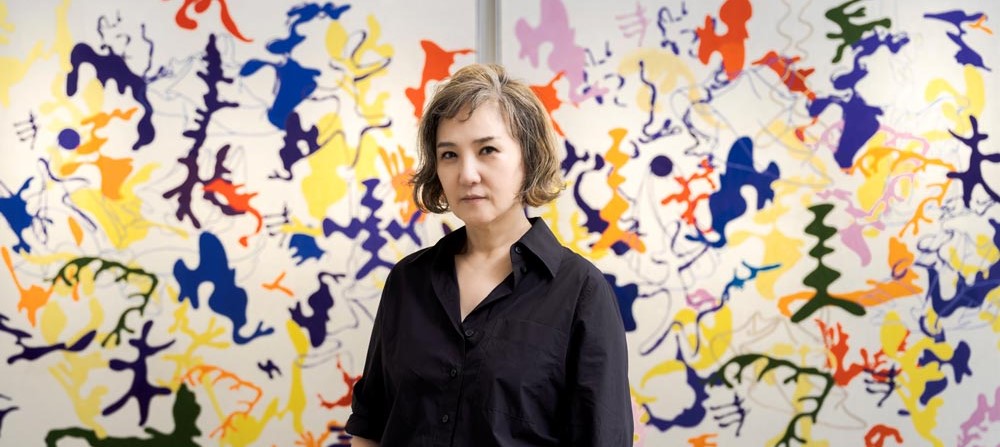
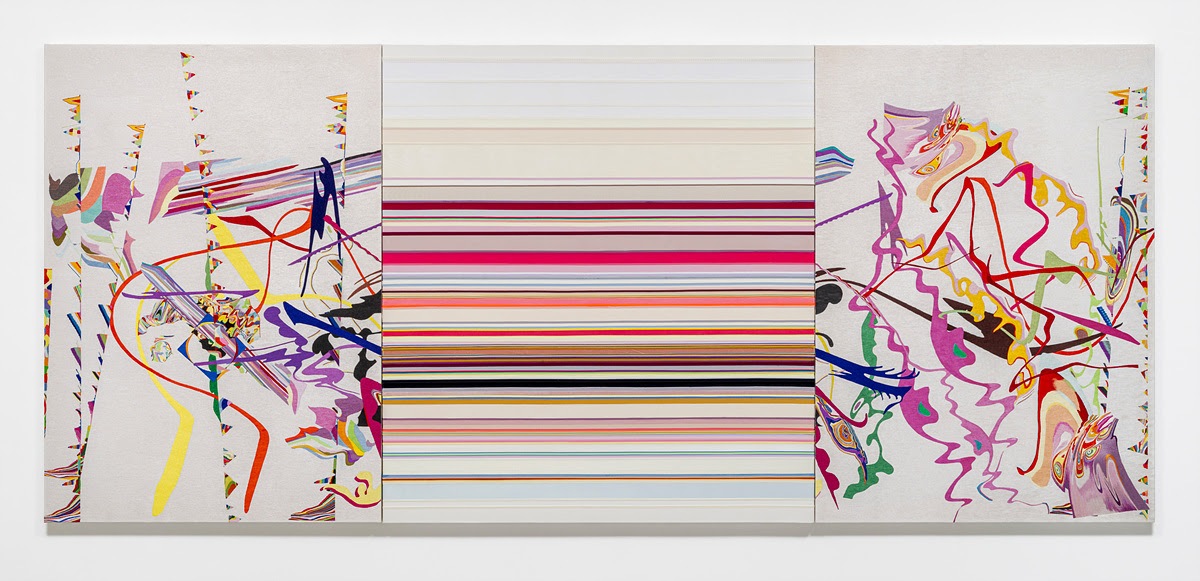
In
K3, a powerful new painting series dominated the four walls: ‘Phantom and A Map
/ “Did You Come by Photograph or by Train?”’(2024) series. These works were
woven from countless ribbon tapes, cords, and paint-soaked canvas fragments.
The
COVID-19 pandemic and the deterioration of inter-Korean relations dealt a
severe blow to Embroidery Project. During the physical
shutdown, the artist could rely only on digital networks for communication with
her collaborators—and even those conversations were often fragmented or
incomplete. Through that experience, Ham seems to have confronted the chaos of
a world constructed through dazzling technology and the fractures of reality
that digital systems cannot fill. In ‘Phantom and A Map / “Did You Come by
Photograph or by Train?”’, the rigid background grids formed by achromatic
ribbon tape cannot suppress the indeterminate shapes created by vivid,
fragmented, organic lines.
Over
the two-month exhibition period, 《Phantom and A Map》 was viewed by many
general audiences. Prestigious overseas museums—including the Philadelphia
Museum of Art—and art world figures also visited the show. What did they see
and value in Ham’s art? Perhaps they were drawn to how her excellence in visual
expression and the complexity of her social consciousness are realized within a
ghostly gap between what is visible and what is invisible.
Here
lies the dimension in which Ham’s devotion exceeds the mere diligent production
of art objects. Her working processes and the resulting works are mediated
through reality. Yet they are also distinct from reality. Her art contains
within itself the procedures through which reality acquires and exercises
influence under the conditions of art.
1. I have previously written critically about Ham’s art and Embroidery
Project in the following texts: Kang Sumi, Difficult Object:
Korean Contemporary Art Since 2000, Paju: Geulhangari, 2017, pp. 30–43,
230–248. Su-Mi Kang, “An Aesthetics of Some and Such: Kyungah Ham’s Unfixed
Art,” Kyungah Ham: Phantom Footsteps Exhibition Catalog, Kukje Gallery, 2016,
pp. 9–21.
2. David Segal, “An Artist Unites North and South Korea, Stitch by Stitch,” The
New York Times, July 26, 2018.
3. KBS News Plaza, “Trump: ‘We fell in love’ with Kim Jong-un,” broadcast October
1, 2018.