Kyungah
Ham perpetually seeks to delineate the hidden aspects of society that influence
the lives of individuals. Although many contemporary artists actively criticize
systematic and institutional power, Kyungah Ham stands out because of her
audacious spirit and relentless actions. For example, after becoming somewhat
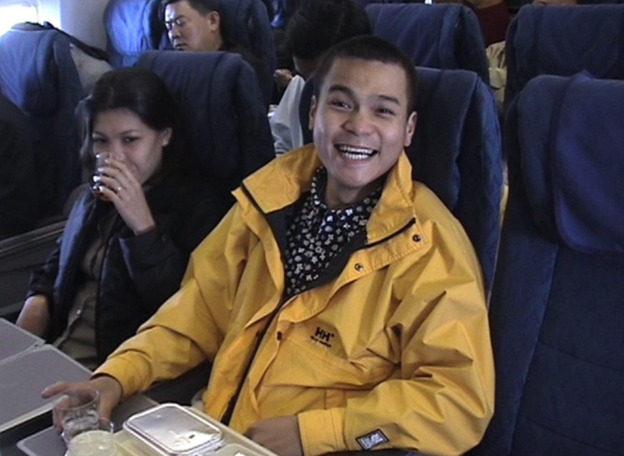
obsessed with the color yellow, she spent years traveling to various Asian
countries and following random people who were wearing in yellow.
She then made
a film of interviews investigating the cultural, institutional and religious
implications of the color yellow (Chasing Yellow, 2001). In
the video work Honey Banana (2006), she
exposed the harsh reality of the banana trade in East Asia in the 1980s,
revealing how the sudden drop in the price of bananas—once considered a luxury
fruit and a symbol of wealth in Korea—was tied to the tyranny of multinational
companies and to huge capital under neo-liberalism.
These relentless actions are triggered by Ham’s insight into the whole truth of
various phenomena. In her works, she unravels the clandestine but inexorable
inner workings of reality, weaving a rich new narrative in the process. Her art
is always embedded with poignant themes, as she applies her piercing insight to
disclosing the full context of the (in)visible, including the inevitable loss
brought on by power and capital, the helplessness of the individual under
social and governmental power, the irrational essence of reality, and the
bitter irony of history.
Hidden Faces of Power
Kyungah
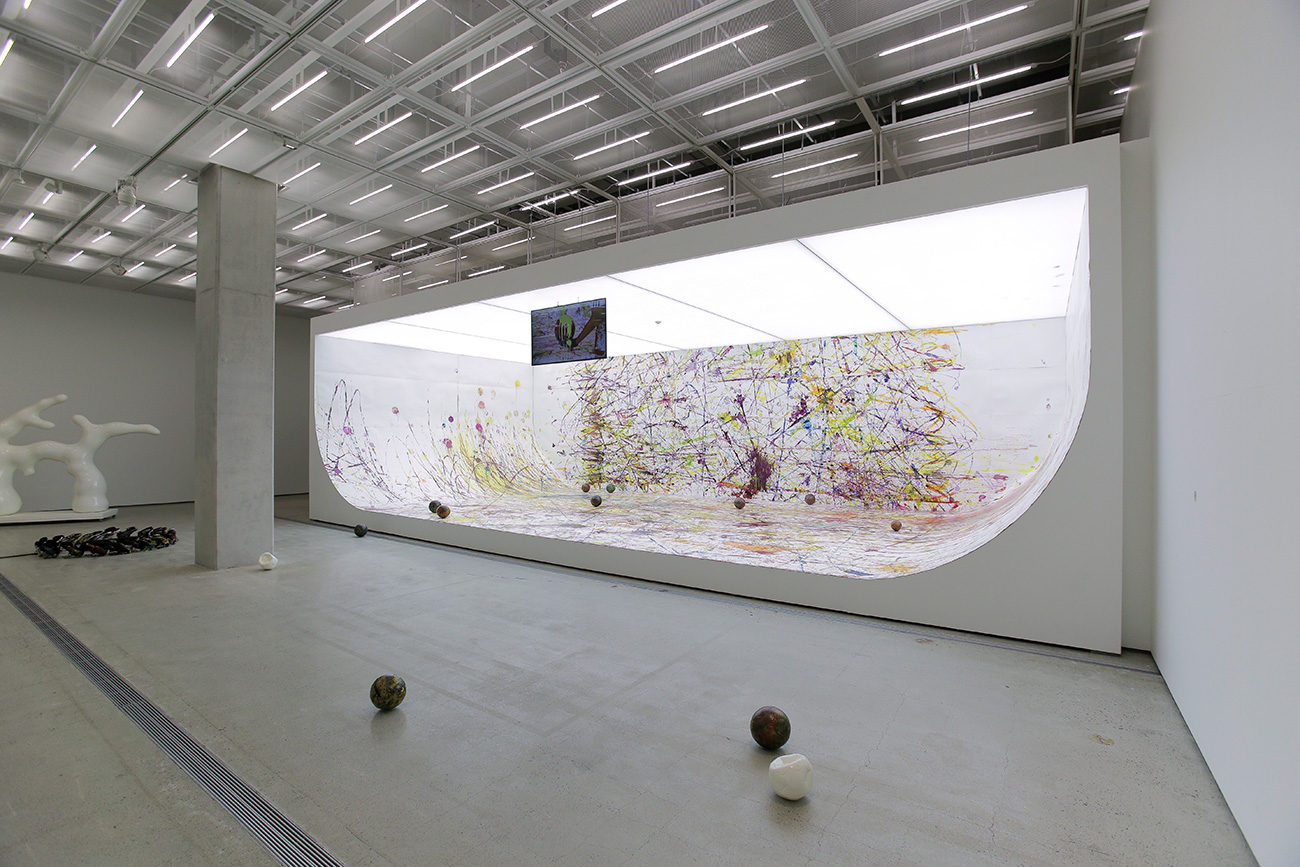
Ham’s critical themes are particularly evident in Odessa Stairs (2006),
wherein she constructed a staircase from old plywood and discarded doors, and
then arranged miscellaneous items on the stairs: a bidet, a chair, a
loudspeaker, golf shoes, carpet, tiles, a shopping cart, etc. The catch was
that all of the items had been discarded during renovations to the private home
of a former president of Korea, the last leader of the military regime who had
been one of the key figures in the armed crackdown on the Gwangju
Democratization Movement. Ham had personally gleaned all of the objects herself
from the street in front of the ex-president’s house. The title alludes to the
famous scene in Sergei Eisenstein’s 1925 silent film Battleship
Potemkin, and Ham furthered the reference by placing the shopping
cart precariously on the bottom step, recalling the runaway baby carriage from
the film. Hence, the work clearly correlates the massacre committed by Russian
soldiers with the violent repression of the Gwangju Democratization Movement.
The
original scene in the film is renowned for its exceptional use of montage, an
effect that Ham recreated by using an assemblage of random objects, the
banality of which belies the infamy of their owner. Of course, items
representing the power and status of a former president are unlikely to be cast
out on the street, so Ham found only ordinary objects that could have come from
any household. As such, rather than reconstituting the secret life of a
powerful man, as viewers may have anticipated, the work simply reveals him as
an ordinary person. The irony is thus produced by the gap between
interpretations, and that irony enables the emergence of multi-layered,
divergent, and even contradictory meanings, thus elevating the work beyond a
simple analogy.
In his review of Odessa Stairs, critic Park Chang-kyong
pointed out a bitter truth about history: “That which has triumphed over former
powers and authorities has not been disclosure or propaganda, but time.” This
idea seems particularly apt in relation to another of Ham’s major works, Museum
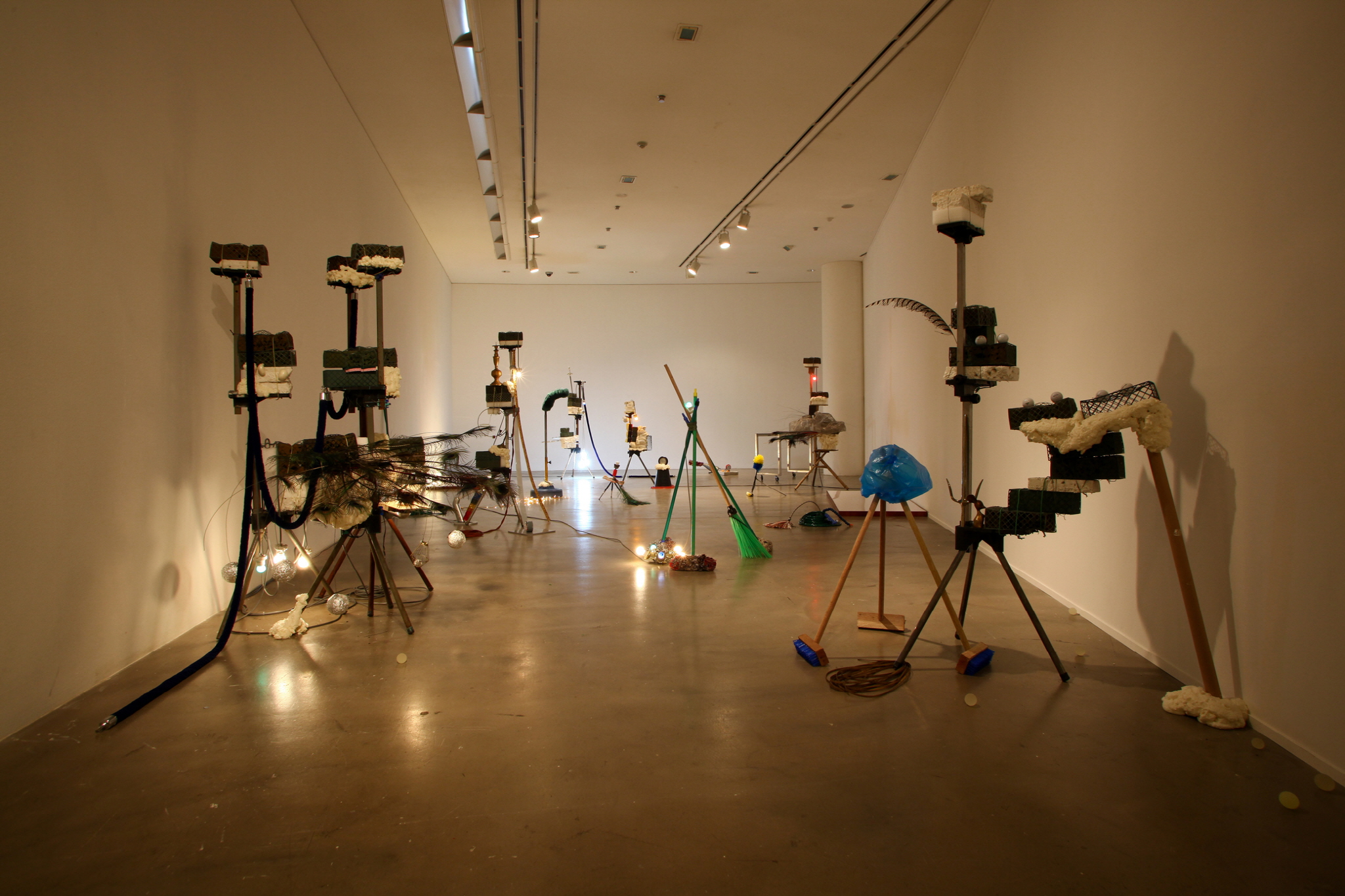
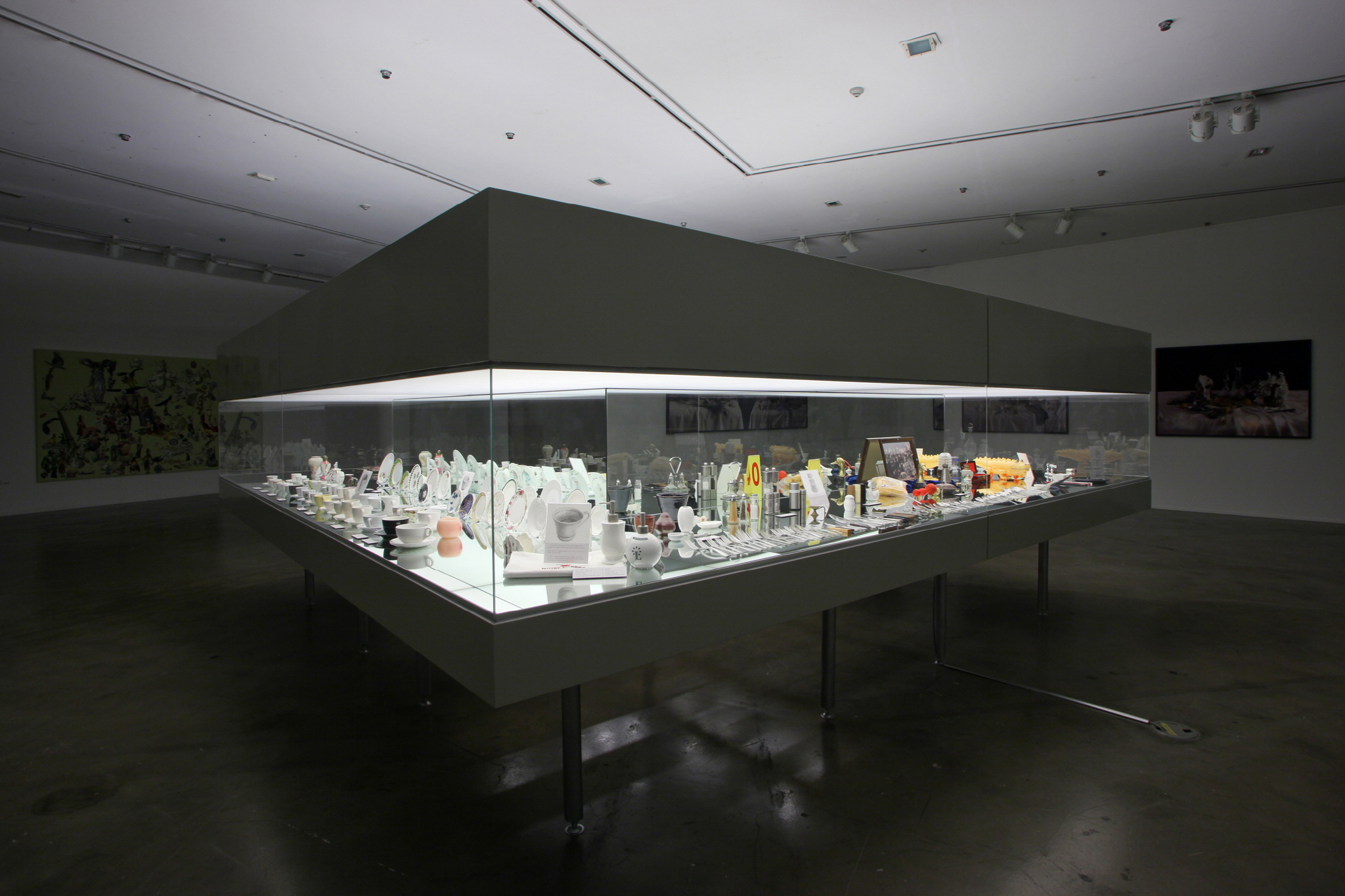
Display (2000-2010). This work developed from Ham’s growing
awareness that the vast collections of internationally renowned museums usually
include numerous cultural heritage items that were stolen during the
imperialist era. Moreover, thanks to tacit acquiescence and complicity, such
looting has been treated with increasing leniency over time, eventually being
justified in the name of “art.” In response, Ham planned and executed her own
artistic retaliation, which consisted of a brilliant parody, in the form of a
copycat crime.
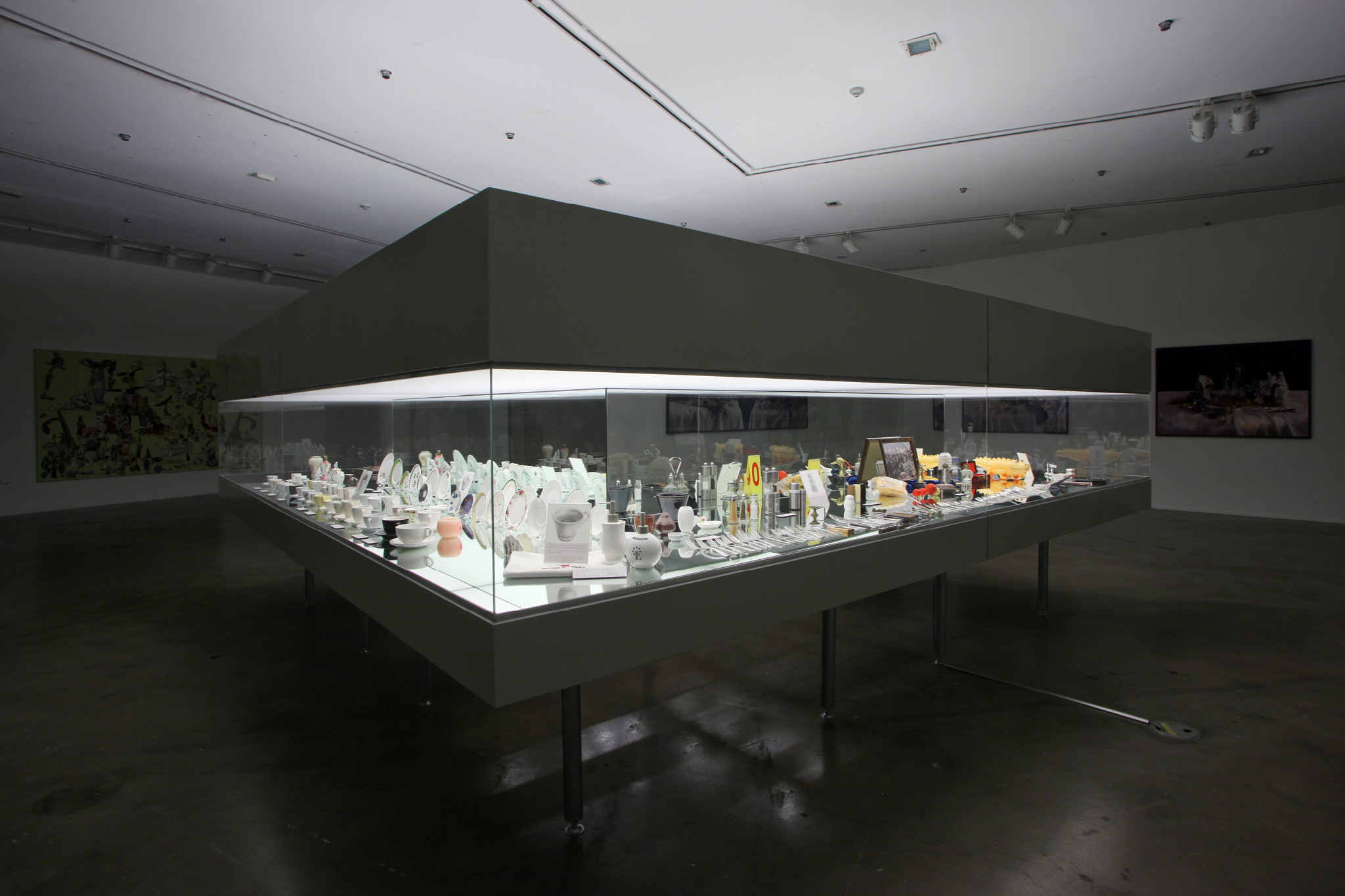
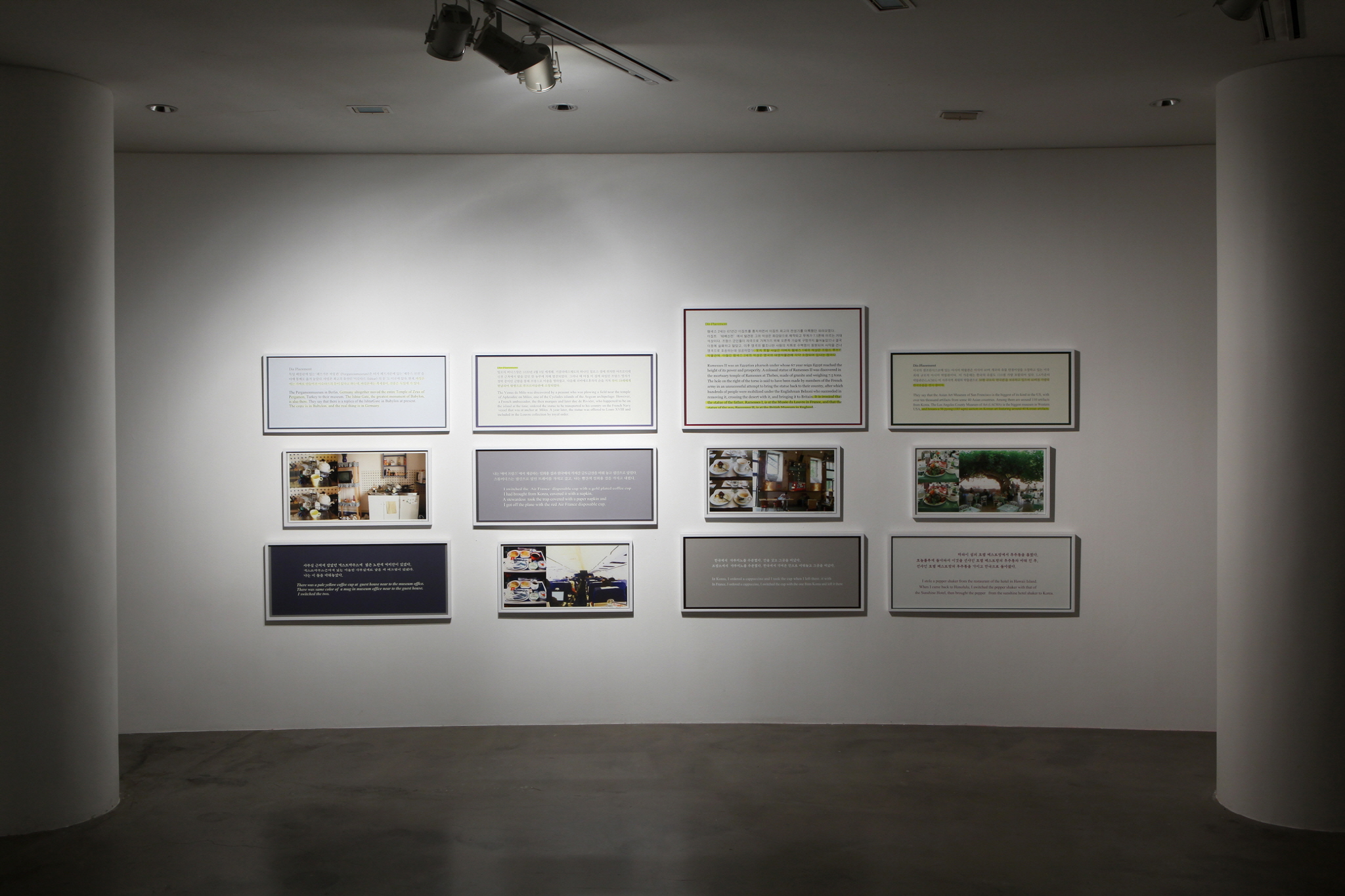
For almost a decade, Ham visited major museums around the world,
each time pilfering small items (e.g., tea cups, plates, and spoons) from their
cafes or shops. For the exhibition, her collection of stolen goods was
carefully arranged and displayed in a glass cabinet, with each item labeled
with the time and place in which it was “acquired.” Thus, along with providing
a kind of provenance for each item, the labels also represent the artist’s bold
confession of theft; of course, none of those renowned museums has ever dared
to issue such an admission. Museum Display summons
the plunder of imperialism into the present, even if the statute of limitations
on those crimes has long since expired. By reenacting such plunder through
another illicit act, Ham seeks to expose both the bare face and the dark side
of cultural imperialism.
Conversing with the Invisible
Kyungah
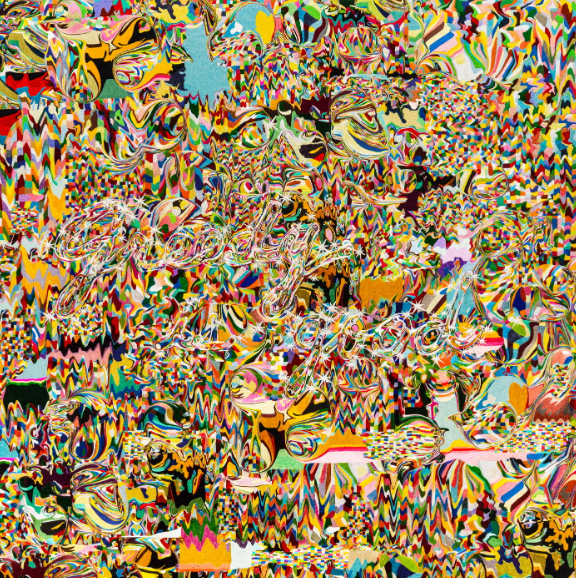
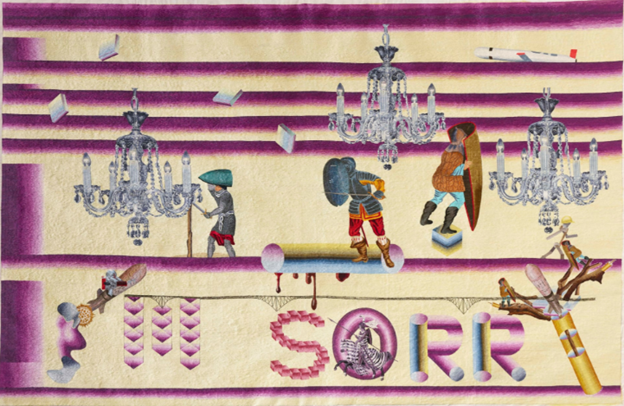
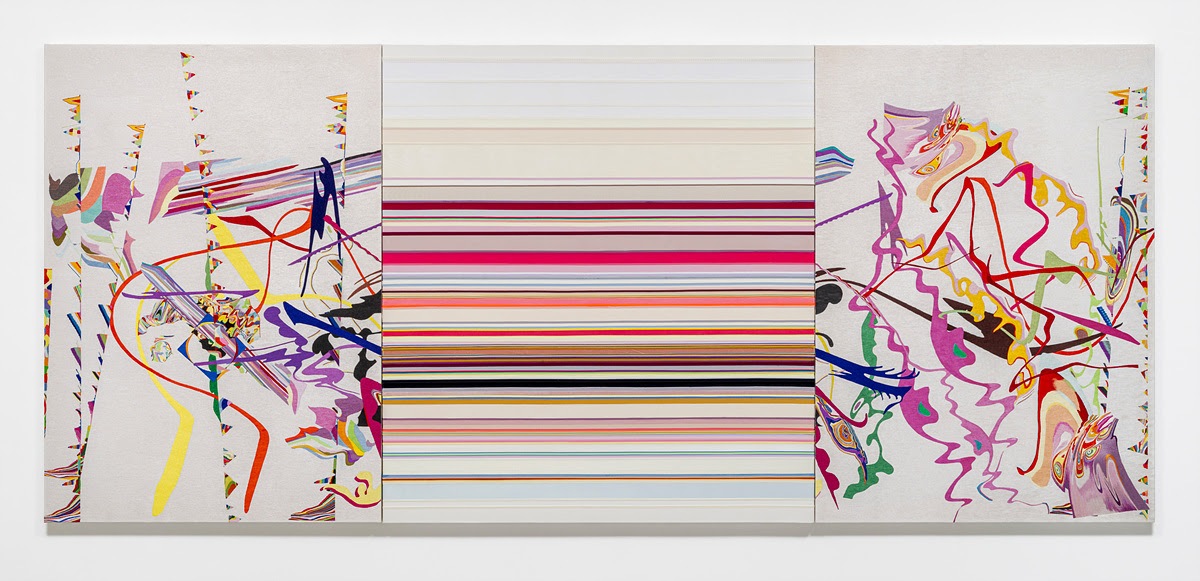
Ham’s artistic mischief seems to have reached its climax with her embroidery
works. Originating from a flyer of North Korean propaganda that she once found,
Ham’s embroidery works represent her own artistic attempt to communicate with
North Korean citizens. From the internet, she collected numerous texts and
photos, ranging from news reports of war and terrorism to the lyrics of popular
songs, and also added her own brief greetings; she then transformed these texts
into designs to be made as embroidery. Then in 2008, utilizing an agent in
China, Ham sent her designs to professional embroiderers in North Korea. In
this covert way, Ham was able to communicate her ideas and greetings, not to
mention news about world events, to people in North Korea, where reports from
the outside world are banned. As they carefully embroidered her designs, stitch
by stitch, the North Korean craftspeople must have read Ham’s writings over and
over. It is through this analog and labor-intensive practice of steganography-like
embroidery that the artist and the invisible North Koreans have been able to
communicate with each other.
After taking a great risk in delegating her artistic and creative duties to
North Korean embroiderers, all that Ham got in return was hopeless waiting and
restless anxiety. Due to the instability between North and South Korea, the
project was continuously delayed, with little hope of ever being completed. Due
to ideological conflicts, the works were constantly interfered with by
unexpected—or perhaps expected—circumstances. For example, in order to avoid
government censors, the North Korean craftspeople sometimes altered or damaged
the original designs. In other cases, the entire works were confiscated by the
North Korean government. Because of these twists and turns, the project became
a game of chance, with Ham never knowing what to expect when she finally
received her commissioned works after one or two years. In the end, of course,
these twists and turns greatly enriched the meaning of the embroidery works.
Although the early embroidery works were rather impromptu and sentimental, the
more recent ones demonstrate how Ham’s thinking about the North-South divide
has developed and deepened. Perhaps this is due to her own personal
difficulties trying to communicate with North Korea, which is still identified
as the “Enemy.” Unfazed by previous incidents where her works were confiscated
for having only the slightest hint of capitalist content, Ham recently became
even bolder, sending designs based on American abstract art (specifically the
works of ‘Morris Louis’). She did this knowing full well that abstract art is
banned in North Korea, where only figurative paintings or propaganda are
allowed.
Devoid of figures or narratives, Louis’s pure abstract images were
paradoxically transformed into works suffused with historical and social
content, as plain colored strips suddenly resonated with untold meaning related
to the complex politics of North and South Korea. All of the works that she
submitted were returned to her as beautiful embroideries of vibrant colors,
indicating that all of the texts that she provided were indeed read by the
North Korean craftspeople. Drawing on the history of contemporary art, Ham
enacts a supreme irony, using 1950s American abstractart—viewed as the
culmination of modernism—as a propaganda weapon to demonstrate the virtues of
an “open and free society.”
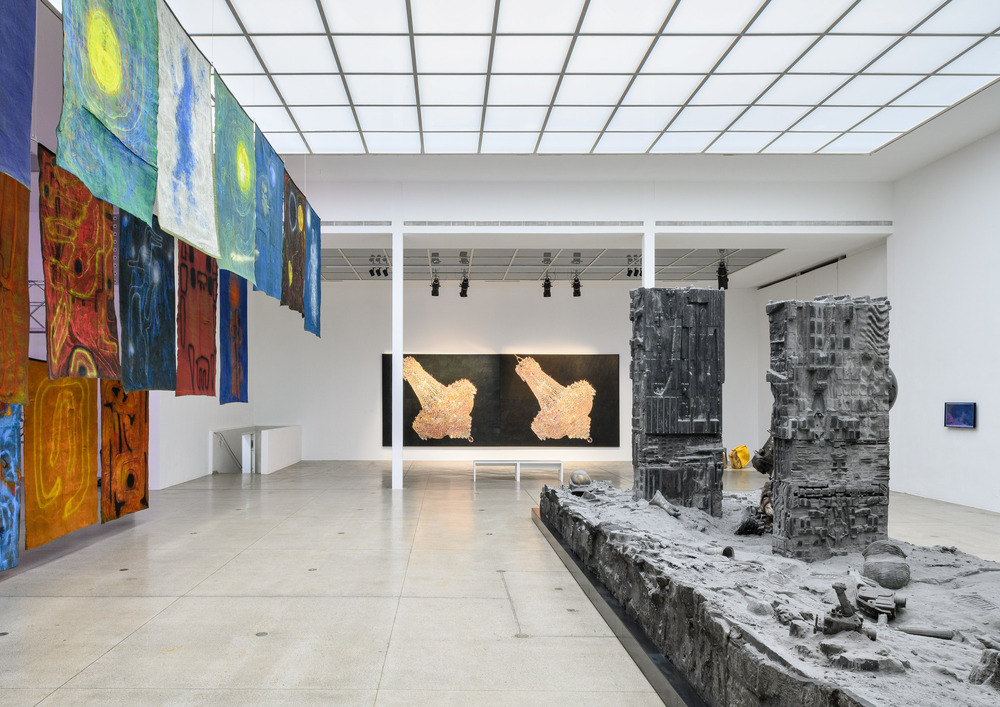
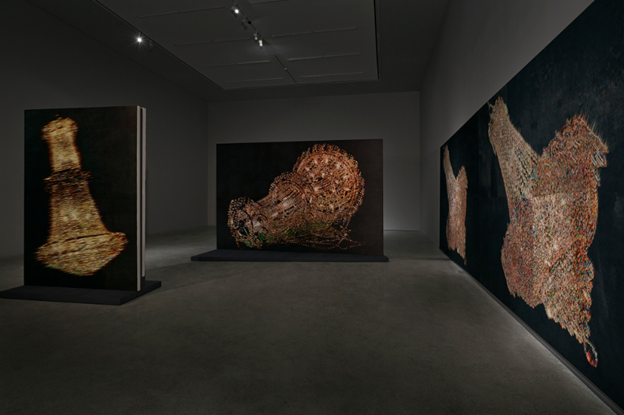
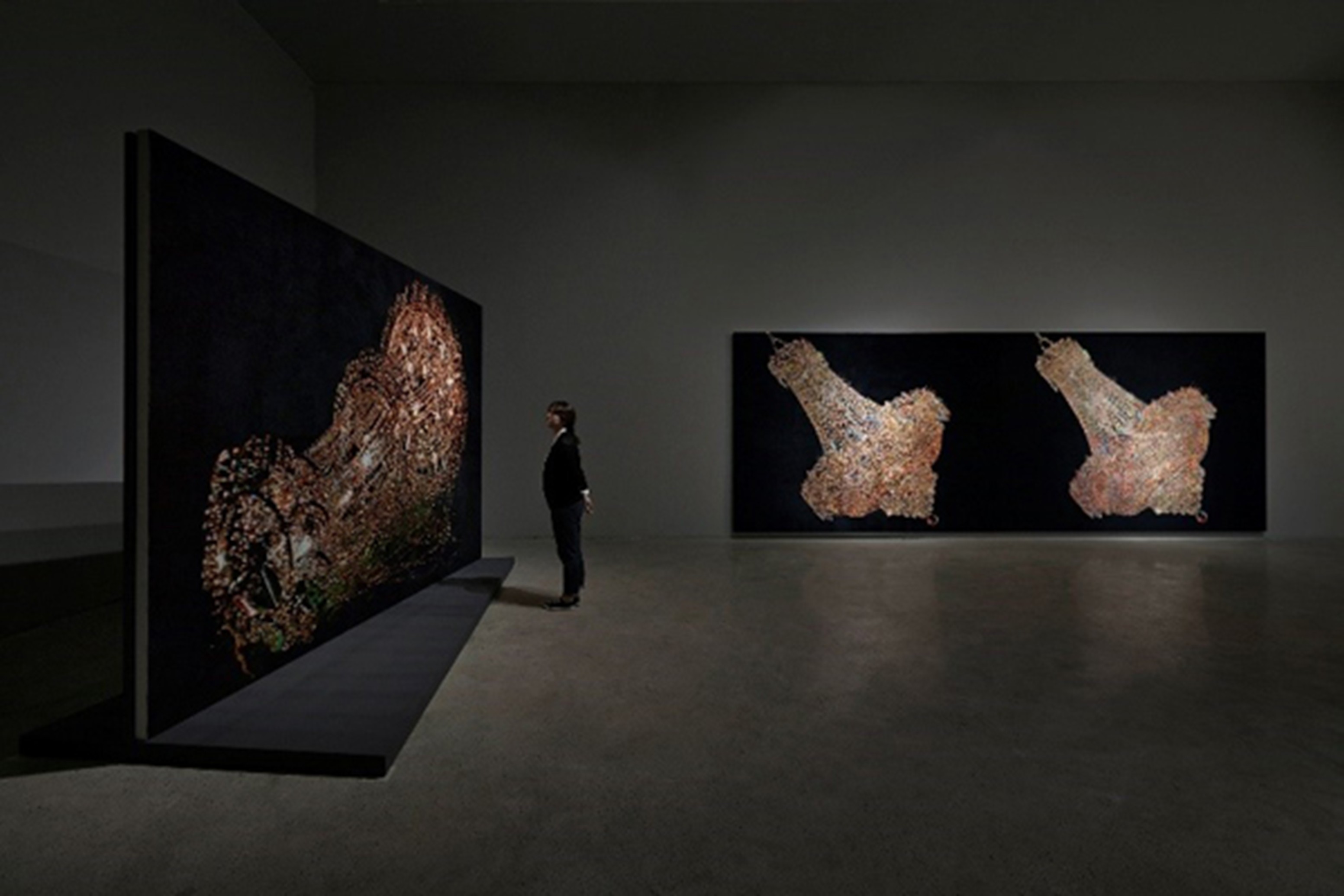
In new works introduced at her 2015 solo exhibition 《Phantom Footsteps 》 in Kukje Gallery, Kyungah
Ham references the history of the North-South division in an abstract way,
while also revealing the presence of the North Korean embroiderers who have
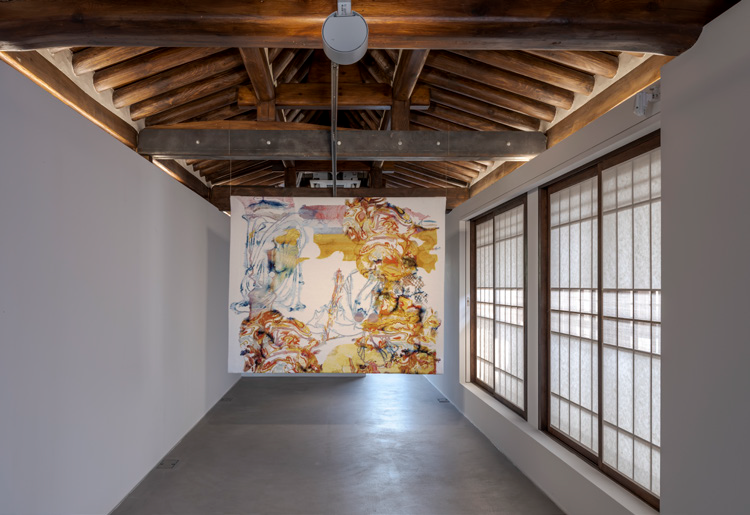
thus far remained hidden behind the works. These new embroideries depict huge,
ornate chandeliers against a black background, with no text. ‘The chandeliers’
represent the imperialist desire of the five powerful nations that were
involved (either directly or indirectly) in the Potsdam Conference of 1945,
where Korea was “officially” divided into North and South.
Notably, the
chandeliers in the embroideries have either fallen or seem to be swaying,
evincing the instability of those national powers and the entire ideology of
the Cold War. Despite having fallen, the chandeliers still emit light, implying
that those authorities of the past are still exerting their power over the
Korean peninsula and influencing the lives of people in North and South Korea.
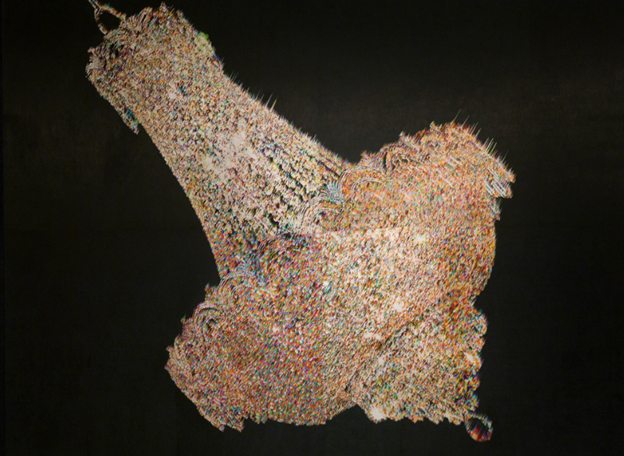
In fact, rather than the beautiful chandeliers on the front, viewers should
really turn their attention to the exposed back side of the embroideries, where
they can see countless stitches representing the long and arduous labor of the
North Korean workers who actually created these seemingly simple
two-dimensional artworks. These incalculably dense and fine stitches are
nothing less than the traces of the very existence of those workers, allowing
us to see the invisible, as expressed in the exhibition title: What
You See Is the Unseen.
Through such works, Kyungah Ham asserts that the role of art and the artist is
to reveal the existence of the nonexistent. In her own words, the artist is on
a journey to follow the “footprints of a ghost.” Of course, ghosts do not leave
physical traces, such as footprints. But by peering through to the other side
of reality, we eventually encounter ghosts that actually exist. Thus, in her
search for the invisible footprints of a ghost, Kyungah Ham ends up unveiling
the truth about reality, which is why her art continues to affect us and win
our approval.