Accumulated
over some time, Hyungkoo Lee’s works show great diversity. I look through
photographs and lists of a hundred or more works uploaded on his website. I
like his sleek and refined works. The beauty of the proportionately flowing
curves and the flawless finish brings me satisfaction. Perhaps this is because
they are not abstract substance but copies of nature, carved out by the
weathering of time? There is nothing unnatural about it. The contentment comes
not from a simple studium; I anticipate the beyond where the punctum lies.
I
wait until that expectation is met in reality. I did not simply fall for the
positivity coming from the smooth cover. It was not about a fascination for a
beauty that removed itself from dirty, troubled and hideous things. I touch and
smell the sleek surface of the work again and again. There is a power in the
work that brings me to appreciate it with time instead of stopping short at
enjoying the instinctive beauty. What lies beneath this smoothness? What kinds
of stories are hiding down there? What about the smell? I picture in my head
the memories gradually maturing beyond history and structure.
There
are other directions that could be taken in classifying the works of Hyungkoo
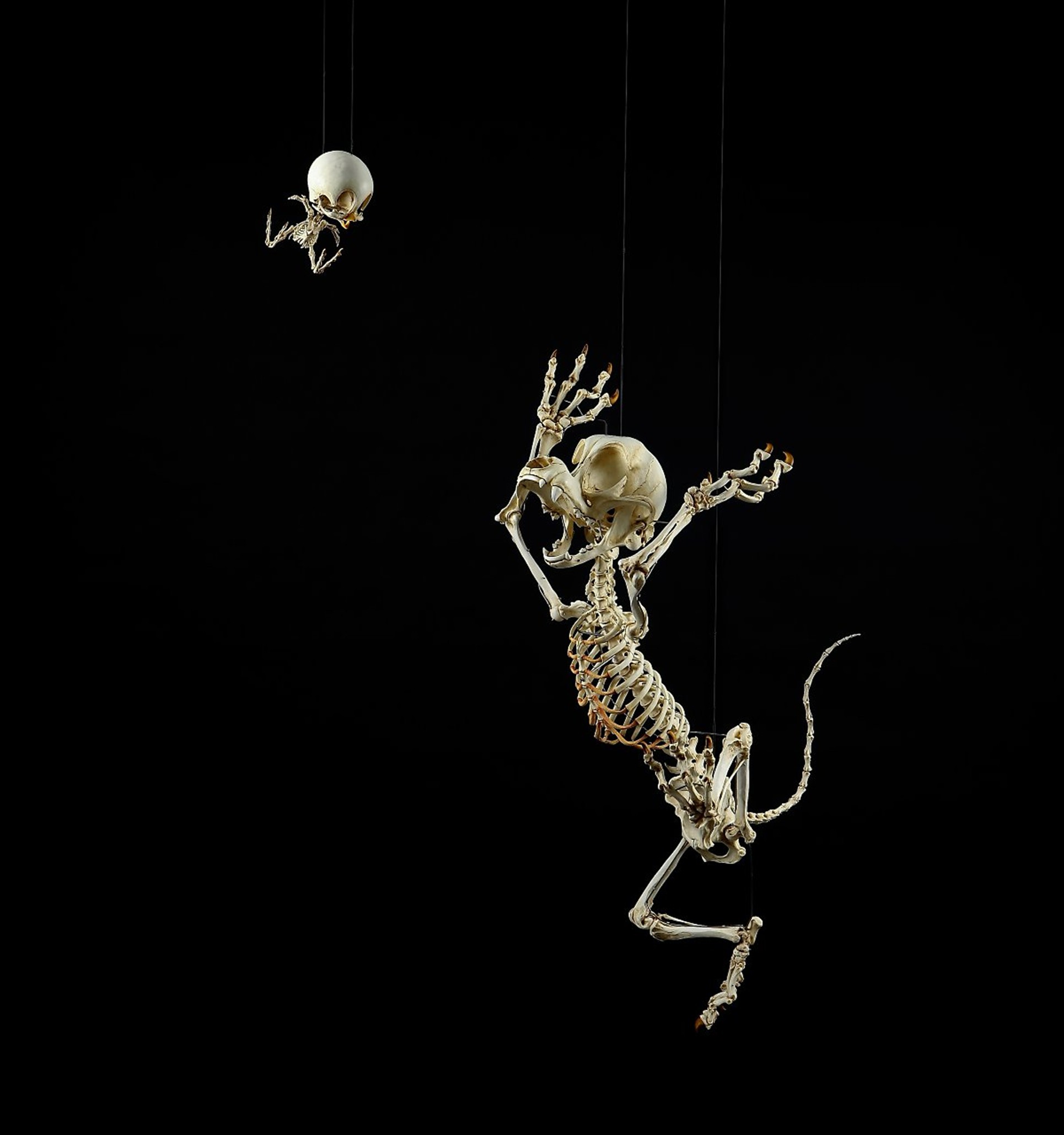
Lee, but his representative works include ‘ANIMATUS’, a series of works based
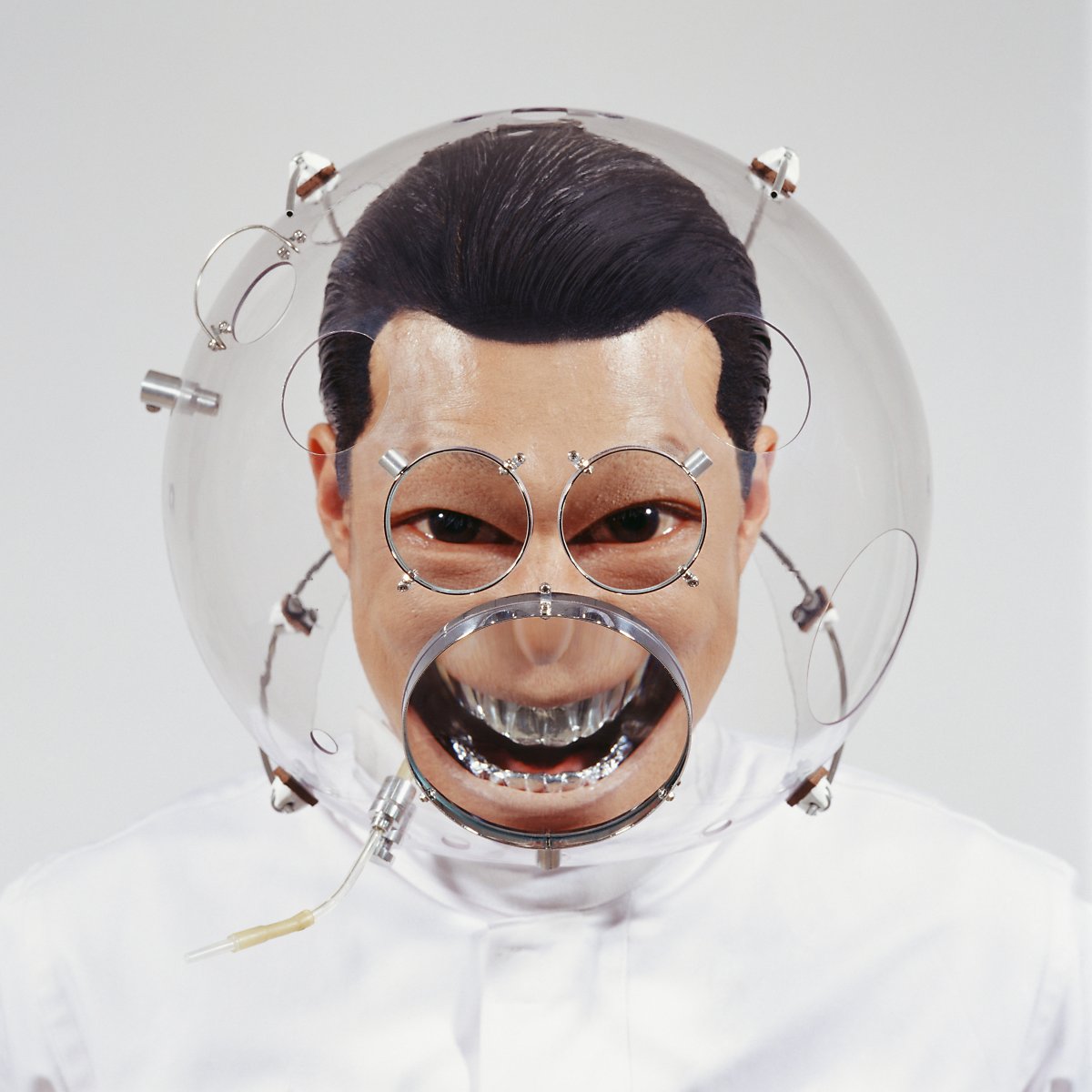
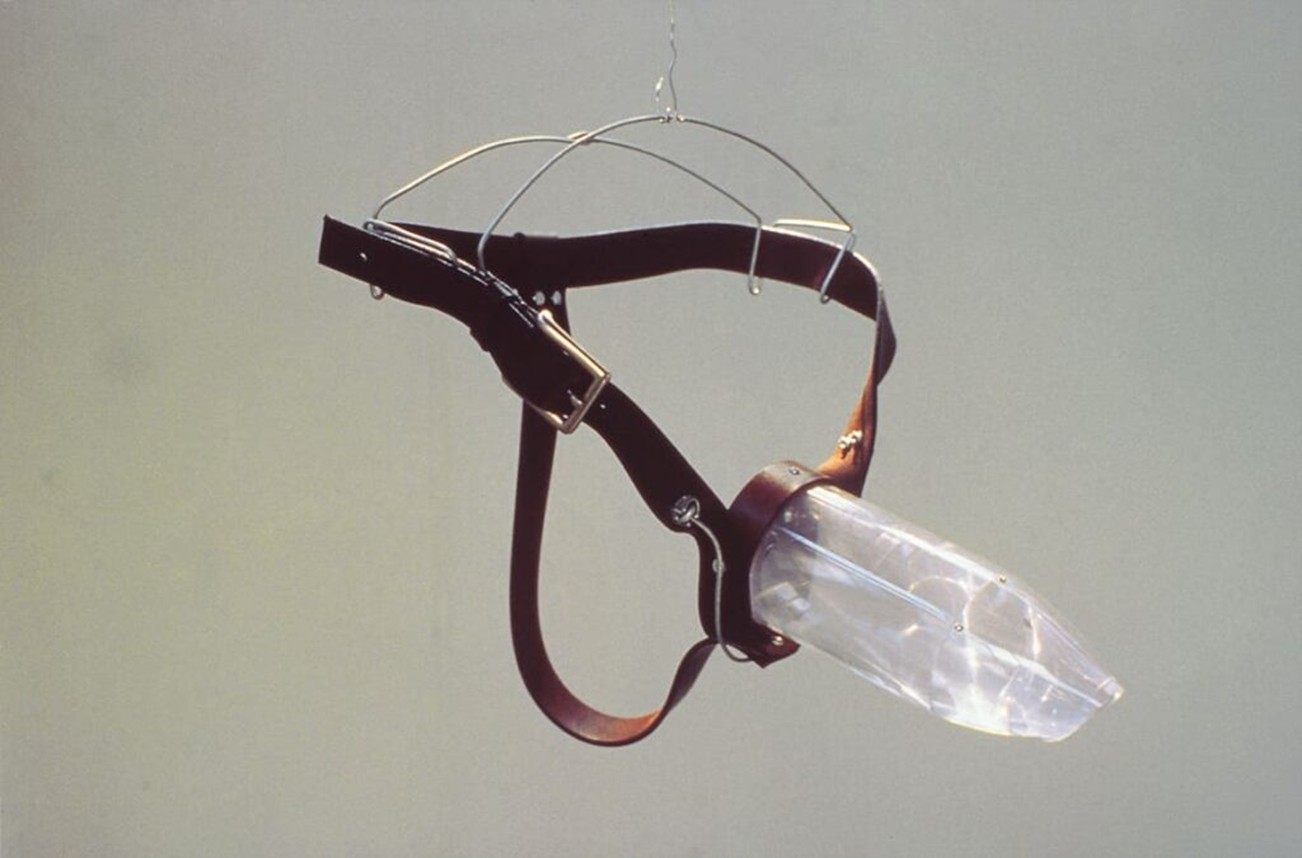
on his studies of anatomy, and the ‘Helmet’ series, which highlights a certain
part of the body. The following are the works that seem to serve as pivotal
turning points in terms of content and direction as I see it.
Helmet
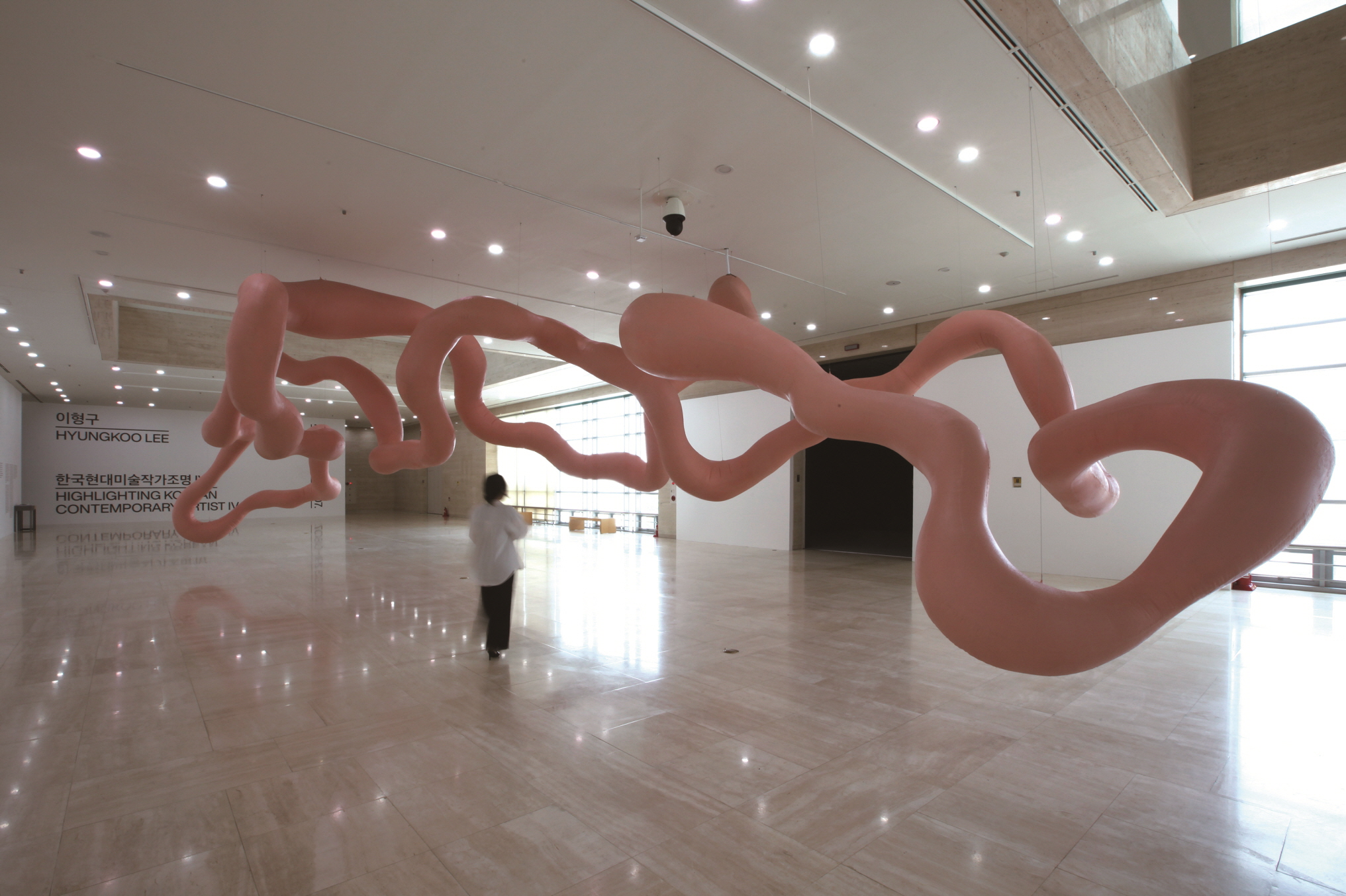
3, 2000 ANIMATUS,
2005-2006 Fish Eye Gear,
2010 Instrument 01,
2014 Kiamkoysek, 2018
In
the chronology of the artist’s works, ‘Helmet’ comes before ‘ANIMATUS’.
However, if an anthropologist from the distant future with no prior knowledge
were to logically reconstruct his works, s/he might decide that ‘ANIMATUS’
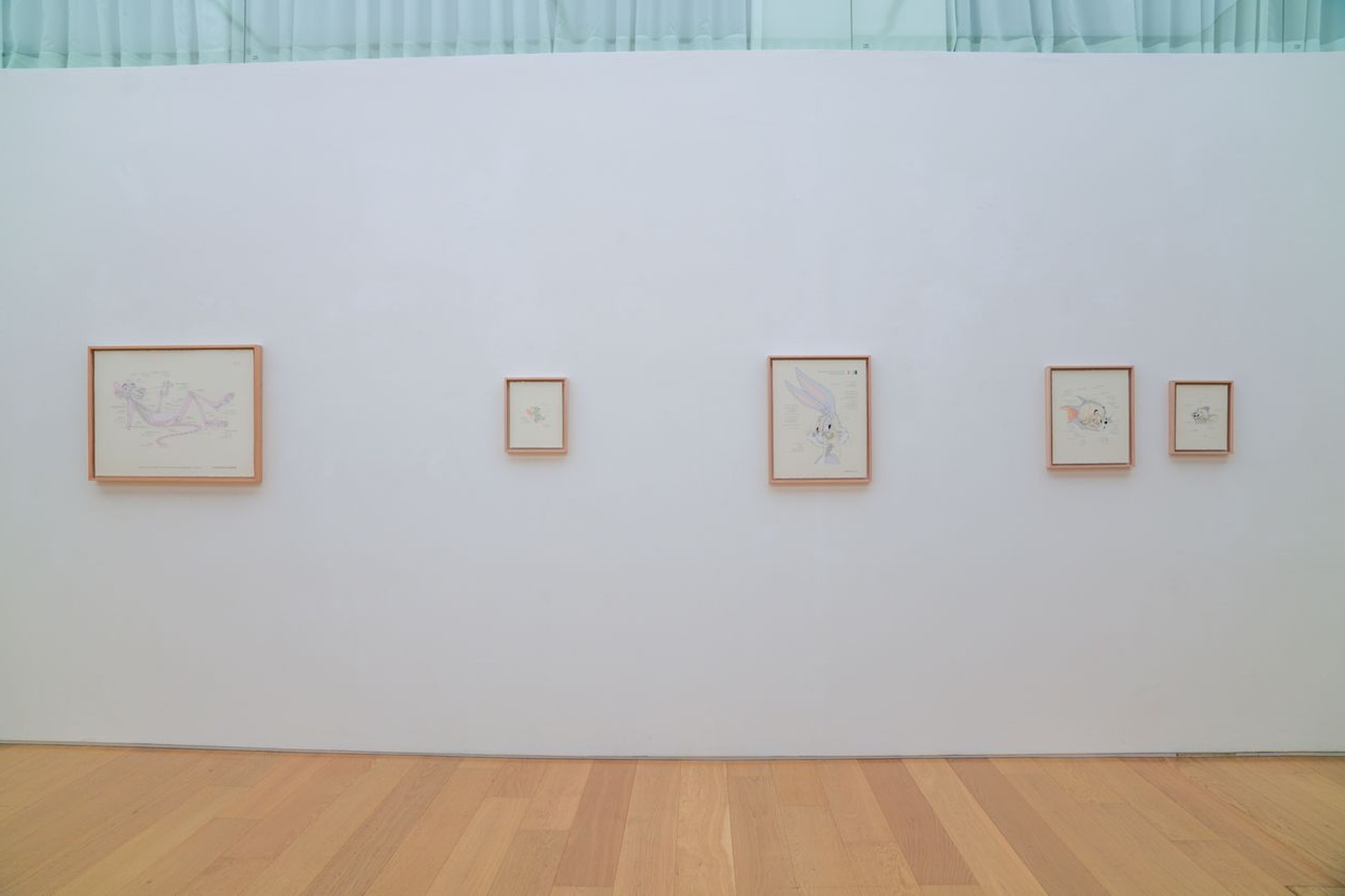
precedes ‘Helmet’. S/he might say that ‘ANIMATUS’, a reconstruction of cartoon
characters’ bone structures based on the artist’s research on anatomy, bears
content serving as a root that helps articulate the works of ‘Helmet’, which
exaggerate the body. However, upon discovering the artist’s notes, which point
to the drive for the ‘Helmet’ series—the urge to overcome one’s physical
inferiority in size within a society as a foreigner—the anthropologist from the
future might correct the initial analysis: cyborgian imaginations first,
followed by the encounter with anatomy in the course of research led by the
imagination.
Studies and works that focus on the movements of fish or horses
that did not make it to the classification above are still closely related to
anatomy as well as the principles of kinetics. They are demonstrations of his
interest in the mechanisms of life and organisms, and the sensation and
response to the exterior. Whether the artist is conscious of it or not, it may
not be so far-flung to assume that the entirety of Hyungkoo Lee’s works are the
outcome of exploration and imagination on the topic of cyborgs.
Cyborg.
The word cyborg first came to be used in the 1960s. It is a compound of the
words ‘cybernetics’ and ‘organism’. As organisms are homeostatic and exercise
control, these two words do not automatically produce a new meaning. However,
this word was invented by Manfred Clynes and Nathan Kline in an article titled
“Cyborgs and Space” to demonstrate their design, where a single organism is
attached to an artifact as an extension of itself and the artifact is connected
to the controlling function of the entire organism. On top of the simple
significations of each word, the term cyborg embodies the implication that
artifacts are attached. The title of the journal that published this paper was Astronautics.
As space is not where humans live originally, humans cannot survive in space
without supplementation.
It is clear that this word was devised from an
imagination of an organism with attachments necessary to survive in space as a
part of its own body However, the same kind of imagination is centuries old.
The first thing that comes to mind is Icarus from Greek mythology. He wore the
wings his father made for him and soared to the sky to escape the maze. It is
one among the essential natures of humans to make extensions of the body out of
necessity, or in order to realize a new potential. How many Icarians have
risked danger and stepped off the ground? To be precise, a cyborg should be a
single organic control agent even without deliberate will, as the attached
exterior supplementation is completely a part of the organism. However, a
cyborgian imagination is closer to the essence of humans’ existence, who have
drawn resources from the exterior for survival as a critical part of the
prosperity of the species.
Whether
the cause was an asteroid collision or something else, the dinosaurs went
extinct. After the dinosaurs’ extinction, the battle of the remote ancestors of
the human race to pass down life must have been a desperate one. Humans cannot
fly and are barely capable of swimming. Our speed ranks lowest among other
species of the same size, and we are without notable strength, protective
thorns or any other distinctive talent whatsoever. It is difficult to imagine
success in the competition to win over food with some natural gift. If the
ancestors were simply idling about, they must have all died out by now, except
for those who practiced a cyborgian imagination with tools at their hands.
Humans are descendants of beings who had no choice but to make something from
the extensions of the body and mind. The future of those humans who have
enjoyed prosperity dependent on tools should continue on with the imagination
of their ancestors in order to survive.
Fundamental
introspections such as imagination or essence aside, the cyborgs entering the
picture embody radically political implications. Most of the revolutionary
points that Donna Haraway elucidated in “A Cyborg Manifesto” 30 years ago still
hold to this day. The most frequently addressed form of cyborgs came from
medical causes or demands. With the practice of adding prosthetic hands and
legs to replace the limbs of those with disabled arms and legs, then connecting
nerves to motors to have control over them with thoughts, cyborgs in the true
sense are emerging. ‘The Six Million Dollar Man’ who used to be on television
is now among us. Surely, there is an increased chance that not only sensory
organs such as eyes or ears, but also internal organs could be replaced. The
advent of such cyborgs in the field of medicine brings about incredible changes
in terms of people’s quality of life and longevity.
A
truly revolutionary chapter will begin with a cyborg, if it comes, incorporated
with technology that could do away with the differences in the given physical
condition by reinforcing elements such as physical capability or appearance.
While Hyungkoo Lee expressed the feeling of being smaller or weaker among
westerners by means of exaggerations through lenses or optical curves and
artistic expression, technology has reached a stage where such imaginations
could be realized. As Haraway noted, if reproductive functions and sexual
differences could be erased upon demand, there would be no need to continue
with the dominant social structures. This is not only a problem engendered in
terms of gender politics, but a revolution in every corner of society. If we have
control over our capabilities according to our decisions, a change is in demand
in our current society, which bases itself on ‘excellence.’
The
question of what will take the place of the existing order after its collapse
remains to be answered. Ultimately, becoming a cyborg should not end up
reinforcing the conventional order due to cost, or result in a devastating war
from escalated conflict between cyborgs augmented only in physical abilities,
as in certain futuristic imaginations. Perhaps instead, a salvation to surpass
the dismal future pictured by technological predictions and imaginations would
come from artistic imagination.
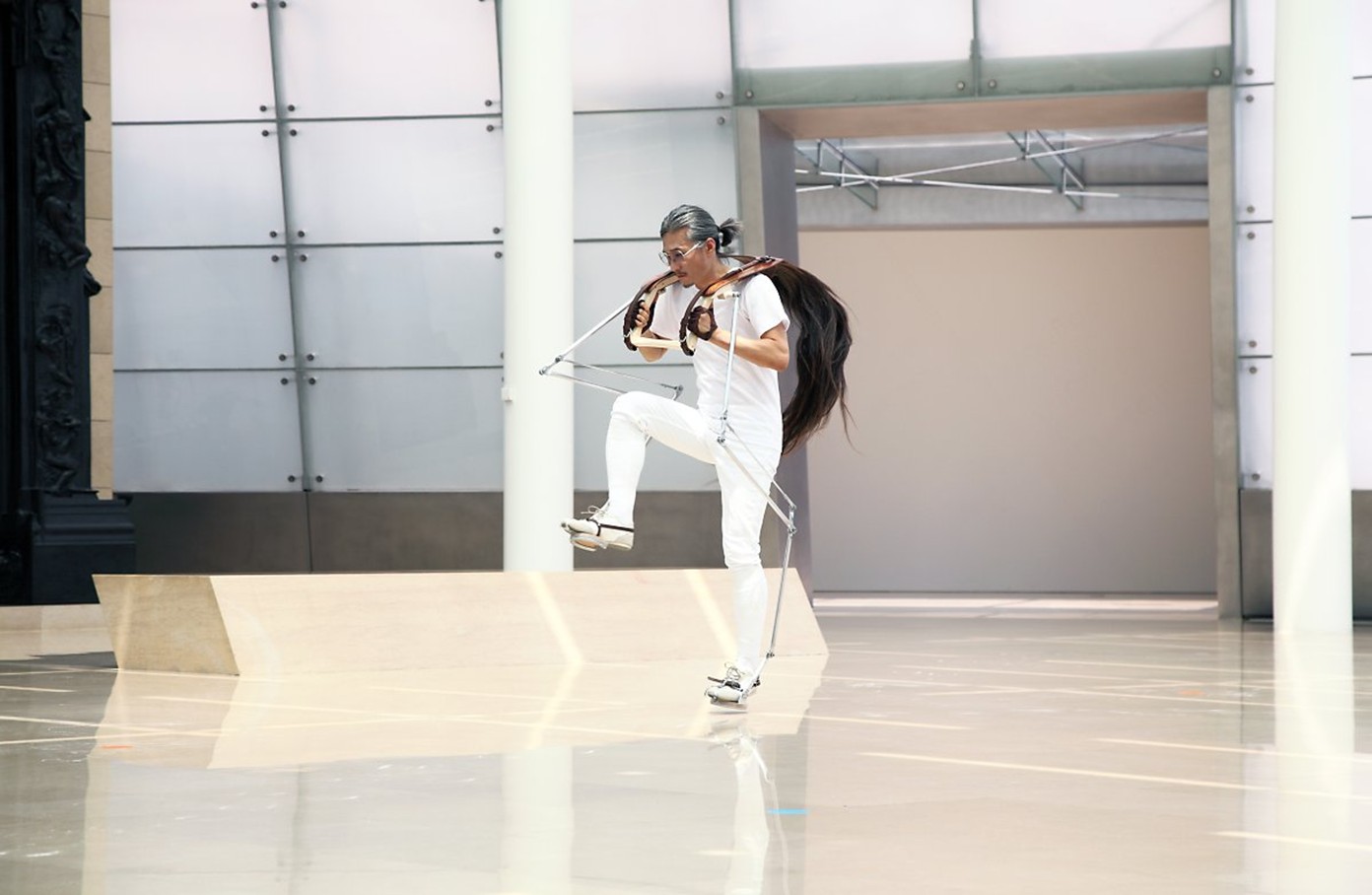
Kiamkoysek,
a new work presented this year, suggests that Lee’s artistic direction did not
take the path of logically investing in the initial issues of his earlier
works. Attempting to represent and experience the fish and horse’s way of
seeing is more about offering a new experience, although the work does extend
from his research on the physiological and physical structures of organisms.
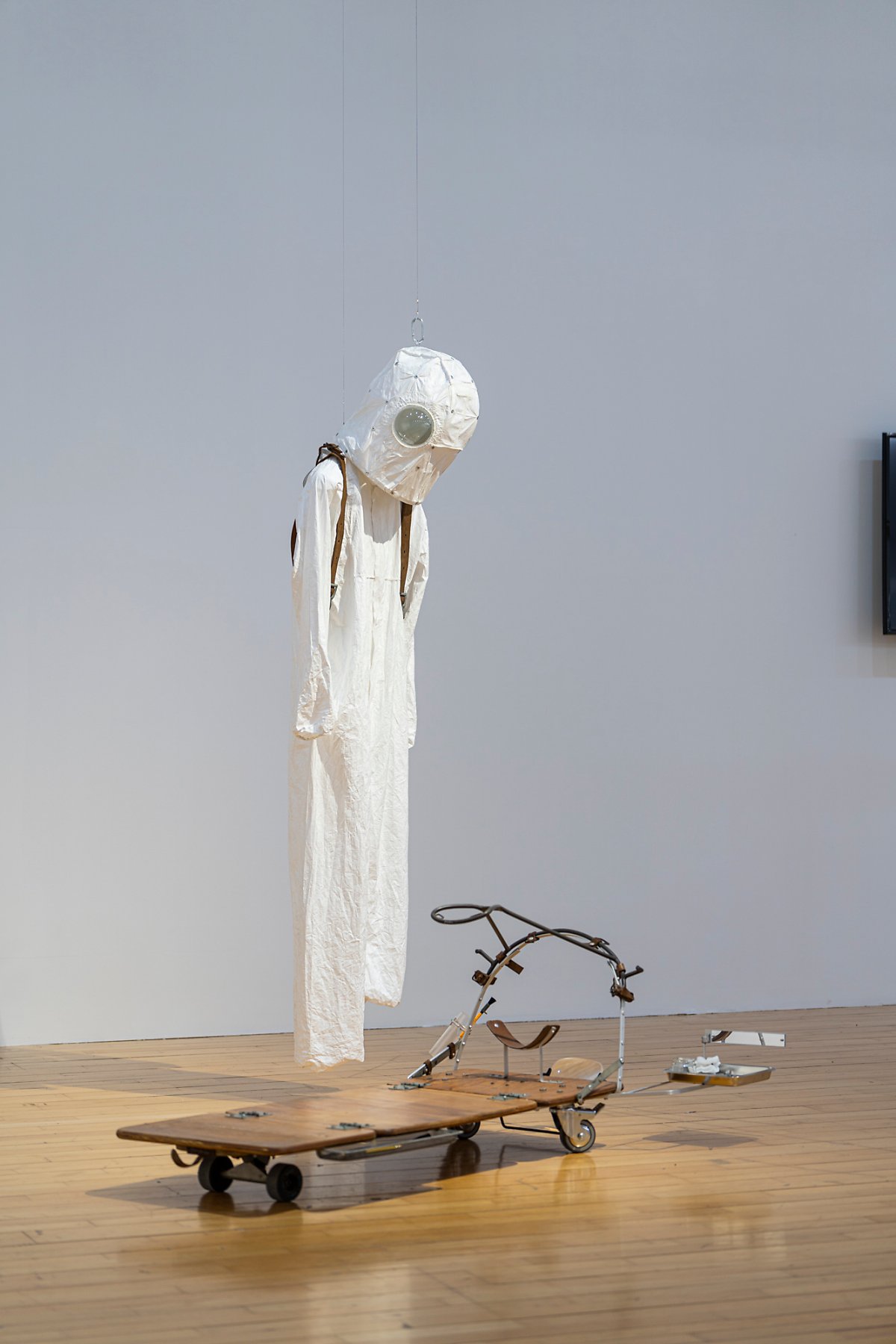
The artist himself carried out a performance with the tools made to venture
into the limited experience made possible by restricted vision.
What kind of an
experience could such a performance have been for the artist? He must have felt
something new from the experience, enabled by the limited sensations, as
implied by pictures from the perspective of an insect that sees only in black
and white. Also, he is well aware of the fact that the restriction in sensation
is directly related to the anatomical structure and the movement of the
organism. It was quite impressive to see the way he moved in demonstrating
while explaining how the position of the eyes of the fish, which can see only
to the left and right sides of its body, must have made it swim by waving side
to side.
A
new experience made possible by limitations in sensation. The title of this
work derives from a Korean word that refers to oddly formed stones, whose
pronunciation is romanized as ‘kiamkoysek.’ This mark is again read
phonetically and transcribed in Korean to become the Korean title of the work.
The title and the process of its formation clearly show us what he is trying to
offer to the audience—the unfamiliarity and new feelings engendered from the
differences originating in translation and retranslation; a strategy and
approach that led to a word meaning ‘bizarre stones’ or ‘landscape with a great
scenery’ to be realized as ‘kiamkoysek,’ which is without a clear definition.
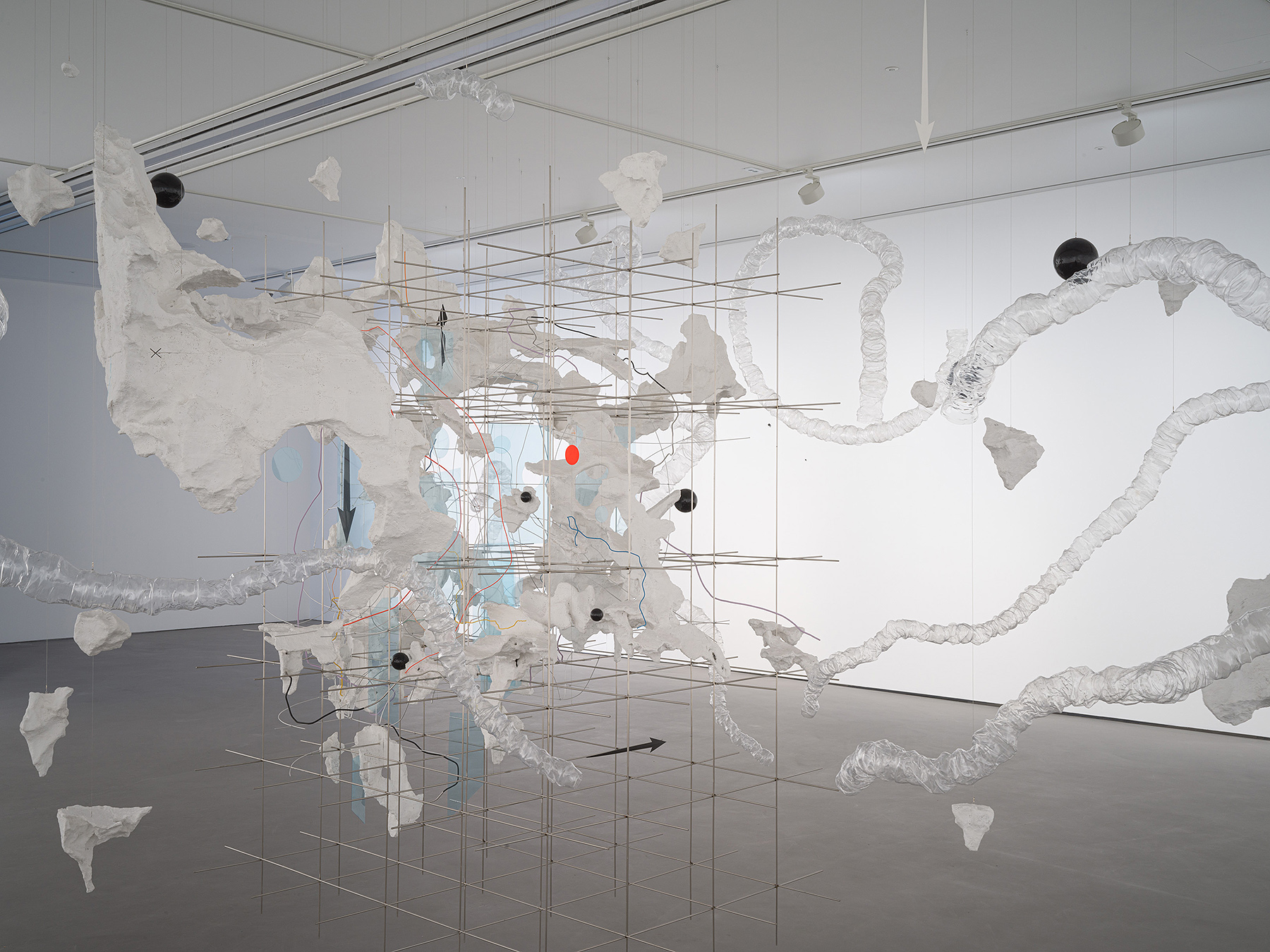
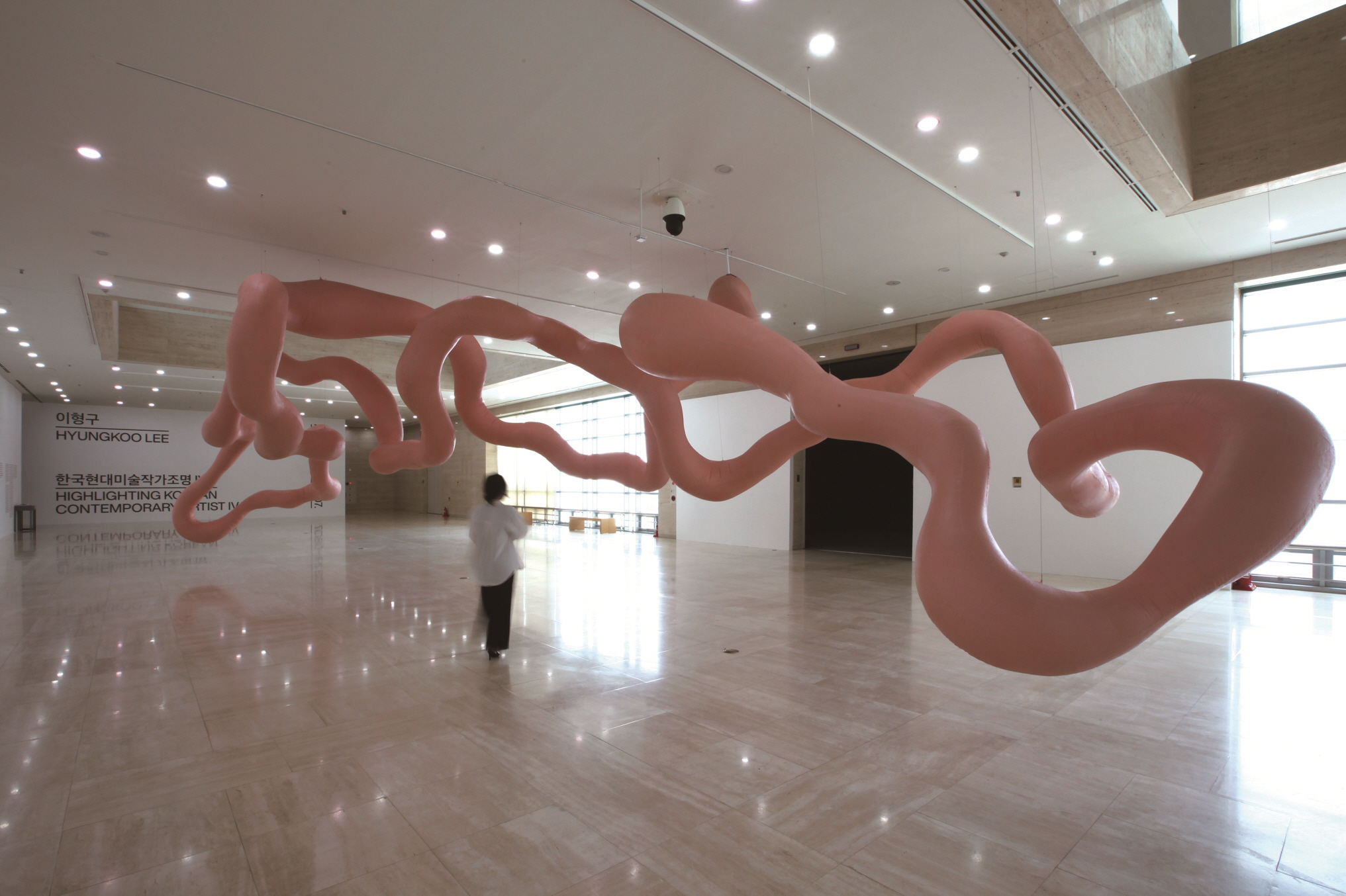
This is what serves as the material and structure for the exhibition.
The human
bones are separated into each of the following components and enlarged 10 times
in the exhibition: left femur, left patella, left tibia, left fibula, right
clavicle, right scapula, right humerus, left humerus, left ulna, left radius,
right coxal, right femur. According to the artist, he has magnified them
without any alterations. Yet the ‘magnification’ itself is enough to allow a
distortion of the sensation and present a whole new experience to the audience.
An experience of encountering a shrunken self in cutting across a gallery space
that is at once a grave for a dinosaur but also that of a human. This would be
a journey of taking steps into one’s own inner world as well as confronting a
space that restlessly expands itself.
Rather
belatedly exploring the works of Hyungkoo Lee, an artist who could be counted
as one of Korea’s representative sculptors, I was fascinated by their
appearance and thrilled by the questions they raised. I hoped that the
questions he brought up from the early stages of his works would overcome the
immaturity or bluffing of a young man and reach an imagination of salvation. It
is easy to get angry at racists, but it is difficult to make that into art.
Hyungkoo Lee’s process of exaggerating the body to overcome a drawback in size
was not merely an artistic joke, but an active and direct counterattack. His
works were beautiful, and clear in their message. As if accumulating stories of
fiction, the structures made out of knowledge and facts from physics and
biology, as well as imagination to fill in the gaps, must have deeply impressed
a large number of audiences.
I
do appreciate his works to this day, which maximize the aesthetic effects by
representing the fish’s eye or the horse’s movements with devices or simple
extension and contraction while investing heavily in the problem of sensation;
they provoke sensations in the audience and offer new experiences. Yet much to
my regret, I do not think that he pushed far enough with the works, which
started out with the task of discovering ‘difference’ and surpassing it, to
address the question of salvation. While on this detour, he is making aesthetic
attempts at sensation and space. It is clear that the resulting works would
receive positive responses and reviews through their aesthetic achievement. A
line of reviews on his works still hovers about the same points, because even
those works of the aesthetic world which skipped over the salvation are, in
reality, yet to be complete. It is difficult, and not appropriate for that
matter, to make predications on the result of such a ‘detour’ in the journey of
his works, which still has a long way ahead of it.
In
conclusion, salvation will come from beauty. But beauty is not achieved only
with something enjoyable and sleek for the eyes. Without the endurance of time
and memory, decomposition will follow. Memory is the record of intense
concentration, and without this kind of commitment, traces would be blurred,
memories scattering away. I anticipate more profound maturation from Hyungkoo
Lee’s works.