Lee Yongbaek
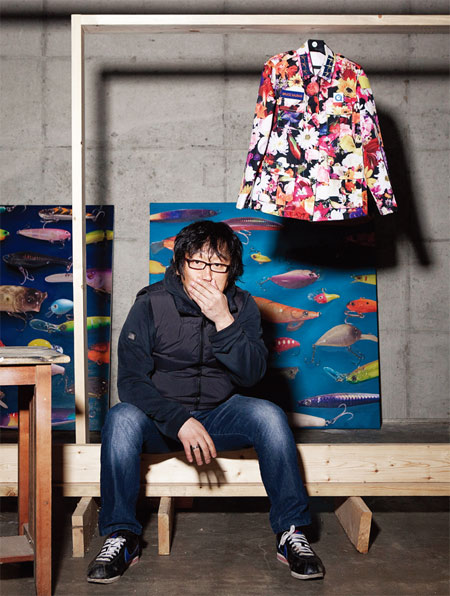
(44). A graduate of Hongik University’s Department of Western Painting and the
Staatliche Akademie der bildenden Künste Stuttgart in Germany, he is an artist
who presents works that cross genres, including video, installation, sculpture,
painting, and performance. While he is a well-known figure within the art
world, he remains unfamiliar to the general public. However, on the 1st, when
he was announced as the representative artist for the Korean Pavilion at next
year’s Venice Biennale, his name became widely known.
As the
artist representing the Korean Pavilion at the 54th Venice Biennale, he
addresses contemporary issues related to religion, politics, and society.
Regarding his selection as the representative artist, Lee stated,
“Participating in the Venice Biennale is part of the process of building my own
artistic world.”
Speaking
about the work to be presented, he said, “It will take the form of upgrading
works that have been internationally validated over the past two to three years
through solo exhibitions and biennales,” adding, “I plan to visit Venice in
early this month to examine how the space can be utilized before deciding on
the final work.”
The medium
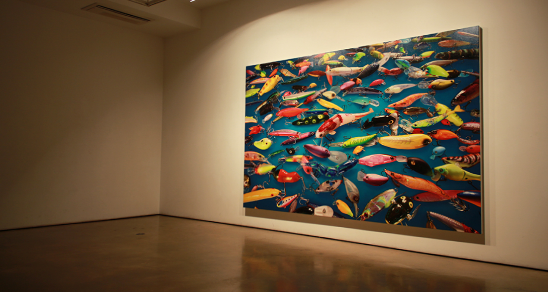
through which the artist delivers his message is art. One of his representative
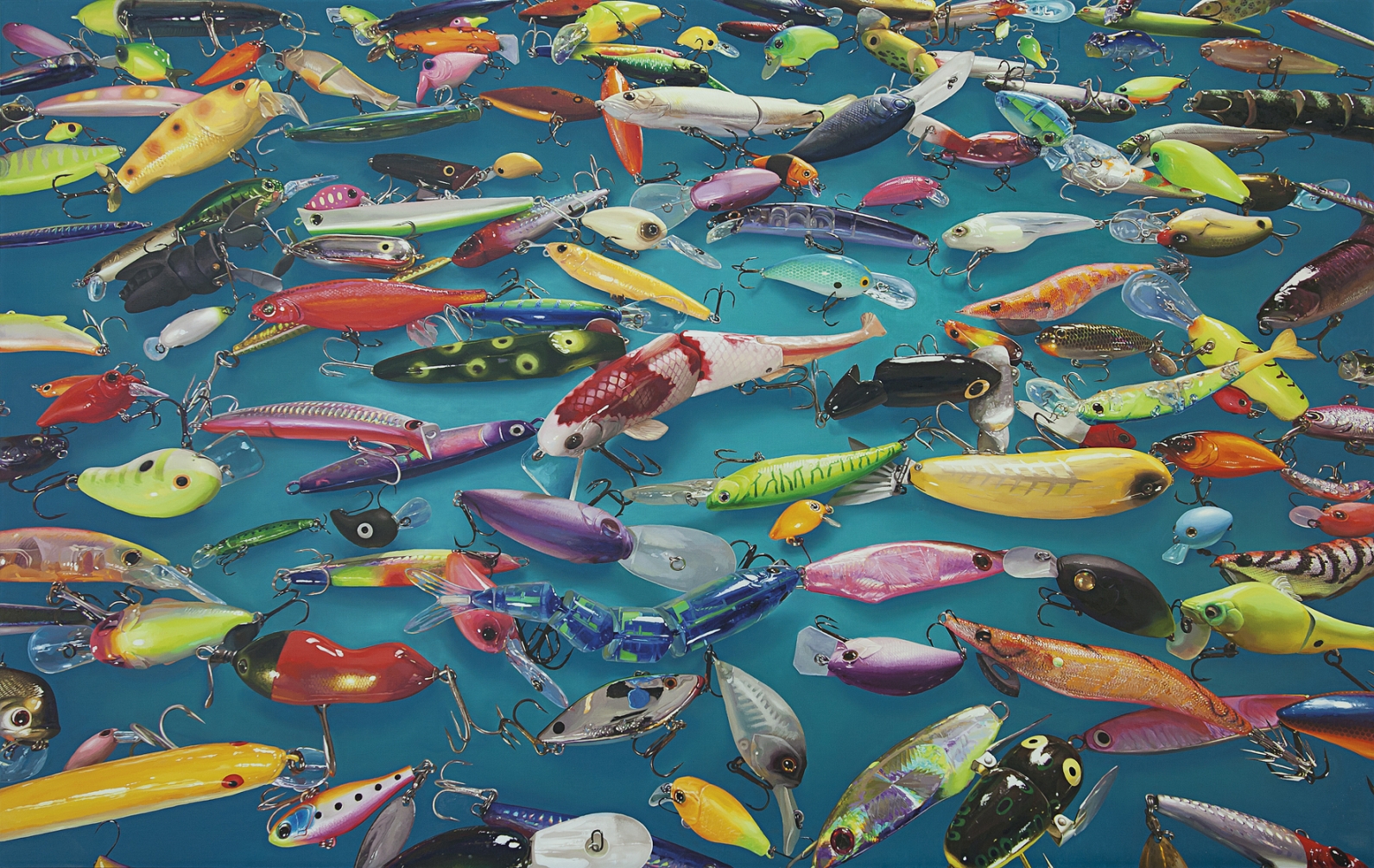
works is Plastic Fish. A plastic fish is used as bait
for catching fish. Yet it appears more real than an actual fish. It raises the
question: “What is real, and what is fake?”
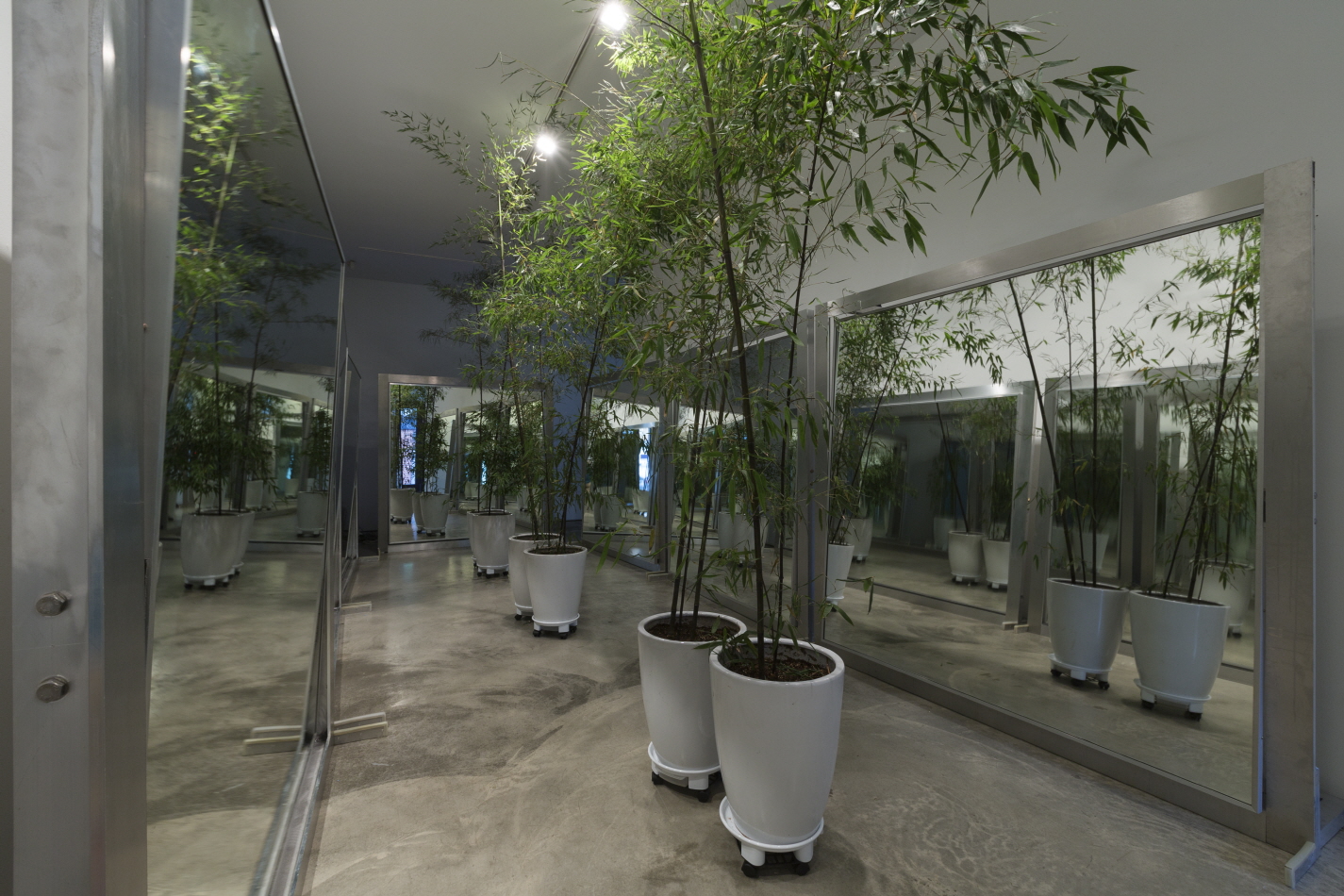
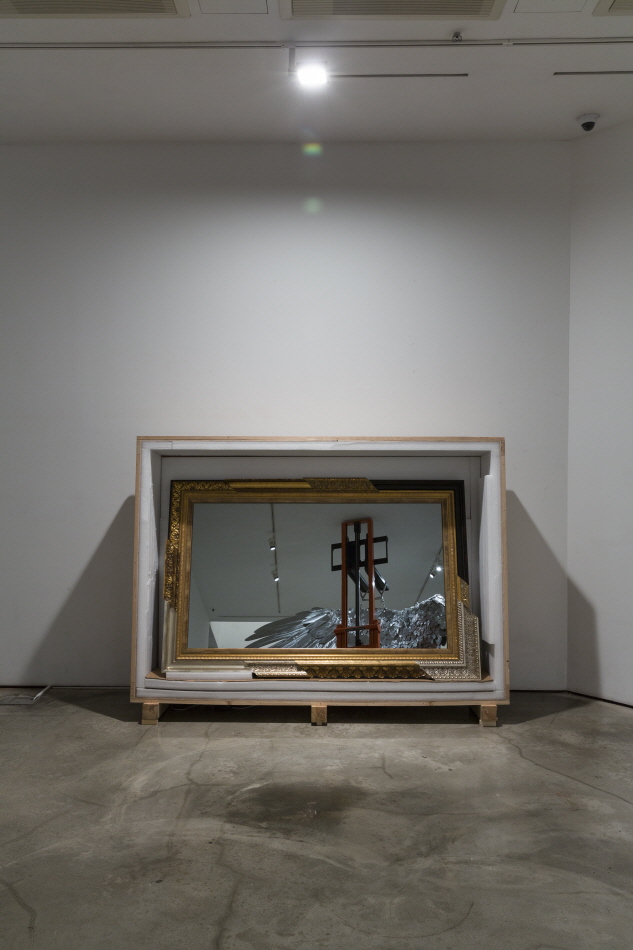
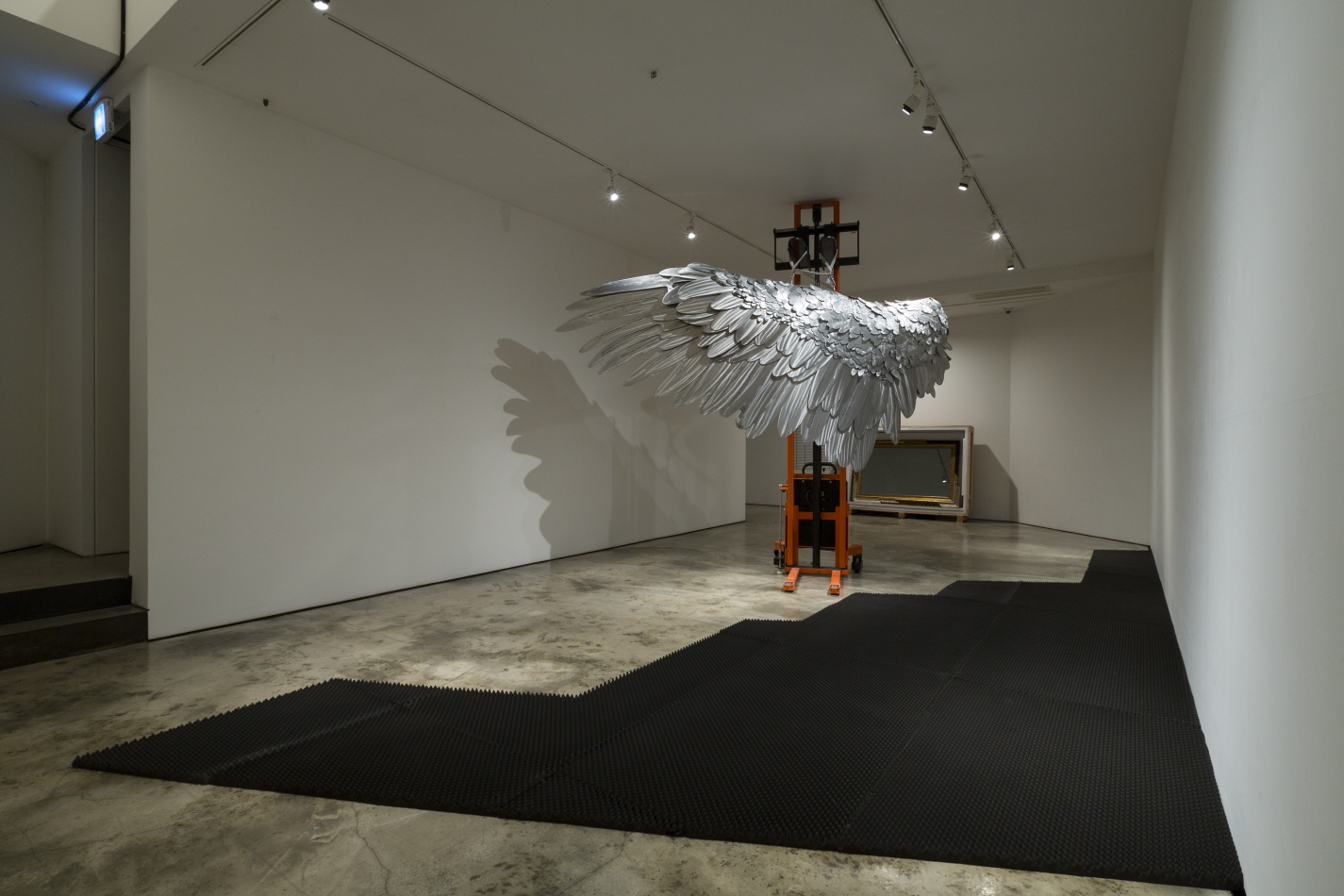
Lee’s works
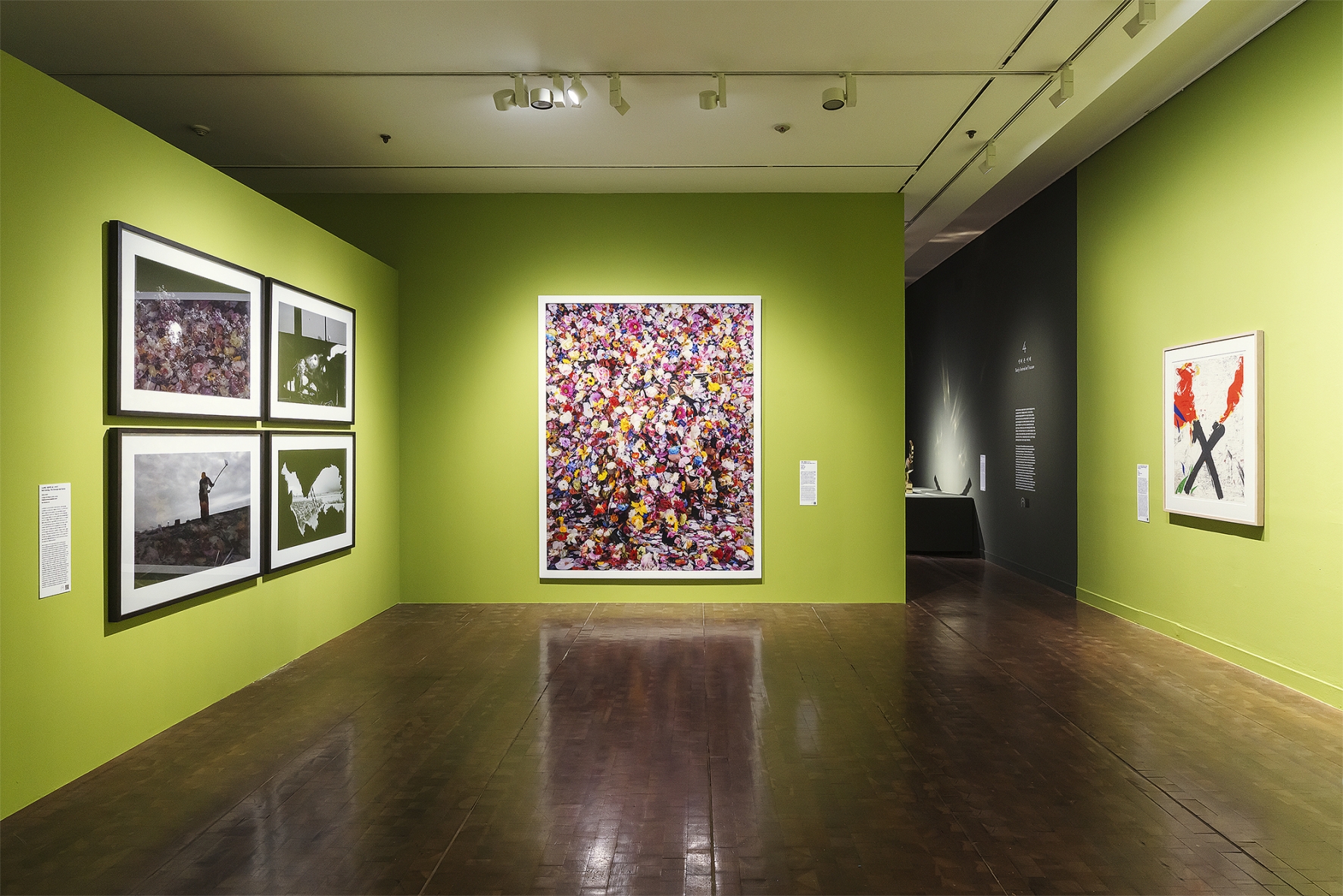
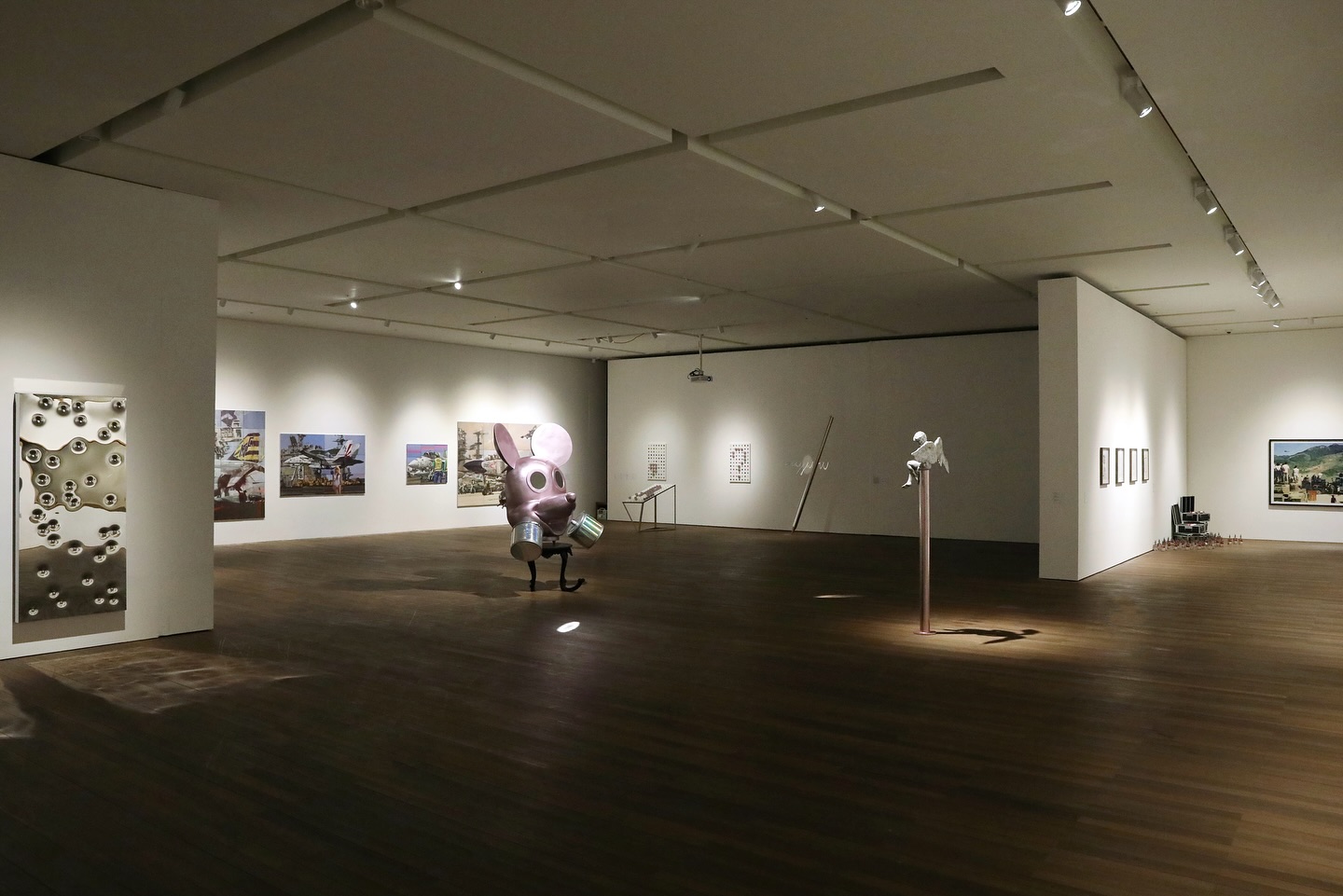
currently on view at Hakgojae Gallery in Sogyeok-dong, Seoul, expose an absurd
world in which reality and fiction coexist. The artist’s outcry toward the
world is expressed through a variety of themes.
Through
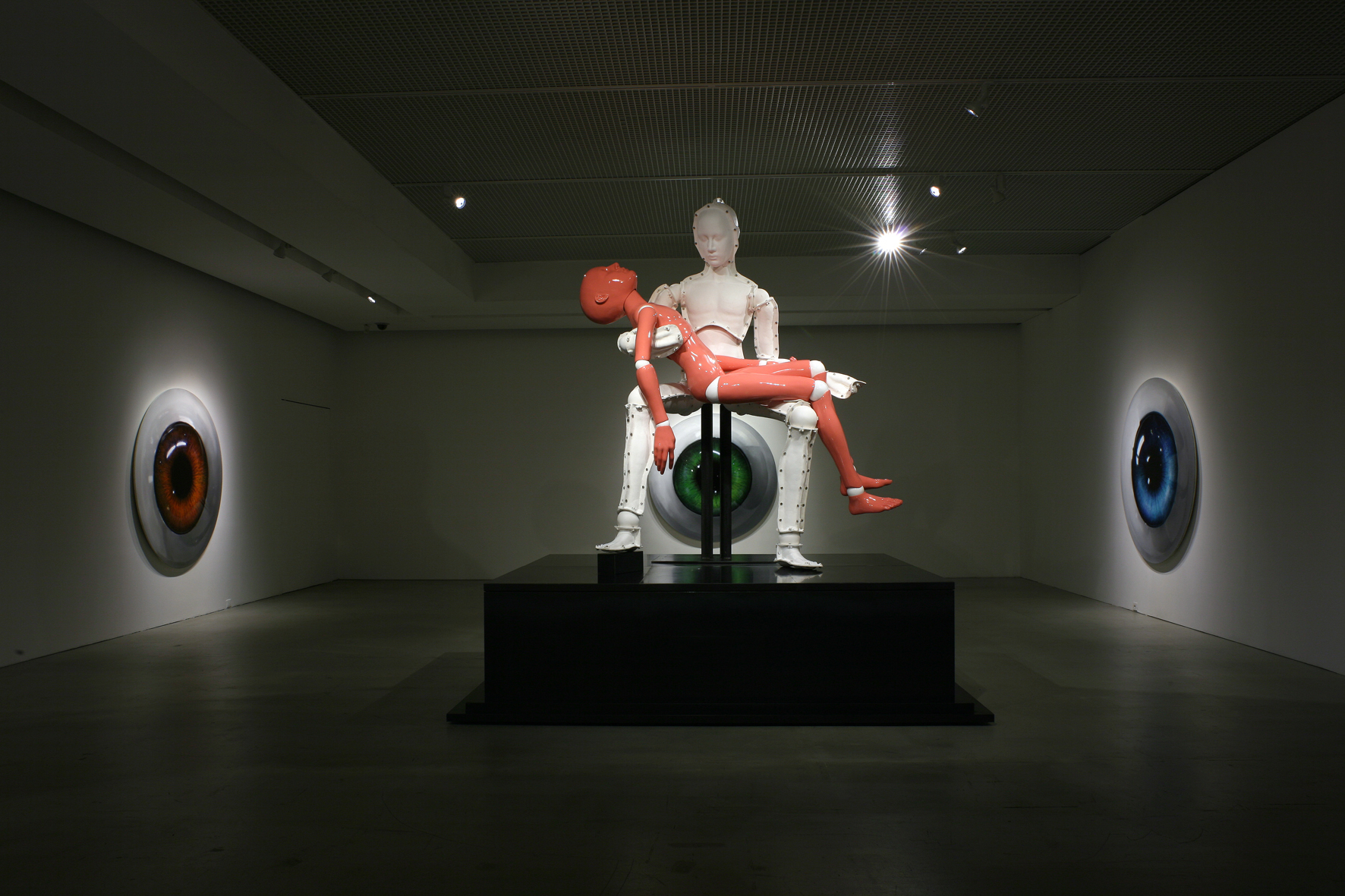
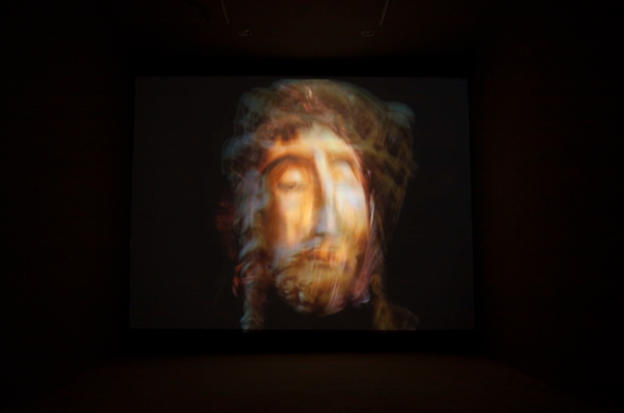
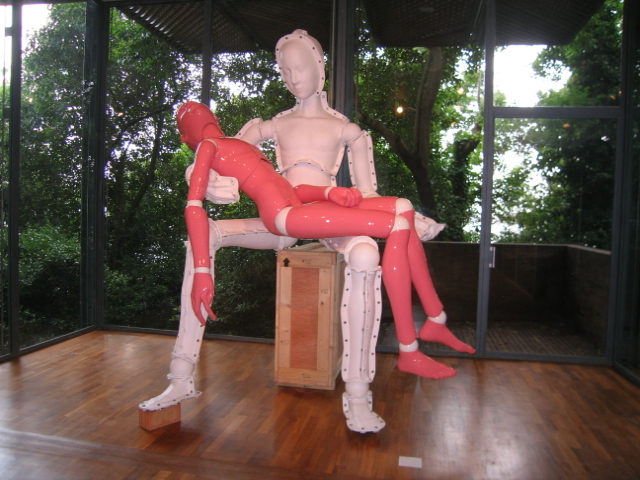
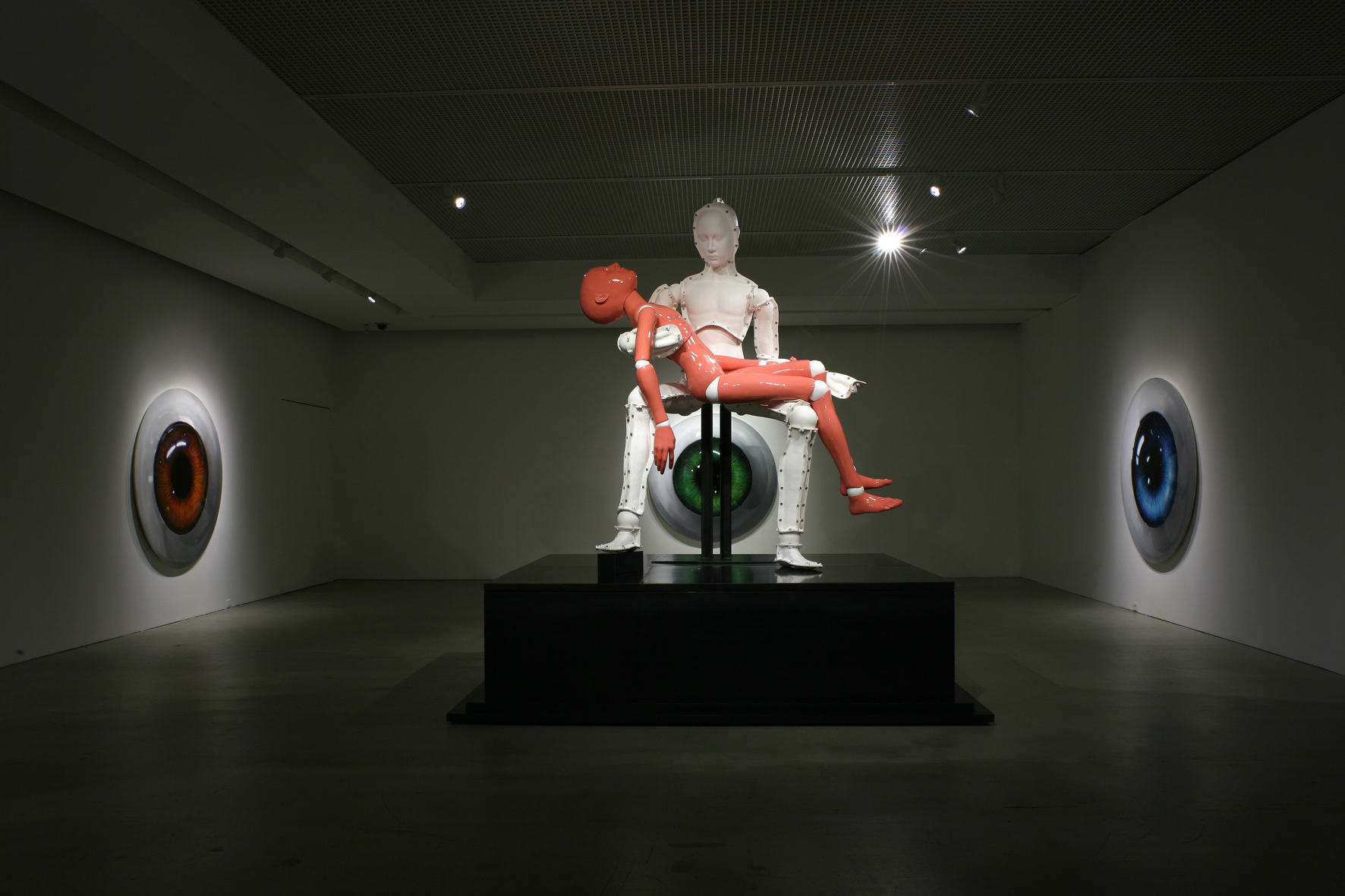
works such as Pietà, which depicts Mary mourning over
Jesus on her lap rendered in plastic; the
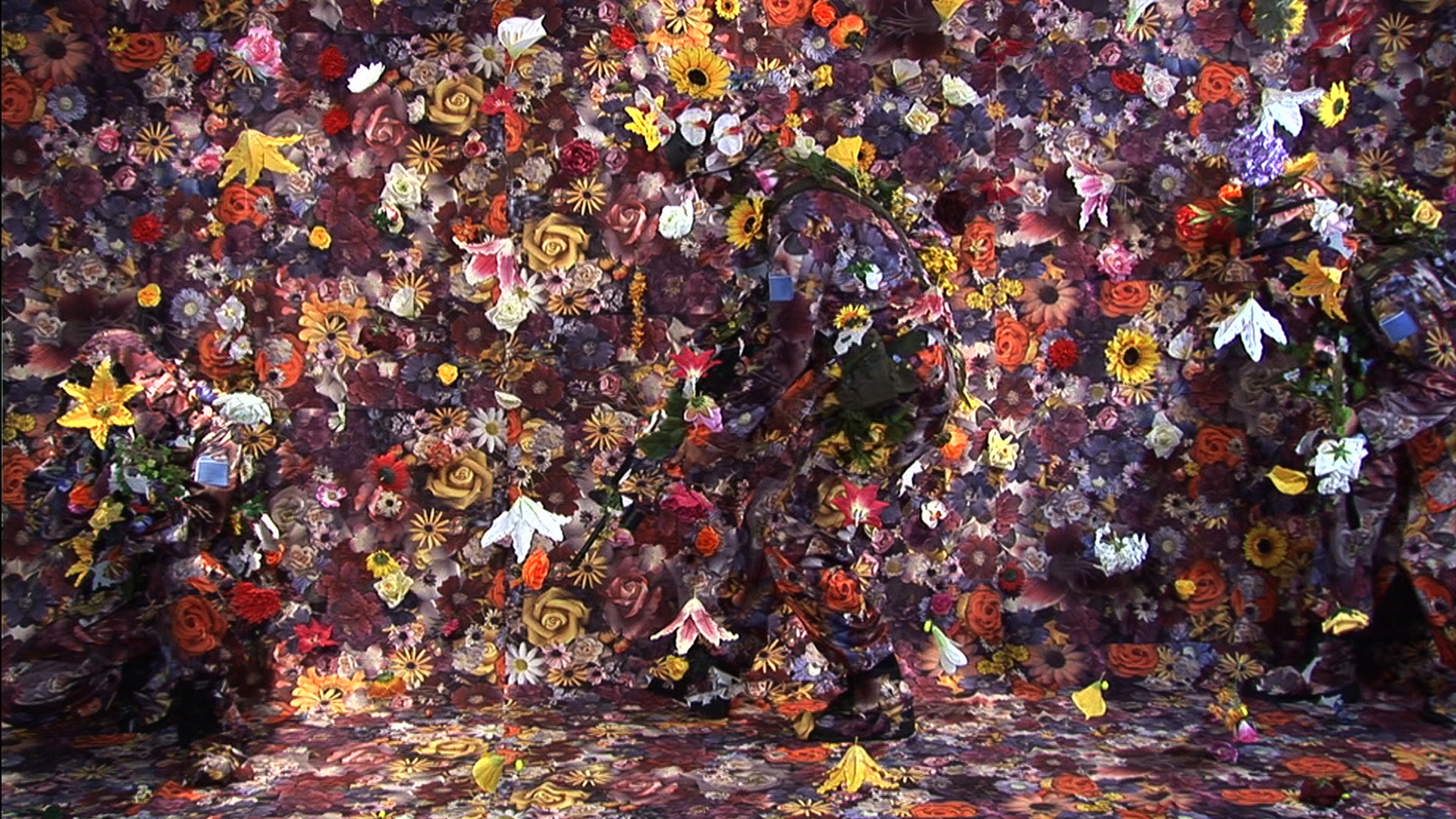
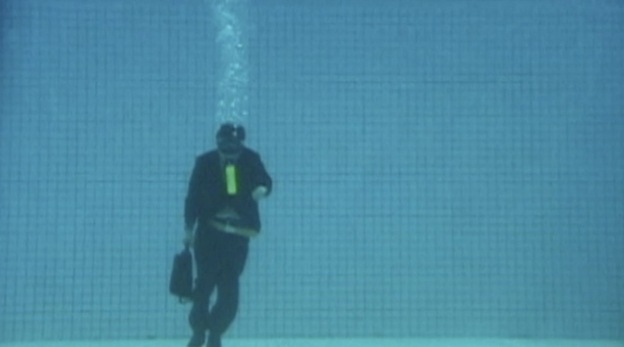
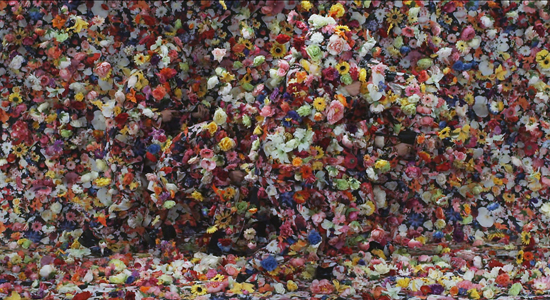
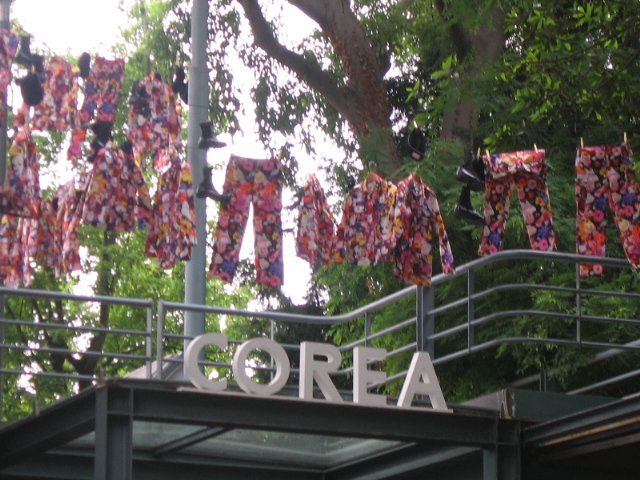
video Angel-Soldier, which captures soldiers advancing
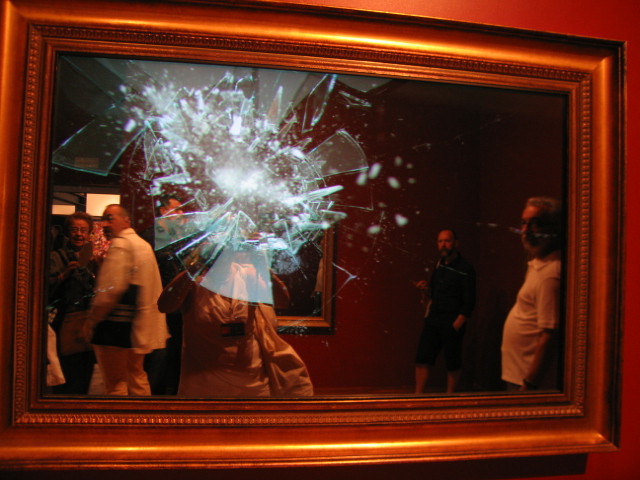
while disguised with artificial flowers; and the media
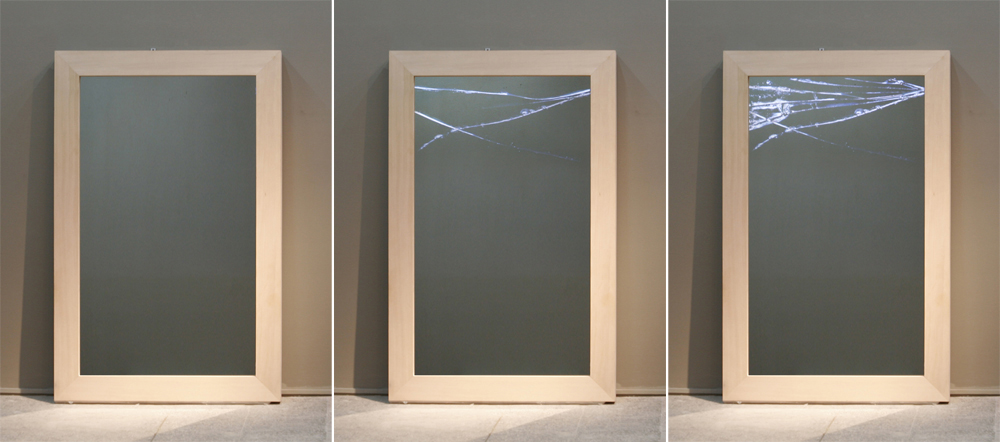
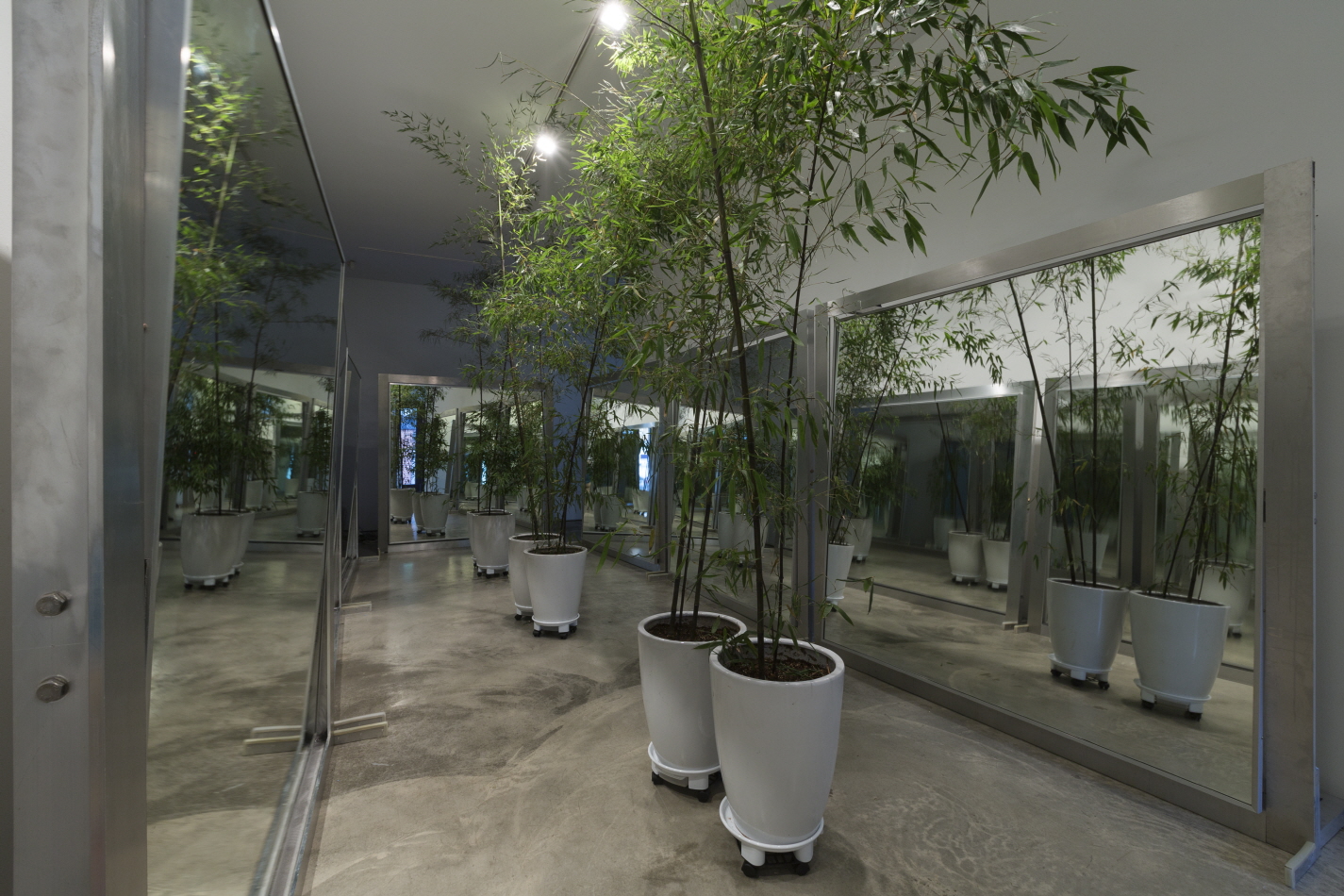
piece Mirror, in which a powerful explosive sound is
triggered when a viewer stands in front of the screen, creating the illusion
that a mirror is about to shatter, he poses questions to society.
“What is the
essence of humanity?” The artist conveys the nature of human beings in various
ways. His works are divided into themes such as politics, religion, and the
self. “Society cannot be defined as a single entity. You cannot uniformly
represent diverse societies. Let me give you an example from my own
work. Angel-Soldier speaks about politics,
while Mirror addresses narcissism. In
particular, Pietà symbolizes a reality in which
humanistic humanity and God have disappeared, replaced instead by all kinds of
blasphemous hybrid cyborgs, robots, and biotechnological monsters.”
The artist
emphasizes not the communication of information, but mutual corruption and the
expanded, transformed, and fragmented image of humanity shaped through media.
“One-way transmission of information through a single medium represents only
one facet of society. One of the characteristics of contemporary society is the
diversification of media. Even one-person media has emerged. And within it,
diverse images of humanity exist.”
Meanwhile,
the 54th Venice Biennale will be held from June to November next year in
Venice, Italy. The general director is Swiss curator, critic, and artist Bice
Curiger. The Venice Biennale is considered one of the three major biennales in
the world, alongside the São Paulo Biennial in Brazil and the Whitney Biennial
in the United States.
The Korean
Pavilion has been operated by the Arts Council Korea since 1995. In 1995, Jeon
Soo-cheon participated; in 1997, Kang Ik-joong; and in 1999, Lee Bul received a
special prize. Last year, the artist representing the Korean Pavilion was
installation artist Haegue Yang.