Exhibitions
《My Own Blind Spots》, 2019.09.21 – 2019.11.02, Commonwealth and Council (LA)
September 20, 2019
Commonwealth and Council (LA)
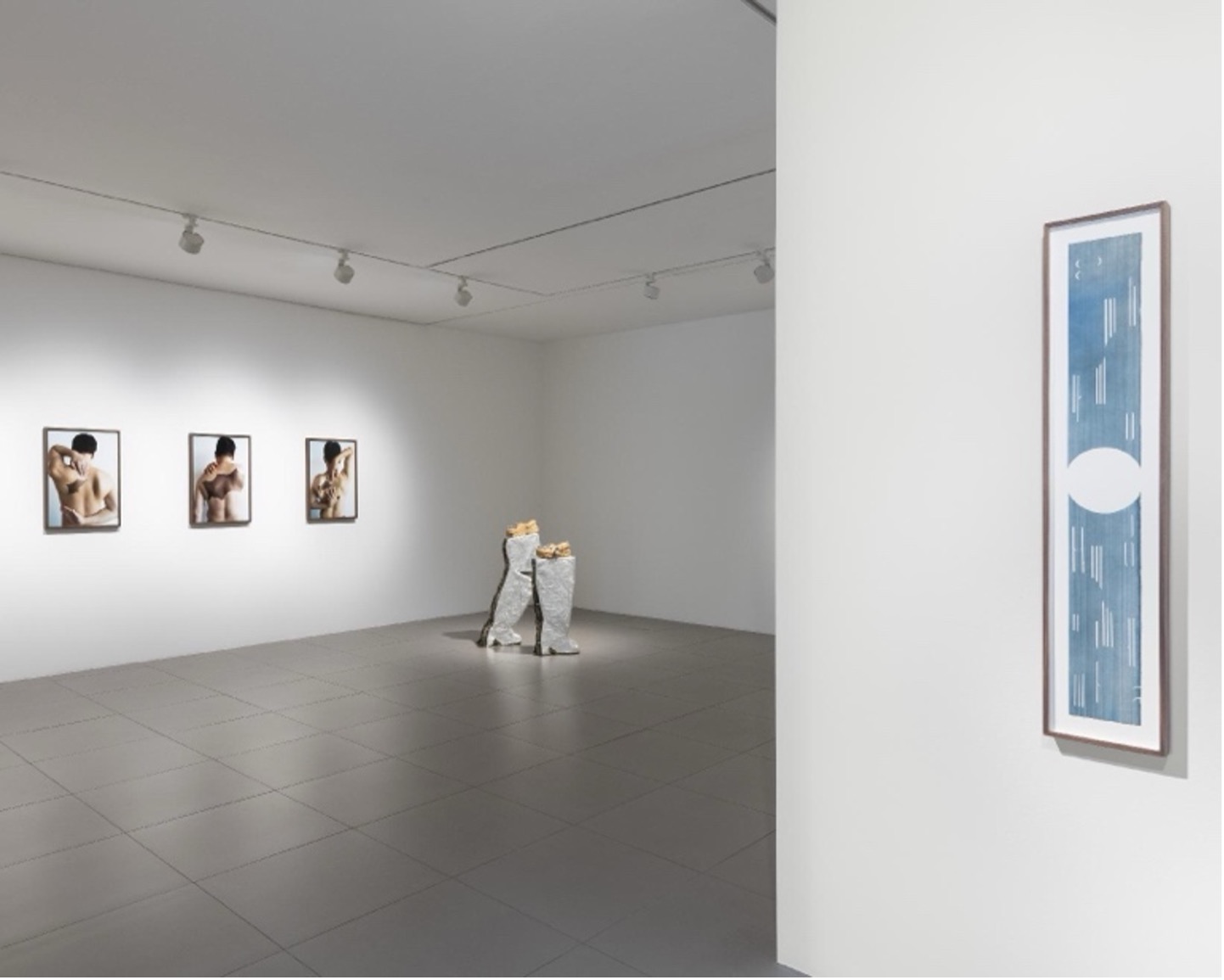
 Installation view © Commonwealth
and Council
Installation view © Commonwealth
and Council
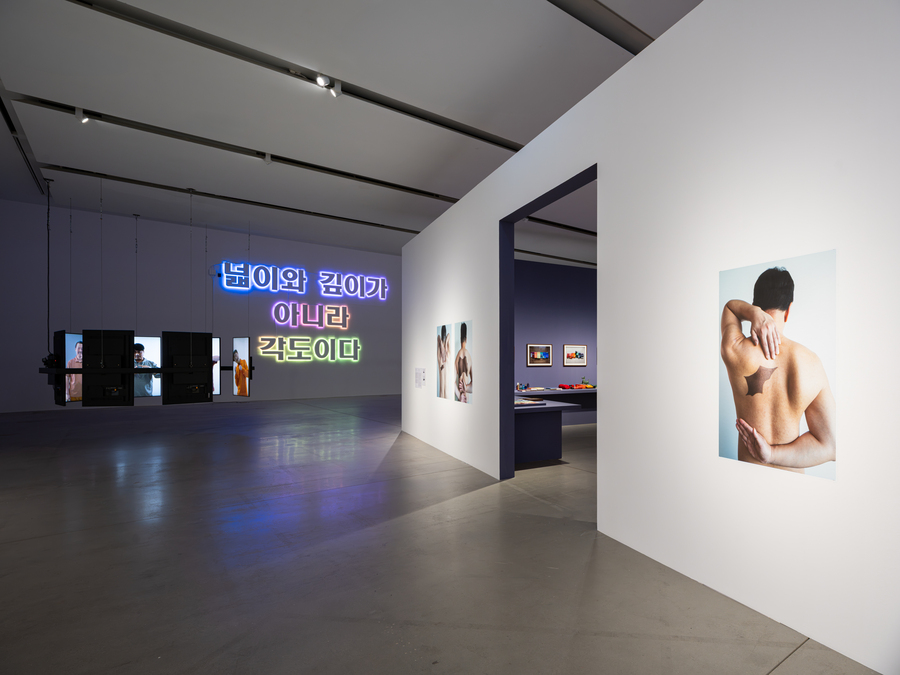
Inhwan Oh’s 《My Own Blind Spots》 couples video surveillance with a meditation on the order of
seeing and being seen to reveal processes of social and cultural subversion
synced across two galleries: Commonwealth and Council and Baik Art.
How do we disavow social norms to navigate
difference? How do we feel out the margins of visibility and find parallel
spaces for othered communities to exist and thrive? Oh calls this the cultural
blind spot—a psychic space that sustains and nurtures difference while allowing
the individual to perform in mainstream society. A kind of overlay one may
access through a gap in the surveilling view, the transition marked by a switch
in perspective, the fruition of queer spaces—transient but always prevalent,
organized by word-of-mouth—in cities where homosexuality is illicit.
 Installation view © Commonwealth
and Council
Installation view © Commonwealth
and Council
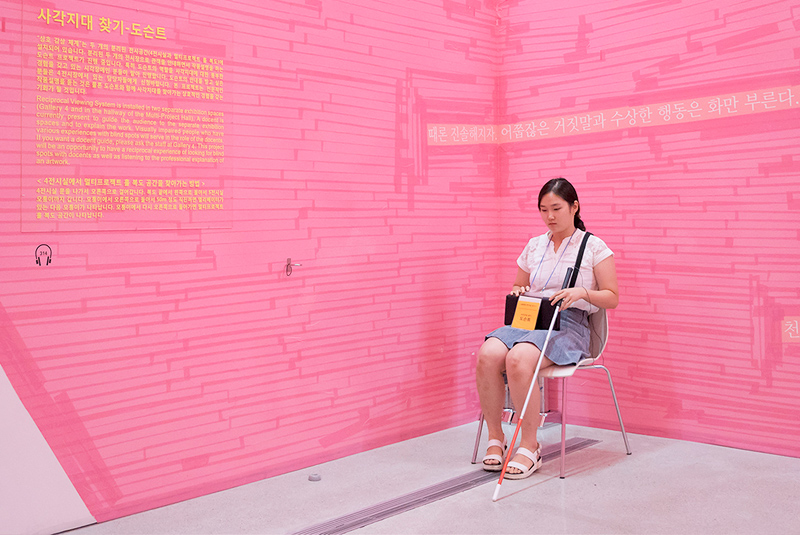
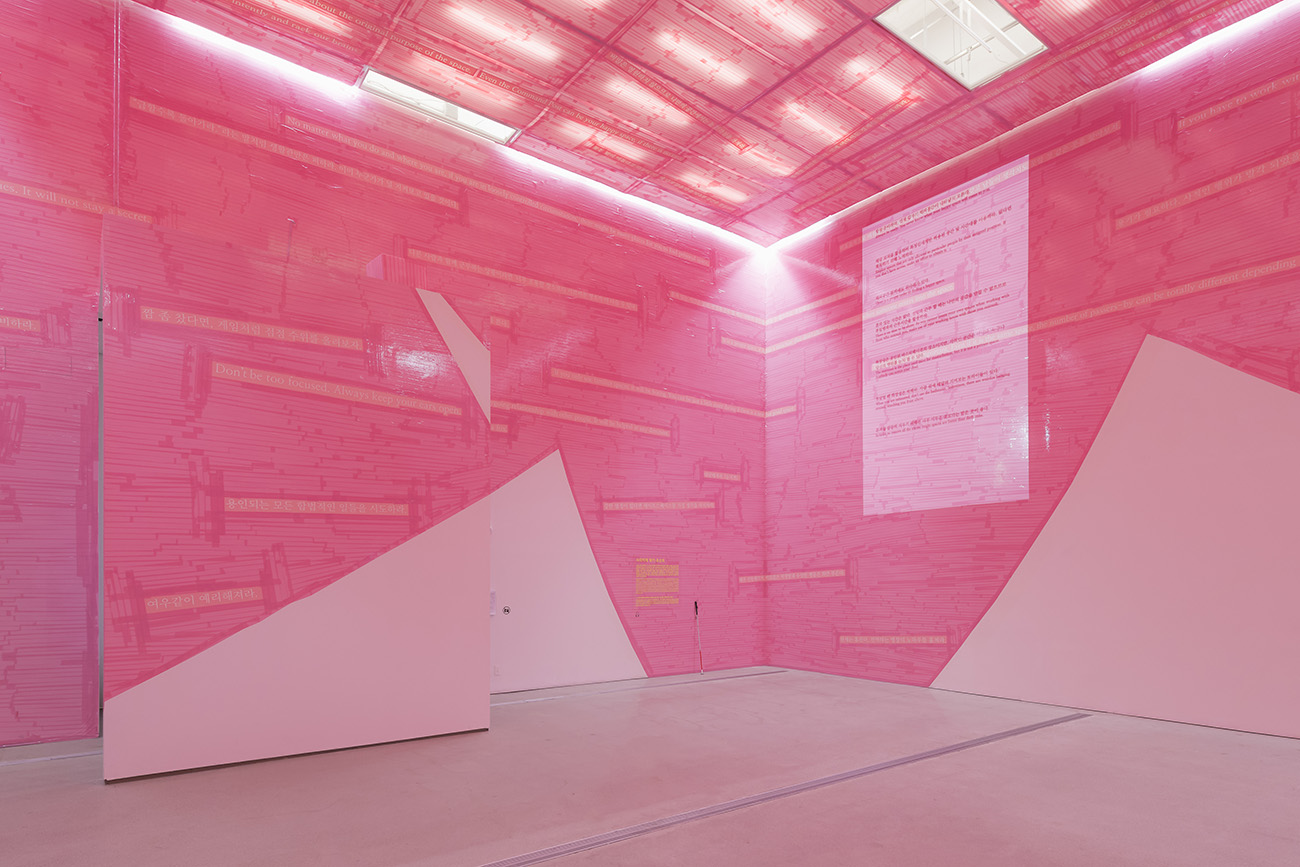
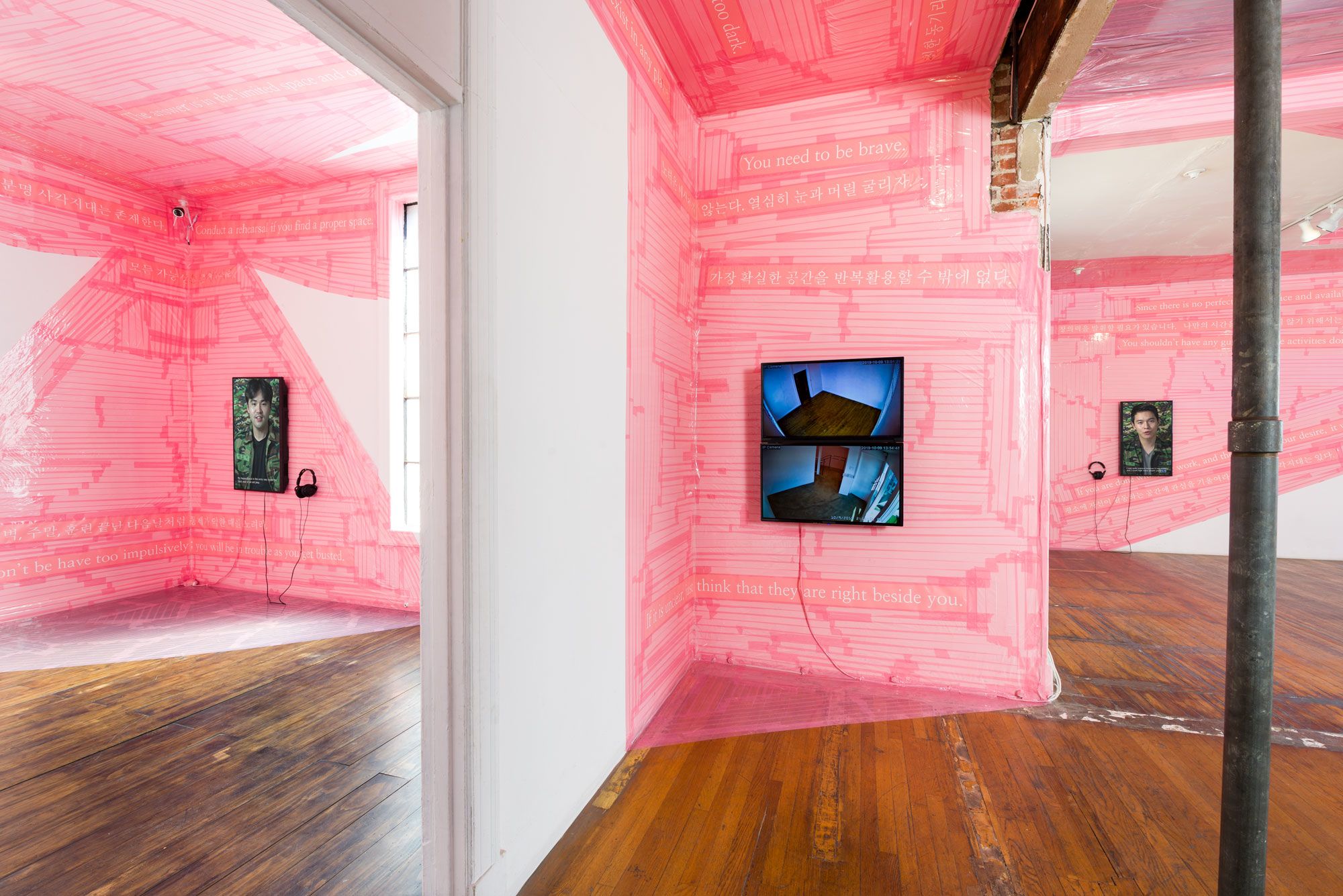
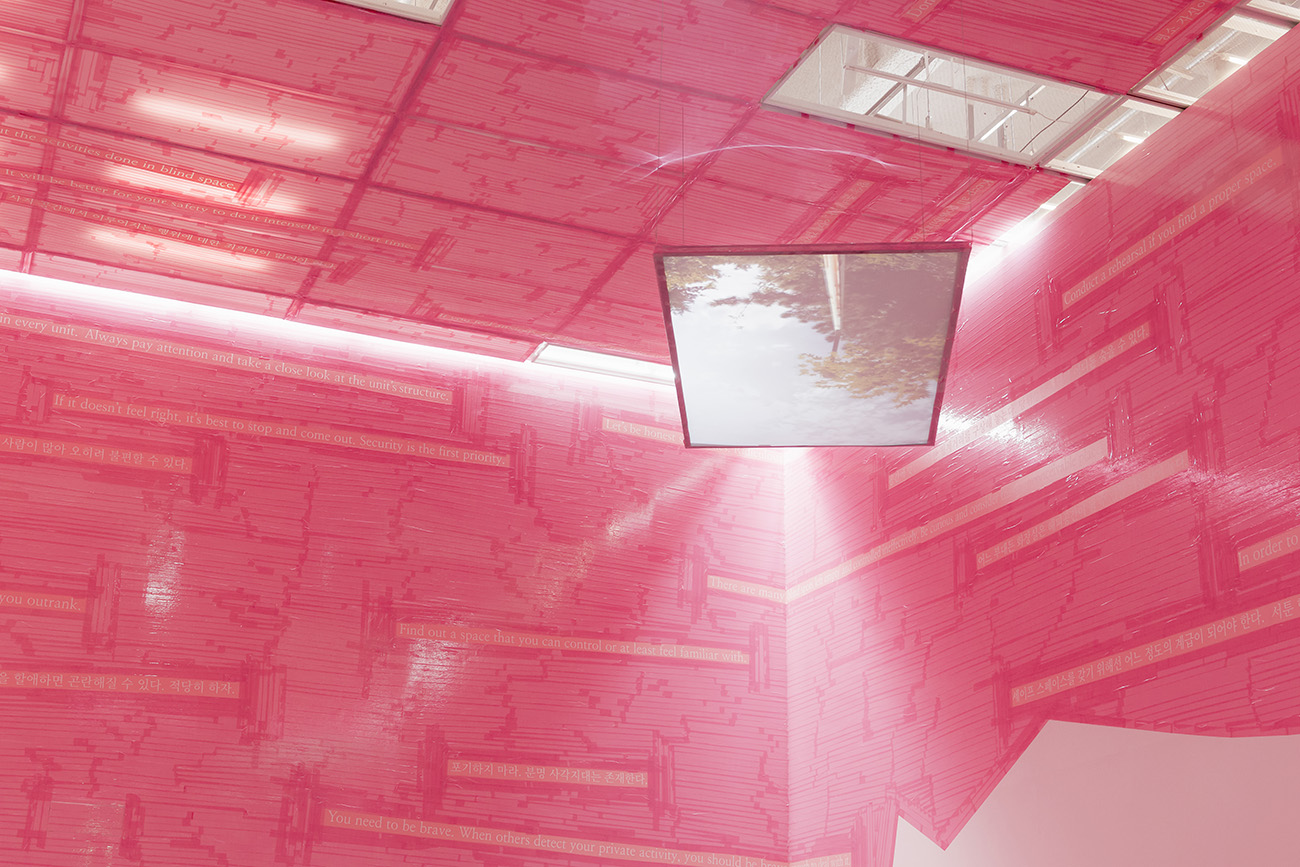
In Reciprocal Viewing (2017),
Oh marks off the blind spots of CCTV cameras installed in both spaces with pink
tape, playfully delineating the boundary between what appears and what is
present. This has the effect of turning the panopticon on its head, converting
a system of surveillance and control into a diagram for sneaking past the eye
in the sky. A viewing apparatus has design limits; it can only register and
track its fisheye view. Everything else falls beyond its scope. Reciprocal
Viewing asserts the abundance of unseen territory, redirecting
our perspective to what may be right in front of us, just out of sight.
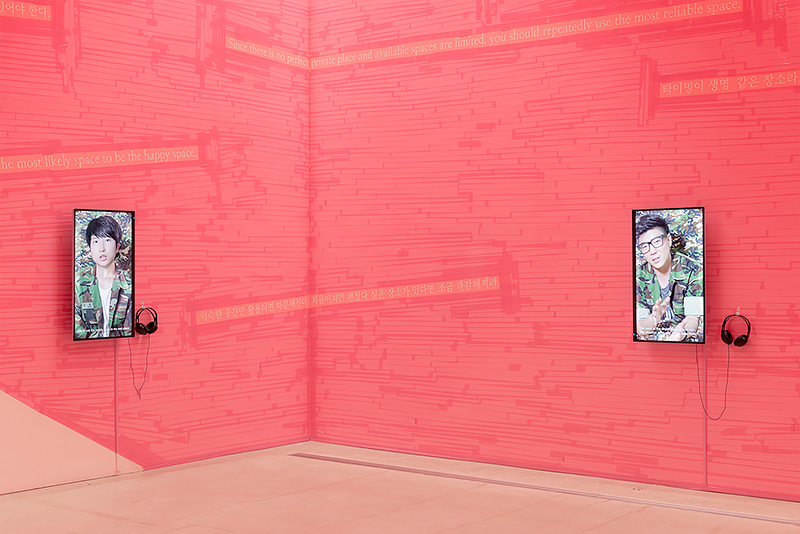
Oh’s 2015 video My Blind
Spot—The Interview collects personal anecdotes from young South
Korean men following their mandatory military service. They describe secret
hideouts where they could masturbate or spend time alone, as well as the search
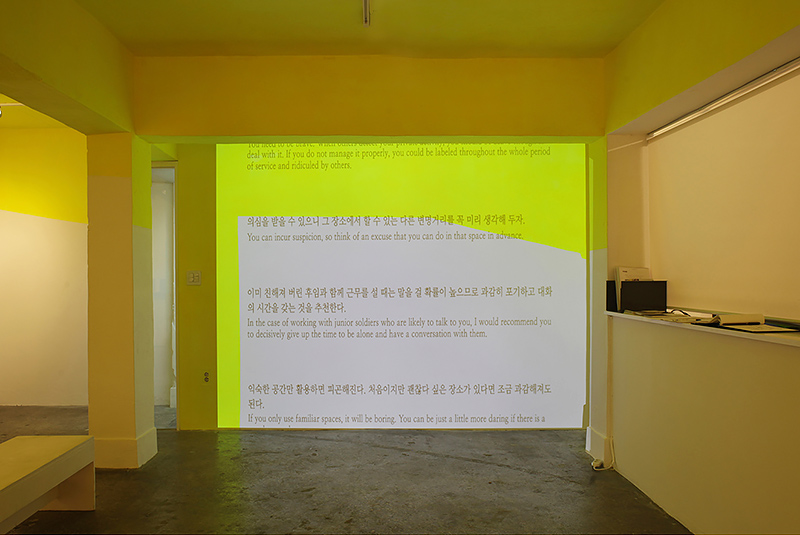
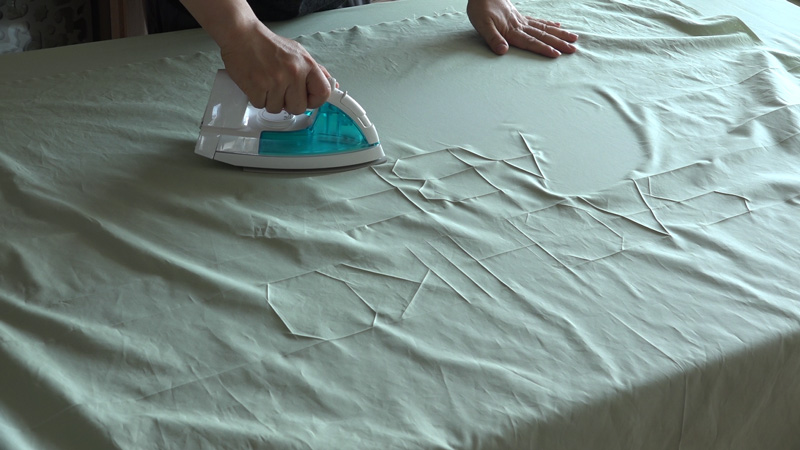
for such places. On My Way to Blind Spots (2019)—a
component work of Looking Out for Blind Spots—revisits
these soldiers’ accounts, transposing their spatial pathways into new locations
navigated by Oh—a blinded search with determined instigation.
This exhibition was made possible with
support from the Korea Artist Prize Promotion Fund.