

Choi Jeong Hwa (b.1961) - K-ARTIST
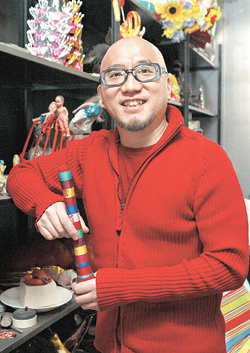
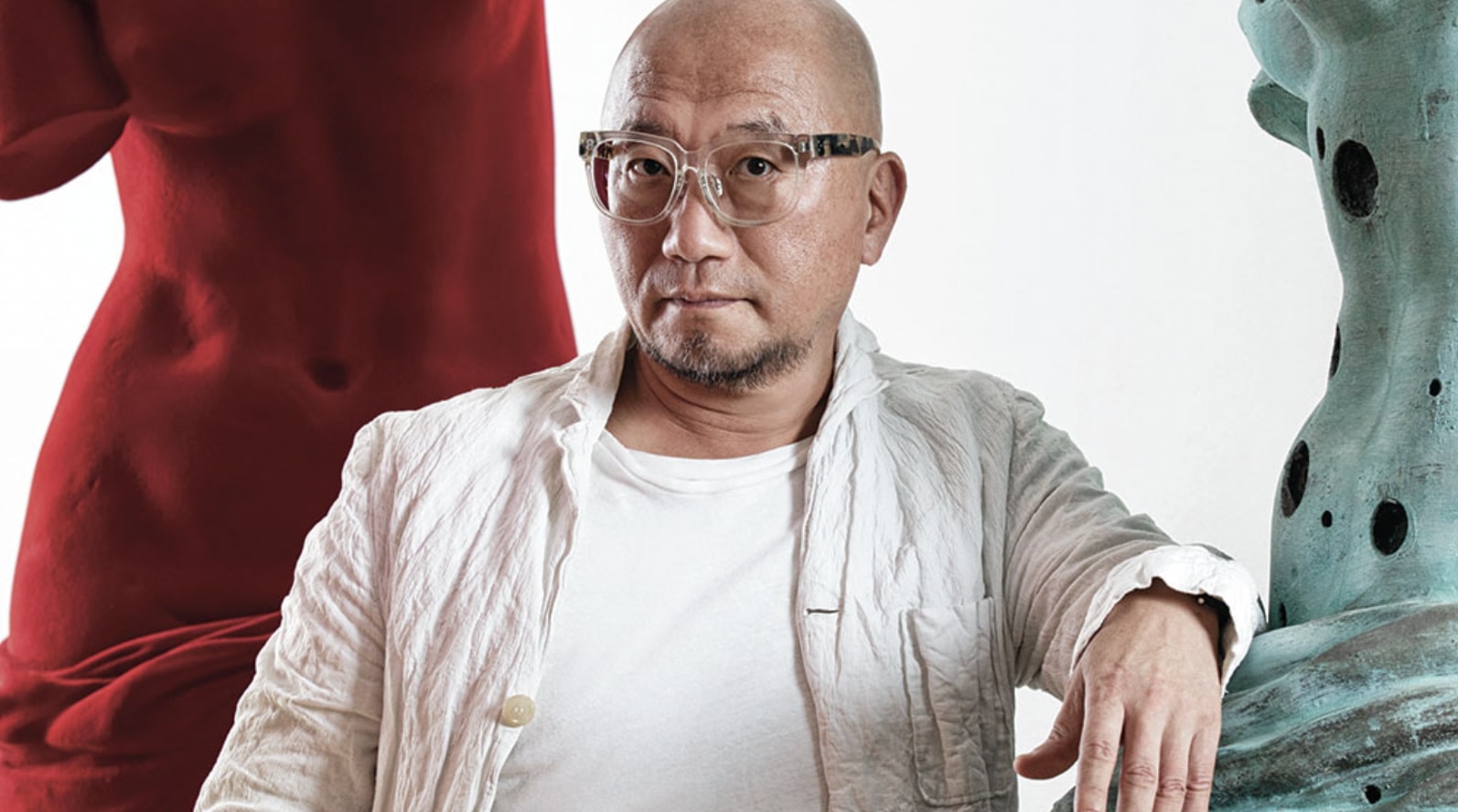
Choi Jeong Hwa (b.1961)

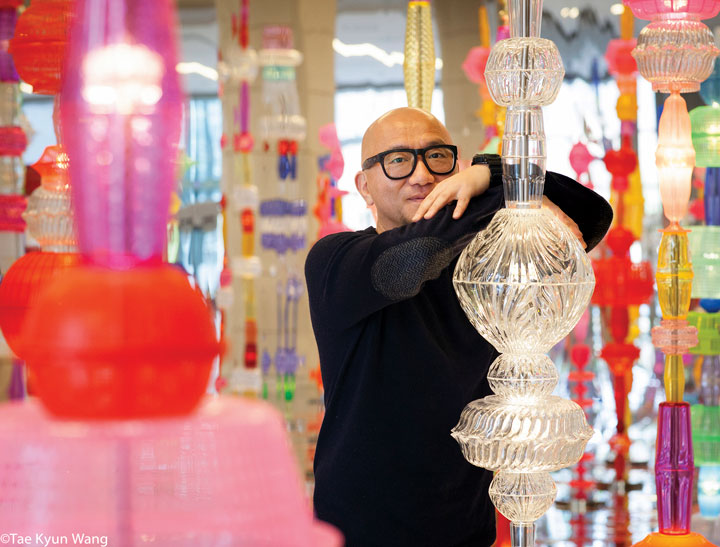
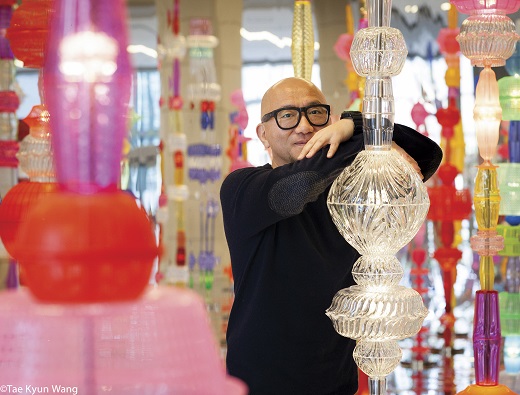
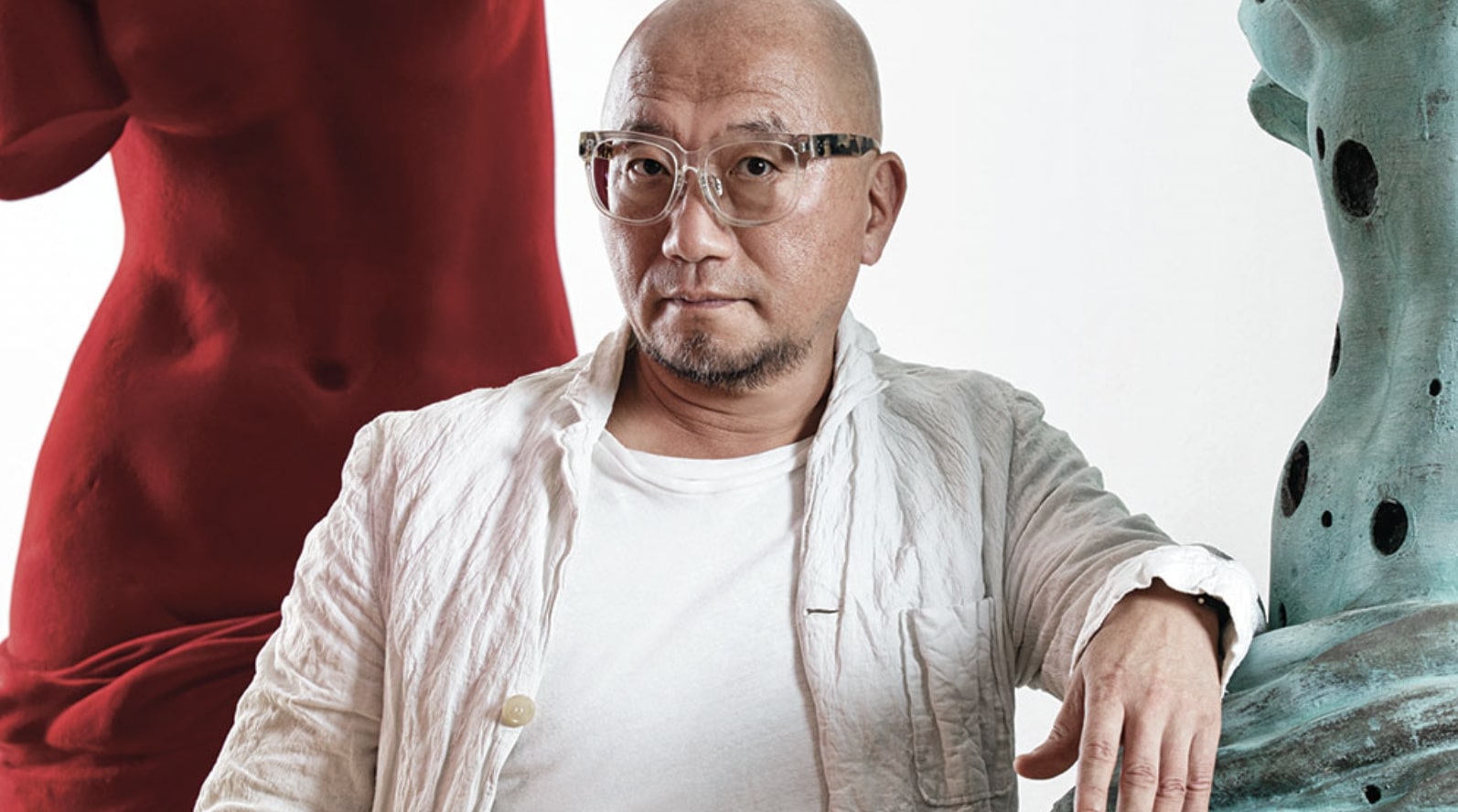
Choi Jeonghwa graduated from the Department of Painting at Hongik University and built his foundation through work as an interior designer at architectural sites. In 1989, he founded the Institute of ‘Gasum Visual development Laboratory’, expanding his practice across architecture, design, film, publishing, and public art. After participating in the São Paulo Biennial in 1998, he began receiving international attention through invitations to global exhibitions. Since then, he has broadened his activities through installations and public projects using everyday consumer goods, establishing himself as a leading installation artist in contemporary Korea, including being selected for the MMCA Hyundai Motor Series (2018) and serving as artistic director of the PyeongChang Winter Paralympics.

Solo Exhibitions (Brief)

Choi Jeonghwa has held solo exhibitions at major museums and galleries including Yeonhui Sculpture Hall (1988, Seoul), Kukje Gallery (1998, Seoul), Ilmin Museum of Art (2006, Seoul), Towada Art Center (2009, Japan), Aando Fine Art (2010, Berlin), Culture Station Seoul 284 (2014, Seoul), Kiasma Museum of Contemporary Art (2016, Helsinki), MMCA Hyundai Motor Series at the National Museum of Modern and Contemporary Art (2018, Seoul), P21 (2017, 2020, Seoul), and Gyeongnam Art Museum (2020, Changwon).

Group Exhibitions (Brief)

Beginning with exhibitions in Korean museums in the late 1980s, the artist expanded his activities internationally in the 1990s–2000s, participating in major international biennales and triennales including the Gwangju Biennale (1997, 2002, 2006), Taipei Biennial (1998), São Paulo Biennial (1998), Lyon Biennale (2003), the Korean Pavilion at the Venice Biennale (2005), Sydney Biennale (2010), and the Fukuoka Asian Art Triennale (2014). He has also carried out city-based public art projects such as the Anyang Public Art Project (2005, 2016), Setouchi Triennale (2013), Saitama Triennale (2016), Helsinki Festival (2016), and the Hangang Public Art Project (2015). He has continuously participated in exhibitions at major institutions and museums including Leeum Museum of Art, National Museum of Modern and Contemporary Art, Seoul Arts Center, Mori Art Museum (Tokyo), MAXXI National Museum of 21st Century Arts (Rome), Museum of Fine Arts Boston, Museum of Fine Arts Houston, and Centre Pompidou (Paris), steadily expanding the scope of his practice.

Awards (Selected)

He received the Grand Prize at the JoongAng Art Competition (1987), the Total Art Award (1997), the Ilmin Art Award (2005), and the Artist of the Year (2006) presented by the Korea Culture and Arts Foundation.

Collections (Selected)

His works are held in major institutions in Korea—including the National Museum of Modern and Contemporary Art, Leeum Museum of Art, and Seoul Museum of Art—as well as internationally at MAXXI National Museum of 21st Century Arts (Rome), Kiasma Museum of Contemporary Art (Helsinki), LACMA and the Museum of Fine Arts Houston (USA), Fukuoka Asian Art Museum and Mori Art Museum (Japan), and Le Consortium (Dijon), among other museums and public collections worldwide.
Works of Art

Originality & Identity

Choi Jeonghwa’s work does not originate from a specific medium or style. Rather, he takes as his starting point the ecology of objects found outside the art institution — the cultural strata formed by everyday things. His works do not ask what art is; instead, they continually intervene in the boundary of what cannot become art. Accordingly, the core of his practice lies not in formal composition but in the attitude of selection and arrangement — an ethics of perception.
 
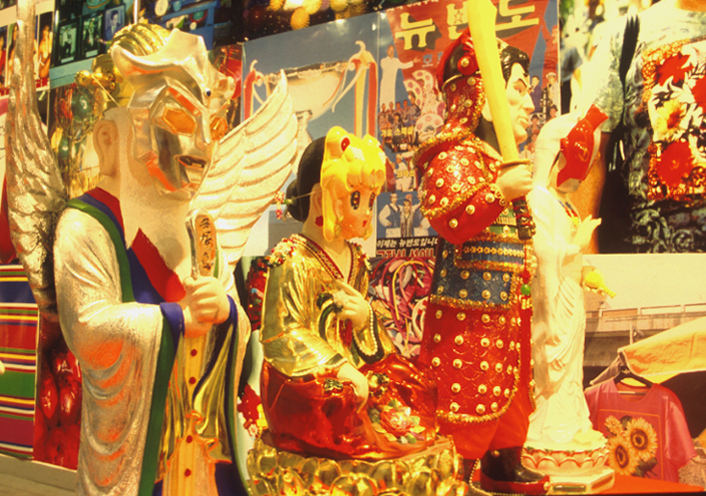
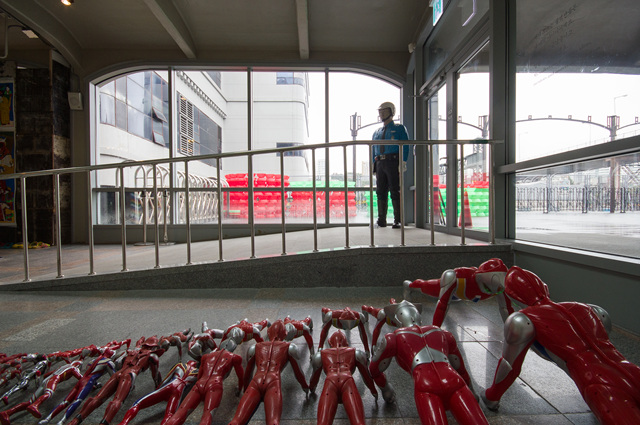
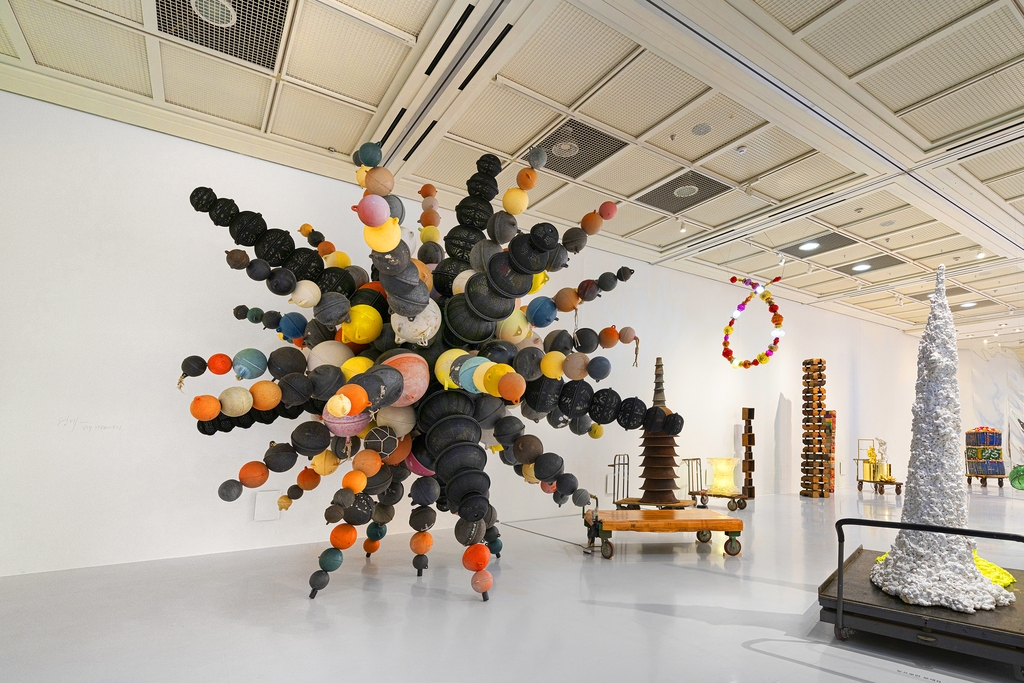
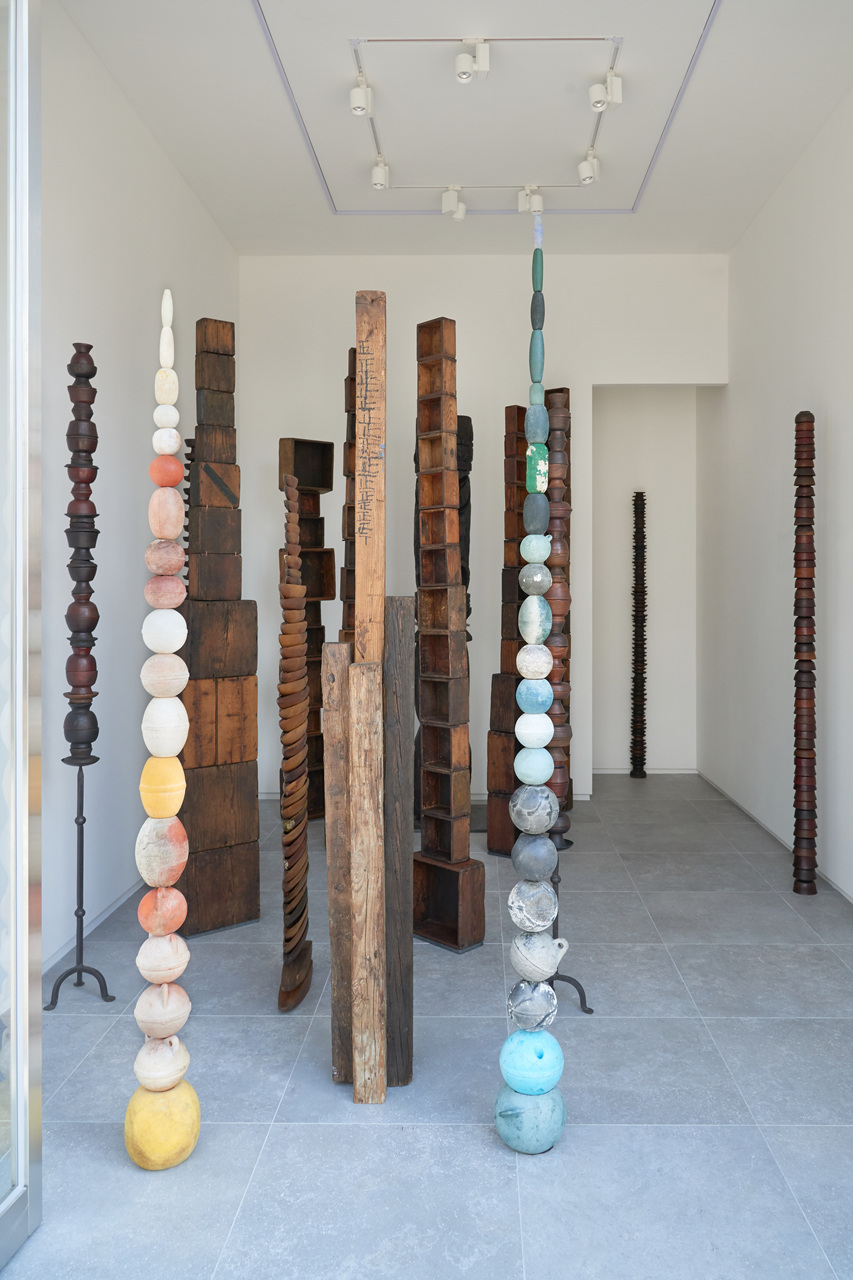
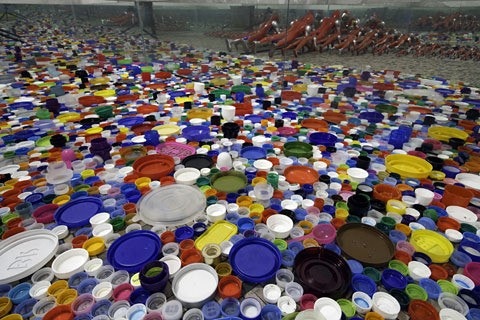
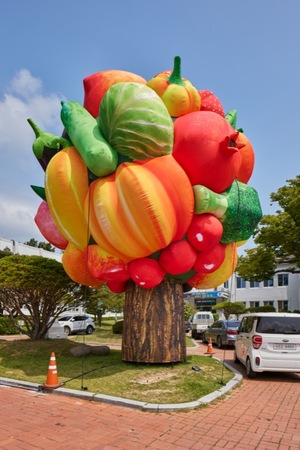
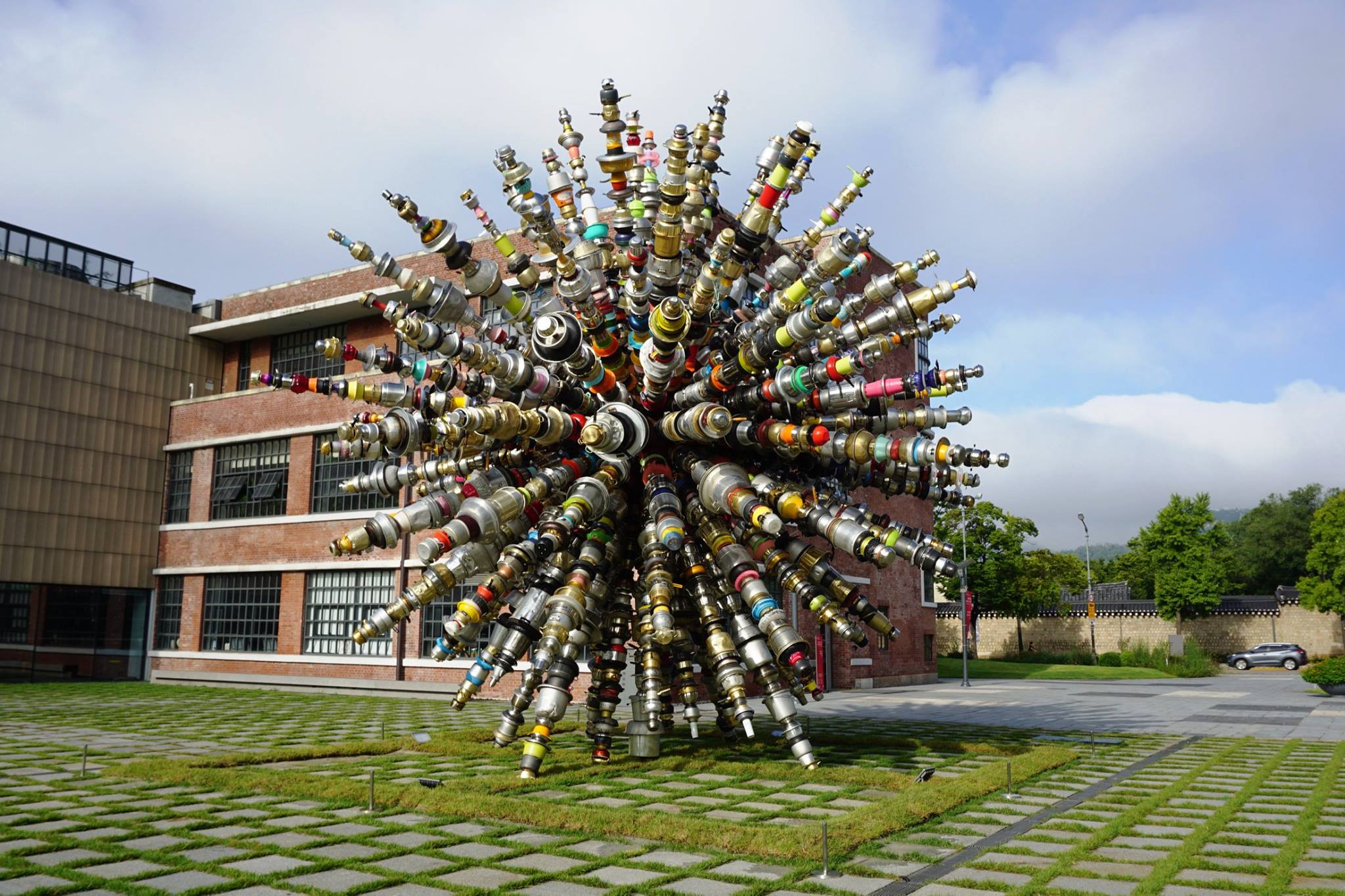
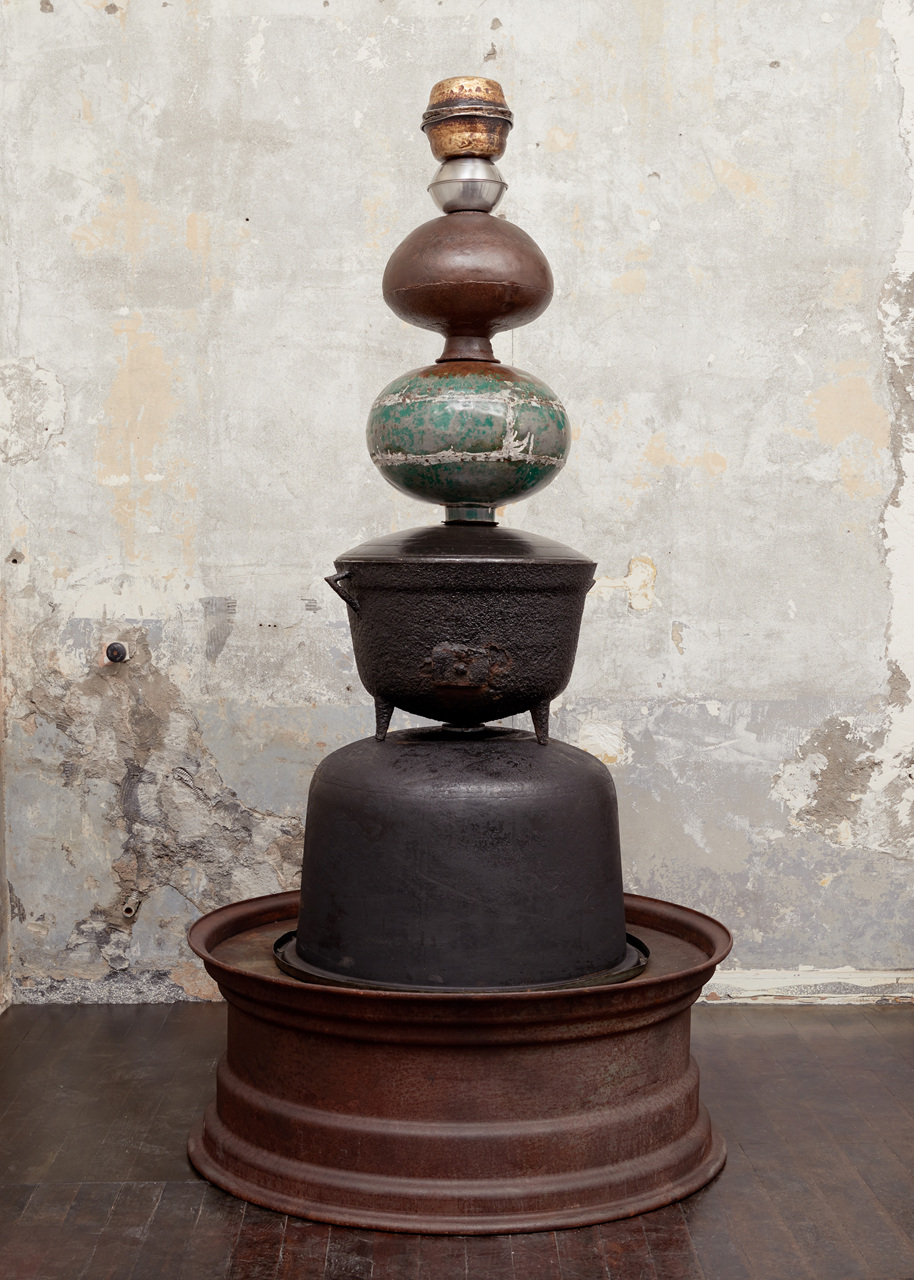
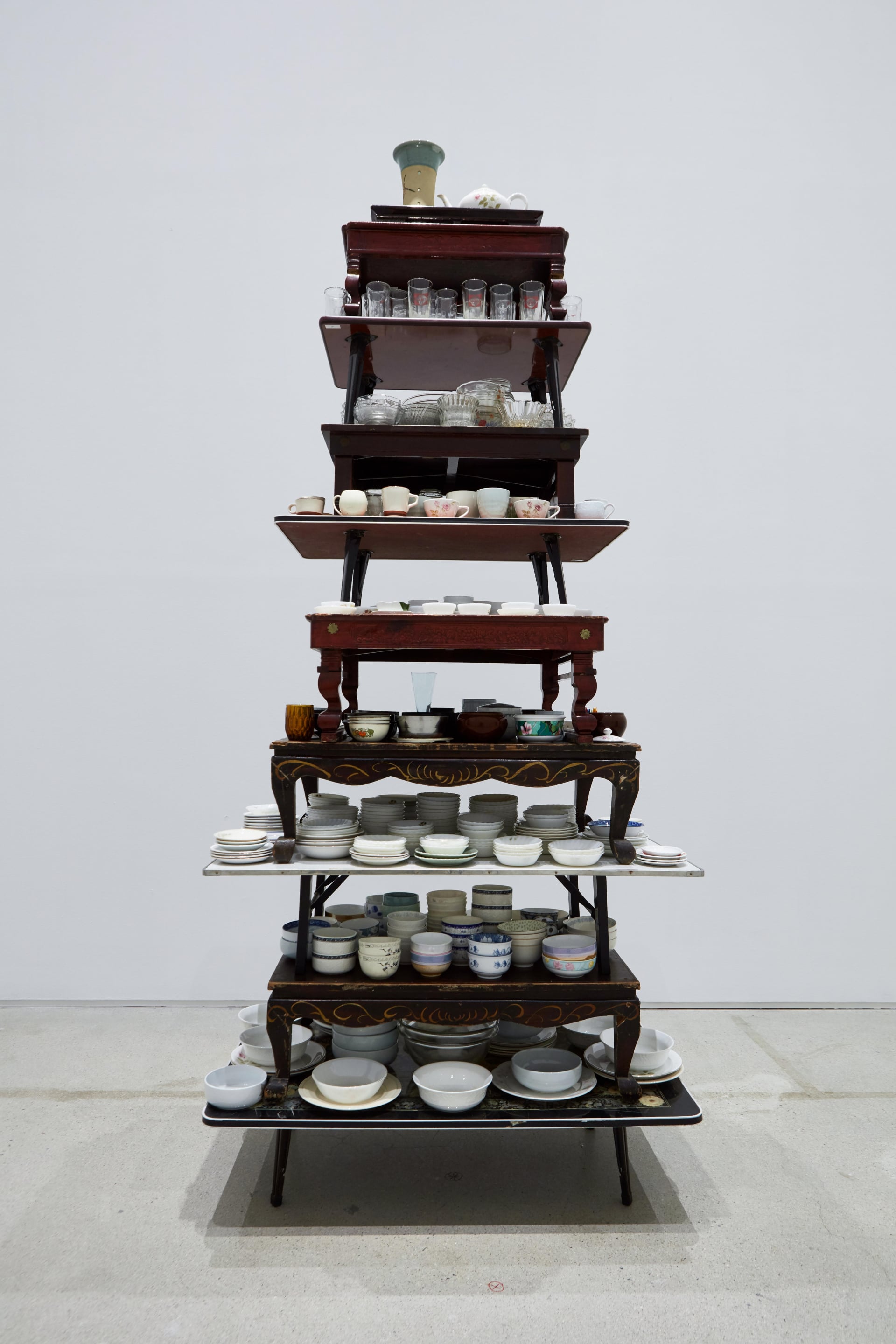
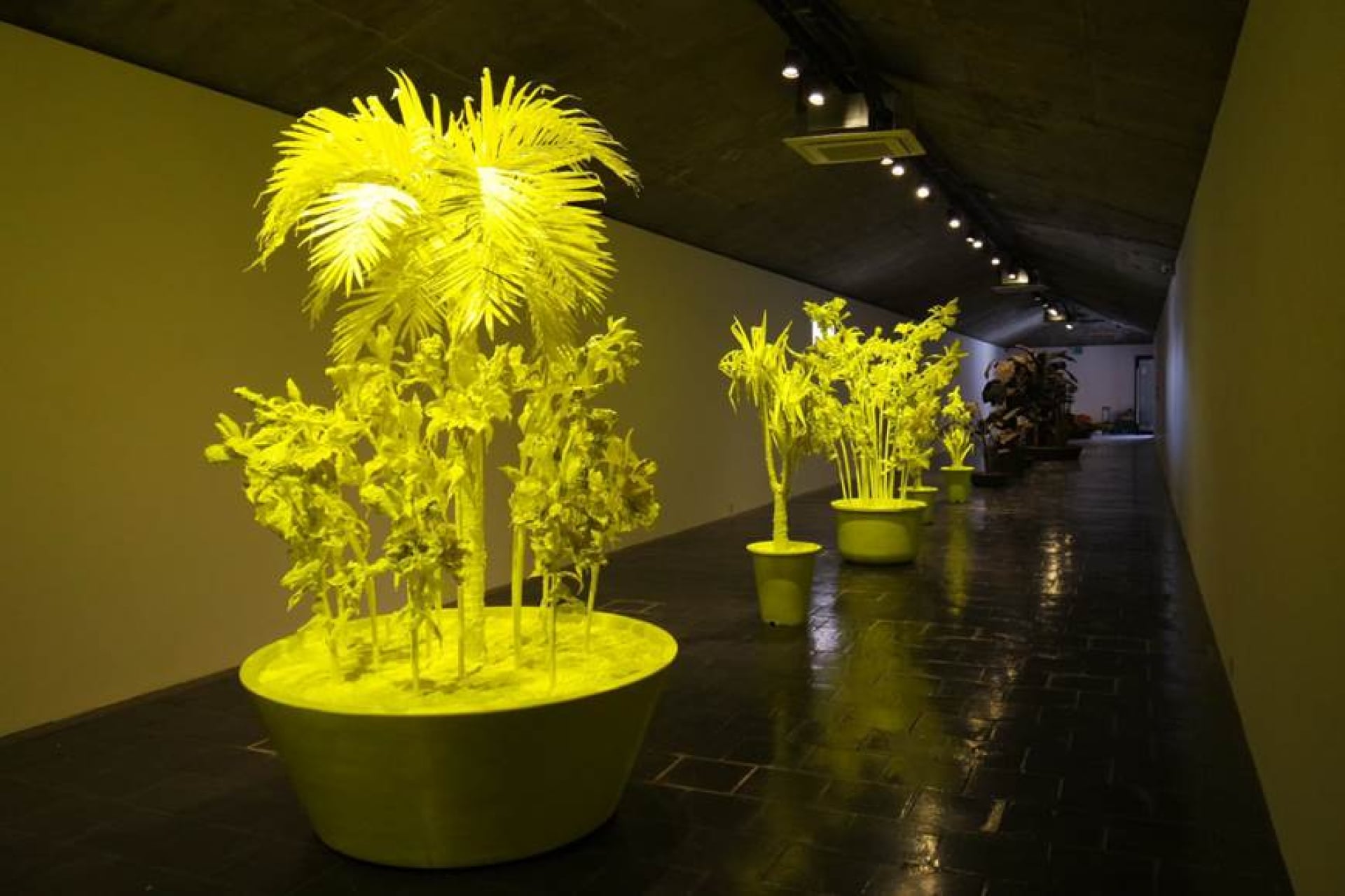
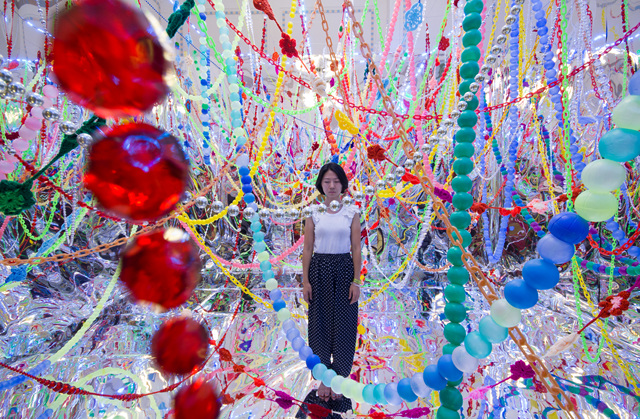
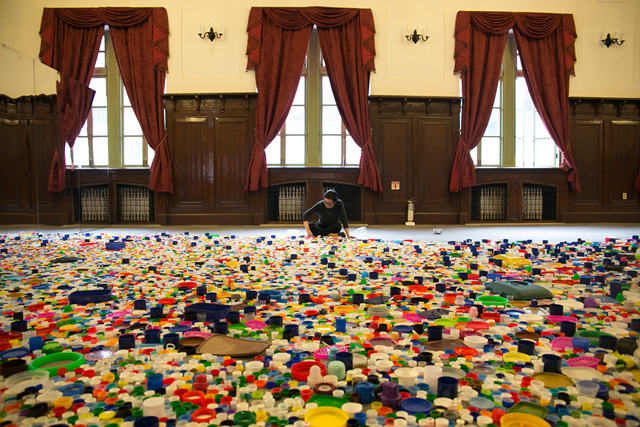
The materials Choi employs — cheap plastics, household goods, decorative items, and mass-produced commodities — have traditionally occupied the lowest position within the hierarchy of artistic materials. Yet he does not ‘represent’ them but ‘amplifies’ them. While this belongs to the lineage of the readymade, unlike Duchamp’s conceptual shift it is closer to expanding the sensory totality of everyday life. Objects do not acquire meaning; rather, through scale, repetition, and relation they become sensory events.
 
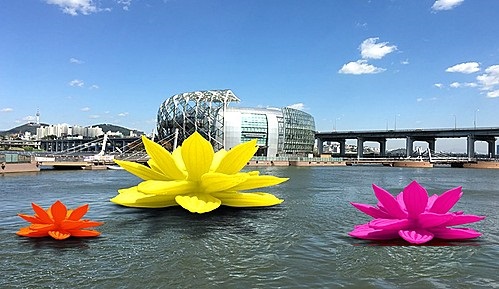
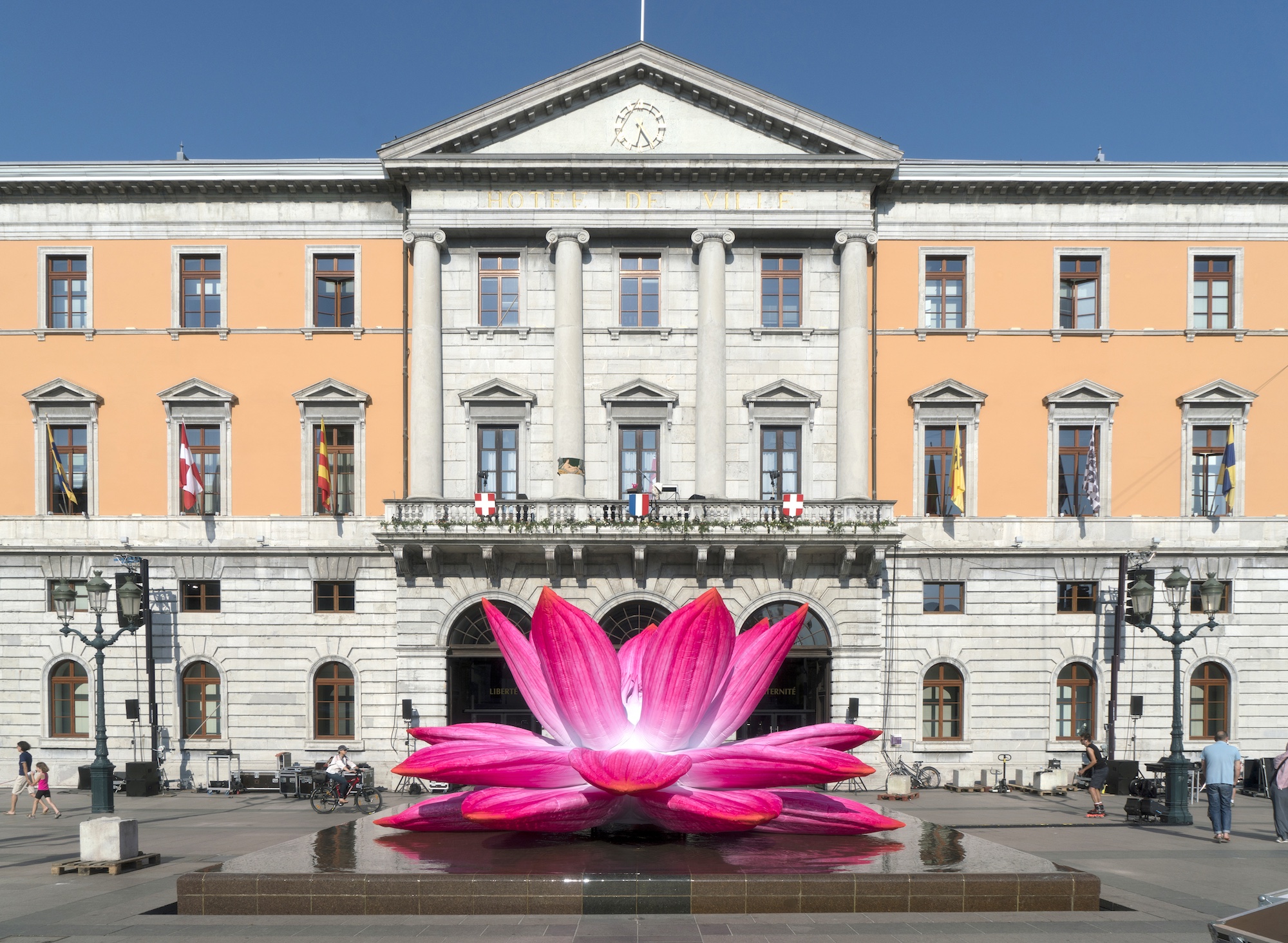
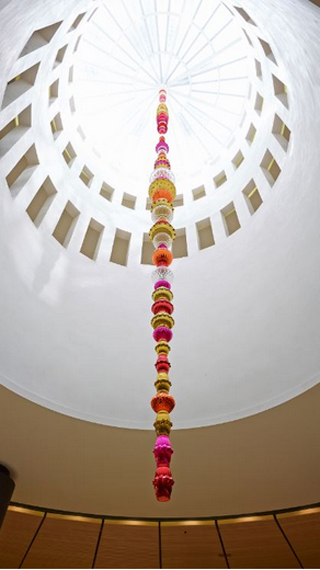
The frequently appearing motif of the ‘flower’ in his work is not a representation of nature but a metaphor for the structure of desire. A flower is both the prelude to fruit and the beginning of disappearance — symbolizing the cyclical structure of the modern city: birth and consumption, festival and disposal. Within this structure, his works appear monumental yet refuse permanence. Their dismantlable and reassemblable structures emphasize the renewal of experience rather than the fixation of meaning.
 
Ultimately, Choi Jeonghwa’s originality does not lie in creating new forms. By overturning the order of existing things and rearranging the hierarchy of perception, he redefines the identity of art. His work operates not on the ‘specificity of art’ but on the ‘commonality of sensation.’

Style & Contents

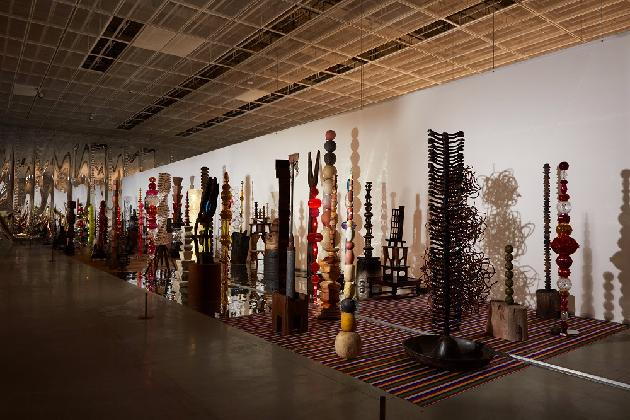
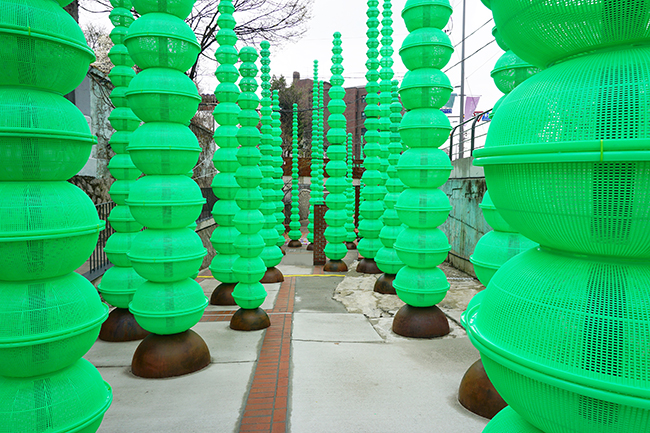
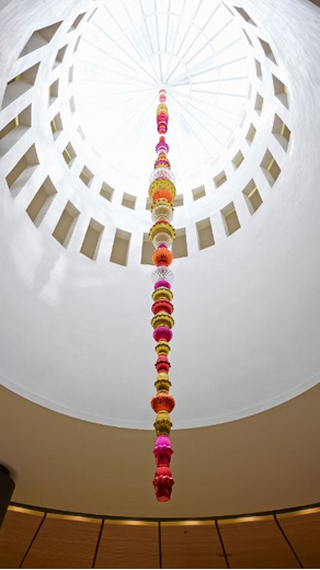
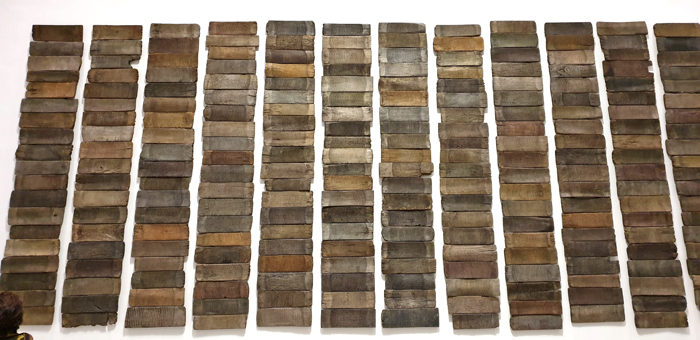
Choi Jeonghwa’s form can paradoxically be described as a combination of minimalism and kitsch. The materials are excessive and the colors flamboyant, yet the structure remains simple. Fundamental compositional principles — repetition, stacking, enumeration, and symmetry — run throughout his work. This maintains structural restraint within ornamental excess and produces a clear visual order amid sensory confusion.
 
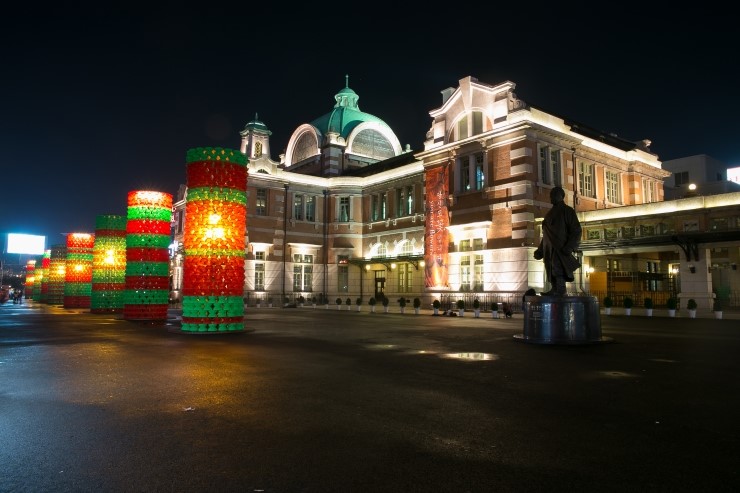
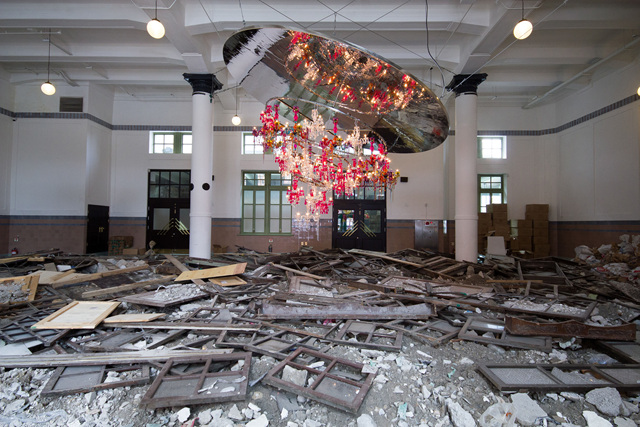
His installations often assume monumental scale but generate play rather than sublimity. The viewer reacts before interpreting. This overturns the convention of contemporary art that demands conceptual reading. The work becomes not an object to understand but an environment to experience bodily.
 
His practice is also closely linked to publicness. Objects are markers of personal taste yet also mediators of collective memory. Market goods, tourist souvenirs, and domestic decorations constitute not a culture of a specific class but a common language of contemporary life. Thus his work reveals social structure without adopting the form of social critique or satire. It is closer to an environment than to a message.
 
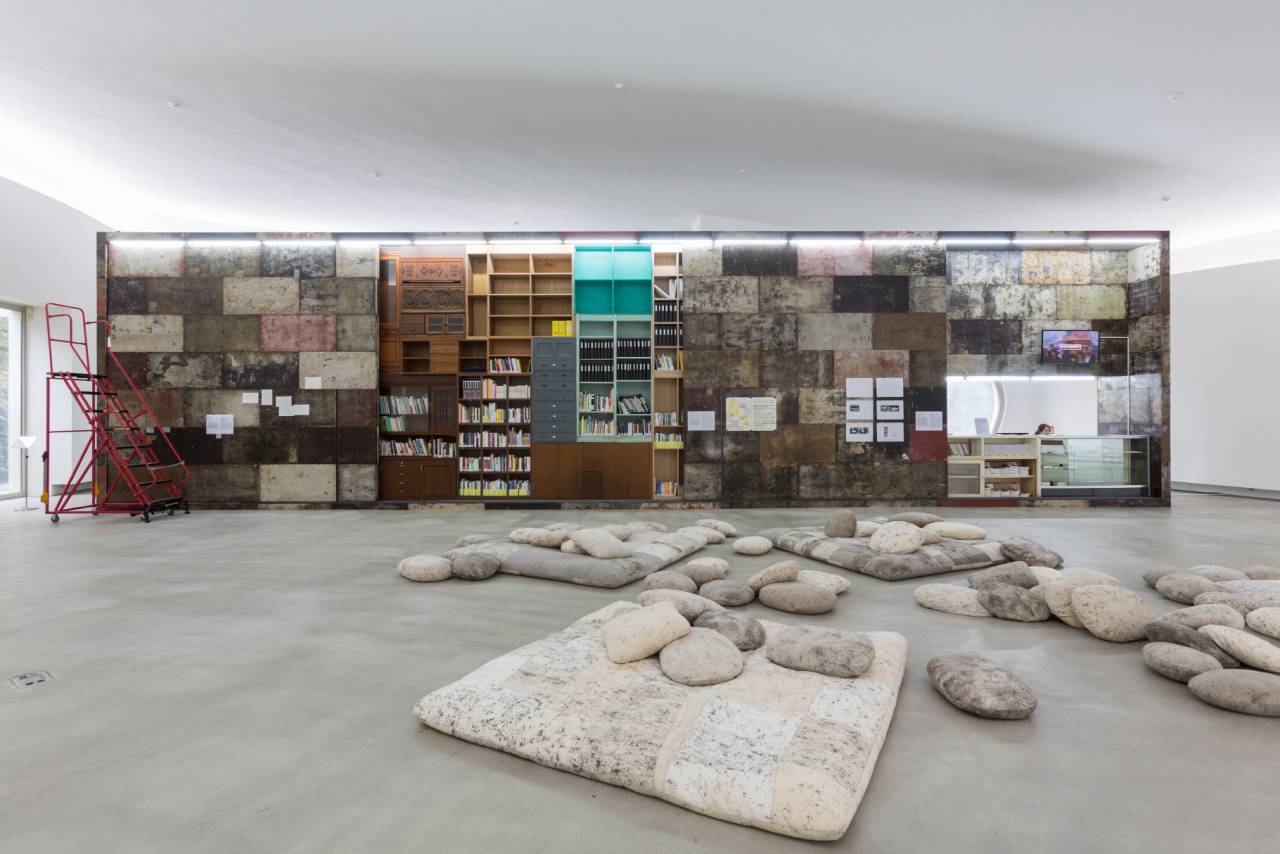
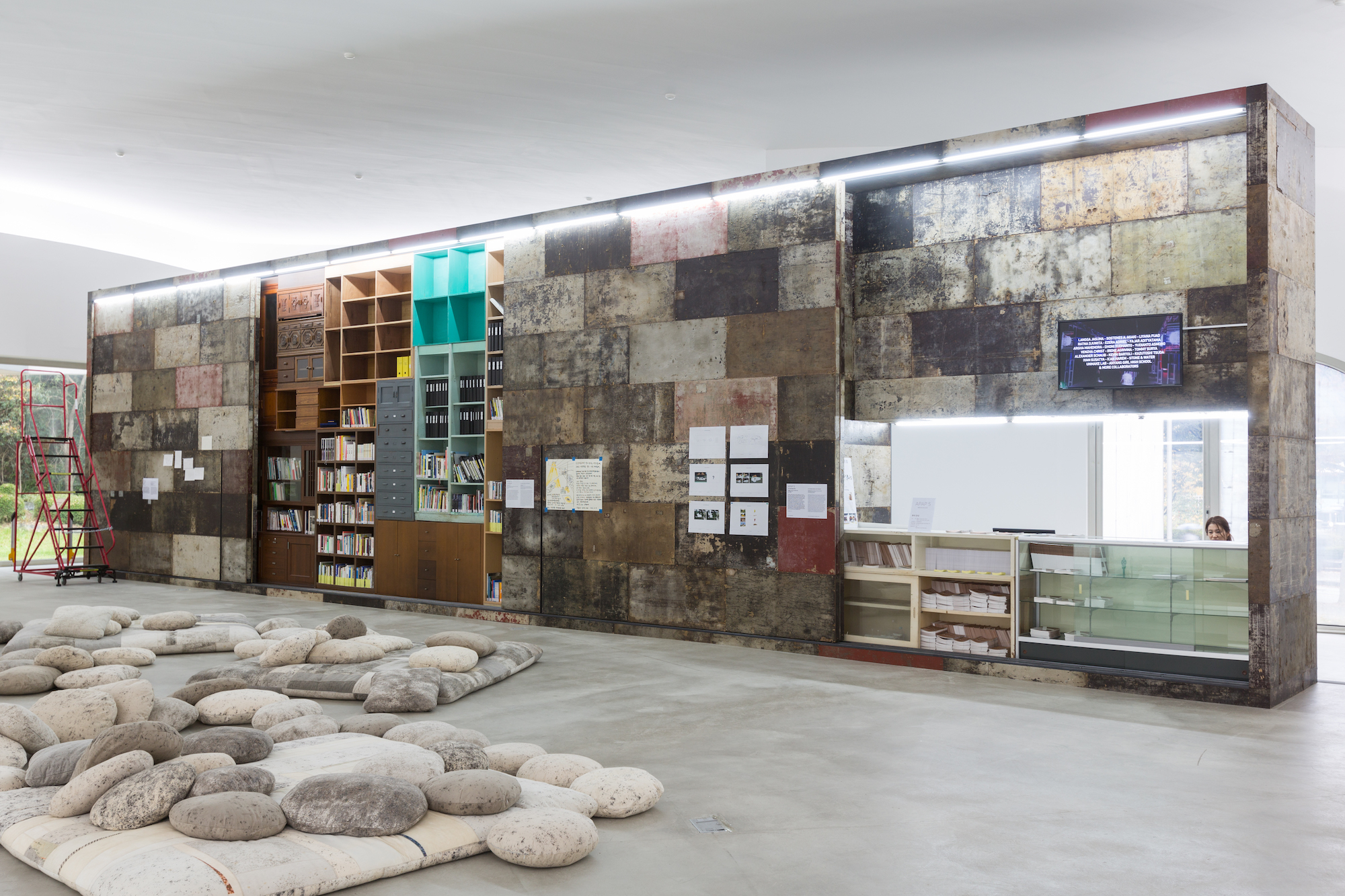
Such form transforms the exhibition space into a situation. The work becomes a scene rather than an object, and the viewer becomes a participant rather than a spectator. In his work, content is not symbol but experience, and meaning arises not from interpretation but from the accumulation of sensation.

Topography & Continuity

Choi Jeonghwa’s work changes according to place while maintaining the same principles. Whether in a museum, plaza, market, street, or commercial space, his works do not appear alienly separated. This is not because he adapts forms to specific sites, but because he reflects the structure of the city itself.
 
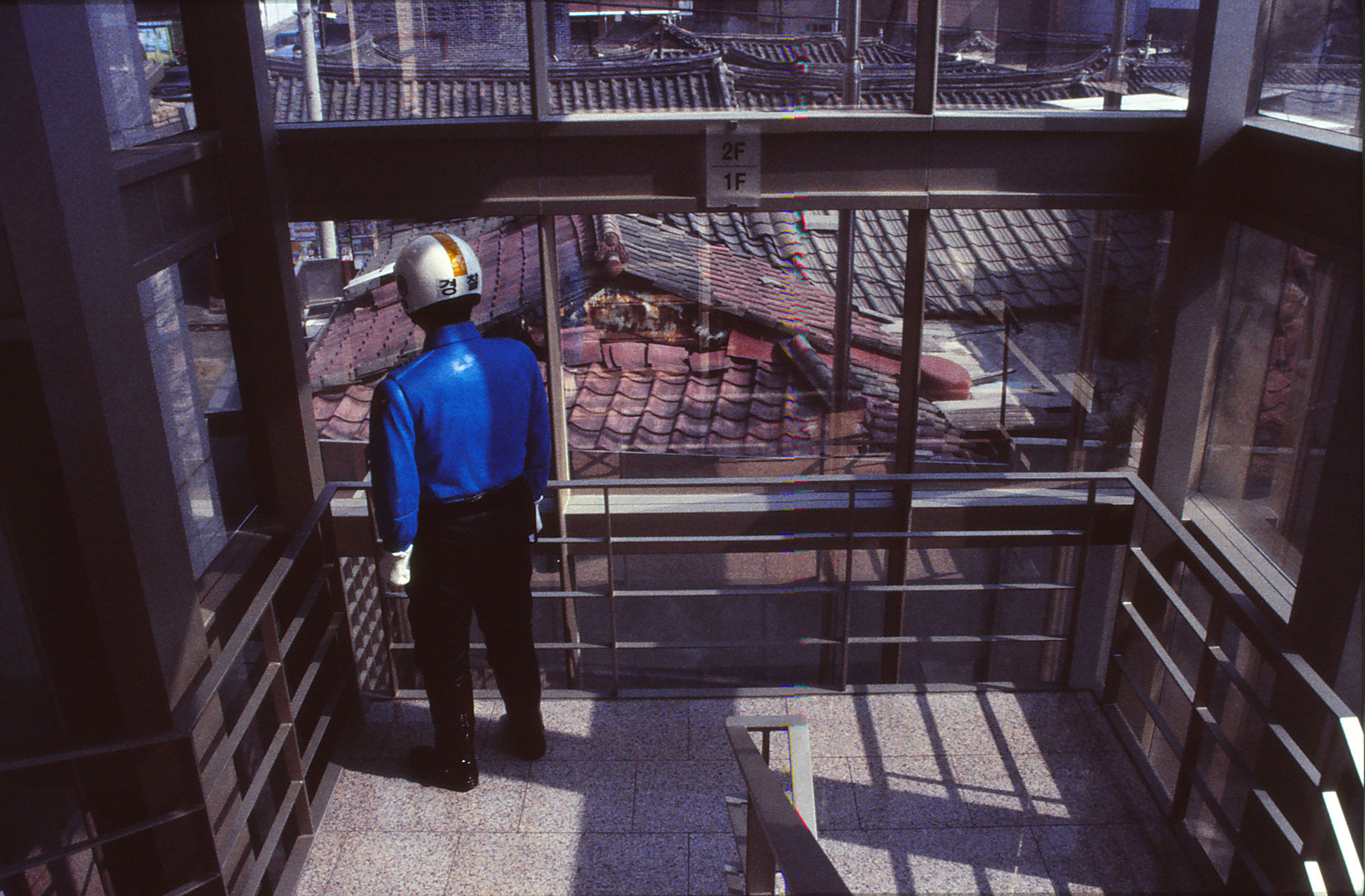
The city is a hybrid space where different times, classes, and functions coexist. His installations likewise maintain the juxtaposition of heterogeneous elements. Thus the work does not adapt to a place but reveals how the place operates. This approaches an ‘environmental form’ that reflects urban structure beyond site-specificity.
 
Continuity does not derive from material permanence. Non-permanent materials such as plastics and commodities instead enable repeated installation and relocation. The work exists not as a fixed entity but as a continually transforming state. This connects to his project-based practice across biennales and public art.
 
Ultimately his practice is understood through the continuity of method rather than form. Accumulation, repetition, movement, and rearrangement remain consistent across time and place. As a result, his oeuvre forms an expanding topography rather than being fixed to a specific period. His work resembles an operating system rather than a completed object.

Works of Art

Articles

Exhibitions

Activities