

Hwang Wonhae (b.1989) - K-ARTIST
Hwang Wonhae (b.1989)

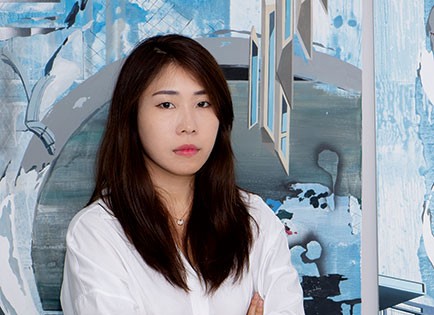
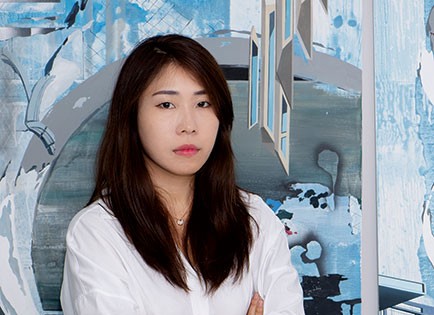
Hwang Wonhae holds both a B.F.A. and M.F.A. from Hongik University. She currently lives and works in Seoul, Korea.

Solo Exhibitions (Brief)

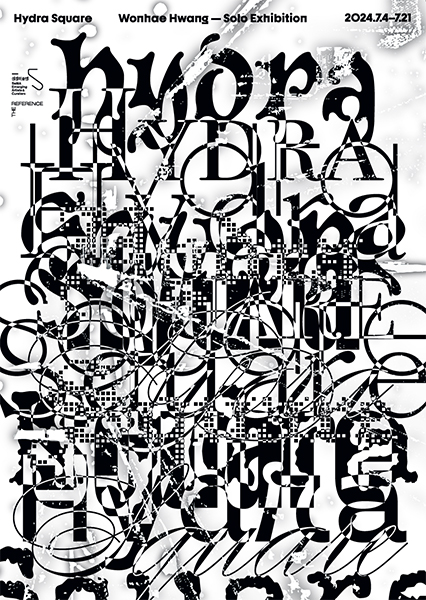
Her recent solo exhibitions include 《Hydra Square》 (The Reference, Seoul, 2024), 《Curtain》 (Pipe Gallery, Seoul, 2023), 《Modular Vision》 (Seoul Olympic Museum of Art, Seoul, 2021), 《Facade in Facade》 (OCI Museum of Art, Seoul, 2021), 《The Fourth Wall》 (Artsapce HYEONG, Seoul, 2020), and more.

Group Exhibitions (Brief)

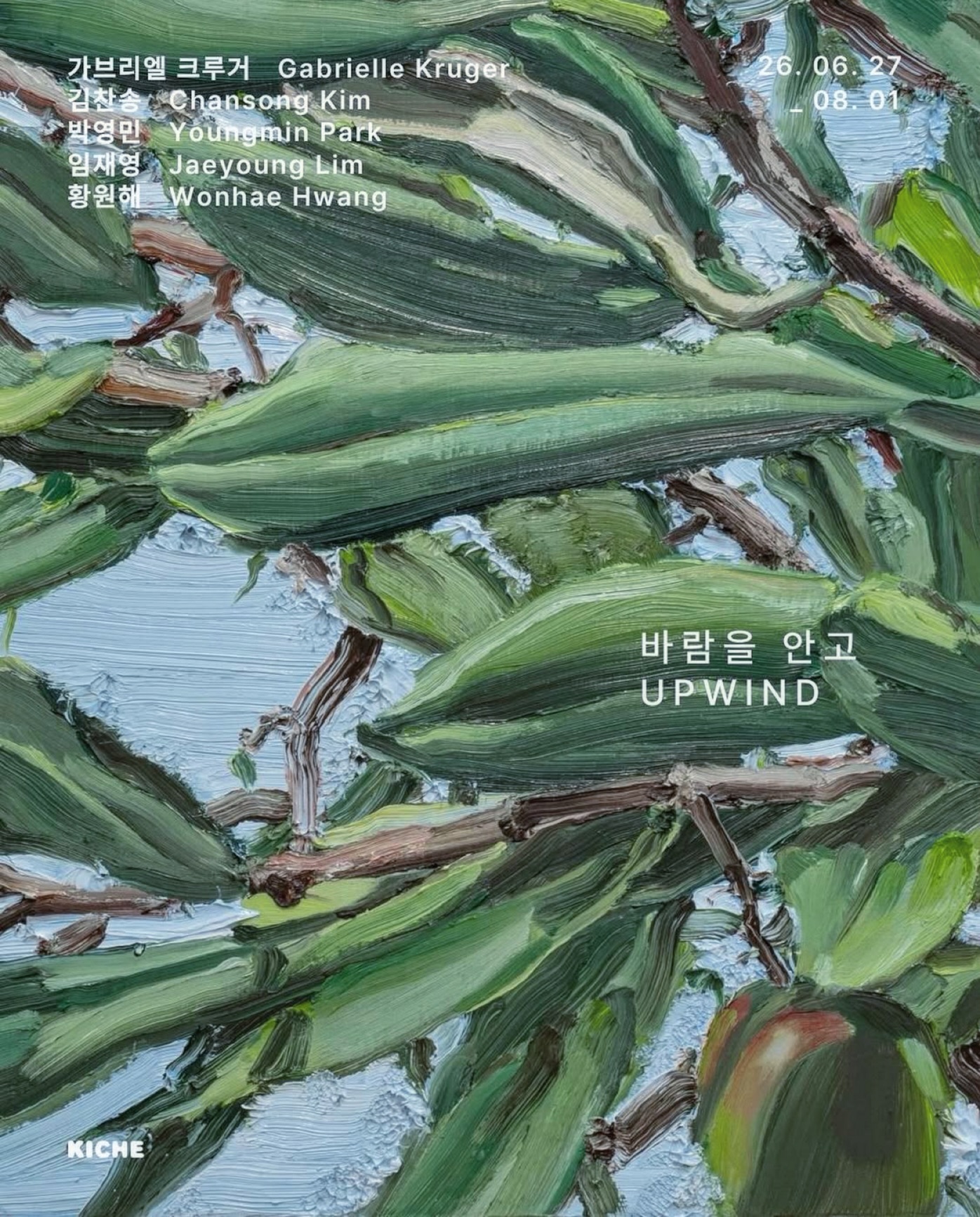
Her works have also been featured in group exhibitions at Swimming Pool Gallery (Berlin, 2024), HWANGUMHYANG (Seoul, 2024), ARKO Art Center (Seoul, 2023), KICHE (Seoul, 2023), Jungganjijeom II (Seoul, 2023), Mimesis Art Museum (Paju, 2022), Seojung Art (Seoul, 2022), Pipe Gallery (Seoul, 2022), SONGEUN (Seoul, 2022), P21 (Seoul, 2020).

Awards (Selected)

She has been selected for the 22nd SONGEUN Art Award, 2021 OCI Young Creative, 2020 Public Art New Hero Award, with over ten awards to her name. 

Collections (Selected)

Her works are part of the collections at the MMCA Art Bank, the Korea Embassy in Germany, and Danwon Museum of Art, among others.
Works of Art

Reconstructing Landscapes of the City

Originality & Identity

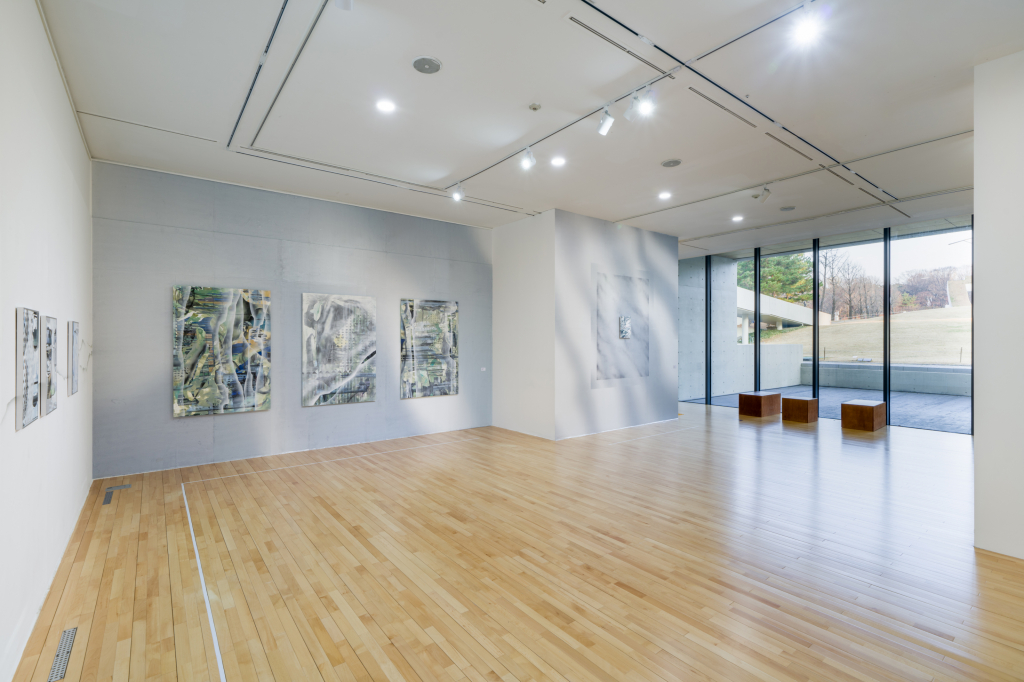
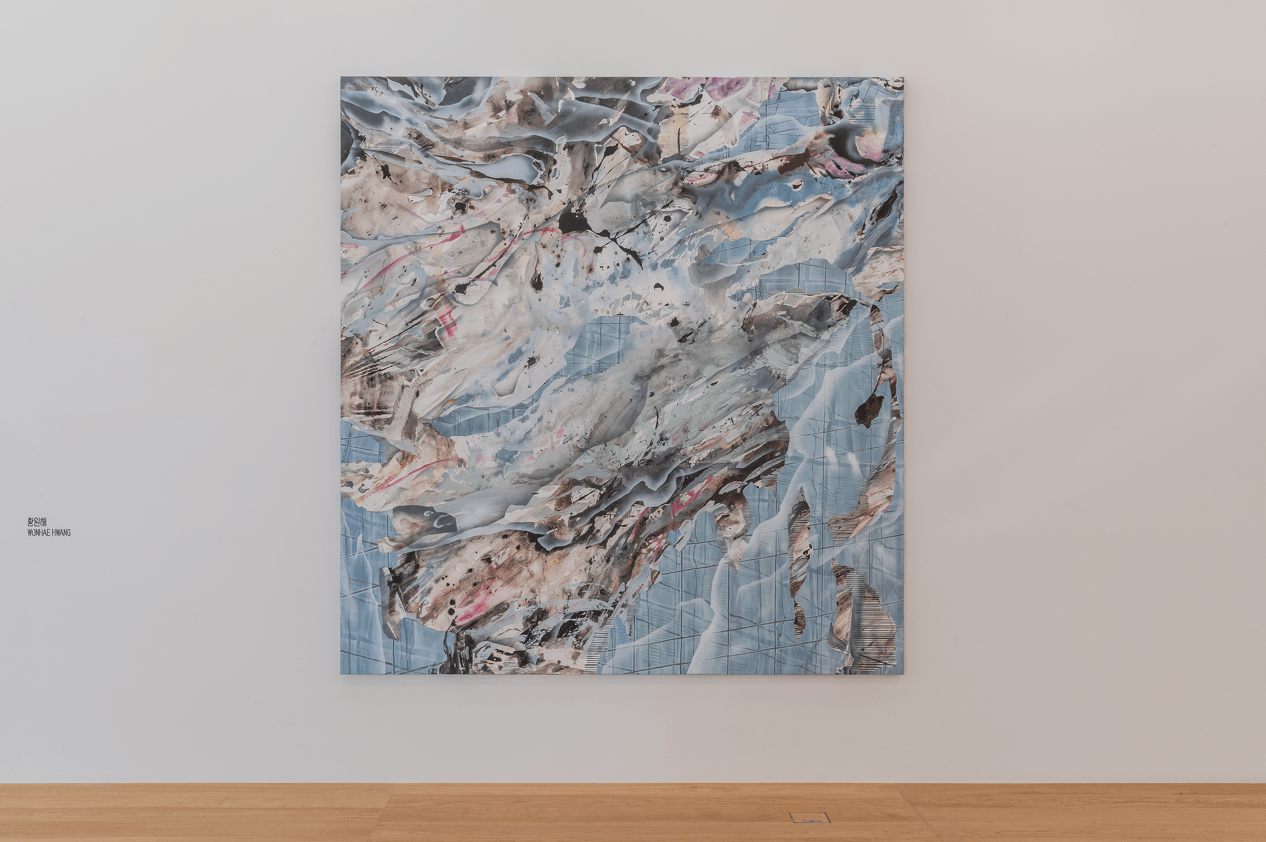
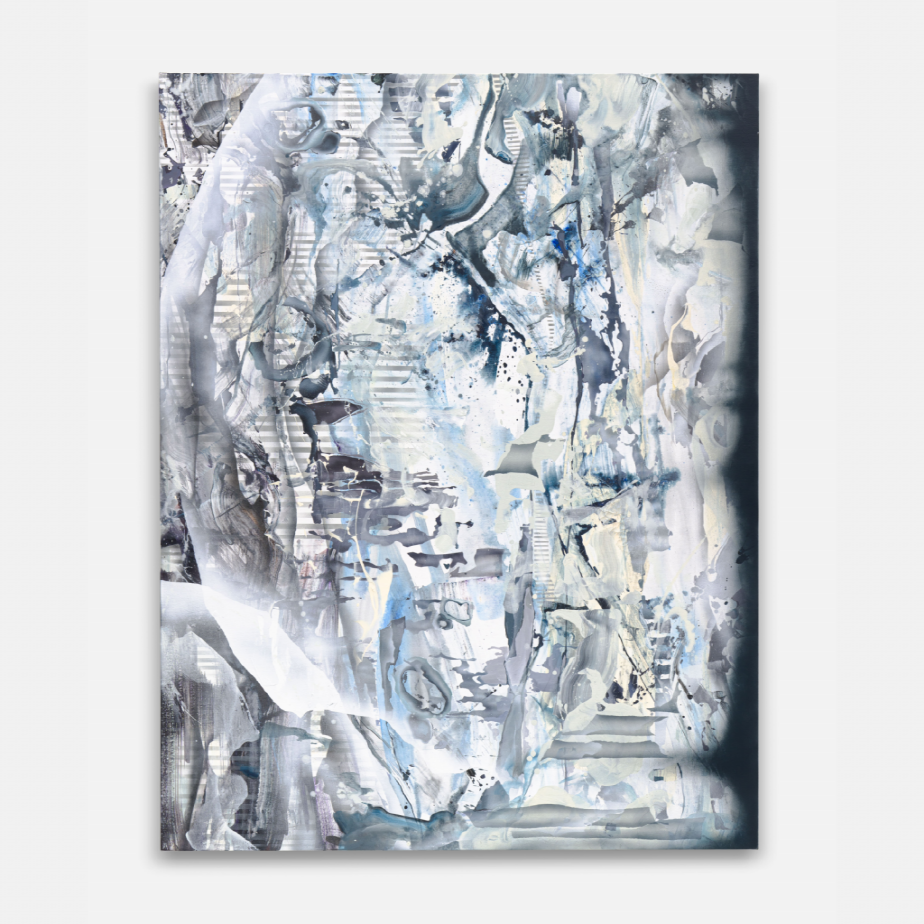
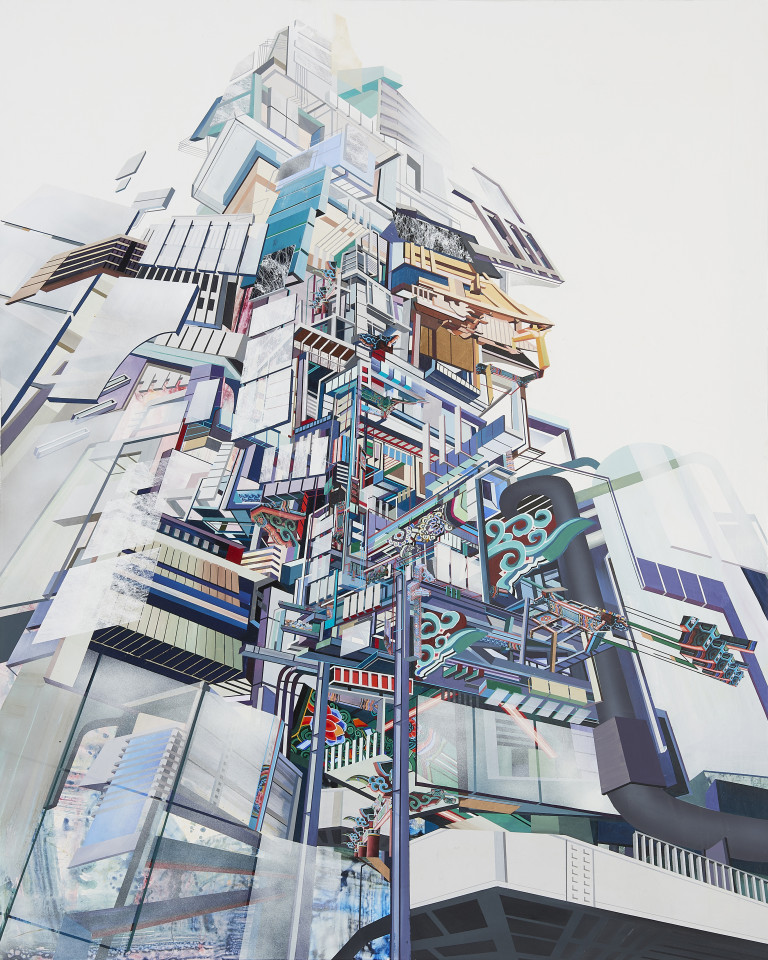
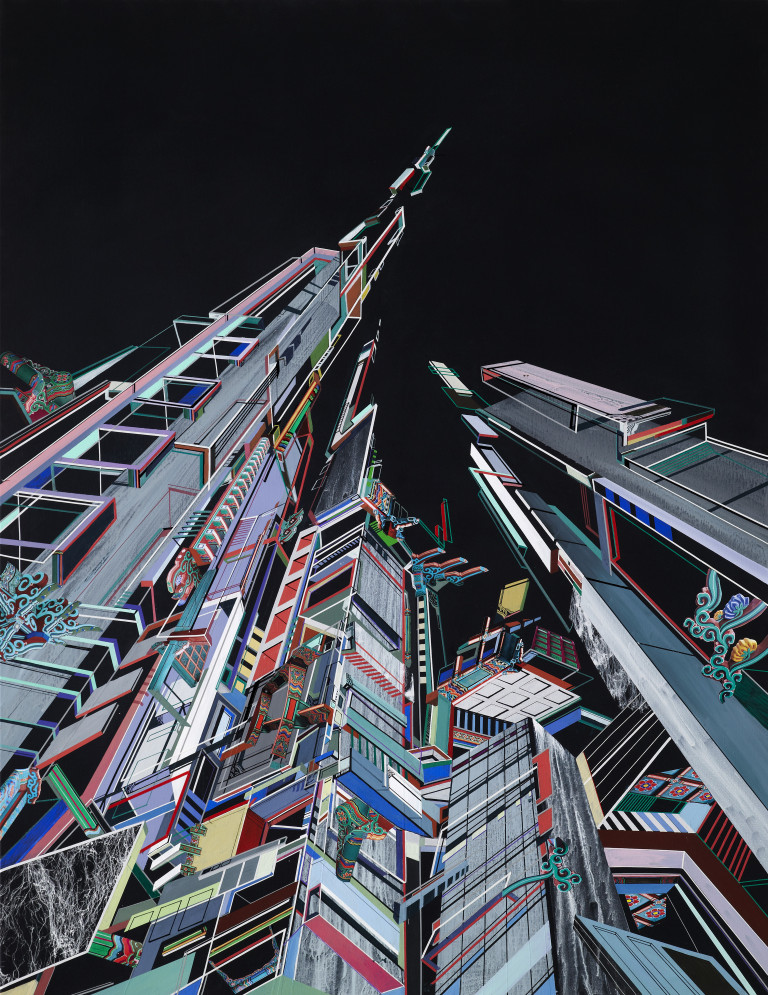
Hwang Wonhae has developed a body of work grounded in the memories and experiences she has internalized as someone who has lived in urban environments. Her abstract paintings reconstruct the visual sensations derived from the surfaces of architectural structures that define cityscapes. In her early works, she constructed uncanny urban landscapes by layering, fragmenting, and reconfiguring images extracted from architectural sites where tradition and modernity coexist, particularly in Seoul.

In her solo exhibition 《Phantasmagoria》(2018, Art Space Boan 1), she examined the traces of memory and place obscured by the processes of urban redevelopment, reflecting on how individual identity becomes entangled with space through painterly language. Over time, her focus shifted away from the historical features and structural logic of buildings toward the surface-level phenomena of the city—the sensory rhythms, flows, and physical operations that animate it.

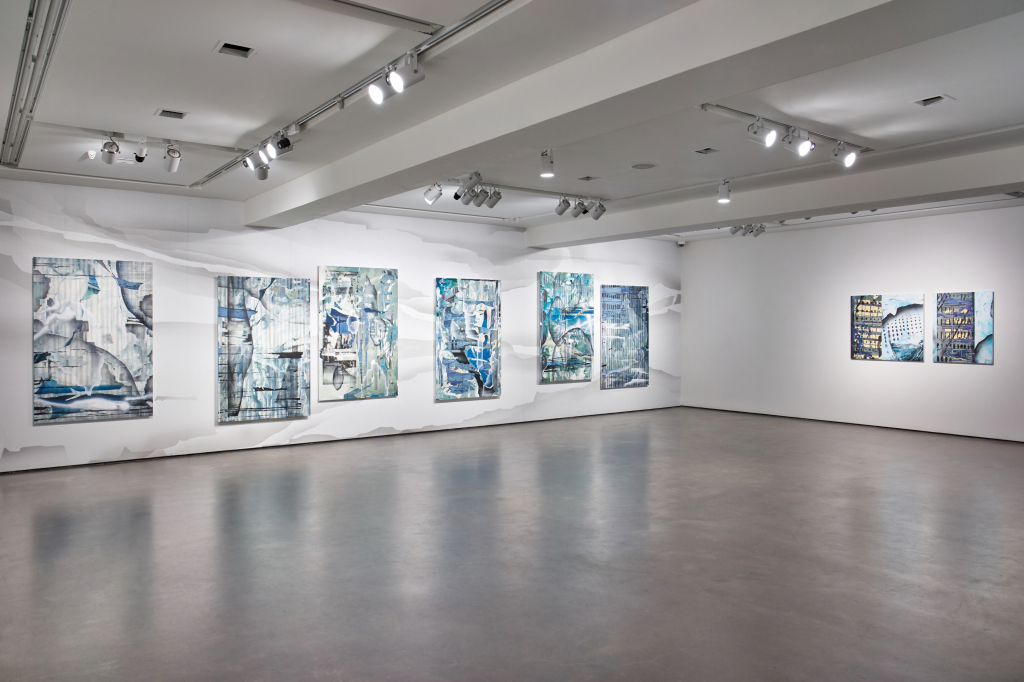
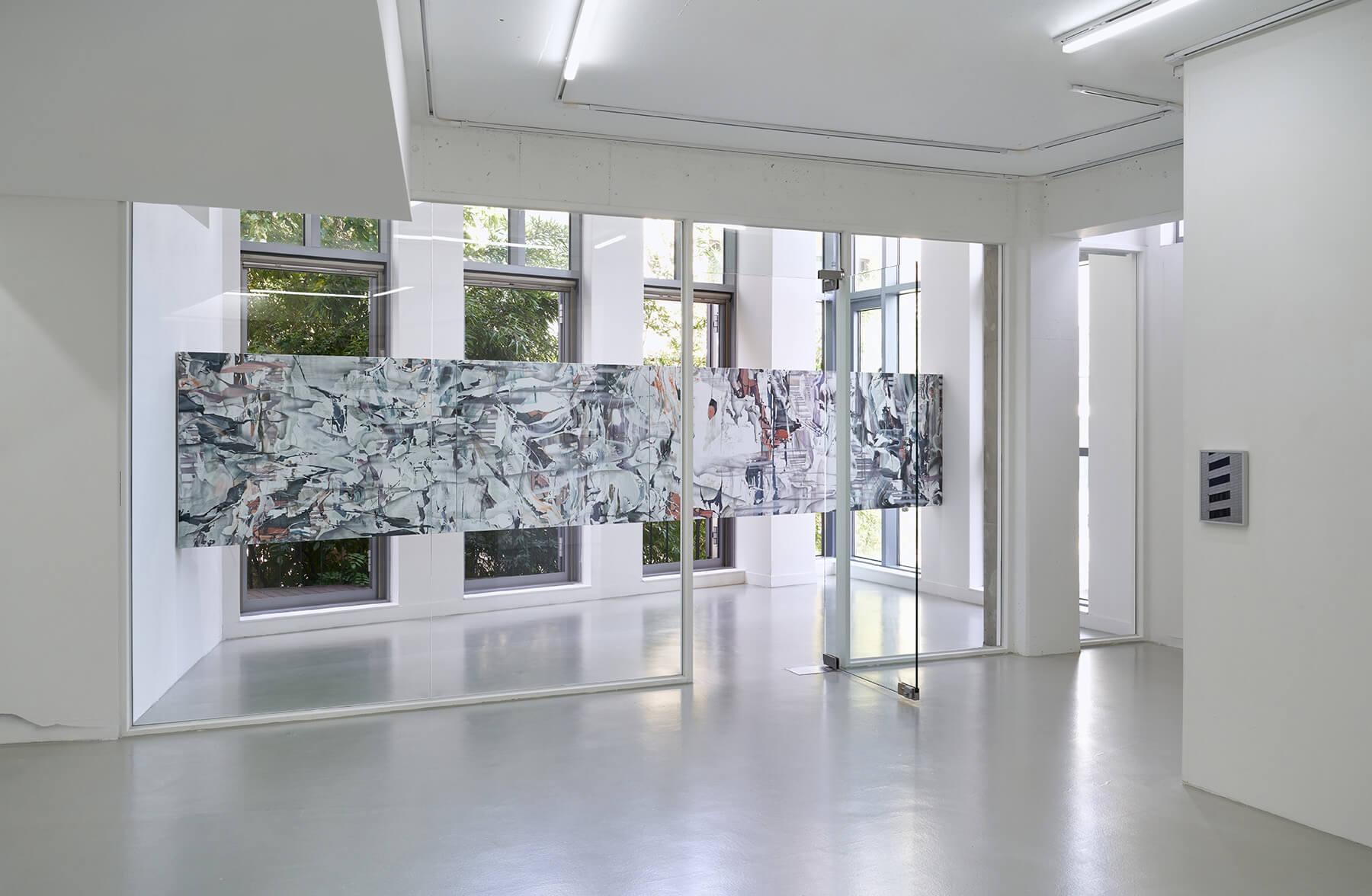
In more recent exhibitions such as 《Facade in Facade》(2021, OCI Museum of Art) and 《Hydra Square》(2024, The Reference), she intensified her interest in the sensations that emerge from ambiguous and temporary urban spaces—what Marc Augé calls “non-places.”

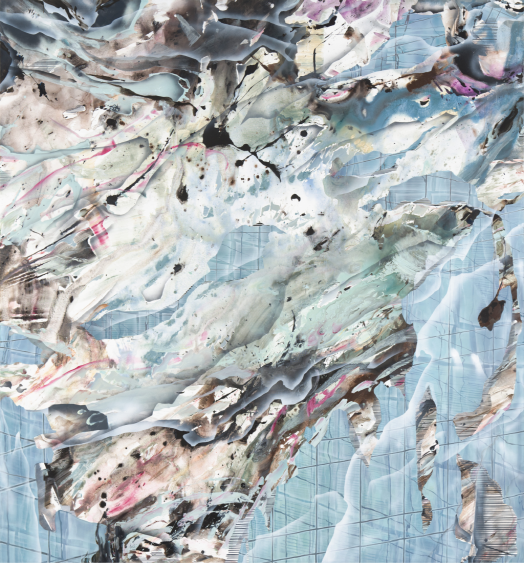
Works like Streaming(2021) and Emulsion(2021) illustrate the process by which superficial urban imagery is transformed into internal psychological landscapes, where the boundaries between physical reality and imagined sensation blur.

Style & Contents

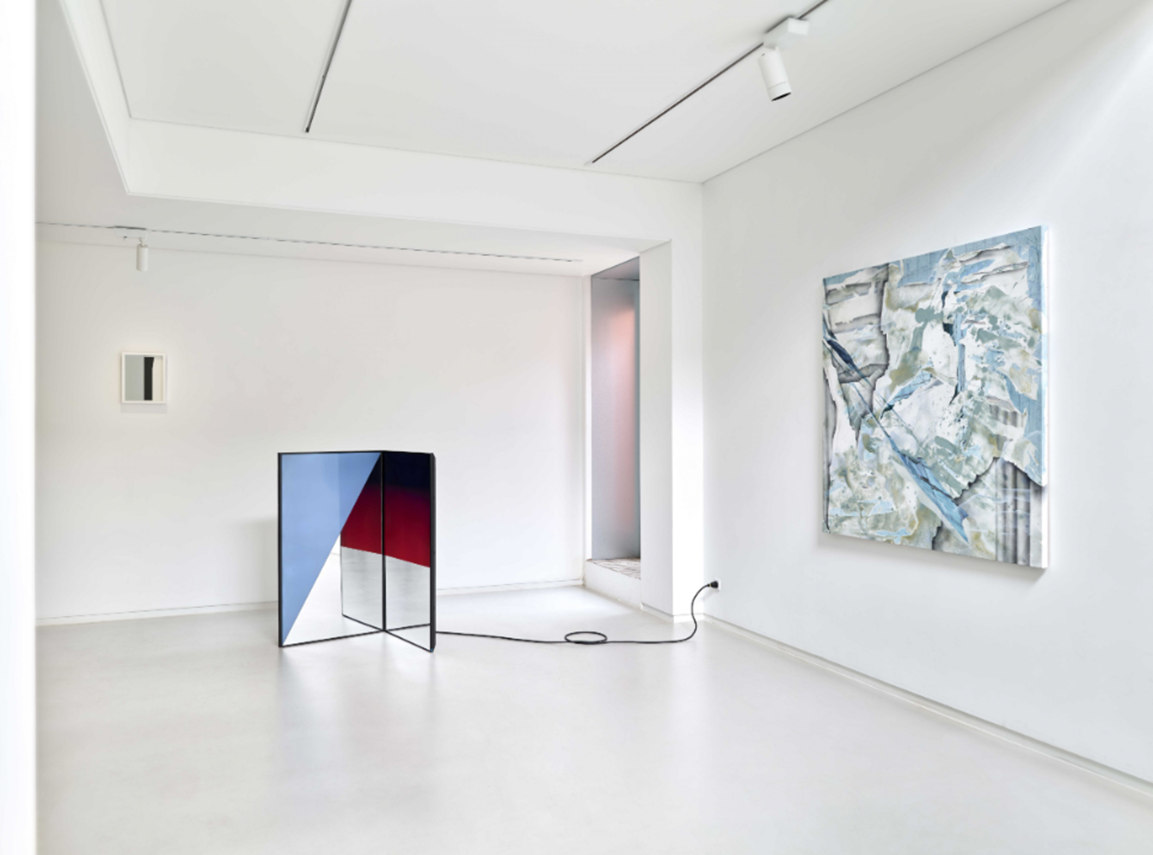
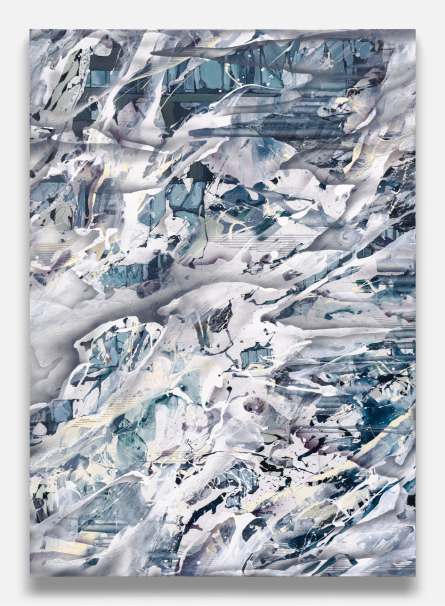
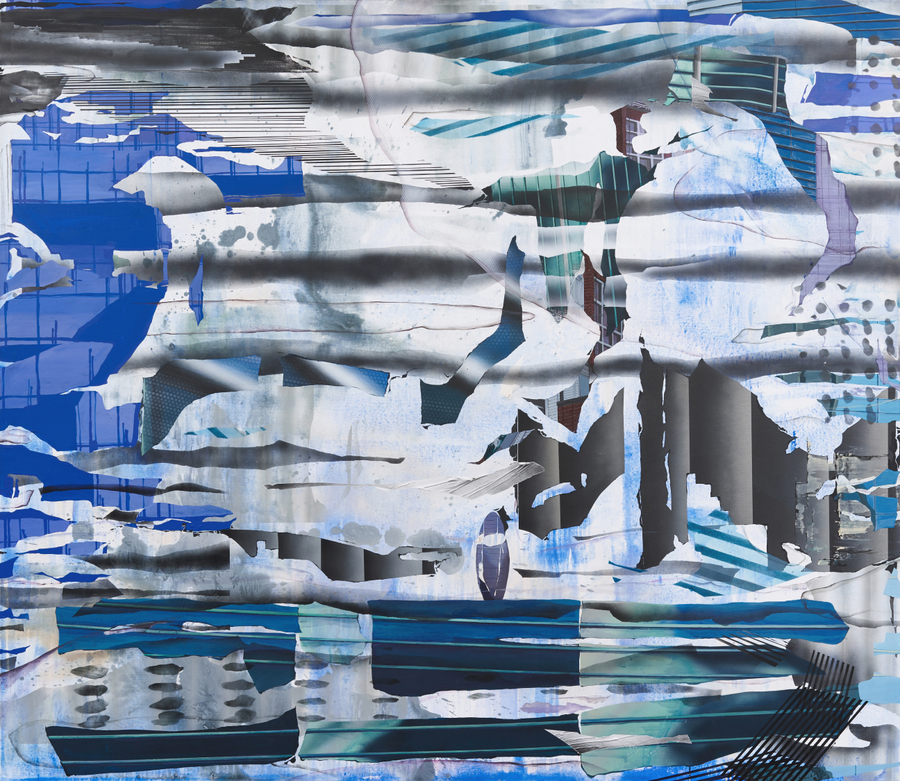
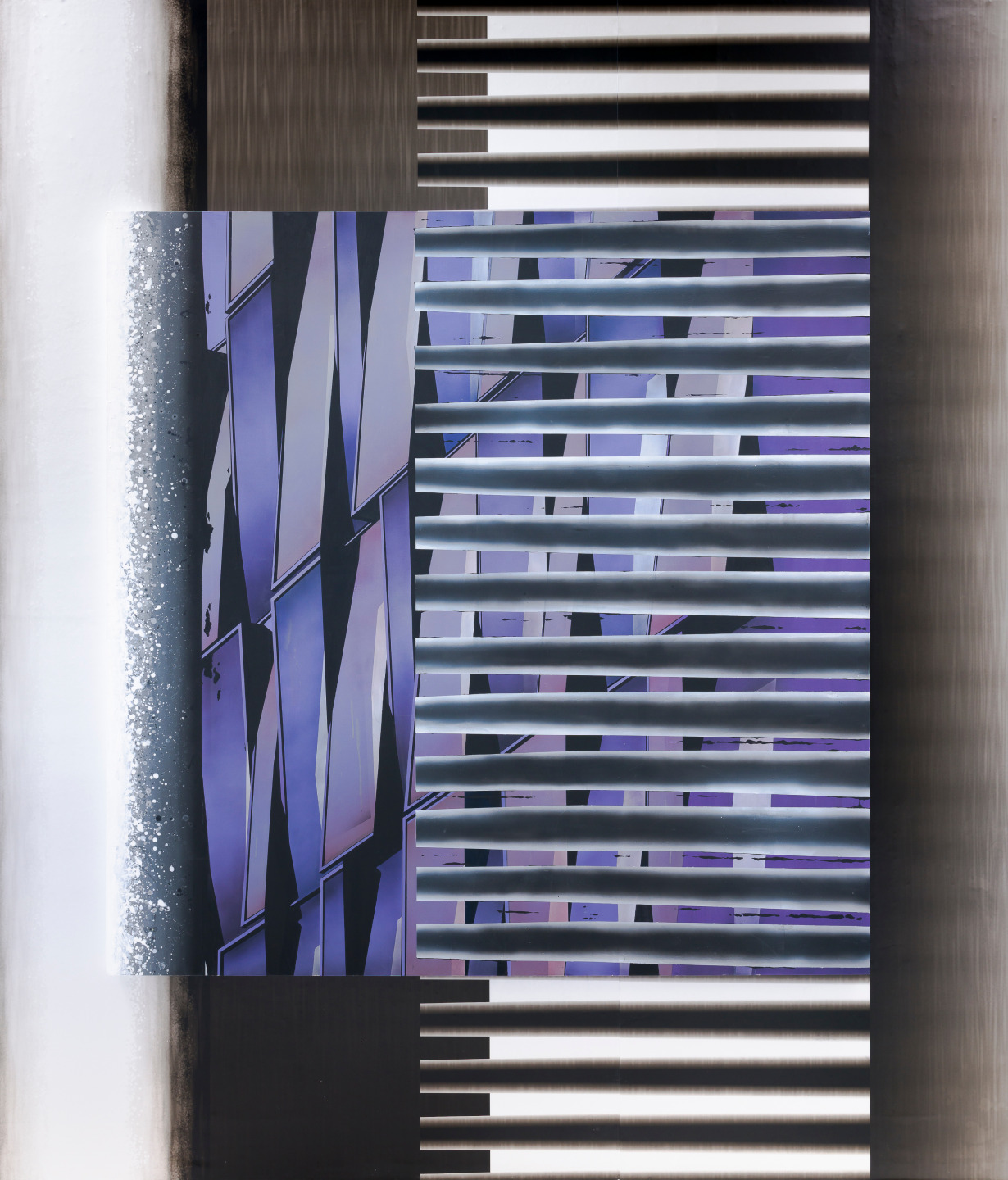
Hwang’s works reinterpret the stratified structure of the city through a painterly language built from heterogeneous materials—drawing, screentone, acrylic, tracing paper—and often unfold as layered compositions. Her collage-like process involves digital sketches, photographic transfers, and recursive incorporation of image fragments between screen and canvas, resulting in paintings where the boundaries between material and immaterial, analog and digital, are deliberately destabilized. Her ‘Moire’ (2020–) series is a representative example, using interference patterns that shift with the viewer’s movement to evoke perceptual dissonance and optical tension.

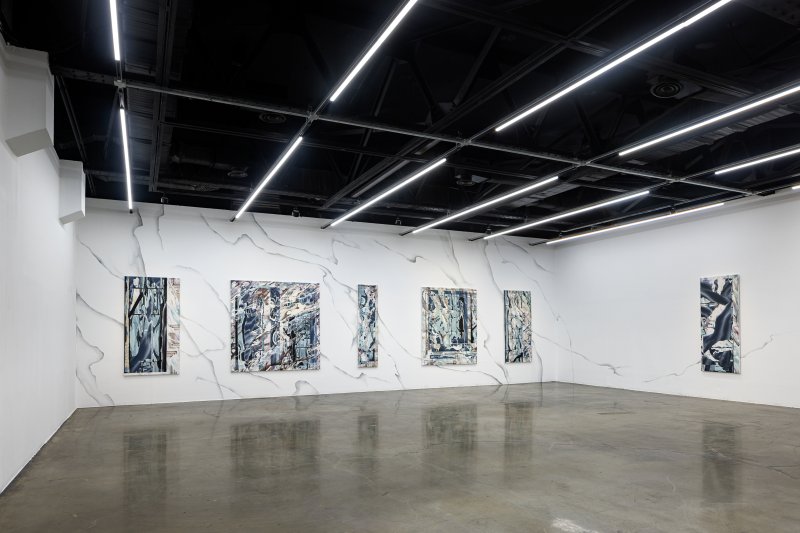
A pivotal formal shift occurred when she began treating the exhibition space itself as an expanded canvas. In 《The Fourth Wall》(2020, Artspace HYEONG), she installed U-shaped patterned vinyl sheets along the walls and embedded paintings within them, creating spatial interference between pictorial and architectural surfaces. In her recent solo exhibition 《Curtain》(2023, Pipe Gallery), she used translucent layers to visualize fragmented memories and ambiguous urban imagery—such as reflections on high-rise glass, rainwater shimmer, and fog-covered cities—layering personal affect over city structures.

Her recent works move progressively away from architectural volume toward motifs such as pattern, reflection, and atmospheric diffusion, signaling a transition from a representational mode of painting the city to a sensorial one.

Topography & Continuity

From the outset, Hwang’s work has investigated the relationship between the city and sensory perception. While her earlier paintings juxtaposed historical architectural elements with personal memory to reflect the temporal and spatial complexity of urban spaces, her later works focus more on the repetition, fragmentation, and surface phenomena that characterize the contemporary city. This evolution marks a move away from binary divisions between past and present, or tradition and modernity, toward a plastic vocabulary that oscillates between material and immaterial formations.

Through her hybrid approach—spanning painting, installation, and digital image-making—Hwang has established a distinctive position in the landscape of contemporary art as an artist pursuing the “abstraction of urban sensation.” Her recent exhibition 《Hydra Square》 integrated installation and painting to present the city as a dynamic and sensorial system. As she continues to explore how urban structures are internalized, reimagined, and physically reassembled in her work, Hwang’s evolving practice suggests an expanding horizon of engagement, both formally and geographically, within the context of global contemporary art.

Works of Art

Reconstructing Landscapes of the City

Articles

Exhibitions

Activities