Keunmin
Lee's practice focuses on how personal experiences are defined and interpreted
according to social standards. Since 2001, Lee has drawn on the hallucinations
he experienced while hospitalized following a psychiatric diagnosis as a
central subject of his paintings. What he witnessed at the time were scenes in
which human or animal-like bodies appeared fragmented into muscles, skin, and
internal organs, floating in space or becoming entangled with one another.
Rather than regarding these experiences solely as medical symptoms, Lee
recognized them as images that could be expressed through his own visual language.
At the same time, he became attentive to the process by which an individual's
unique temperament and experiences are classified through diagnostic labels and
codes, questioning the ways society distinguishes between normality and
abnormality, rationality and irrationality.
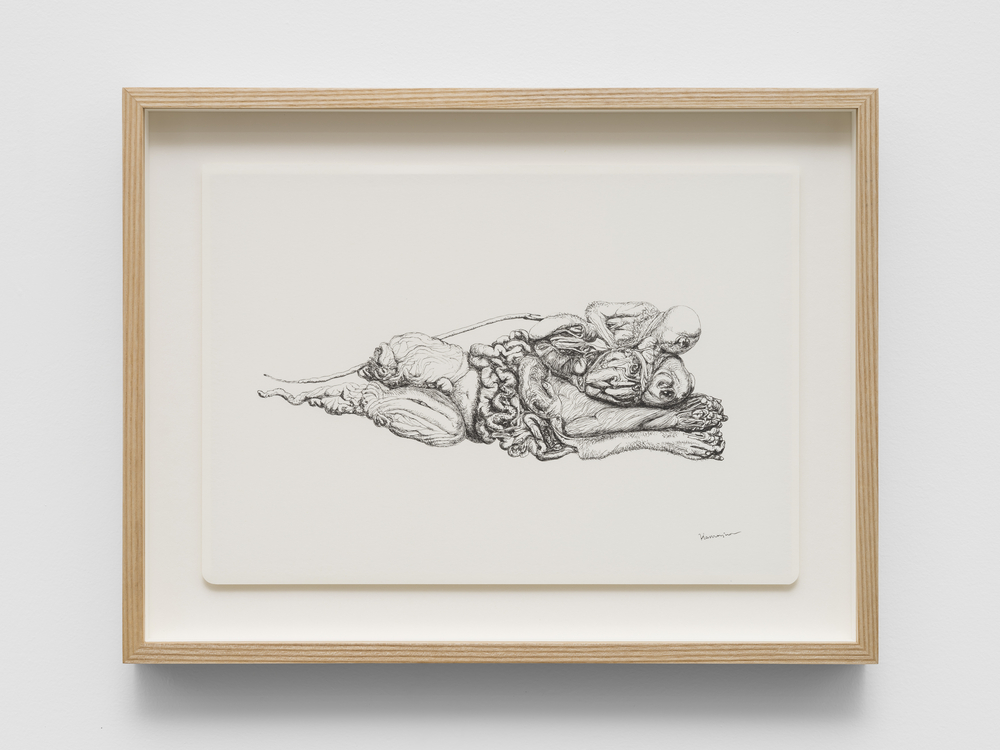
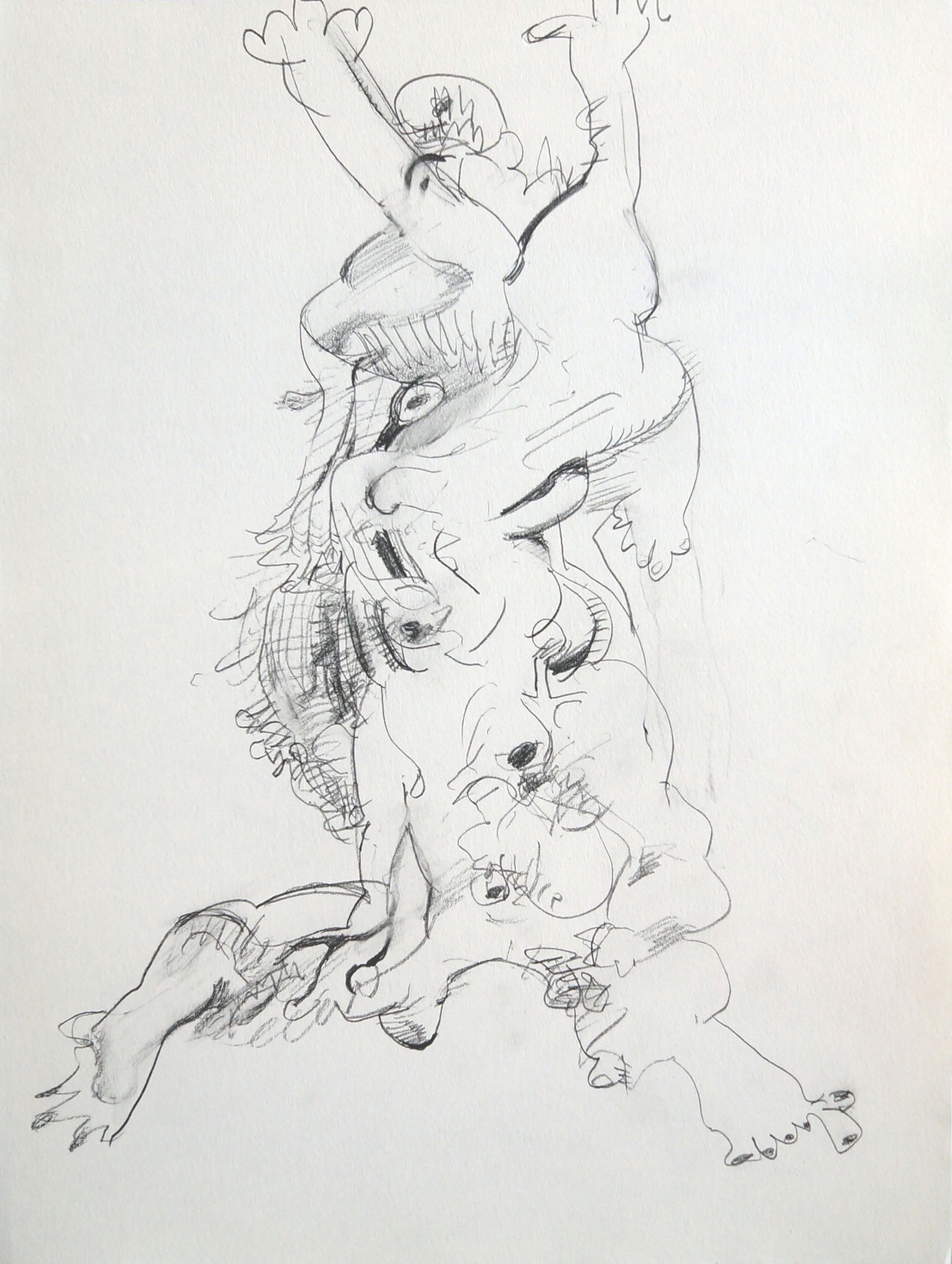
His early drawing The
Portrait of Hallucination(2007), the painting of the same title,
The Portrait of Hallucination(2013), and his solo exhibition
《The Portrait of Hallucination》(Gallery Dam, Seoul, 2013) demonstrate how these concerns took shape
through concrete images.
By giving the form of portraiture to nameless beings
encountered in his hallucinations, Lee brings onto the canvas the appearances
and emotions of those whose existence is not readily acknowledged in reality.
Here, painting becomes both a means of recording his experiences and an attempt
to perceive existence independently of the definitions imposed by society.
From the
mid-2010s onward, these interests expanded further through the relationship
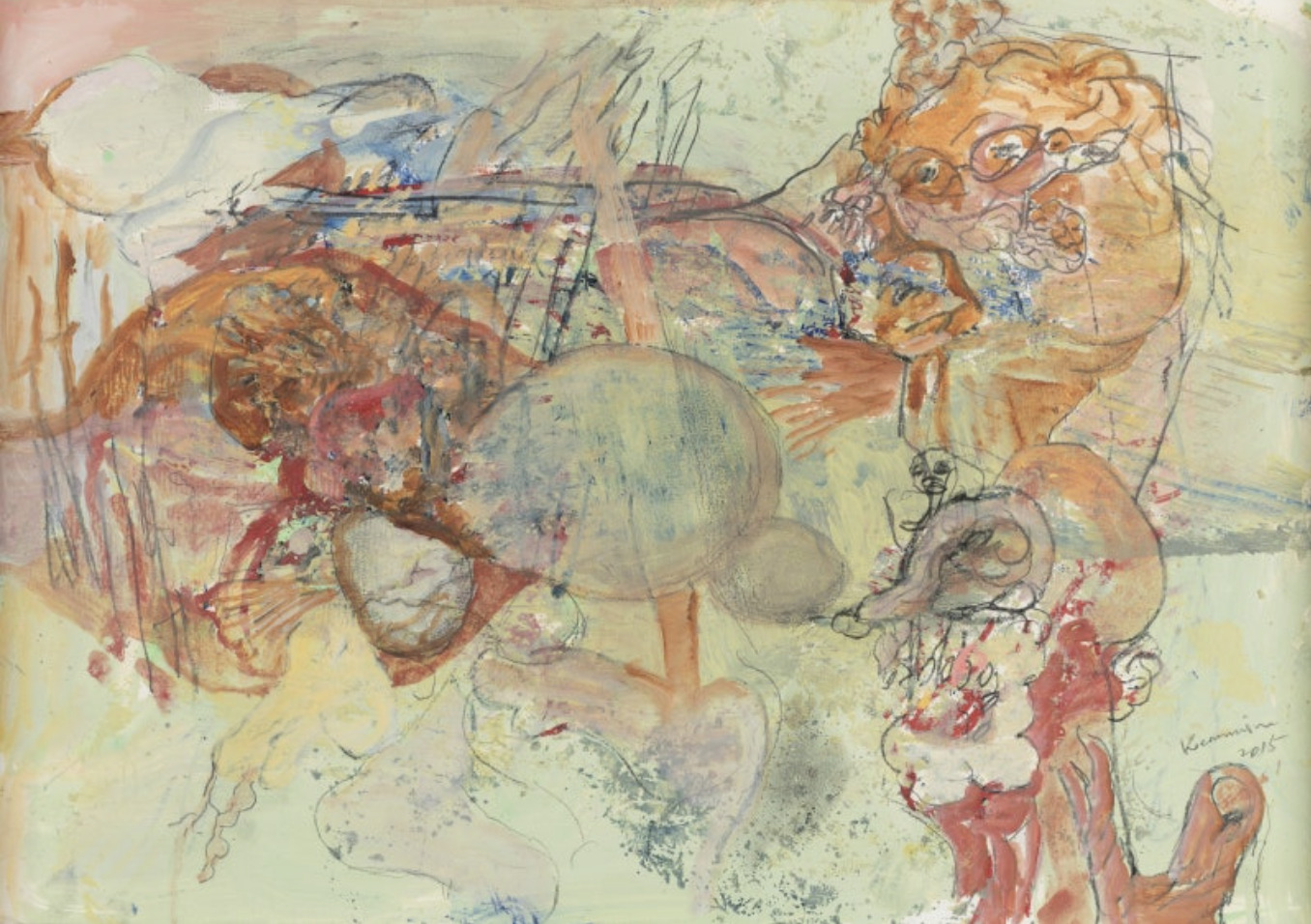
between personal memory and the body. In the ‘Refining Hallucinations’(2015–)
series, Lee repeatedly draws forms that remain in his memory, exploring how
sensations from past experiences become intertwined with present imagination.
Rather than attempting to reconstruct his hallucinations precisely, he
reconfigures the atmosphere, emotions, and bodily responses associated with
those experiences through painting.
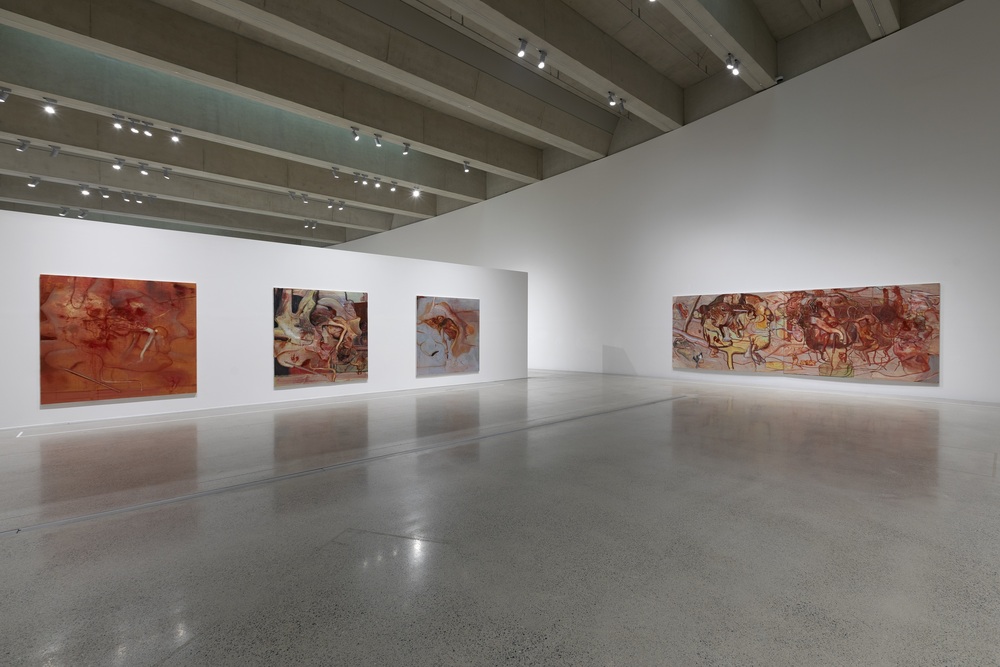
This approach became particularly evident
in 《And then none were sick》(Space
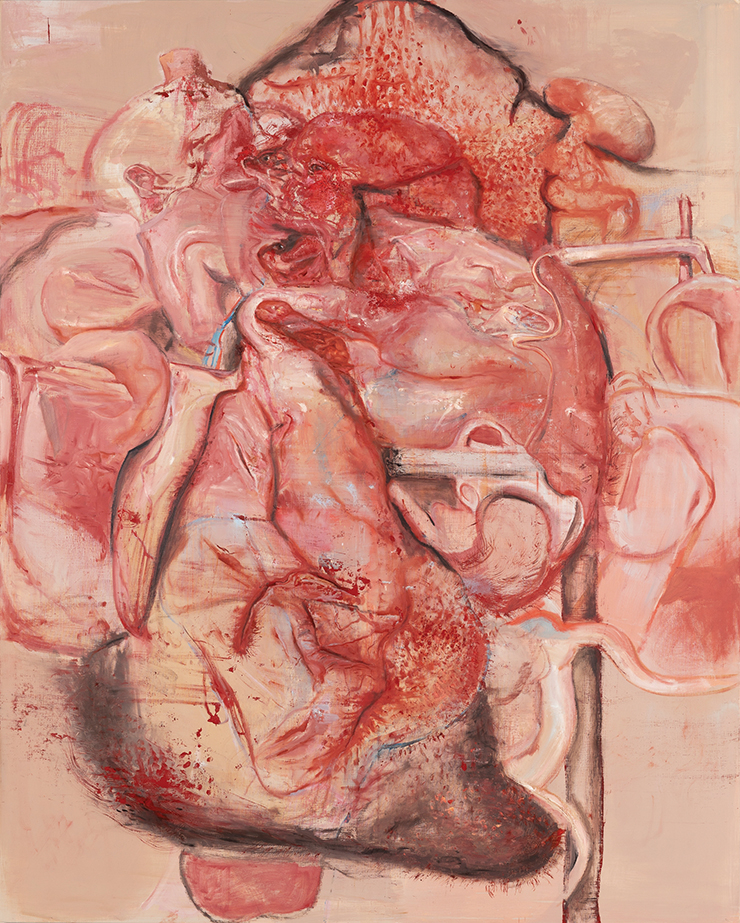
K, Seoul, 2022). Heart and Penis(2021) questions the social
gaze that classifies and defines the body through intertwined forms of a heart
and genitalia, while Oral Communication(2021) conveys
experiences that are difficult to articulate through language by employing
fragmented bodily imagery and sensory textures.
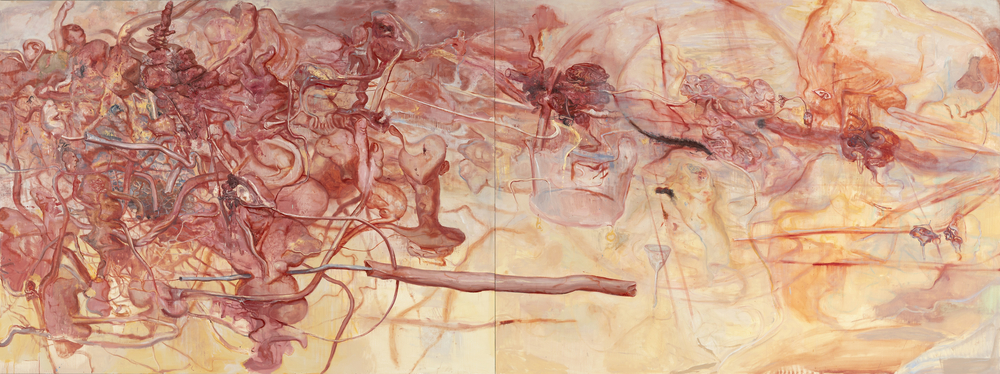
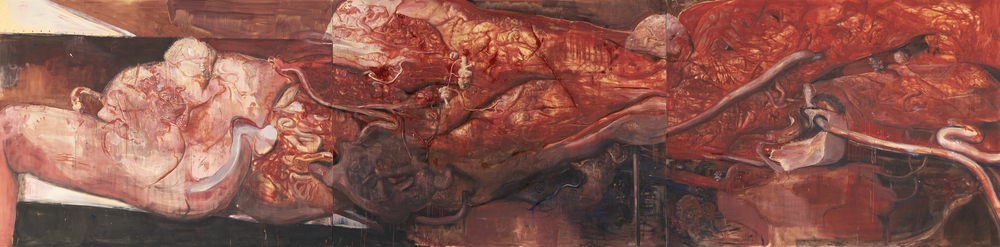
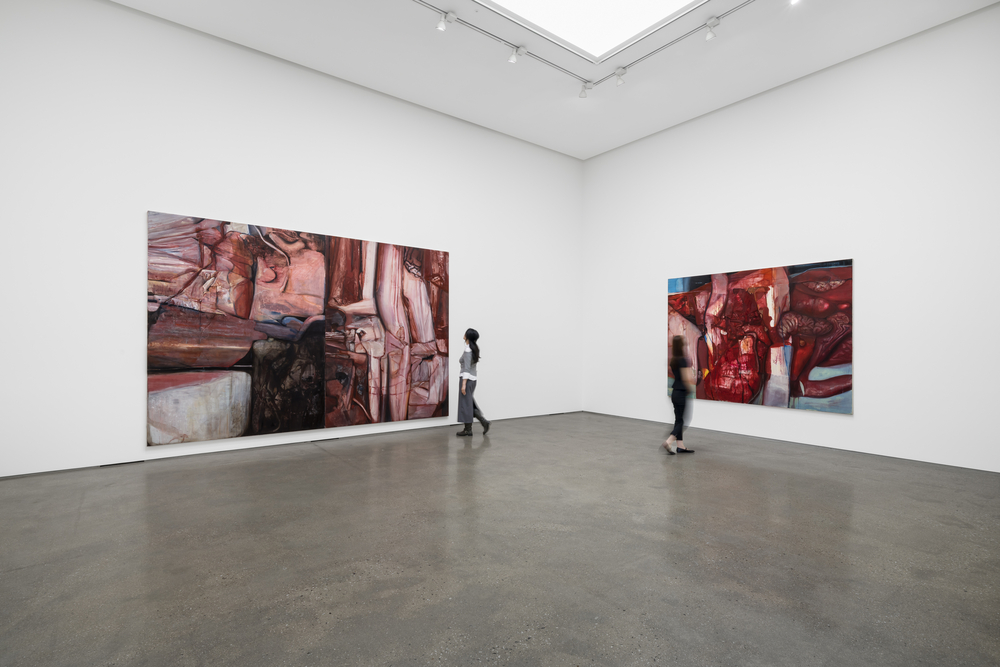
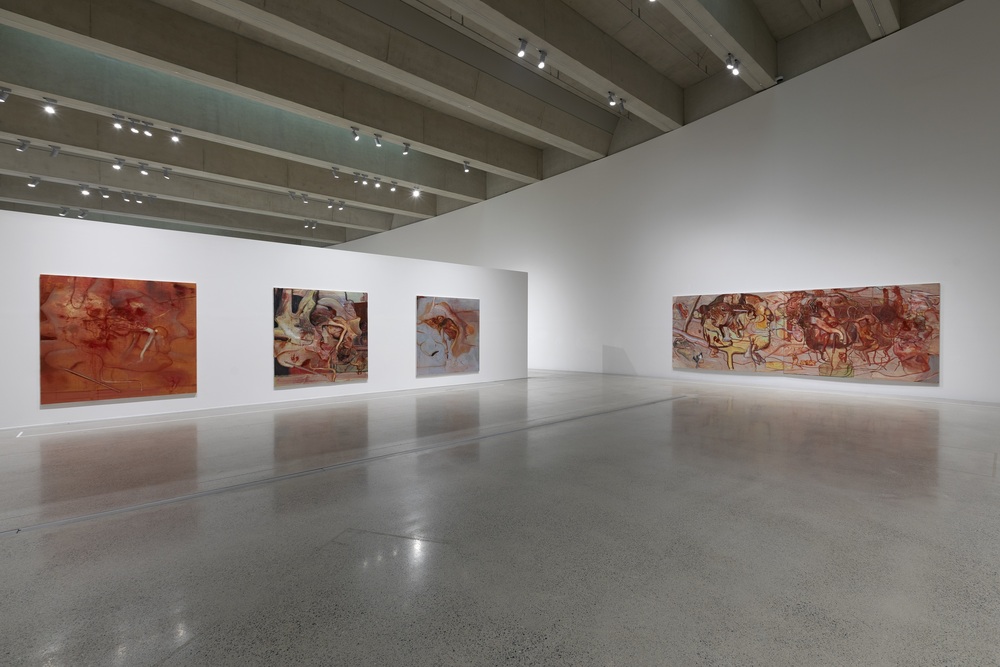
Measuring approximately ten
meters in width, Matter Cloud(2021) imagines the brain as
both a physical substance and a place where memories, thoughts, and wounds
accumulate. Within the painting, memories and wounds build up like sediment,
while new organisms grow among them, forming an inner landscape where
psychological turmoil and creative possibilities coexist. During this period,
Lee's practice developed beyond the visualization of personal suffering toward
an exploration of the incomplete and unpredictable nature of human existence
itself.
Subsequently,
Lee continued to examine the relationship between individuals and society
through fragmented bodily forms, while placing greater emphasis on the process
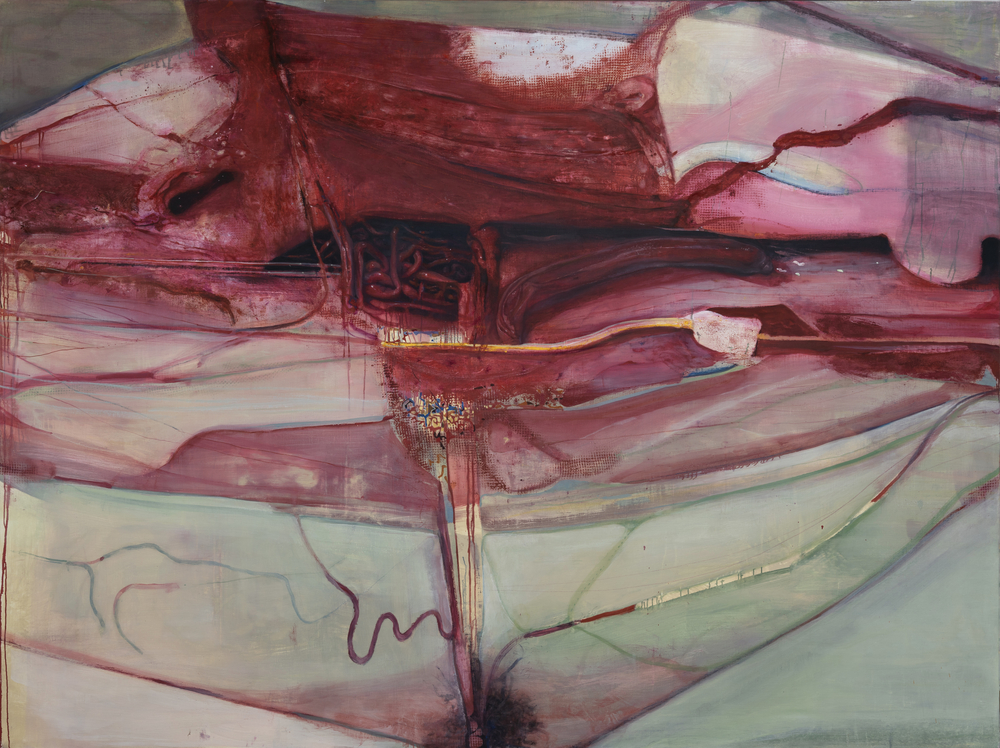
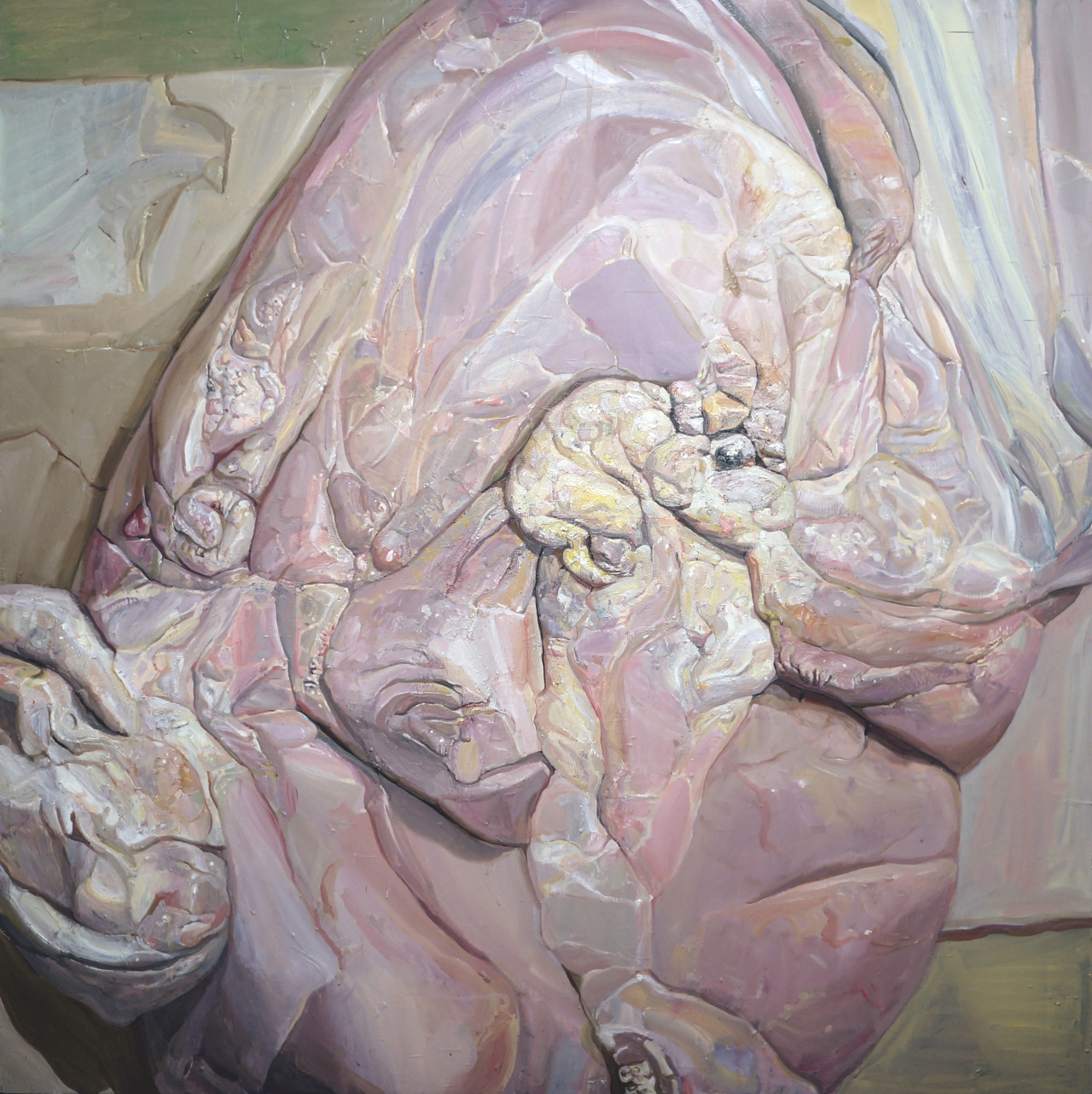
through which memories generate new images. In 《Realizing Boundaries》(Peres Projects,
Berlin, 2024), works such as Encounter in the
Mountains(2023) and Flesh Construction(2023)
explored states of transition where reality and hallucination, and the interior
and exterior of the body, become intertwined.
In 《Awakening
Boundaries》(26SQM, PARKSEOBO FOUNDATION, Seoul, 2025),
rather than explaining hallucinations and suffering through fixed meanings, he
articulated the complex emotions and psychological movements arising from them
through the language of painting. This development became even more apparent in
《Before It Becomes a Scene》(PKM
Gallery, Seoul, 2026).
The word "scene" in the exhibition title
refers to a situation constructed and defined according to particular
intentions or standards. Lee explores the state preceding such construction,
when hallucinations and sensations have not yet been assigned medical or social
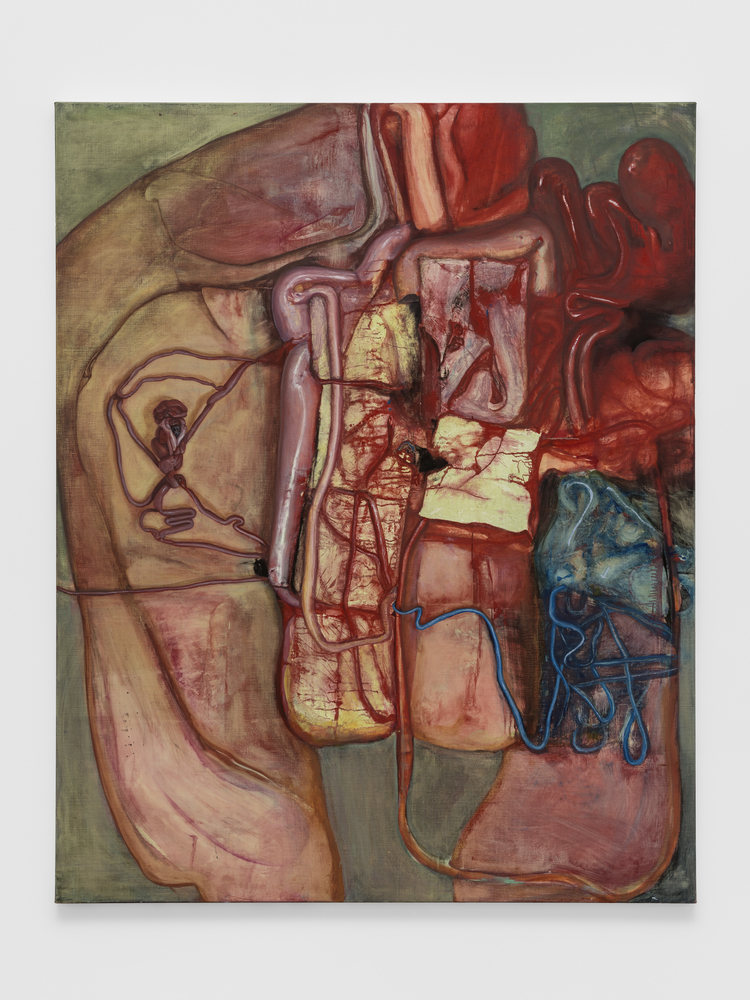
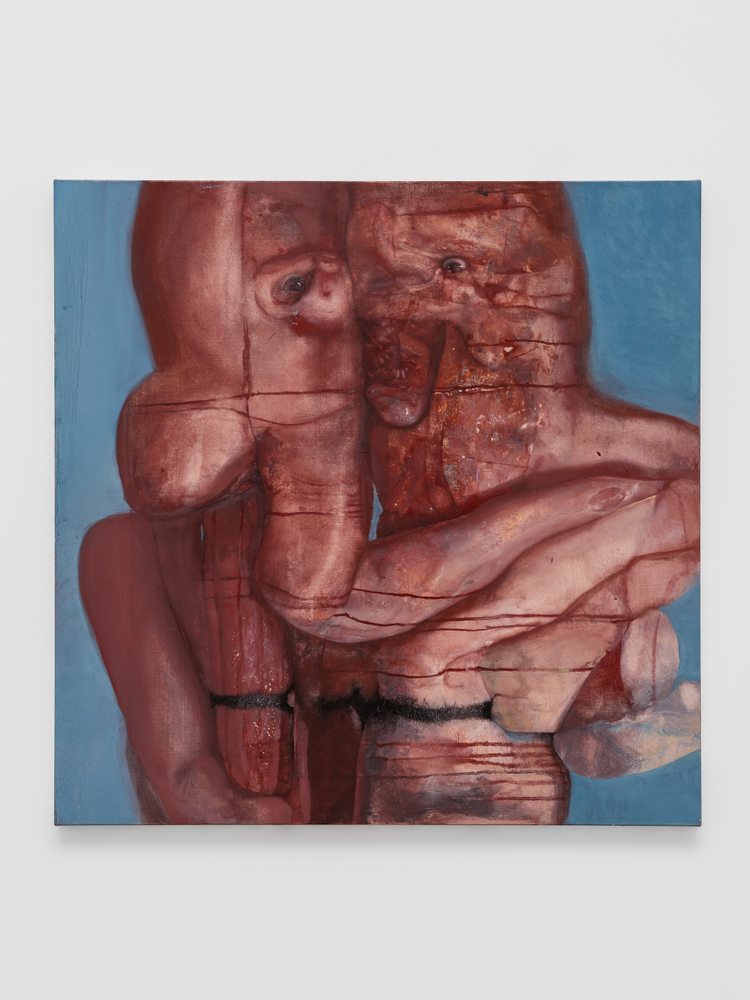
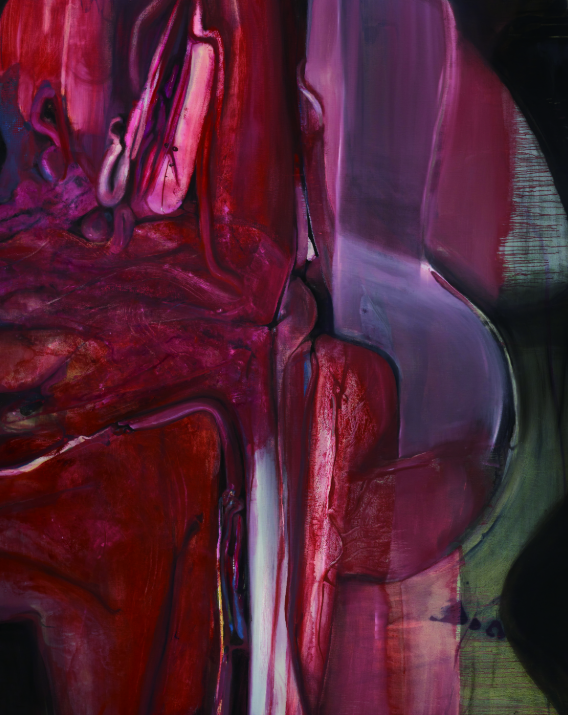
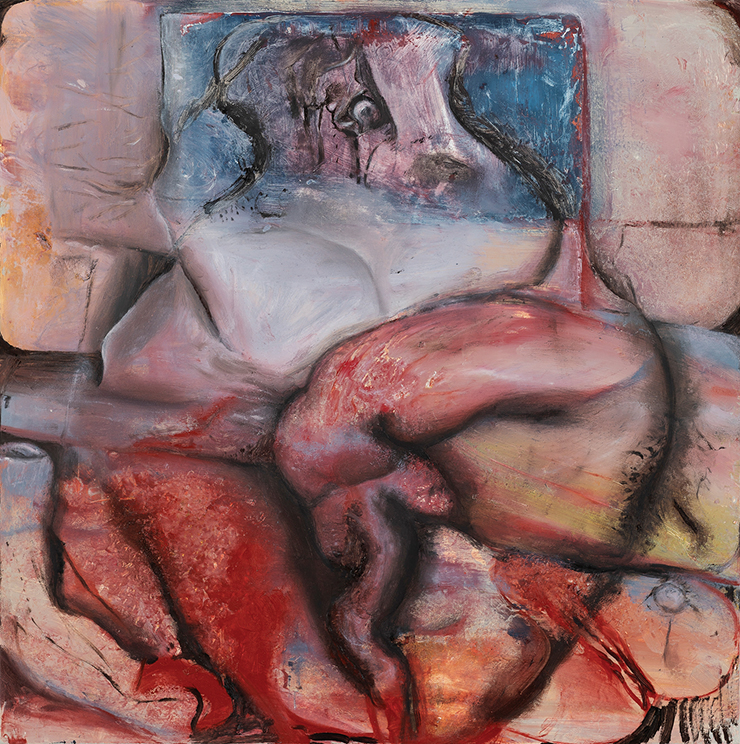
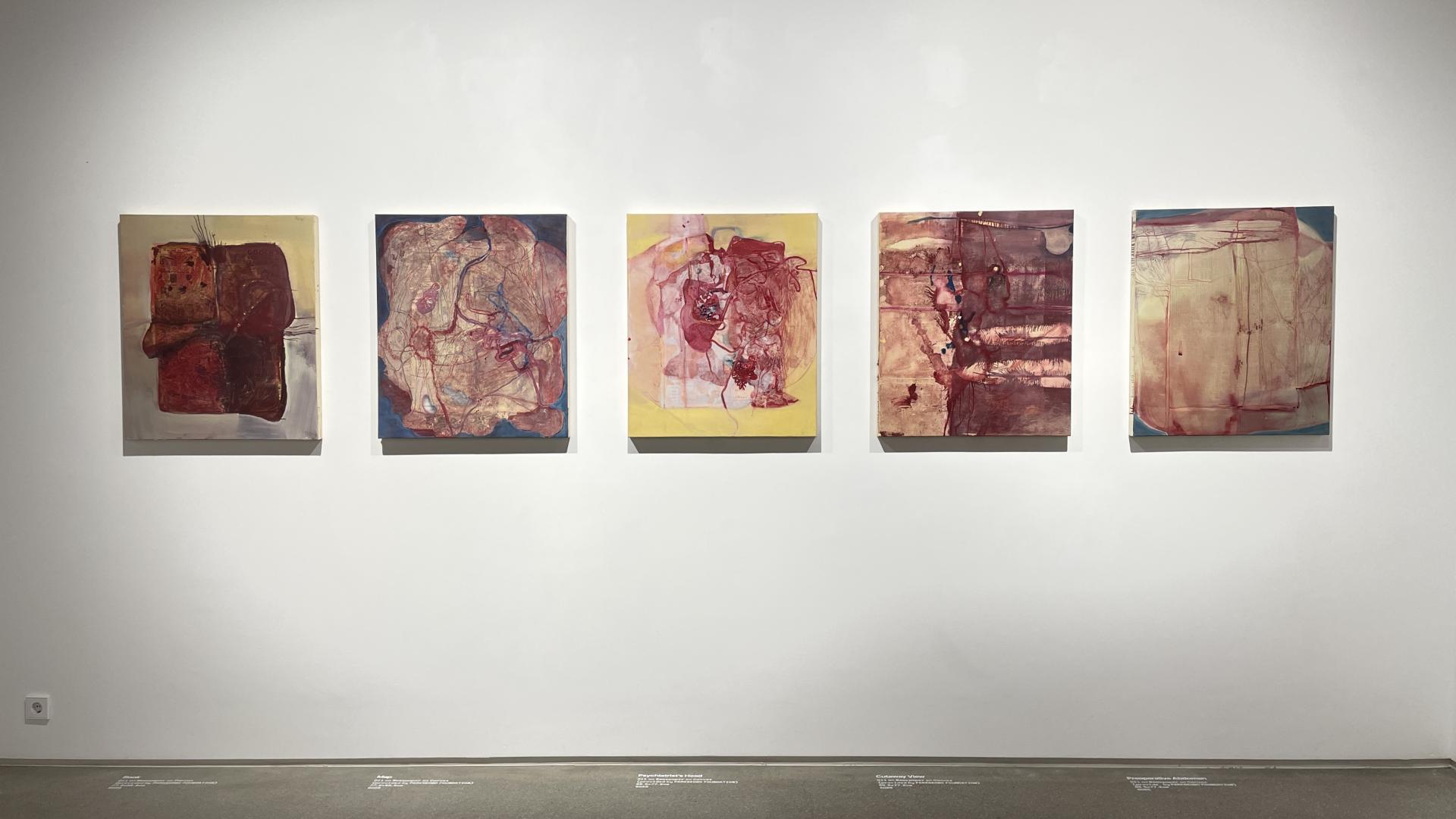
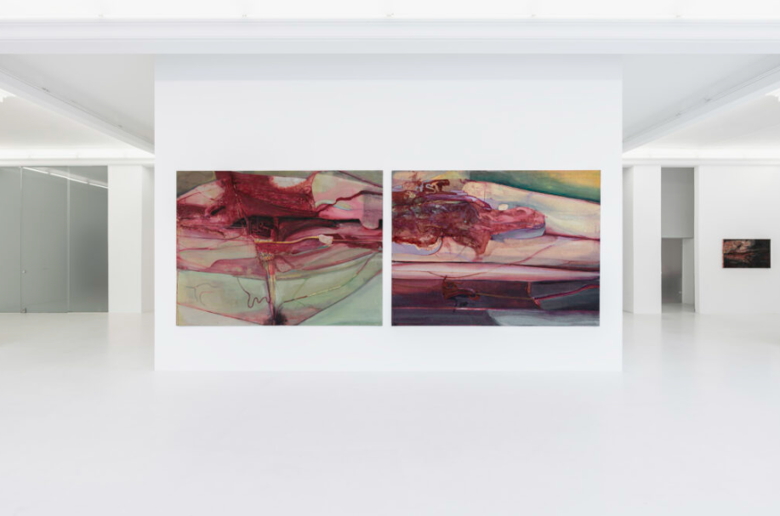
labels. In works including Organic Plate(2026),
Connected Body(2026), and Psychiatrist's
Head(2026), the body appears as both a collection of separate organs
and an organic entity whose parts remain interconnected and continually
changing.
Through these works, Lee sustains his longstanding inquiry into the
impossibility of reducing a human being to a single diagnosis or category,
inviting viewers to reconsider the complexity of human existence and the
individuality of sensory experience through painting.