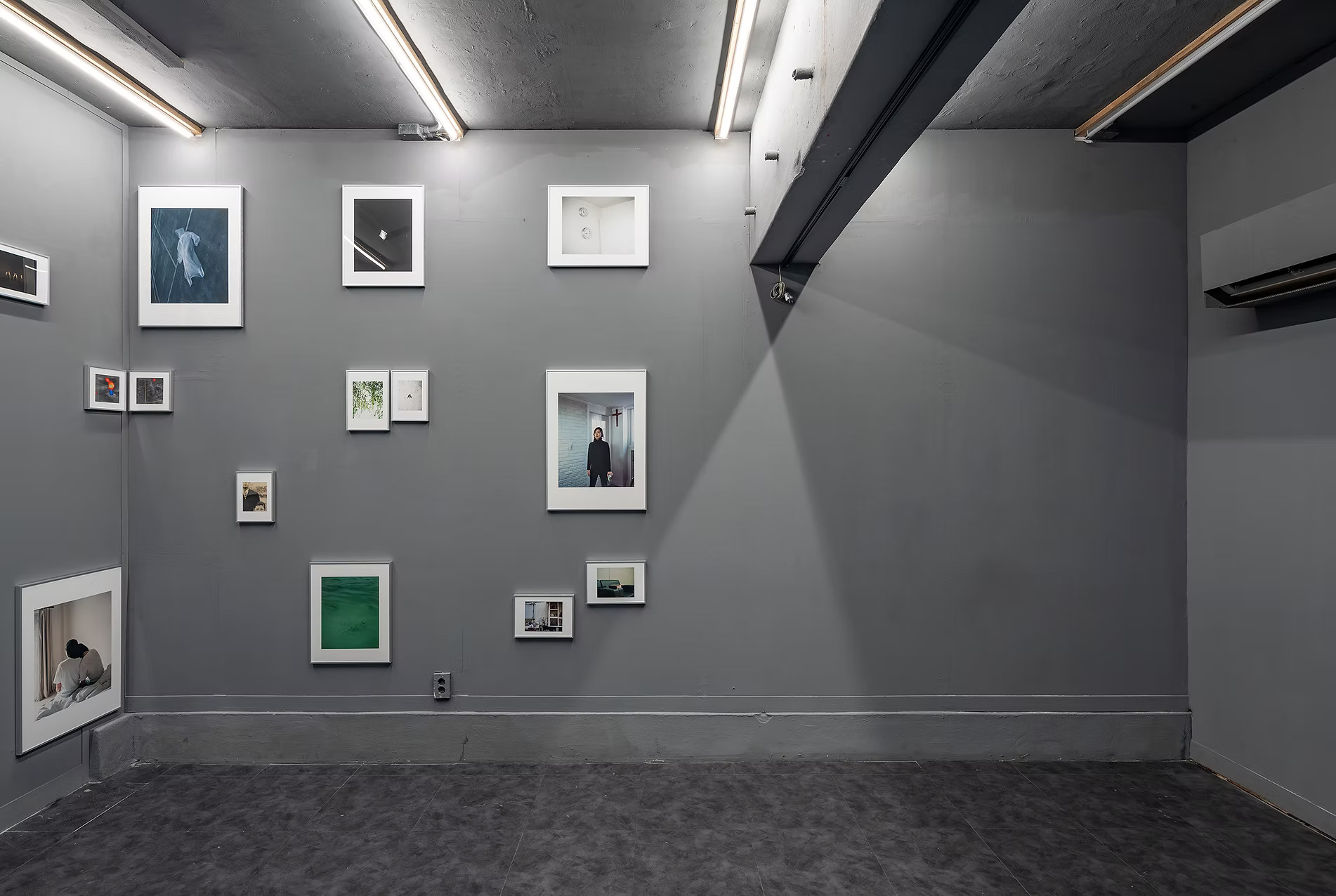
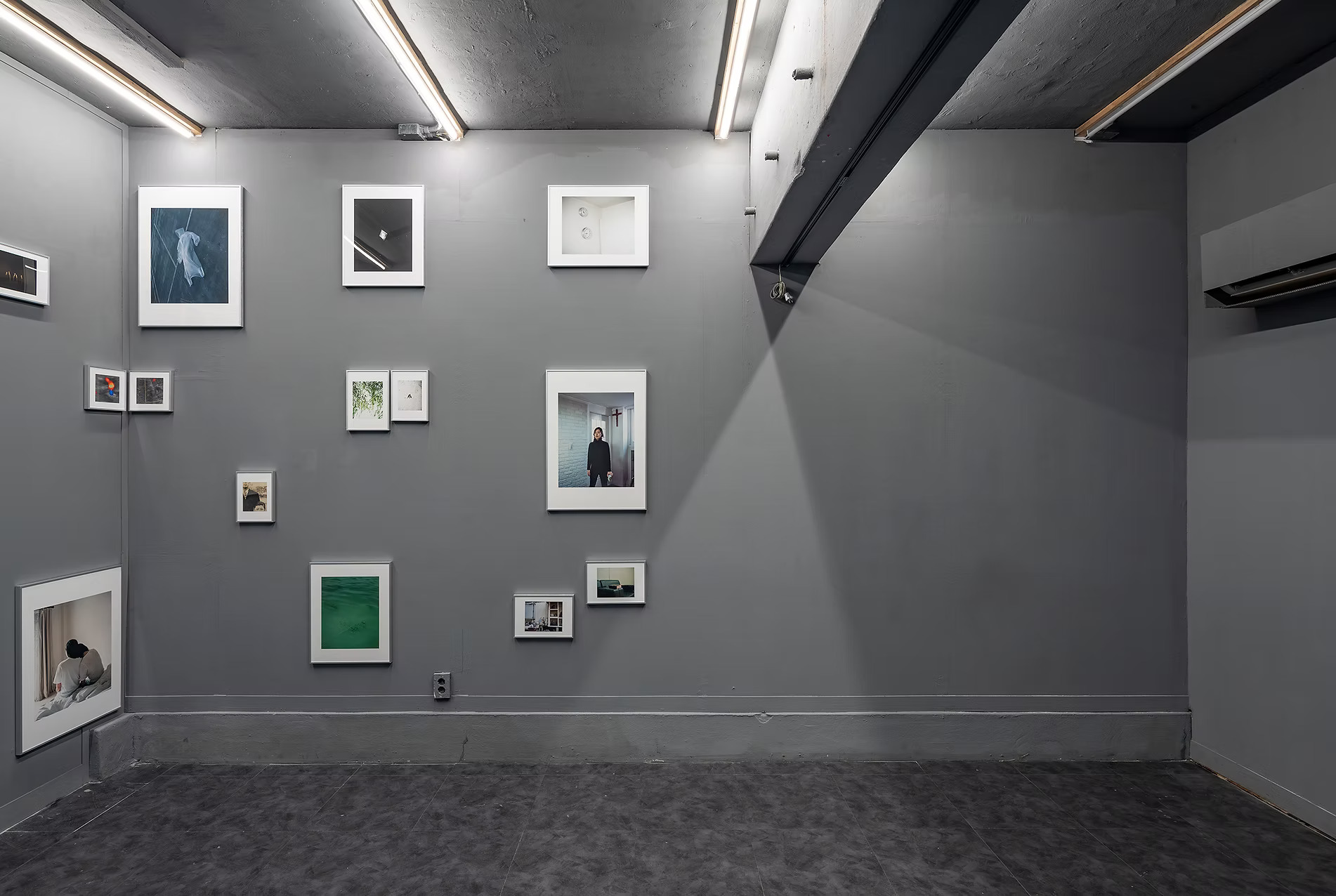
Working
primarily with photography, YI has expanded the sensory possibilities of images
by combining them with video, text, sound, printing, and techniques of material
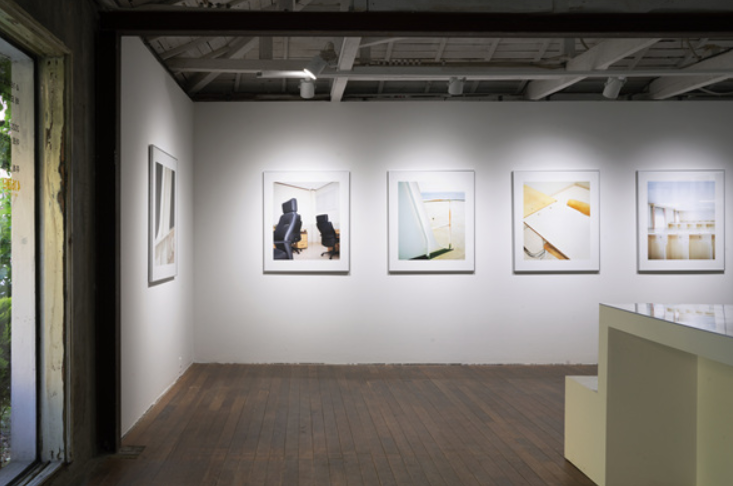
transfer. In her early ‘Light Volume’ series, rather than directly representing
her maternal grandmother’s face, she photographed the spaces and objects she
had inhabited and the traces left in her surroundings.
Although the figure is
absent from the photographs, the sustained attention directed toward these
surroundings evokes the breath and voice of a person gradually disappearing. YI
also incorporated image files, audio recordings, and text, connecting fragments
of memory that could not be reconstructed through a single medium.
By contrast,
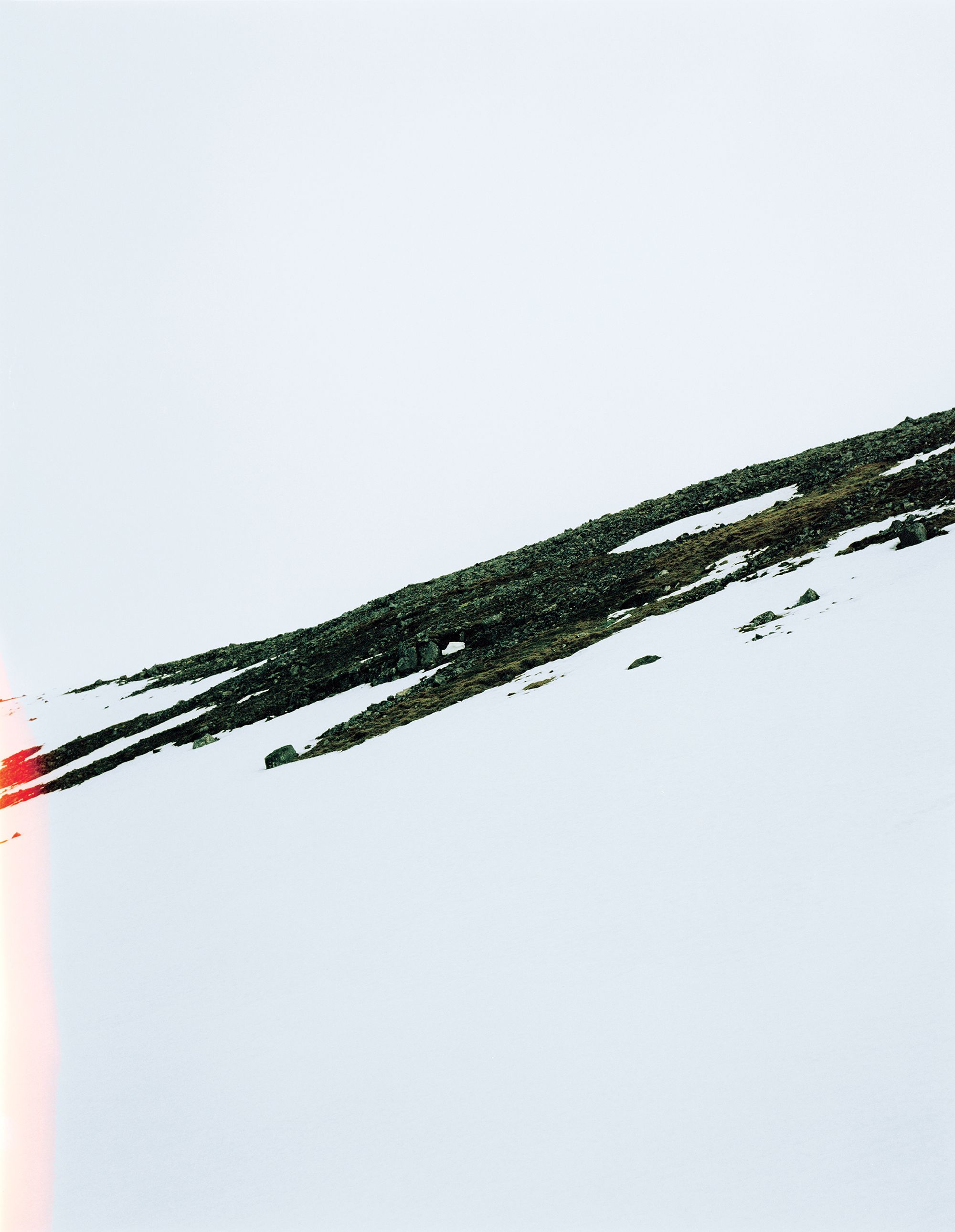
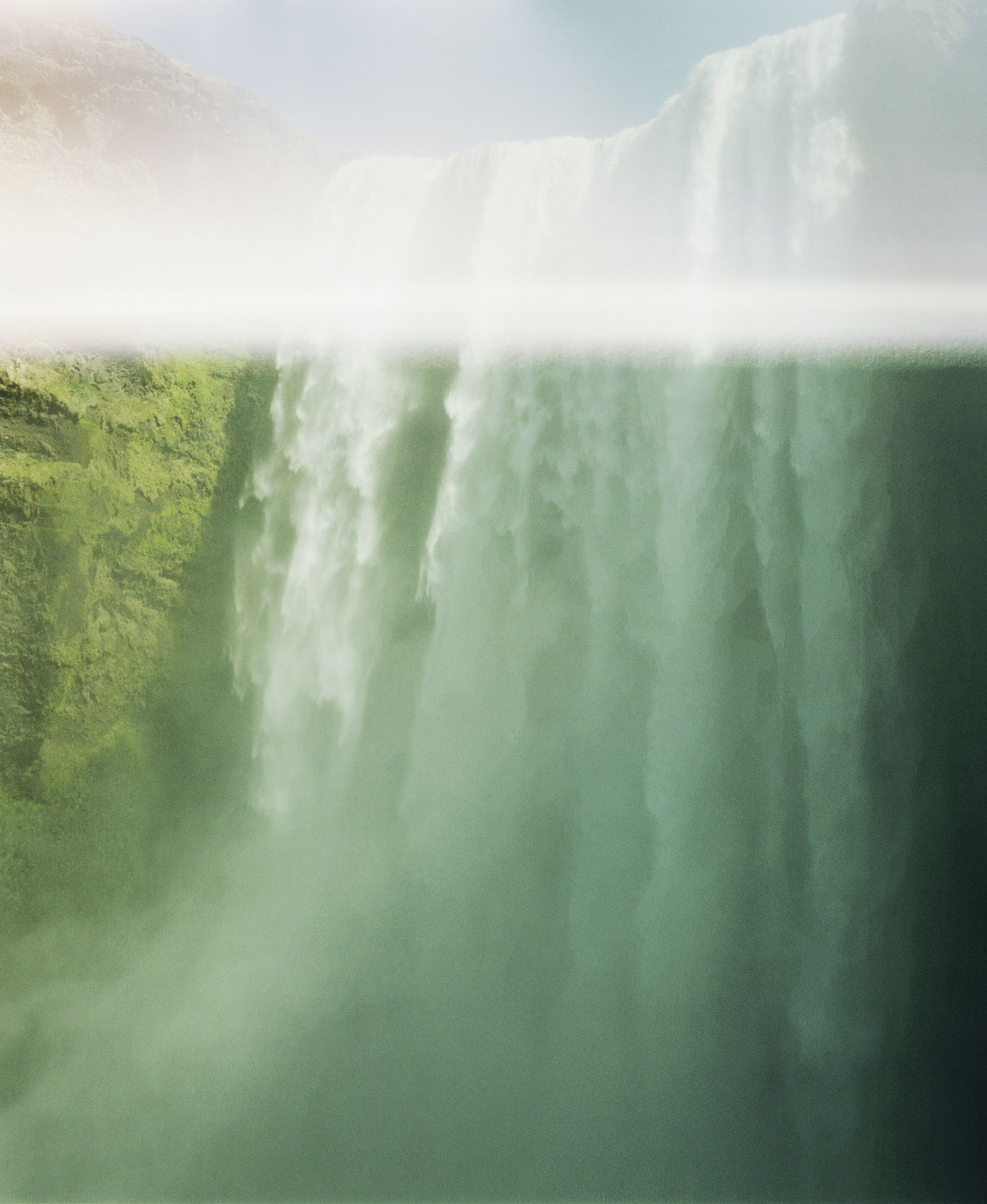
in ‘sight-lag’, she uses photography to reveal differences in the devices and
positions through which landscapes are observed. sight-lag,
63°31′55.55′′N 19°30′40.39′′W(2017) and sight-lag,
65°48′13.59′′N 22°16′20.44′′W(2017) present geographical coordinates
in Iceland as their titles, yet within landscapes illuminated by the midnight
sun, these precise coordinates cannot adequately explain visual experience.
The
discrepancies between landscapes observed through screens, telescopes, and the
naked eye challenge the belief that photography accurately represents its
subjects and encourage viewers to imagine sensations that remain outside the
photographed frame.
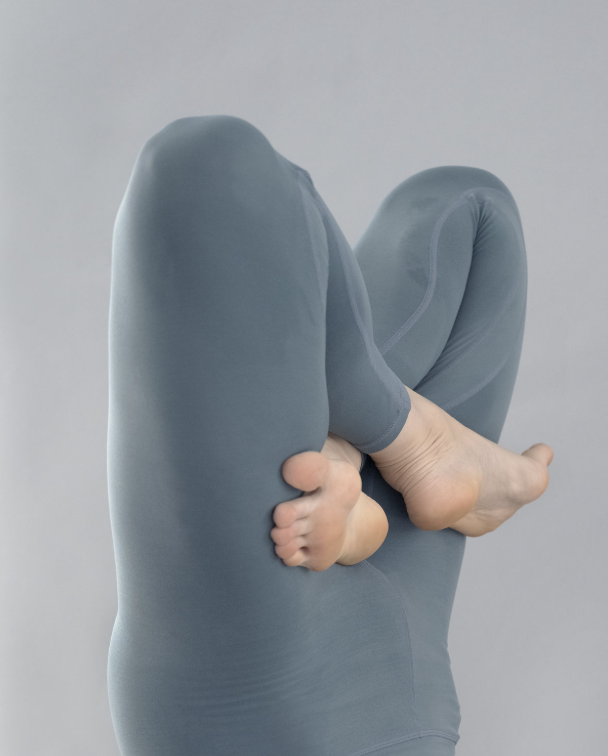
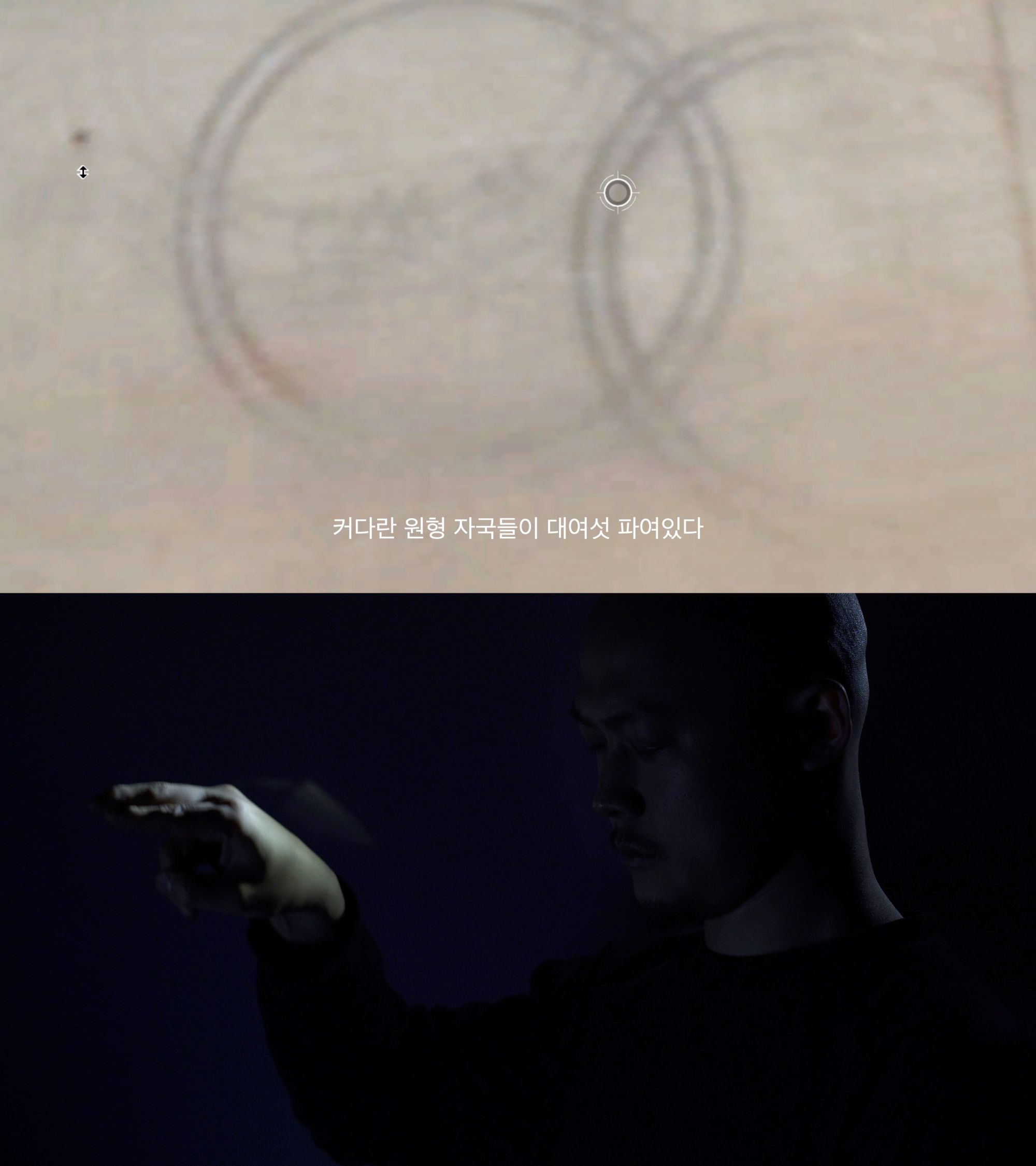
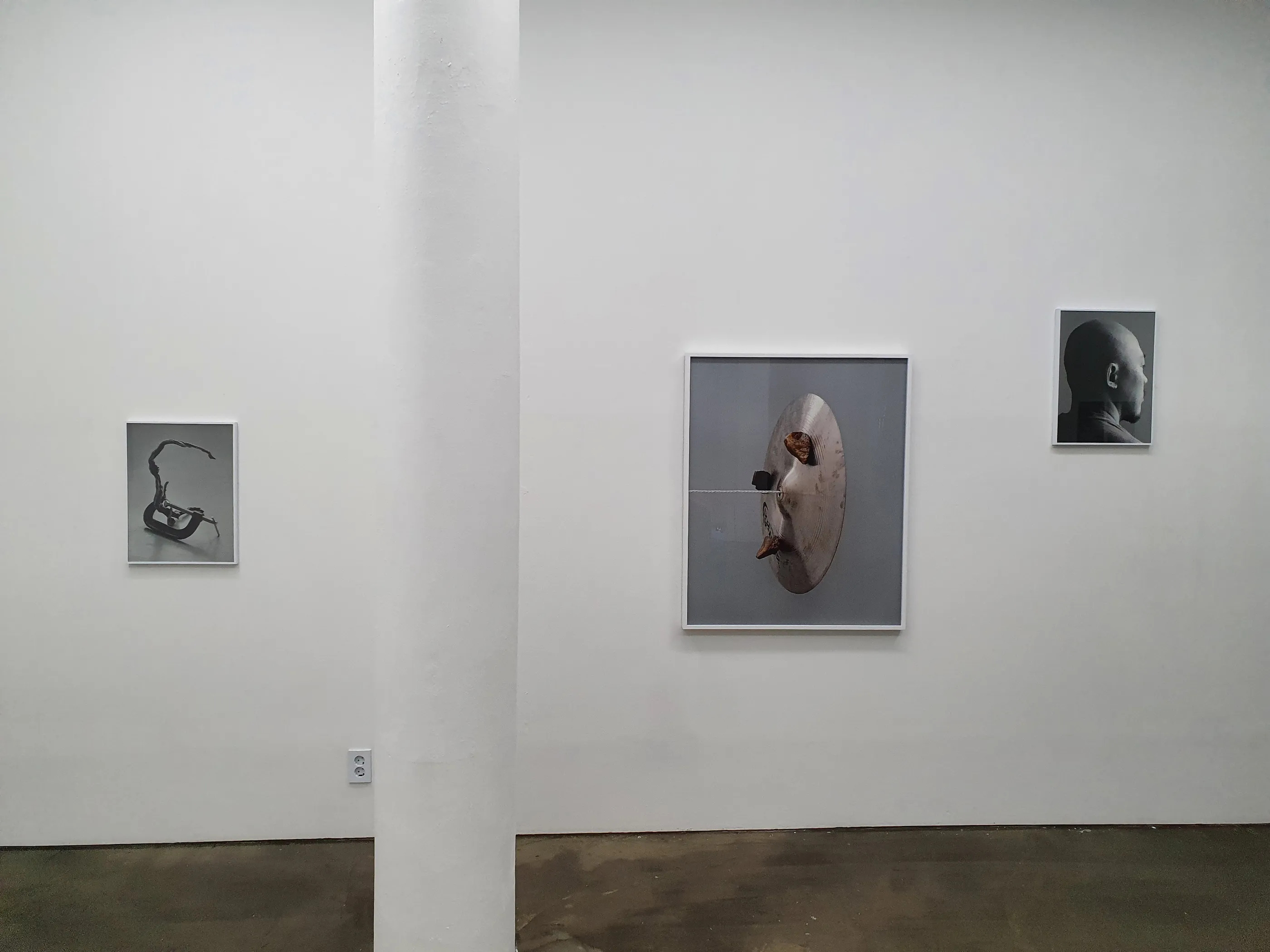
In 《Ghost Motion》, YI explores bodily rhythms
through the relationship between still photographs and moving images. Observing
the bodies of yoga practitioners and musicians, she records subtle movements
occurring between breaths, beats, and repetitive gestures through photography
and video. The shifts between sharpness and blur in Ghost Motion,
Breath evoke afterimages of gestures that appear and disappear in an
instant.
By juxtaposing still and sequential images, YI reveals the passage of
time that cannot be contained within a single photograph, inviting viewers to
sense sounds and vibrations that are invisible to the eye. This approach is
connected to her continuing interest in light, sensation, and shared
experience, also reflected in Grounding, Solidarity of light(2022).
Beginning with the fundamental principle that photographs are created through
contact with light, YI explores the possibility of light functioning as a
sensory medium connecting different bodies and places. During this period, her
practice becomes increasingly concerned not only with what an image depicts but
also with the sensations produced and communicated through the processes of
photographing and viewing.
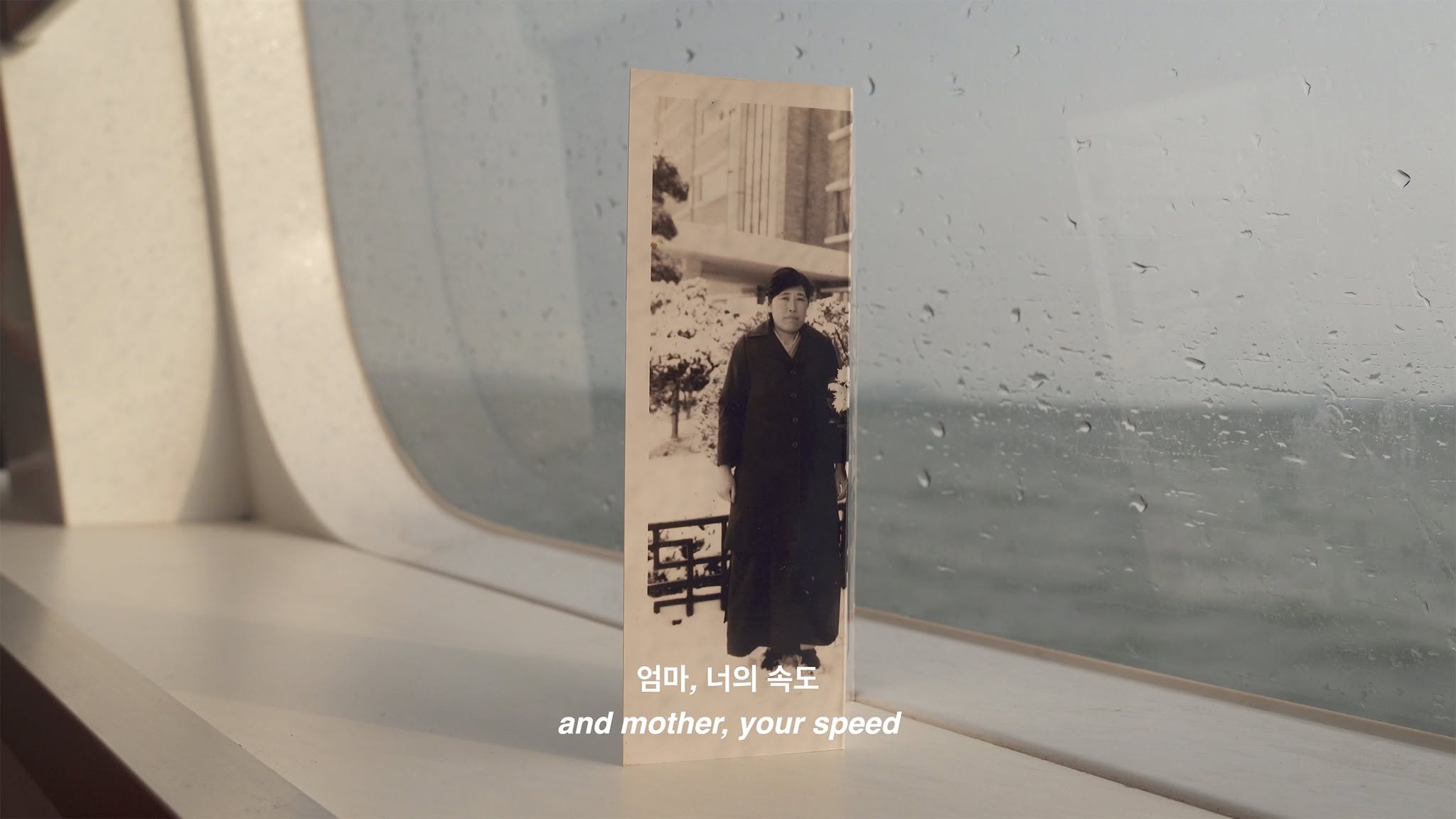
In 《Only the future visits the past》, the
combination of photography, video, and archival materials becomes more
pronounced. The multi-channel video Only the future visits the
past interweaves her mother's memories, the landscapes of Incheon
encountered by the artist in the present, and historical photographs discovered
in local archives, connecting different temporalities and perspectives.
Drawing
on the principles of stereoscopy, which uses the disparity between the two eyes
to produce three-dimensional images, and panoramic photography, in which the
field of vision expands through shifts in viewpoint, YI demonstrates how the
act of seeing itself can become a process of reconstructing time and memory.
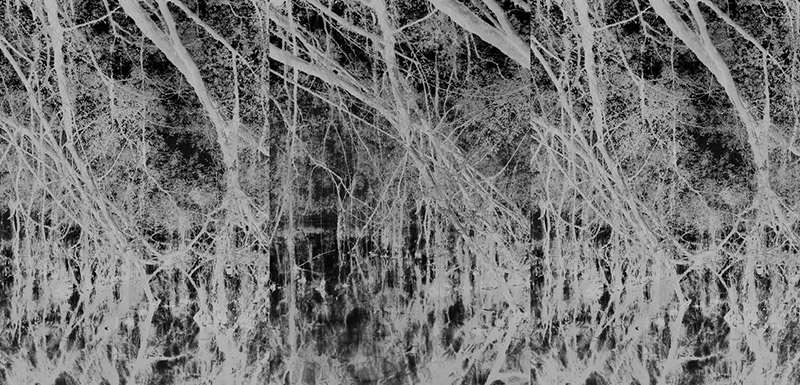
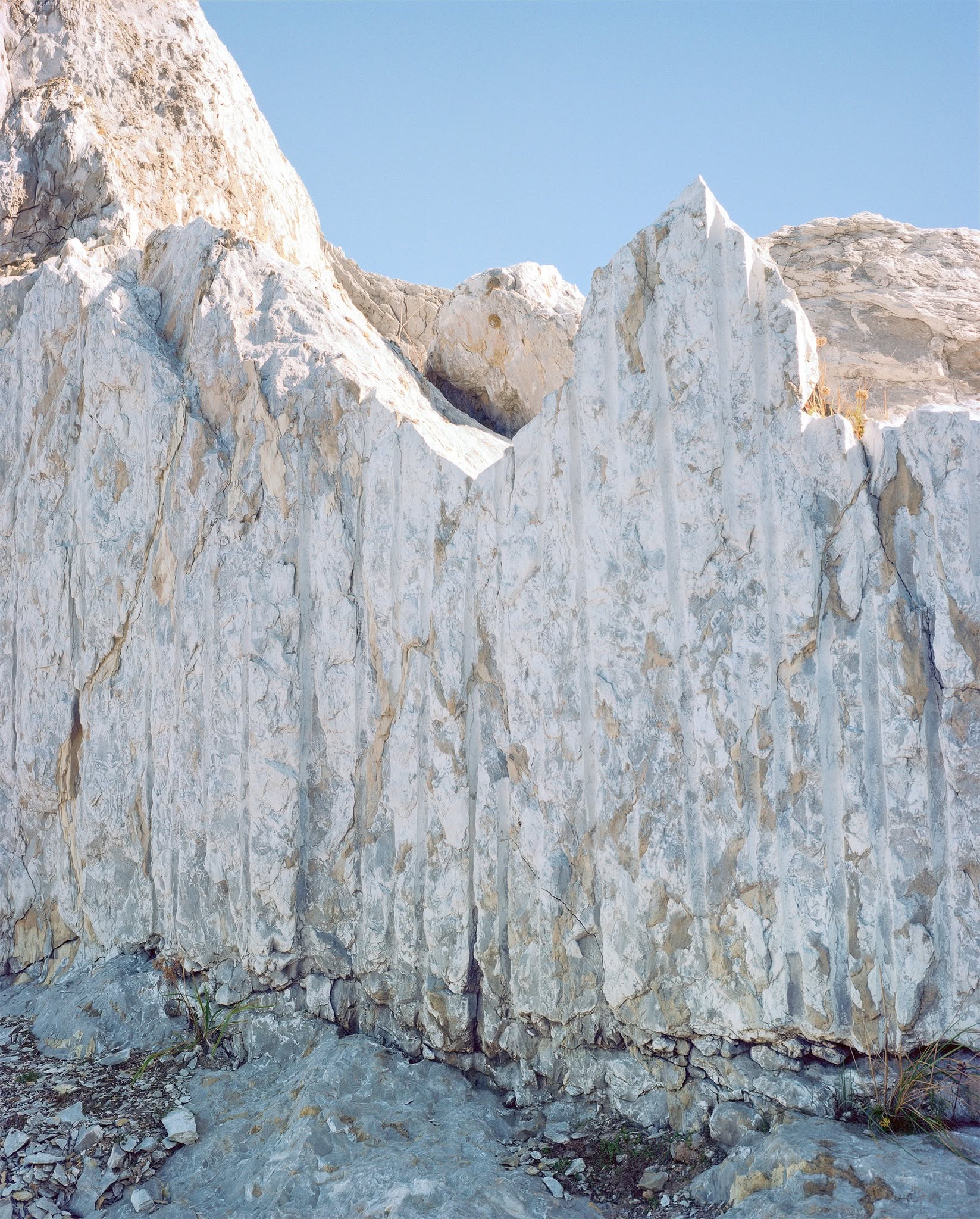
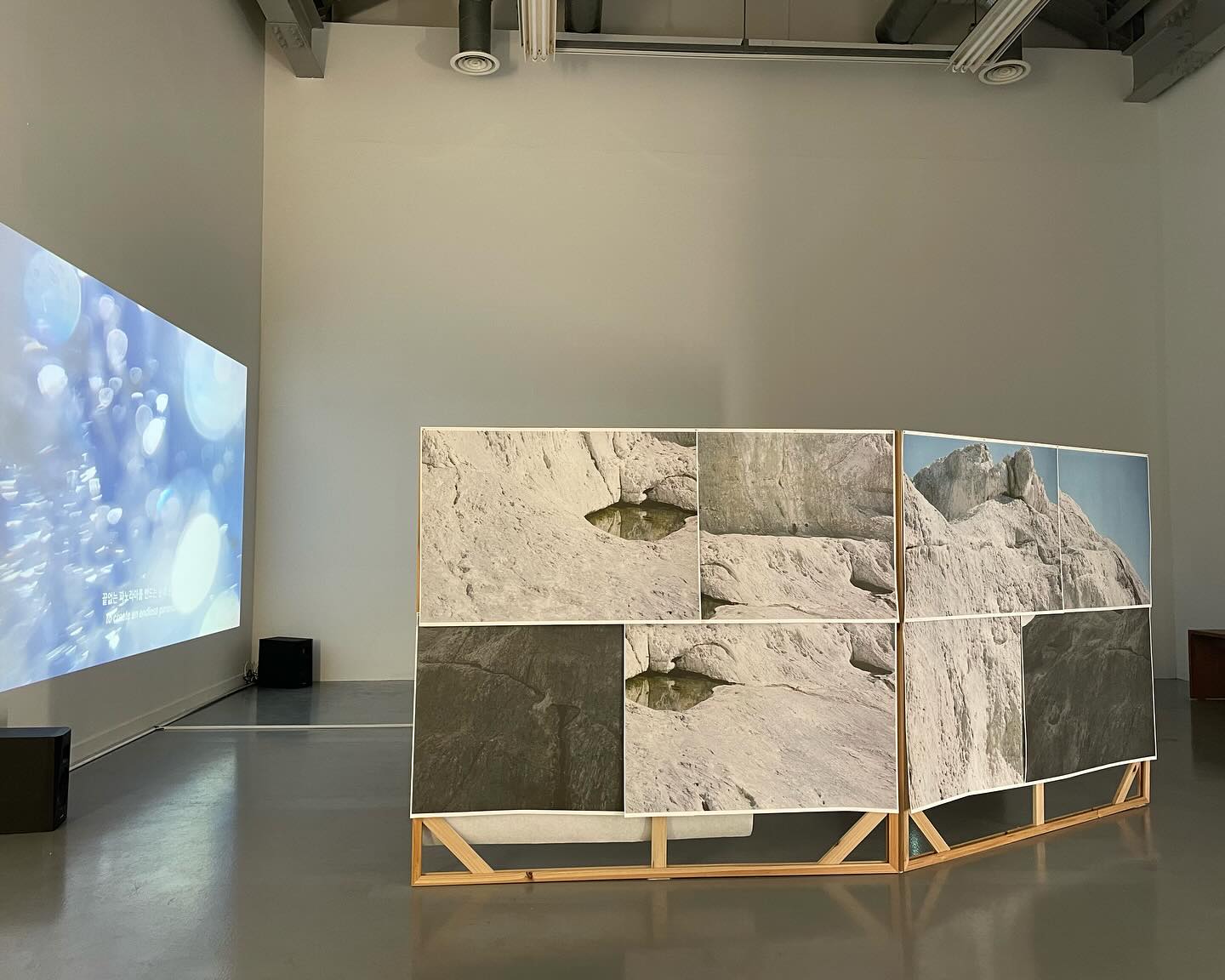
In
‘Moonlight panorama’ and ‘Blue archive’, she photographs the surface of Bunbawi
on Socheongdo Island under changing conditions of light and movement, while
transferring the rock's textures onto paper through frottage.
Moonlight panorama(2024) records the terrain of an actual
place and the changing conditions of light, while inviting viewers to imagine
people navigating by moonlight in the past.
By translating visual landscapes
into tactile traces, YI expands photography beyond the image into a medium
capable of conveying the materiality and temporality of place. This approach
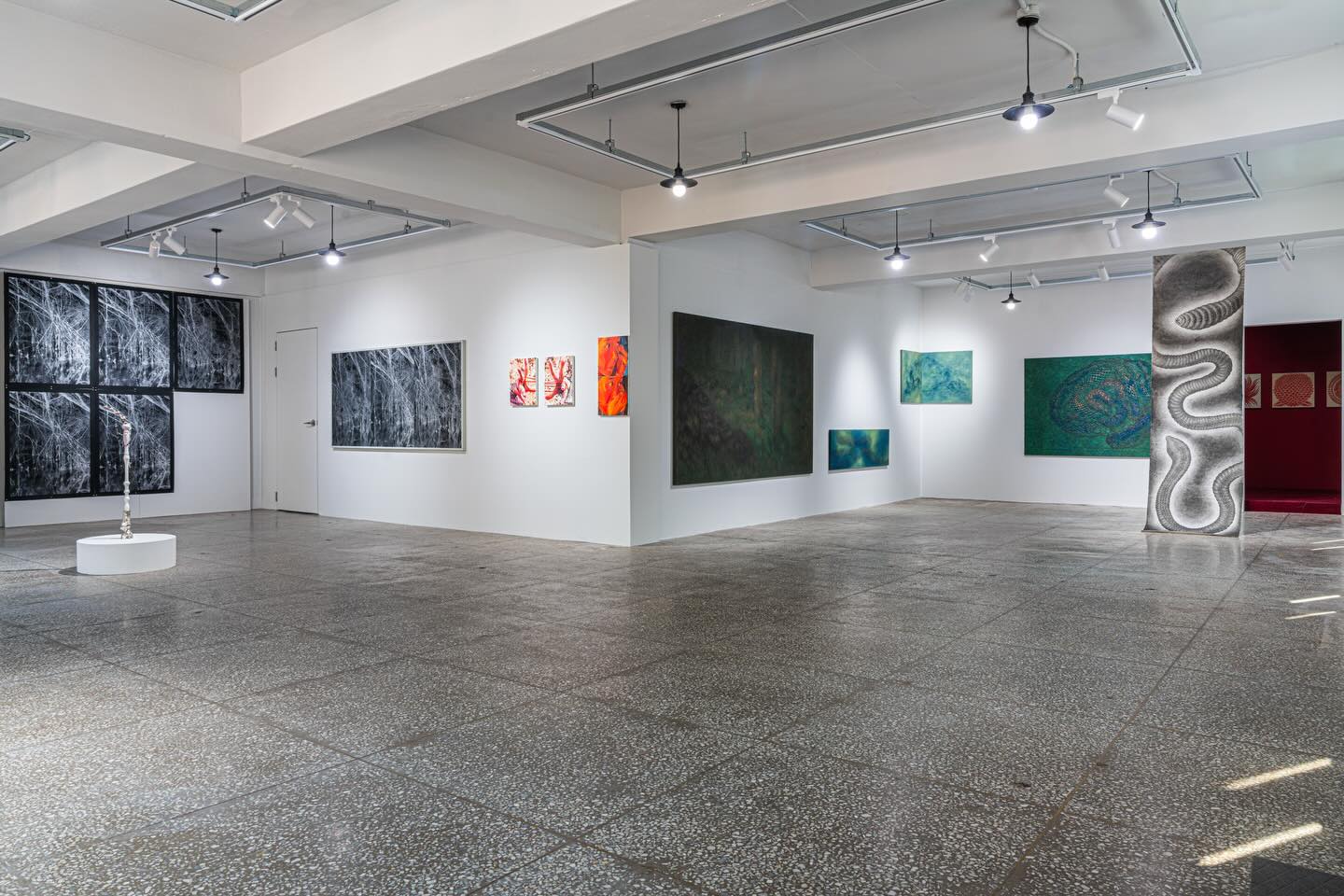
was also presented in 《My Sky Your Sky》(Whistle, Seoul, 2024), giving concrete form to her longstanding
exploration of sight-lag through histories embedded in places and material
sensations.
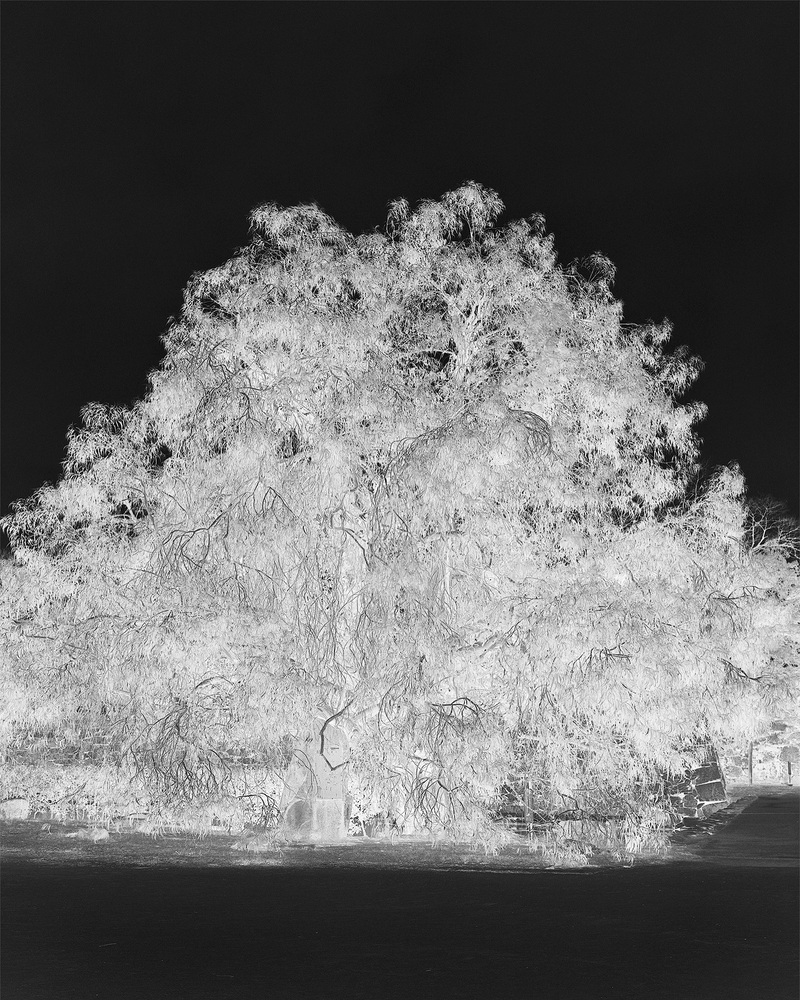
In 《Futurenonfuture》, YI further diversifies her
use of photography's material qualities. Lowland(2024) is a
work that layers the paths of clouds and light with images of tidal flats and
stones along a coastline in eastern Japan marked by memories of disaster.
Produced using silkscreen printing in collaboration with the print production
studio SAA, it brings together different elements of a post-disaster landscape.
Floatsam(2024, working title), created in collaboration with
artist Seongu Lim, combines paper, photography, and objects to develop an
archaeological imagination of remnants of memory that may one day be excavated.
Through the layering of photographs, prints, and objects, these works
materially reveal how multiple times and events accumulate within a single
landscape.
This investigation subsequently extends into the world of
microscopic matter in ‘Silver Screen’ and ‘Fallout, Light, Matter’.
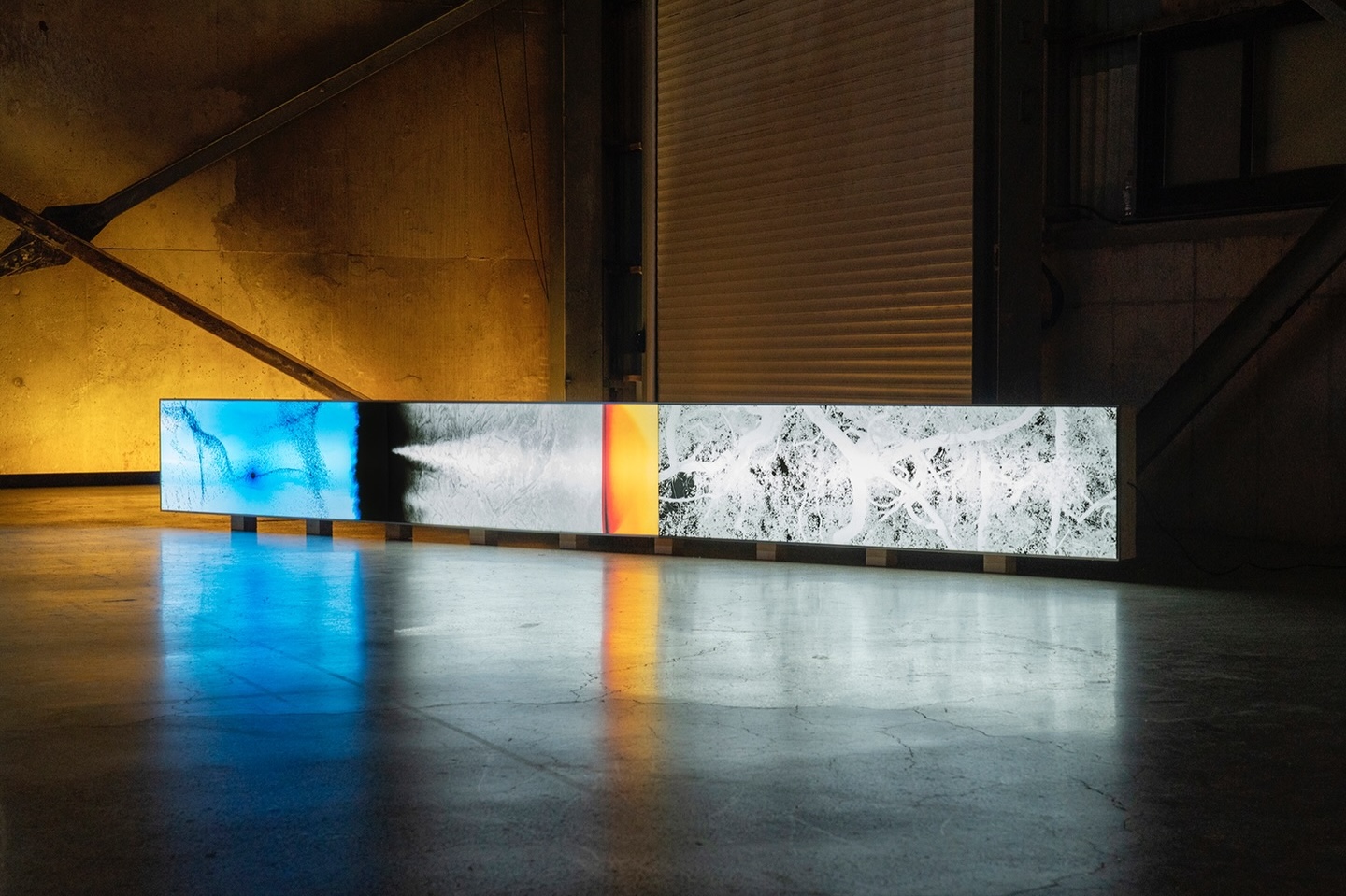
Fallout, light, matter(2025) was produced through screen
printing on paper, while Spectrum(2025) is an installation
combining a light box, pigment prints, and screen prints. Through processes
involving light, photosensitivity, and printing, YI translates invisible traces
of atmospheric dust, minerals in the earth, and substances remaining in the
body into images.
While her early photographs sought to preserve faint scenes
surrounding the absence of a single person, her recent works use the properties
of light, particles, paper, and photographic surfaces to reveal how nature, the
body, and the temporalities of disaster are interconnected.