Black Jaguar (b.1980) - K-ARTIST
Black Jaguar (b.1980)

Black Jaguar graduated from the Department of Fine Arts at Honam University. Currently based in Seoul, she has worked primarily in performance since 2007 to explore marginalized identities in Korean society and the possibilities of solidarity.

Solo Exhibitions (Brief)

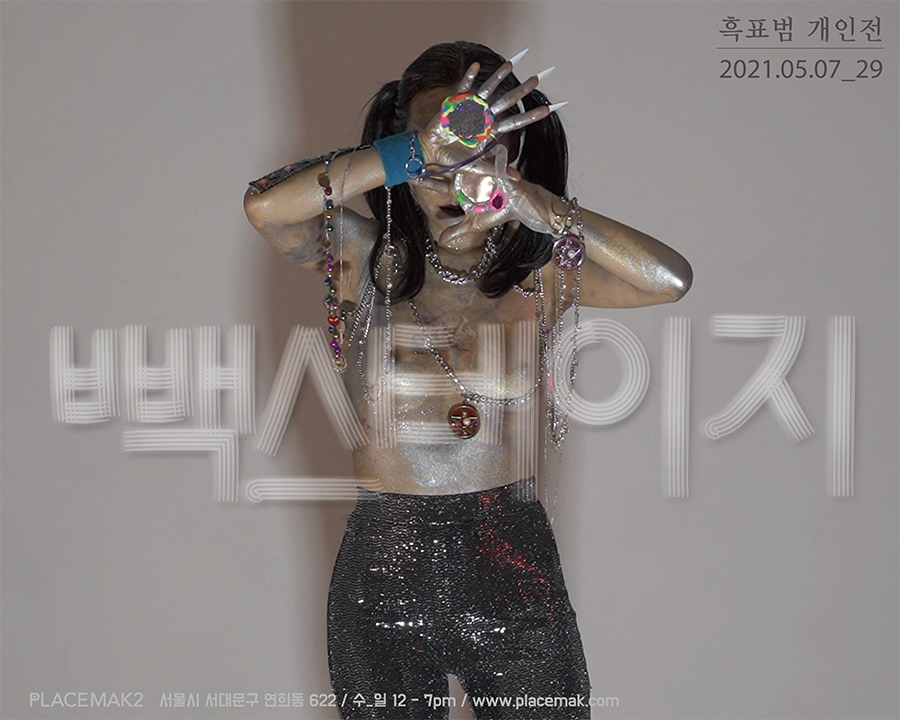
Black Jaguar has held solo exhibitions at A-Lounge Contemporary (2025, Seoul), TentotheN (2023, Seoul), Space Bisugi (2022, Jeju), PLACEMAK2 (2021, Seoul), Somos Art House (2019, Berlin), and Space XX (2017, Seoul).

Group Exhibitions (Brief)

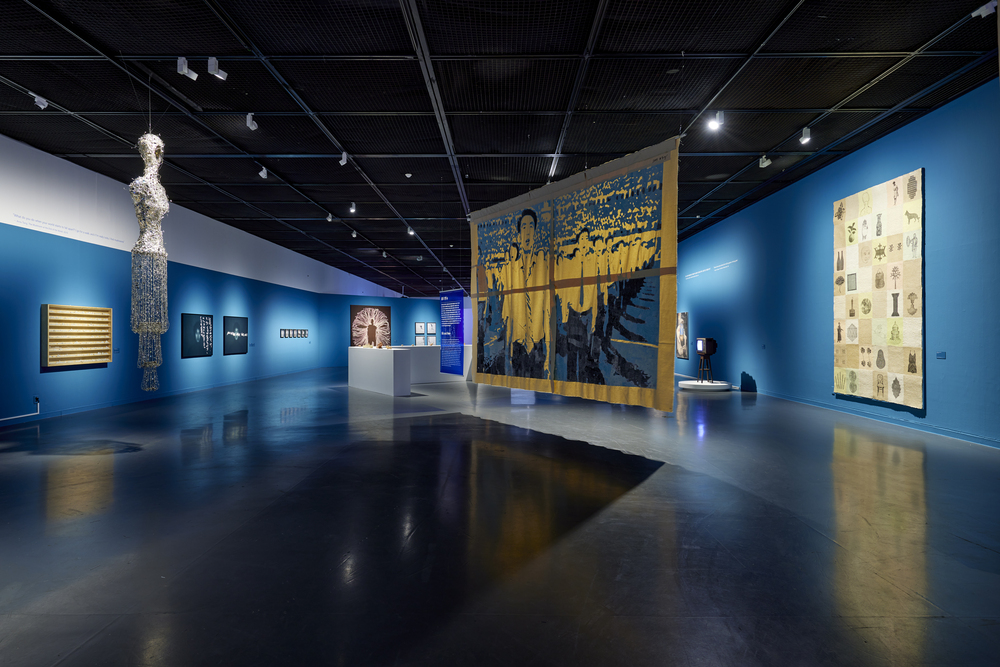
Black Jaguar has participated in group exhibitions at Millennium Film Workshop (2025, New York), Total Museum of Contemporary Art (2025, Seoul), Seoul Museum of Art, Seosomun Main Building (2024, Seoul), Esther Schipper (2024, Seoul), Insa Art Space (2019, Seoul), Sungkok Art Museum (2014, Seoul), and Gwangju Museum of Art (2005, Gwangju).

Residencies (Selected)

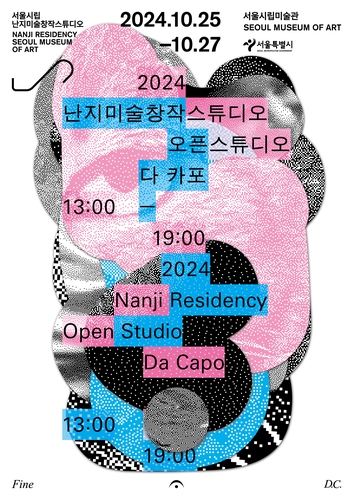
Black Jaguar has participated in artist residency programs at K-ARTS Creative Studio (2026, Seoul), SeMA Nanji Residency (2024, Seoul), and the SomoS Berlin International Artist Residency (2019, Berlin).

Collections (Selected)

Black Jaguar's works are held in the collections of the Seoul Museum of Art and Gwangju Museum of Art, and other works have been selected for the Korean Film Archive's independent film archiving project.

Works of Art

Art Reviving the Forgotten and Overlooked

Originality & Identity

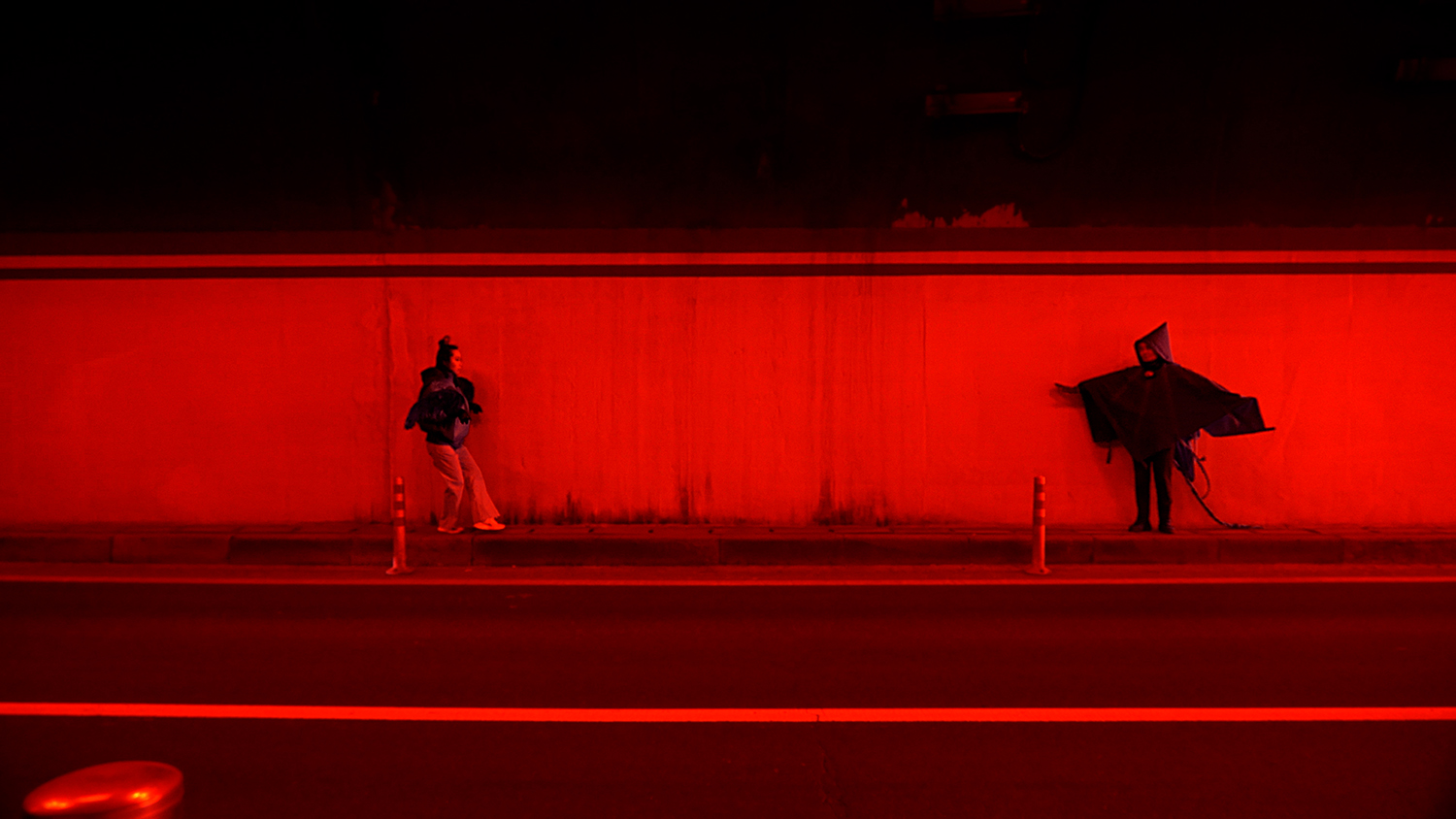
Black Jaguar's artistic practice brings into view those who have been erased or excluded from narratives of historical violence and collective memory in Korean society, exploring the intersections between individual bodies and social events. Beginning in 2007, the artist's performance practice evolved from expressing oppression and suffering through the artist's own body toward reactivating memories of state violence and social tragedies in the present.

Works such as Bath at Noon (2011), performed at a historic site of the May 18 Democratization Movement, Seven Clocks (2013), which portrays the disfigured faces of victims as though restoring them, and 《VEGA》 (2016), which addresses the grief of families bereaved by the Sewol ferry disaster, reflect these concerns. For Black Jaguar, art is a means of confronting individual lives omitted from official histories and social discourses, bringing the voices of forgotten beings back into the realm of present experience.

From the mid-to-late 2010s, these concerns expanded into an exploration of marginalized identities, including women, queer people, and migrants. Black Jaguar questions how patriarchy and social norms construct certain bodies and identities as others, seeking to subvert the images and language of hatred produced through these processes.

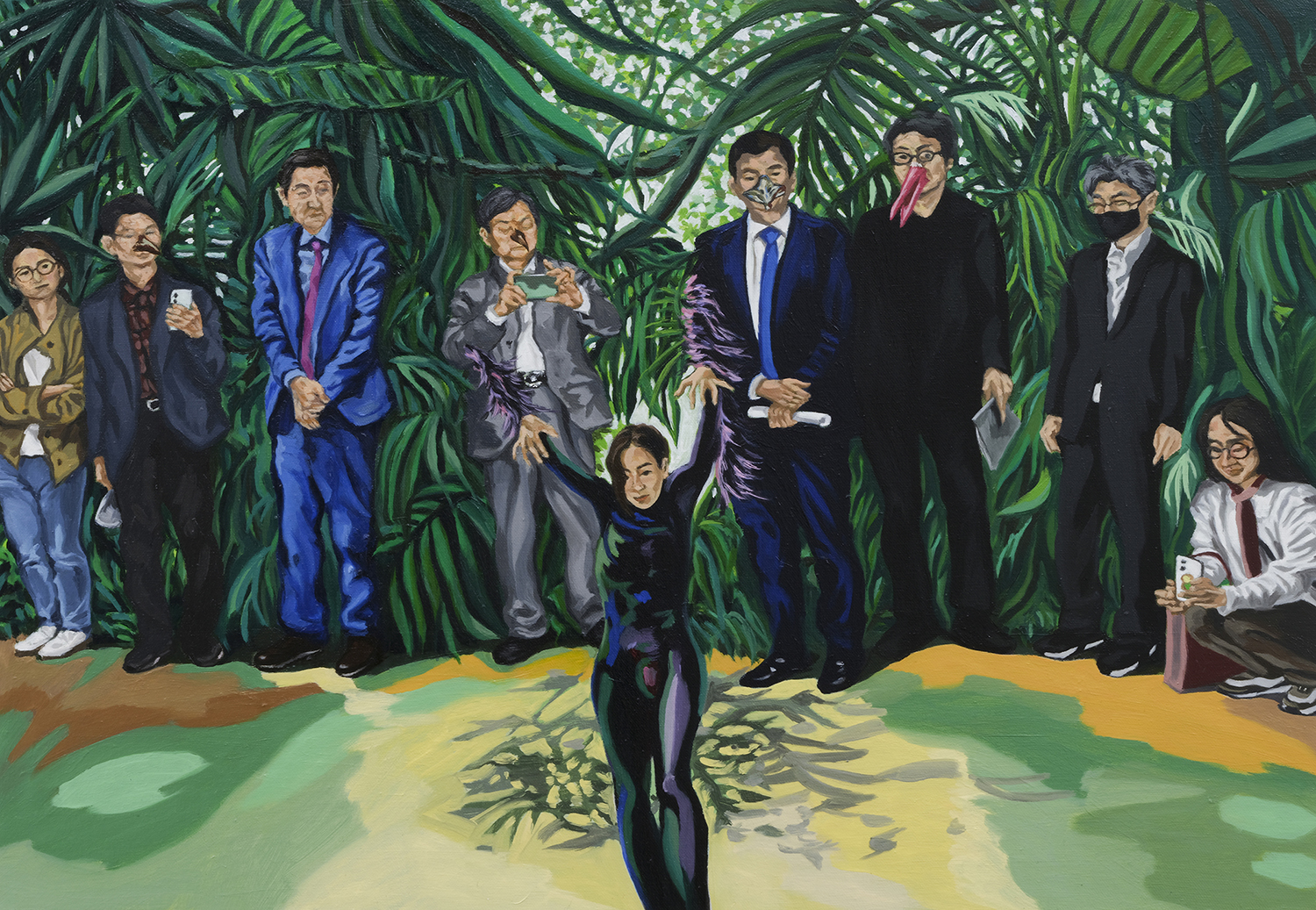
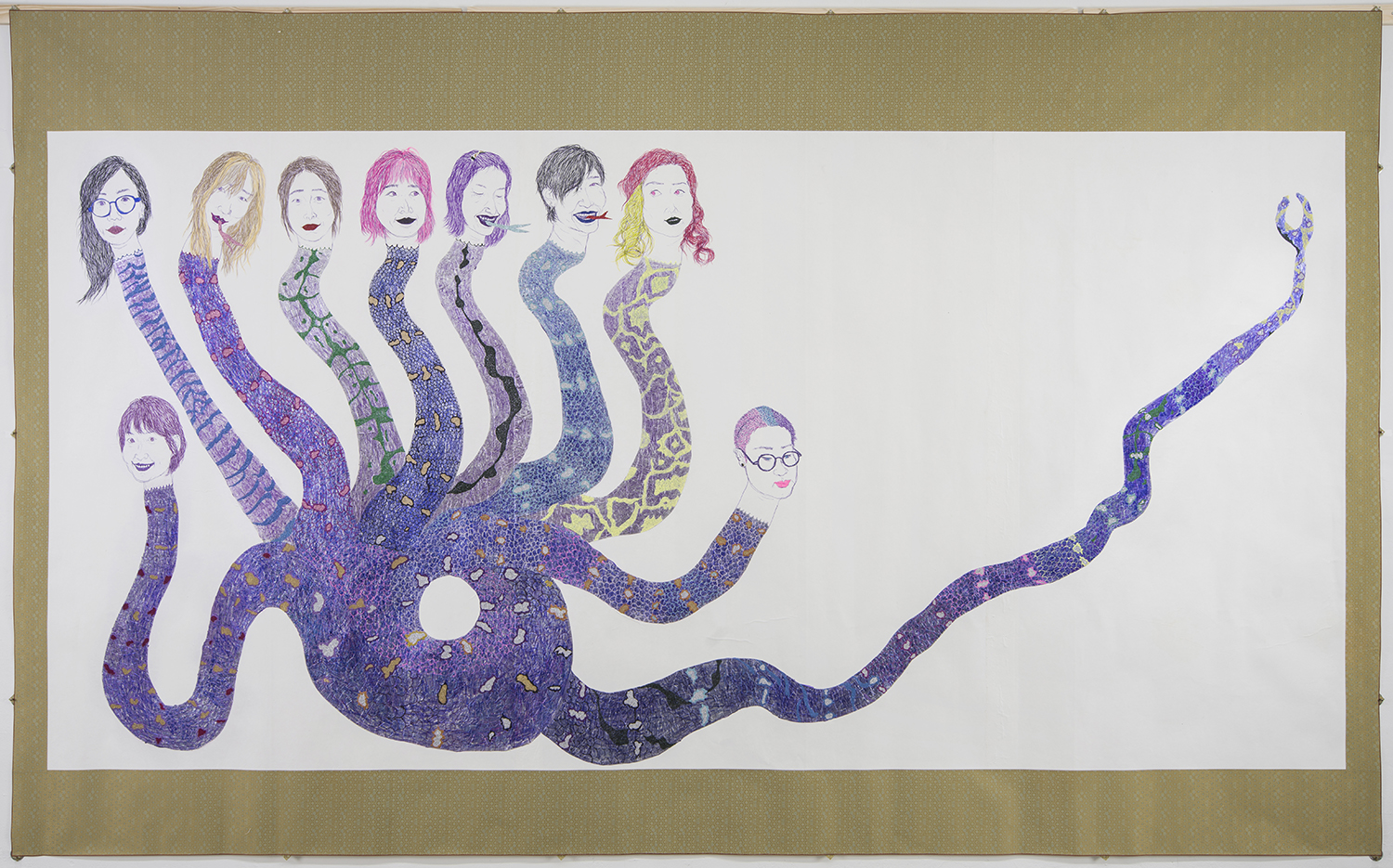
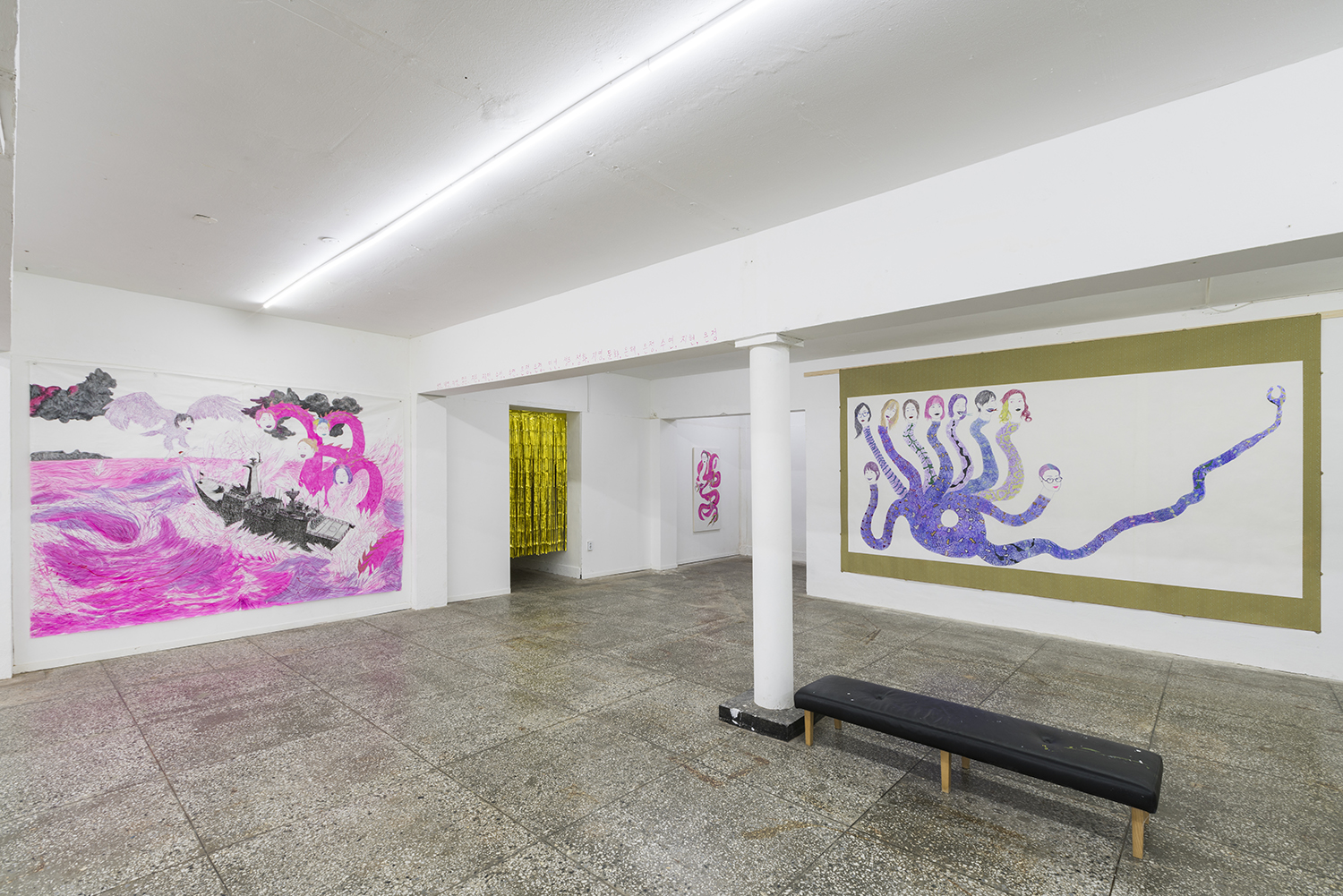
In 《Sunyoung, Miyoung, Mi young》 (2017), the artist combines the faces of ordinary women with the bodies of monsters from ancient mythology, transforming representations of monstrosity and inferiority historically imposed upon women into possibilities for new forms of existence. Here, the monster is not merely an object of fear or exclusion, but a figure that suggests the possibility of coexistence among different lives and identities beyond socially prescribed boundaries of normality.

In Black Jaguar's practice, solidarity does not mean erasing differences or merging into a single collective identity, but rather building relationships through the recognition of each individual's distinct experiences and vulnerabilities. This approach also extends to ecological concerns that explore relationships between human and nonhuman beings.

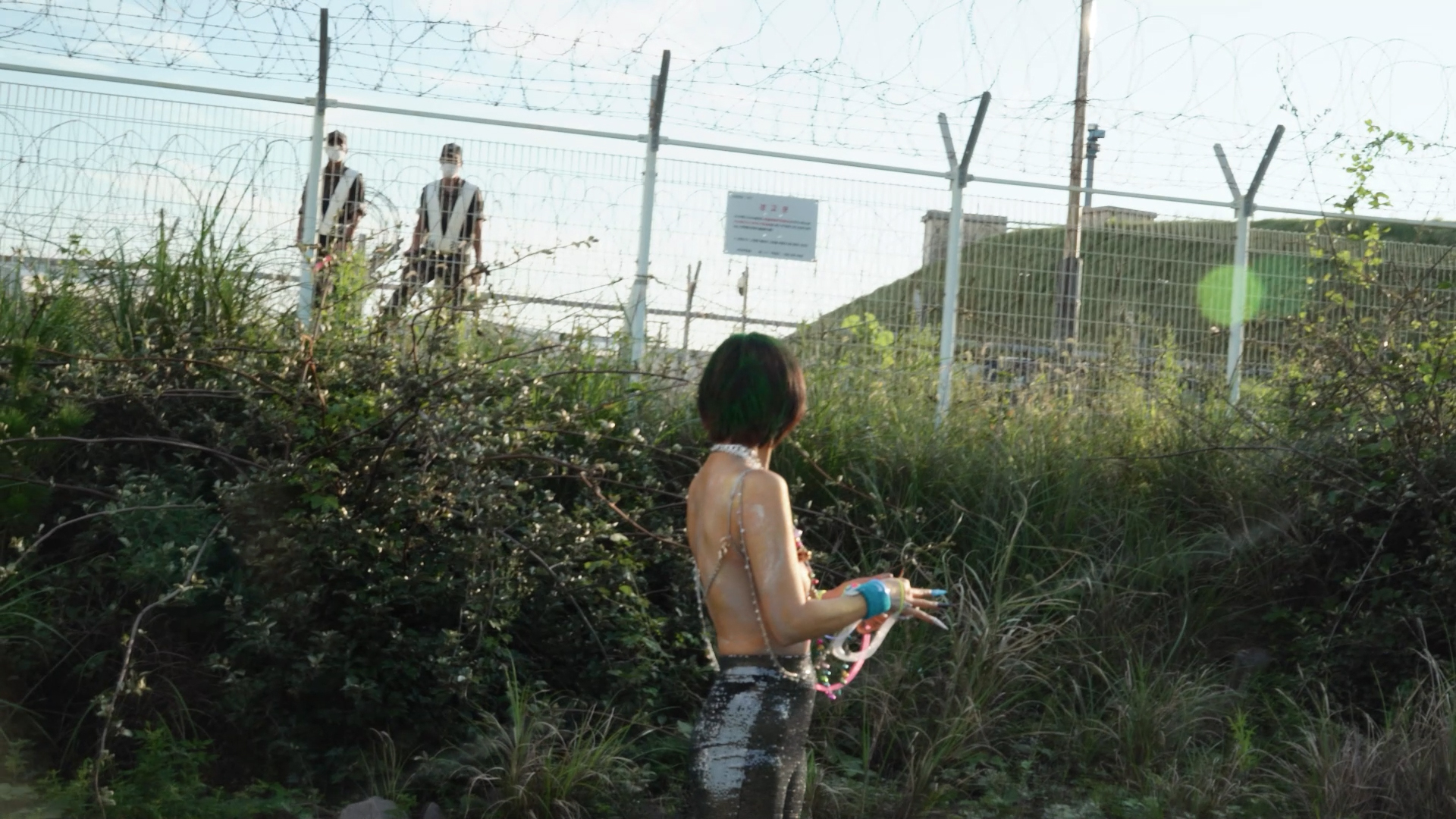
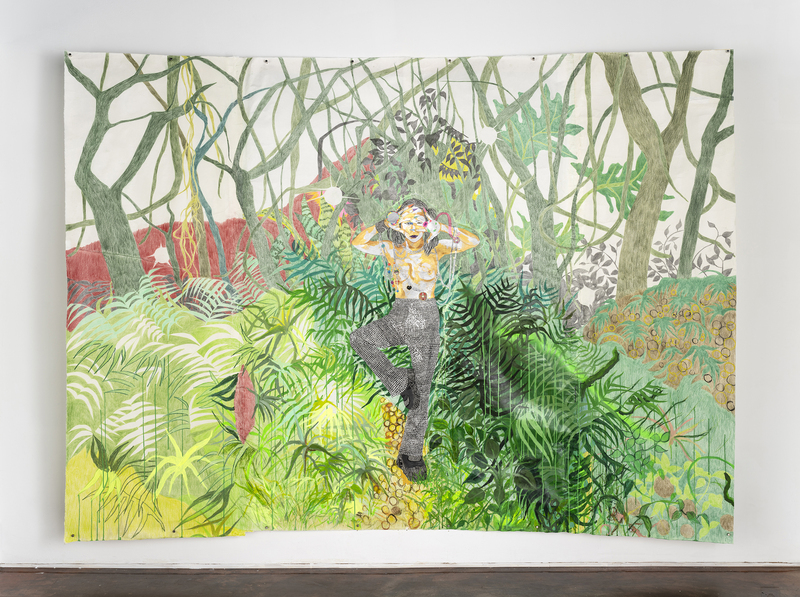
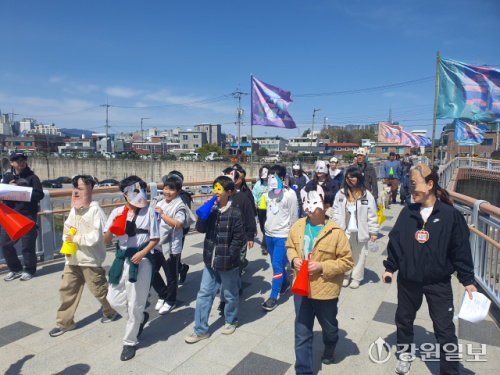
Set in Gangjeong Village on Jeju Island, 《Uninvited》 (2022) examines the relationships among women activists, the artist, and nonhuman life, including soft corals, in a place where militarism, patriarchy, and conflicts within the local community intersect. Rather than unilaterally speaking for or objectifying others, the artist explores ways of forming relationships through intimacy, friendship, interdependence, and care. Solidarity is thus presented not as the ideal of a fully realized community, but as an ongoing practice of encounter and mutual response among different beings.

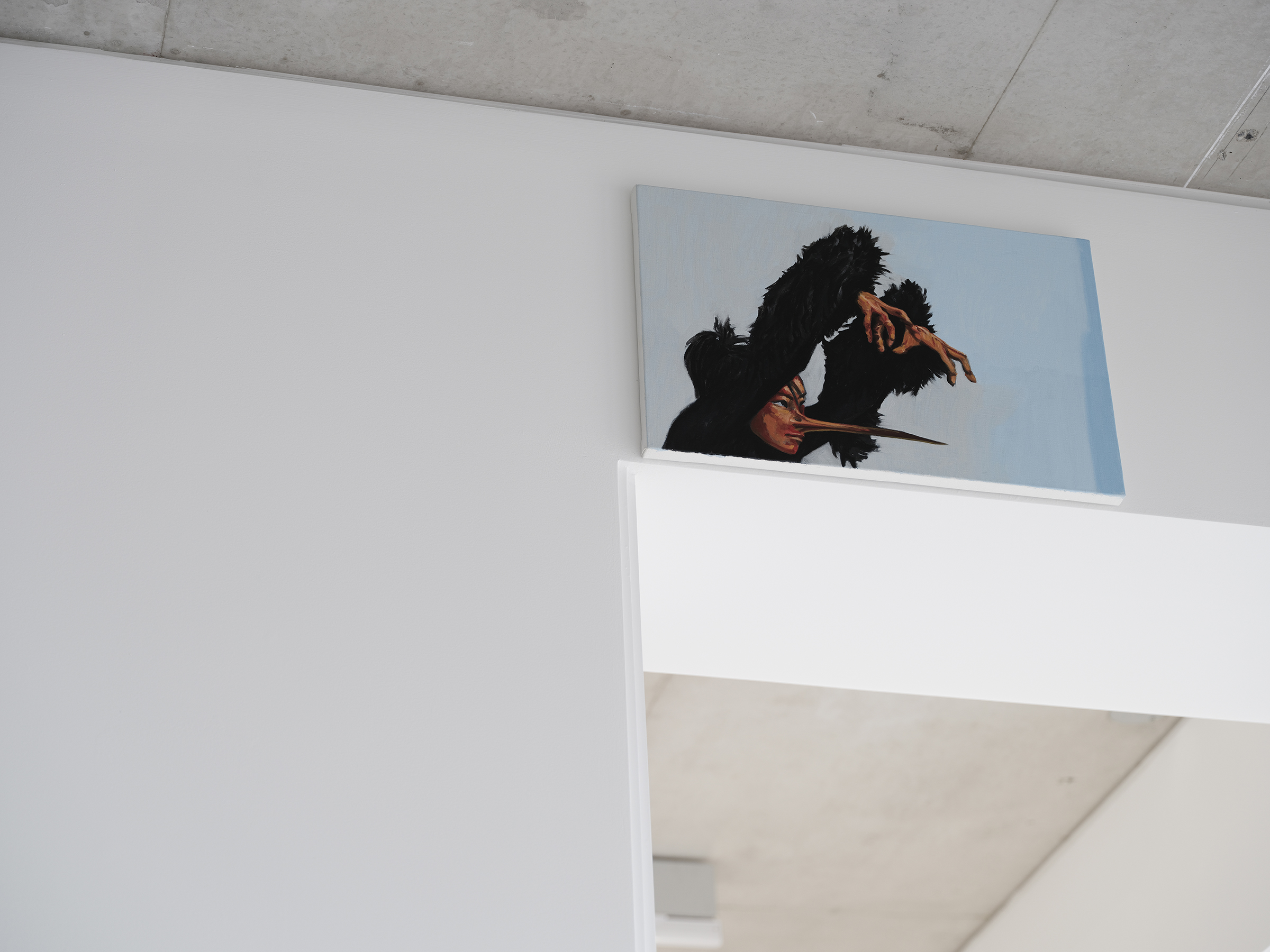
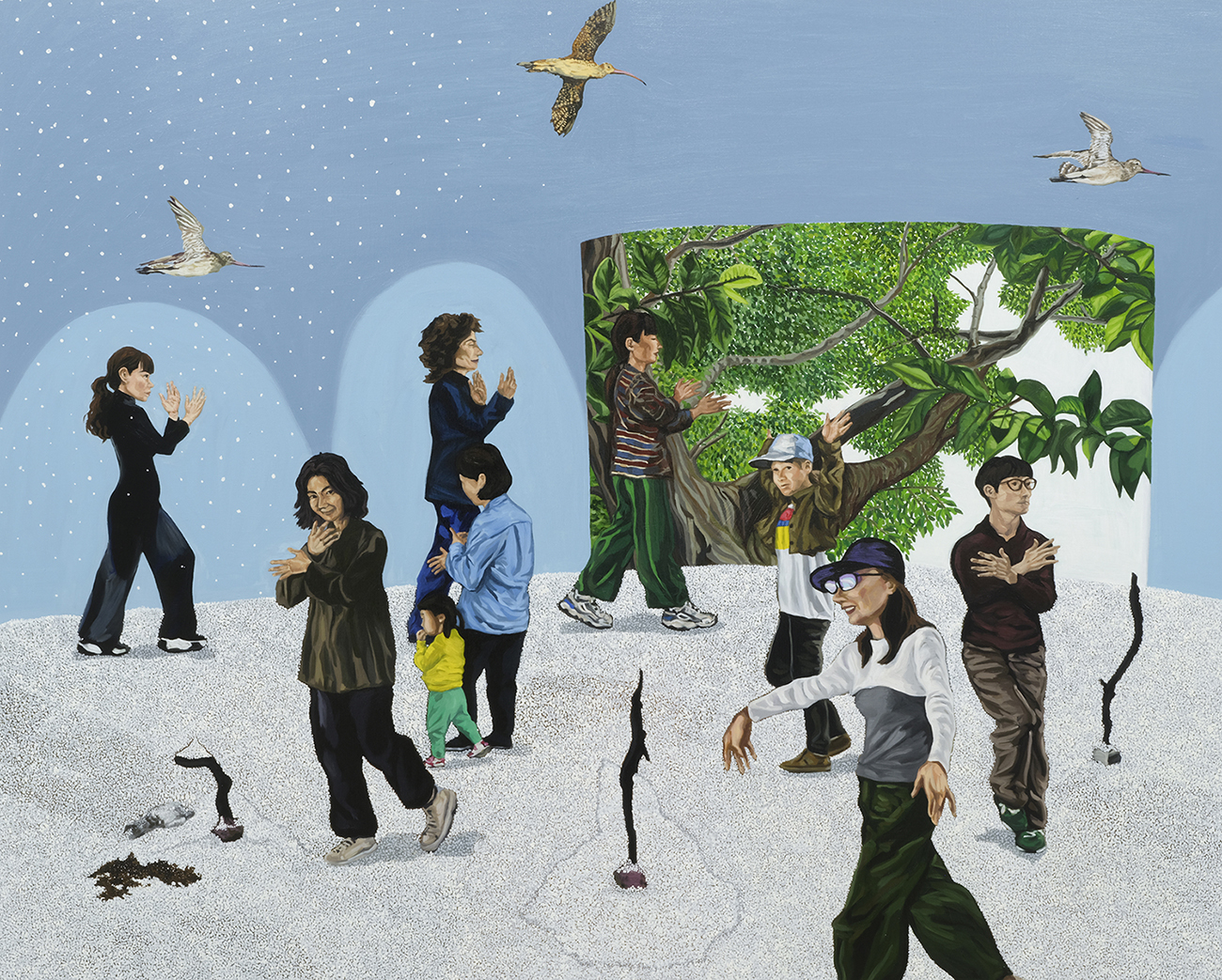
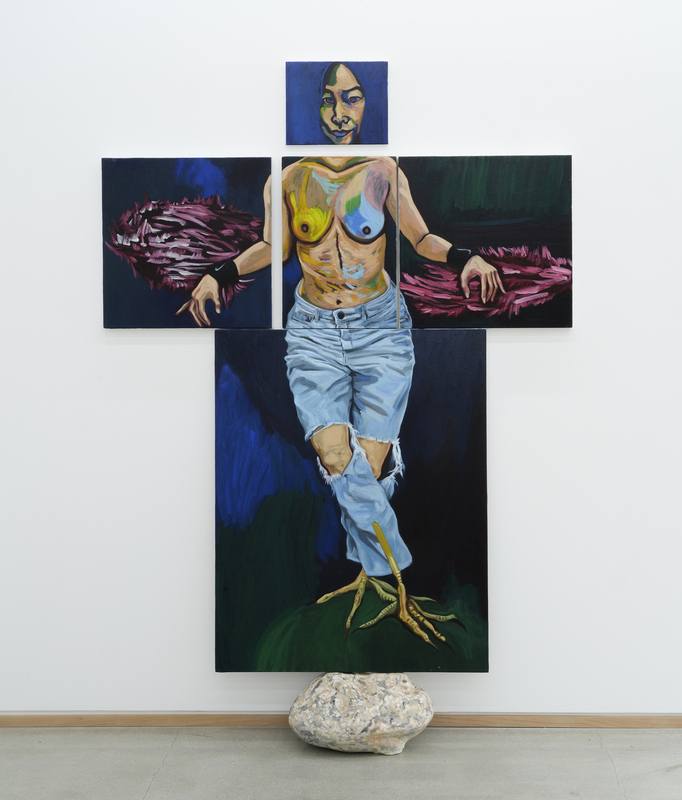
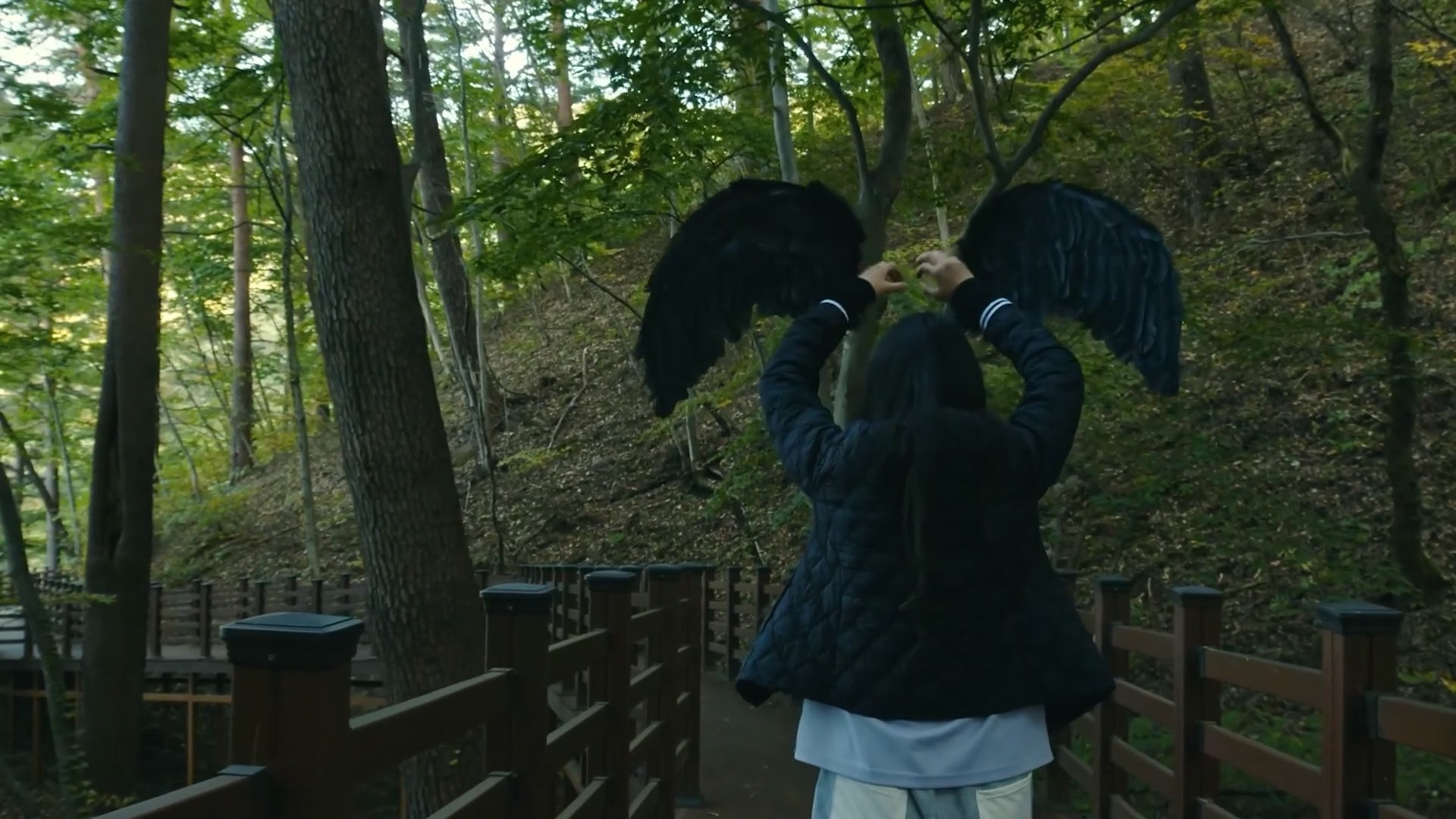
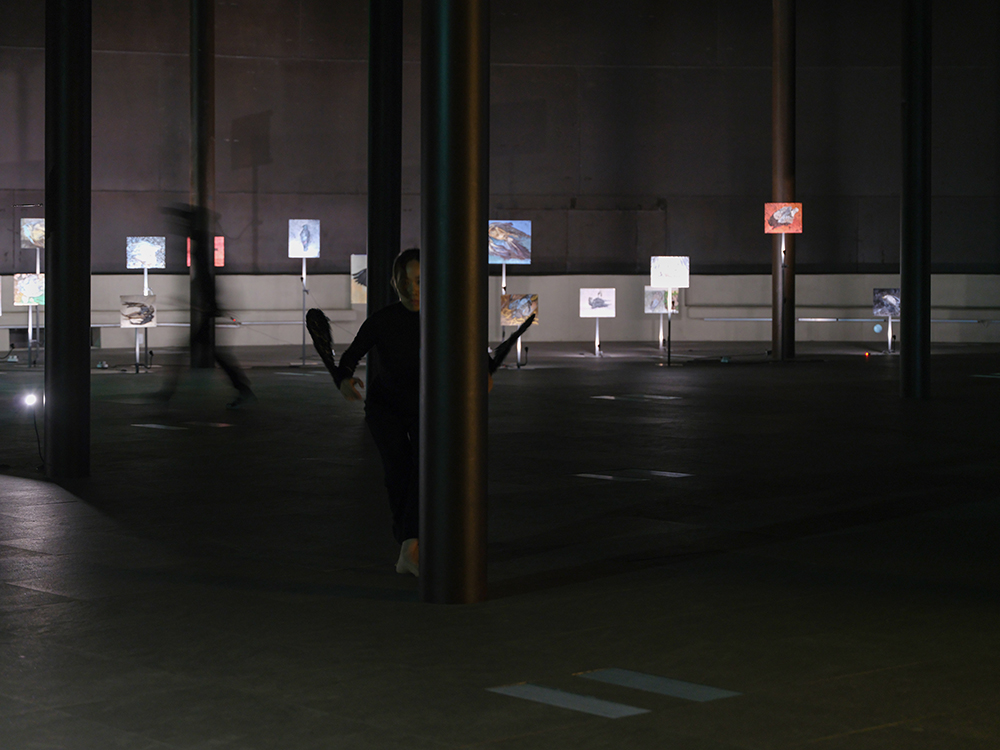
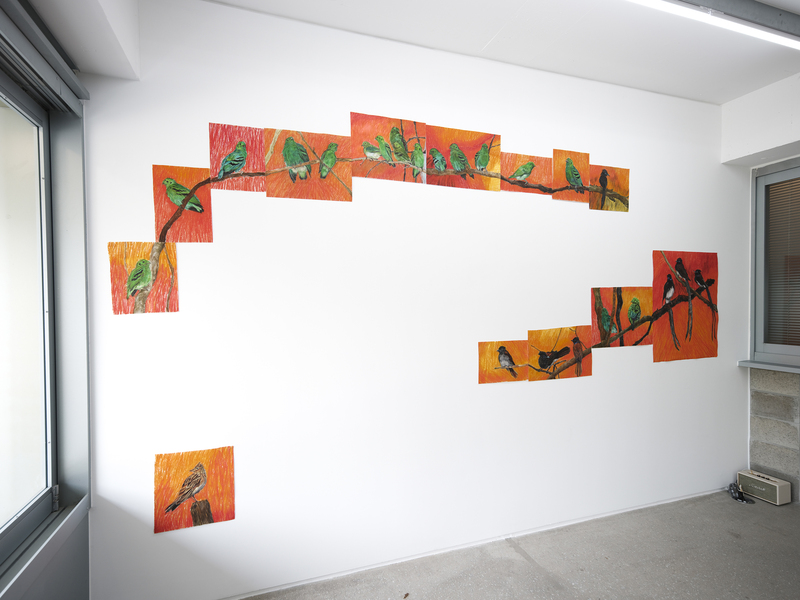
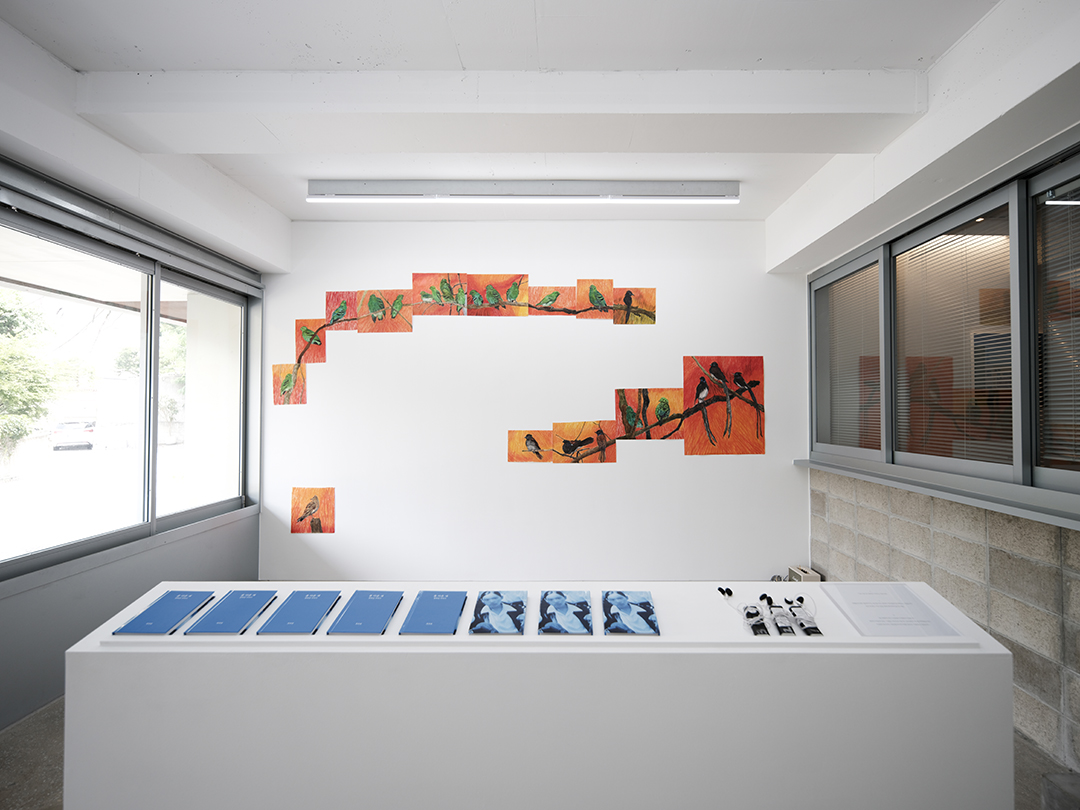
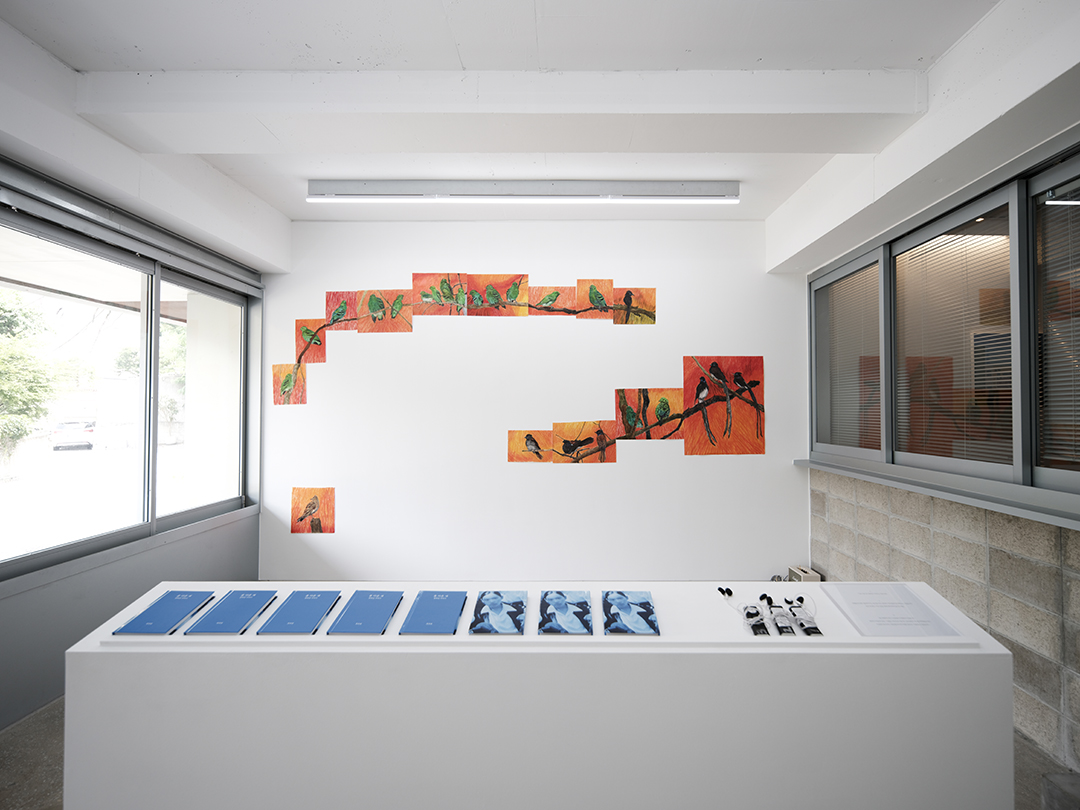
More recently, these concerns have turned toward the artist's own life and family history, deepening the exploration of memory and mourning. Taking the death of the artist's mother and personal experiences as its starting point, 《An Odd Bird》 (2025) connects the vulnerability of socially marginalized individuals with that of nonhuman beings deprived of their habitats. The bird in the exhibition serves both as a symbol of loss and exclusion and as a figure through which to imagine the possibility of wounded beings remaining alongside one another and finding ways to live again.

Rather than reducing the suffering of others to personal experience or claiming to understand it too readily, Black Jaguar considers how relationships can be sustained while respecting the differences and distances between individuals. In this way, mourning extends beyond remembering those who have disappeared to become a practice of mutual care, hospitality, and the continuation of life.

Style & Contents

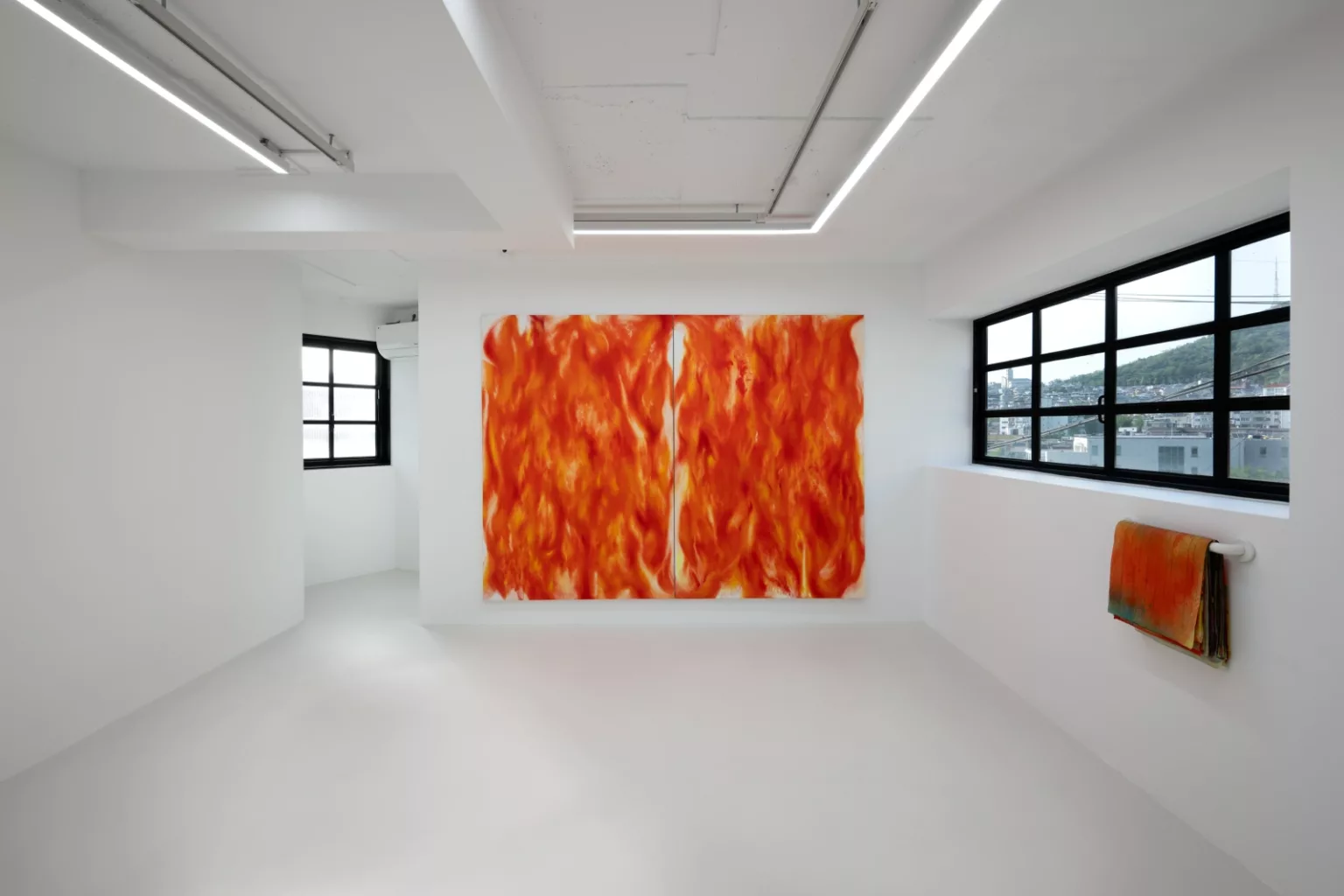
Black Jaguar has worked across a wide range of media, including performance, painting, drawing, video, installation, and publishing, exploring how bodies, images, and records interact with one another. In the artist's early practice, the body served both as a means of directly expressing social oppression and personal suffering and as a primary artistic material. Beginning in 2007, the 'Pain' series employed everyday yet unsettling substances such as paint, flour, raw fish, and food waste on the body and within performance spaces, creating visceral sensory confrontations.

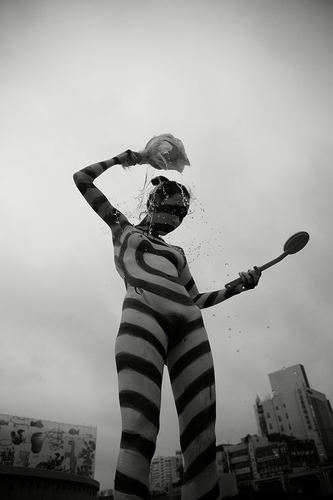
In contrast, Bath at Noon (2011) marked a shift toward a more restrained form of expression, consisting of the simple act of washing a body painted with a black target using soap and water. By connecting these bodily actions to the histories of specific sites and encouraging audiences to document and circulate performances online, Black Jaguar allowed the works to generate new meanings beyond their immediate locations.

In Black Jaguar's practice, performances do not end as ephemeral actions but extend into painting, video, and installation through processes of documentation and reconstruction. Seven Clocks (2013) transforms historical records into material expressions of mourning by attaching photographs of victims of the May 18 Democratization Movement to old wall clocks and covering the damaged parts of their bodies with oil paint and gemstones.

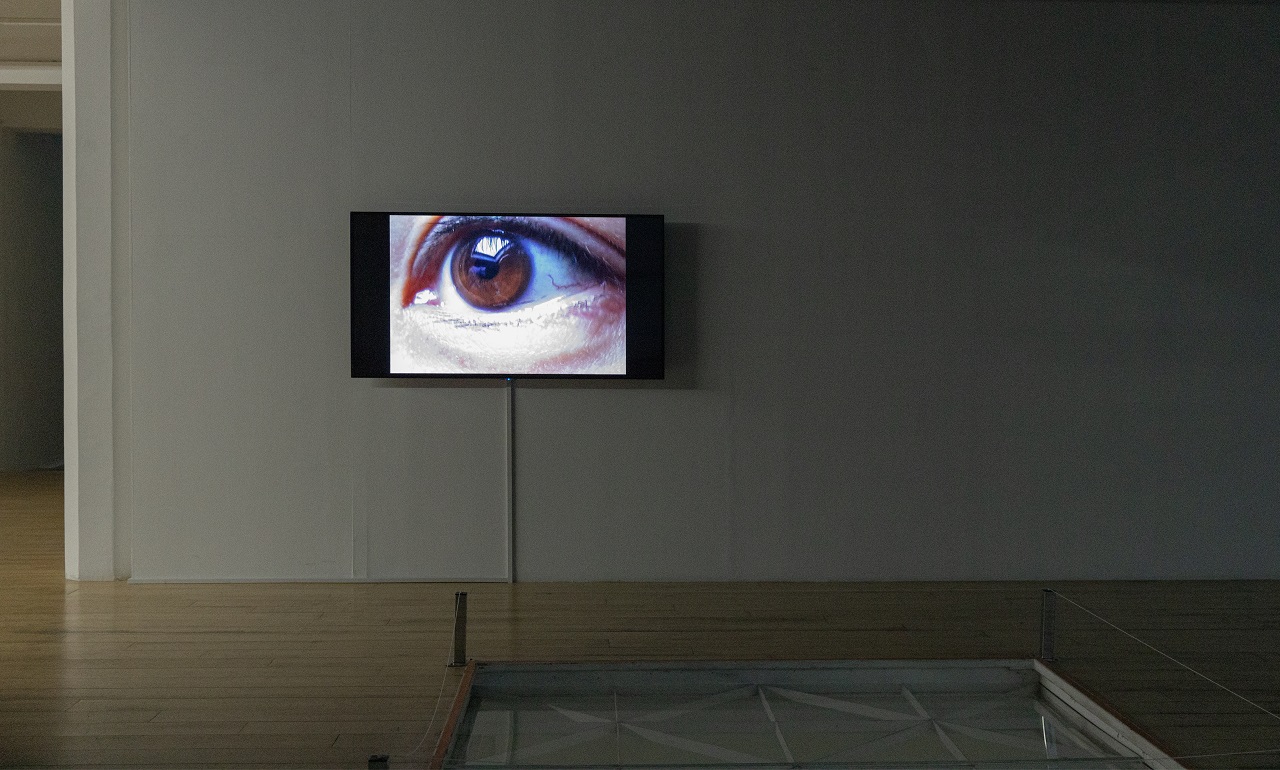
In 《VEGA》 (2016), the artist presented interview videos and belongings associated with families bereaved by the Sewol ferry disaster, alongside objects such as hemp cloth and pebbles, incorporating the artist's own commemorative performance. By placing archival materials and everyday objects within new contexts, Black Jaguar constructs exhibitions that allow past events to be experienced anew in the present. Each medium functions as an independent artistic form while simultaneously contributing to a layered sensory experience of a shared event or memory.

In painting and drawing, Black Jaguar has developed an approach that combines representational imagery with symbolism and narrative. In 《Sunyoung, Miyoung, Mi young》 (2017), the artist created hybrid figures on Korean paper, combining the faces of actual women with the bodies of mythological beings such as serpents, birds, and dragons. The process of listening to the women's stories and sharing their dreams informed the creation of these works, while the resulting portraits move between real individuals and imagined beings.

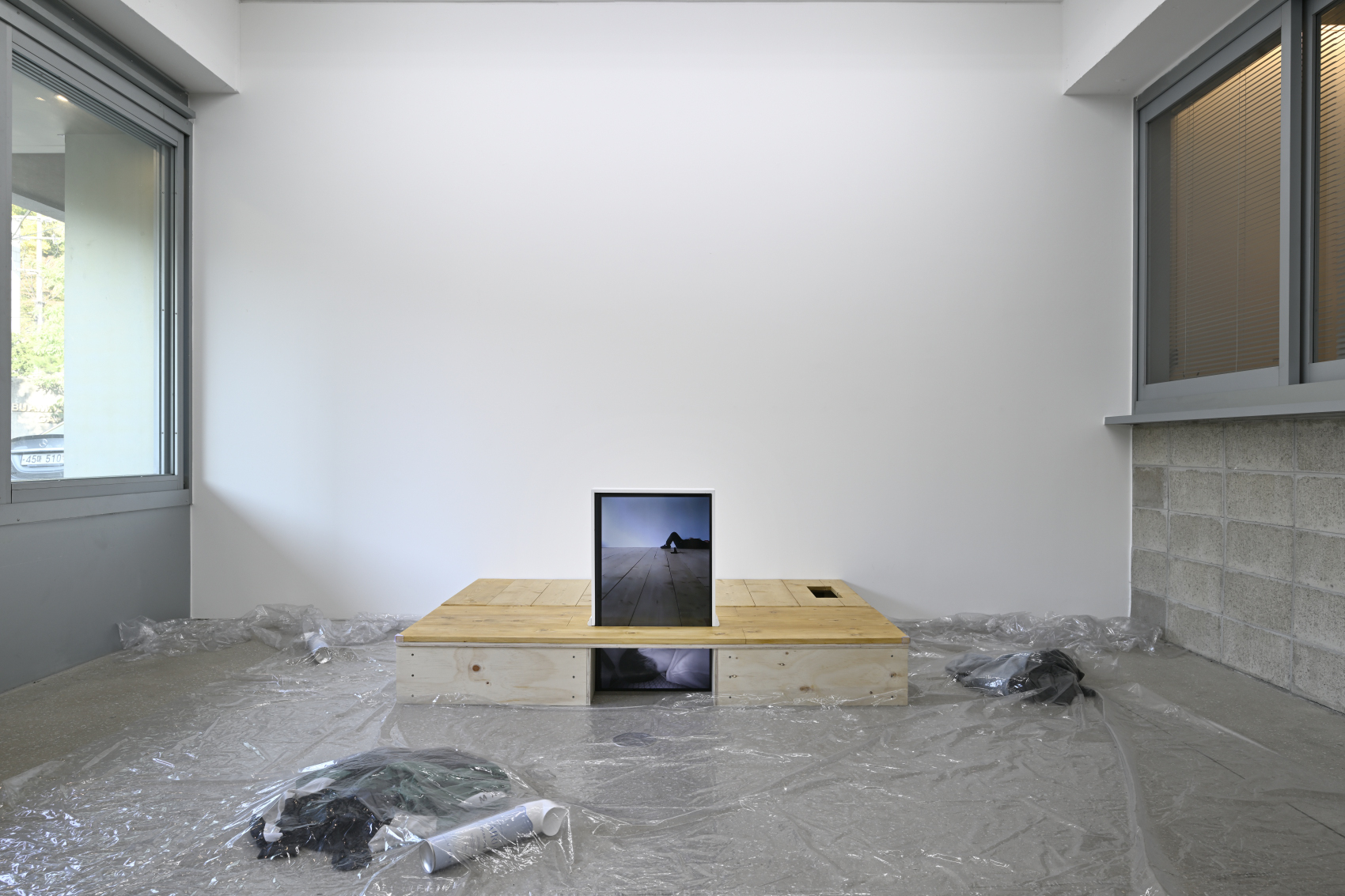
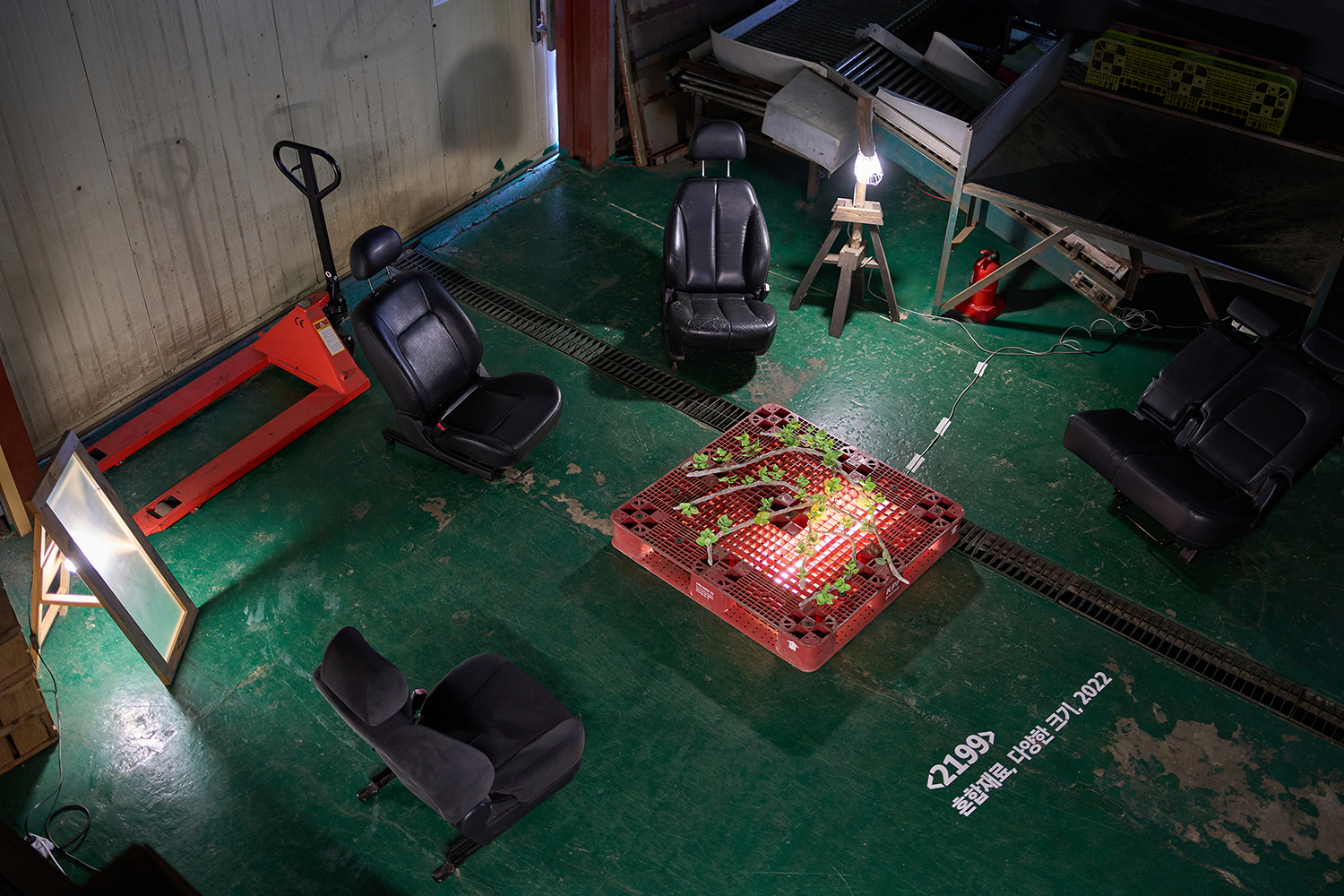
This approach has expanded to incorporate collaboration, field research, and oral documentation as integral elements of artistic production. In 《Uninvited》 (2022), Black Jaguar presented conversations with activists from Gangjeong Village, photographs of soft corals, and performance videos, making interviews and visual materials accessible through QR codes. Rather than presenting only the finished artworks, the artist incorporates the processes of relationship-building and the records accumulated through these encounters into the exhibition itself.

More recently, Black Jaguar has actively incorporated literary narratives and autobiographical documentation, developing complex exhibition formats that are further shaped by audience participation. In 《An Odd Bird》 (2025), the artist brought together painting, drawing, video, and audio recordings of poetry readings around the fiction-essay An Odd Bird: Hayeon's Story, constructing a multilayered account of personal memory and loss.

In particular, self-portraits incorporating bird-like forms and paintings of dead birds create bodily images that traverse the boundaries between human and nonhuman beings, while text and sound convey narratives beyond what is visible. A recording space within the exhibition invited visitors to record their own stories and share them directly with the artist.

In this way, Black Jaguar's practice has evolved from direct bodily performance to encompass the voices and records of others, as well as the actions of viewers, transforming exhibitions from collections of fixed artistic outcomes into spaces where experiences and narratives intersect.


Topography & Continuity

Black Jaguar's artistic practice emerged from the experimental and performance art scene in Korea in the mid-2000s and has since developed across the intersecting fields of socially engaged art, feminist art, and queer art. In the early stages of the artist's career, performances employing the artist's own body served as acts of resistance against personal suffering and social oppression, gradually expanding toward an exploration of the relationship between historical events and the lives of marginalized individuals.
In particular, Bath at Noon (2011), performed at the fountain plaza in front of the former Provincial Office in Gwangju, demonstrates how artistic actions in public spaces can intervene in social debates and collective memory. Since then, Black Jaguar has continued to explore the intersections between art and social reality, moving between performance and documentation, exhibitions and public spaces. This trajectory has developed into a practice that questions the roles and boundaries of art across museums, alternative spaces, streets, and local communities.

Despite changes in subject matter and artistic form, a consistent concern throughout Black Jaguar's practice has been the desire to bring back into view individuals whose lives have disappeared within grand historical and social narratives. Seven Clocks (2013), addressing the May 18 Democratization Movement, and 《VEGA》 (2016), commemorating the Sewol ferry disaster, sought to confront collective tragedies through specific faces, voices, objects, and memories rather than allowing them to remain anonymous historical events.

Subsequently, 《Sunyoung, Miyoung, Mi young》 (2017) shifted the focus toward the everyday experiences of women, connecting the artist's longstanding engagement with historical violence to questions of gender and identity.

Across different periods and events, Black Jaguar has thus continued to ask how lives excluded from institutional records and dominant social perspectives might be made visible again. In the artist's work, the past does not exist as a completed event but as a temporal experience continually reinterpreted through present relationships and encounters.

Beginning with performative works centered on the individual body, Black Jaguar has gradually expanded the scope of artistic practice toward collaboration and collective engagement. Performances involving queer people, migrants, refugees, and other marginalized individuals in Berlin and Seoul explored the possibility of different bodies sharing a space and forming relationships, rather than merely representing the experiences of others as artistic subjects.

This approach became more concrete in 《Uninvited》 (2022), through encounters with women activists in Gangjeong Village, incorporating local history, ecology, and everyday practices of care into the collaborative process.

Moving between domestic and international exhibitions, residencies, and community-based projects, the artist has increasingly focused not only on the completion of individual artworks but also on the processes through which relationships among participants, places, and communities are sustained. Black Jaguar's artistic practice thus continues to evolve beyond fixed forms and locations, establishing connections with diverse lived experiences and social contexts.

In recent years, Black Jaguar's attention has turned from the lives of others and broader social events toward the artist's own history, prompting a reconsideration of earlier works within new contexts.

《An Odd Bird》 (2025) reconstructed the longstanding concerns of loss, vulnerability, and mourning through the artist's personal narrative and the death of the artist's mother. In 《Unfinished Sentences》 (2026), Black Jaguar revisited the earlier work Seven Clocks, seeking to expand its meaning through new encounters and relationships formed over time.

These developments demonstrate that the artist's practice is not confined to isolated events or concerns associated with particular periods, but remains open to new experiences and relationships as time passes. Throughout the evolution from bodily resistance to collaboration with others, and more recently to the exploration of personal narratives and care, Black Jaguar has consistently questioned how art might create possibilities for different beings to encounter one another and coexist.

Works of Art

Art Reviving the Forgotten and Overlooked

Articles

Exhibitions

Activities