Mi-jung
SHIN works primarily with video and archival installation. At the foundation of
this practice is fieldwork, through which she spends extended periods of time
in specific locations researching people and places. When beginning a project,
SHIN often moves to the region itself, meets local residents, and collects
interviews, private records, photographs, letters, maps, diaries, newspapers,
and administrative documents.
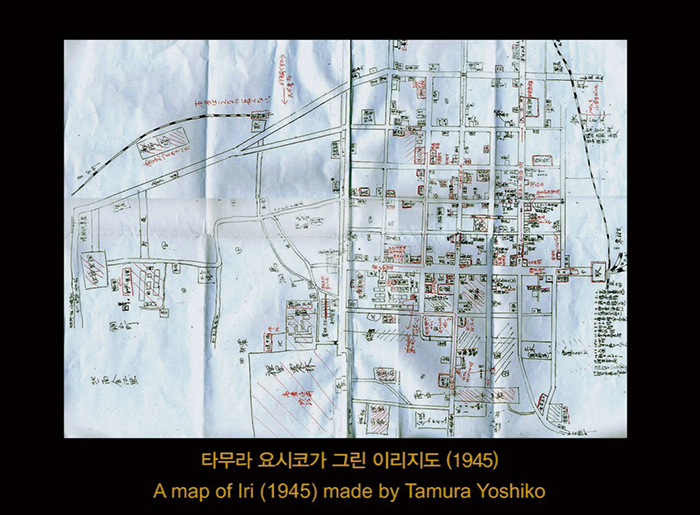
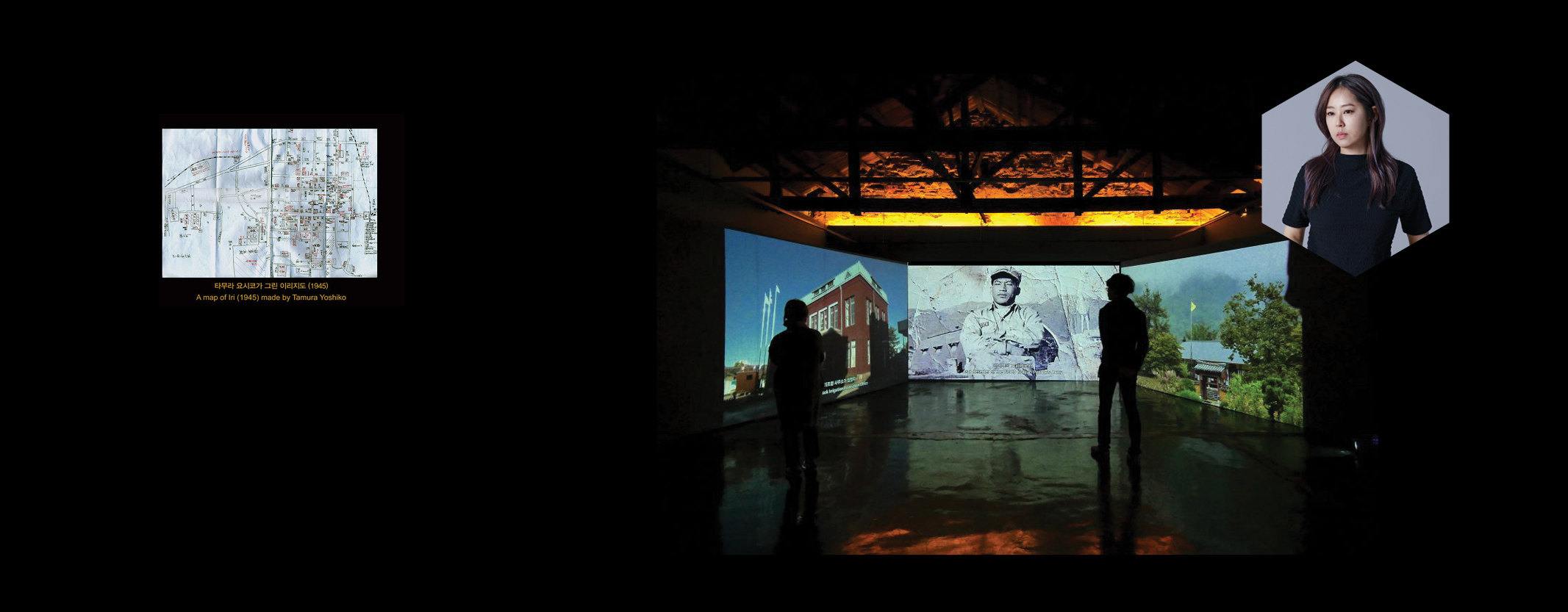
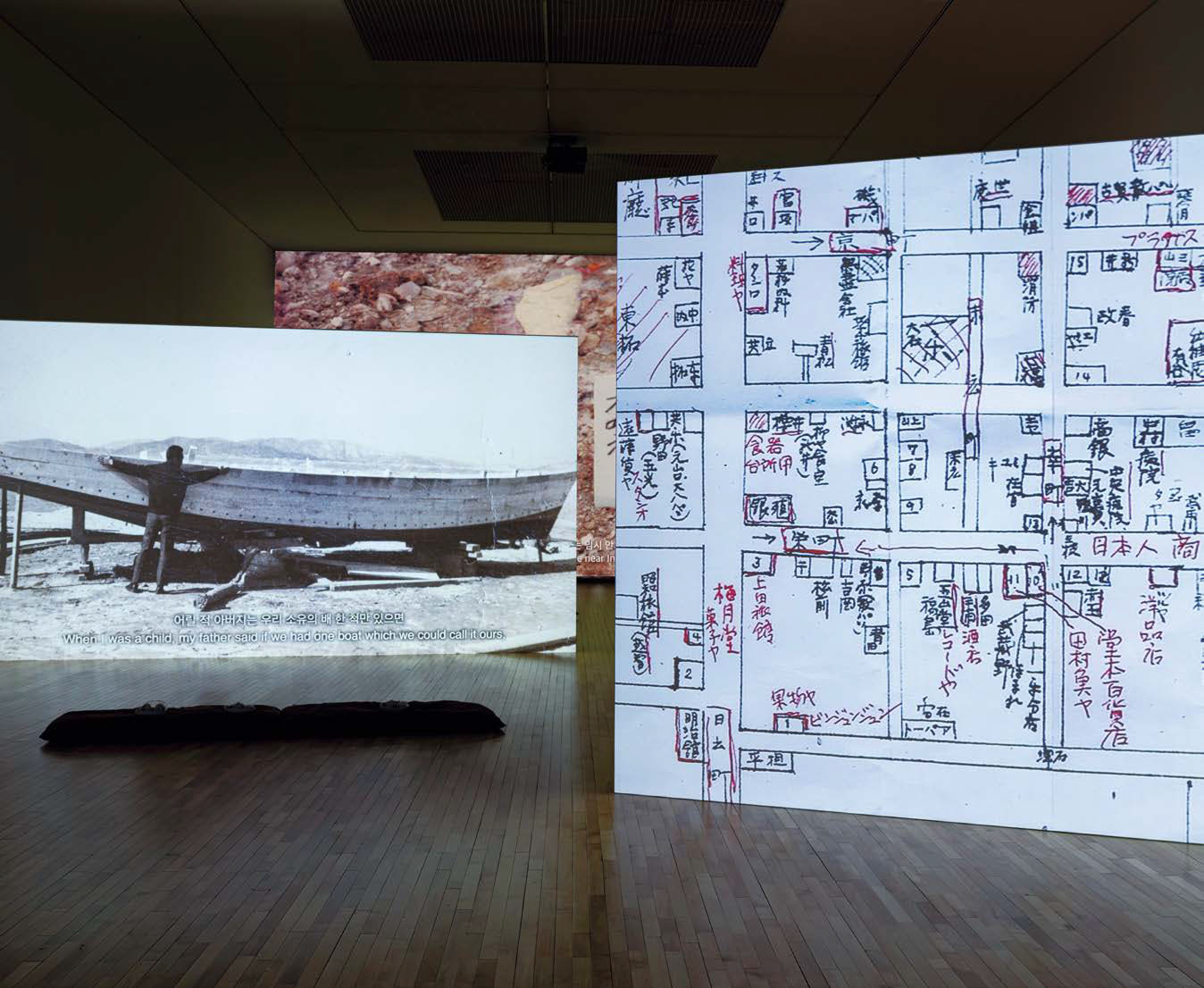
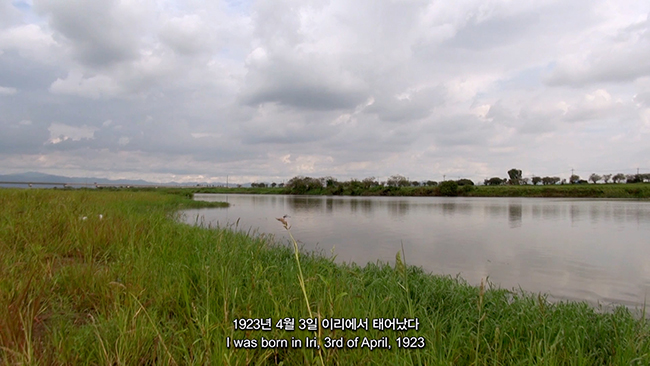
In Colony/Memory, a map of Iri
drawn entirely from Yoshiko Tamura’s memory becomes central to the narrative,
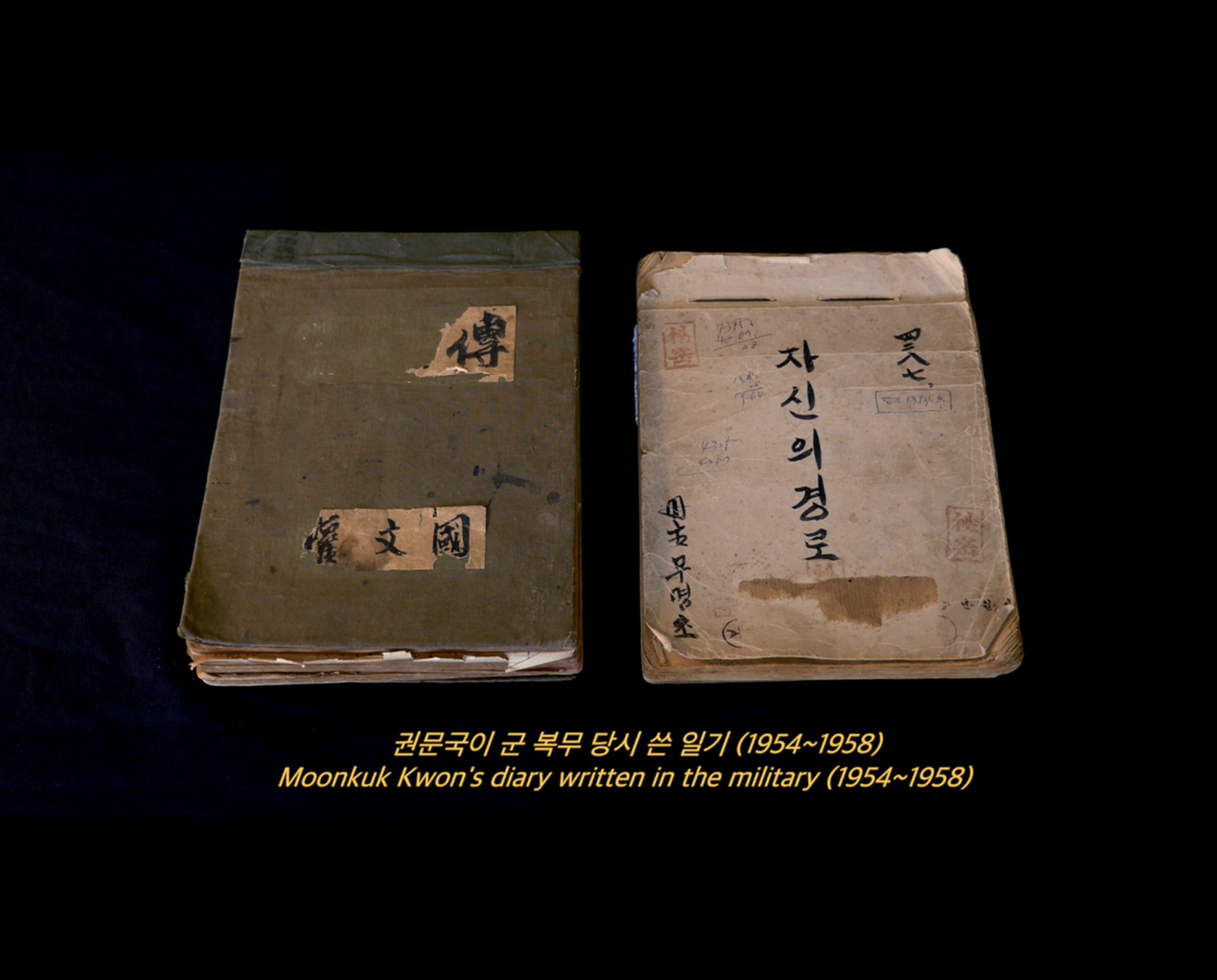
while in Path of My Life, Gwon Mun-guk’s diary from the war
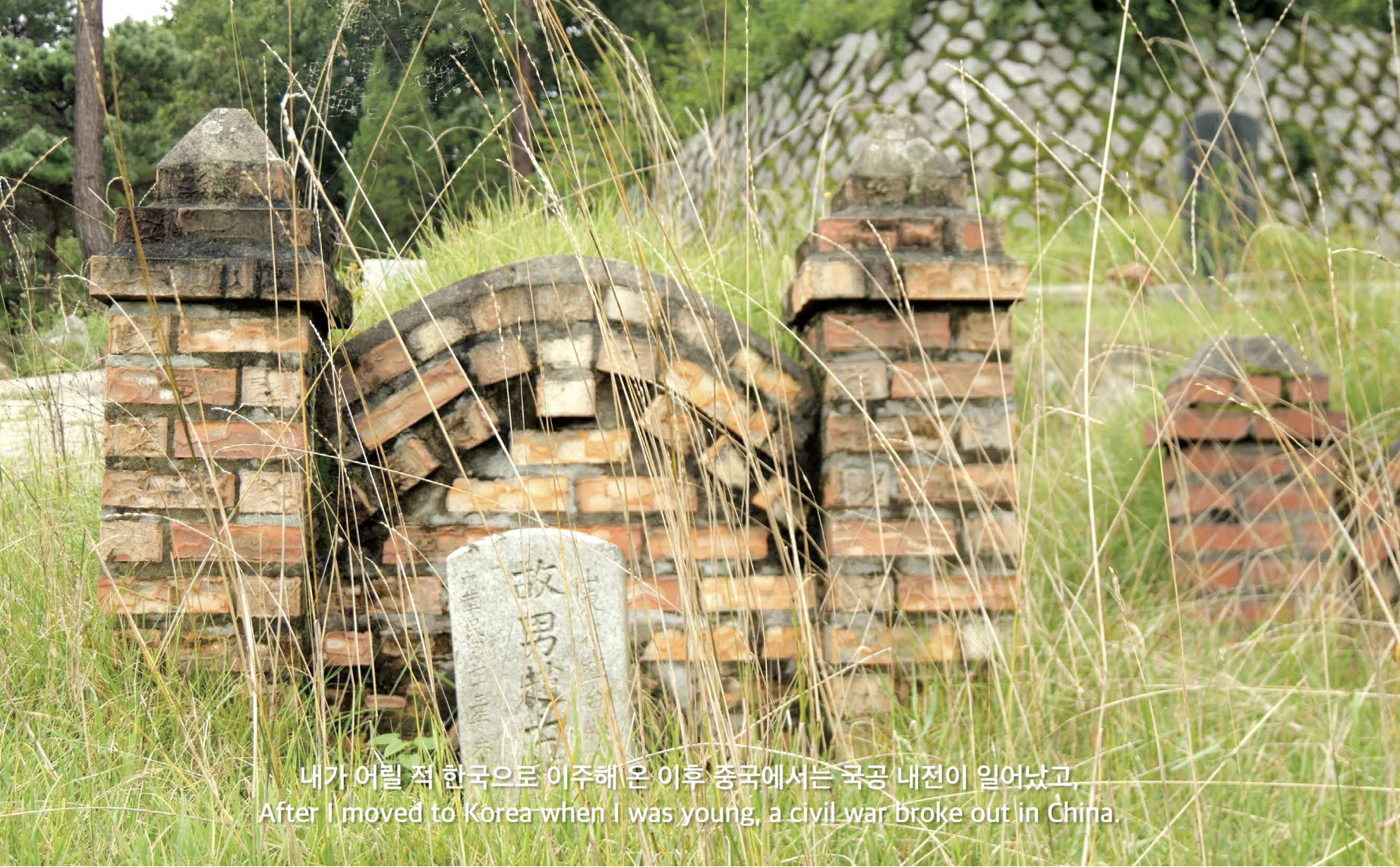
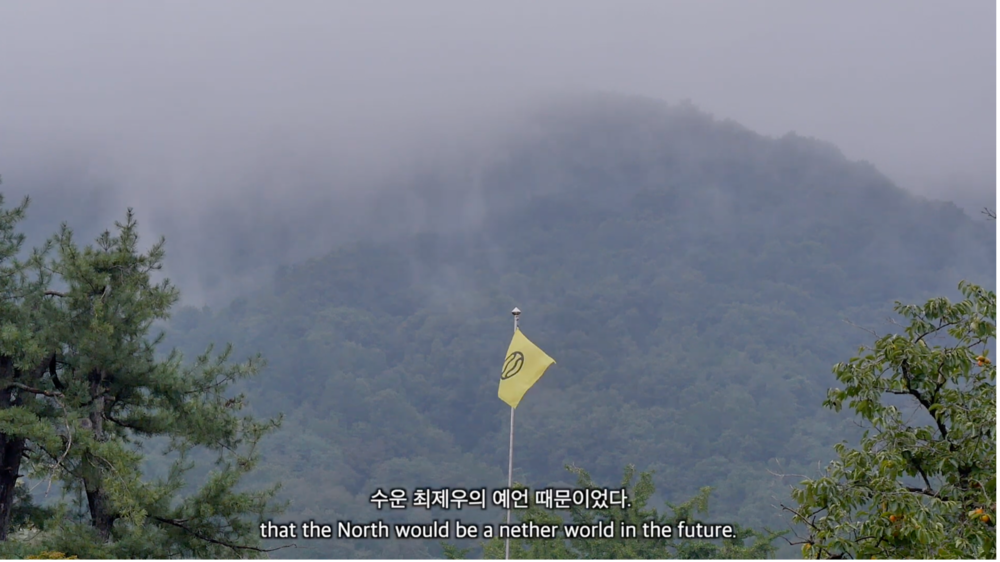
and his military service is reread through his own voice. In The Way
of Faith, records from the Suwoongyo religious community are placed
alongside the livelihood and migratory history of an individual. SHIN’s archive
does not simply organize existing historical sources; instead, it places
personal materials that were rarely treated as significant in official records
alongside history itself.
In her
videos, present-day landscapes play a role as important as interviews and
narration. In Path of My Life, the waves, grass, insect
sounds, and natural landscapes of Sokcho do not directly reproduce Gwon
Mun-guk’s loss of his hometown, but instead become a space that receives and
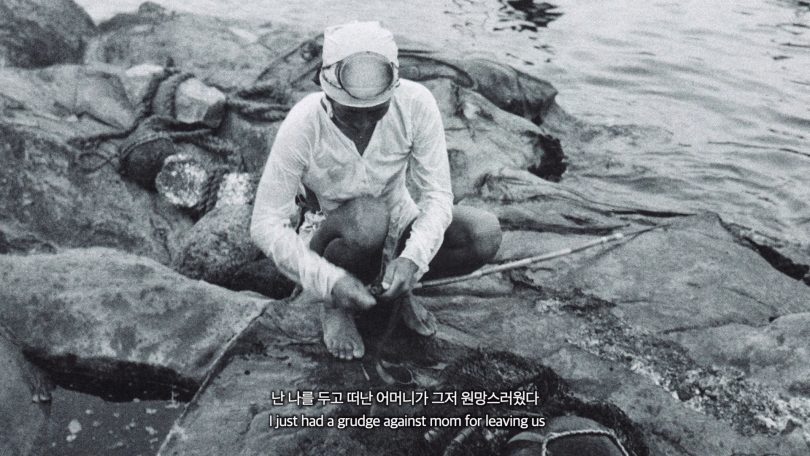
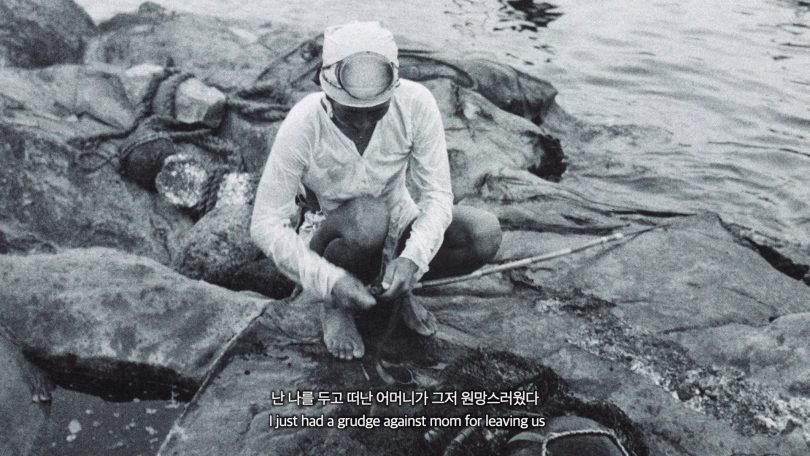
holds that emotion. In Leaving Hometown, the sea is not
presented as a tourist landscape, but as a site of labor and survival for a
haenyeo who migrated from Jeju to Ulsan.
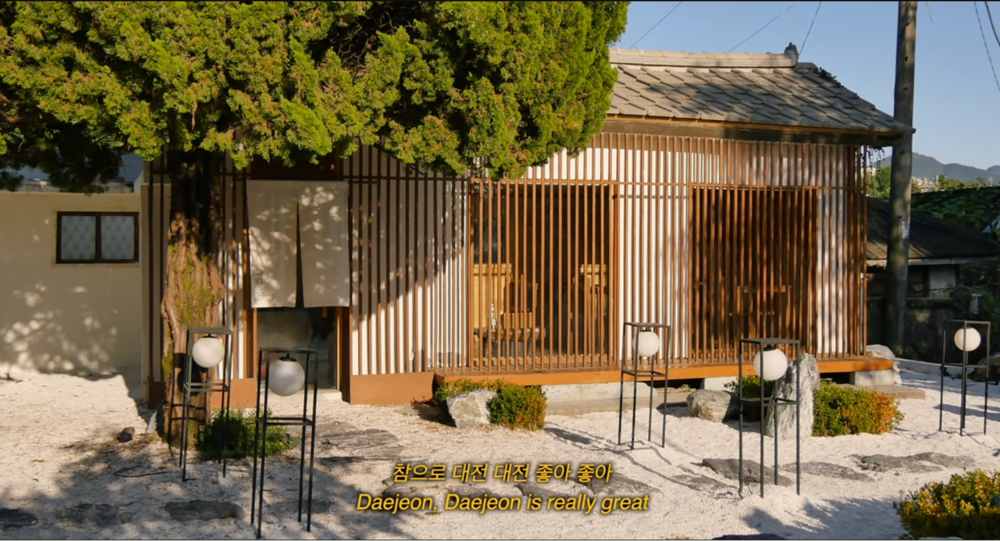
In Daejeon Station,
present-day Soje-dong, the railway residences, trains, and the city stand in
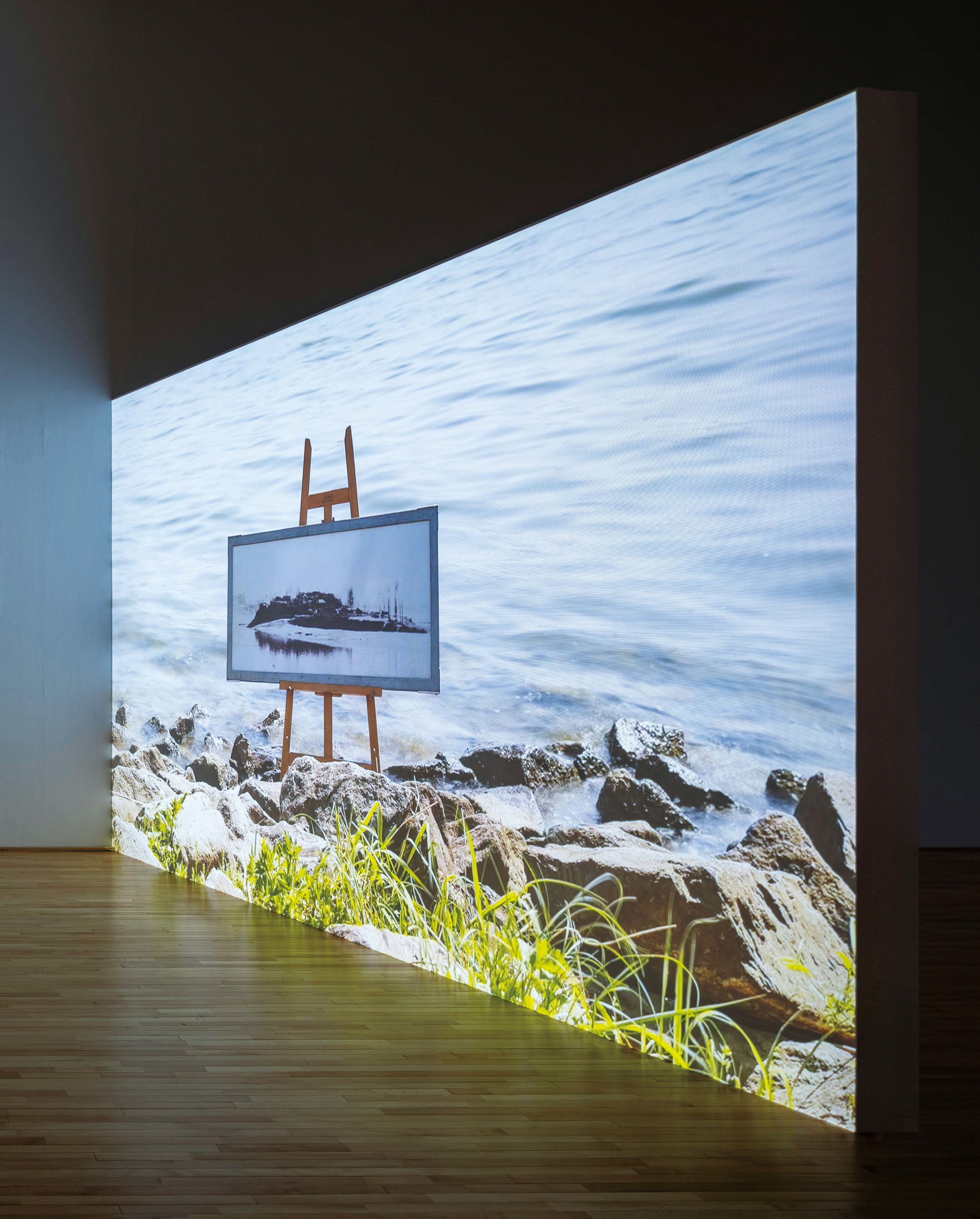
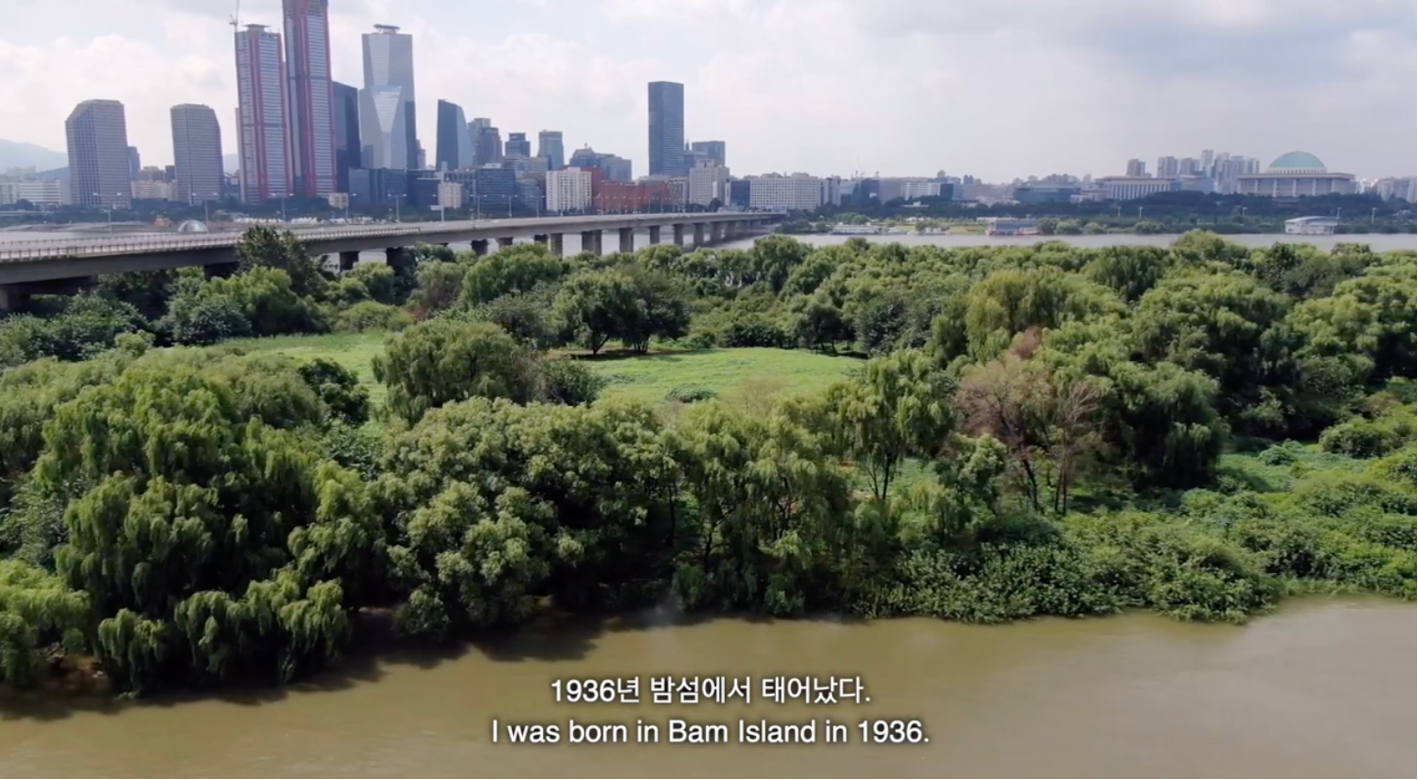
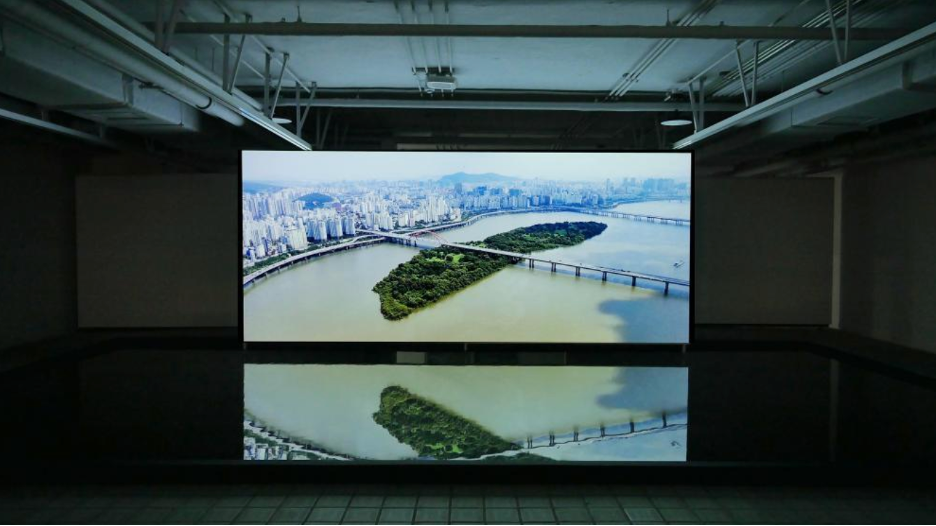
for a vanished past, while in Yul-do(栗島), the current landscape of Bamseom holds both an
individual’s memory and the history of urban development. An important formal
characteristic of SHIN’s video practice lies in accepting that past events
cannot be reenacted or fully restored, and instead allowing the past to be
sensed indirectly through the landscapes that remain in the present.
The artist
has also deliberately restrained the use of music that directly guides emotion.
Voices, waves, wind, rustling grass, and surrounding environmental sounds make
up the primary soundtrack of her videos, leaving room for viewers to judge and
feel the images through their own experiences rather than being led toward a
predetermined emotion.
The archives presented alongside the videos further
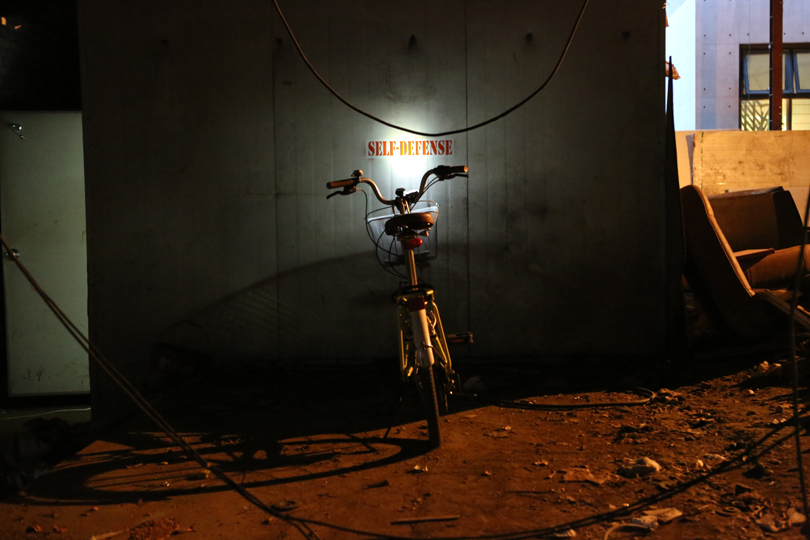
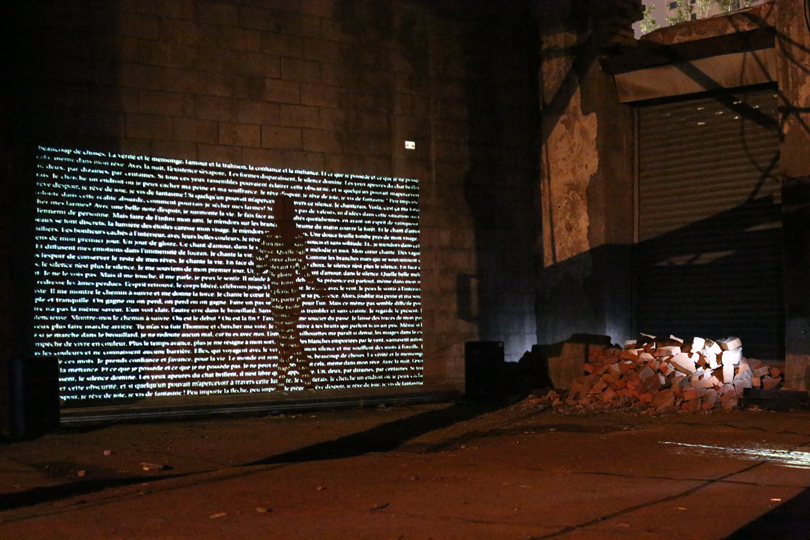
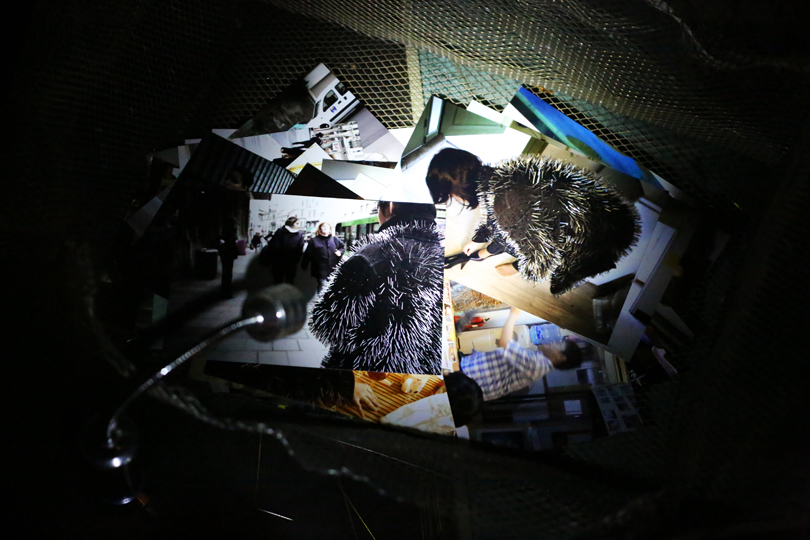
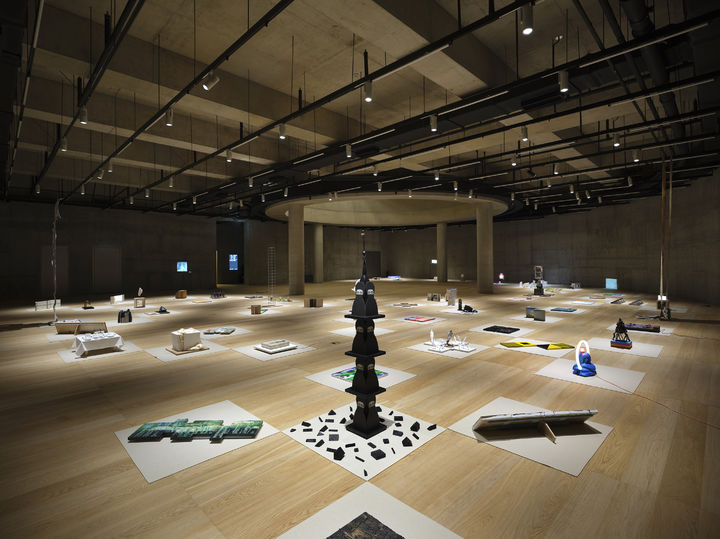
support this approach. In 《City × Island ×
Archive》, private materials belonging to former Bamseom
residents were exhibited together with newspapers, news footage, satellite
images, and official documents, presenting a single place as a layered
structure of different records.
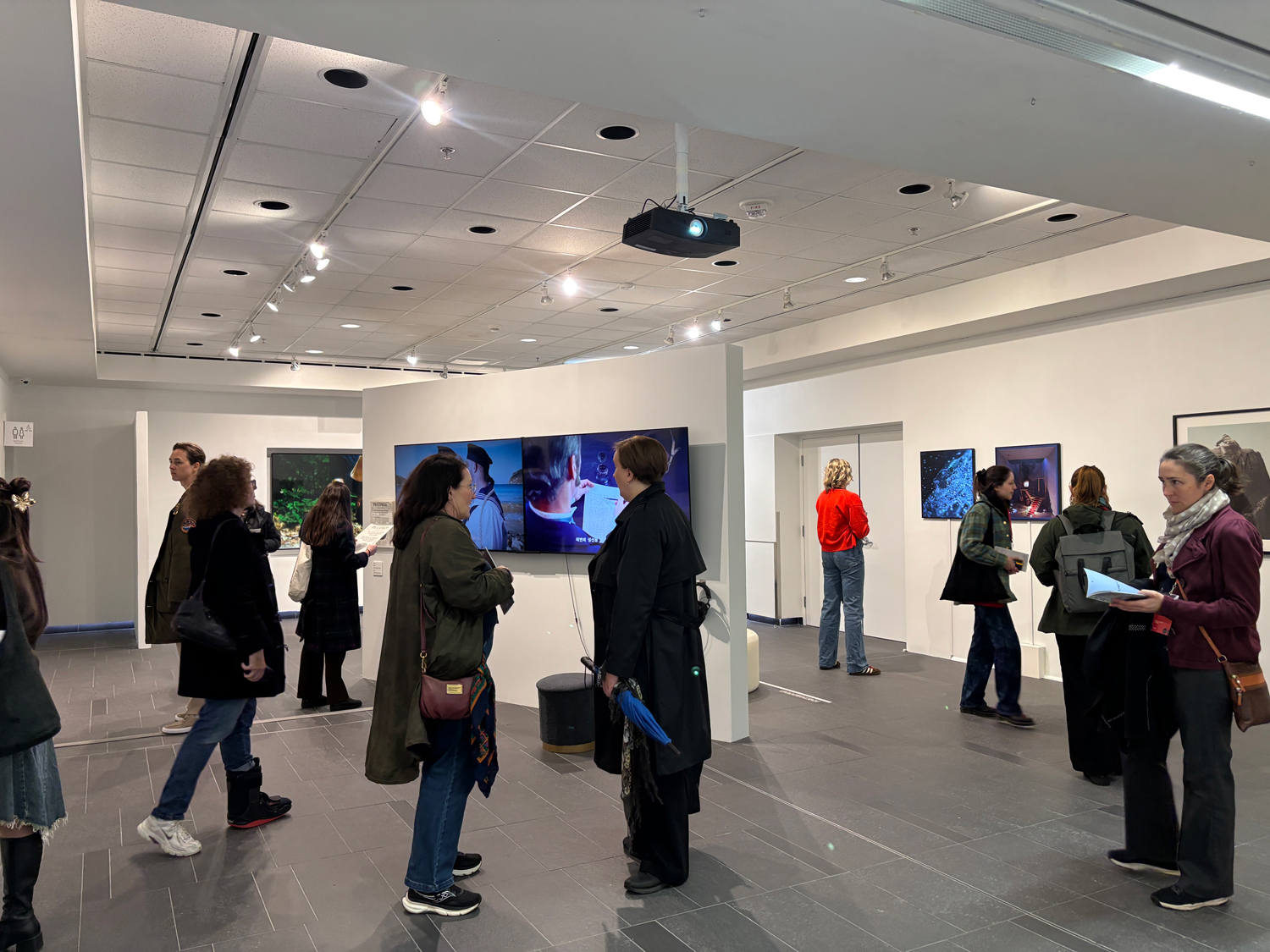
In 《Three Voices, a
World Unveiled》(Pohang Museum of Steel Art, Pohang,
2024), personal memory, place, and national history likewise intersect through
materials and moving images operating on different levels. Video and archive
are therefore not positioned so that one proves the other, but rather so that
each reveals the gaps in the other.
In
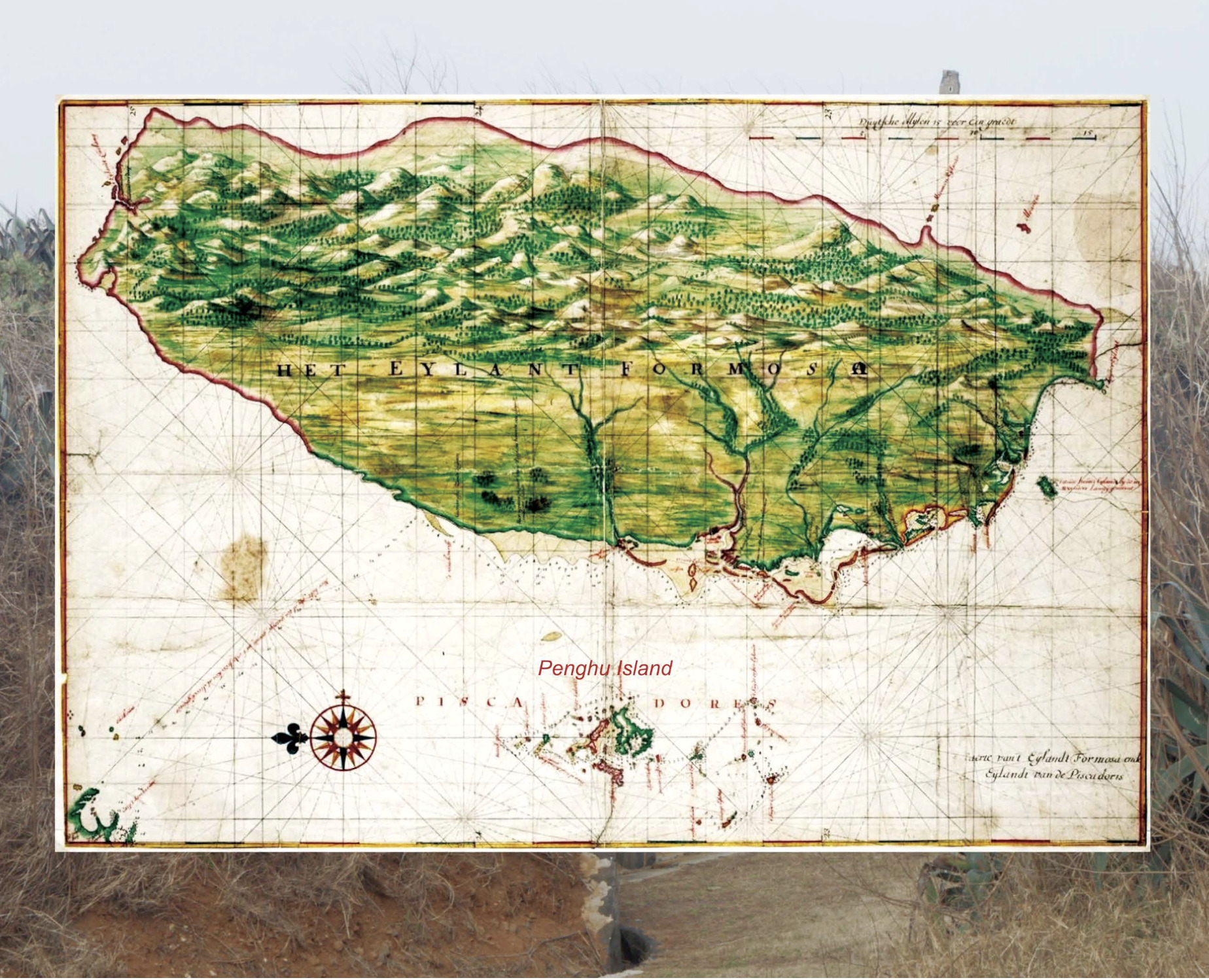
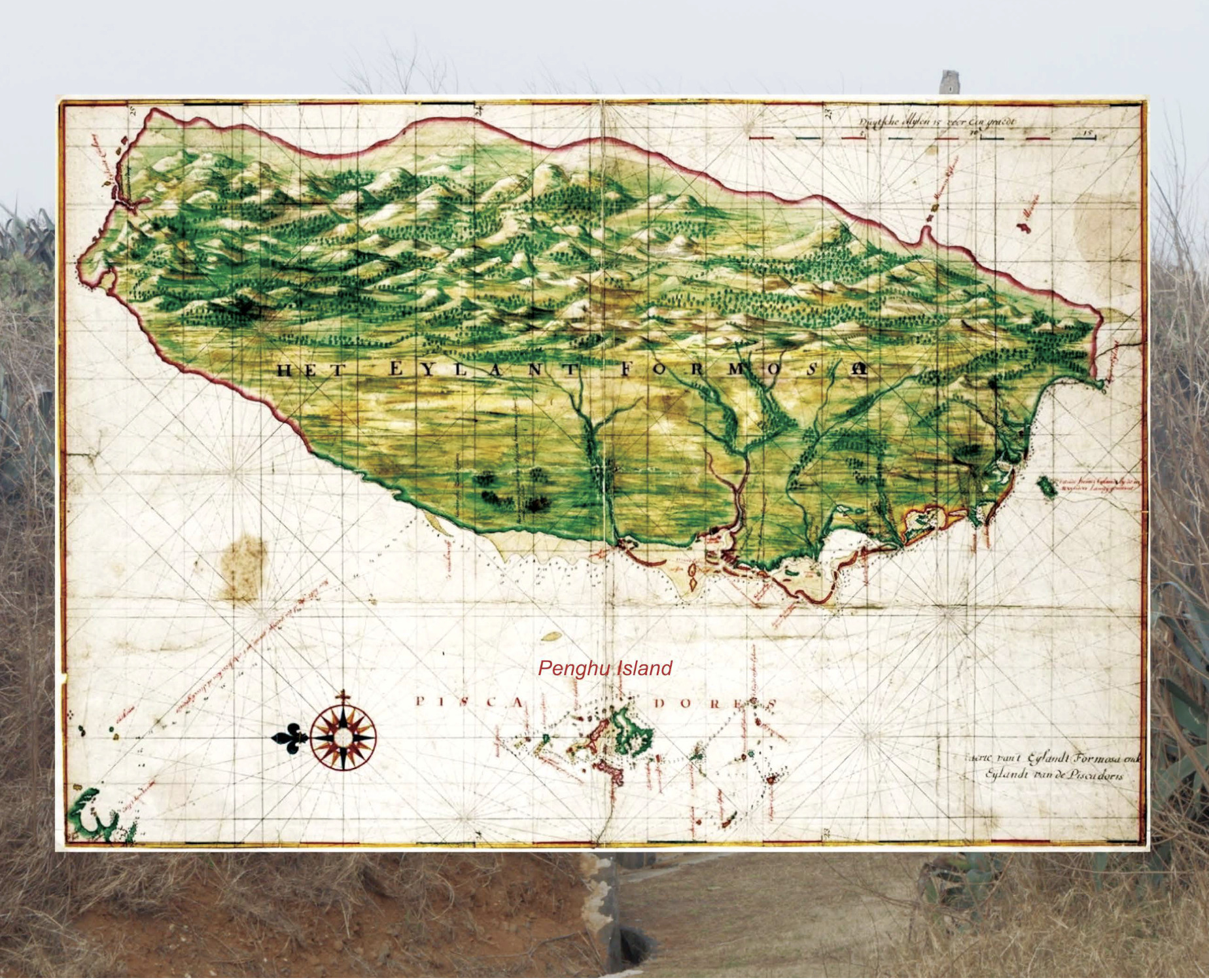
Penghu Island, this moving-image language shifts further.
The specific first-person testimony that had previously led her works
disappears, while empty land, aging buildings, negative images, and sound take
the place of the absent event. This gap is connected not simply to a lack of
archival material, but to the ethical question of how far an artist can speak
on behalf of the life of someone who has already died.
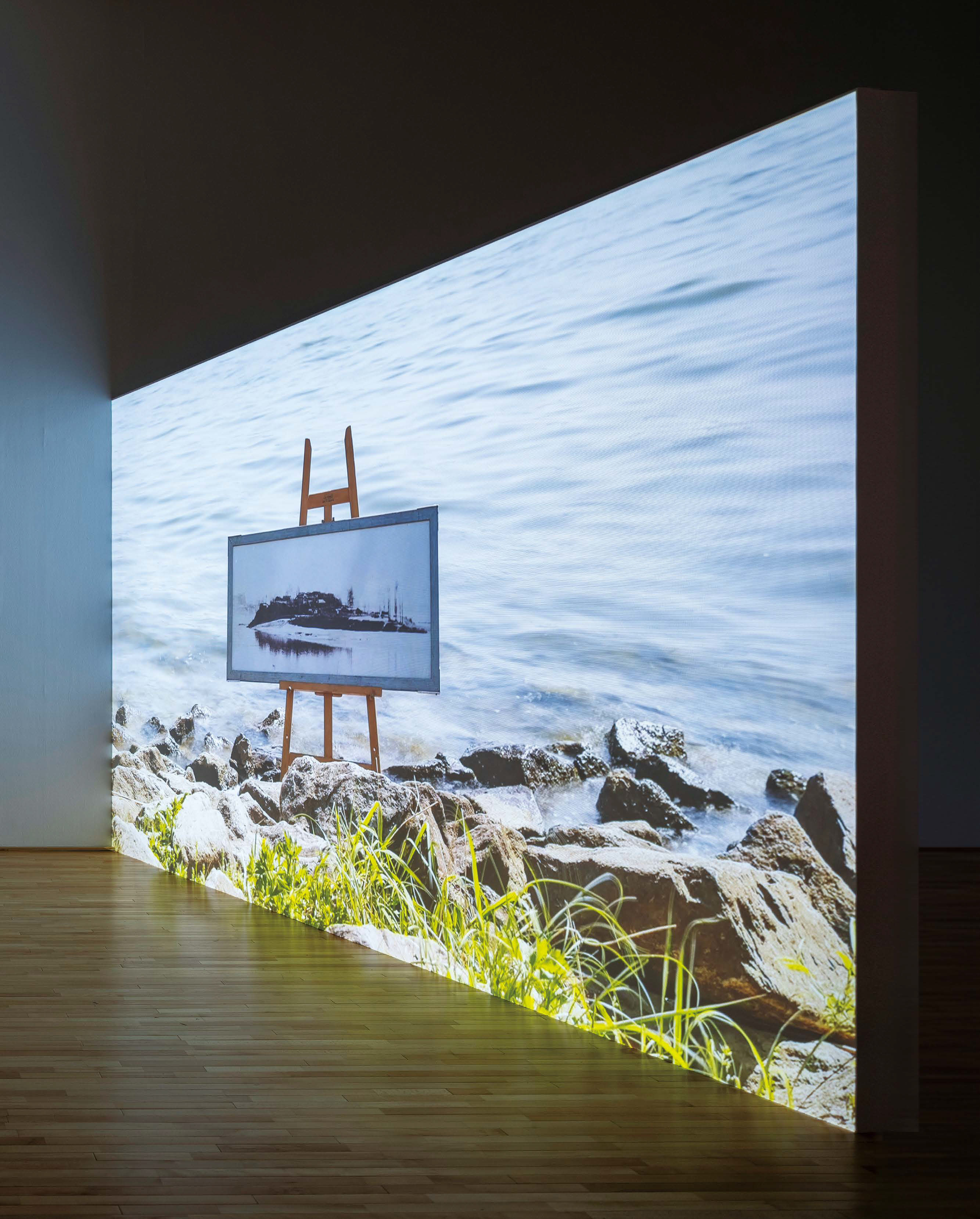
In An Island
Once Again, the regenerated ecology of Bamseom and the transformation
of the land come to the foreground in place of human testimony. Beginning with
video archiving that carefully recorded individual voices, SHIN’s recent work
has expanded toward an experiment in whether silence, empty images, and changes
within nature itself can also function as forms of testimony.